



Regions of Ruin: Runegate Review – Dwarven Action-RPG with Ambition
A heartfelt sequel that blends action-RPG combat, settlement-building and a built-in editor—brilliant in ideas, rough around the edges. For fans of cozy brutality and mod-friendly tools.
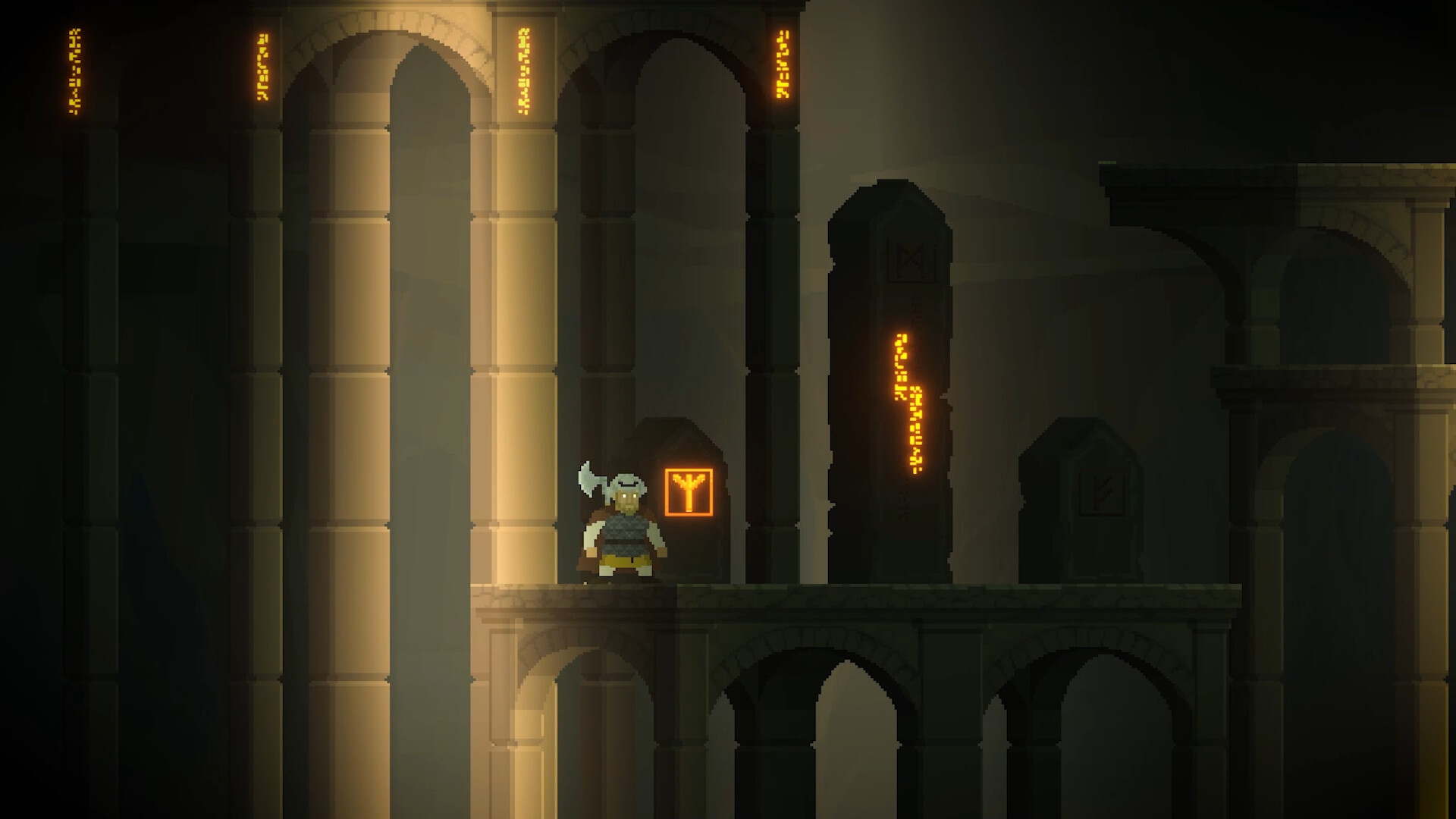
I came for the dwarves and stayed for the pickaxes. Regions of Ruin: Runegate is the sort of indie sequel that wants to do many things at once: hack-and-slash action, town management and a community Editor. It rarely feels generic — the world has character and the low, gruff humor lands — but the pile of systems also shows its seams. Early on I got stuck on a jumping puzzle in a foggy cavern (Fenri’s Puzzle) and laughed/annoyed in equal measure; moments like that show both charm and rough edges.
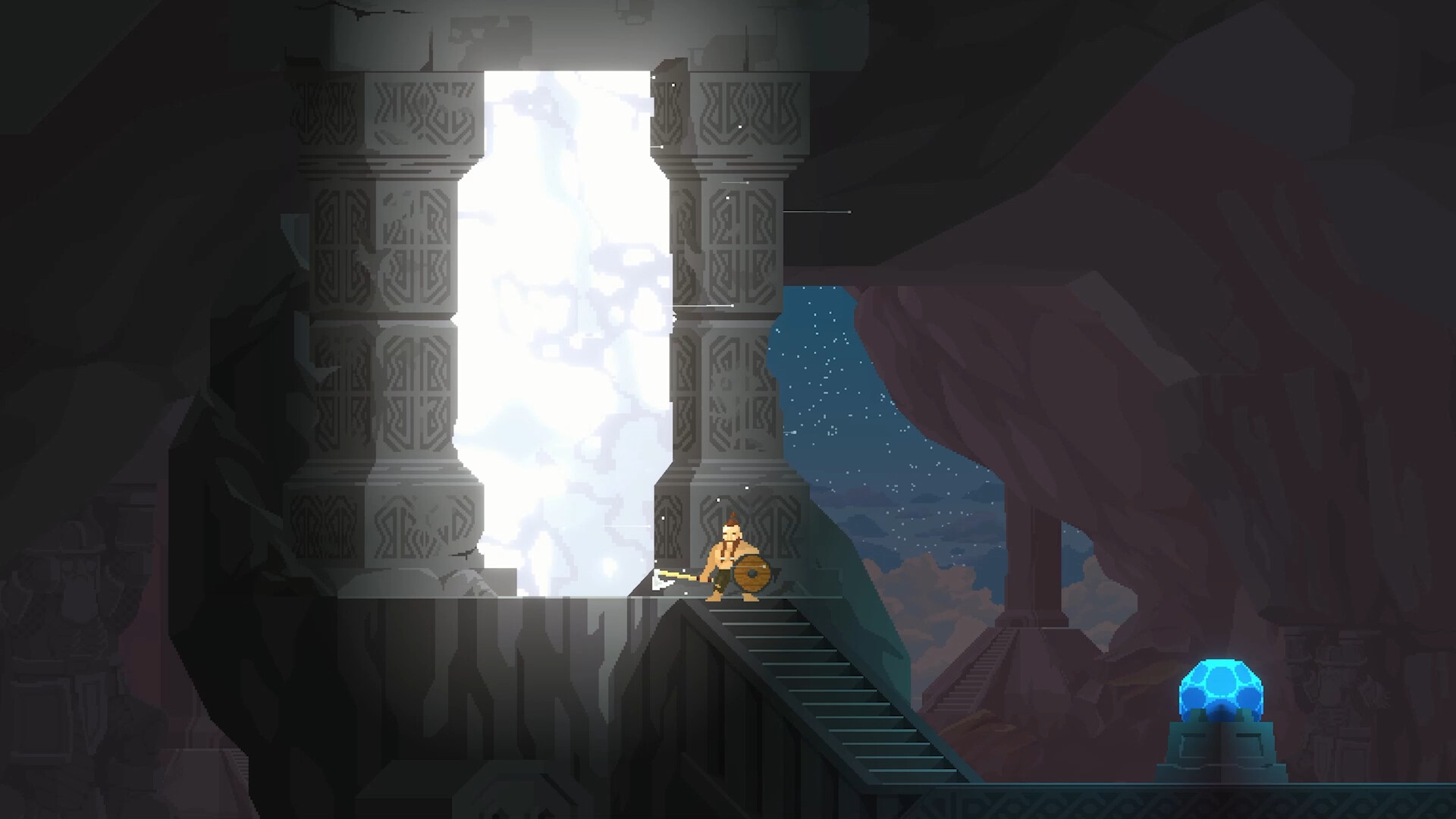
Delving and Defending the Runegate
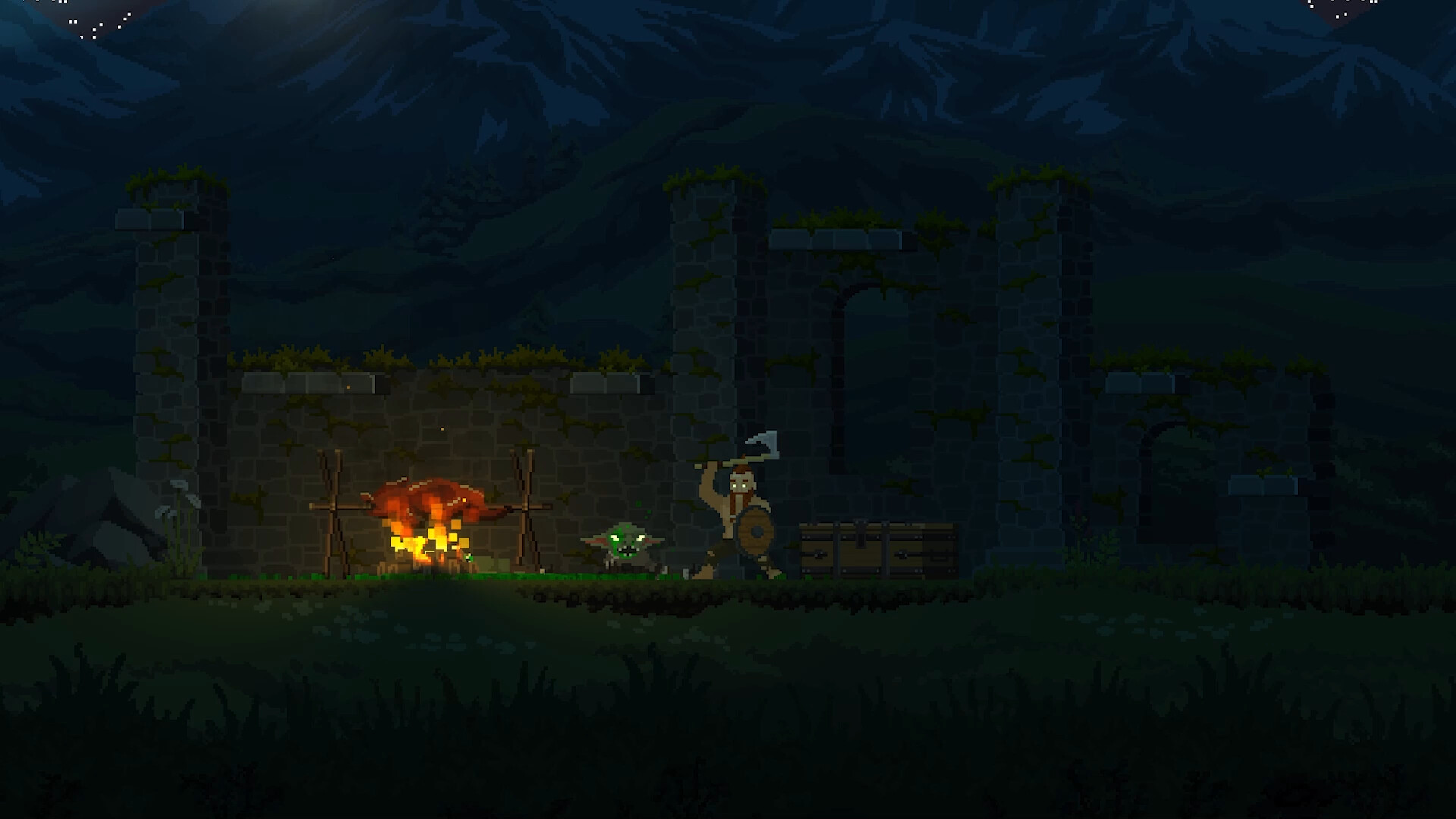
Combat in Runegate leans into deliberate, tactile encounters rather than button-mash spectacle. You swap between spears, axes, bows and throwing weapons depending on the fight, and the enemy behavior makes you rethink the same approach: goblins will swarm if you stand still, archers kite from range and certain minibosses create zones that punish melee. I found the spear-versus-shield encounter especially satisfying — a slow, push-and-feint dance where timing a parry and backing off felt rewarding. Outside of fights you’re scavenging ore veins, rescuing dwarven NPCs and dragging timber back to your growing camp.
Forge, Editor and the Living Camp
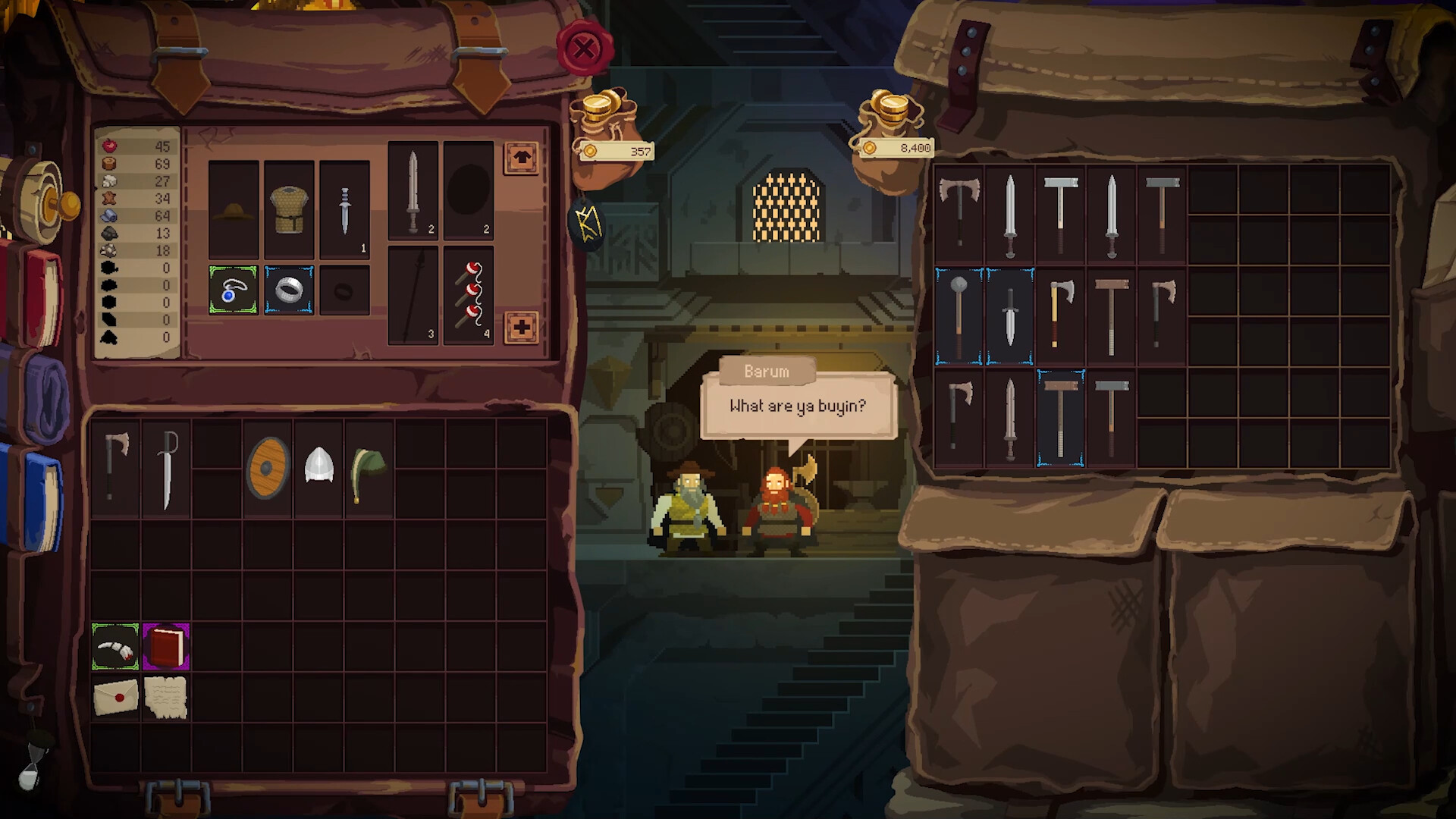
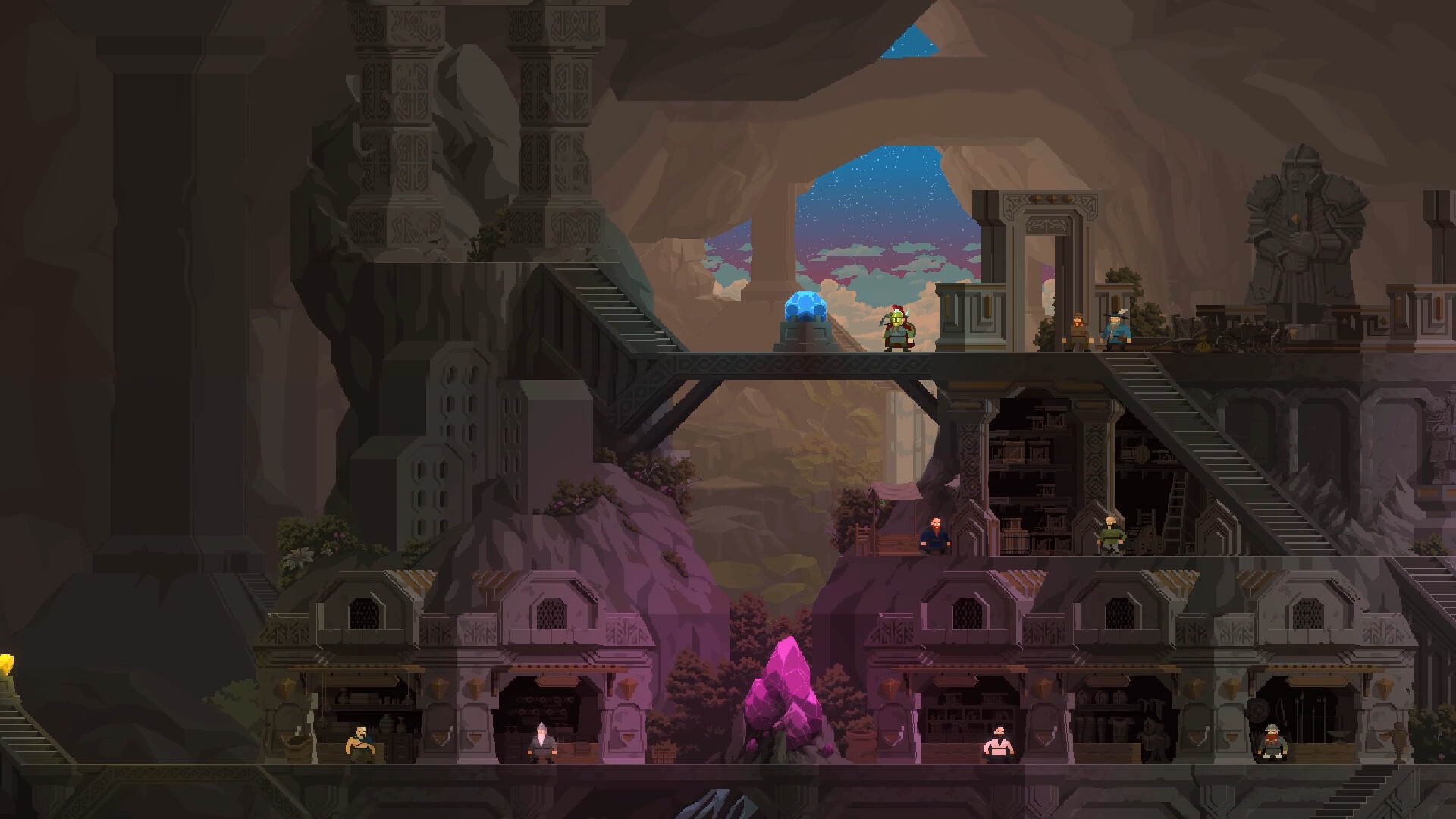
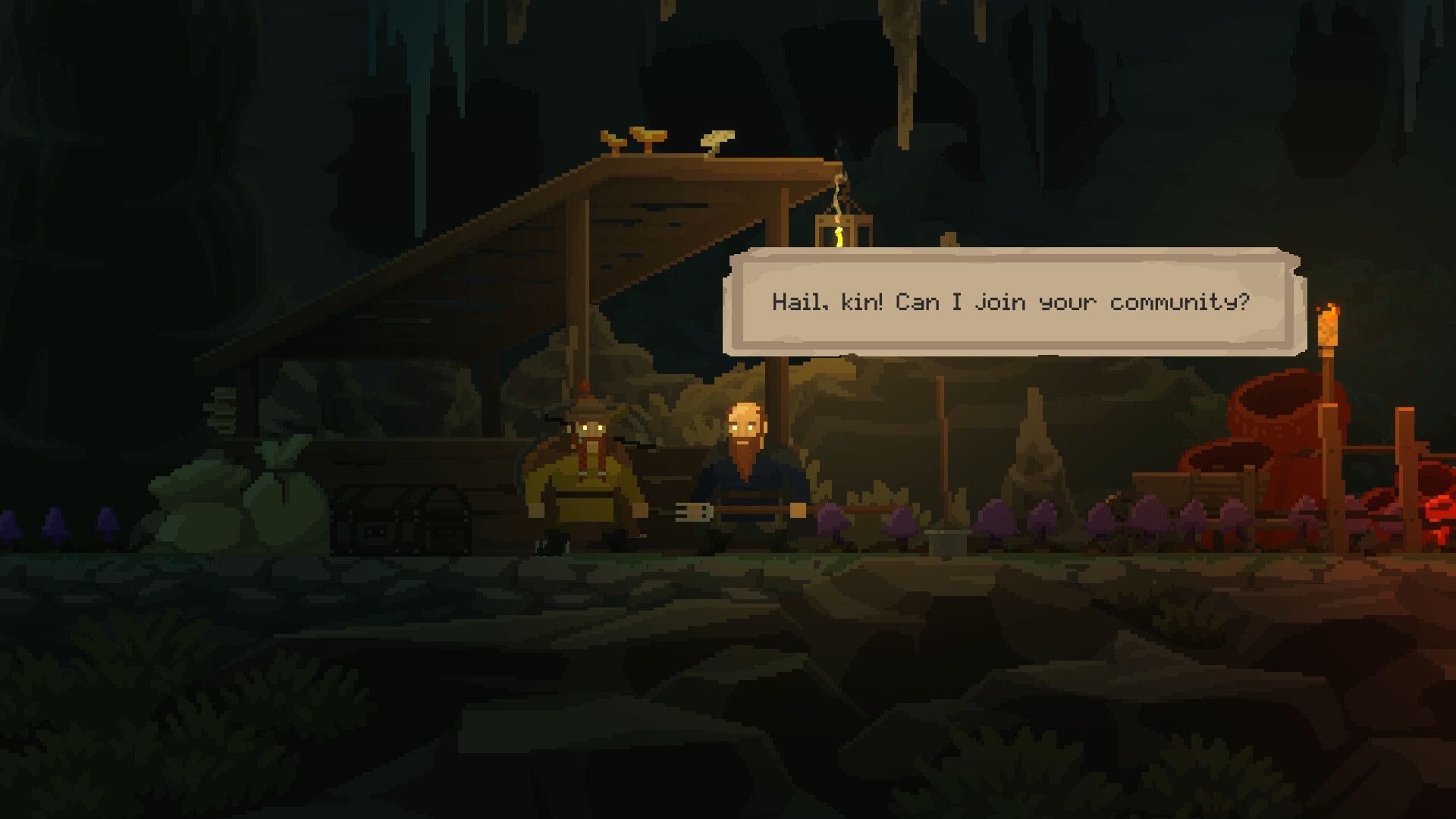
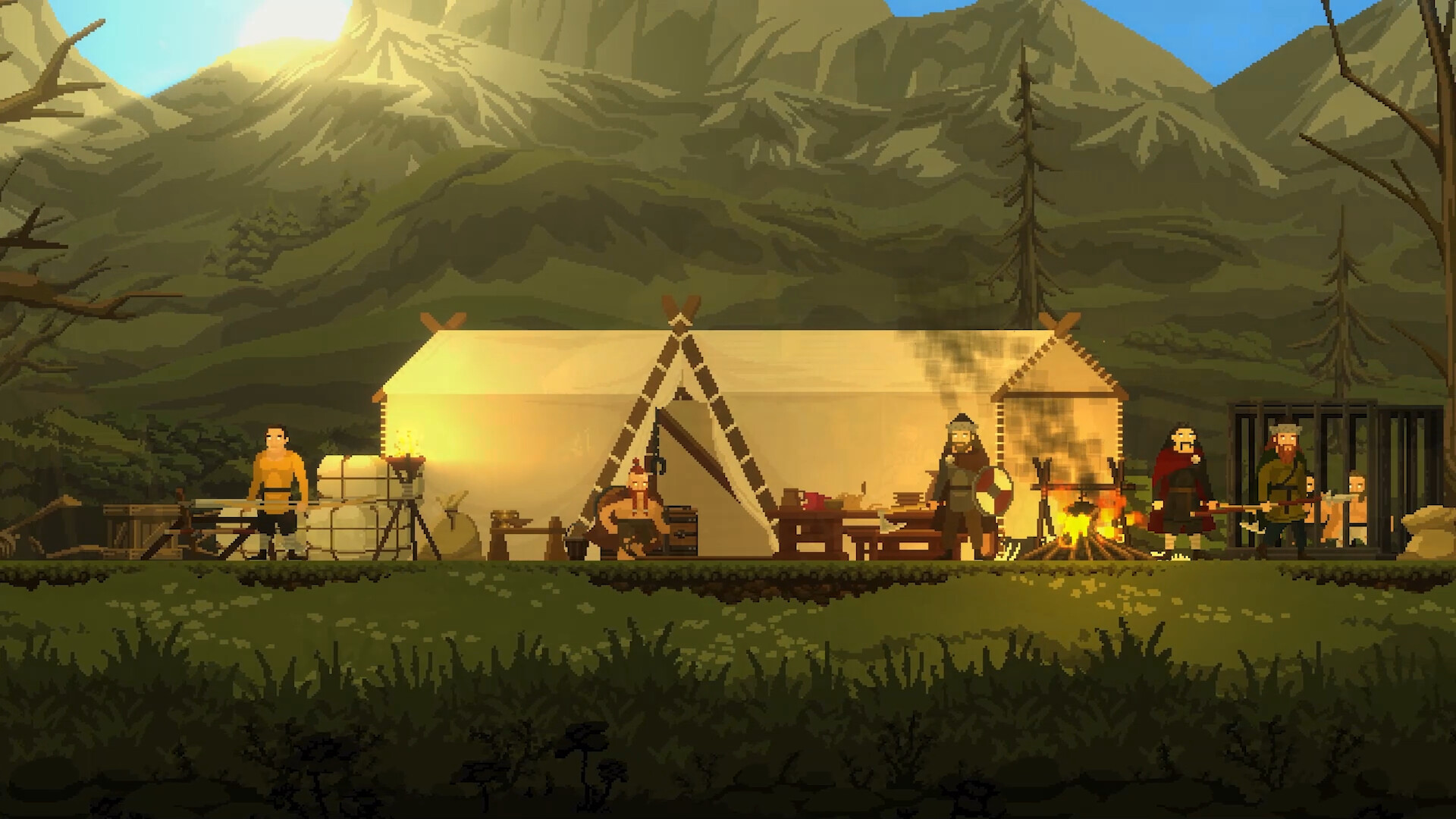
The settlement loop is the glue: recruit survivors, unlock tech and place buildings that permanently alter how you prepare for adventures. The Editor Tool is the most intriguing part — it’s literally the same map-building tool the devs used for the campaign, meaning community maps can be as substantial as official ones. I played a community “Gauntlet of the Deep” map that forced me to think stealth-first; it changed how I used my skill tree for the better. Crafting is layered: items can be disenchanted for blueprints, and attunement systems reward repeated crafting until you can reliably roll high-tier gear. That interplay—build your town, craft better gear, then test your choices in custom maps—gives the game longevity.
Pixel Soul, Soundtrack and Performance Quirks
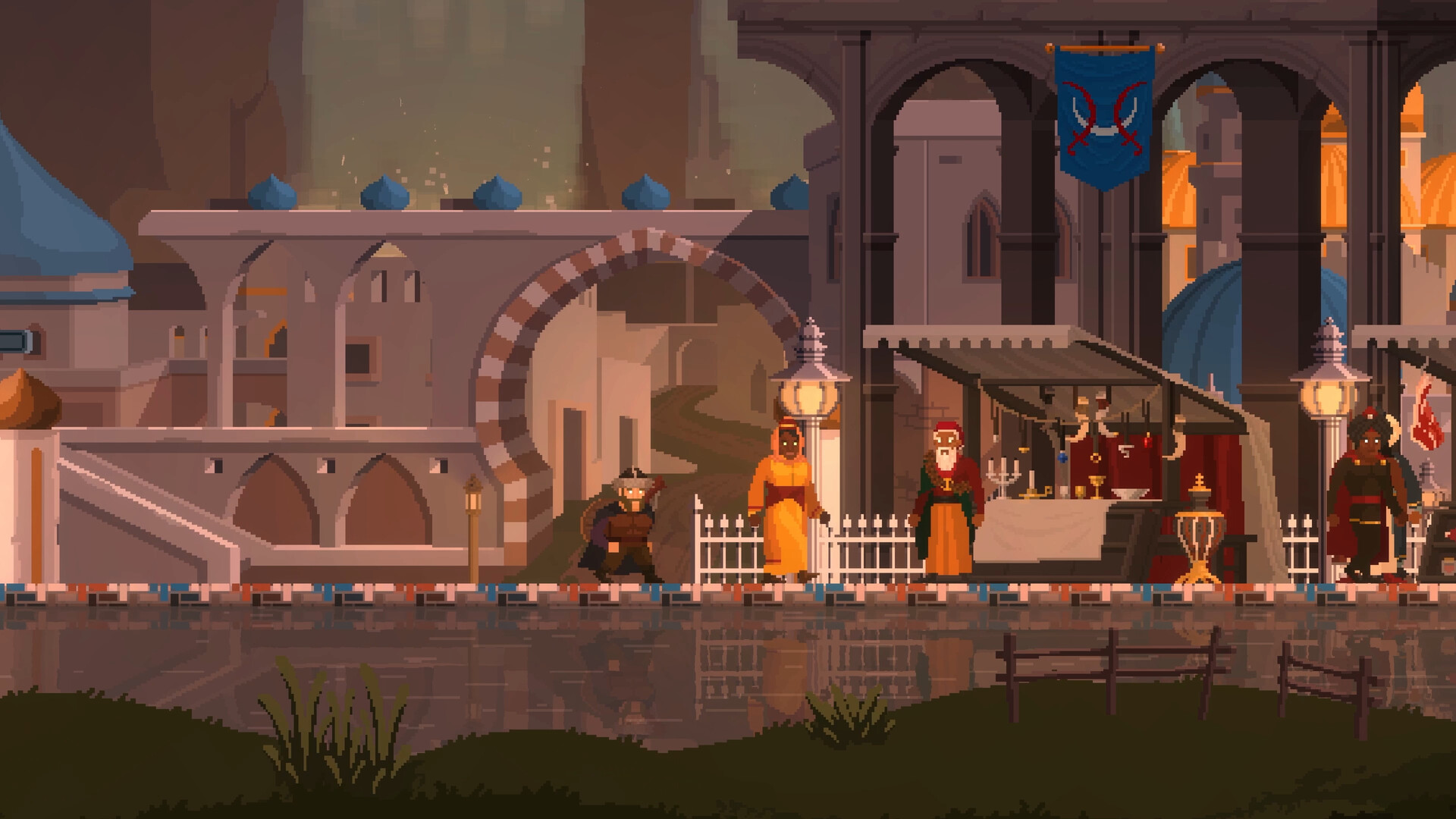
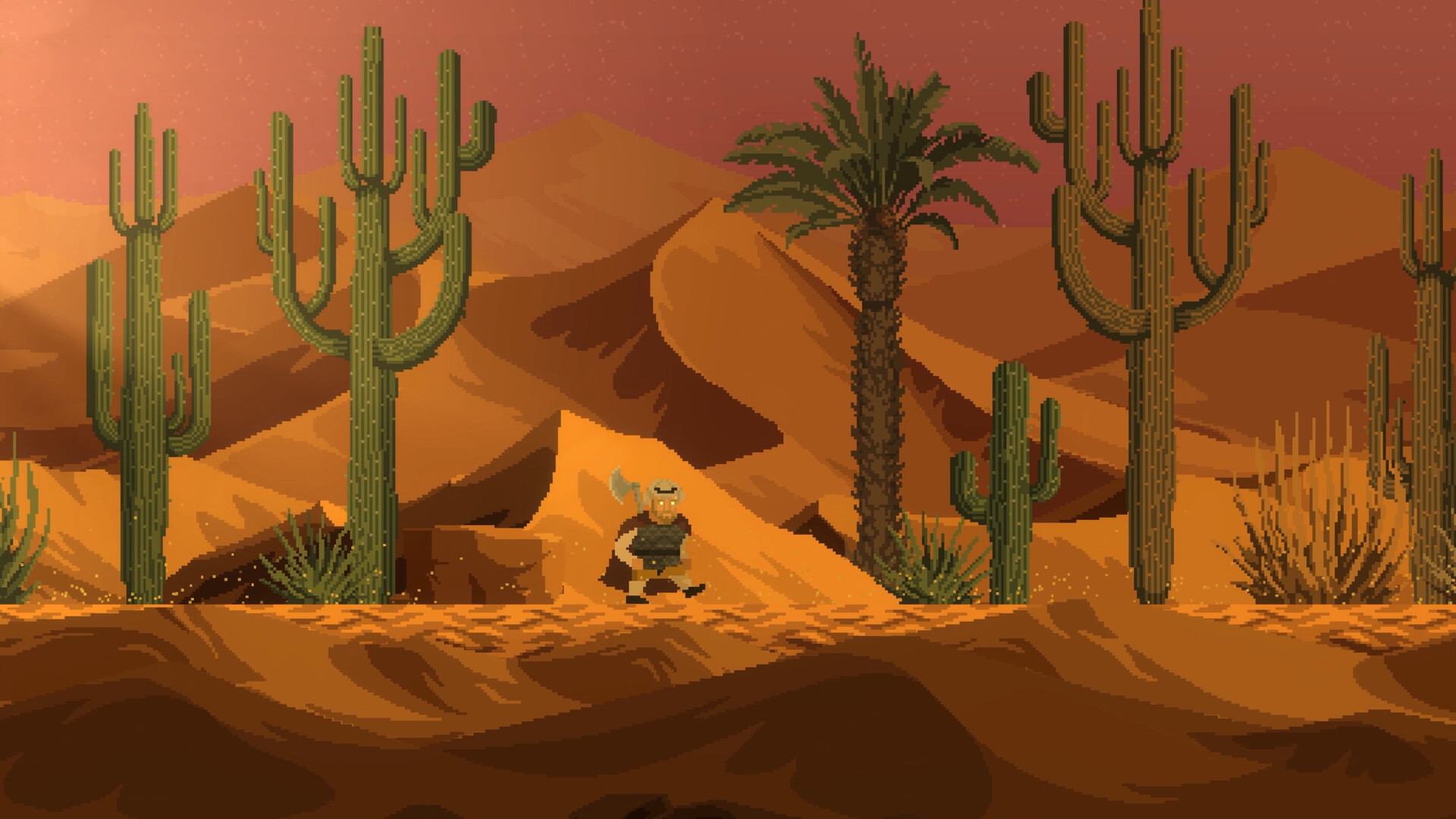
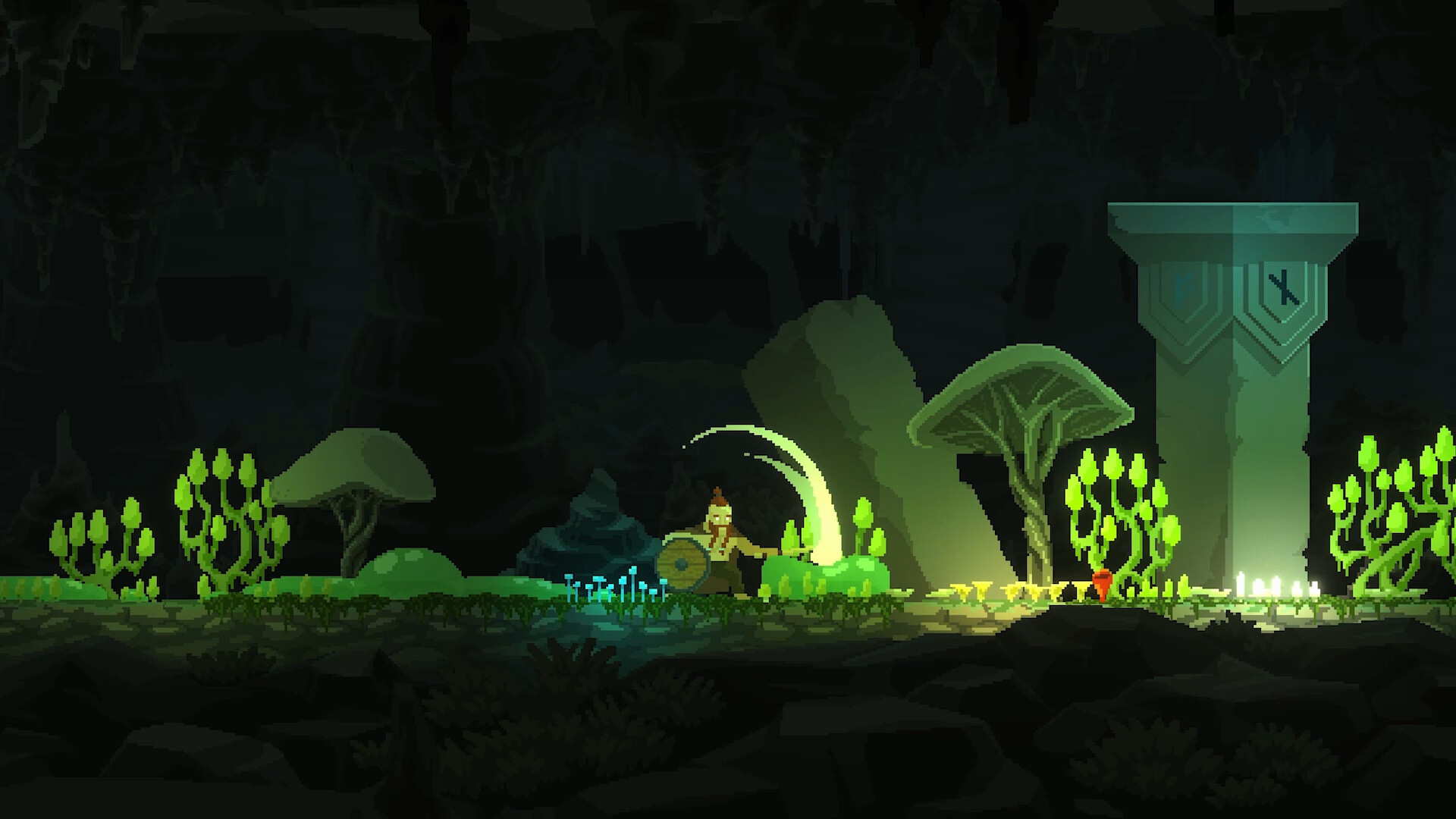
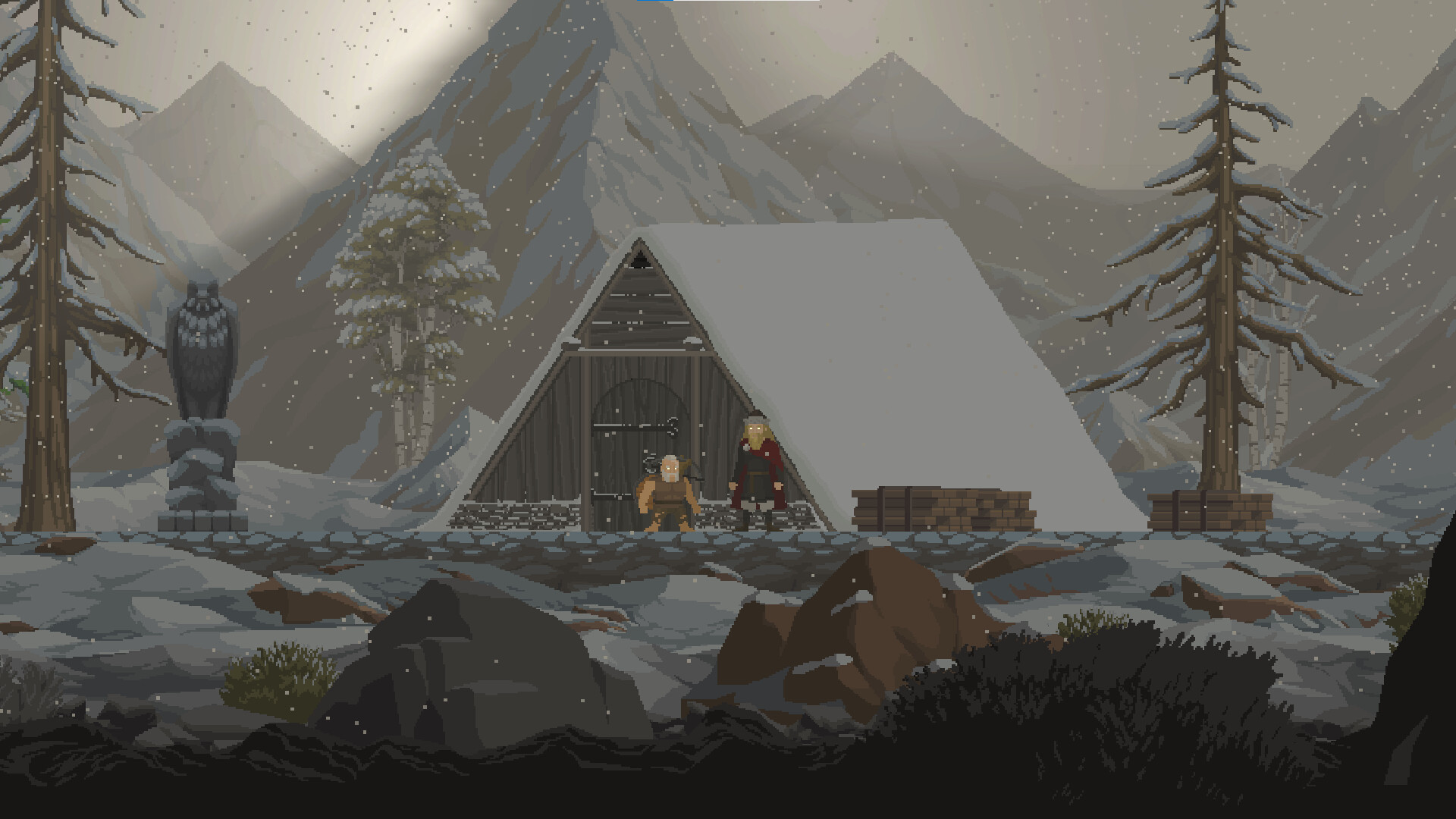
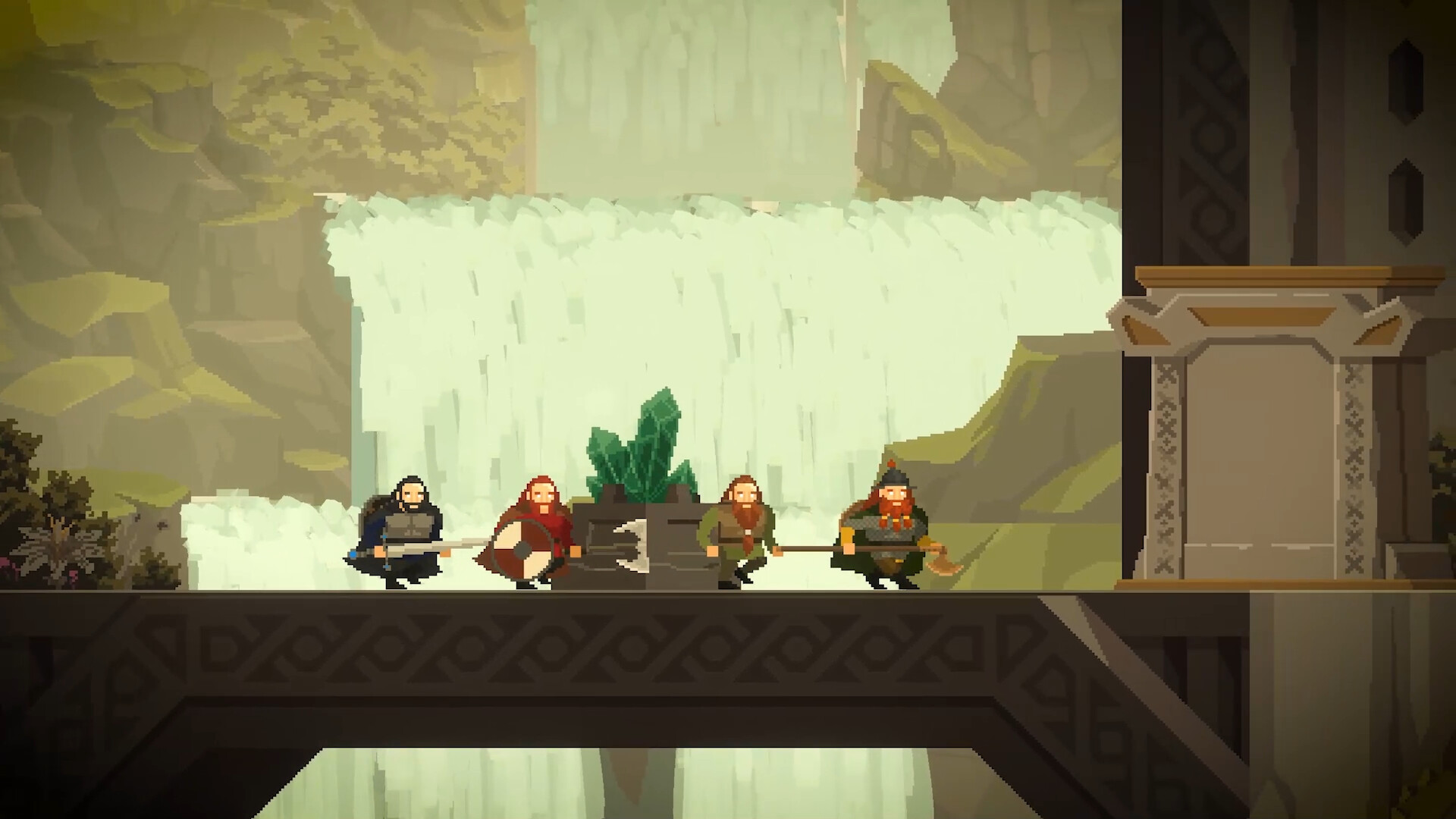
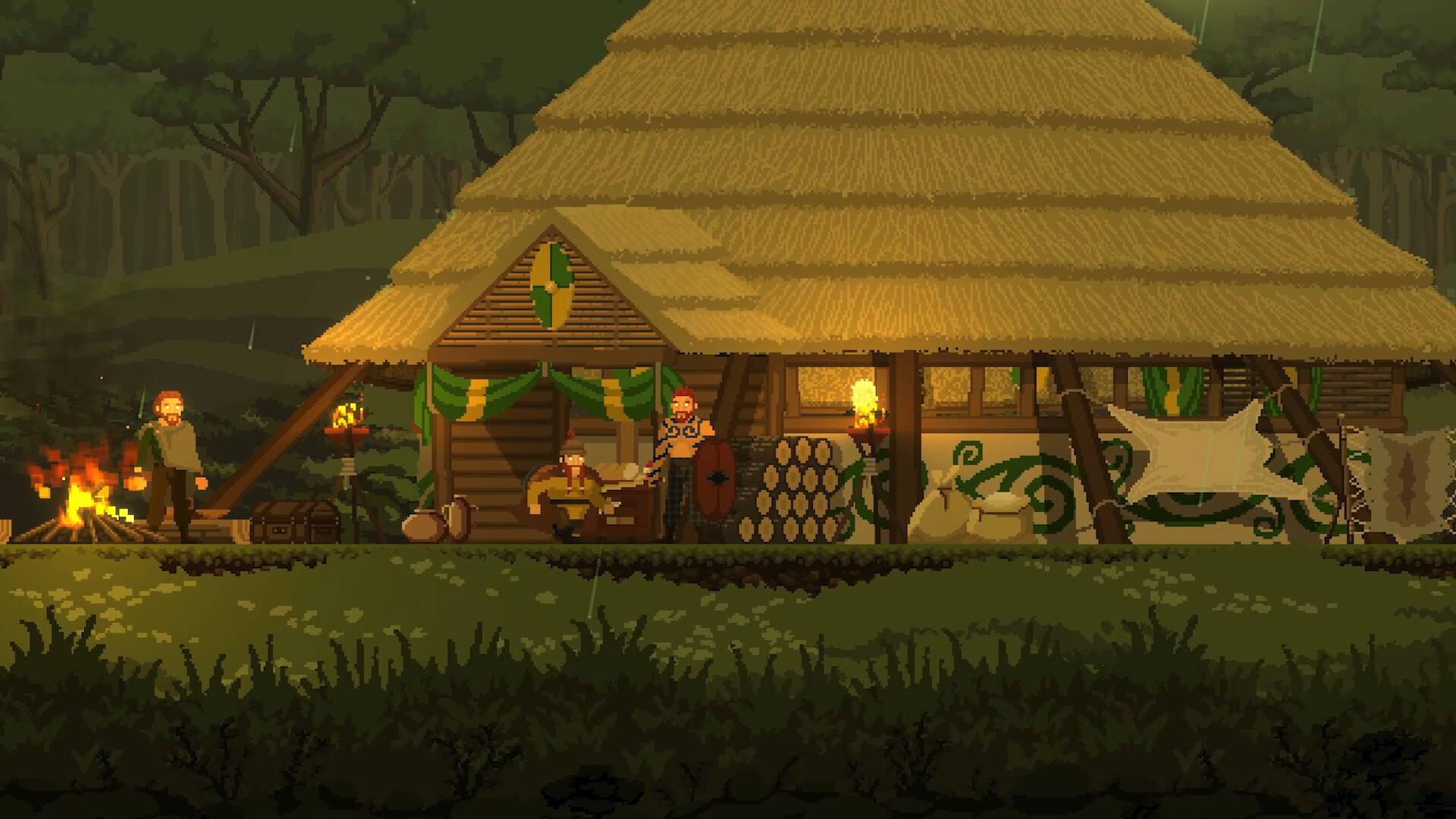
Aesthetically, Runegate looks great: detailed pixel art, roaming weather and a superb soundtrack that swings from mournful to triumphant. However, the technical side is a mixed bag at launch. Users reported and I experienced camera sway that can induce mild motion sickness during long reading sections, and a separate issue of uncapped framerates pushing GPUs into the red (some players saw unjustified 900+ FPS). Capping the framerate via driver or enabling V-sync is a practical workaround for now. There are also some UI rough spots — quest turn-ins that don’t always present the expected dialog and occasionally opaque storage systems — but the devs have been responsive so far. If you enjoy pixel-forward worlds with deep crafting and community-created content, those visual and mechanical highs are worth tolerating a few rough edges.
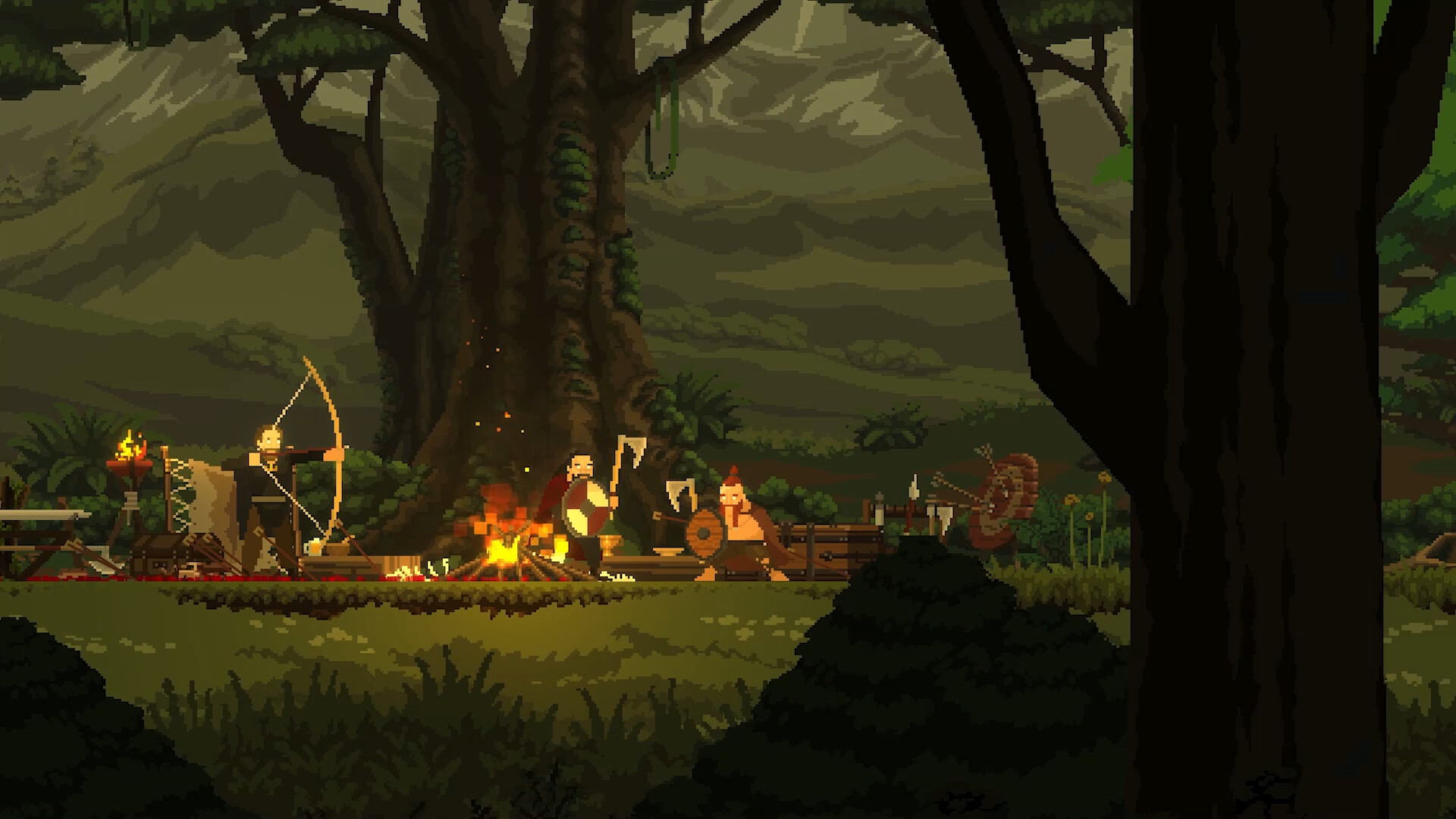
Regions of Ruin: Runegate is a warm-hearted, ambitious sequel that delivers a lot of what fans want — deep crafting, a living camp and a powerful Editor — but it ships with rough edges. I recommend it to players who love base-building and modding communities and who don’t mind a few launch-day quirks; buy on Windows if you want the best tool support and consider waiting for quick patches if you’re sensitive to camera movement or have older GPUs. With a few timely fixes and continued community content, this could be one of the indie sequels people still play in years.
Pros
- Rich, characterful world with memorable dwarven flavor
- Deep settlement loop and a powerful Editor Tool for longevity
- Flexible combat builds and easy respec encourage experimentation
- Lovely pixel art and a stirring soundtrack
Cons
- Launch technical issues (camera sway, uncapped FPS, some quest bugs)
- Navigation and UI ergonomics can feel clumsy in the home base
- Day-one paid items in the shop rubbed parts of the community the wrong way
Player Opinion
Player sentiment at launch is mixed but hopeful. Many reviewers praise the world-building, soundtrack and the satisfying base-building loop — comments like “Loved it, didn’t play the first” and “Having a blast so far!” are common. Critics repeatedly point to the camera sway (some said it caused motion sickness), uncapped framerates that stress GPUs, and a few quest/UI bugs such as missing dialog options for turning in quests. A vocal subset also objected to day-one paid items sold by a merchant, calling it a conscience issue. Community creators already love the Editor: one early playtester reported ~60 hours in the Editor and praised its potential, while others shared custom gauntlets and cozy town maps on mod.io. If you enjoy tinkering and community content, those shared maps are a big draw.