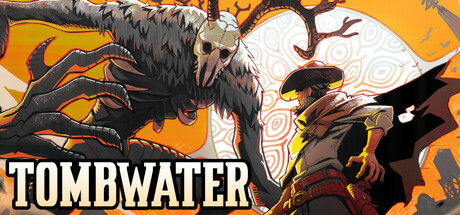



Tombwater Review – Eldritch Wild West Soulslike that Punches Above Its Weight
Tombwater blends Bloodborne-esque combat with Zelda-style exploration in a creepy Wild West. Tight melee, scarce bullets, and a world full of secrets make every run feel tense and satisfying.
I came for the haunted cowboy vibes and stayed for the combat loop. Tombwater throws you into a deranged mining town where bullets are precious, spells build madness, and each corridor could hide a nasty surprise. It’s a top-down, 2D Souls-like that borrows the best bits of Bloodborne’s mood and classic Zelda exploration—and somehow makes them play nicely together. If you like methodical fights with a dash of eldritch weirdness, this one’s worth your time.
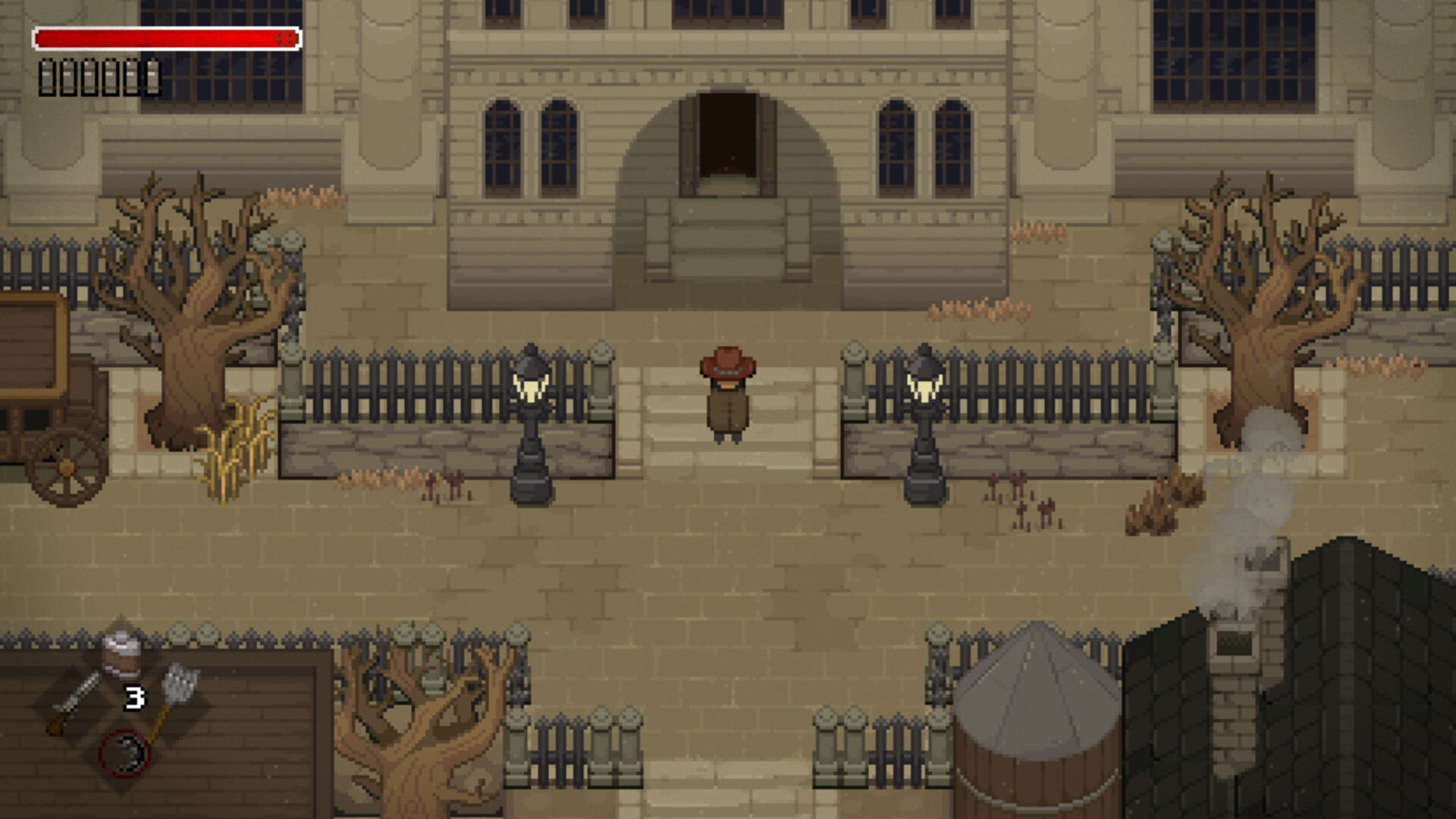
Gunsmoke and Blood — How You Actually Play Tombwater
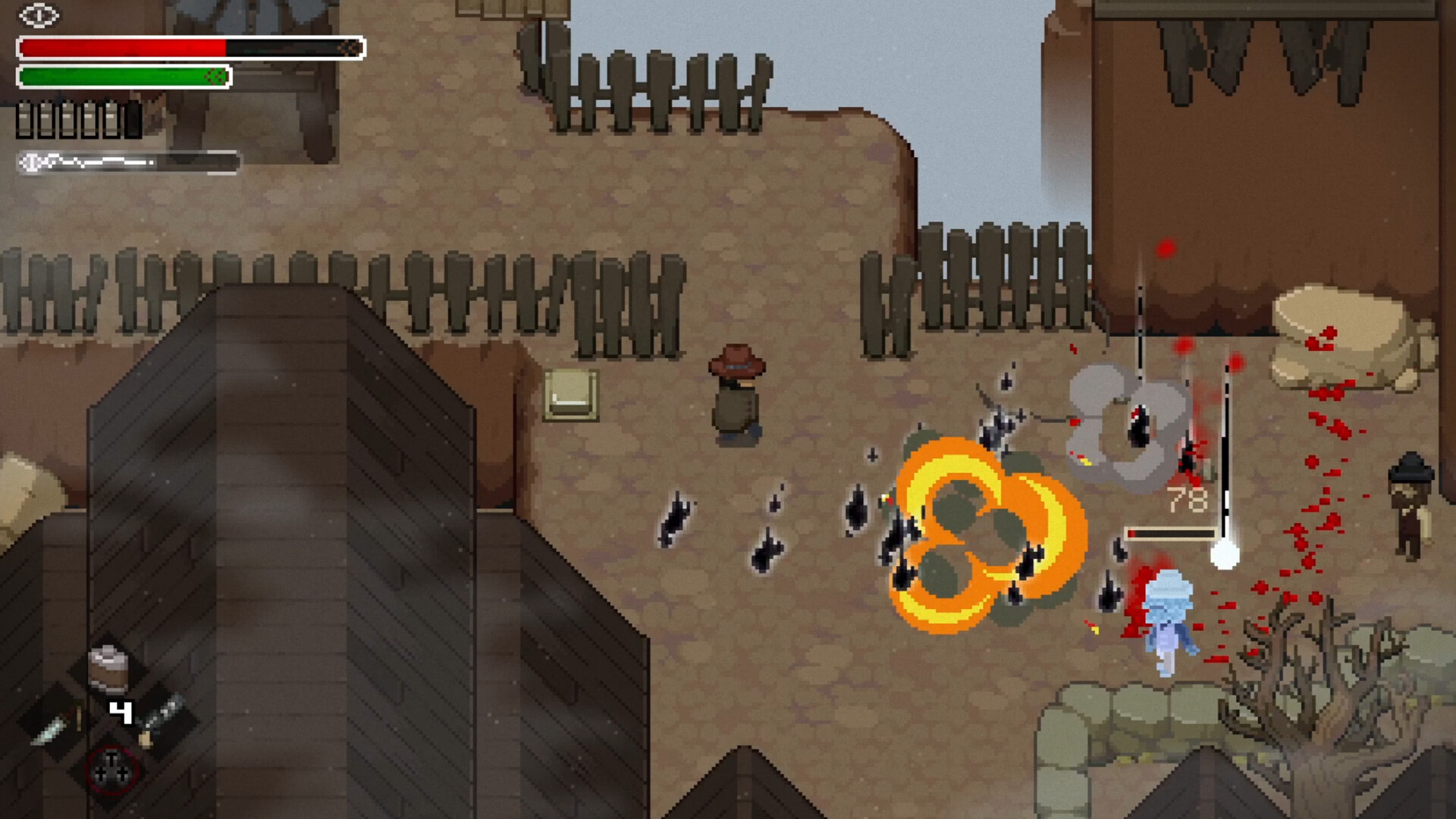
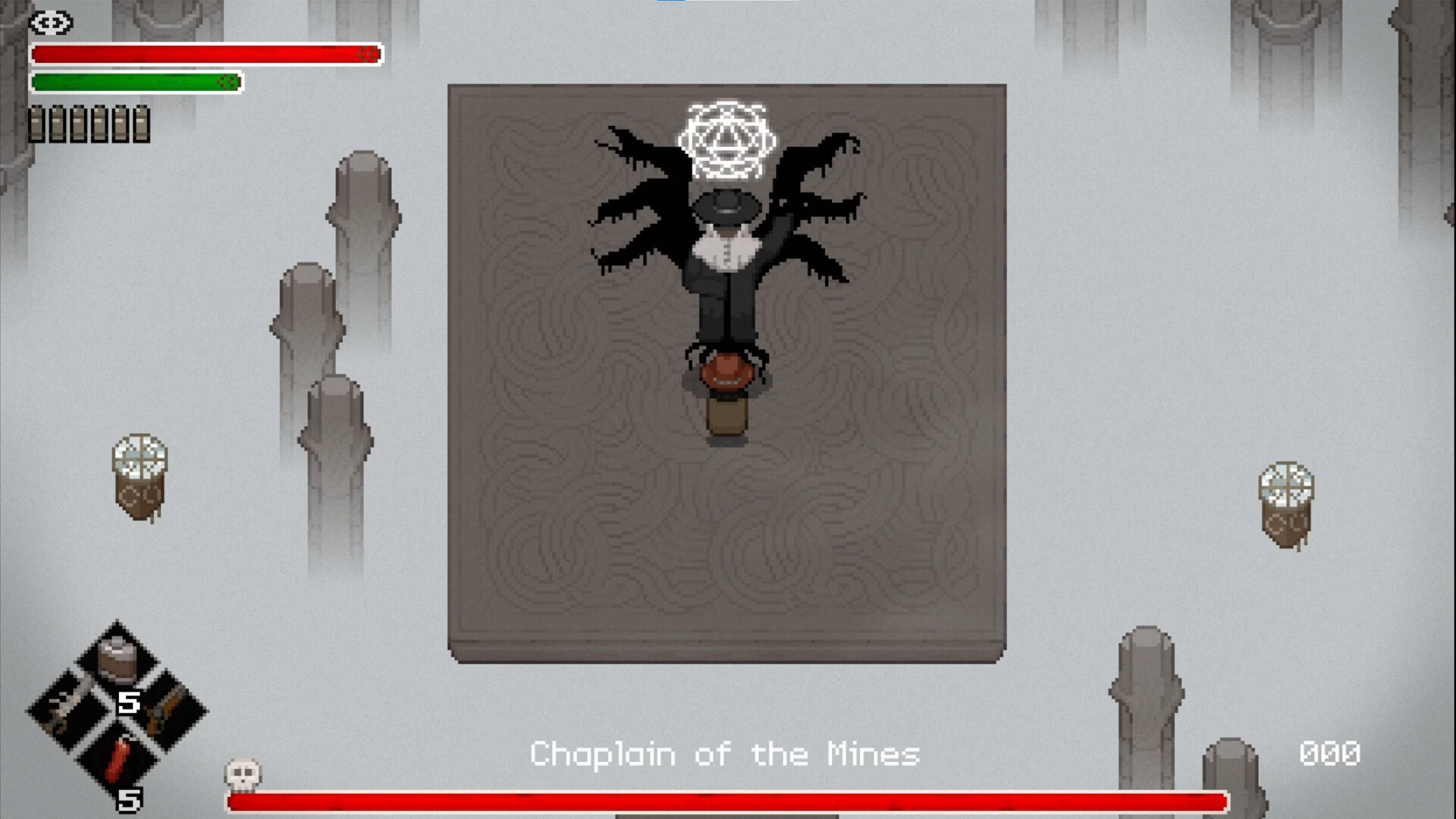
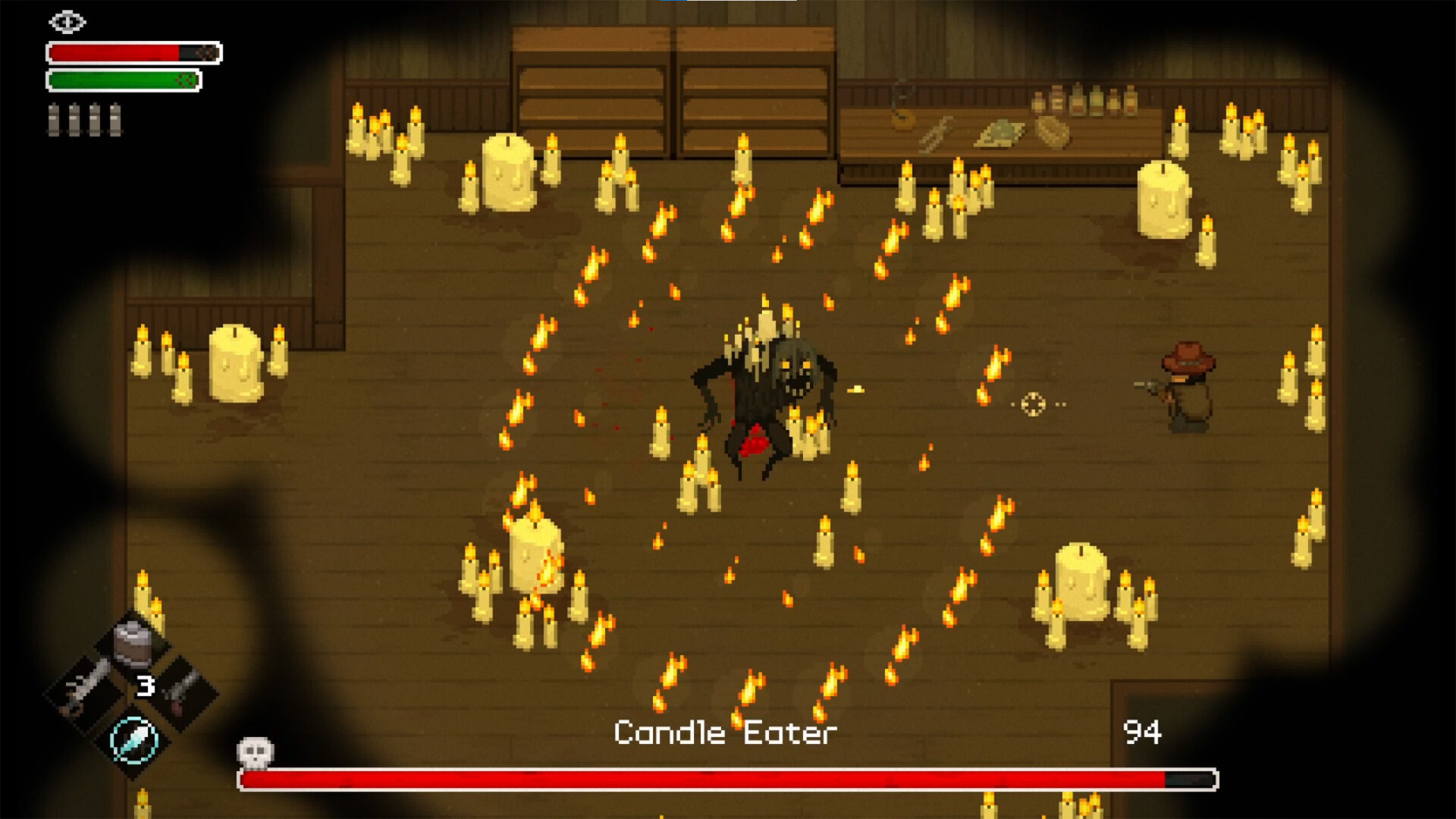
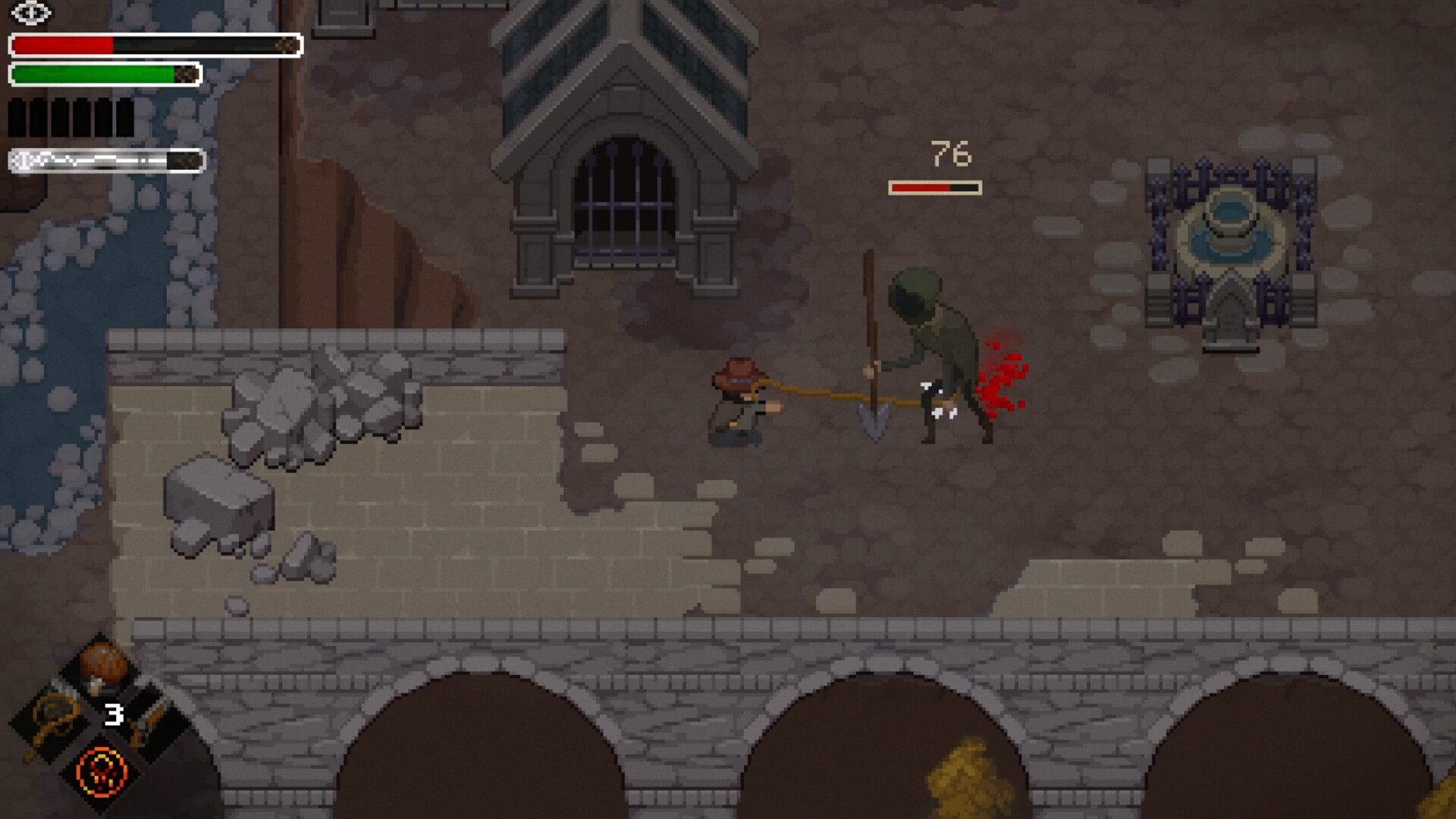
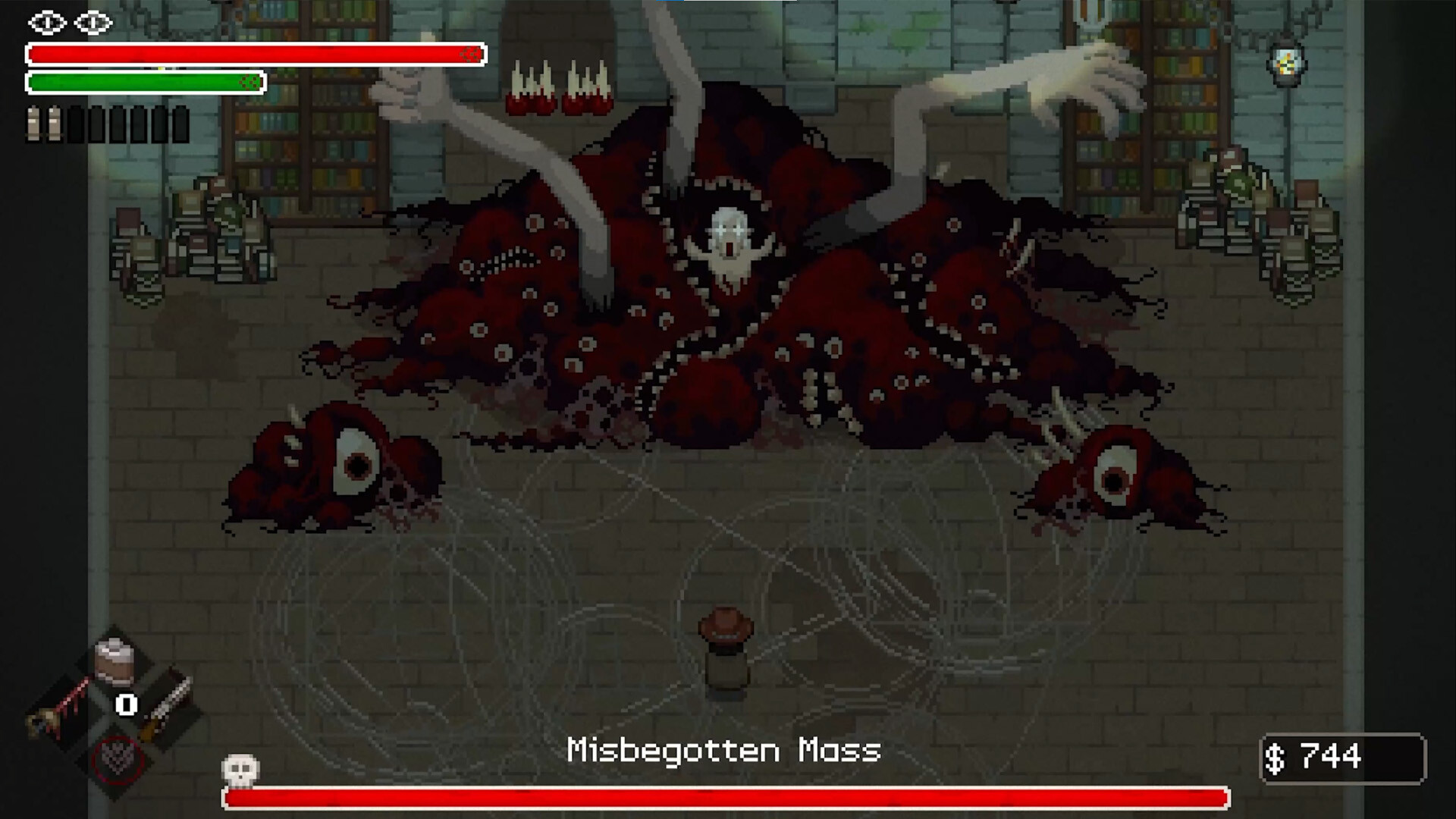
Combat is the beating heart of Tombwater. You’ll toggle between precise melee swings and limited, punchy gunshots, juggling a small ammo pool that rewards aggressive melee to recover bullets. I found myself feinting with a saber, cracking a shotgun blast when the opening appeared, then chaining a spell because, of course, madness is a resource too. Movement is deliberate: dash windows, well-timed parries and spacing matter, and mistakes are punished—often mercilessly. Exploration breaks up the tension: shortcuts, secret caves, and environmental hazards make backtracking feel purposeful rather than filler. The map and quest log are handy without holding your hand; the world expects you to take notes mentally.
When the Old West Meets the Unnameable
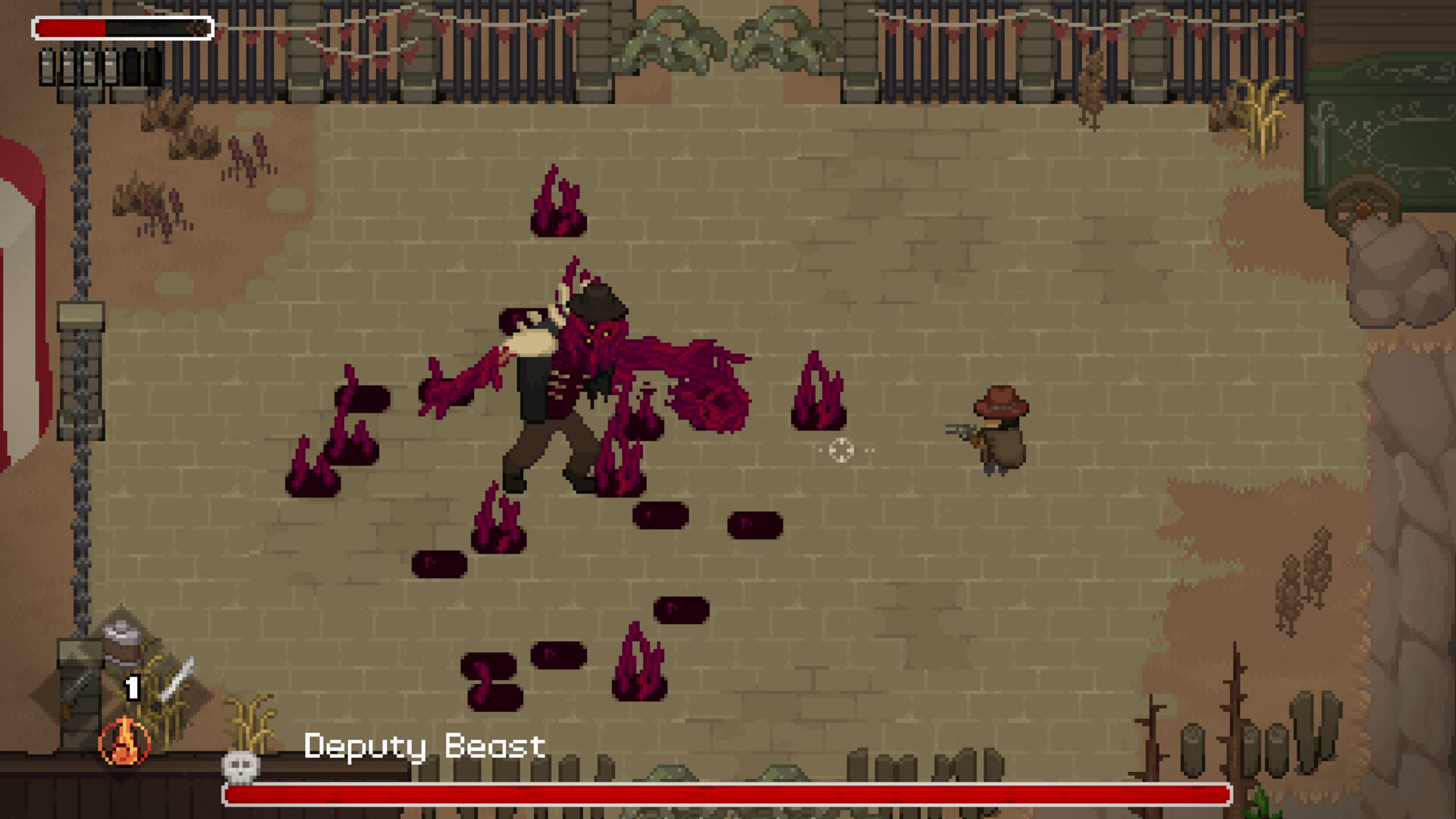
What sets Tombwater apart is how it blends genres. It’s part Bloodborne-influenced Souls-like, part top-down Zelda, and part Metroidvania—so you get methodical boss duels and a non-linear world to poke at. The arsenal is surprisingly deep: over fifty weapons, forty spells and charms (per the dev blurb) means I was constantly swapping builds. There’s also an apothecary crafting system that turns scavenged materials into grenades, tonics and utility items—very handy when you’re low on bullets and facing a swarm. The madness mechanic adds tension: cast too freely and your meter fills, temporarily locking you out and forcing a retreat to campfires. That push-and-pull between powerful options and a growing penalty is one of the game’s clever balancing acts.
Dust, Pixels and a Howl in the Distance
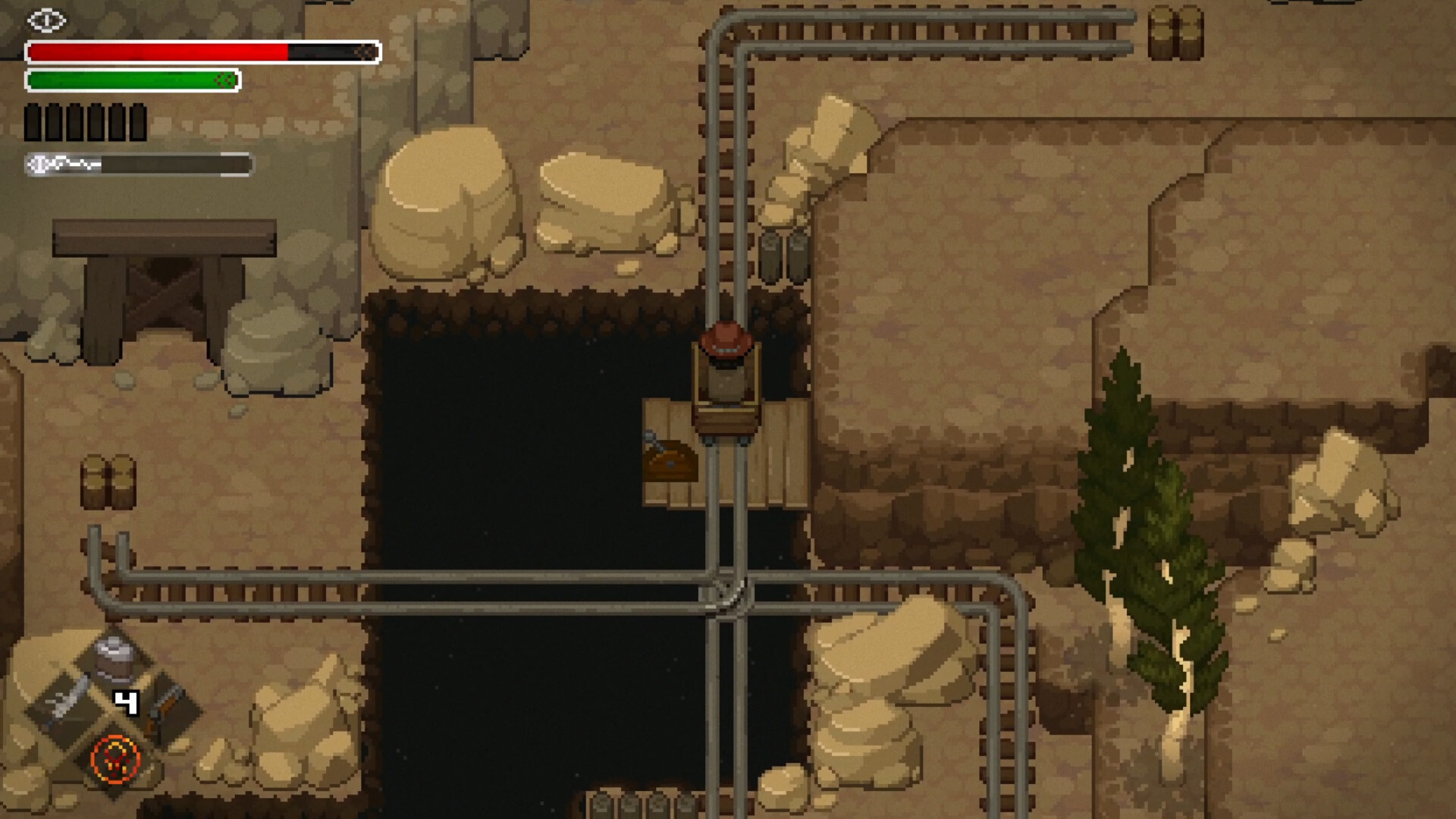
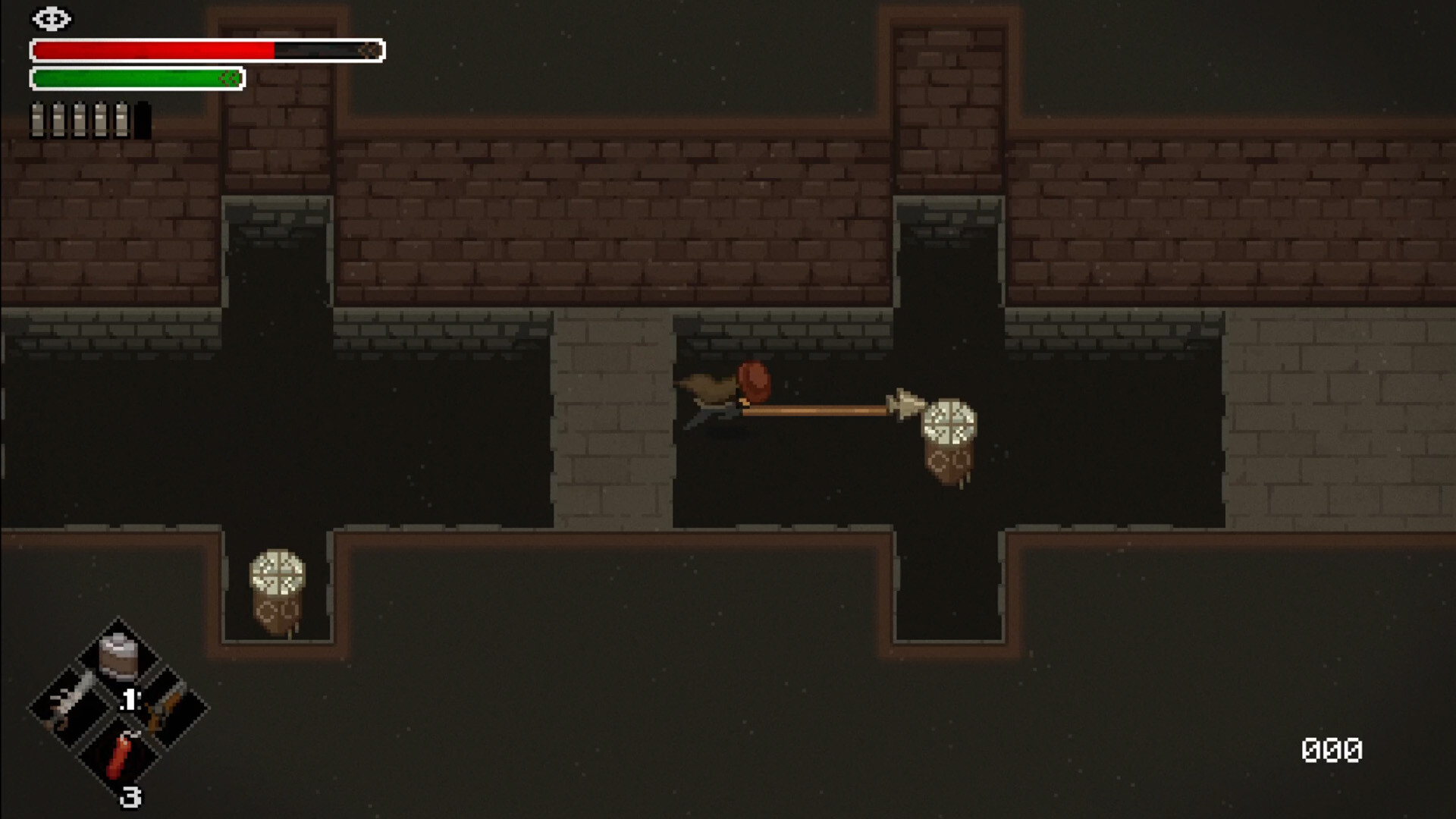
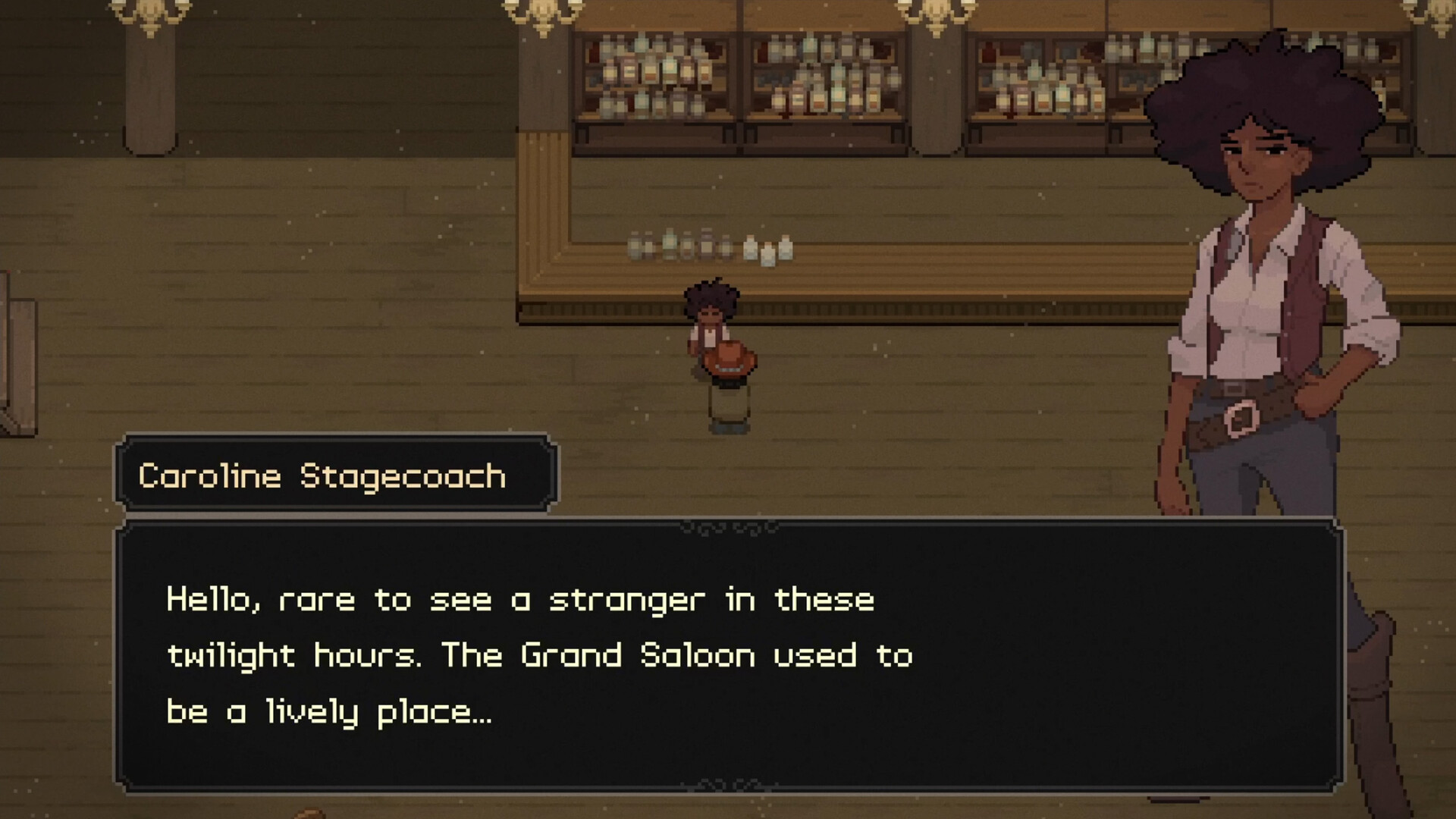
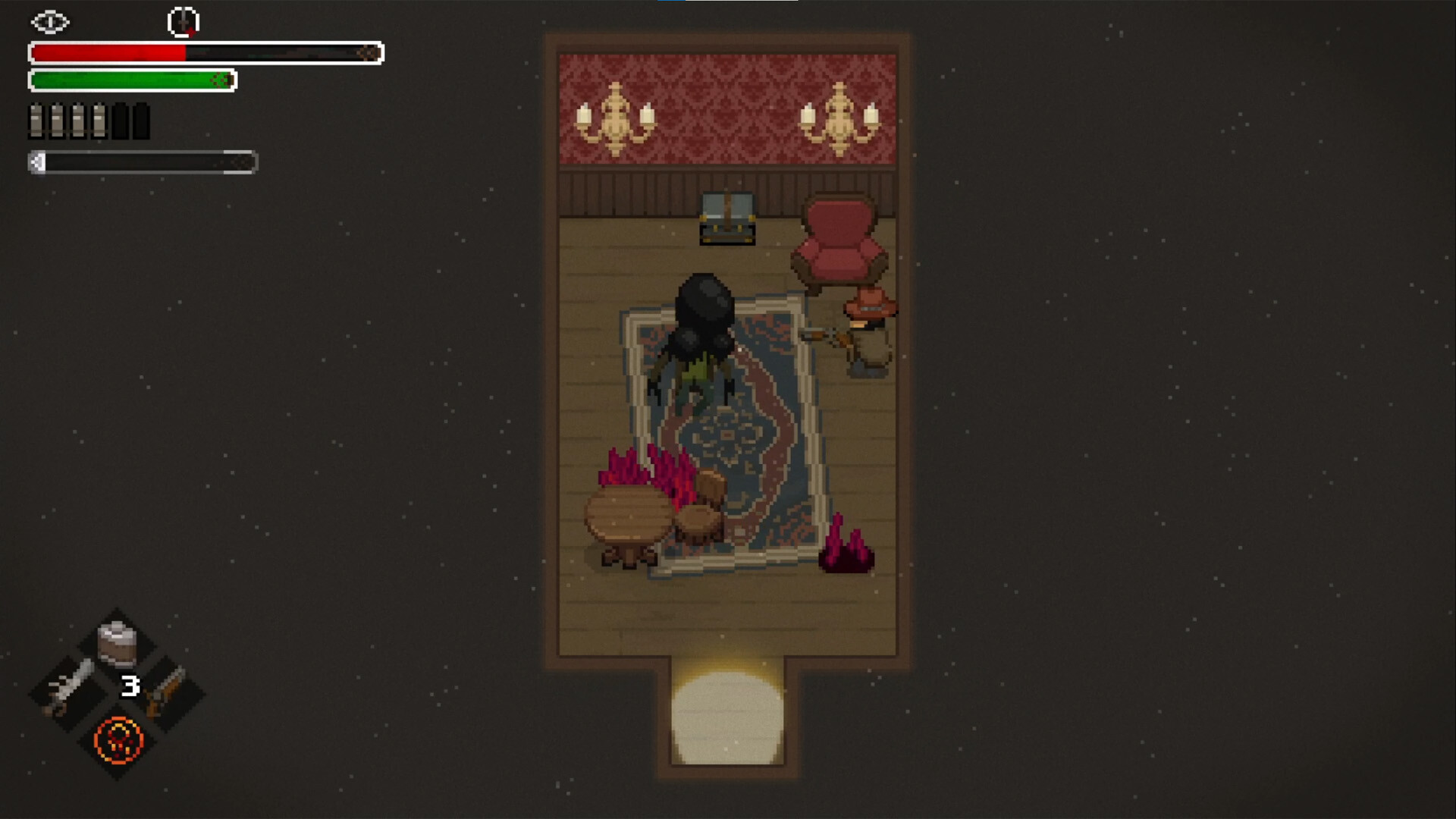
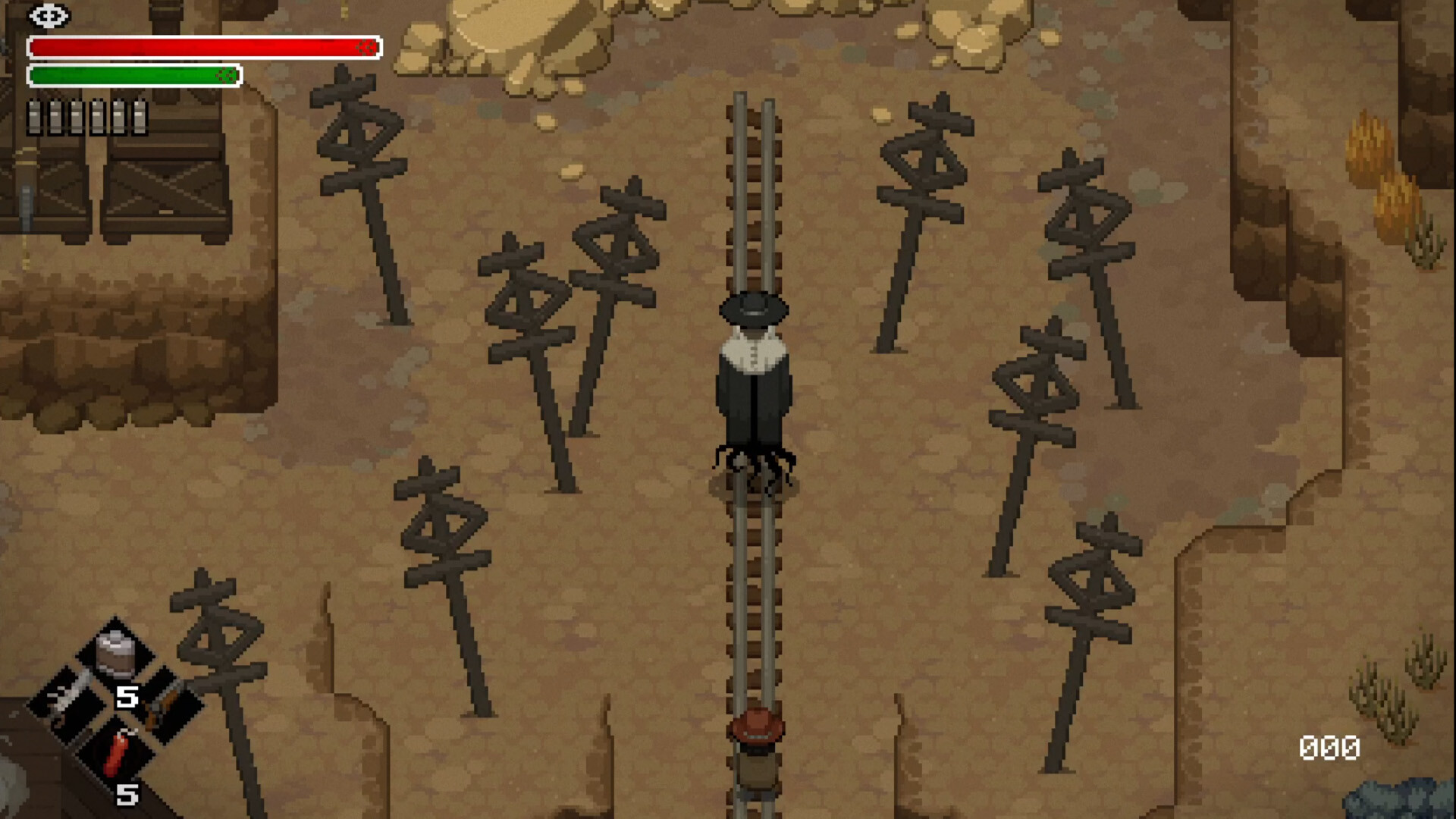
Tombwater’s presentation is a pitch-black love letter to pixel art atmosphere. The palettes are dusty browns and sickly greens, with occasional blood-red highlights that sell the horror. Animations are sharp; enemy telegraphs are readable but not generous, which makes boss fights satisfying when you learn them. Music sets a haunted Western tone—sparse guitar twangs, distant choir-like drones—and it hits at the right moments to raise hairs. Performance on vanilla Windows machines was solid in my playthrough, and several players report good results on handheld Linux devices like the Steam Deck (community notes this unofficially), though controller aiming has been a sticking point for some. Accessibility options are present but a few control toggles live only in-game rather than the main menu—annoying, but workable once you dig for them.
Tombwater is a confident indie hybrid: moody, often brilliant and occasionally rough around the edges. If you crave methodical combat, eldritch flavor and rewarding exploration, grab it—preferably with KB/M if you want the tightest aiming. Expect a challenge, secrets around every corner, and a lot of personality for a modest price.
Pros
- Compelling mix of Souls-like combat and Zelda-style exploration
- Rich arsenal and crafting: many weapon, spell and charm combinations
- Atmospheric pixel art and soundtrack that sell the Weird West
- Meaningful risk/reward with the madness and ammo mechanics
Cons
- Controller aiming can feel awkward; some settings are buried
- Occasional AI/pathing oddities and minor platforming frustrations
- Starting stat explanations could be clearer (class permanence)
Player Opinion
Players are overwhelmingly positive about the mood, art and combat loop: many compare Tombwater to Bloodborne crossed with classic Zelda, praising tight melee, memorable bosses and the soundtrack. There’s a recurring chorus about the game being challenging but fair, with satisfying boss telegraphs and exploration that rewards curiosity. On the flip side, several users flagged controller aiming as suboptimal at launch and pointed out a few enemy pathing bugs and some awkward dash-platforming. The community applauded the devs for responding to feedback (some reviewers updated their ratings), and many recommend keyboard/mouse for the most consistent experience—though a number of players report the title runs nicely on handhelds too.