

Bylina Review – A Slavic Folklore Adventure with Grit and Charm
I played Bylina — a folk-dark action-adventure steeped in Slavic myth. Big atmosphere, great music, and a fair share of jank: here's what worked for me and what frustrated me.
Bylina puts you in the boots of Kestrel, a bogatyr-less hero who dies, comes back, and ends up sharing his body with a mysterious spirit. The setting — a vividly weird Thrice-Nine Kingdom — is dripping with Slavic folklore, from grotesque creatures to mordant humor. If you love games that feel like an old epic told around a campfire, this one will grab you quickly. Just be prepared: the game mixes real charm with the occasional technical and control-related grumble.
A Bogatyr's Rough Road
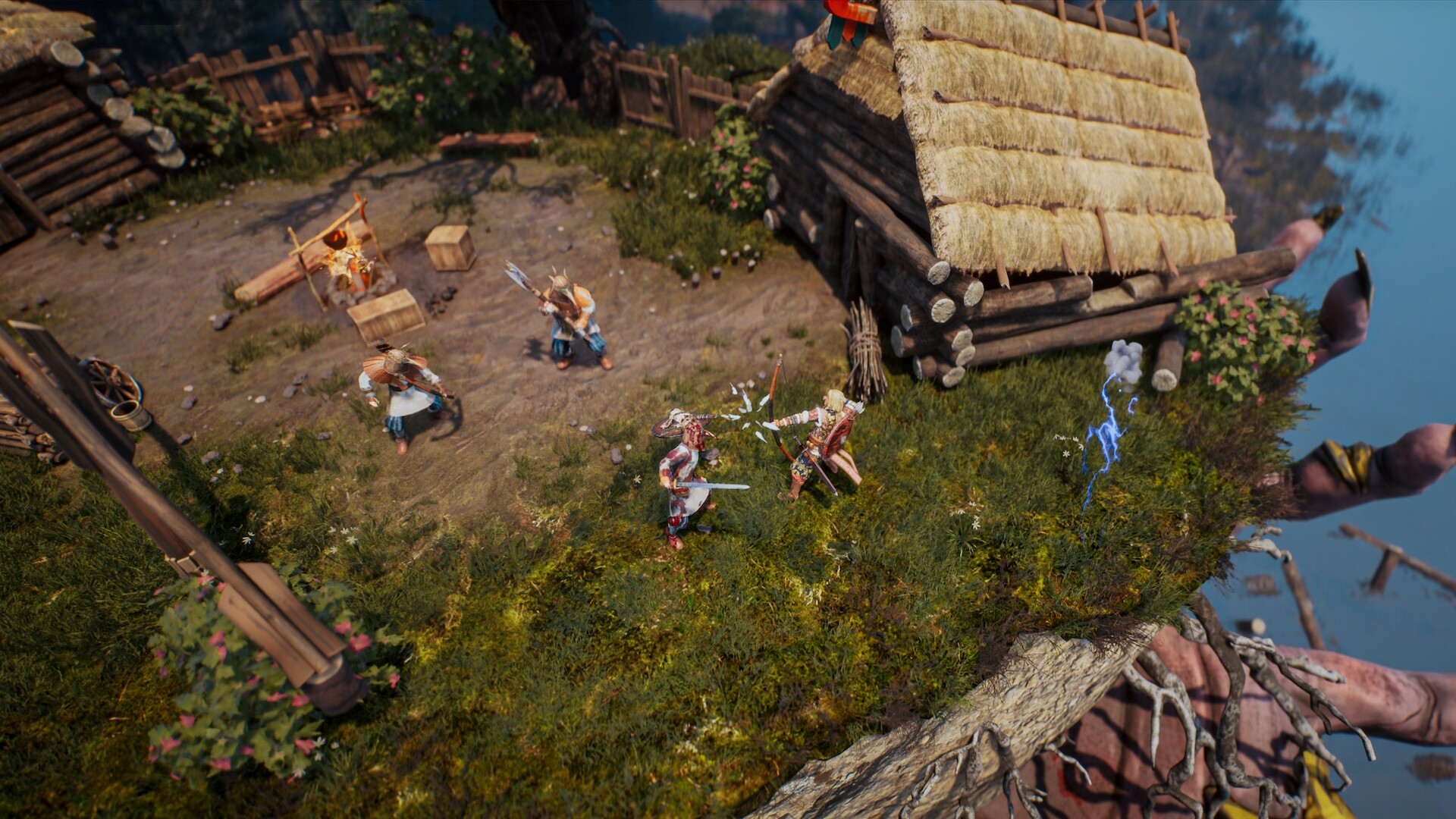
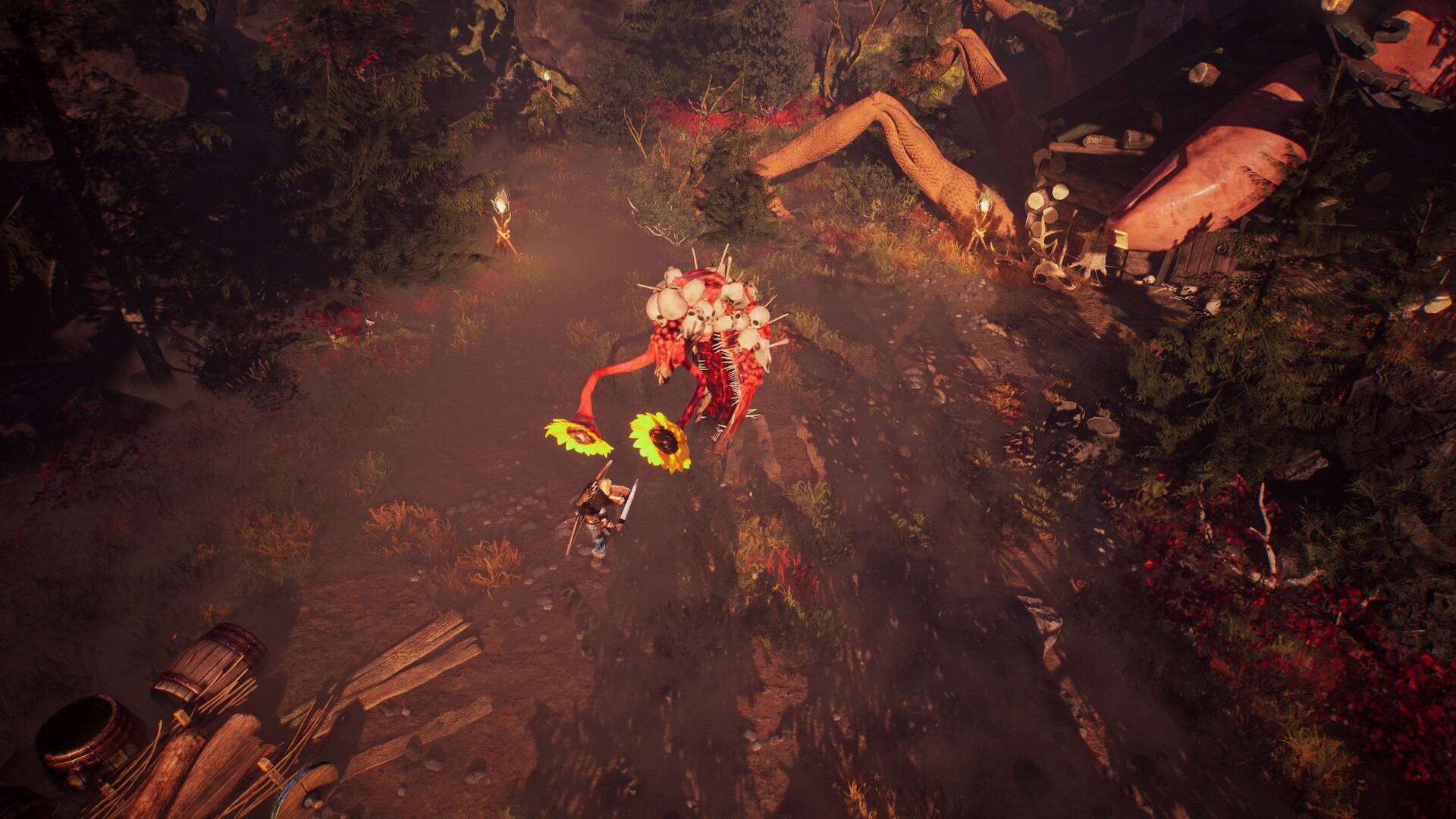
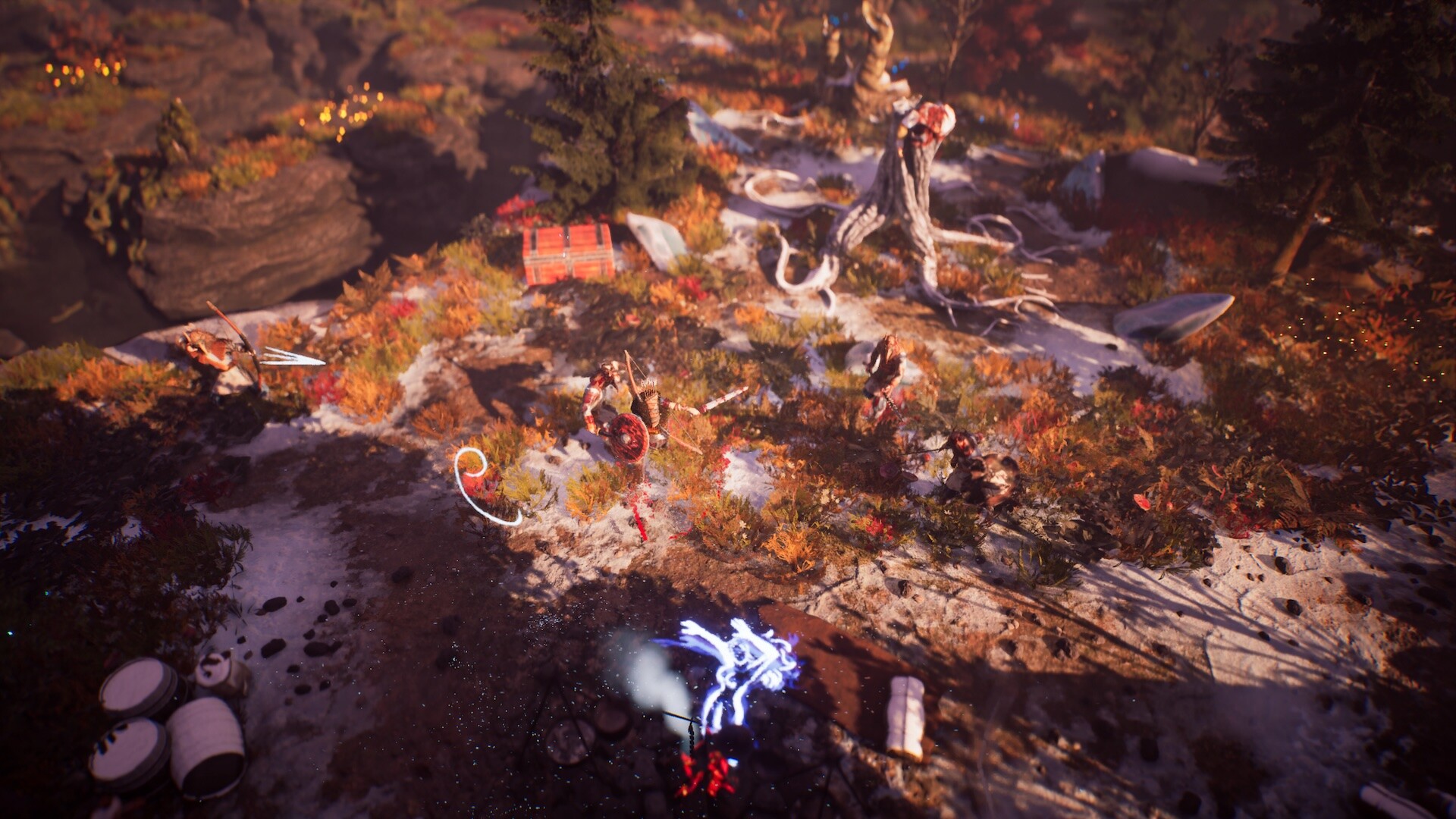
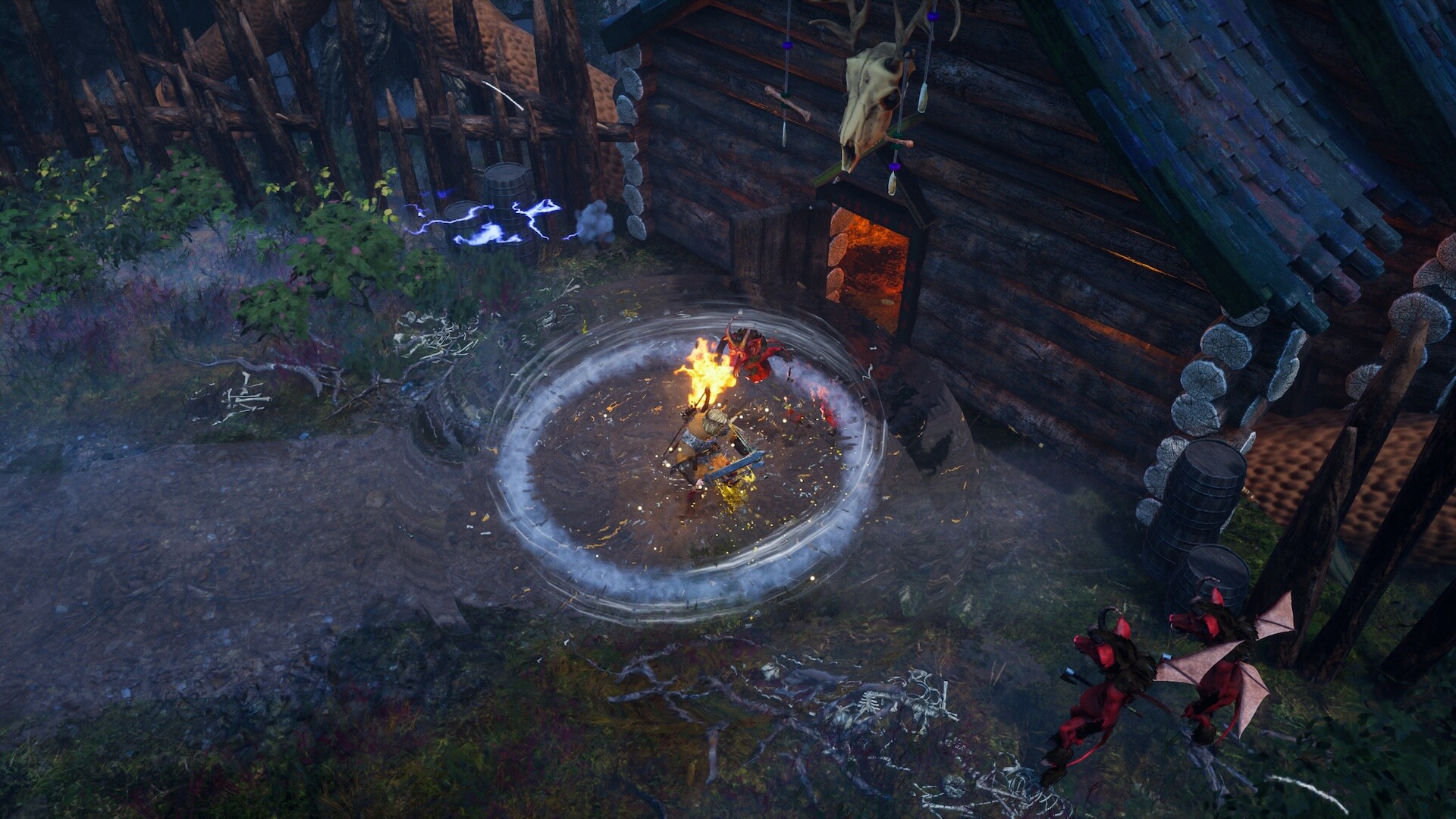
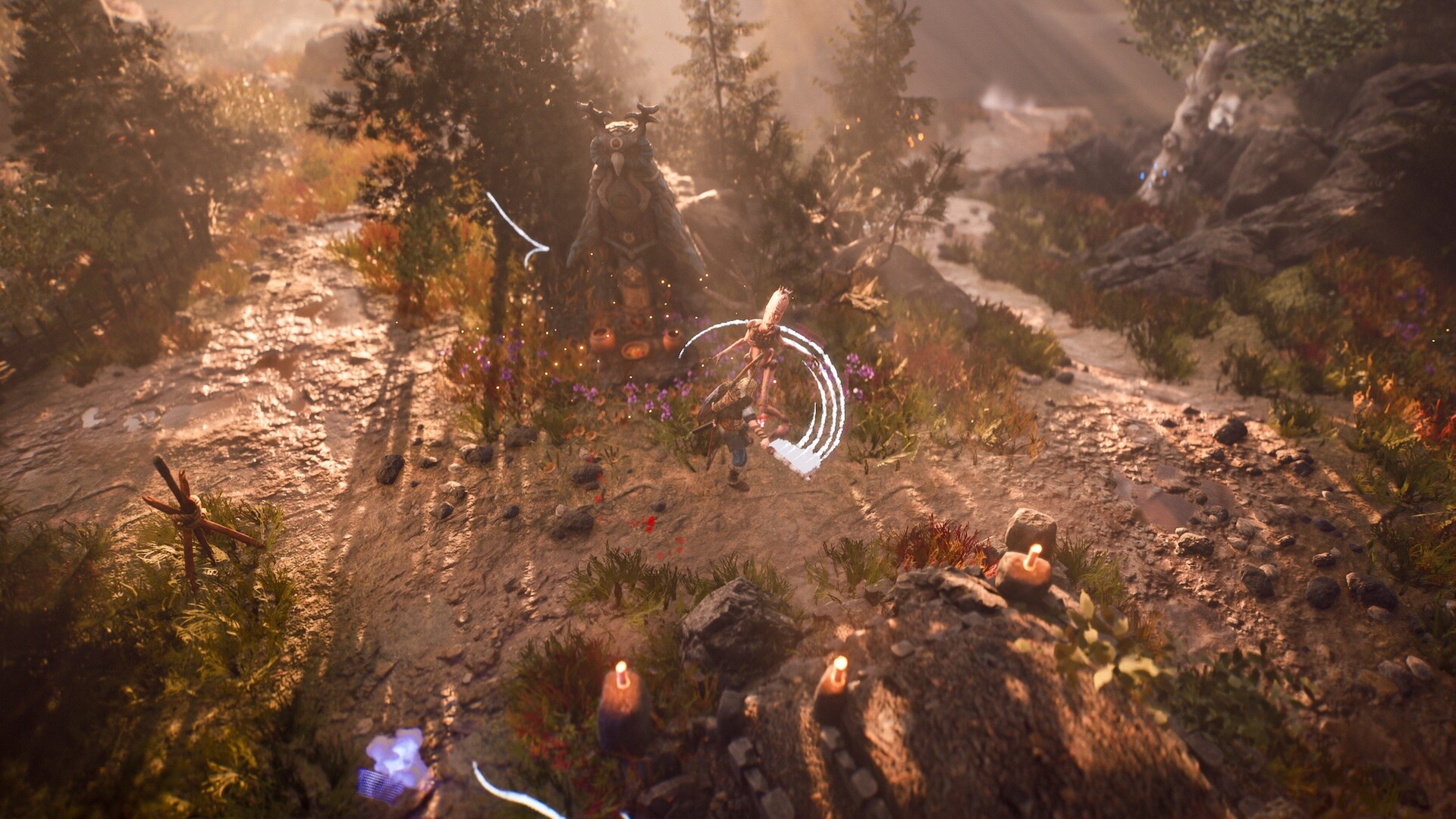
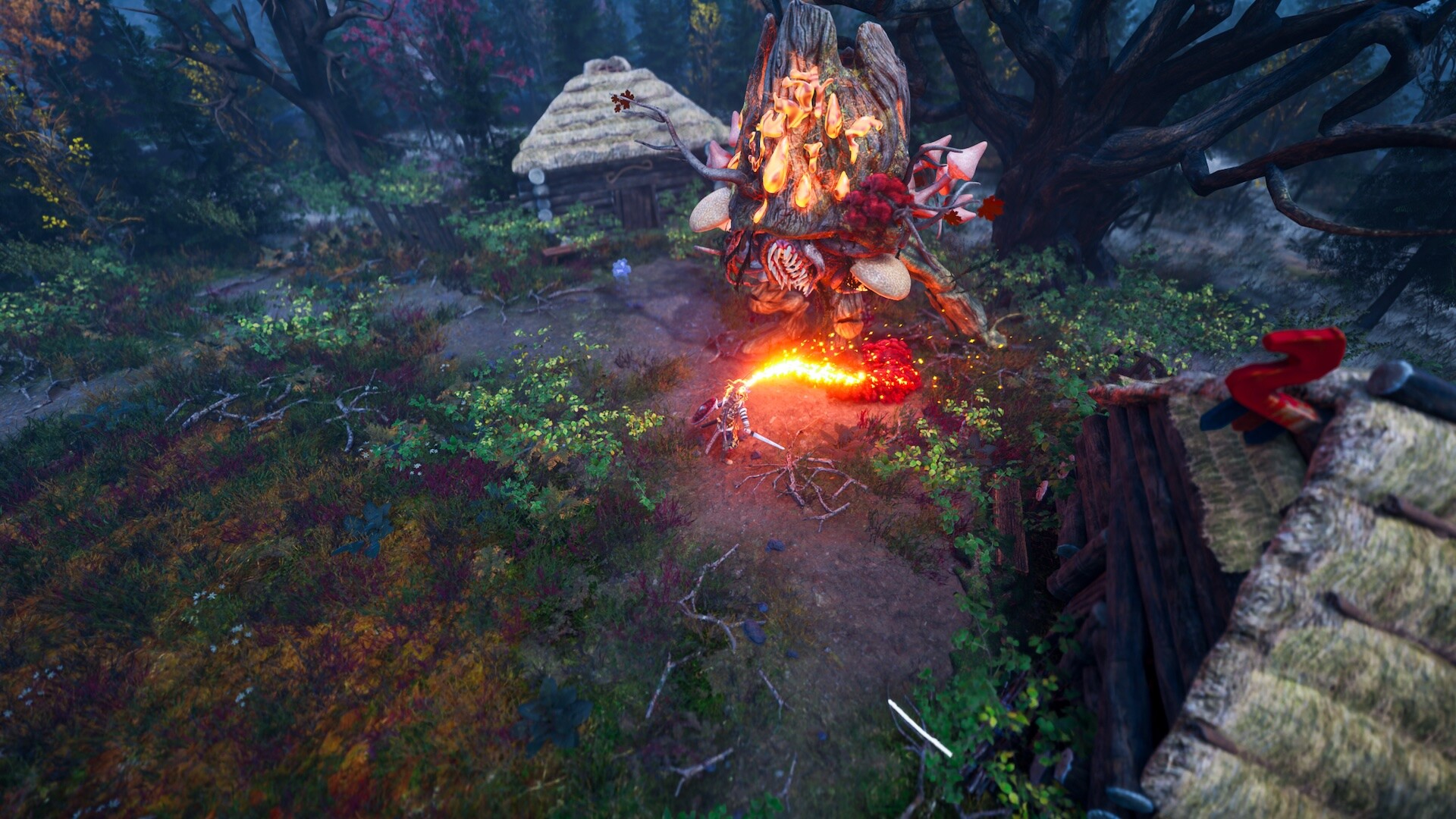
The backbone of Bylina is classic action-adventure play: you run, slash, block, roll and rip arrows out of the air while juggling melee weapons and a small but meaningful magic toolkit. As Kestrel you switch between swords, spears, shields and bows, and the combat rewards timing and positioning — you can't just mash; you have to pick your targets, kite groups and respect boss tells. Exploration matters: the Land of Towns is full of sunlit forests, dank dungeons and odd little settlements where side quests and curious NPCs hide lore and trinkets. Progression is handled by leveling, skill improvements and crafting: you find materials, forge armor, learn spells and slowly tailor your build. I appreciated that the game nudges you toward experimentation — bows for distance, spears for reach, shields for tense parries — instead of handing you one perfect solution.
When Old Tales Bite Back
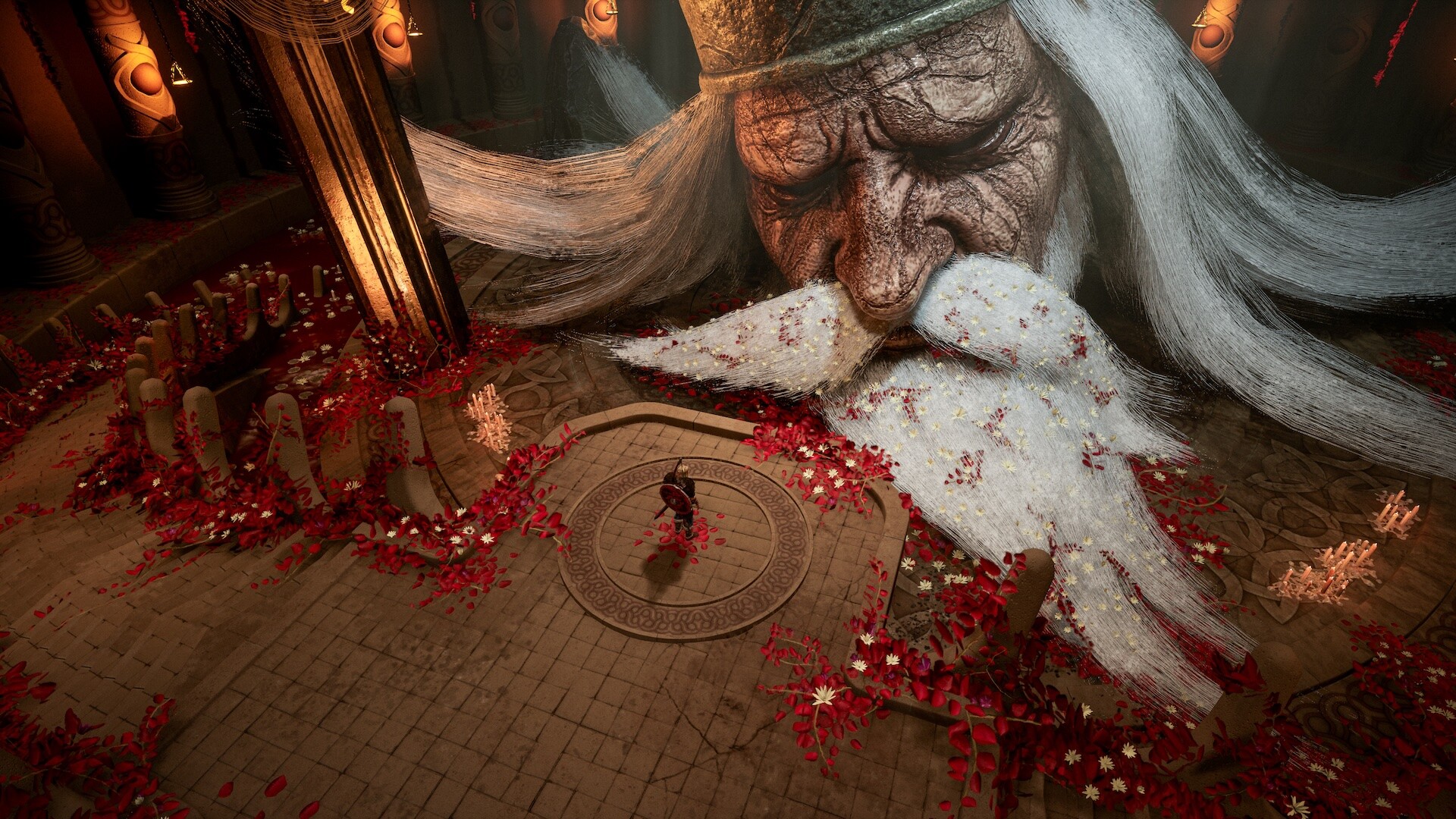
What makes Bylina stand out is its thick cultural voice. The Slavic mythos isn't window-dressing here; it saturates dialogue, enemy design and even your weird cinematic interludes that sometimes swing from wholesome to genuinely creepy. The body-sharing mechanic with the spirit adds a moral and narrative weight: Kestrel is not just swinging a sword, he's wrestling with identity and memory, and many quests feel like small folktales rather than fetch chores. The writing often has a darkly comic edge and a lyrical bent that reminds me of Witcher-esque folk horror, but in a smaller, stranger register. Moments like hugging a tree after peeing on it (yes, that's a thing) exemplify the game's oddball humor and human awkwardness.
A Painted World That Sometimes Stumbles
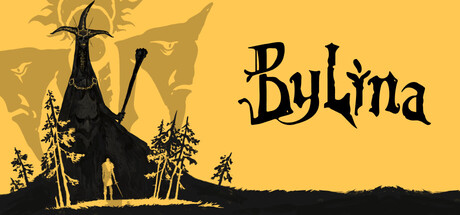
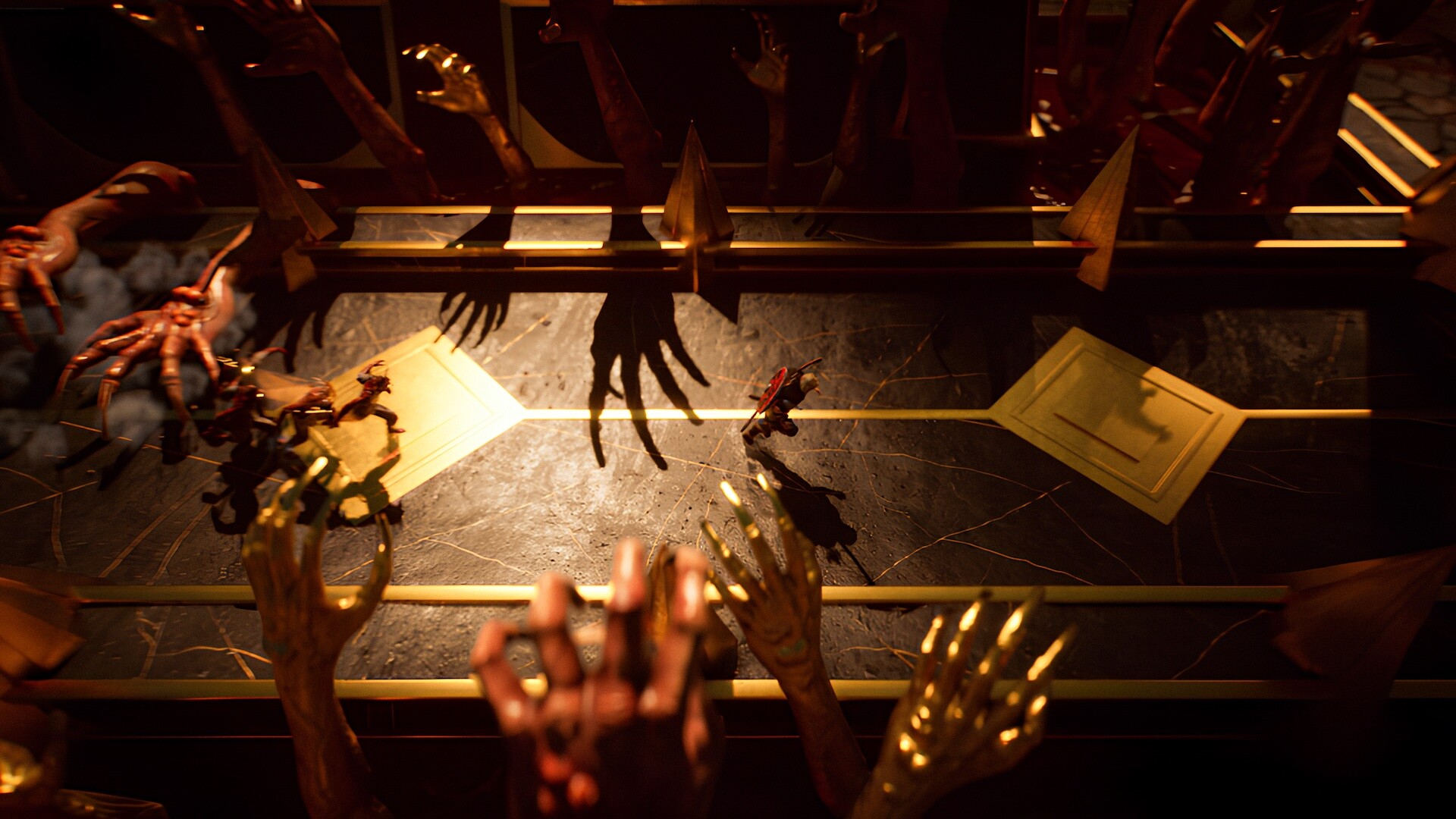
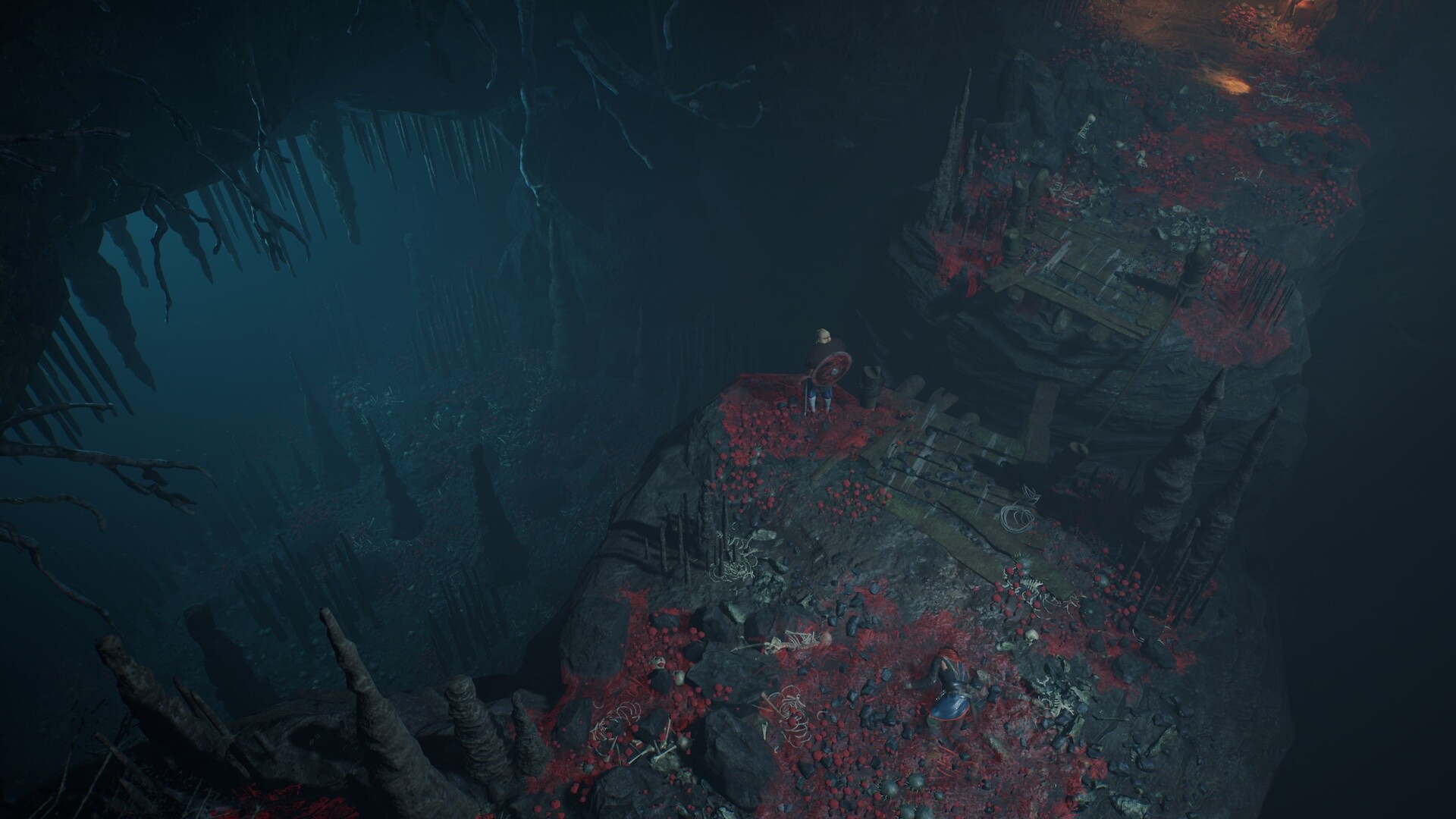
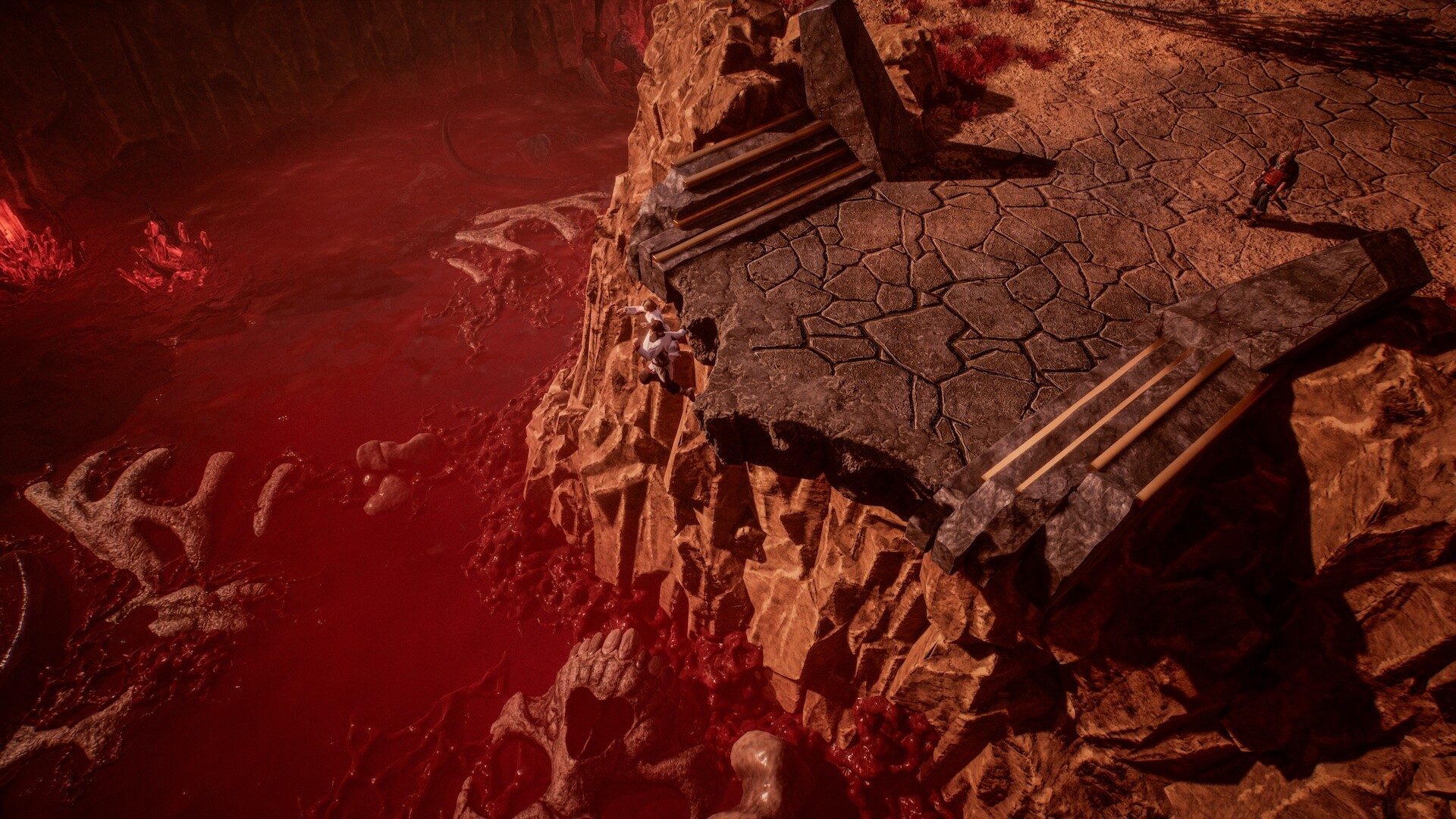
The art direction is a big reason to play: stylized 2D/3D hybrid visuals, bold color choices and character silhouettes that read well most of the time create a distinctive, cinematic picture. The soundtrack deserves shout-outs — folk-punk and epic motifs lift fights and quiet moments alike, I found myself adding tracks to my playlist. However, technical issues pepper the experience: some players report low FPS in areas, camera stuttering, missing texture placeholders and awkward UI flows. Controls can feel a bit loose at times — especially when fights get crowded — and menu navigation, inventory sorting and text legibility at high resolutions are pain points that need polish. Still, when things align — a cracking soundtrack, striking tableau and a satisfying boss parry — Bylina hits a memorable high that makes the rough edges forgivable for many players.
Bylina is a bold, weird and often beautiful indie that wears its Slavic roots proudly. It's imperfect — technical hiccups and UX issues hold it back — but the world, music and narrative voice are worth experiencing. Buy it if you crave folklore-driven adventure and can tolerate some rough edges; wait for patches if you want a smoother ride.
Pros
- Varied combat with weapon and magic interplay
- Distinctive art direction and oddball humor
- Rich Slavic worldbuilding and memorable soundtrack
- Crafting and progression encourage experimentation
Cons
- Technical issues: performance dips, bugs and camera stutter
- Clunky inventory/menu UX and some awkward controls
- Text legibility and screen options need better support (4K, screen shake)
Player Opinion
Players praise Bylina's atmosphere, music and its fresh take on Slavic folklore — many say the world, writing and soundtrack are the game's soul. Positive reviews highlight quirky moments, memorable NPCs and an emotional core that lifts ordinary quests into small stories. On the flip side, several players call out technical roughness: framerate drops, camera stutters, progression-blocking bugs and an unruly inventory system are recurring complaints. Control feel and combat responsiveness divide opinion: some enjoy the weighty melee, others find it stiff and repetitive. If you value narrative and mood, you'll likely forgive many flaws; if you demand rock-solid polish, this might frustrate you.