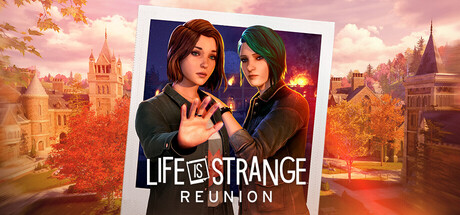





Life is Strange: Reunion Review – Pricefield’s Last Stand?
An honest look at Deck Nine’s return to Max and Chloe: rewind powers, a burning campus, and whether Reunion honors the originals or just keeps milking nostalgia.
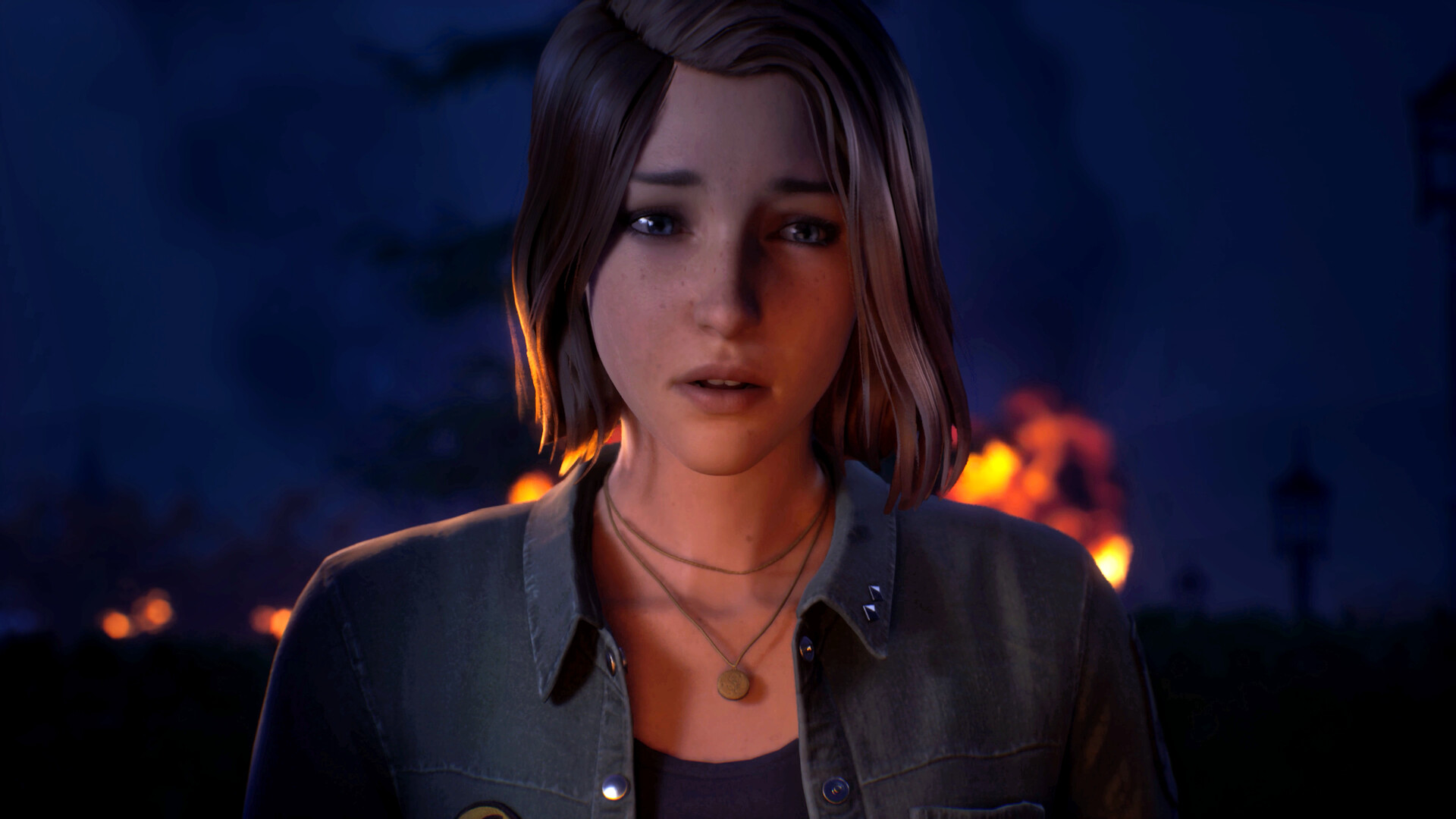
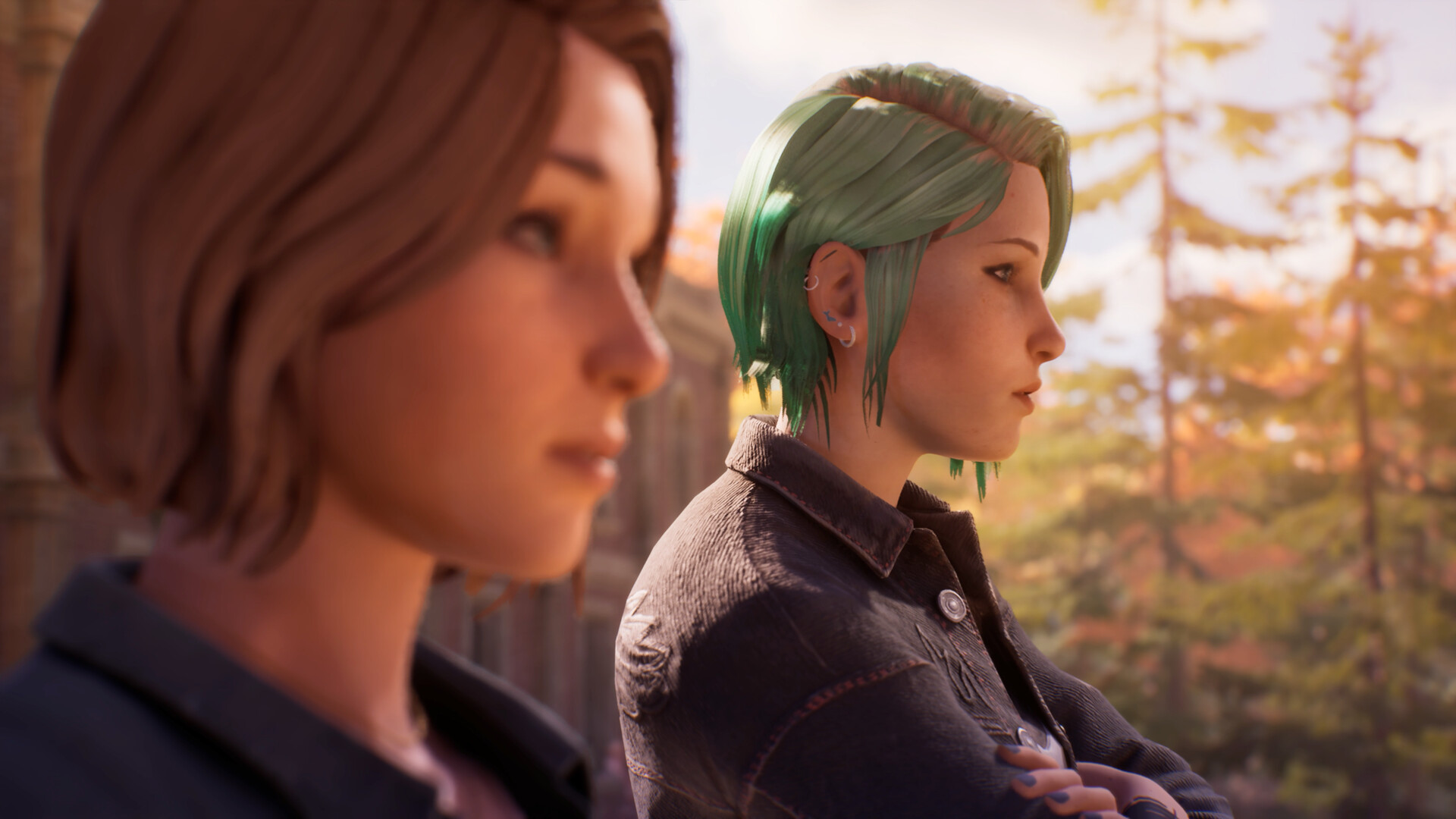
I slapped Reunion into my library expecting a sentimental trip down memory lane — and I got just that, mixed with smoke alarms, moral potholes and a surprisingly mechanical puzzle loop. Deck Nine brings back Max’s rewind and Chloe’s snark for a story that tries to be both an intimate goodbye and a ticking-clock thriller. If you loved the original Life is Strange, Reunion will hit familiar chords; if you’re wary of the series repeating itself, there are moments that feel a little too eager to please. Either way: prepare to cry, strategize, and occasionally roll your eyes.
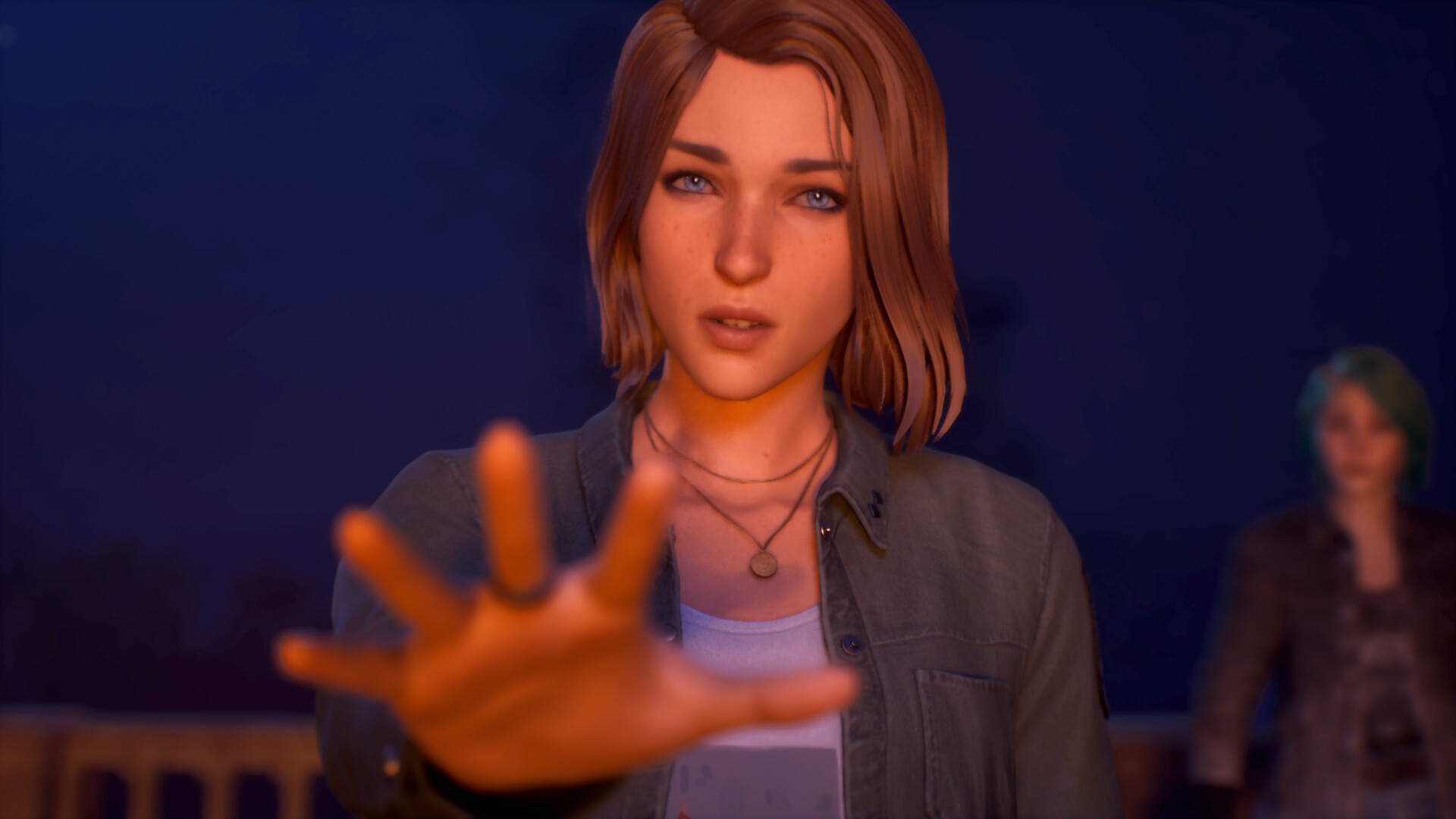
Racing the Flames: The Three-Day Burn
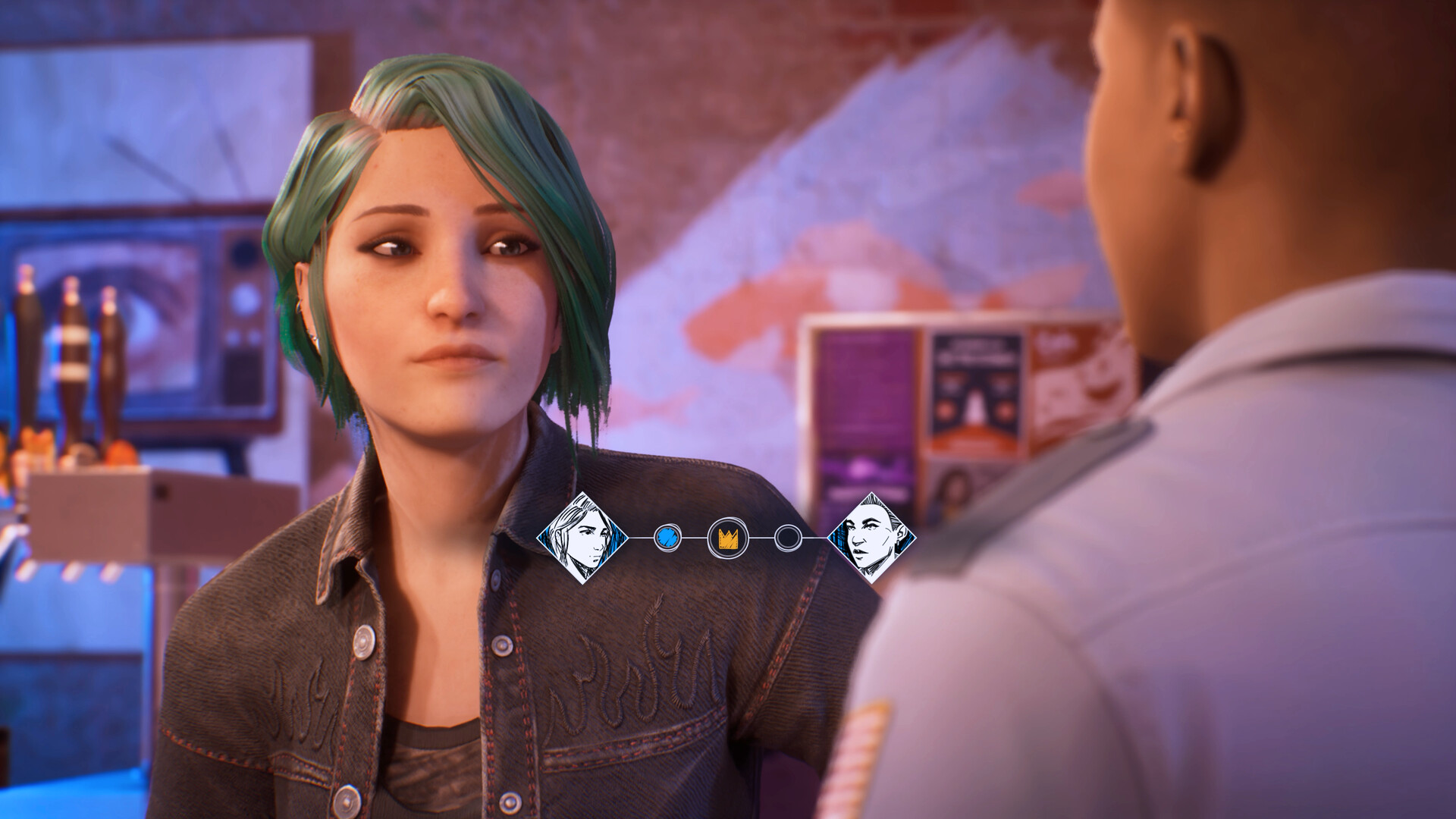
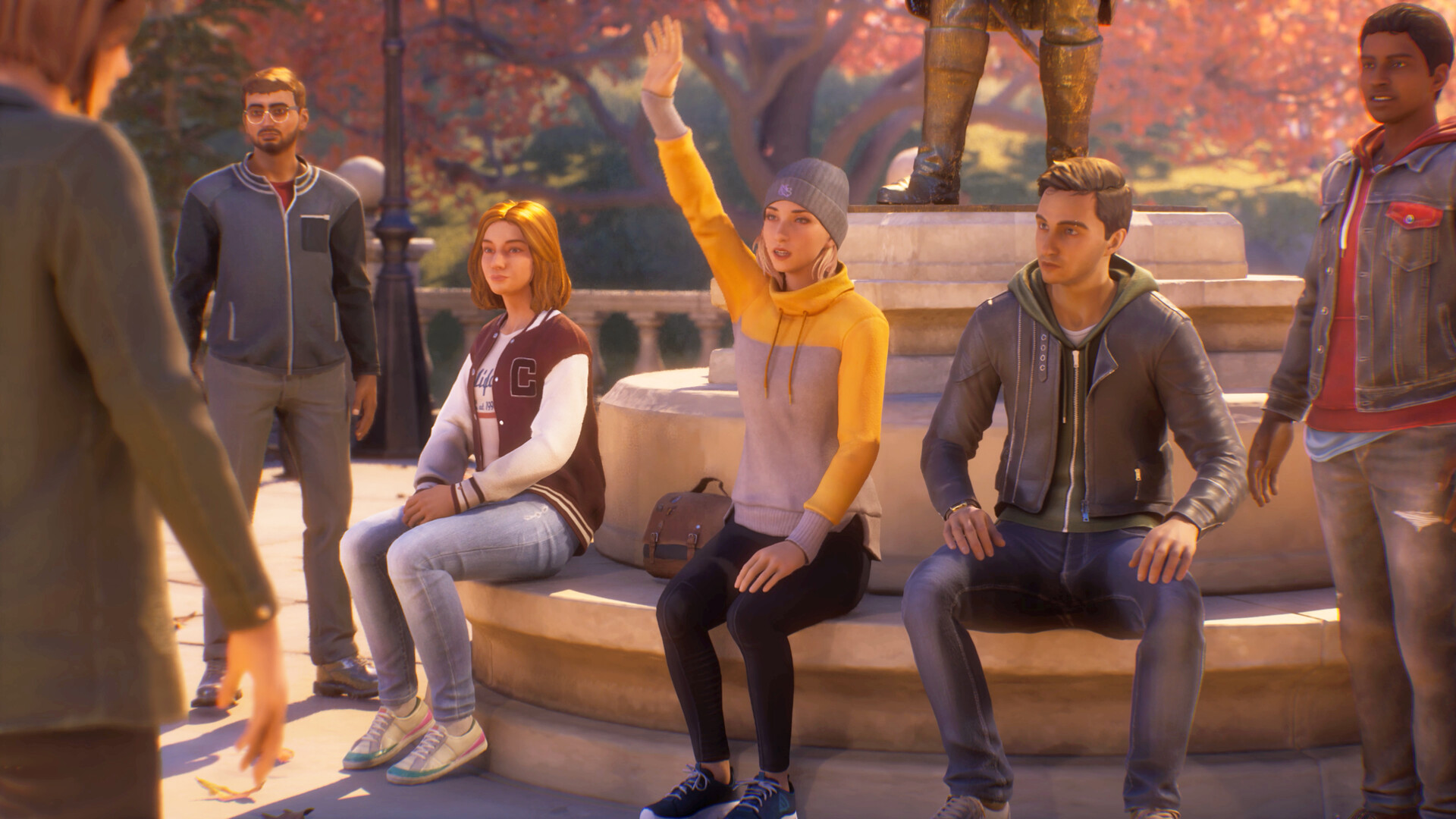
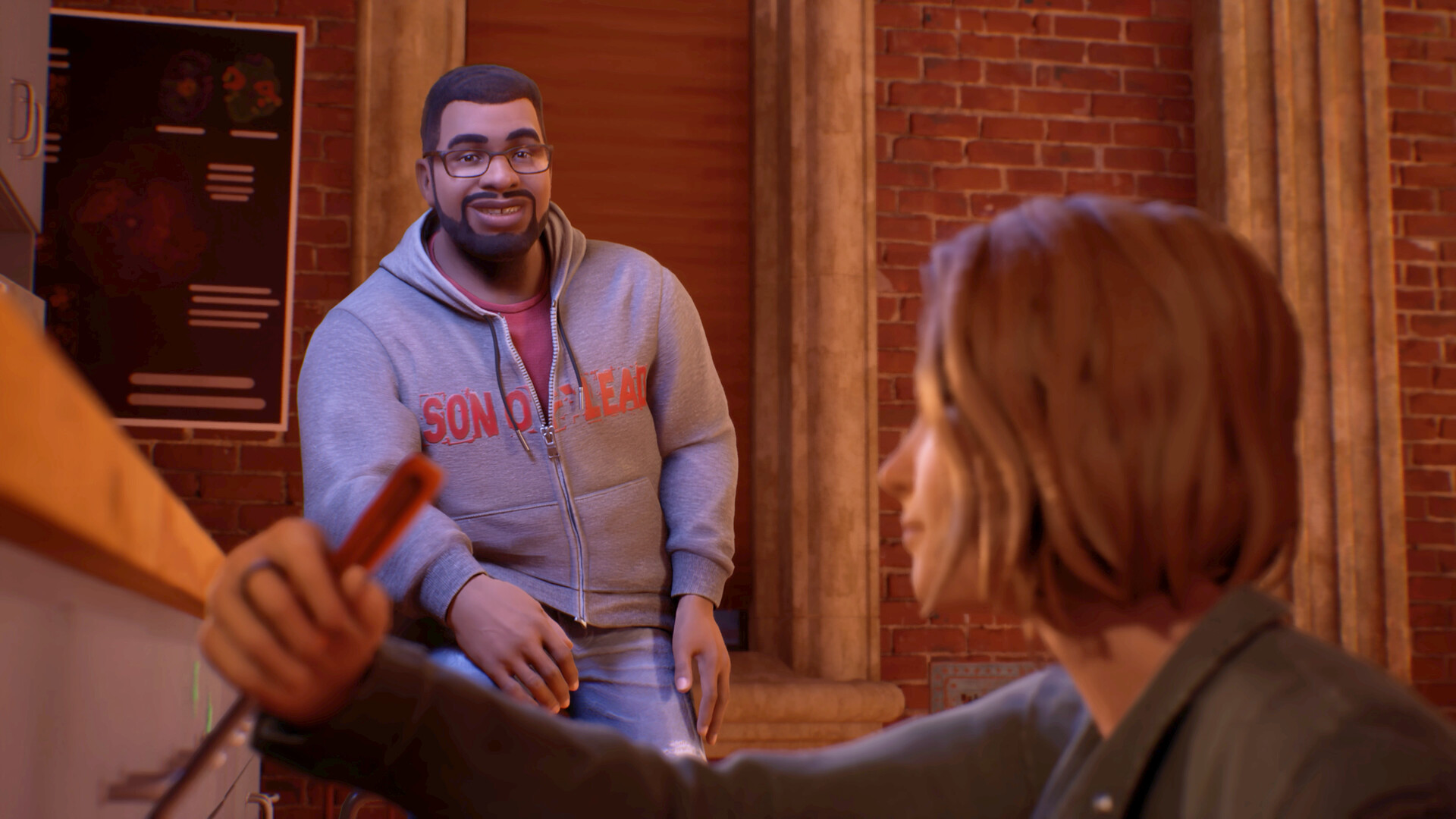
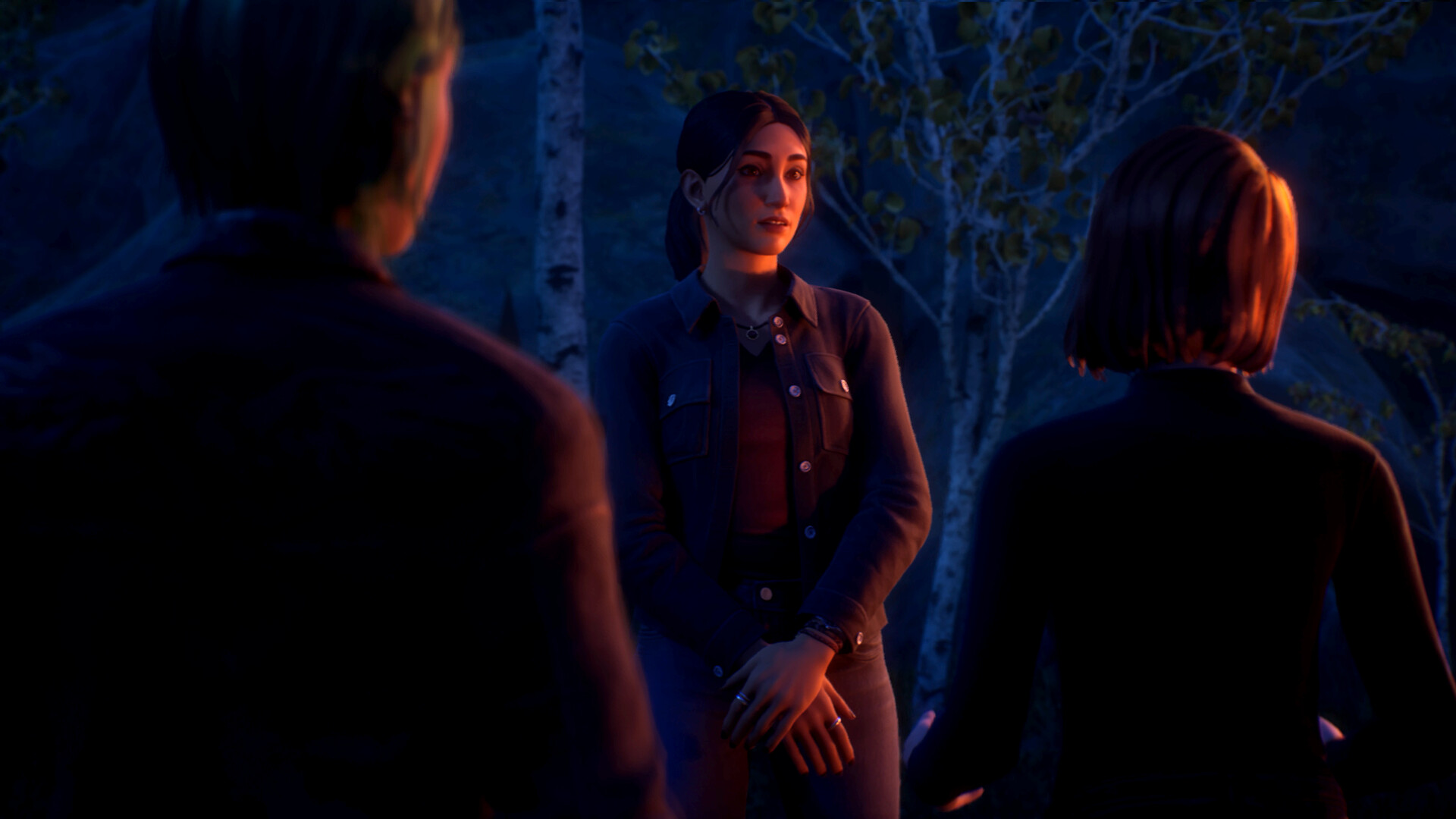
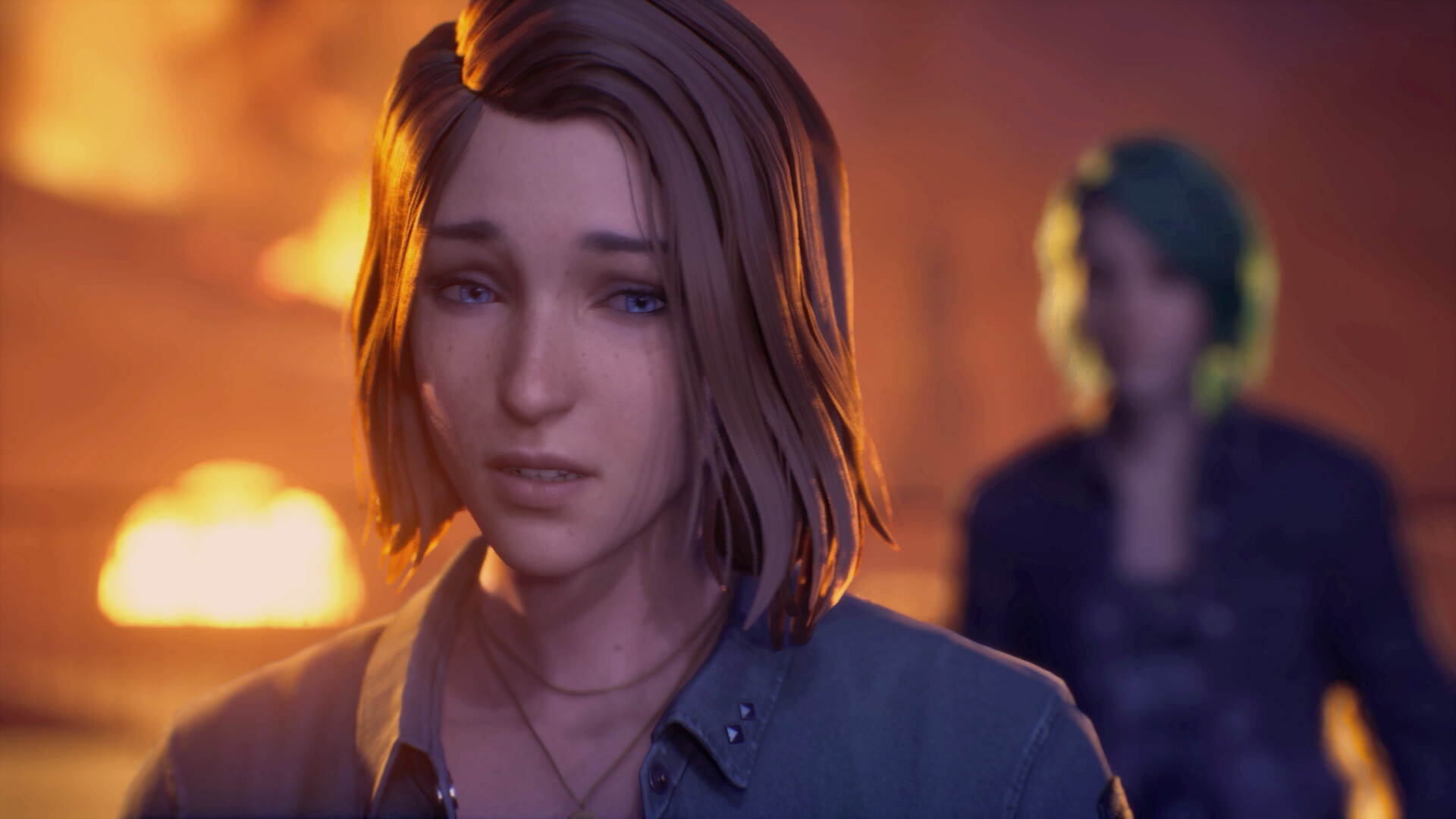
The heart of Reunion is tension with a timer. You’re moved between Max and Chloe as the campus edges toward a planned inferno in three days, and most scenes hover between quiet conversations and frantic decision-making. Gameplay leans heavily on the series’ classic dialogue trees, environmental puzzle solving and Max’s signature Rewind—only now the stakes are constantly underlined by a looming deadline. Routine exploration means photographing details, piecing together clues about motives and suspects, and choosing who to trust. It’s less about twitch reactions and more about timing your rewinds and accepting the emotional fallout.
When Memory Breaks: Four-Dimensional Puzzles & Backtalk
Reunion tries to flip the usual formula by leaning into so-called four-dimensional puzzles—using Rewind not only to undo dialogue but to alter objects and sequences across time to open new paths. Chloe’s playable segments are a fun contrast: she doesn’t rewind, but she brings Backtalk and improvisation, which shifts the rhythm into more verbal sparring and stealthy manipulation of social situations. These swaps between methodical Rewind puzzles and punkish Chloe moments create variety, though sometimes the balance feels lopsided: a couple of puzzles are delightfully clever, while others reduce to trial-and-error Rewind loops. The narrative device of unraveling double memories adds satisfying detective work, and the choice-impact system still delivers weighty, sometimes brutal outcomes.
A Soundtrack and Face for the Future
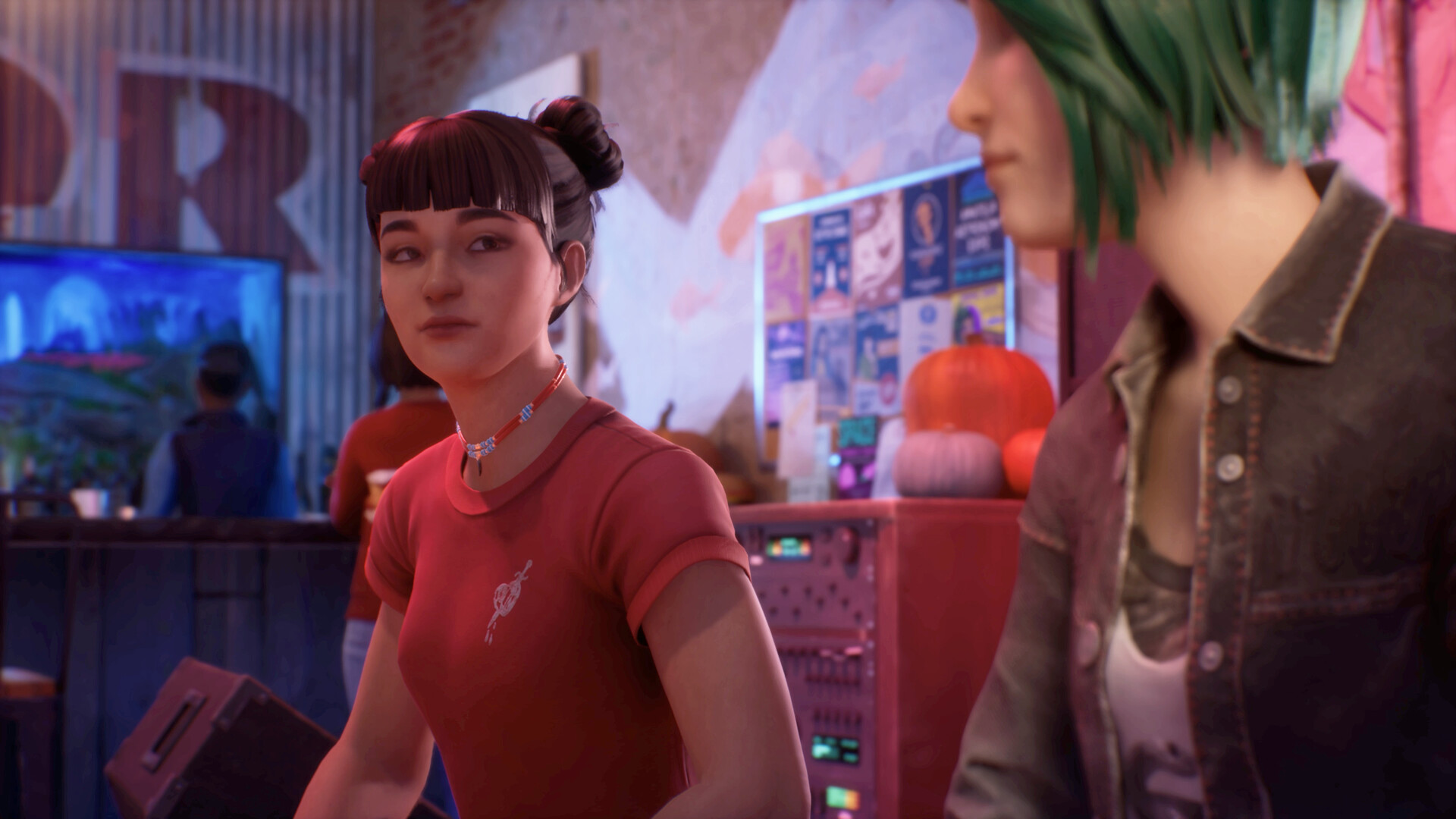
Presentation is a mixed bag: the soundtrack is excellent—nostalgic licensed tracks sit nicely with an emotional original score that raises scenes rather than smothers them. Voice acting largely hits the mark (shoutout to Pricefield fans), though facial animation occasionally slides into uncanny-valley territory with overbaked expressions that distracted me more than once. Performance seems improved over Double Exposure for many players, with fewer stutters on mid-range rigs; however, widescreen support like 21:9 was missing at launch for some setups, and small bugs persist. The Deluxe Edition extras (artbook, soundtrack, documentary) are nice fanservice if you want behind-the-scenes context, but none of that changes the core—the game sells itself on choices, characters, and the emotional rollercoaster.
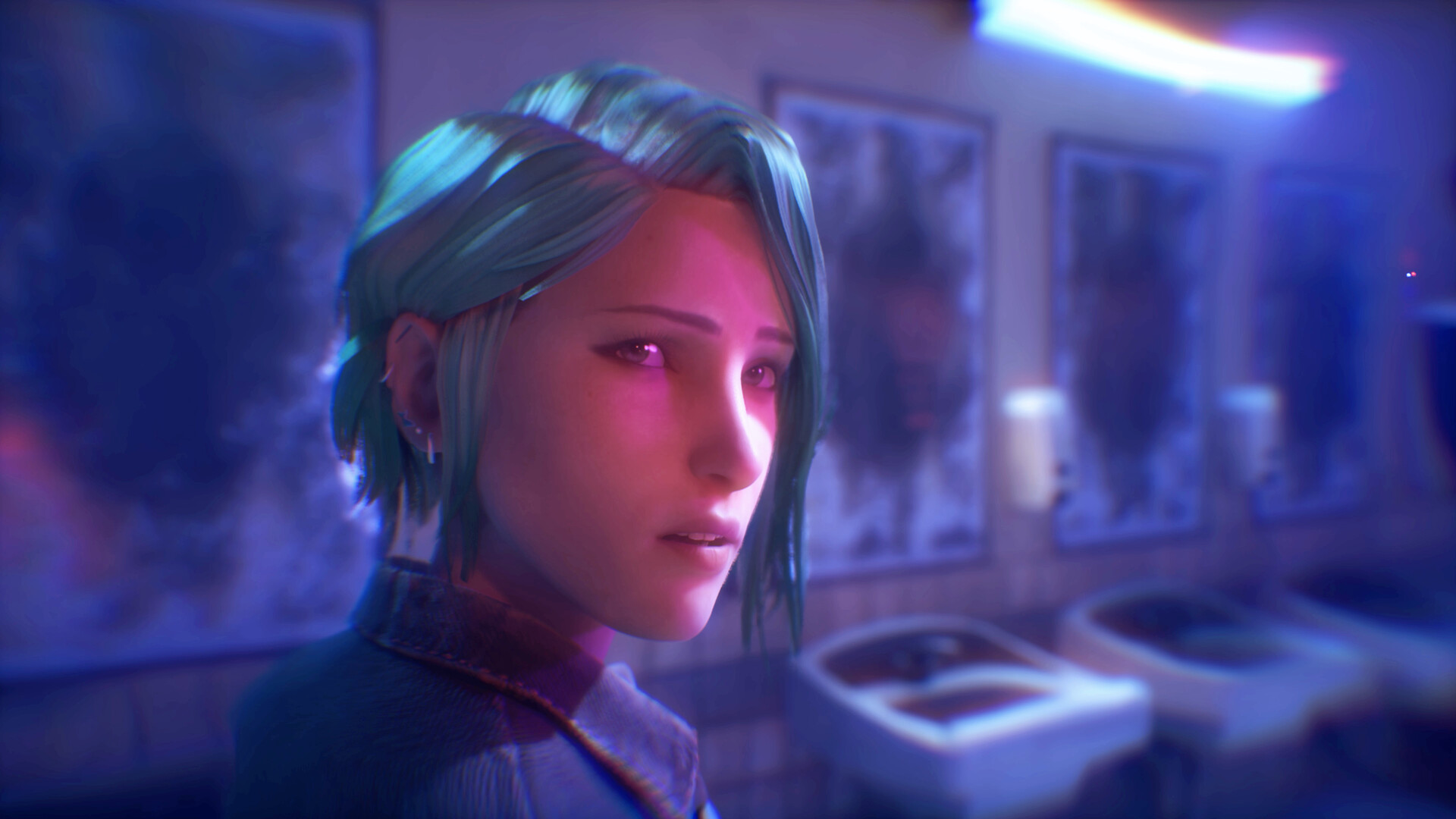
Life is Strange: Reunion is a heartfelt, sometimes messy farewell that mostly succeeds when it trusts its characters and emotional pacing. Deck Nine delivers memorable beats, solid puzzles and a soundtrack that lingers—while also showing the franchise’s Achilles heel: repeating its safe hits. Buy it if you’re a Pricefield fan or love choice-driven narrative games; if you want something radically new, maybe wait for sales or a patch.


Pros
- Powerful emotional beats and character moments
- Clever Rewind-based puzzles that sometimes surprise
- Excellent soundtrack and strong voice performances
- Chloe's playable sections add freshness and attitude
Cons
- Some puzzles feel like trial-and-error Rewind loops
- Facial animations occasionally hit uncanny-valley territory
- Series fatigue — risks of over-relying on Max & Chloe
Player Opinion
Player feedback is split between genuine joy and cautious fatigue. Many reviews gush about the return of Pricefield, praising the music, voice acting and improved optimization compared to Double Exposure; fans say the emotional payoff landed harder than expected. On the other side, there’s a persistent chorus worried the series is leaning too often on Max and Chloe, with some accusing the franchise of nostalgia-milking. Technical gripes are mostly practical: bugs here and there, missing widescreen support at launch for some monitors, and occasionally overdramatic facial expressions. If you loved the originals, you’ll find a lot to celebrate; if you wanted a new direction, be prepared for familiar beats.