






Cairn Review – A Gruff, Gorgeous Climbing Simulation
Cairn turns every rock face into a tense puzzle: realistic climbing, survival choices and a haunting story make this a must-play for simulated-movement fans—warts and all.
I didn’t expect to be this emotionally invested in a climbing sim, but Cairn sneaks up on you. You play as Aava, a climber chasing an unreachable summit, and the game treats each pitch like a miniature moral and mechanical puzzle. It blends tight limb-based controls with resource management and a small but memorable cast, all wrapped in art by Mathieu Bablet and a haunting soundscape. If you like the deliberate rhythm of methodical games—think a slower, grittier analogue to climbing documentaries—this one’s for you.
Climbing Like a Conversation
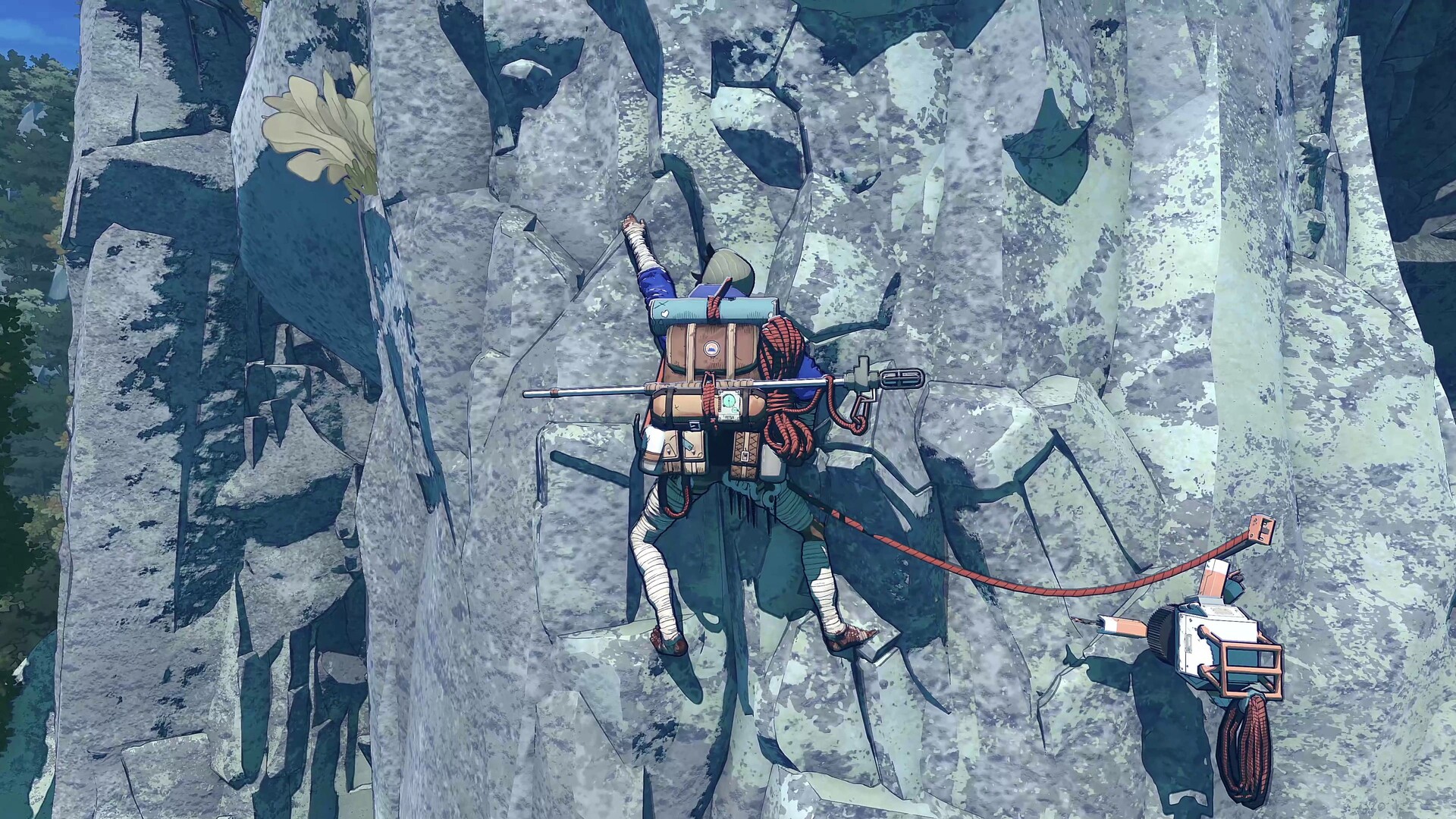
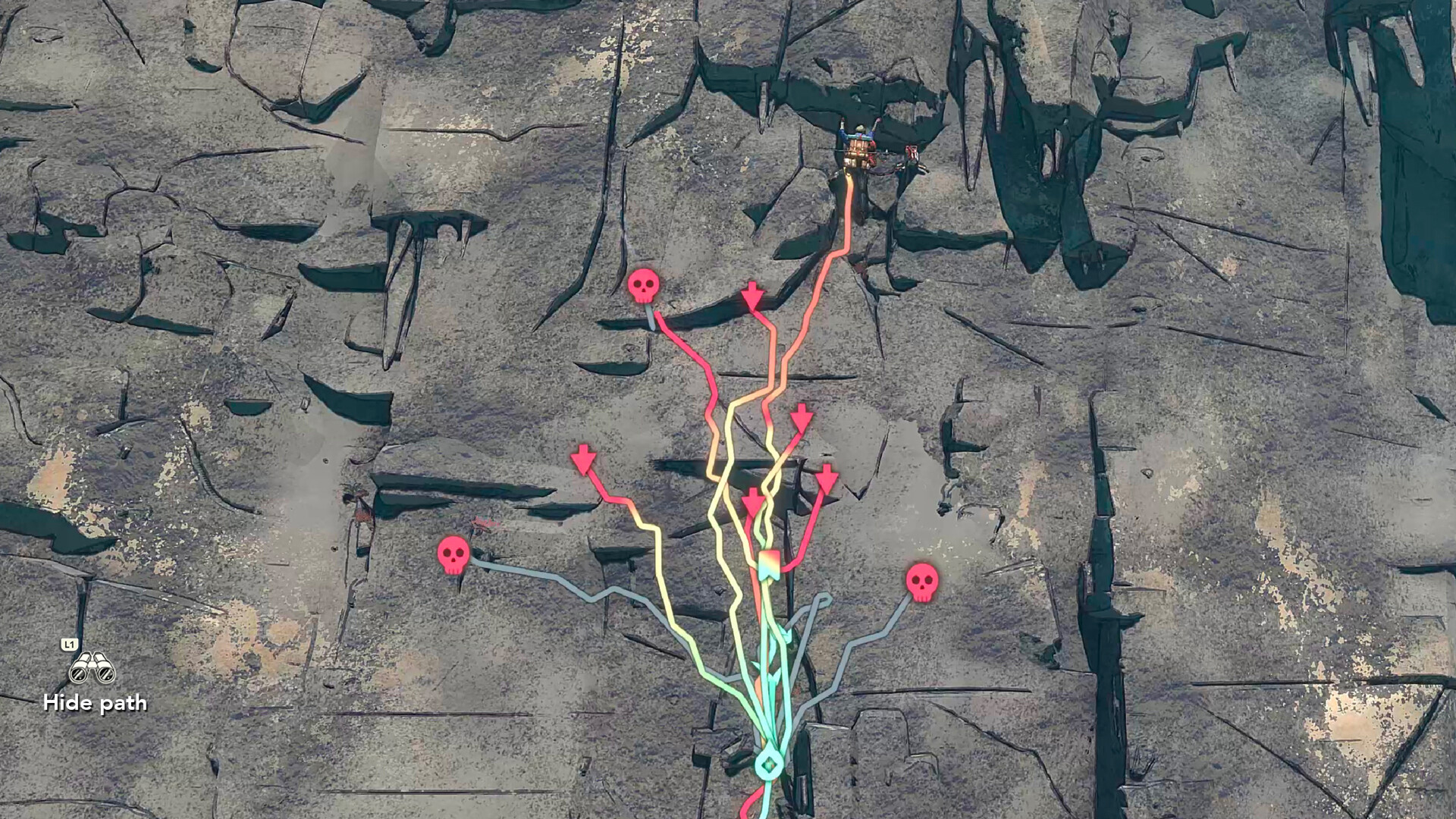
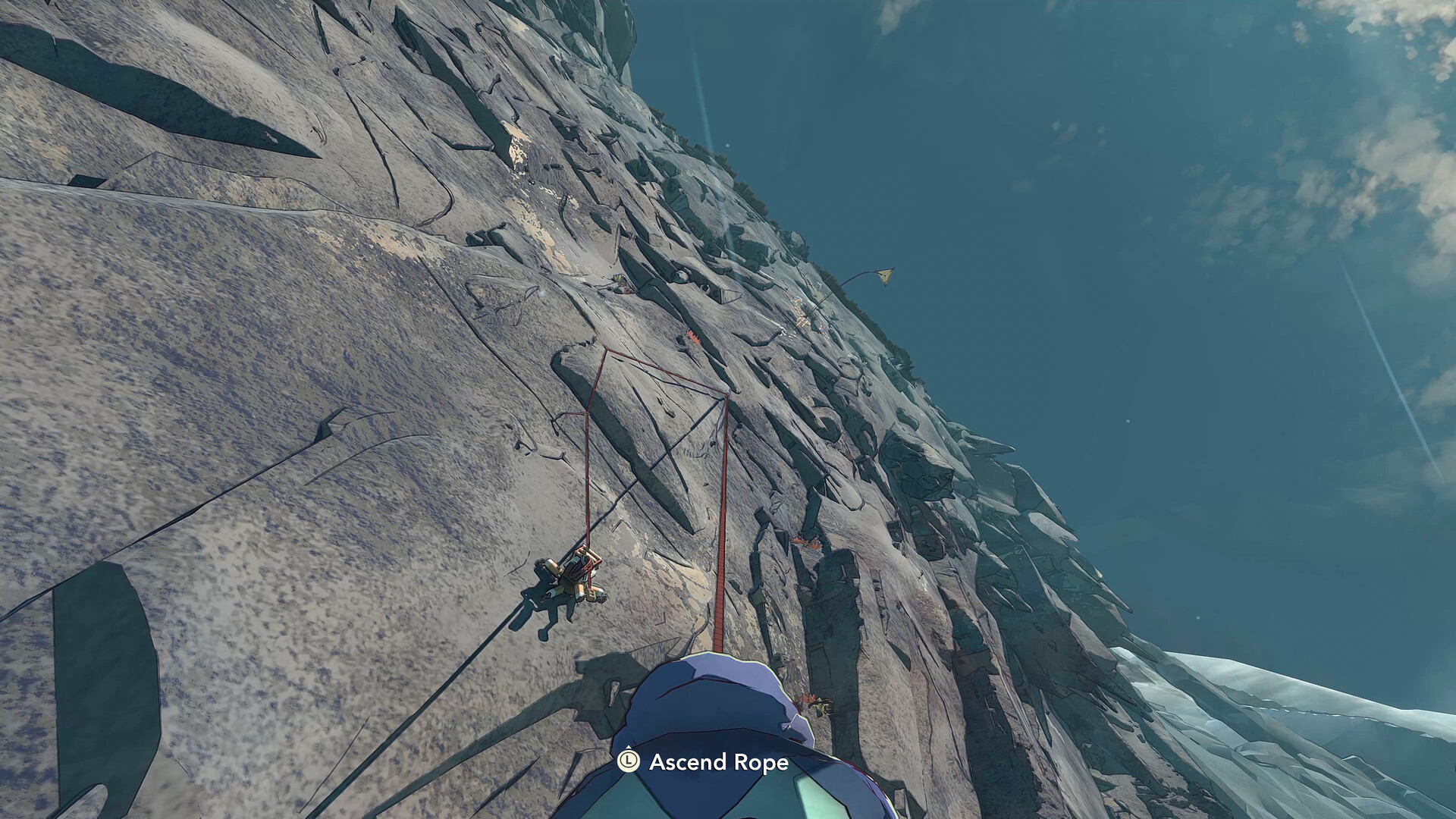
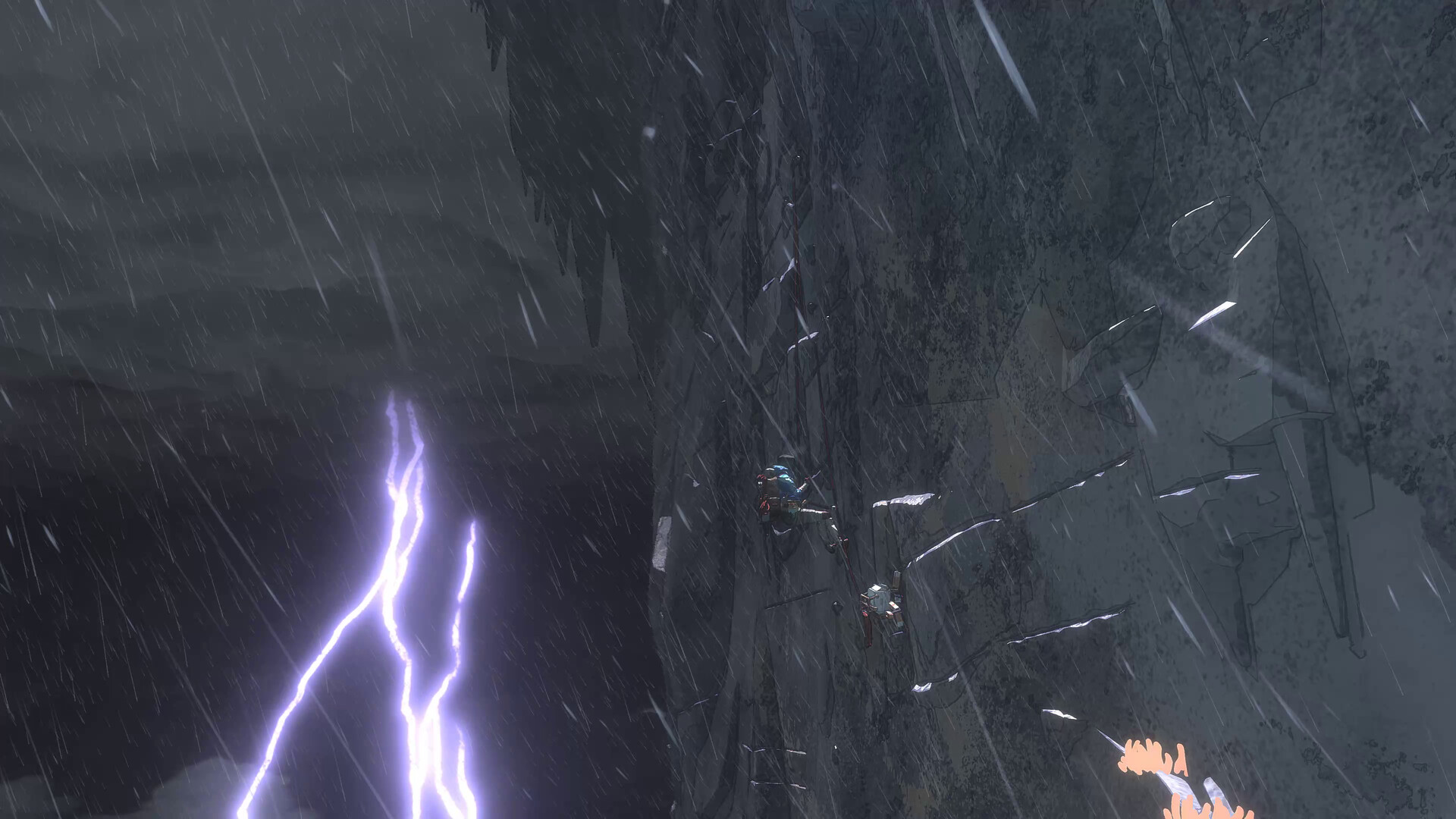
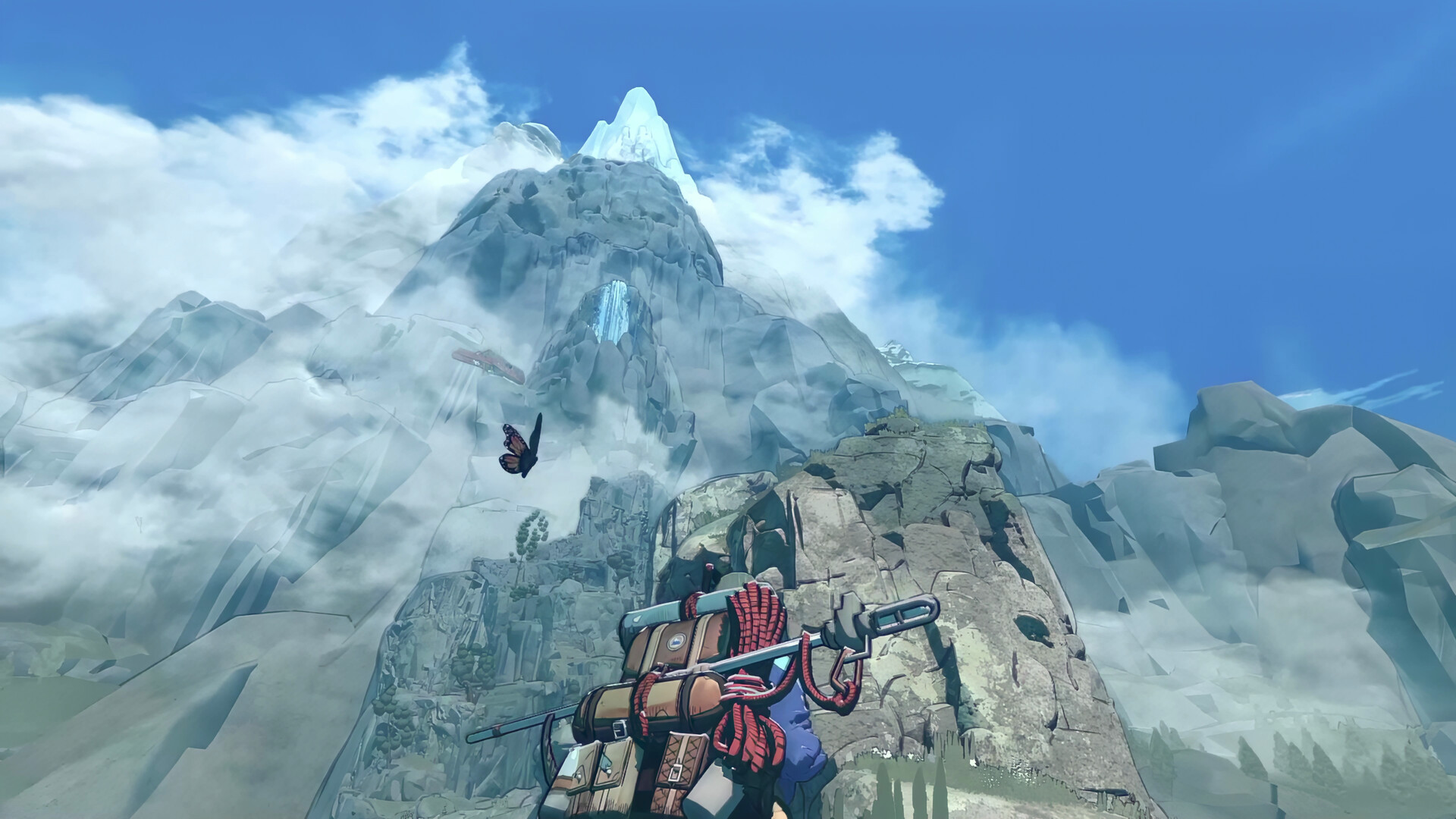
Cairn makes climbing feel less like a quick-time reaction and more like a conversation with the rock. The core loop is deliberate: read the face from the ground, plan a route, place hands and feet, adapt posture and conserve energy. Limb selection and balancing are tactile—choosing the right hold, weighing effort versus reach, and learning to trust a shaky right hand become daily micro-decisions. Falls hurt, not just mechanically but emotionally; the game makes you care about each mistake. Successful moves reward patience and observation rather than twitchy reflexes. The daily routine of setting pitons, chalking fingers and choosing bivouac sites gives the ascent a rhythm that feels earned.
When the Route Is the Story
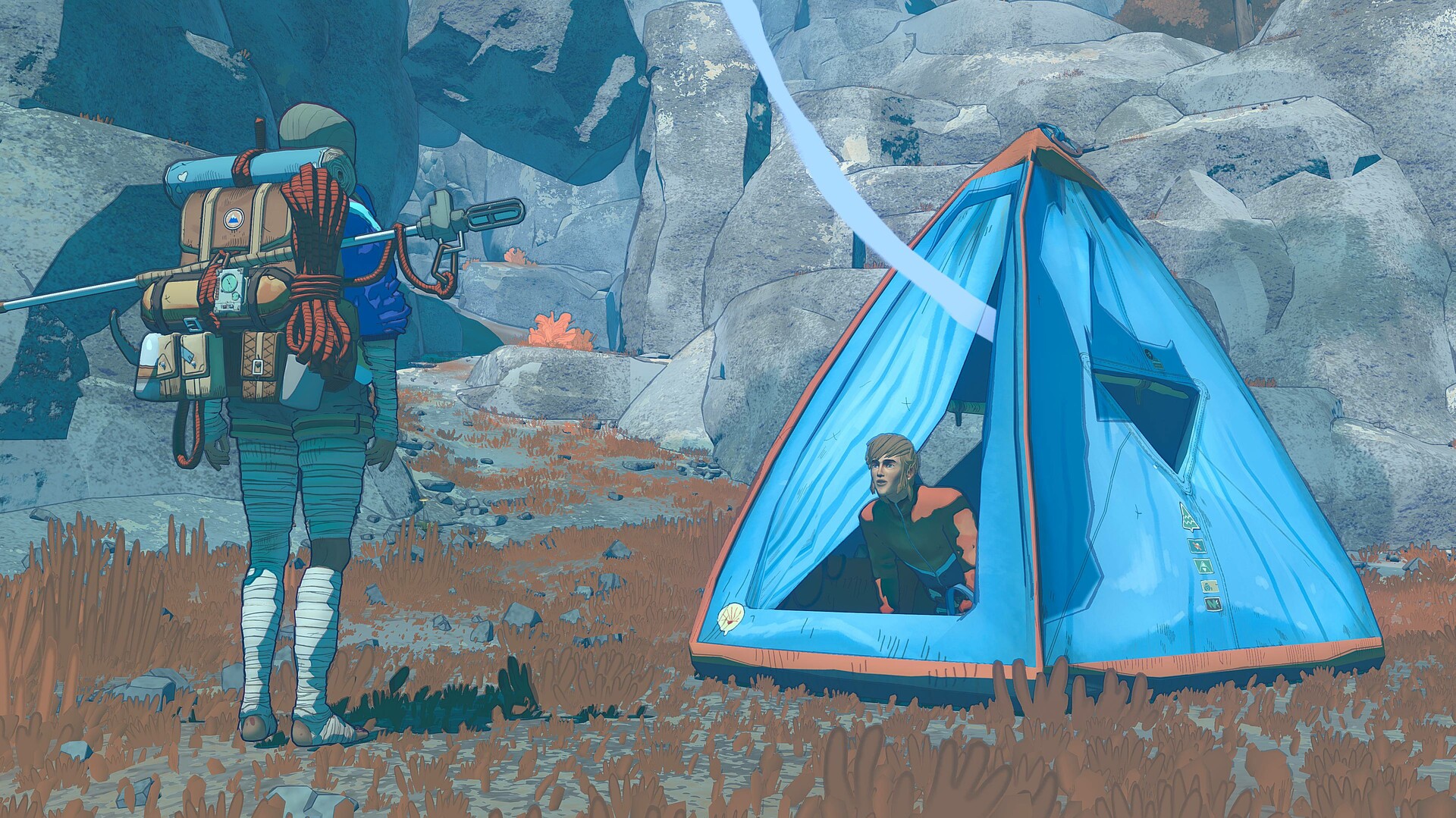
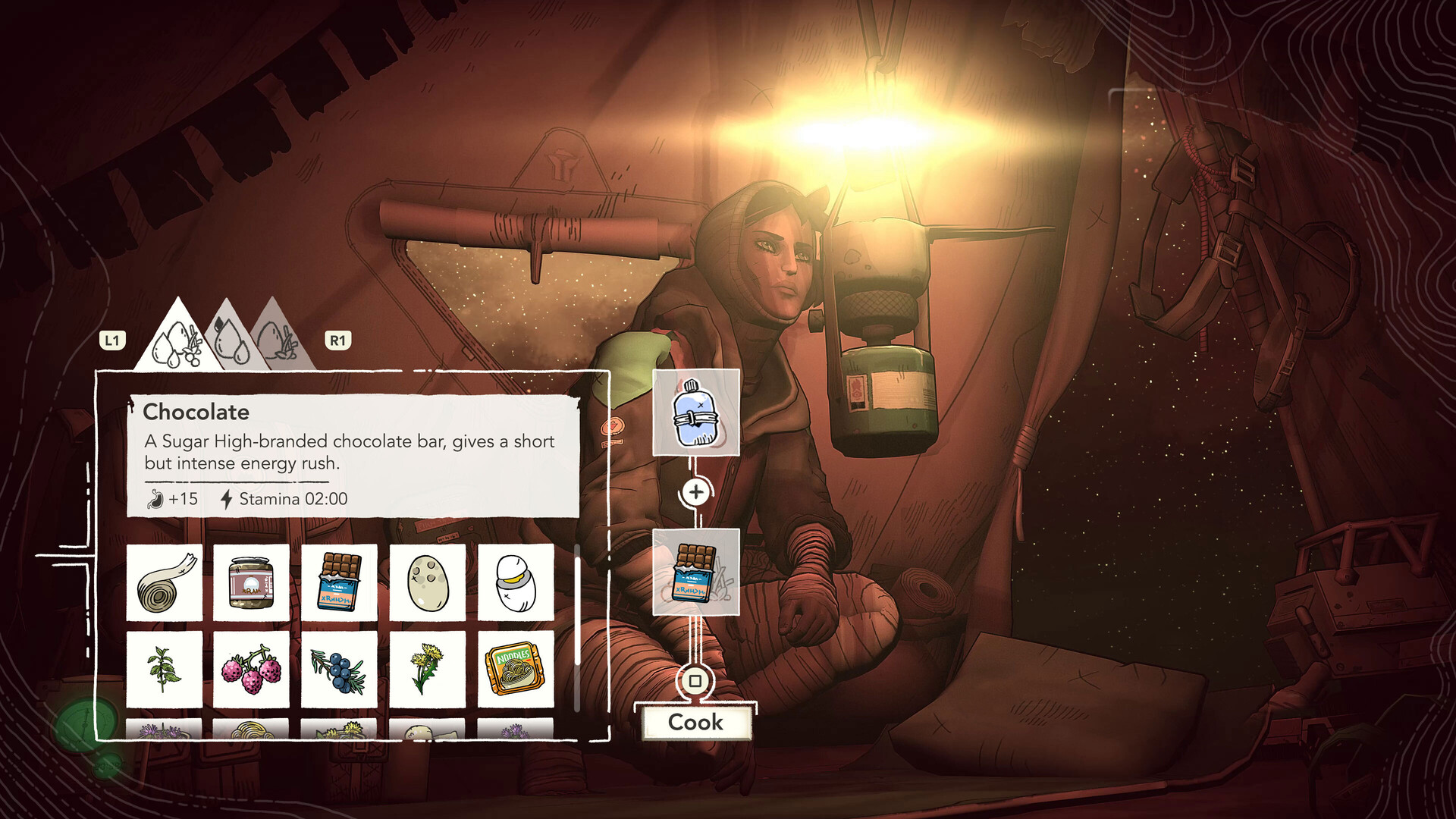
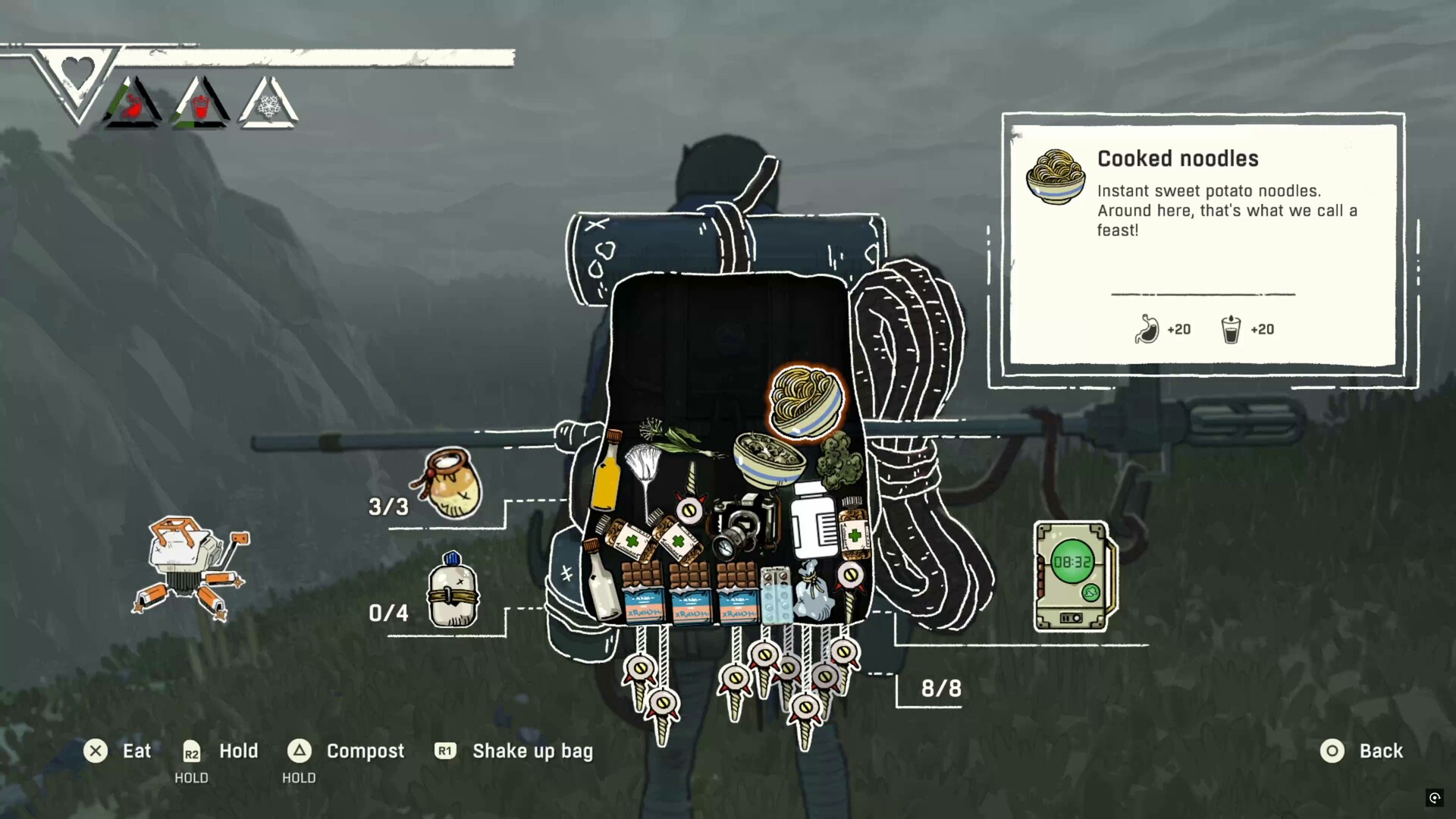
What sets Cairn apart is how routecraft doubles as narrative. The mountain isn’t a backdrop but a character: its faces remember your choices and the people you meet on ledges shape how you think about risk. You’re free to improvise—climb a chimney nobody expects you to, skirt a crevasse or commit to a desperate dyno—and those choices change the pacing and resource cost of the climb. Encounters with other climbers are short but sharp: their advice, doubts and stories add moral texture. Survival elements (food, tape, pitons, weather) aren’t tacked on; they’re woven into the decisions about which line you try and when you rest.
A Mountain Worn into Pixels and Sound
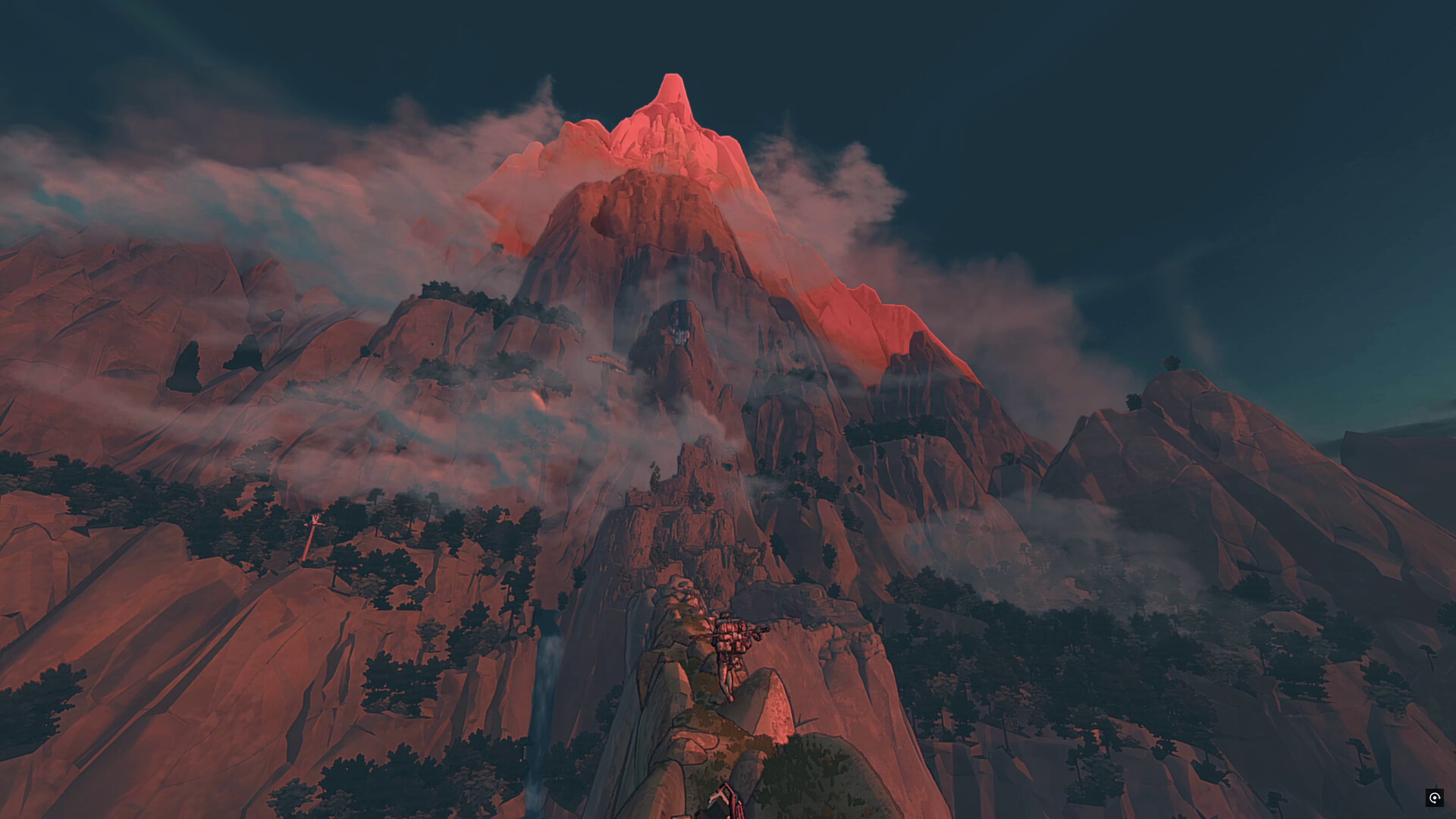
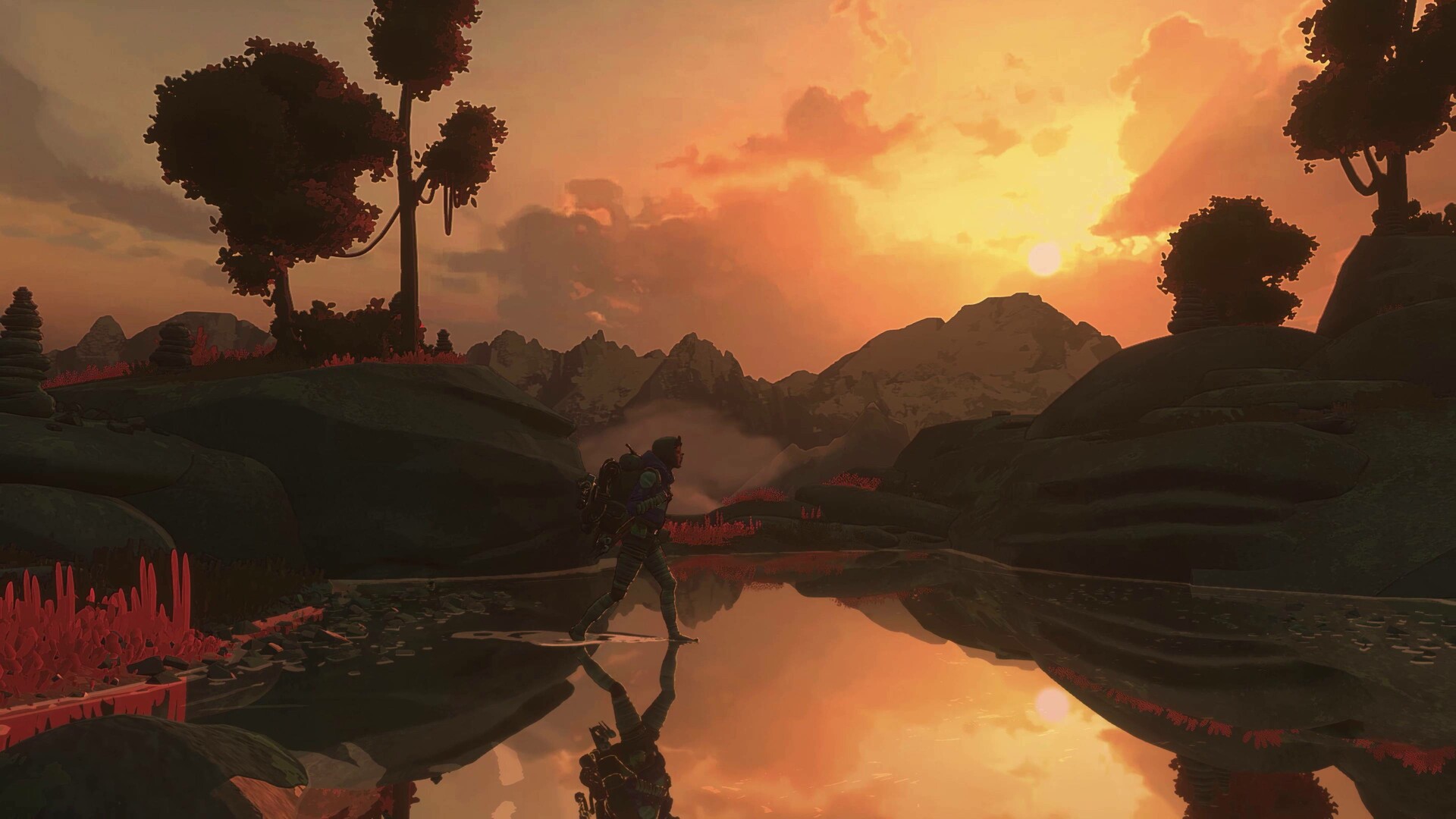
Visually, Cairn is a study in restrained beauty. The art leans toward comic-book linework with textured, weathered environments that sell the mountain’s cruelty and majesty. Sound design is subtle but crucial—wind, rock creaks, labored breaths and an occasional swell of music punctuate long stretches of silence. Performance is solid on many setups, but some users report AMD-specific hiccups and UI quirks (tooltips sticking, limb-selection stutter); expect patches in early life. Accessibility options are thoughtful: adjustable difficulty, control remapping and hints let you tailor the tension, which helps the game stay challenging without being punishingly exclusionary.
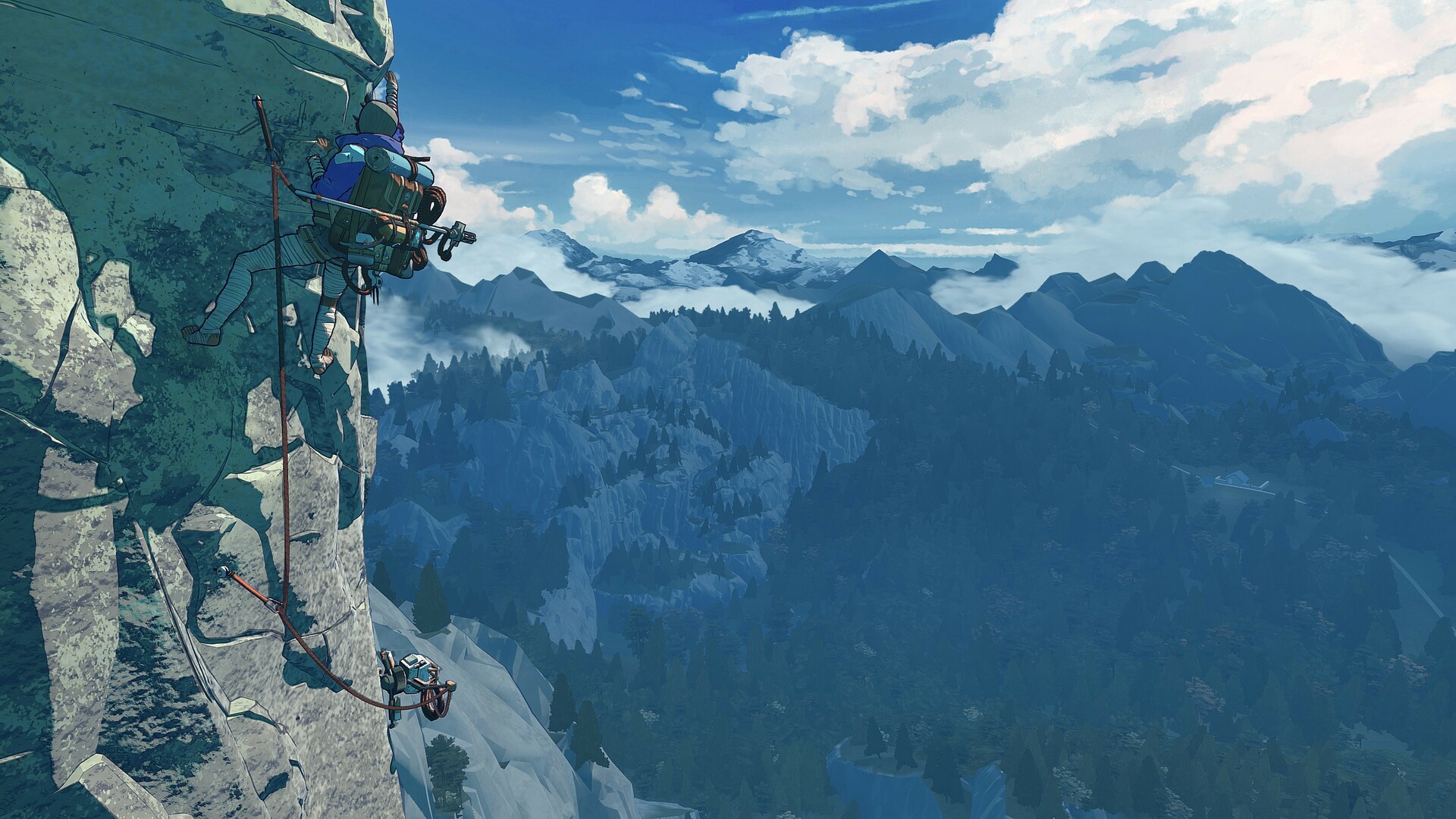
Cairn is not a casual stroll—it's a crafted, sometimes brutal depiction of mountaineering that rewards patience, planning and a bit of stubbornness. If you enjoy tactile puzzles, survival decision-making and a story that grows out of the climb itself, this is a rare and memorable experience. Try the demo first if you’re unsure, and keep an eye on early patches for performance fixes. I recommend it to anyone who wants a thinking player’s climb rather than an arcade climb.
Pros
- Deep, tactile climbing mechanics that reward patience
- Strong atmosphere and narrative woven into routes
- Thoughtful survival systems that complement the core loop
- Beautiful art direction and evocative sound design
Cons
- Performance quirks on some AMD setups and occasional UI bugs
- Steep learning curve that can frustrate newcomers
- Shorter runtime for completionists if you skip exploration
Player Opinion
Players largely praise Cairn’s fidelity to the climbing experience and its meditative tension. Many reviewers say they were moved by the atmosphere and the small, well-written interactions with other climbers—several called it their personal GOTY already. The demo converted a number of skeptics, with gym climbers and puzzle fans alike enjoying the tactile problem-solving. Criticisms cluster around performance—especially on some AMD cards—and a few UI glitches such as persistent tooltips and awkward limb-selection moments. Recurrent themes: it’s rewarding but unforgiving, try the demo first, and if you like methodical challenge or climbing culture (or documentaries like Free Solo), you’ll likely love it.