






OPUS: Prism Peak Review – A Photographic Journey Through the Dusklands
A slow-burning, photography-driven adventure from SIGONO that trades combat for composition. Expect emotional storytelling, lush visuals and a notebook full of secrets — plus a few frustrating save and collectability quirks.
I went into OPUS: Prism Peak thinking I was signing up for another cozy walk-and-talk game — and ended up snapping my way through one of the most oddly moving experiences SIGONO has made. You play a weary photographer and a mysterious girl with no memory, trekking the Dusklands in search of answers. What sets it apart is how the camera is not just a gimmick but the primary lens for exploration, puzzle-solving and emotional discovery. If you like games that make you pause, look and think, this one will keep you honest — and occasionally make you sigh.

Framing the Journey
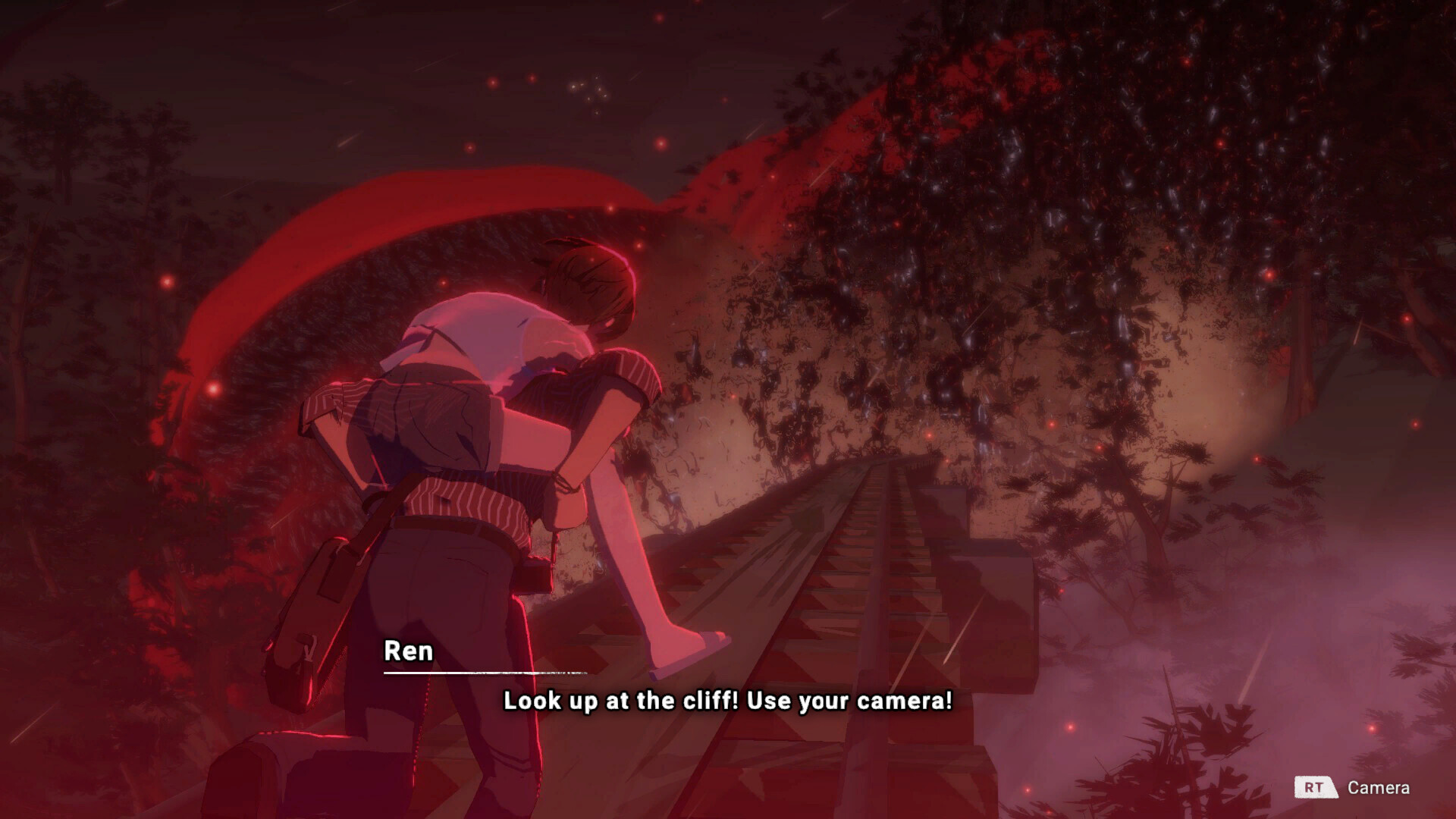
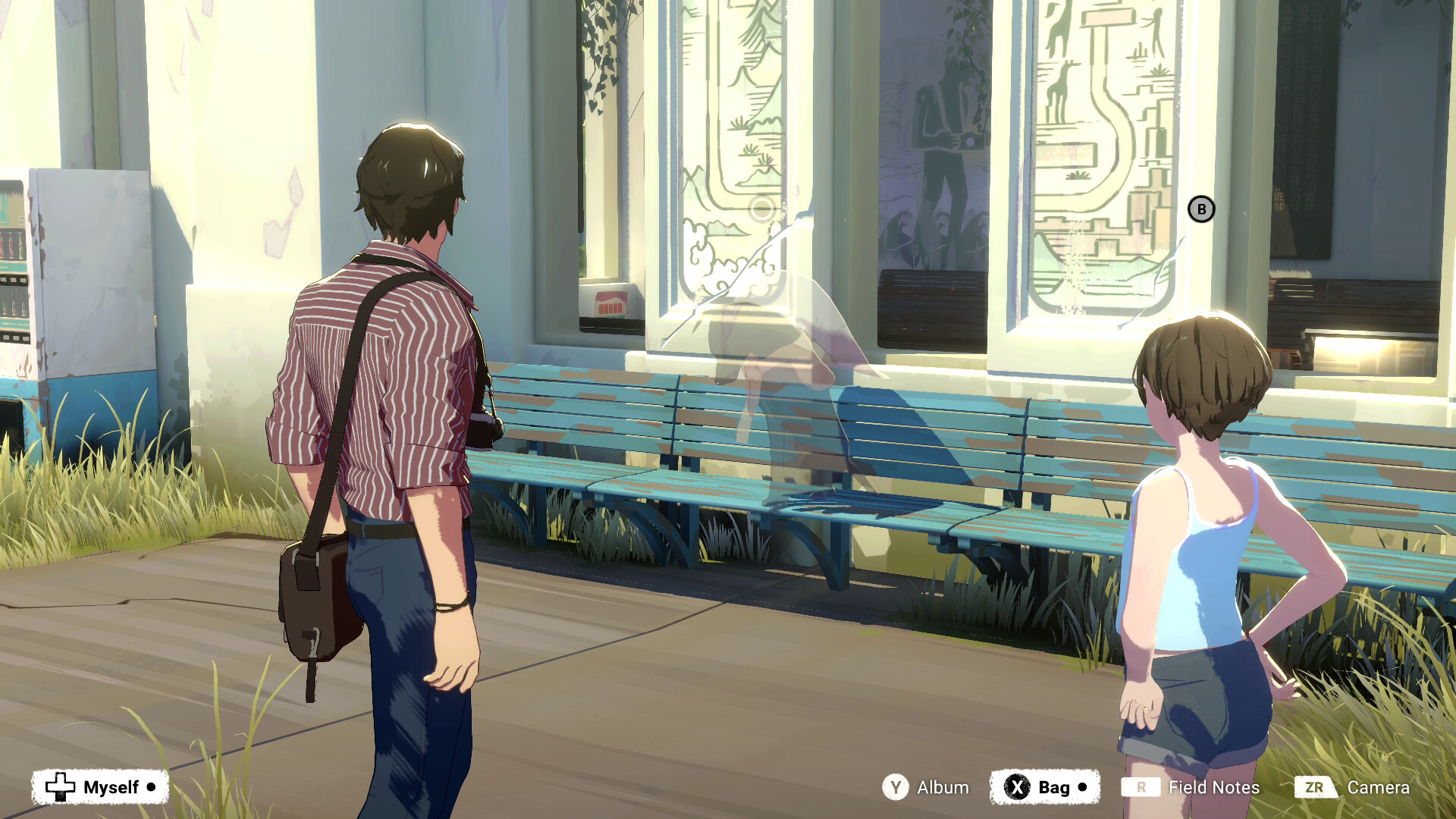
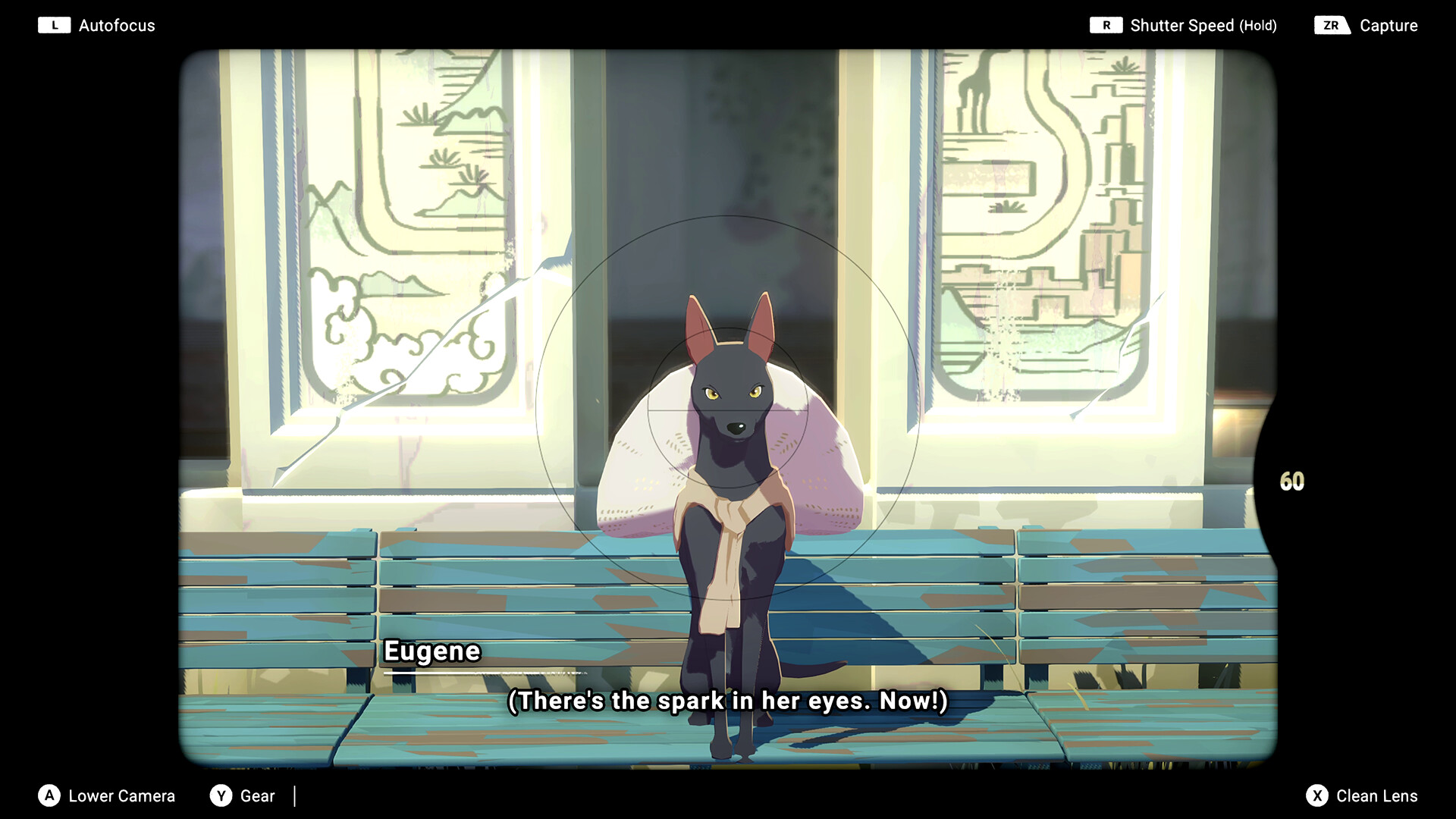
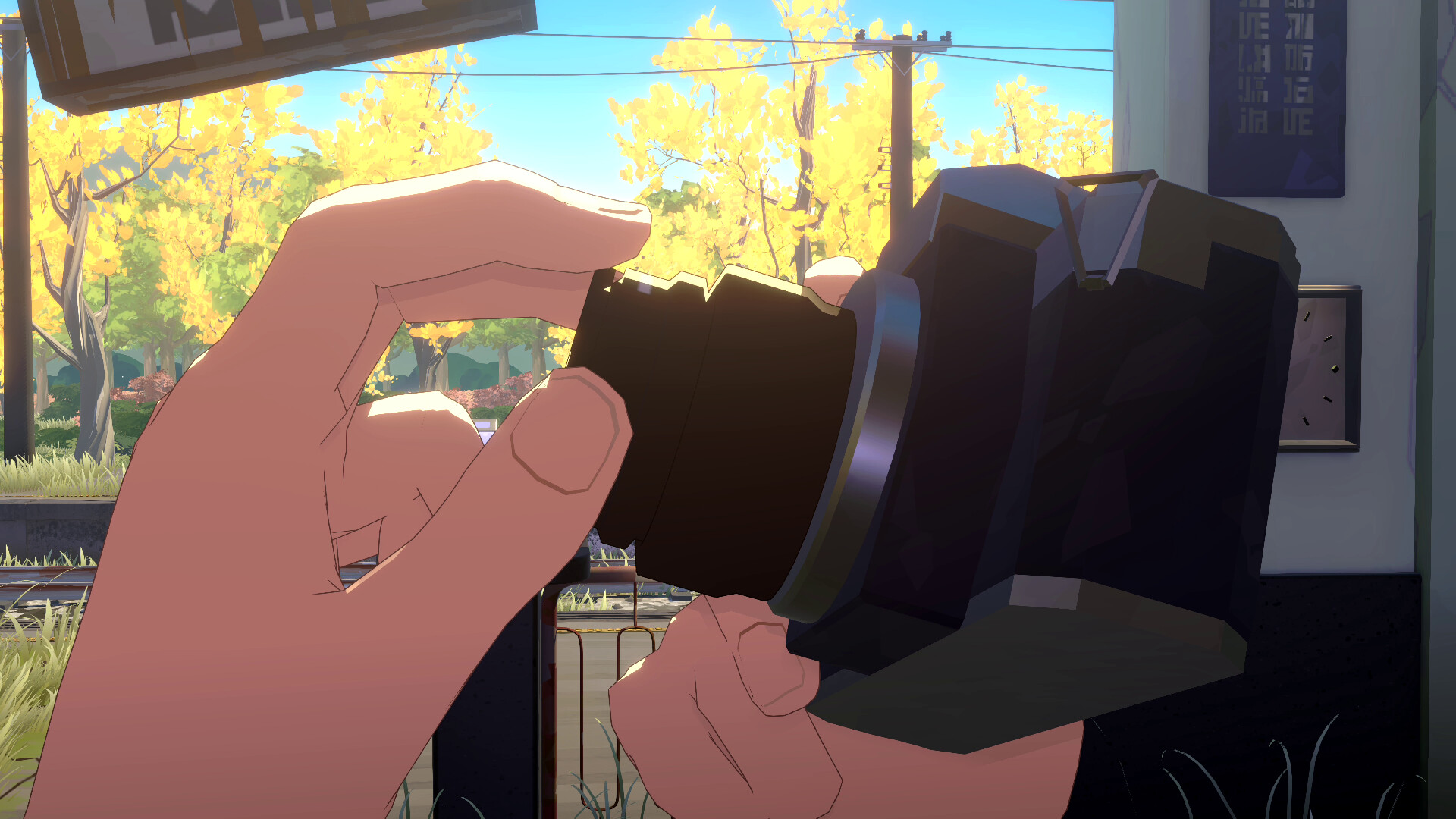
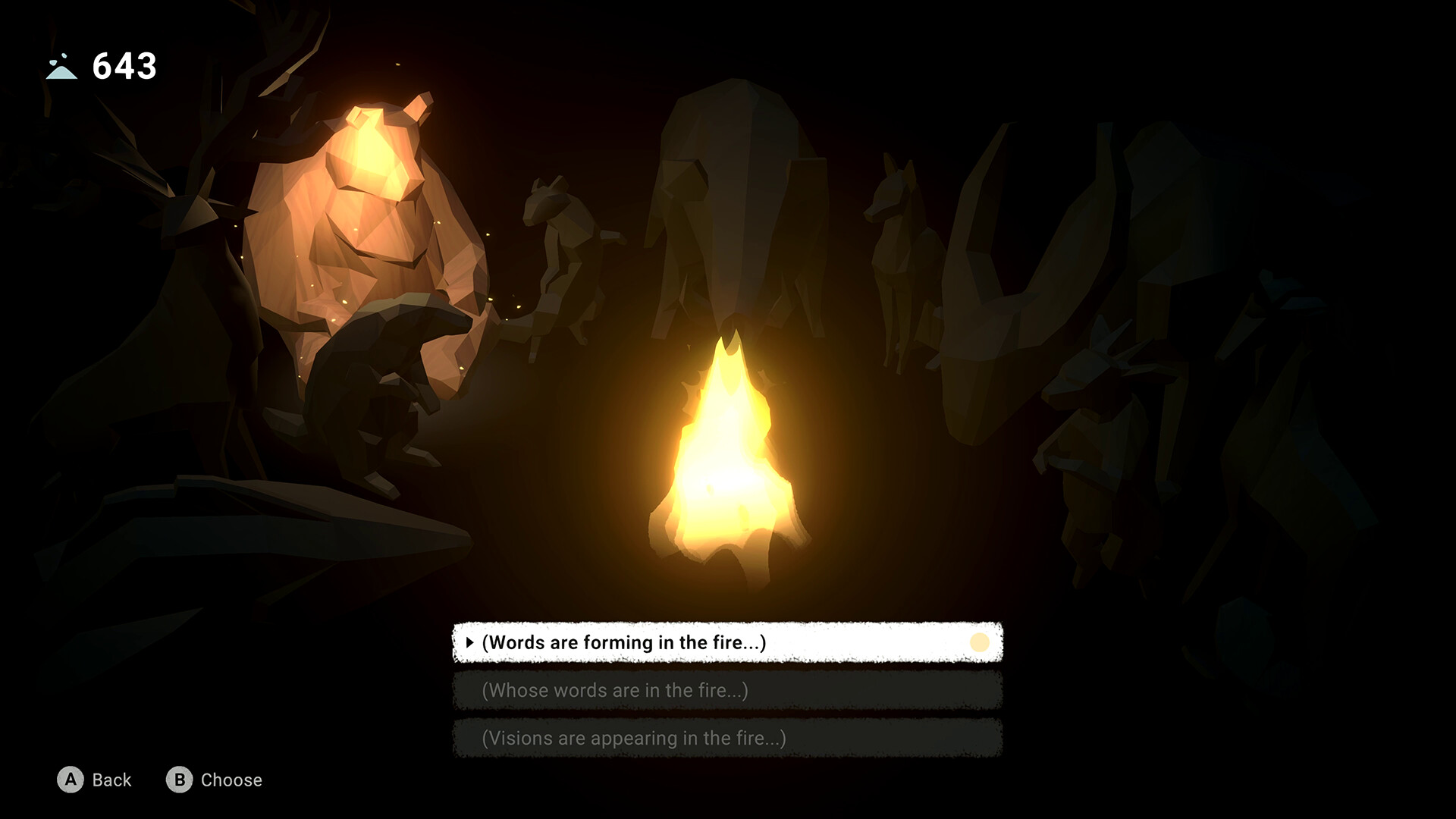
At its core OPUS: Prism Peak asks you to look slowly. The primary interaction loop revolves around an old analog camera: framing shots, timing exposures, choosing focus and filters, and sometimes waiting for the exact spirit or light to reveal itself. Exploration is deliberate — you wander small, vignette-like areas, inspect objects, chat with animal-shaped spirits and decide which moments are worth photographing. There are light puzzle beats where a correctly composed photo satisfies a spirit's desire or unlocks a shrine, so photography doubles as both storytelling and key-based progression. Movement is intentionally measured, which fits the game's reflective mood but occasionally makes backtracking feel sluggish. I spent as much time fiddling with aperture settings as I did reading the journal entries the game rewards you with.
Shrines, Notches and the Language of Light
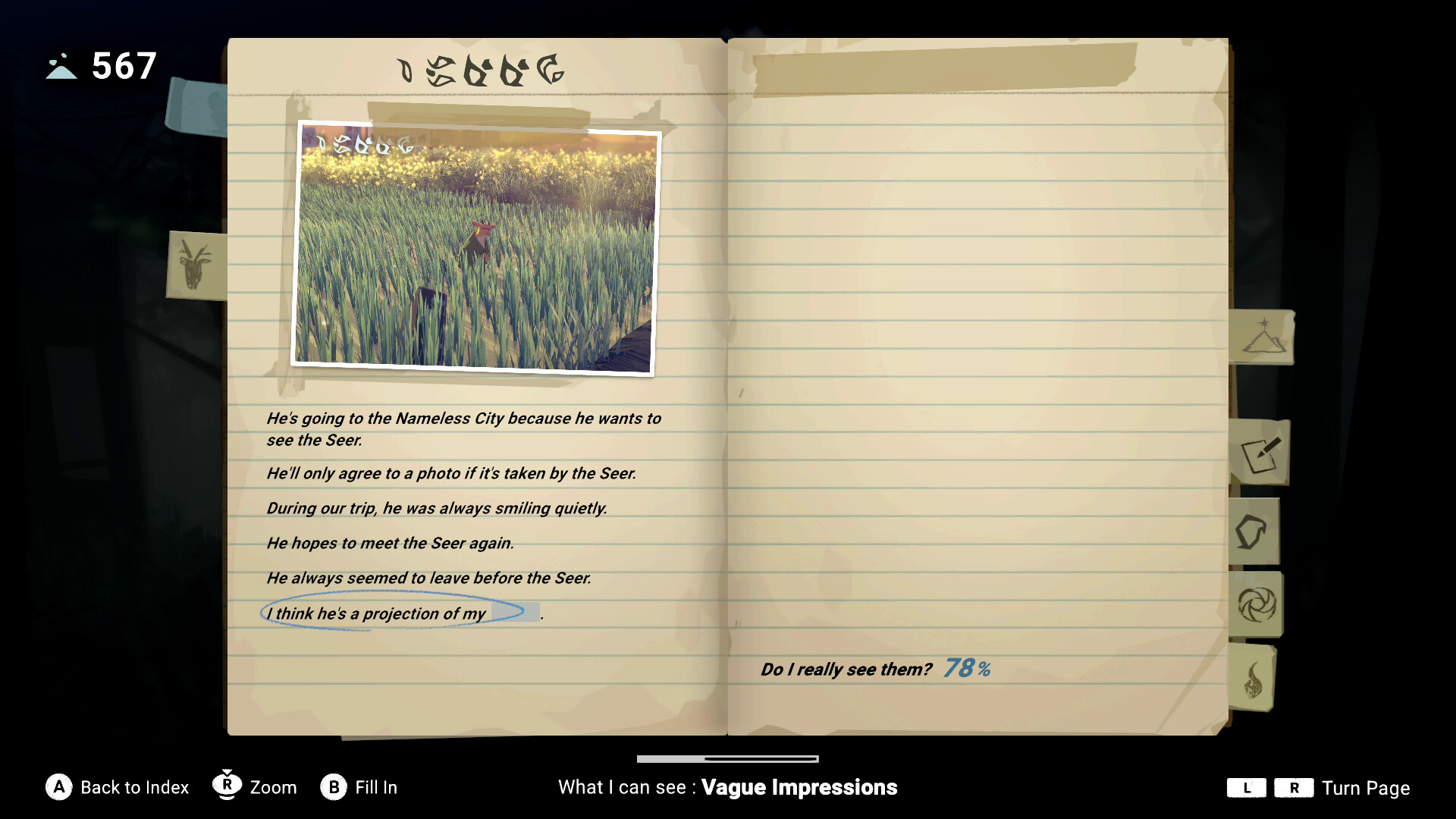
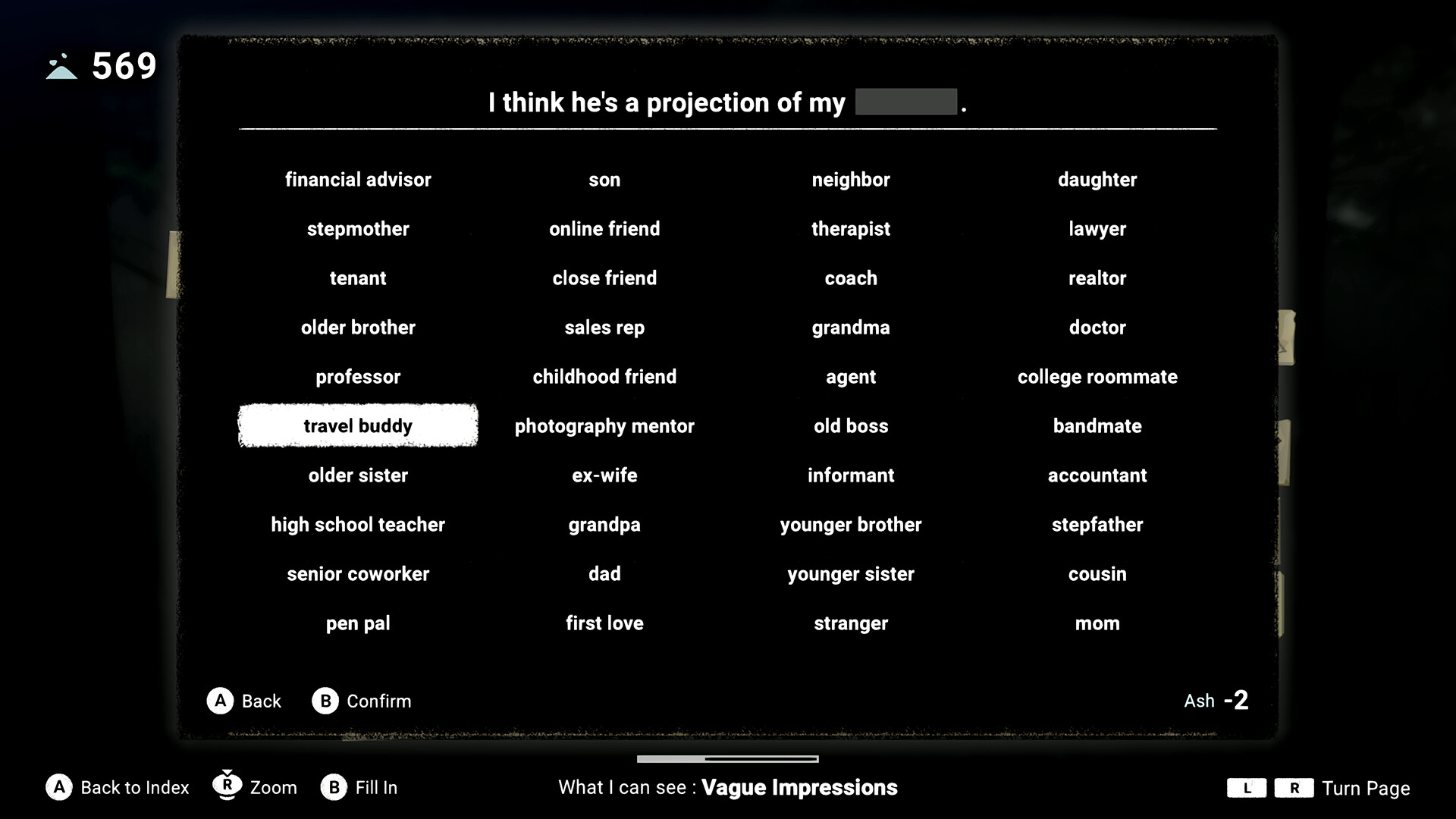
What elevates Prism Peak is how features interlock: Sacred Firebowls demand particular kinds of shots, the Dusklands Field Notes record your findings and a mysterious companion reacts to what you choose to capture. This isn’t just checklist photography — the game nudges you to listen to the spirits' longings, use filters and timing to match moods, and sometimes decipher a little in-world language to get the right frame. The camera gets upgrades and items from these successes, which feel meaningful rather than arbitrary. The result is a gentle meta-game of collection and interpretation: every photograph can be evidence, memory or map, and your choices subtly change who grows closer to you as you climb toward Dusk Mountain.
A Stage for Sound and Color
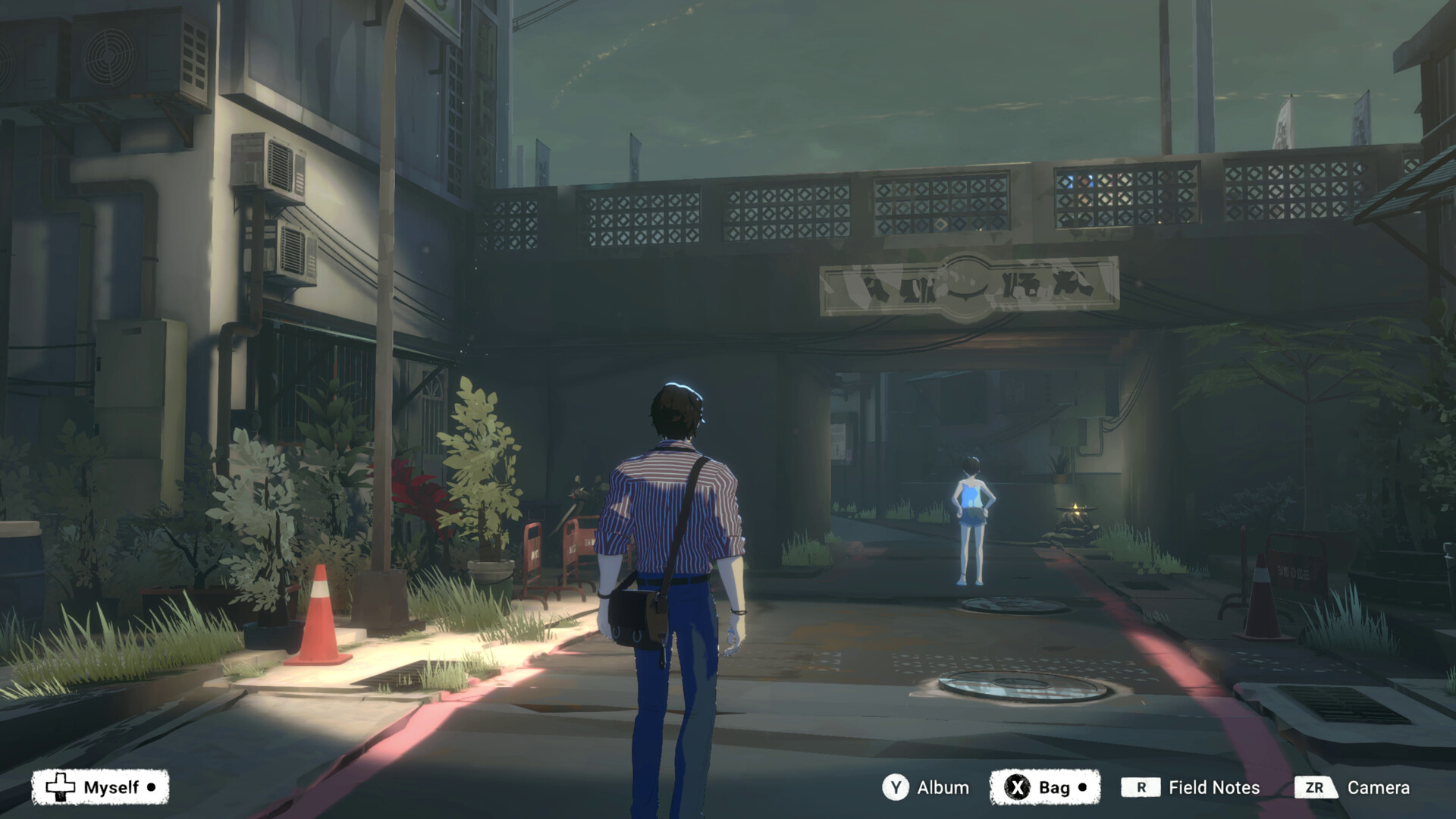
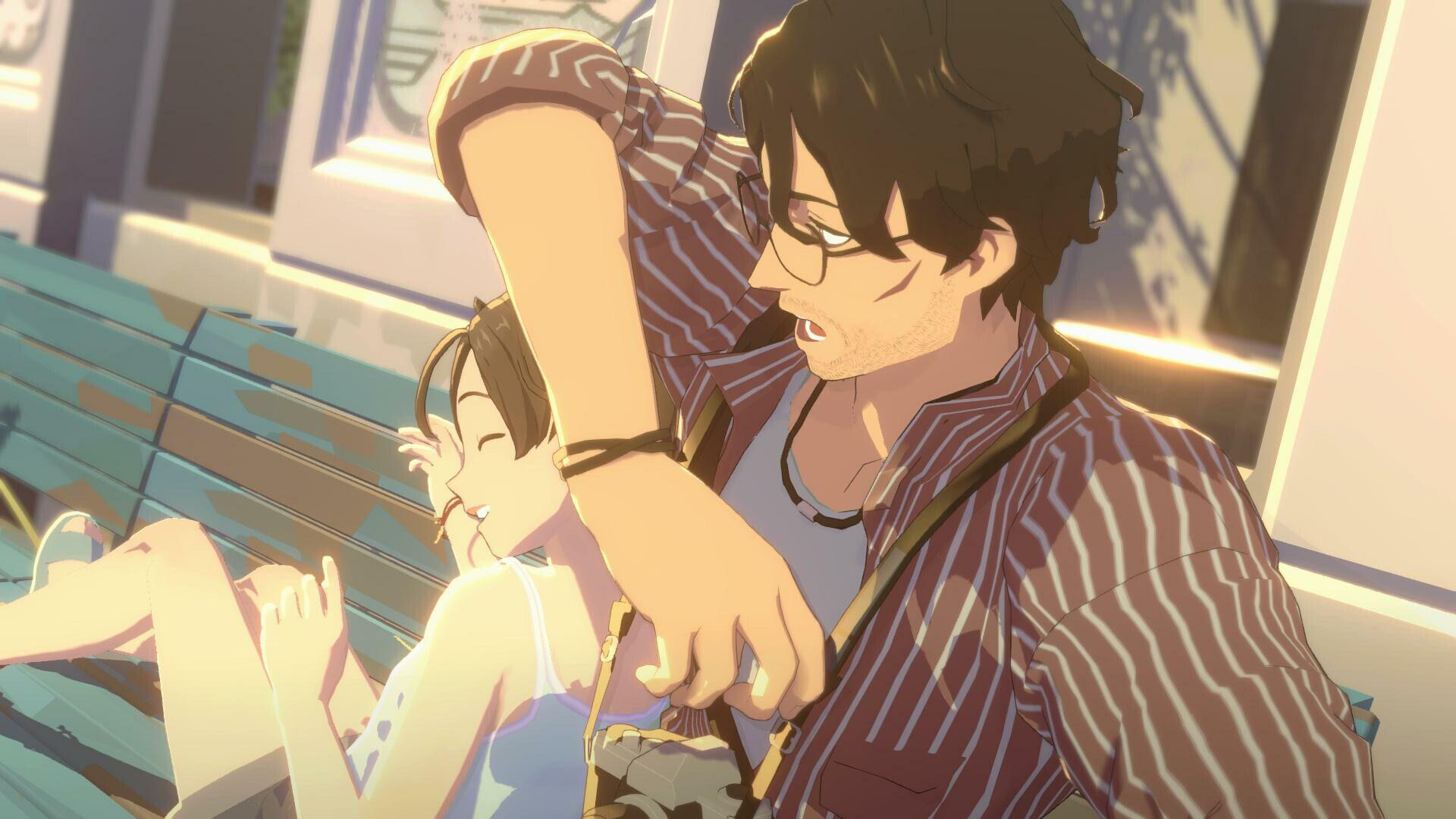
Visually, Prism Peak is a soft, 3D-anime inspired world that blooms in saturated colors and careful lighting. The art direction leans on wistful magical realism — landscapes that feel familiar but emptied of people, inhabited by spirits that carry stories in their eyes. The orchestral-adjacent soundtrack swells at the right moments and sometimes simply holds space while you crouch, wait and press the shutter. Performance is solid on my setup (Windows / Mac supported), though a few players have remarked on character movement feeling slightly sluggish or momentum-heavy, which is true in longer traversal sections. Accessibility-wise the game is straightforward, but a manual save slot option would be welcome: missing a story-critical photo can force a replay, and that’s a pain point for completionists.
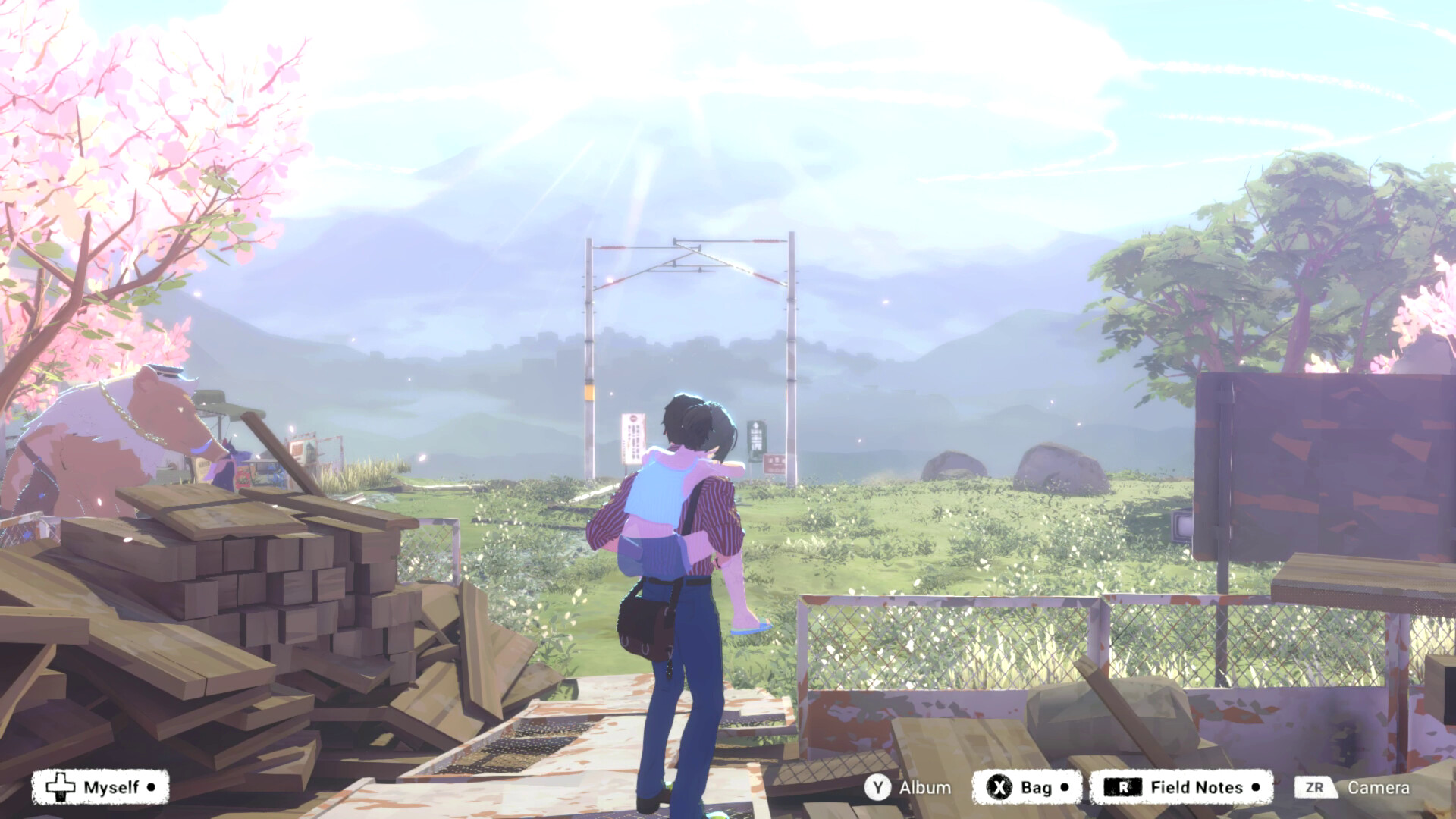
OPUS: Prism Peak is a quietly ambitious game: it trades action for attention to detail and asks players to tell a story with a camera instead of a sword. If you’re patient and enjoy narrative-driven exploration, you’ll find a ton to love here — the visuals, music and character work are top-tier for an indie. Be warned though: missing key photos and the lack of save flexibility can sour the experience for some. I recommend it to fans of contemplative adventures and anyone who enjoyed previous SIGONO titles, but bring your patience and a willingness to replay to uncover everything.

Pros
- Beautiful, expressive art and lighting
- Photography mechanics that reward careful observation
- Strong, emotional soundtrack and voice work
- Meaningful collectibles tied to story and relationships
Cons
- Missing photos can lock content and force replays
- No manual save slots — inconvenient for longer sessions
- Pacing and movement can feel sluggish at times
Player Opinion
Players praise OPUS: Prism Peak for its gorgeous visuals, touching storytelling and a soundtrack that lingers long after you quit the game. Many reviews celebrate the photography system as clever and emotionally resonant: fans enjoy piecing together the Field Notes and watching how certain images trigger memories or change relationships with spirits. At the same time, a recurring complaint is the collectability trap — miss a necessary shot and you may lose an emotional cutscene later, with no easy reload other than restarting the run. Several users also wish for multiple save slots or a manual save to avoid replaying whole chapters. Overall, the community consensus is that this is a slow, thoughtful experience that rewards patience, though it frustrates if you’re a completionist who hates redoing sections.