


The Liar Princess and the Blind Prince Review – A Tiny Fairytale with Big Heart
A hand-drawn 2D puzzle-adventure where a wolf becomes a princess to guide a blind prince. Charming story, gentle puzzles, and a polished PC port — ideal for players who want atmosphere over brutality.
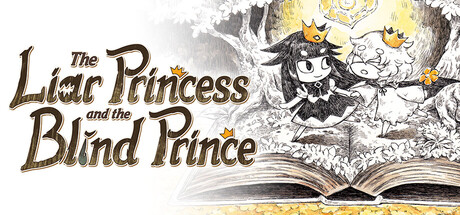
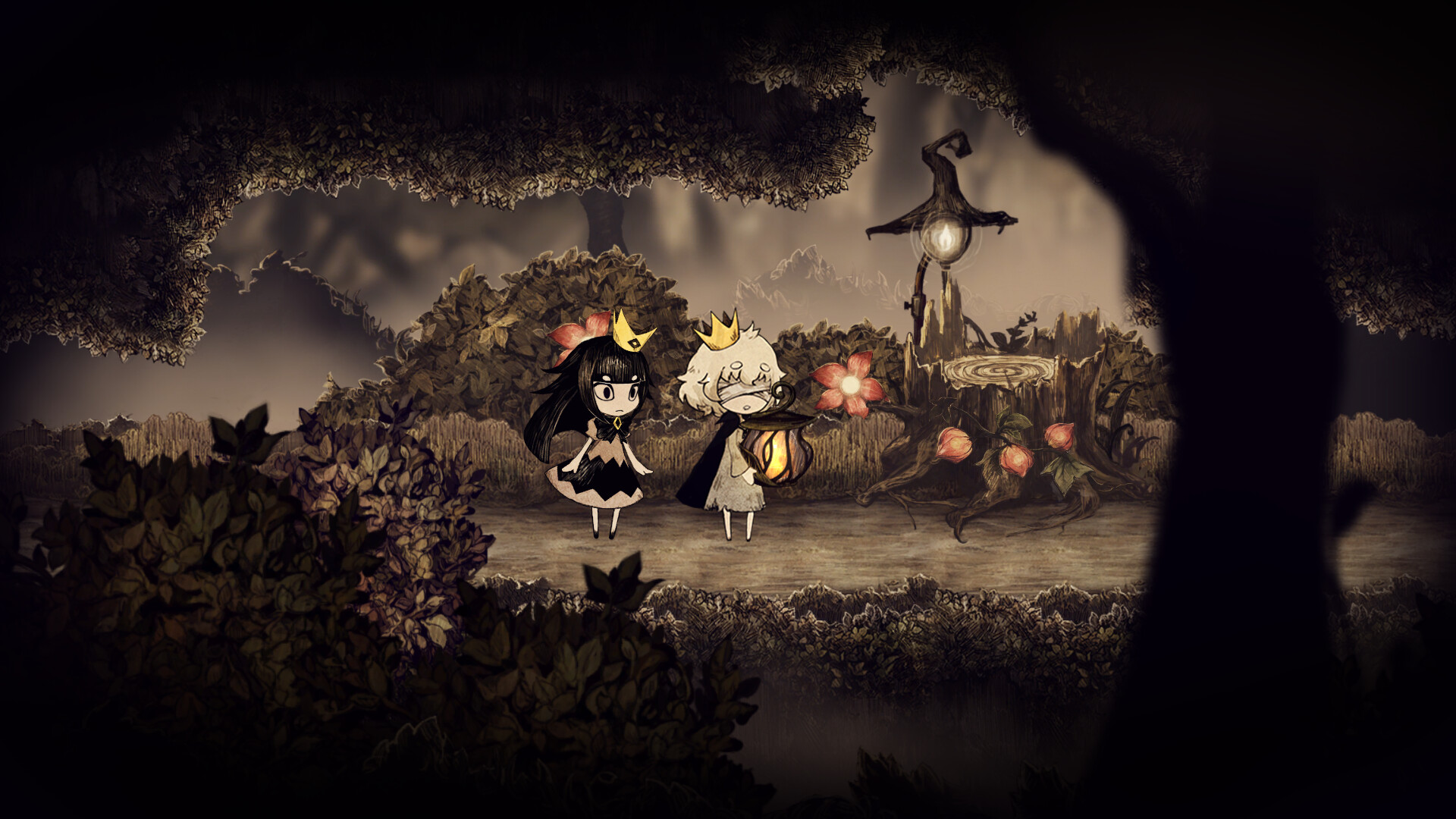
I went into The Liar Princess and the Blind Prince expecting a cute, short experience—and that’s exactly what I got, in the best way. The game looks like a pop-up storybook, and the setup (a wolf who accidentally blinds a prince, then pretends to be a princess to help him) is simple but surprisingly affecting. If you like narrative-led indies such as Brothers: A Tale of Two Sons or Child of Light, this one scratches a similar itch: light puzzles, platforming, and a focus on moments rather than marathon gameplay sessions. The emotional beats land because the presentation is both intimate and honest.
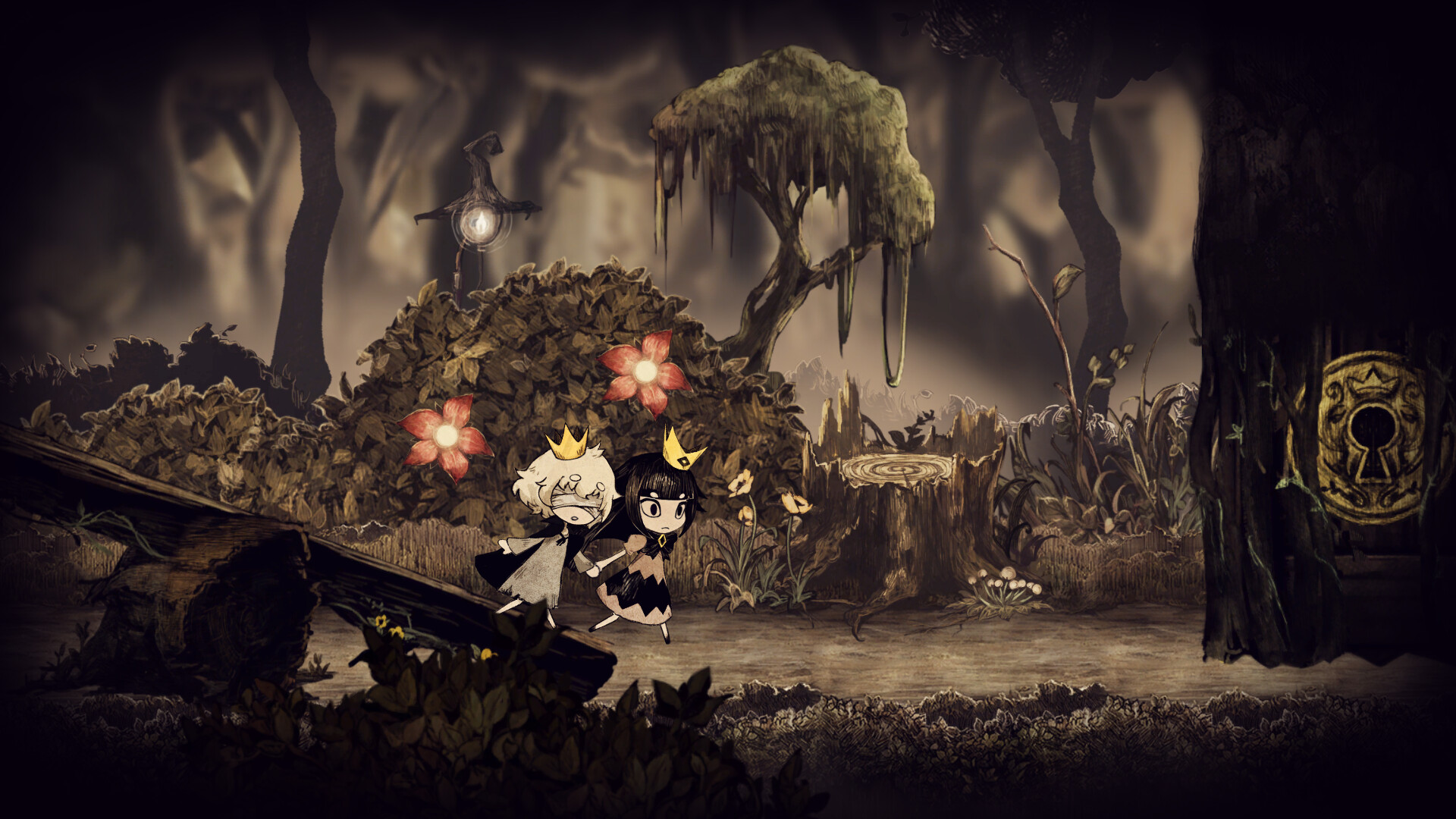
Leading Through Light and Shadow
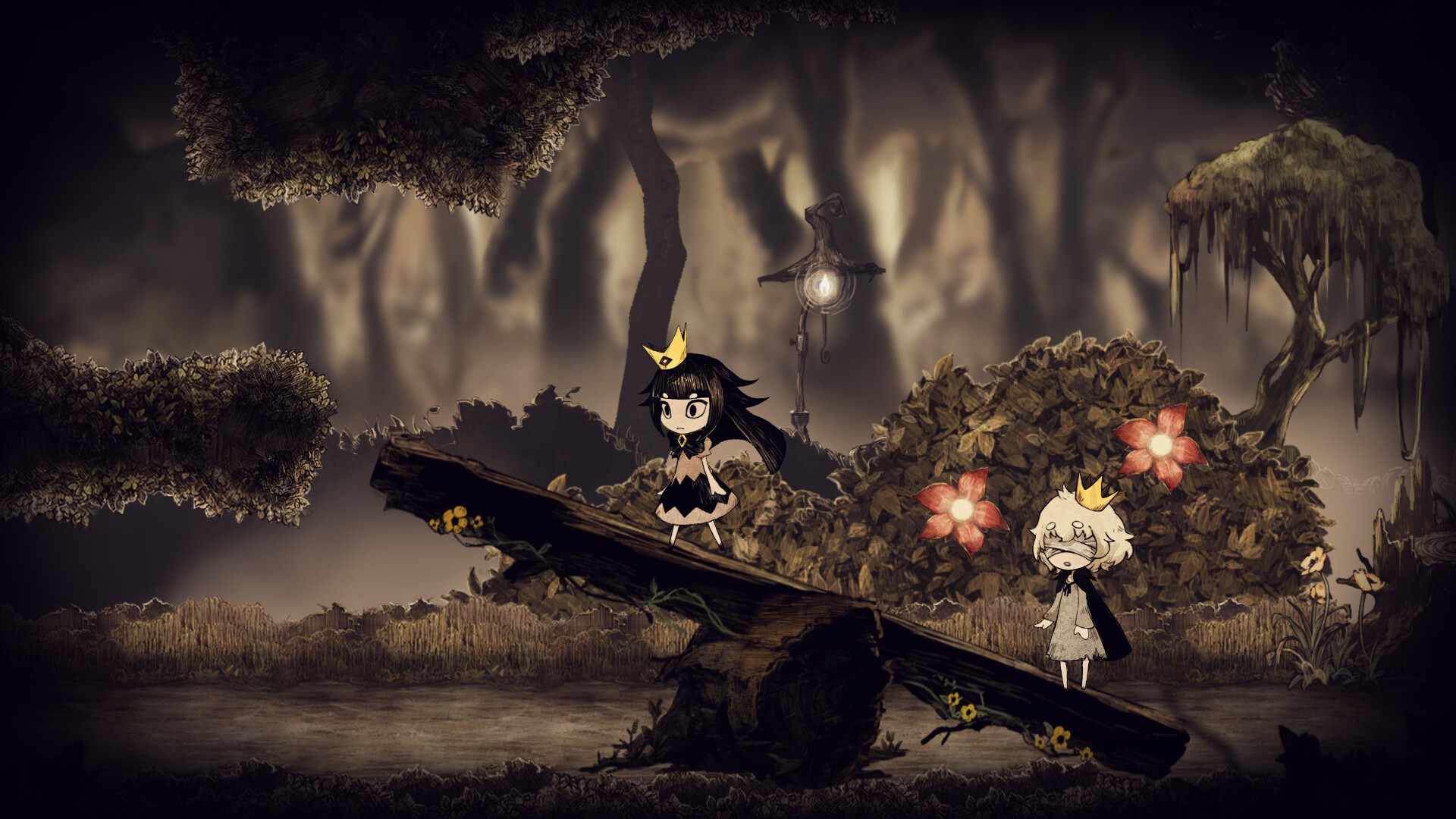
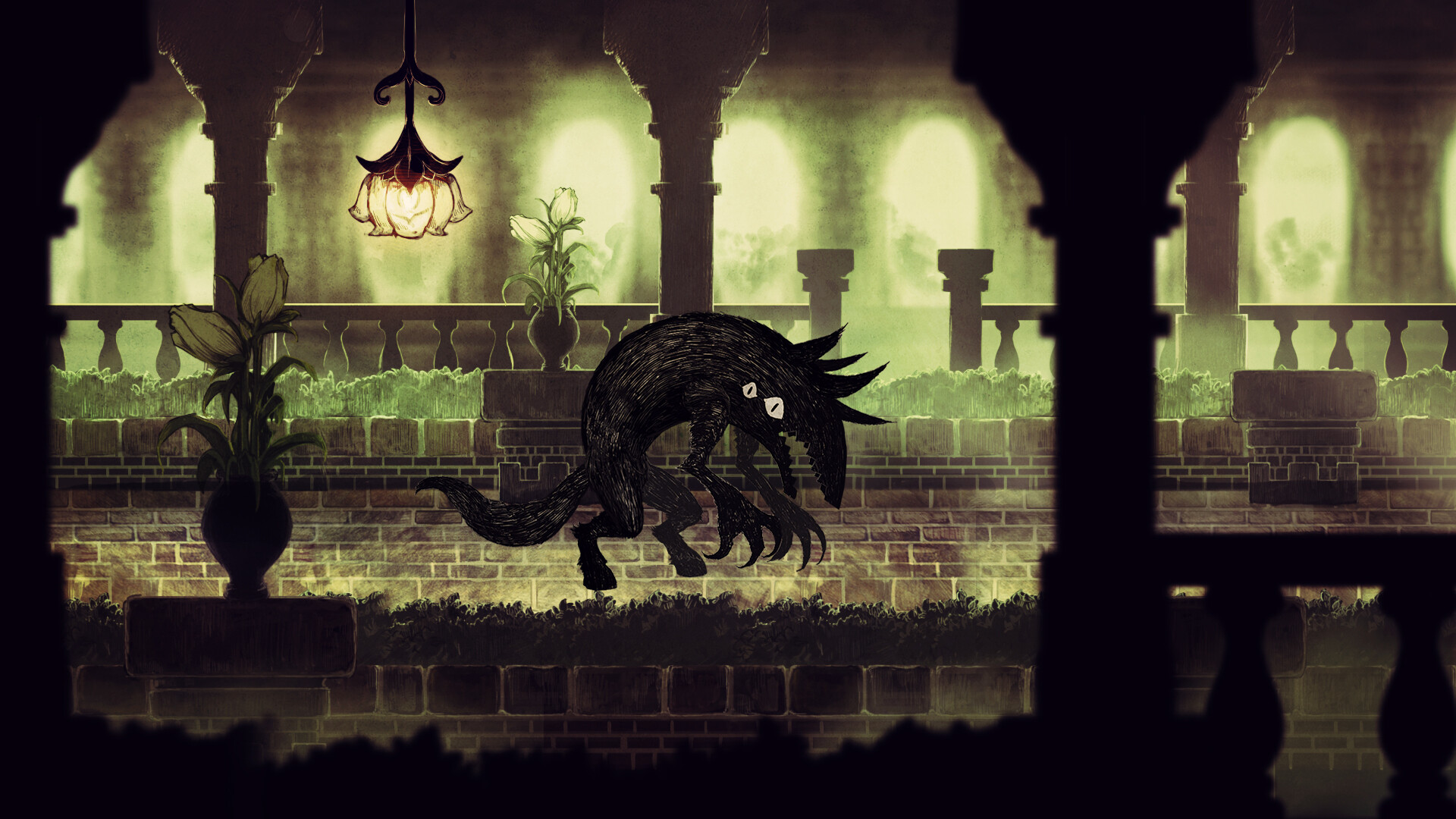
Gameplay revolves around guiding the blind prince through hand-drawn levels while switching between two distinct forms: the wolf and the princess. In wolf form you’re physical and direct—jumping to high ledges, moving obstacles, and handling hostile creatures with claws and brute force. As the princess you become smaller and cleverer: squeezing through gaps, solving cooperative puzzles with the prince, and using non-violent interactions to shepherd him safely. Most stages are compact vignettes that combine light platforming with environmental puzzles; the core loop is about observation, timing and using the right form at the right time.
Little Twists That Make a Big Difference
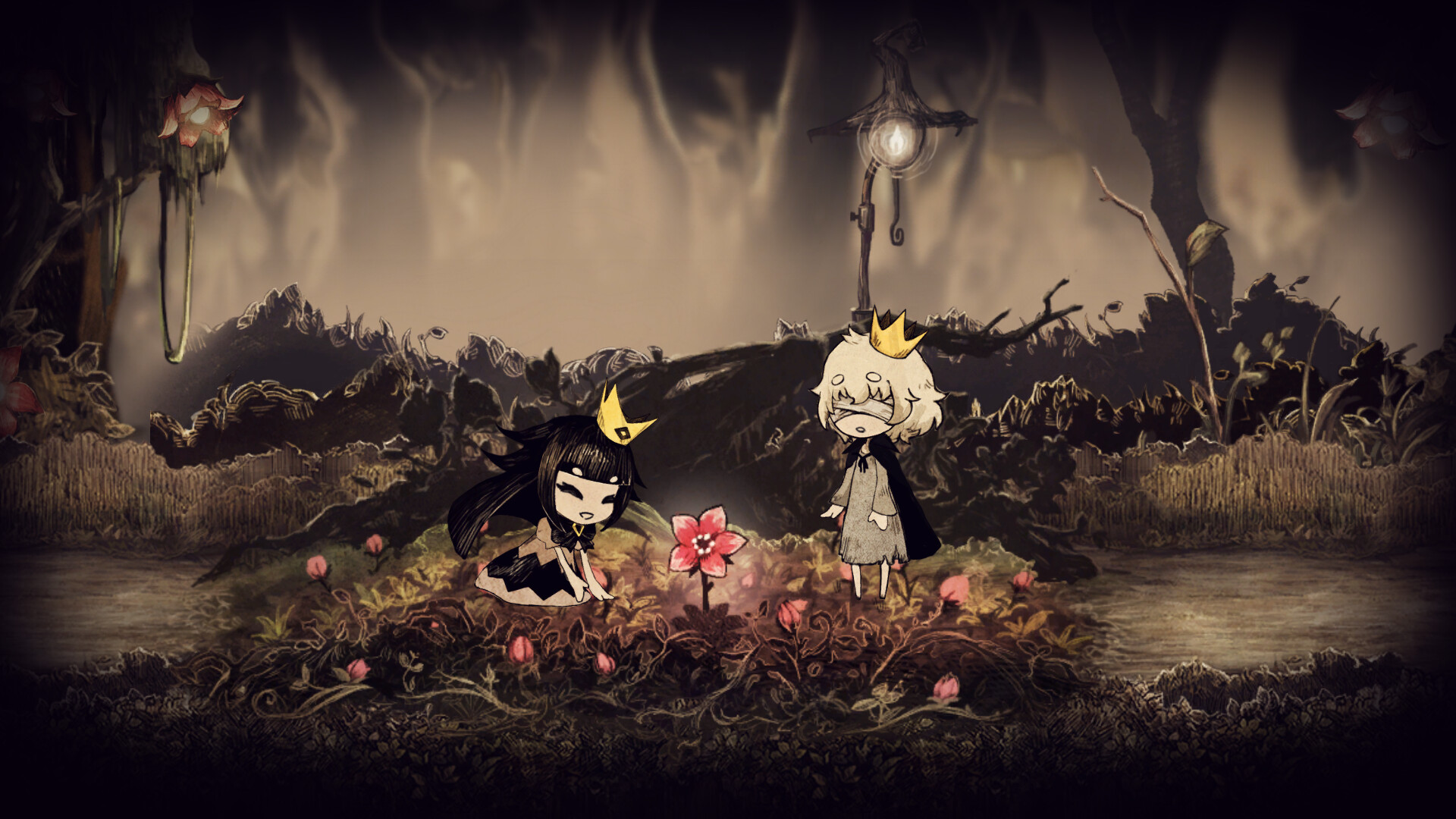
What sets the game apart is its tone and how mechanics serve the story. The transformation mechanic isn’t just a gimmick—it’s narrative fuel: the wolf’s insecurity about being discovered and the prince’s vulnerability are mirrored in the ways you move and interact. Collectibles like petals and flowers unlock character art and fragments of a witch’s tale, rewarding exploration without gatekeeping the main story. There’s also a generous “skip stage” option for anyone who wants to continue the narrative without frustration, which is perfect for a title that leans into a storybook pace rather than hardcore challenge. The puzzles escalate gently and never feel designed to punish; instead they nudge you toward small ‘a-ha’ moments.
Storybook Presentation and Technical Polish
Visually the game is gorgeous: hand-drawn backgrounds, delicate character animations, and UI elements that look like paper cutouts. The soundtrack is calming—a mix of lullaby-like piano and ambient strings that complements the melancholic fairy-tale mood. On PC the port is commendable: resolution options, borderless/fullscreen modes, remappable controls, and sensible performance choices make it feel like a native experience. There are a few technical nitpicks I noticed in later stages—occasionally janky collision on small enemies like mushrooms and an unskippable cutscene here and there—but these are minor gripes in an otherwise polished package.

The Liar Princess and the Blind Prince is a tender, well-crafted fairy tale that knows exactly what it wants to be: a short, emotionally focused puzzle-platformer with gorgeous visuals and a comfy pace. It isn’t for players chasing brutal difficulty or deep mechanical complexity, but for anyone craving a cozy, poignant experience it’s a recommendation I happily make. Buy it for the art and story, and be prepared to smile and maybe shed a tear.
Pros
- Stunning hand-drawn art and calming soundtrack
- Heartfelt, concise story that lands emotionally
- Accessible PC port with remappable controls and graphical options
- Skip-stage option lets storytellers enjoy the tale
Cons
- Gameplay can feel hand-holdy for players seeking challenge
- Minor control/jank issues in a few platforming moments
- Some cutscenes are unskippable, which can frustrate repeat viewers
Player Opinion
Players praise the PC port for its smooth options—high resolution, remappable keys, borderless modes—and many express long-awaited joy that this title finally arrived on Steam. The art and music are repeatedly singled out as major strengths, and fans say the story is adorable, bittersweet, and worth the short runtime (most report 3–5 hours). Common criticisms echo the game’s gentle difficulty and hand-holding: some reviewers wanted denser puzzles or tougher platforming, while a few mention odd hitboxes (mushrooms are noted) and unskippable cutscenes. If you value atmosphere, pacing and narrative over challenge, the player consensus is strongly positive.