





Keeper Review – A Gorgeous, Quiet Lighthouse Odyssey by Double Fine
Keeper is a wordless, atmospheric puzzle-adventure from Double Fine that trades heavy mechanics for breathtaking visuals, a tender bird companion, and an emotional slow-burn. Gorgeous, sometimes frustrating, and worth a night or two of exploring.
I didn’t expect to fall for a sentient lighthouse, but Keeper somehow makes that premise feel entirely natural. From Lee Petty and Double Fine, this third-person, wordless journey leans hard on art direction and environmental storytelling rather than combat or complex systems. It’s the kind of small, strange game that asks you to slow down—so long as your PC doesn’t complain about the frame rate. If you like games that are more like moving paintings with a side of light puzzles, this one belongs on your radar.
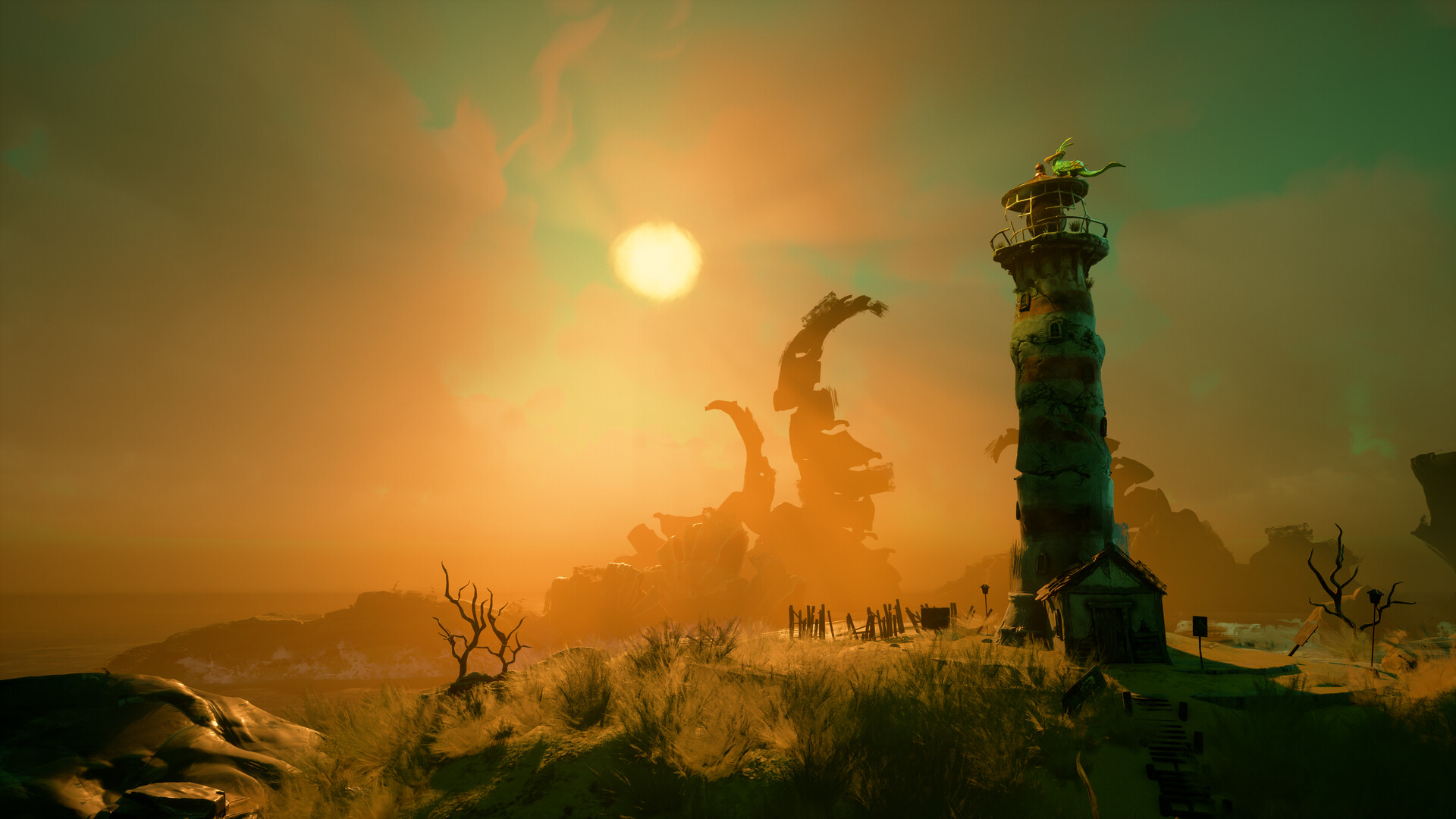
Wandering Lighthouse: The Core Journey
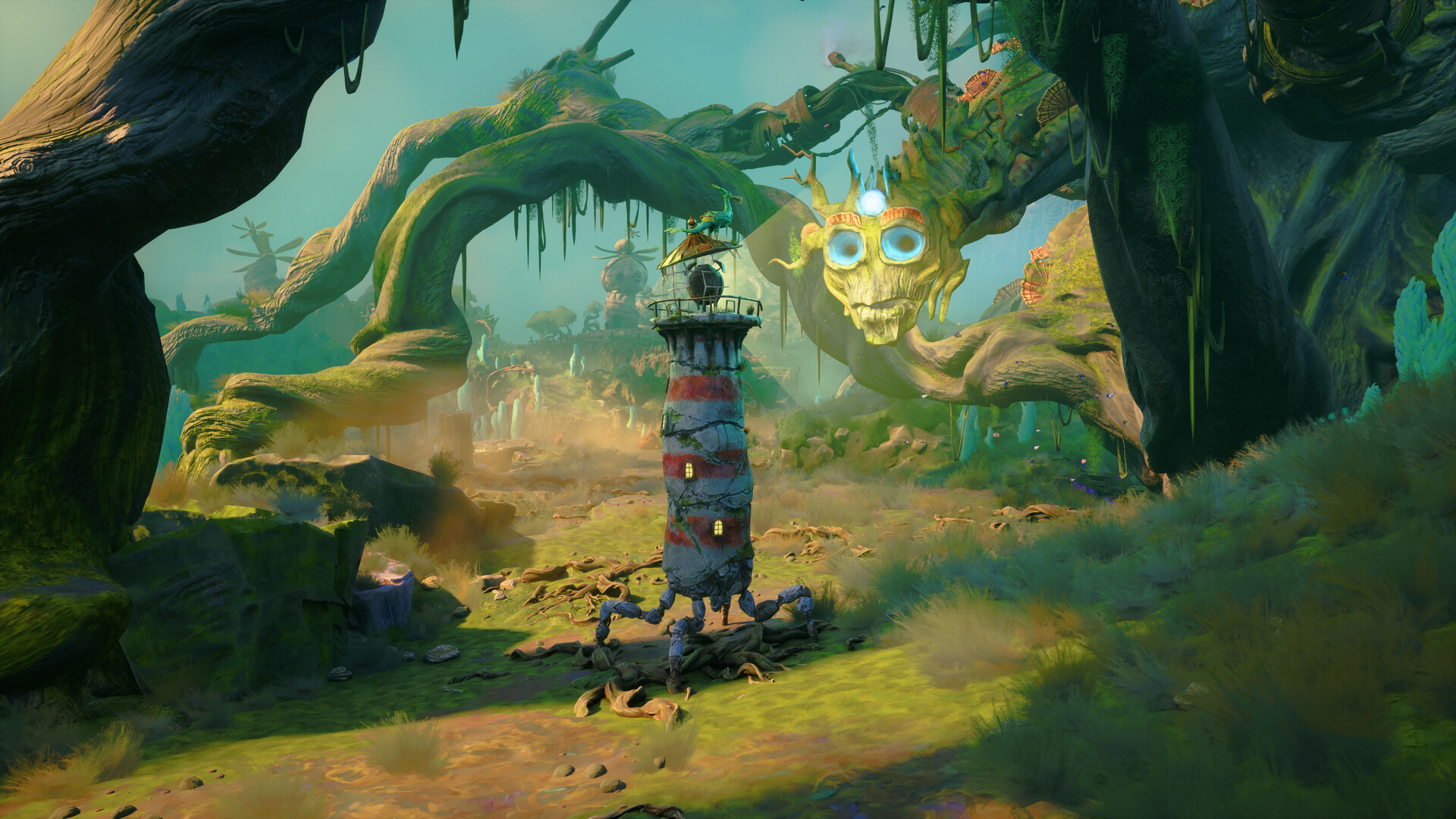
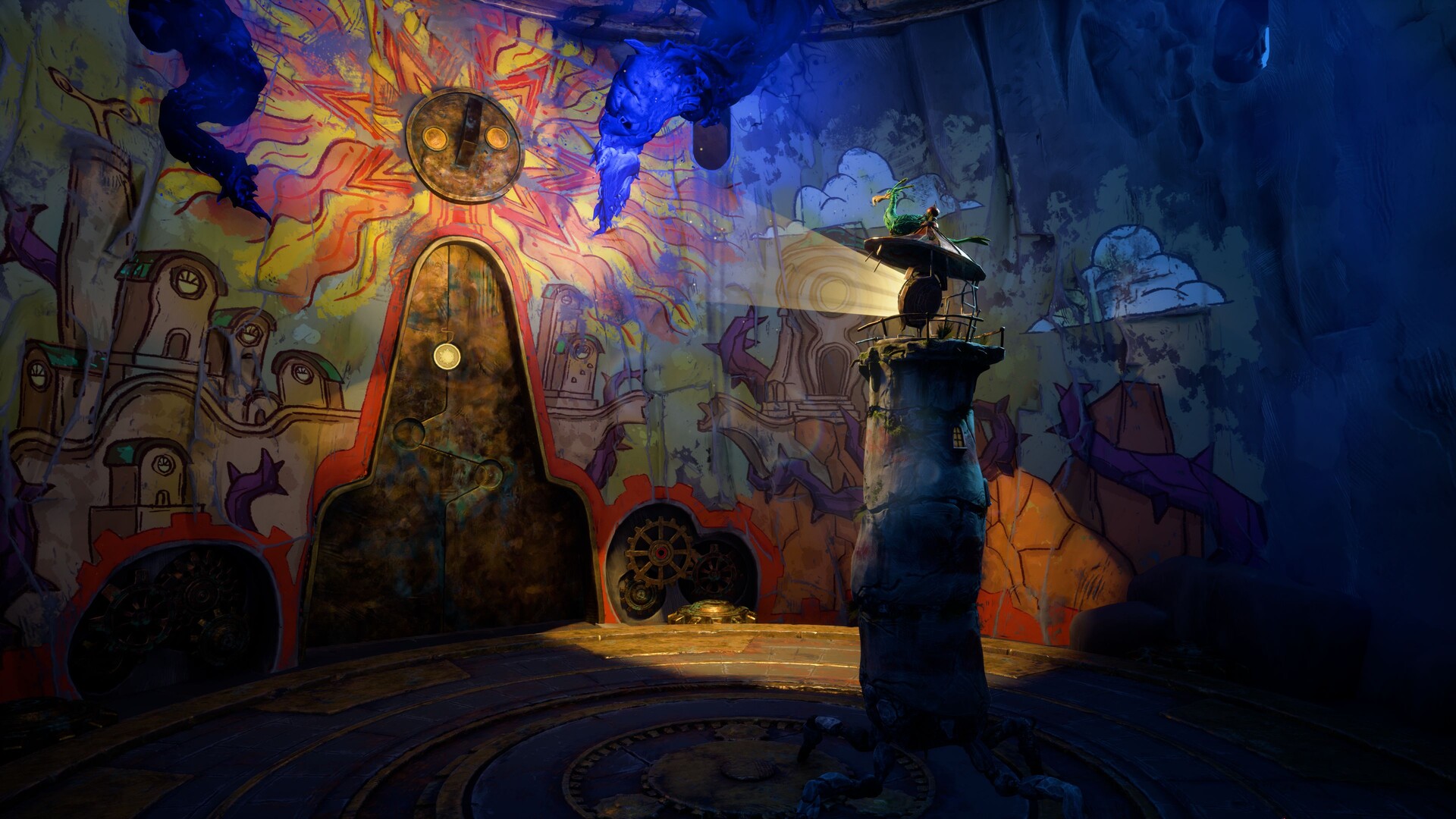
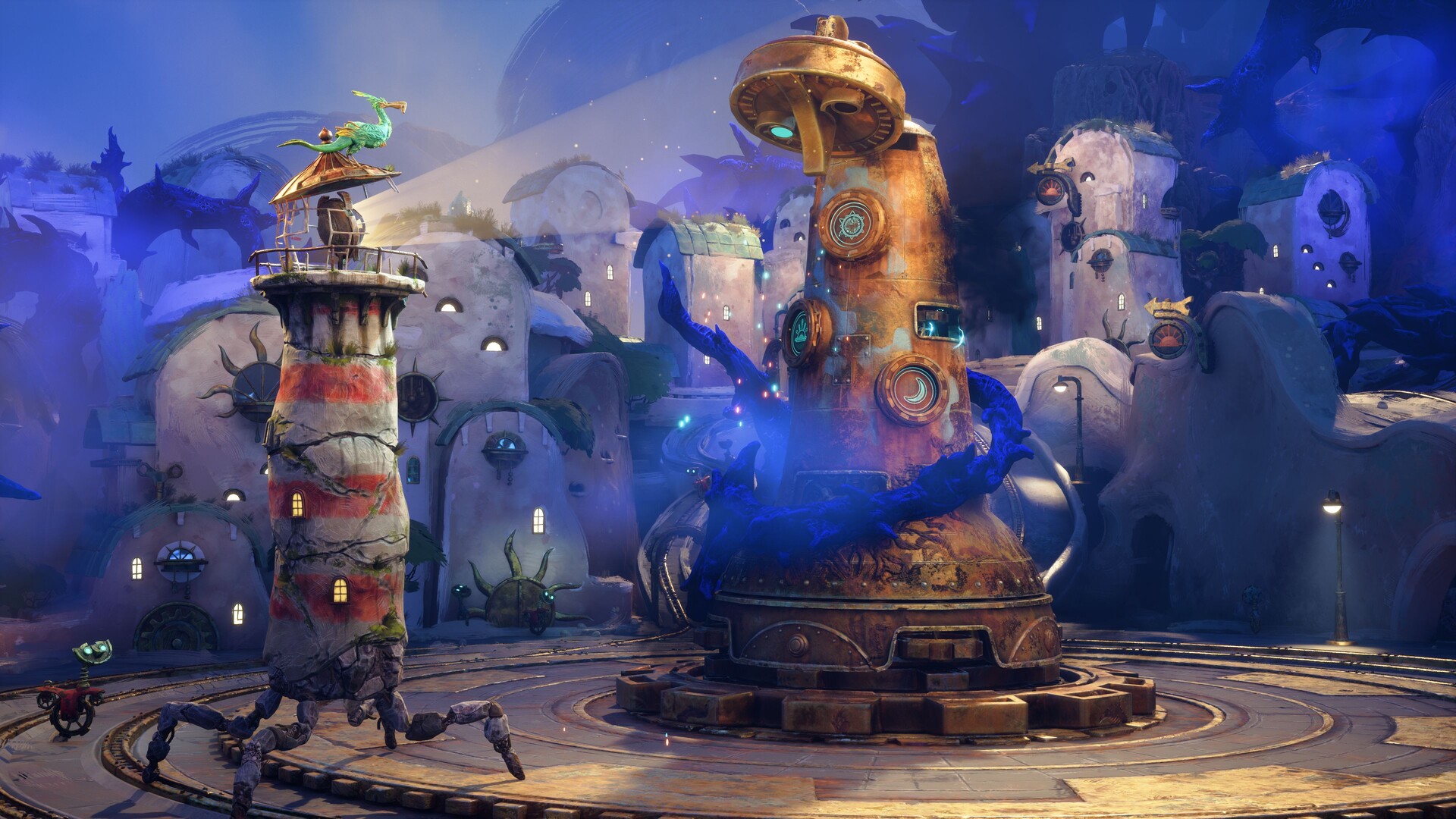
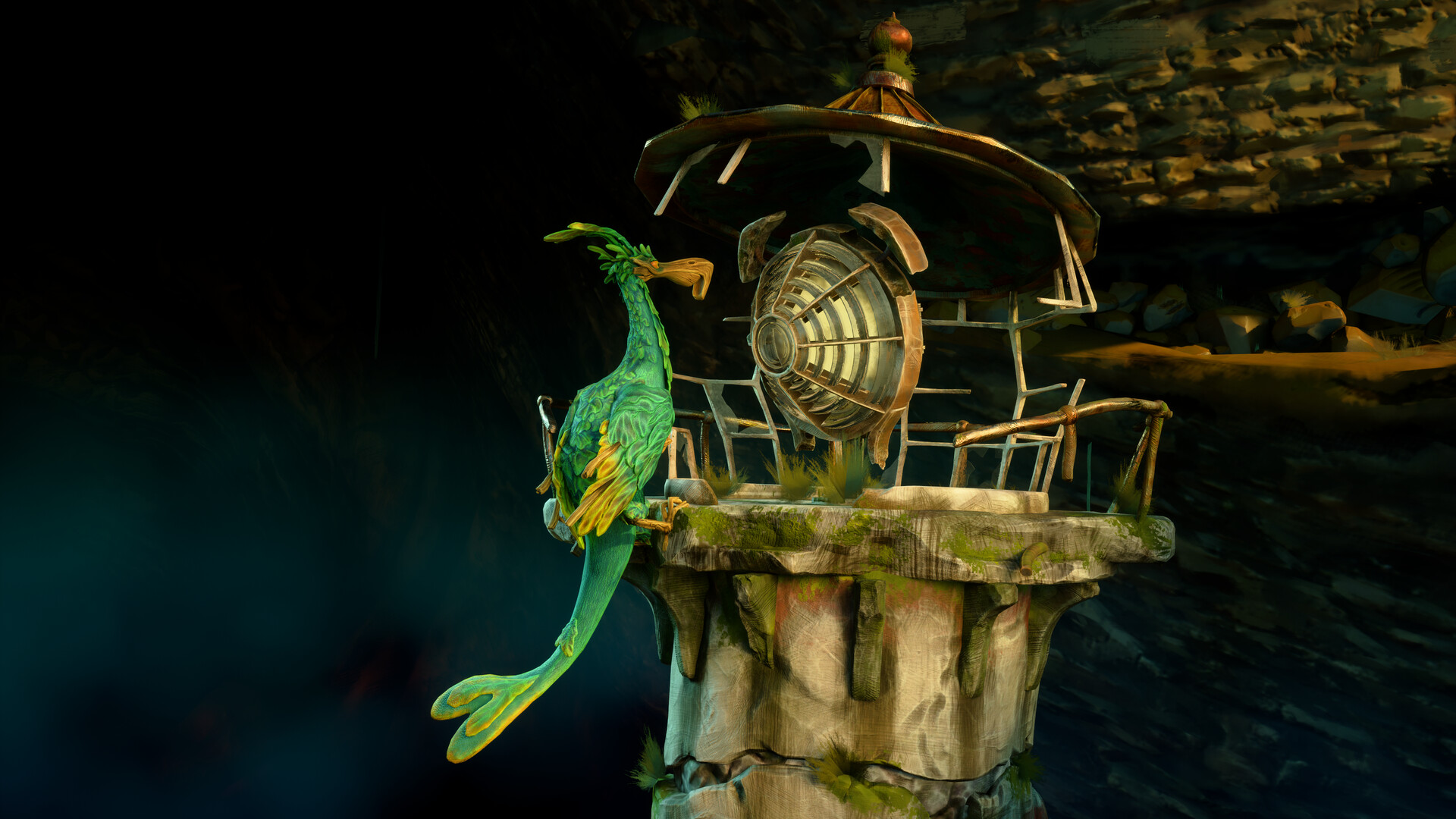
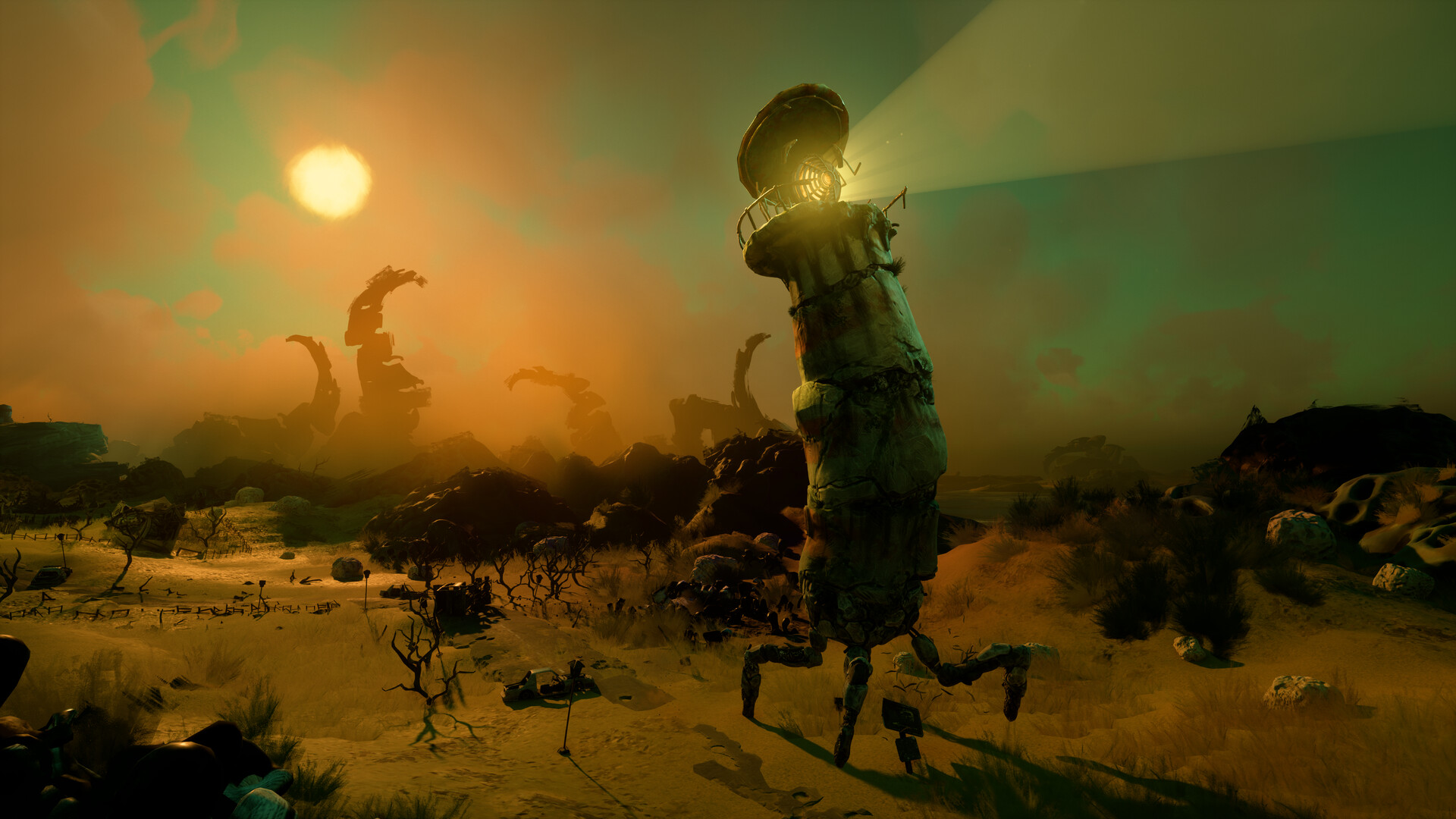
Keeper plays like a tender walking-adventure where your primary actions are moving, interacting with environmental puzzles, and relying on a spirited seabird to aid progression. You guide a dormant lighthouse through varied biomes—mossy ruins, mechanical villages, and dreamlike shores—watching it change shape and purpose as you advance. Platforming exists but is minimal, and many challenges are solved by observing the scene and calling the bird at the right moment. There’s no combat, no complex inventory, and the pacing is deliberately unhurried: exploration and mood take priority over twitch skill. I found myself lingering to look at set pieces, listening for cues in the soundtrack, and letting the world guide me rather than mashing buttons. The experience lasts a few hours—dense with visuals but light on mechanical depth.
Feathers, Gears and Silent Storytelling
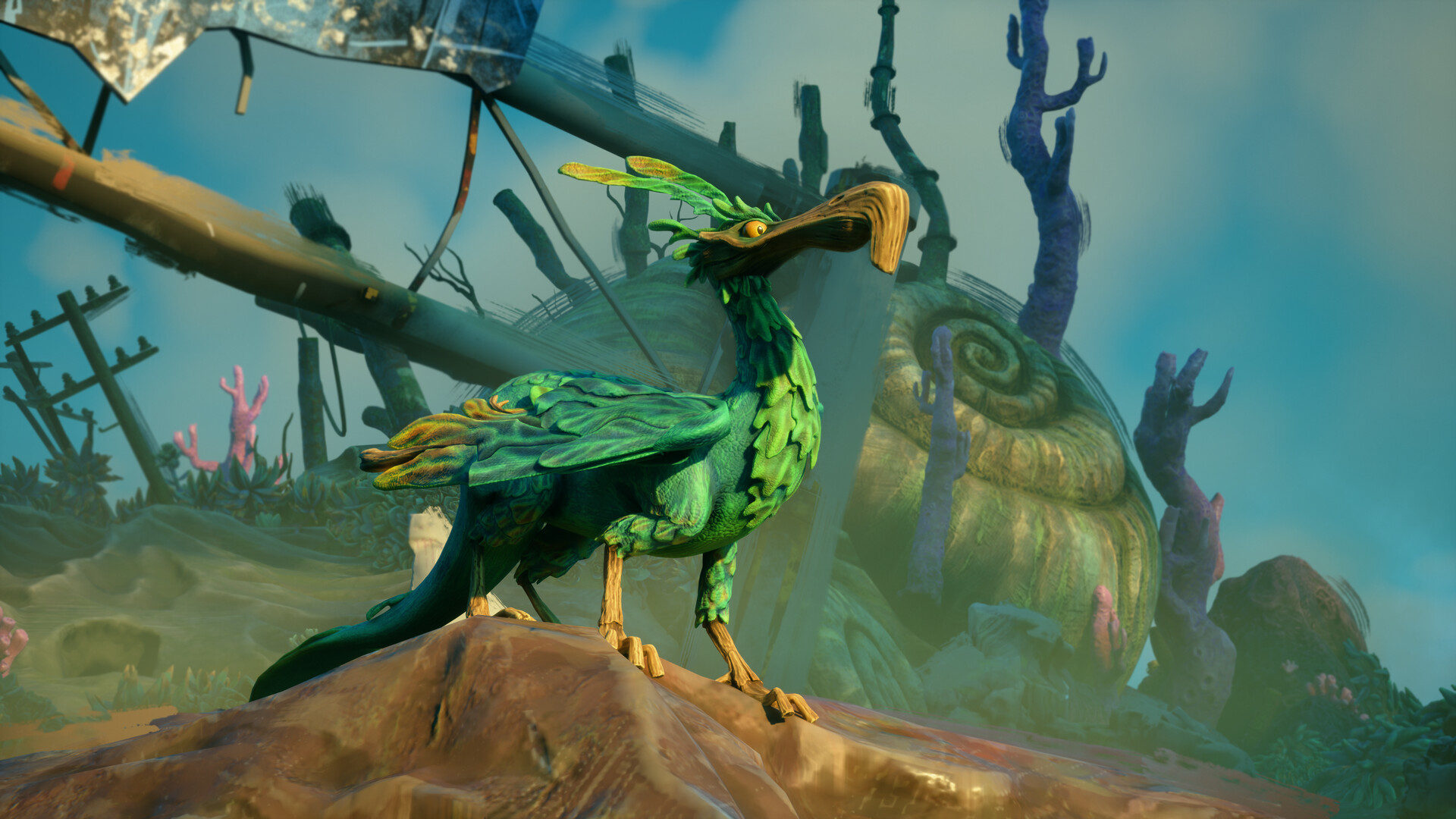
What sets Keeper apart is its insistence on nonverbal storytelling and mechanical simplicity. The bird companion isn’t just decoration; it’s your co-actor in puzzles and set pieces, fetching objects, activating switches, or triggering sequences you cannot initiate alone. Many puzzles are organic—move levers, herd small creatures, or assemble environmental motifs—and they mostly reward curiosity, not brute force. If you’re allergic to hand-holding, note that Keeper sometimes steers you gently: systems are hinted at visually and the game nudges you toward solutions, which can feel comforting or frustrating depending on your patience. The metamorphosis beats—when the lighthouse gains a new form or ability—are small but meaningful, changing how you traverse later areas and keeping the latter half feeling pleasantly fresh.
A Cinematic Canvas — Sound, Art and Performance
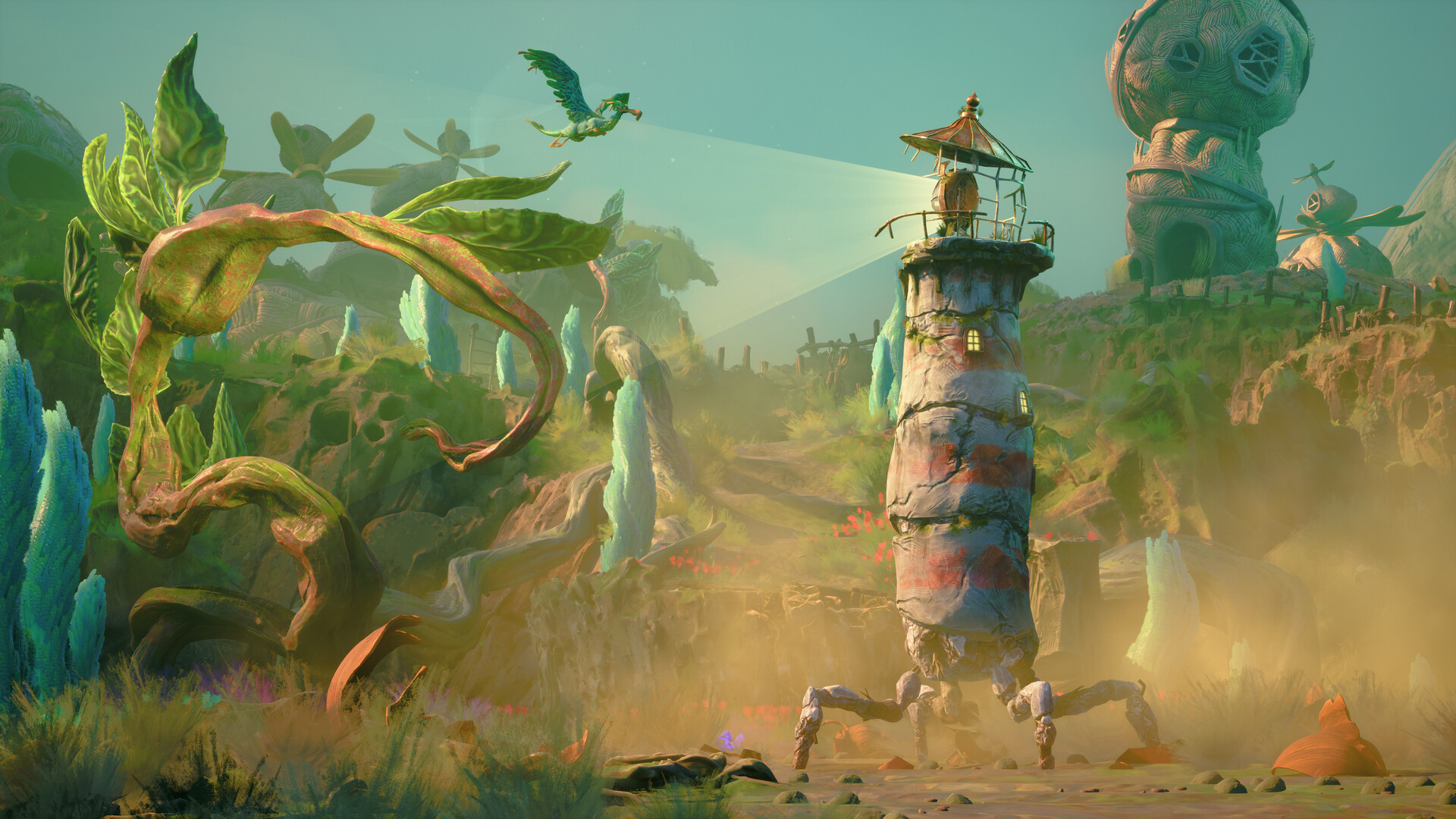
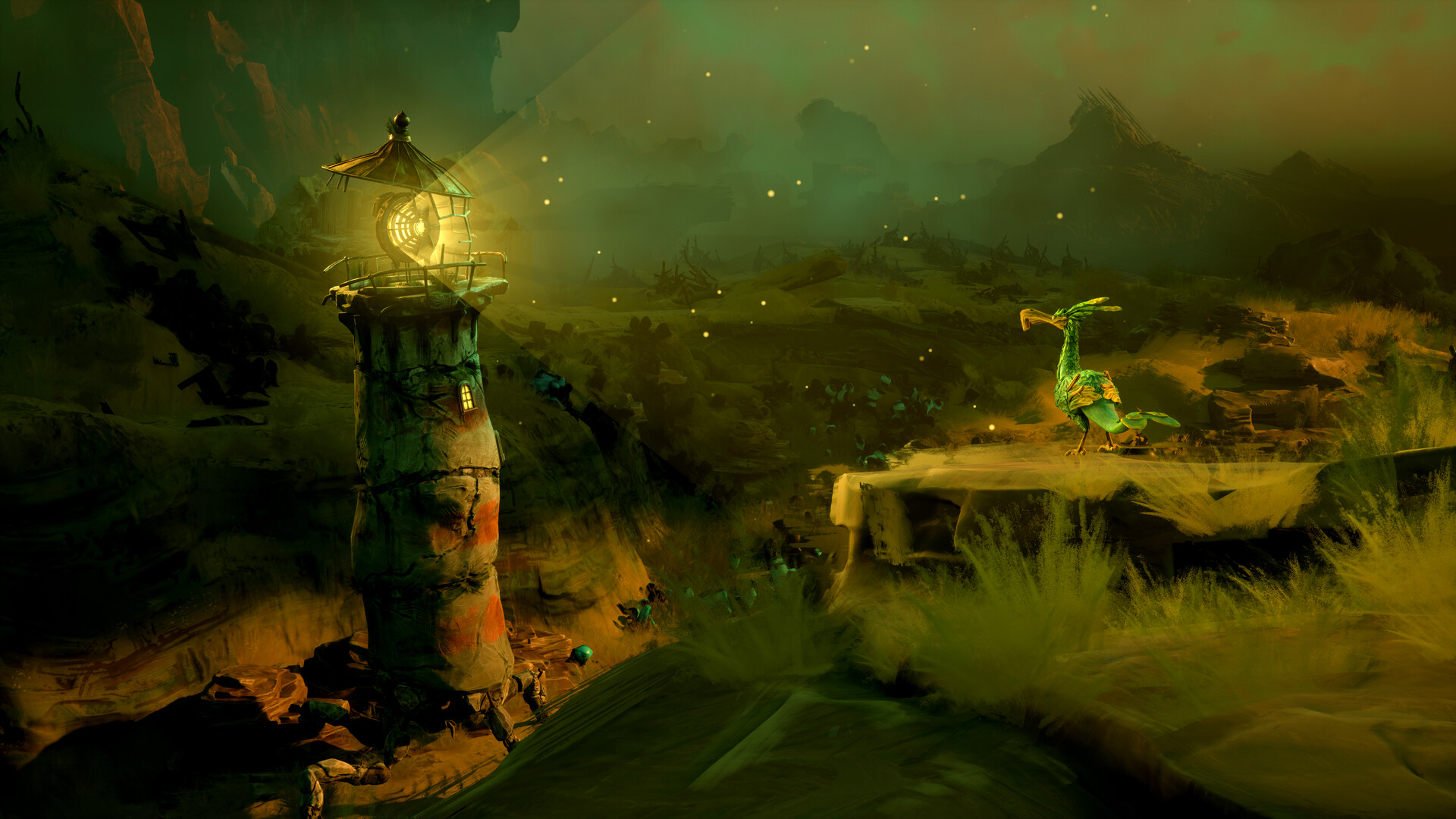
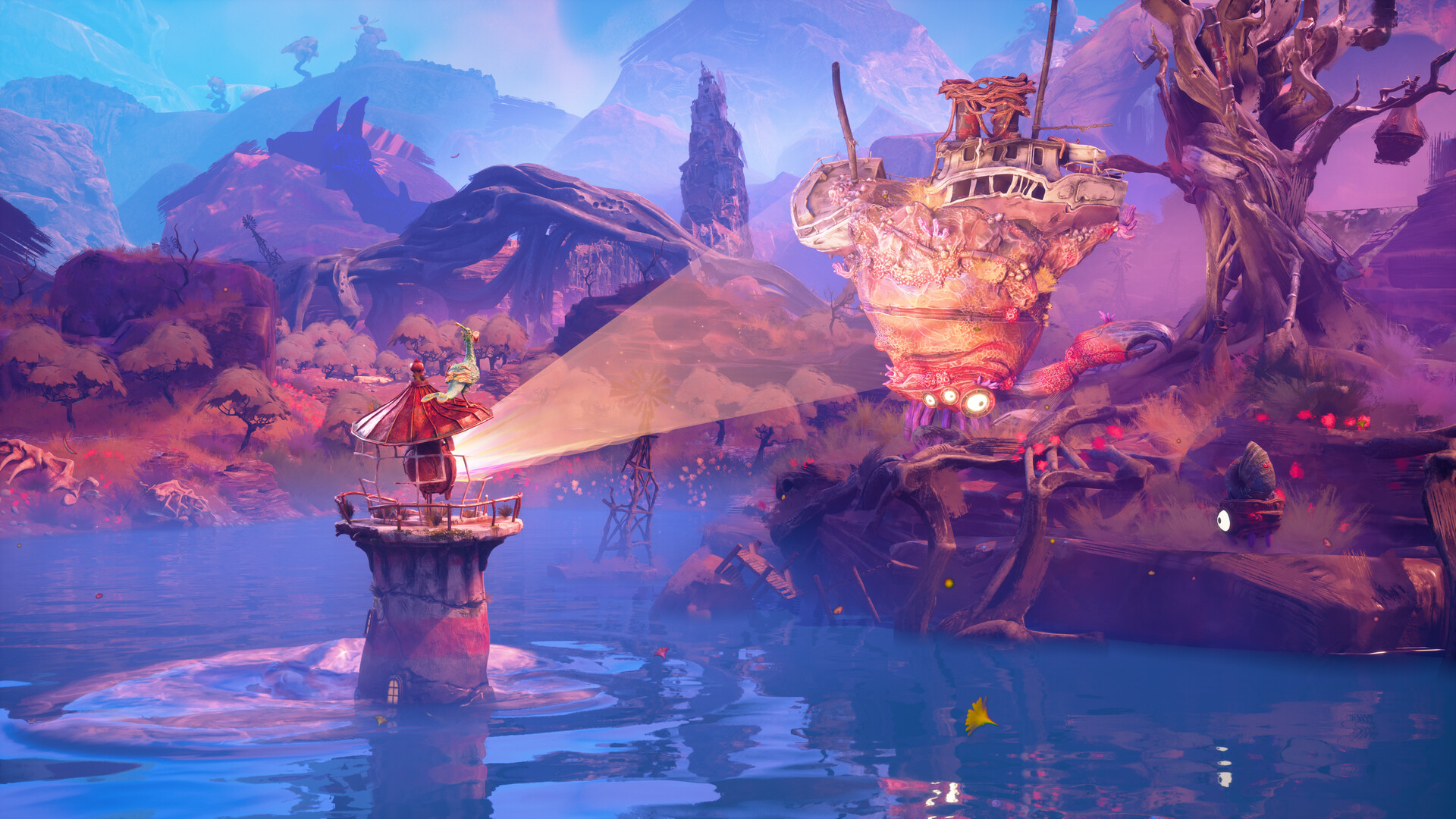
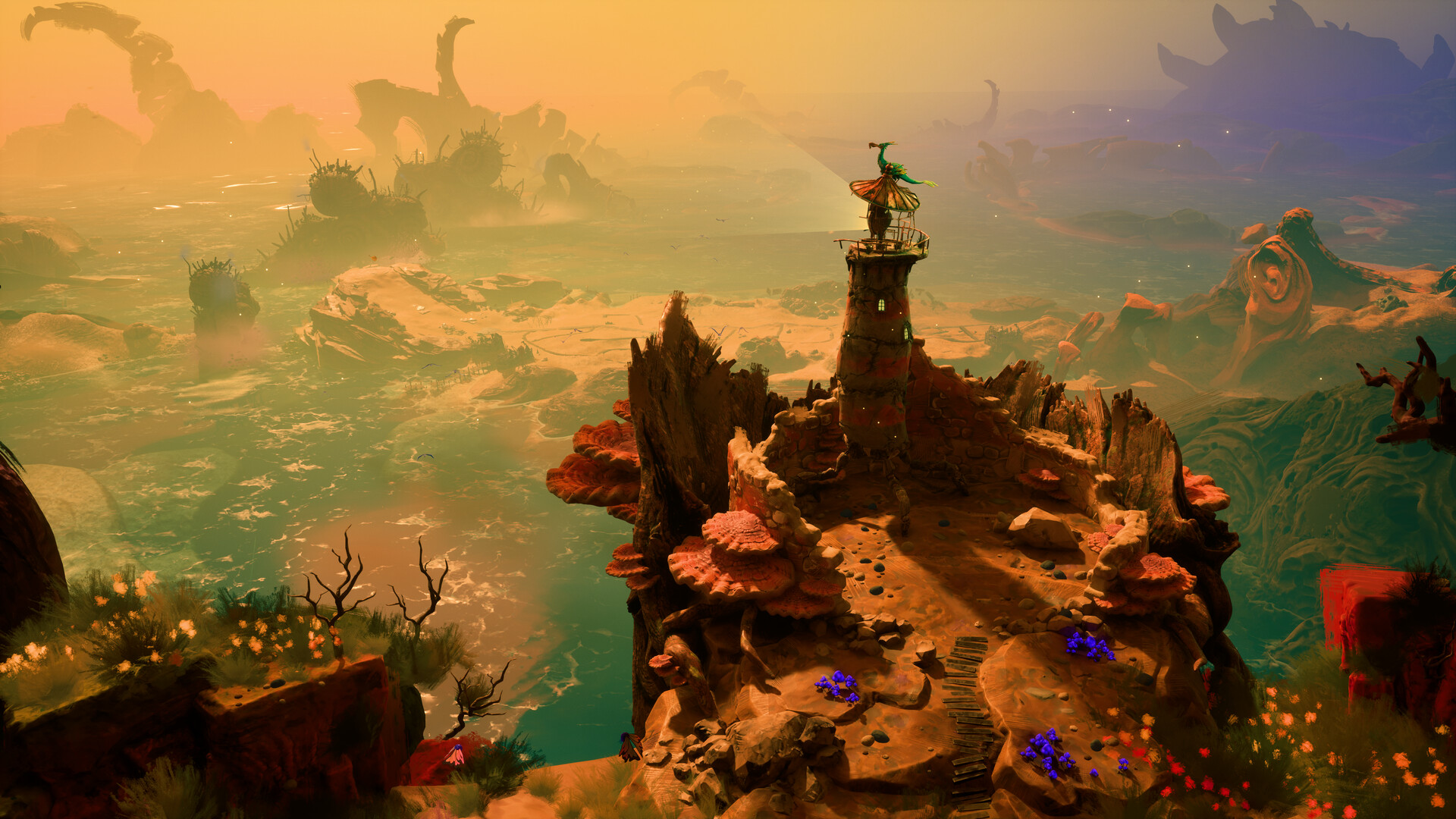
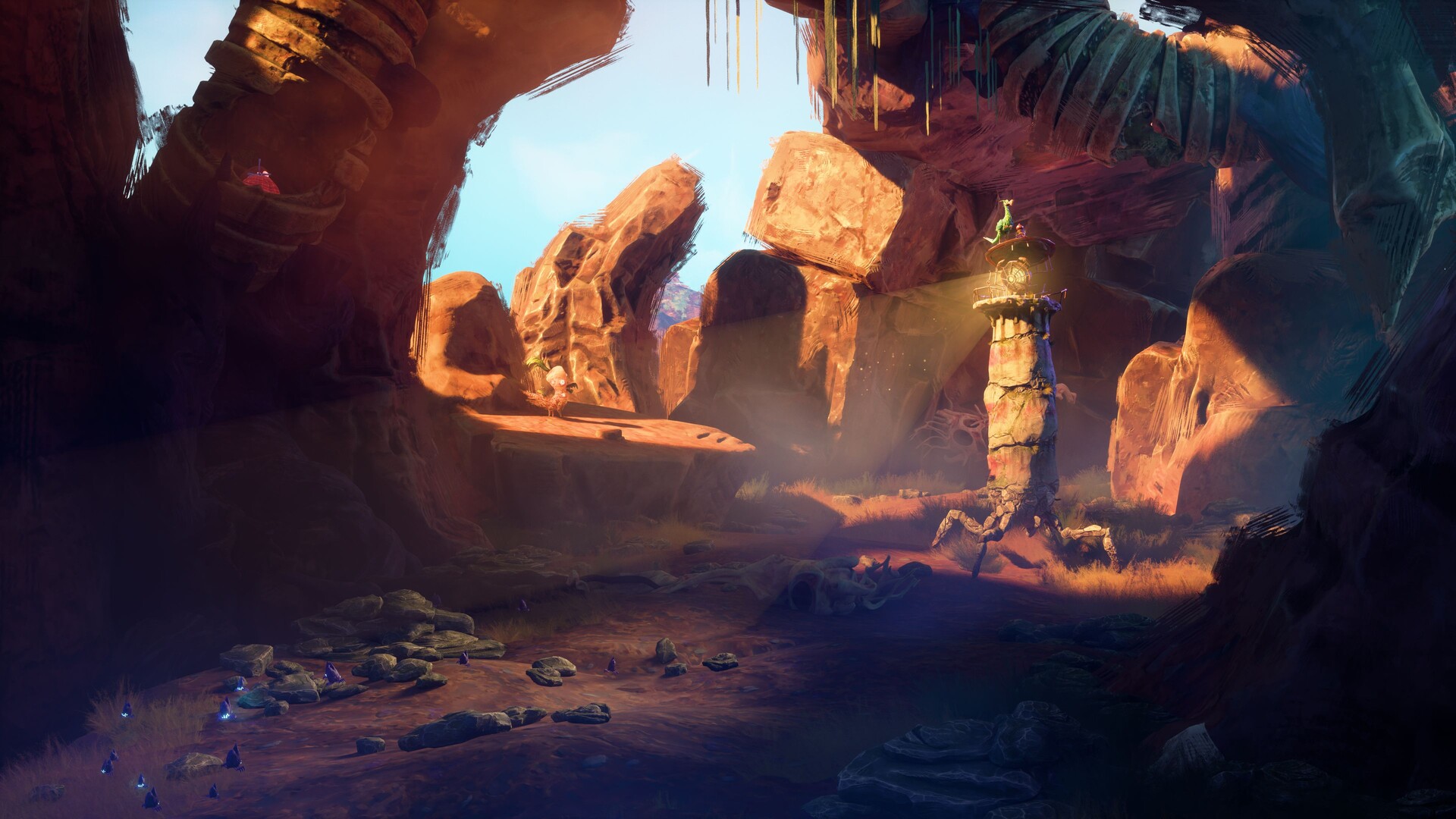
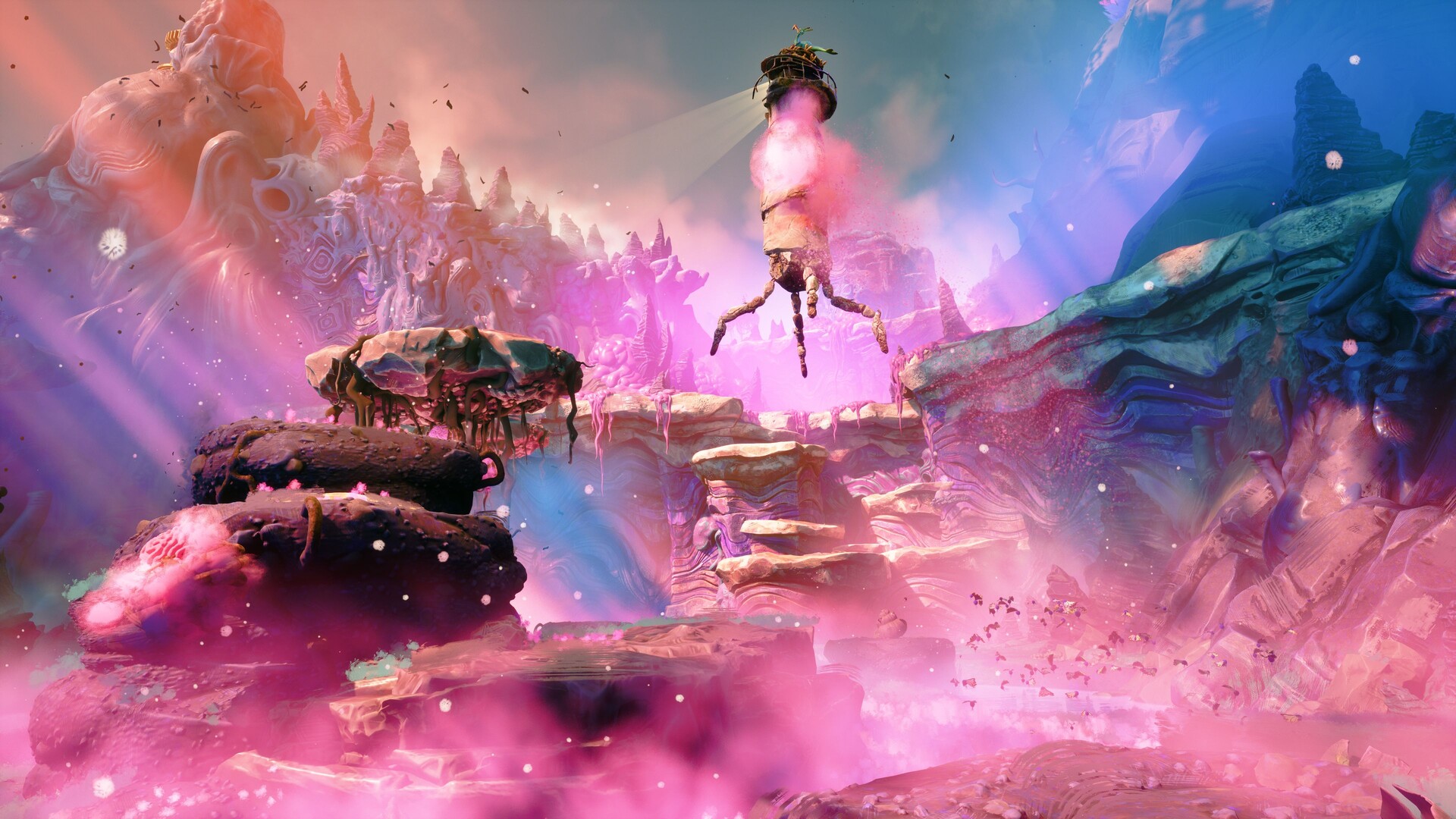
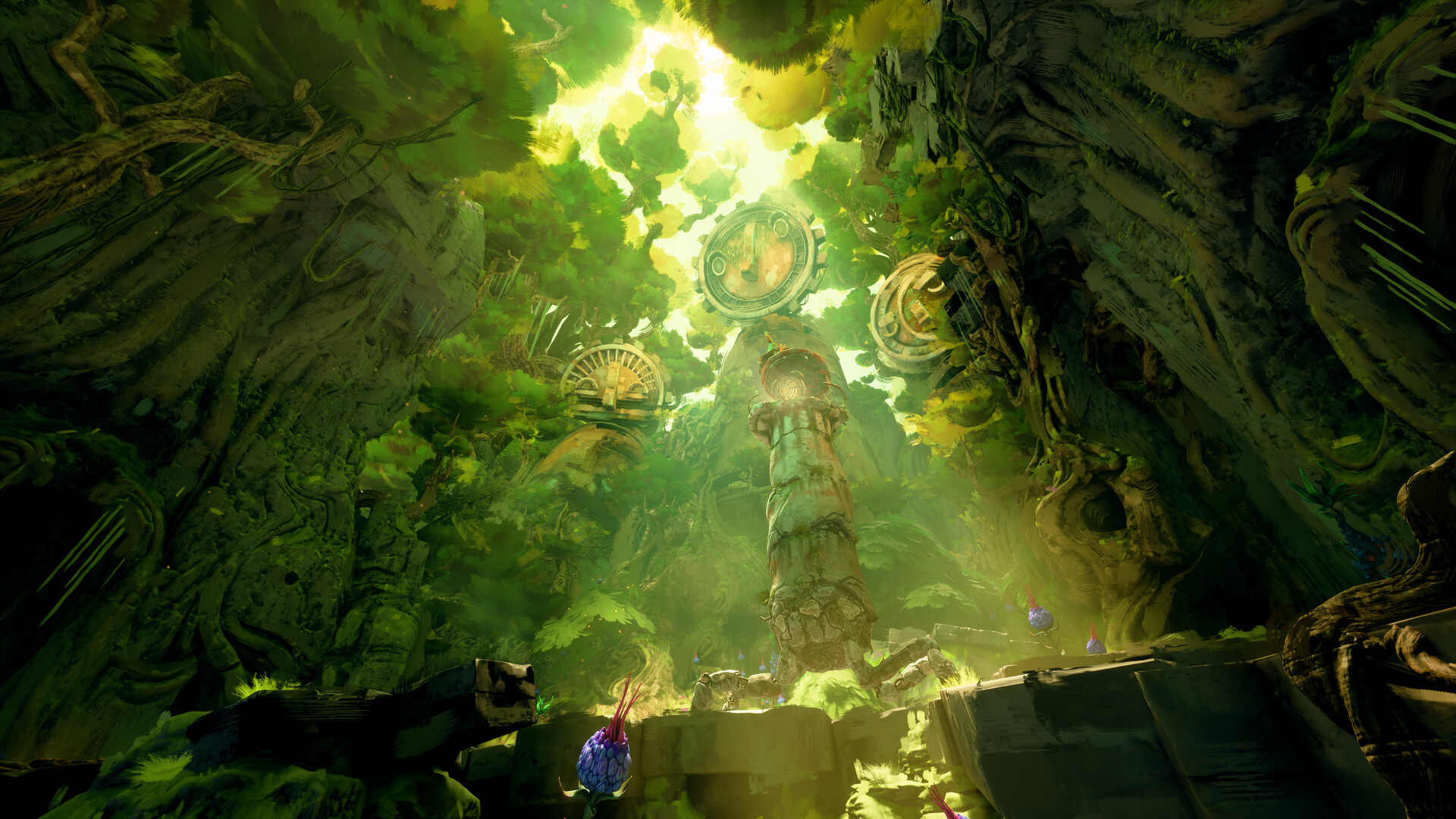
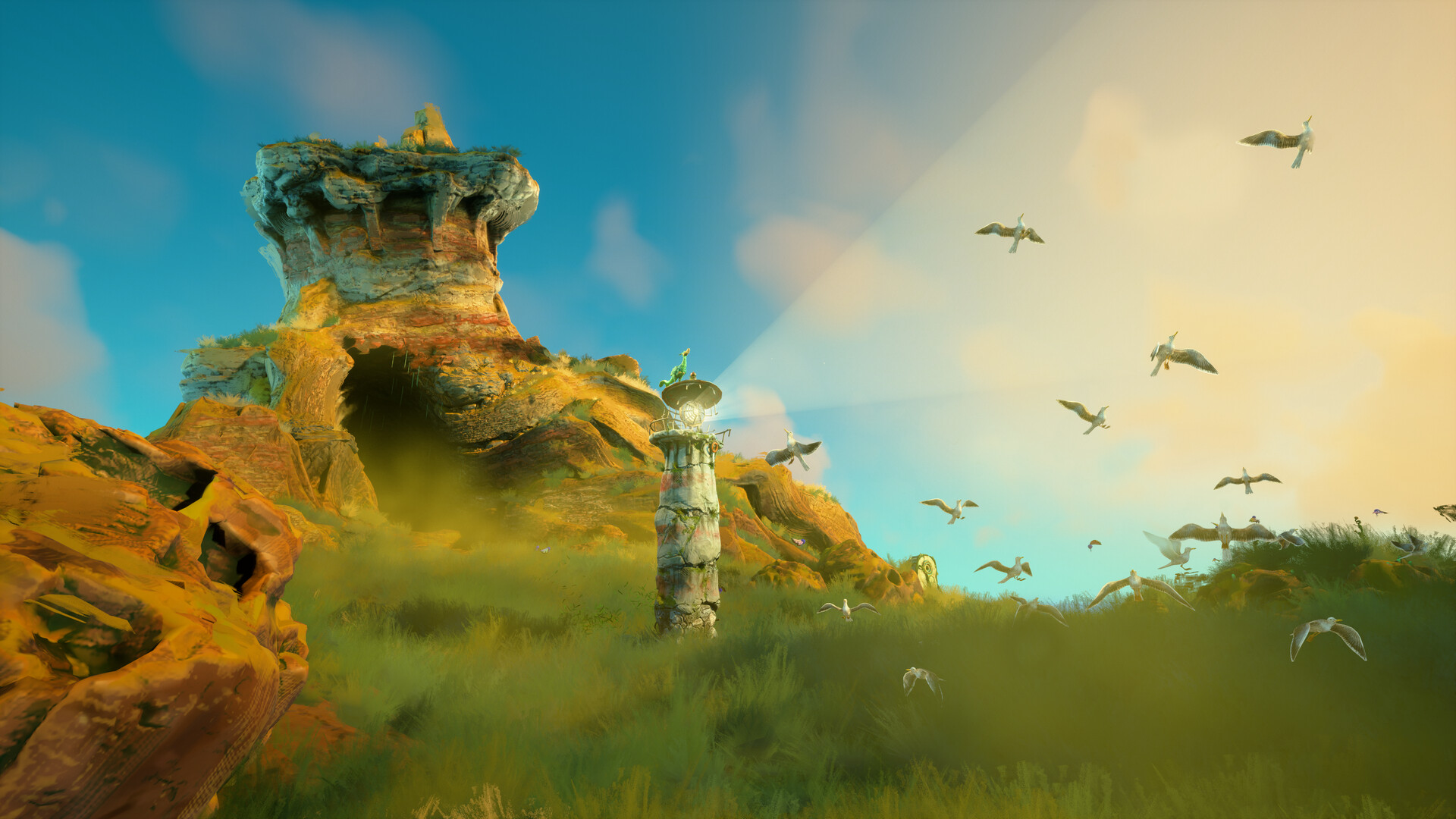
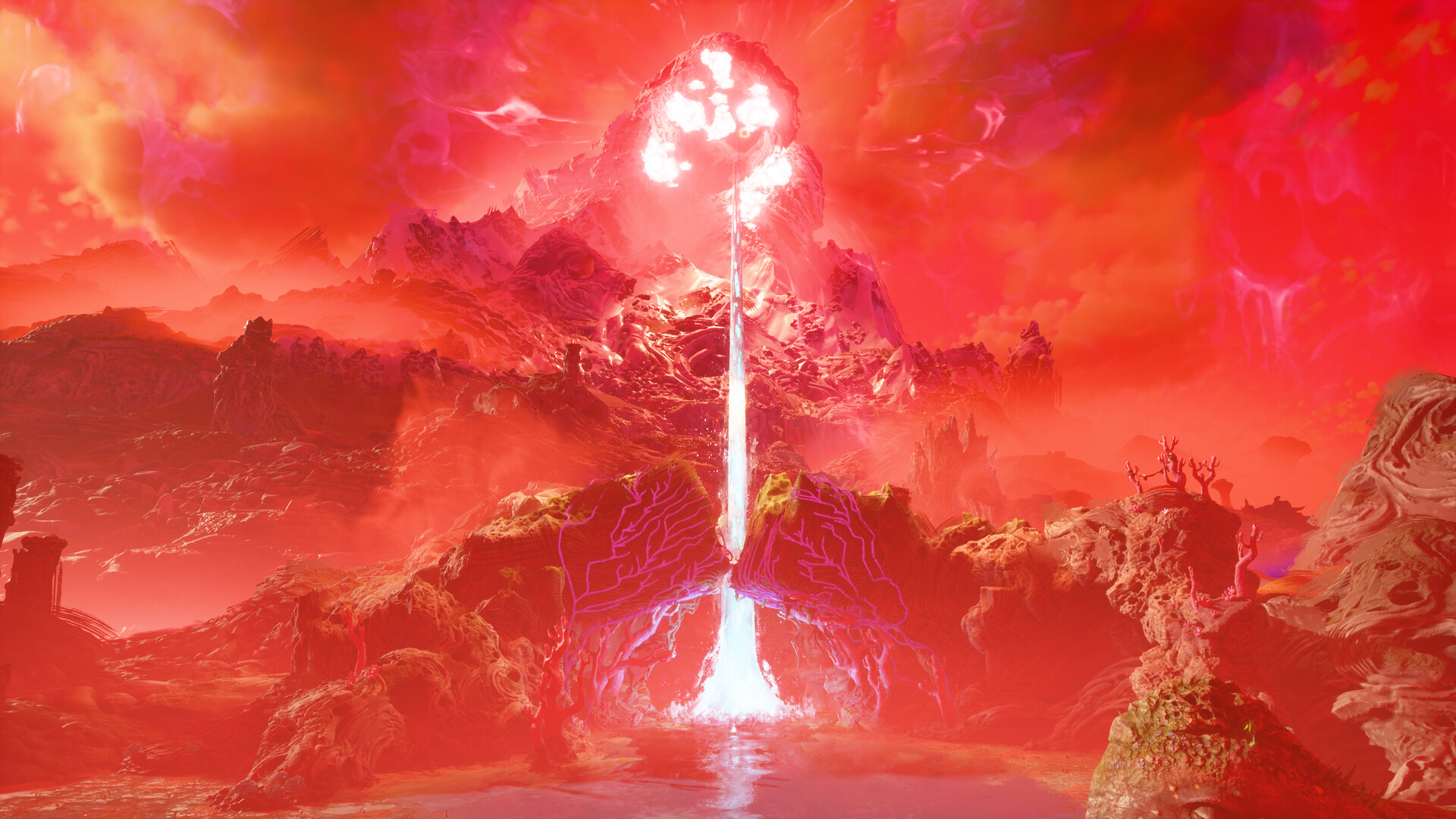
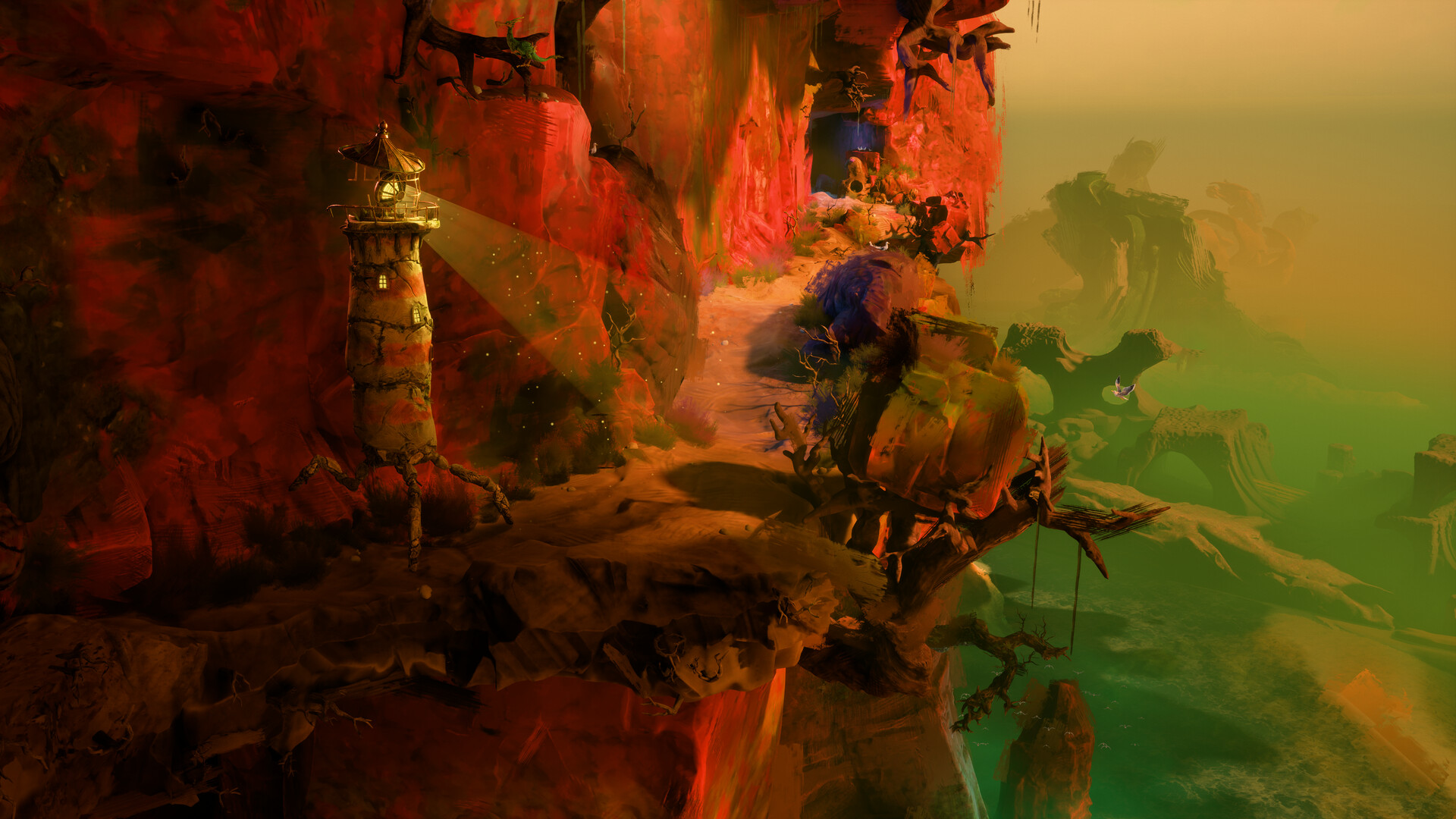
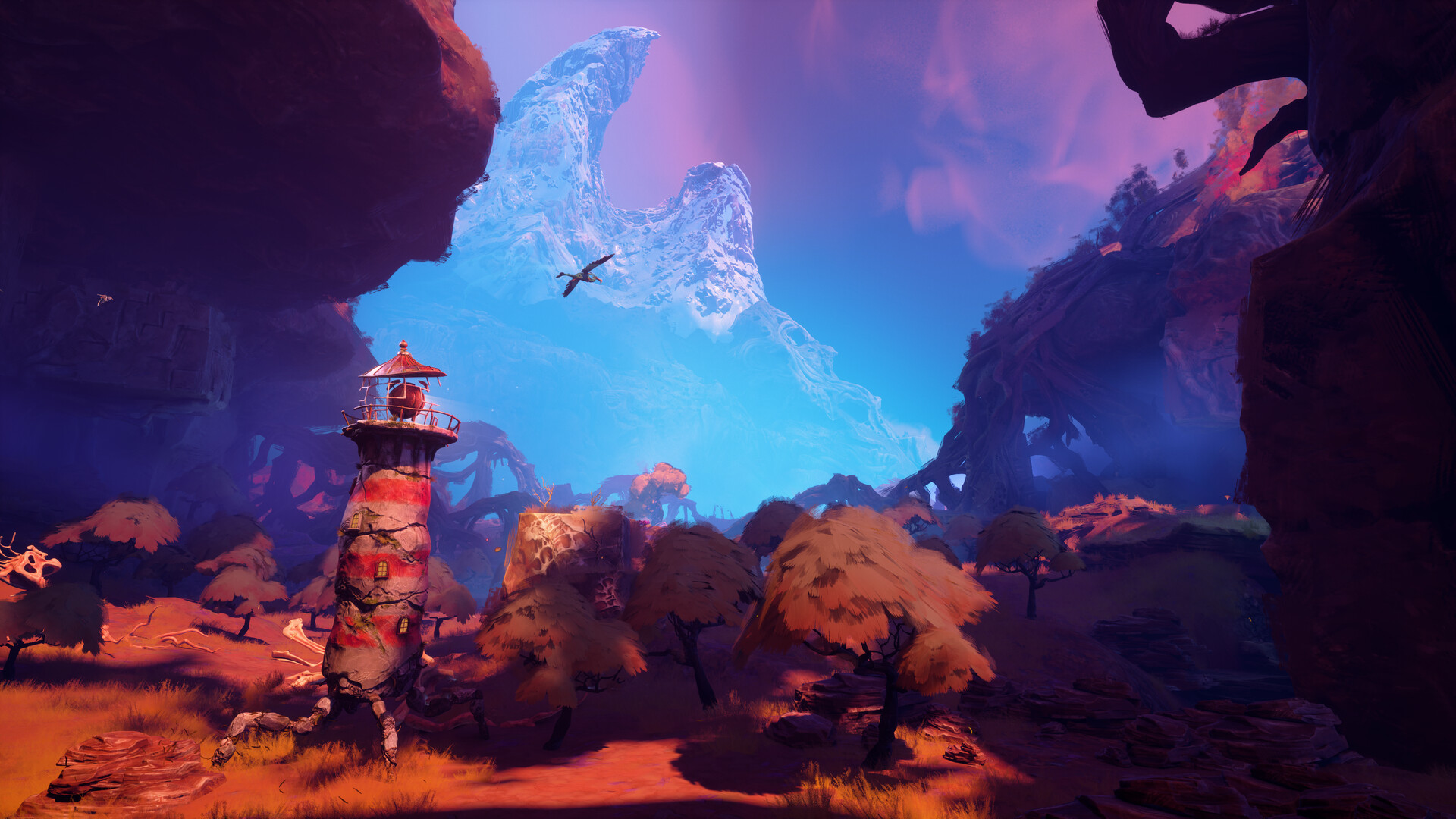
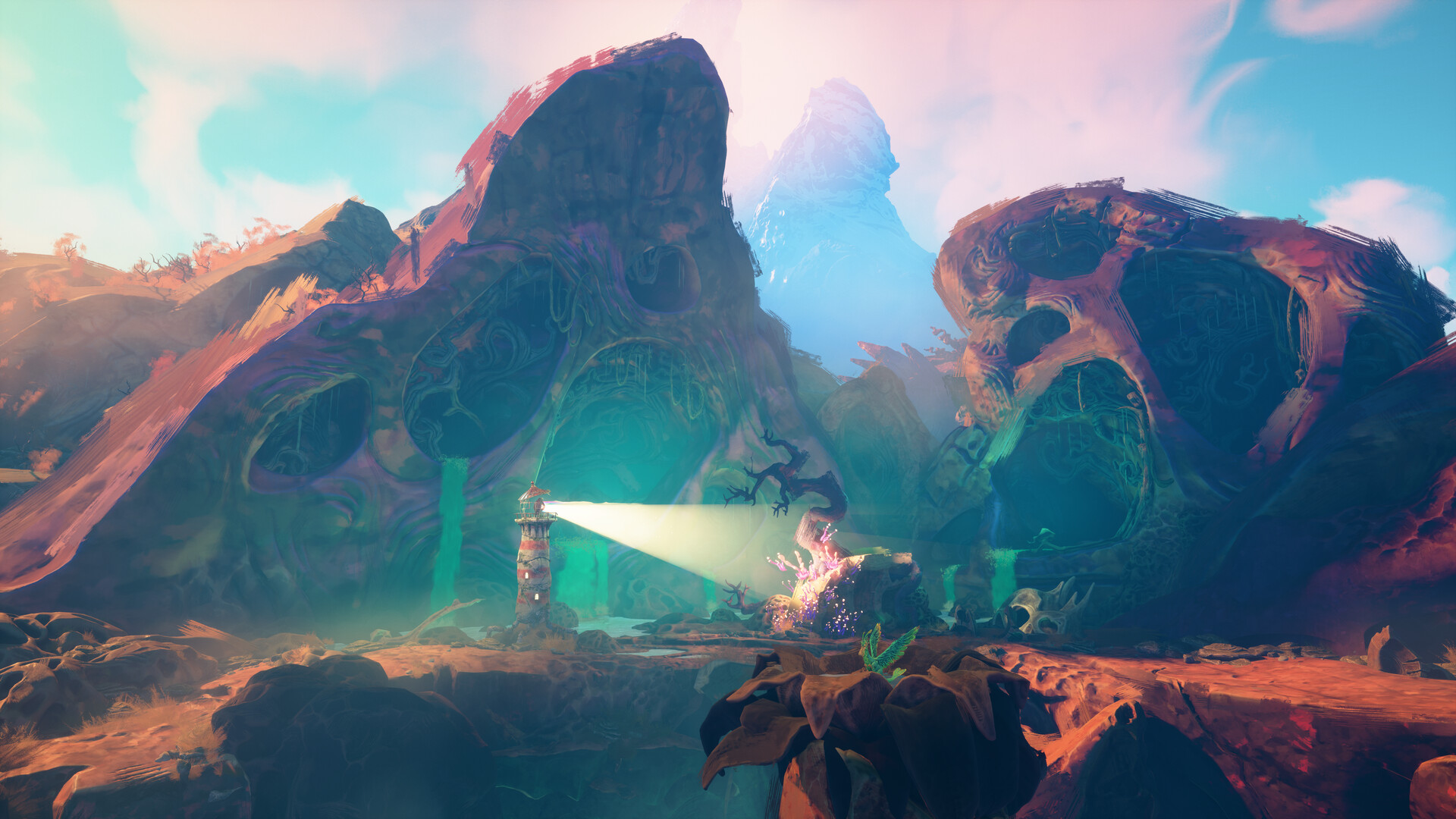
Visually, Keeper is stunning: pastel-overgrown palettes, inventive creature designs, and set pieces that look like dioramas come to life. The soundtrack leans cinematic and, for me, was the emotional backbone—there’s a moment toward the end that stuck with me long after I quit. That said, graphics come at a price: many users report performance issues on mid- to high-end rigs, and I had moments where frame drops and occasional stutters pulled me out of the mood. The camera is largely fixed, which helps compose every scene like a painting but can make platforming and spatial awareness awkward; missing a jump sometimes means guessing where to aim next. Accessibility-wise, Keeper is forgiving—no harsh failures and mostly simple inputs—so it’s excellent for newcomers or players who prefer a contemplative pace.
Keeper is a small, sincere work of art: a walking-adventure that trades depth for atmosphere and visuals. I recommend it to players who prioritize art, mood, and a gentle, wordless story—especially if you’re prepared to tweak settings for performance and forgive a fixed camera. It’s not a ‘gamer’s game’ in the mechanical sense, but it is one of those rare indie experiences that sticks with you for its looks and soundtrack.
Pros
- Breathtaking, original art direction and creature design
- Emotionally effective soundtrack that elevates quiet moments
- Gentle, accessible puzzles and a charming bird companion
- Great for players who enjoy slow, contemplative adventures
Cons
- Performance can be inconsistent even on decent PCs
- Fixed camera makes some platforming and spatial puzzles awkward
- Short runtime and relatively shallow mechanical depth
Player Opinion
Players are almost unanimous about Keeper’s biggest strength: its visuals. Many reviews call it one of the most beautiful games they’ve played, praising the color palette, creature designs, and the soundtrack—some even admitting it made them cry. At the same time, recurring complaints focus on performance hiccups and the fixed camera, which complicates platforming. Several players appreciate the approachable difficulty and charming moments with the bird, while others find the puzzles too simple and the whole experience emotionally thin. If you loved The Midnight Walk or anything by Lee Petty, you’ll probably find things to adore here; if you want deep systems or tight performance, you may be disappointed.