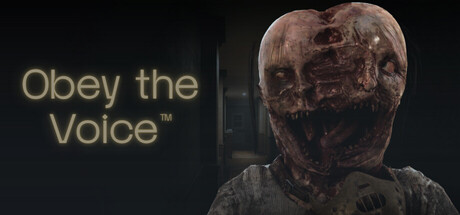





Obey the Voice™ Review — Pressure-Driven Psychological Horror That Gets Under Your Skin
A tense, 90-minute first-person horror built on strict rules, a guiding Voice and punishing precision. I played it, got anxious, laughed nervously and finished wanting more — flaws and all.
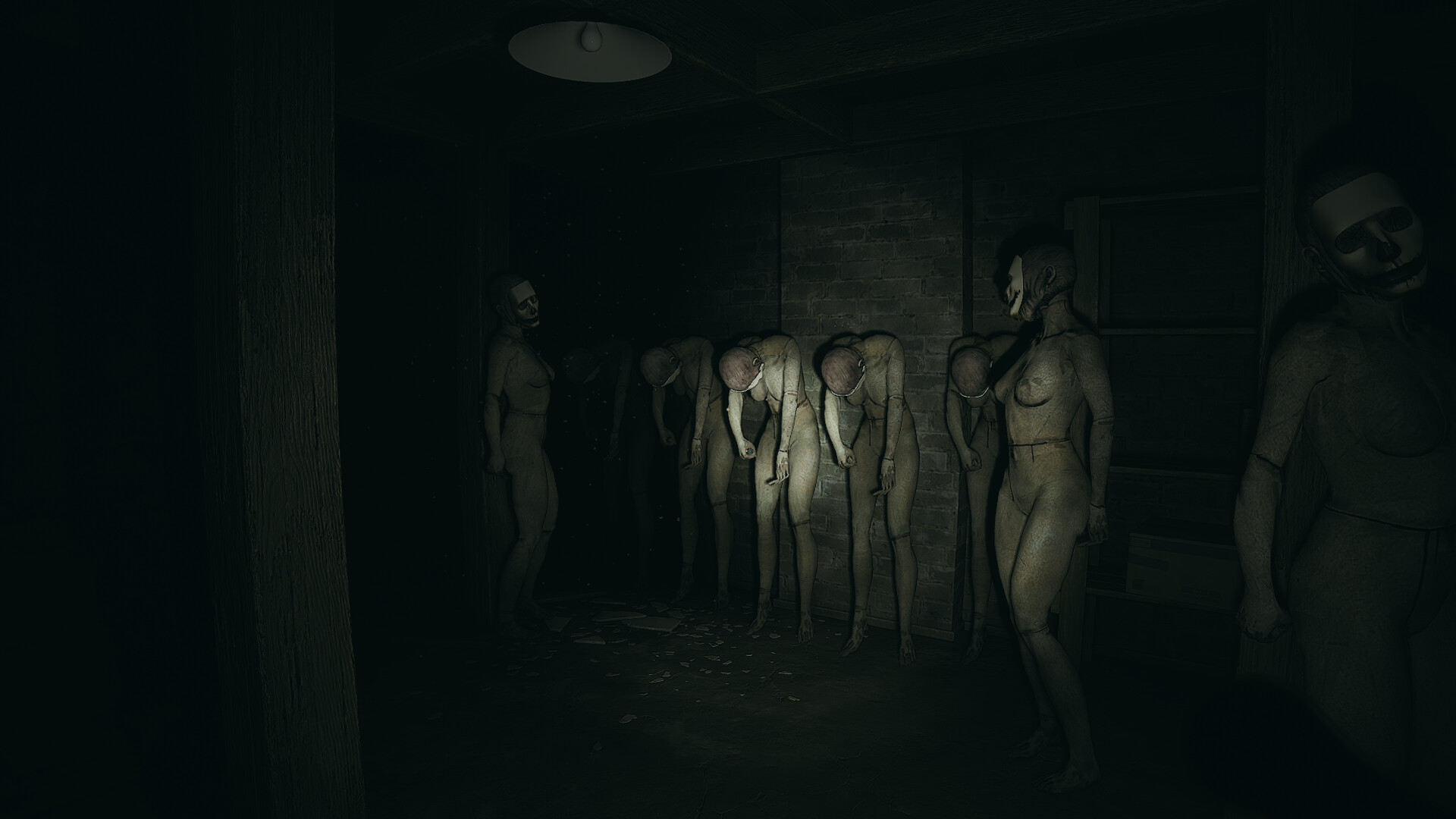
Obey the Voice™ hooked me from the premise: after an accident you’re uploaded into a backup consciousness and guided by The Voice — with dissociative identity disorder adding a constant, unnerving wobble. It feels like someone mixed The Stanley Parable’s meta-voice with the anxiety loops of modern psychothrillers. What makes it stand out is how rules become gameplay: ignore the wrong voices, don’t look at certain beings, press buttons on time. It’s designed for one sitting and aims to make every pulse race.
Following Orders While Doubting Everything
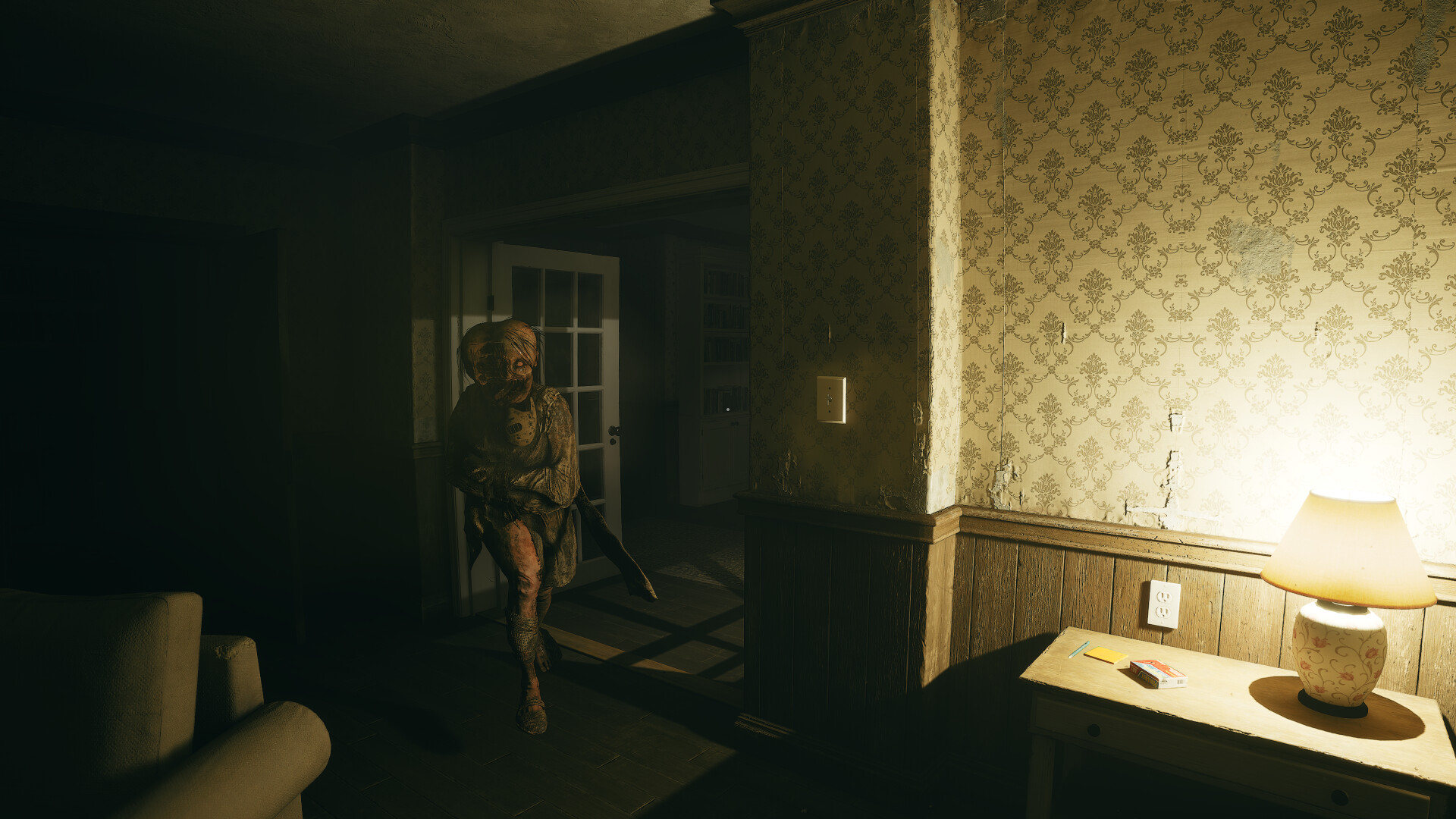
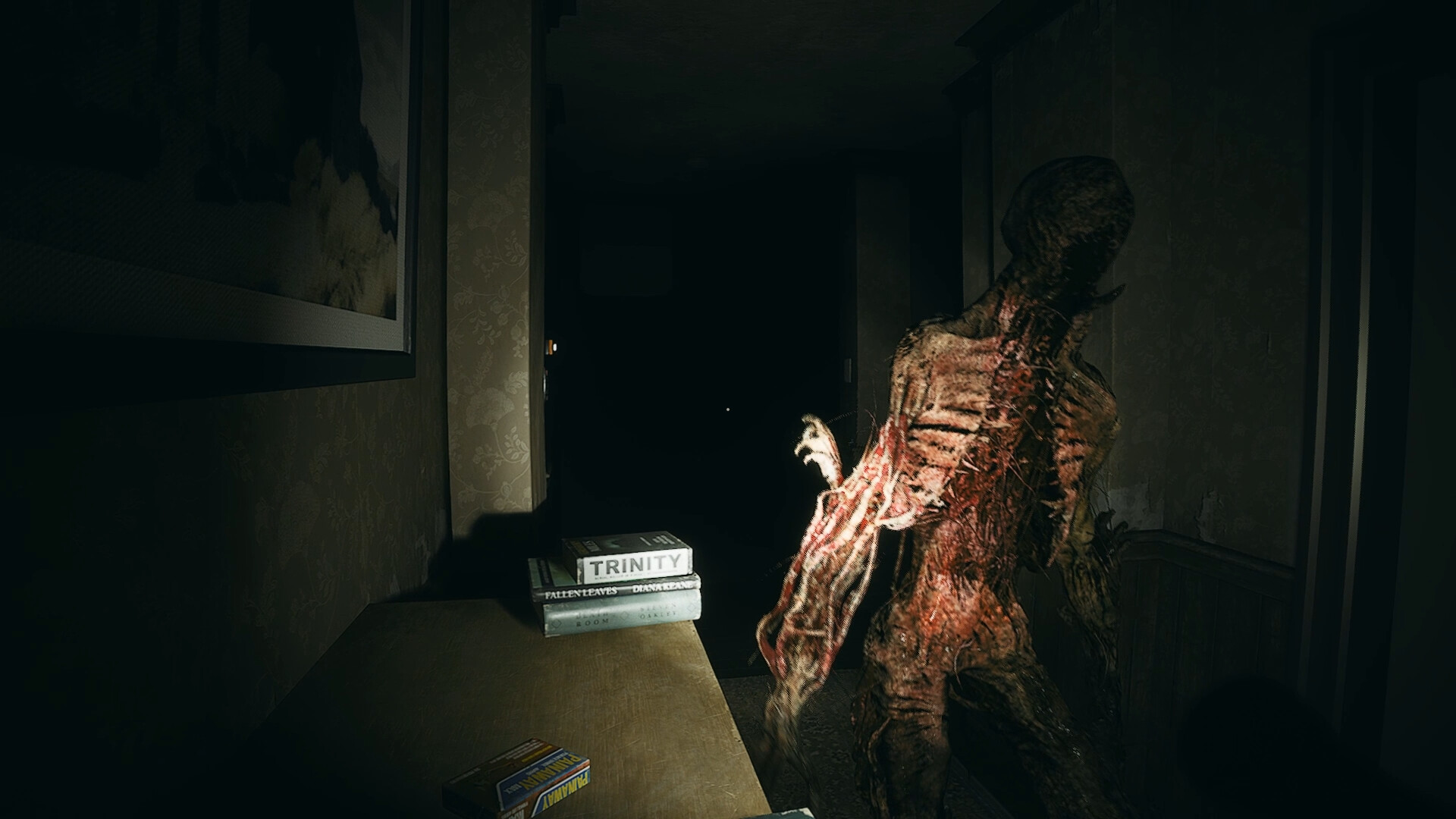
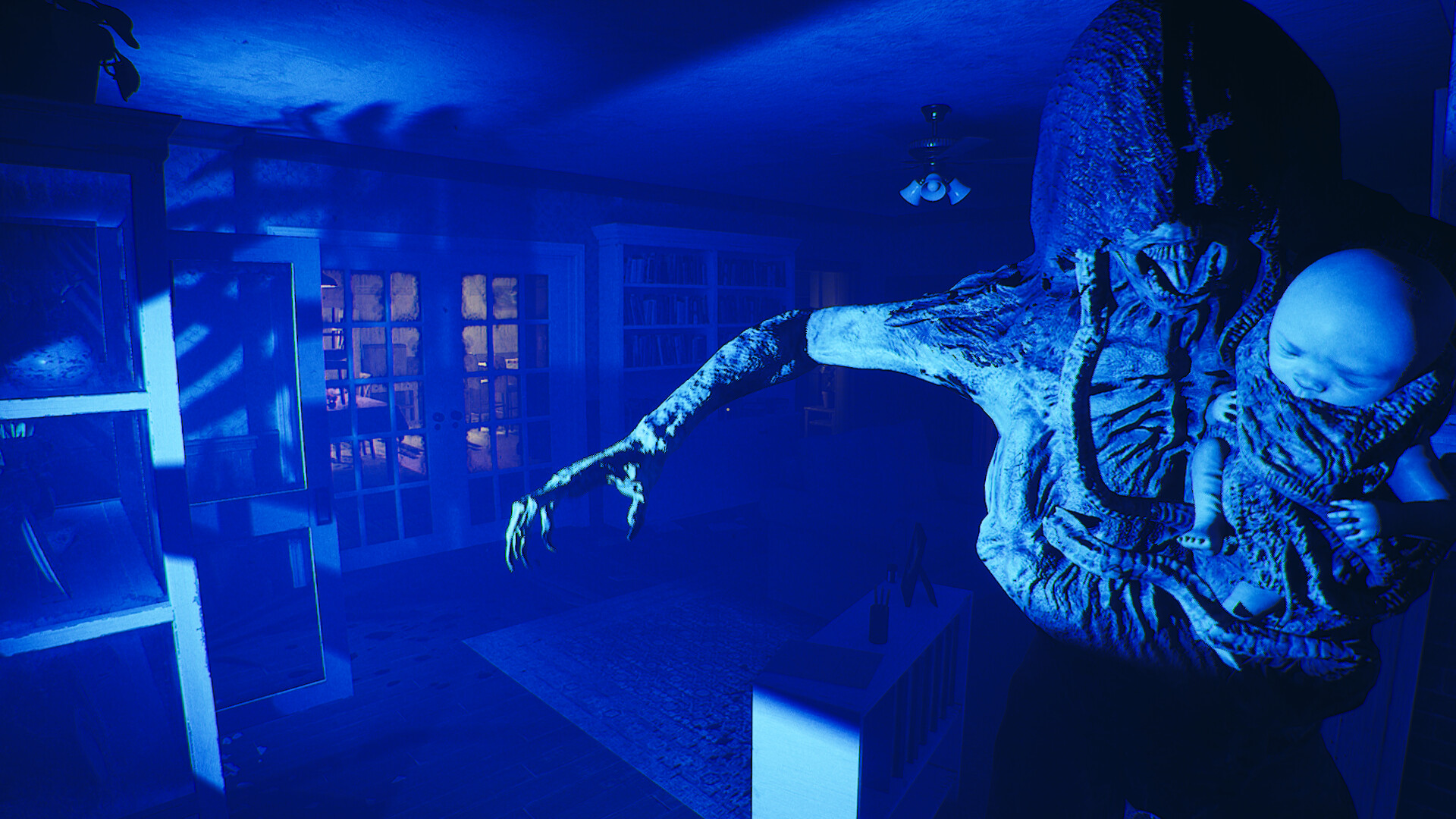
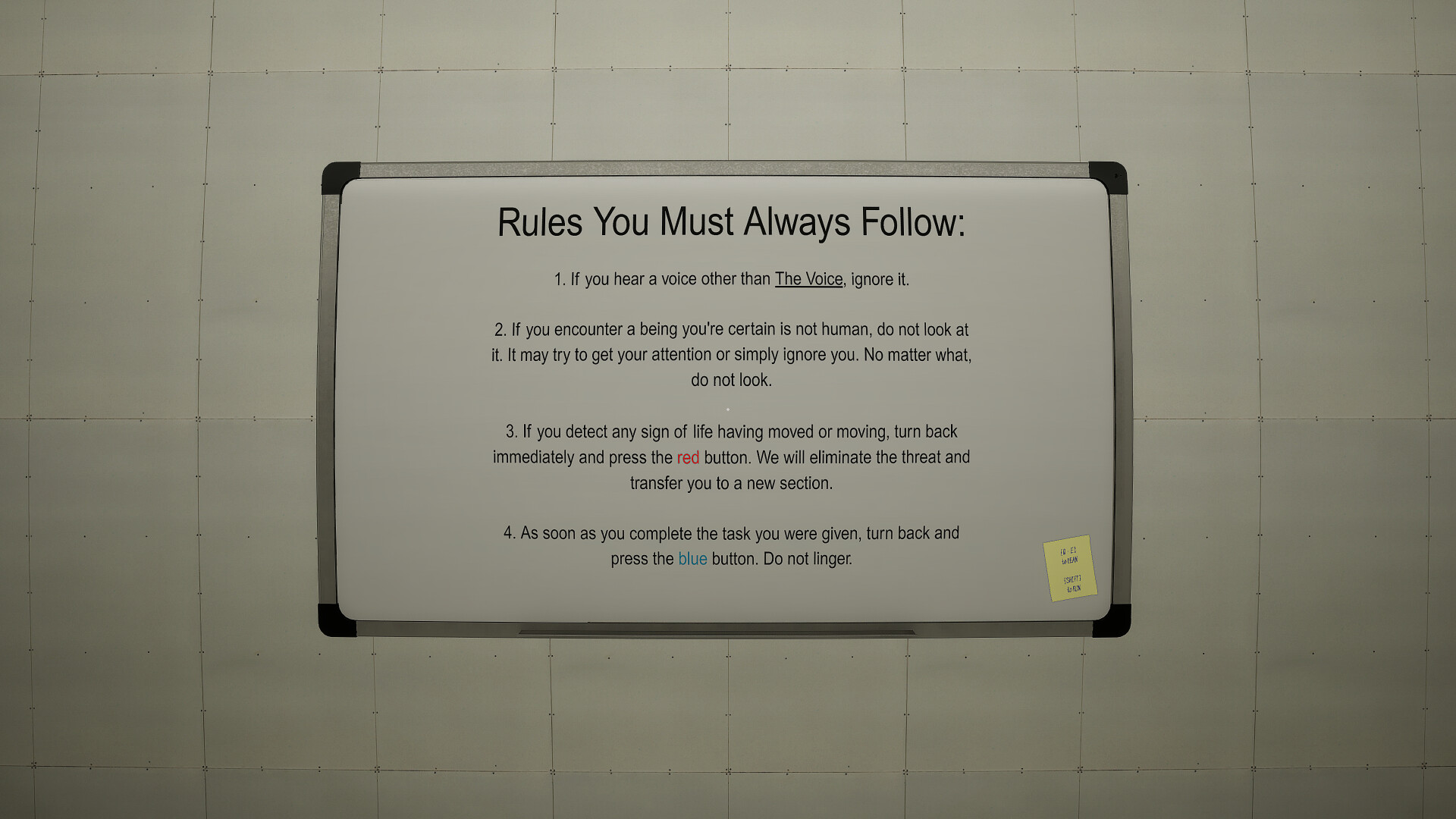
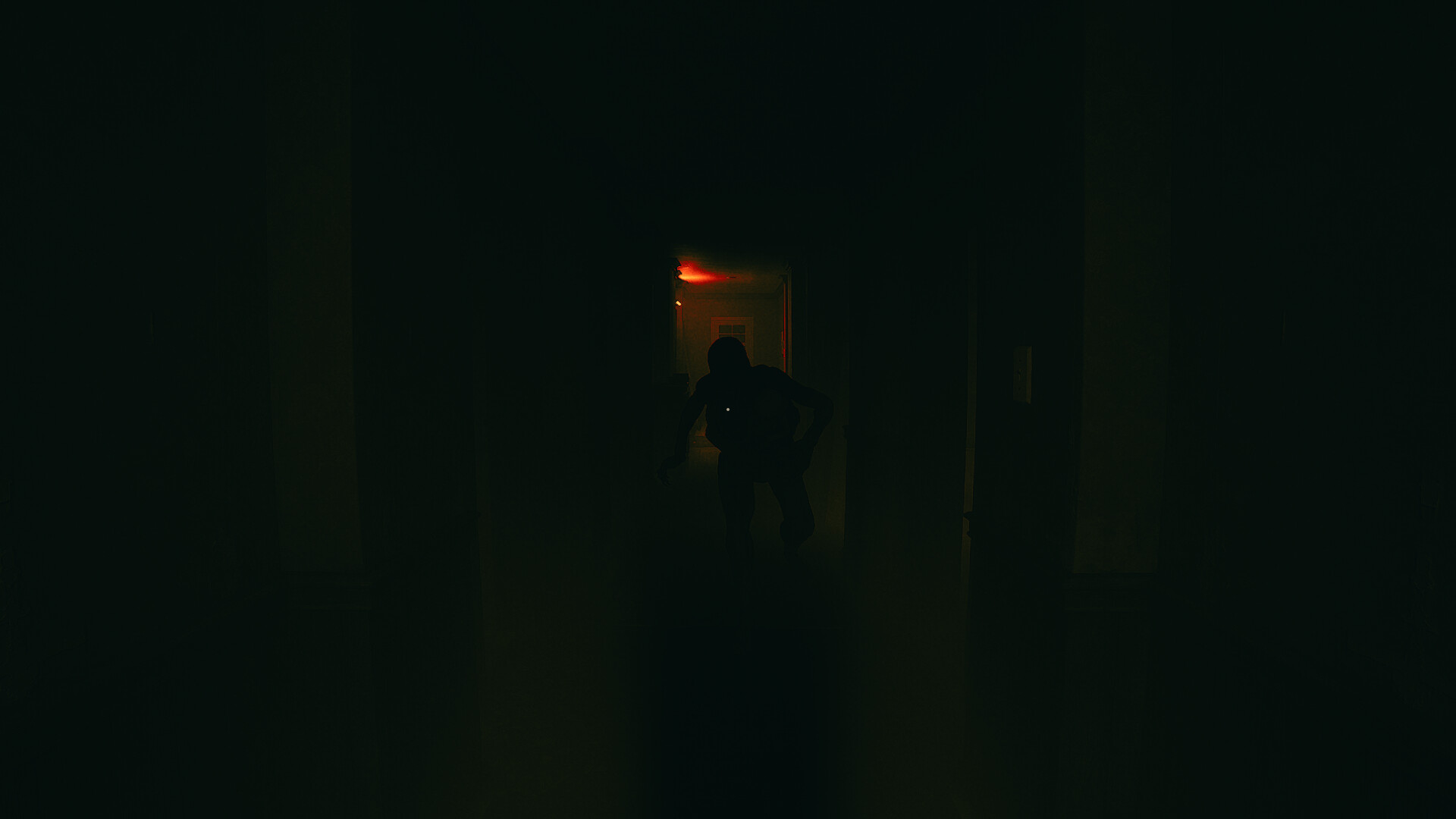
The core loop of Obey the Voice is gloriously stressful: The Voice issues clear, often overlapping instructions and you obey while the environment and your own head try to trick you. Most sections task you with simple objectives — find an item, press a sequence of buttons, or complete a short puzzle — but the tension comes from the need to juggle the permanent rules (don’t look, ignore other voices, press the right emergency button) on top of section-specific constraints. Gameplay is first-person, methodical and unforgiving; mistakes are punished immediately and restarting a room can sting. I appreciated how deliberate each task felt: there are no random events and the challenges are crafted to ramp pressure rather than rely on cheap scares.
Rules as the Real Enemy
What makes the game unique is how the rules themselves become antagonists. The Voice’s mandates overlay a second game on top of the environmental puzzles: you must listen, remember, and decide how strictly to follow orders while being hunted. That mechanic creates genuine moral friction — do you blindly obey to stay “safe” or test the bounds and risk faster, meaner consequences? The dissociative identity concept is used intelligently; sometimes your own awareness feels split between competing instructions and that adds to the claustrophobic feel. A few sections (like the ‘Voice Says’ and the identical-rooms test) are clever in design, forcing you to multitask under stress, though some interactions (tiny fusebox click areas) can feel fiddly when chased.
Photorealism, Sound Design and Performance
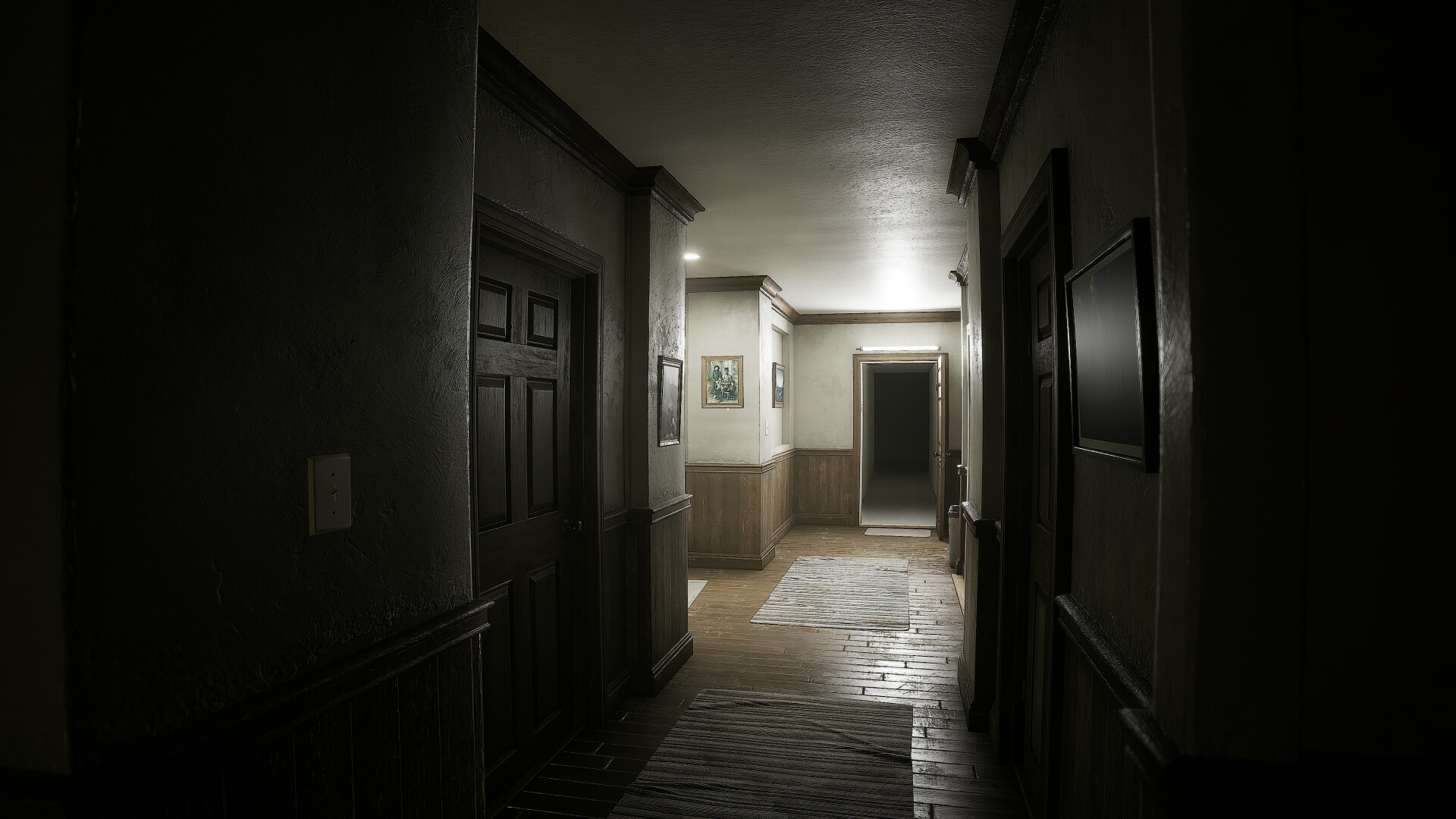
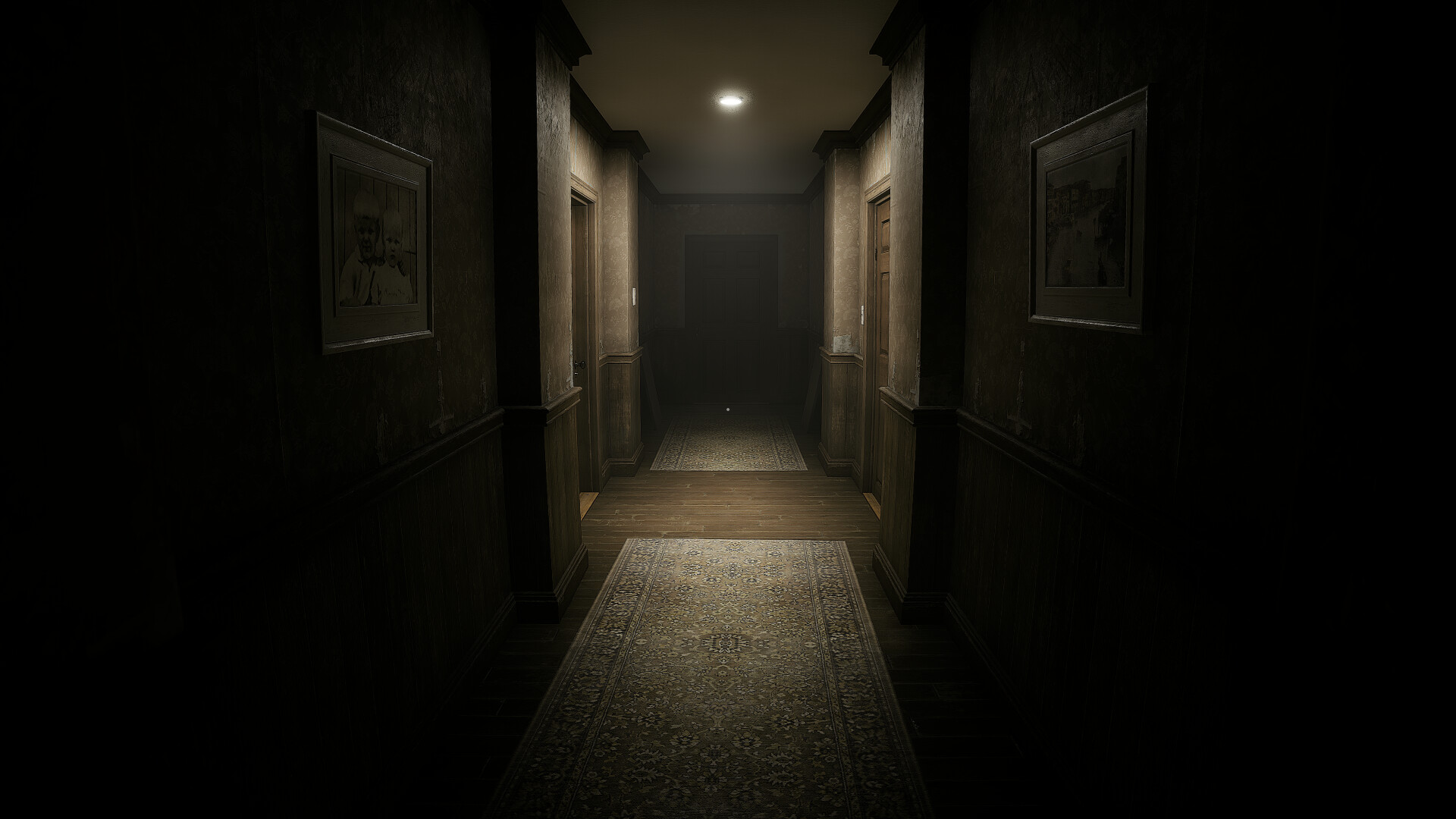
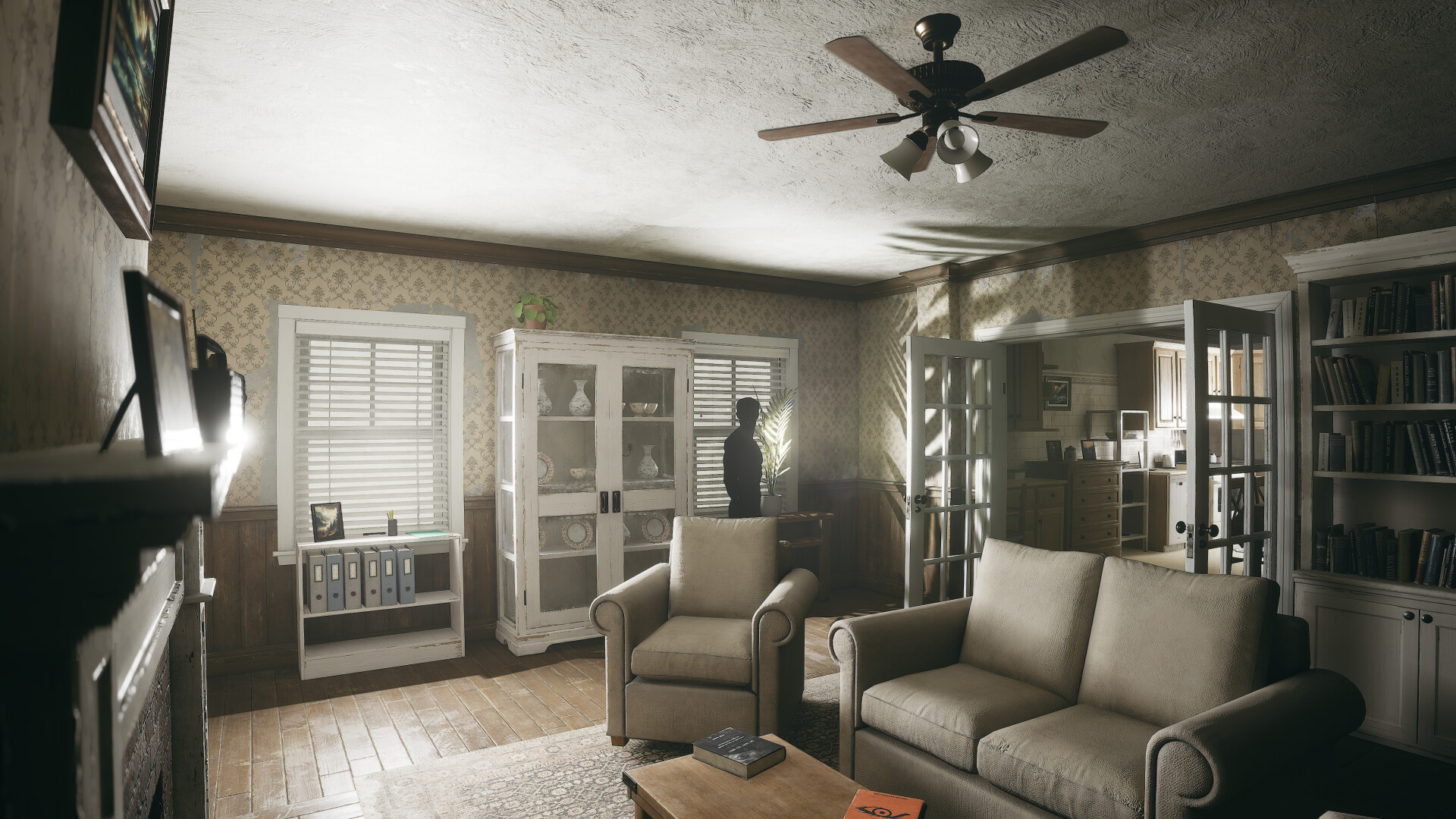
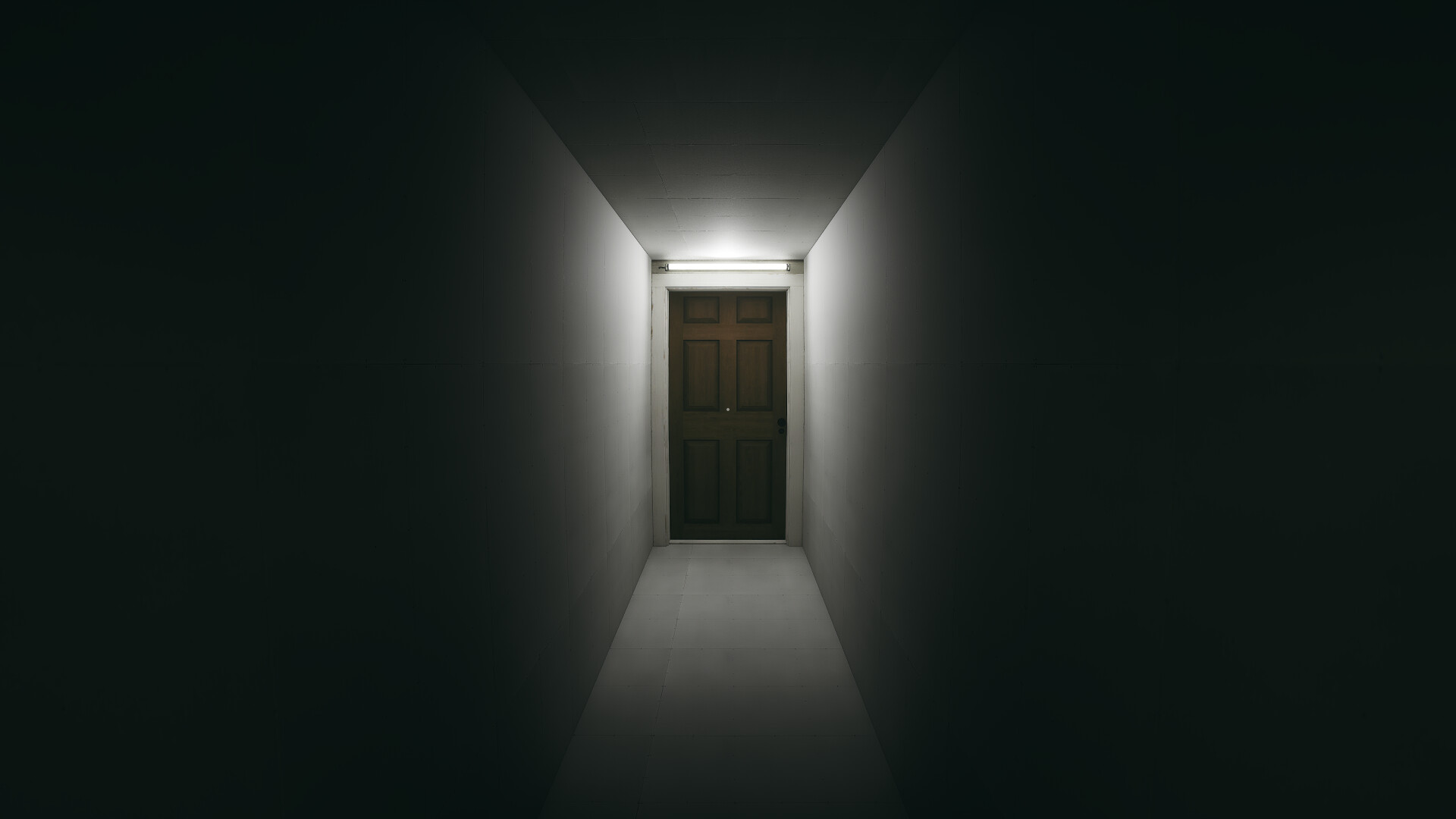
Visually the game leans hard into photorealism: house interiors, lighting and texture work create believable, sometimes sterile rooms that make the uncanny moments hit harder. The soundscape is the real MVP — subtle cues, a maddening metronome of beeps and The Voice’s calm insistence all combine to keep you on edge. Subtitles are present, but I noticed players complaining about auditory puzzles with limited visual alternatives; accessibility could be improved with visual indicators for morse or tone-based tasks. Performance is mostly stable on my PC, though a few users reported FPS drops. Overall, presentation sells the tension the game wants you to feel.
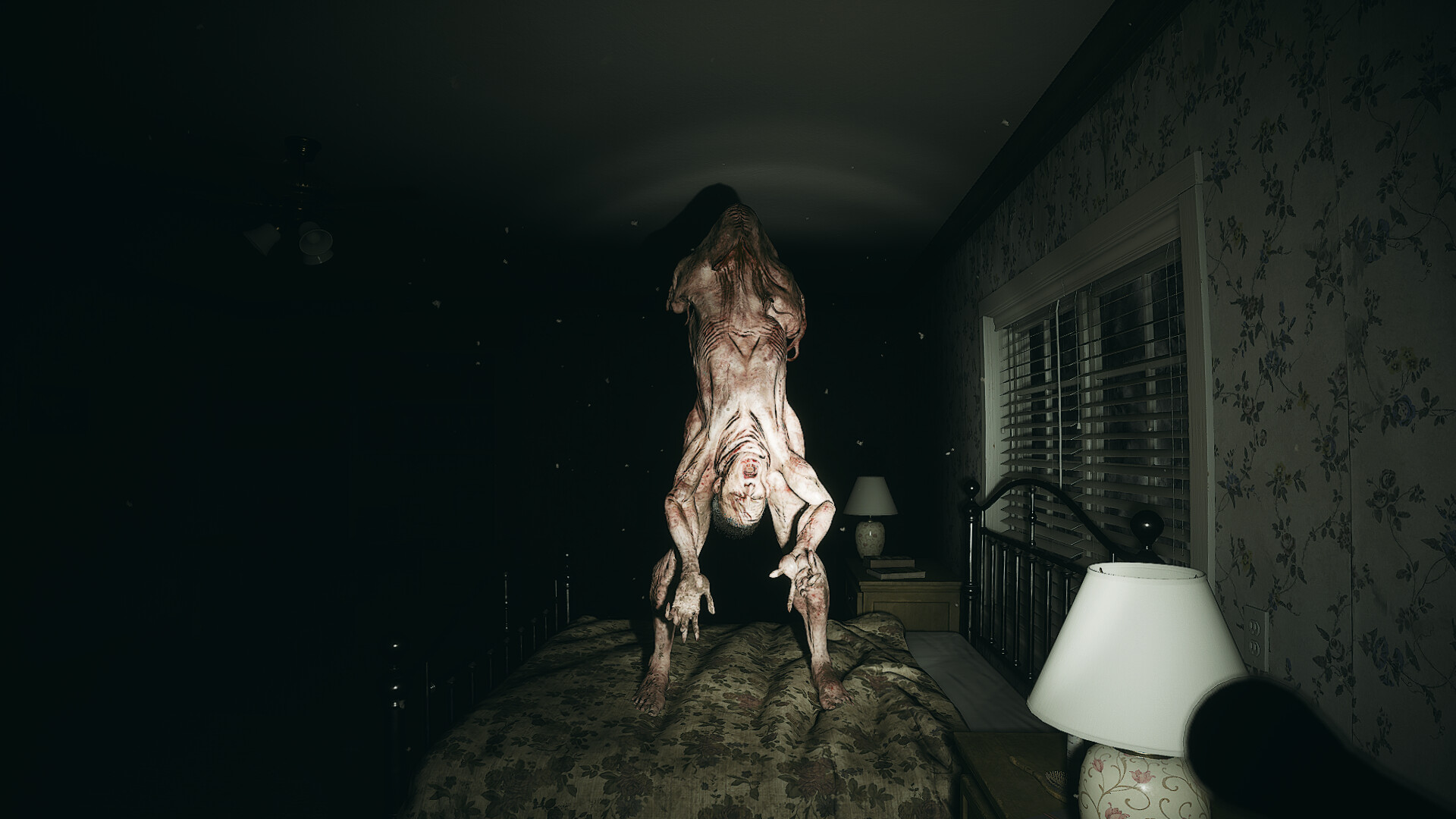
Obey the Voice™ is a focused, nerve-jangling indie horror with a bold rule-as-gameplay hook. It's not perfect — it’s short, occasionally fiddly and could use better accessibility — but it delivers memorable tension and smart design for a solo dev. Recommended if you want a tight, anxiety-fueled one-sitting experience; skip it if you need long, exploratory horror.
Pros
- Tense, well-crafted pressure mechanics that actually create fear.
- Strong audio design and photoreal environments that sell the mood.
- Tight, single-session experience that works for streams and one-sitting plays.
- Ambitious for a solo developer — clear vision and identity.
Cons
- Short length and some levels feel underused or repetitive.
- Fragile interactions (tiny click zones) and a few fiddly puzzles when chased.
- Accessibility gaps for auditory puzzles — needs visual alternatives.
Player Opinion
Players frequently praise the game's tension and concept — many called it a great value for a solo dev and enjoyed the unique rule-driven challenges. Streamers and horror fans note it makes for gripping watchable content. Criticisms repeatedly focus on the short runtime, a handful of finicky interactions (the fuse box being the most common gripe), and accessibility issues for hearing-impaired players in audio-based puzzles. Reviews also mention inconsistent use of the introduced rules across levels; some players wished those mechanics were used more often. If you like deliberate, stressful puzzle-horror rather than open-ended exploration, you'll probably enjoy it; if you prefer longer campaigns or perfect polish, expect compromises.