




Gecko Gods Review – A Cozy Puzzle-Adventure That Makes You Be Gecko
Play as a tiny gecko, glide between islands, snack on bugs and solve warm-hearted environmental puzzles in this laid-back exploration platformer.
Gecko Gods is one of those rare indie games that greets you like a warm, slightly sun-warmed rock: unpretentious, tactile and oddly comforting. You play as a tiny gecko named Leezar who hops, clings and bumbles through a forgotten archipelago, solving environmental puzzles and munching on bugs at your leisure. If you like ABZÛ or The Pathless for atmosphere, but wanted something smaller, softer and more squirmy, this scratches that itch. It's not about speedruns or brutal difficulty—it's a gentle invitation to be curious.
Climbing, Clinging and Curious Movement
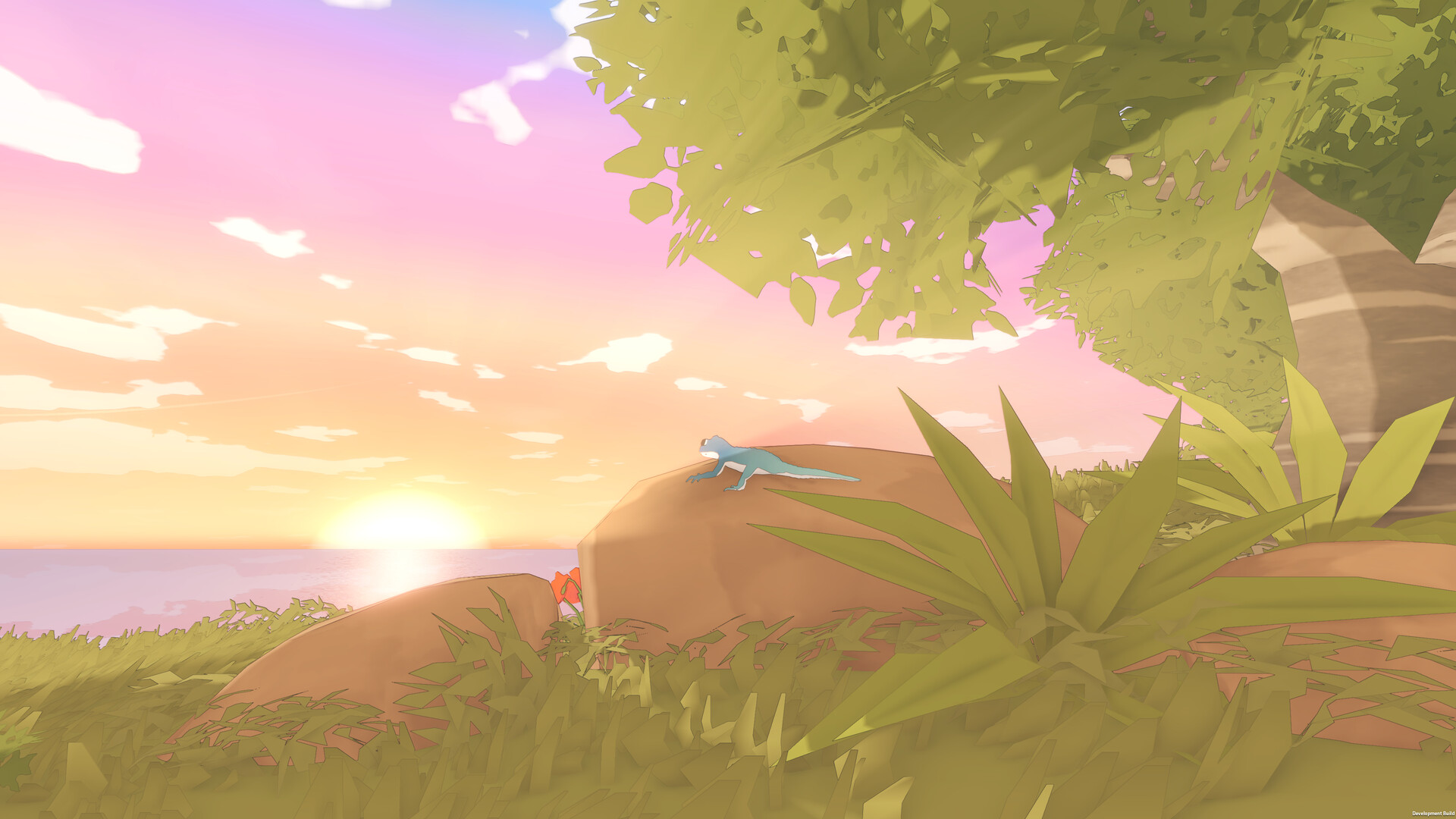
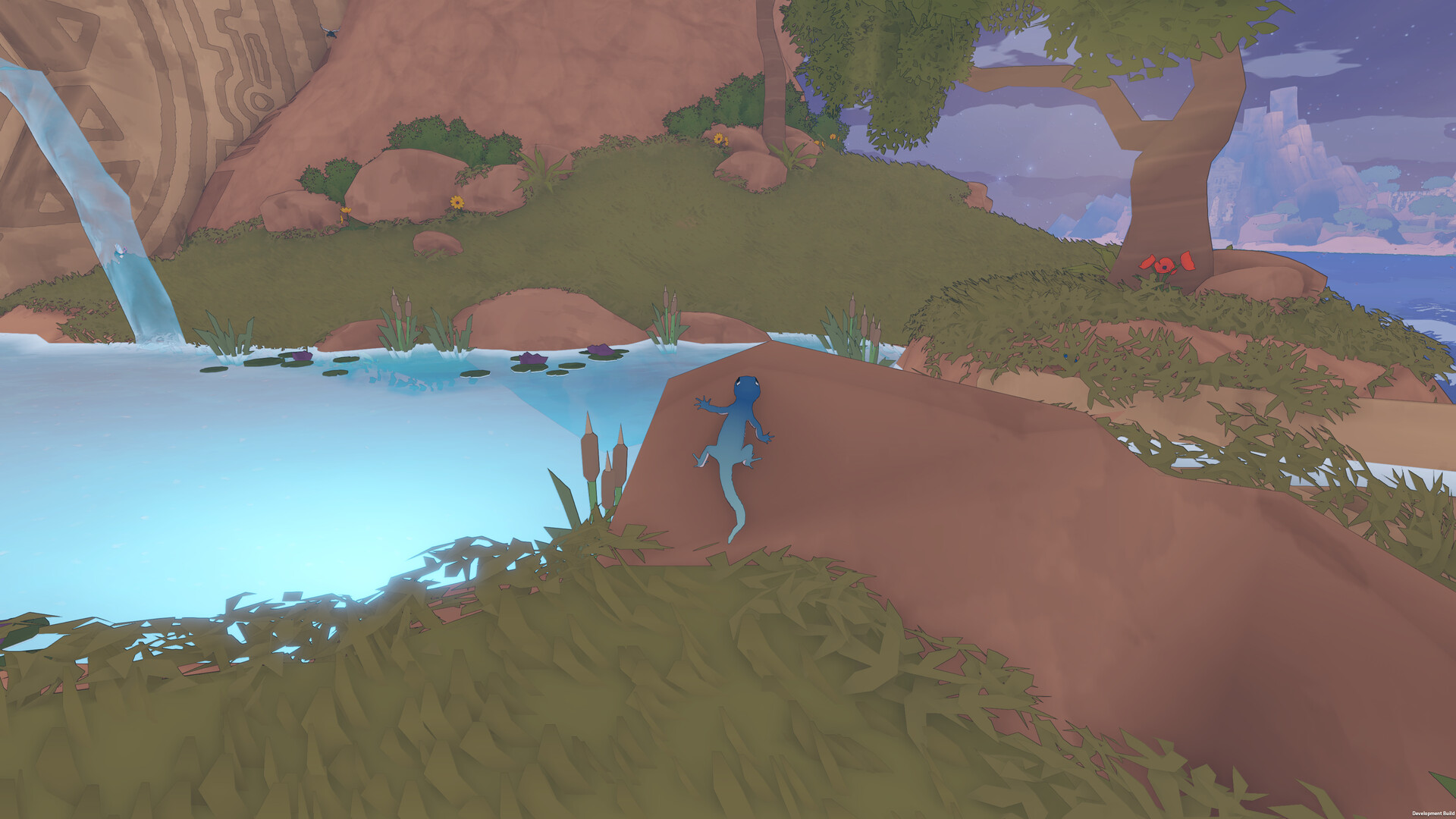
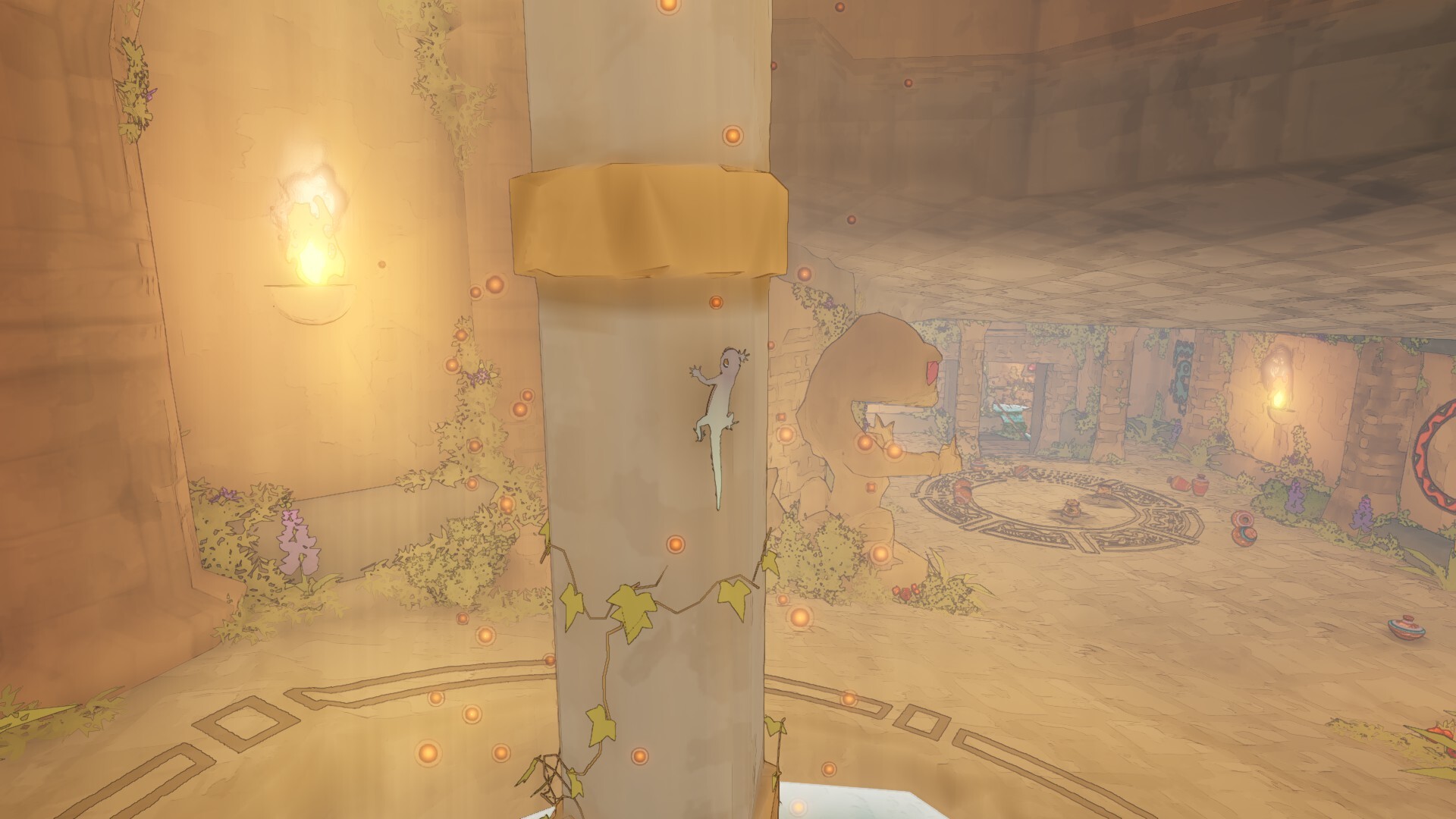
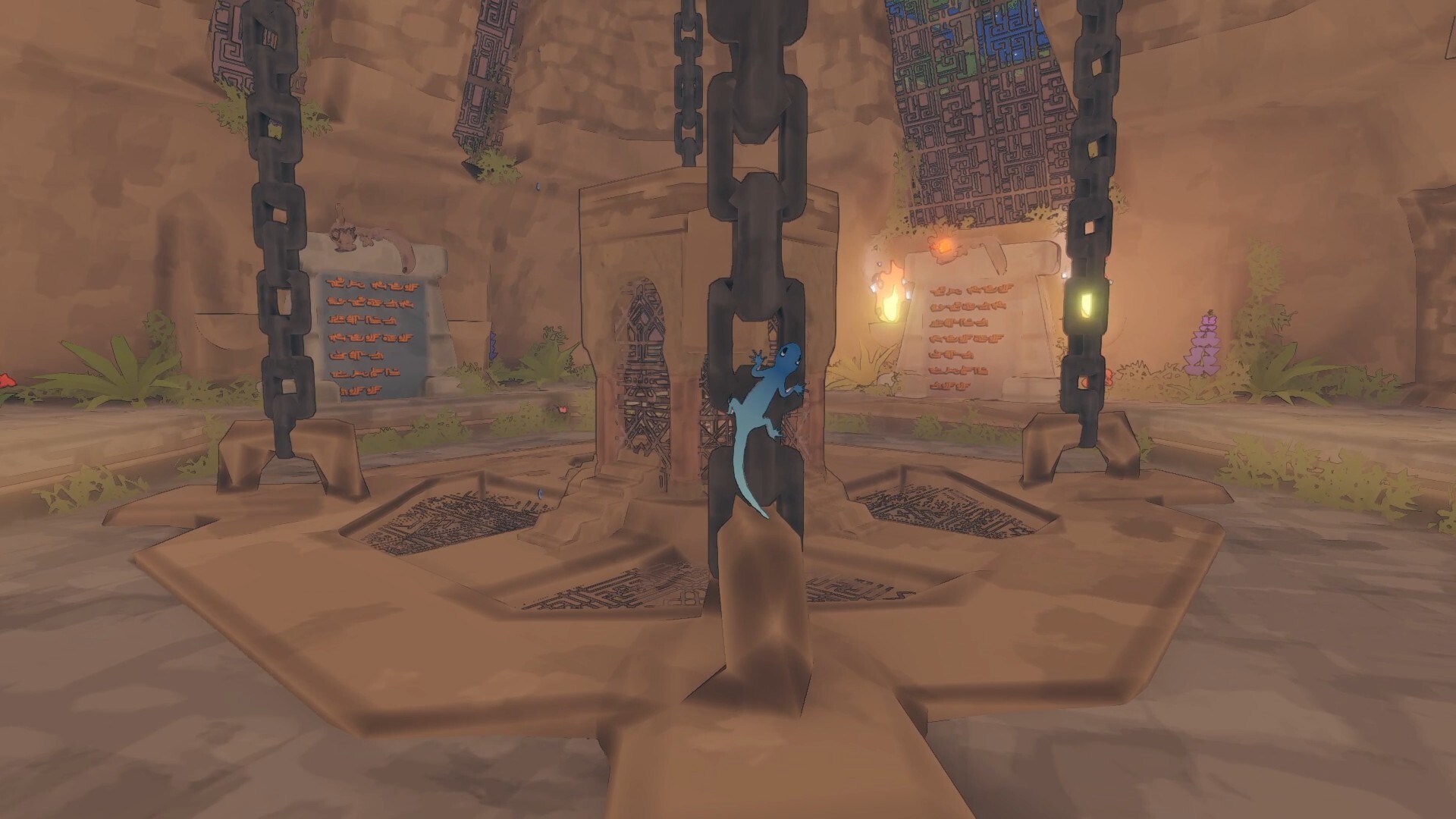
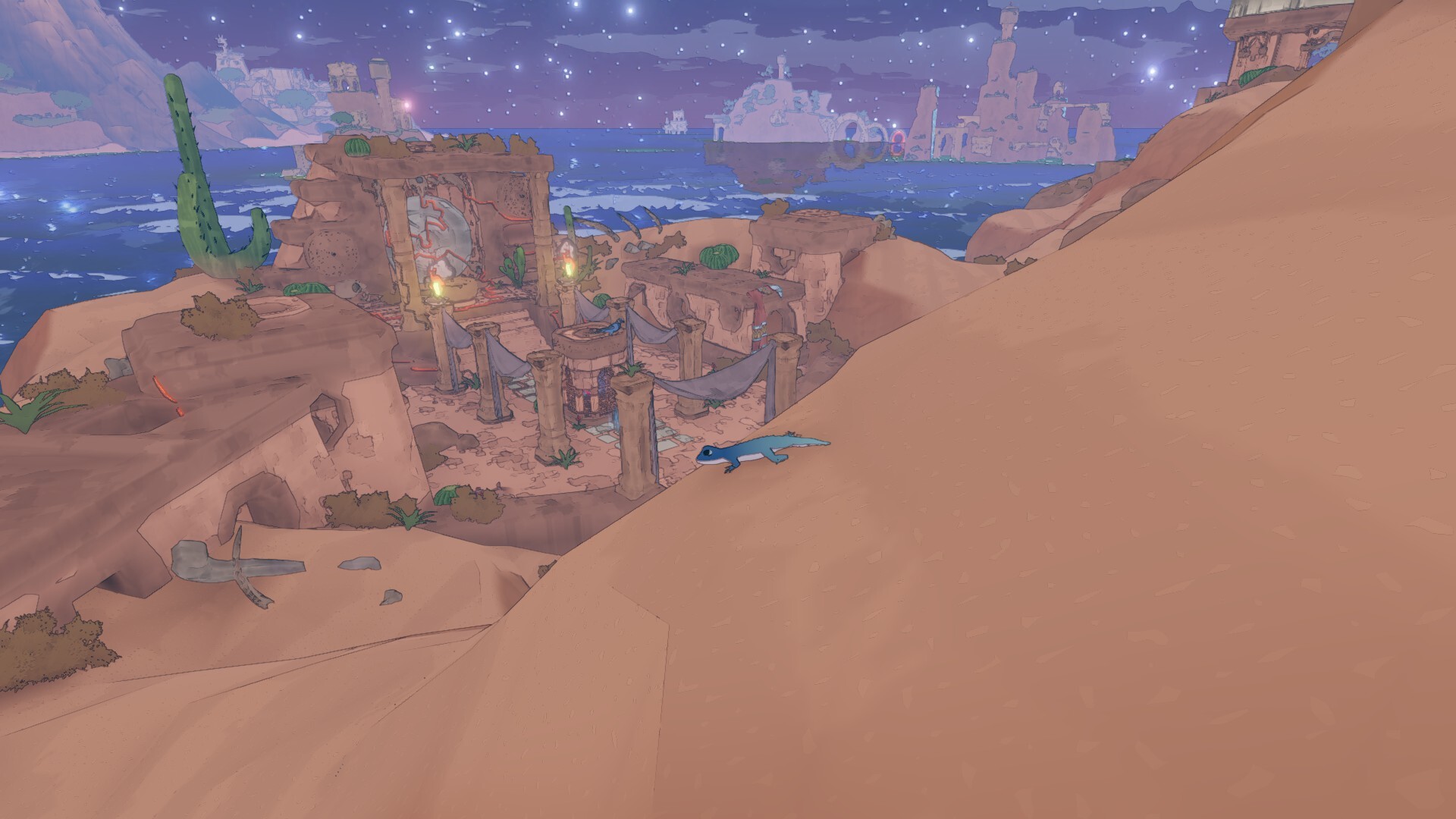
The core loop of Gecko Gods is gloriously low-pressure: you explore islands at your own pace, climb walls and ceilings with a sticky little gecko physics that feels distinct from usual platformers, and interact with simple environmental puzzles that reward attention rather than twitch reflexes. Movement is the joy here—the way your tiny gecko pads along, scrabbles up a crumbling ruin, and launches into a little glide across a chasm gives the whole game a tactile personality; you’ll laugh at your own goofy hops and the tiny meeps the character makes. Puzzles are mostly environmental and designed so that inspecting a nook or nudging a block or aligning a relic reveals the solution naturally; there are no obtuse logic mazes, but there are moments of genuine delight when disparate bits of the scenery click together. Sailing between islands with a small wooden raft is part of the rhythm: drift, dock, explore, repeat, which turns the map into a cozy, wanderable scrapbook. The exploration encourages poking into every crack because the world hides collectibles, color unlocks for your gecko, and little narrative crumbs about an ancient civilisation.
Tiny Mechanics, Big Personality
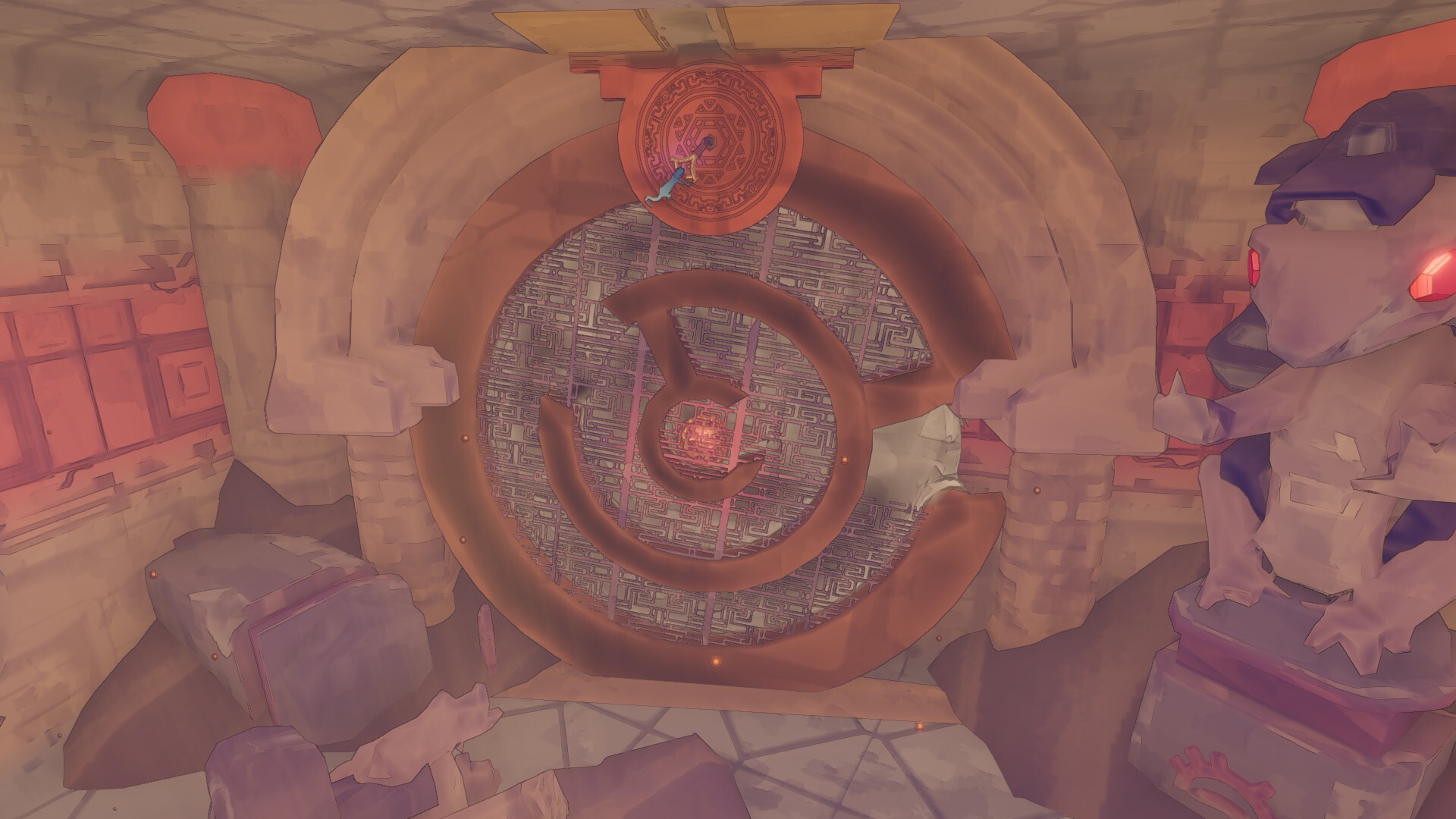
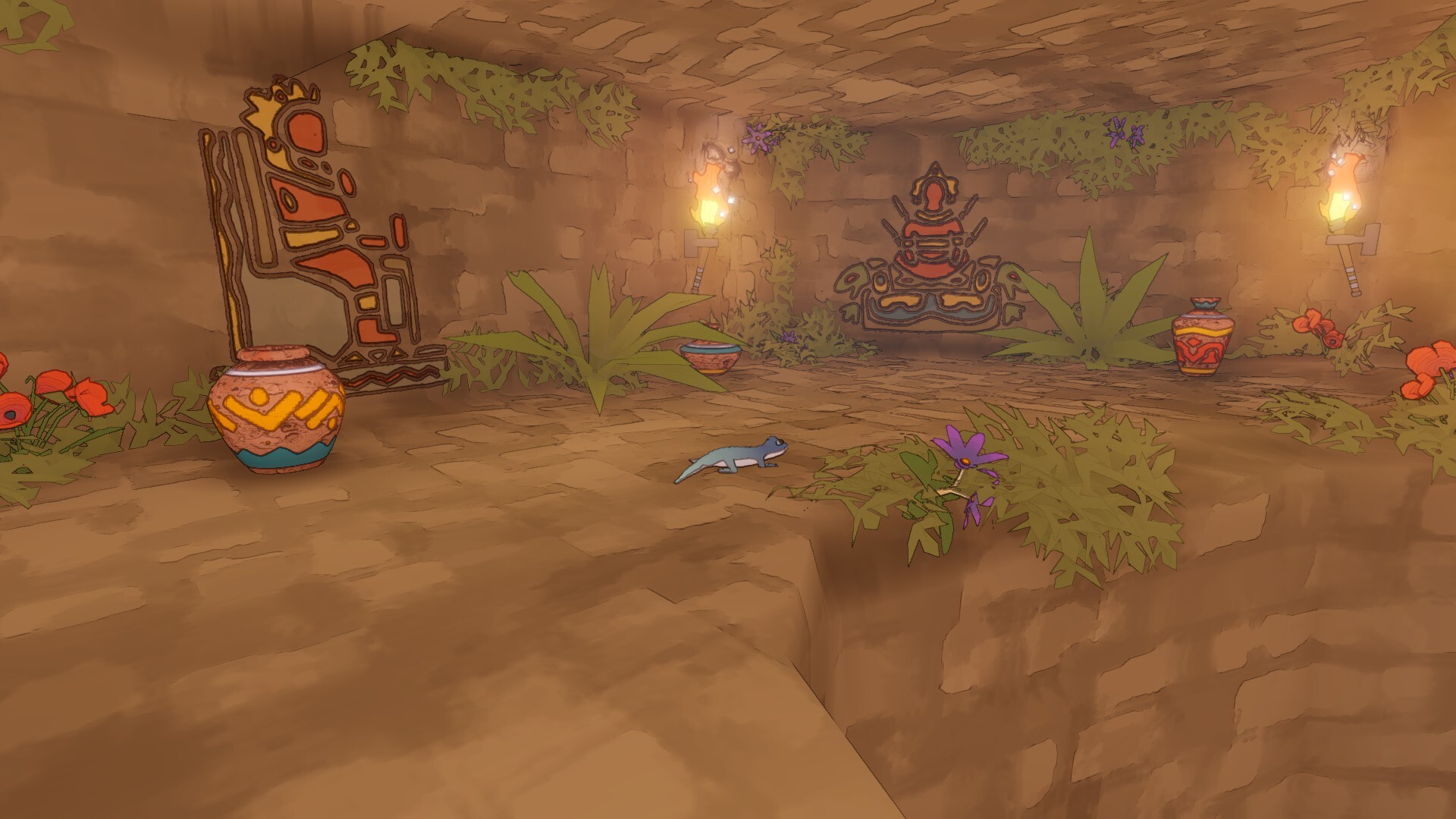
What sets Gecko Gods apart is how much personality the devs squeeze into small mechanics: eating bugs is a tiny interaction but feels satisfying and funny, breaking pots yields customization and a little chaos, and the climbing/adhesion system lets you move across ceilings and verticals in a way that actually makes traversal puzzles feel different from standard platforming. The puzzles lean on observation, spatial reasoning and the gecko’s movement quirks rather than complex inventories or skill trees; think of rearranging light, stepping on plates in sequences, guiding small mechanisms, and aligning patterns you can view from different vantage points. The customization—unlocking new colors and patterns for your gecko—is a small carrot that makes pot-smashing feel delightfully mischievous instead of gratuitous. There are also pacing choices: optional secrets for completionists and a main thread that won’t overstay its welcome, making the game friendly for both short evenings and slightly longer chill sessions.
A Sound and Look That Sells the Mood
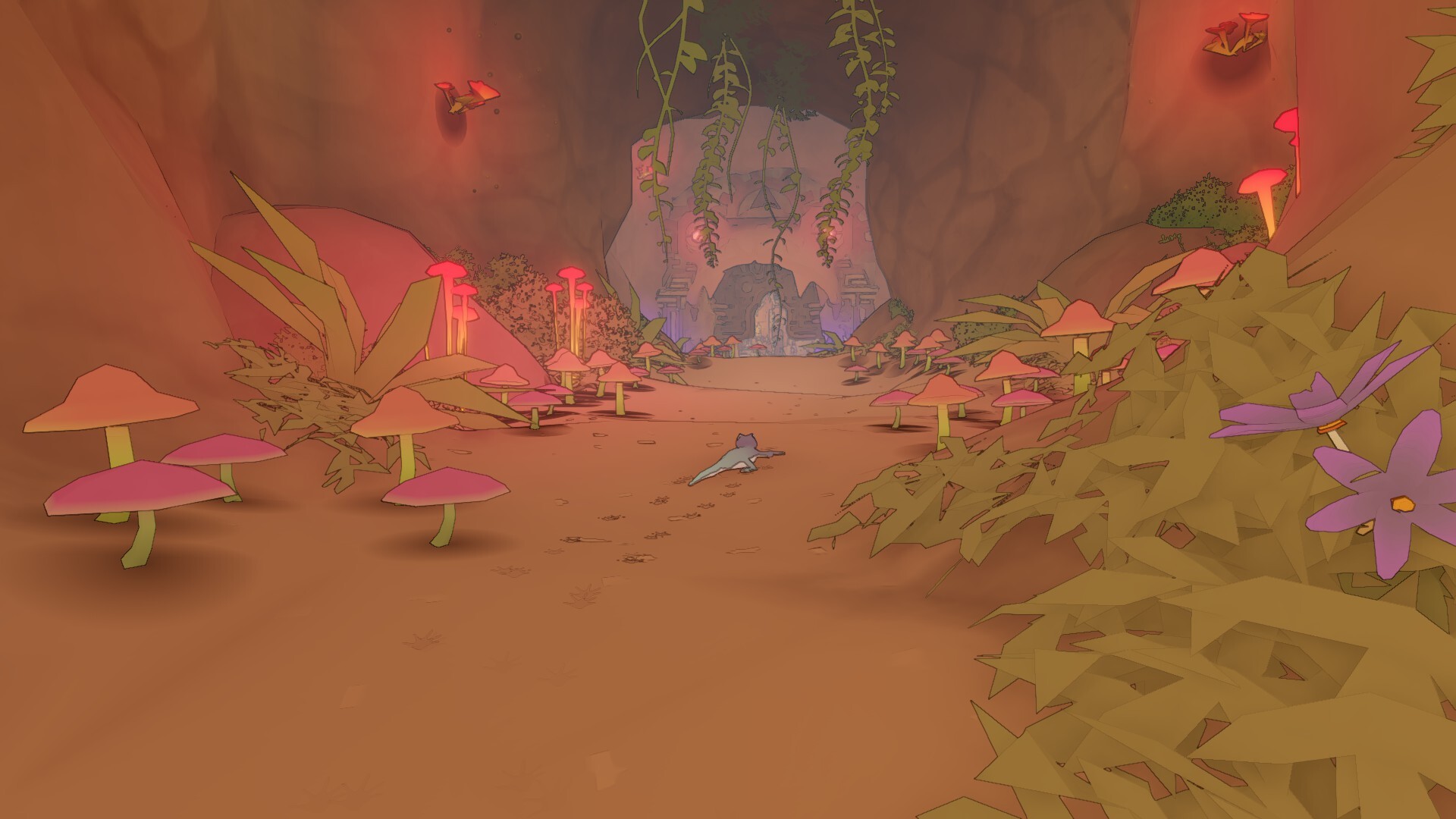
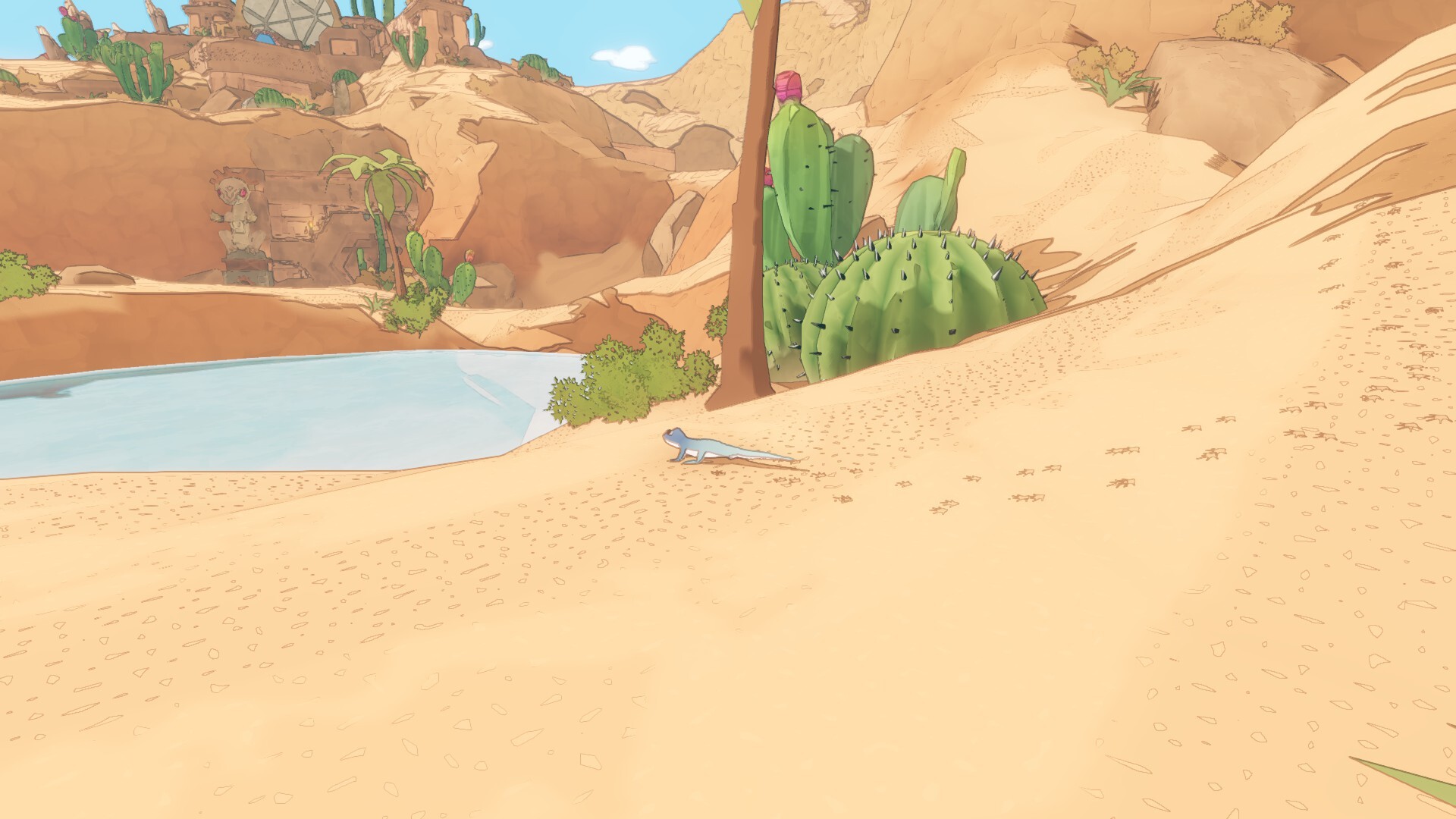
Graphically Gecko Gods opts for warm, painterly environments and detailed little touches: sunlit ruins, damp cave walls, and mossy temple stones that invite you to run your thumb over them (metaphorically). The sound design is surprisingly excellent—the pitter-patter of different surfaces, the gentle sea swell as your raft bobs, and the tiny vocalizations of your gecko create an intimate soundscape that sells the ‘be a lizard’ fantasy. Performance on Windows (the supported platform) is solid in my playthroughs, with only occasional pop-in reported by users that usually clear with a reload; controller support is recommended, as many players find the climbing more intuitive with an analog stick. Accessibility options are modest but the low-pressure design already helps players who don’t want time limits or punishing mechanics. Overall the presentation threads together visuals, sound and movement into a cohesive, cozy package.
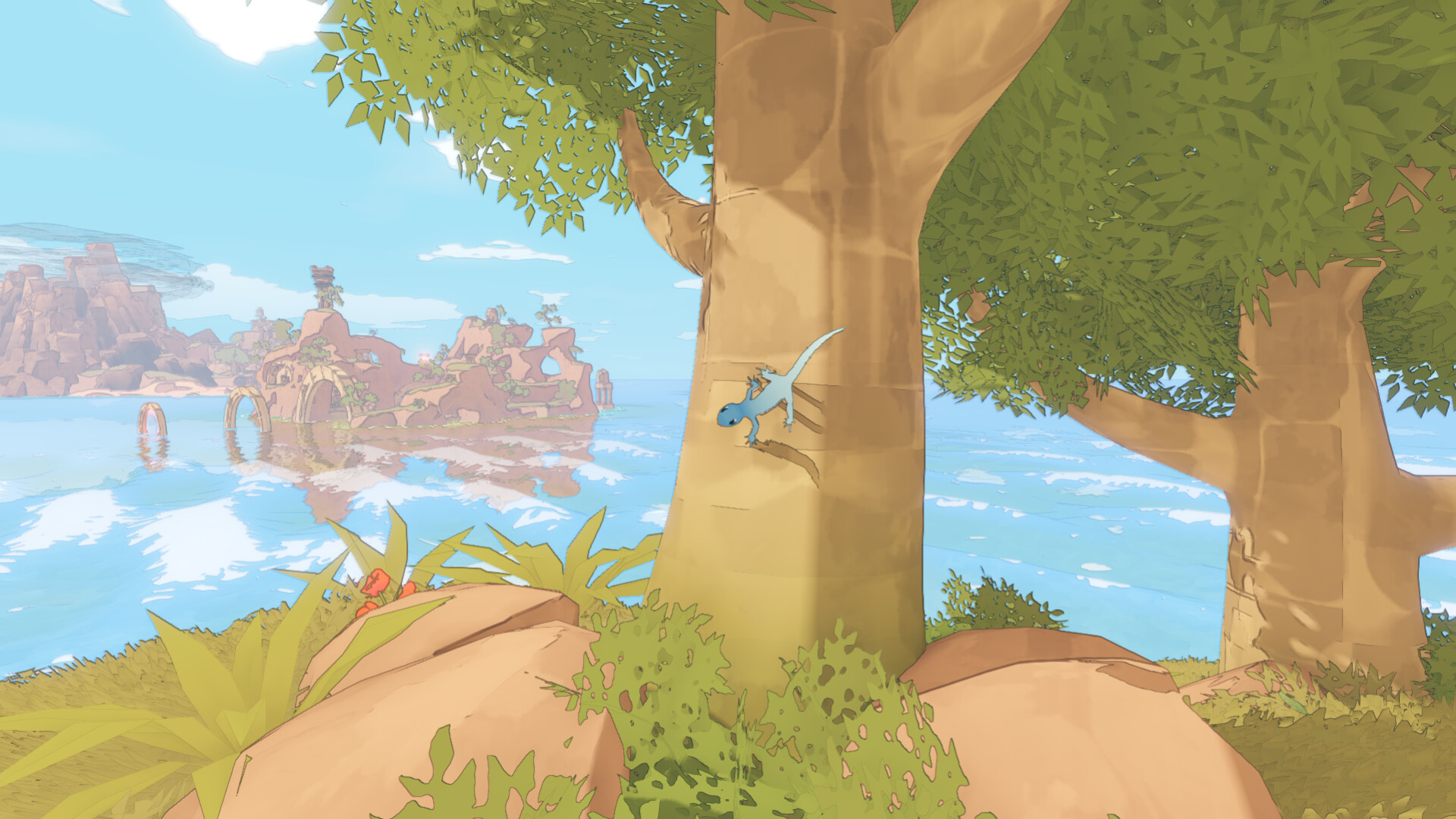
Gecko Gods is a warm, well-crafted little adventure that knows exactly what it wants to be: a cozy, exploratory puzzle-platformer about being a tiny lizard in a lovely world. It shines in atmosphere, movement and bite-sized puzzles, though a few bugs and a shorter runtime temper the experience slightly. Buy it if you want a relaxed, charming hour-or-two escape with collectibles and personality; skip it if you need an epic time sink or hardcore challenges.

Pros
- Charming movement and tactile climbing that makes traversal delightful.
- Beautiful, cozy art direction and excellent sound design.
- Relaxed pacing with optional secrets and customization for completionists.
- Controller-friendly and accessible for casual play sessions.
Cons
- Occasional bugs and sequence-breaking clipping reported by some players.
- Shorter runtime for players seeking a deep, long campaign.
- Limited platforms at launch (Windows only officially supported).
Player Opinion
Players consistently praise Gecko Gods for its cozy vibe, charming protagonist and the way simple interactions—eating bugs, breaking pots, unlocking color patterns—feel rewarding. Many reviews call it a perfect chill game for evenings, comparing the atmosphere to titles like ABZÛ or The Pathless and celebrating the sound design and varied environments. At the same time, recurring criticisms pop up: a handful of users report clipping exploits that can shortcut progression, and a few mention small bugs that require a reload; several players also point out the game’s relatively short length if you ignore optional secrets. Controller users especially note that movement and climbing feel smoother with an analog stick, while keyboard players sometimes find traversal fiddly. If you loved relaxed exploration games with light puzzles and a soothing soundtrack, you'll likely enjoy Gecko Gods; if you want a long, mechanically deep experience, this might feel too concise.