






WILL: Follow The Light Review — A Haunting Nordic Tale of Sea and Silence
A melancholic first-person adventure that blends realistic sailing, dog-sled traversal and environmental puzzles into a story about fathers, sons and the cost of truth.
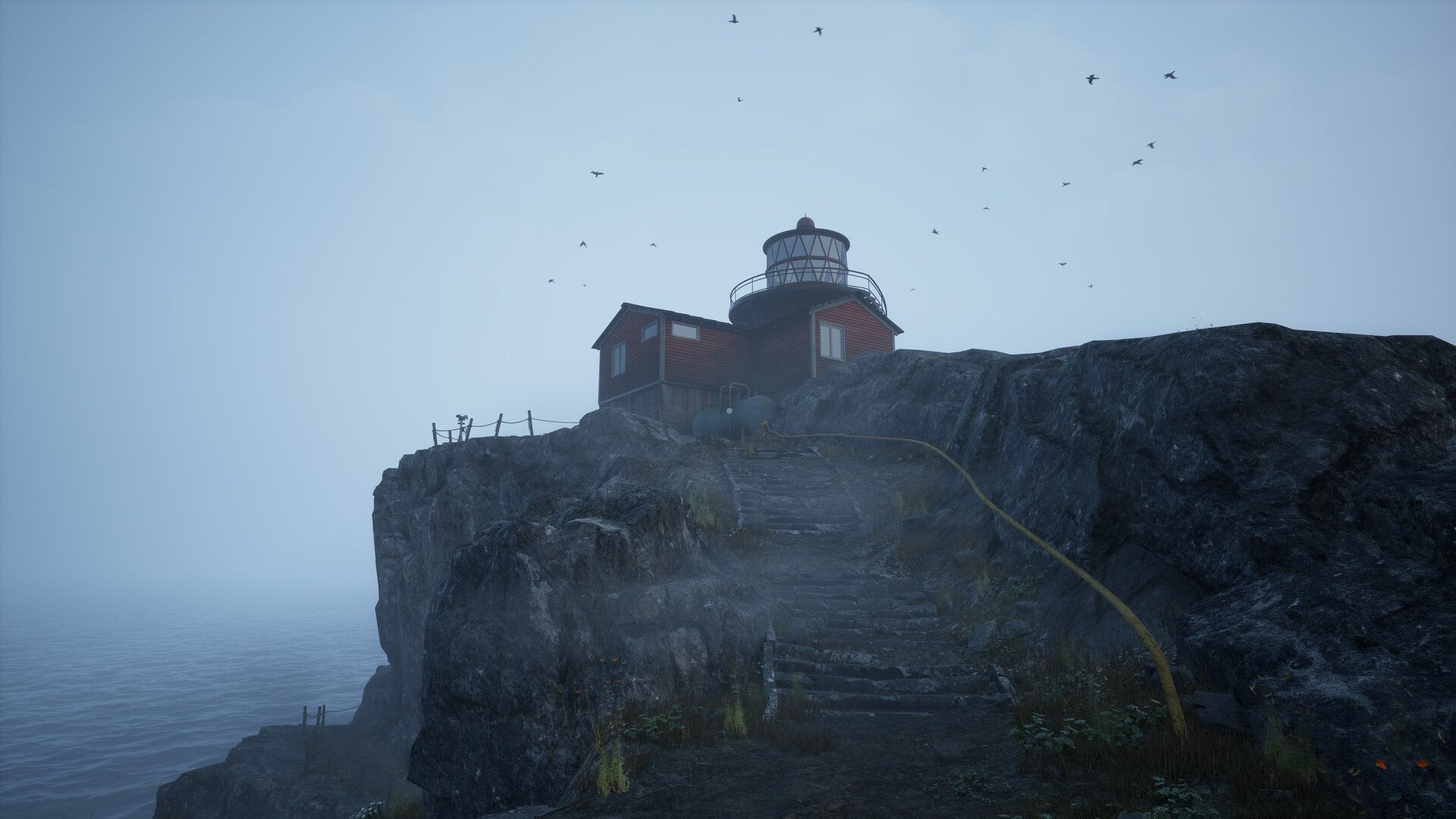
I didn’t expect to cry while learning to set a sail, but WILL: Follow The Light sneaks up on you. TomorrowHead Studio delivers a slow-burning narrative about a lighthouse keeper, his missing son, and a trip through uncanny northern landscapes. It’s equal parts exploration, puzzle-solving and melancholic reflection, tied together by striking Unreal Engine 5 visuals and a soundtrack that keeps tugging at you. If you like emotional journeys that value atmosphere over constant action, this one’s worth a trip across the foggy water.
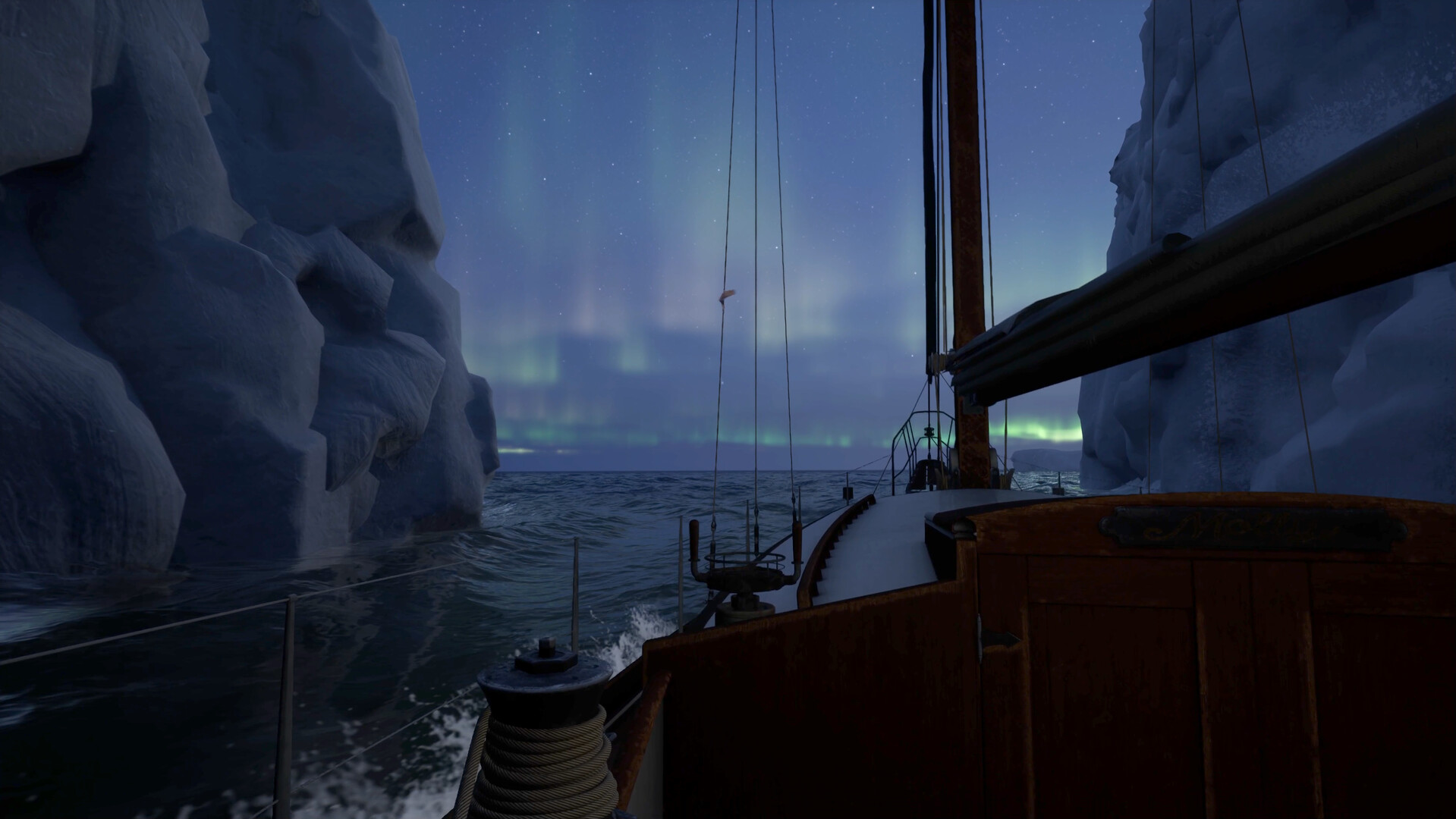
Sailing the Cold, Reluctant Sea
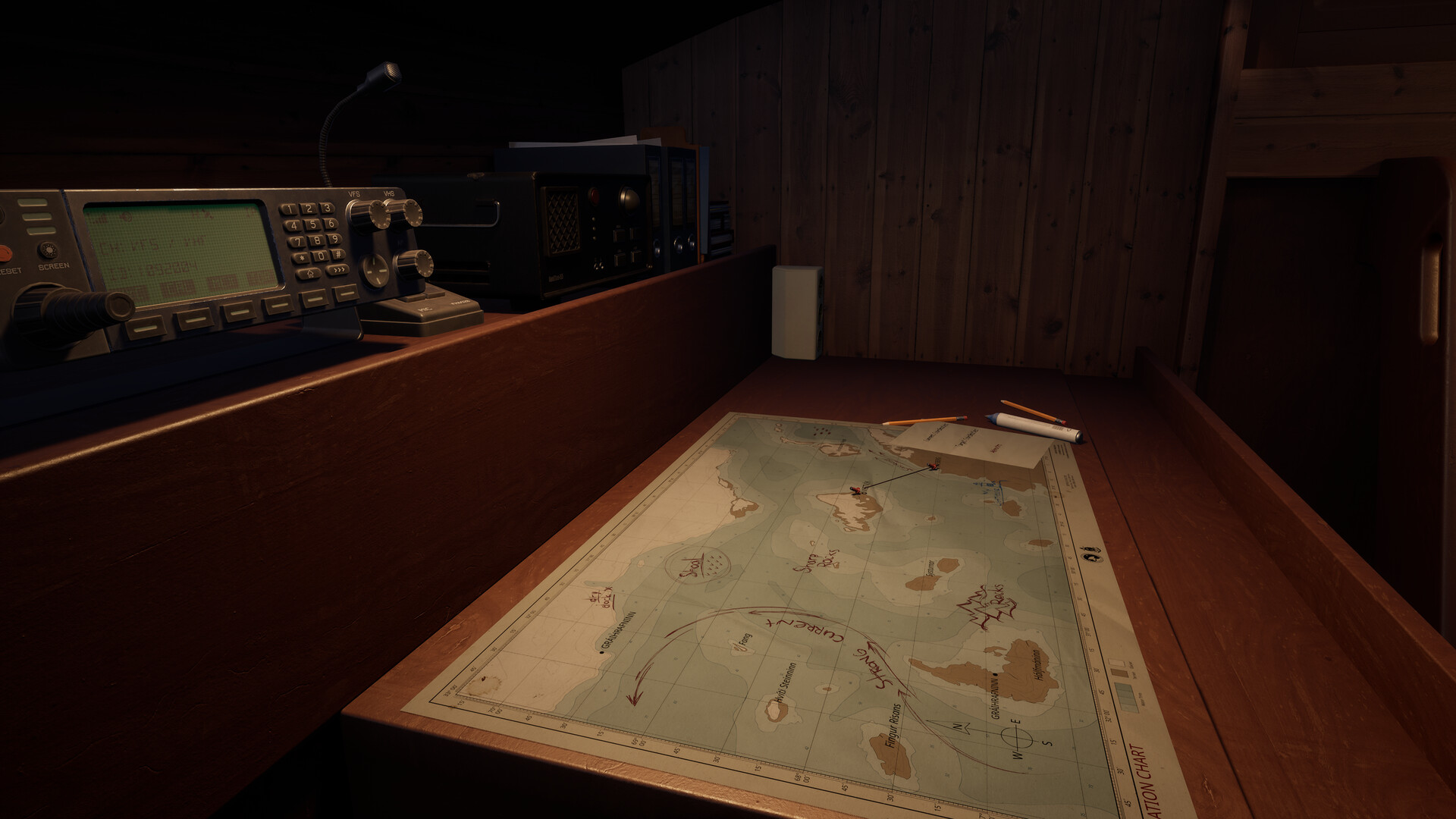
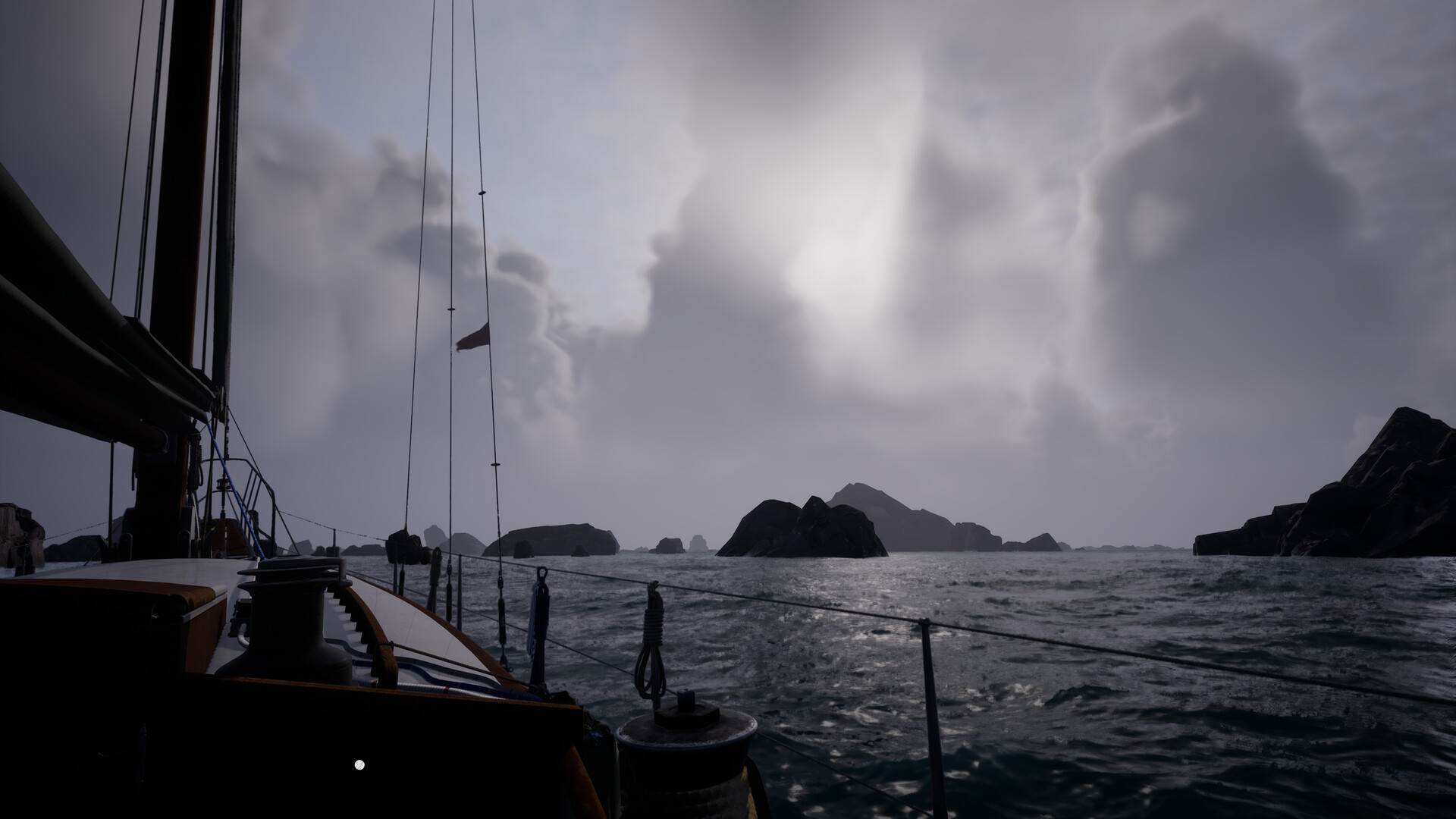
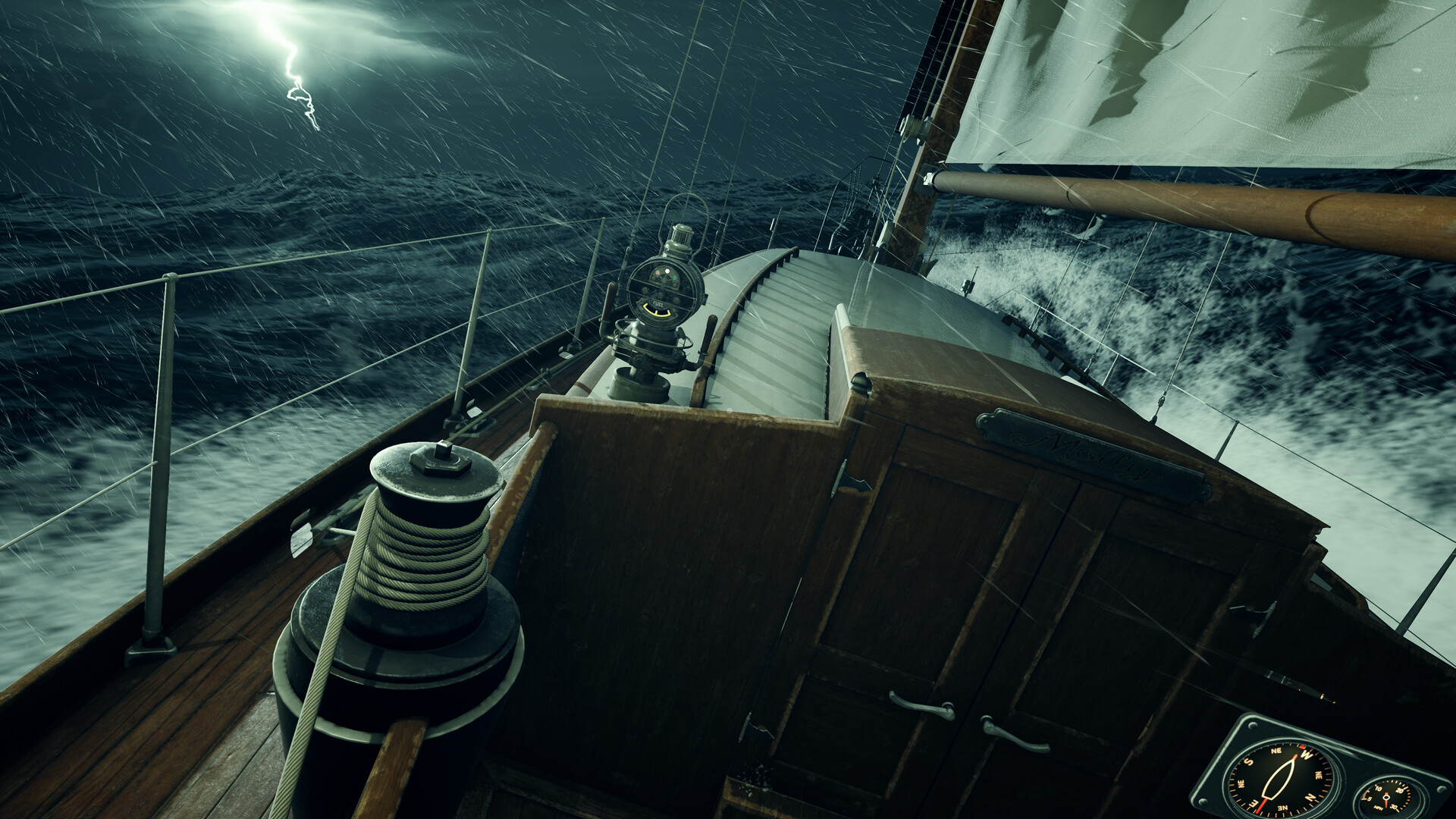
The core of WILL is oddly domestic for an ocean game: you don’t just press W and go — you manage Molly, your yacht, read the wind, set sails and deal with fog, currents and fuel. Sailing feels intentionally tactile; the first hours had me spinning in circles until I learned to trim the sail and trust the compass. Beyond the boat there are islands to anchor at, ruins to step into, and small, tactile tasks like tying knots or checking maps that make each stop feel lived-in. Progression isn’t about leveling up but about learning to navigate both the world and Will’s memory. Combat is not the point; most challenges arrive as puzzles, environmental obstacles and navigation tests that reward patience. The pacing is leisurely yet tense — a fog bank can turn a peaceful crossing into a pulse-raising search.
Secrets Hidden Between Ice and Memory
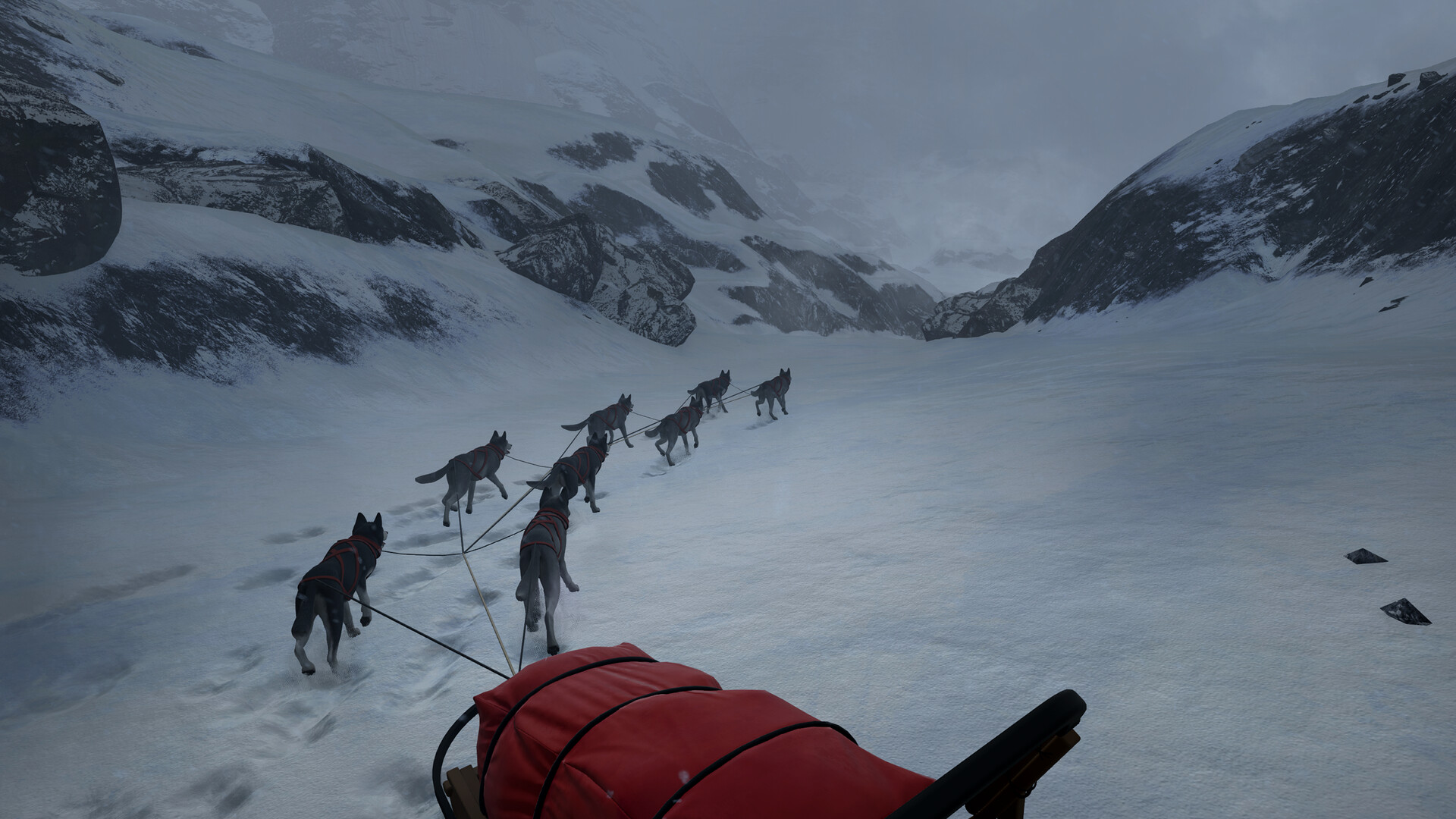
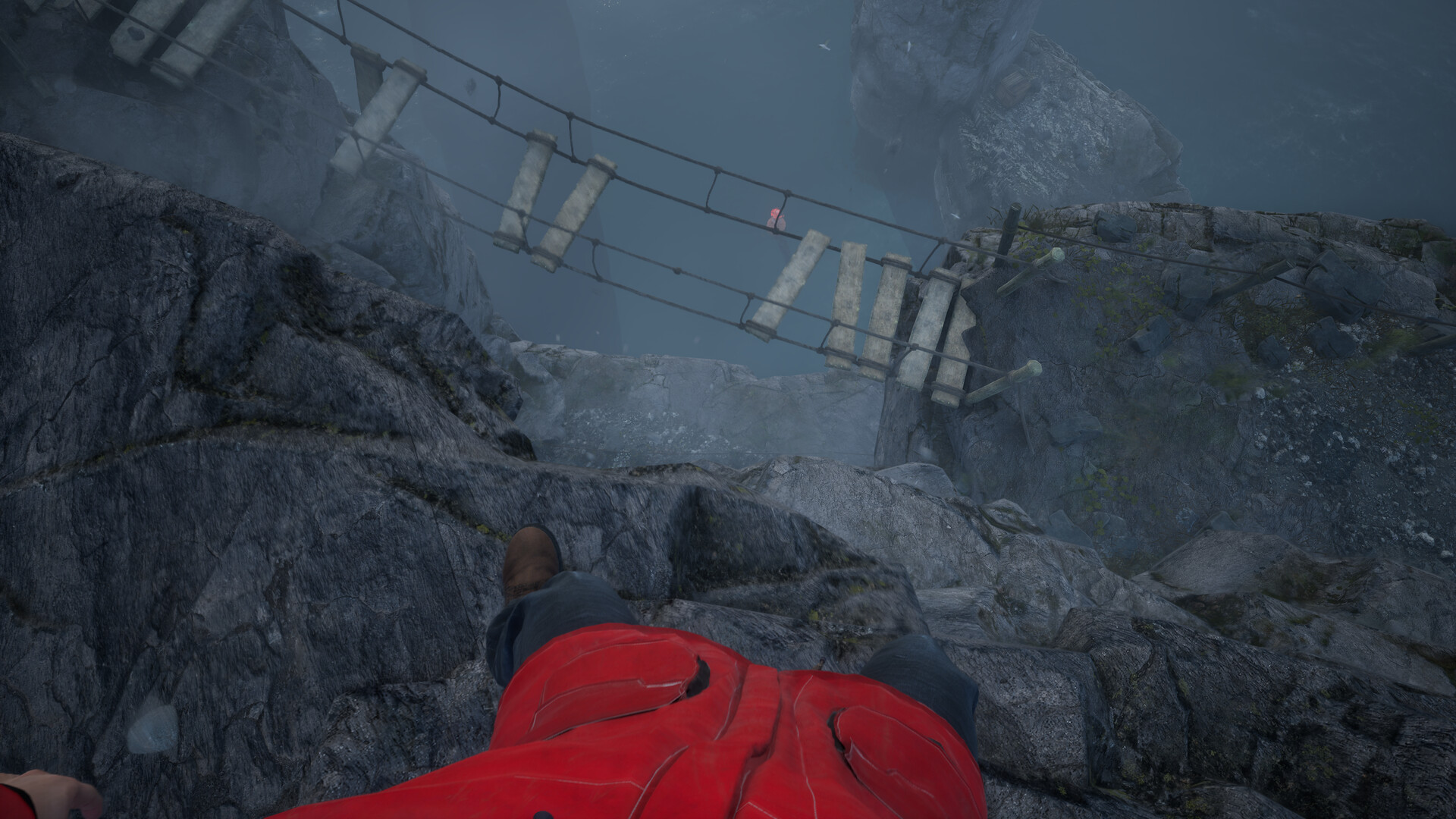
What lifts WILL from a pretty walking sim to something memorable are the narrative threads woven into exploration. Environmental storytelling is king: a scratched table, a child’s toy half-buried in snow, a radio log — these breadcrumbs push you to piece together family history and generational regrets. Distinct traversal modes — sailing, dog sledding and on-foot exploration — aren’t just cosmetic: the dog sled segments change rhythm and urgency, while islands force low-gravity, intimate puzzle design. Puzzles are often integrated into the world rather than slapped on; they feel like things the character would actually encounter. Music and narration punctuate revelations at exactly the right times, turning small discoveries into emotional gut-punches.
Cold Light, Warm Detail
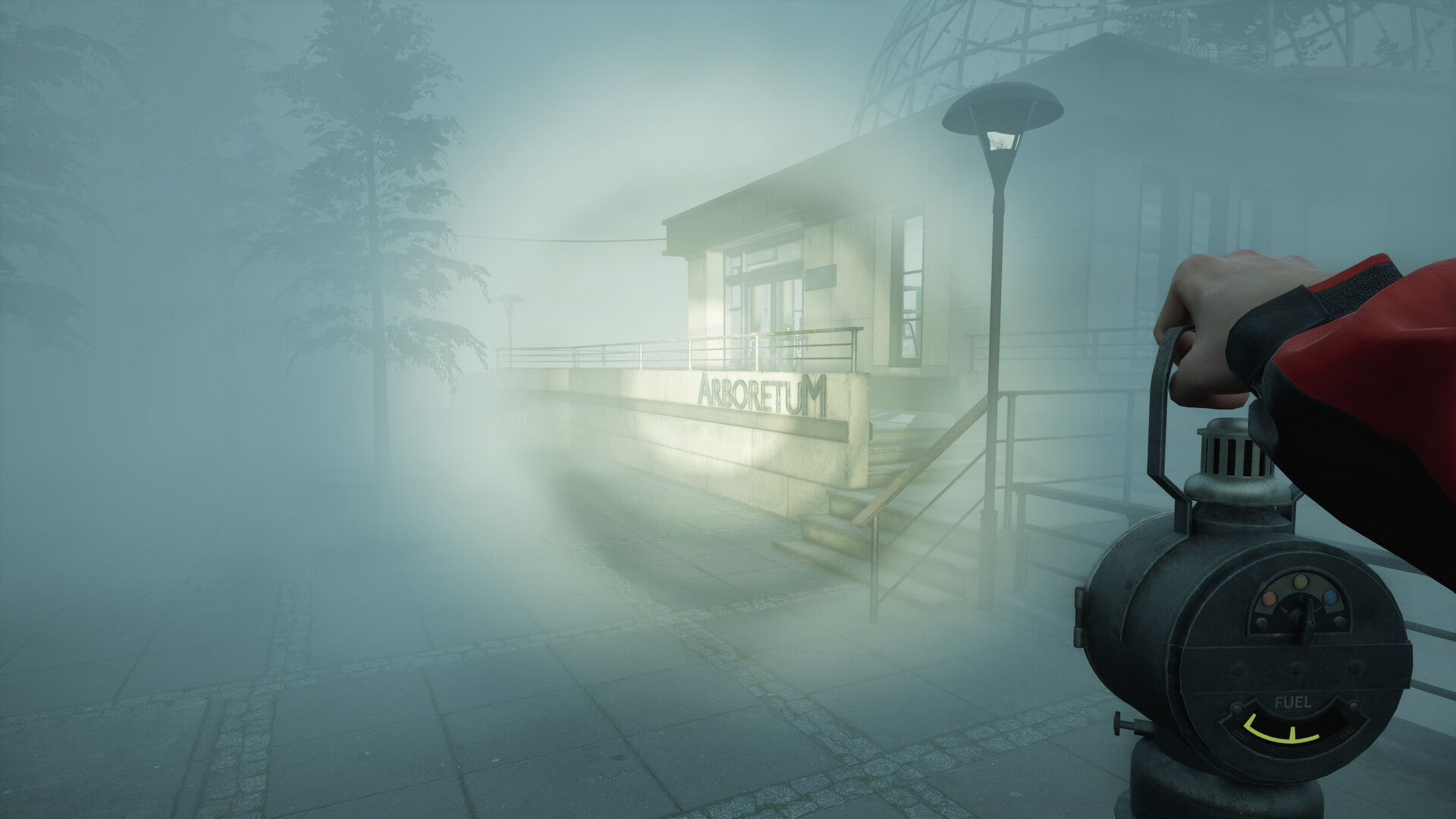
Technically, the game makes its mood with visuals and sound rather than flashy mechanics. Unreal Engine 5 is used to craft photoreal water, bone-white skies and wind-swept snow that actually feels heavy. The sound design deserves a nod — creaking masts, distant dog barks, the crackle of a radio all create an immersive soundstage. Performance on modern Windows rigs is reportedly solid; I didn’t encounter major bugs during my playtime, and the game feels polished at launch. Accessibility options are modest but present — subtitles, adjustable HUD — though a few players mentioned the odd default language choice at first boot. Overall, the presentation makes solitude and small victories feel cinematic rather than empty.
WILL: Follow The Light is a tender, occasionally painful voyage that rewards patience. It’s not for speedrunners or folks who need constant explosions, but for anyone who appreciates environmental storytelling, tactile traversal and an emotional core, it’s a rare indie gem. Recommended if you want a thoughtful, cinematic adventure and don’t mind learning to sail along the way.

Pros
- Truly immersive northern atmosphere and visuals
- Realistic sailing and dog-sled traversal that matter
- Strong, emotionally resonant story about fathers and sons
- Excellent soundtrack and environmental audio design
Cons
- Pacing may feel slow for players wanting constant action
- Some mechanics are niche and require patience to learn
- Limited accessibility options compared to bigger studios
Player Opinion
Players consistently praise the atmosphere, the visuals powered by Unreal Engine 5 and the way exploration ties into the narrative. Many reviews highlight the sailing and dog-sled mechanics as pleasantly realistic — not arcade-y conveniences but systems that demand learning and feel rewarding when you master them. The soundtrack and environmental audio are repeatedly called out as standout elements that amplify loneliness and tension. On the critical side, a few players mention slow pacing and that the game is short but impactful; others pointed out minor annoyances like language defaults or a learning curve for navigation. If you enjoyed games that prioritize mood and story over combat — think Firewatch crossed with a realistic sailing sim — you’ll likely find this satisfying.