



No Players Online Review – A Haunting Faux‑90s Desktop Mystery
Dive into a forgotten capture‑the‑flag prototype and a faux‑90s desktop packed with mini‑games, soul fusion and a creeping conspiracy. Charming, spooky and short — perfect for fans of experimental narrative horror.
I approached No Players Online expecting a nostalgic tech demo and left with a weird, quietly unsettling puzzle box. Beeswax Games rebuilt their cult jam title into a fleshed‑out commercial experience that trades jump scares for found‑file dread. The faux‑90s desktop aesthetic is the hook, but under the polished UI sits a story about abandoned multiplayer projects, a Soul Transfer app and the slow unearthed life of its developer. If you like games that feel like clicking through someone else’s diary, this one scratches that itch.

Clicking Through Someone Else’s Desktop
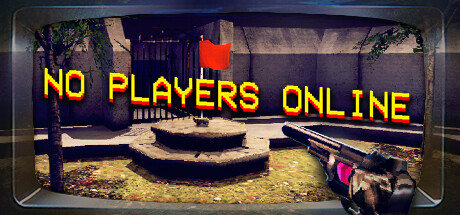
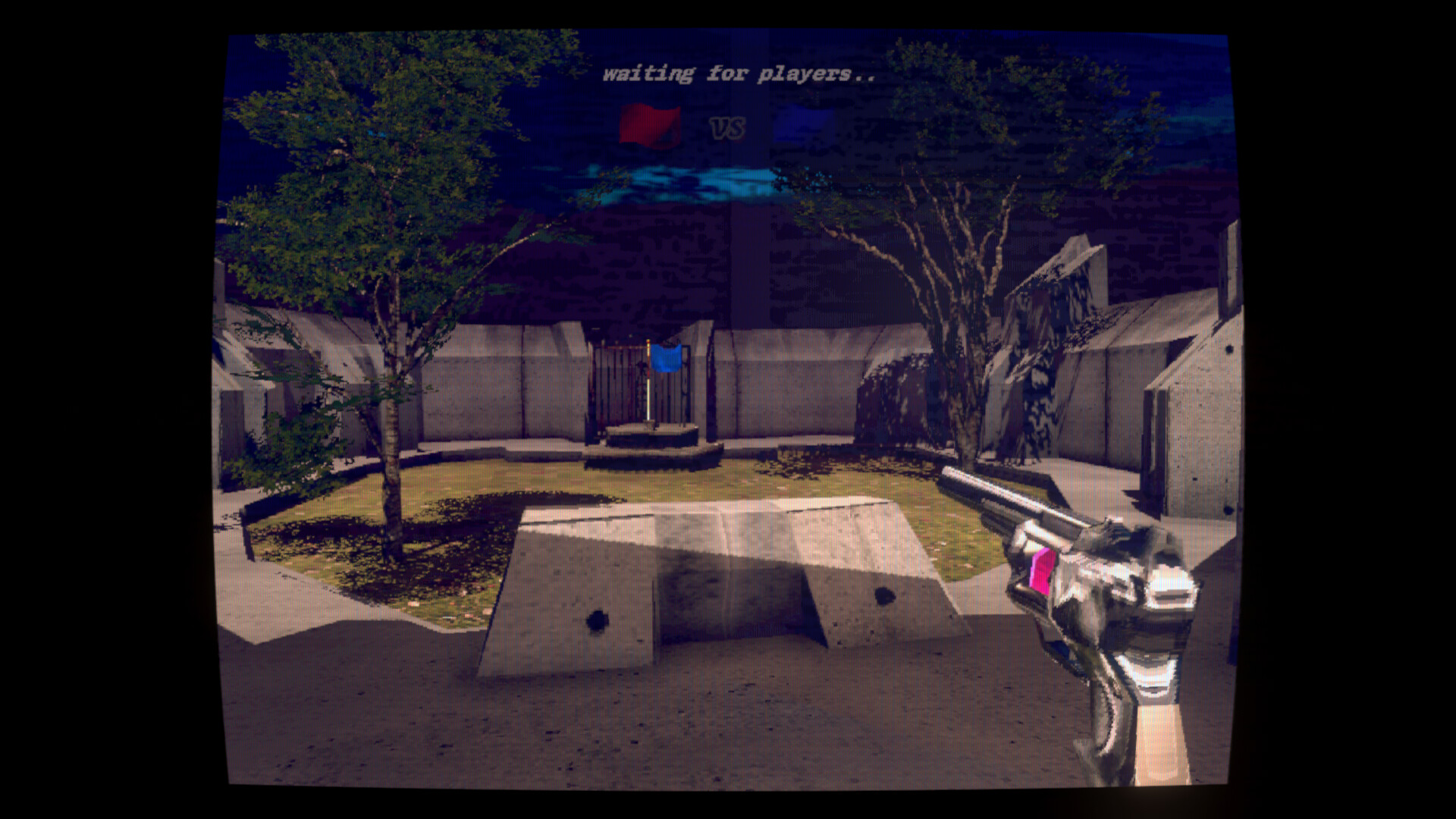
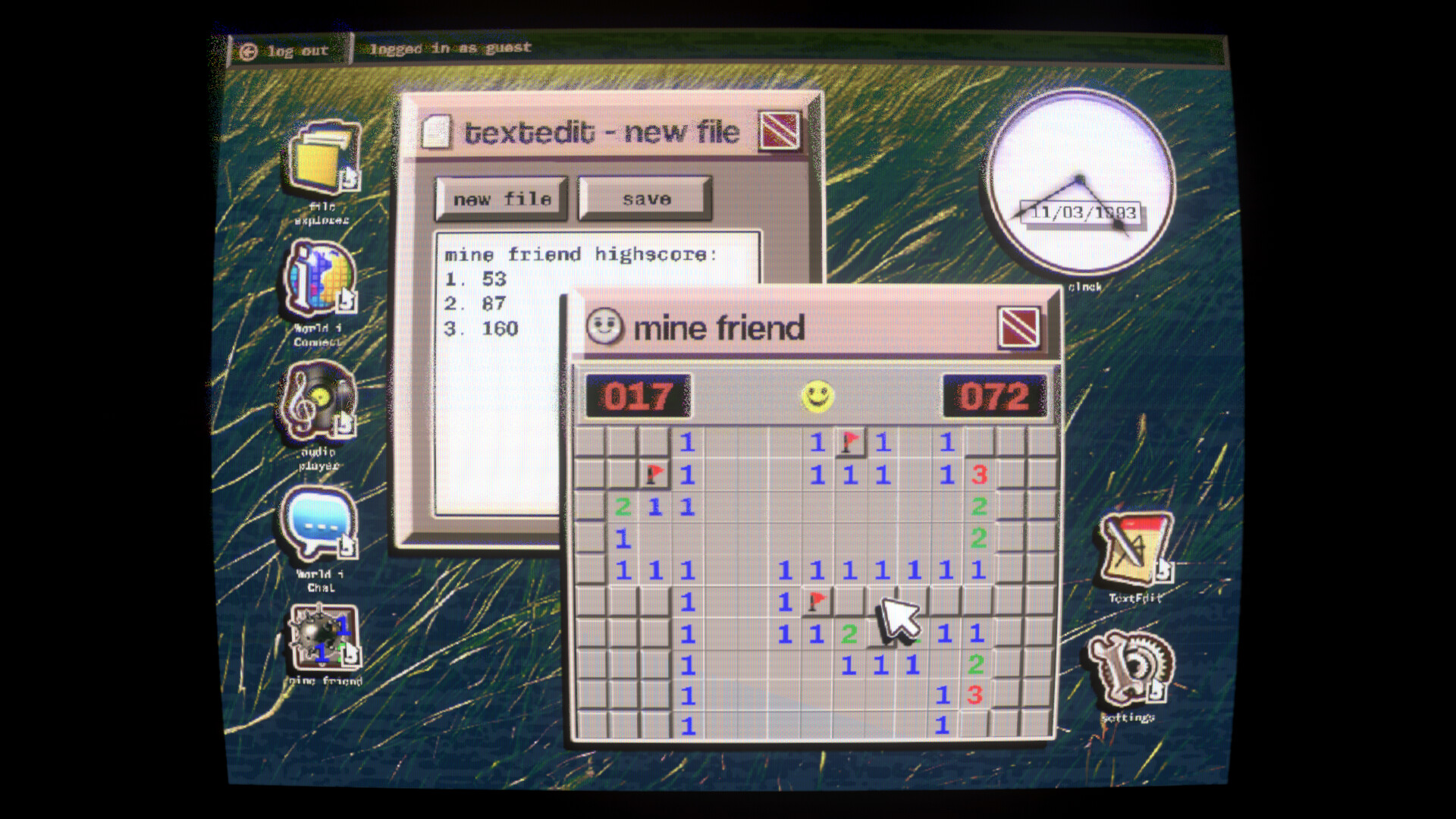
Gameplay revolves around poking through a convincingly recreated faux‑90s desktop. You open windows, browse an in‑game forum, run executables and play mini‑games — all of which feel intentionally tactile. Most of your time is spent investigating files, launching programs and connecting small narrative dots rather than running and gunning. There’s an old capture‑the‑flag prototype to discover, but it’s less about multiplayer action and more about uncovering purpose and secrets behind a project gone quiet. Exploration is cozy and occasionally eerie: a simple Minesweeper clone can sit next to a corrupted executable that warps the narrative flow. Controls are intentionally desktop‑like, so don’t expect twitch shooter mechanics — this is investigation and interpretation.
When Two Games Become One
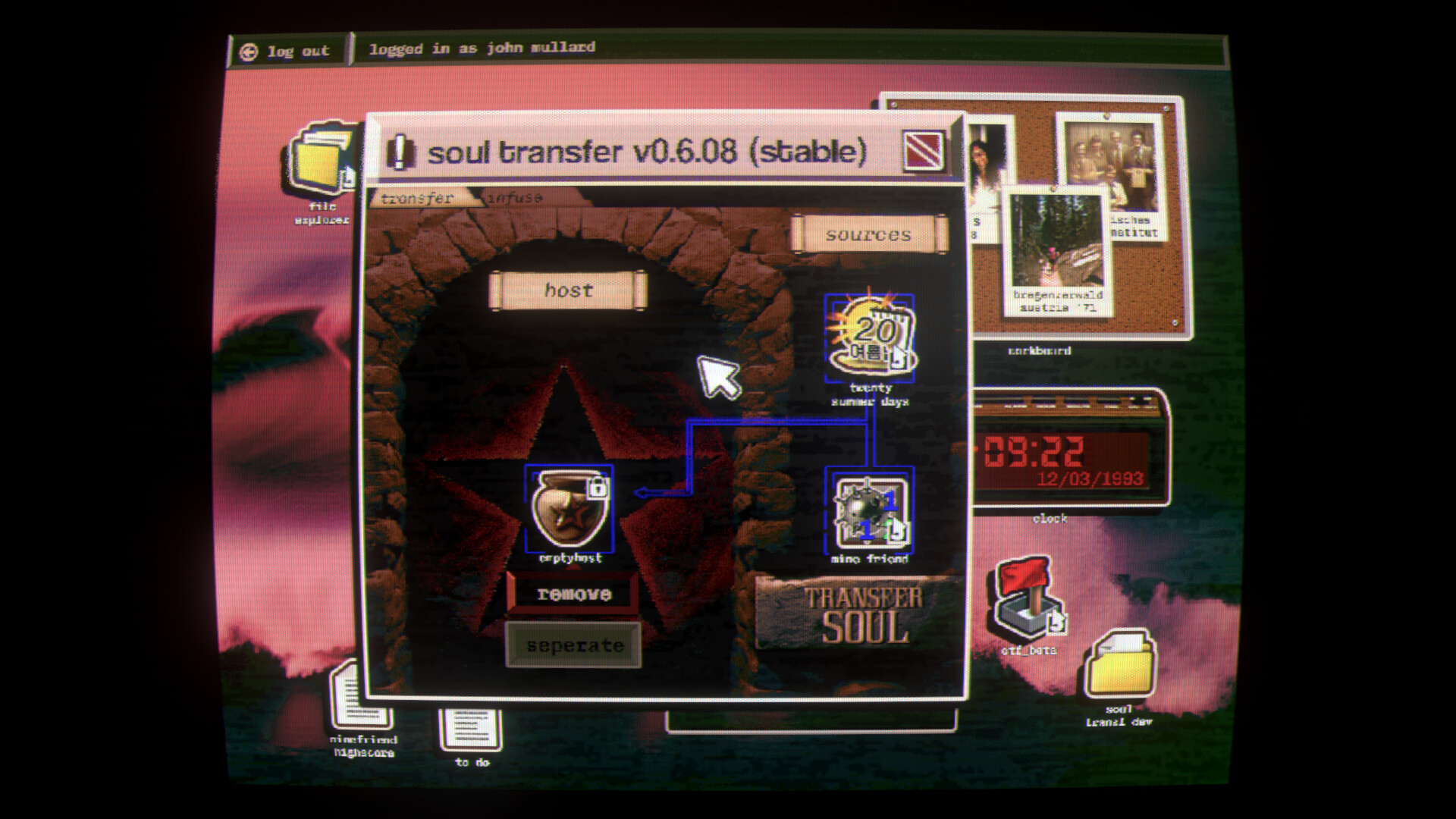
The unique gimmick here is the Soul Transfer application: you can fuse downloaded games together and witness the corruption that follows. It’s clever and playful as a mechanic, producing bizarre hybrid mini‑games that make you laugh and nervously save your progress. These fusions can also act as narrative beats, revealing character obsessions and ethical questions about identity and creation. The game leans into emergent moments — sometimes the fun is simply watching two small systems collide and produce something unexpected. It isn’t always deep mechanically, but it’s memorable: you’ll talk about the weird results with friends long after finishing.
A Small Package With Big Presentation
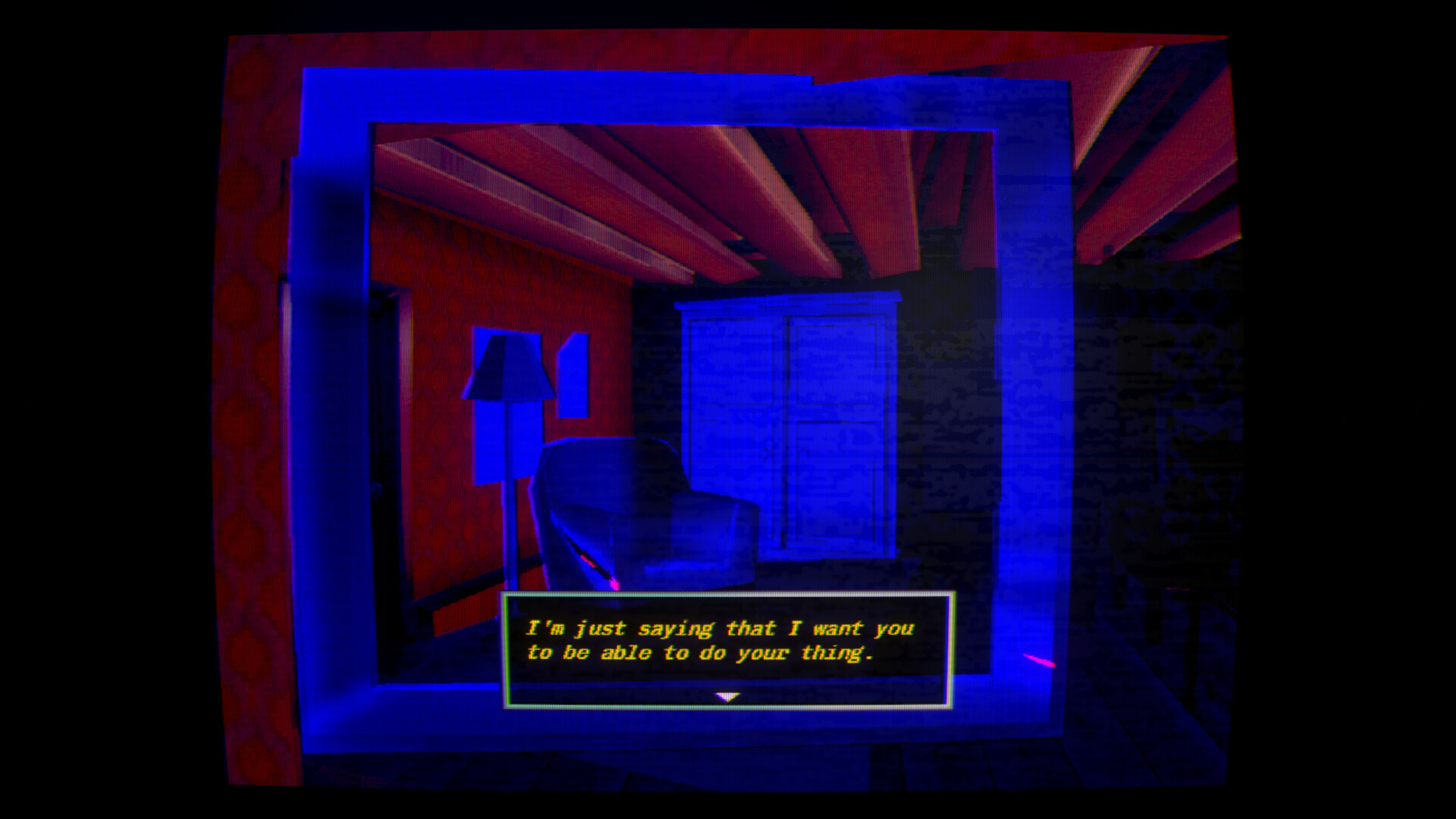
Visually, No Players Online is a feast of retro UI design: chunky icons, animated window chrome and grainy assets sell the illusion of an old OS. Sound design does the heavy lifting for atmosphere — system beeps, muffled music from mini‑games and unsettling glitches create a rising unease. Performance is lightweight (it runs like a vintage machine should), and accessibility is mostly about readable UI and sensible interaction cues; however, some puzzles can feel obscure and occasionally require forum‑style deduction. The game’s length is short by design, so the experience is tightly curated: expect a couple of hours for a blind run and likely more if you chase secrets and community ARG elements.
No Players Online is a small, strange gem — a game that cares more about mood, discovery and clever systems than about spectacle. It’s perfect for late‑night solo play and fans of experimental narrative horror, but know that it’s short and occasionally obtuse. If you cherish curiosity and weird mechanics, pick it up; if you need long campaigns or constant scares, maybe wait for a sale.
Pros
- Impeccant faux‑90s desktop presentation and sound design
- Weird, memorable mechanics like the Soul Transfer fusion
- Found‑file storytelling that rewards exploration and community digging
- Tightly curated short experience — great for one‑sitting playthroughs
Cons
- Relatively short with limited replay value for casual players
- Some puzzles can be obscure or feel like a soft gate due to missing direction
- Horror tone shifts — players expecting sustained scares might be disappointed
Player Opinion
Players repeatedly praise the presentation: the faux‑90s desktop, animated UI and audio design get singled out as the game’s standout achievement. Many reviews highlight the joy of discovery — sifting through files, playing hidden mini‑games and slowly piecing together the dev’s story — and they praise how the Soul Transfer experiments add delightful strangeness. Criticisms cluster around length and clarity: some players felt the experience was too short for the price, while others got stuck on puzzles that lacked clear signposting or accidentally broke progression (requiring resets). Opinions on tone split: a chunk of fans love the subtle, found‑file dread, while others miss sustained horror and expected more jump‑scares. If you like narrative exploration games (think Return of the Obra Dinn meets a creepy desktop), you’ll probably enjoy this; if you want full‑on horror or hours of content, temper expectations.