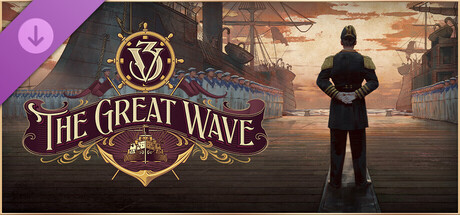



Victoria 3: The Great Wave — Naval Power, Japanic Flavor and a Few Rocky Shoals
A deep-dive look at Victoria 3's naval-focused expansion: ship designer, gunboat diplomacy, new Japan narrative and the good, the great and the glitchy.
I dove into The Great Wave like a hungry admiral: eager to launch ironclads, intimidate rivals and poke around Japan’s late Edo turmoil. Paradox’s expansion pushes Victoria 3 further into naval strategy and gives Japan a proper moment to shine — with new narrative beats and a fresh art and music skin that actually feels like stepping into the era. It’s the kind of DLC that wants you to think about ships as policy tools, not just piles of iron. That ambition mostly lands, even when a few rough waves threaten to capsize the mood.
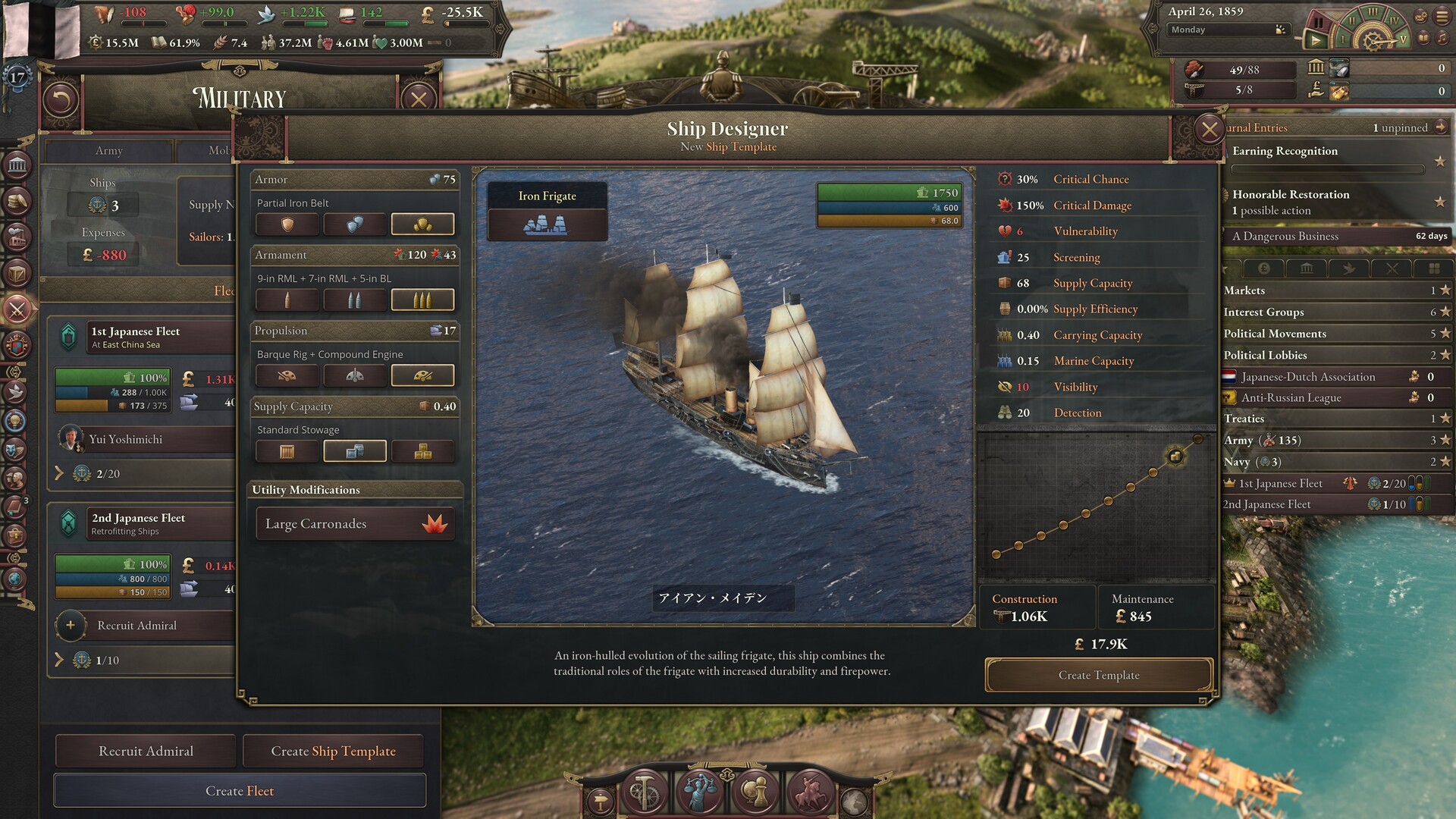
Commanding the Seas, Not Just Counting Tonnage
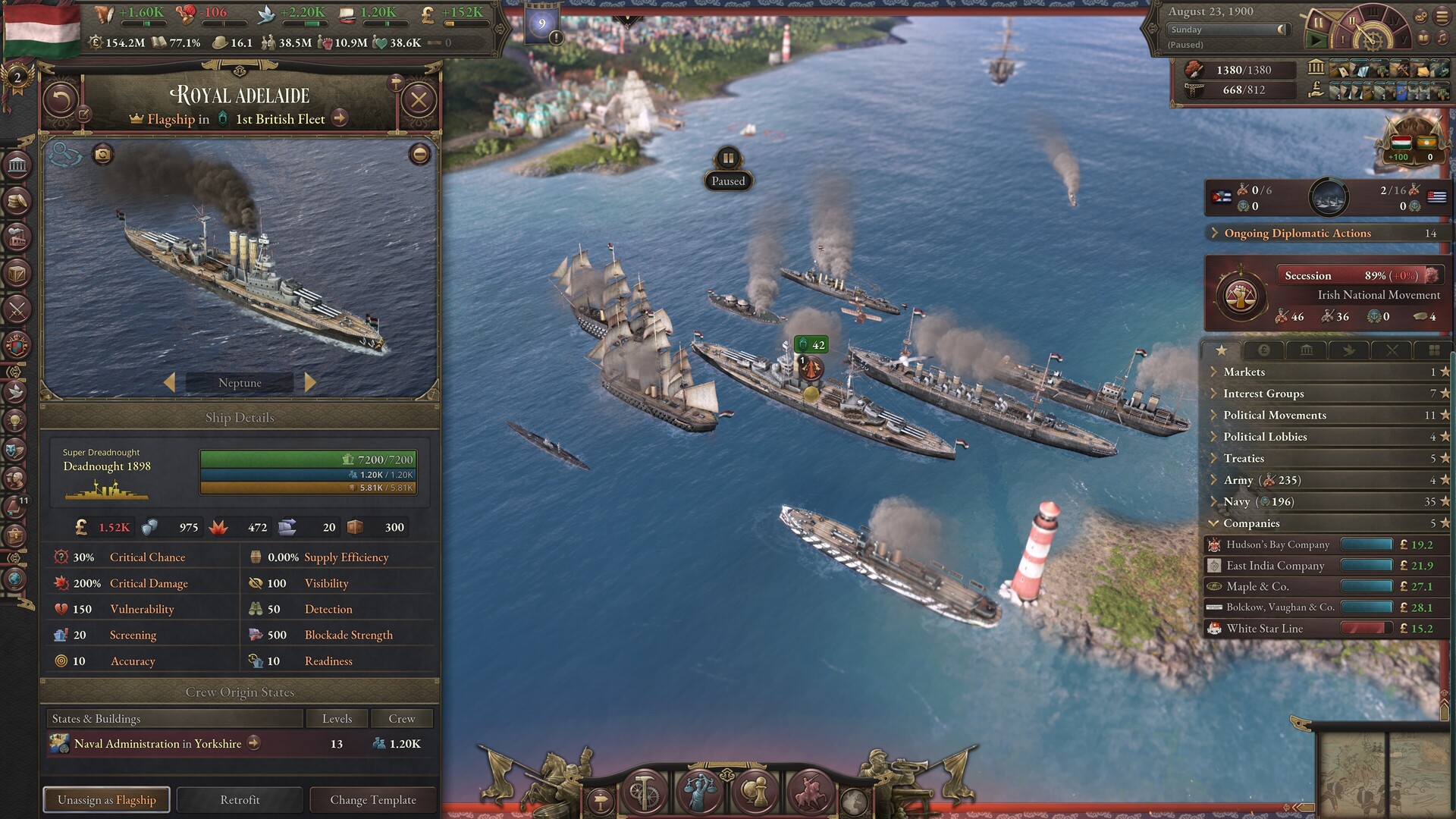
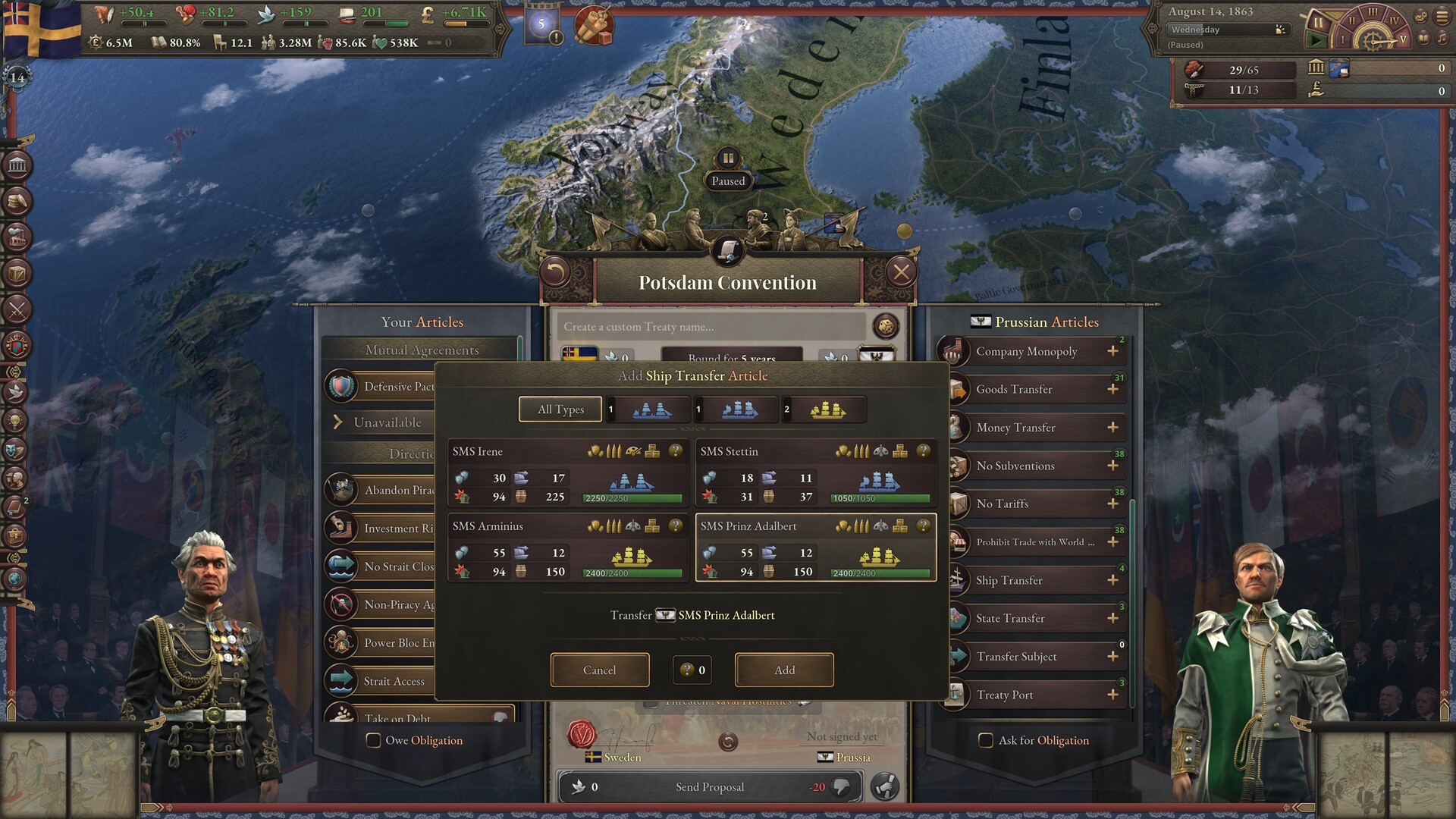
The Great Wave turns naval power into a strategic ledger you actually care about. Instead of treating fleets as abstract modifiers, the Ship Designer lets you draft specific hulls, armaments and roles: build expensive blue-water dreadnoughts to project power or cheaper coastal fleets to guard chokepoints. Flagships add personality — I named mine ostentatiously and watched it steal morale and prestige in battles, which is wonderfully silly and oddly effective. Ship purchase treaties create an economic angle: exporting warships becomes a diplomatic and industrial export business rather than a one-off event. Naval engagements feel weighty because fleets now interact with trade, power projection and diplomatic pressure in visible ways.
When Gunboats Are a Policy Tool
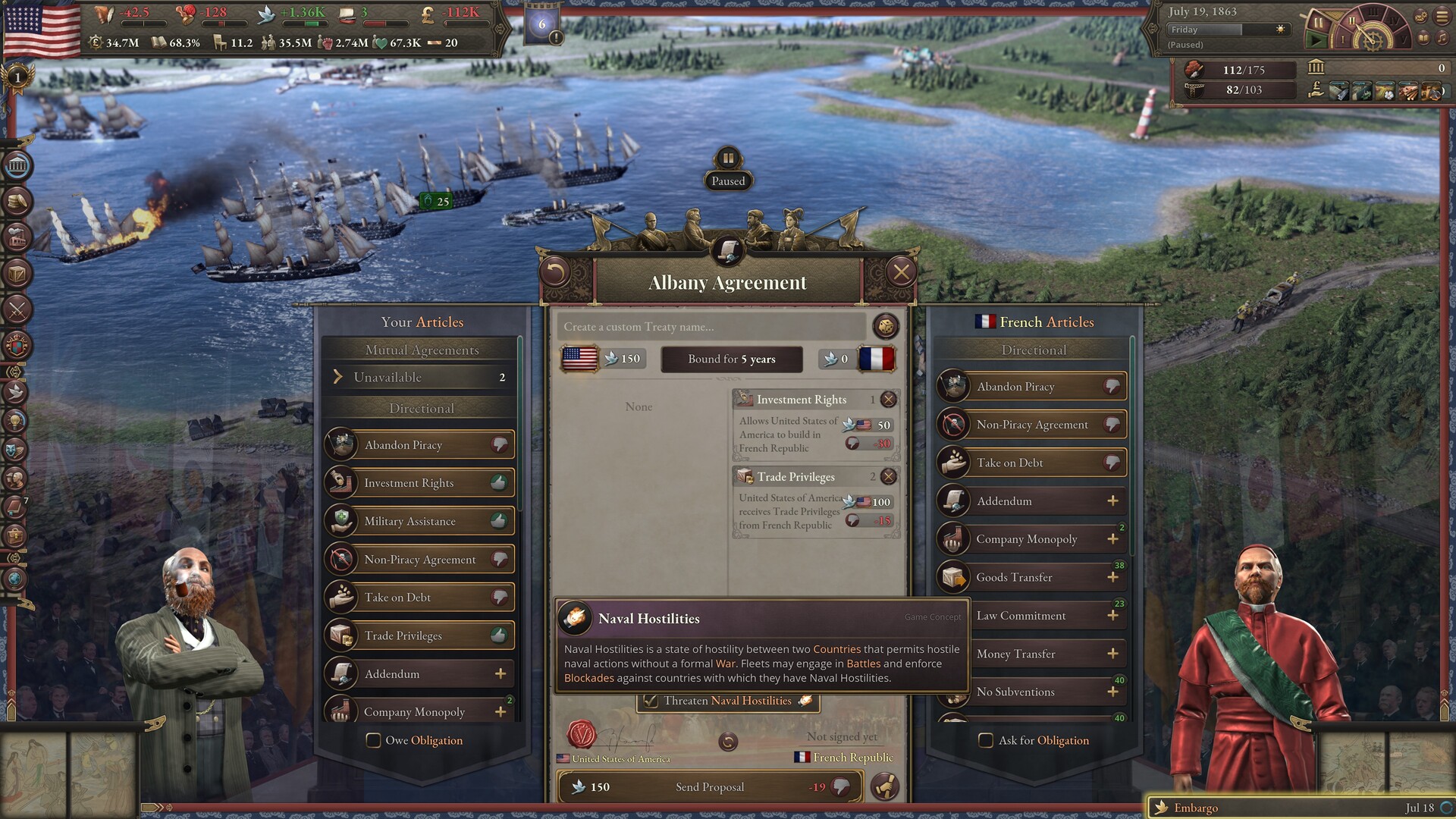
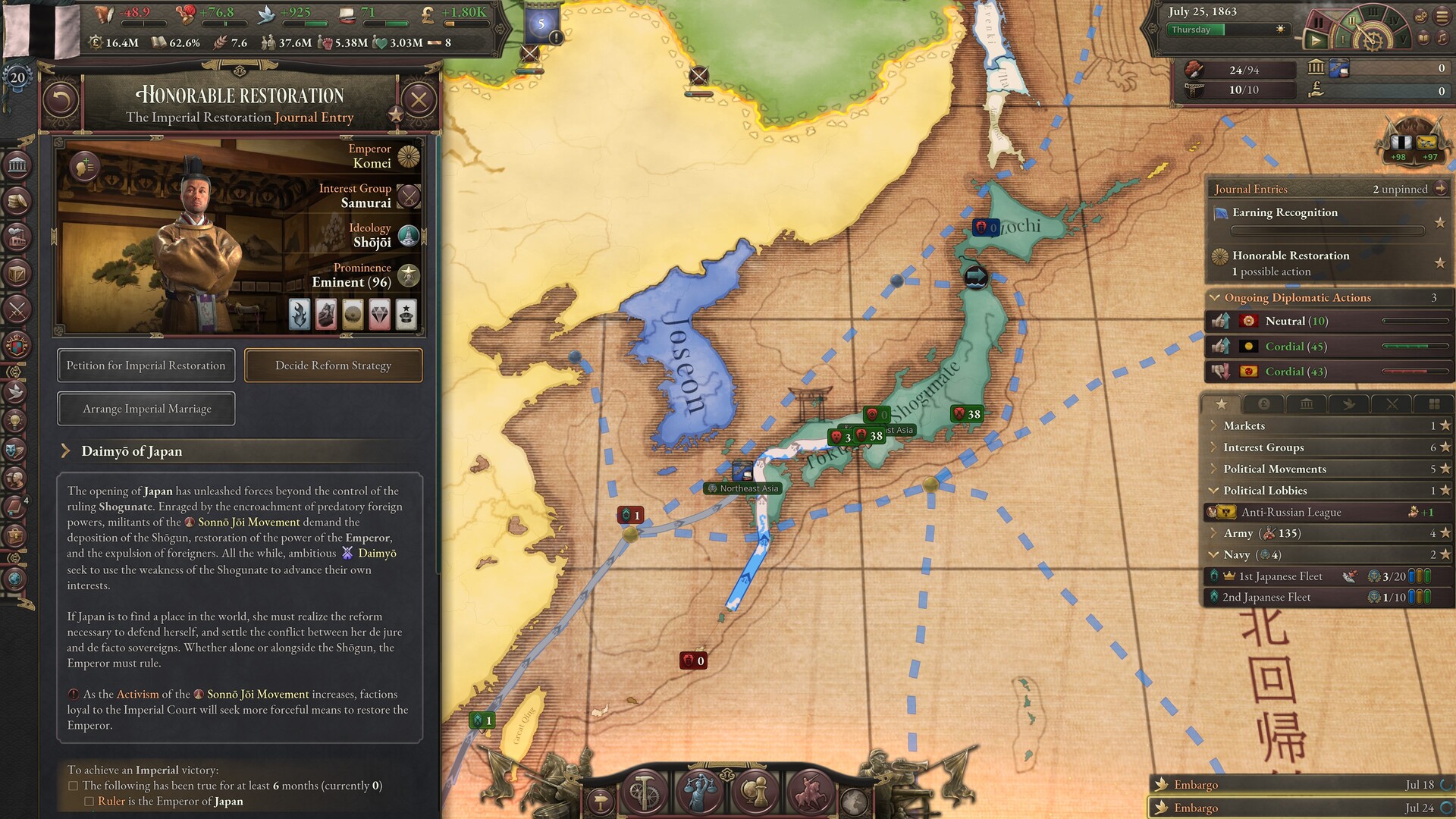
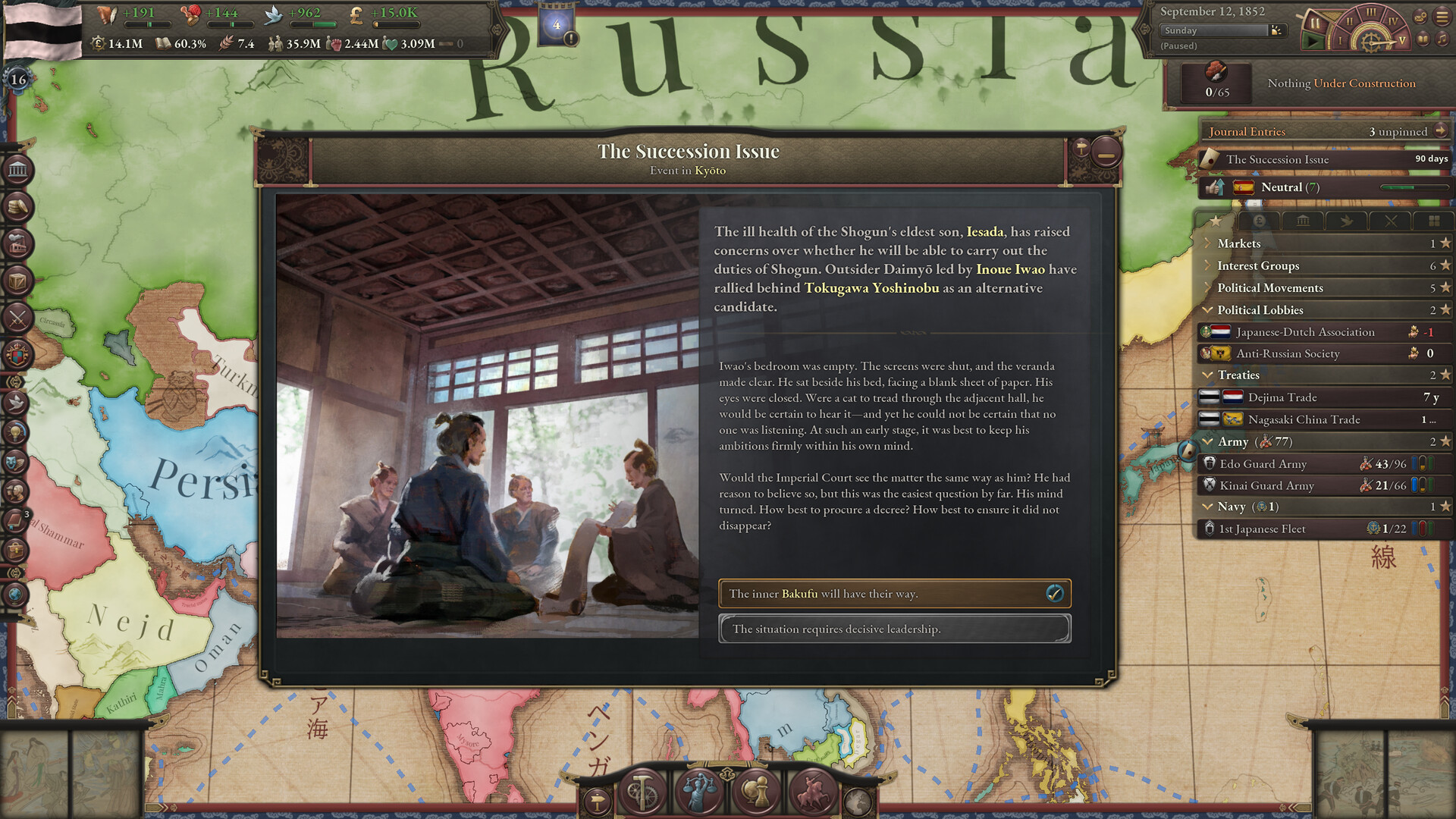
Gunboat Diplomacy is not just flavor text here. New diplomatic actions let you coerce weaker states, enforce concessions, or theatrically “remind” a rival of your reach. That ties into the new Japanese narrative exceptionally well: steering late-Edo Japan through internal unrest while negotiating with Western powers feels authentic because your navy is a lever, not a footnote. The expansion’s interplay between domestic reform and foreign intimidation is satisfying; using a flagship to back a diplomatic demand has an almost novelistic thrill to it. The AI doing odd things with the new naval rules is a blemish — I watched a rival woefully ignore their fleet on several occasions — but the systems themselves encourage creativity in a way Victoria 3 previously only hinted at.
A Stage Set in Style (Mostly)
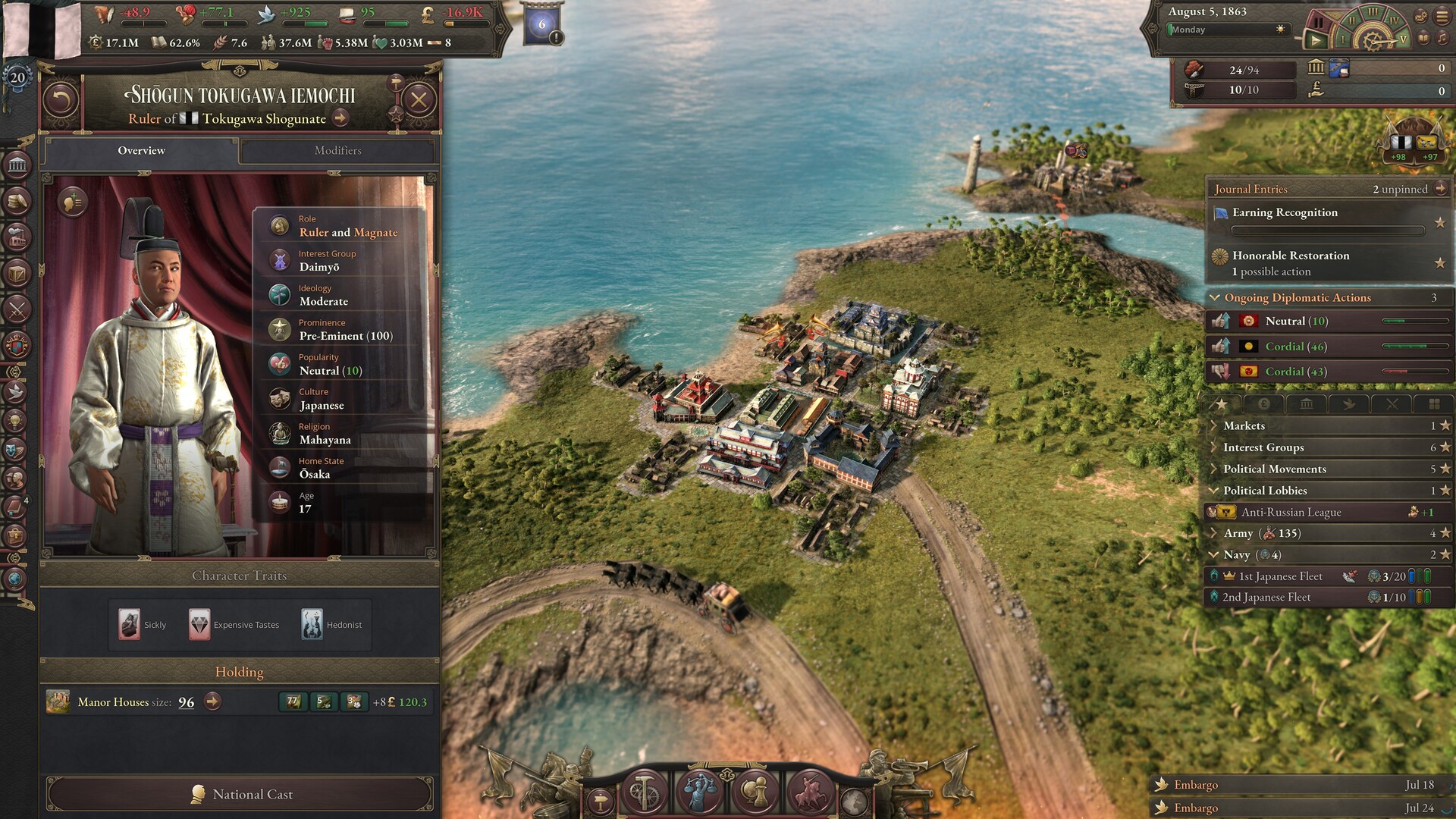
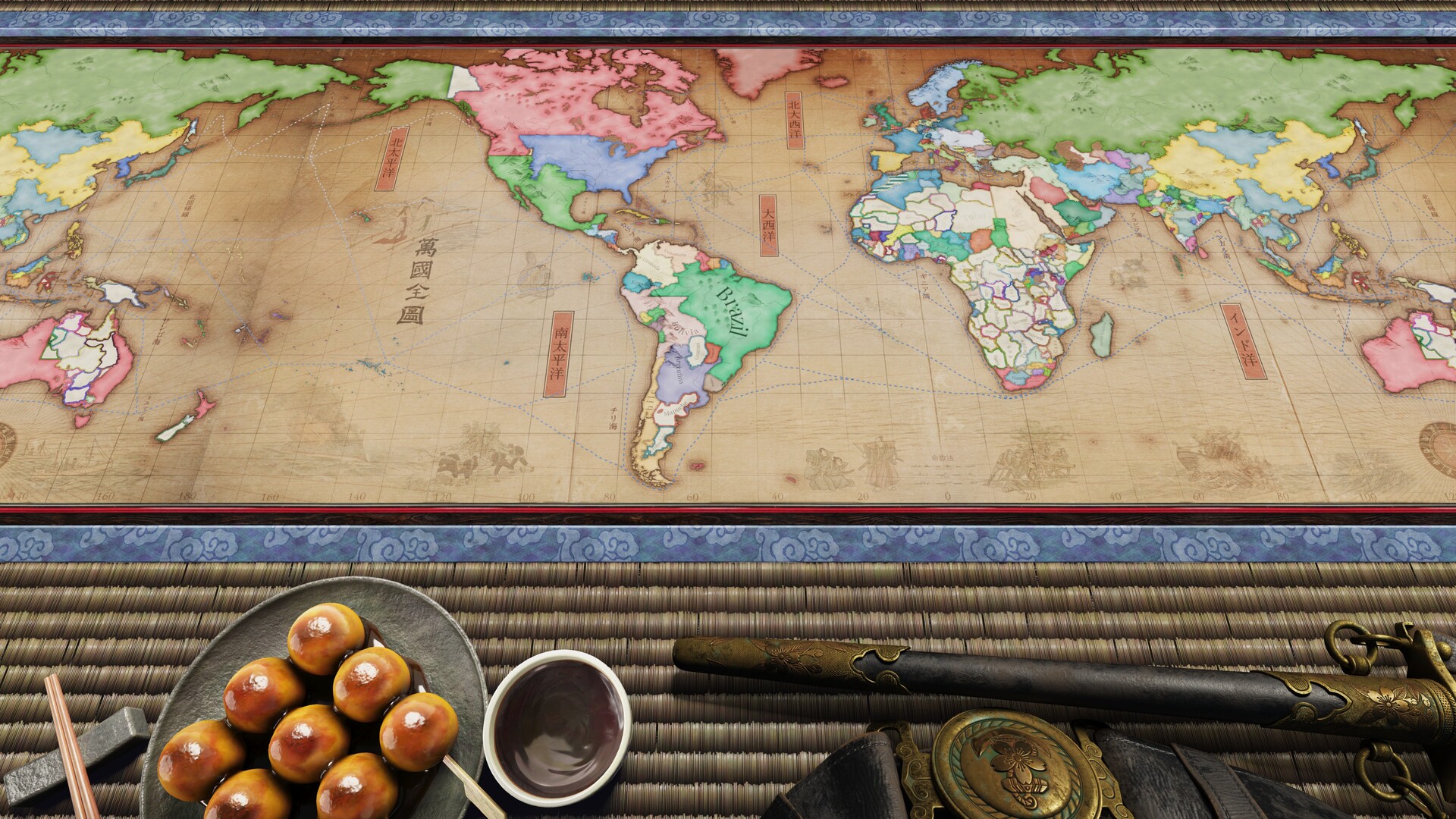
Visually and sonically, The Great Wave is a clear upgrade: new clothing assets, map palettes and Japanese architecture give a distinct regional identity, and the extra tracks lend a stately, sometimes melancholic air to diplomatic moments. Performance, though, is a mixed bag on my rig; some players report stutters and longer load times, and the addition of large fleet calculations can spike CPU usage. Accessibility-wise, Paradox kept the UI familiar but added ship-building panels that take time to learn; I appreciated tooltips and the option to auto-balance designs, which help newcomers not drown. Overall, the presentation sells the theme — when it works, the expansion looks and sounds like a crafted historical vignette.
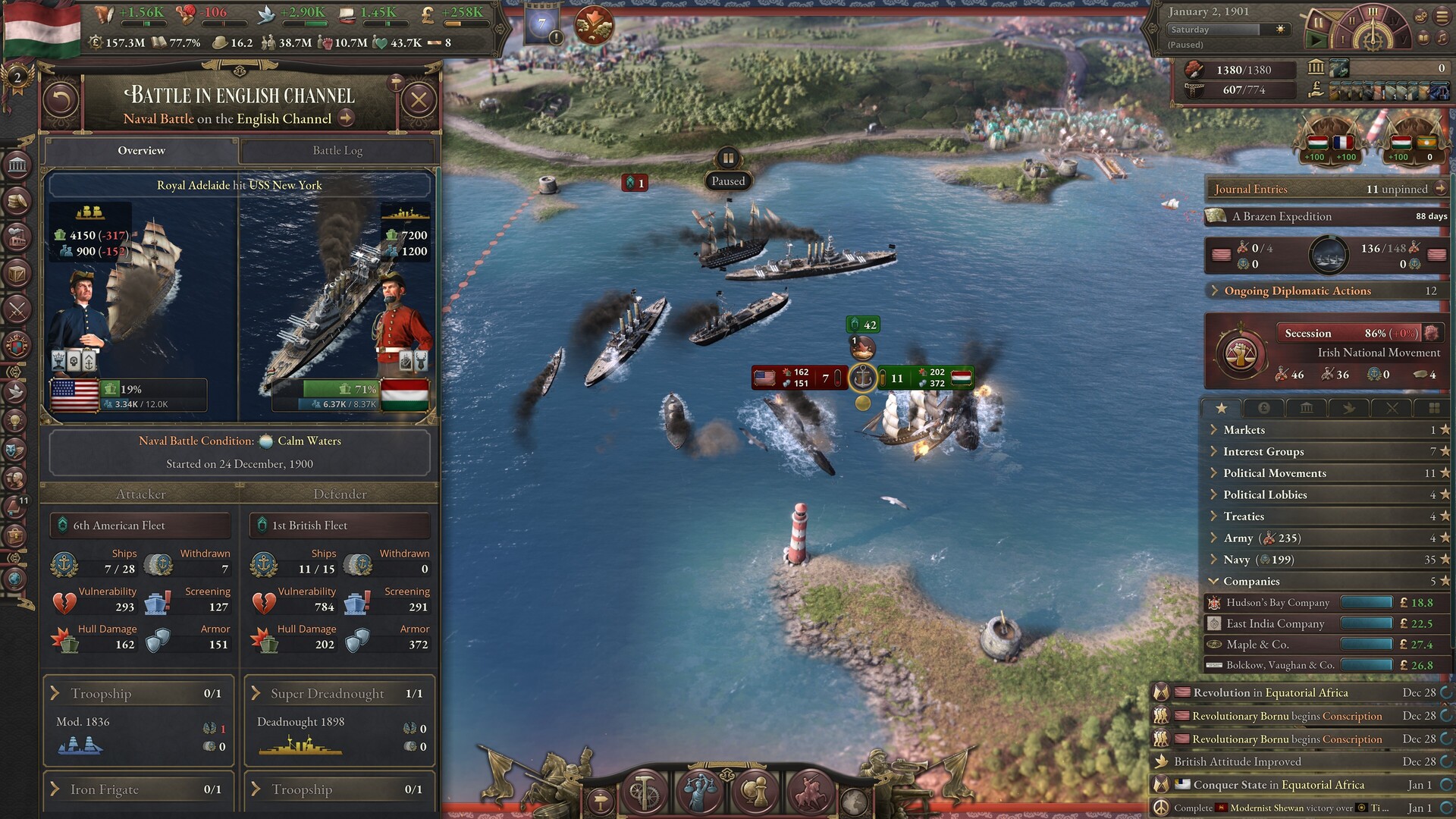
The Great Wave is a bold and welcome expansion: it gives naval power mechanical teeth and dresses Japan in respectful historical detail. I recommend it to Victoria 3 players who want deeper military-diplomatic play, but be ready for a few rough edges at launch — keep an eye on patches if you run on older hardware. Despite the bugs, the expansion enriches the base game in meaningful ways and is easy to forgive when your flagship sails home with prestige.
Pros
- Meaningful naval mechanics that tie into diplomacy and economy.
- Ship Designer and Flagships add tactical and personal flavor.
- Strong Japan-focused narrative, art and music assets.
- Ship export treaties open interesting economic playstyles.
Cons
- Patchy QA: notable bugs and AI oddities on launch.
- Performance can suffer with large fleets on weaker systems.
- Some new UI panels are dense and have a learning curve.
Player Opinion
Players are mostly thrilled with the naval overhaul and Japan’s new flavor, praising the ship designer and the way fleets now affect diplomacy and trade. Many reviews call the expansion a high point for Victoria 3’s ongoing evolution, noting that the free accompanying update improves long-standing pain points. On the negative side, a sizable portion of players report launch bugs, AI misbehavior with the new naval rules, and performance hits — criticisms that keep appearing across threads. There’s also a running gag about everyone shouting “BOAT” in comments, which I frankly enjoyed. If you already like Victoria 3, or enjoy Paradox grand-strategy titles where mechanics shift the political map, you’ll likely find a lot to love here.