


Task Force Admiral Vol.1 Review — Authentic Carrier Command in Early Access
A lovingly crafted but still-early simulation of 1942 Pacific carrier warfare — fantastic immersion and historical detail, hampered by limited scenarios, missing tutorials and Early Access growing pains.
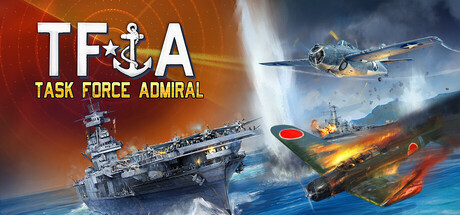
I jumped into Task Force Admiral Vol.1 like someone running onto a wet flight deck: excited, a bit nervous, and wondering if I was in over my head. This is a game that clearly grew out of fandom — you can feel the DNA of Carriers at War, Great Naval Battles and MicroProse classics in every careful detail. The premise is simple and brilliant: command American carrier task forces during the pivotal 1942 clashes and let ship handling, scouting and aircraft strikes tell the story. What’s special here is the blend of pausable real-time flow, a 3D camera system that sometimes makes you forget you’re playing a strategy game, and a devotion to authenticity that shows in individual ship camouflages, aircraft types and procedural damage modeling. At the same time, the Early Access launch means you’ll find a gorgeous but still thin experience — excellent core loop, but patience and tolerance for missing features are required.
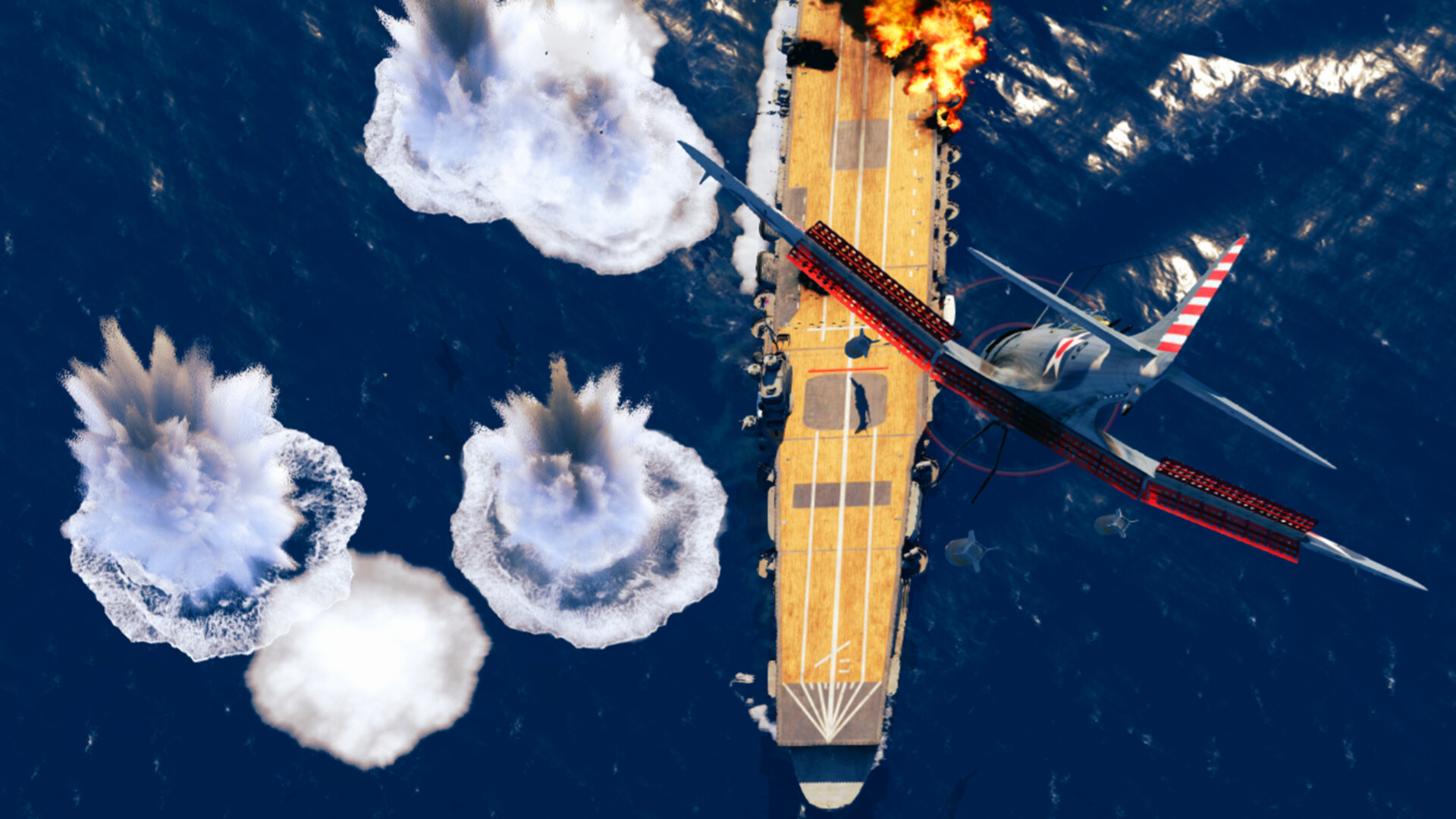
Riding the Flag Plot: Commanding the Carrier Flow
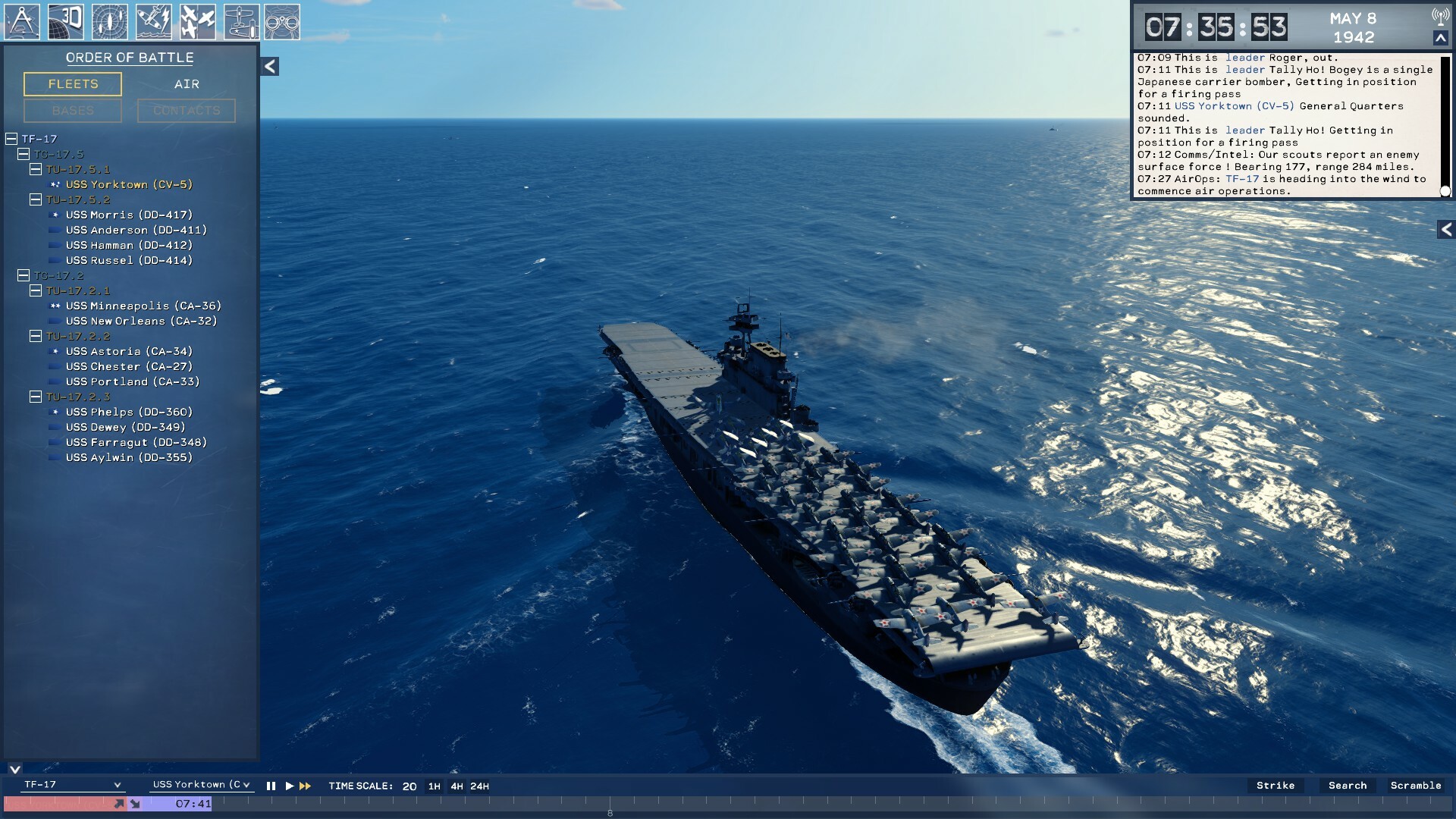
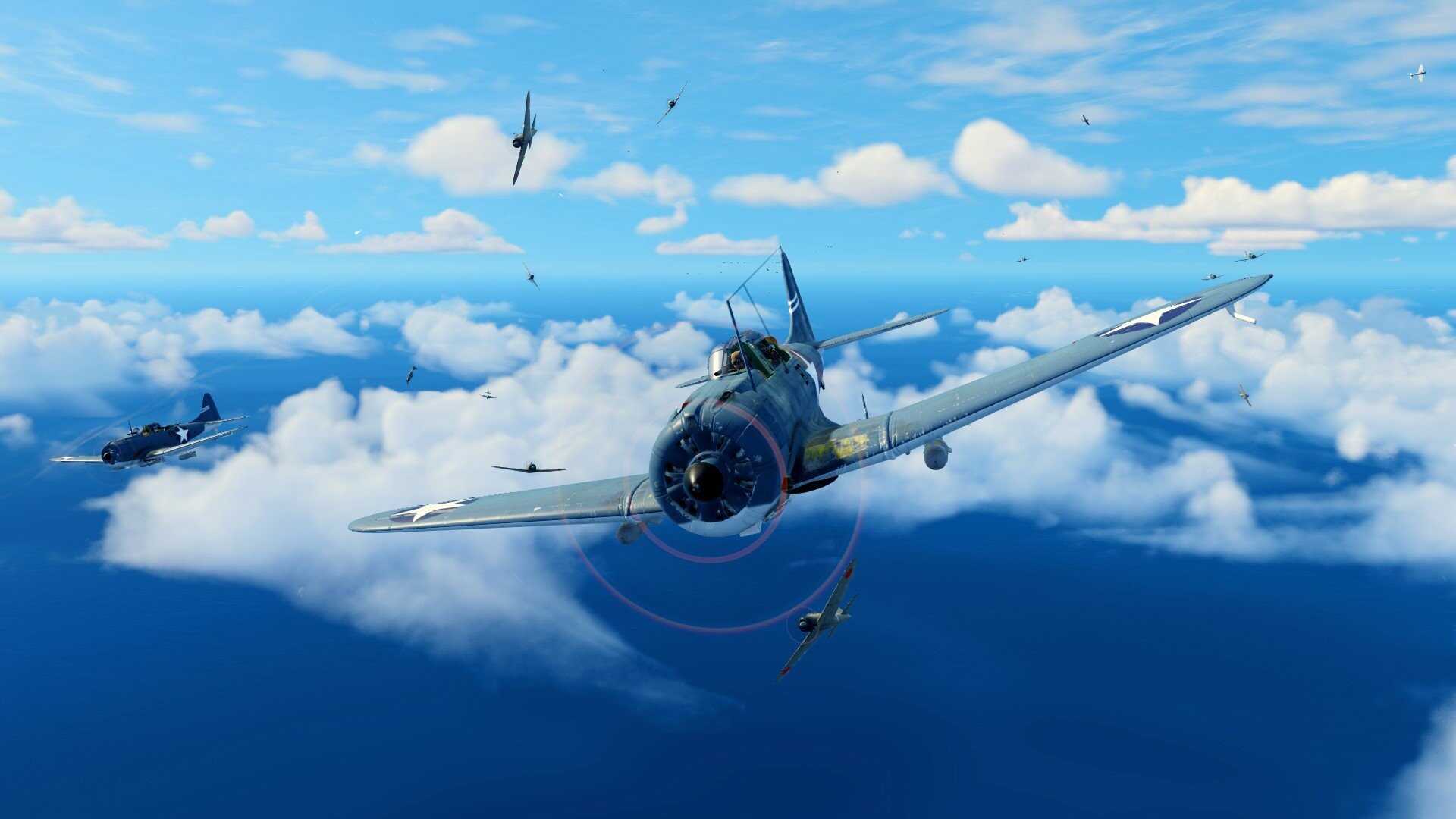
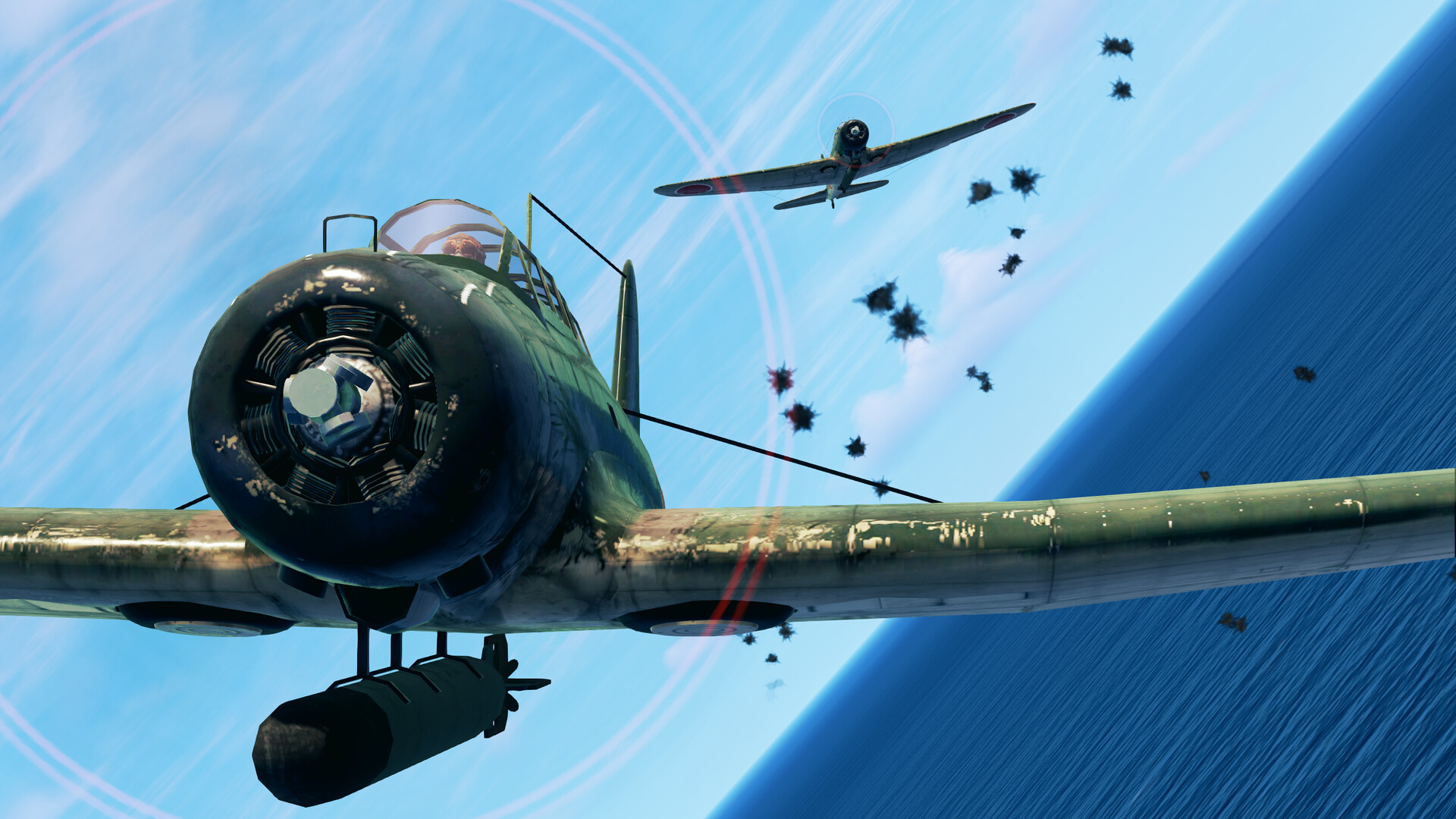
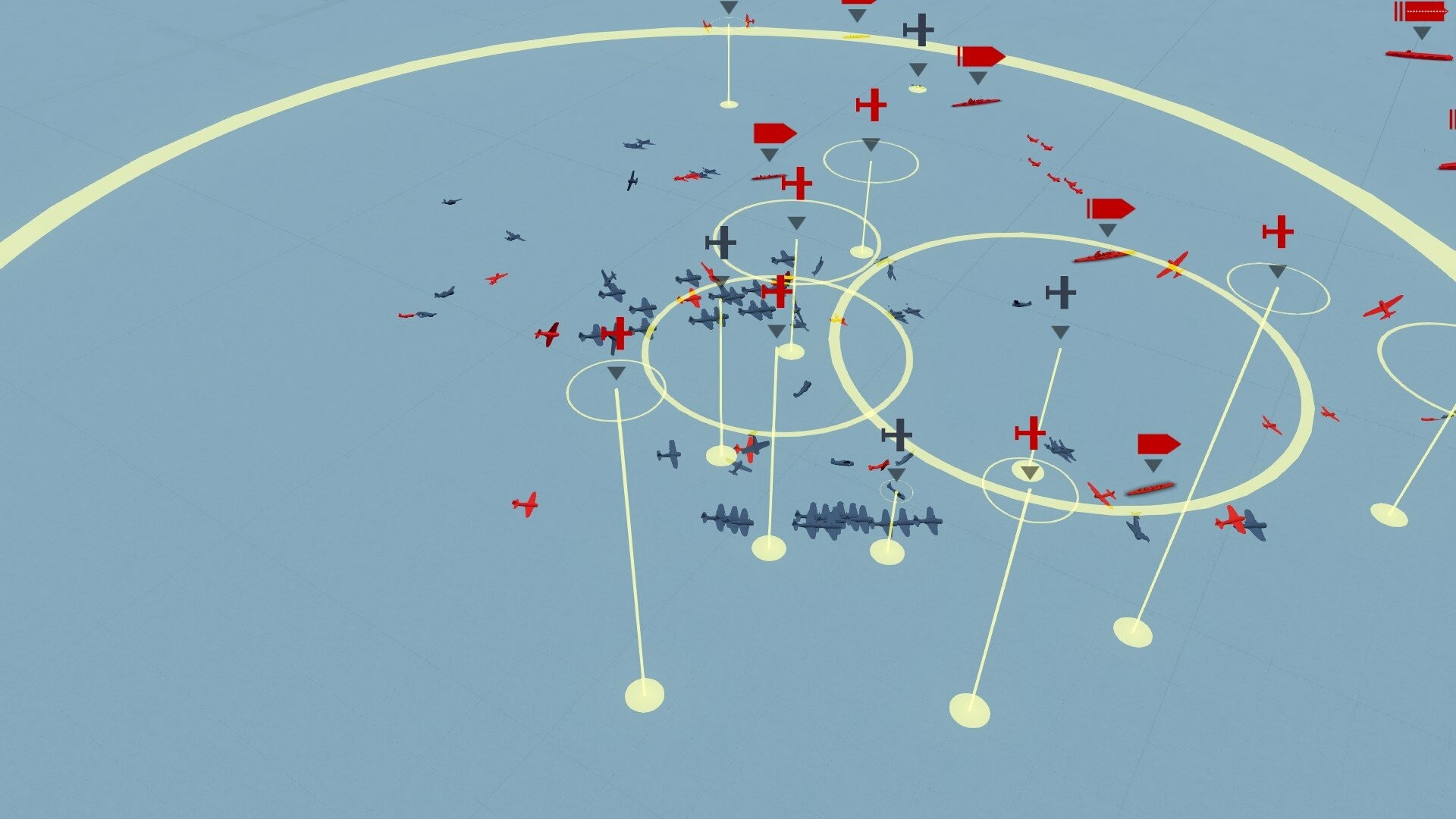
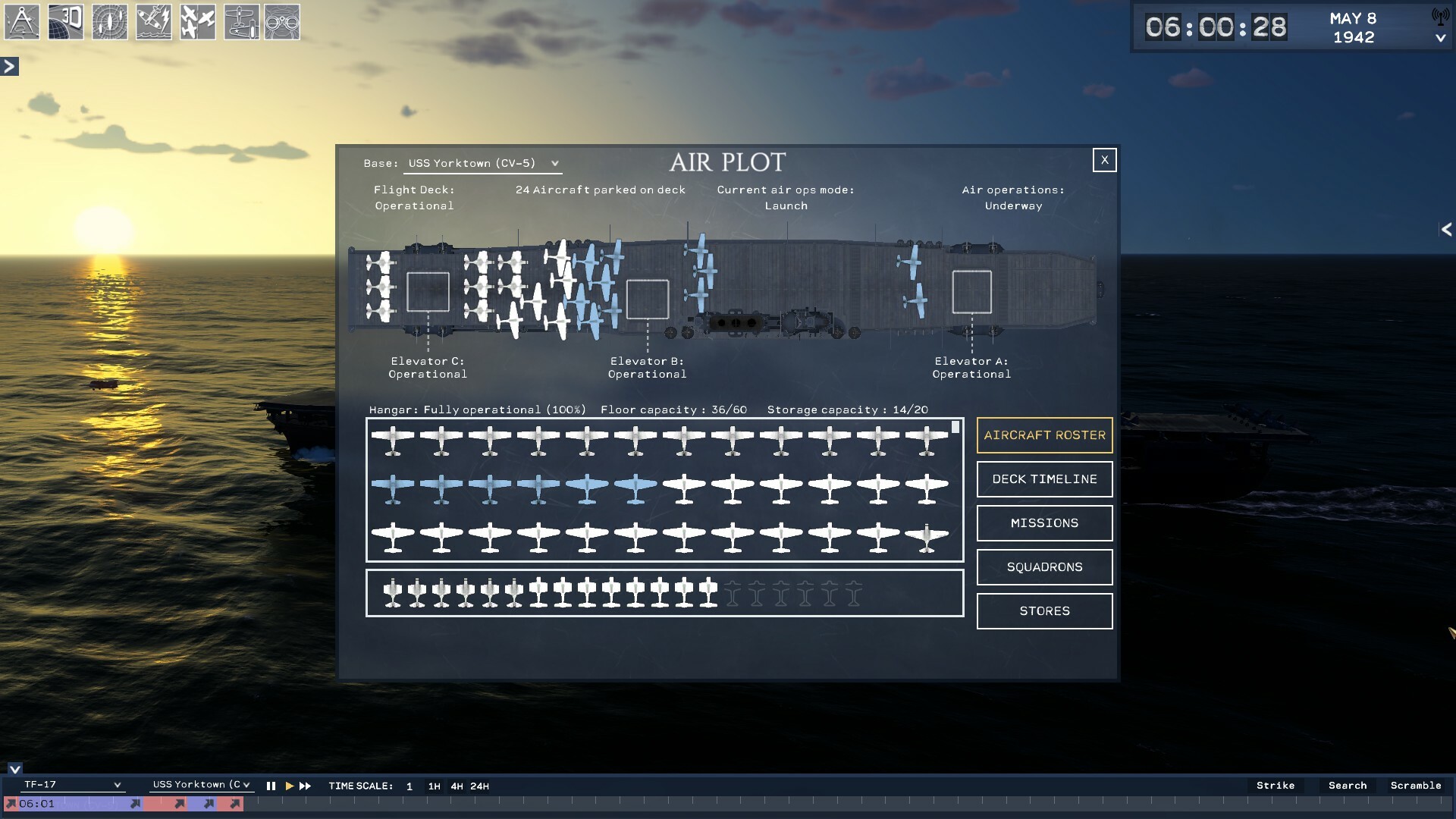
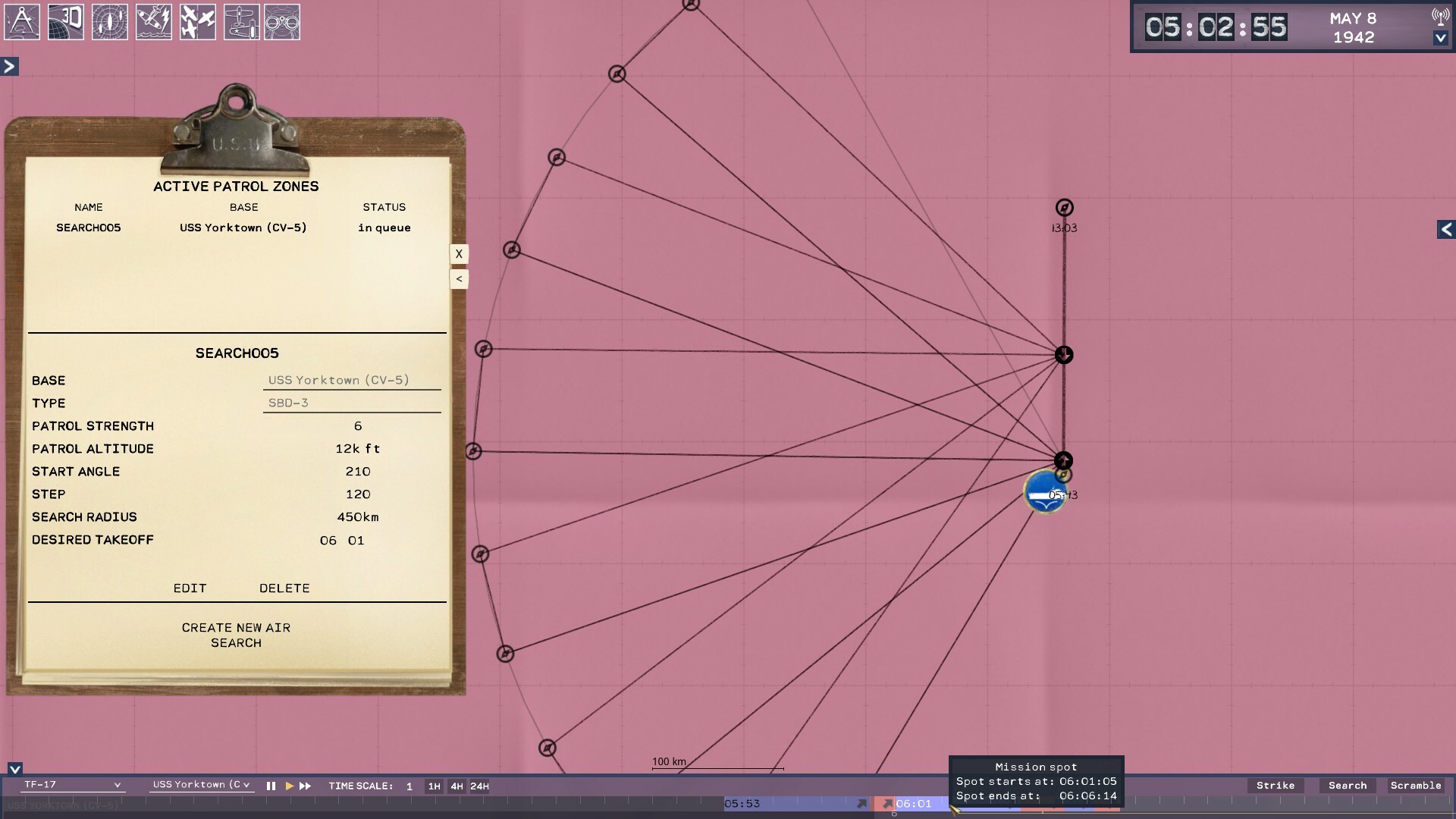
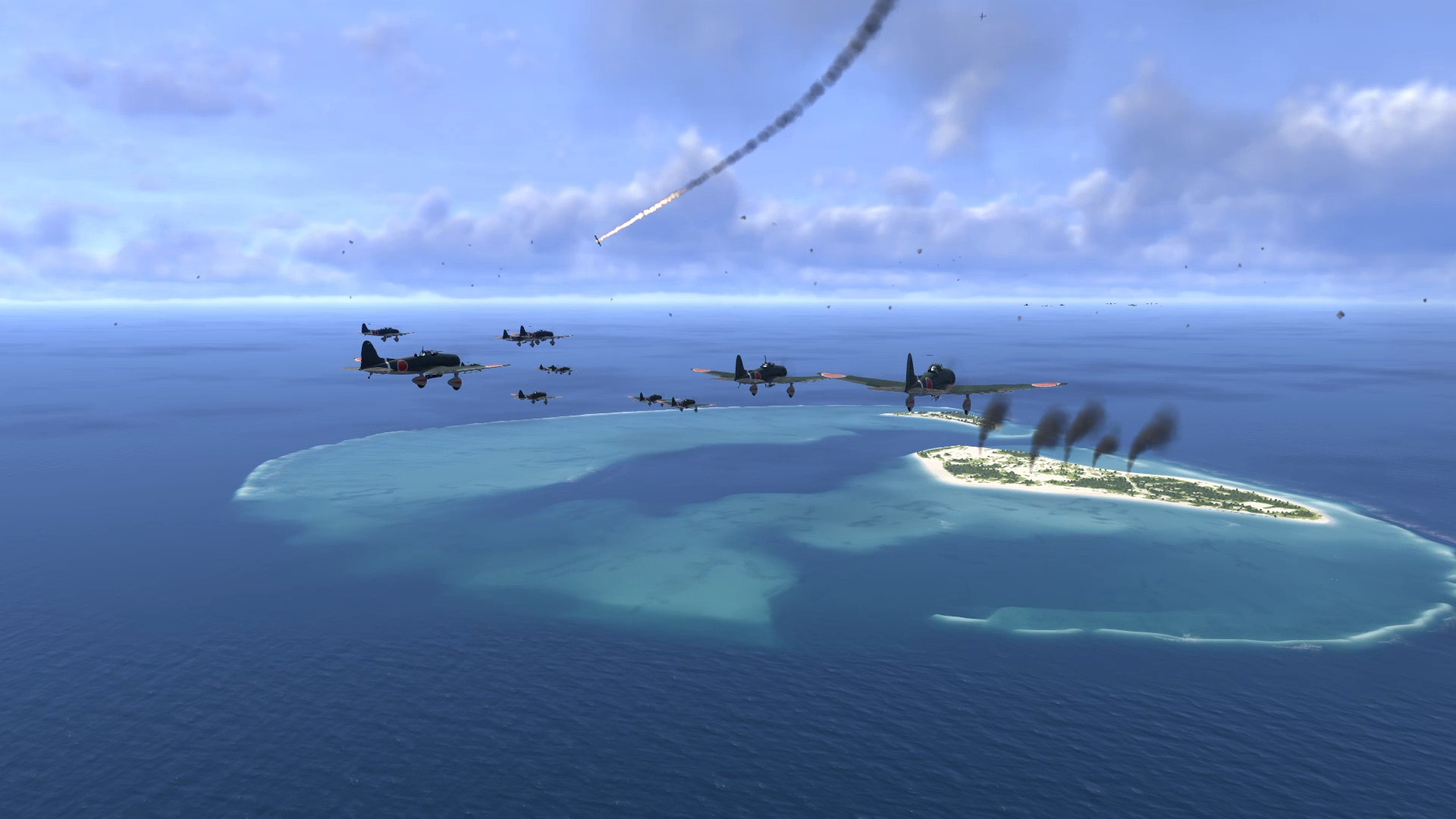
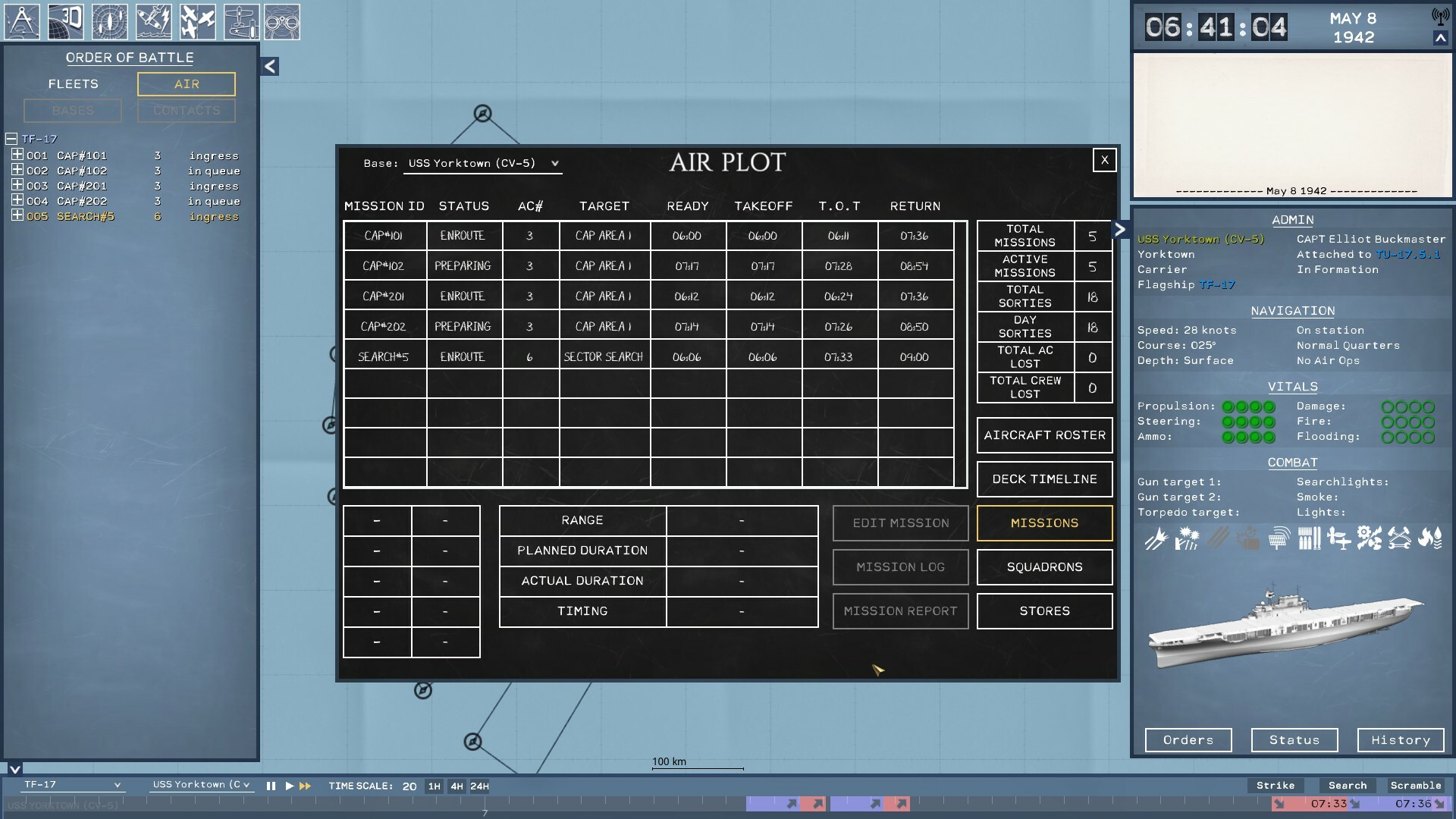
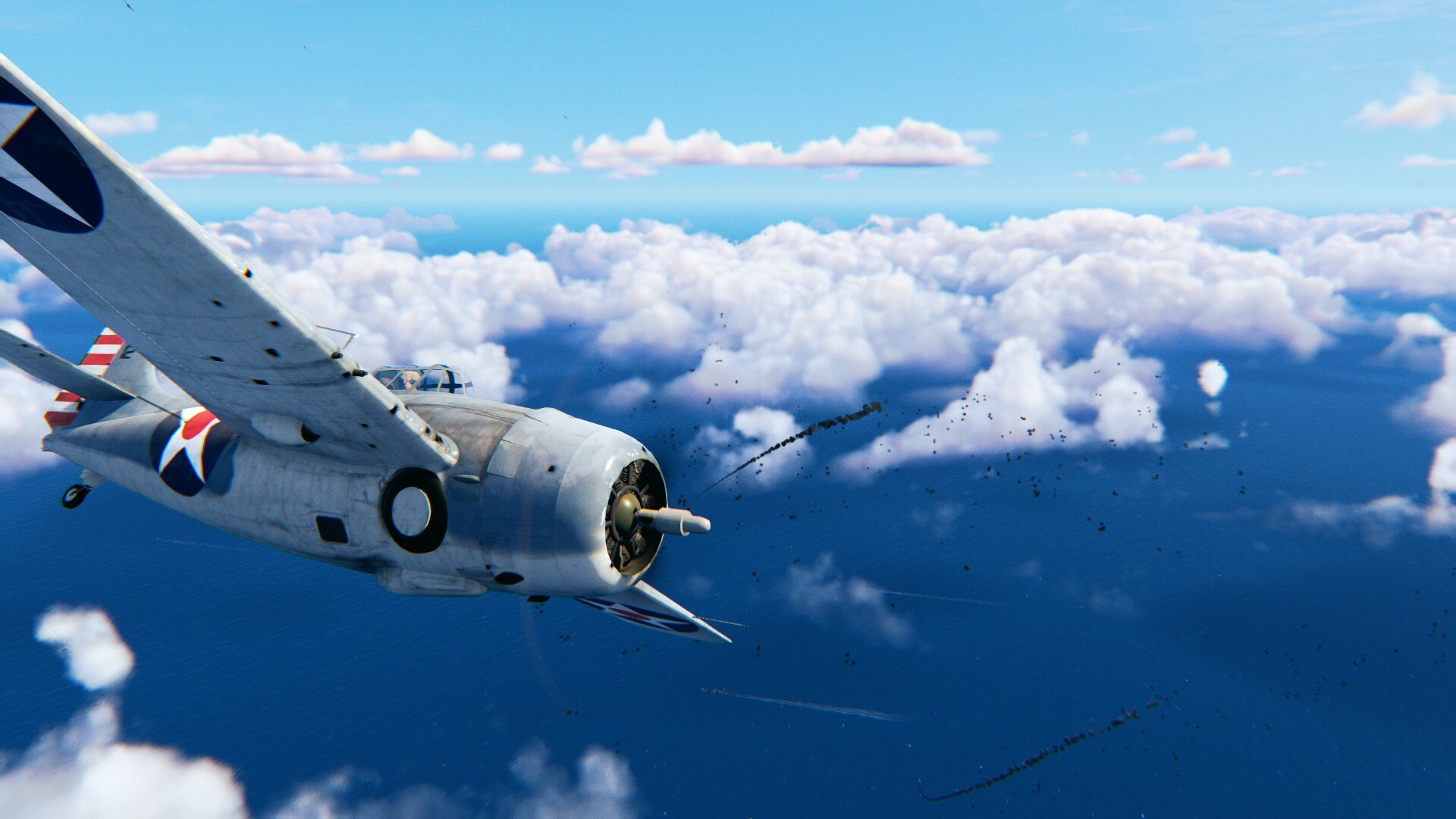
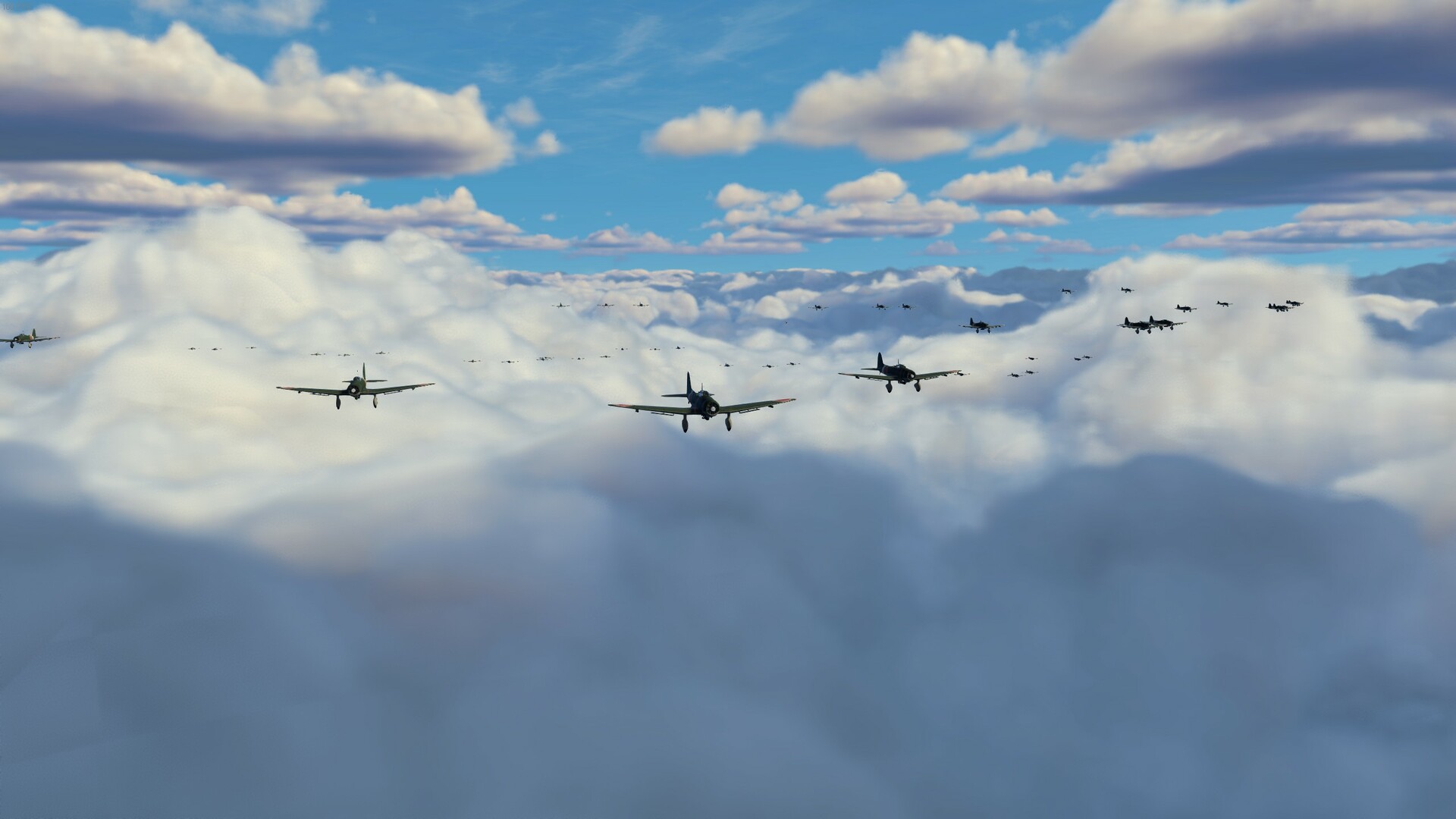
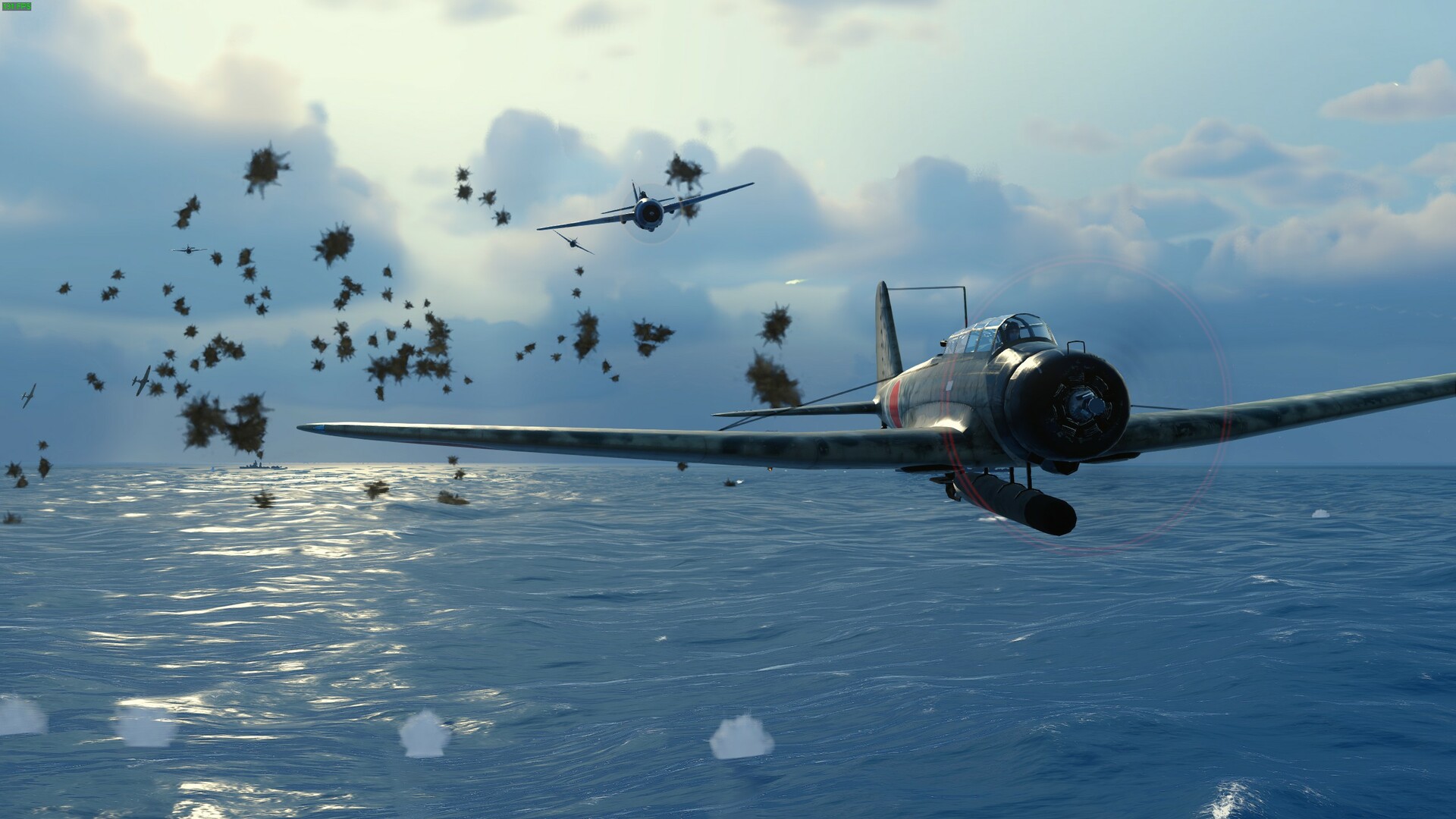
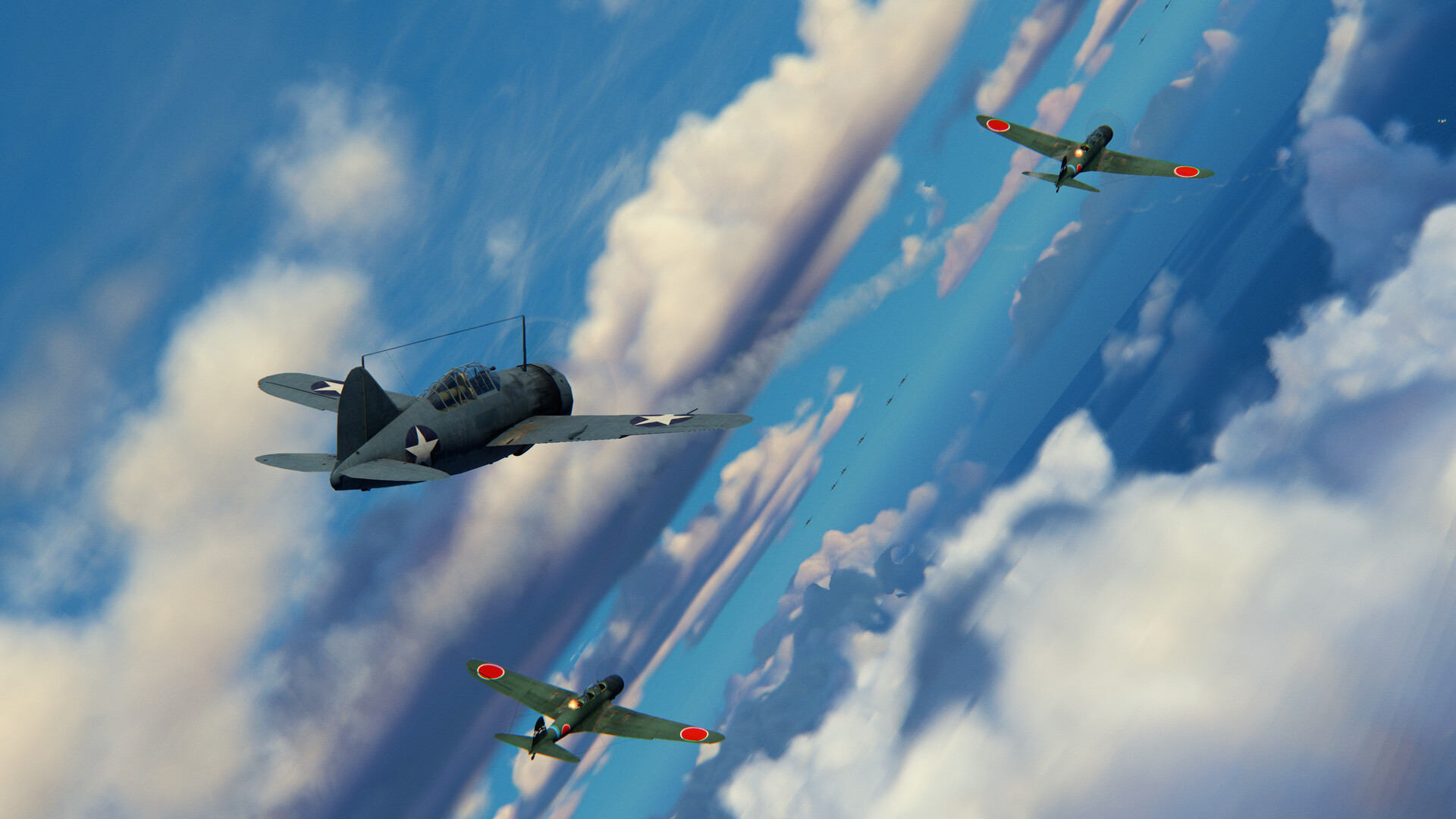
The core gameplay puts you in the admiral’s chair where planning trumps twitch reflexes. You spend long, satisfying stretches ordering transits, launching scouts, setting CAP (combat air patrol) patterns and timing strikes — then you hold your breath as those strikes run toward the enemy. It’s pausable real-time with time compression, so you can speed through scouting dead time or slow to agonizingly cinematic 1x when planes scream and flak blooms; that pacing feels authentic and rewarding. Aircraft handling is convincing: fighters can be AI-managed or directly guided, dive bomber runs look and feel right, and torpedo runs are lumbering, nail-biting affairs. Ship-to-ship exchanges are present but intentionally less micro-heavy — this is a carrier game first, surface action second, which fits the theme.
When Research Meets Drama: What Makes It Stand Out
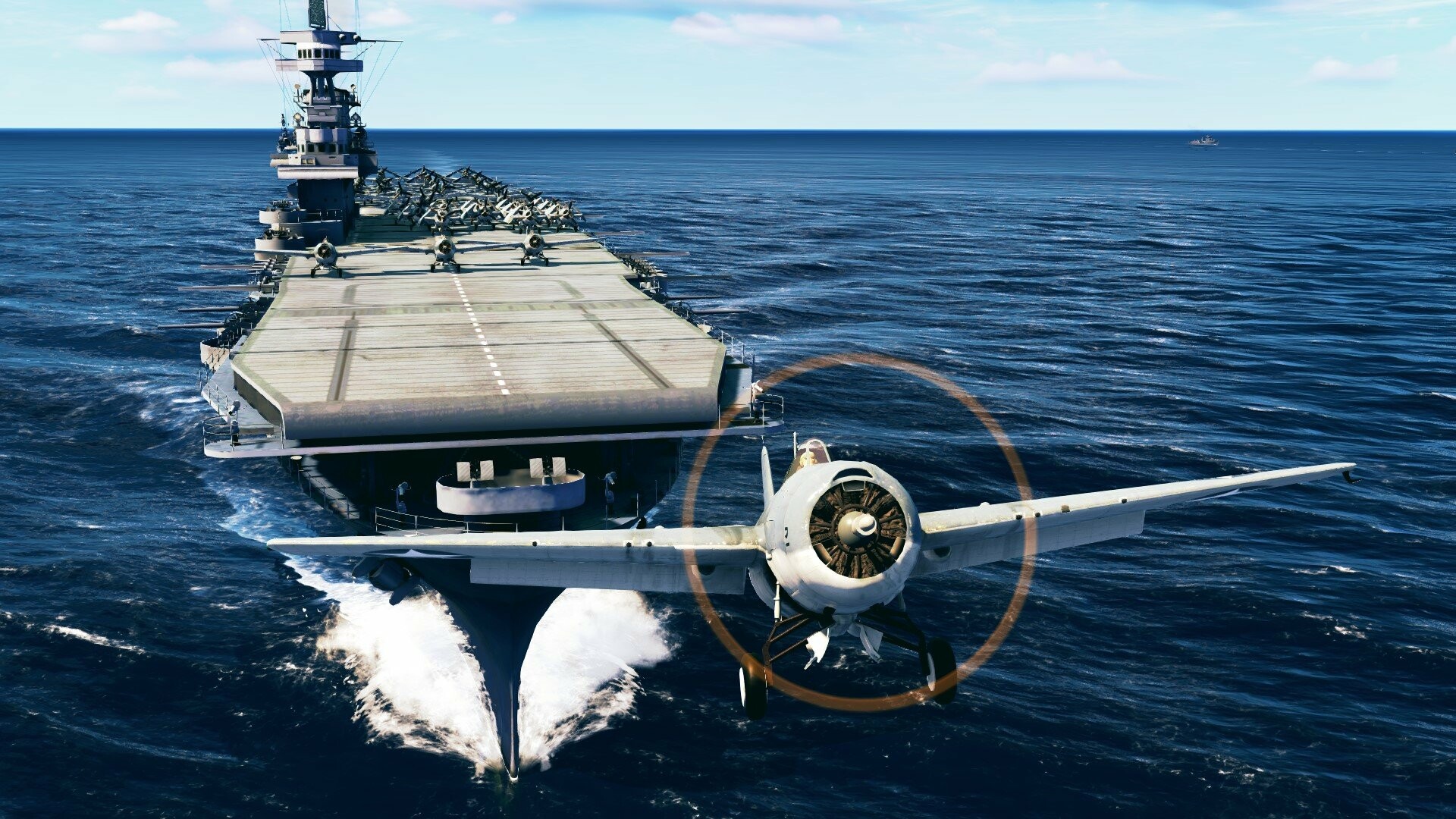
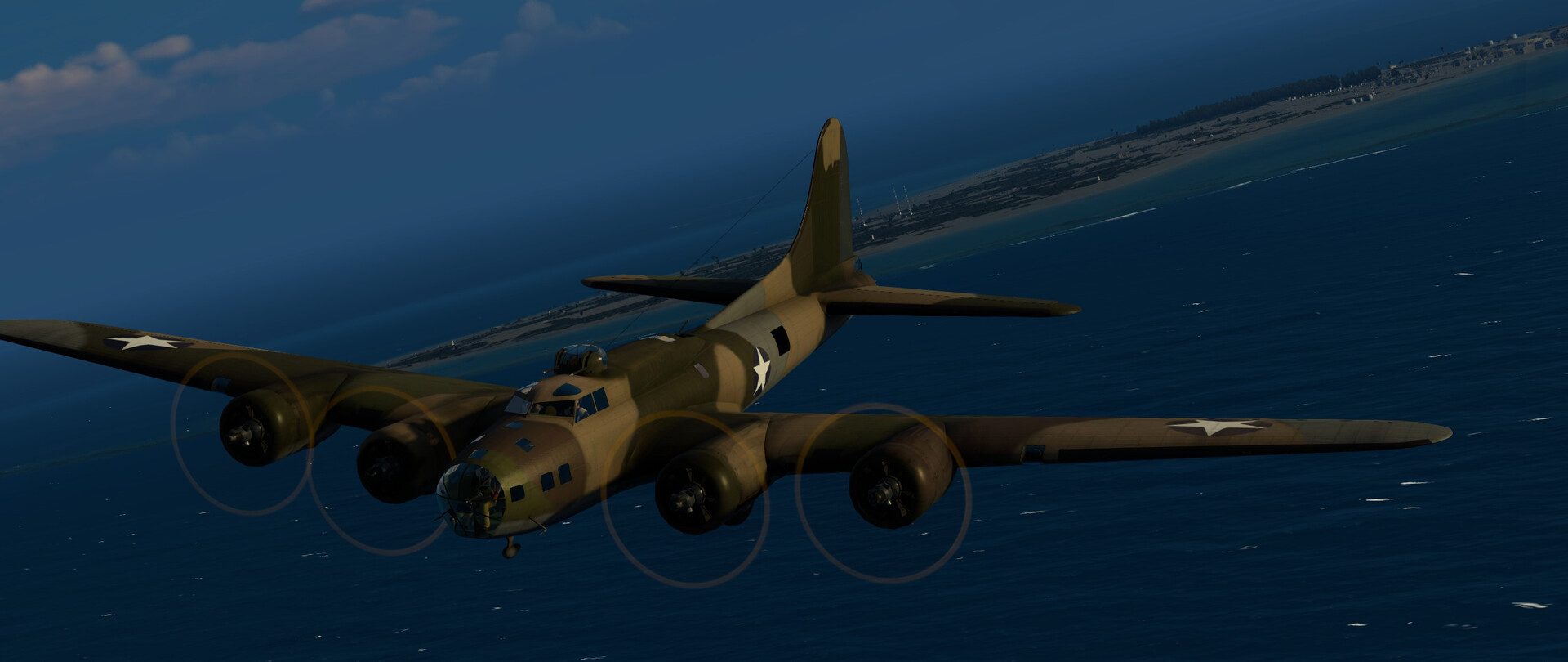
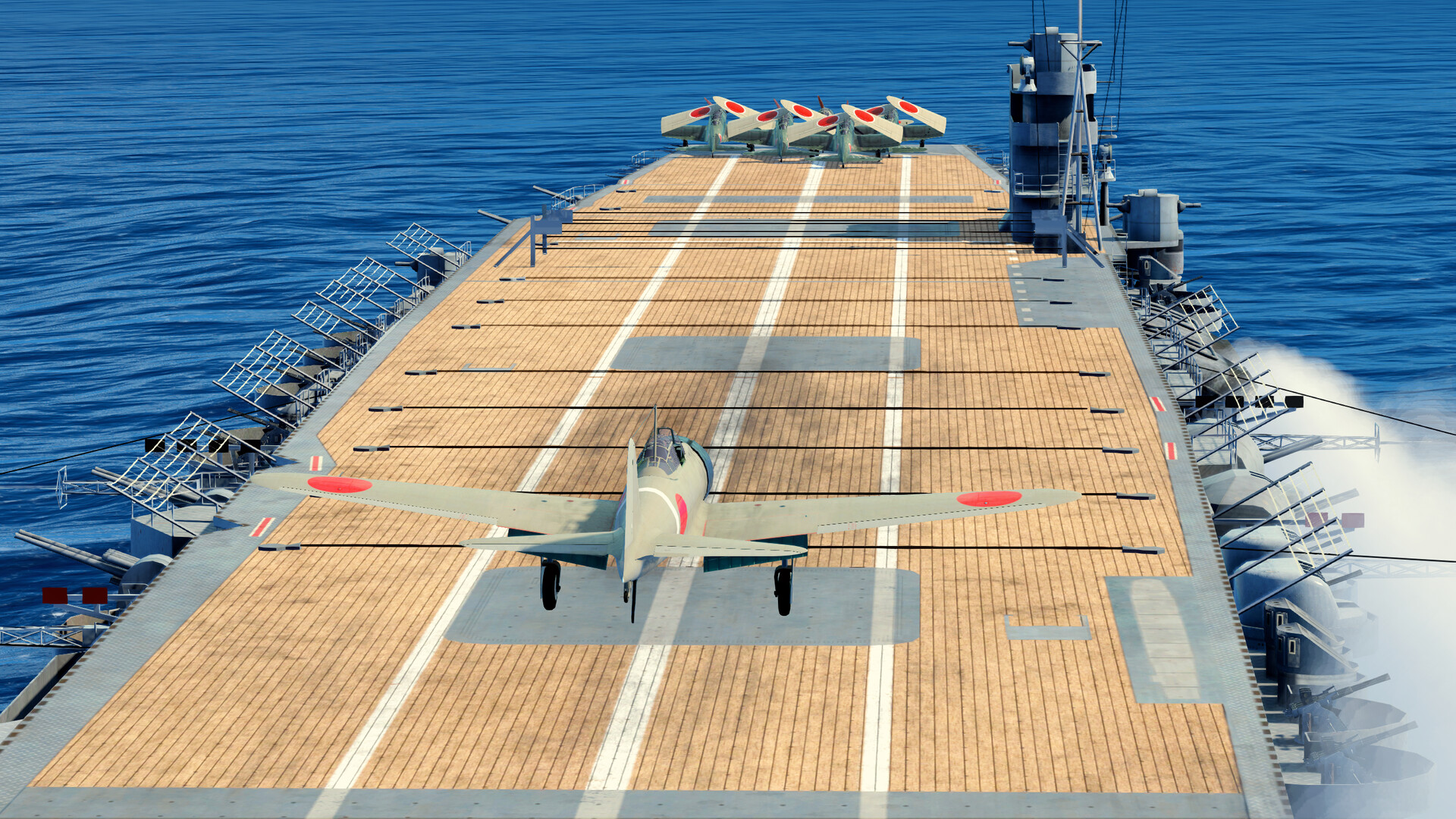
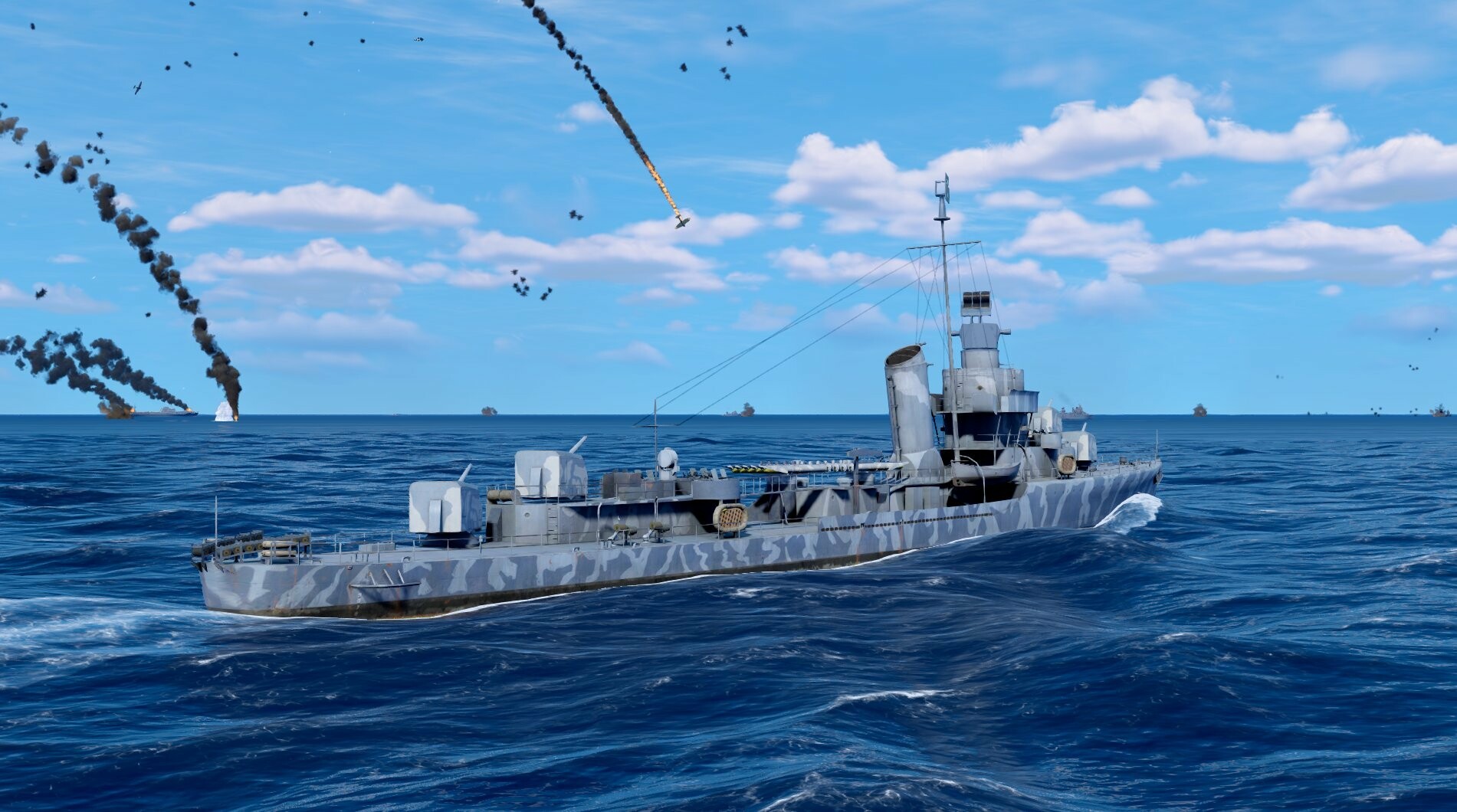
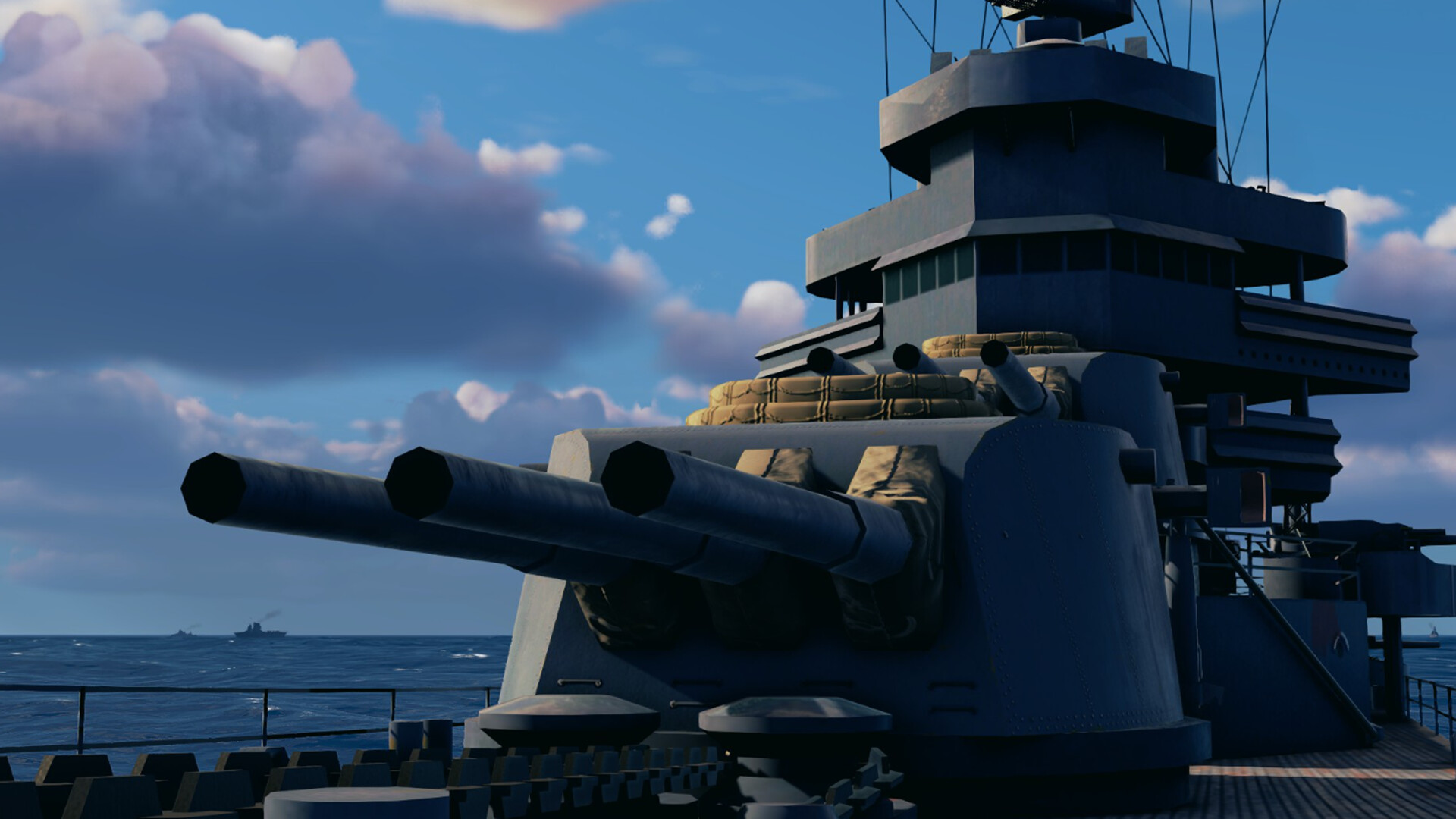
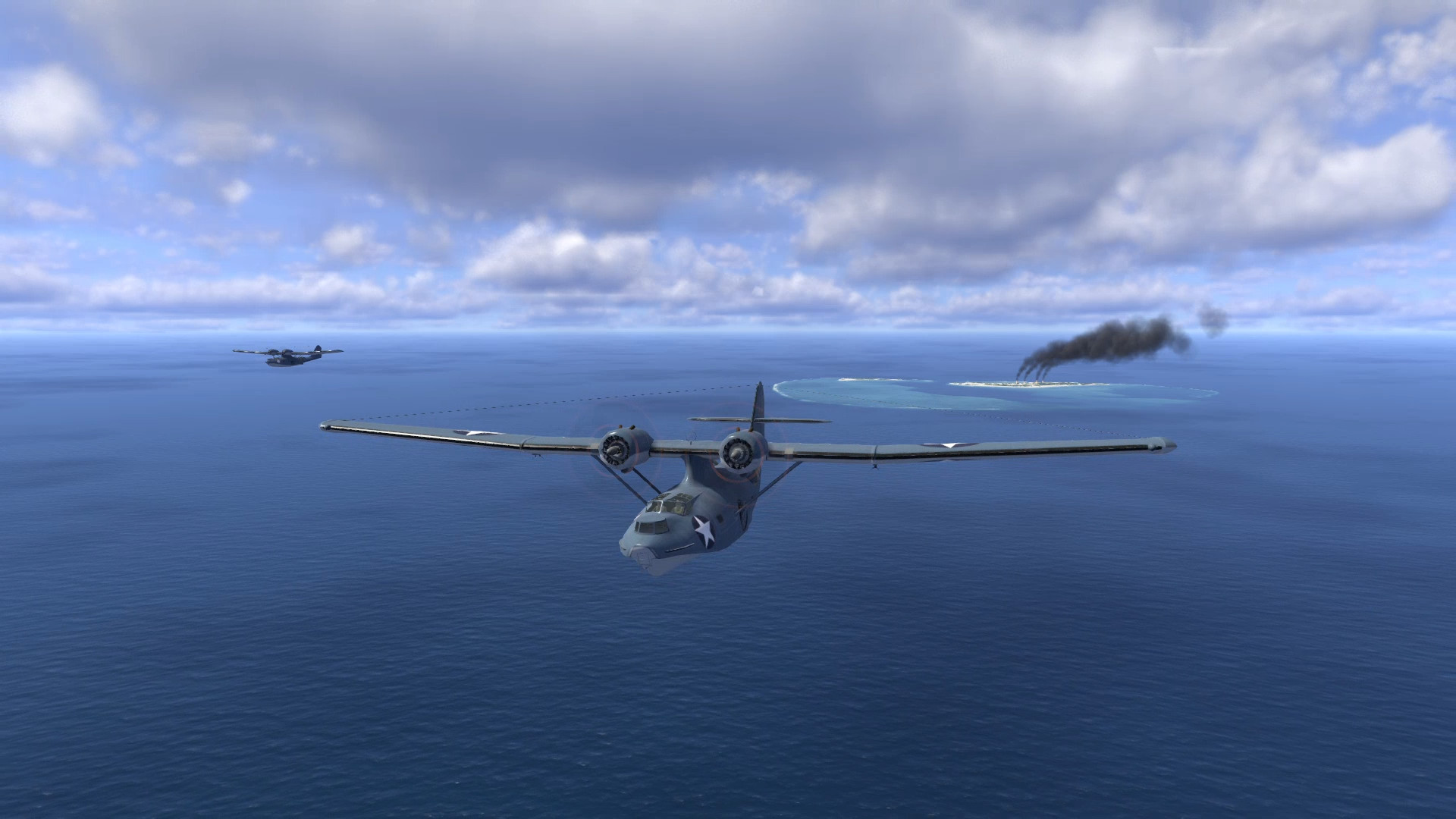
What lifts Task Force Admiral above a simple tactical map is minutiae. Ninety-plus ship classes, more than forty aircraft types, historically accurate camo and named crews create moments of recognition and odd little joys — spotting a familiar hull and thinking “that’s Yorktown”. The narrative engine mixes scripted beats with random events so scenarios have surprises without descending into nonsense. The replay module and scenario builder (promised in the roadmap) are already talked about by devs and community; right now you have historical Midway and Coral Sea engagements plus harder variants and a basic battle generator, which is a good skeleton but not the full body yet. Devs are clearly listening to players — AI behavior, pilot competence, and damage modeling have been tuned with community feedback, which makes the simulation feel lived-in rather than academic.
The Look, Sound and Performance of the Bridge
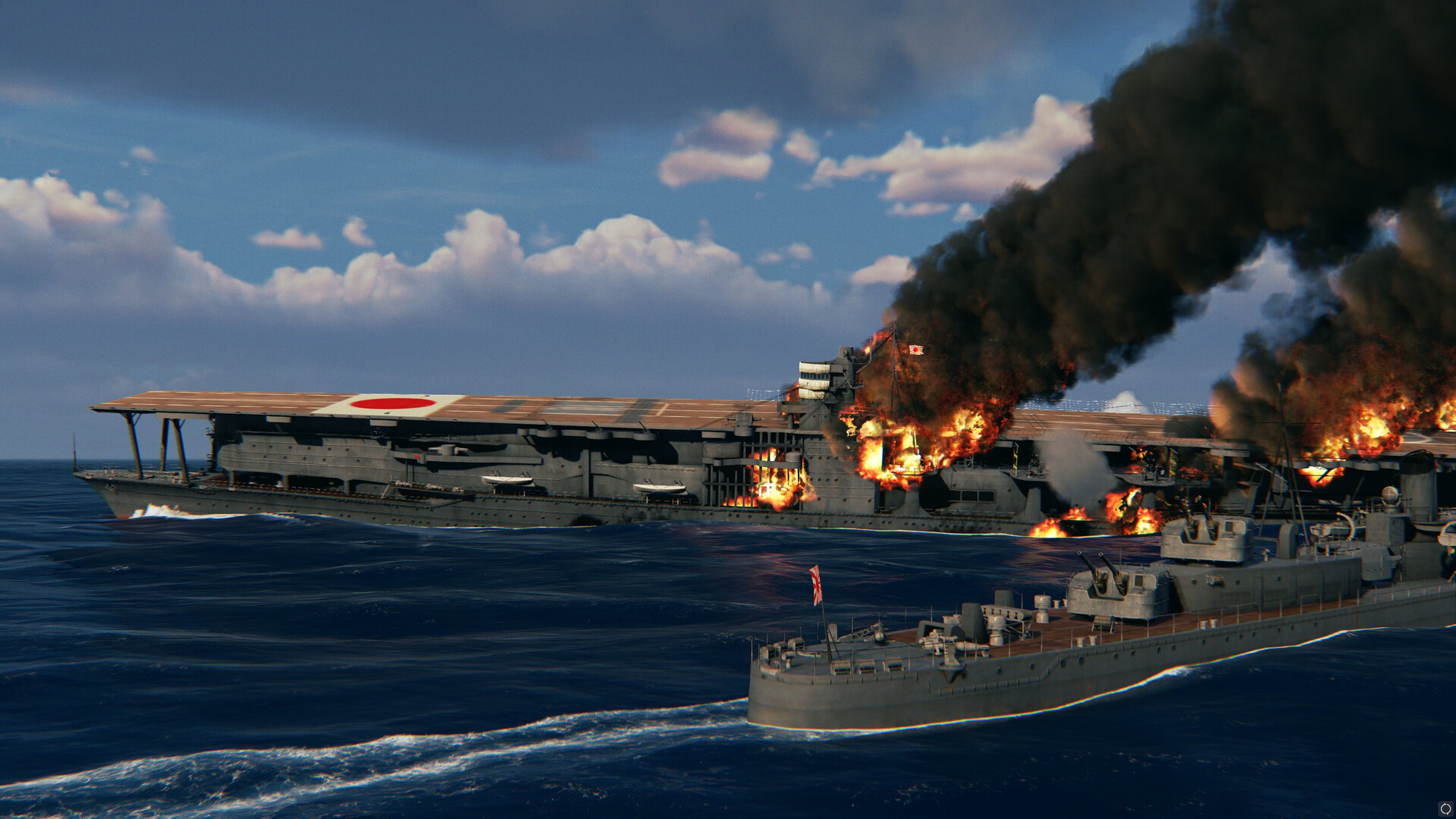
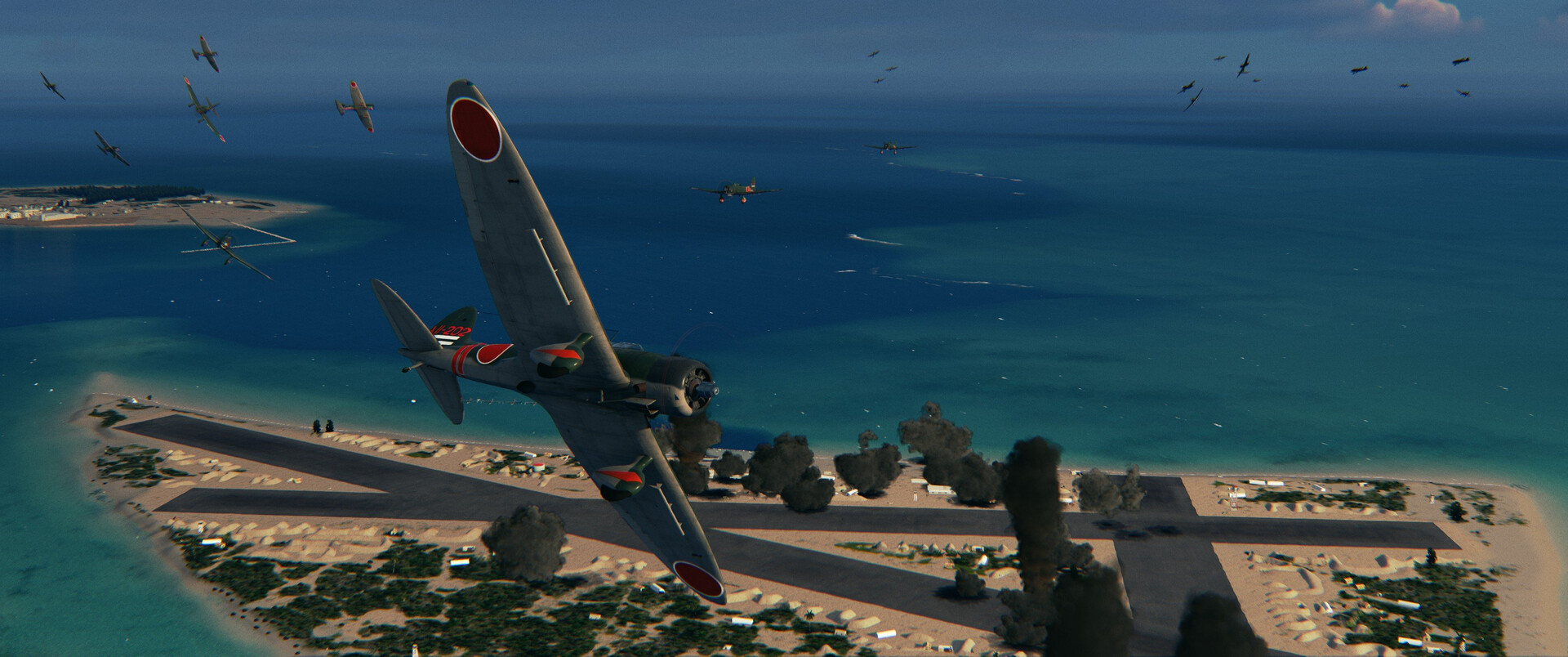
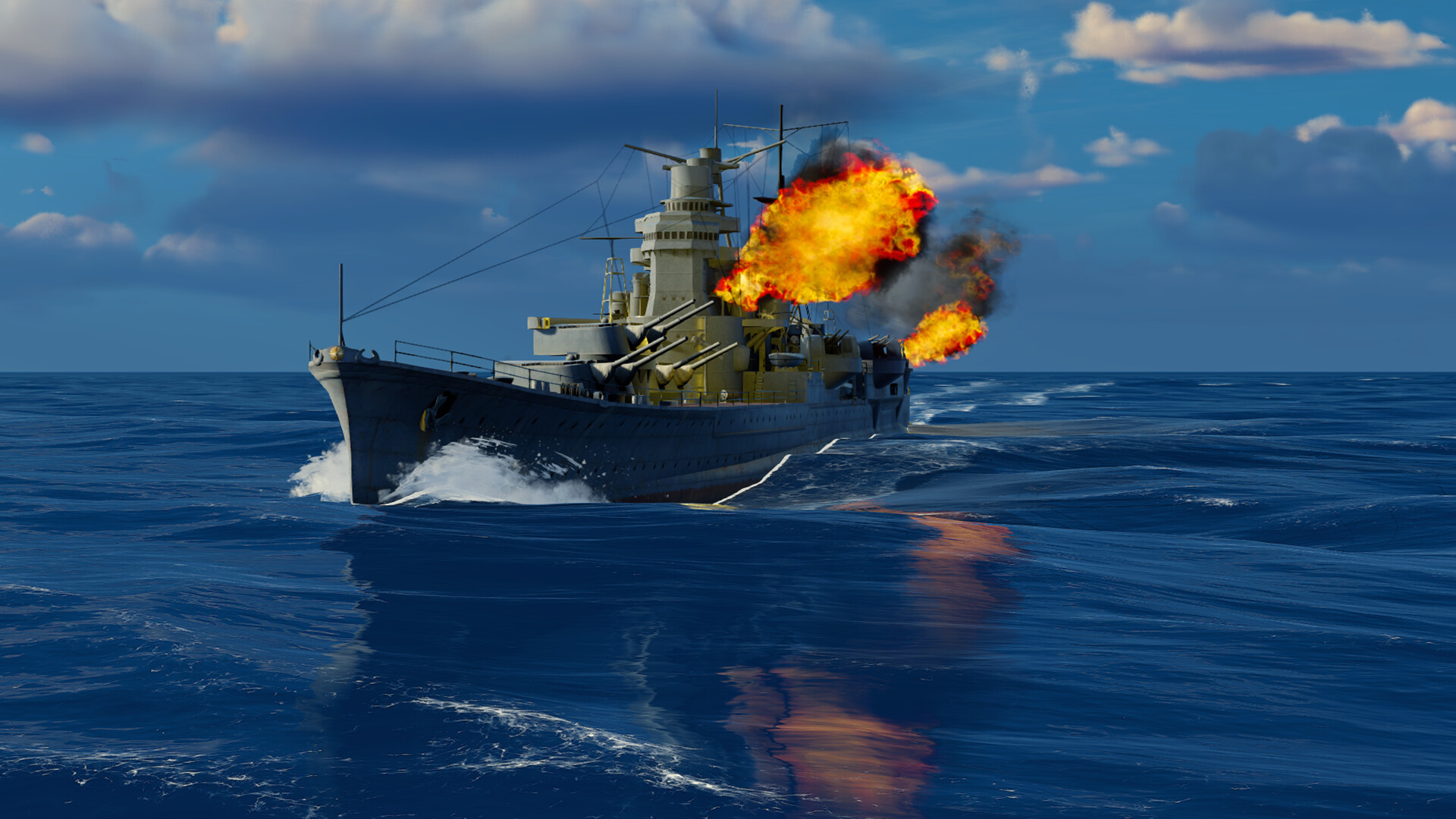
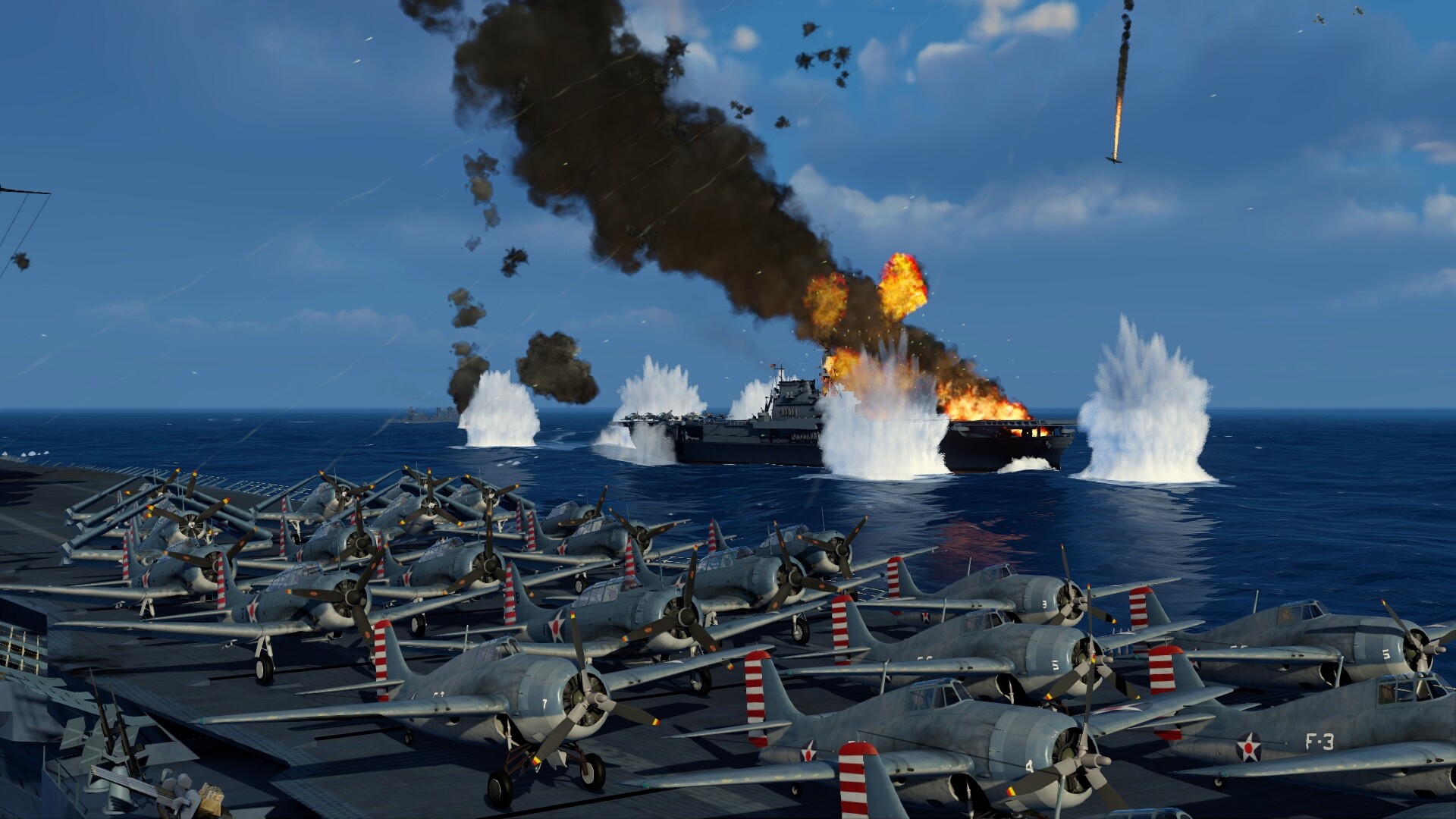
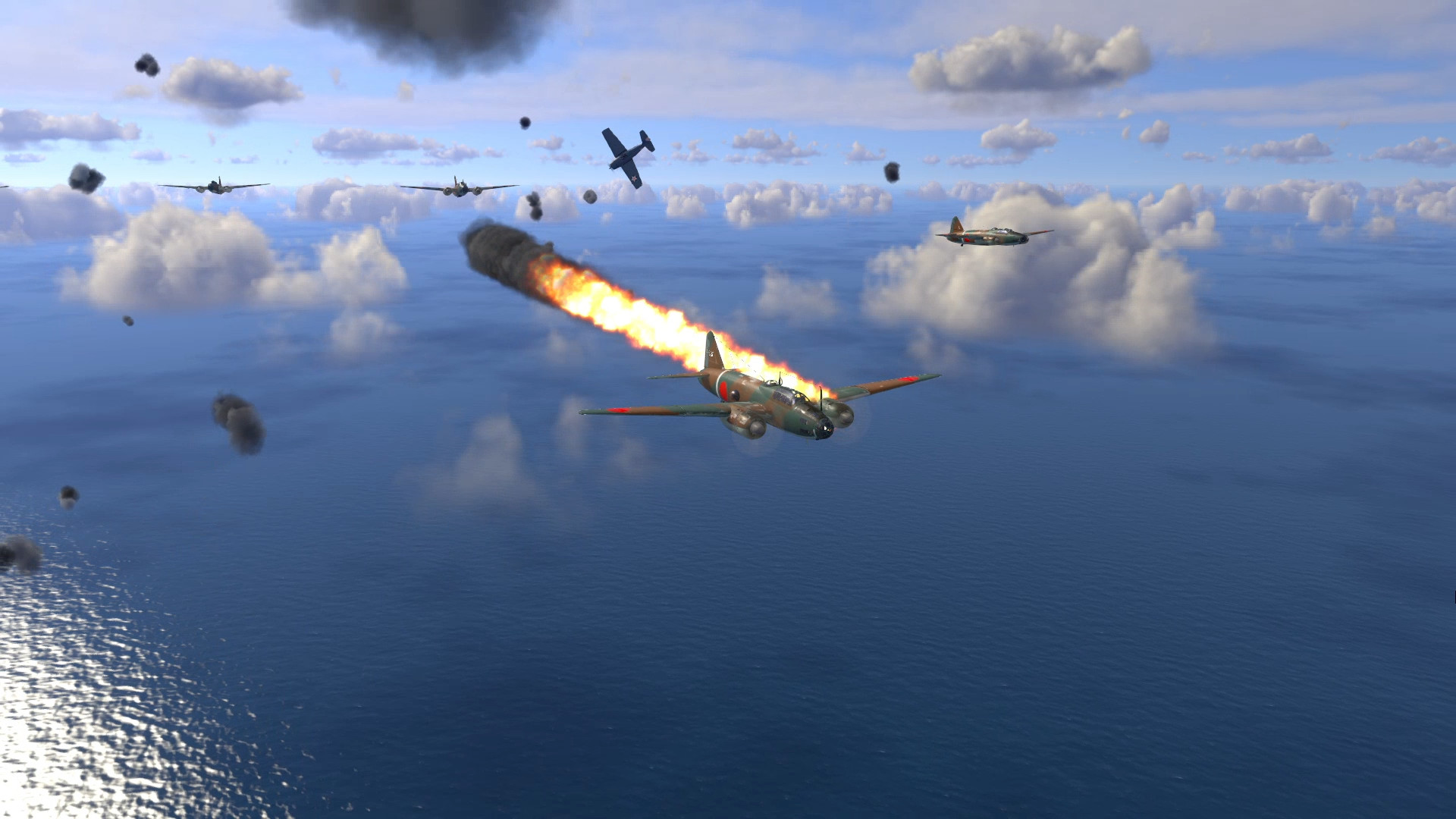
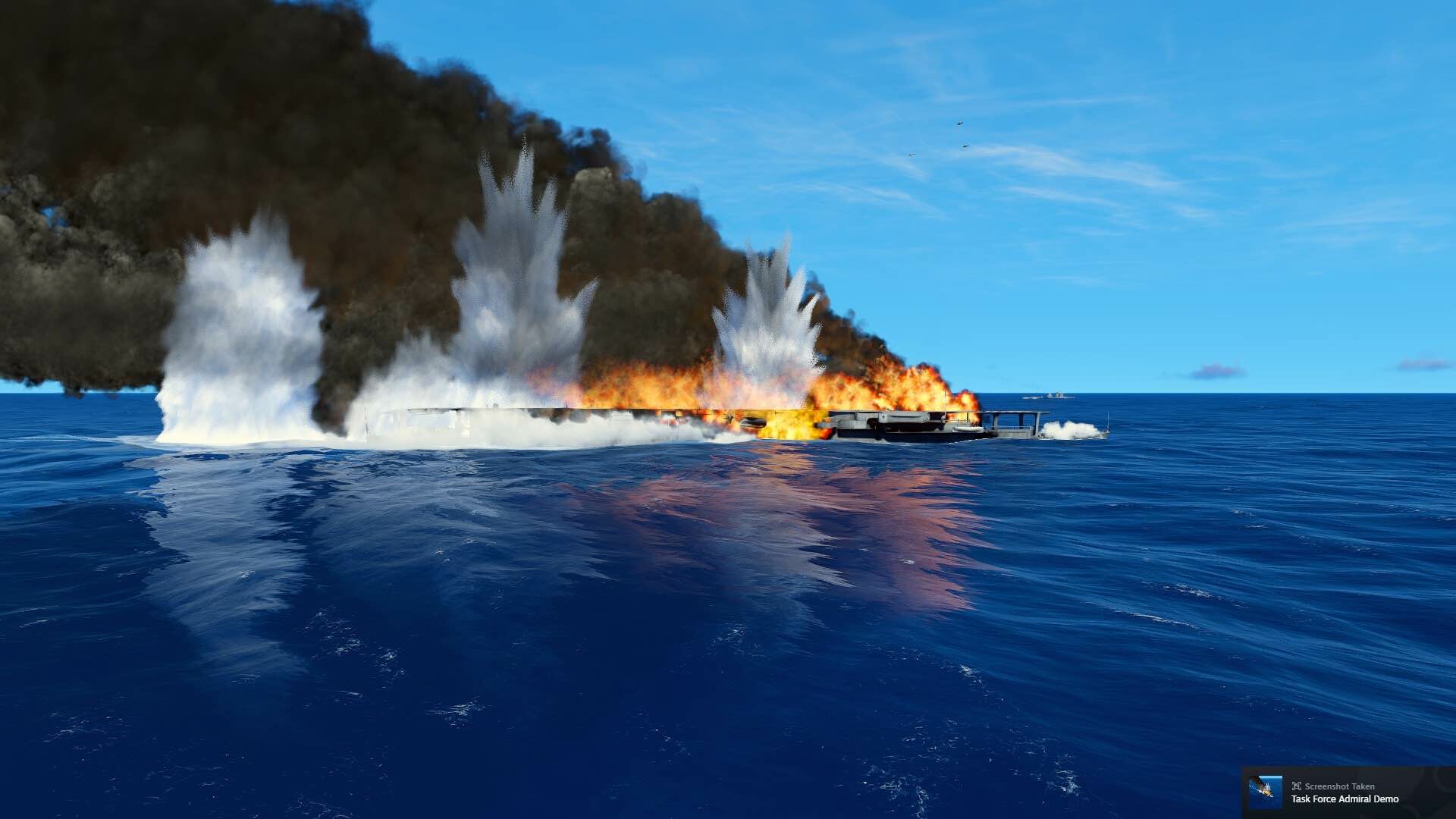
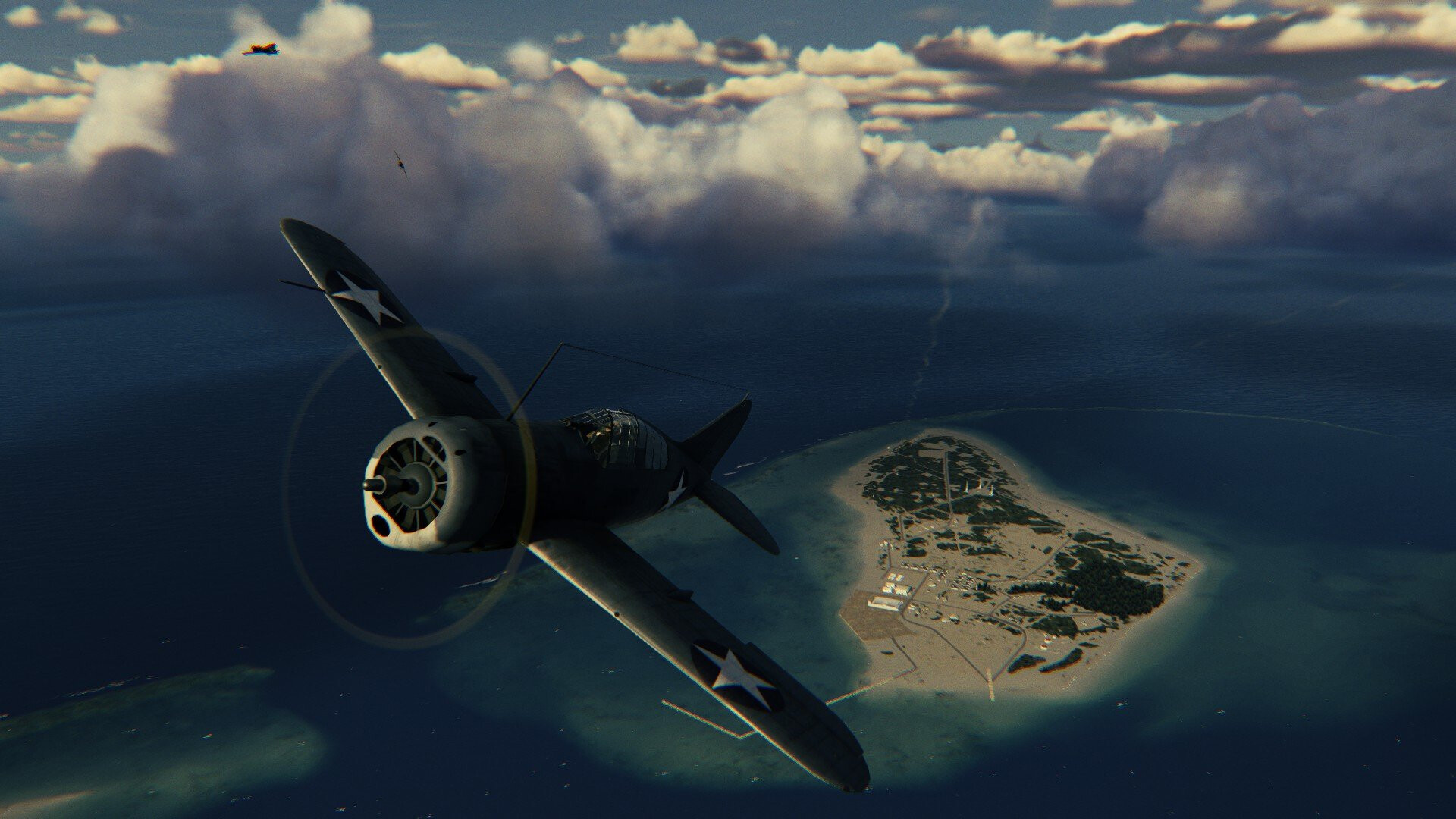
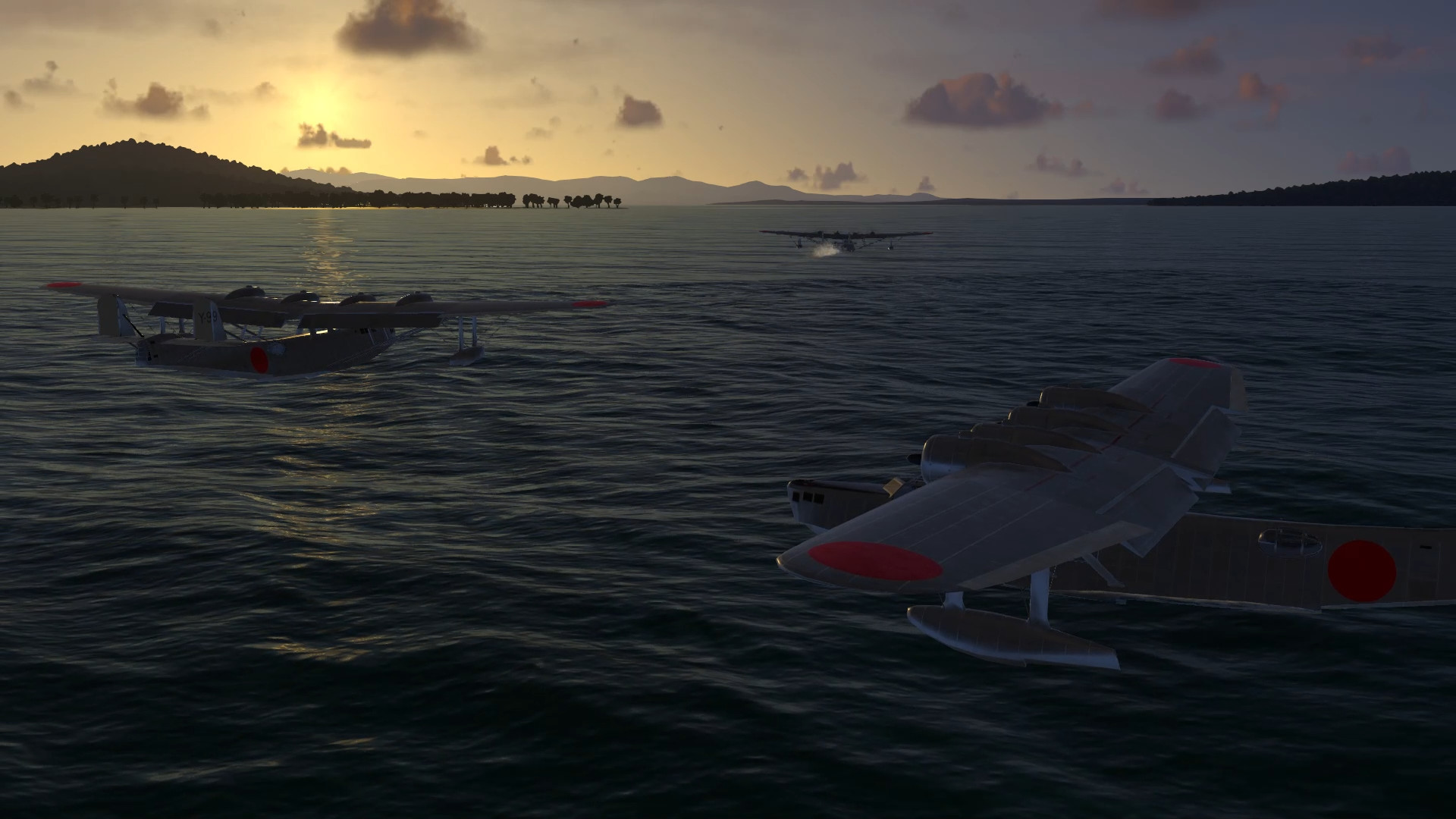
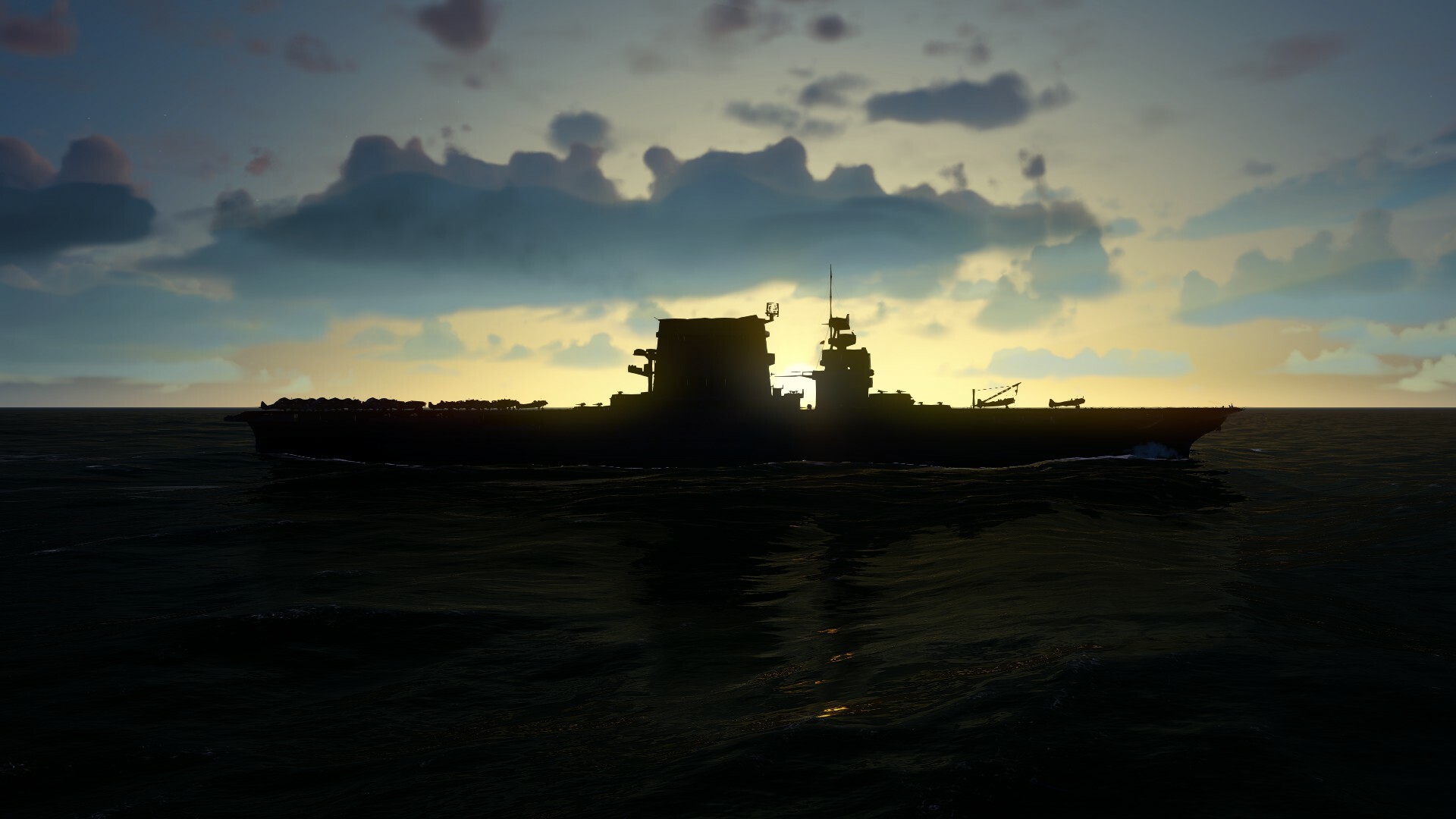
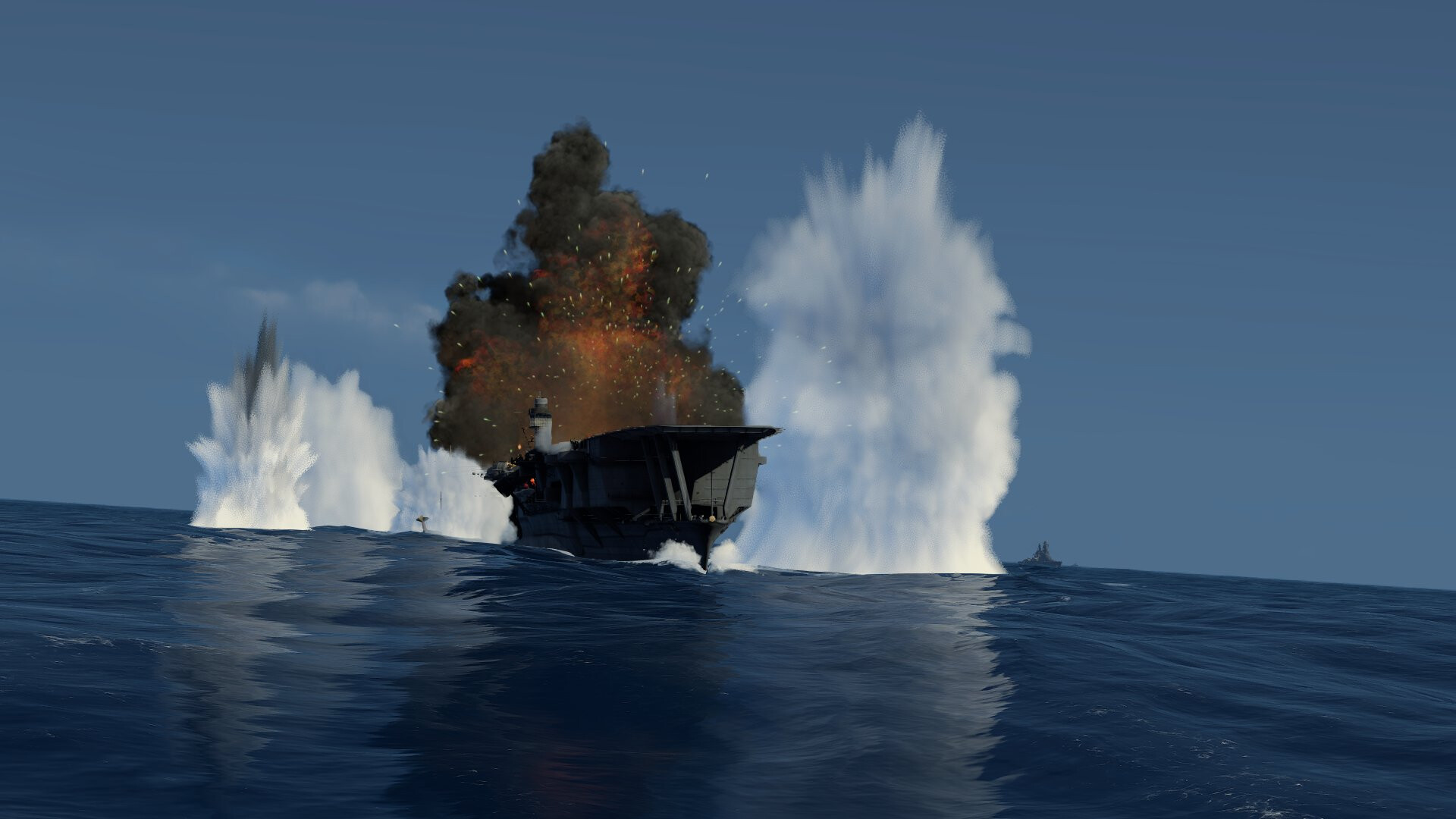
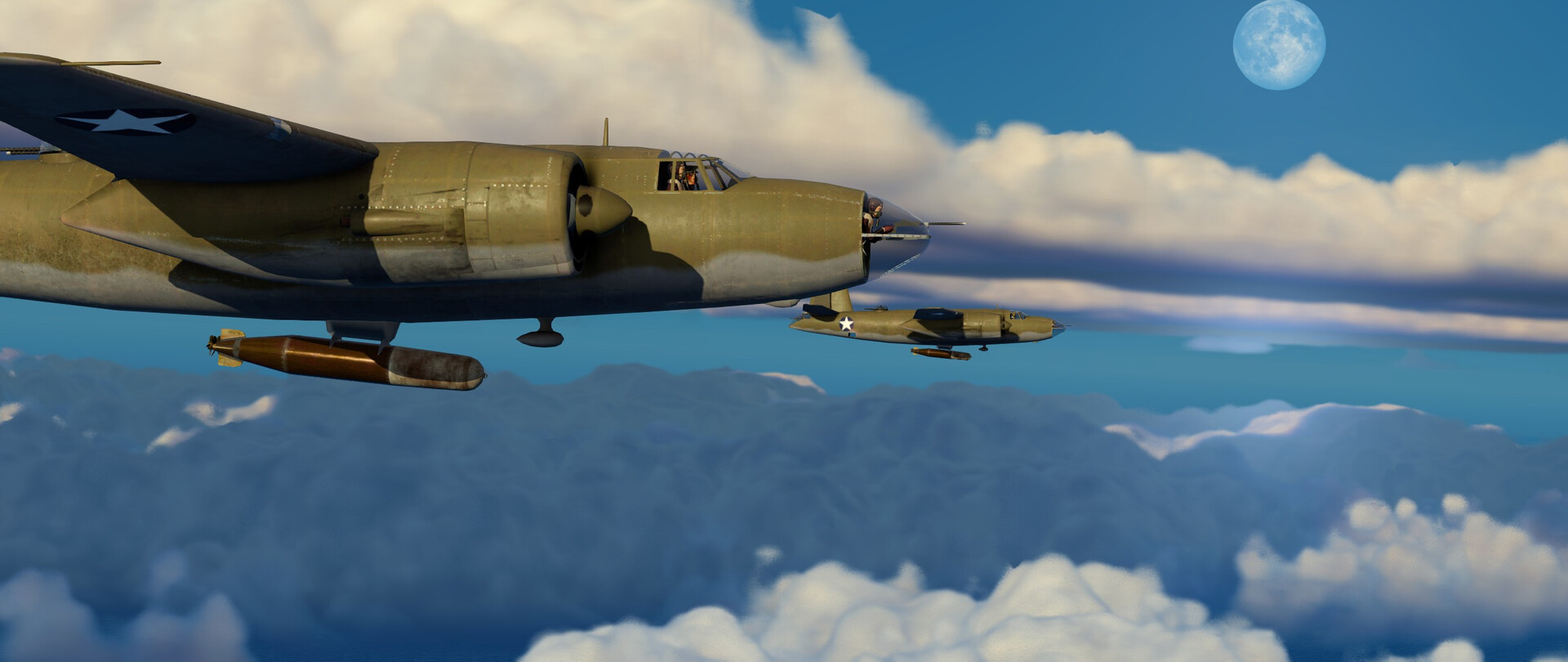
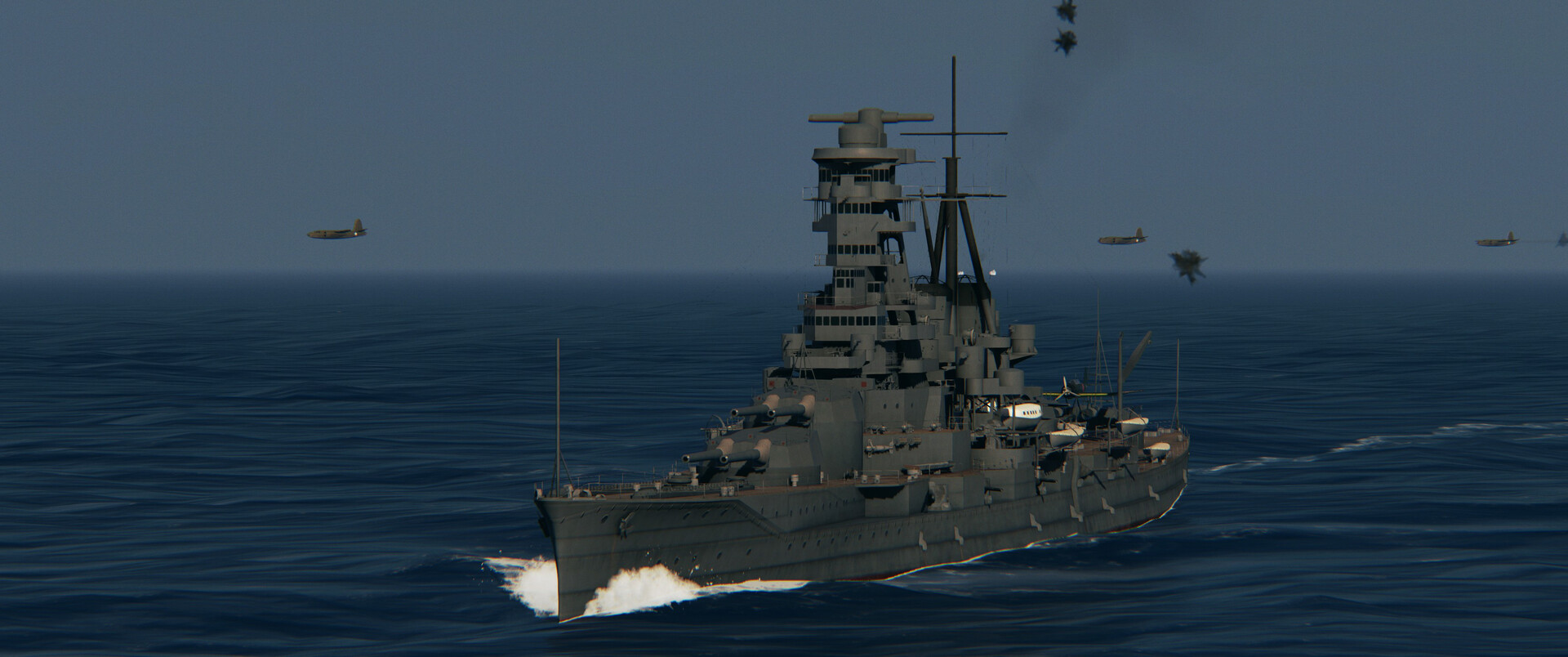
Visually the game is a treat: detailed ship models, believable water and explosions that land with weight. The soundscape — CAP chatter, trumpet warnings, engine whines and a dynamic soundtrack — sells the mood of being an admiral in a cramped flag plot. Accessibility is mixed: the interface is powerful but dense, and there’s a steep learning curve without a built-in tutorial at launch. Performance can vary; larger Midway fights slow even beefy PCs down at high time compression for some players, though patches and optimization are ongoing. For me the presentation creates moments that feel cinematic and historically grounded, even when the game still creaks around the edges.
Task Force Admiral Vol.1 is already a deeply compelling carrier simulation with an authenticity and cinematic tension that made me grin and groan in equal measure. It’s not a finished product — limited scenarios, missing tutorials and some performance hiccups give reason to wait if you need a polished retail release. But if you’re a naval-history nerd who enjoys patient, tactical gameplay and don’t mind Early Access, this is one of those rare projects worth backing: a promising foundation that could become genre-defining.
Pros
- Unparalleled historical detail and authentic unit models
- Tense, rewarding carrier-focused gameplay loop
- Strong community engagement and responsive devs
- Beautiful visuals and immersive audio
Cons
- Limited number of scenarios at Early Access launch
- No in-game tutorial and a steep learning curve
- Performance and occasional stability issues in big fights
Player Opinion
Players consistently praise the game's attention to historical detail, the fidelity of ship and aircraft models, and the immersive atmosphere: frequent mentions of named crews, accurate camouflage schemes and nail-biting strike runs crop up in many reviews. The devs' openness and active presence on Discord has been repeatedly noted — people appreciate timely patches and communication. On the flip side, a persistent theme is frustration with the small amount of content at launch: reviewers complain about only a handful of scenarios (Midway, Coral Sea and variants) and question the $40 price for this Early Access state. Many users ask urgently for a proper tutorial, improved optimization for larger battles, and faster content cadence promised on Kickstarter. If you love naval history and can tolerate Early Access growing pains, multiple reviewers say this is already a rare gem; if you want a finished package now, several voices advise waiting.