




GRIME II Review – A Grotesque, Gorgeous Metroidvania
GRIME II builds on the first game's weird, weighty combat with molds you steal from enemies, grotesque art and boss fights that feel earned. Einsteigerfreundlich? Nicht ganz — aber ein Fest für Metroidvania-Fans mit Mut zur Schmutzästhetik.
I dove into GRIME II expecting more of the clay‑like brutality of the original — and Clover Bite delivered a bigger, bolder iteration. The core hook is still absurdly satisfying: you rip molds from foes and use them as weapons, summons or traversal tools. Around that mechanic the developers have stacked a world of bizarre architecture, memorable boss fights and enough systems to customize dozens of builds. If you like your Metroidvania dark, a bit gross and mechanically generous, this one will glue you to the map for hours.
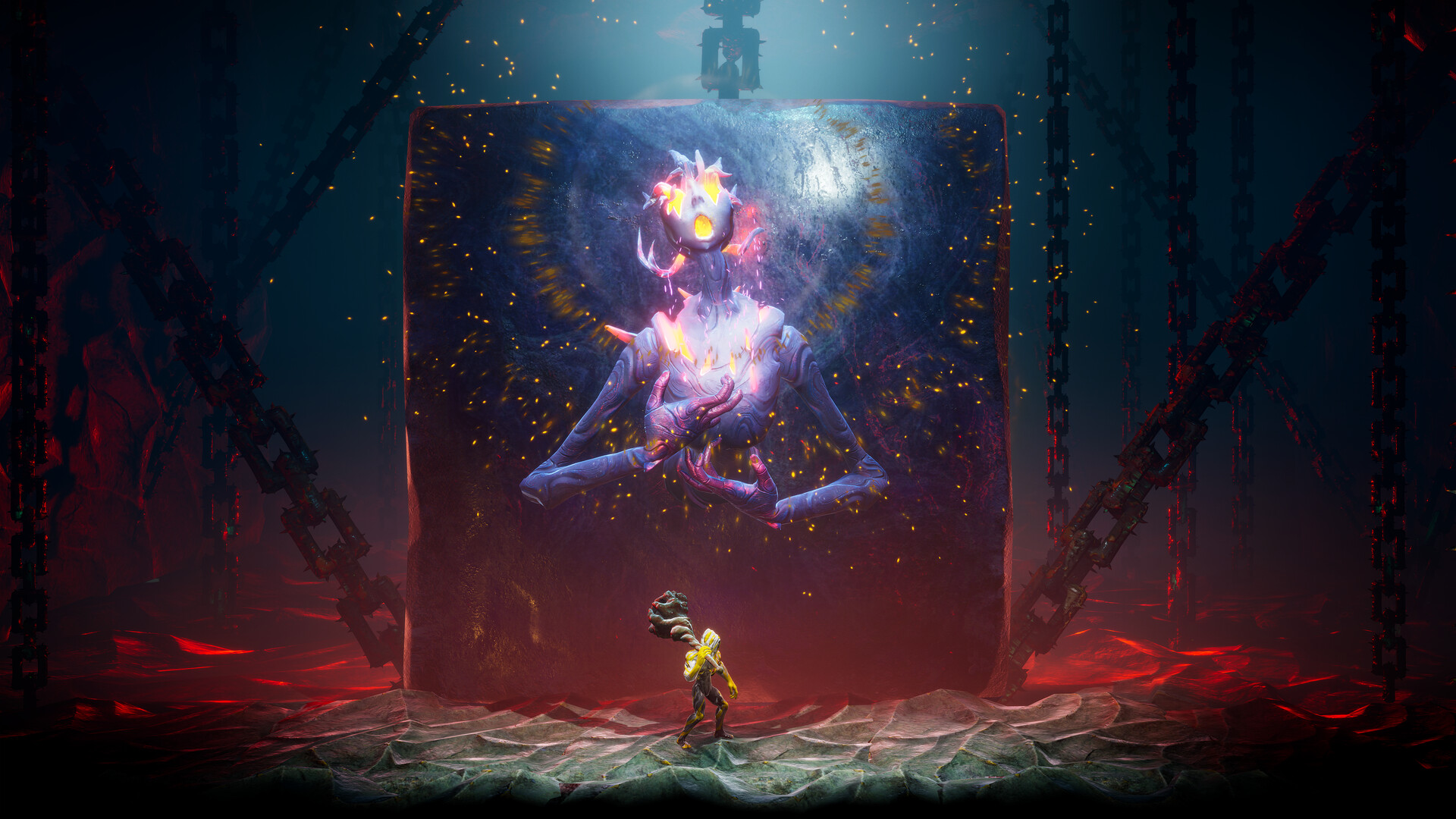
Stealing Shapes, One Mold at a Time
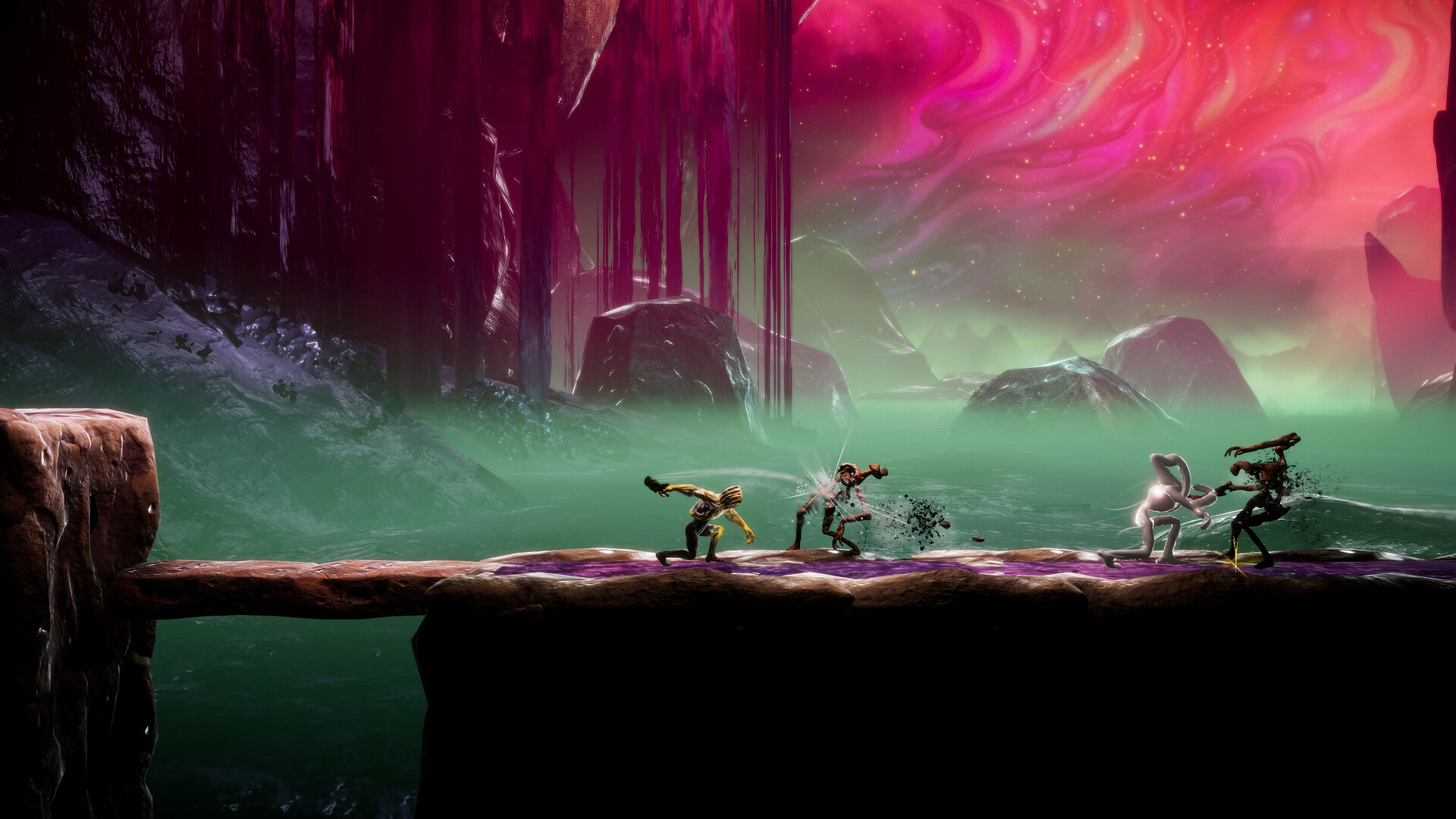
The main loop of GRIME II feels like playing a handful of different games at once, in the best way. You fight in tight, weighty encounters where every hit, dash and parry matters — then you harvest a defeated enemy's mold to gain new attacks or summons. Combat blends melee and ranged options across 30+ weapons, while a green "force" bar and Breath charges add resource management that rewards timing and risk. Movement is expressive: dash jumps, wall slides and acrobatic gauntlets turn platforming into a set of skillful mini-puzzles. Leveling and stat points give RPG-ish depth, and pigments/passives let you tweak your playstyle without committing irreversibly. In practice I switched between sword-and-shield brawling and a ranged, mold‑throwing setup depending on the boss or biome.
When the Environment Is Your Toolbox
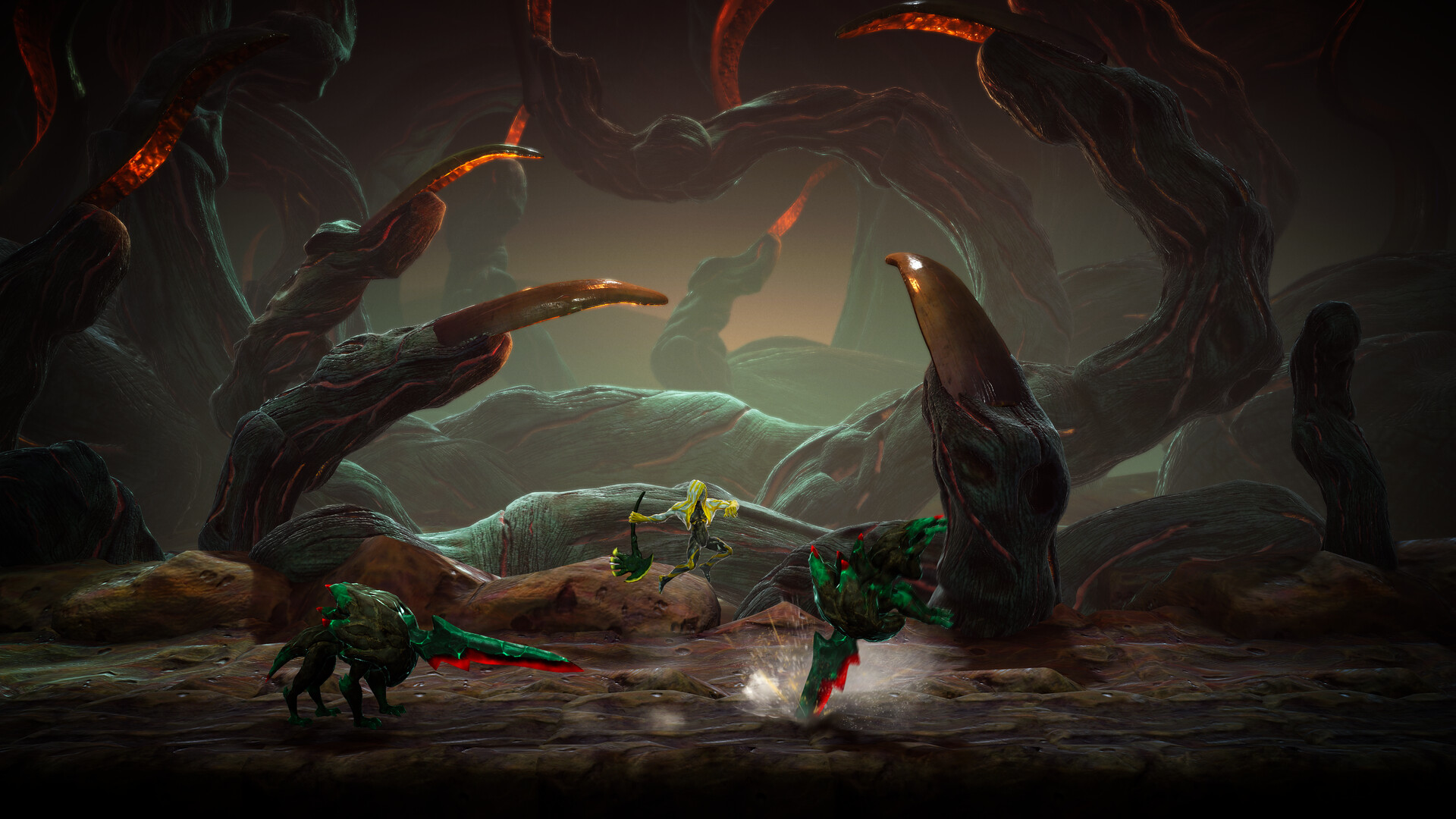
What sets GRIME II apart is how the world fights back. Every arena is built to be used: launch rocks, slam spikes, fling enemies into hazards — and enemies can do the same to you. The mold system compounds that, because stealing a mold can grant traversal abilities (and some molds are necessary to access secrets). There are also over 60 armor pieces and a dozen active abilities, so build variety is genuinely meaningful rather than cosmetic. The death system is merciful: dying marks the foe that killed you and offers a way to reclaim your loss, which softens frustration and adds a little narrative flourish. Bosses mostly act like elaborate puzzles — deadly, but fair, and often a highlight.
A Painted Nightmare — Look, Sound and Tech
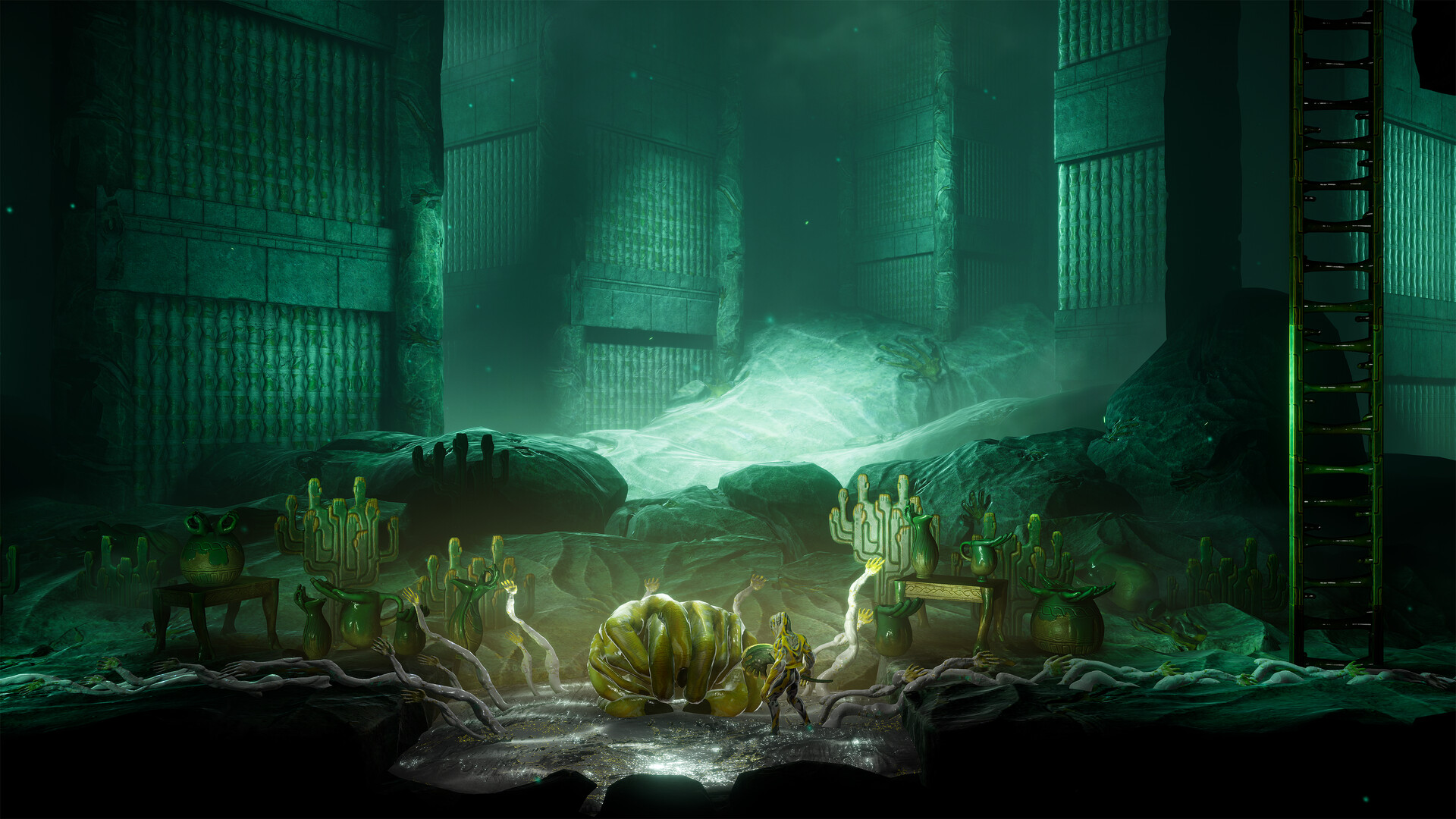
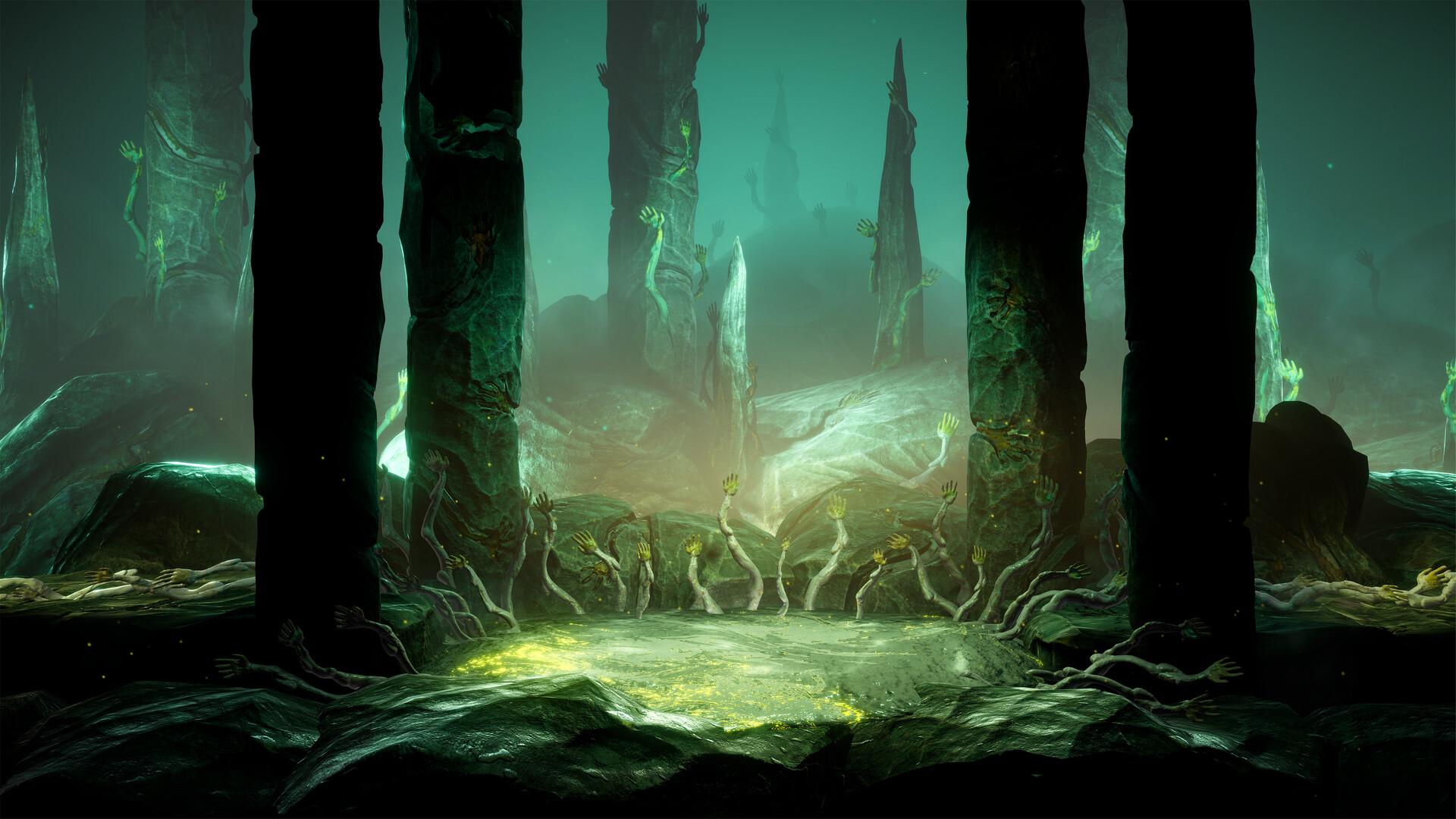
Visually the game leans hard into grotesque, handcrafted art: painted nails, warped ceramics and viscous textures make every area feel like a diorama come to life. Alex Roe's score (again) elevates scenes with eerie, memorable cues that match the weirdness. On Windows performance runs smooth for me, but some players report crashes and intrusive screen‑shake options that can be disabled for the squeamish. The map and fast travel systems are strong — automatic location markers, fog of war and a 100-marker manual system help—but the abundance of secrets makes completionists curse when collectibles aren't auto‑pinned. Accessibility wise there are difficulty toggles and full rebindable controls; I wished for a few more QoL options (auto-mark collectibles) but overall it feels polished and intentionally tactile.
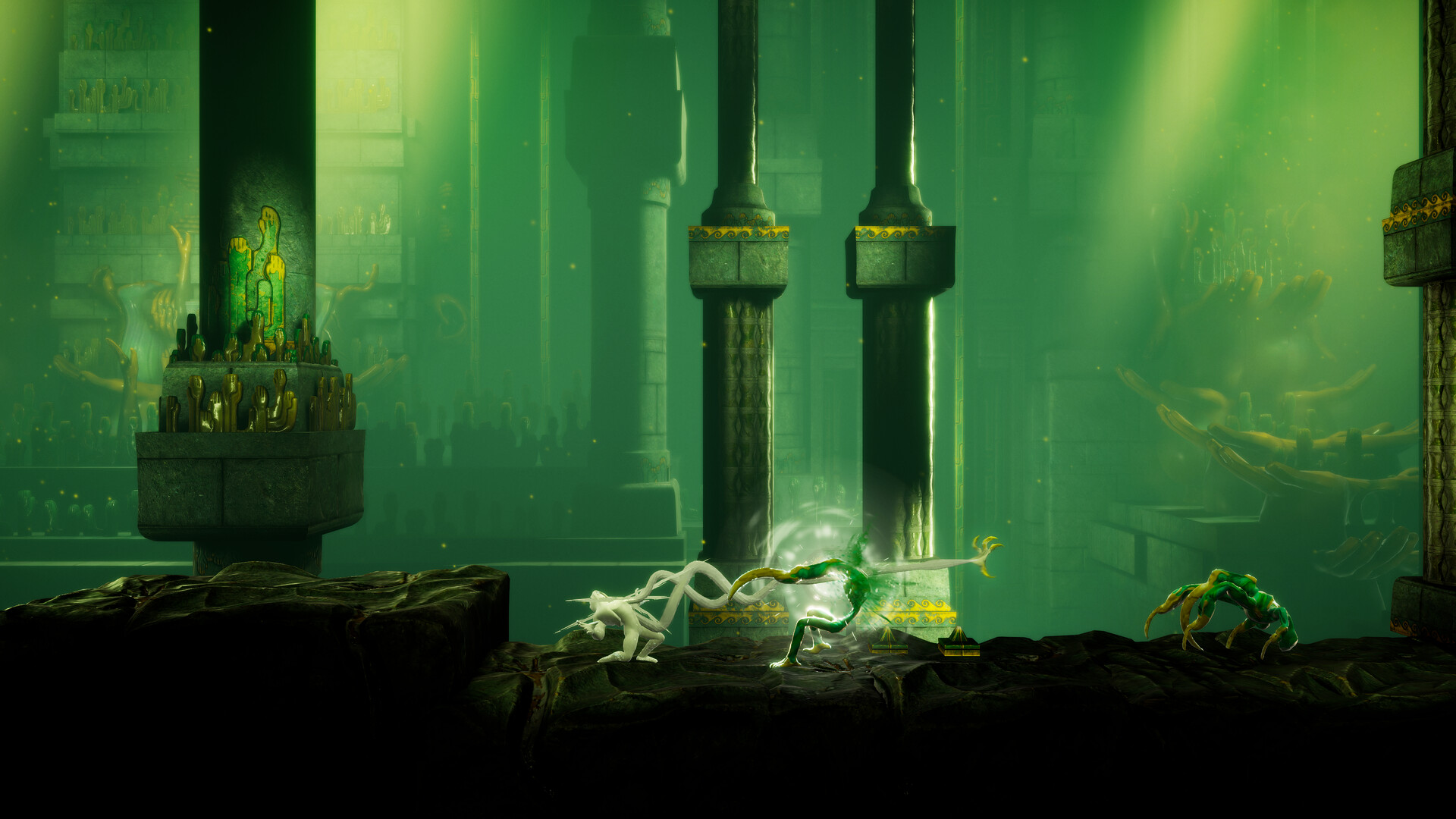
GRIME II is a confident sequel that expands its predecessor in scale and ambition: deeper combat, more toys to tinker with and a world that’s both repulsive and irresistible. It’s not perfect — some tech issues and map annoyances remain — but for fans of heavy, methodical Metroidvanias this is a must‑play. Buy it if you like challenge, art that makes you squirm, and combat that rewards patience.
Pros
- Inventive mold mechanic that changes combat and traversal.
- Weighty, satisfying combat with memorable boss encounters.
- Striking, grotesque art direction and an atmospheric soundtrack.
- Lots of meaningful customization: weapons, armor, pigments and abilities.
Cons
- Occasional crashes and intrusive screen‑shake reported by users.
- Map and collectible tracking could use better auto‑marking; some platforming hitbox quirks.
- Novelty of molds can wear off for some players over long runs.
Player Opinion
The community reaction is overwhelmingly positive: players rave about the combat improvements over the first GRIME, the depth of the mold system and the astonishing, grotesque world design. Boss fights get singled out repeatedly as highlights — tactical, challenging and rewarding to learn. Reviewers praise the soundtrack and the map tools (fast travel, fog of war and manual markers), though completionists gripe about the lack of auto‑tagging for collectibles. On the downside, some users report crashes, an annoying screen‑shake option, and a few platforming or hitbox inconsistencies; a handful find certain traversal moves awkward to time. If you loved Hollow Knight or Silksong’s exploration with a Soulslike combat twist, players say GRIME II scratches that exact itch.