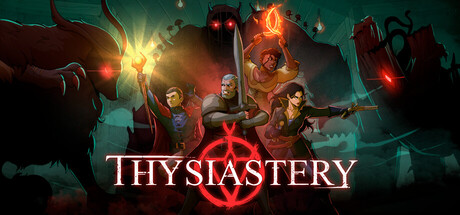






THYSIASTERY Review – Roguelike Dungeon Crawling with Retro Soul
A first-person, turn-based roguelike that blends old-school dungeon crawling with modern roguelike systems: permadeath, procedural stratums, teachable skills and a haunting retro art style.
I didn’t expect to fall back in love with grid‑based dungeon crawling, but THYSIASTERY did it. It wears its Wizardry and Eye of the Beholder inspirations proudly while adding roguelike systems that make each run feel dangerous and rewarding. The Brand and the Labyrinth create an eerie hook, the art and sound sell the mood, and the permadeath mechanics keep my pulse up on every floor. If you like strategic turn‑based fights wrapped in retro pixel poetry, this one deserves a look.
Mapping the Labyrinth: A Walk, Then a Duel
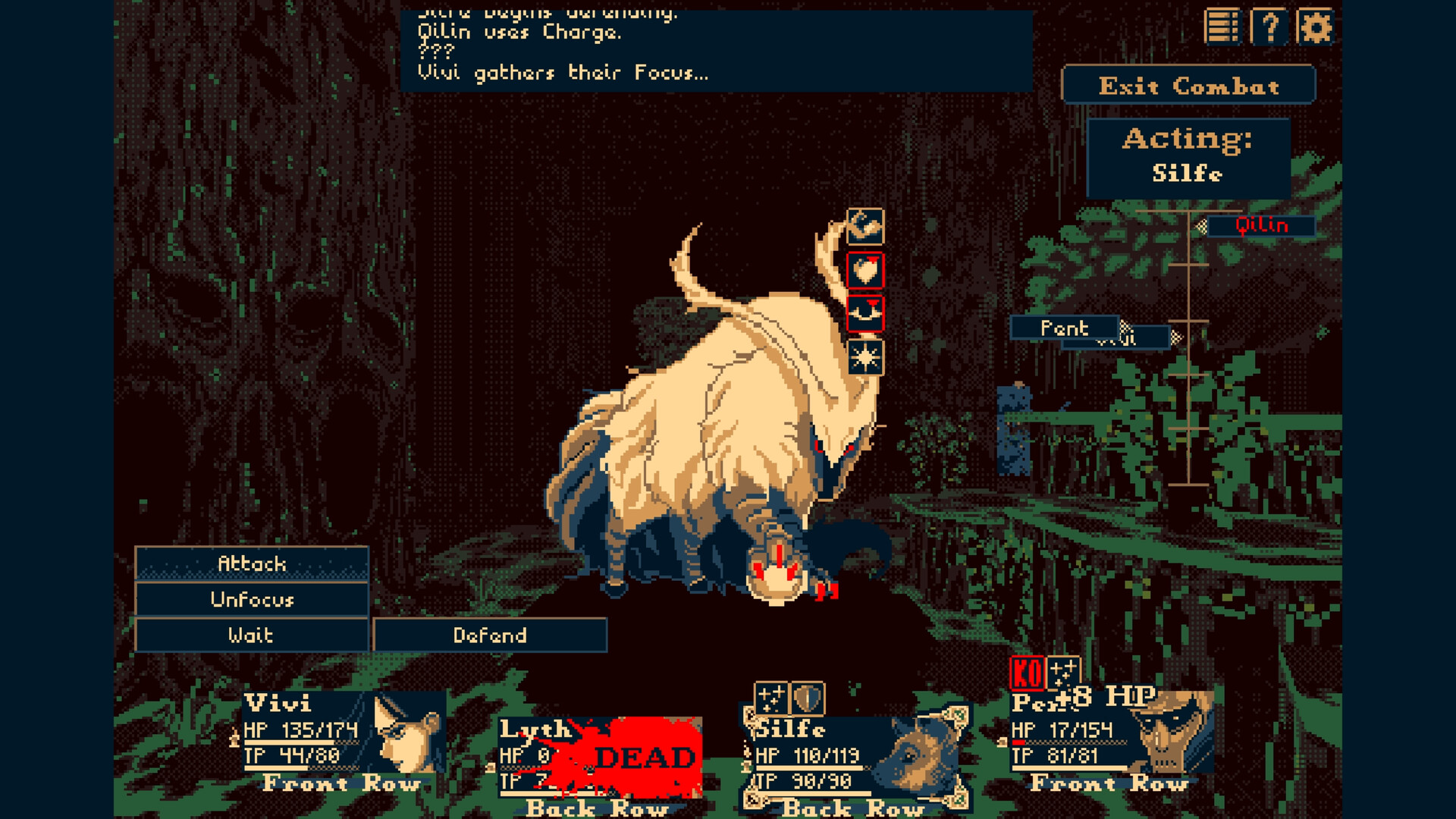
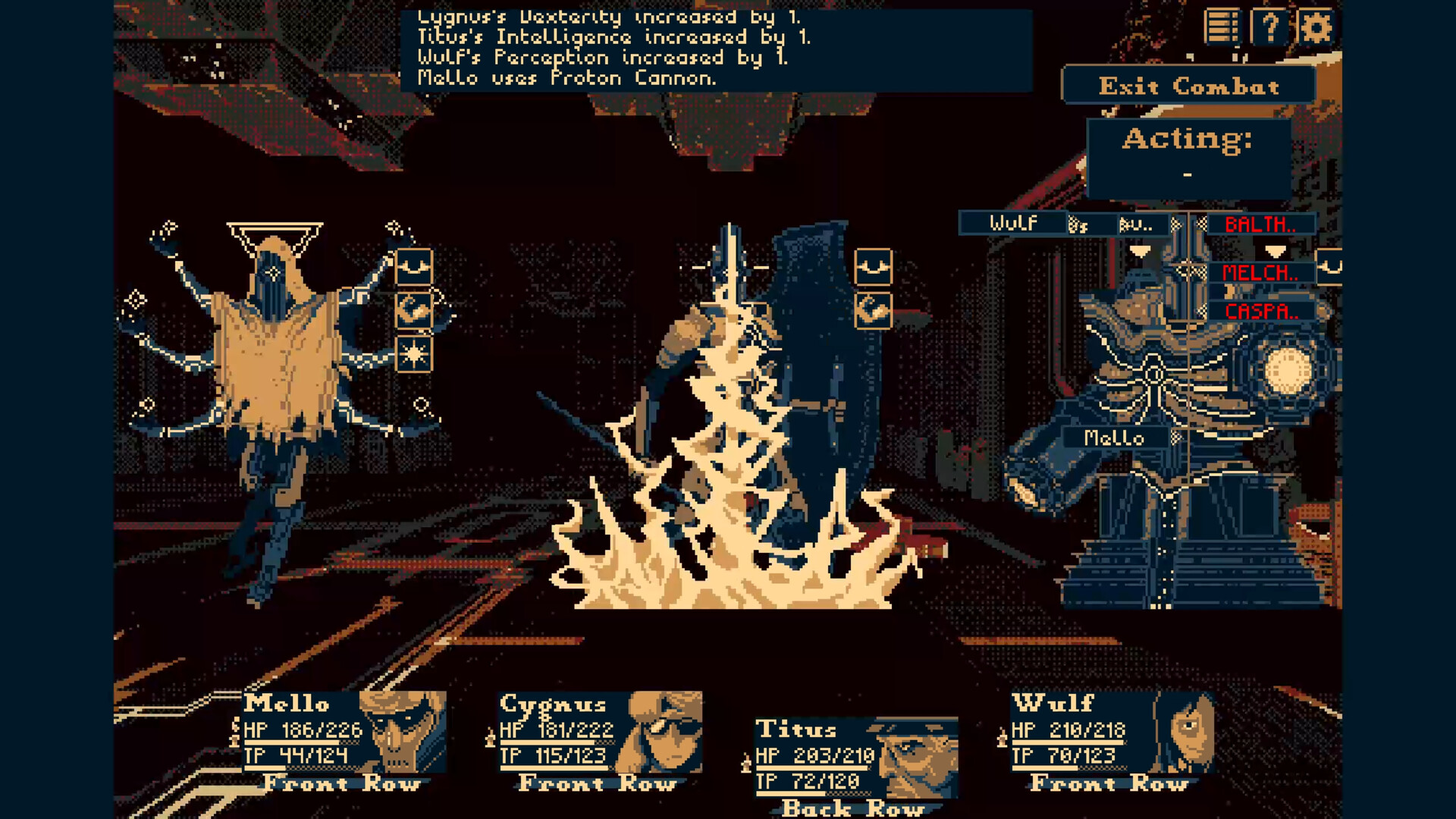
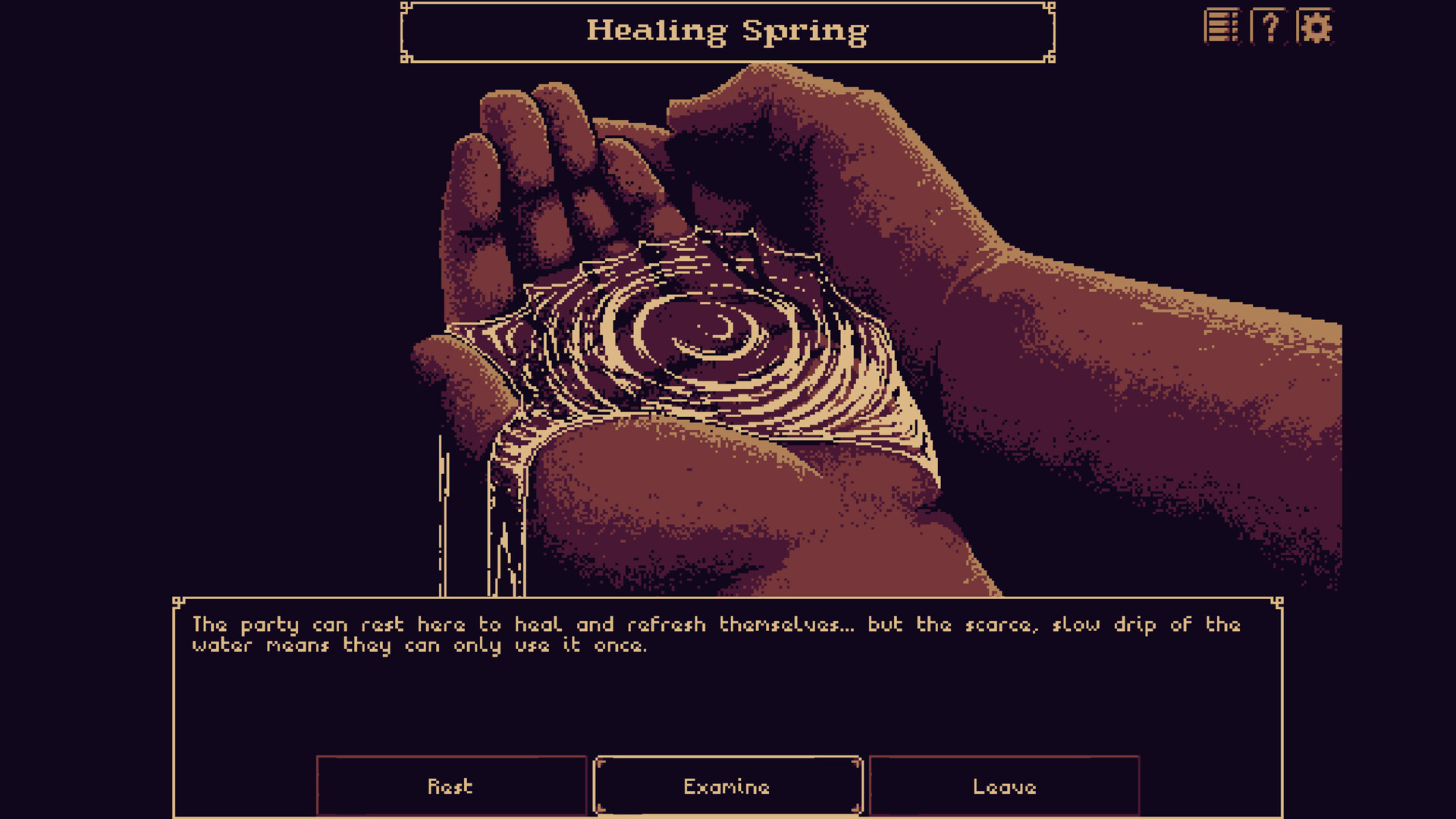
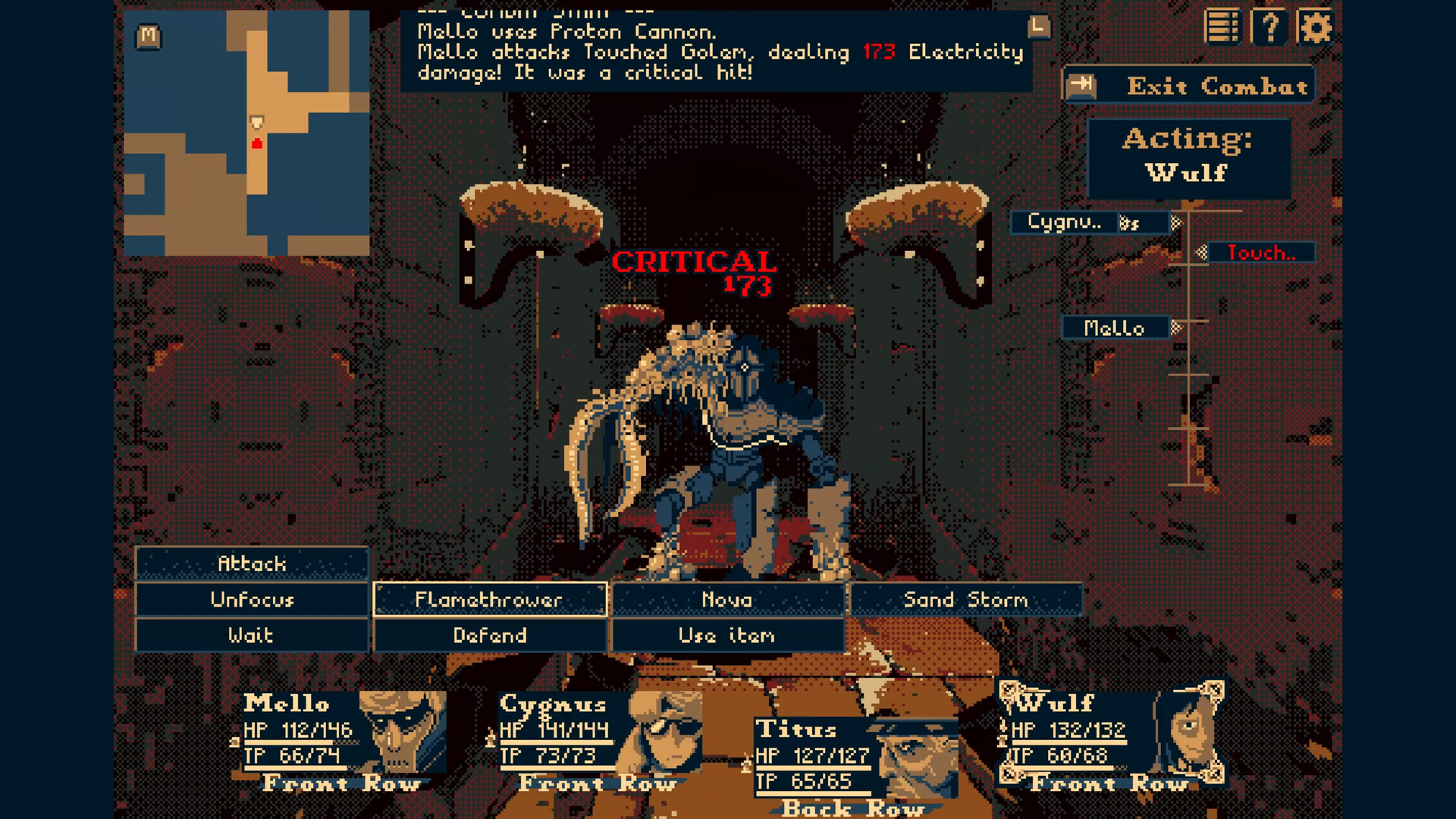
THYSIASTERY plays like a love letter to classic first‑person dungeon crawlers but with the safety rails (and brutality) of modern roguelikes. You move on a grid through procedurally generated stratums, poke into rooms, trigger events, meet NPCs and occasionally get your face rearranged by a mechanised horror or trench‑worn creature. Movement and exploration happen in real‑time on the grid: enemies and you can trade blows before the turn‑based engine clicks in. Once combat shifts into turn mode, fights become a chessboard of positioning, resource management and exploiting weaknesses. You’ll be deciding who learns which skill, when to spend limited ammo, and whether to risk retreating down a corridor rather than face three enemies at once.
The Brand and the Passing of Knowledge
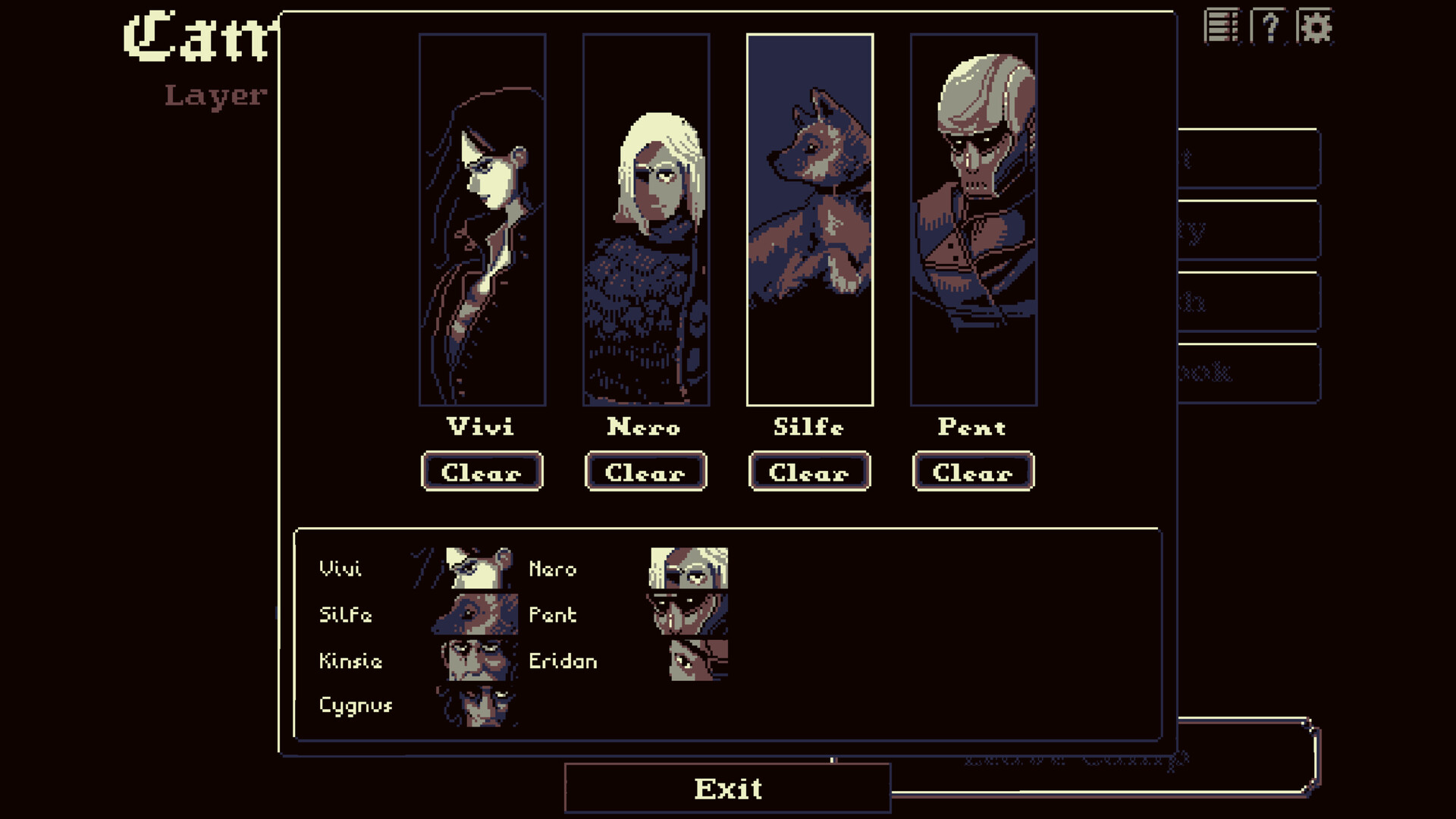
What stood out to me is the teachable skills system: characters discover abilities and can pass them on to others, which turns every recruit into a potential game changer. Permadeath is softened by a KO mechanic — downed characters accrue wounds that increase the chance of permanent death, so losses sting without being instantly fatal every time. The game encourages experimentation: sometimes you’ll pick up a double‑barrel and feel like a trench raider, next minute you find a relic that bends mana costs. Merchants, camps and overflow party systems mean you can carry more recruits than your active four, build unusual squads and try odd synergies. Difficulty modifiers let you tune runs, from relaxed exploration to teeth‑grinding marathon runs for the masochists among us.
Limited Palette, Limitless Atmosphere
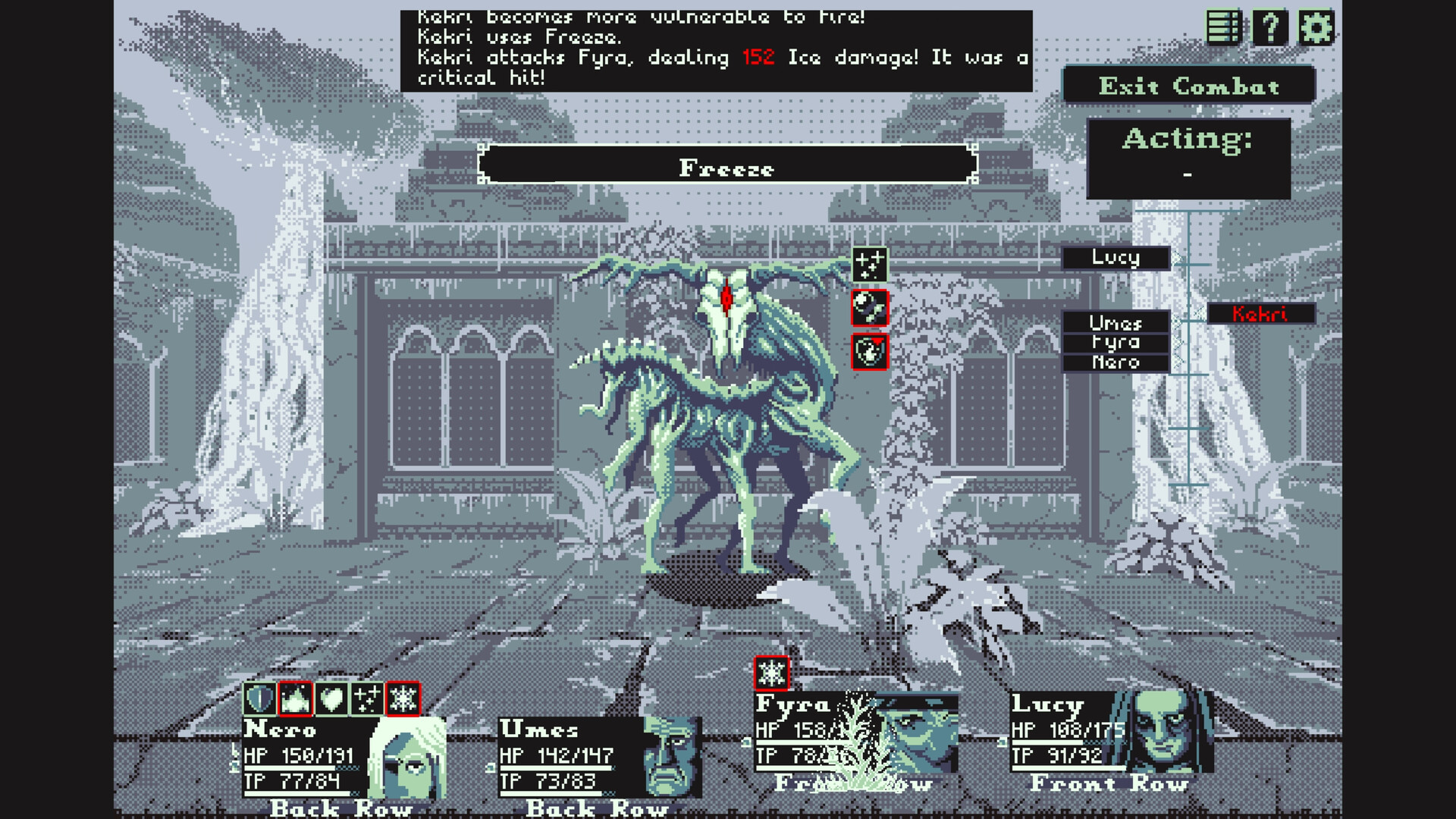
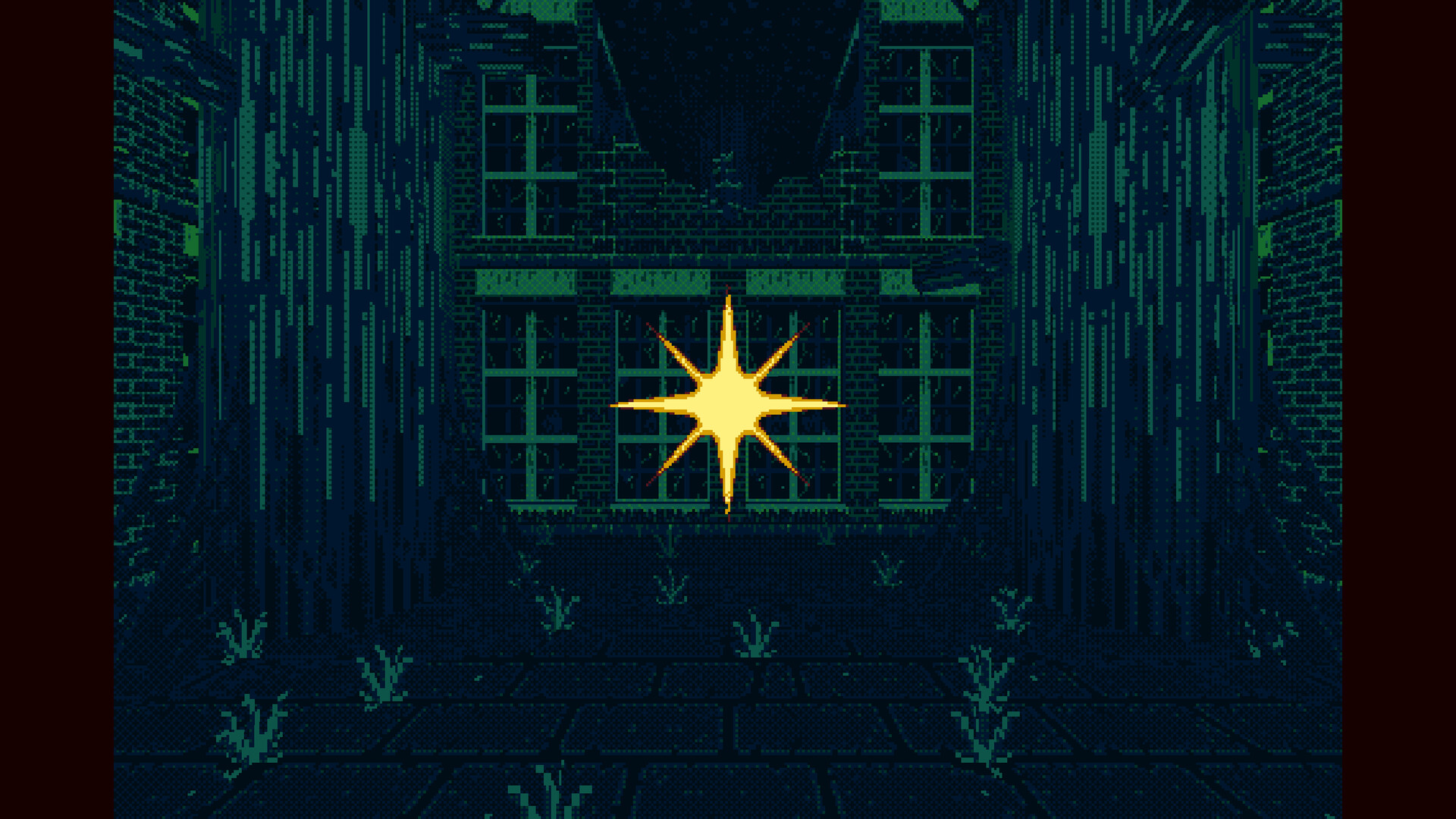
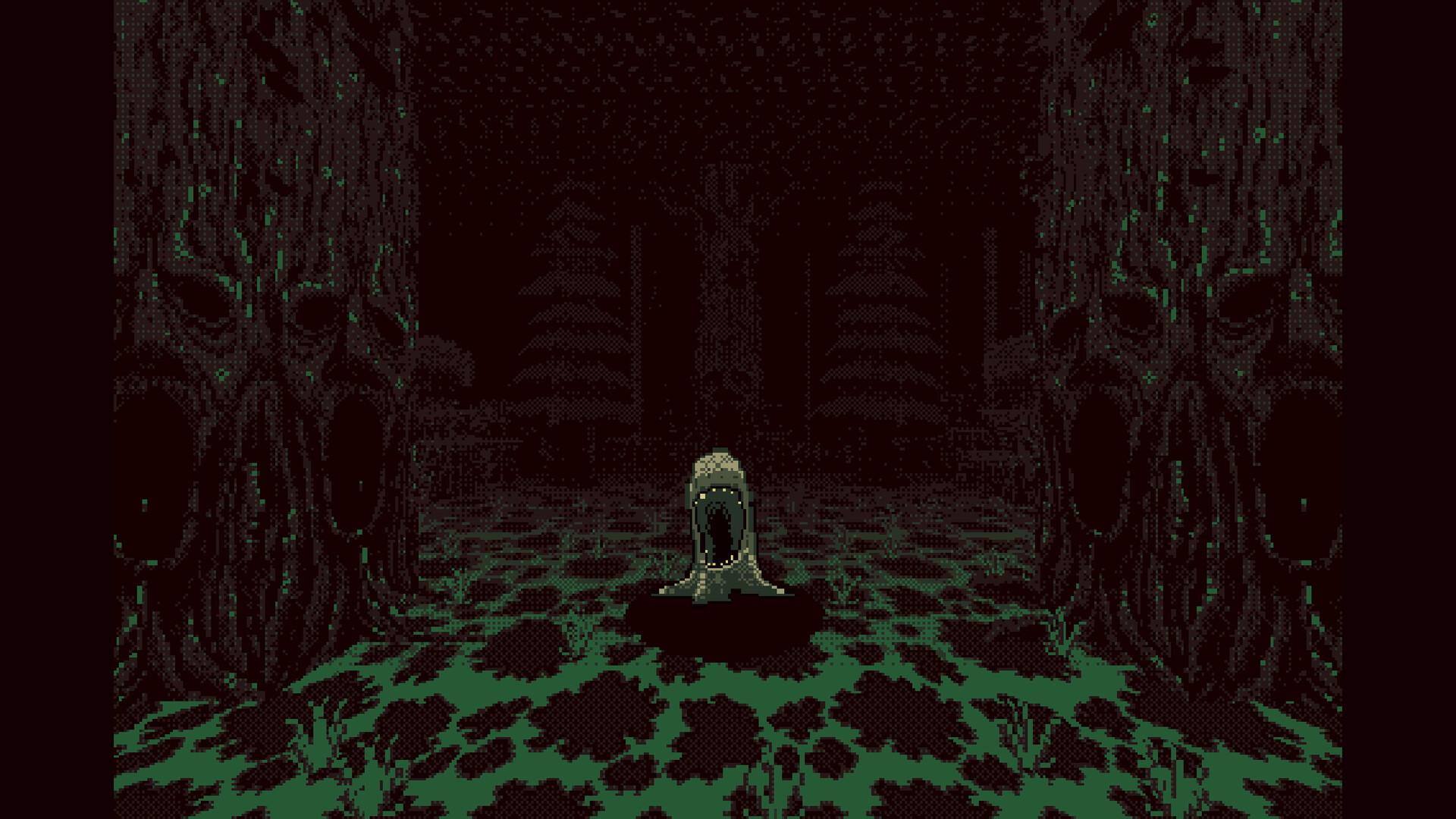
The presentation leans into a retro‑inspired, limited‑palette aesthetic that nonetheless feels incredibly alive. Dithering light in the corridors, subtle breathes of the environment and a shifting ambient soundtrack make progression through stratums feel like changing chapters. Sound design is an unsung hero: ambient hums, distant clanks and the switch to a more oppressive score deeper in the Labyrinth ratchet tension beautifully. Performance is tidy — Steam Deck support works well — and the UI keeps things readable, though the default font can be fiddly for some players. Accessibility options and font swaps help, but expect to squint a bit if you pick the smallest text.
Replay, Risk and Reward
Procedural generation isn’t just filler here: enemies, items and even some environment cues vary run to run, which keeps discovery exciting. Bosses hit hard, loot can dramatically change your plan, and the way wounds and permanent losses cascade across a campaign gives runs narrative weight. Some players will bridle at the pre‑combat real‑time skirmishes — I found them tense and occasionally frustrating when enemies spawn on your back — but they do add a layer of unpredictability that separates THYSIASTERY from pure turn‑based relics. Overall it’s a dense, crunchy dungeon crawl with modern roguelike pacing and decisions that actually matter.

THYSIASTERY is a focused, thoughtful revival of first‑person dungeon crawling with roguelike teeth. It balances nostalgia with meaningful modern systems — teachable skills, permadeath with nuance, and procedural surprises — and wraps it in a gorgeous, moody package. Recommended for fans of old‑school dungeon crawlers who also enjoy harsh but fair roguelikes; casual players should sample a demo first.



Pros
- Evocative retro art and excellent ambient sound
- Deep teachable‑skill system that rewards experimentation
- Good replayability thanks to permadeath and procedural stratums
- Runs well on Steam Deck and modest hardware
Cons
- Default font can be hard to read for some players
- Pre‑combat real‑time skirmishes can feel unfair or fiddly
- Procedural rules can feel obvious after many runs
Player Opinion
Players repeatedly praise the atmosphere, art direction and ambient audio — many say the visuals alone are worth the price. The teachable skills and merchant interactions are frequently highlighted as clever systems that make each run feel different, and several reviewers noted the Steam Deck performance and intuitive controls as big positives. Criticisms cluster around the font legibility and a few unclear mechanics, like finer points of ranged engagement and the pre‑combat realtime interactions. A recurring theme is that difficulty feels fair but punishing, and the KO/permadeath layering gives weight to losses without making every death final immediately. If you loved old Wizardry or Eye of the Beholder and want a modern roguelike twist, most players recommend giving THYSIASTERY a shot.