

Bloodgrounds Review – Gladiatorial Tactics, City Management, and Permadeath
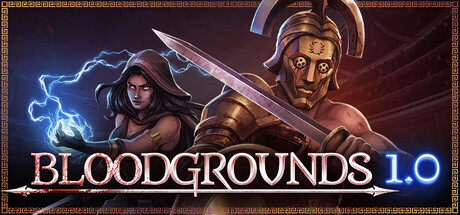
I played Bloodgrounds for dozens of brutal arena runs: a tactical, city-building RPG that mixes turn-based grid fights with gladiator permadeath and an audience that demands blood. Promising, rough around the edges, and oddly addictive.
Bloodgrounds puts you in the role of a patron who builds a ludus, recruits gladiators and sends them to die gloriously in turn-based, grid-based arenas. The blend of city management and tactical fights reminded me of Darkest Dungeon’s pressure but framed in a Roman-flavored, mythic arena. What hooks me is how every decision — from recruiting to placing a trap — can cost you a veteran. It’s rough in places, but when it works, the loop is deeply satisfying.
Commanding the Pit
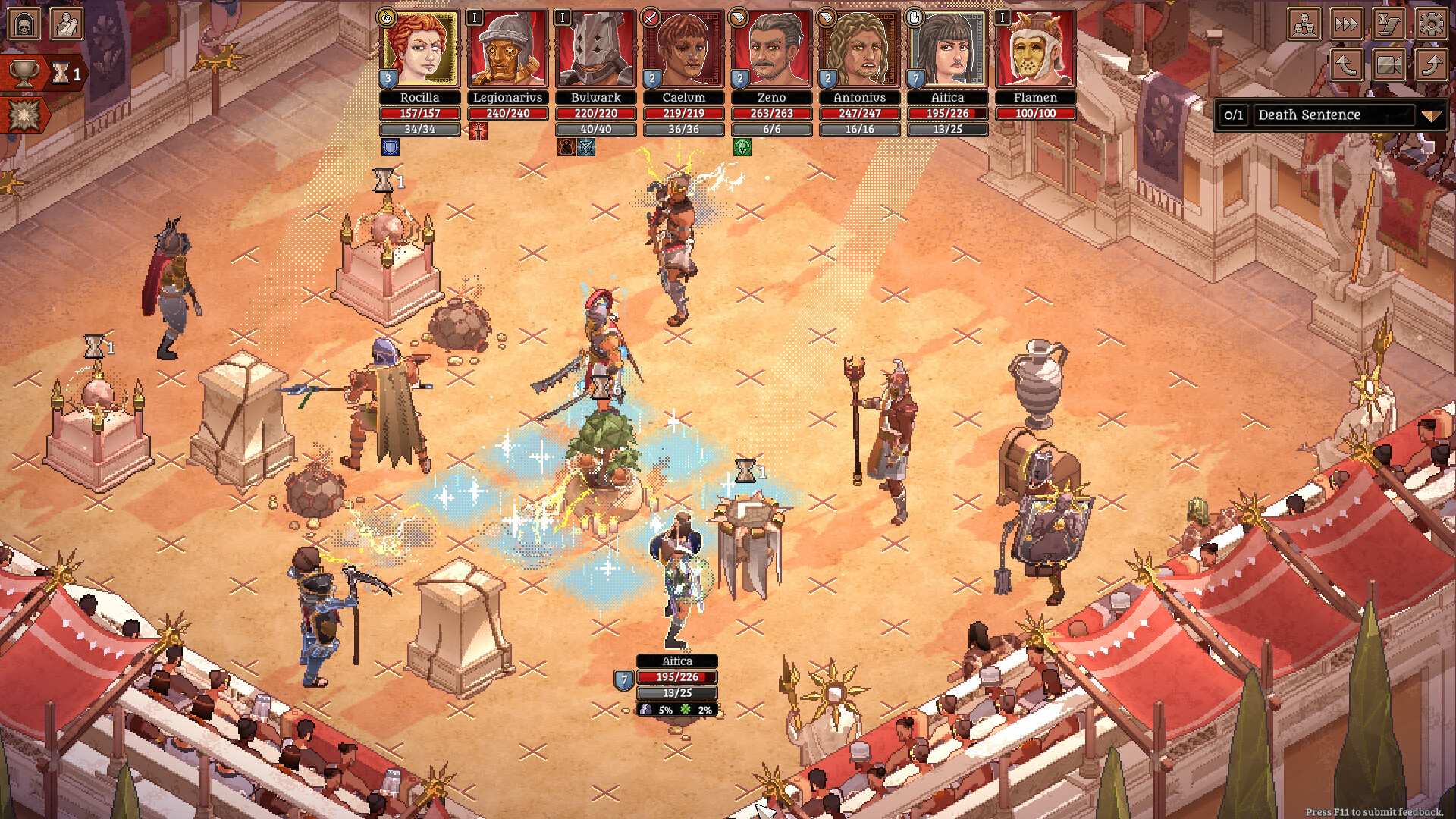
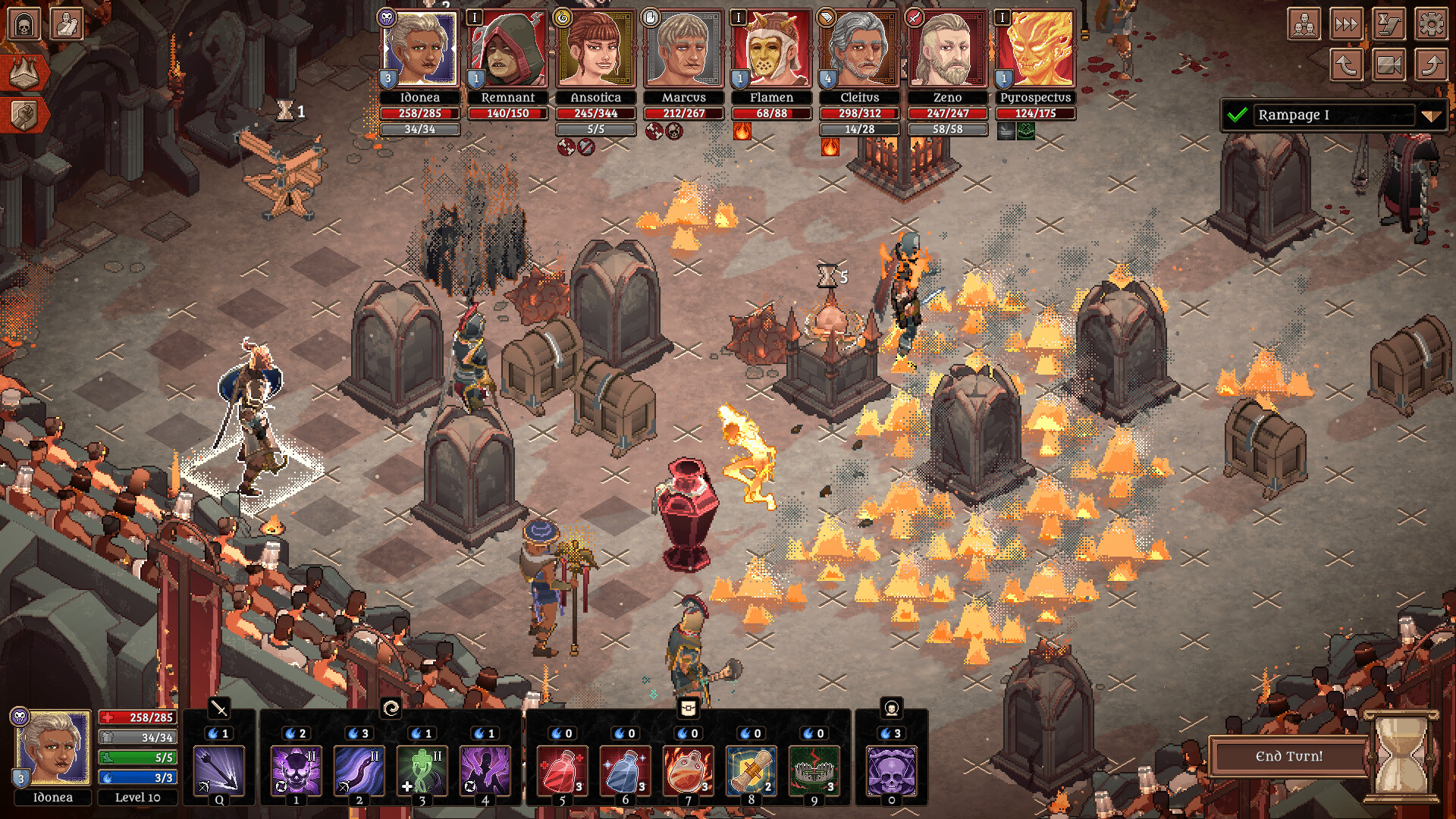
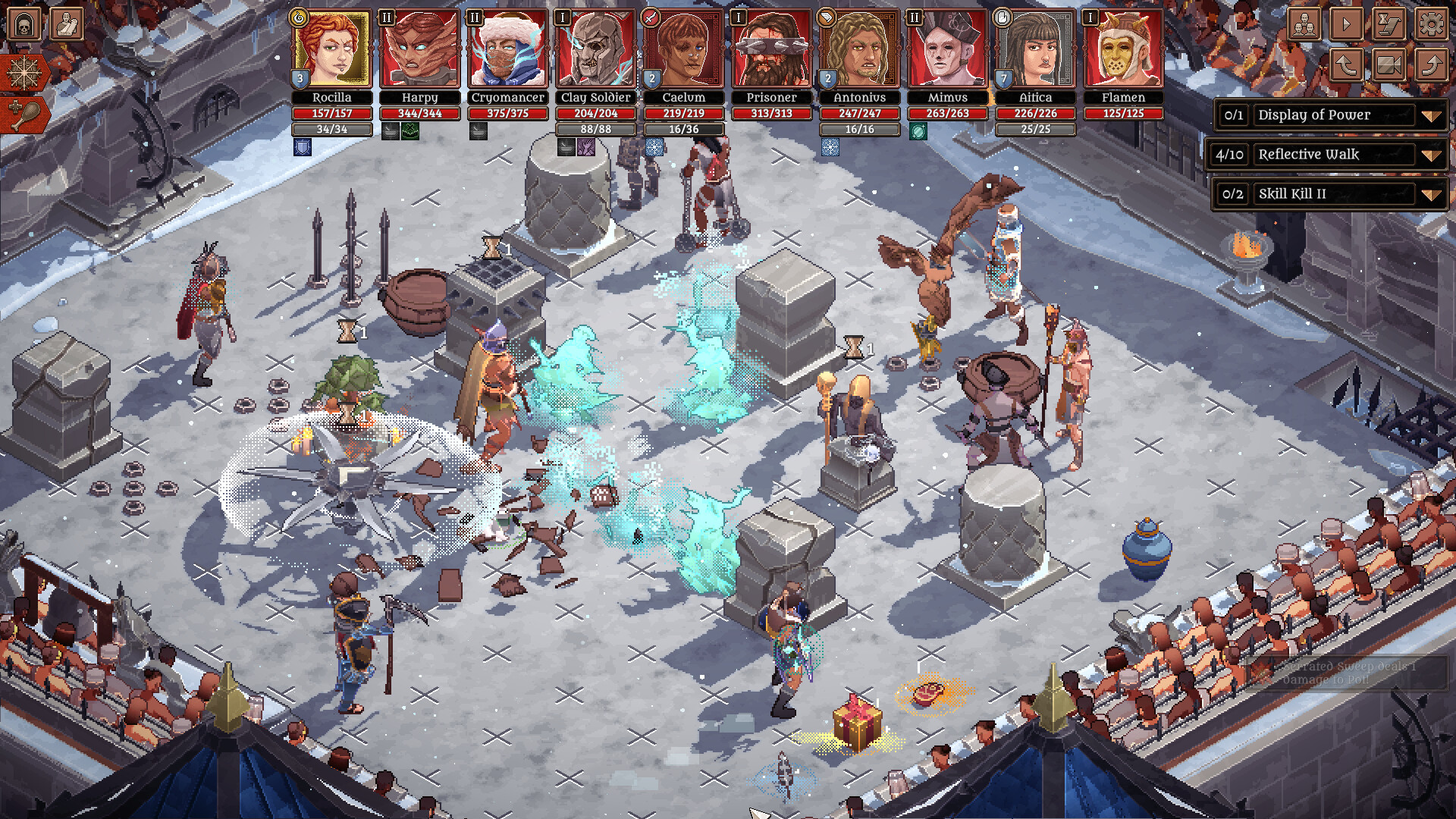
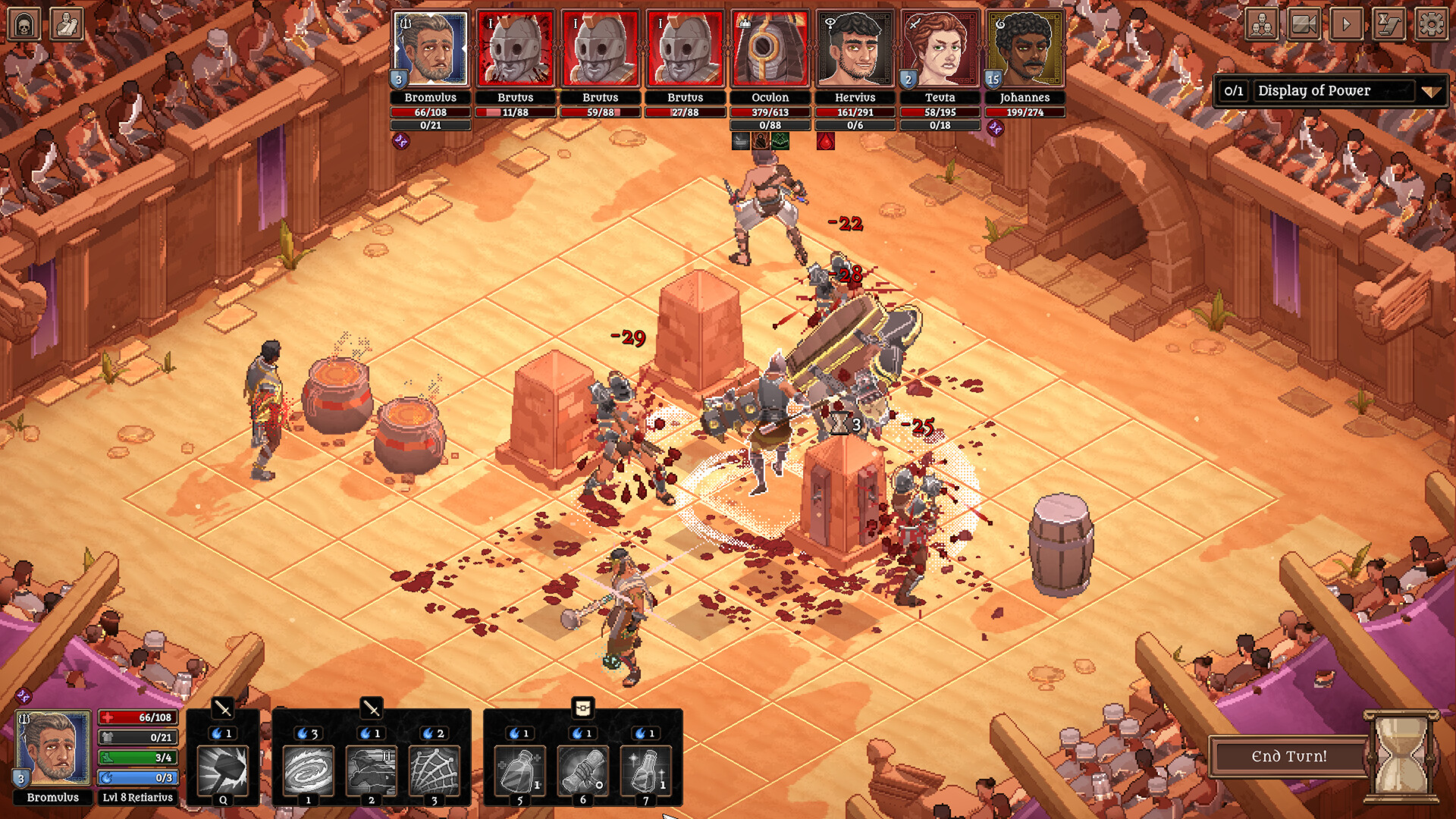
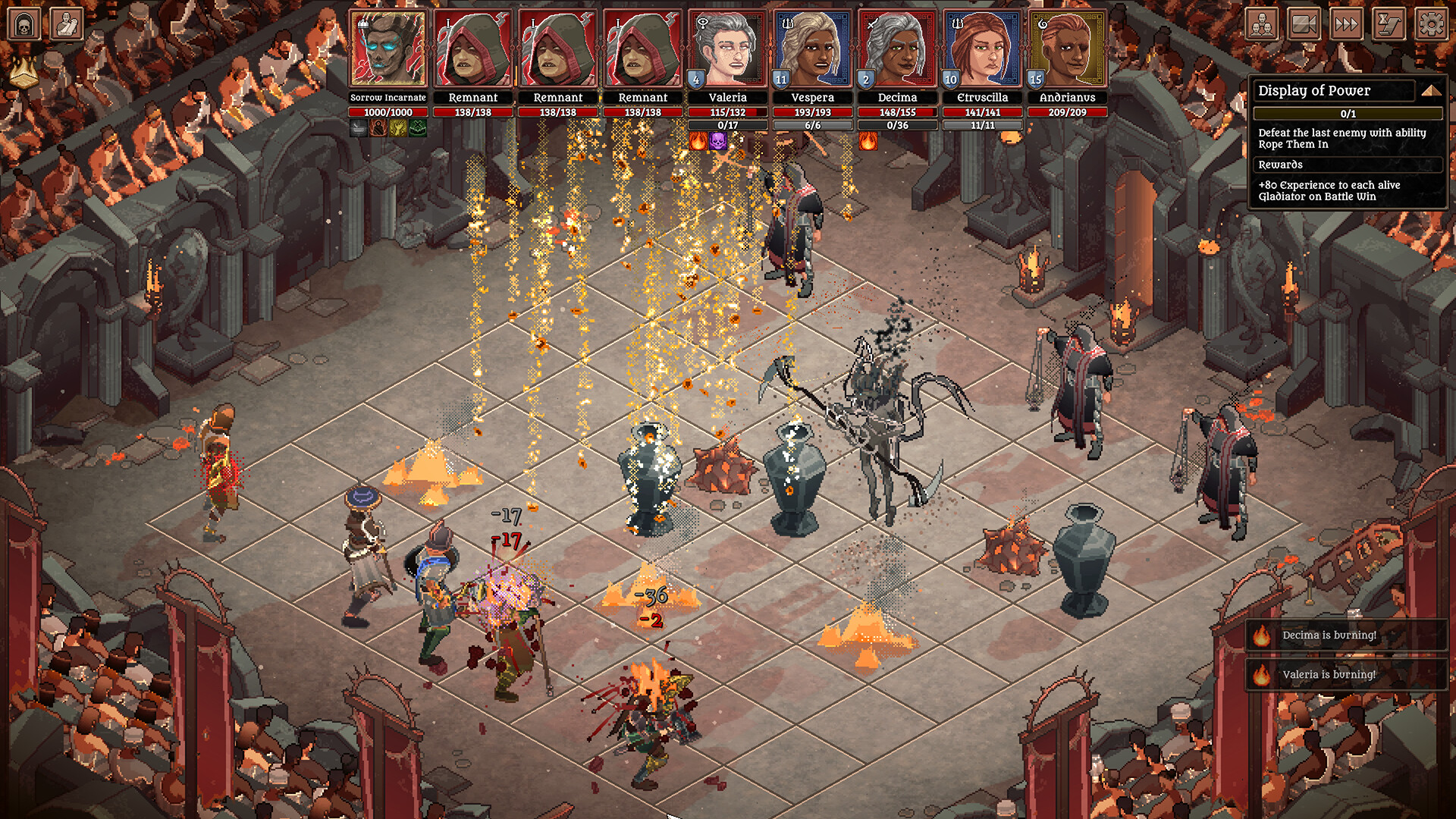
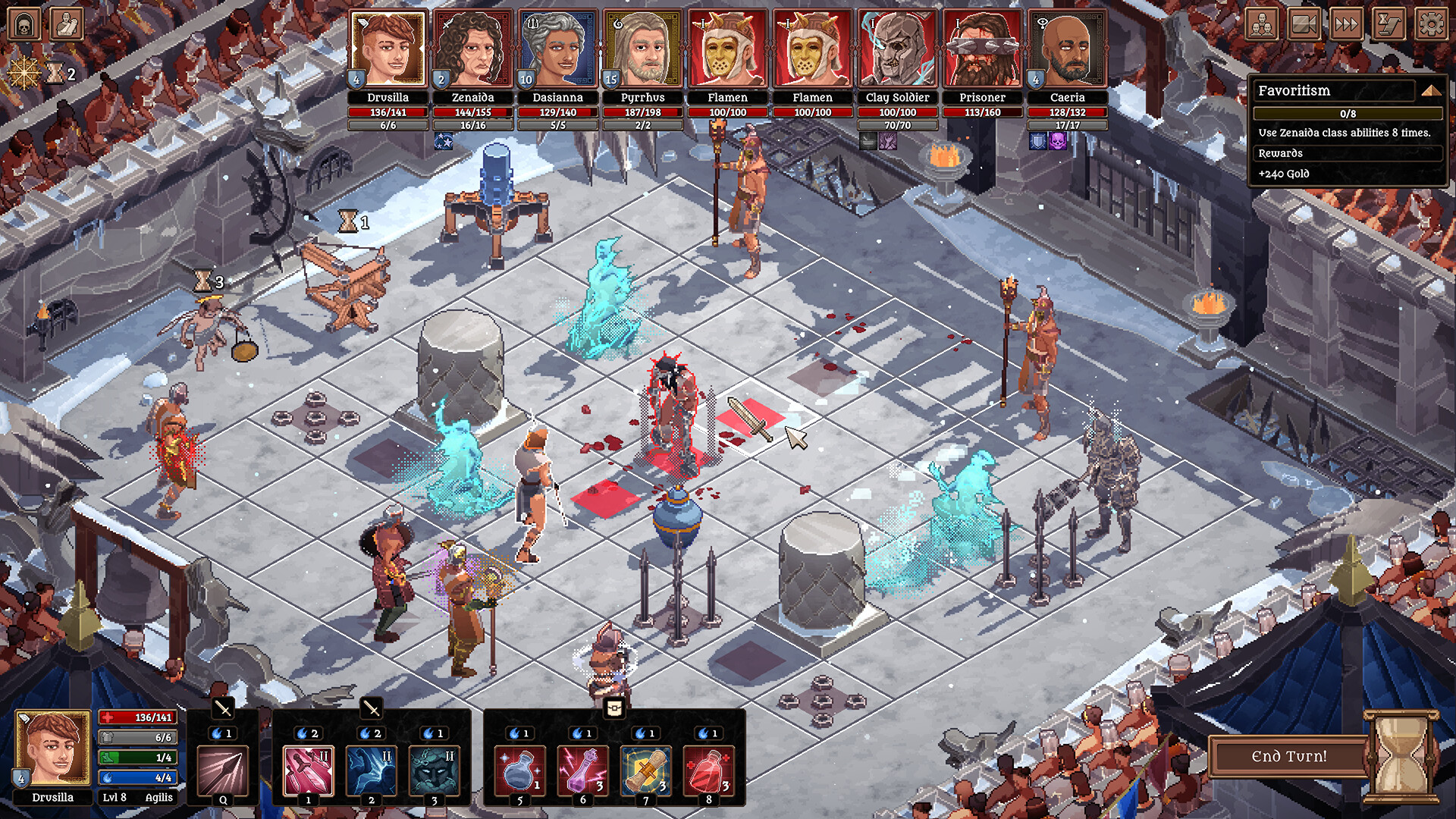
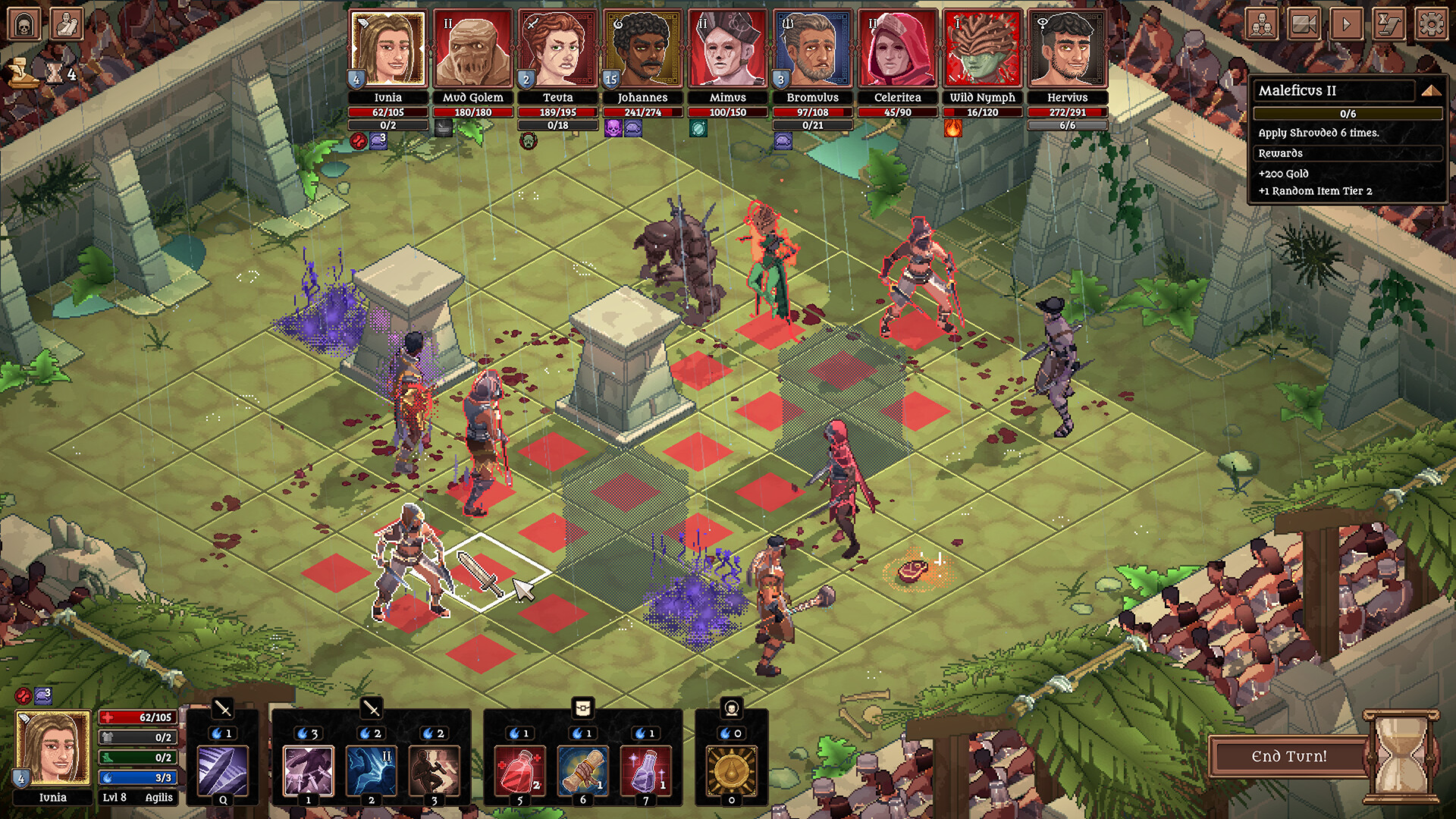
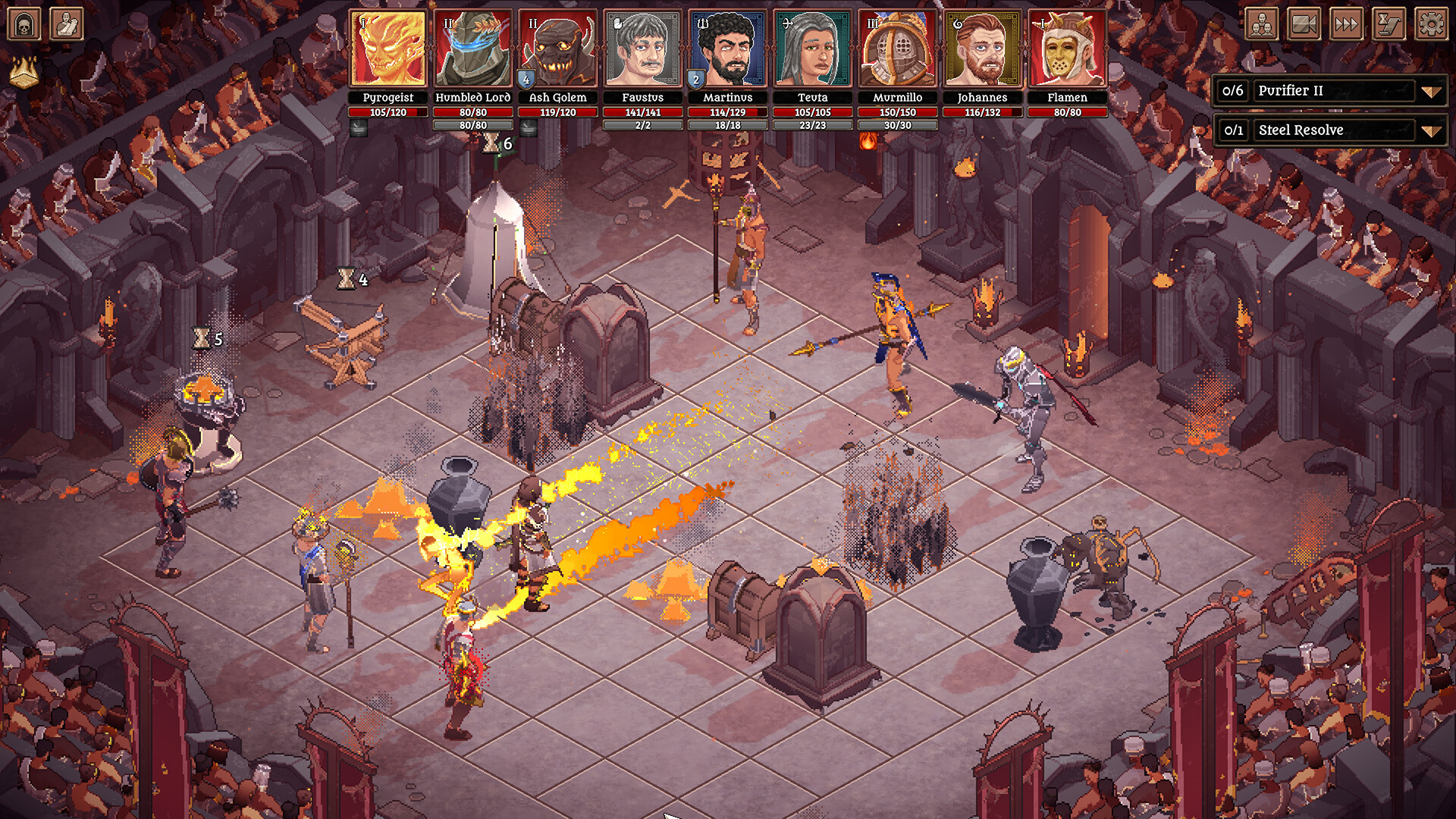
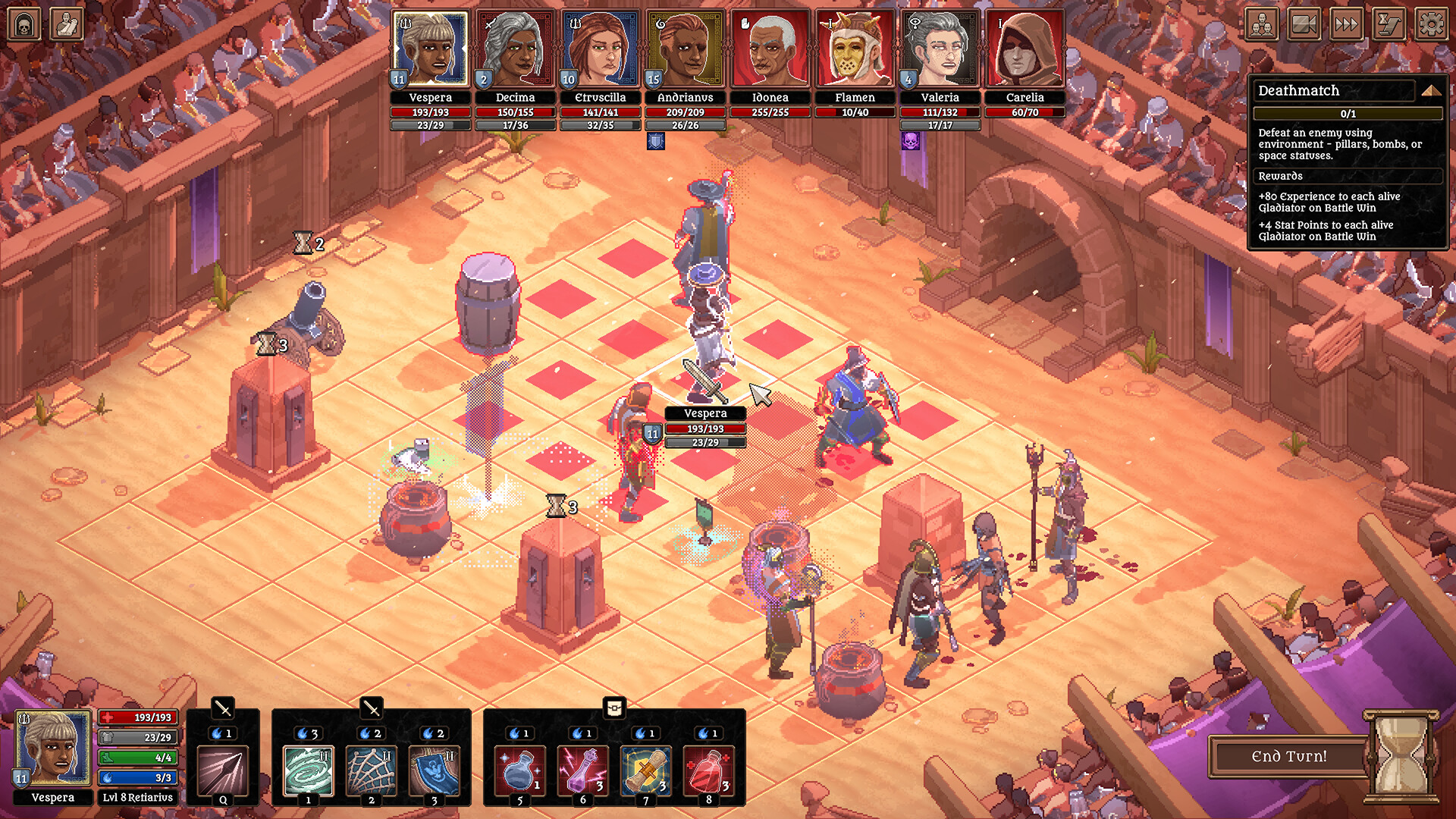
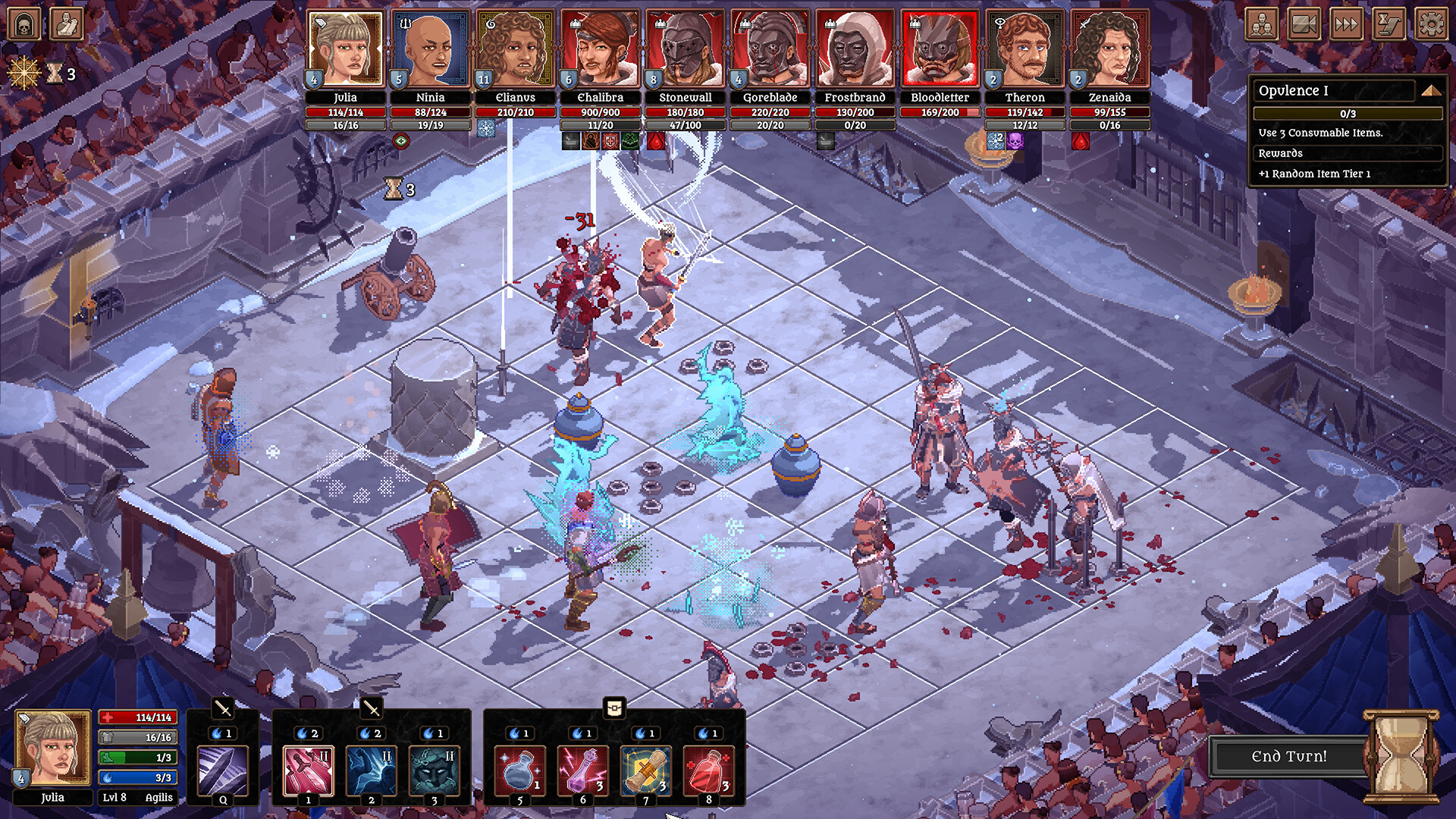
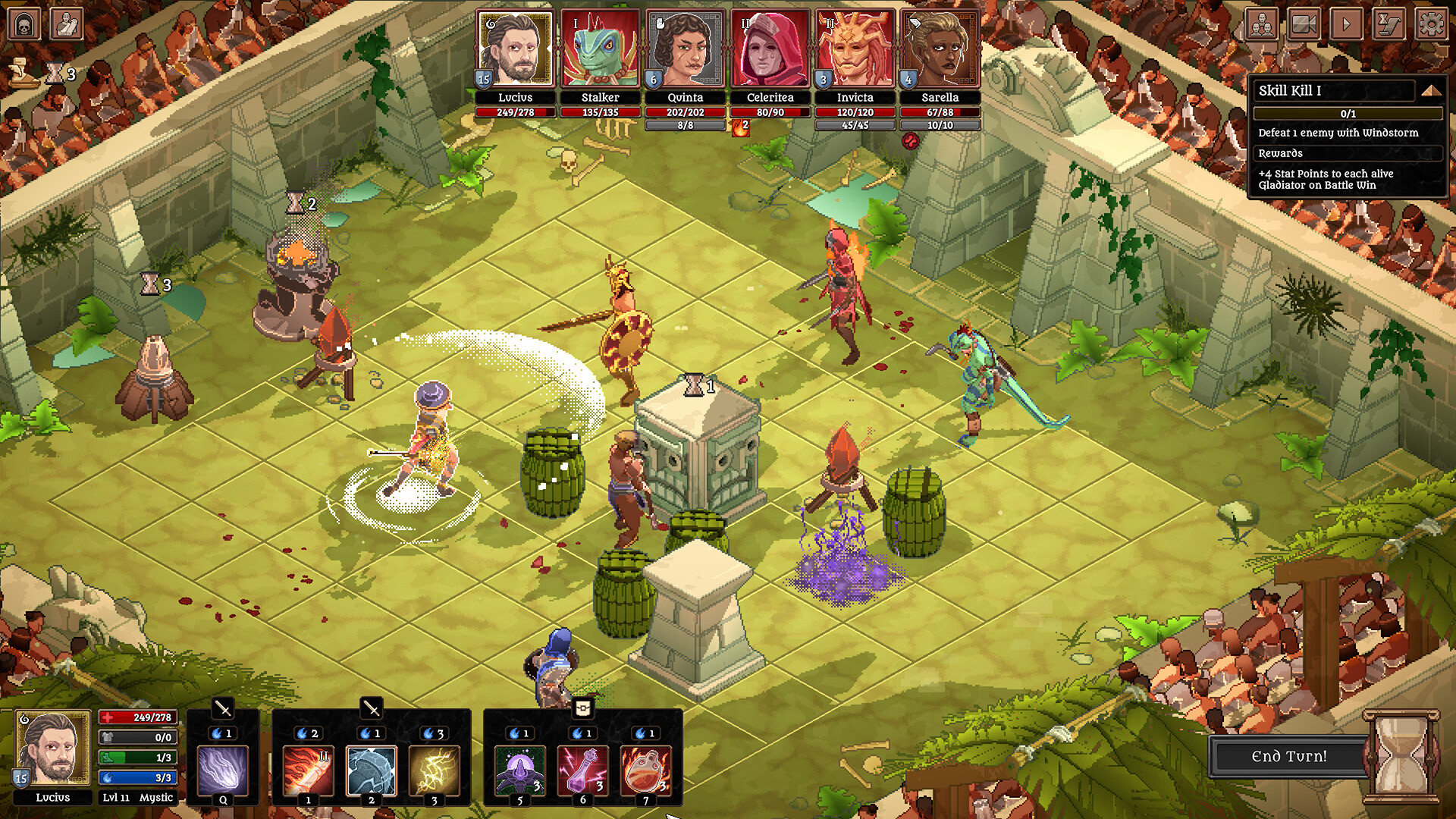
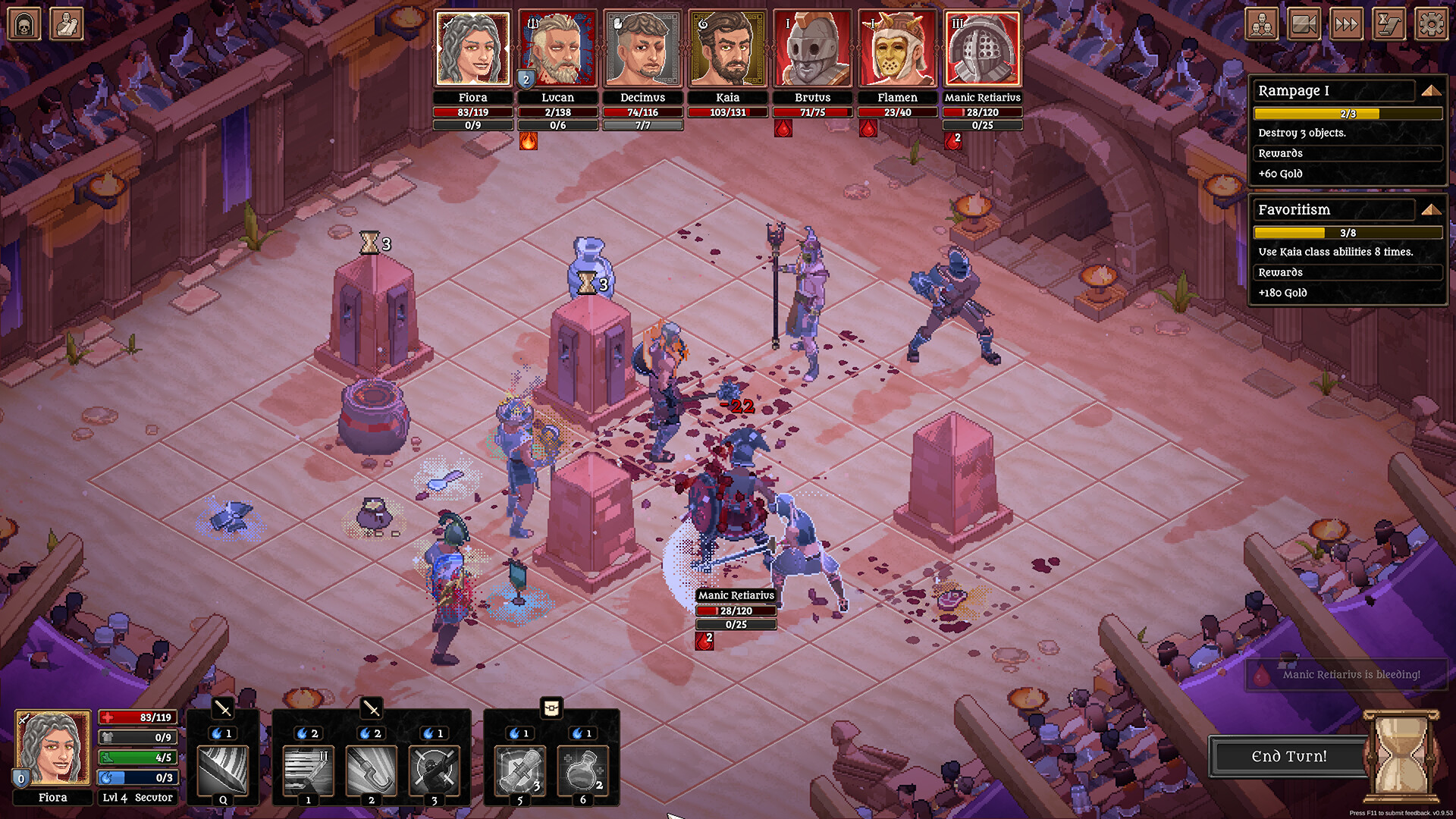
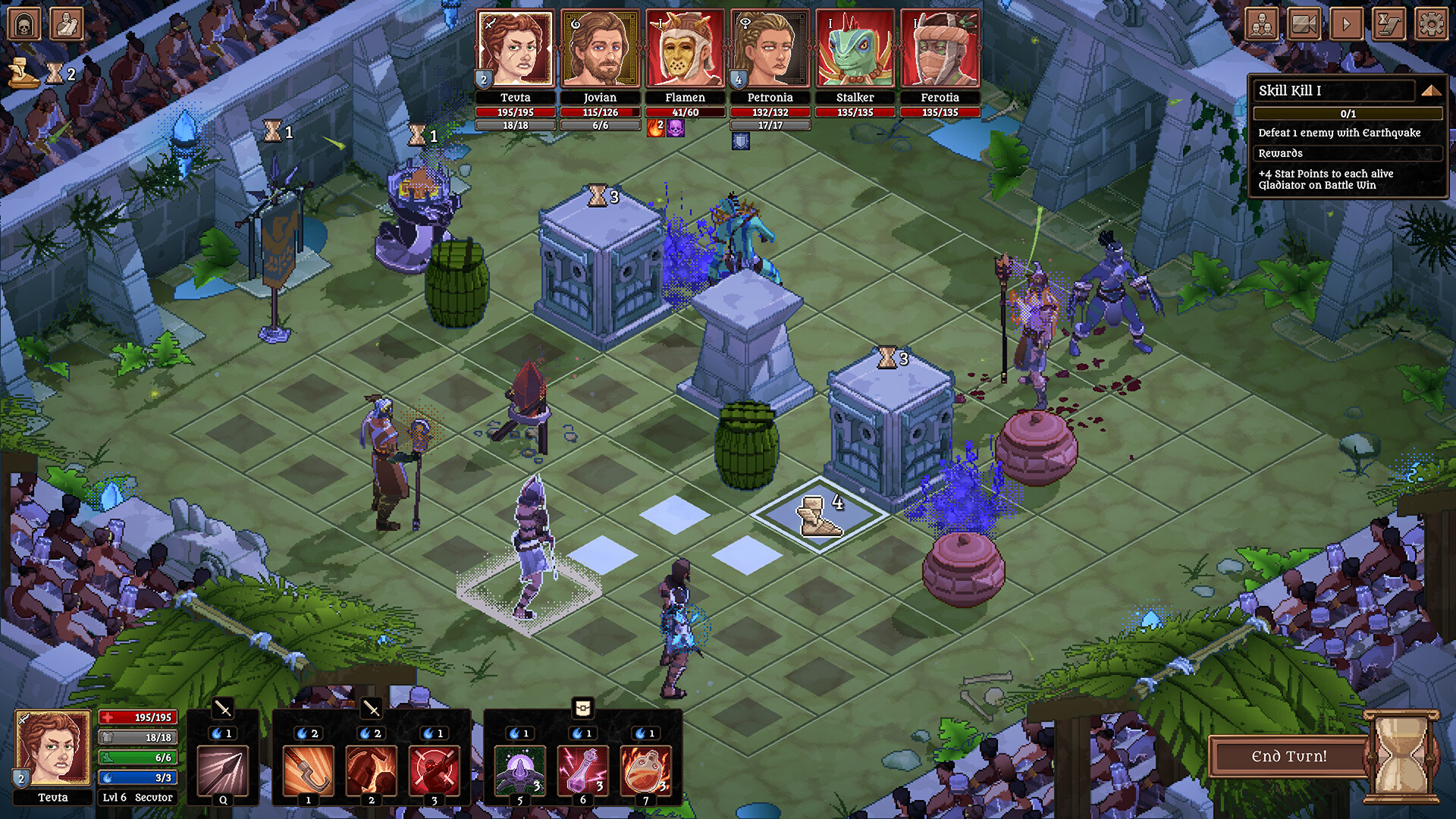
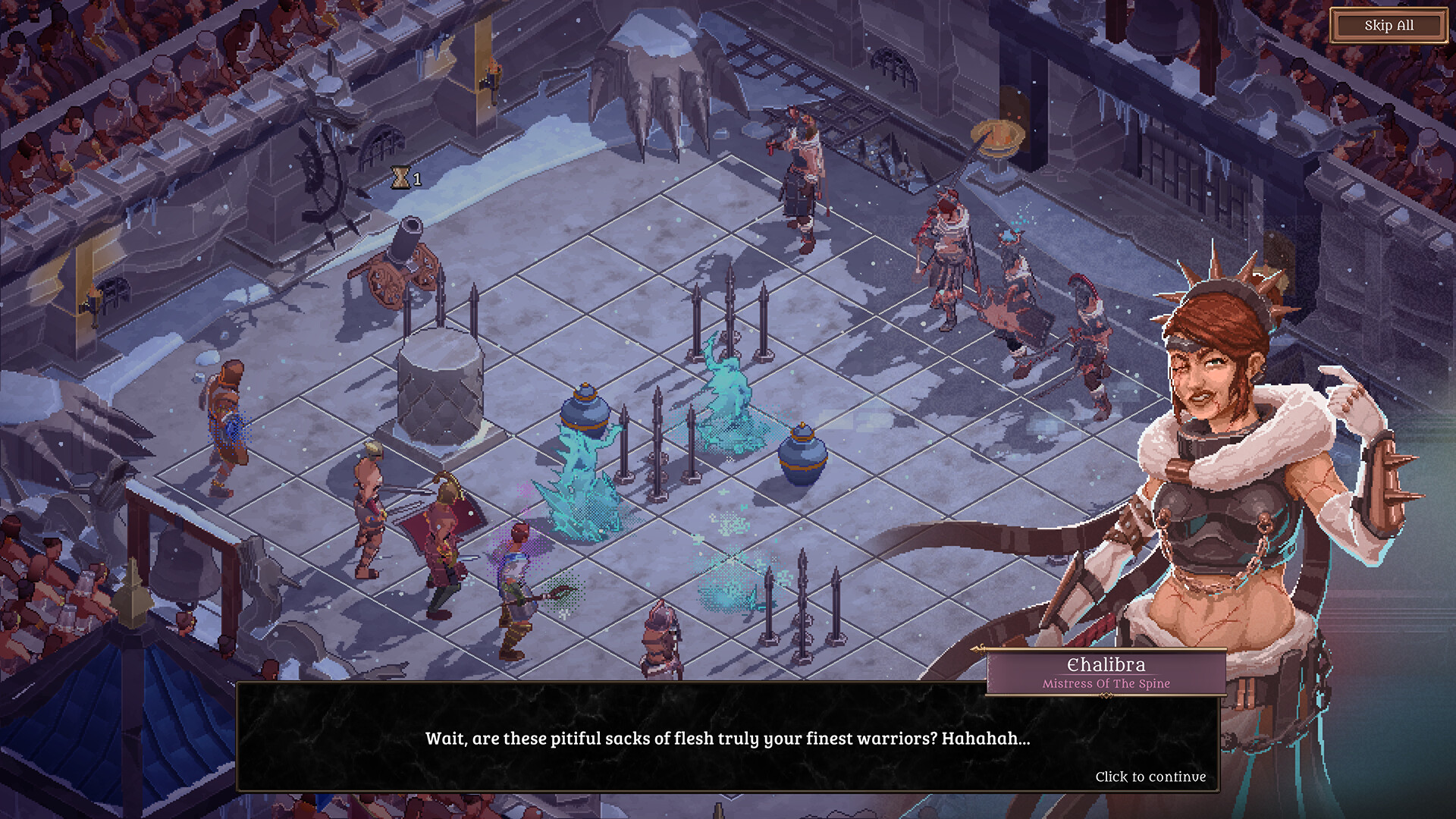
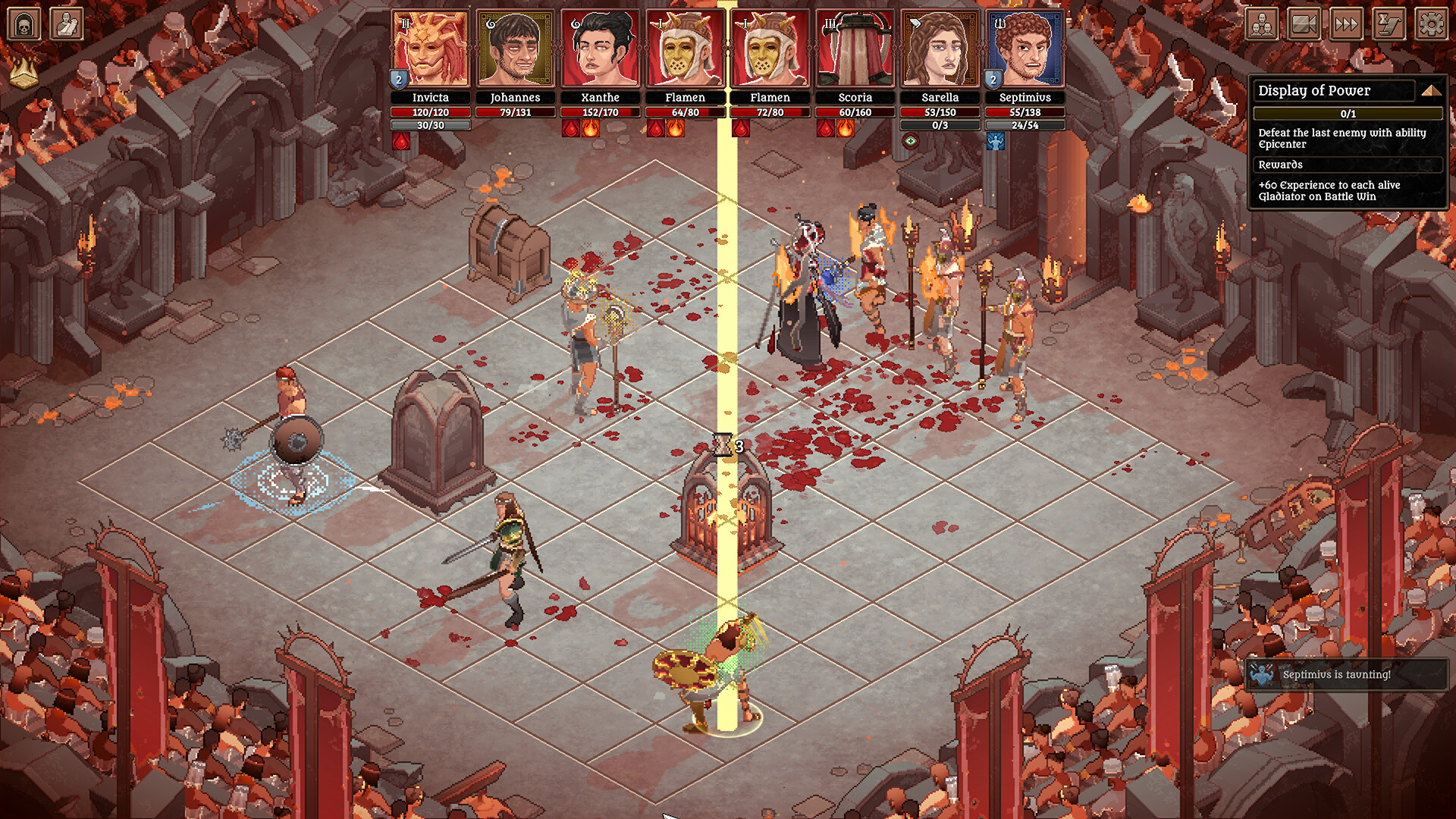
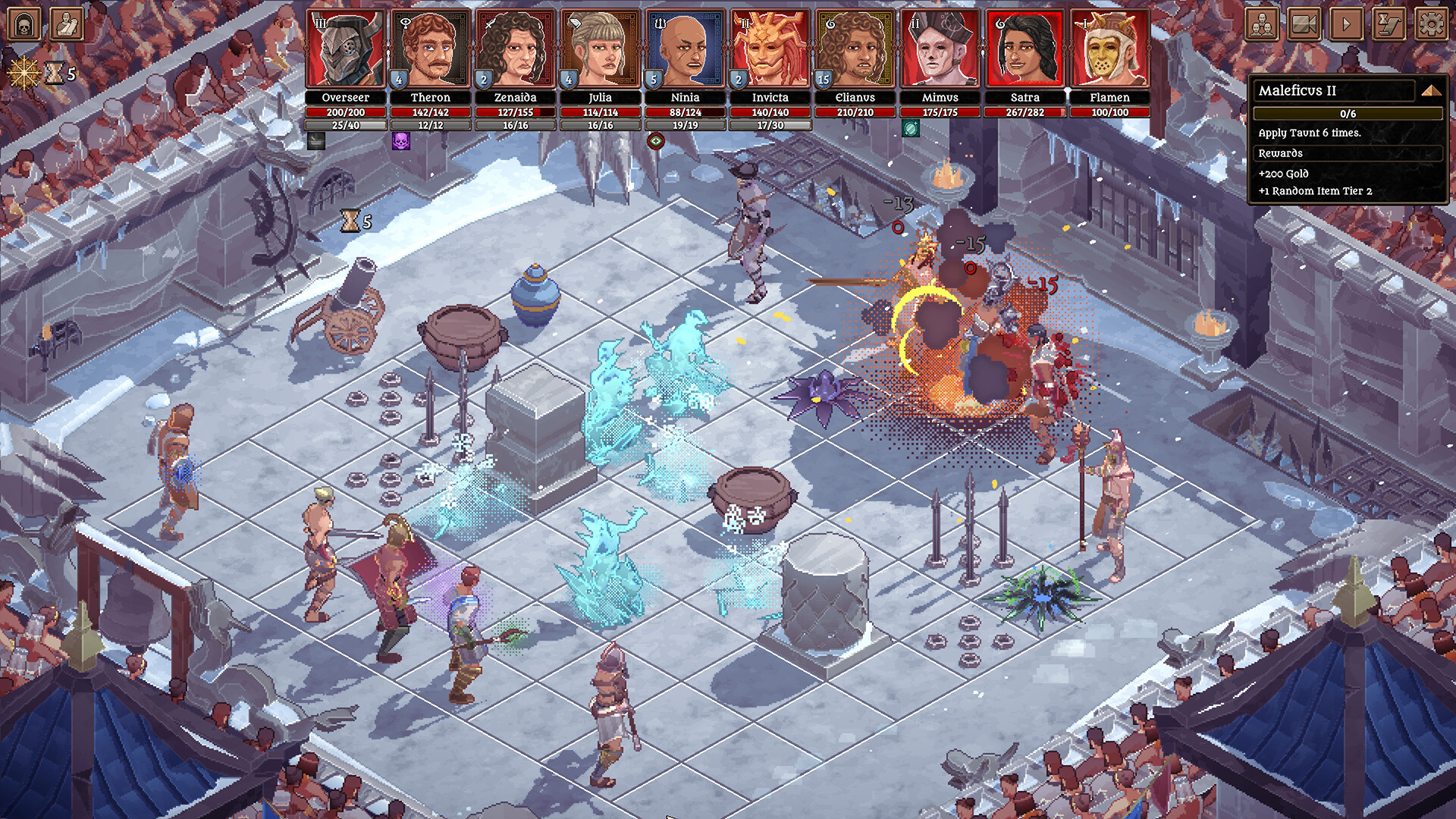
The core of Bloodgrounds is straightforward to describe but fiendishly complex to master. Before each encounter you assemble a small band of gladiators — melee, ranged, and magic classes — and then you fight on compact grid arenas where initiative and action points decide who gets the upper hand. Positioning, body-blocking, and friendly-fire are constant concerns; I've lost promising champions because an enemy slipped around a crate and focused them down. Every ability, consumable and trap changes the map in meaningful ways and makes you plan two turns ahead. The permanent death of heroes raises the stakes: I found myself making risk-averse choices early in a run, then pulling off audacious plays when the crowd demanded spectacle.
The Ludus, Gods and Dirty Deals
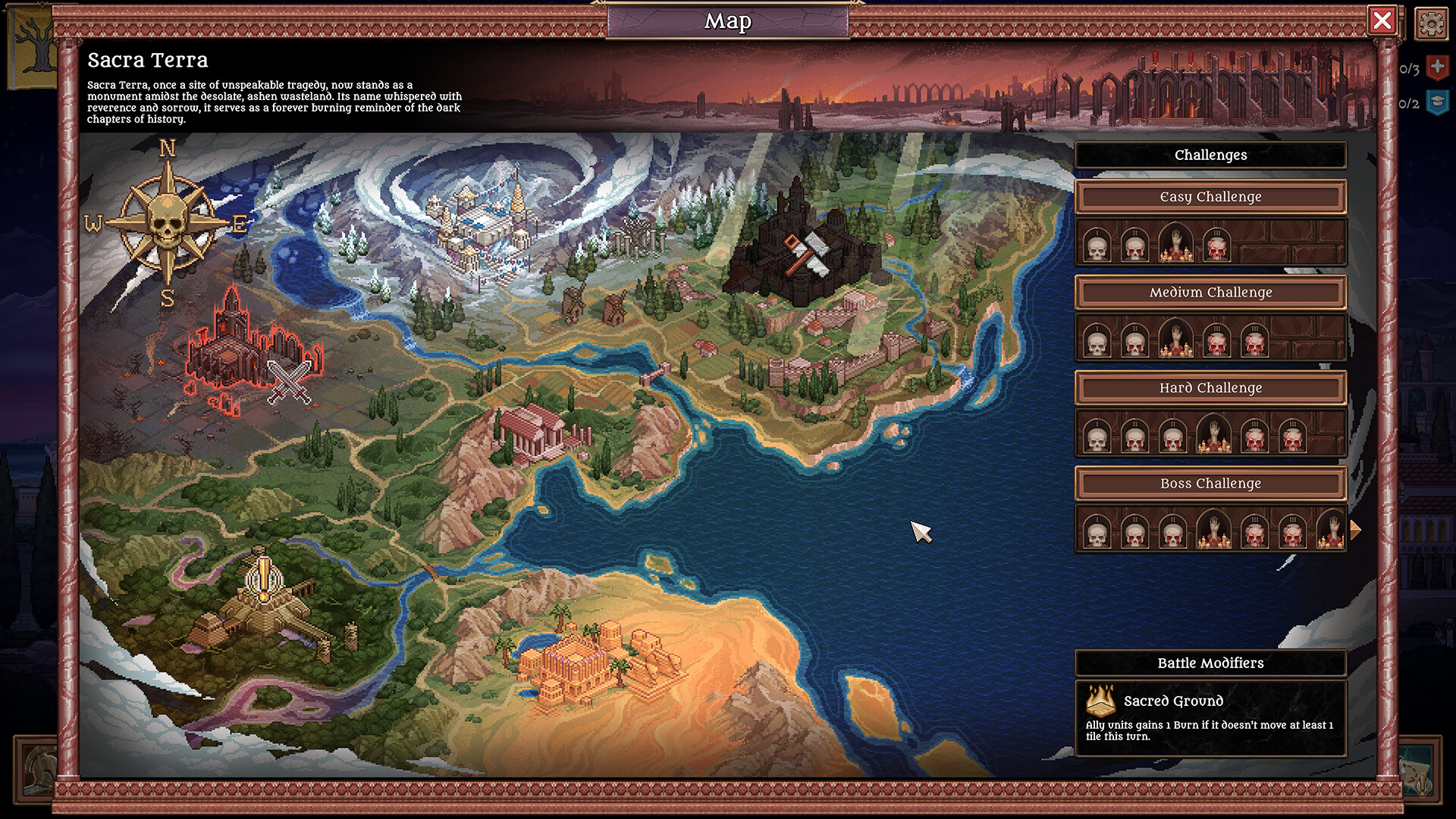
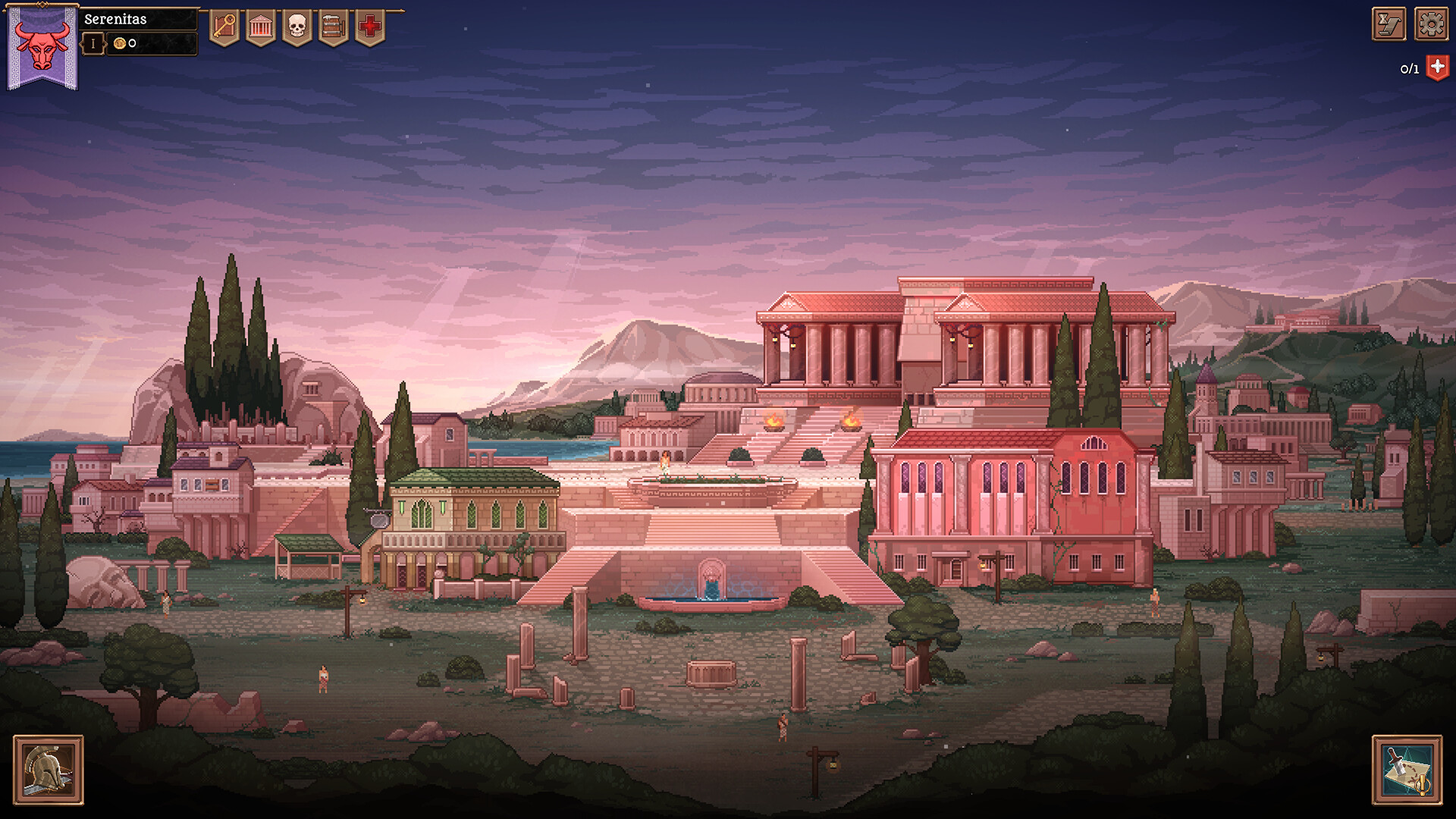
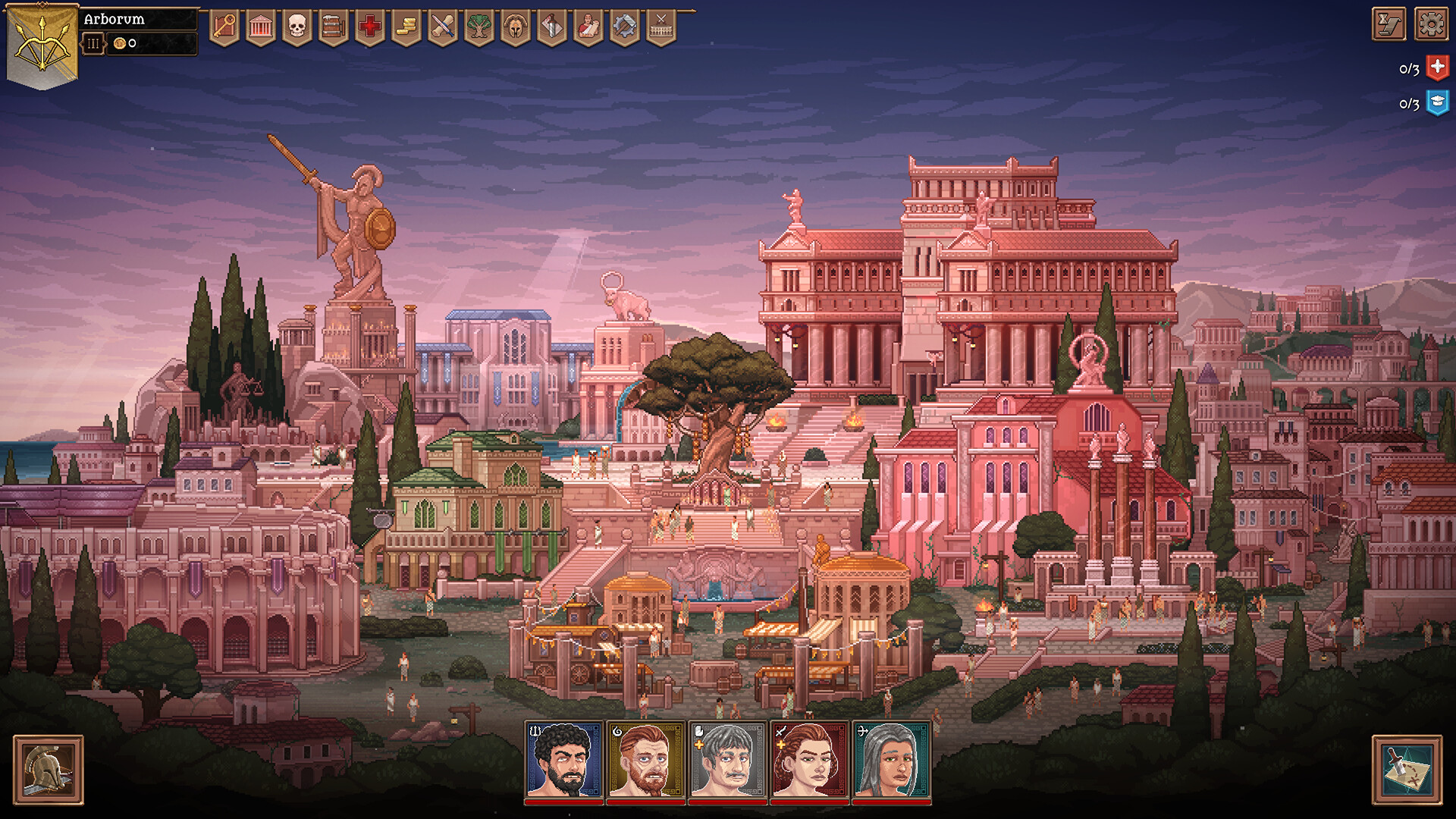
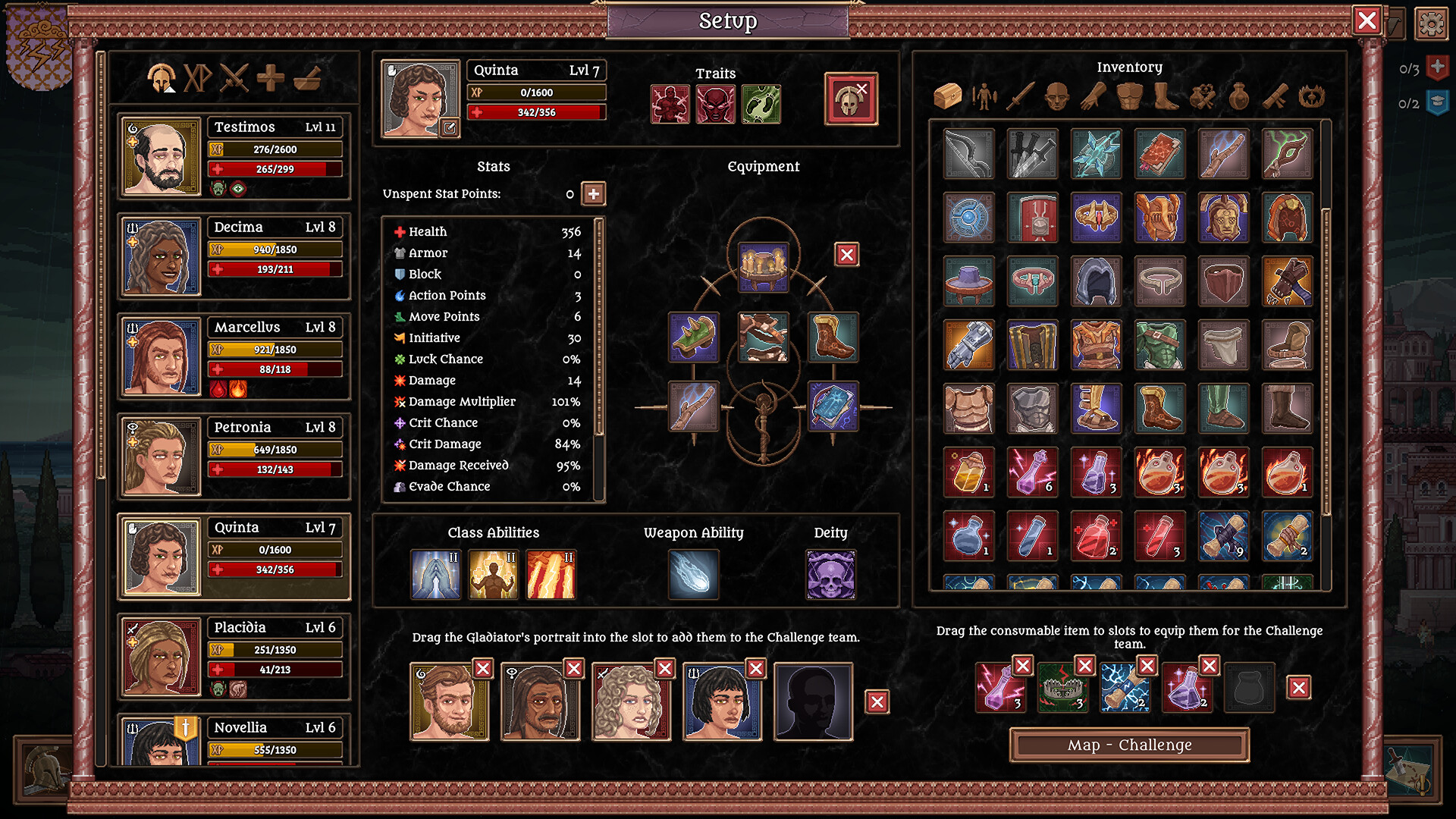
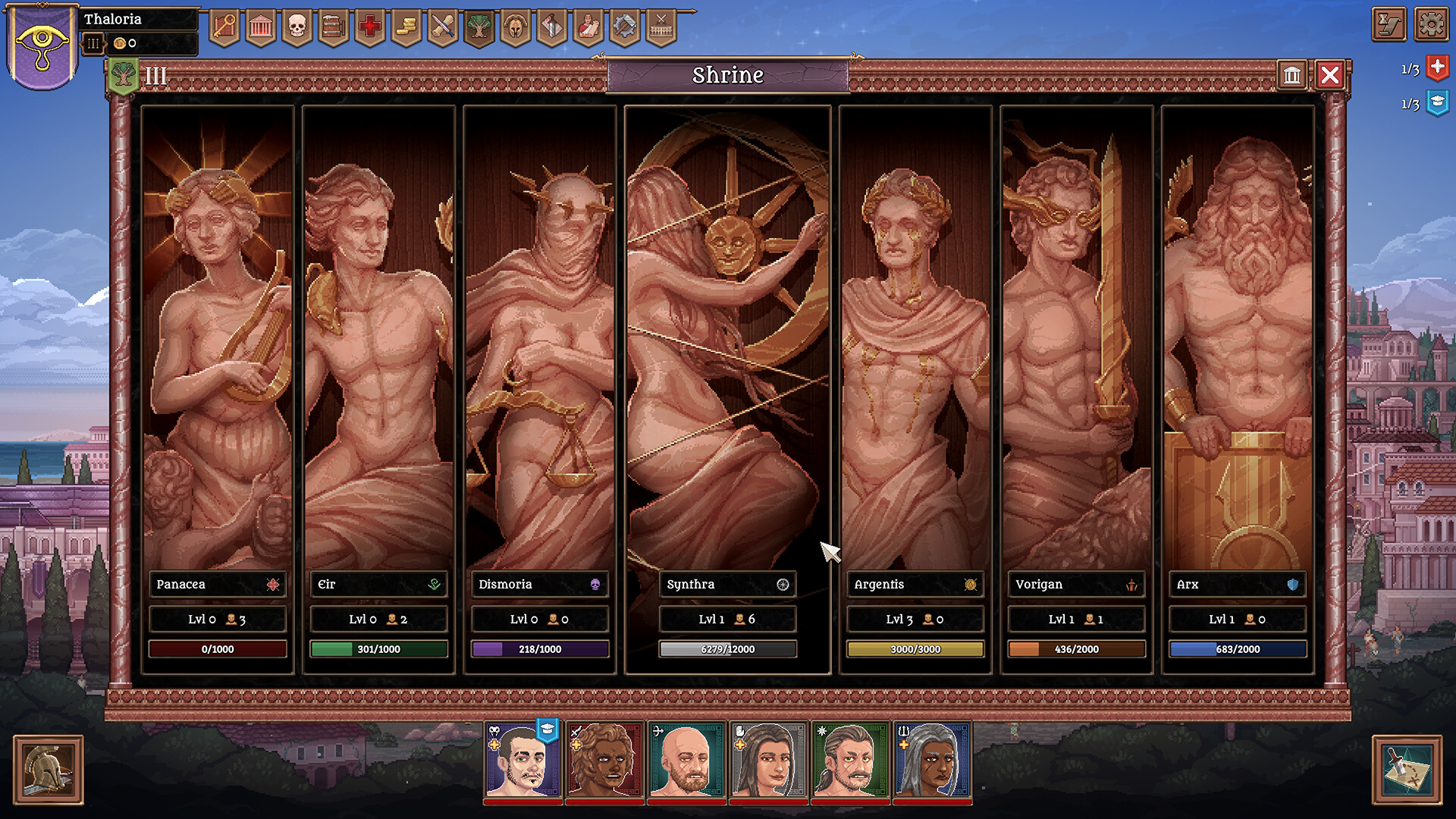
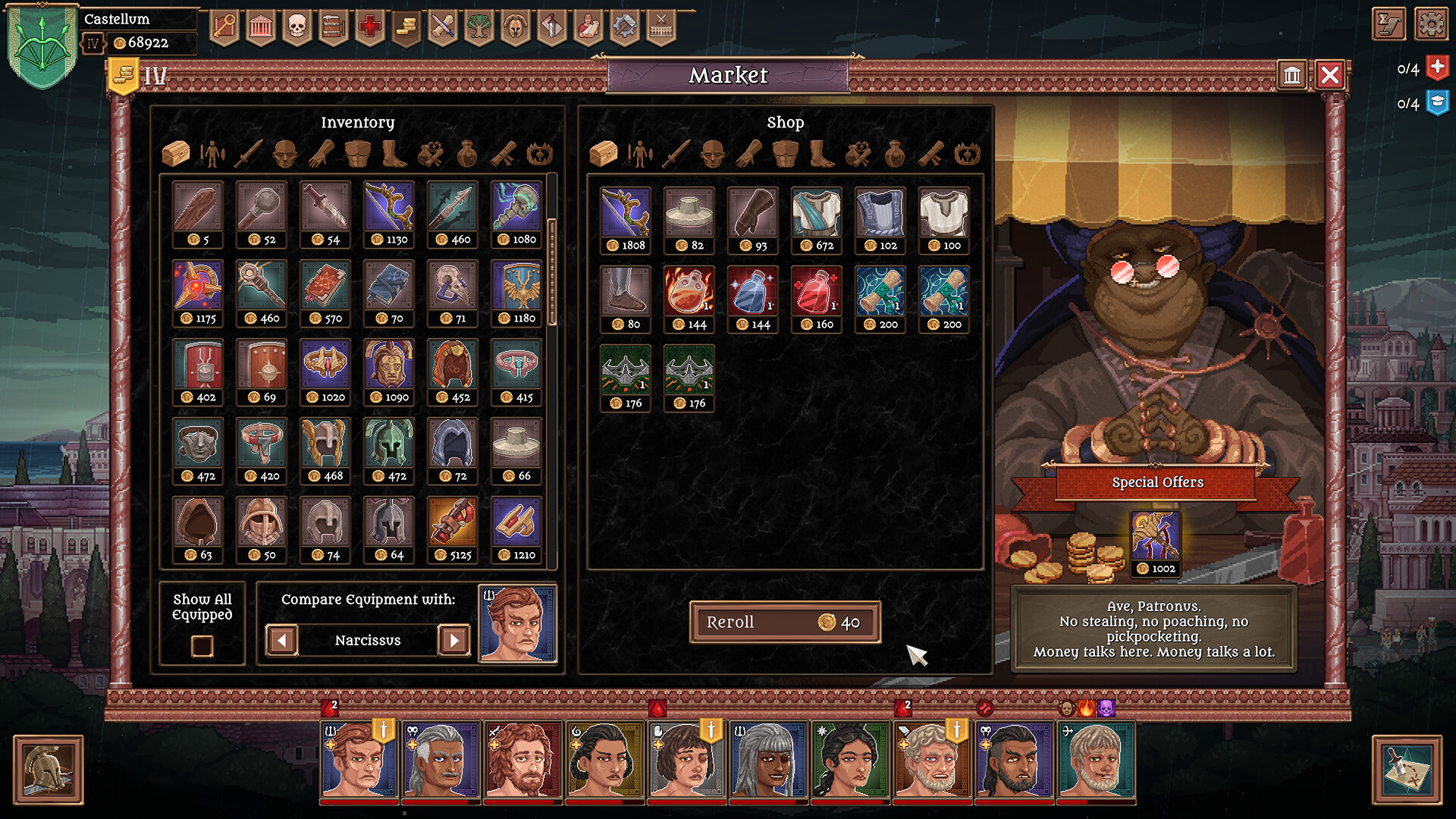
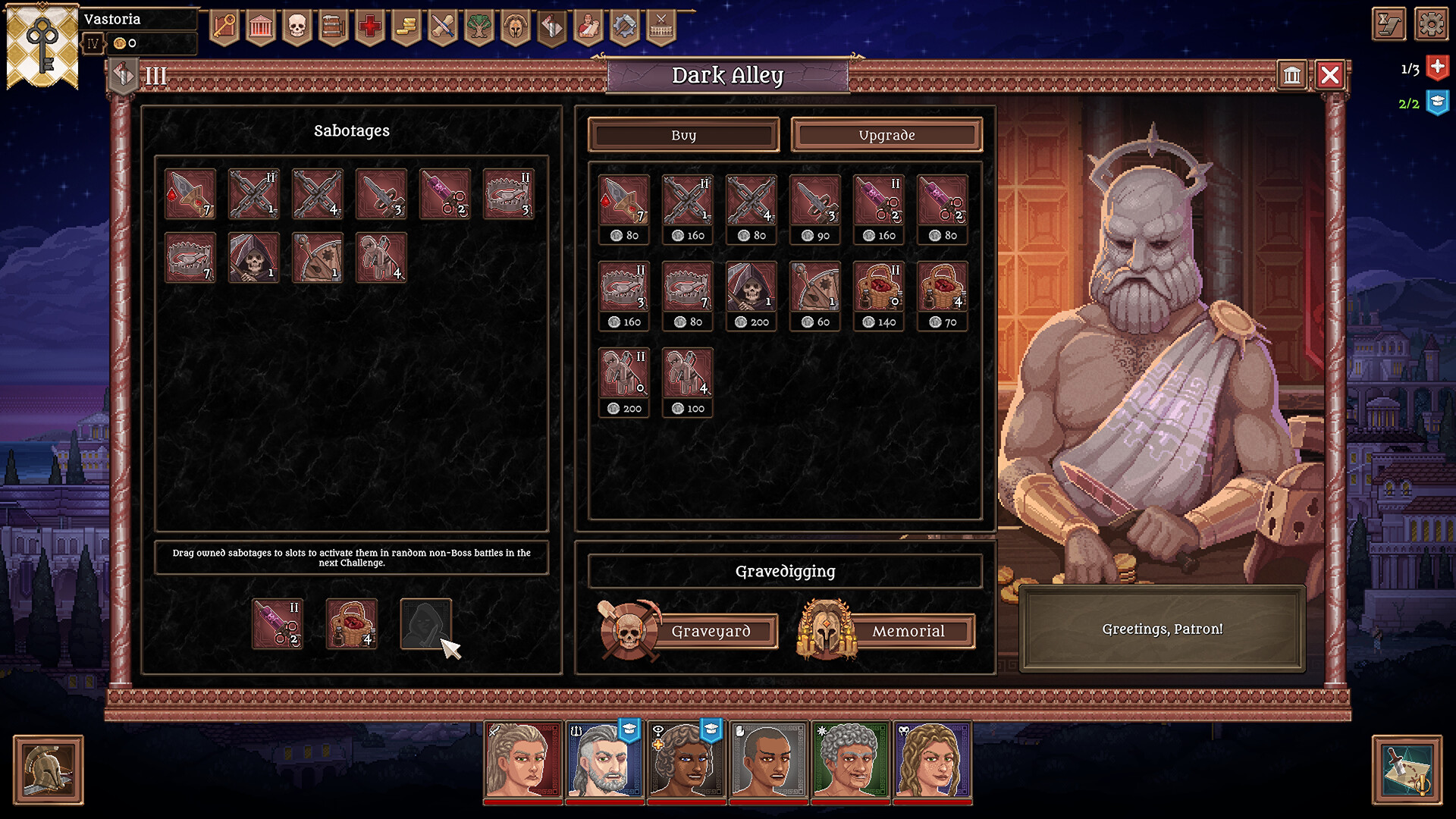
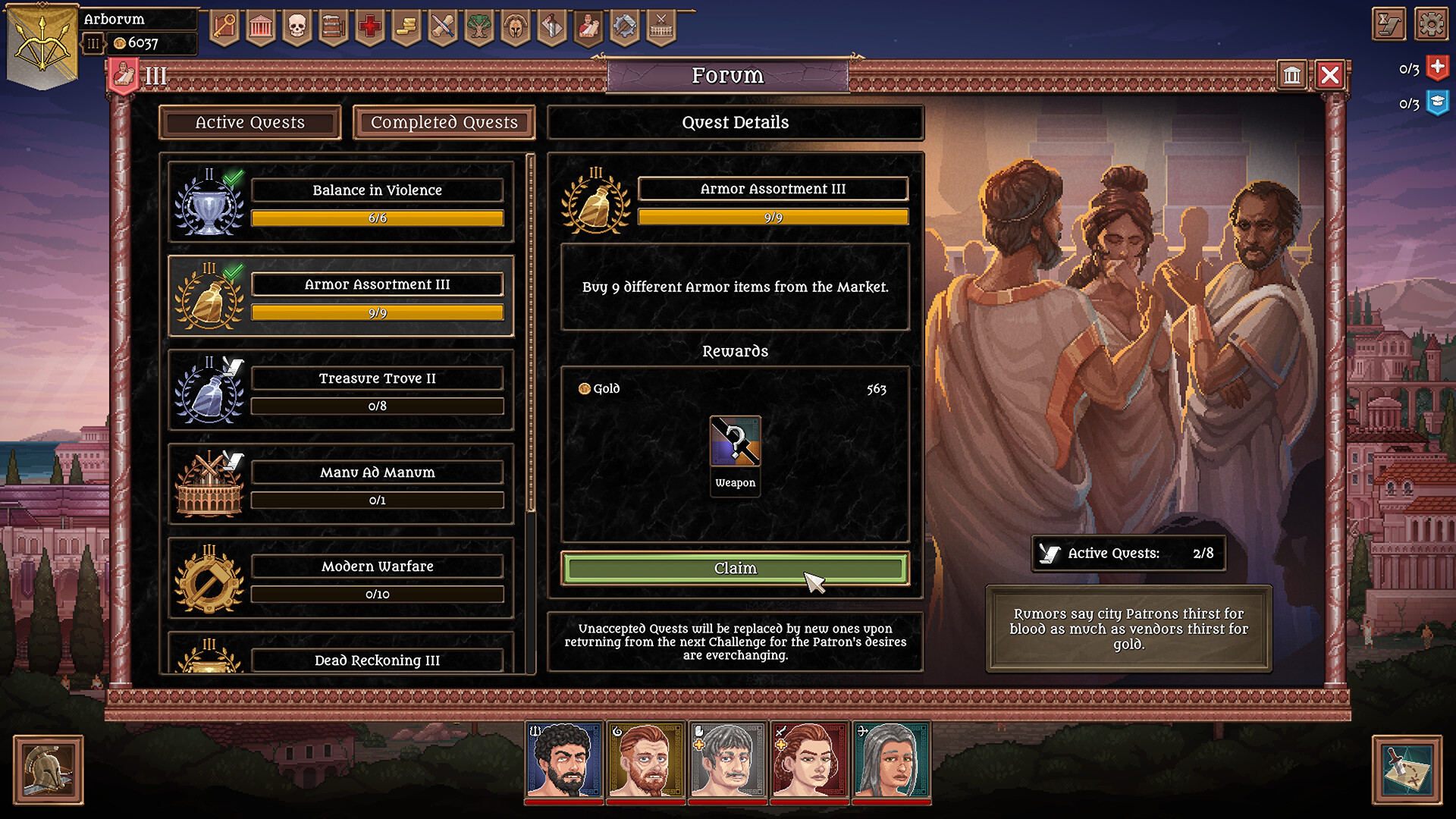
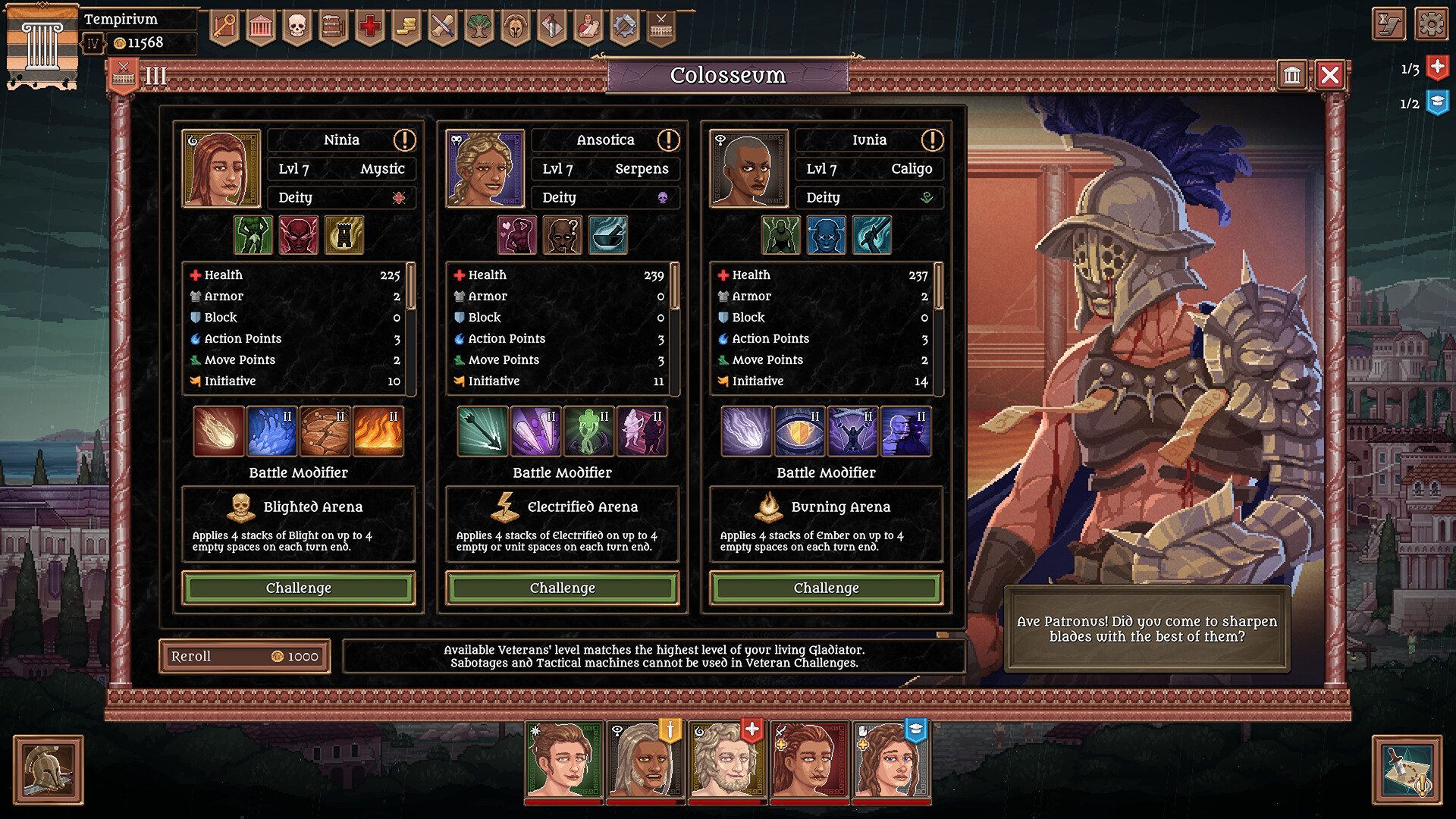
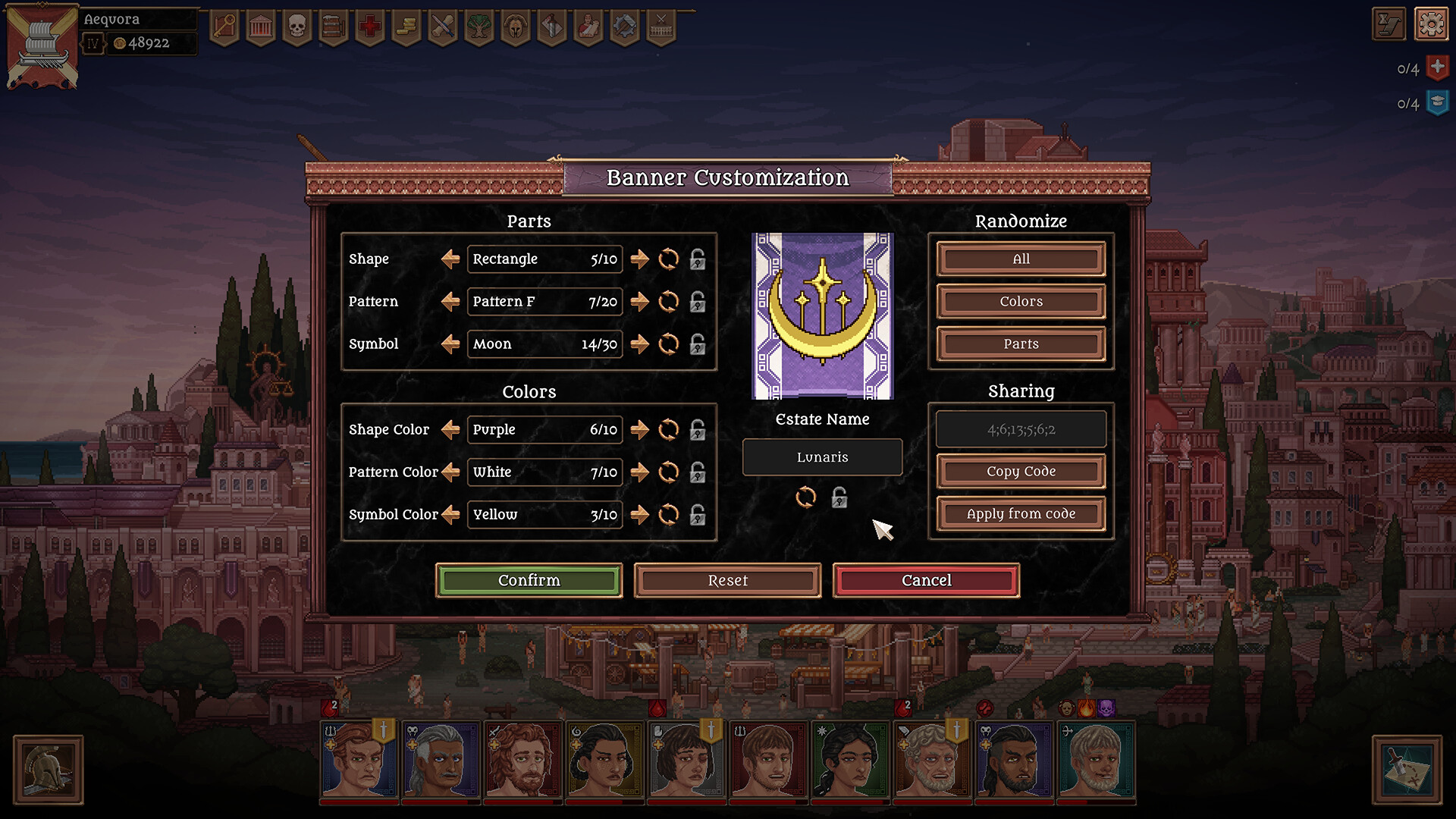
Between battles you return to Marevento and tinker with a surprisingly deep city layer: upgrade the infirmary, open a market stall, or build monuments that grant passive perks. The deity system is a neat twist — blessings change your team’s feel and offer replay variety — and the option to bribe or sabotage via underworld contacts adds a guilty-pleasure layer of meta-play. Recruitment itself is juicy: you can pay, duel recruits, or win them by mercy, and each choice has flavor as well as mechanical consequences. I loved how town choices feed combat options, though some buildings feel like marginal shortcuts right now rather than game-changers.
Blood, Pixel and Performance
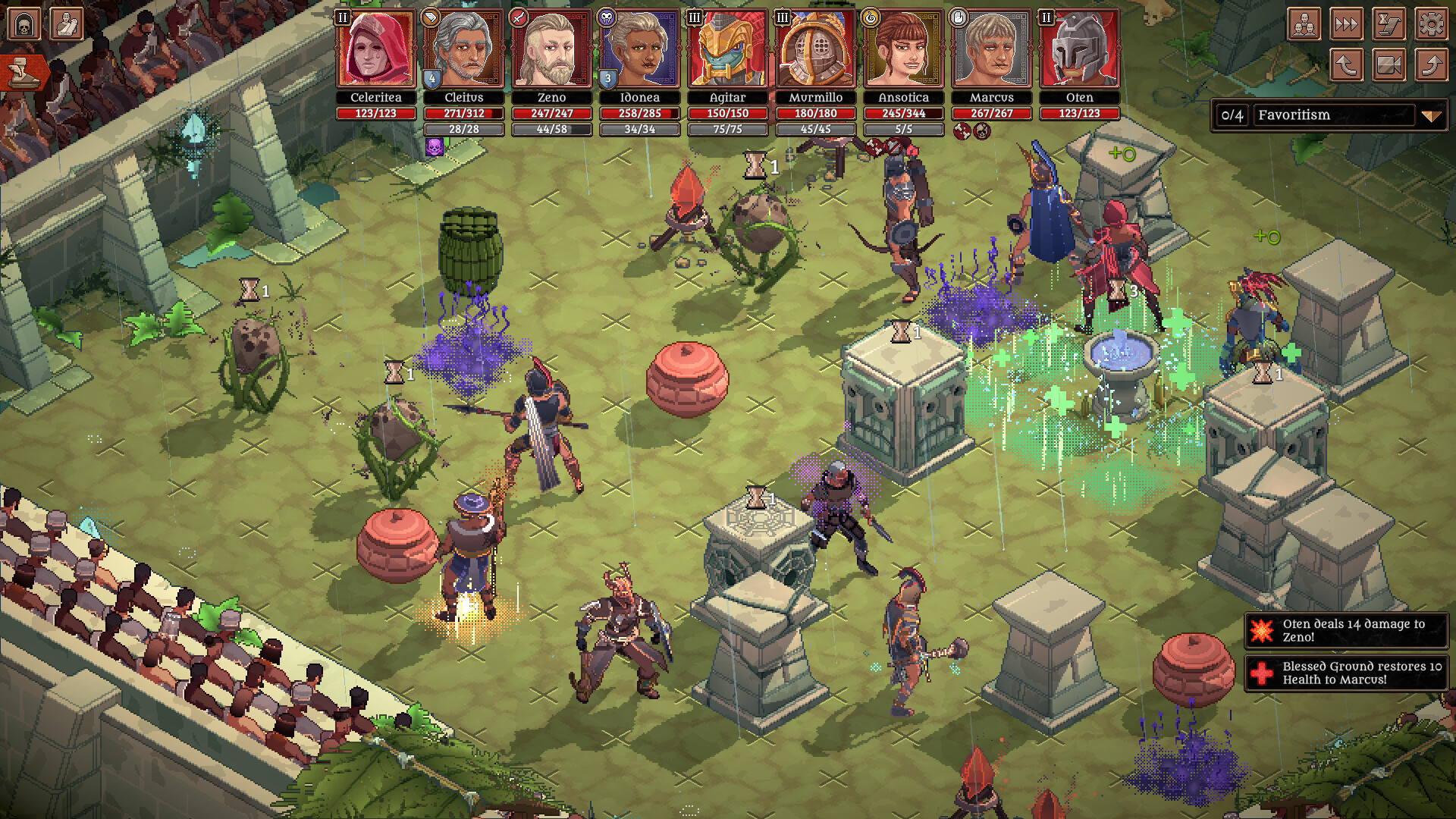
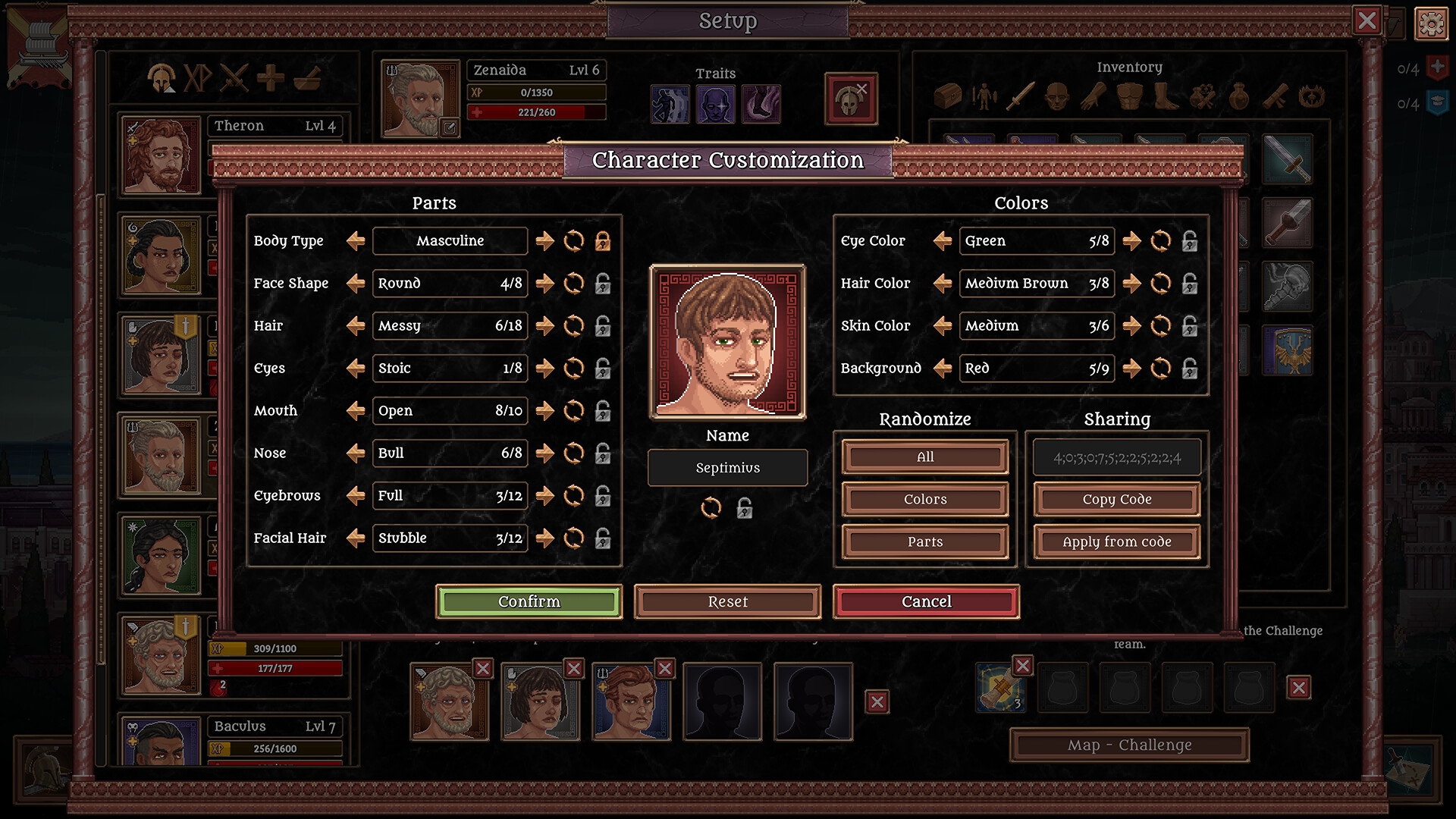
Visually Bloodgrounds opts for a gritty pixel style that reads very clearly even in chaotic fights: character silhouettes, status icons and traps are all readable, which is essential when a trauma or bleed stack can ruin a run. Sound design is serviceable — drums and crowd noise nail the atmosphere at times, but the soundtrack loops and could use more variety. Performance on Windows and Mac was smooth on my rig; I couldn’t test Linux, but the optimization seems decent for an indie team. Accessibility-wise there are rough edges: no UI scaling and small text hurt readability, and the arena size and camera limit sometimes make tactical decisions feel cramped rather than clever.
Bloodgrounds is a promising, occasionally brutal tactical RPG that nails the gladiator vibe while still needing polish in balance, UI and variety. I enjoyed the high-stakes loop and city-layer so much that I forgave several annoyances, but your mileage will vary if you hate permadeath or repetitive maps. Worth trying on sale and a strong follow for fans of tough, tactical indie games.
Pros
- Tense, meaningful permadeath that makes choices weighty.
- Satisfying blend of arena tactics and town progression.
- Clear visuals and readable combat even in chaos.
- Audience mechanics add fun risk-vs-reward moments.
Cons
- Trauma & entertainment systems can feel punishing and inconsistent.
- Small arenas, no UI scaling and some repetitive loops.
- Some classes and late-game pacing still need polish.
Player Opinion
Players praise Bloodgrounds’ core loop — the mix of turn-based tactics, RPG progression and ludus management — and many compare its mood to Darkest Dungeon in a gladiator outfit. Common compliments highlight the clear pixel art, rewarding meta-progression and audience quests that encourage showmanship. On the flip side, frequent criticisms appear around the Trauma system that hands out semi-permanent debuffs too readily and the Entertainment rules which sometimes reward stalling or awkward playstyles. Several reviewers point out the arenas feel too small and repetitive, UI scaling is missing, and a few classes still need balancing. Many commenters nonetheless appreciate steady developer updates and believe the game’s promise is real; if you enjoy high stakes tactics and don’t mind rough edges, this community will likely welcome you.