



Dawncaster | The RPG Cardventure — Deep Deckbuilding Meets Heroic RPG
A big-hearted deckbuilder that dresses like an RPG: Dawncaster blends class-based progression, thousand-card variety and roguelike runs into a surprisingly deep and personal experience.
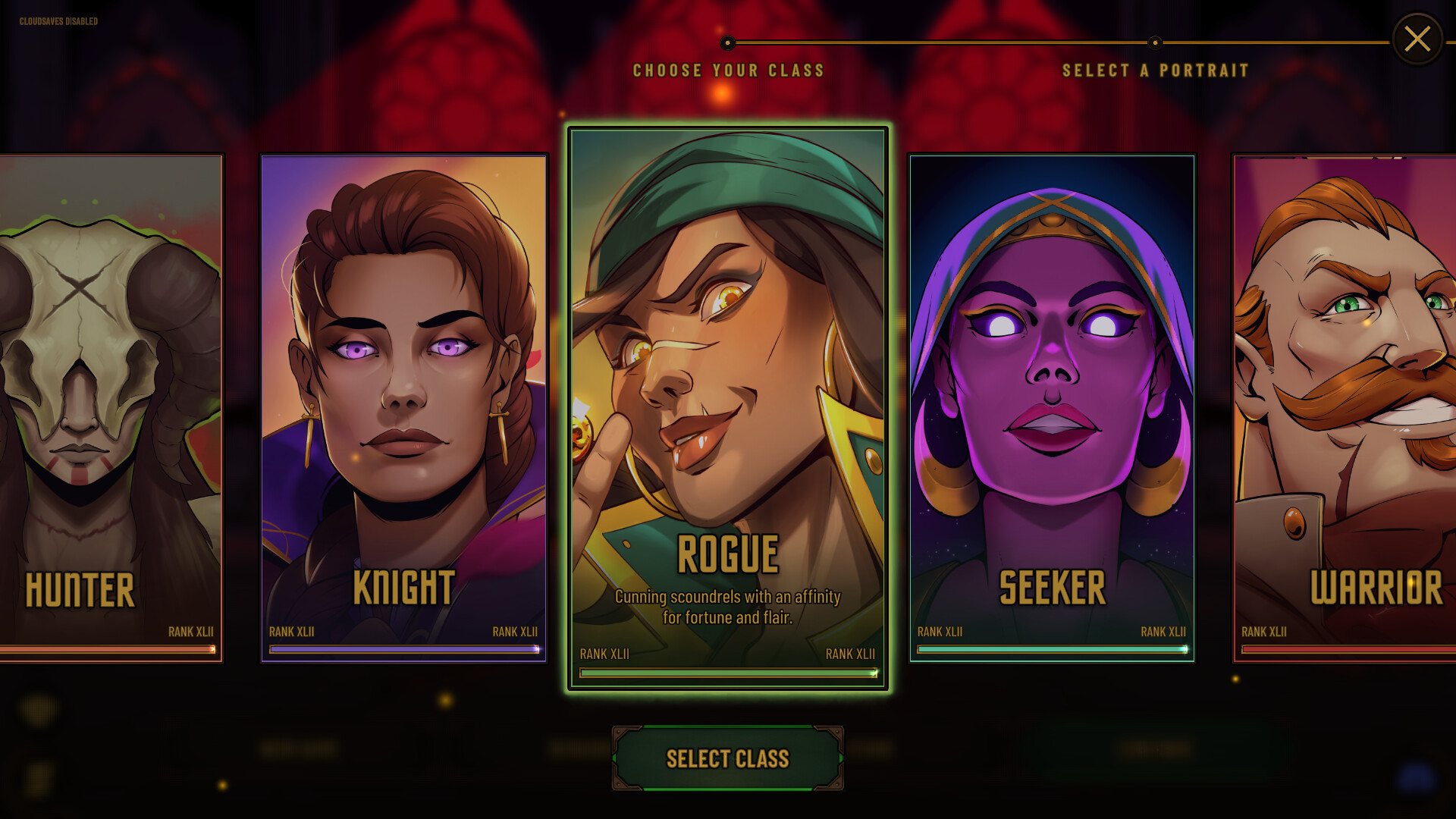
I jumped into Dawncaster expecting a neat card game with a few RPG trimmings — what I found was a proper role-playing deckbuilder that insists you care about your character. The world of Aethos is melodramatic in a charming way, and the choice to let you pick classes, weapons, portraits and talents turns every run into a little story. If you love Slay the Spire-style runs but miss the feeling of character growth, Dawncaster fills that itch with genuine progression and surprising narrative hooks.
Marching Into Aethos: How a Run Actually Feels
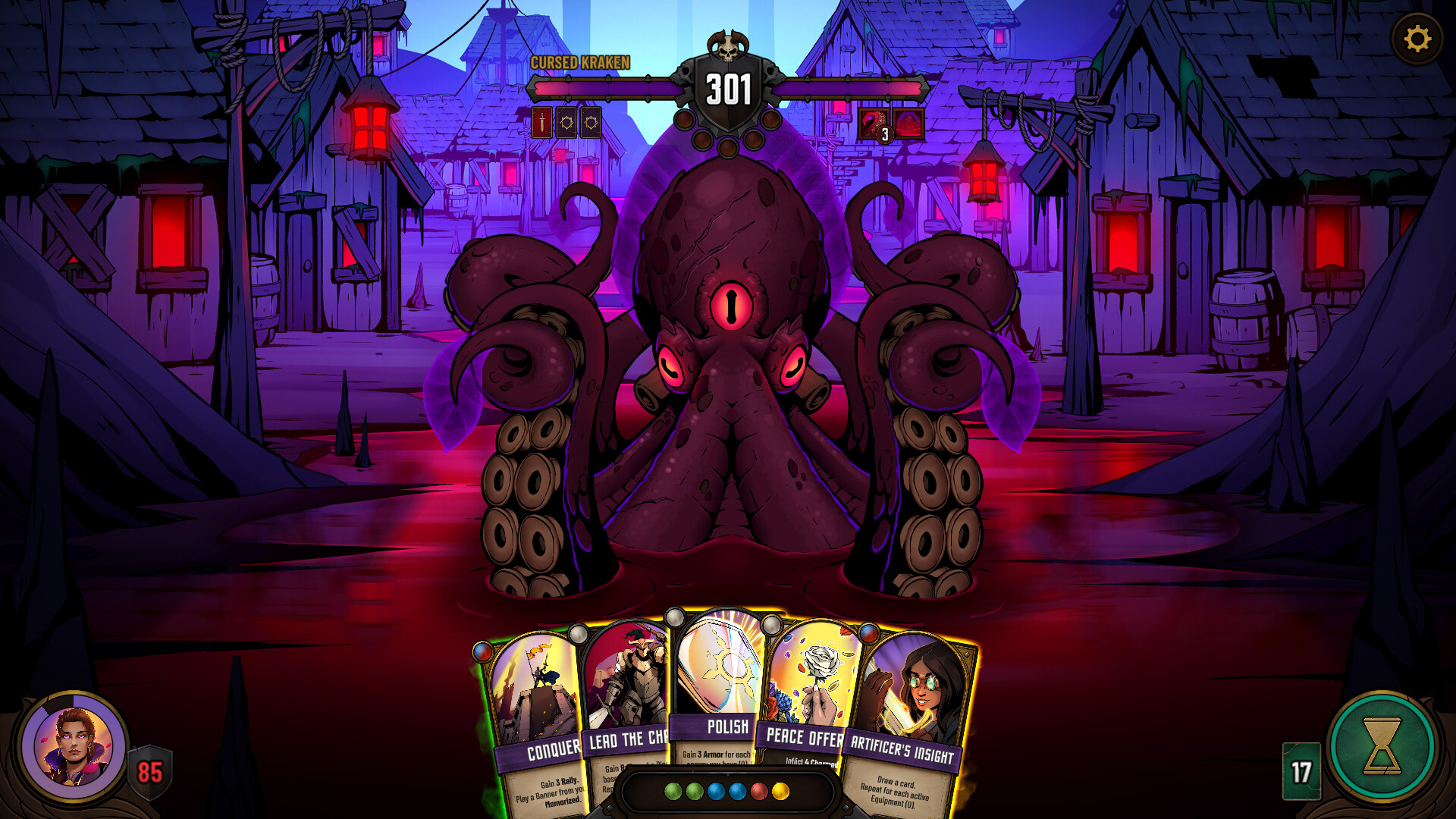
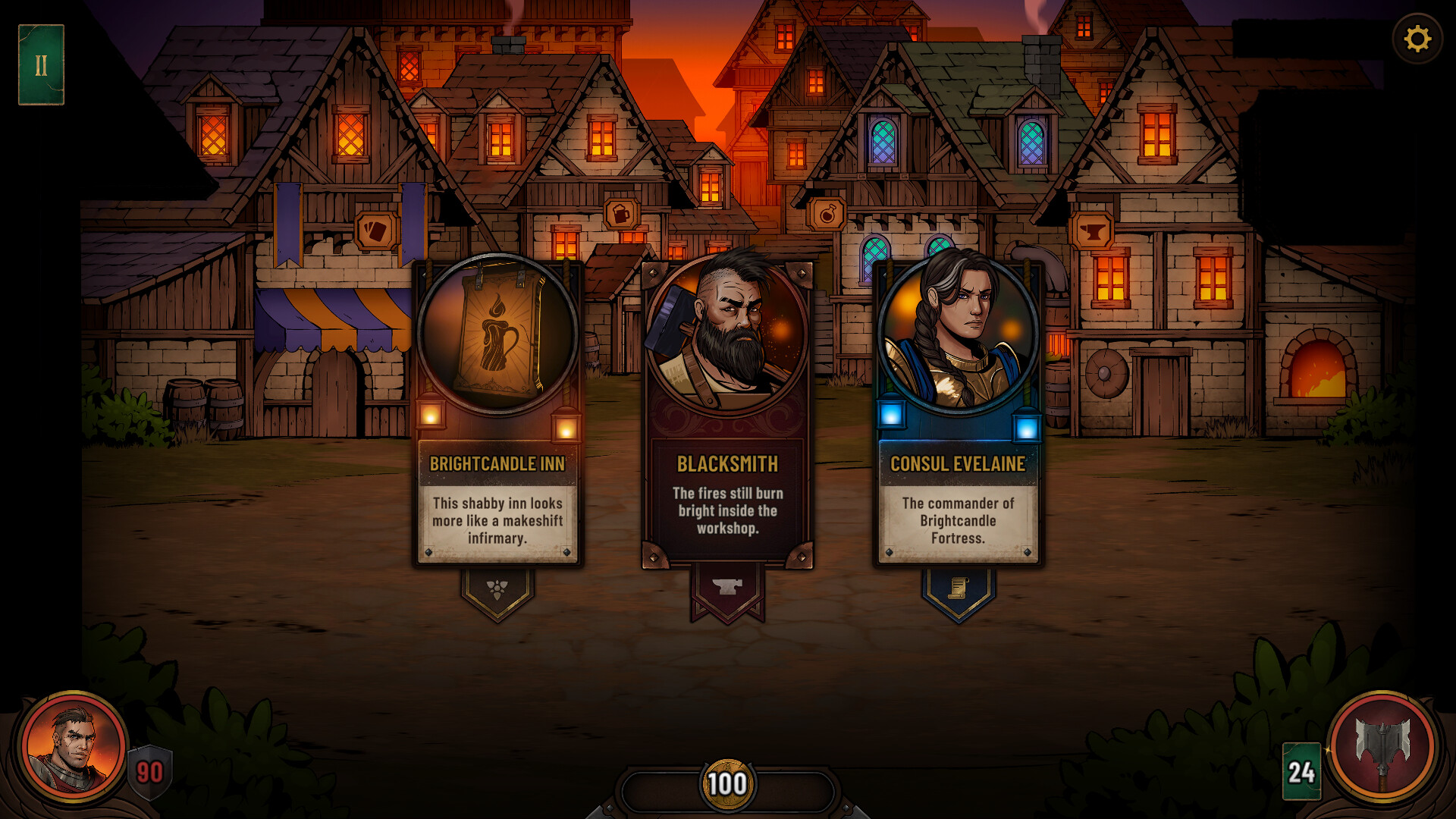
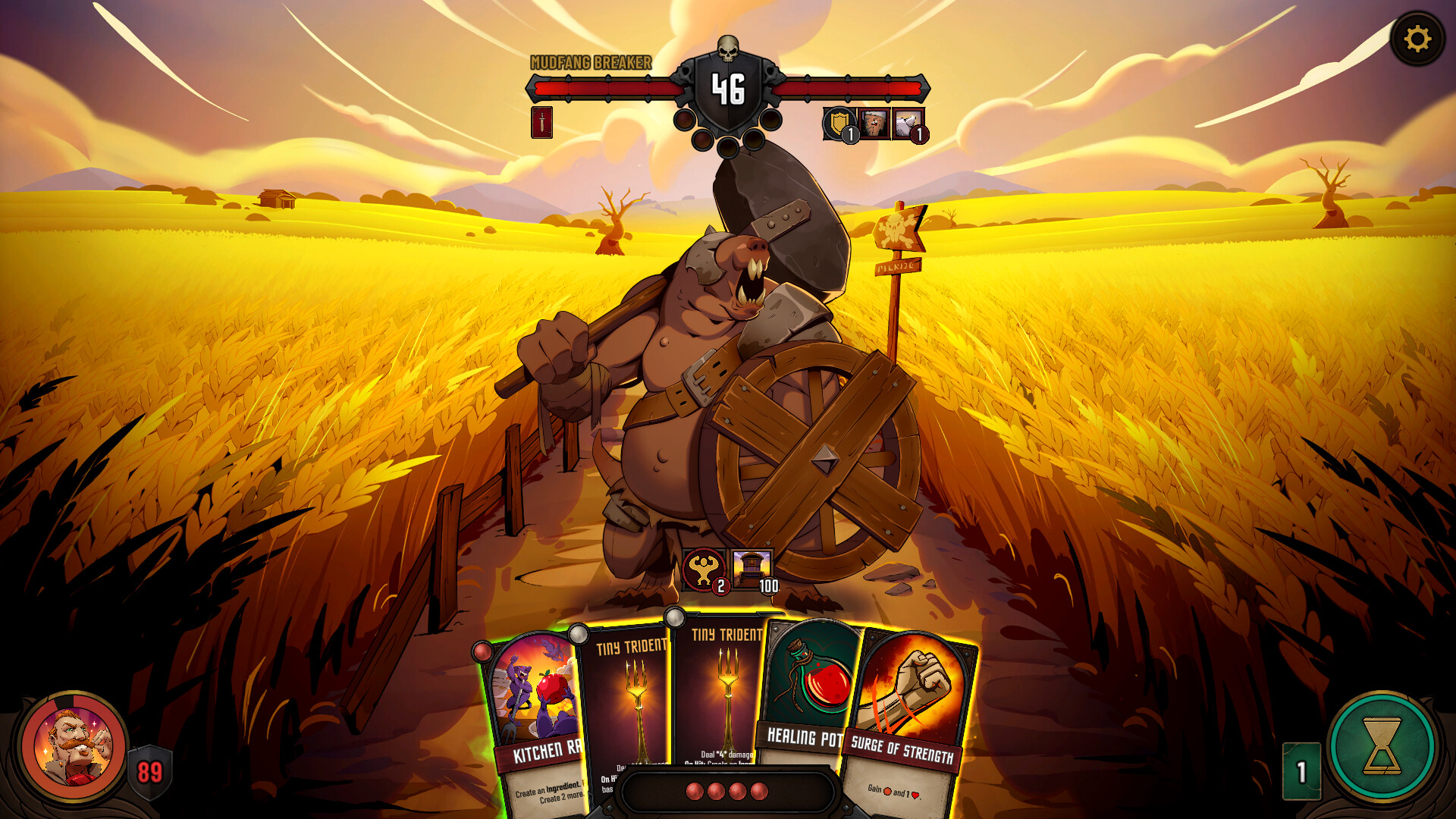
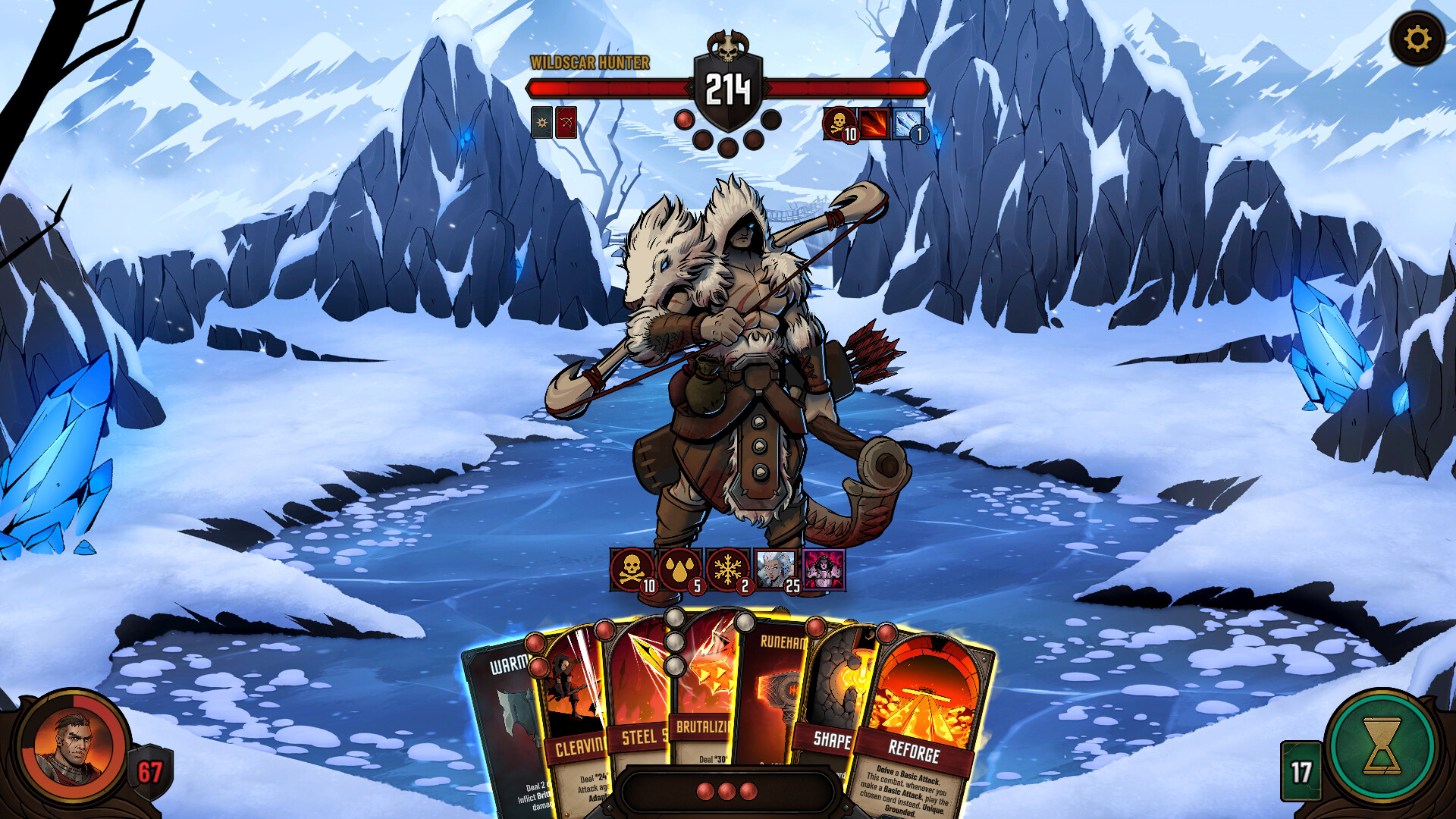
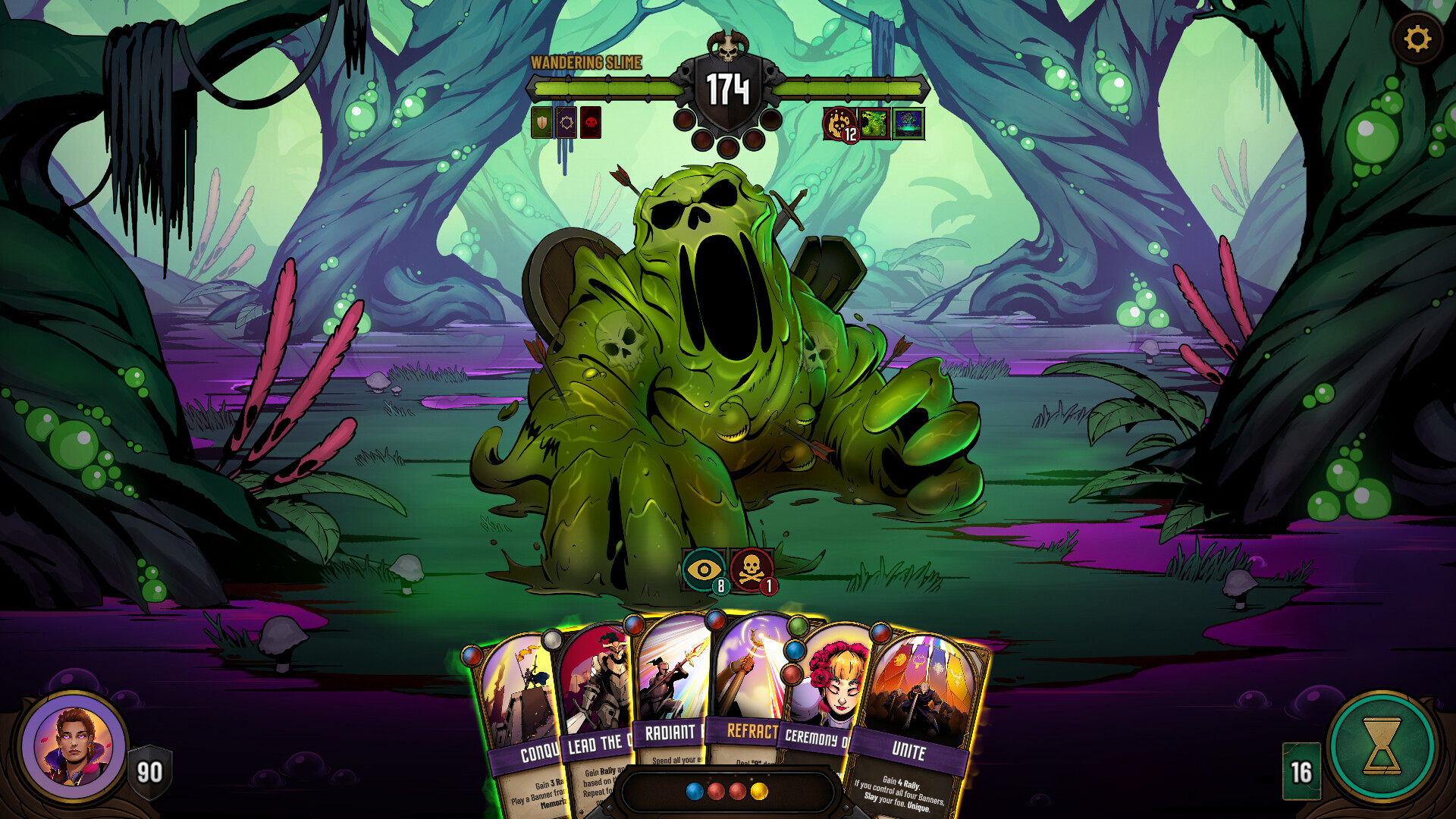
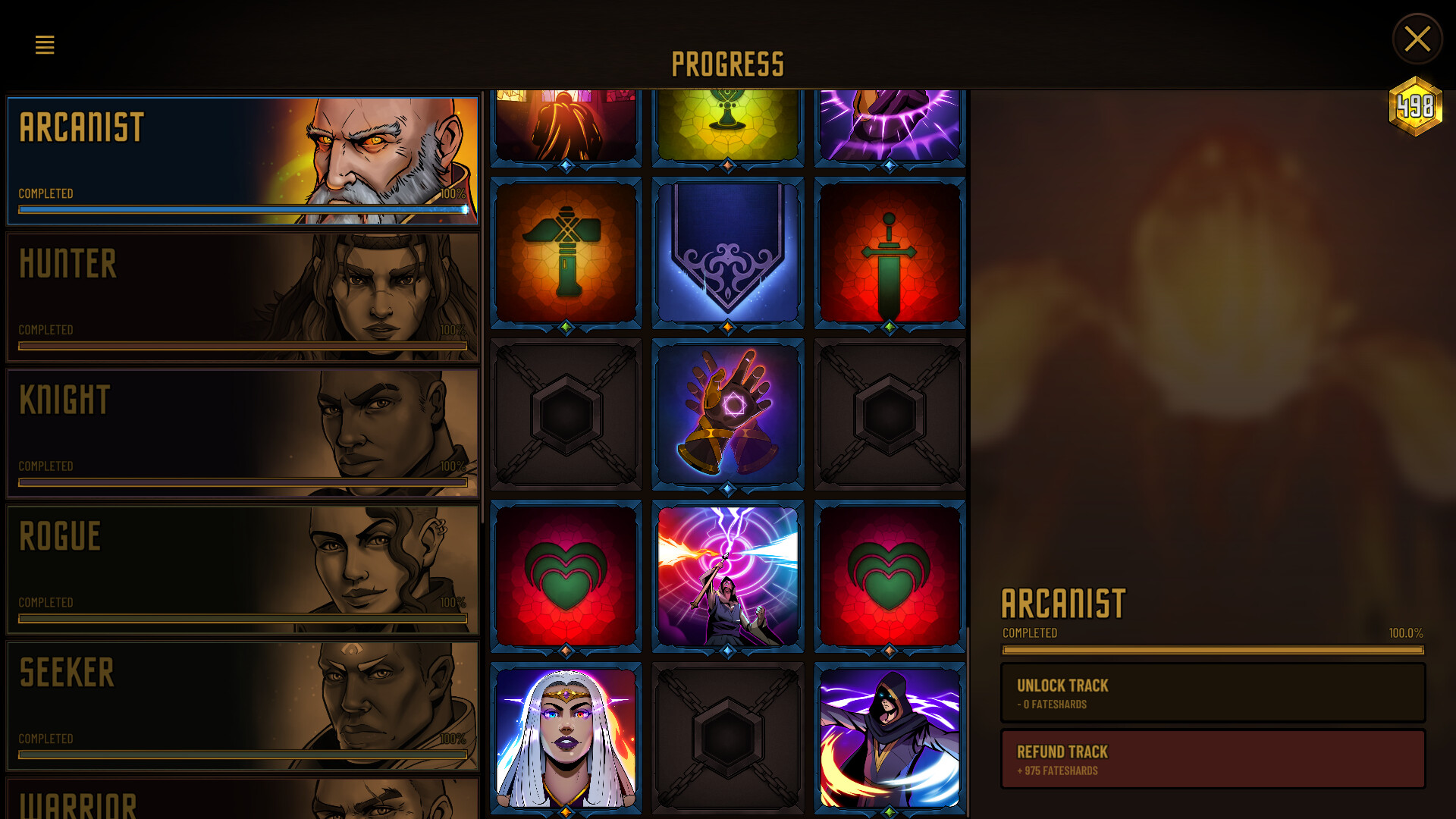
A Dawncaster run plays like a roadmap of choices: you pick a class and a starting weapon, head into scenario decks that replace a static map, and then fight, negotiate, and build your deck as you go. Combat is card-based and tactical — playing a card is rarely trivial because many cards have conditional bonuses, synergies with trinkets and weapons, or require specific setups to shine. Outside of battles you’ll stop at towns, interact with NPCs, visit the blacksmith and shopkeep, and decide which paths to take. Progression is genuinely RPG-like: you unlock talents, new starting decks, portraits and weapons, and the sense that your character is evolving stays present run-to-run.
When Deckbuilding Becomes Character Creation
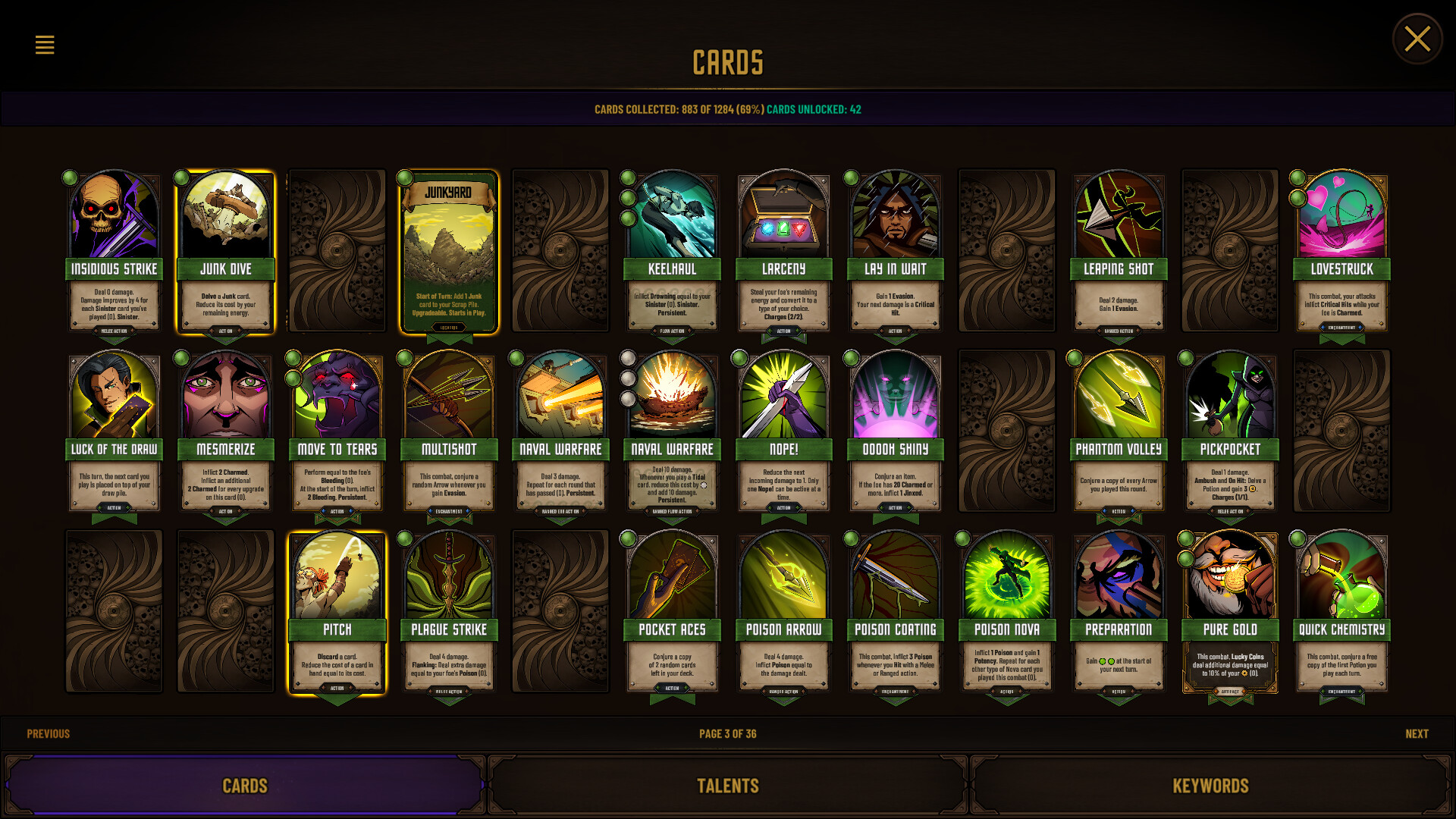
Dawncaster stands out because deckbuilding is treated as character design, not just numbers management. Each class has radically different approaches and the weapons you pick modulate playstyle — a rogue can be sneaky-ranged or viciously melee depending on your starting kit. The game encourages specialisation for powerful focused builds and diversification if you prefer flexible responses to encounters. The meta-progression system (fateshards, unlockable starting cards and cosmetics) rewards repetition and exploration, and modes like the Sunforge bossrun draft, weekly challenges and Infernal Invasions add structured variety. There’s also a pleasingly large pool of cards — hundreds if not a thousand — so synergy hunting becomes an adventure in itself.
Paper, Pixels and Performance: Presentation and Accessibility
Graphically Dawncaster is crisp and colorful with lovely card art and evocative backgrounds that look great on both phones and larger screens. Sound and music do their job — unobtrusive, mood-setting themes that ramp up during boss fights. Performance on PC is solid for me, though several users report controller quirks (Steam Deck users should note Proton 9+ tips) and rare bugs like misbehaving card pops or soft-locks that the devs quickly patch. The UI is clean but can feel dense at first: the tutorial coverage is uneven—veteran deckbuilders will feel at home quickly, newcomers might flounder until they discover tooltips and community guides. Accessibility options are present but could be expanded, especially for controller-first play.
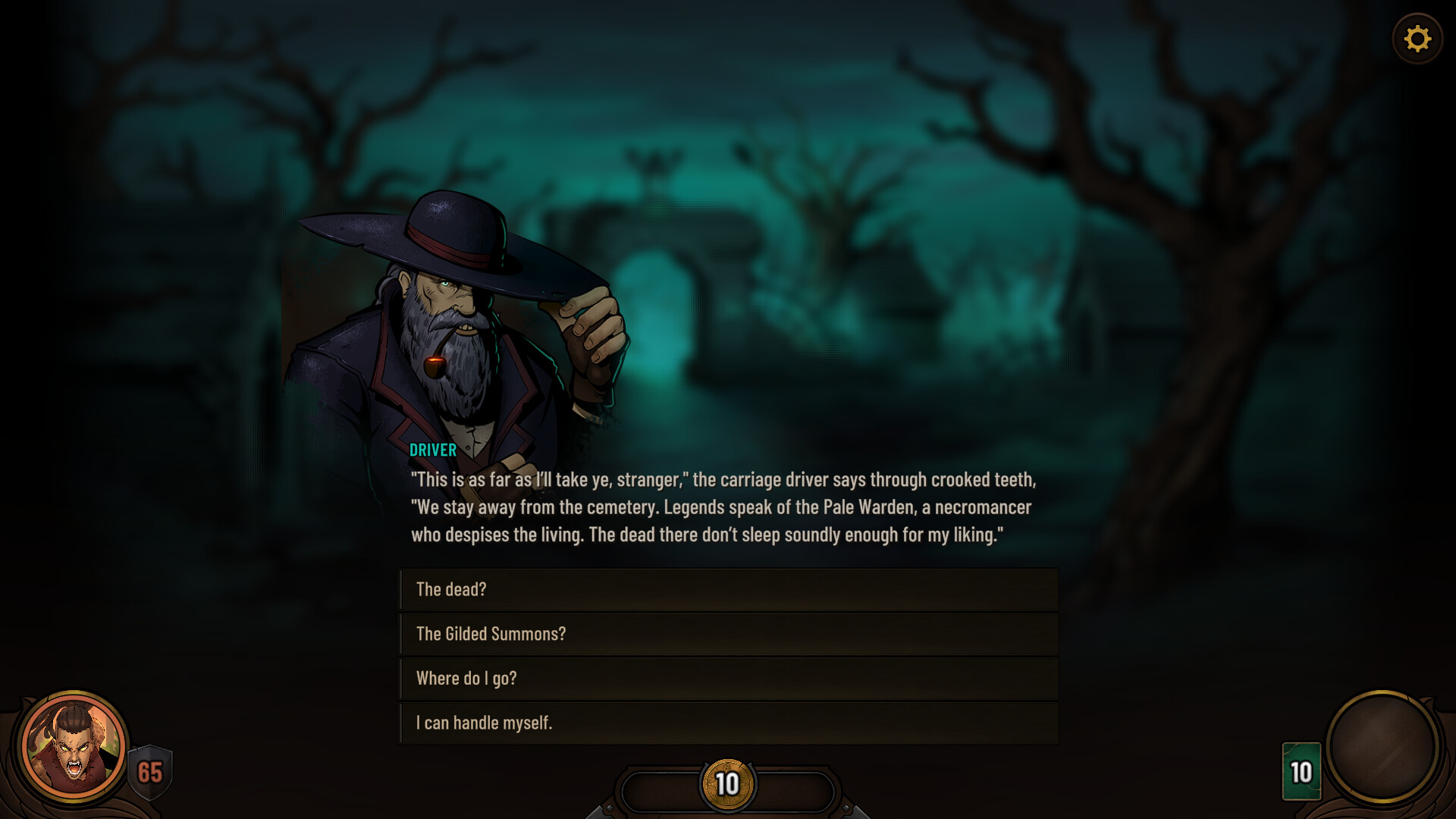
Dawncaster is a warm, ambitious deckbuilder that wears its RPG heart on its sleeve. It’s ideal for players who enjoy lengthy progression, experimenting with synergies, and a community that actually listens — but newcomers should be prepared to learn by doing. If you love deckbuilders and want something with more character-forward progression than the usual fare, give Dawncaster a serious look.
Pros
- Deep, RPG-flavored deckbuilding with meaningful progression
- Huge card pool and many playstyles — real replayability
- Active, responsive developers and an engaged community
- Multiple modes (Sunforge, weekly challenges, Infernal) keep things fresh
Cons
- Steep learning curve and spotty in-game tutorial for newcomers
- Controller support still rough in places (Steam Deck quirks)
- Occasional small bugs, though patches come fast
Player Opinion
Players praise Dawncaster’s synthesis of RPG elements and deckbuilding — many reviews say the story stops the game from feeling like a faceless card grinder and gives real attachment to builds. The community repeatedly highlights the sheer volume of content (all expansions bundled on PC), generous progression systems and the devs’ responsiveness on Discord. Common criticisms are the weak onboard tutorial and occasional controller friction; a few users reported rare soft-locks or UI oddities. Longtime mobile fans celebrate the faithful port and sync options, while newcomers appreciate the accessibility toggles — in short, if you like deep deckbuilders and community-driven development, this game consistently tops recommendation lists.