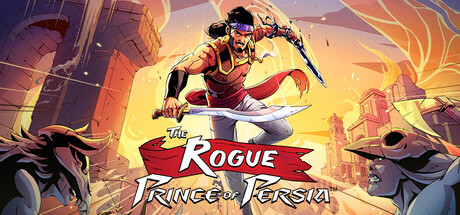




The Rogue Prince of Persia Review – Parkour Roguelite with a Killer Soundtrack
A heartfelt look at Evil Empire's take on Prince of Persia: fluid parkour, Dead Cells vibes, an unforgettable soundtrack — and a few rough edges. For fans of movement-first action and short, replayable runs.
I didn’t expect a modern Prince of Persia to feel like a love child of Dead Cells and old-school PoP — but here we are. The Rogue Prince of Persia leans hard into acrobatic movement and bite-sized, replayable runs, wrapped in a surprisingly cinematic soundtrack. It’s a tight, movement-first roguelite that rewards precision and curiosity, though it sometimes trips over its own ambition. If you care about momentum and musical atmosphere, this one will grab you fast.
Racing Through Ruins and Royal Halls
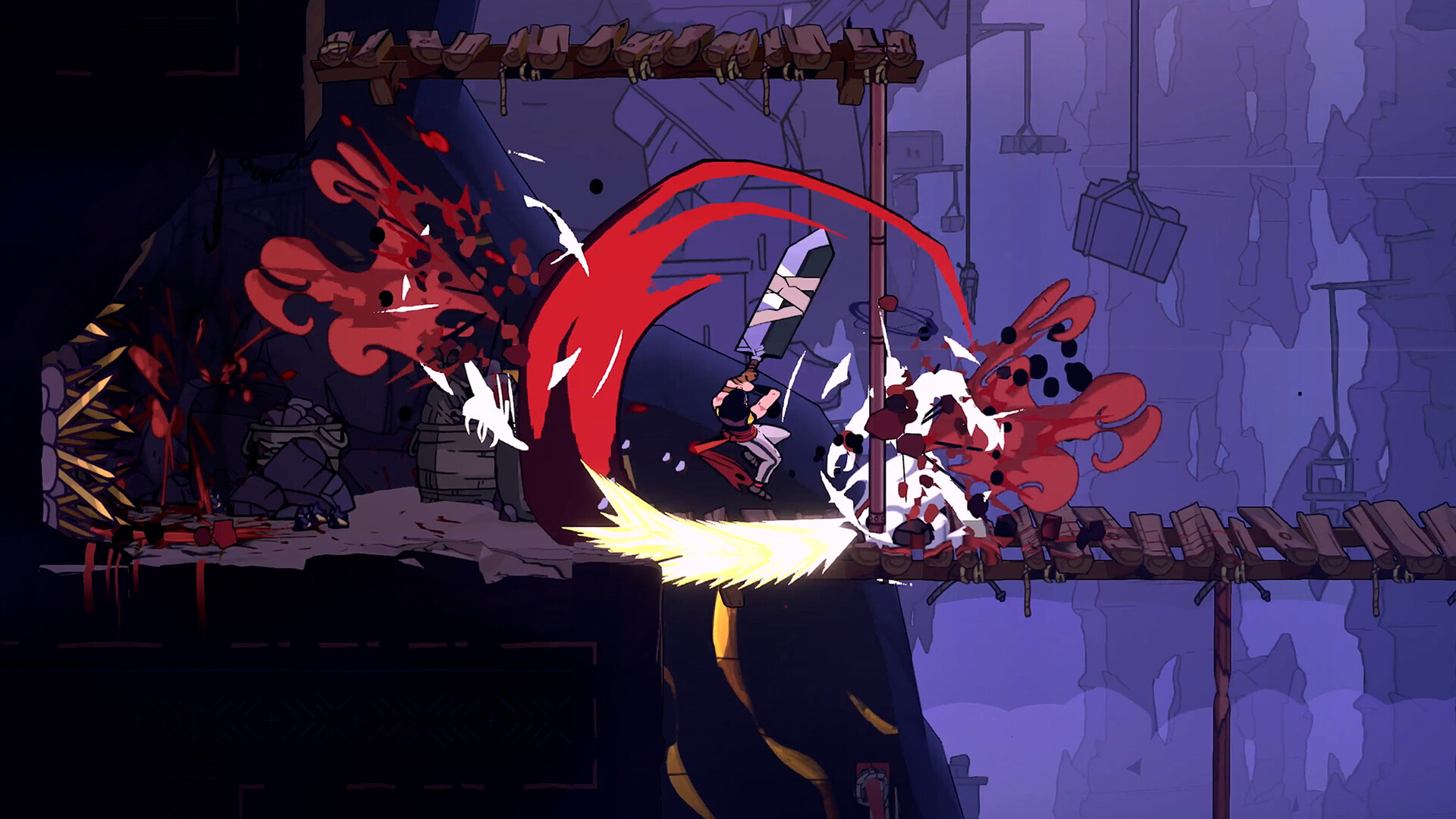
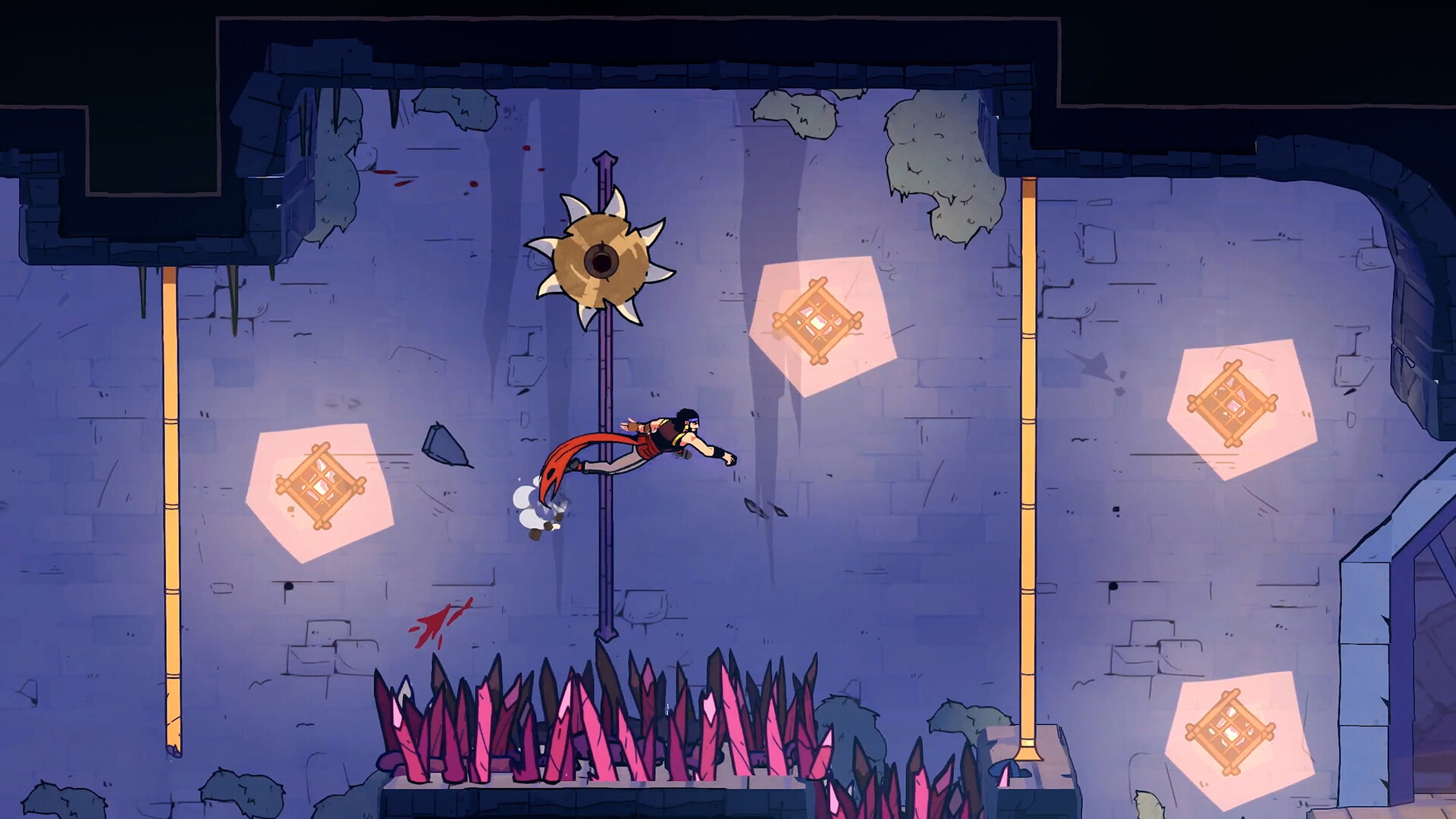
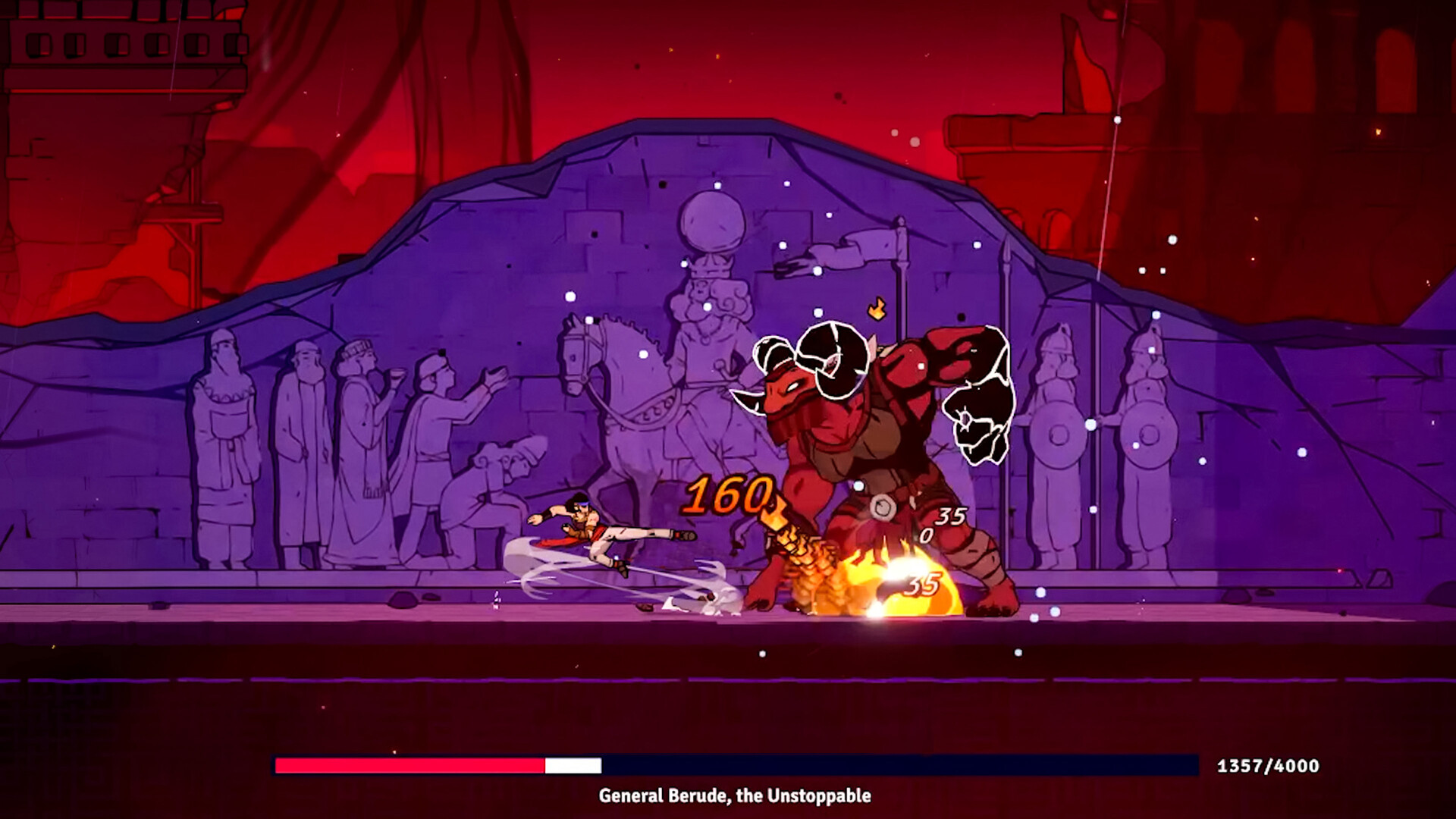
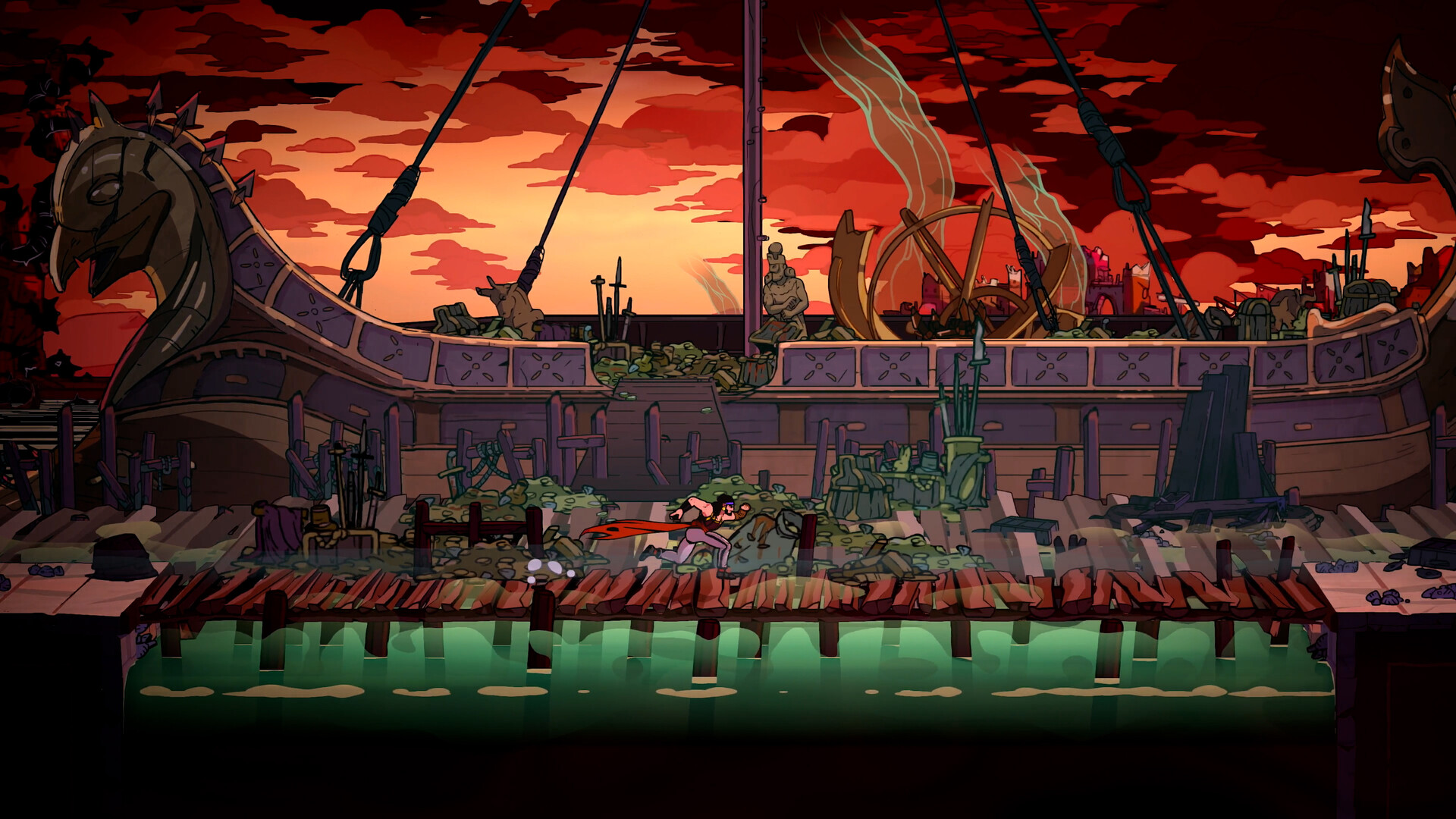
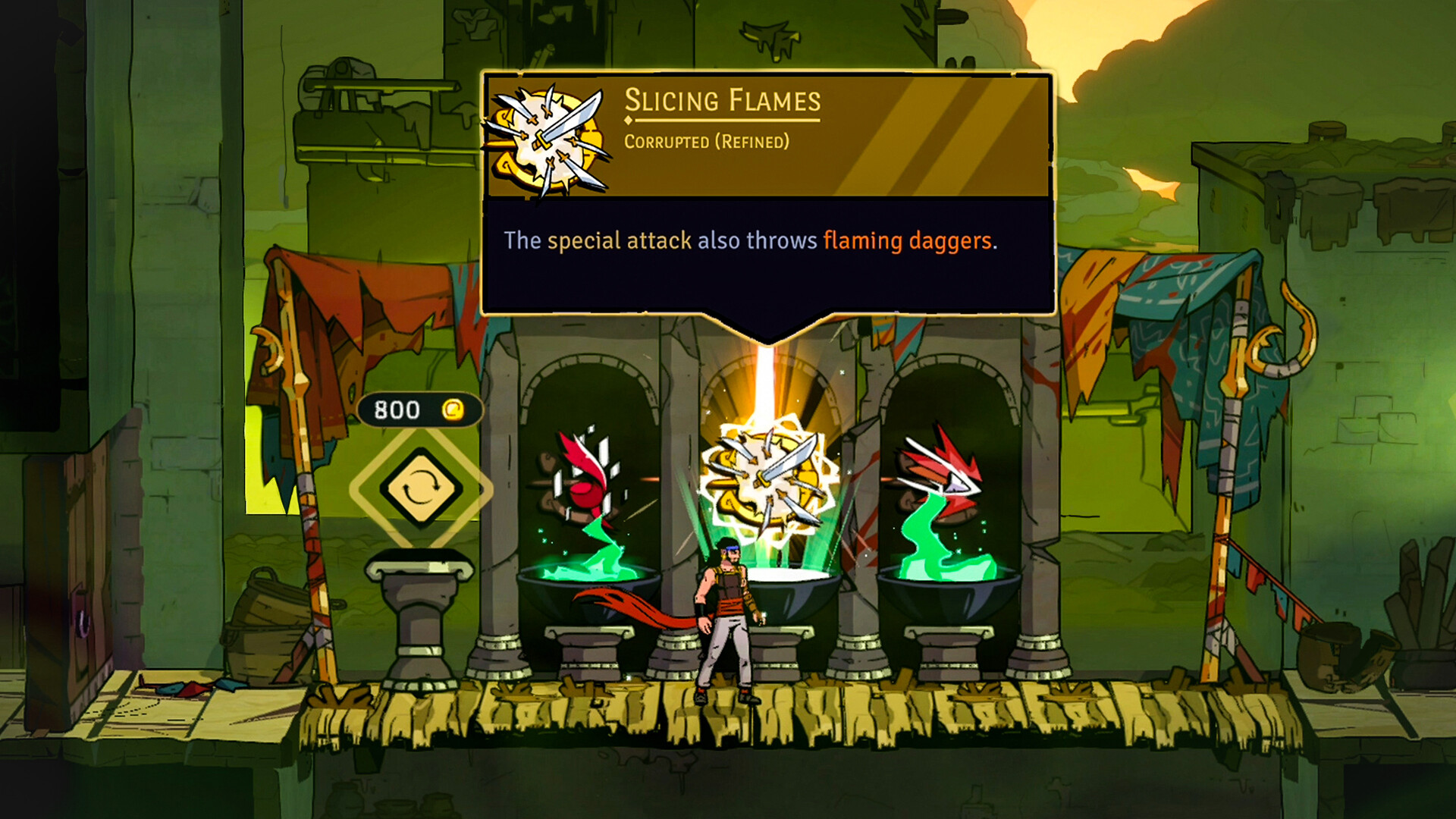
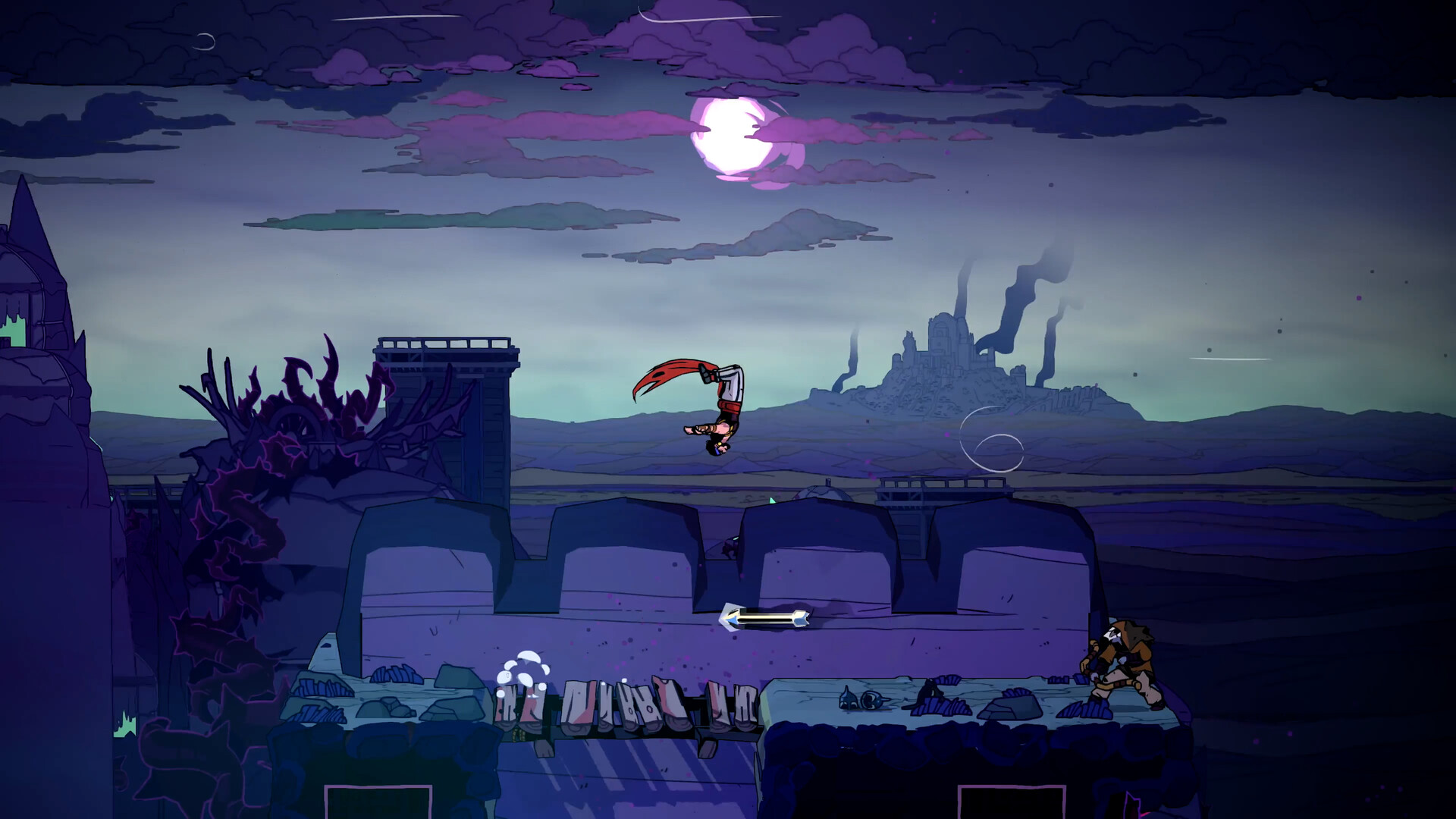
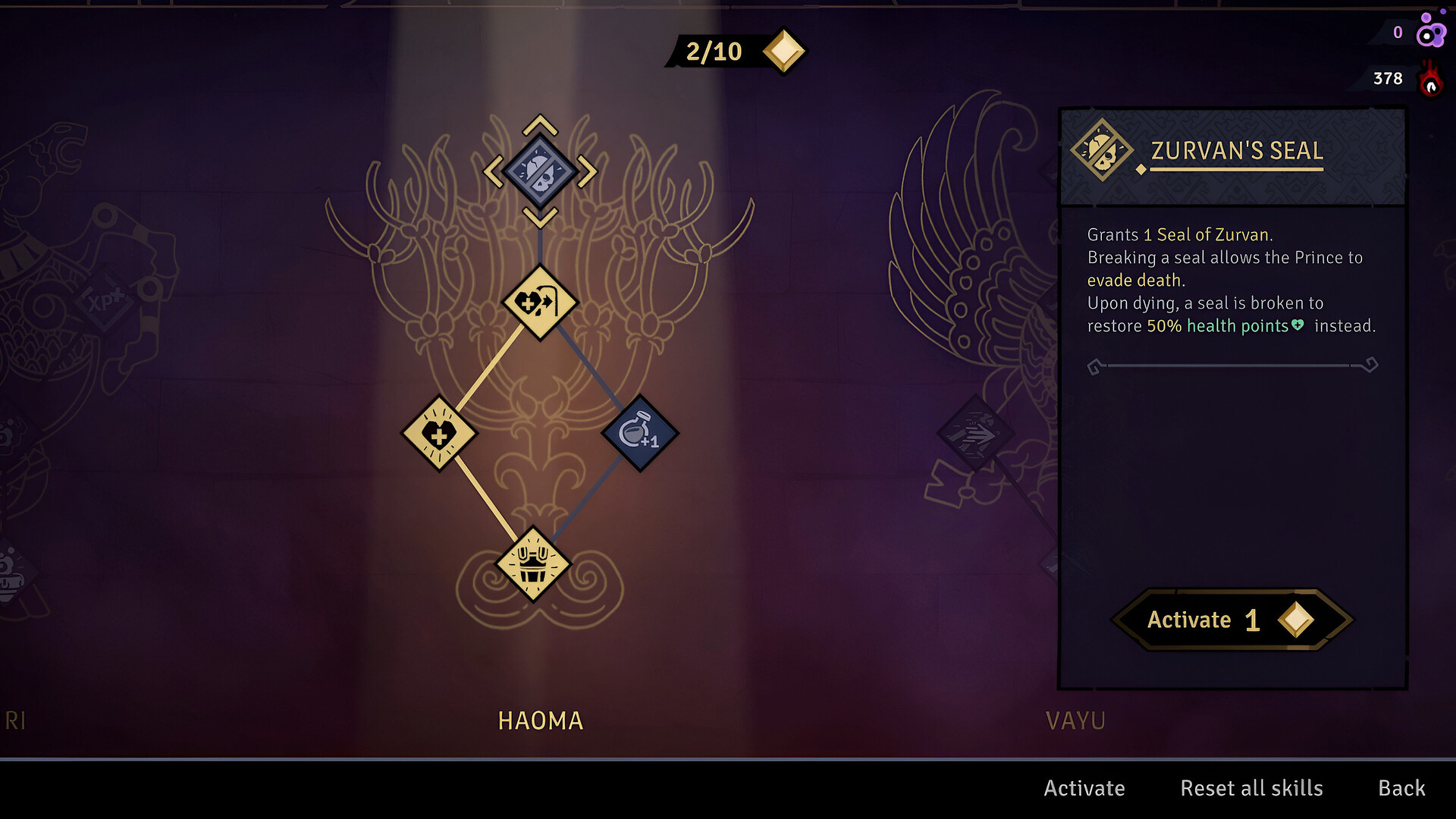
The Rogue Prince of Persia is all about momentum. Most of my time is spent running, wall-running, chain-dashing and folding combat seamlessly into parkour sequences — think tight side-scrolling arenas where every jump is an opportunity. Levels are built as an interconnected, roguevania-ish map with procedural elements so no two runs feel identical, even if some platforming segments repeat. Combat favors quick decisions over complex combos: you’ll swap between 100+ weapons and medallions, each nudging your build in a different direction. Encounters test your timing rather than your memorization, but bosses ask for pattern reading and patience. Death isn’t punishment so much as a lesson: every failure feeds metaprogression and new routes.
When Agility Is the Real Weapon
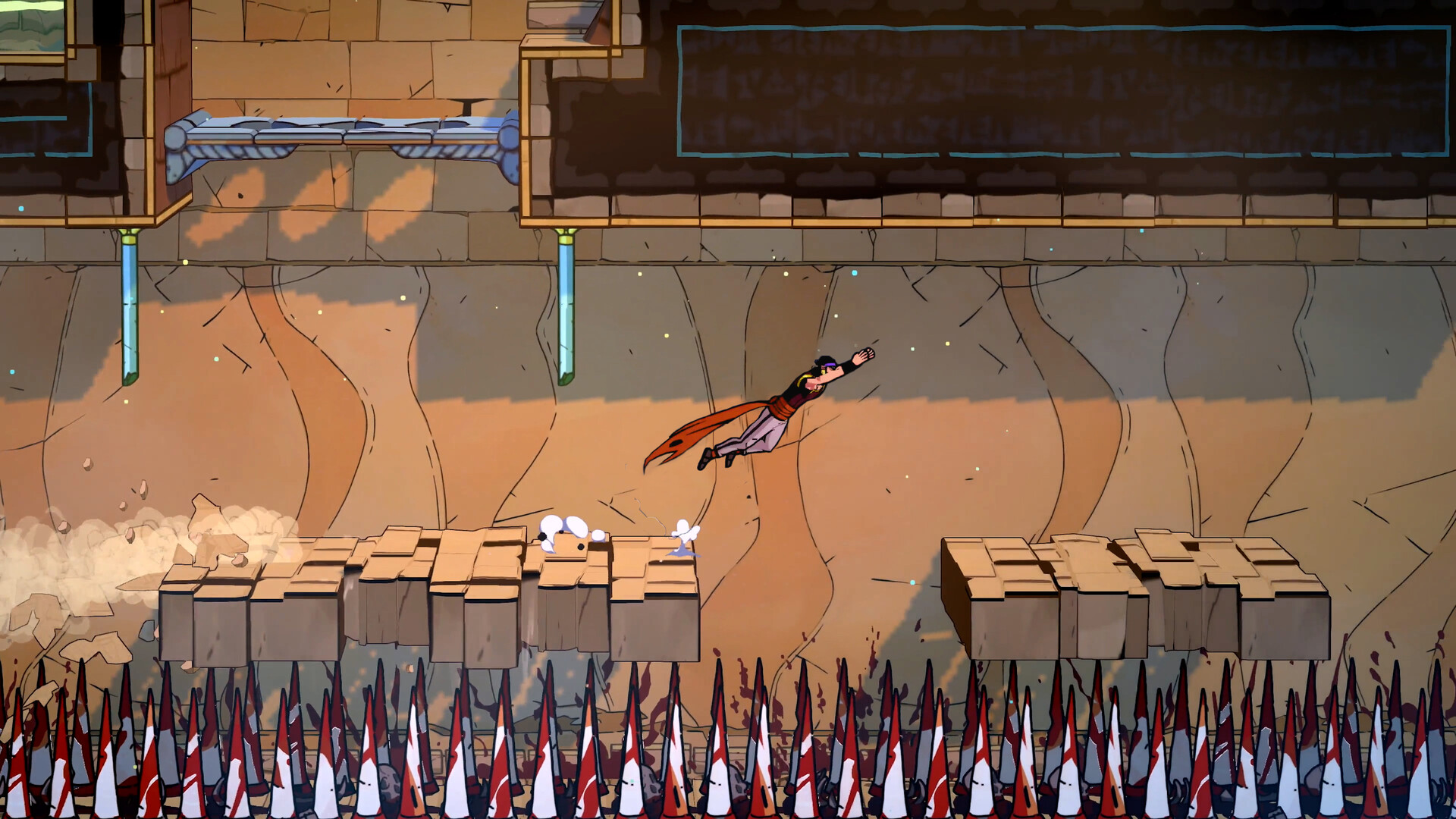
What makes this stand out is how movement is the core power fantasy. Wall-runs, pole-grabs and mid-air repositions are implemented so you can tailor your approach — stealthy parkour to avoid fights, or aggressive aerial plays to wreck an enemy’s cadence. The game hands you a surprising toolbox of items and medallions that change how you traverse and fight, and experimentation is genuinely rewarded. There are some signature moments that feel cinematic, like leaping between collapsing columns while the soundtrack swells, and those hits land hard. That said, movement has a learning curve: a few players reported the wall-run feeling fiddly in specific sections, and a handful of bugs can make a run grind to a halt. Still, when the systems click, the flow is intoxicating.
Sound, Style, and Engine Work That Keeps Up
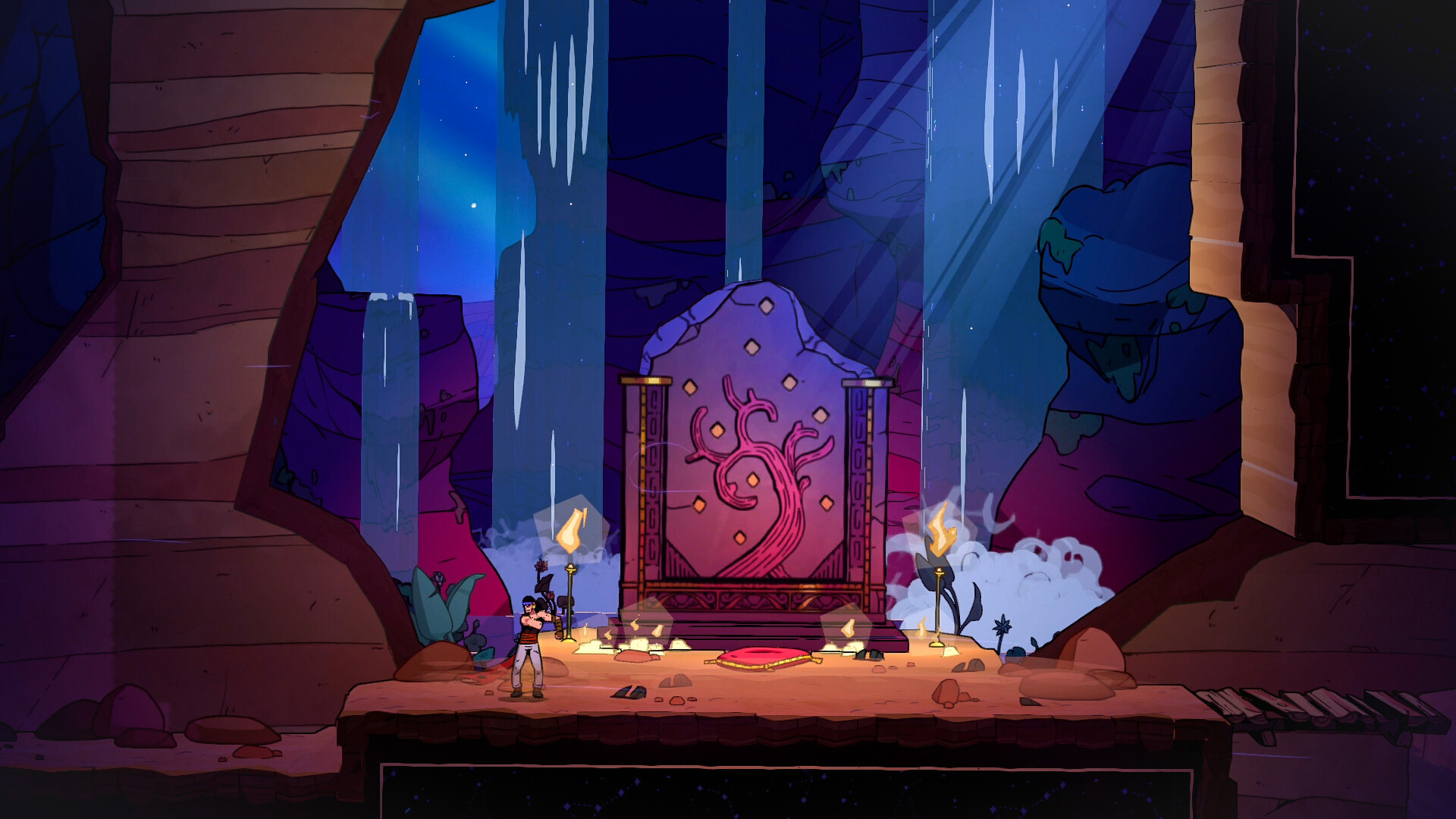
Visually, the title blends 2D and 3D layers for a textured, slightly cinematic look — not hyper-real, but evocative and readable in the heat of action. Performance is generally solid on PC; I saw smooth frame rates on modern hardware and players report decent performance even on lower-end machines. The soundtrack is the star: themes swell at perfect moments and give each biome a distinct mood, turning routine platforming into mini-set pieces. UI and tutorials could be clearer — some mechanics like the dive attack or energy rules for tools aren’t explained as well as they should be — and a few bugs (and an awkward Ubisoft launcher cloud save situation mentioned by players) blemish the experience. Still, audio design plus responsive controls make this one of the more polished indie action offerings lately.
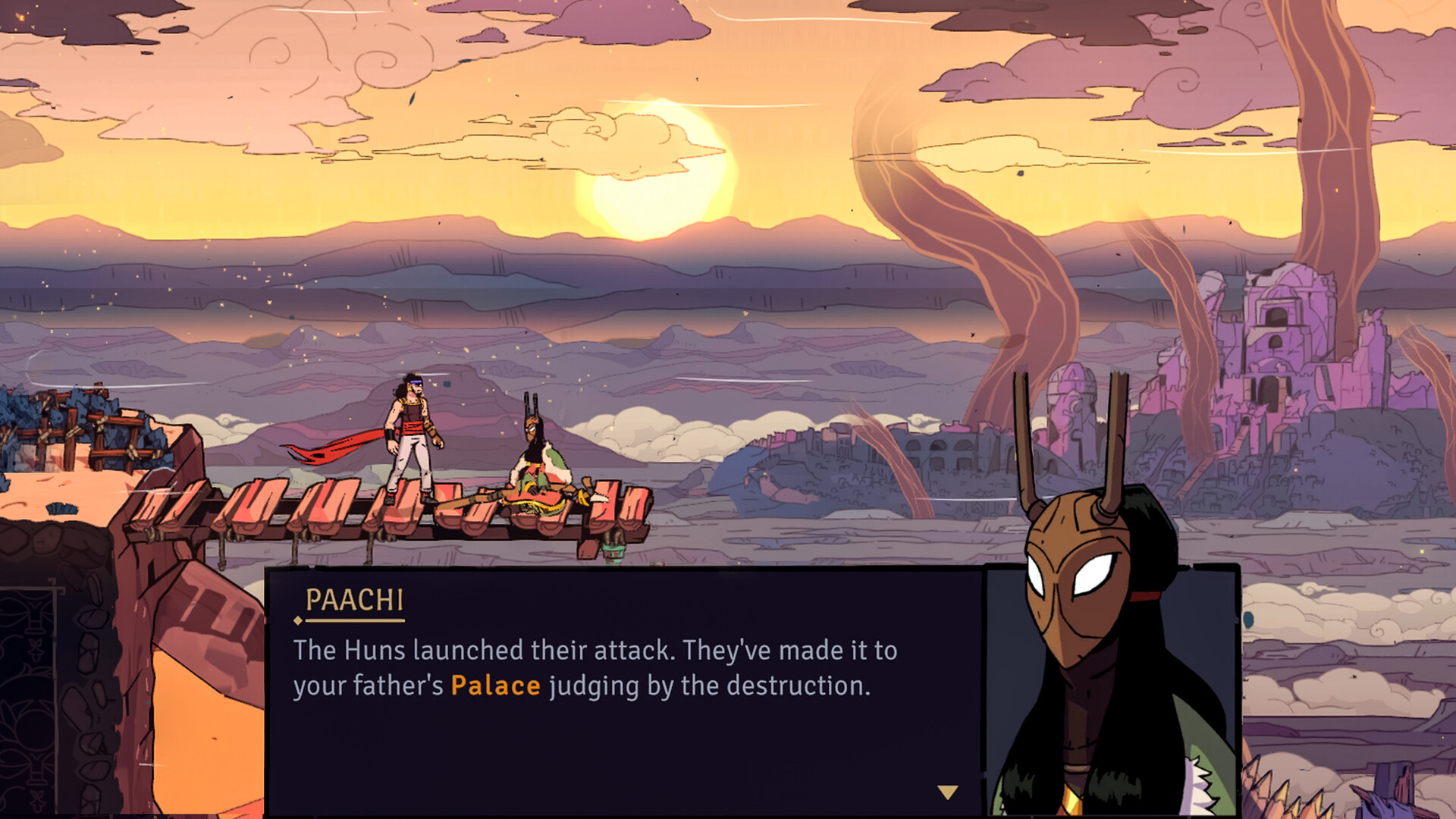
The Rogue Prince of Persia is a highly enjoyable, movement-first roguelite that nails atmosphere and momentum. It’s not flawless — bugs, a few design rough spots and limited post-story content hold it back — but the core loop (and the soundtrack) is addictive. Buy it if you crave polished parkour, cinematic music, and repeatable runs; wait for a sale if you’re worried about longevity.
Pros
- Exceptional, cinematic soundtrack that elevates every run
- Fluid, addictive parkour and movement systems
- Strong metaprogression with many weapons and medallions
- Tight controls and generally solid performance
Cons
- Occasional bugs and a few blocking issues reported by users
- Short main story and some repetitiveness between runs
- Cloud save/launcher quirks can cost progress on some setups
Player Opinion
Players consistently praise the soundtrack and the silky movement — many say the parkour alone makes the game worth the price. Comparisons to Dead Cells are everywhere: some see this as a lighter, more accessible cousin with more storytelling, others call it a streamlined Dead Cells. Criticisms tend to cluster around a handful of issues: a fiddly wall-running section that blocked progression for a few, a few bugs that broke runs, and cloud save problems tied to the launcher. Post-launch support and free updates earned goodwill, while the short campaign length and limited endgame are common gripes. If you liked Dead Cells or value movement-first design, reviewers say you’ll likely enjoy multiple runs.