


MIO: Memories in Orbit — A Colorful Metroidvania with Soul
I took MIO for a spin: gorgeous art, addictive exploration and tight combat, but a few rough QoL choices keep it from perfection.
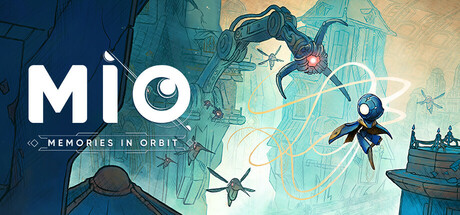
I love a good Metroidvania rush: that moment when a new ability finally clicks and a whole wall of the map opens up. MIO: Memories in Orbit promises exactly that with a robot protagonist, a derelict Vessel to explore and a soundtrack that desperately wants to live on my playlist. Inspired by comics, anime and painterly backdrops, it wears its influences proudly—think Hollow Knight’s exploration mood with brighter colors and a dash of NieR‑style customization. It’s charming, sometimes frustrating, often beautiful, and definitely worth a few evenings of getting lost in.
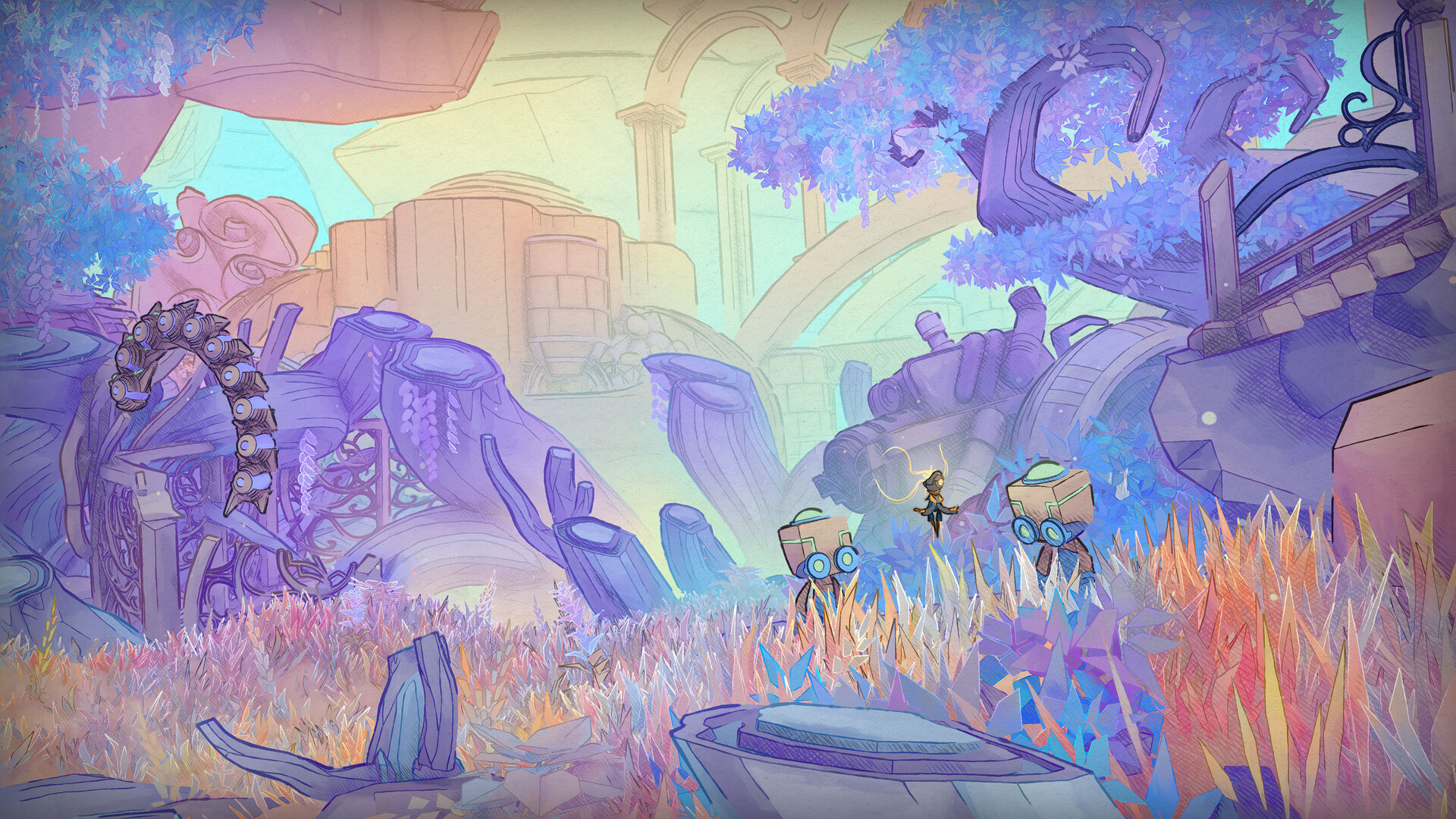
Traversal that Feels Like Learning to Dance
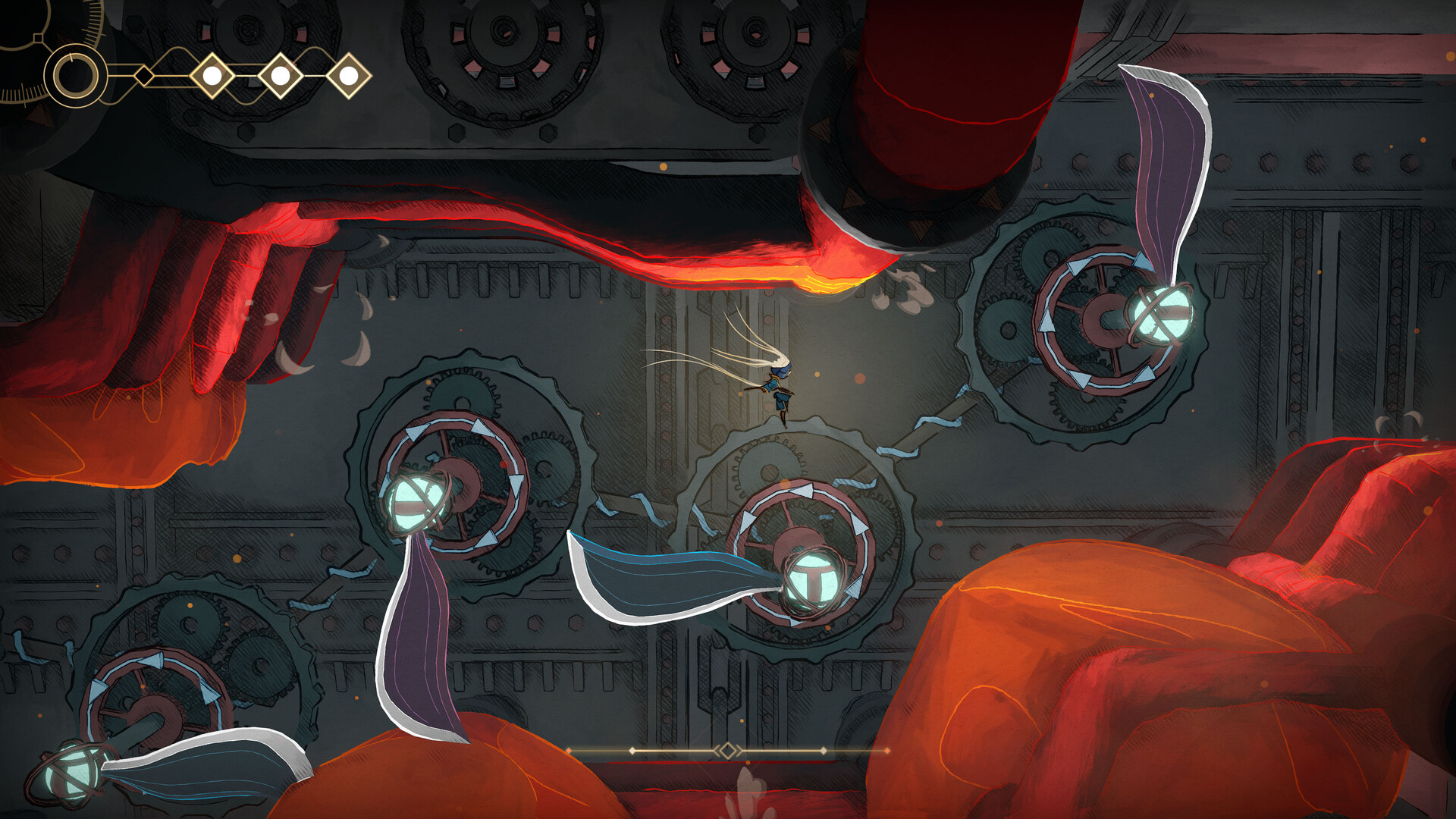
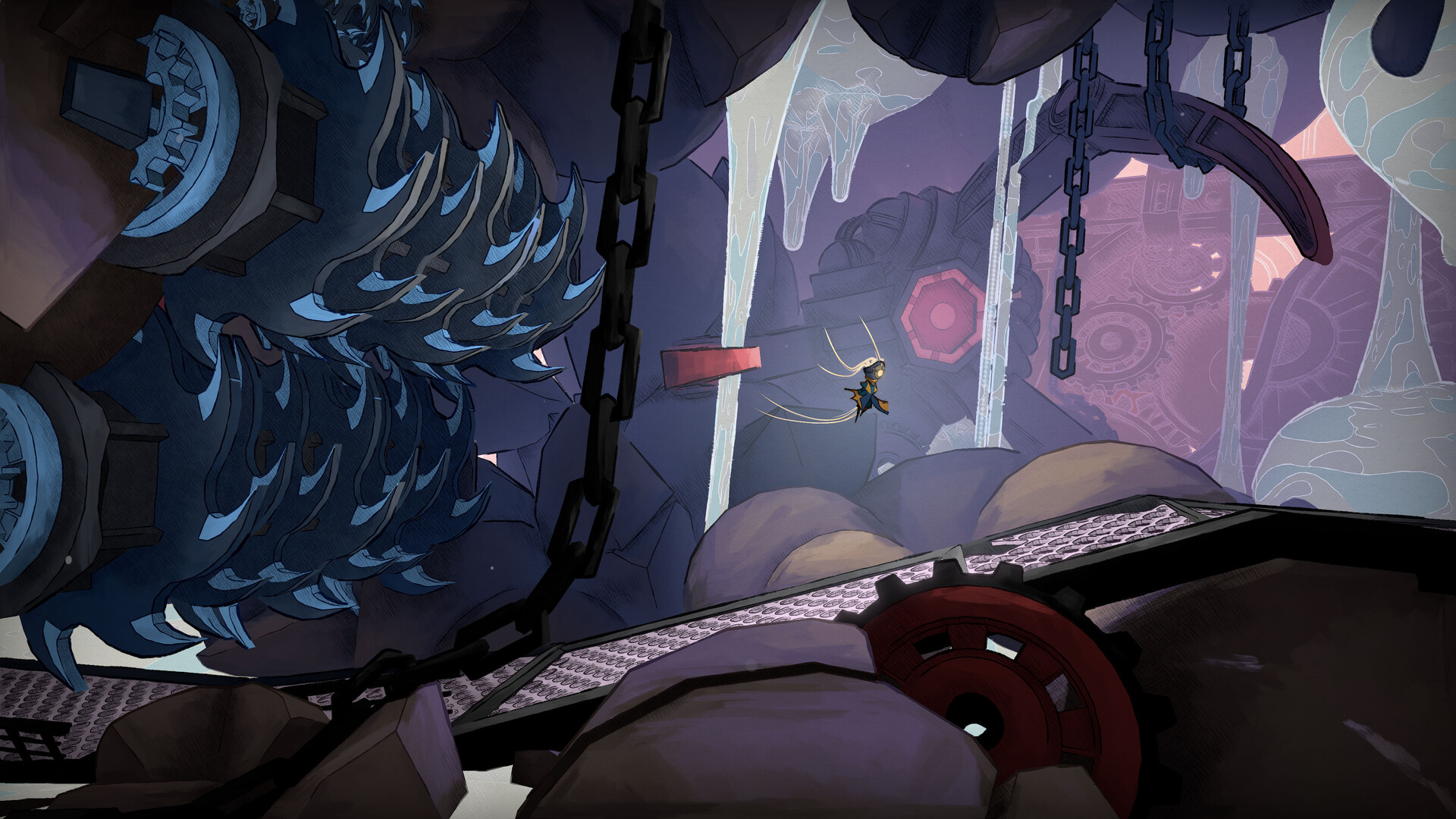
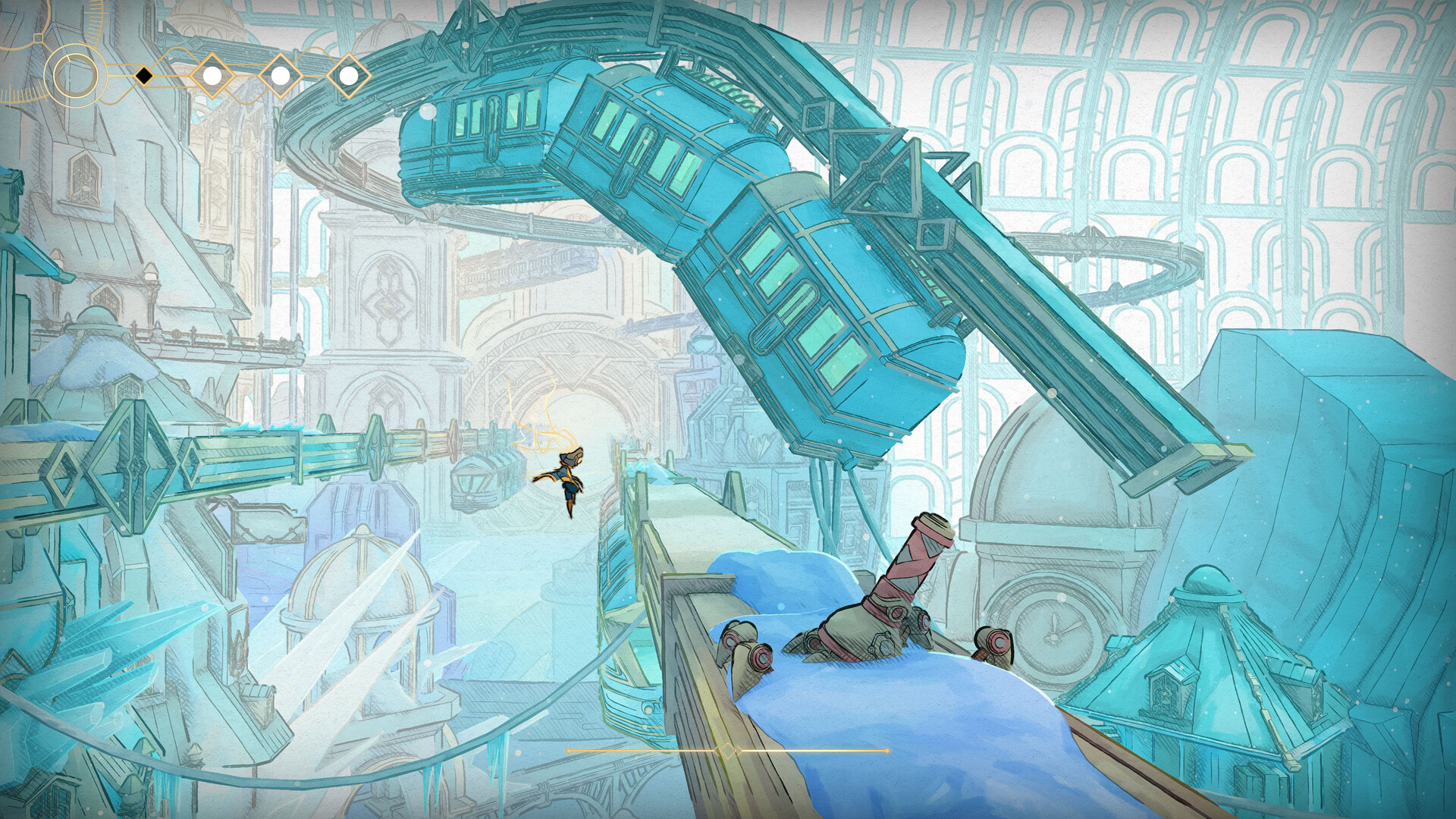
Movement is the heart of MIO: grappling hooks, air glides, and a satisfying spider‑like wall cling all combine to create flow-based traversal that rewards rhythm and timing. Early on you might feel clumsy—missing a hairpin crystal or mistiming a glide can send you tumbling—but a few hours in the hooks and string mechanics feel wonderfully precise. The levels are built as a living labyrinth: hidden shortcuts, environmental puzzles and vertical shafts make exploration feel purposeful rather than filler. Progression revolves around earning new abilities that unlock previously unreachable areas, and the sense of discovery when a new route finally becomes available is pure Metroidvania joy.
When Memories Become Your Toolbox
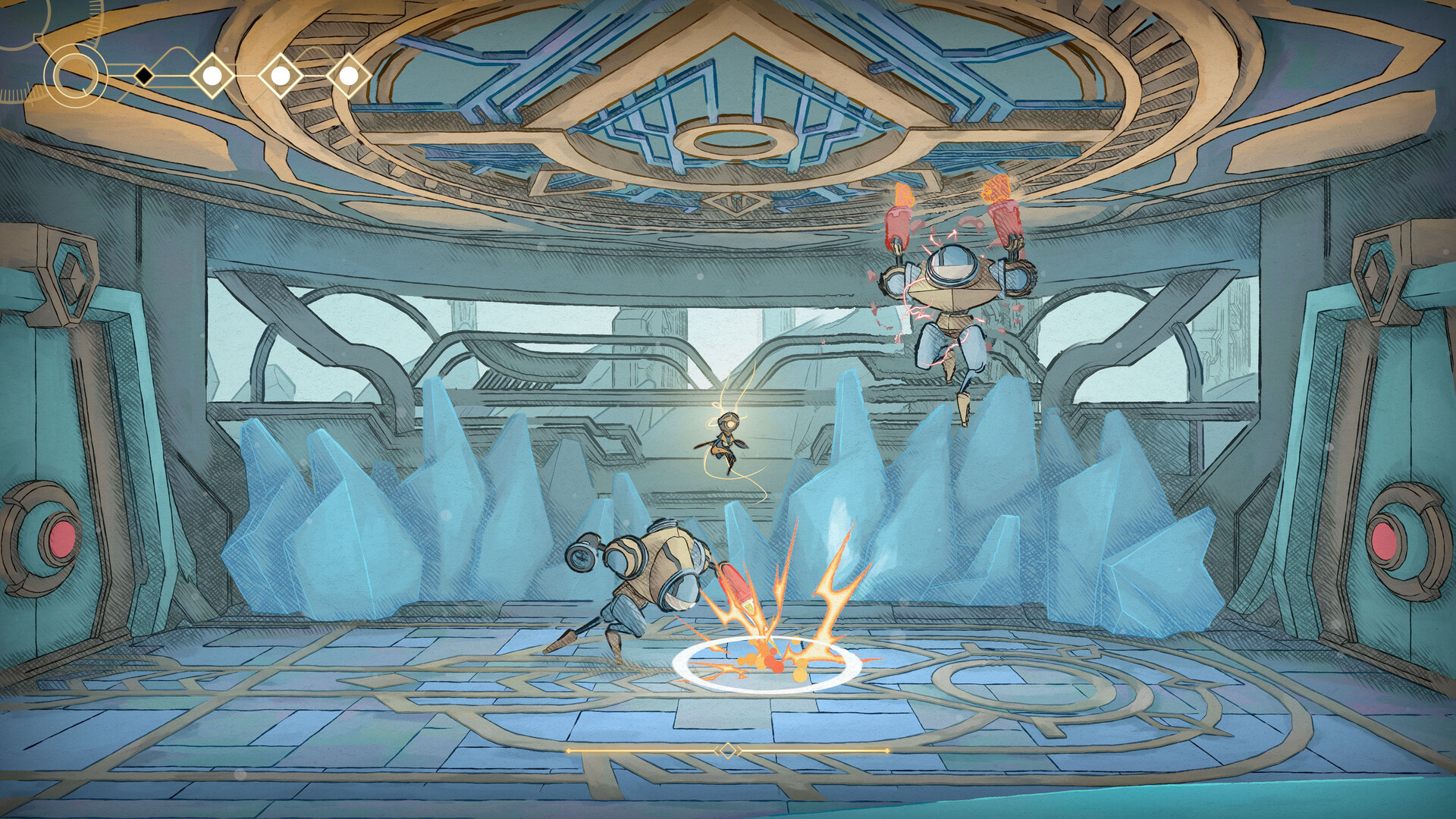
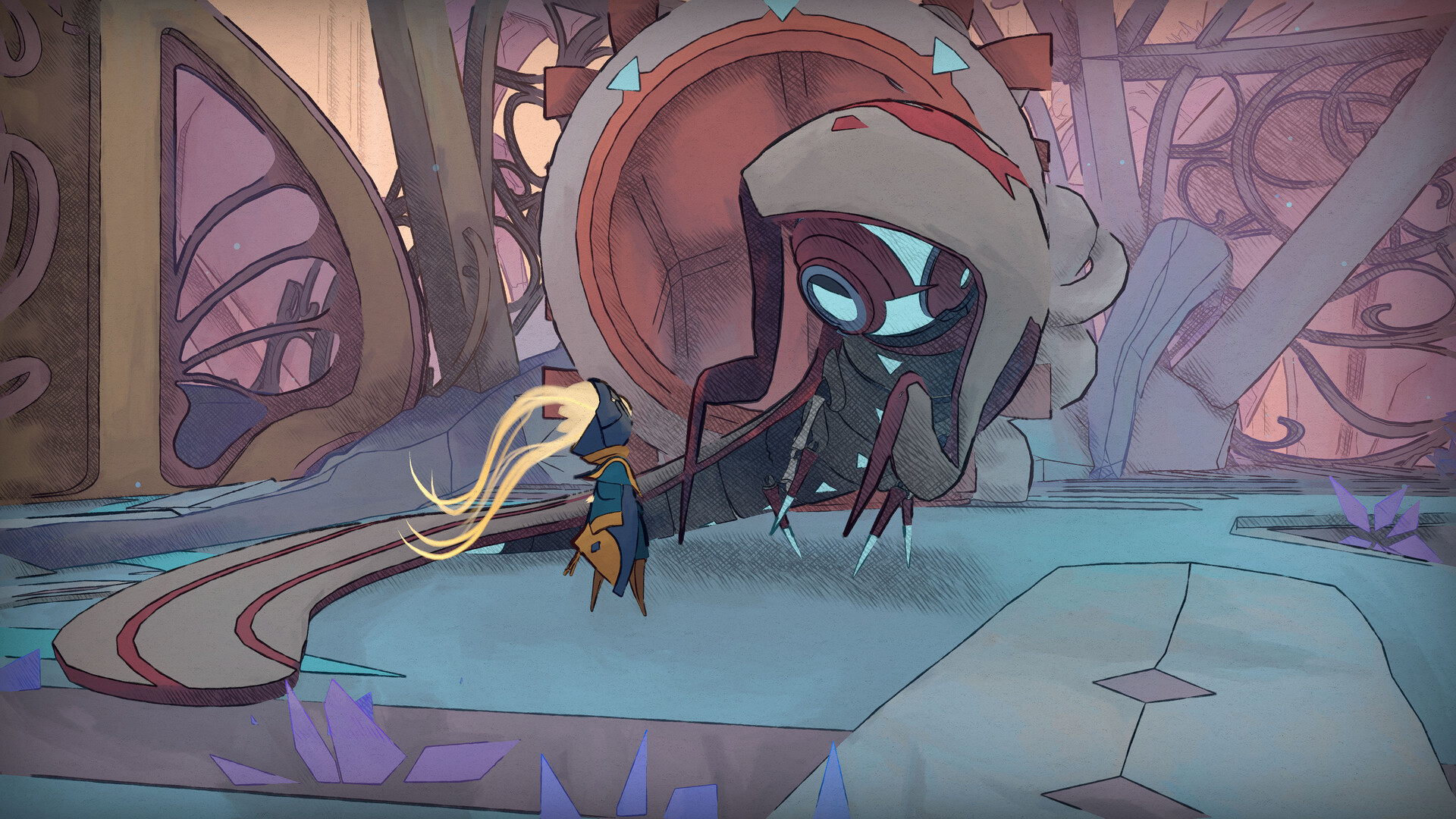
What sets MIO apart are the way upgrades and scavenged parts interact: you scavenge enemy components to craft Modifiers that reshape your loadout, letting you turn your Hook into a lasso or convert your Shield into raw damage output. There’s a small skill‑tree vibe but with experimental loadout choices—sacrifice defense for mobility, tweak cooldowns, or amplify orbs into devastating projectiles. Combat blends melee, ranged orbs, decoy clones and evasion, and while it isn’t hyper‑complex it’s smartly tuned so encounters feel fair but demanding. Bosses (there are about 15 guardians) each bring unique patterns and spectacle; they rarely felt unfair, though some later fights demand perfect platforming in addition to pattern reading.
A World That Sings (and Sometimes Whispers)
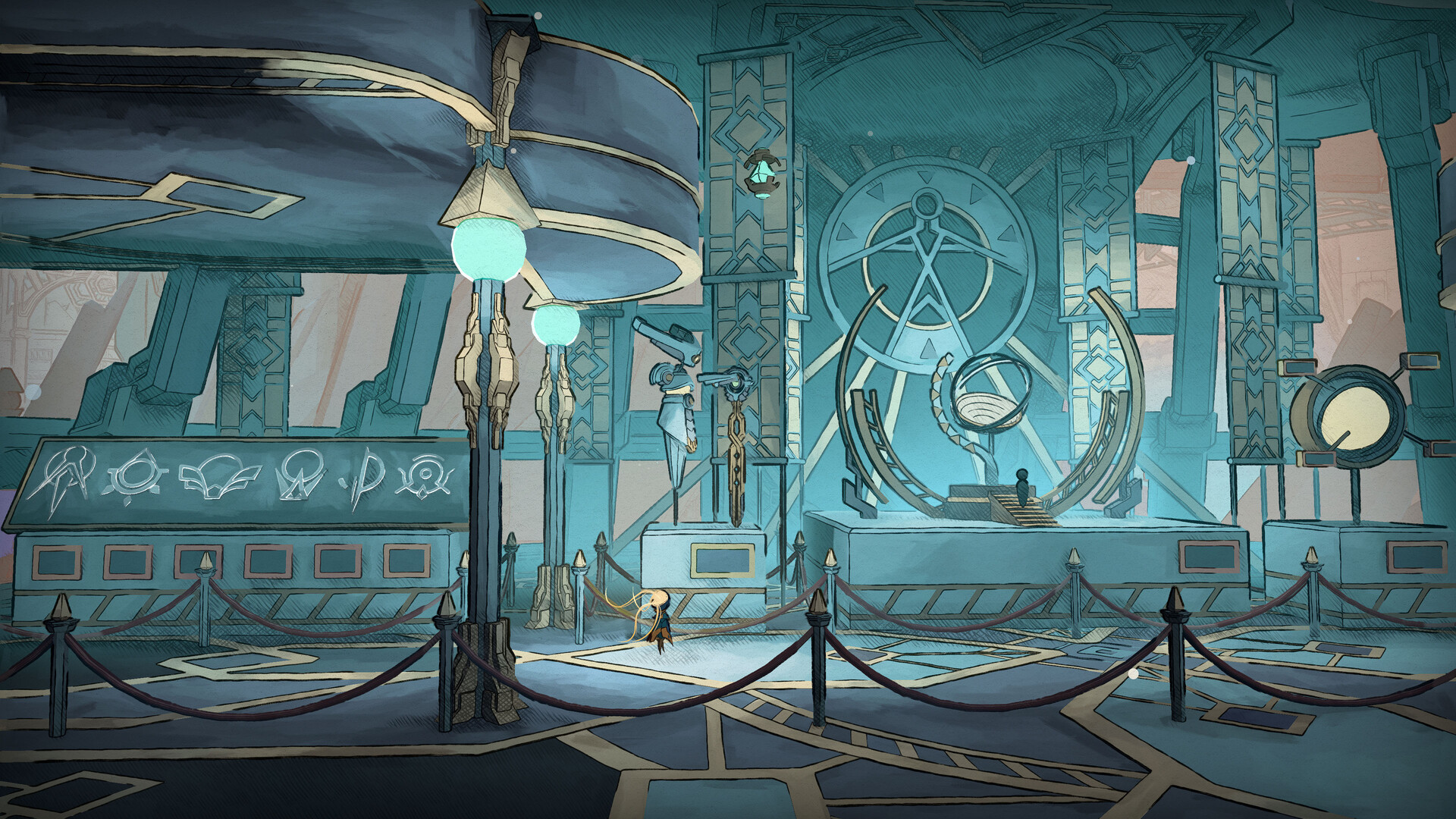
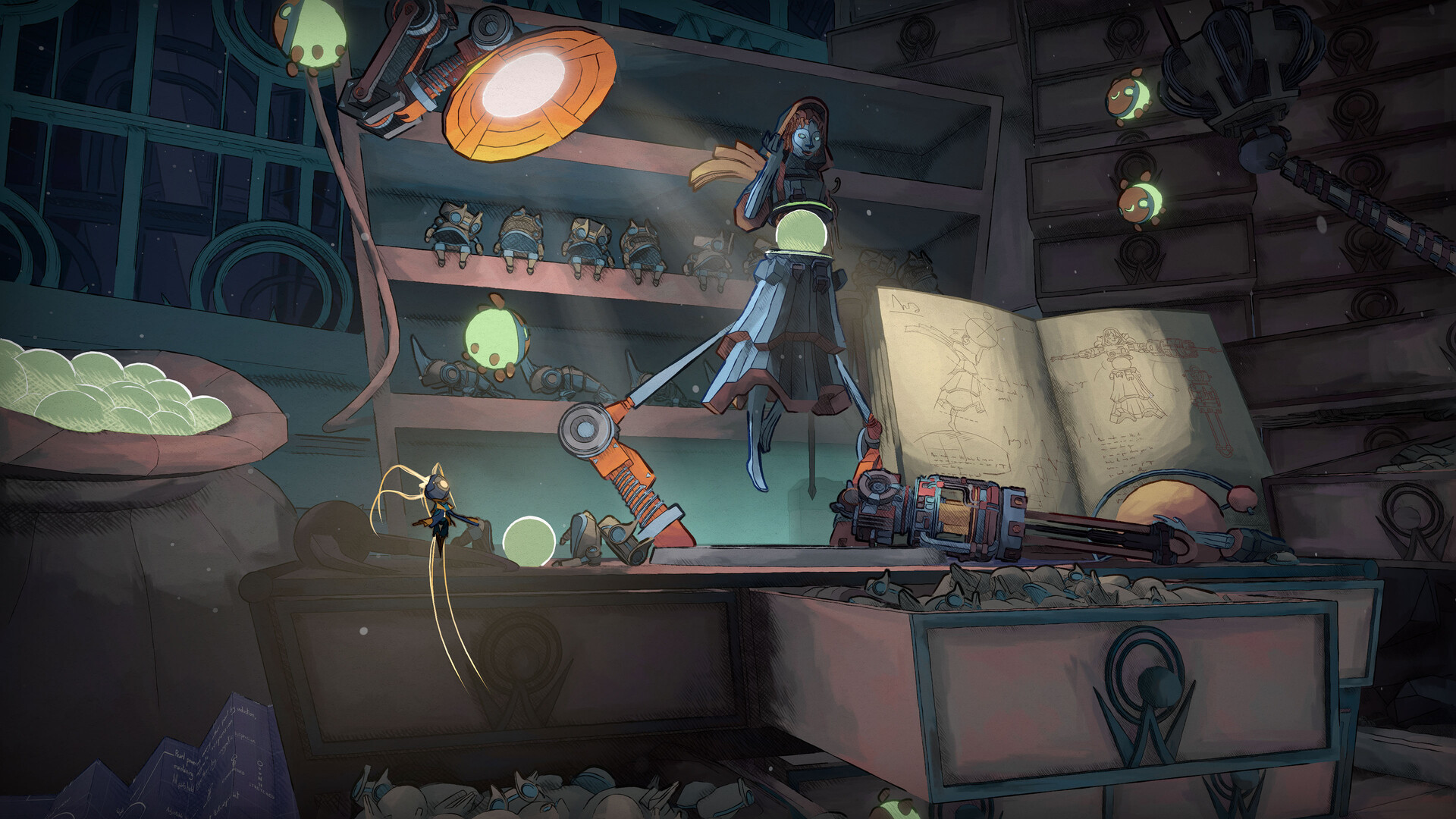
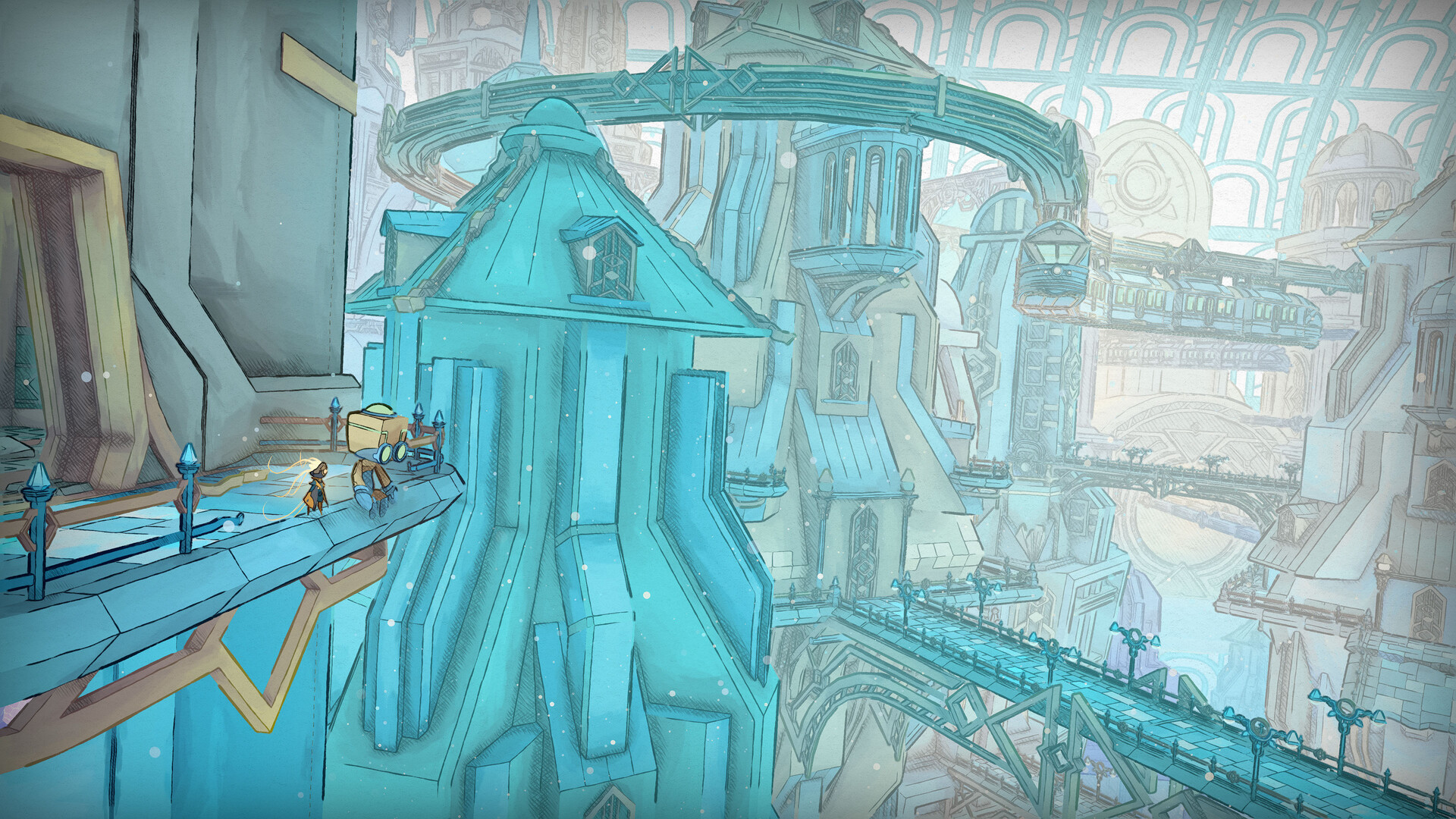
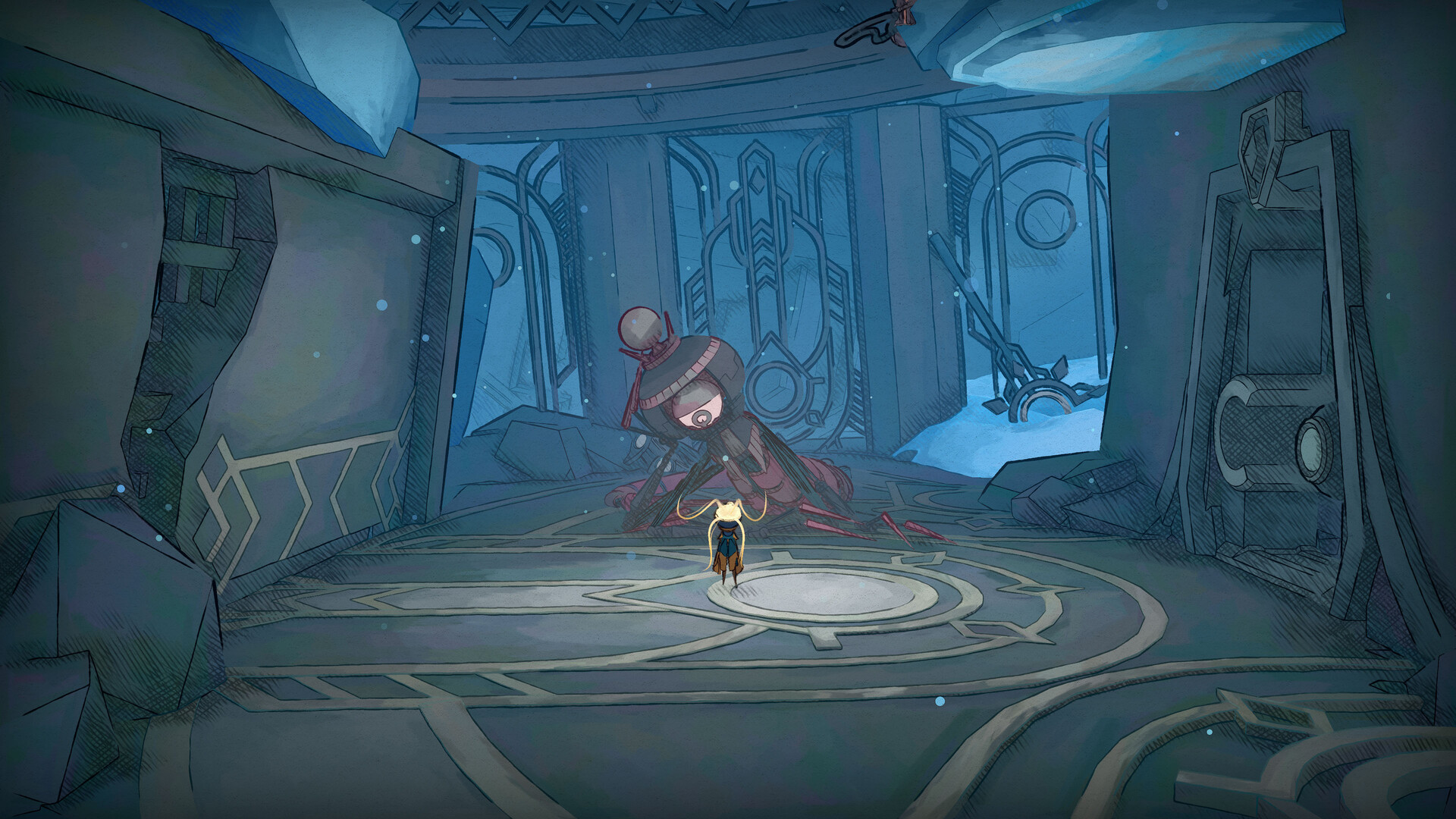
Graphically, MIO is an art piece: backgrounds inspired by comics, paintings and anime teem with small touches that make the Vessel feel alive—overgrown tech, biomes that change the rules, and NPC androids who slowly regain personality as you repair them. The soundtrack blends lo‑fi beats with choral elements and frequently lifts a scene from pretty to sublime; I found myself pausing to listen more than once. Performance on Windows is stable and smooth in my playtime, but UX choices—sparse early checkpoints, paid health restoration mechanics and a somewhat opaque damage/harmless visual language—can make the experience occasionally grating. Still, when the music, visuals and movement sync up, MIO hits moments of genuine magic.
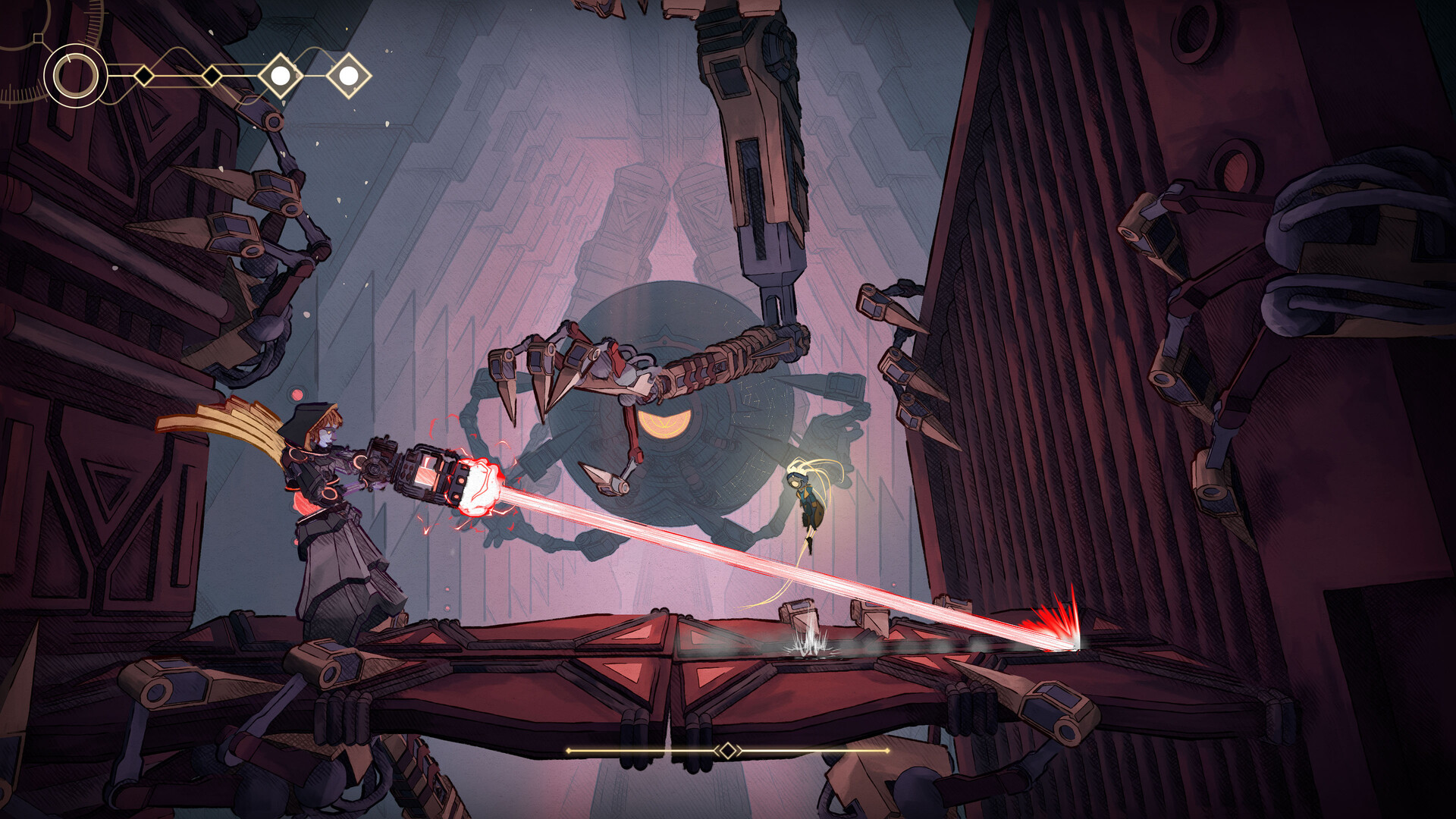
MIO: Memories in Orbit is a heartfelt Metroidvania that pairs spectacular art and music with satisfying movement and thoughtful boss encounters. It stumbles on a few design decisions—checkpointing, paid heals and some opaque mechanics—but the core loop of exploration, scavenging and ability mastery is compelling. If you love atmospheric Metroidvanias, creative loadout options and gorgeous worlds, MIO is worth your time; just be ready for a few rough edges and occasional backtracking.
Pros
- Stunning, hand-crafted art direction and evocative soundtrack
- Tight, rewarding movement: hook, glide and wall‑cling feel great
- Meaningful customization via scavenged parts and Modifiers
- Smart boss design and a genuine sense of discovery
Cons
- Early checkpointing and health systems can feel punishing or awkward
- Some mechanics are unintuitive at first (dodge, hairpin crystals, pogo complaint)
- Visual clarity sometimes suffers — it's not always clear what hurts you
Player Opinion
Players repeatedly praise MIO’s art and music — that point is almost unanimous: the environments, animations and soundtrack are what make people stop and stare. Many reviews compare it to Hollow Knight or Silksong for its exploration vibe and to NieR for customization, praising combat and platforming when the player gets into the flow. On the flip side, recurring criticisms include sparse early checkpoints, a punitive health/refill mechanic, and a handful of unintuitive systems (some players miss pogo damage or clearer mechanics). Several users also highlight excellent developer support and quick fixes or tools for ultrawide players. In short: players love the aesthetic and core gameplay loop, but a subset find QoL choices and initial pacing rough.