



Little Nemo and the Guardians of Slumberland Review – A Hand‑Drawn Metroidvania Dream
A colorful, hand‑animated Metroidvania that wears its NES inspirations proudly. Charming world, tight toys-and-PJ progression, and music that sticks — mostly accessible, occasionally tricky.
I jumped into Little Nemo and the Guardians of Slumberland with a silly grin and came away actually grinning harder. DIE SOFT took classic NES platformer DNA and stretched it into a cozy, hand‑animated Metroidvania that clearly loves its source material without cloning it. The game is bright, inviting and surprisingly layered: you can blaze through it casually or chase every secret for a proper completionist hit. If you grew up on pixelated carpets of spikes and still like your platforming with a generous sprinkle of whimsy, this one’s worth a look.
Dreamland Platforming with a Toybox Twist
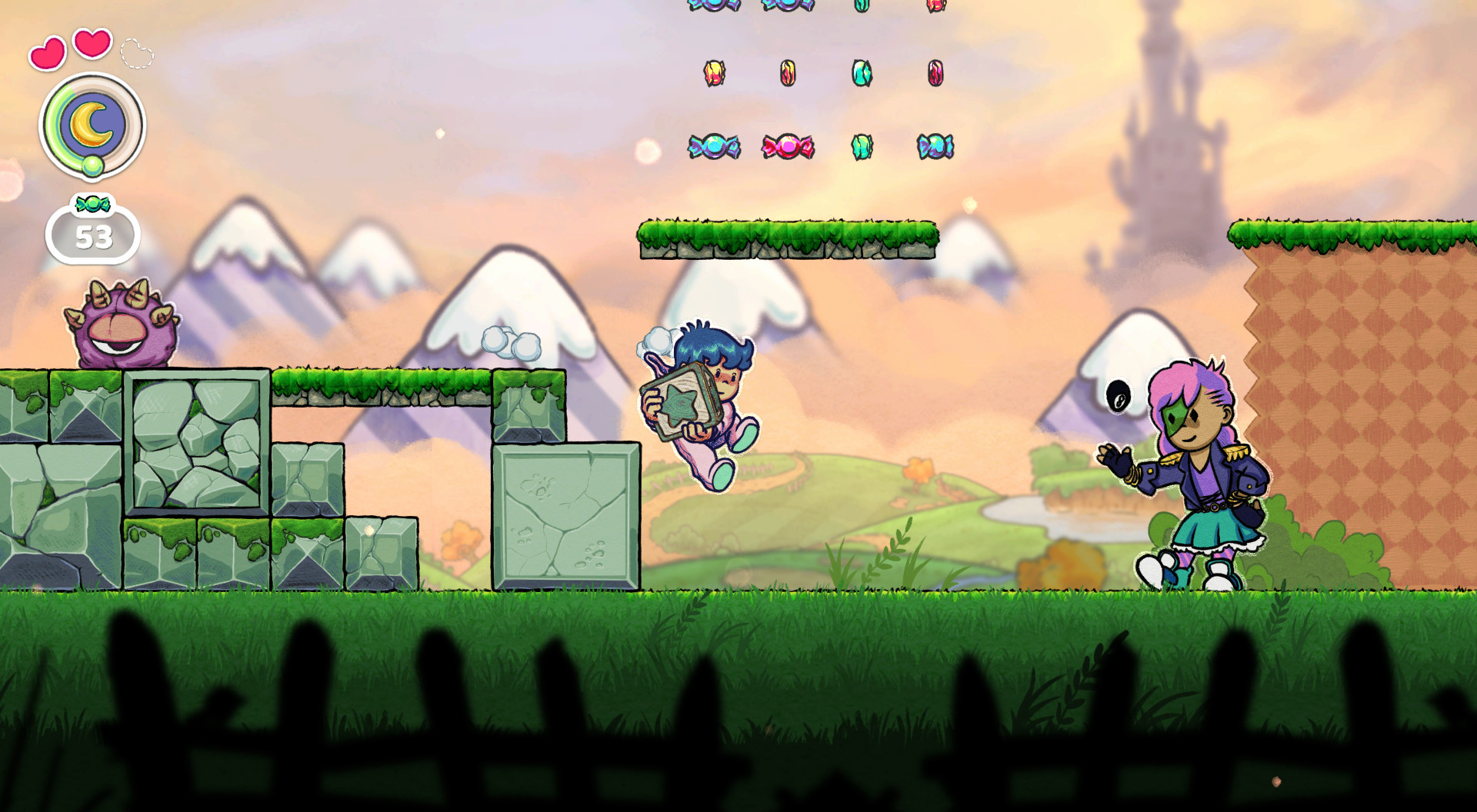
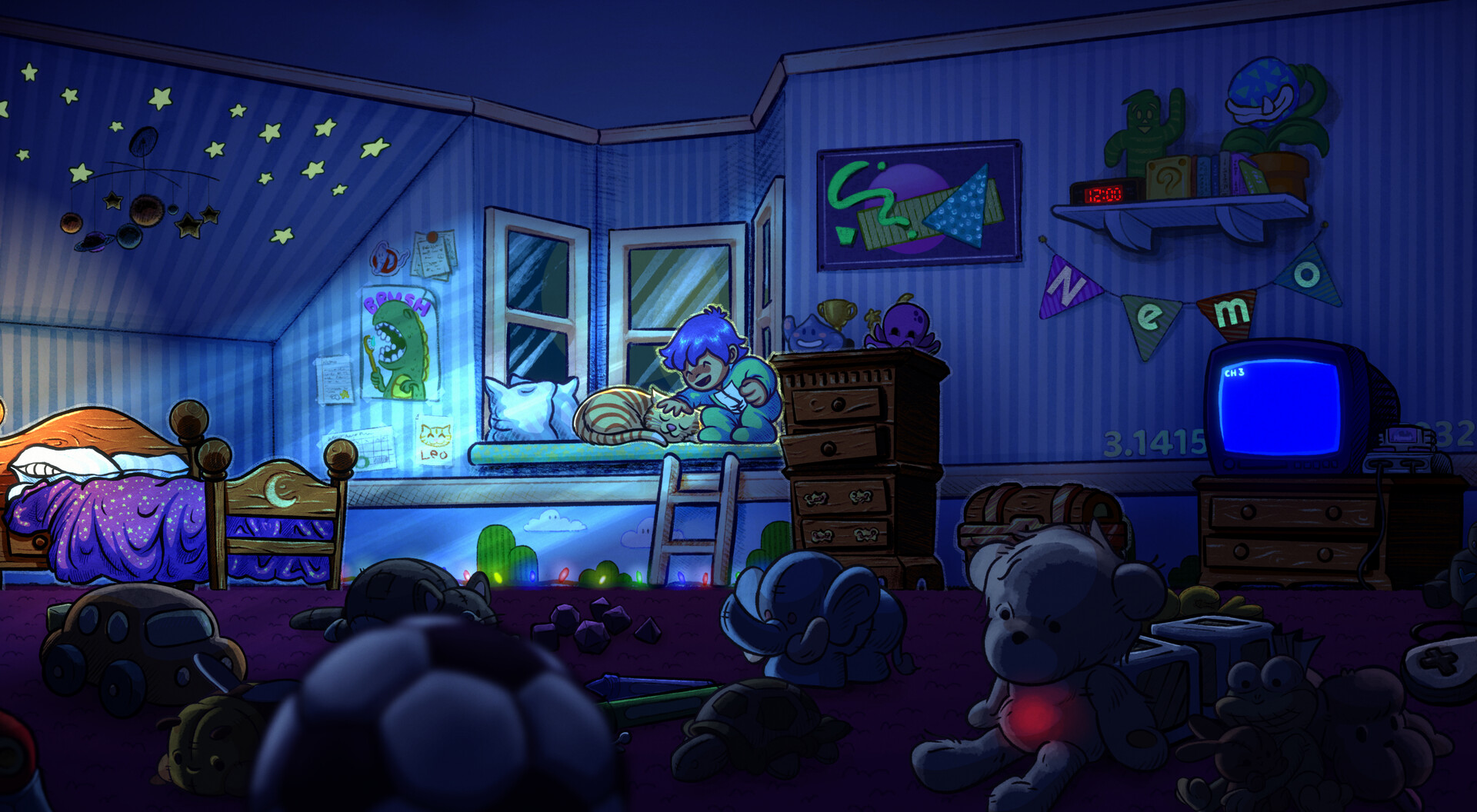
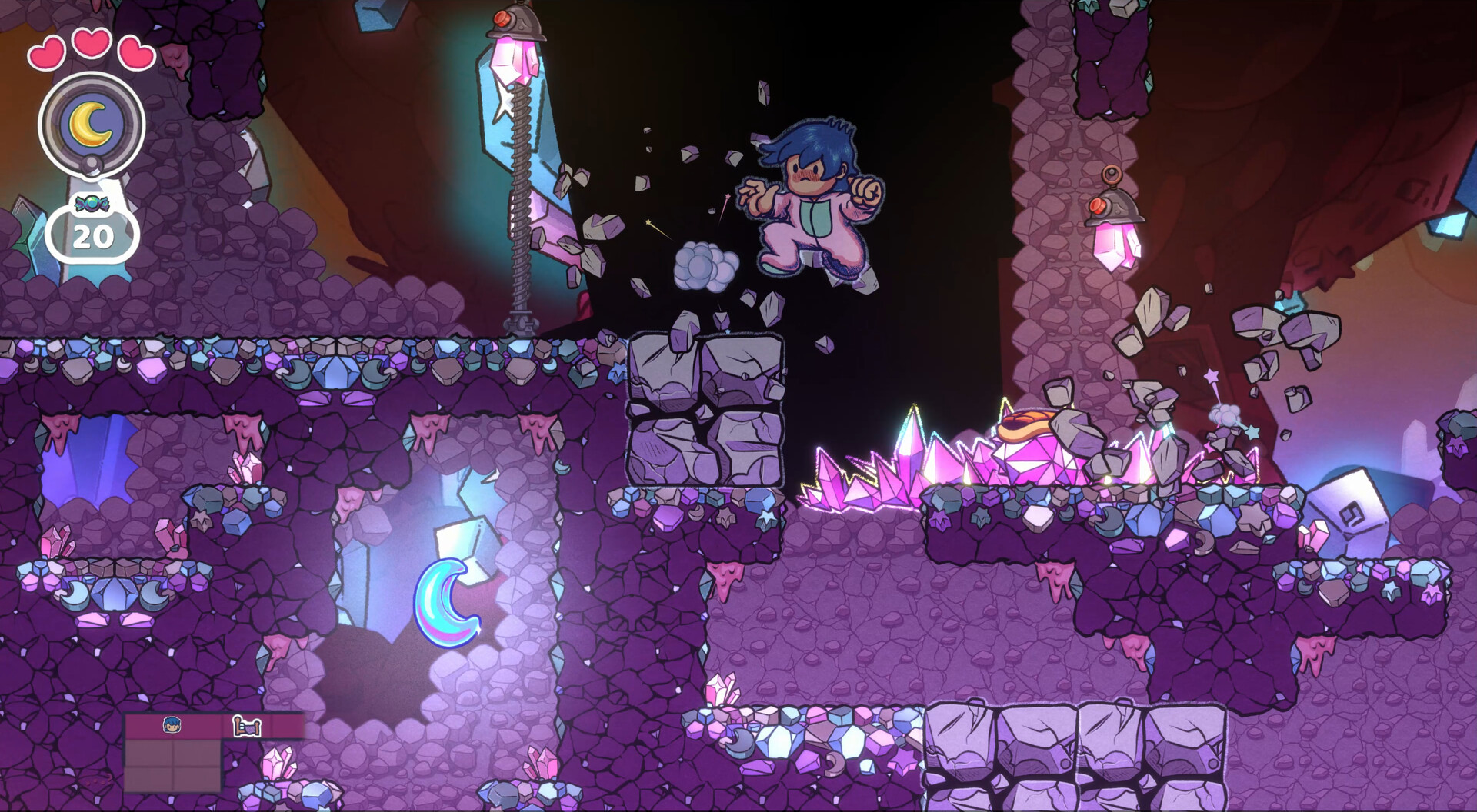
The core loop revolves around exploring interconnected dream biomes while swapping toys and pajamas to unlock traversal options and combat tweaks. I was mostly pogo‑sticking, yo‑yoing and grappling my way through hand‑animated rooms, and the movement feels intentionally retro: deliberate, a little floaty at times, but responsive once you get the rhythm. Combat is simple but satisfying — many enemies go down quickly, bosses demand pattern reading and creative use of your latest ability, and you’ll often find yourself chaining a pogo bounce into a cape dash or yo‑yo hit to stay alive. Dying is forgiving: you wake back in the bedroom, don’t lose story progress, but you drop candy which stings if you hoarded it. The map rewards exploration with Blue Moons, fast travel unlocks and collectible cartridges, so there’s always a nice carrot for poking into side paths.
Toys, PJs and Genuine Charm
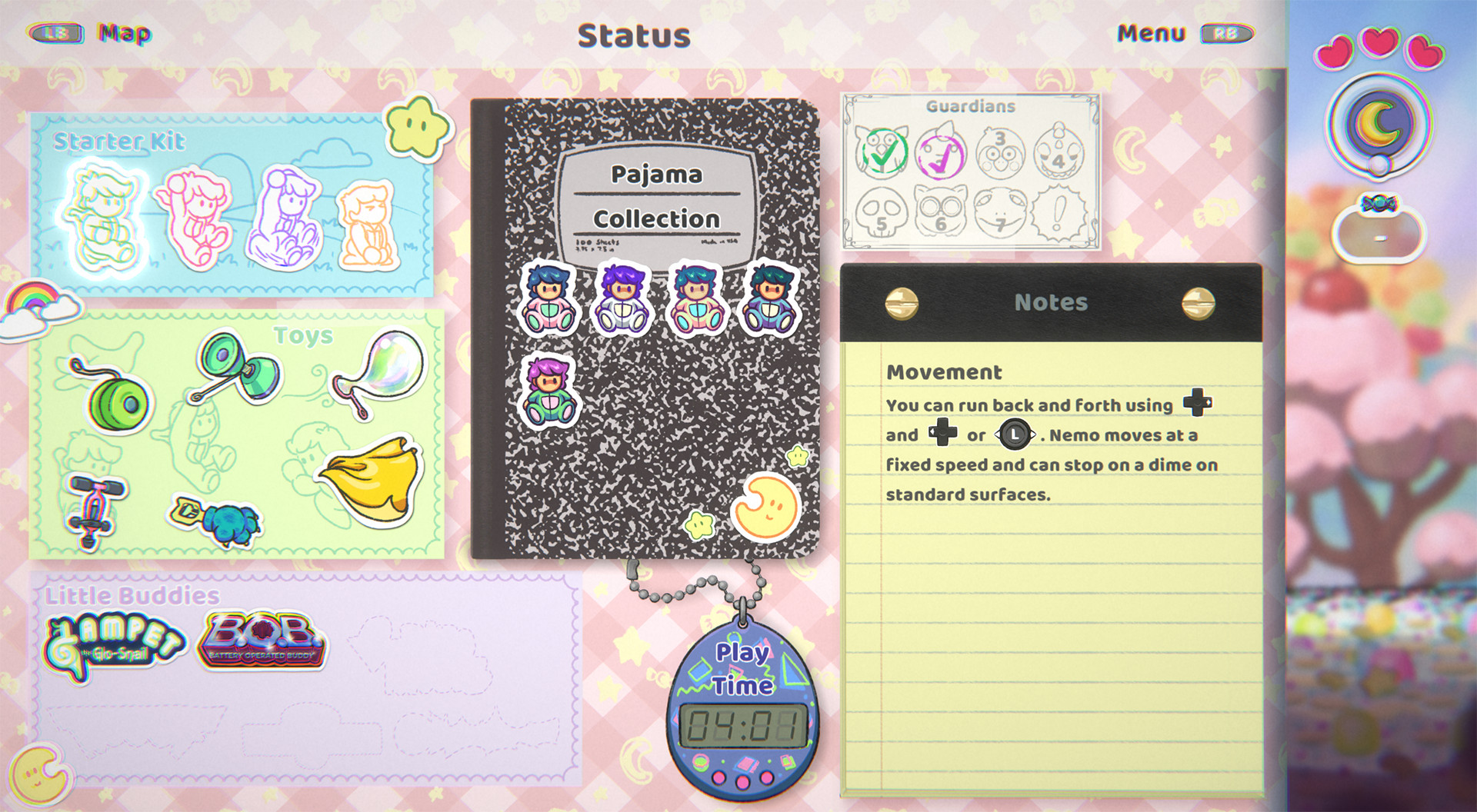
What separates this from a straight nostalgia trip is how toys and pajamas act as both upgrade and personality. Each toy is a new way to interact with the world — the pogo becomes a down‑break move and aerial bounce, the grapple yo‑yo opens new ledges, the bubble wand changes combat approaches — and pajamas modify those toys in meaningful ways. I loved swapping outfits at the dresser between runs: it’s a goofy, tactile system that also makes build choices matter without overwhelming you with stats. Accessibility options and the rank system (rank up for faster movement if you play really clean) mean the game can sit comfortably between a chill first‑time Metroidvania and a more skilled, speedier run if you want it to.
A Living Cartoon on Your Screen
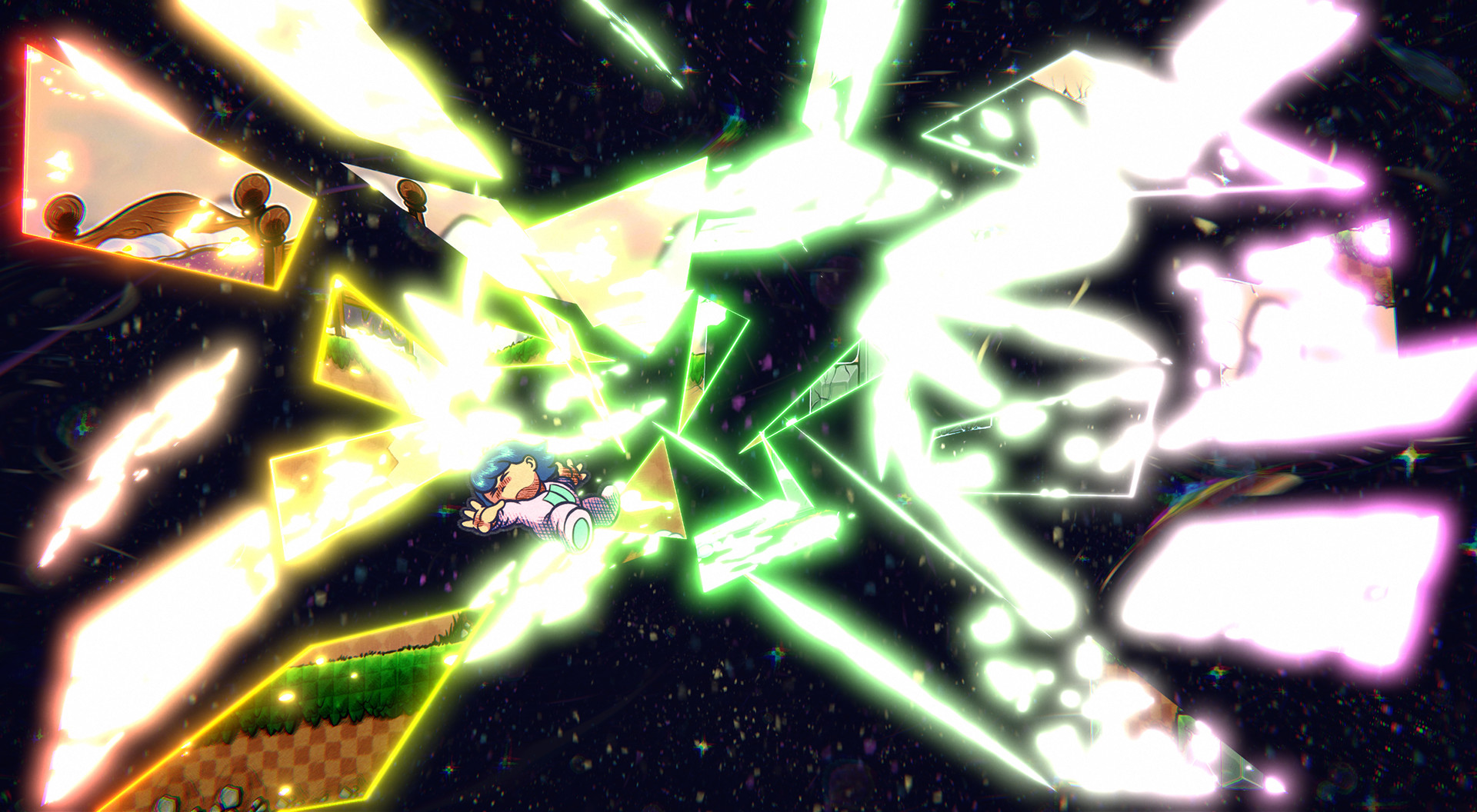
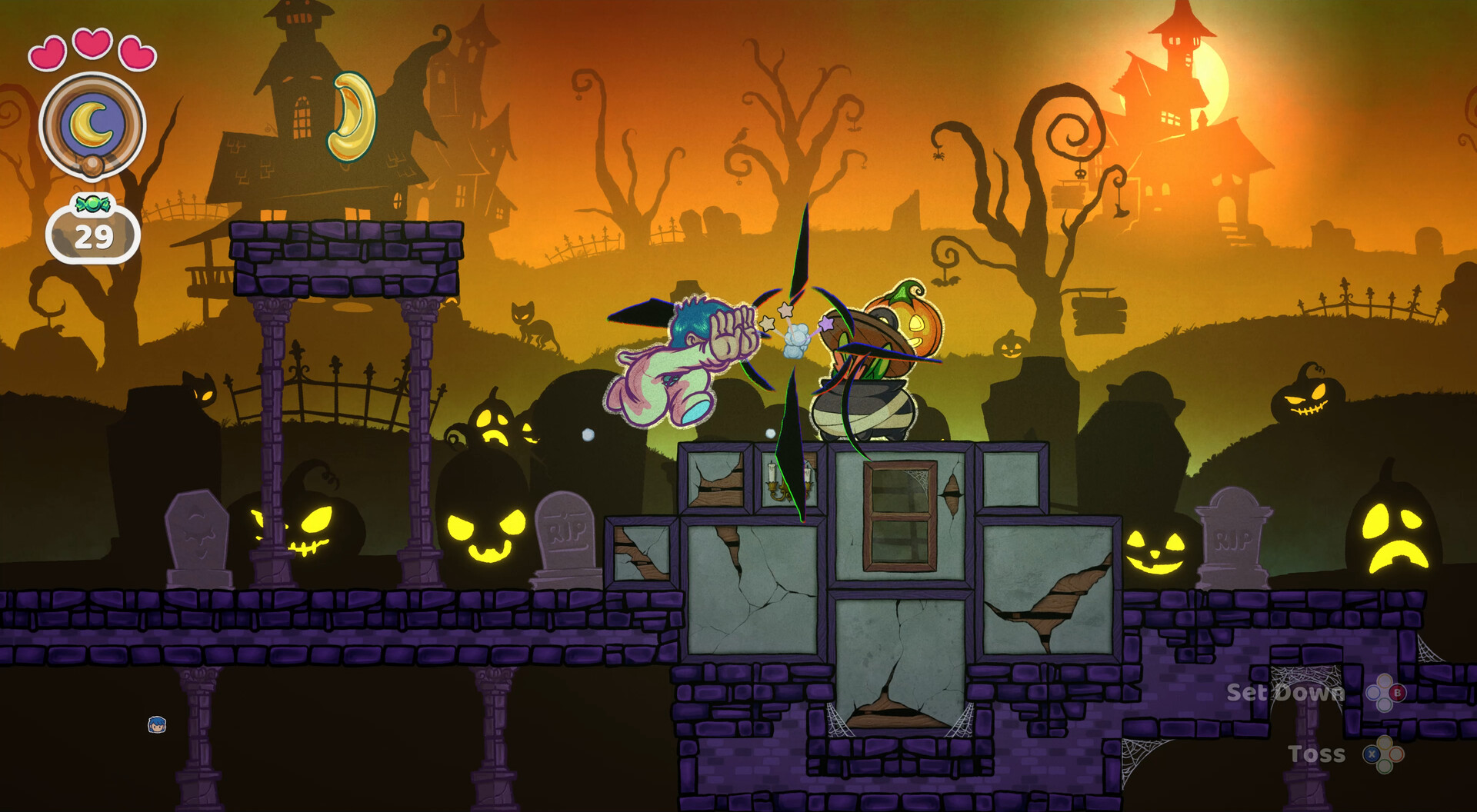
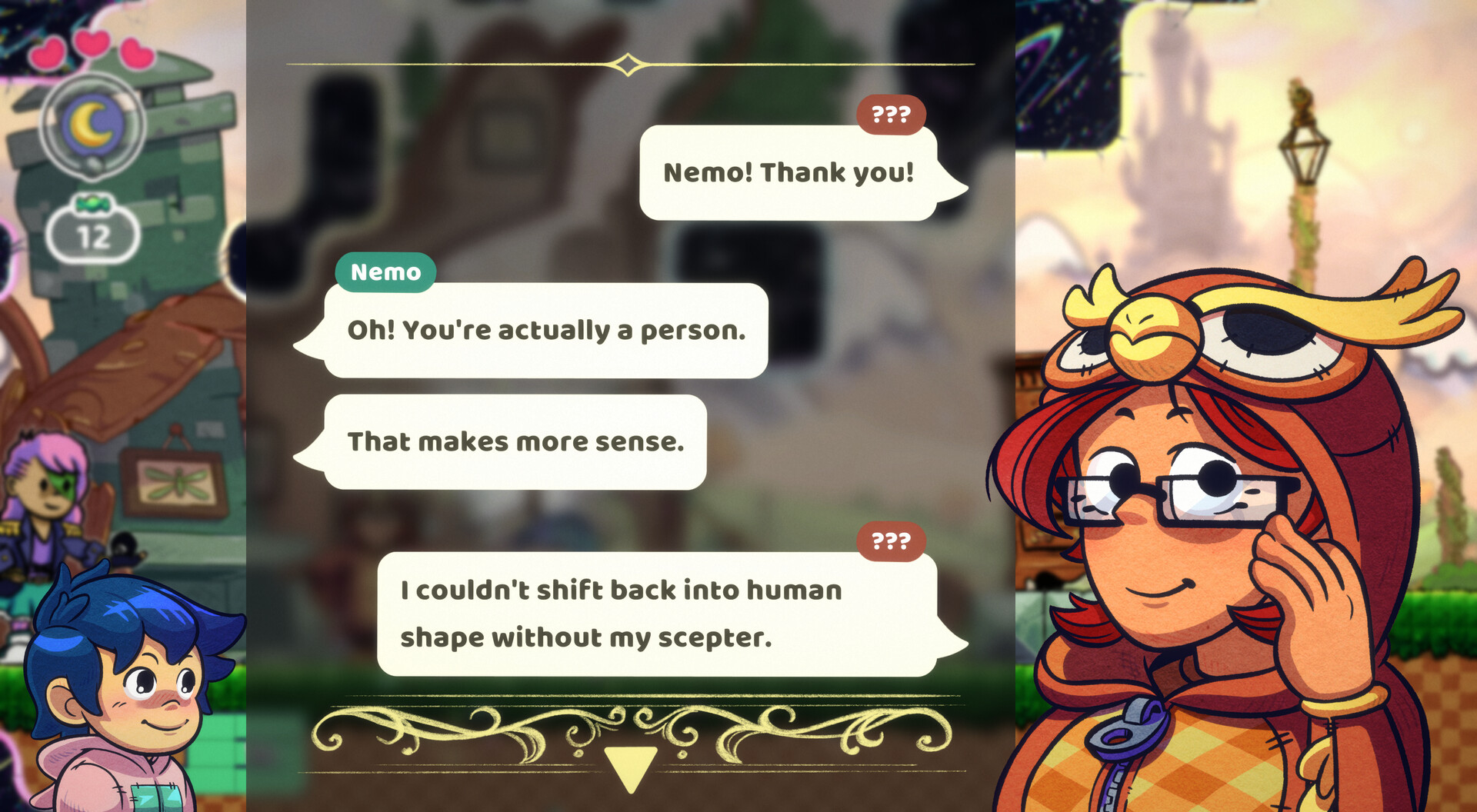
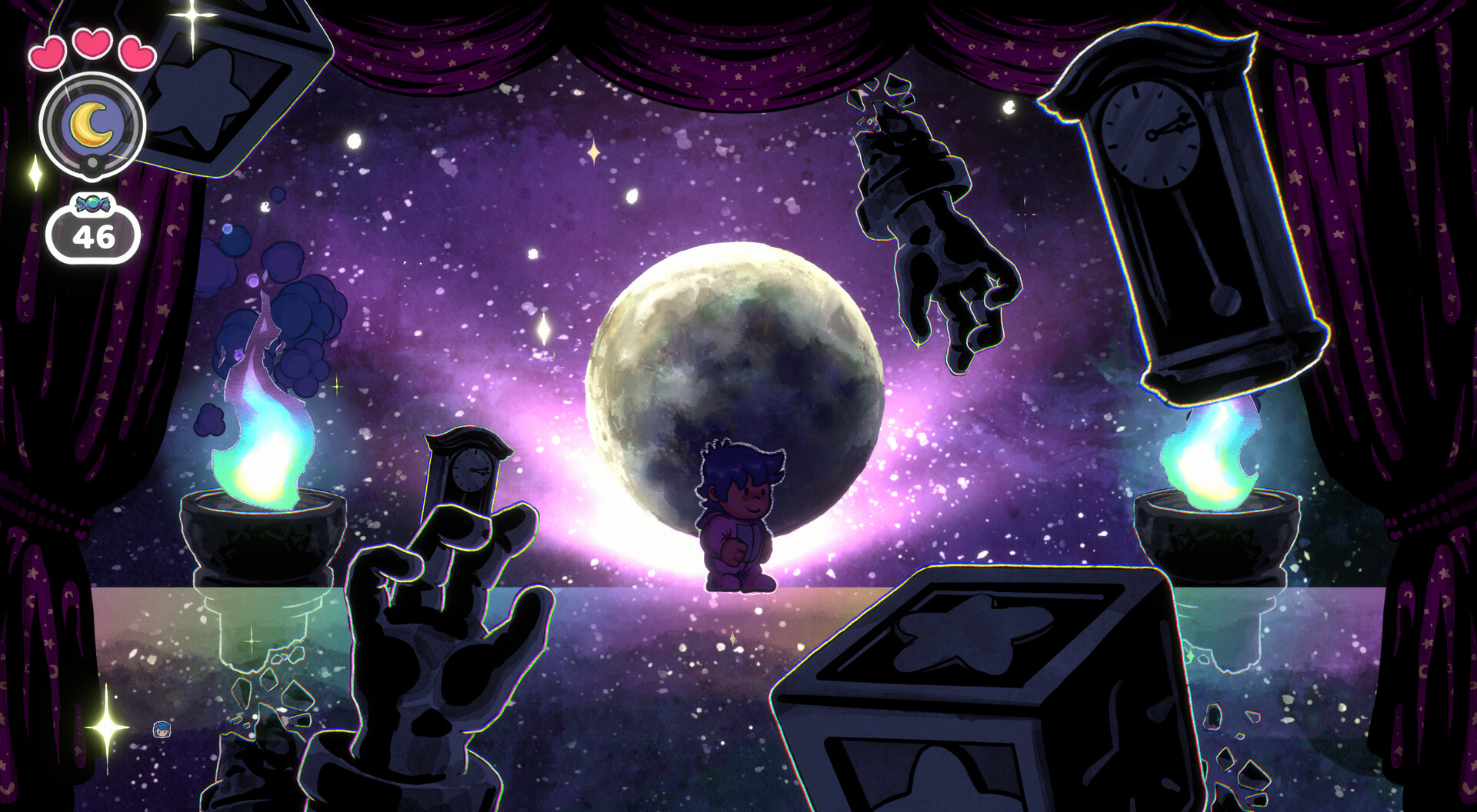
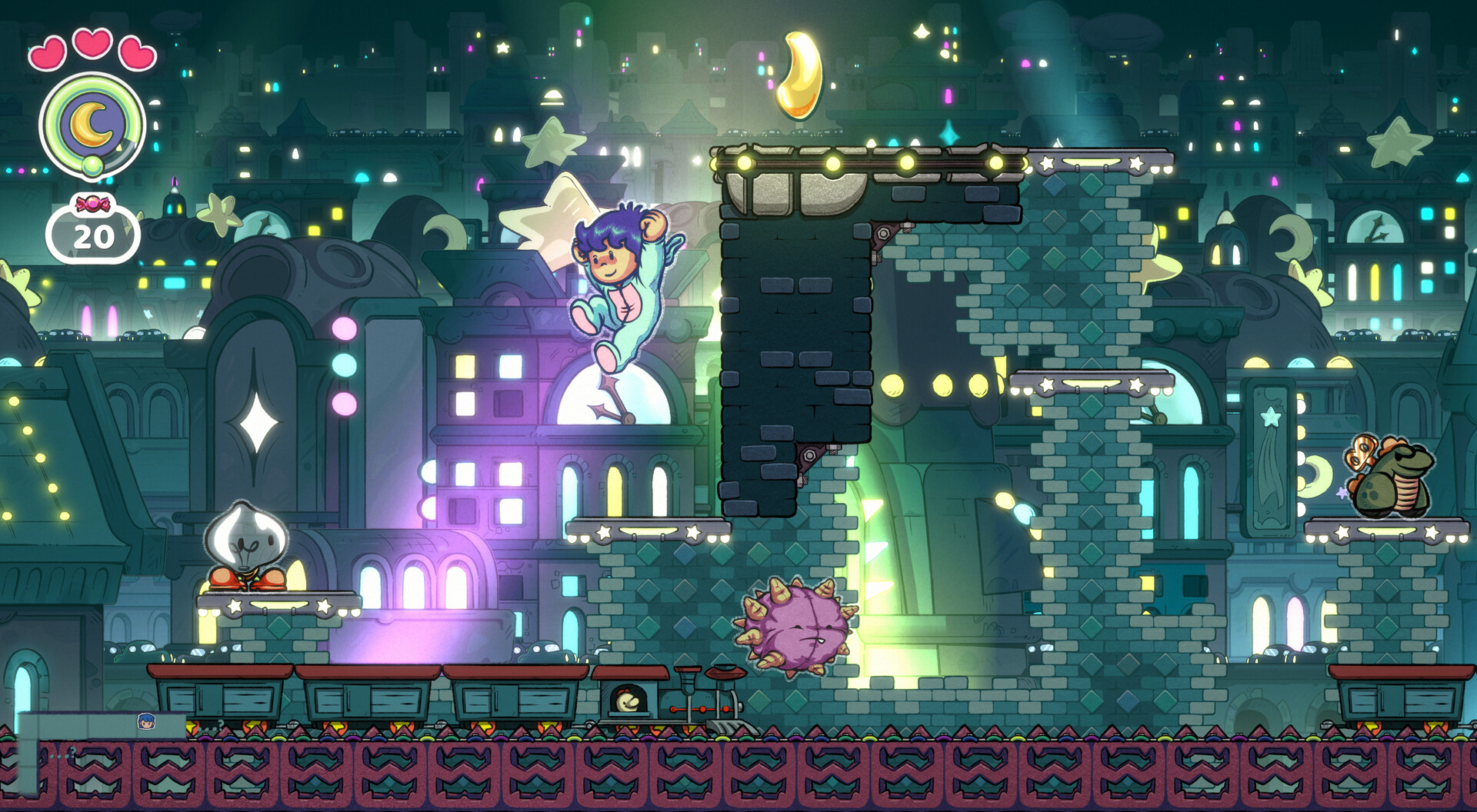
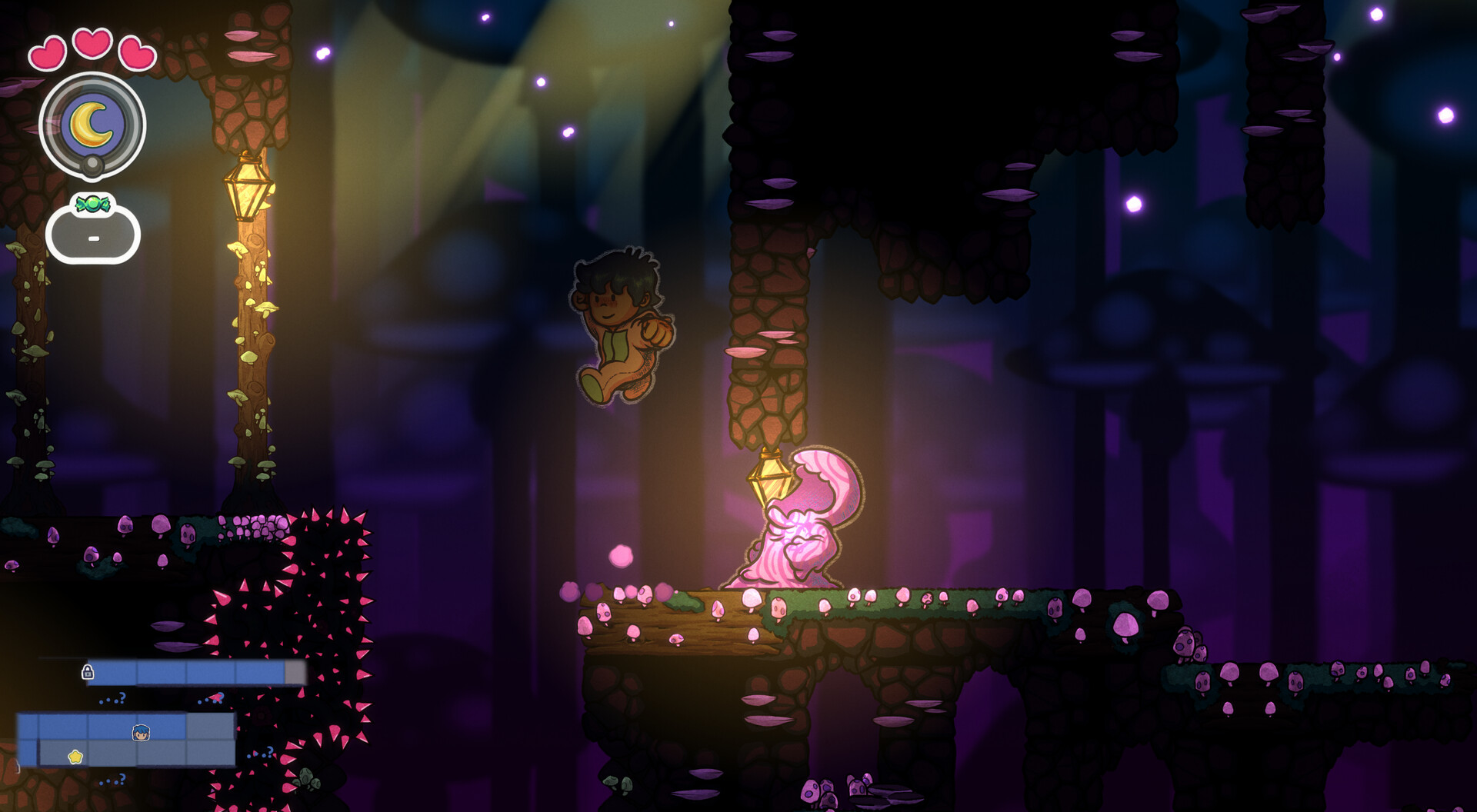
Graphically, the hand‑drawn frames are the star: the animation is expressive, things squish and stretch in delightful ways, and each biome feels like a page ripped from a storybook. Peter Berkman’s chiptune‑adjacent soundtrack is catchy and fits the ’80s/’90s nostalgia lens perfectly — I had several tracks stuck in my head for hours. Performance on Windows felt solid during my playtime; I did notice some input quirks on keyboard that made me reach for a controller (thankfully full controller support exists). UI and fast travel menus could use a slight polish — navigating a few menus to warp somewhere felt clunkier than the otherwise smooth flow — but overall presentation, audio and frame‑by‑frame artistry give the game a distinct identity.
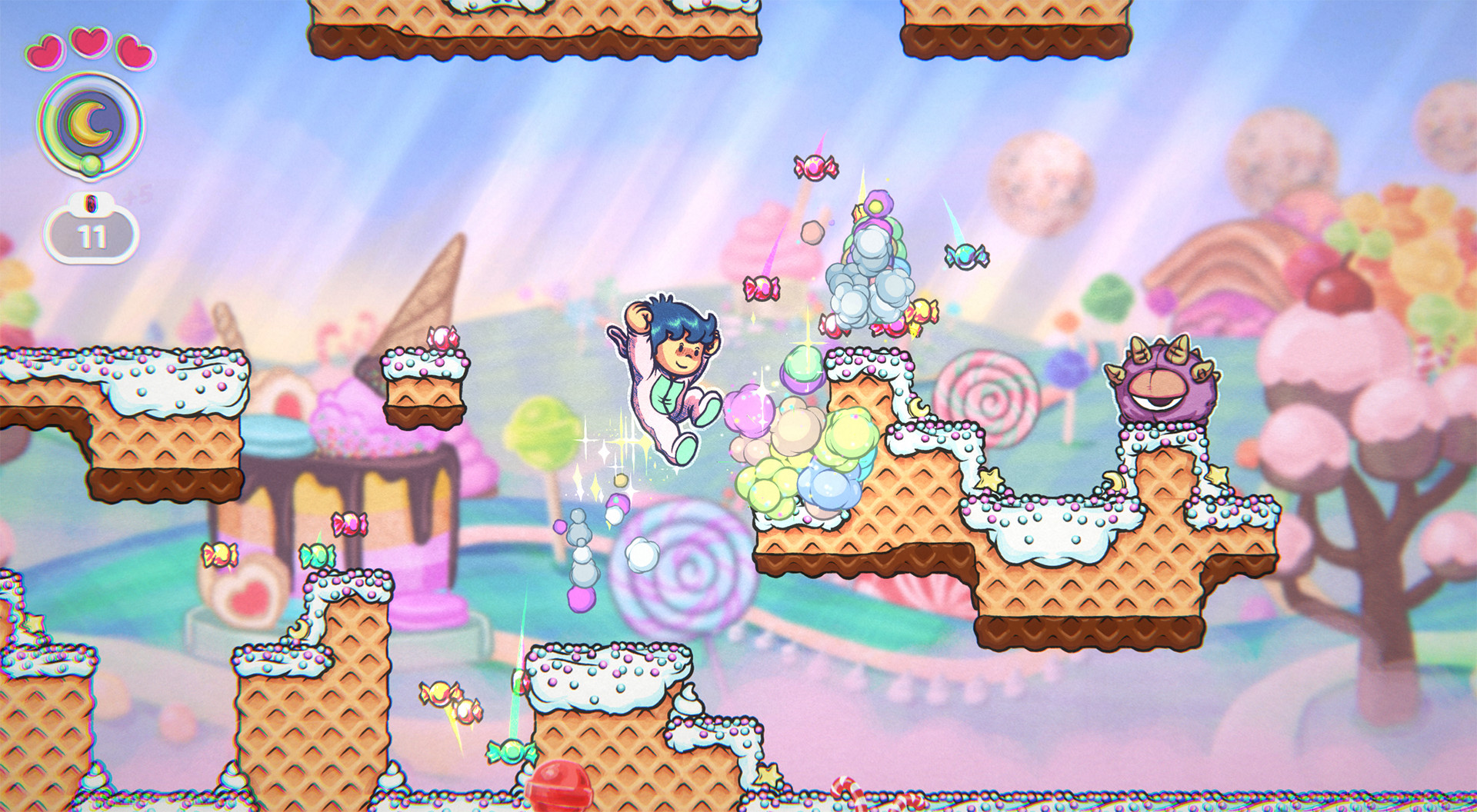
Little Nemo and the Guardians of Slumberland is a heartfelt, hand‑animated Metroidvania that balances nostalgia and approachability. It’s an ideal pick for players who want a cozy exploration game with bite-sized challenge and beautiful presentation — just bring a controller if you can. I’d recommend it to newcomers and series fans alike, especially anyone who wants their platforming served with personality.
Pros
- Stunning hand‑drawn animation and expressive art
- Accessible Metroidvania loop with meaningful toys and PJ upgrades
- Memorable soundtrack by Peter Berkman that complements the mood
- Varied biomes and secrets that reward exploration
Cons
- Keyboard controls can feel finicky — best with a controller
- Walking speed and menu flow sometimes feel slower than ideal
- Fast travel UI needs a little polish
Player Opinion
Players on release praise the game’s aesthetic and accessibility almost unanimously — the hand‑drawn visuals, charming character designs and Berkman’s music keep coming up as highlights. Many appreciate how the collectibles are rewarding without being maddening: Blue Moons that unlock fast travel and visible map markers take the sting out of hunting. Critics in the community point out keyboard quirks and a slightly sluggish default walk speed, and some veteran Metroidvania fans note that the ability density is lighter than a hardcore Metroid title. Overall, if you like Monster Boy, Shantae or the friendlier side of Metroidvanias, folks say you’ll feel right at home here.