

The Floor Above Review – Tight, Creepy, Brilliantly Strange
A claustrophobic anomaly-hunting puzzler where blinking is a weapon and narrators lie. Immersive, often hilarious, sometimes frustrating — a standout for fans of tense, detail-driven horror.
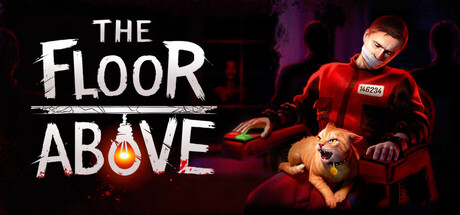
I didn’t expect to be stuck in a chair and grinning like an idiot, but The Floor Above does that to you. Swytapp Games took the tiny, addictive core of anomaly-hunting and turned it into a claustrophobic mind-bender: one room, looping floors, narrators whispering questionable “truths”, and a blink mechanic that makes you doubt your eyes. It’s part puzzle game, part psychological experiment, and part black-comedy about how your brain fills in gaps. If you like noticing tiny details, being unnerved by sound cues, or arguing with friends over whether that thing is real — this will eat your attention for hours.
Rotating Reality, One Blink at a Time
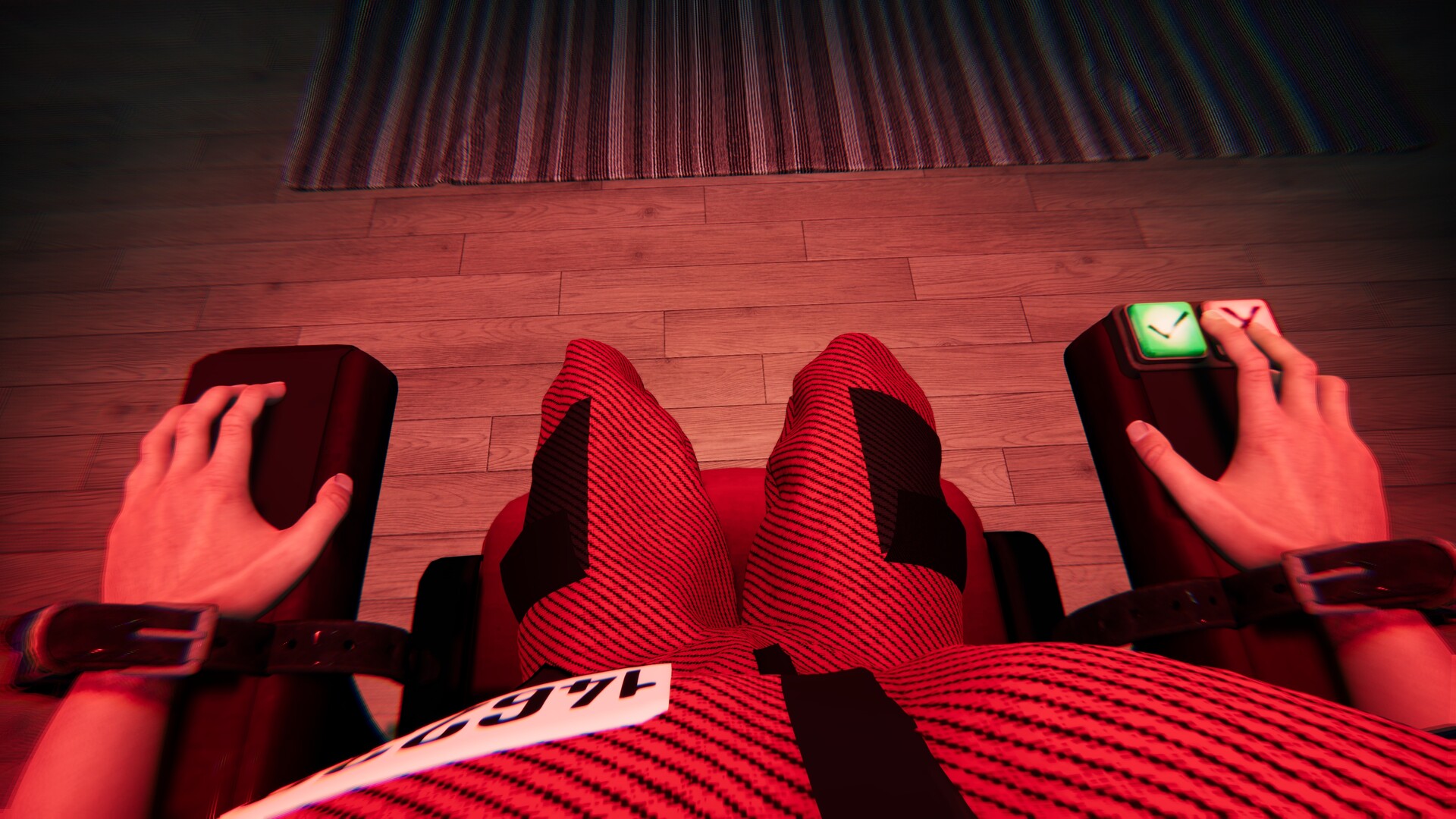
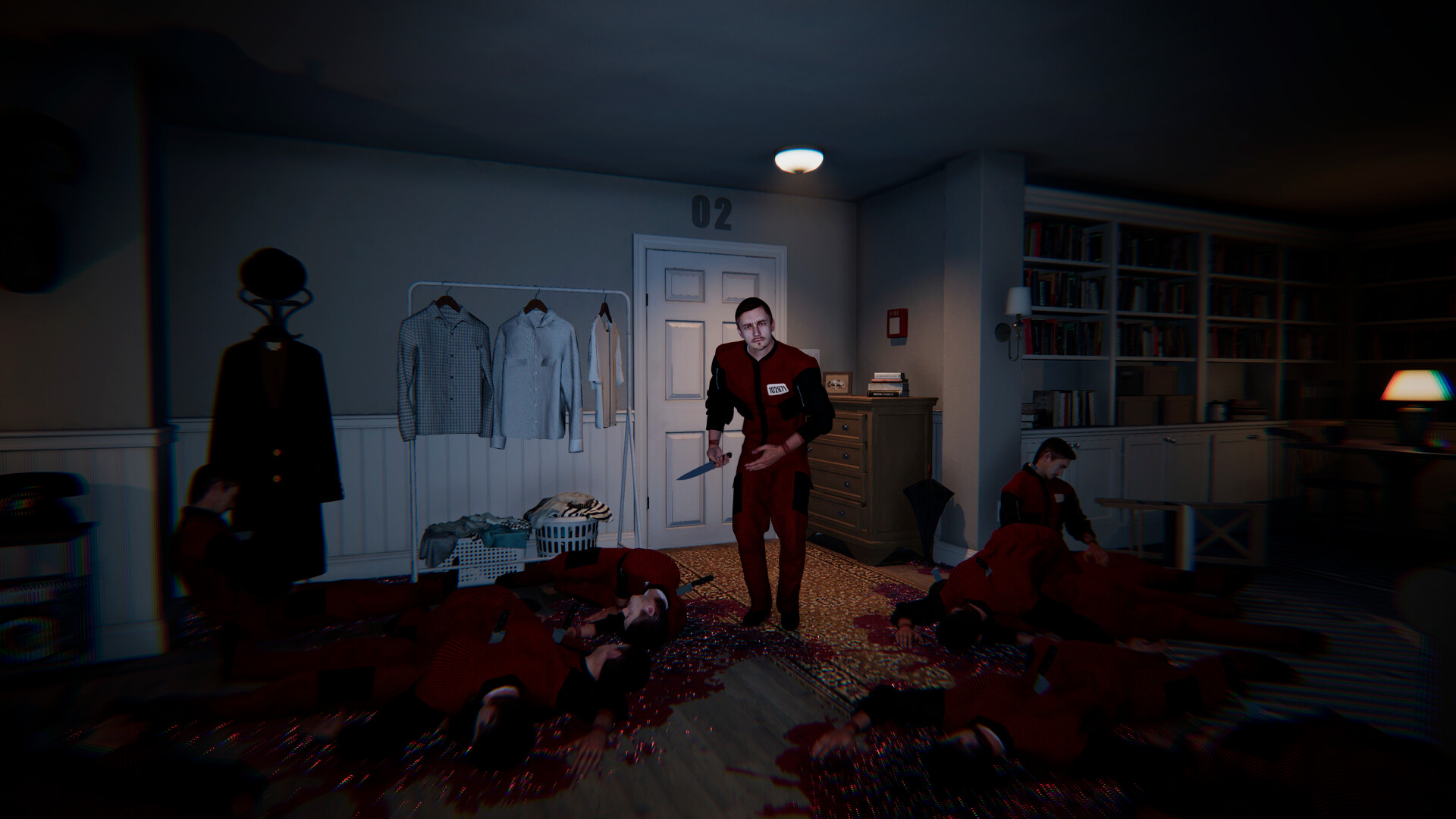
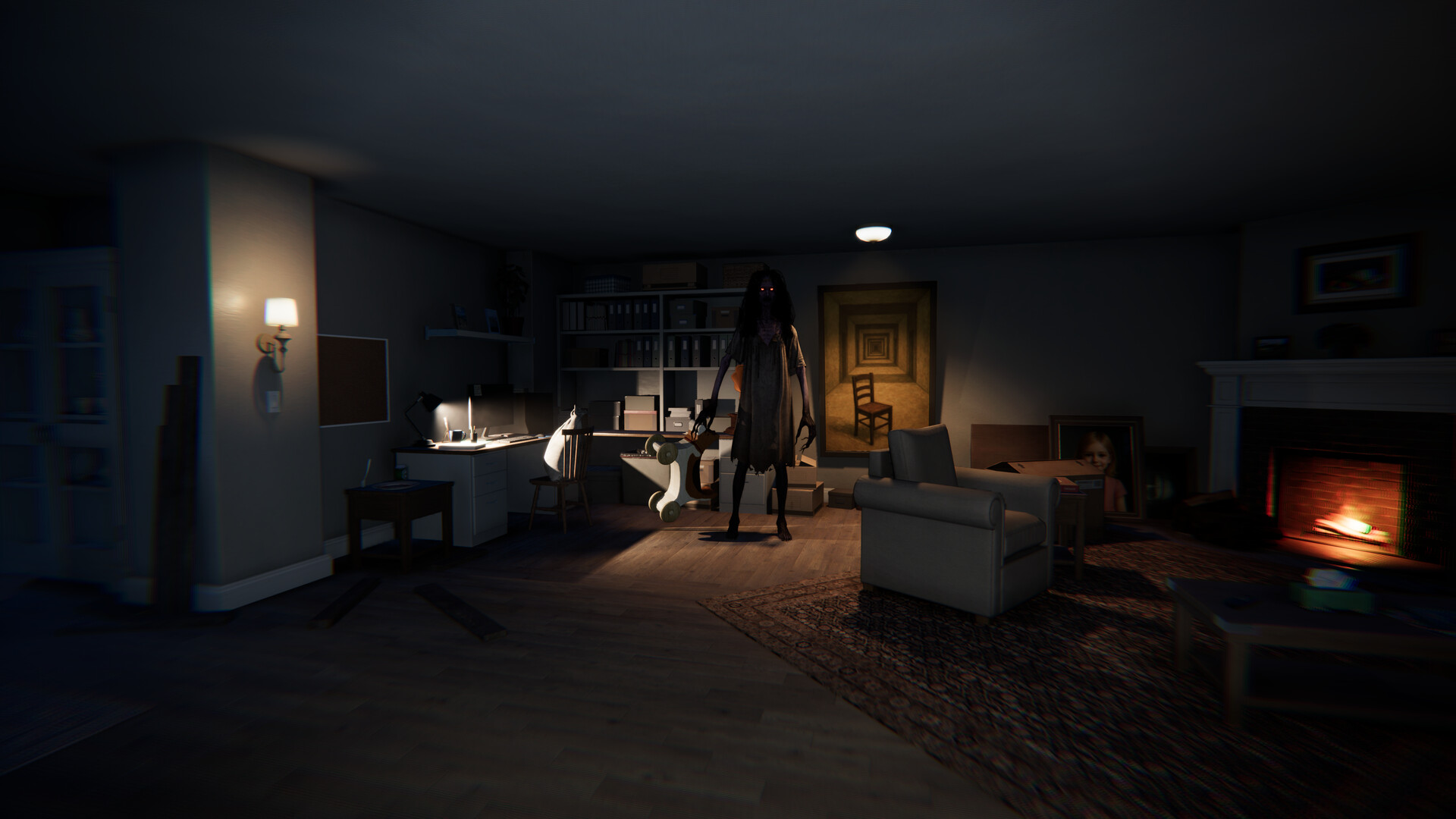
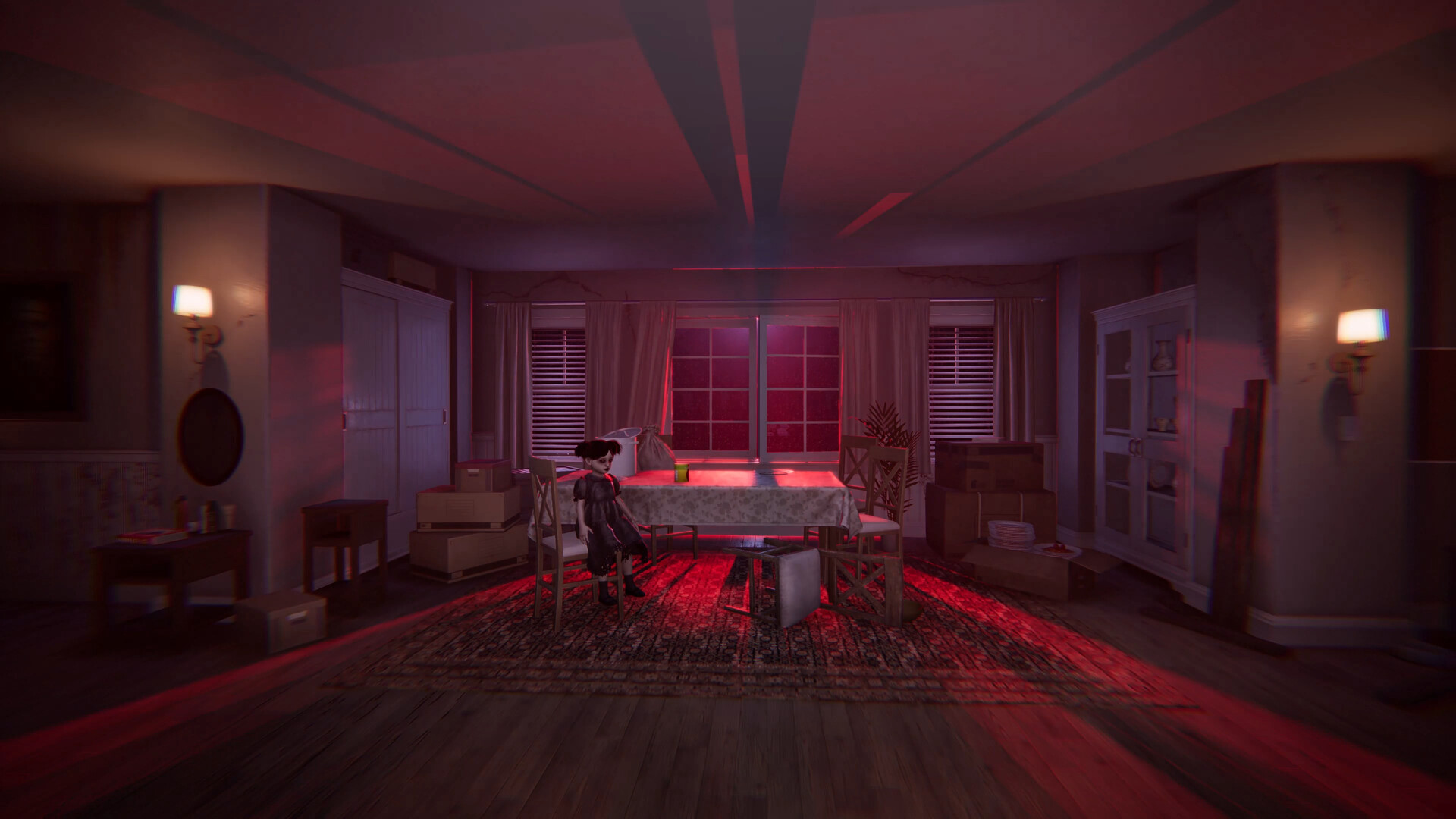
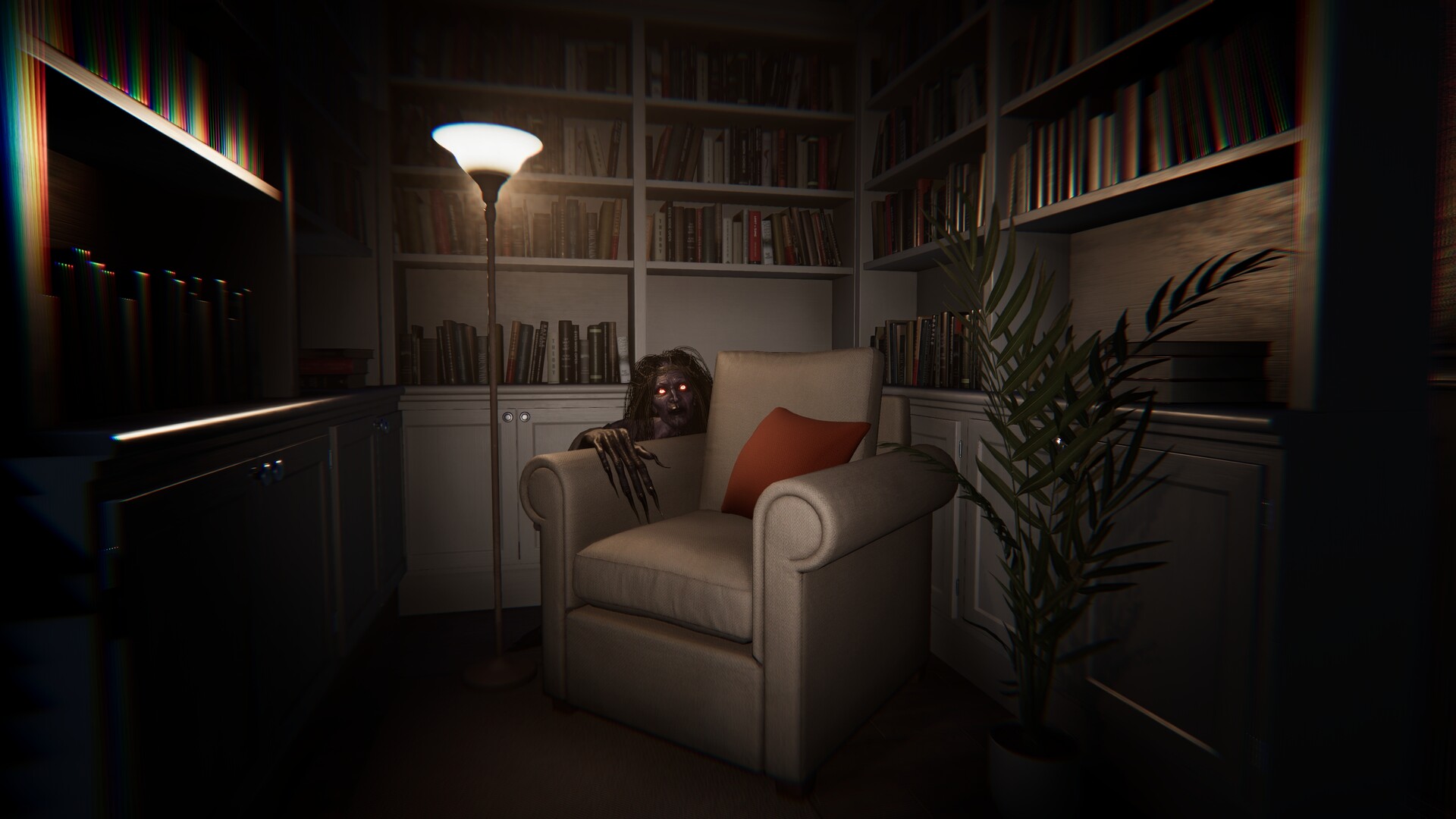
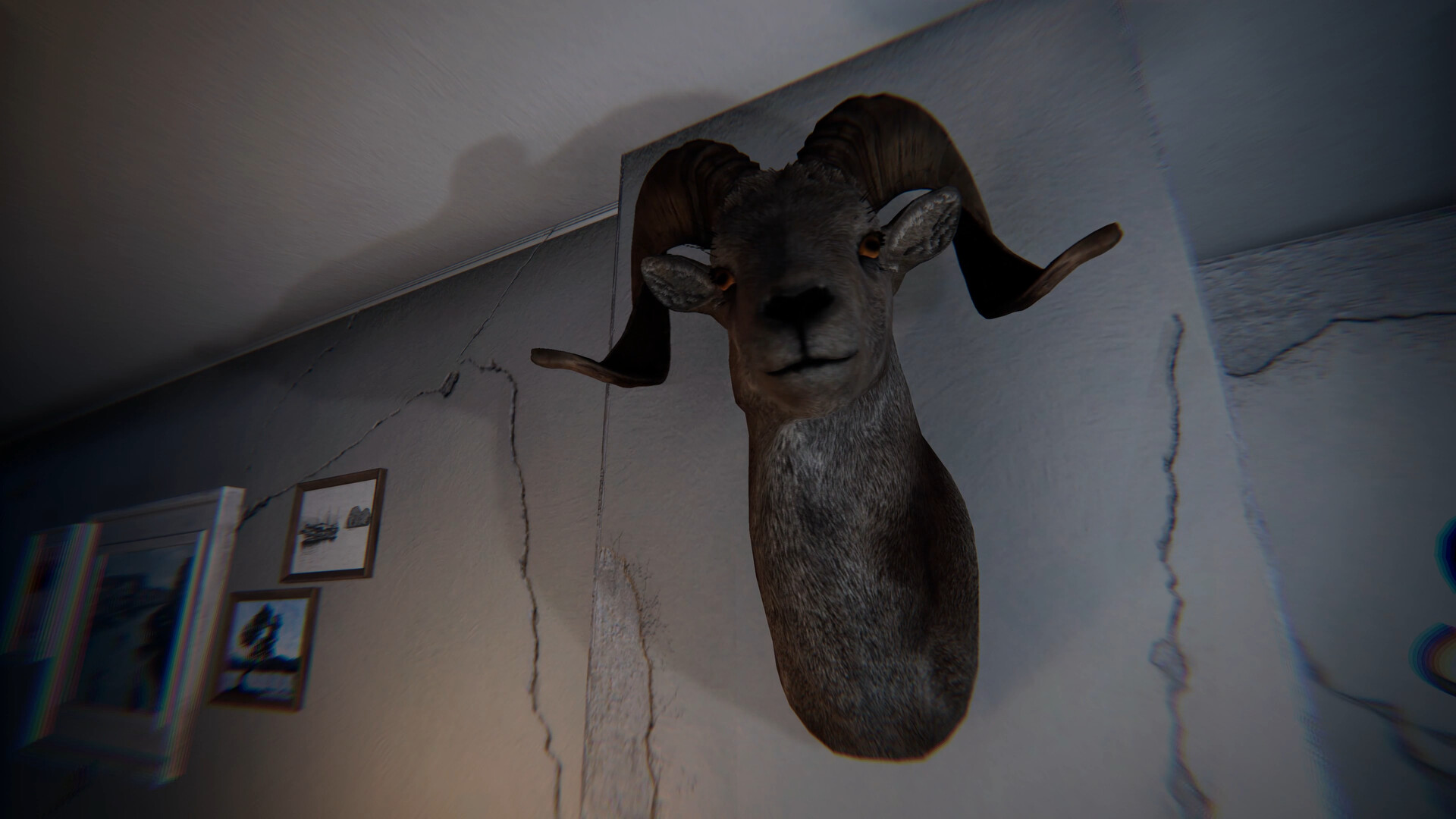
The core of The Floor Above is wonderfully simple and brutally effective: you wake strapped to a chair in a looping room and your only interactions are to rotate, blink, and choose. Each cycle the room reappears one floor higher and anomalies — 150+ handcrafted bits of weirdness — might show up. The trick is that not every anomaly is real: some are fragments of Mike’s imagination, and you must use the blink mechanic to test them. Blink to check; if the oddity vanishes, you’re safe to press green. If it persists, better hit red and move on to the next floor. Every correct call nudges you closer to the nine-in-a-row streak needed to break the loop.
When Hallucinations Play Tricks (and Make You Laugh)
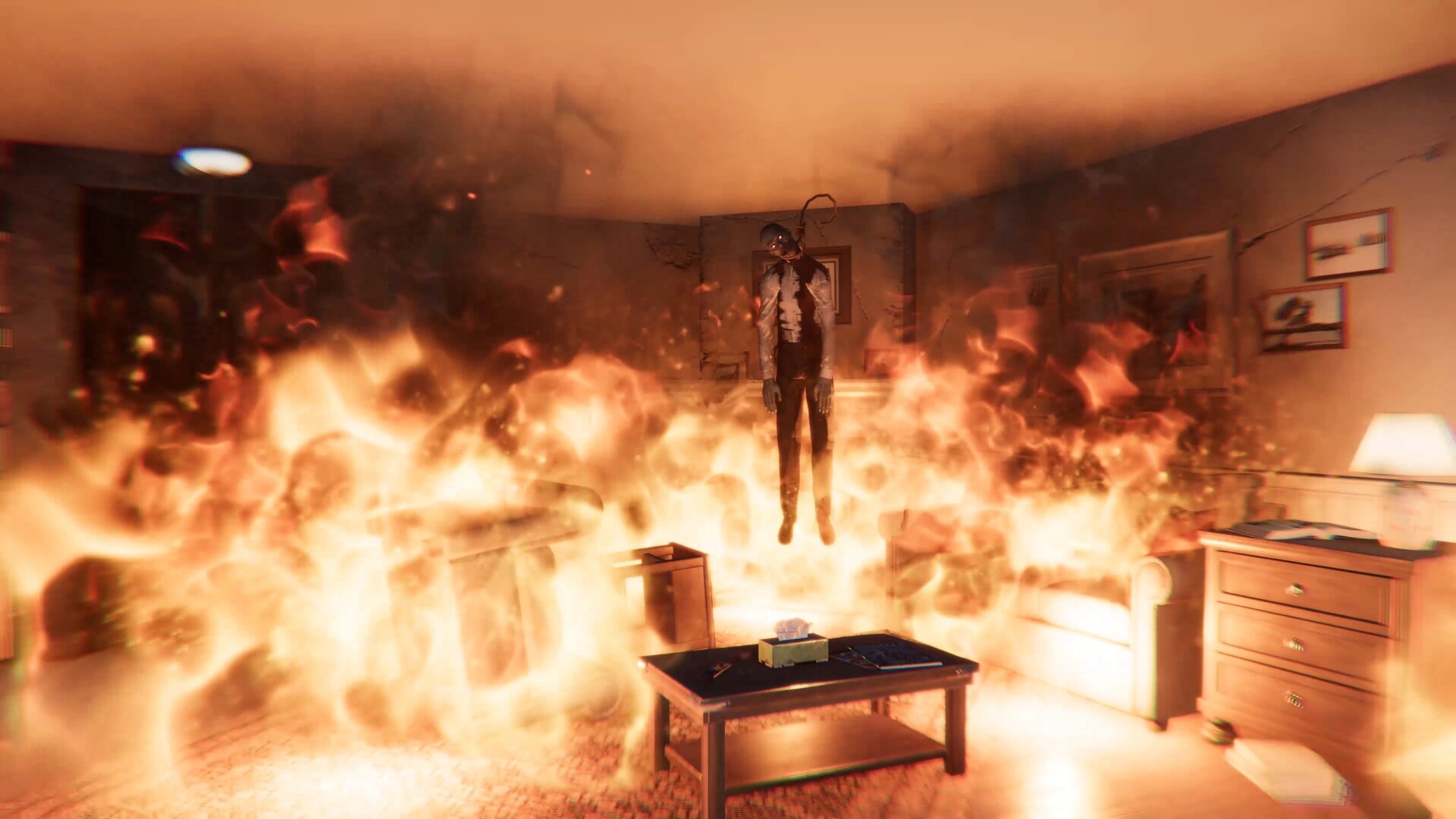
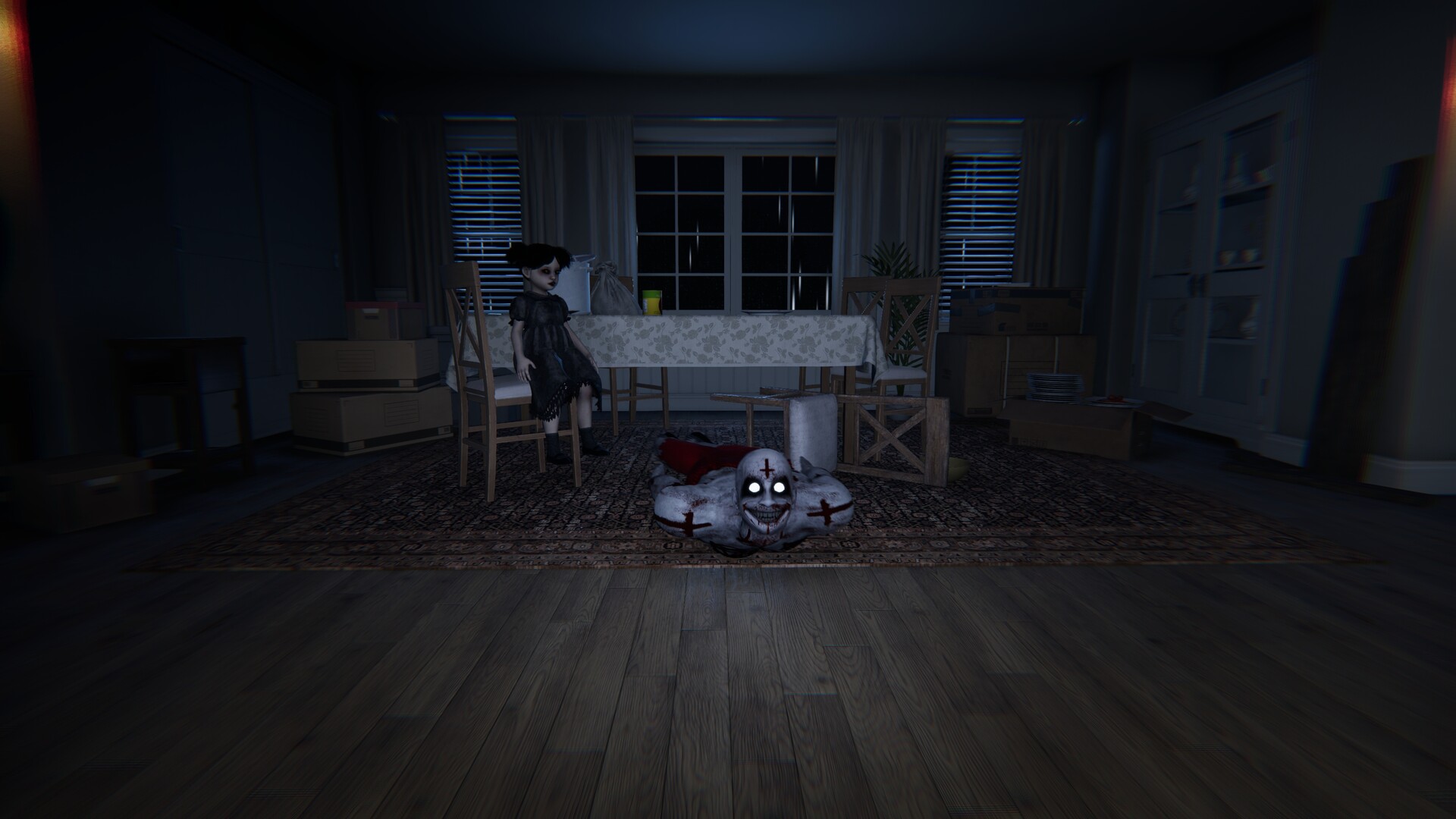
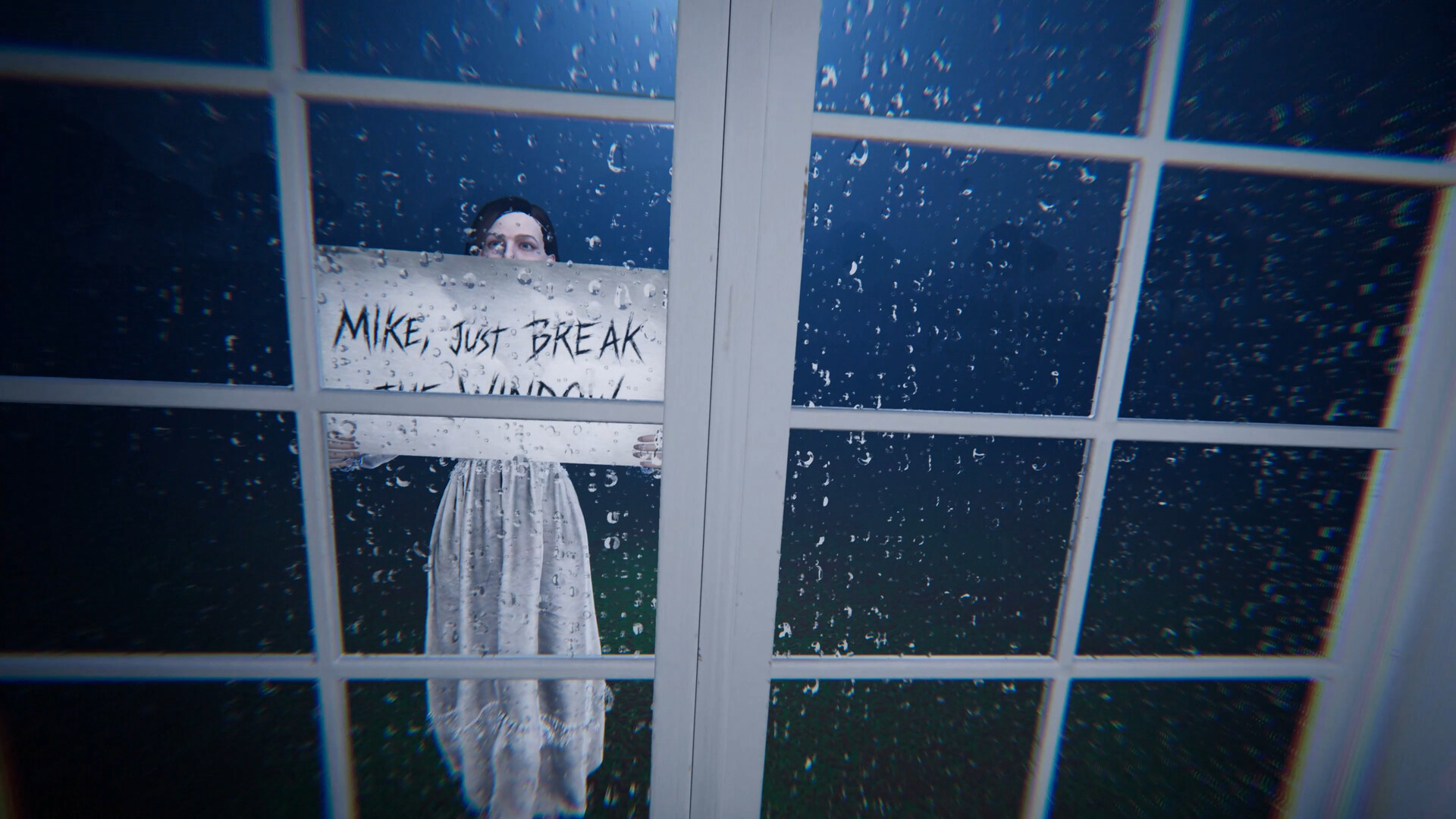
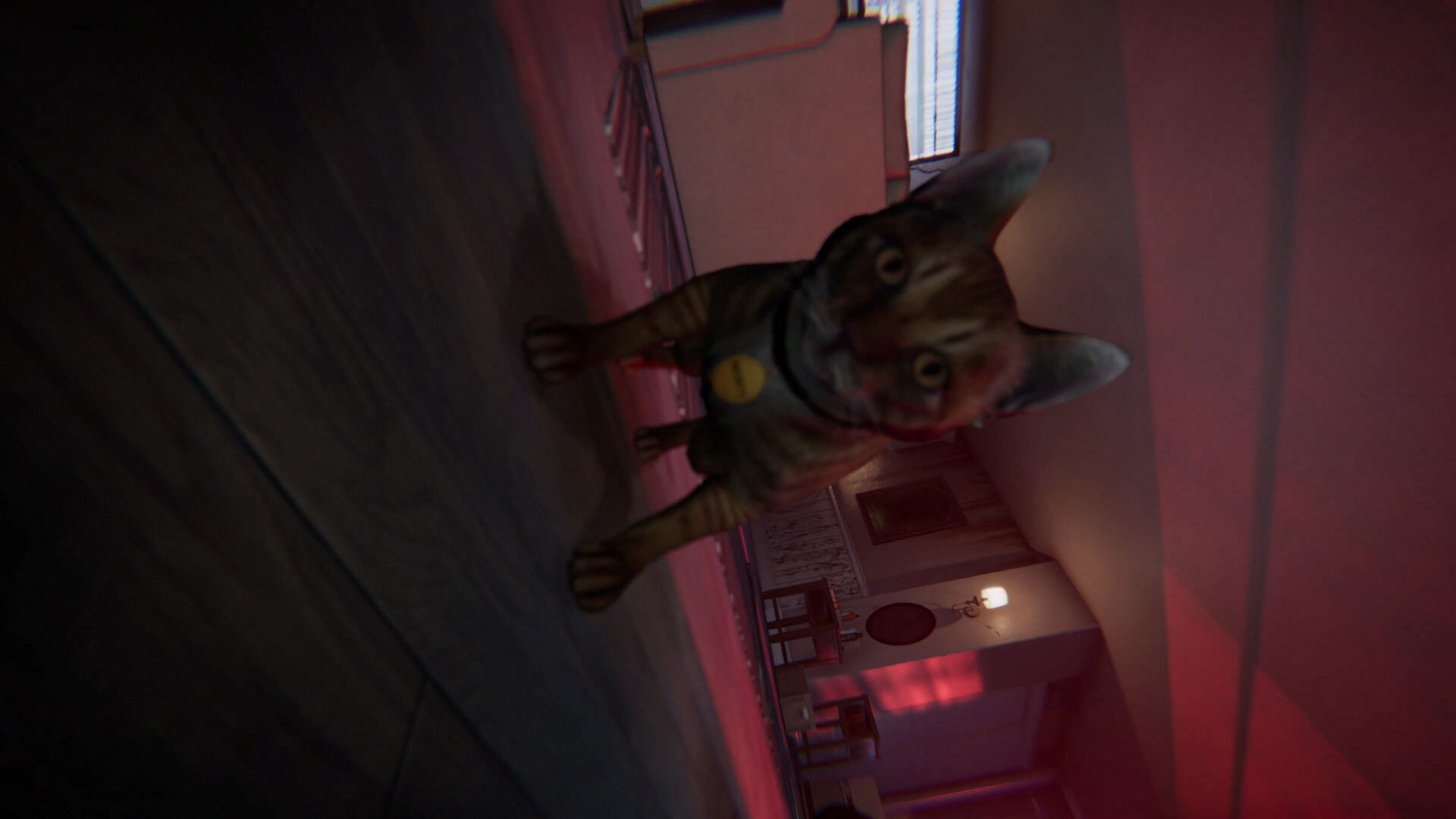
What separates The Floor Above from a dozen copycat anomaly games is how deliberate and often playful its design feels. The narrators are characters: they argue with you, misdirect you, and sometimes feel like unreliable roommates. There are hidden “phantom anomalies” and tiny easter eggs — Morty the Cat steals more scenes than a horror mascot has a right to — and the writing slips in dark humor amid the jumpscares. The game avoids random spawns: every detail is meaningful, so spotting patterns becomes a meta-game. That sense of discovery is addictive, and playing with friends (or a streamer crowd) amplifies paranoia in the best way.
Sounds, Shadows and Screen Jitters — Presentation That Squeezes
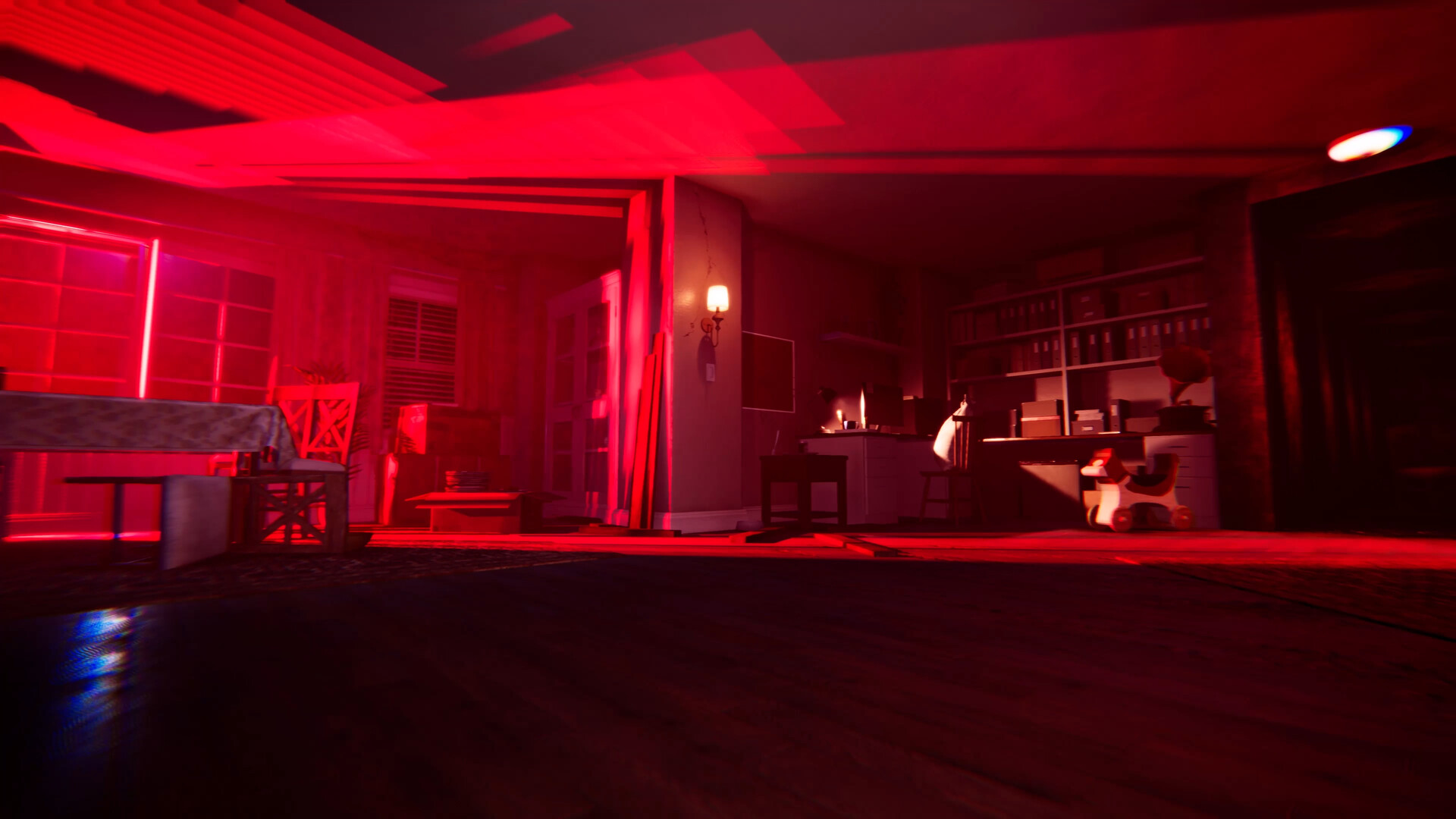
Visually the game leans into tight framing and small, deliberate animations: camera quirks that can feel like a bug sometimes are often part of the atmosphere. Audio is where the pressure builds — creaks, whispers, and well-timed sound cues telegraph many scare moments, which some players love and others find predictable. Performance on Windows (the supported platform) is smooth in my playtime, but a few reviewers noted camera issues that weren’t in the demo. Accessibility is basic but effective: the two-button decision system is elegant, though a journal for tracking anomalies (requested by several players) would be a welcome quality-of-life addition.
The Floor Above is a bold, compact horror experience that proves constraints can breed creativity. It’s an excellent pick for anomaly fans, streamers, and anyone who enjoys games that reward attention and debate. Buy it if you relish paranoia, clever design, and the occasional gut-punch scare — skip it if you want a neatly spelled-out story.
Pros
- Inventive blink mechanic that genuinely changes decision-making
- 150+ handcrafted anomalies — detail-rich and purposeful
- Strong atmosphere and sound design that build tension
- Moments of dark humor and memorable Morty the Cat scenes
Cons
- Story can feel confusing; later episodes polarize players
- Some segments (especially later) may feel frustrating or under-guided
- Minor camera/UX quirks and the lack of an in-game journal
Player Opinion
Players I read and chatted with praise the game’s core loop and its ability to make simple choices feel heavy and meaningful. Many love the immersion of being tied to a chair, the inventive blink mechanic, and the quality of the handcrafted anomalies — streamers and horror fans repeatedly called it one of the best anomaly games they’ve played. Recurrent praise also goes to the audio design and the comedic beats (Morty gets a lot of love). Criticisms cluster around the later acts: multiple users said the third and fourth episodes felt more frustrating than rewarding, with sparse guidance and a story that didn’t always click. A handful mentioned camera hiccups that weren’t in the demo and wished for a journal to track finds. Bottom line: if you enjoy pattern-hunting, sound-based scares, and slow-burn lore, you’ll likely adore it; if you need hand-holding or a tightly explained narrative, prepare for some head-scratching.