






inKONBINI: One Store. Many Stories — Cozy Konbini Sim Review
A warm, slow-burning convenience store sim set in a 1990s Japan-inspired town. I spent summer shifts shelving, chatting and uncovering small, intimate stories—this is a game for players who love detail, atmosphere and quiet human moments.
I wasn’t expecting to fall for a convenience store, but inKONBINI charms with tiny, tactile routines and conversations that linger. You play Makoto, a college student spending summer shifts in a small-town store that feels like a memory stitched from 1990s Japan. It’s less about optimizing metrics and more about finding a calming rhythm: shelving, tidying, chatting—and listening. If you like slow games that reward attention to detail and small human stories, this one will likely stick with you.
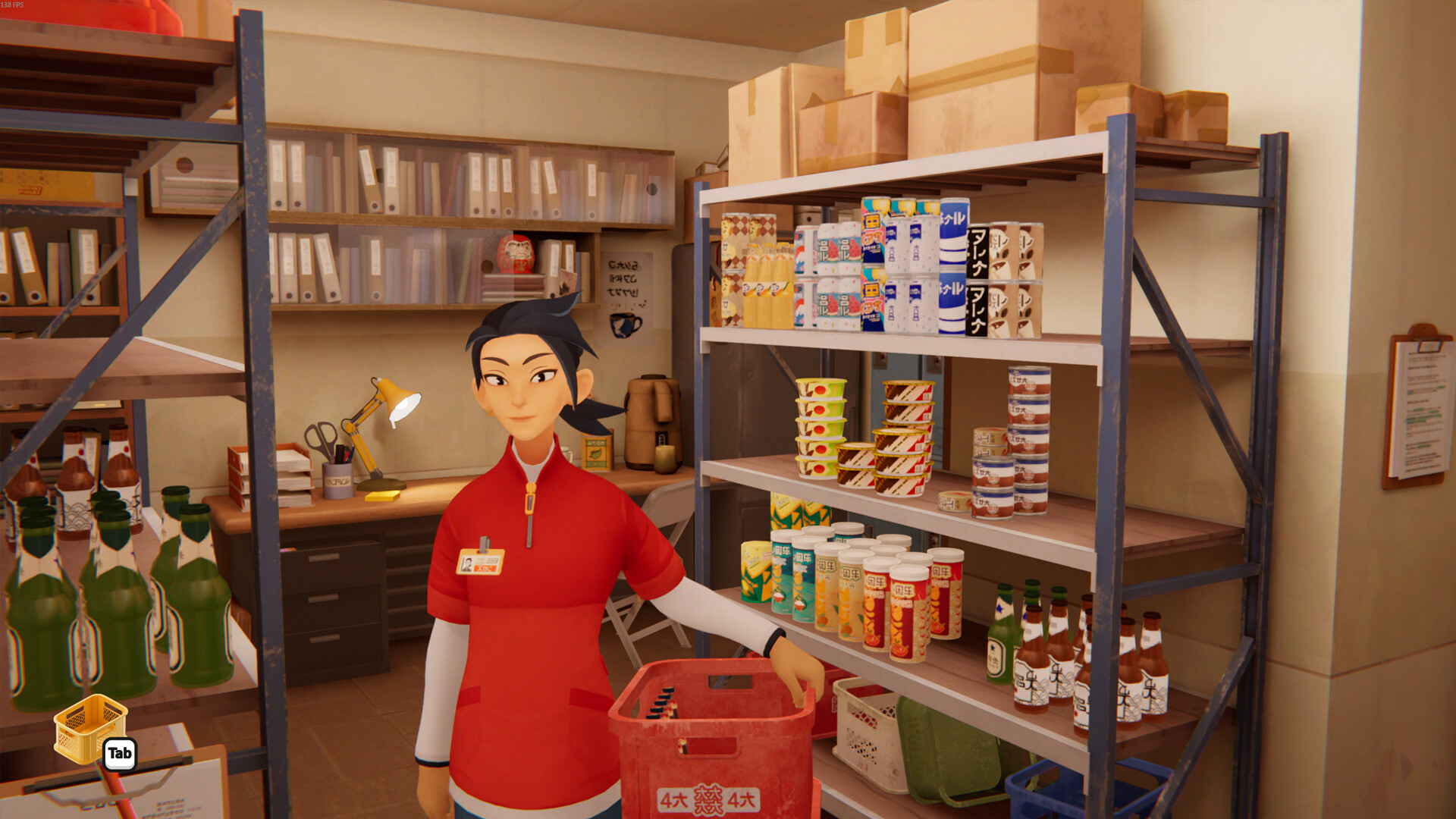
Shelf Life: Small Tasks, Big Comfort
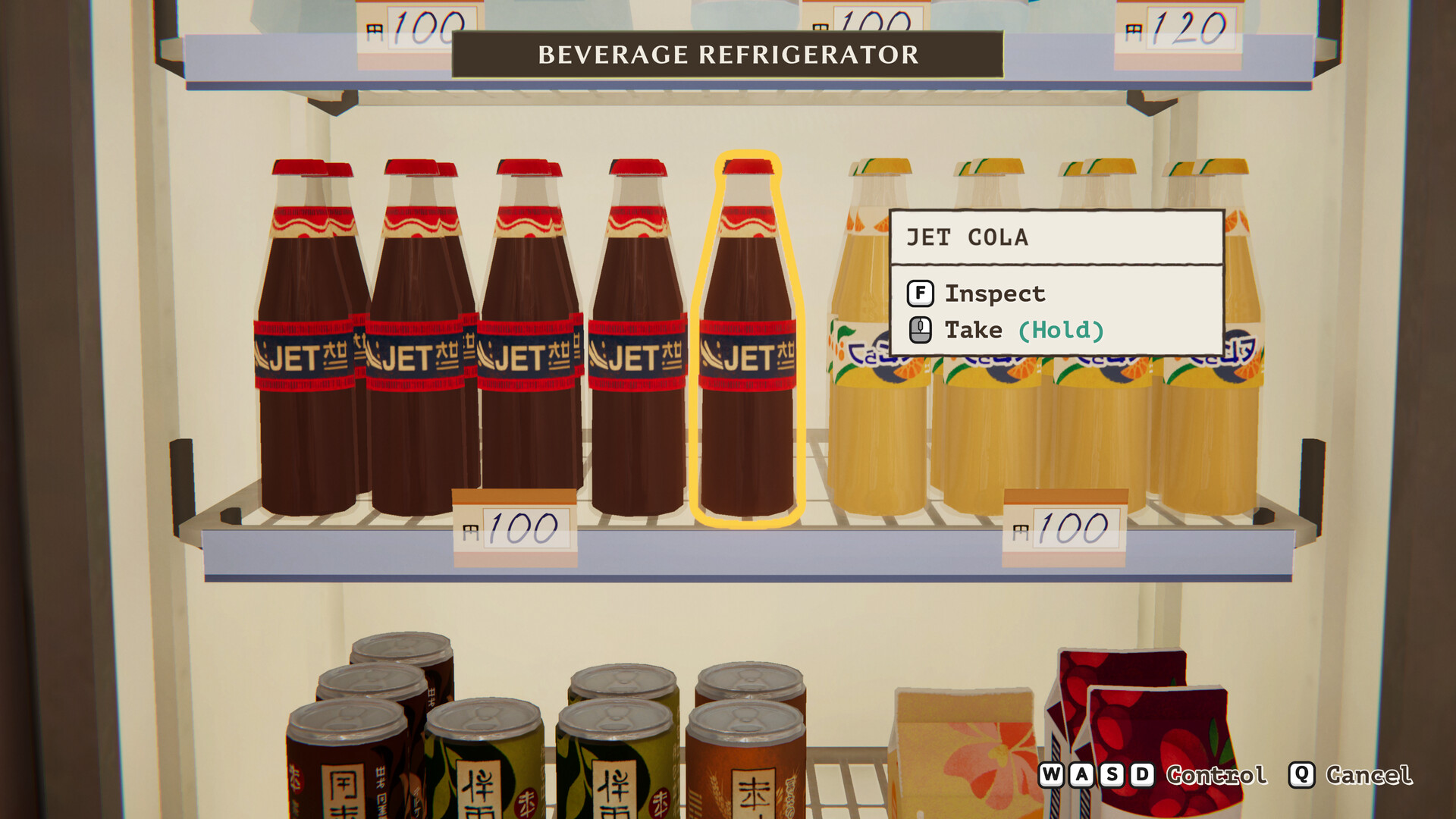
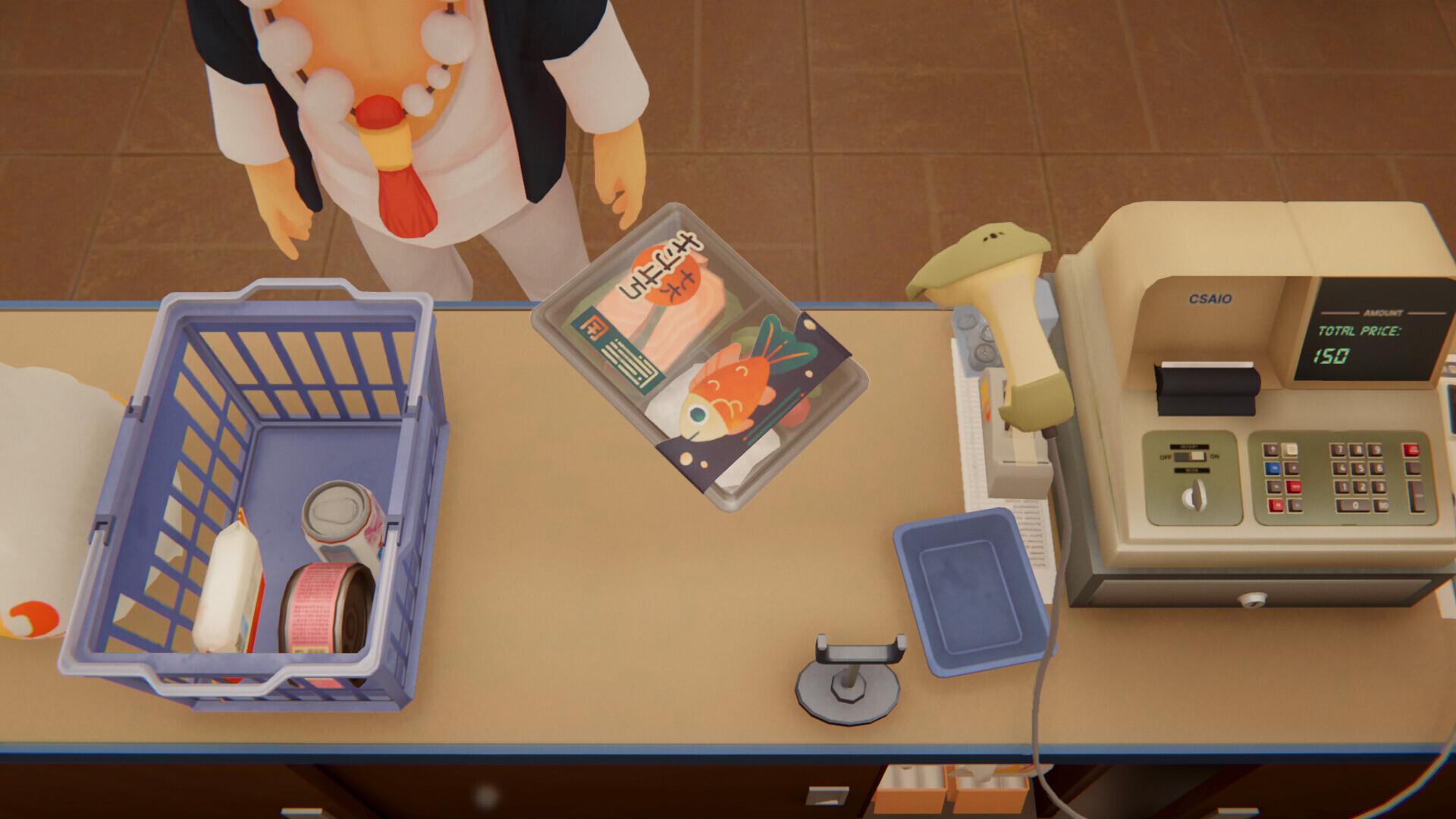
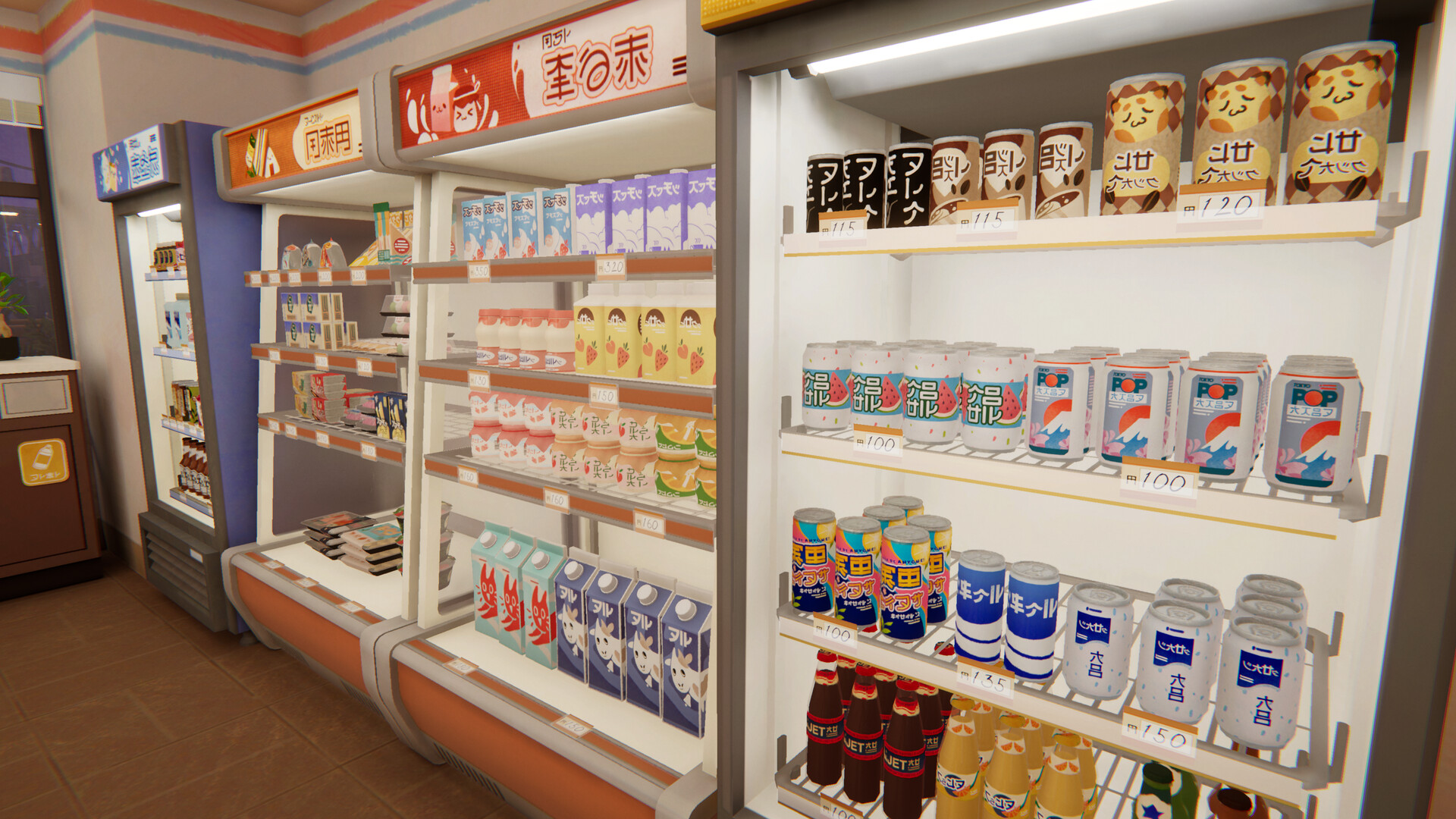
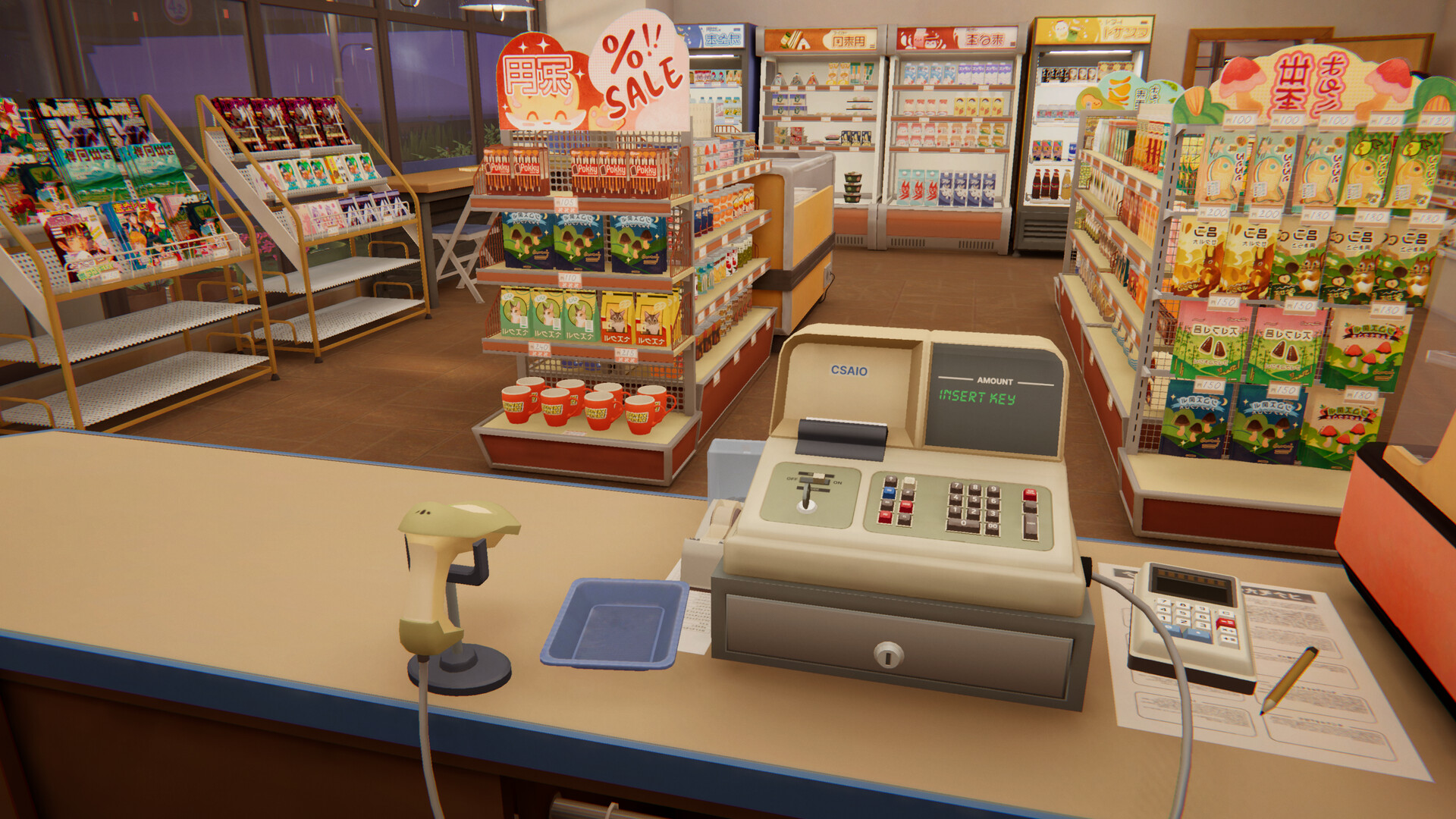
The heartbeat of inKONBINI is astonishingly simple: stock shelves, rotate products, tidy displays and prepare for the day. Each action is tactile in a way that’s oddly soothing — nudging cans forward, swapping price tags, arranging snacks so they look "just right." There’s no frantic micromanagement; instead the loop is deliberately calm. Days are modular chapters: a morning checklist, a few quests from regulars, phone calls and a handful of customers. The pace is unhurried, and that space lets you notice details in item descriptions, posters on the wall, and small gestures from NPCs. I found myself lingering longer than I planned, just to keep the rhythm. But that ritual can frustrate players used to clearer UI feedback, since many tasks expect you to inspect dozens of products without prompts.
Gachapon and Gentle Choices: Little Surprises That Matter
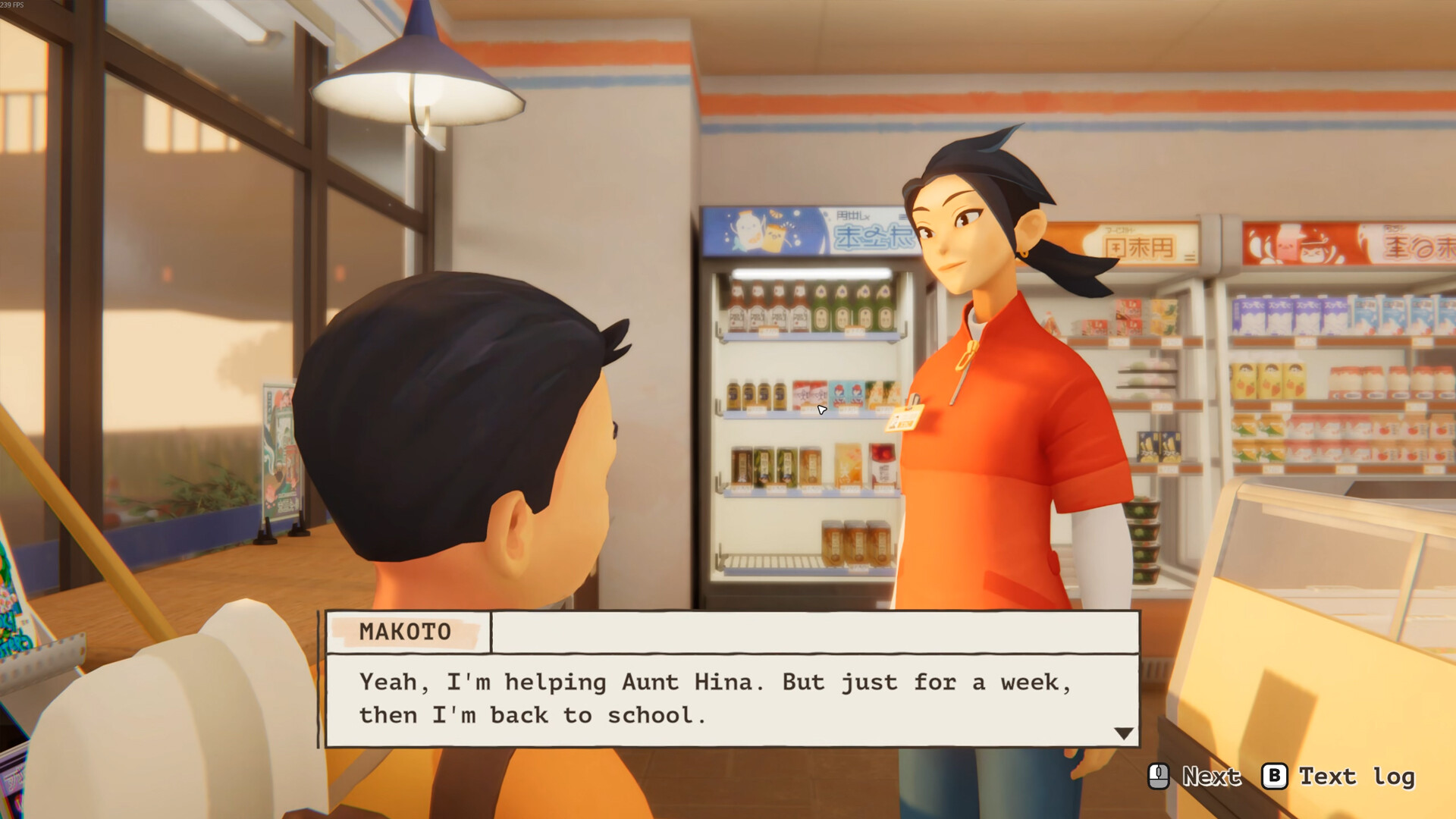
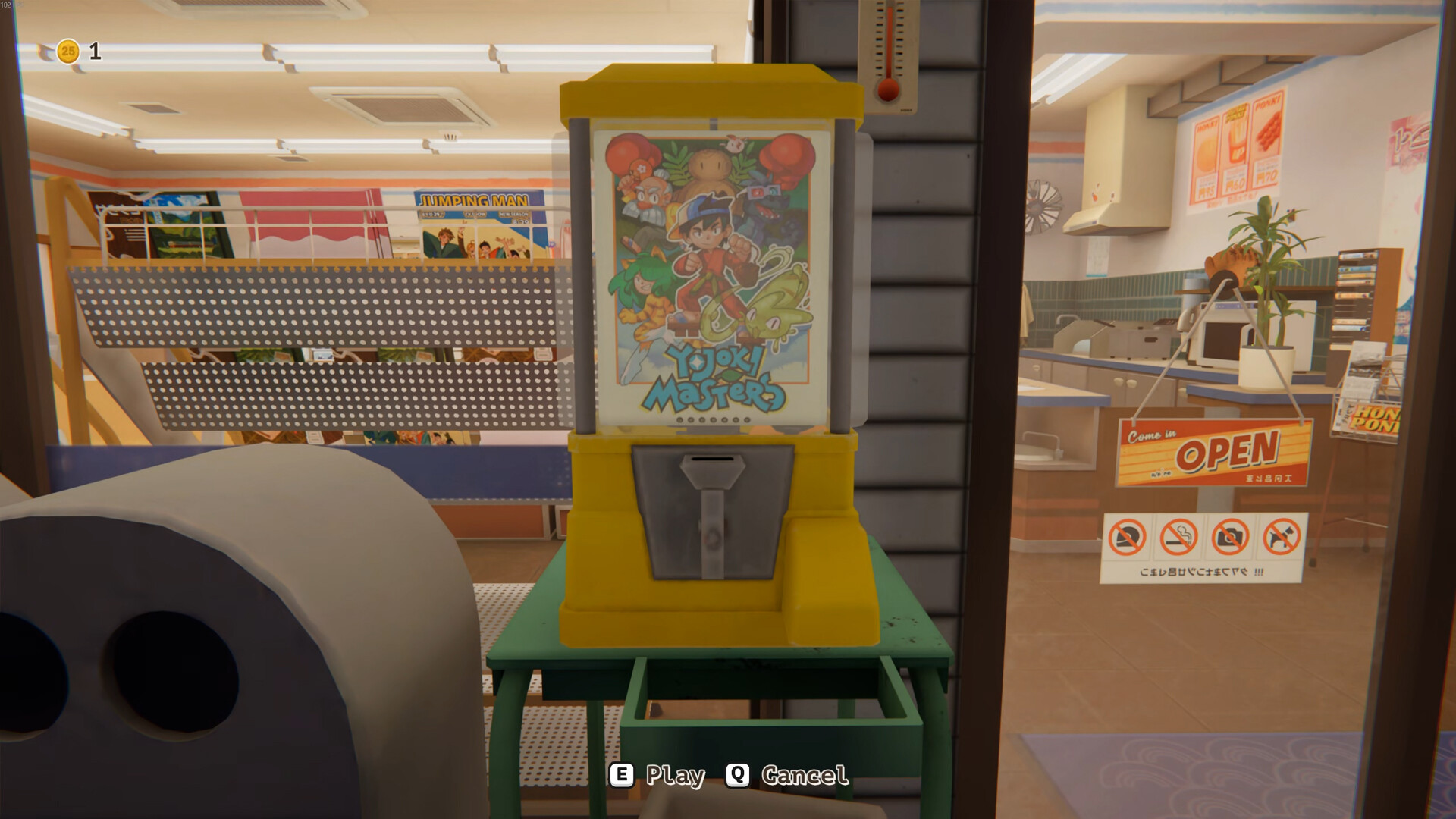
What sets inKONBINI apart is its soft narrative scaffolding: branching conversations and tiny choices that shape relationships rather than quests. The gachapon machine is a deceptively joyful loop — collect capsule toys, read their notes, and use them as ice-breakers with customers. Dialogues are precise and human; an offhand comment can shift a person’s mood or unlock a memory-heavy scene. The game treats NPCs like lived-in neighbors, not quest markers, and that intimacy is its selling point. Replay value comes from exploring different conversational branches and seeing how small decisions ripple through someone's day. For players who love narrative-driven sims (think a quieter, more focused Shenmue vibe mixed with the domestic observations of Convenience Store Woman), these connective threads are the reward.
Quiet Presentation: Sound, Light and Texture
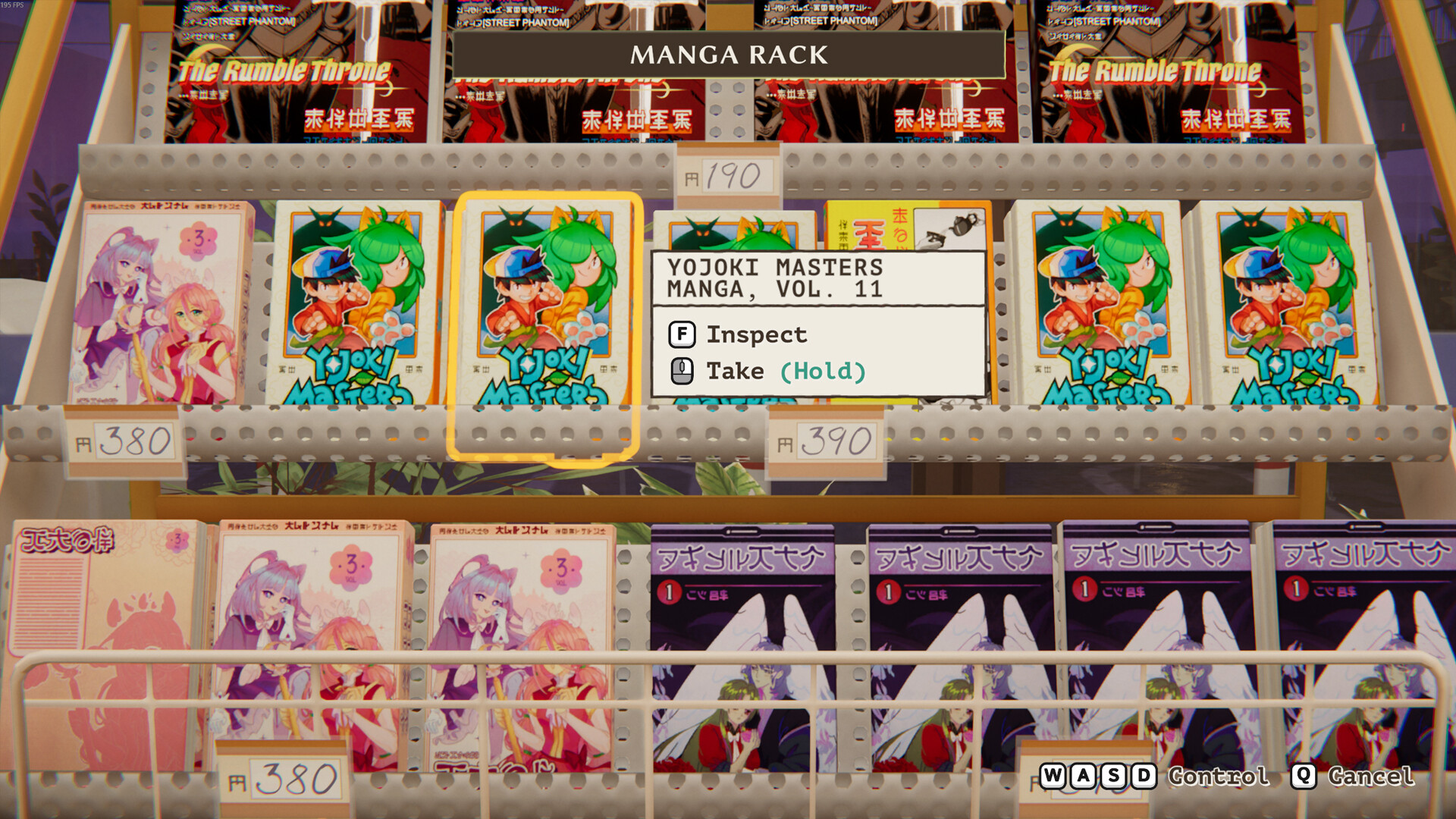
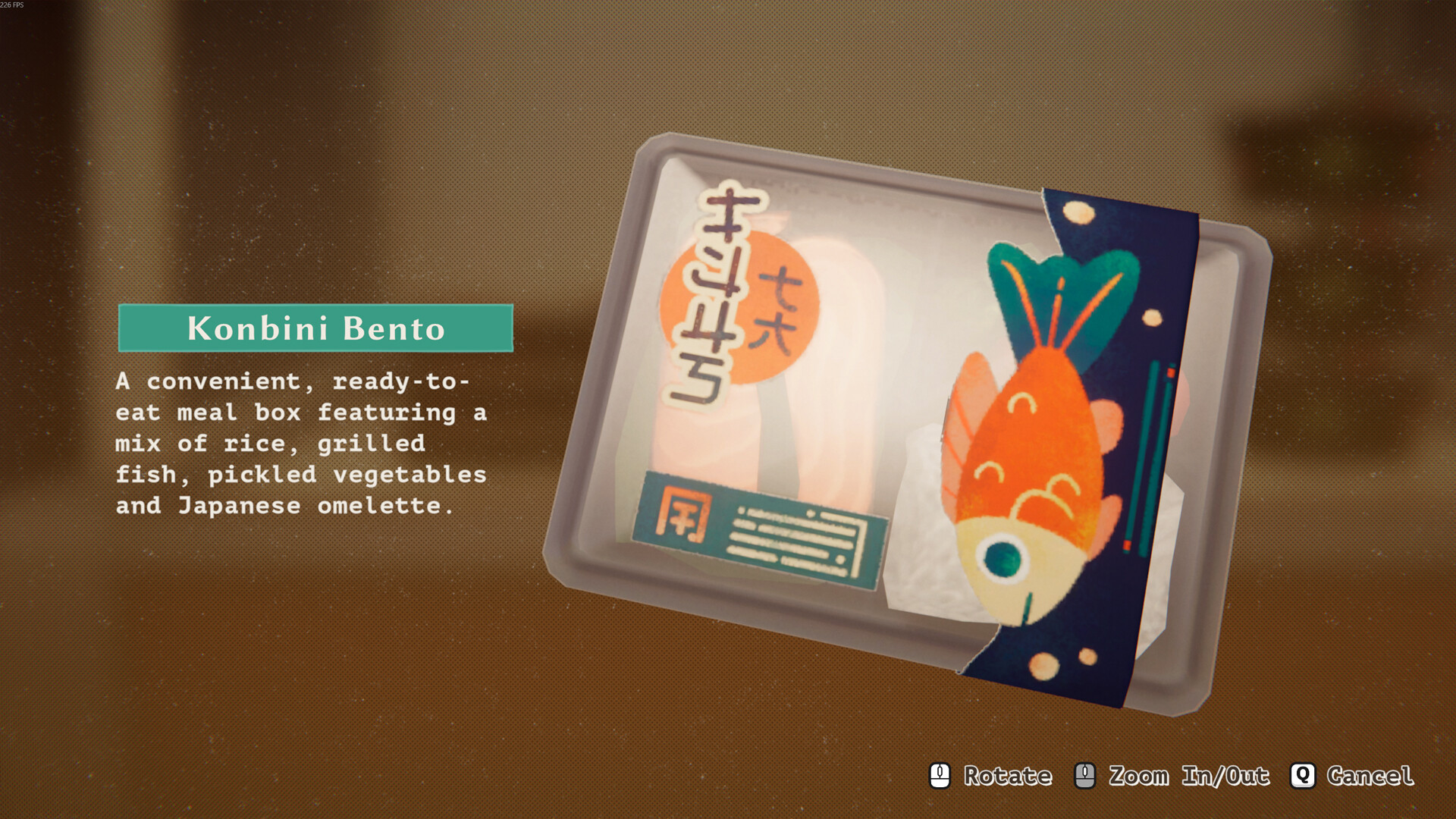
Visually the game favours soft palettes and warm lighting that evokes late afternoons and humid summer nights. The art is lovingly detailed: product labels you can actually read, hand-drawn signage, and a cluttered-but-cozy counter that feels alive. The audio is a highlight — an ASMR-inspired soundscape of paper rustling, refrigerator hums, footsteps and low-background music that amplifies the night-shift calm. Performance has been surprisingly stable on my PC and reports from Steam Deck users suggest a smooth handheld experience too. Accessibility is basic but sensible: clear text, adjustable volumes, and simple controls. Where it stumbles is in UX clarity; design choices lean into discovery at the expense of explicit guidance, which will delight some players and annoy others.
inKONBINI is a lovingly crafted, slow-burn experience that nails the small pleasures of store work and neighborly storytelling. It’s ideal for players who crave atmosphere, detail and gentle human drama, but less suited to those who want clearer direction or faster pacing. If you enjoy ritualistic, tactile gameplay and intimate narratives, this konbini is worth a long coffee break.
Pros
- Warm, tactile gameplay loop that’s deeply relaxing.
- Rich, human-focused writing and memorable NPCs.
- Lovely 1990s-inspired art and ASMR-like sound design.
- Runs well on modern PCs and Steam Deck-friendly.
Cons
- Sparse UI feedback — finding issues can feel tedious.
- Pace is slow and niche; not for players seeking action.
- Some players may find the price high for scope.
Player Opinion
Players repeatedly praise the atmosphere, the satisfying "product work" and the emotional weight of small interactions. Many reviewers compared it to Sayaka Murata’s Convenience Store Woman and even mentioned a warm Shenmue-like attention to everyday detail. Positive posts highlight the gachapon surprises, readable item descriptions and the ASMR soundscape that makes night shifts especially cozy. Criticisms cluster around the UI and pacing: several players say the lack of indicators makes some tasks feel nitpicky, and a few found the slow drip of narrative too meandering. Overall, the community agrees it’s a niche gem — beloved by those who love slow, careful sims and possibly frustrating for players wanting more explicit direction.