

Rising Front Review – Massive WW1 Battles with Sandbox Heart
Rising Front is a single-player, large-scale battle simulator that lets you fight in first-person or command thousands of units from above. Great sandbox and mod support, fun chaotic moments — but expect performance quirks and rough edges.
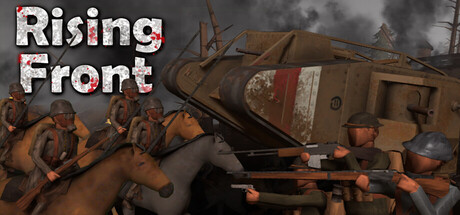
Rising Front scratches that weird itch for gigantic historical melees — think tanks, cavalry and biplanes thrown together in sandbox scenarios. If you liked the toybox feel of TABS but want more control and realism, this one’s for you, albeit with some indie-style roughness.
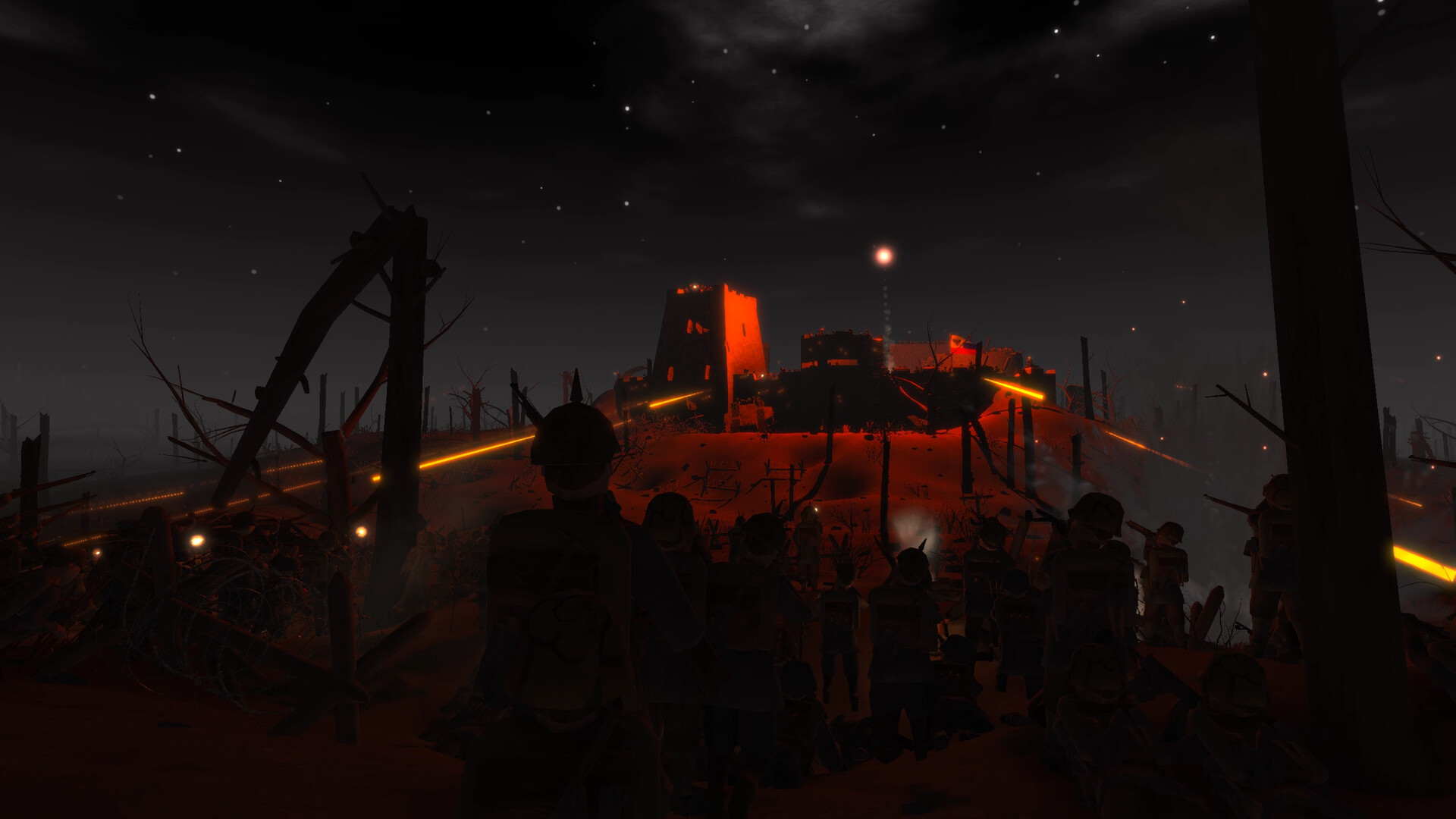
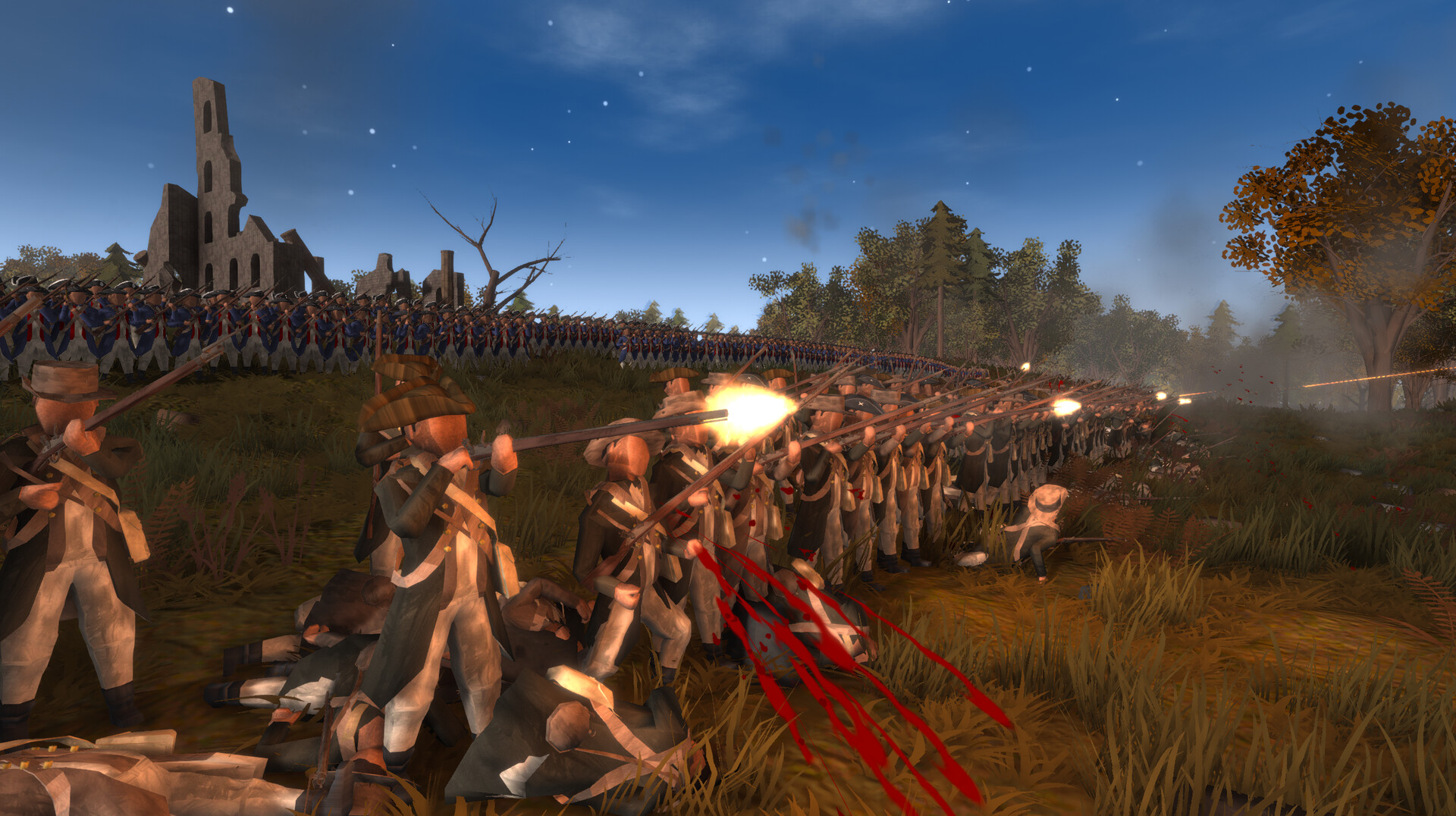
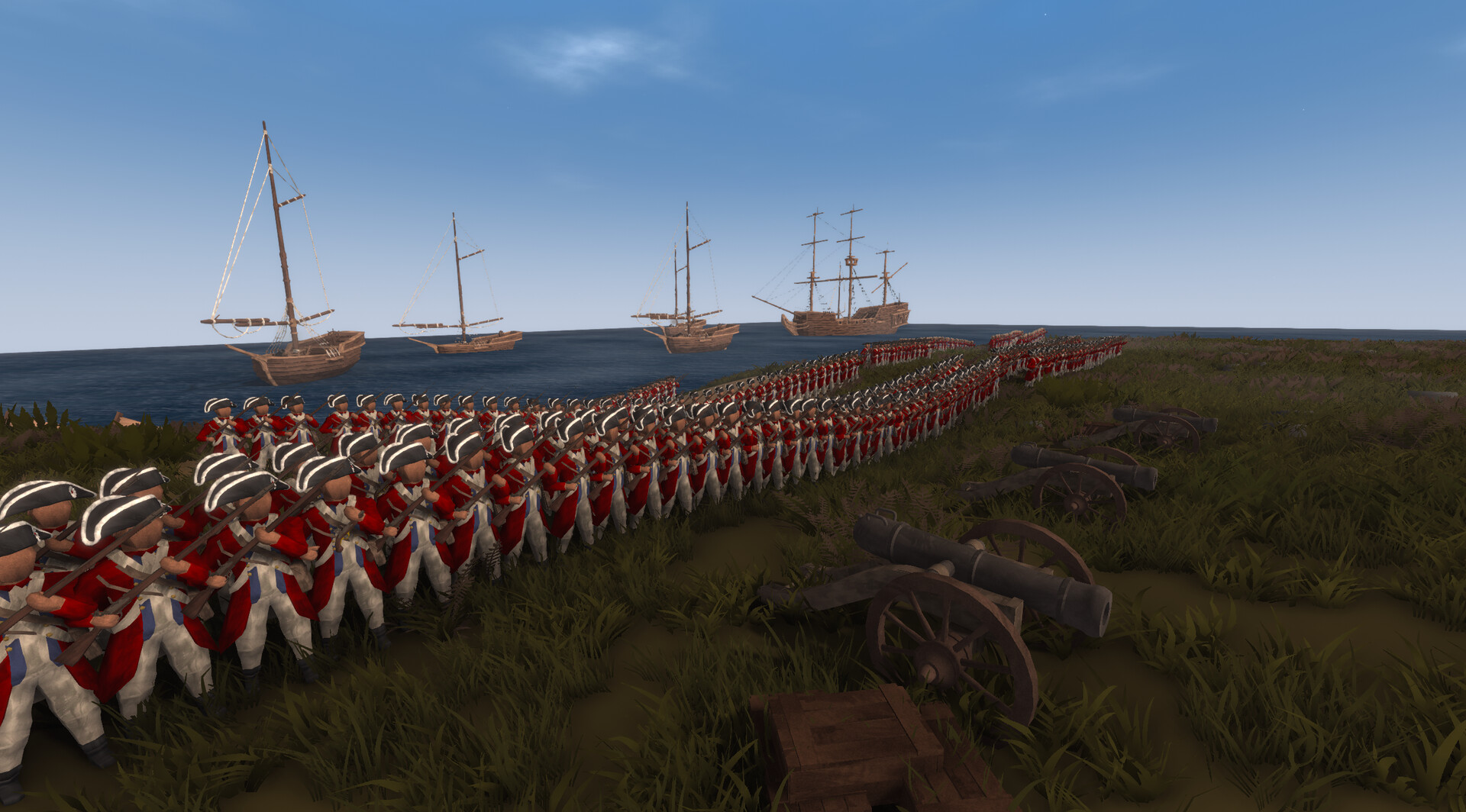
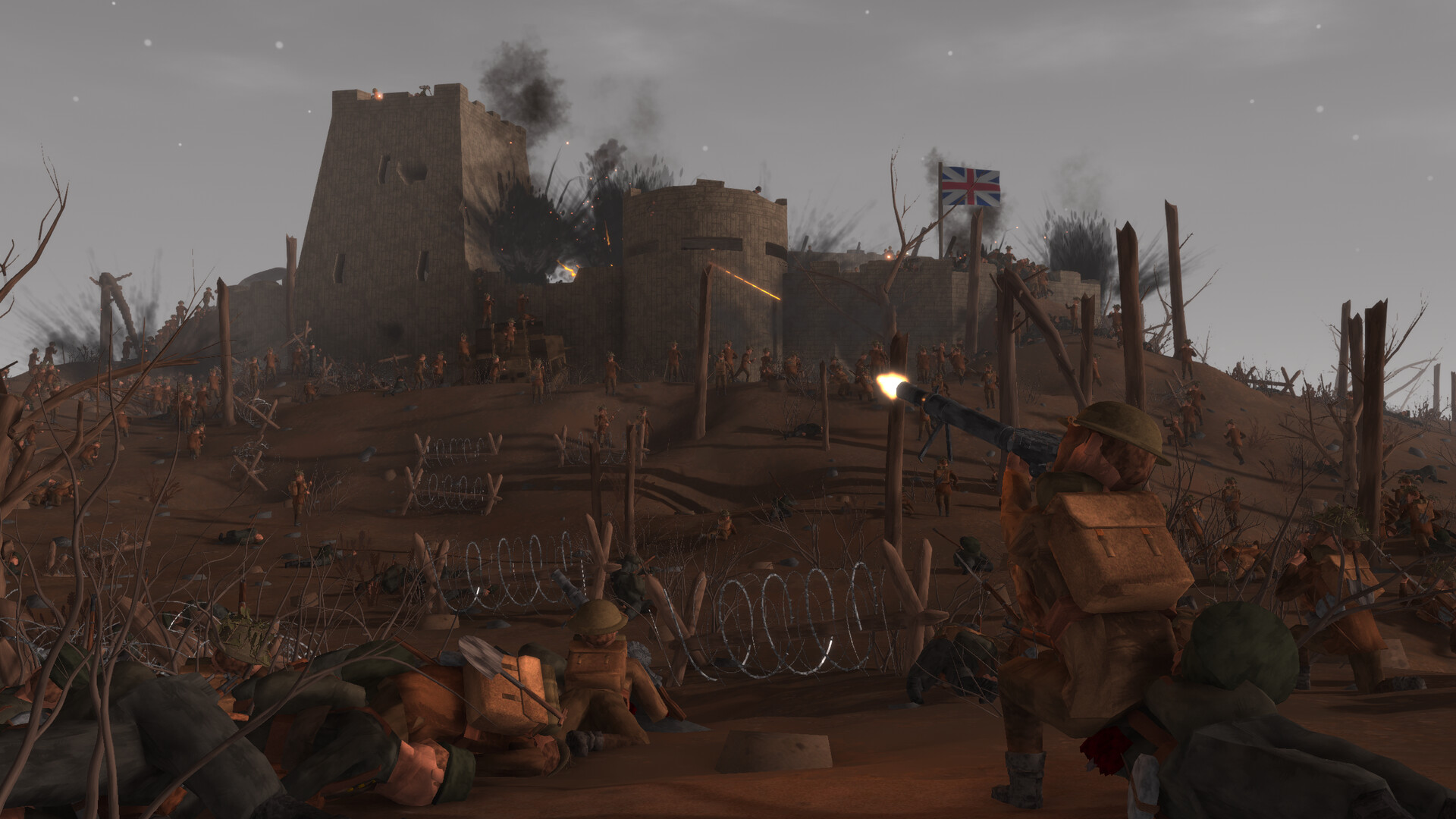
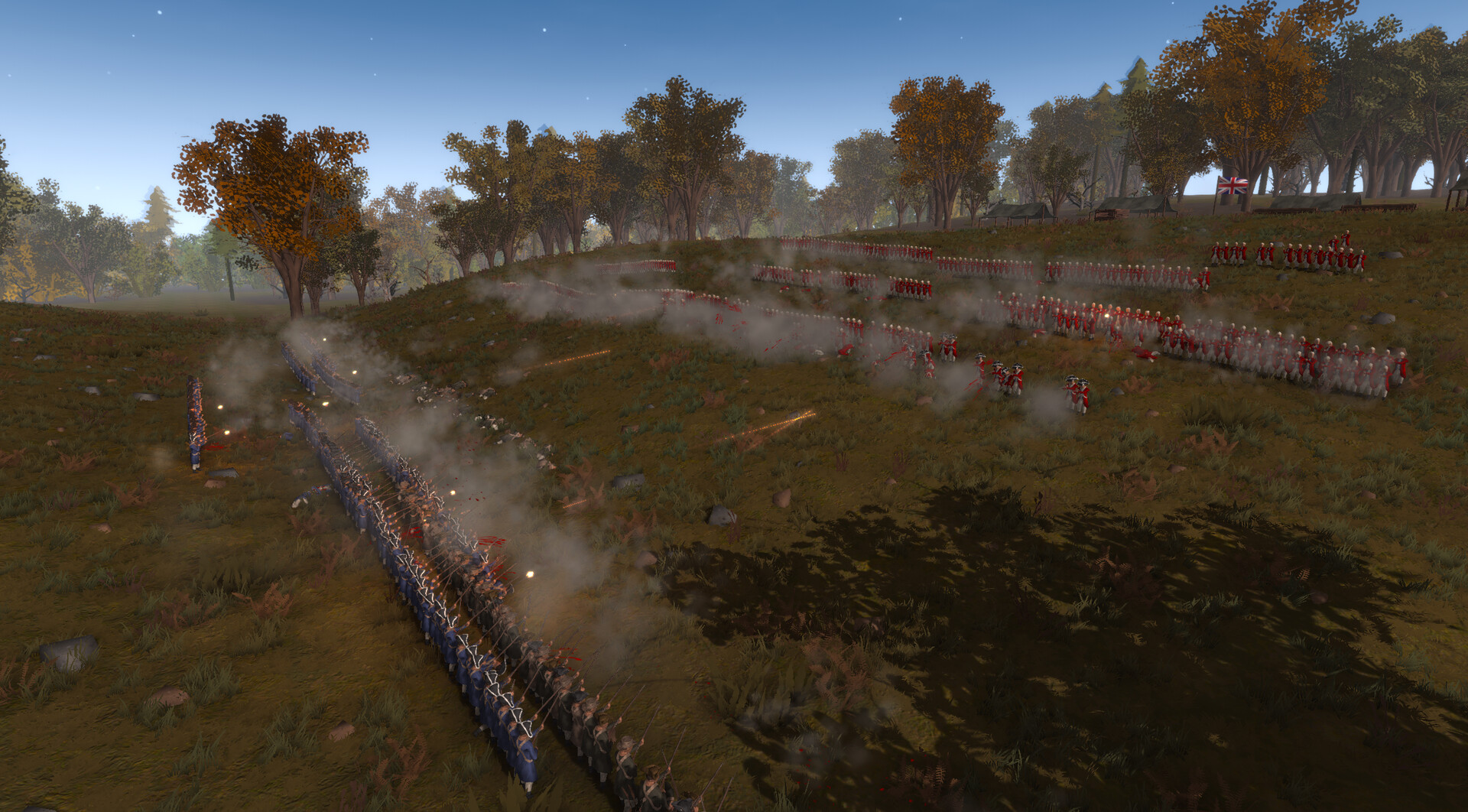
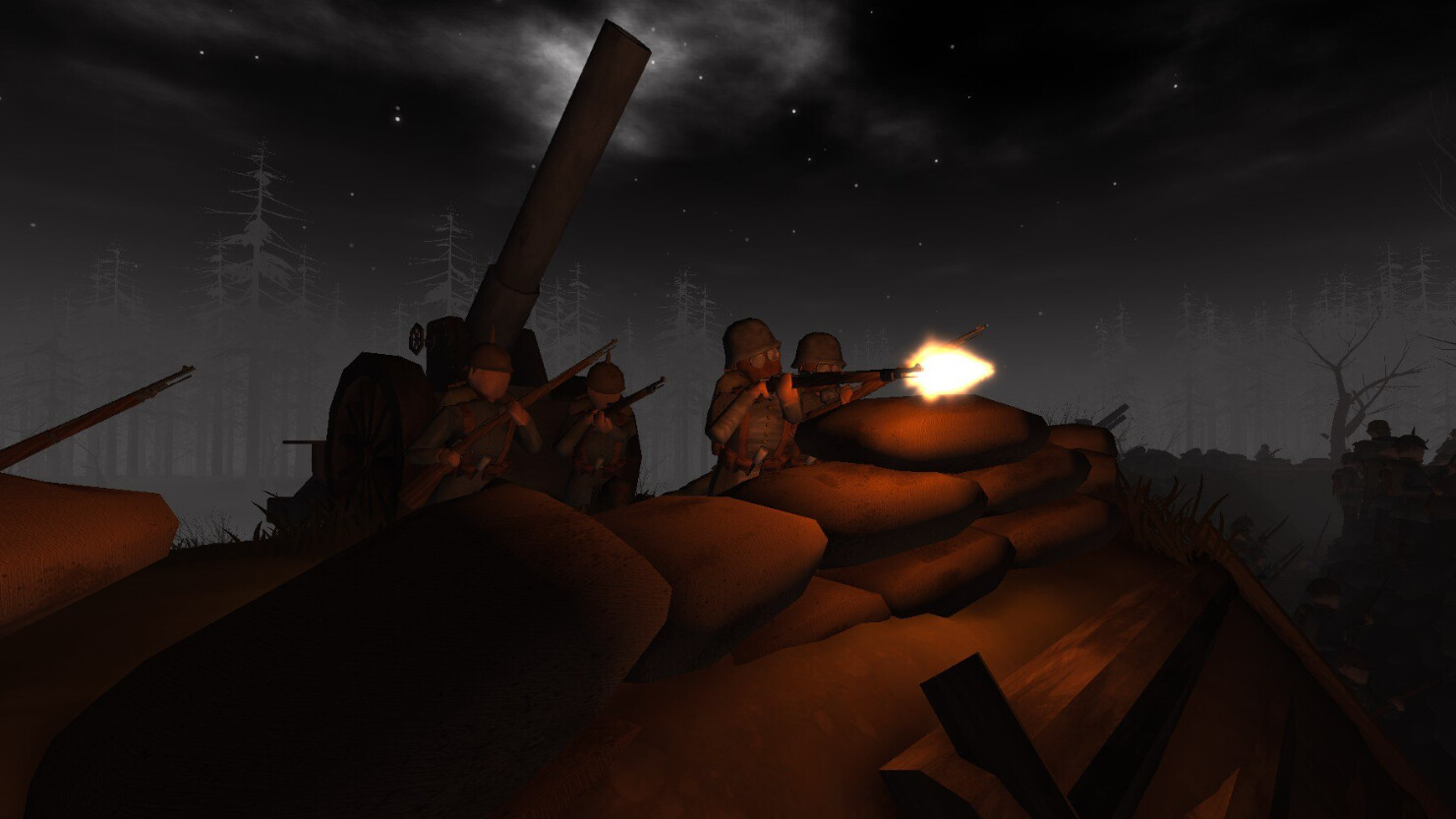
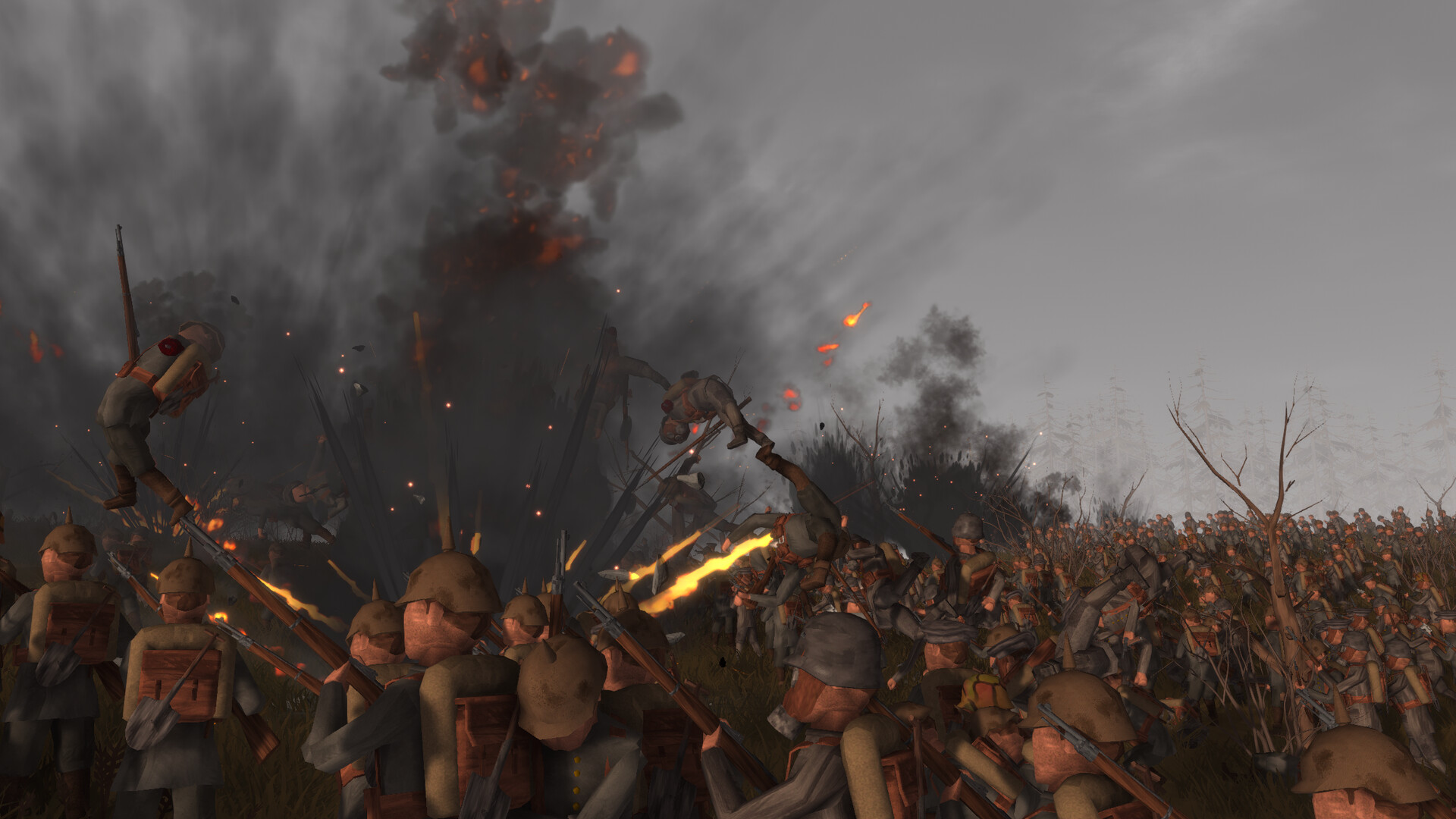
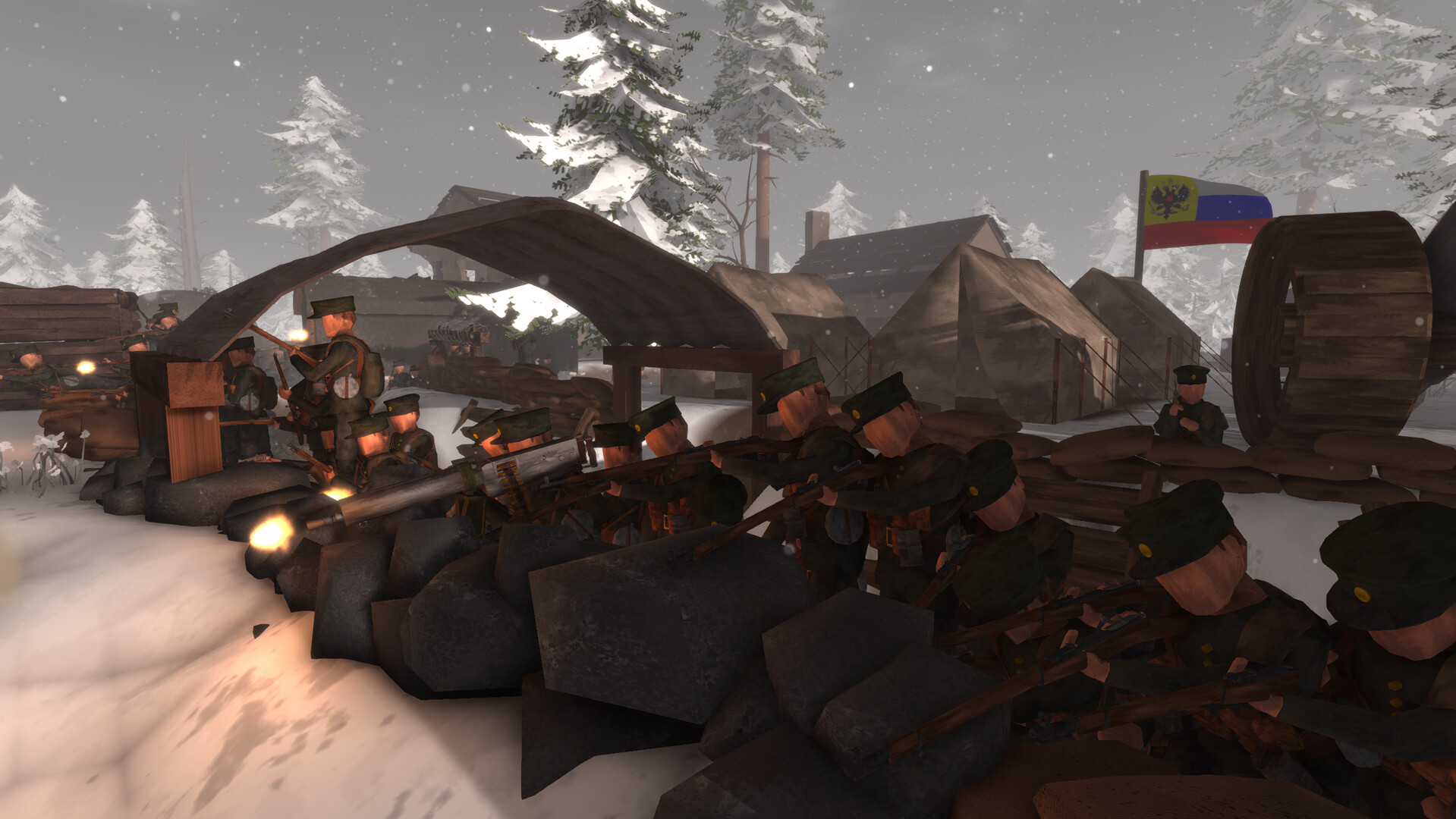
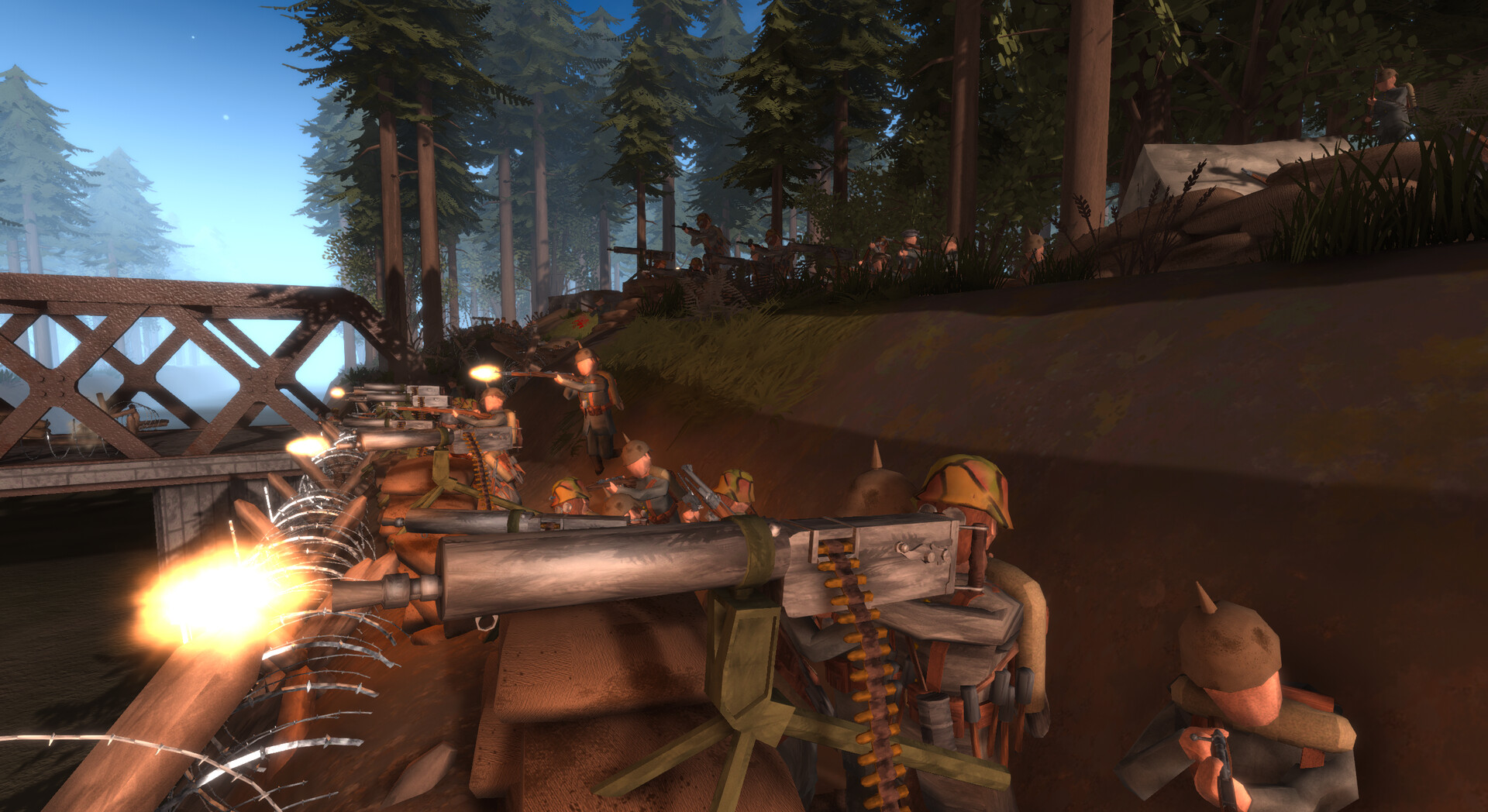
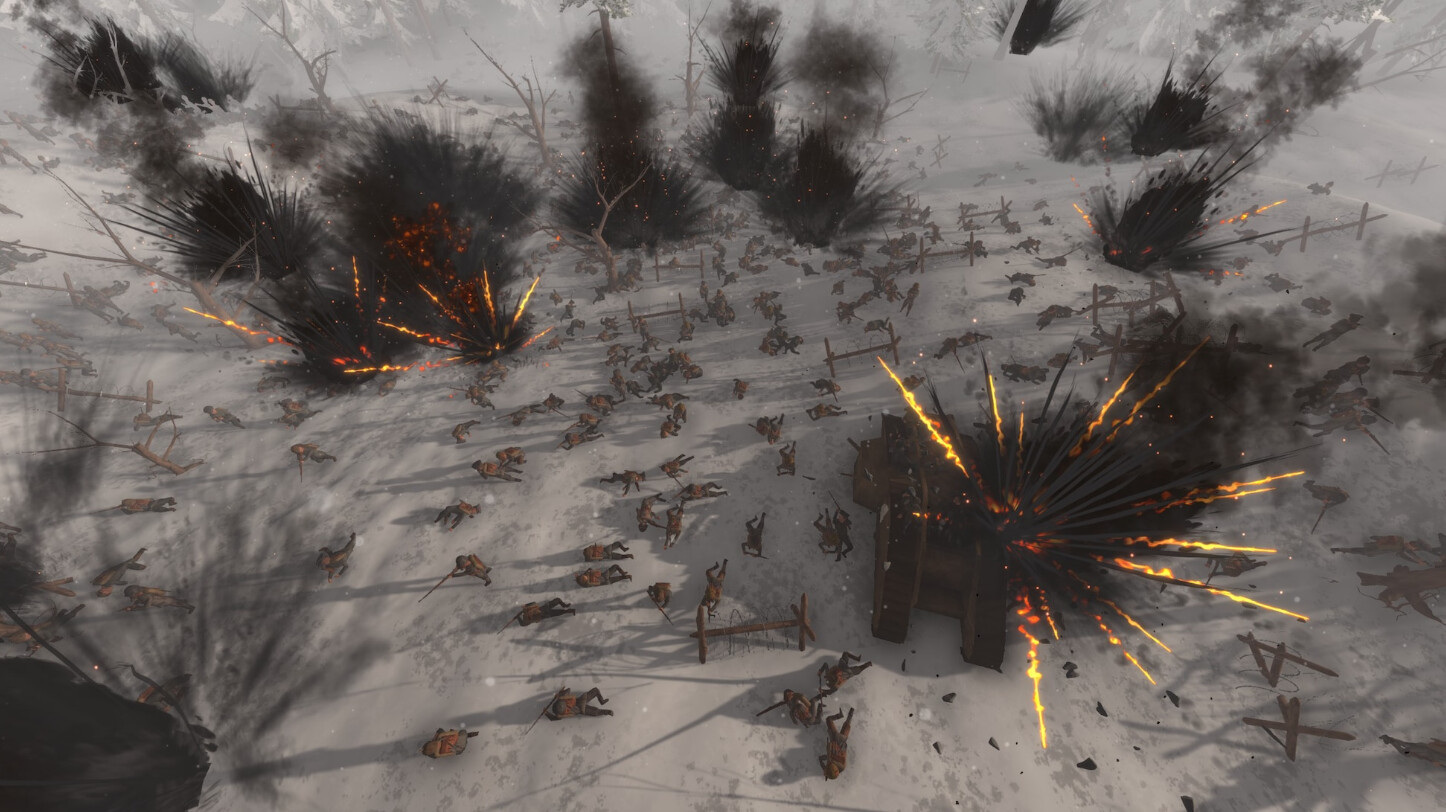
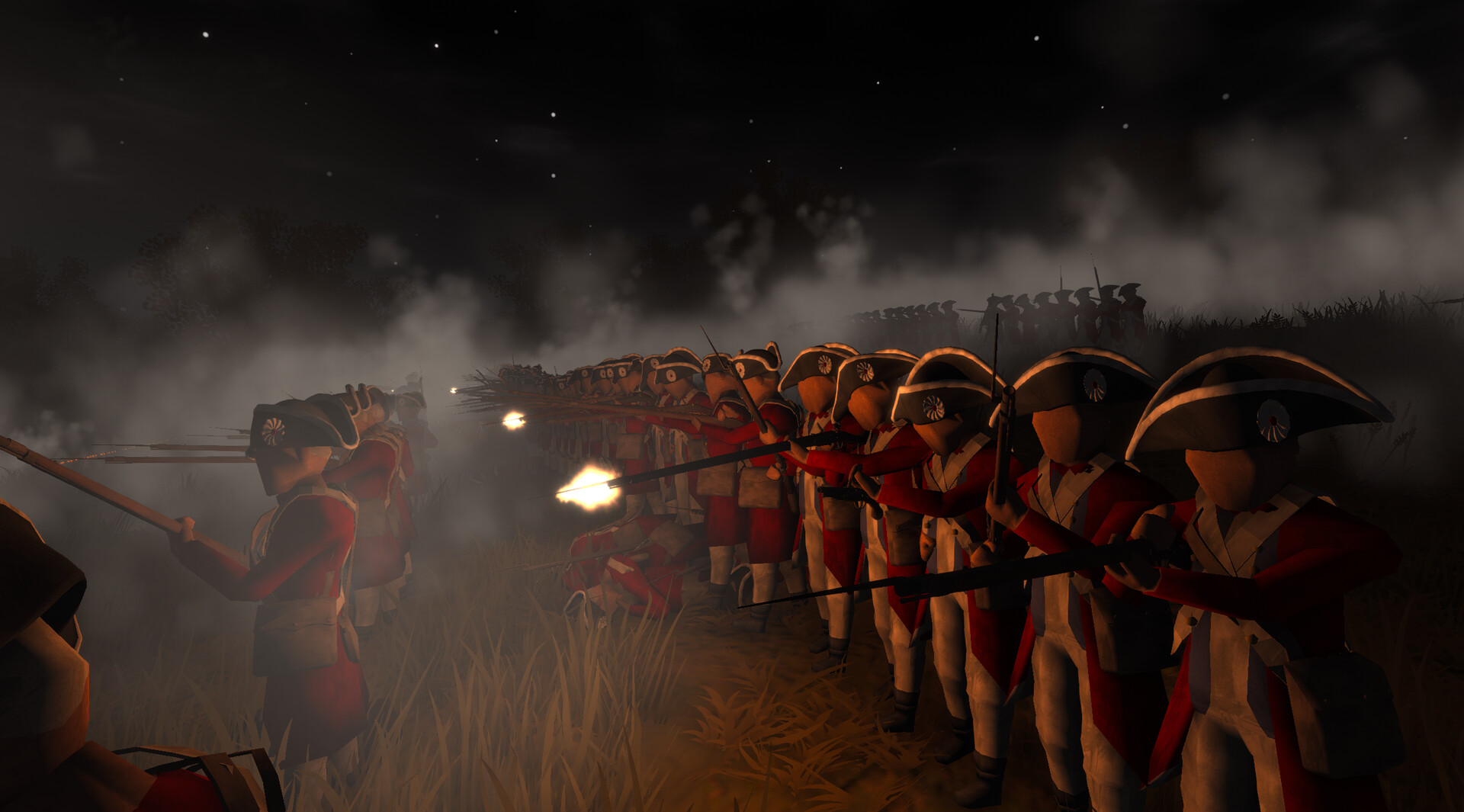
The core loop is simple and satisfying: spawn armies, pick your units (infantry, cavalry, tanks, planes), then either jump into first‑person for a chaotic soldier view or switch to a top-down command mode to micromanage formations. There’s a pleasant mix of RTS-lite controls (deploying fire support, building defenses) and FPS moments when you hop into a tank or call a bombing run. The procedural cover system and ragdoll physics amplify the spectacle — volle Salve, bodies fly, and the battlefield looks alive. Workshop support is a real highlight: community mods add new factions, maps and the notable “War of the Millennium” overhaul (find it in the Steam Workshop under mods — it swaps units and eras for a big alternate-history sandbox experience). AI behaves usefully for line battles but can be inconsistent at range (see below).
Performance is where the trade-offs live. I tested on Windows (Ryzen 5 3600, 16GB RAM, RTX 2060) at 1080p: small skirmishes (≤200 units) ran at 60+ FPS; mid‑sized fights (~500 units) sat around 40–55 FPS; when the action hit 800–1000+ units with artillery and full ragdoll carnage, framerate could drop into the 20–30 FPS range and temporary stutters occurred during big bombardments. On Steam Deck the game runs surprisingly well for its scale, but aiming lacks a separate ADS sensitivity and menus feel clunky with a controller. Practical workarounds: cap unit spawn, reduce ragdoll/particle settings, shorten draw distance or avoid toggling full slow‑mo during artillery salvos.
Score breakdown I used: Gameplay & design 35% (fun sandbox, unit variety), Performance & stability 25% (good baseline but spikes under extreme load), Content & modes 20% (lots of sandbox, scenarios + Workshop), Mod/Community support 20% (strong, with quality mods). That mix yields my overall assessment below.
Rising Front is a joyful, punchy sandbox for large historical battles — its scale and mod scene make it a keeper for tinkerers, despite performance and polish issues. At its price and with simple tweaks (unit caps, settings), it’s easy to recommend to fans of single‑player battle sims.
Pros
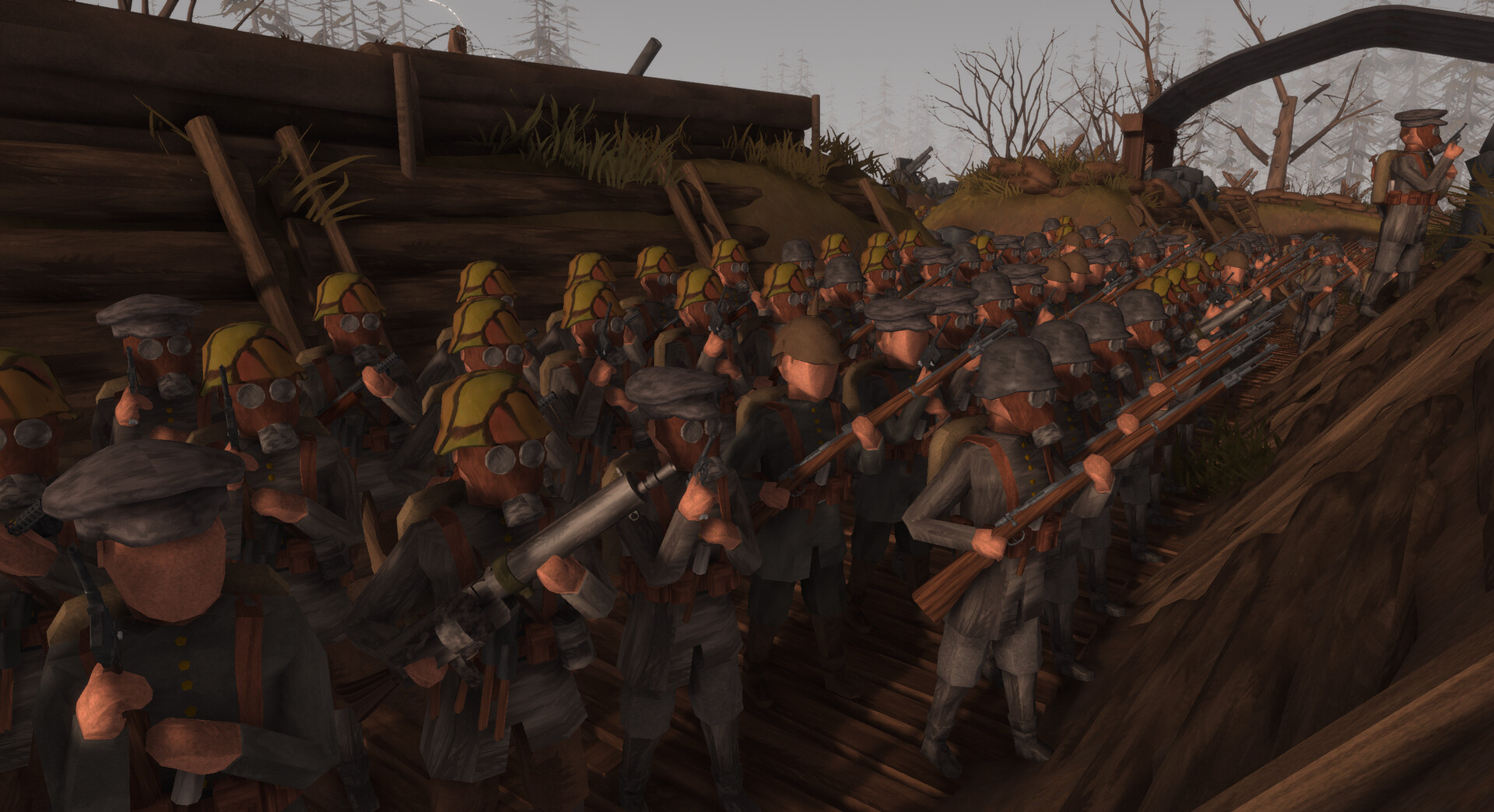
- Massive, cinematic battles — 1000+ units feel impressive in practice.
- Excellent Workshop & modding scene; big mods (e.g. War of the Millennium) add real variety.
- Flexible playstyles: hop into first‑person chaos or manage fights from the tactical map.
Cons
- Performance spikes with huge unit counts / ragdolls — noticeable stutter during artillery volleys.
- AI range perception feels off (can detect players through cover); UI and aiming options need polish.
Player Opinion
Players praise the scale and sandbox freedom — many mention it’s astounding that a small team created such a toolset. Modders and scenario builders regularly pop up in Workshop highlights (the War of the Millennium mod gets called out for adding new eras and overhauled units). Common criticism centers on occasional jank: janky reload animations, menu quirks and, for some, lag during massive ragdoll/particle dumps. Several users note it runs great on mid‑range PCs but can struggle on lower hardware or under extreme unit counts; Steam Deck players enjoy it but ask for better ADS sensitivity options. If you like TABS‑style spectacle with more control and tinkering, you’ll probably enjoy this.