



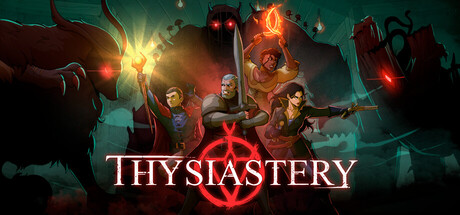


SealChain: Call of Blood Review – Roguelike Item-Engineering Bliss
A crunchy, inventive roguelike where items link into seals and chain reactions — brilliant systems, rough edges. For players who love building weird combos and surviving chaotic encounters.
I jumped into SealChain: Call of Blood expecting another run-of-the-mill roguelike and came away surprised — not because it looks like something new, but because its item-linking and seal formation systems actually make you think in chains. Imagine stacking identical trinkets until the whole setup detonates into a glorious, slightly terrifying combo; that’s the core joy here. The world is bleak, the enemies are plentiful, and the learning curve bites, but when the chains start clicking you get that rush of mathematical triumph. If you like building oddball synergies and being punished for sloppy inventory work, this one will keep you busy for dozens of runs.

Linking Chaos, One Seal at a Time
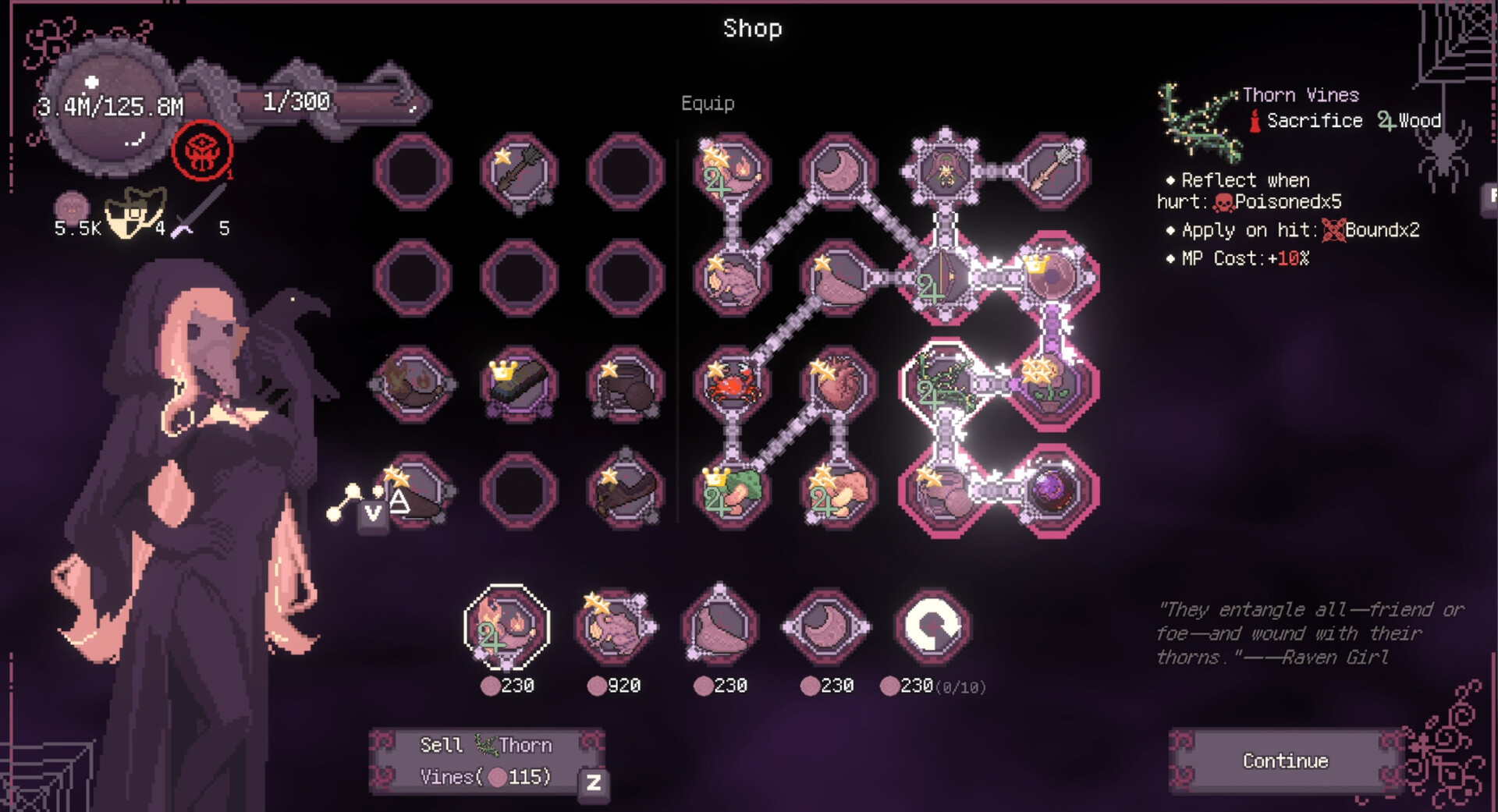
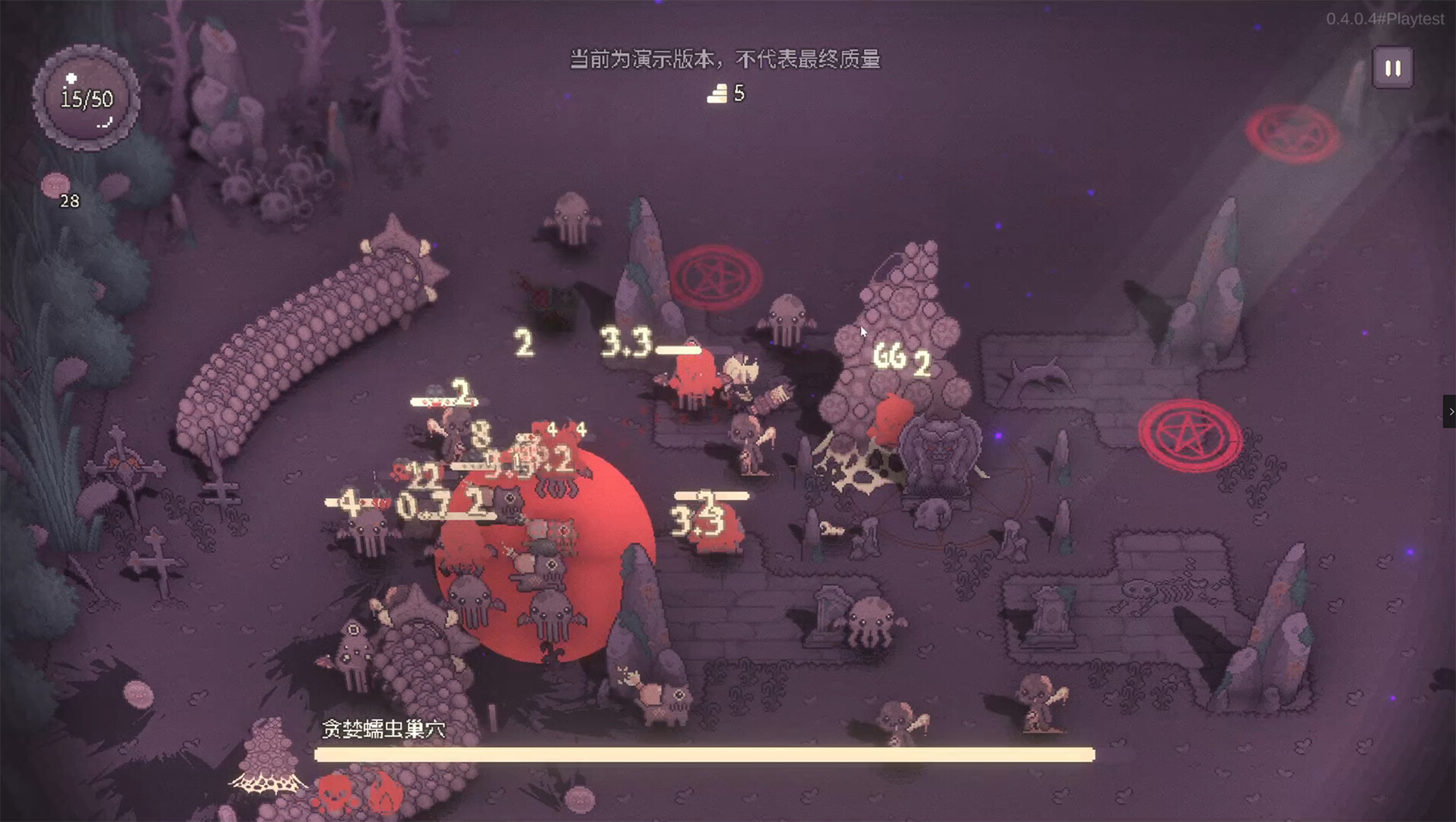
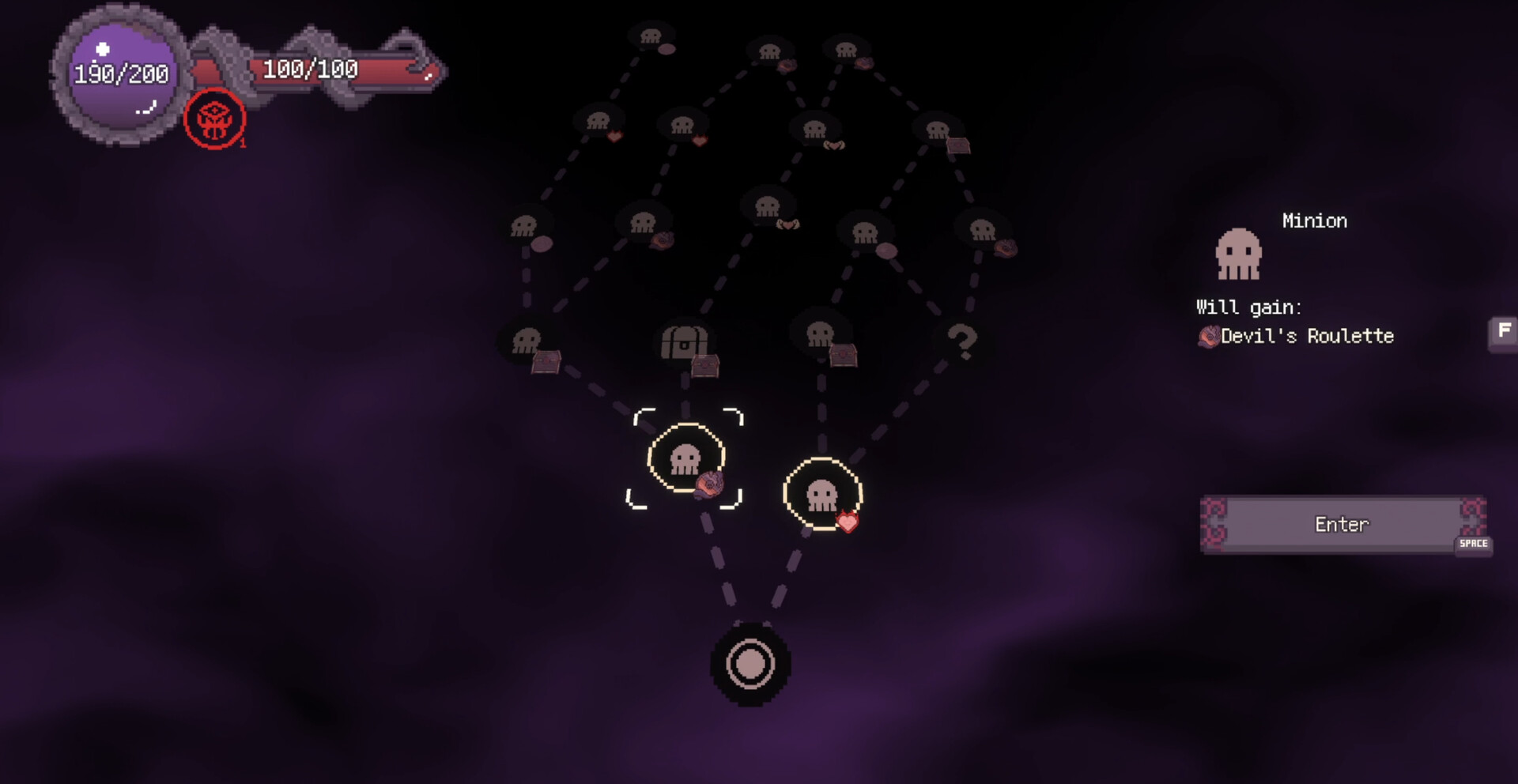
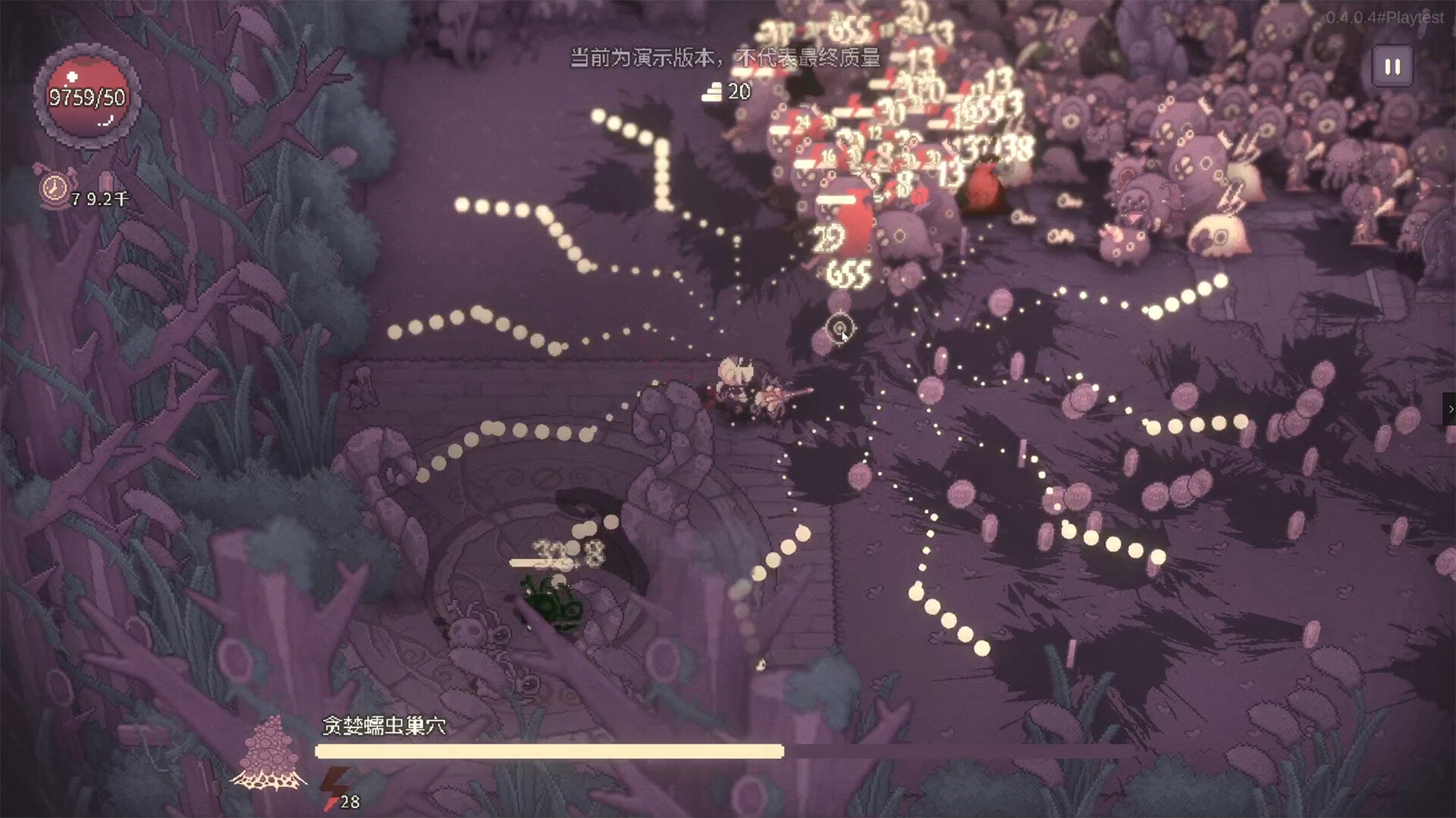
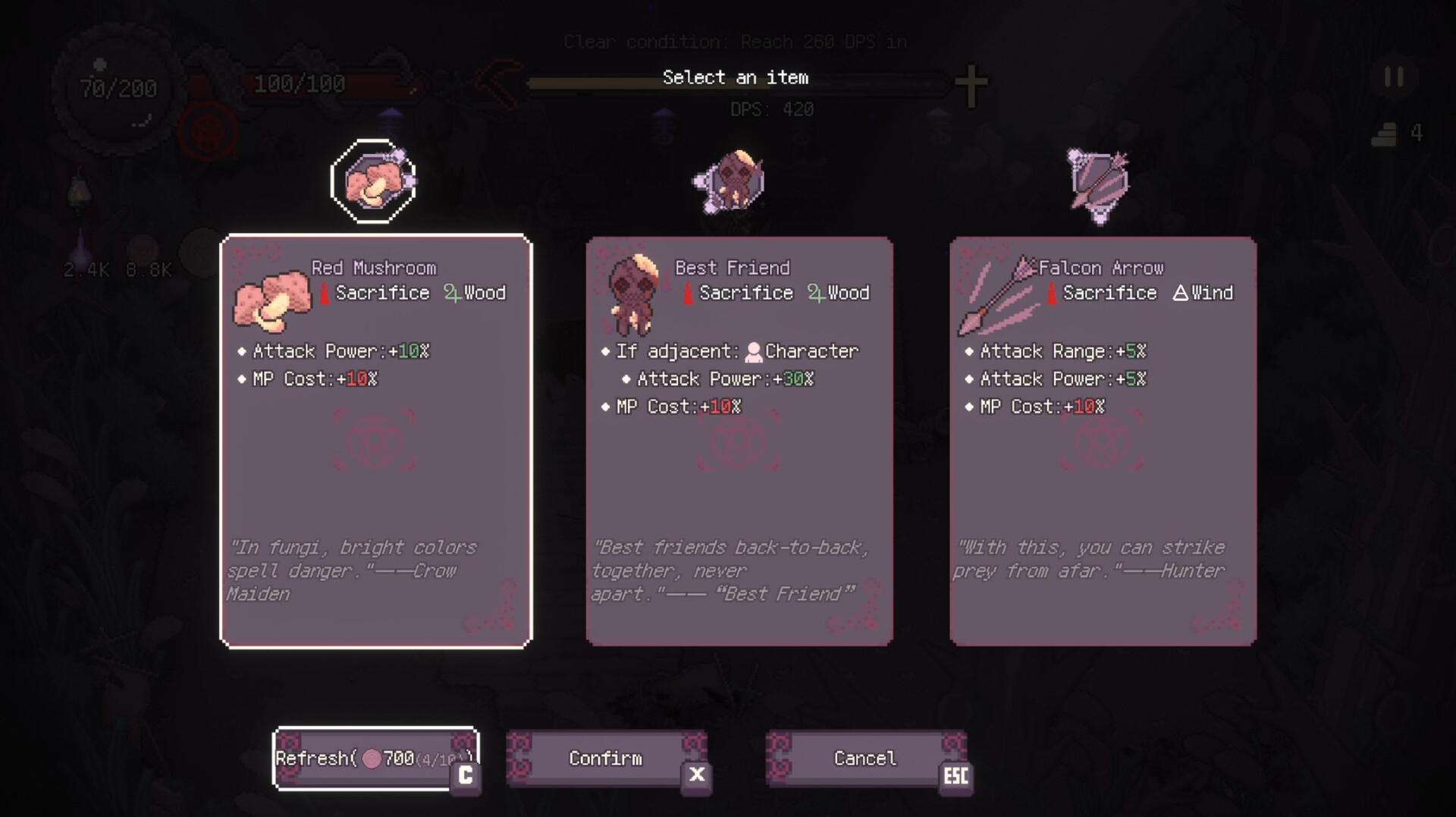
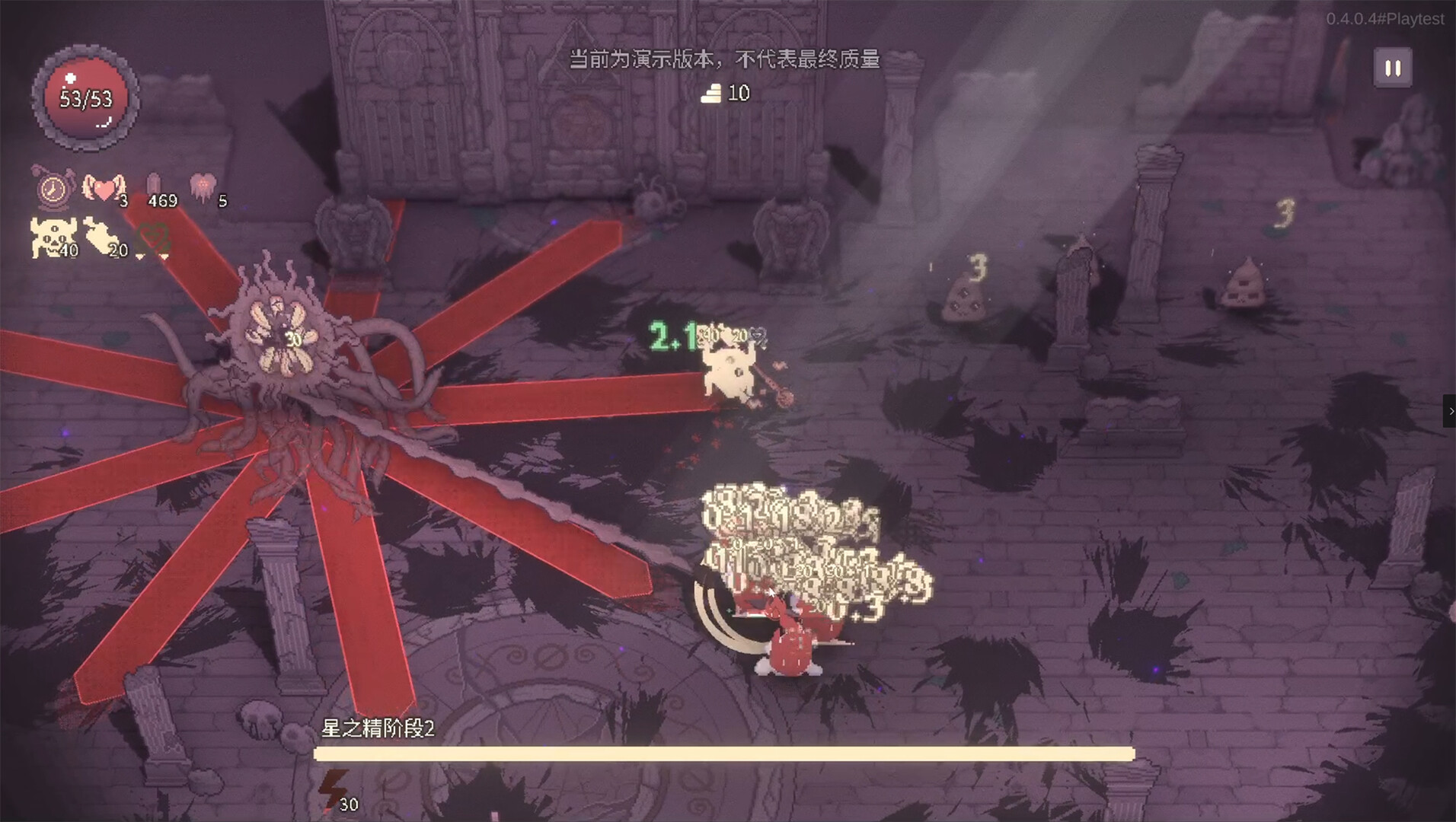
Gameplay in SealChain revolves around the strangely satisfying act of linking items. Runs start like any other roguelike: pick a character, grab some gear, and try not to die immediately. The twist is how every item can connect, enchant or resonate with others — items stack infinitely, can boost attributes, and when arranged into specific formations they form seals that grant powerful effects. Your main loop becomes a mix of scouting for the right components, juggling limited inventory space, and deciding whether to cash in small synergies now or wait for a perfect chain. Combat itself is quick and sometimes bullet-hell adjacent: you’ll dodge, kite, and watch your linked items trigger cascades of damage or buffs. Early runs are punishing because figuring out which combinations actually scale is part of the game; once you spot a working chain you’ll be tempted to replay that path over and over.
When Items Start Talking to Each Other
Where SealChain shines is in its systemic creativity: enchantments, resonances, and event-driven item acquisition mean nothing ever feels static. Random events hand you odd components, NPC rewards tune your direction, and the talent tree lets you commit to wildly different builds. The seal formations are more than flair — they become an endgame puzzle where placement matters as much as raw numbers. I loved discovering edge-case combos like tiny rank-1 items outperforming mid-rank duplicates because of a particular resonance bonus. That also creates a meta of inventory mathematics: some players (and reviews) joke it’s for "Calc 3 alumni," because optimal play rewards planning and pattern-spotting. Mod support is a huge plus: the .txt-based modding makes it easy to tweak items, monsters, or even add new events without needing a programming degree.
A Gloomy Palette with Punchy Sound
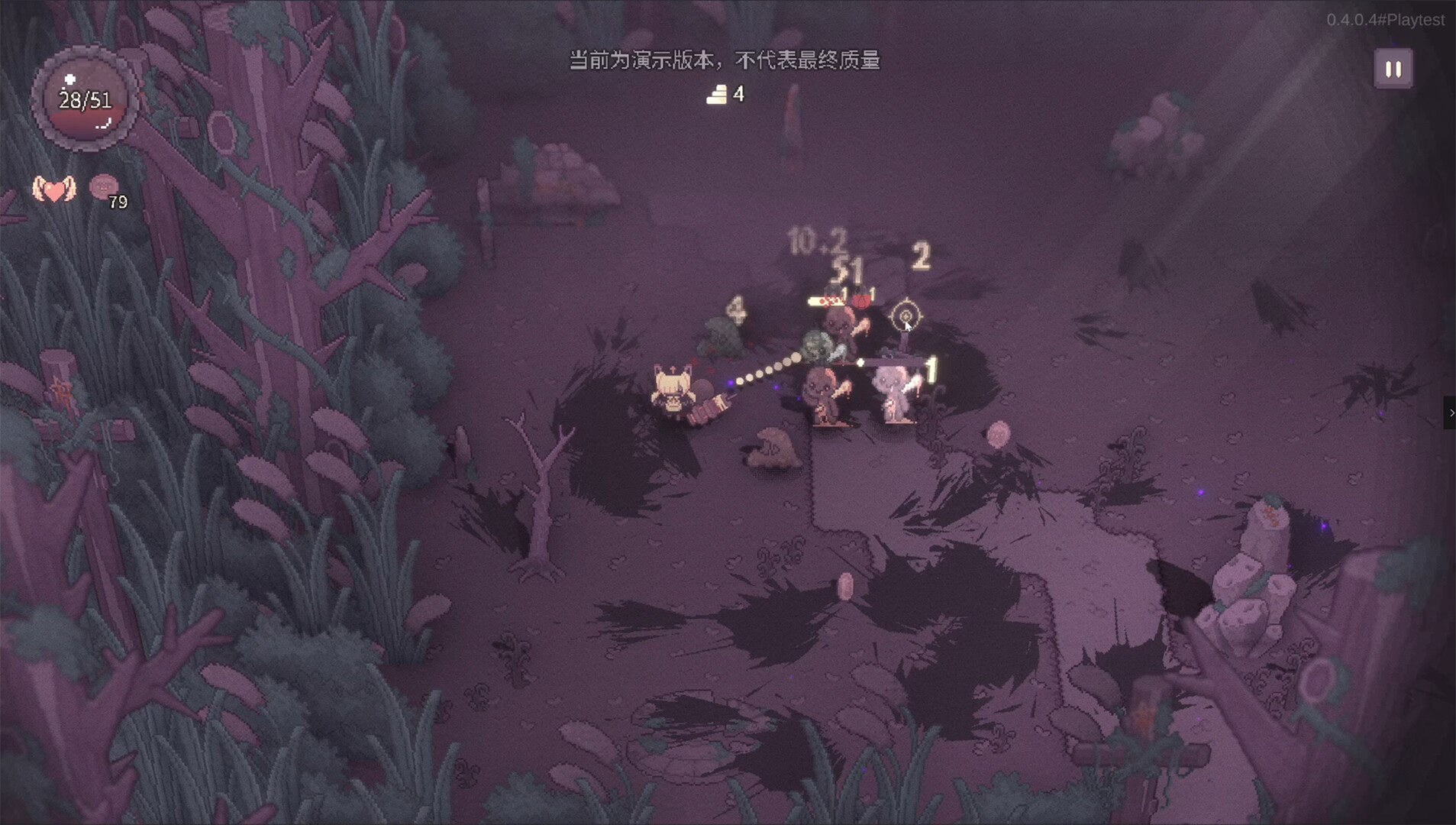
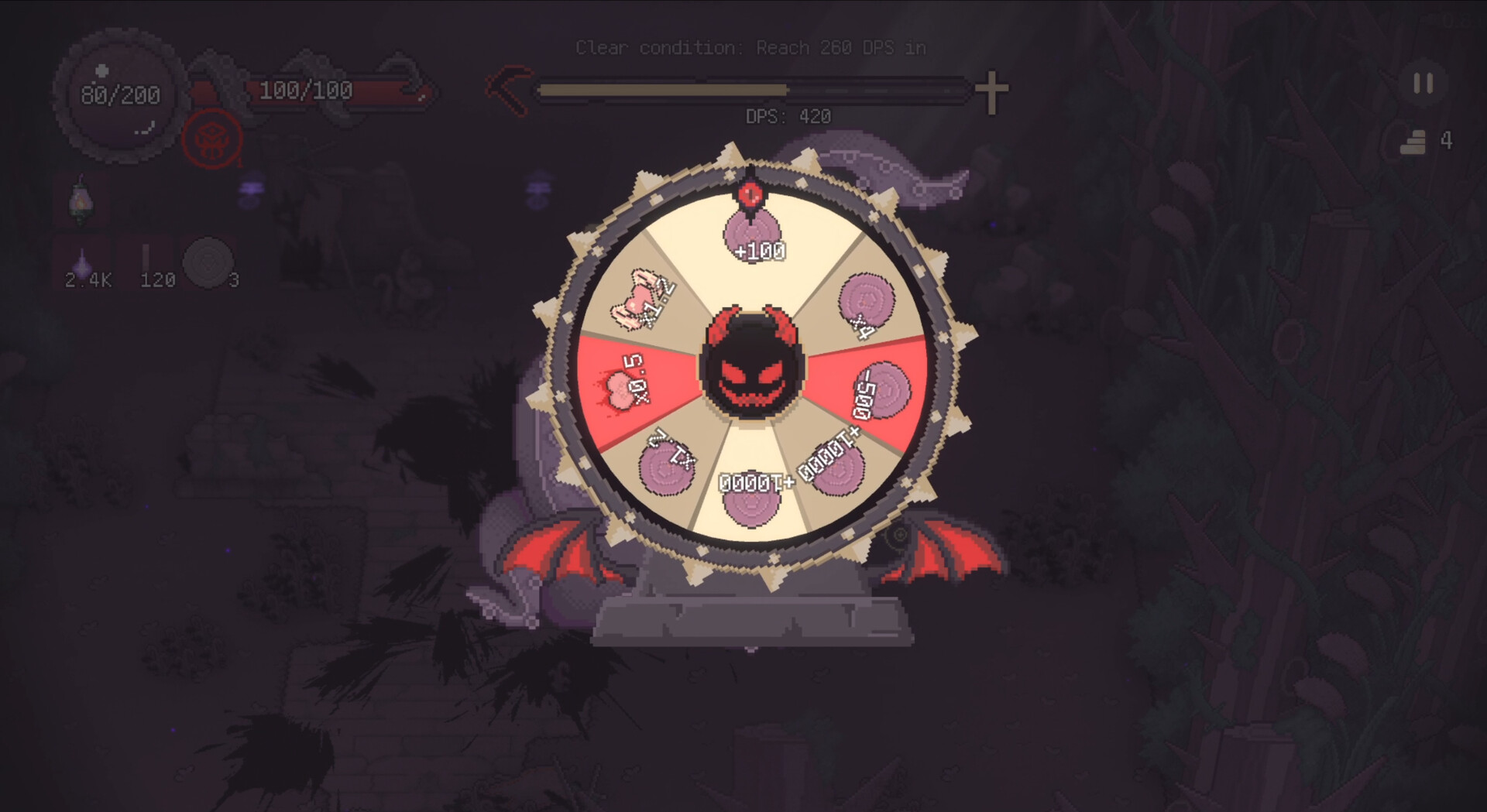
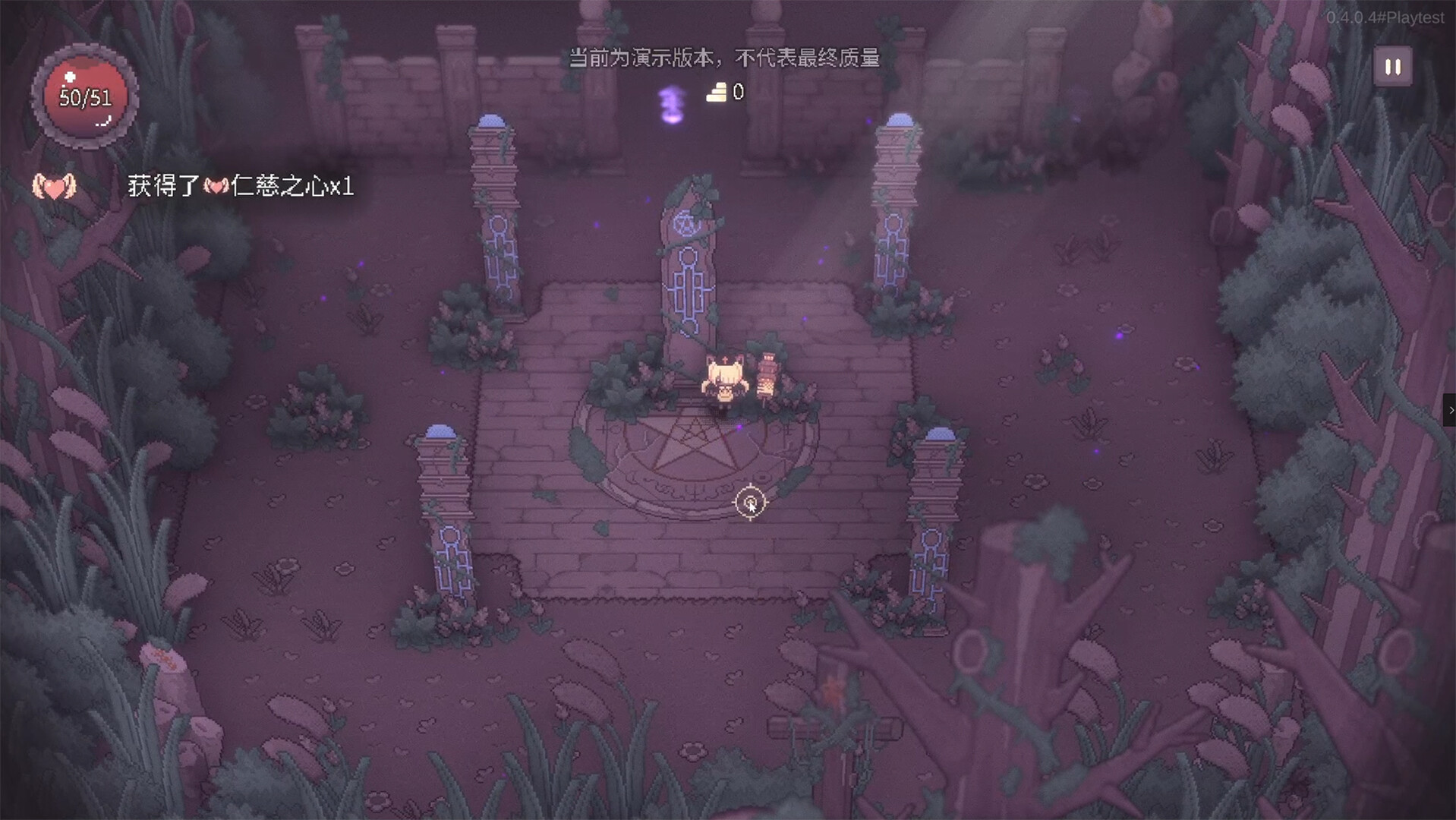
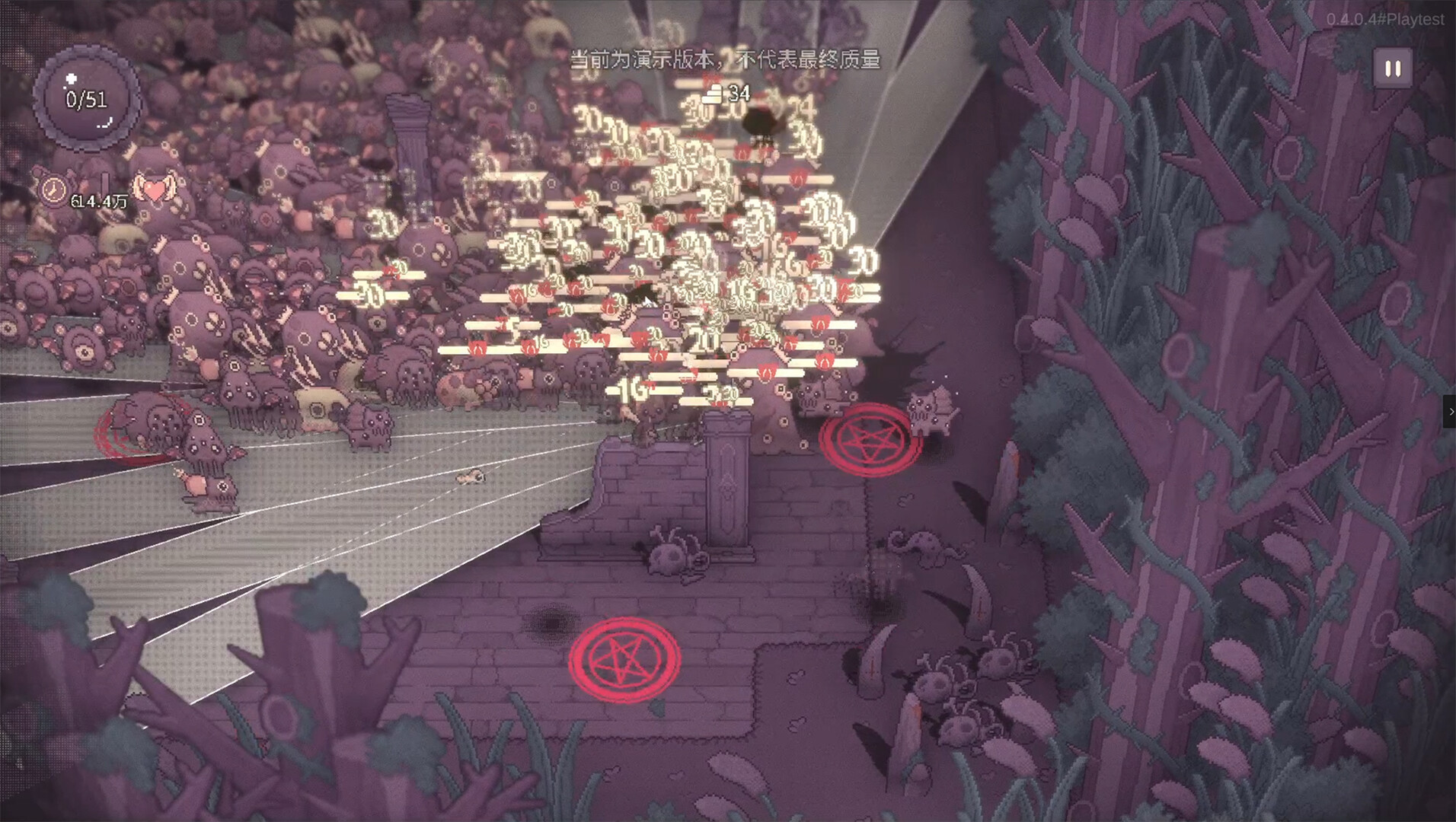
Presentation matches the mood — bleak landscapes, purple apocalypse fog, and character art that sits between stylized and grim. The soundtrack and combat SFX give fights a satisfying punch; when a seal detonates there’s a weighty sound that makes the numbers feel earned. Performance on Windows is solid (the game is Windows-only on release), though some players report crashes under extreme cases like firing enormous numbers of projectiles. The UI can feel clunky at times and translation hiccups crop up, which is annoying given the game’s systemic depth — you want precise explanations when your entire run depends on a tiny interaction. Accessibility options are limited but the talent tree and endless mode offer different entry points for players who prefer experimentation over perfection.
SealChain: Call of Blood is a bold, idea-rich roguelike that rewards patient players who enjoy systemic play and weird inventory math. It’s rough around the edges — especially in UX, translation, and balance — but the core loop is compelling and highly replayable. Recommended for experimenters and roguelike fans who don’t mind a challenge; casual action-only players might be frustrated.

Pros
- Deep, creative item-linking and seal mechanics that reward experimentation
- Infinite stacking and surprising combo potential — very replayable
- Mod-friendly .txt system makes customizing easy
- Punchy audio and satisfying feedback when chains trigger
Cons
- Steep learning curve and opaque tutorial for complex systems
- UI and translation issues can obscure important mechanics
- Occasional crashes and balance spikes (monster spam / projectile issues)
Player Opinion
Players praise SealChain’s inventive systems and the sheer amount of content — multiple reviews mention the game improving since the demo and devs being responsive to feedback. Common praise centers on the addictive chain-building and the satisfaction of discovering efficient seals. Criticisms repeatedly highlight the steep early learning curve, vague tutorial text, and some rough UI/translation moments that make the first few runs frustrating. Several players report balance hiccups like enemy spam or bows feeling weak, and a few have experienced crashes when extreme projectile counts occur. Overall, fans of methodical roguelikes and systems-heavy games (think Slay the Spire with action elements) seem happiest; if you enjoy tinkering with builds and don’t mind a bumpy start, you’ll likely be on board.