

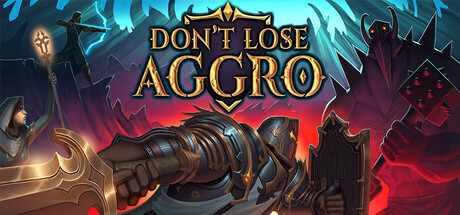
Cinderia Review – Ashen Roguelite with Deep Build Variety
A gritty, fast-paced roguelite where embers of black magic let you shape wildly different runs. Four distinct characters, hundreds of skills and equipment, and a shelter meta make Cinderia already feel substantial in Early Access.
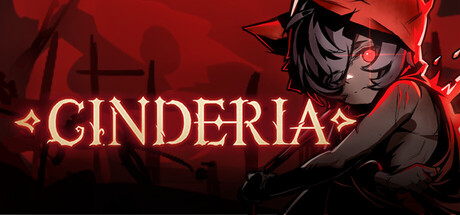
I jumped into Cinderia expecting a competent roguelite and came away surprised by how confident and cohesive it already feels. It’s a game that leans hard into combustible atmosphere — charred ruins, ember magic, and small, brutal fights that never outstay their welcome. If you like action roguelites such as Hades, but crave a slightly grittier palette and heavier item synergies, Cinderia scratches that itch. The hook is simple: four very different characters and absurdly large pools of skills and equipment that force you to adapt every run.
Emberblade Skirmishes
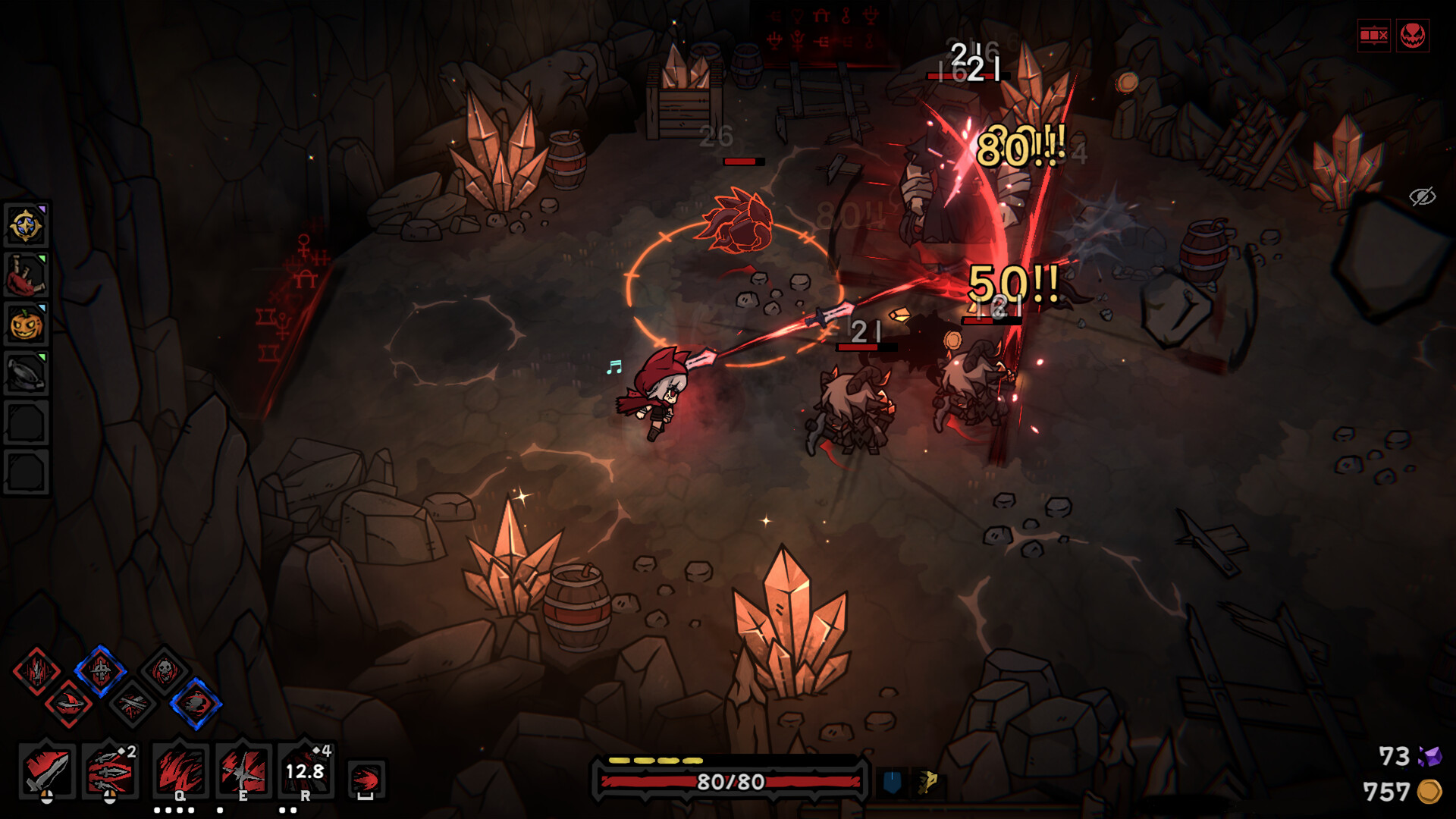
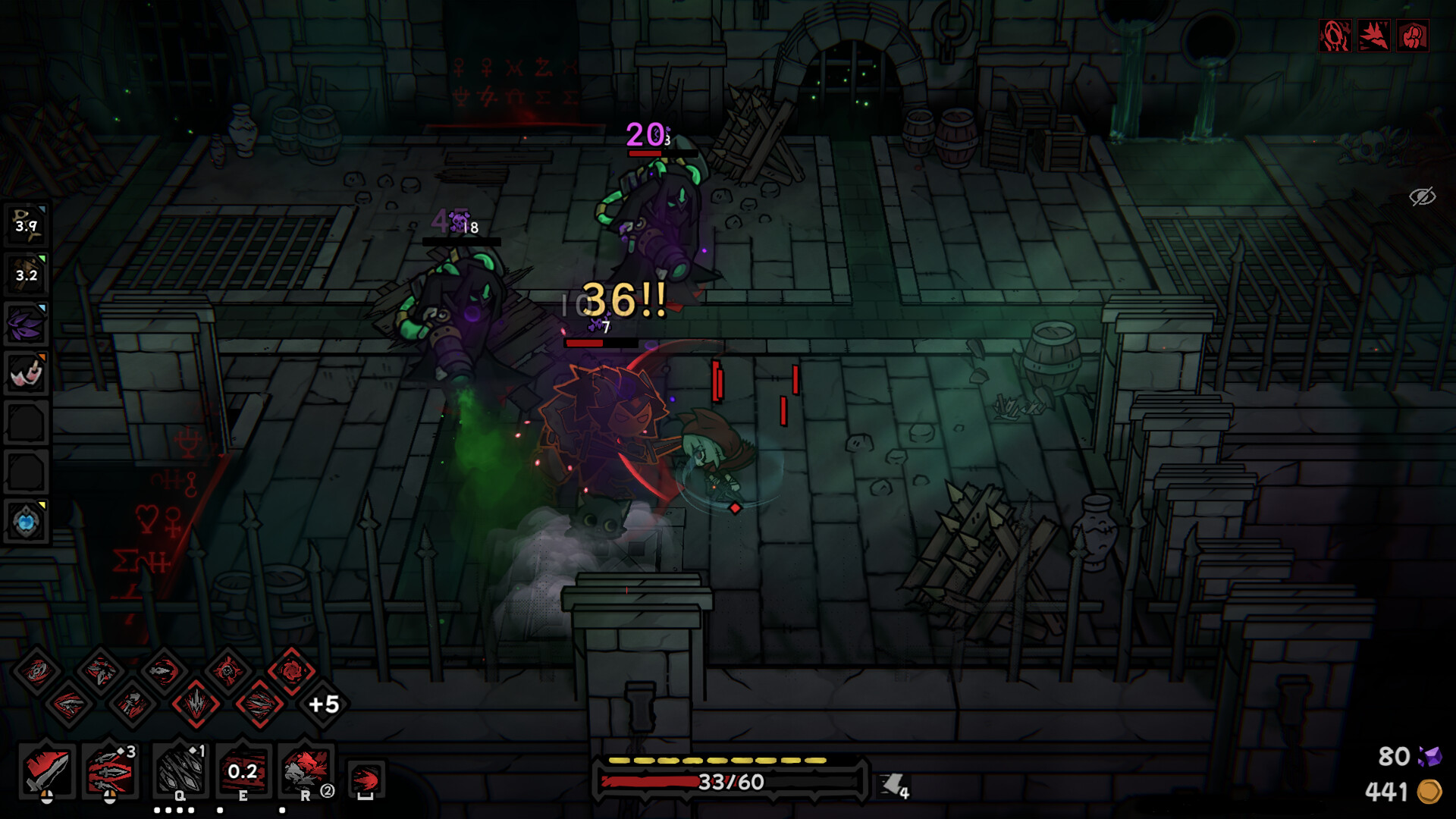
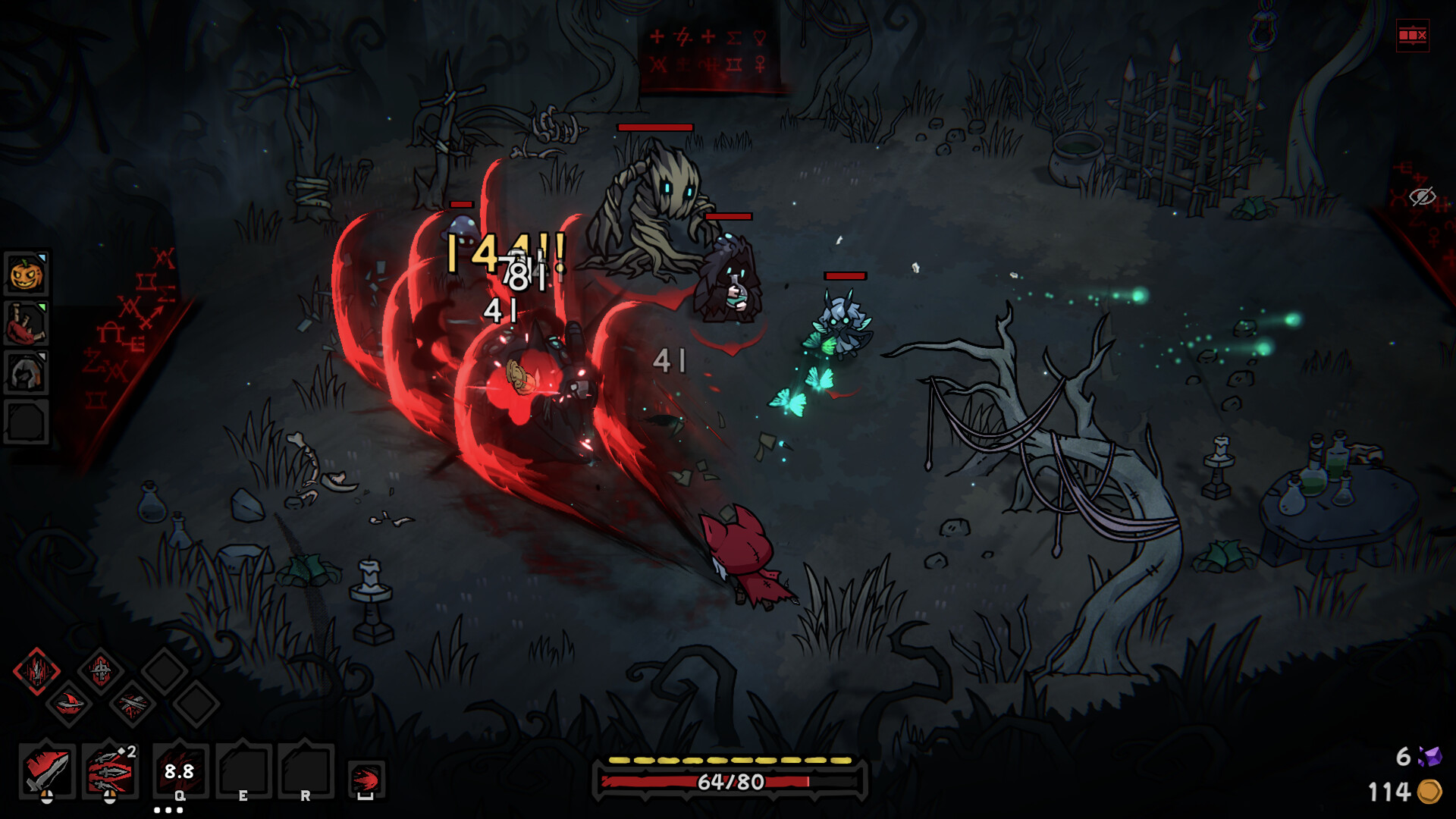
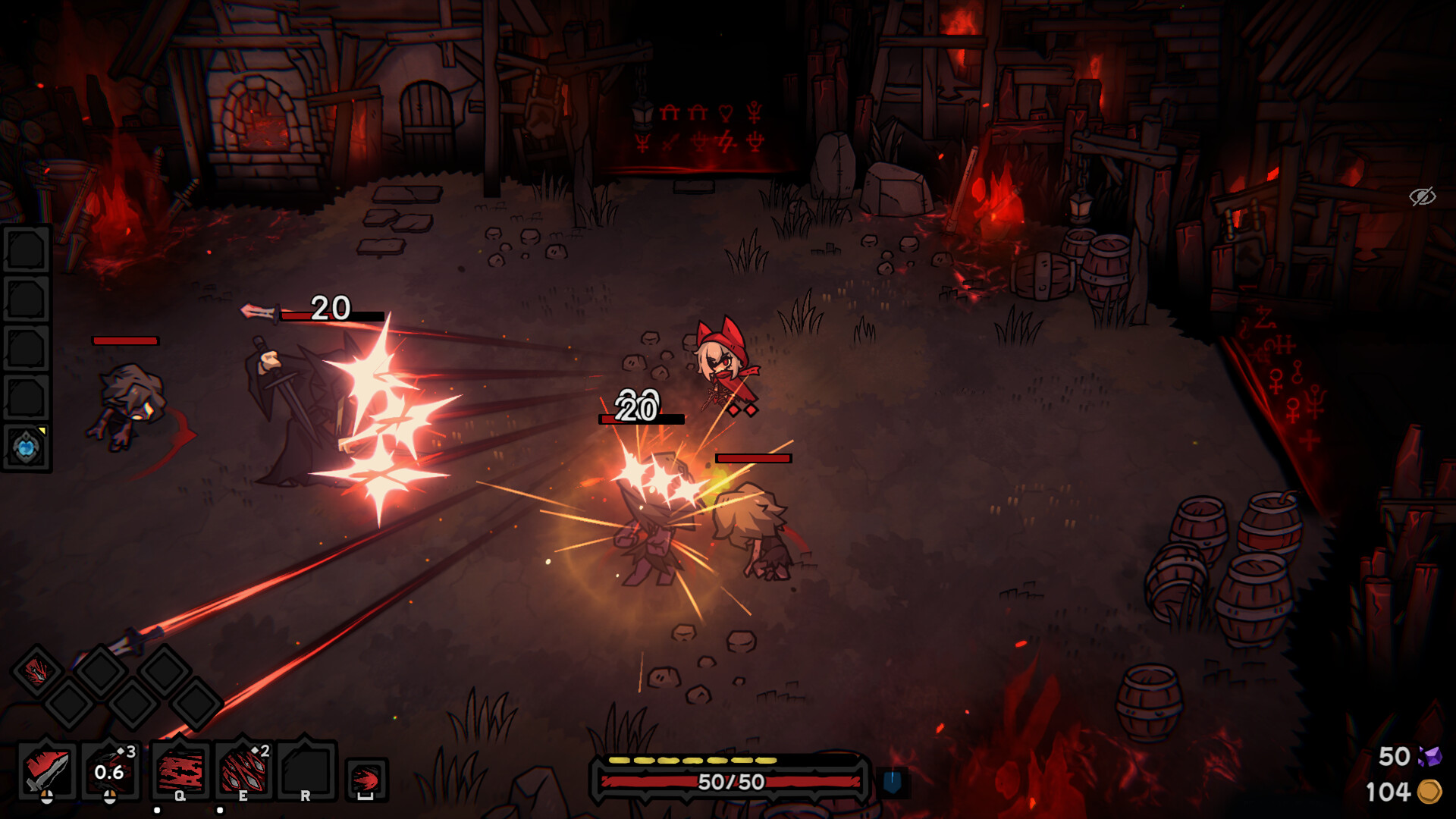
Combat in Cinderia is fast and unforgiving in the best way. You enter a room, read the enemy patterns quickly, and execute a handful of skills — basic attack, a starter skill, and up to three picked-up actives per run. That loop is gloriously tight: dodges feel crisp, parries (on at least one character) reward aggression, and ranged gunplay contrasts nicely with knife- and frost-based playstyles. Boss encounters are short but punchy; they test your build choices more than your memorization of attack windows. Between rooms there are random events, treasure chests, and small puzzles that change the rhythm of play and keep runs from becoming rote.
When Ash Meets Toolbox
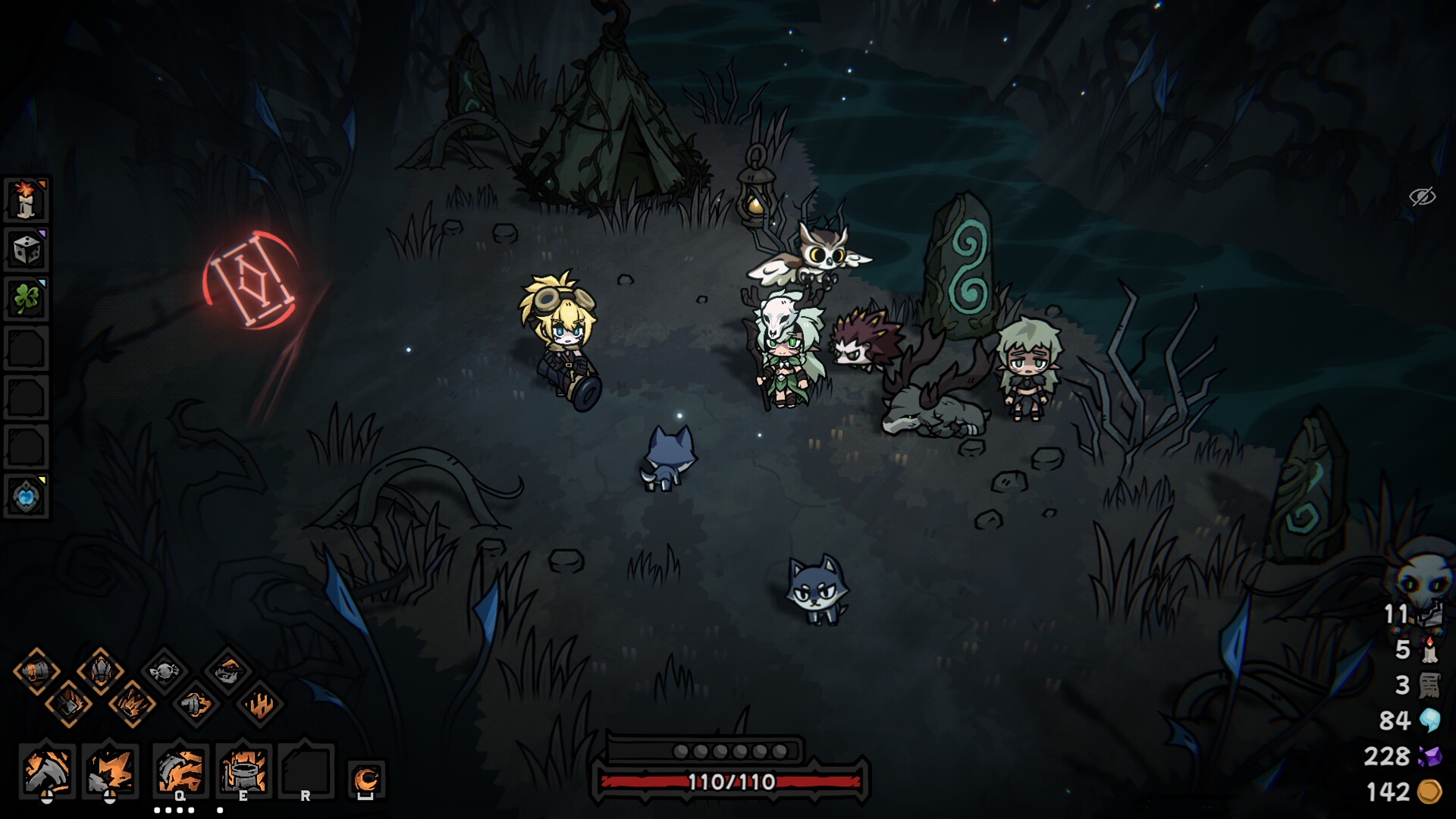
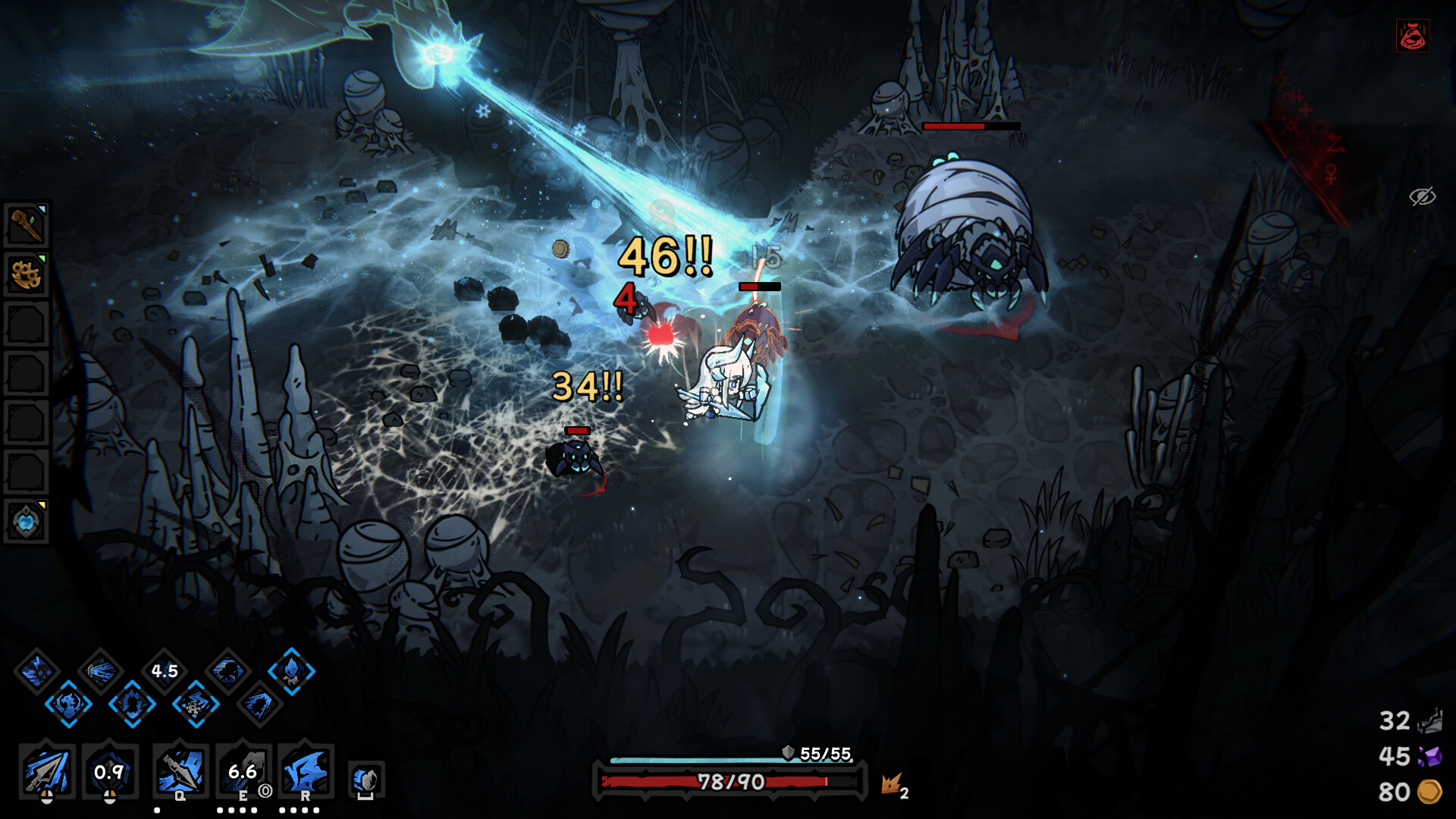
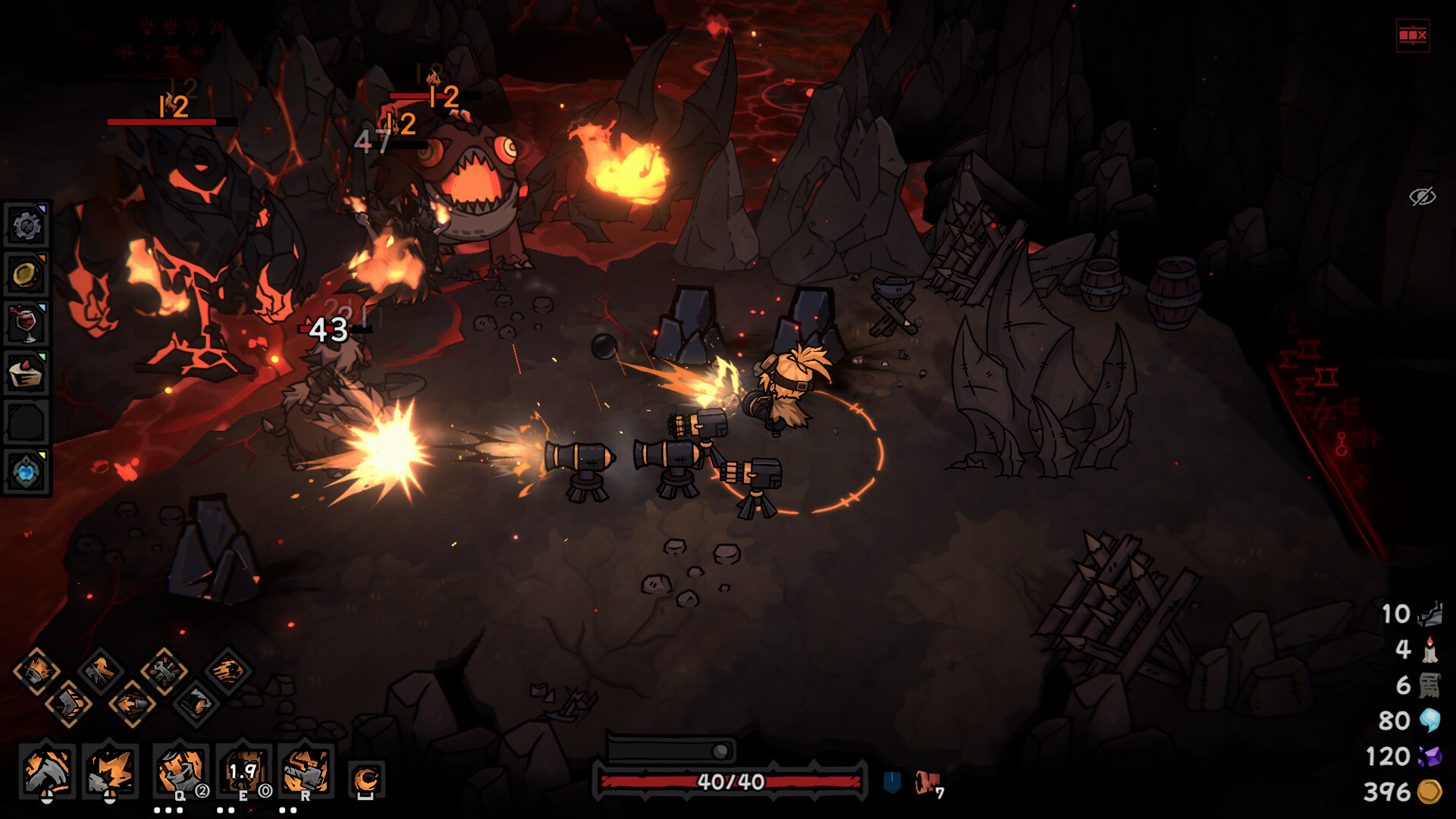
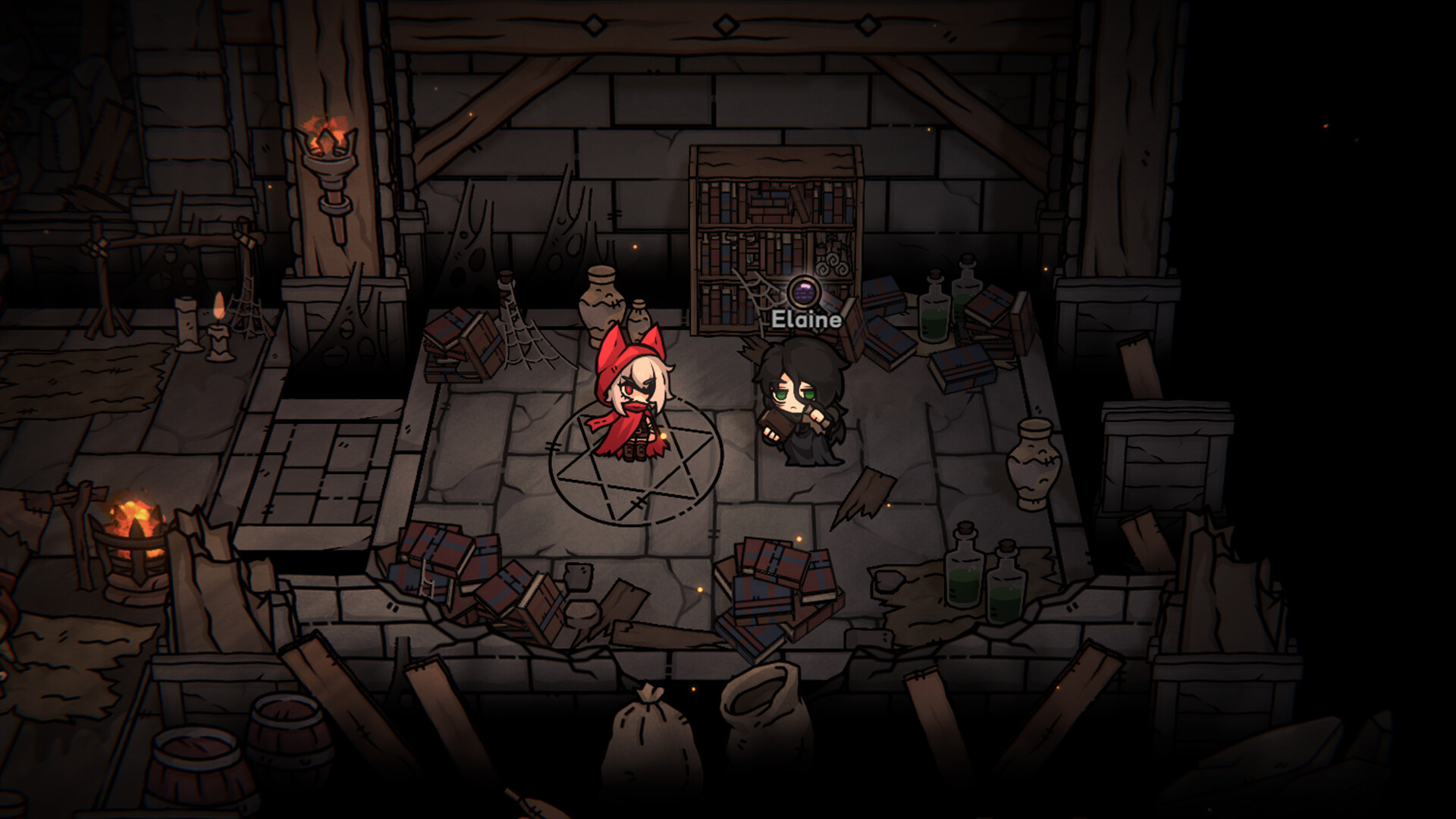
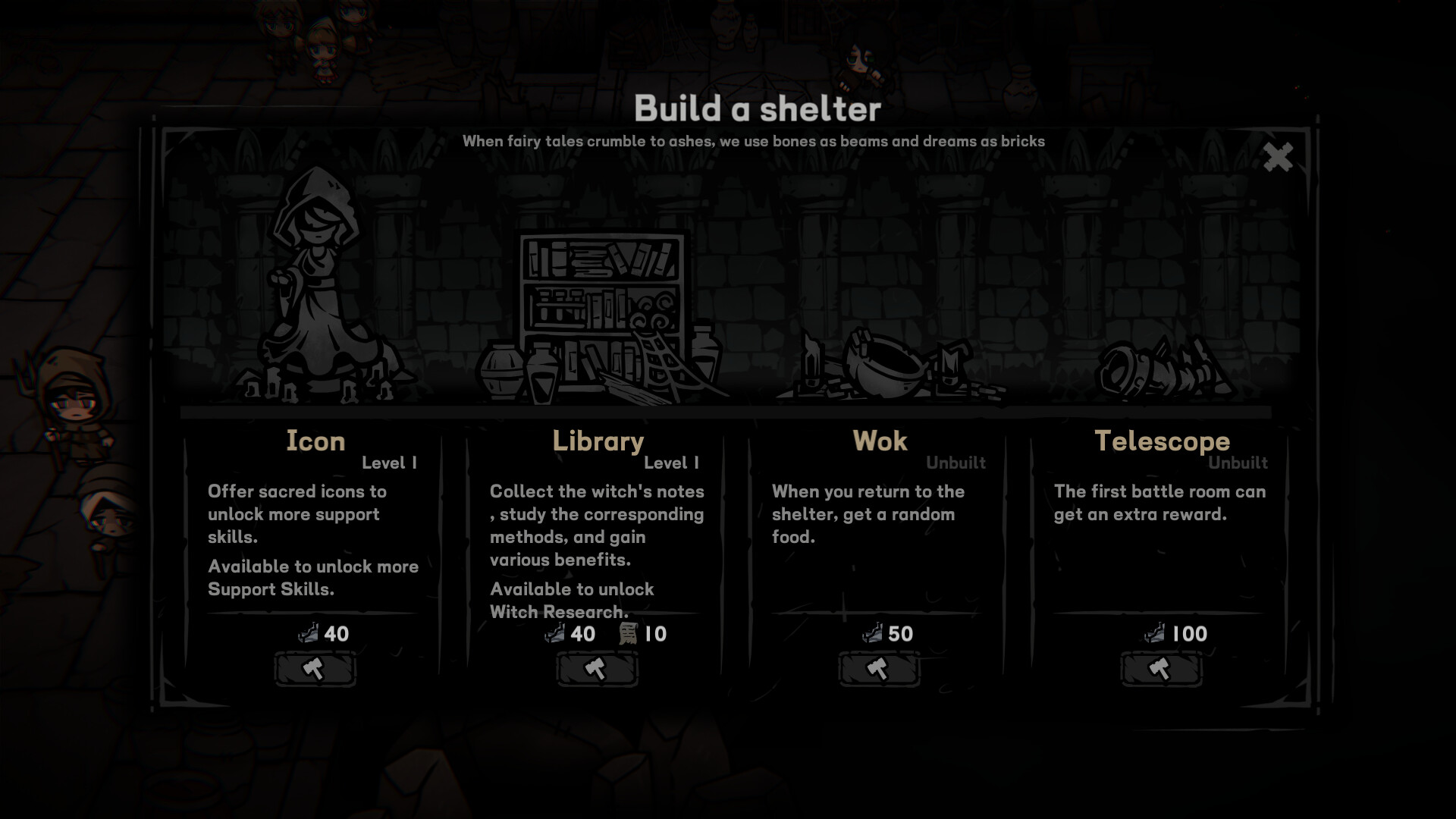
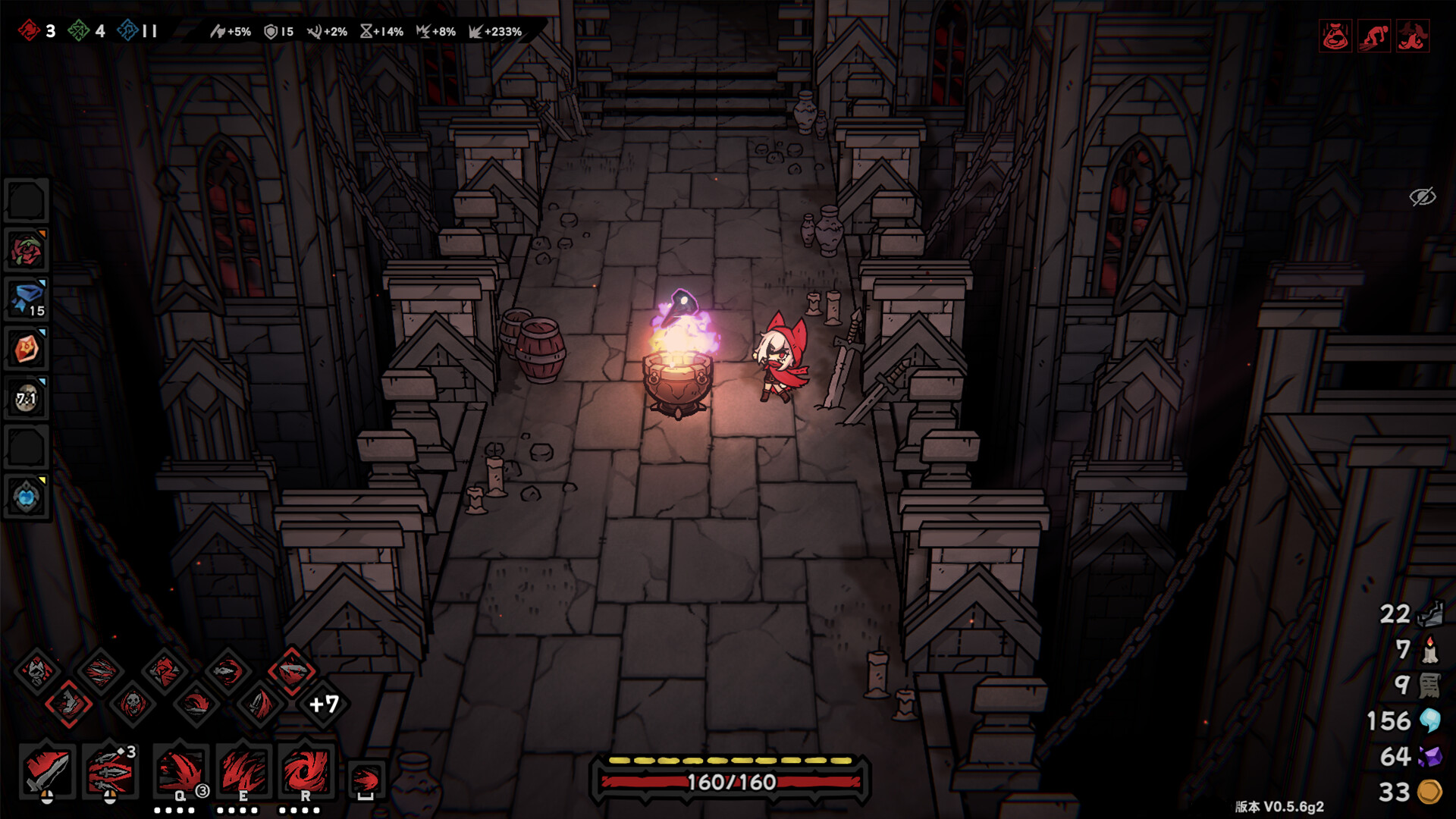
What makes Cinderia stand out is how it stacks systems. Each of the four characters brings a different identity — assassin-style stealth and knives, a tinkery gunner, a nature/summoner archetype, and a frost paladin — and each character has an enormous pool of skills (the game advertises 180+ per character). On top of actives you collect during a run, there are unique passives, stat-based equipment (Str/Agi/Int), and gear with proc effects that can completely recast how a build behaves. Corruption mechanics and “mirrors” or forest princess interactions mentioned in the community shape risk/reward: you can chase broken synergies but must manage downsides. The meta layer — a tiny shelter you upgrade between runs — unlocks more useful QoL options like extra gear slots, revives, and starting money, which feels rewarding without undermining the roguelite heartbeat.
Charred Aesthetics & Punchy Sound
Visually Cinderia opts for stylized, gritty art: lots of reds, embers, and charred silhouettes that create mood but occasionally cause visual clutter in busy rooms. Animations are fluid and readable for the most part, though a few reviewers (and I) noticed moments where projectiles or summons can obscure telegraphs. The soundtrack and sound design are strong — music cues add weight to kills and skill uses — and I missed the audio when it was muted (there’s a reported issue with voice volume being greyed out). Performance on Windows has been solid in my sessions; the game is responsive with both mouse/keyboard and controller. Accessibility options are limited right now but the devs appear committed to continuous updates.
Cinderia is one of those Early Access surprises that already delivers a coherent, fun core loop. It’s not flawless — visual clutter, small translation misses and a few bugs show its EA nature — but the combat depth, character variety, and meta progression are compelling. I’d recommend it to fans of action roguelites who enjoy mixing items and skills into ridiculous synergies. Buy it if you want a game that rewards experimentation and offers a steady stream of updates.
Pros
- Huge build variety across four distinct characters
- Satisfying, responsive combat with parry and ranged options
- Strong art direction and soundtrack that enhance mood
- Meaningful meta progression that doesn’t break runs
Cons
- Occasional visual clutter in busy rooms
- Some missing translations and small Early Access bugs
- Limited accessibility/options and minor UX quirks (volume)
Player Opinion
Players repeatedly praise the build depth: many reviewers say every run feels different thanks to active skills, passives, and gear procs interacting in surprising ways. The four characters are commonly highlighted as distinct and viable, with people unlocking characters and experimenting across multiple runs. Praise for the soundtrack and art is frequent — the audio design in particular gets shout-outs for helping combat moments land. Criticisms are consistent too: several users mention missing translations, the occasional bug, and visual clutter that can make some rooms harder to read. People new to the game also ask for clearer explanations for systems like frost or corrosion. If you like Hades, Cult of the Lamb, or other action roguelites that reward experimentation, players say Cinderia is absolutely worth trying.