






Roots Devour Review — Eat the World with Cards and Roots
I dove into Roots Devour — an eldritch, card-driven strategy about a ravenous root-god. Strange, addictive, and occasionally rough around the edges, it’s a clever mix of deckbuilding, exploration and resource management.
Roots Devour hooks you with a simple, unsettling premise: you are an ancient root-god spreading through a Lovecraftian forest, consuming life for power. At first glance it’s a tidy mix of deckbuilding and resource management, but the game’s voice, art and unexpected cruelty make it stand out. If you like slow-burning horror, tactical planning and a dash of weirdness, this one’s worth your attention.
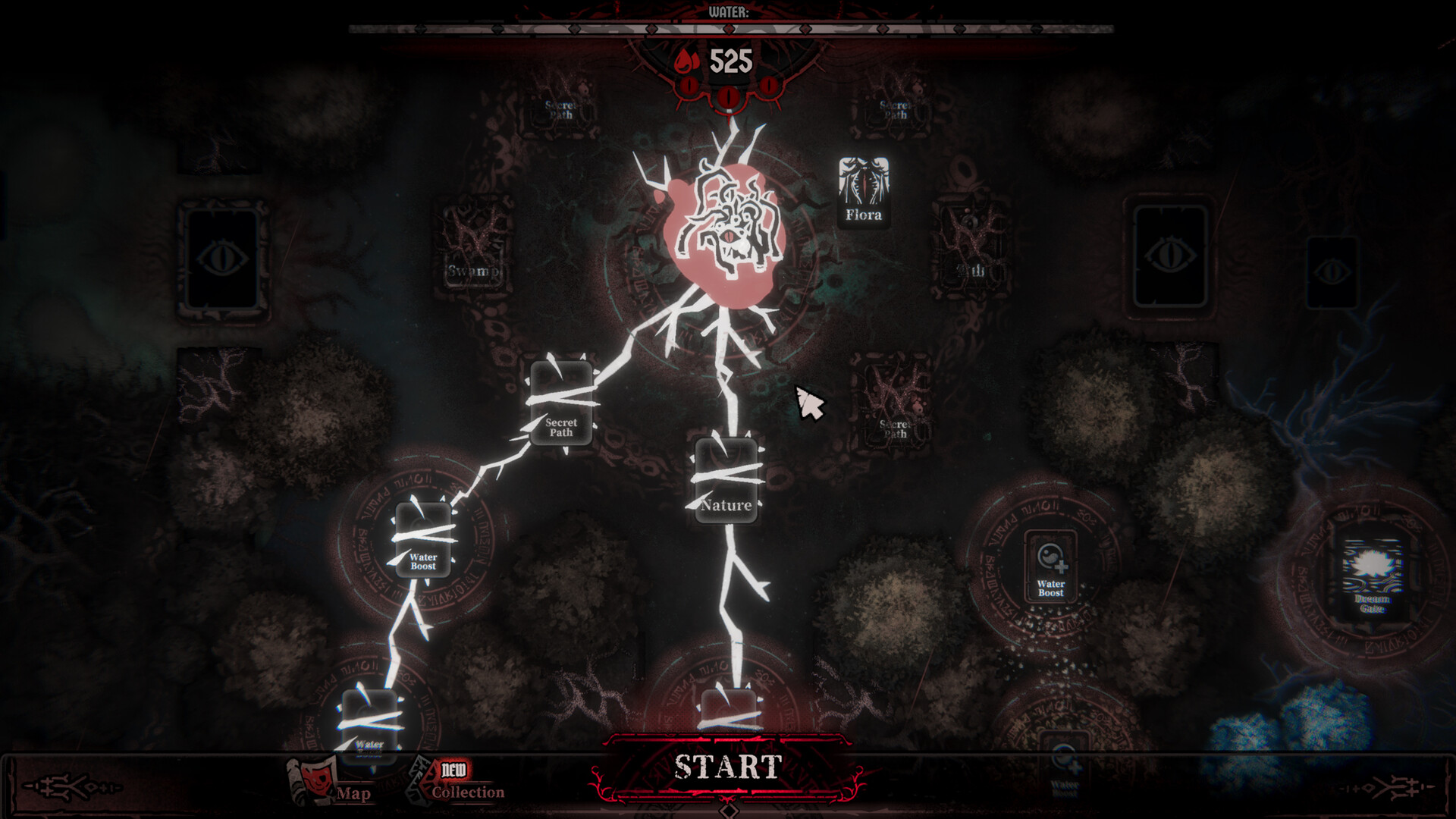
Spreading Your Hunger Across the Map
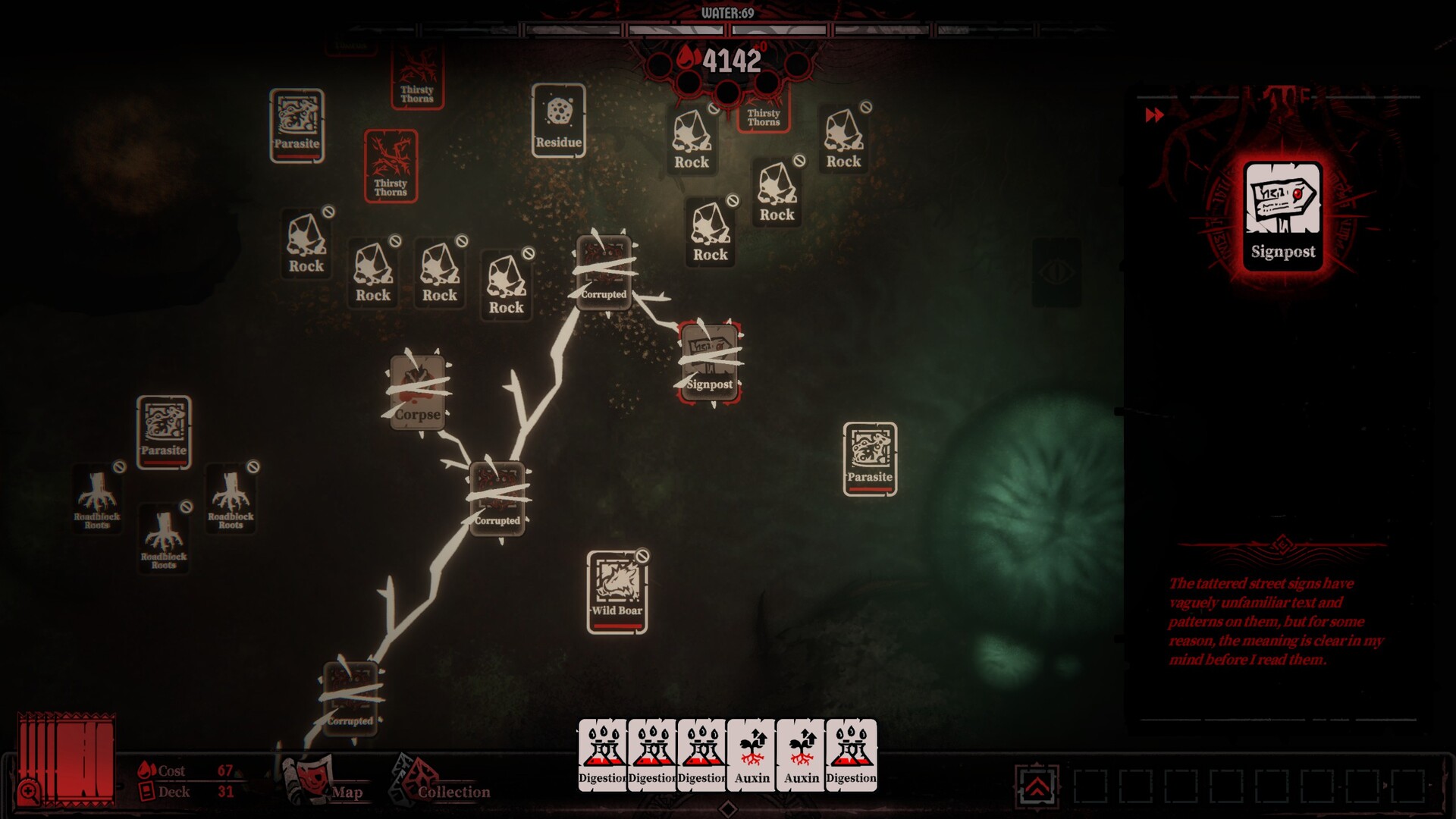
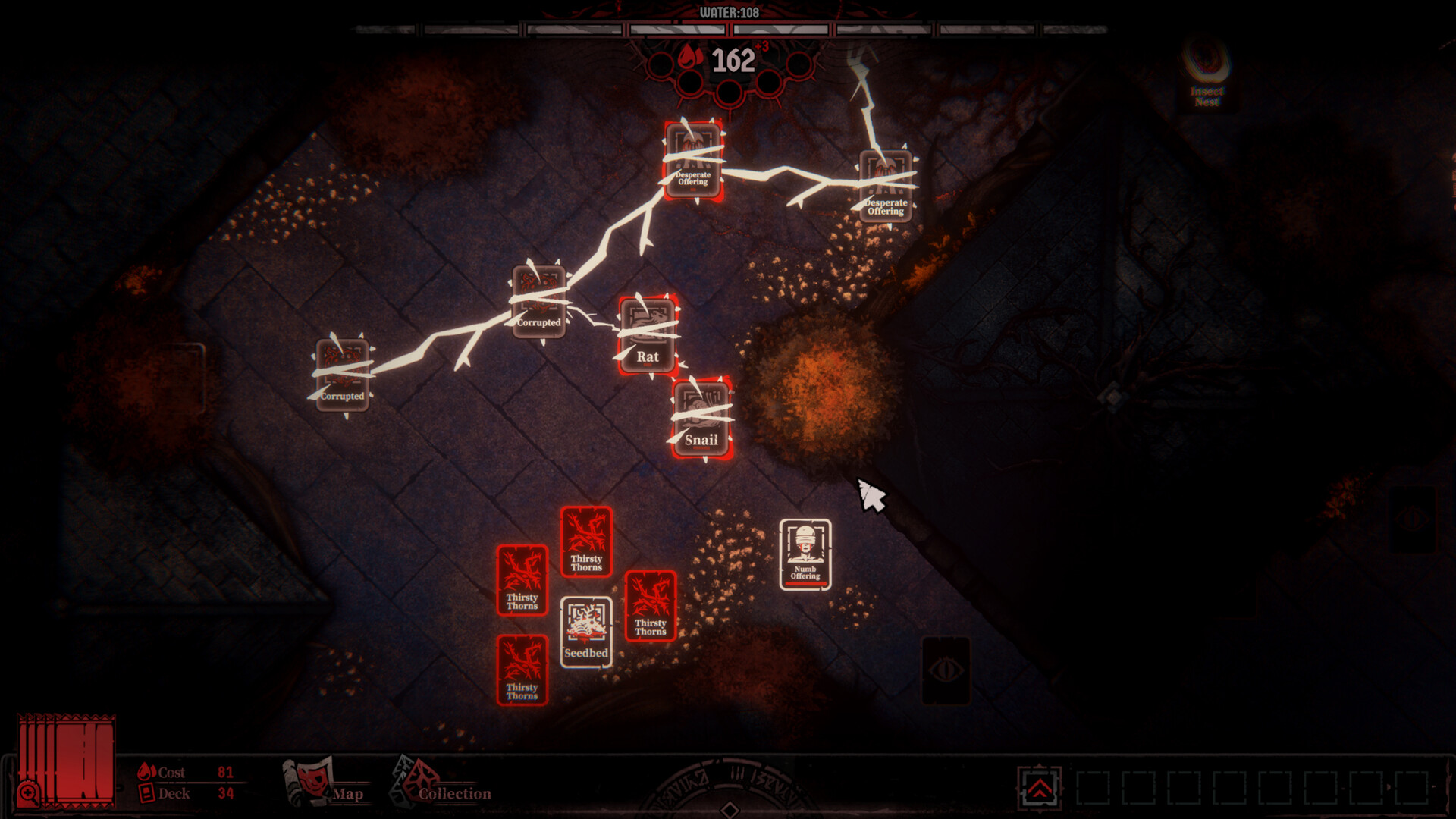
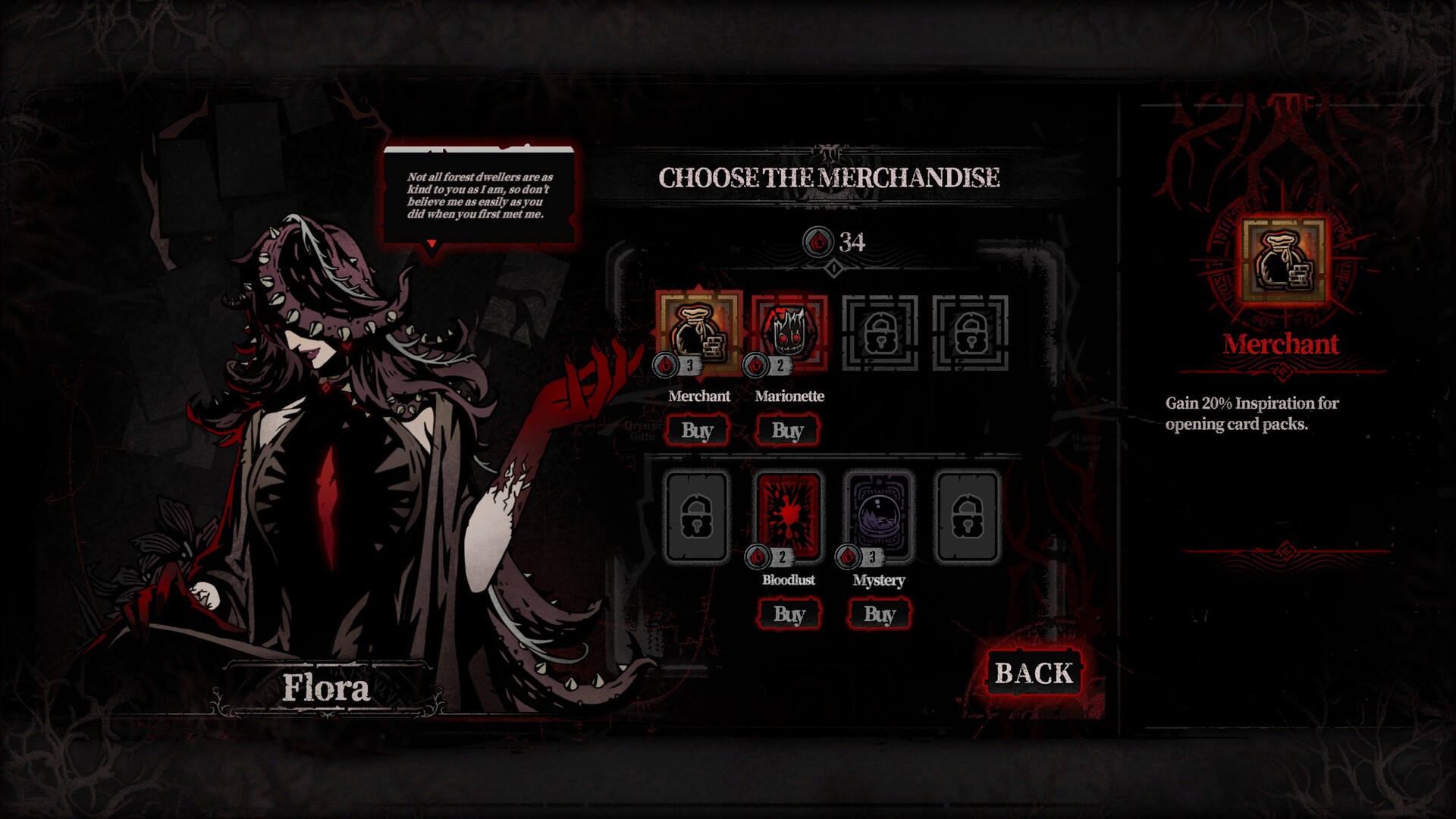
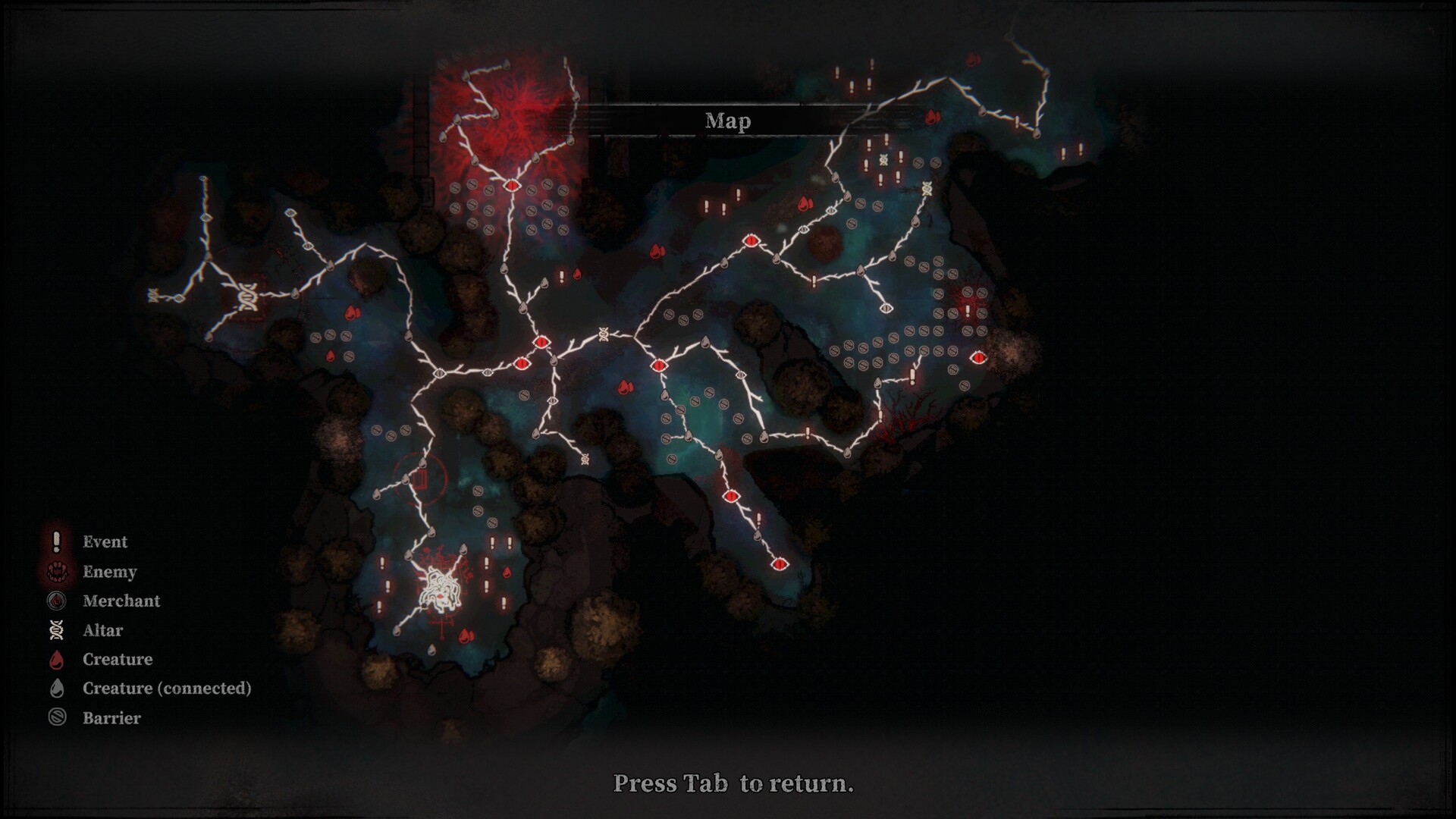
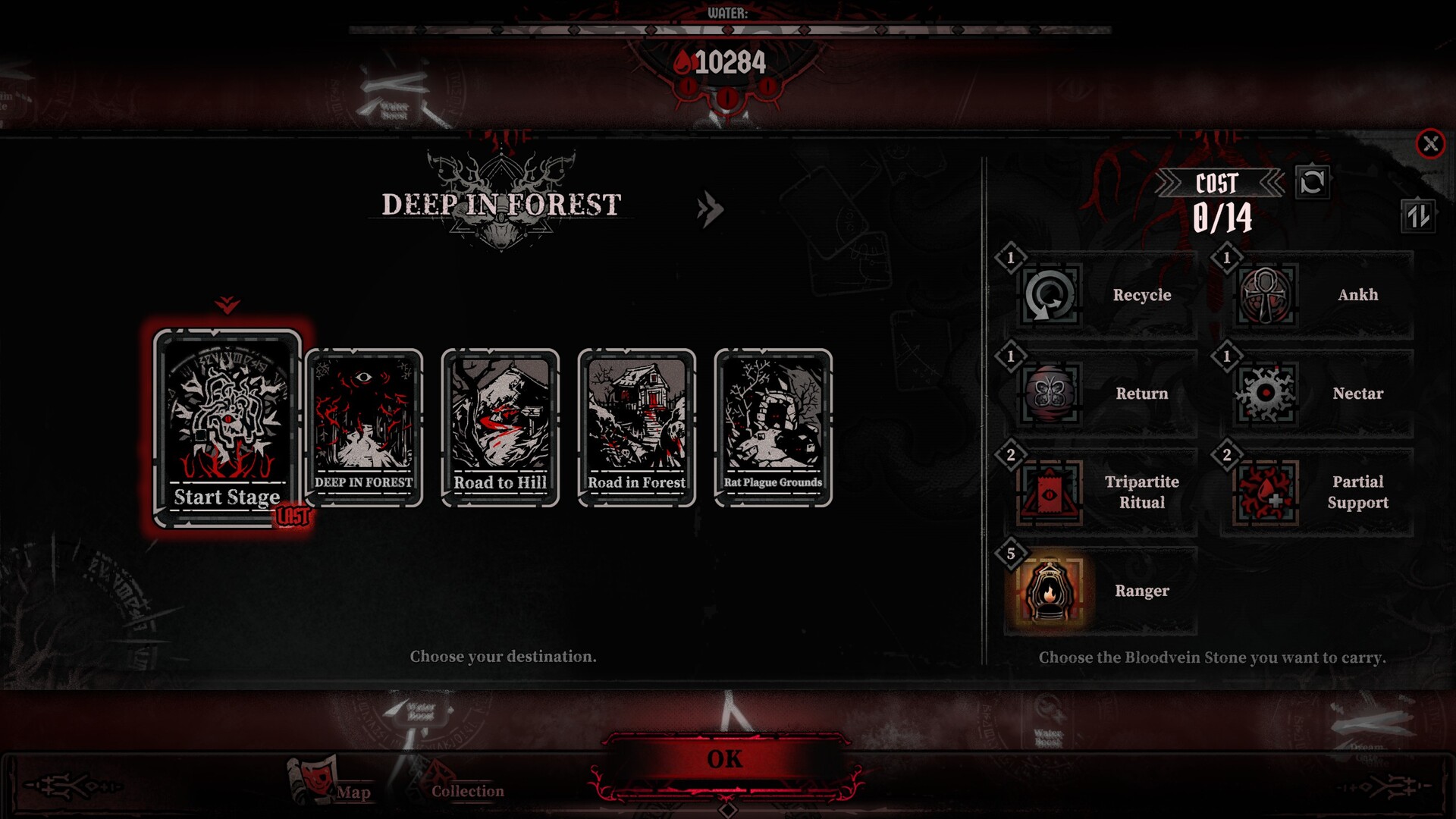
Playing Roots Devour feels like playing chess while hungry: every extension of your root is a move with a cost. The core loop is exploration—click a card, extend a tendril, spend blood and water, and watch the map bend to your will. Movement is not free; it’s a tradeoff between burning resources to reach juicy targets and conserving what you need for later. There are traps, puzzles and environmental limits that force you to think a few steps ahead, and I found myself weighing whether a pleasant little creature was worth a long detour. Combat isn’t twitchy—it’s tactical and card-driven, more about sequencing and positioning than reflexes. Between acts you spend blood to buy upgrades, unlock mutations and tinker with meta-progression. It’s slow, sometimes meditative, and occasionally deliciously cruel when a single click wipes out a would-be companion.
Cards as Tendrils: The Weird Heart of the System
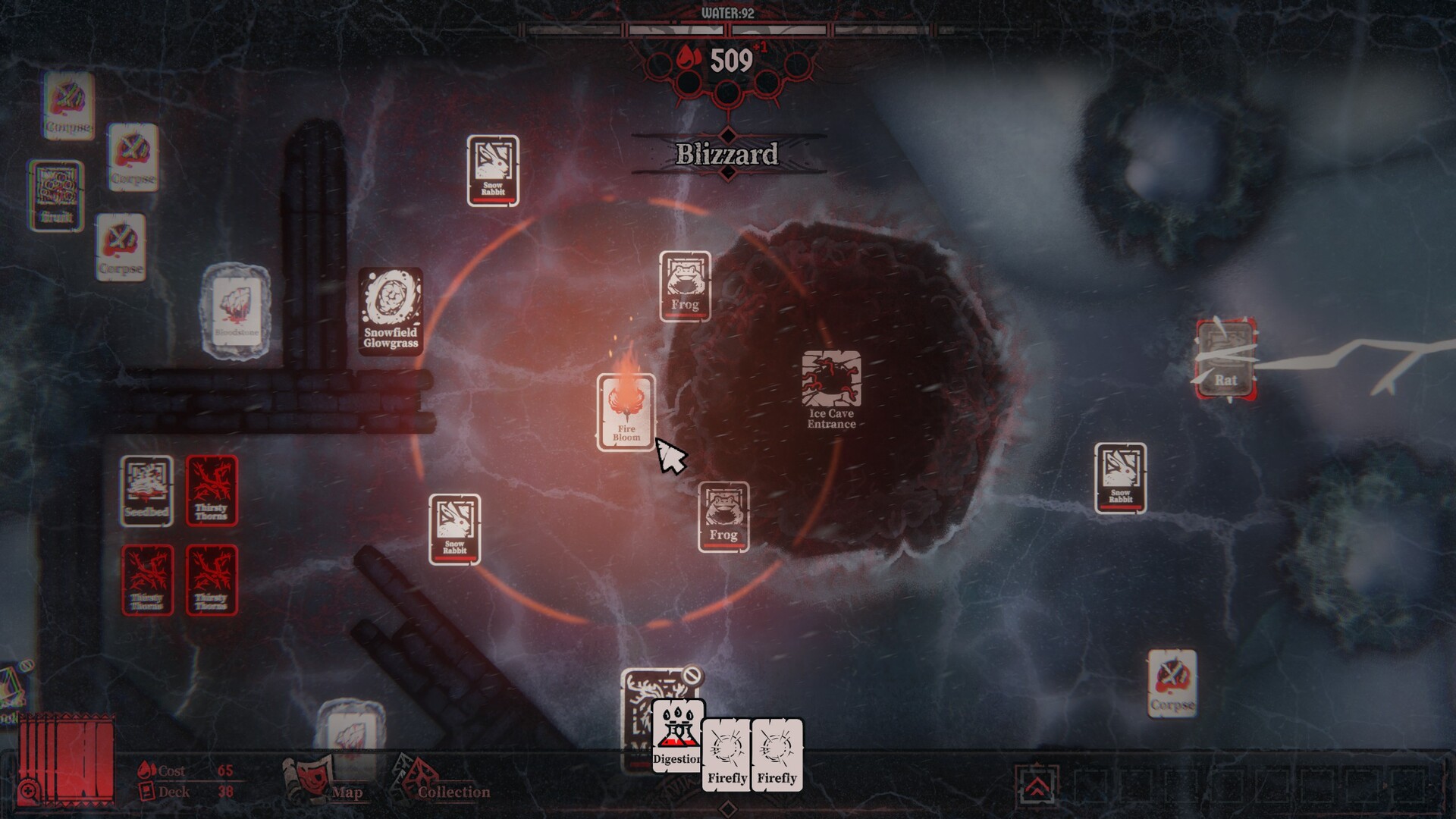
The card-connecting mechanic is the game’s personality. Cards aren’t mere consumables; they’re extensions of your will—bridges, hooks, traps and little corrupting miracles that alter how the map responds. Hundreds of cards mean you’ll play very differently run to run: sometimes you lean into steady resource farming, other times into creative combos that let you chain devours across a region. I thought of Cultist Simulator when examining the card economy—there’s the same sense of assembling a language of actions—but Roots Devour adds spatial strategy: where you place a card matters. Unique features like companion interactions, permanent decisions (yes, attaching to certain humans can lock content), and secret mutations keep the deckbuilding from feeling repetitive. The RNG from card packs can sting, but it also encourages improvisation—and the thrill of designing an absurdly efficient root network never got old for me.
A Forest That Looks, Sounds and Runs Strange
Graphically the game leans on a moody, gritty style—stylized rather than glossy—and it works. The maps, creature designs and UI wear their eldritch skin proudly: drips, roots and organic interfaces make you feel like you’re not playing a character but embodying a force. Audio is restrained but effective—low, lo-fi ambience and occasional unsettling cues. There are rough edges: some translation quirks and occasional performance hiccups reported by players (memory spikes leading to lag), and I experienced moments where a missing mid-save feature would’ve saved my sanity after a crash. Accessibility settings are basic but serviceable; overall it runs fine on modern Windows rigs, though Mac/Linux aren’t supported. The presentation nails mood even when polish is inconsistent, and the result is more atmospheric art piece than AAA sheen.
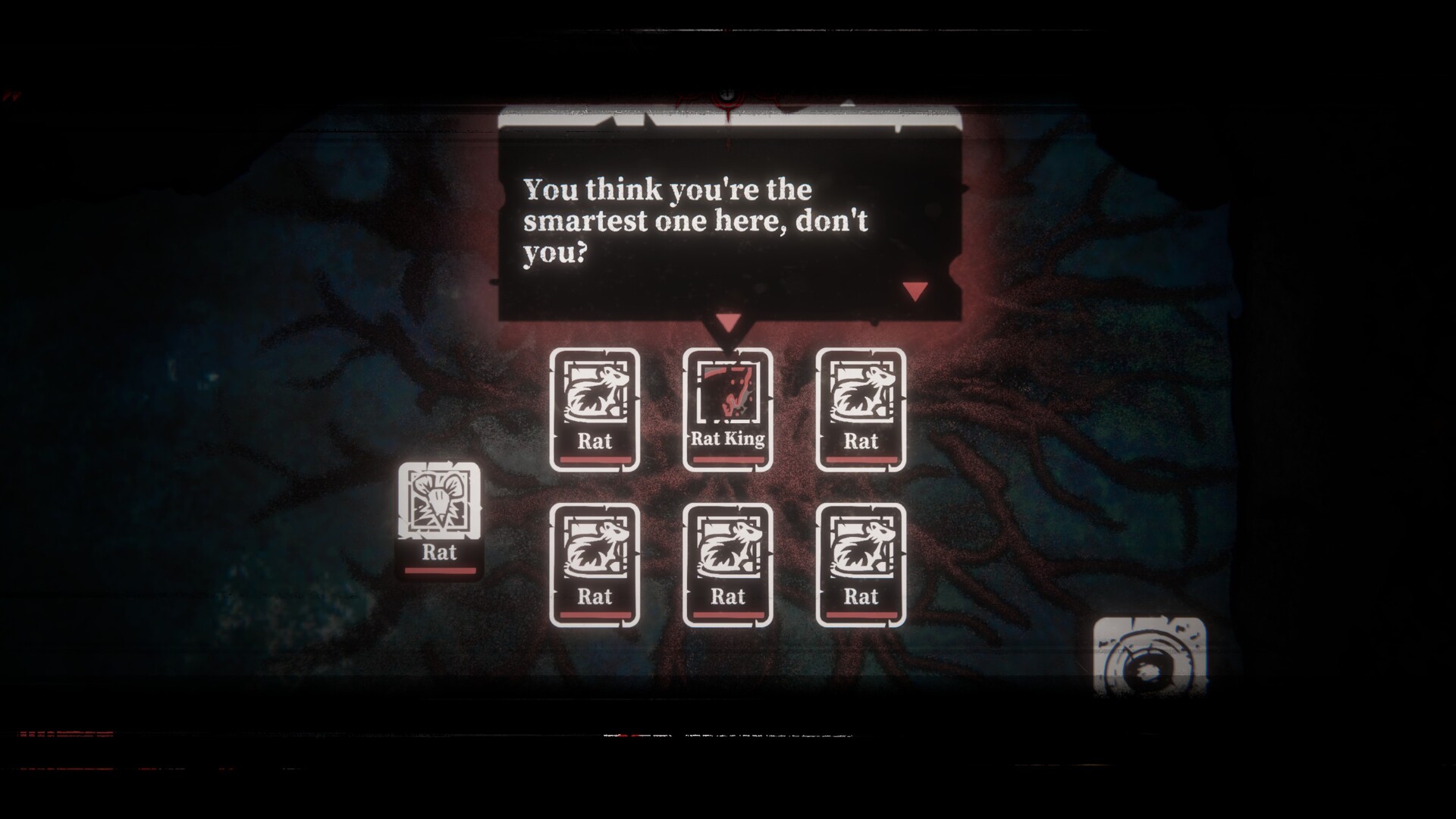
Roots Devour is a compact, eerie indie that nails atmosphere and a novel card-as-tendril core. It’s not flawless—translation, performance and a few design choices can grate—but if you enjoy thinking several steps ahead and being a slow, patient monster, it’s a rewarding trip. Recommended for fans of strategy-card hybrids and Lovecraftian vibes, but maybe wait for patches if you need pristine polish.
Pros
- Unique, creepy concept with strong atmosphere
- Deep card-connecting system that rewards creativity
- Tactical, slow-burn gameplay with meaningful resource choices
- High replay value thanks to cards, companions and multiple endings
Cons
- Occasional translation and UI roughness
- Some players report performance issues and no mid-save
- Certain choices can be permanently confusing (risk of lost content)
Player Opinion
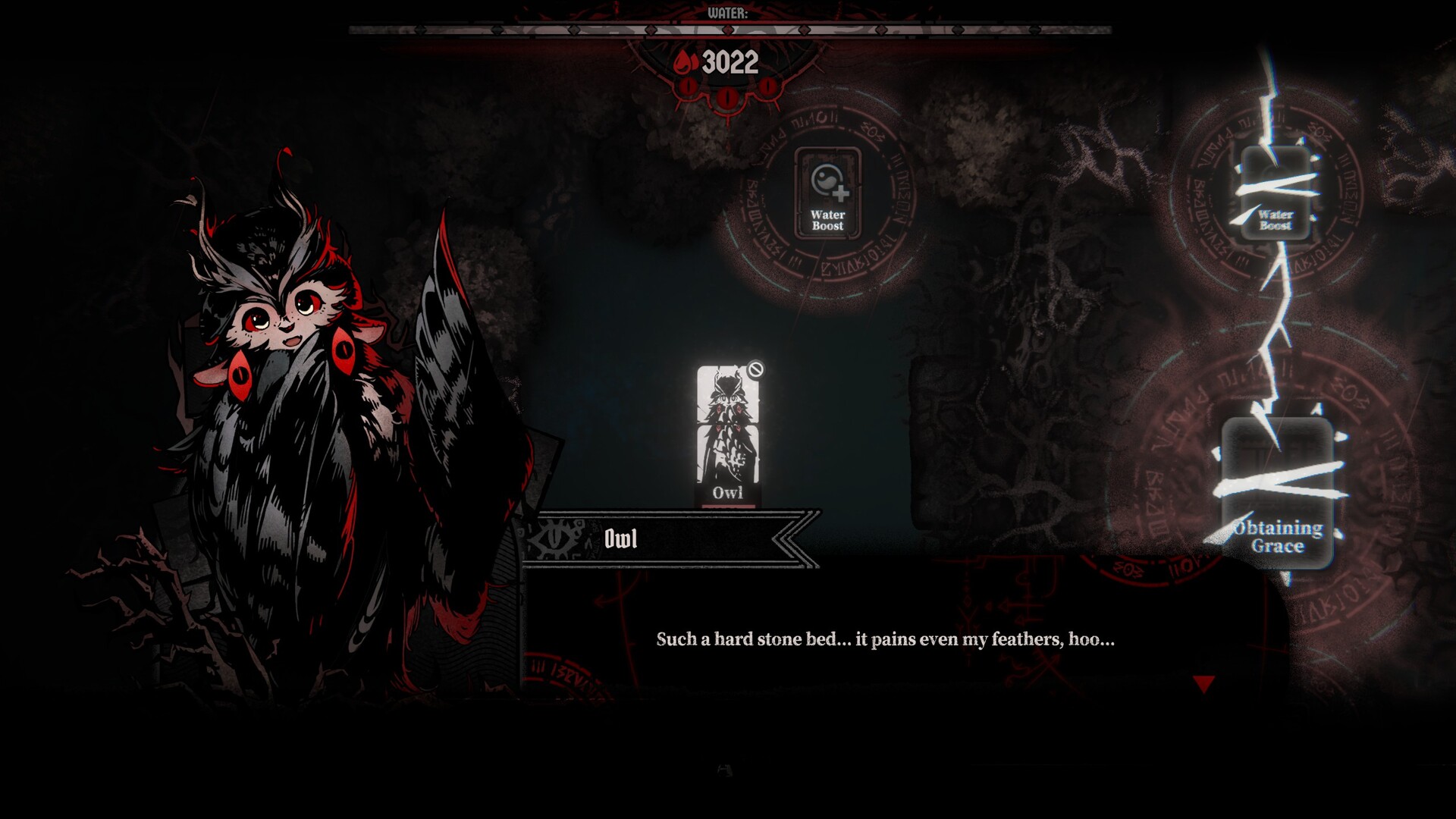
Players in the community praise Roots Devour’s mood, art and the odd thrill of playing an eldritch antagonist. Many highlight the card-connecting mechanic as clever and addictive, comparing it to Cultist Simulator or noting a Carrion-like joy in being the monster. Fans like the relaxed pacing and the strategic resource tradeoffs, and several reviews called the writing and world-building intriguing. Criticisms are consistent: imperfect English localization, occasional performance hiccups (memory/lag), and a perception of linearity or ‘illusory’ choice. A handful of players were frustrated by permanent decisions (e.g. attaching to an NPC like the owl) and by the lack of a mid-run save; others warn that some content can be accidentally locked out. Overall, if you like methodical deckbuilding, eldritch atmospheres and don’t mind a few rough edges, reviewers recommend it—many found it surprisingly addictive and well worth the price.