




RogueJack21 Review — Blackjack Roguelite That Keeps You Betting on Comebacks
A clever roguelike that turns blackjack into deckbuilding combat. Deep synergies, procedural casinos, and addictive runs—though some stability issues hold it back.
I didn’t expect to fall in love with a blackjack roguelite, but RogueJack21 (from Zandbox Studio) made a believer out of me. Released on Windows, macOS and Linux, it reframes every hit, stand and double down as tactical choices in a running casino roguelike. Fans of Balatro or Slay the Spire will find familiar dopamine loops, yet RogueJack21 adds its own flavor with suits-as-abilities and a surprising amount of build variety. It’s equal parts math toy, risk puzzle and guilty-pleasure arcade—often brilliant, sometimes rough around the edges.
Playing the Tables Like a Fighter
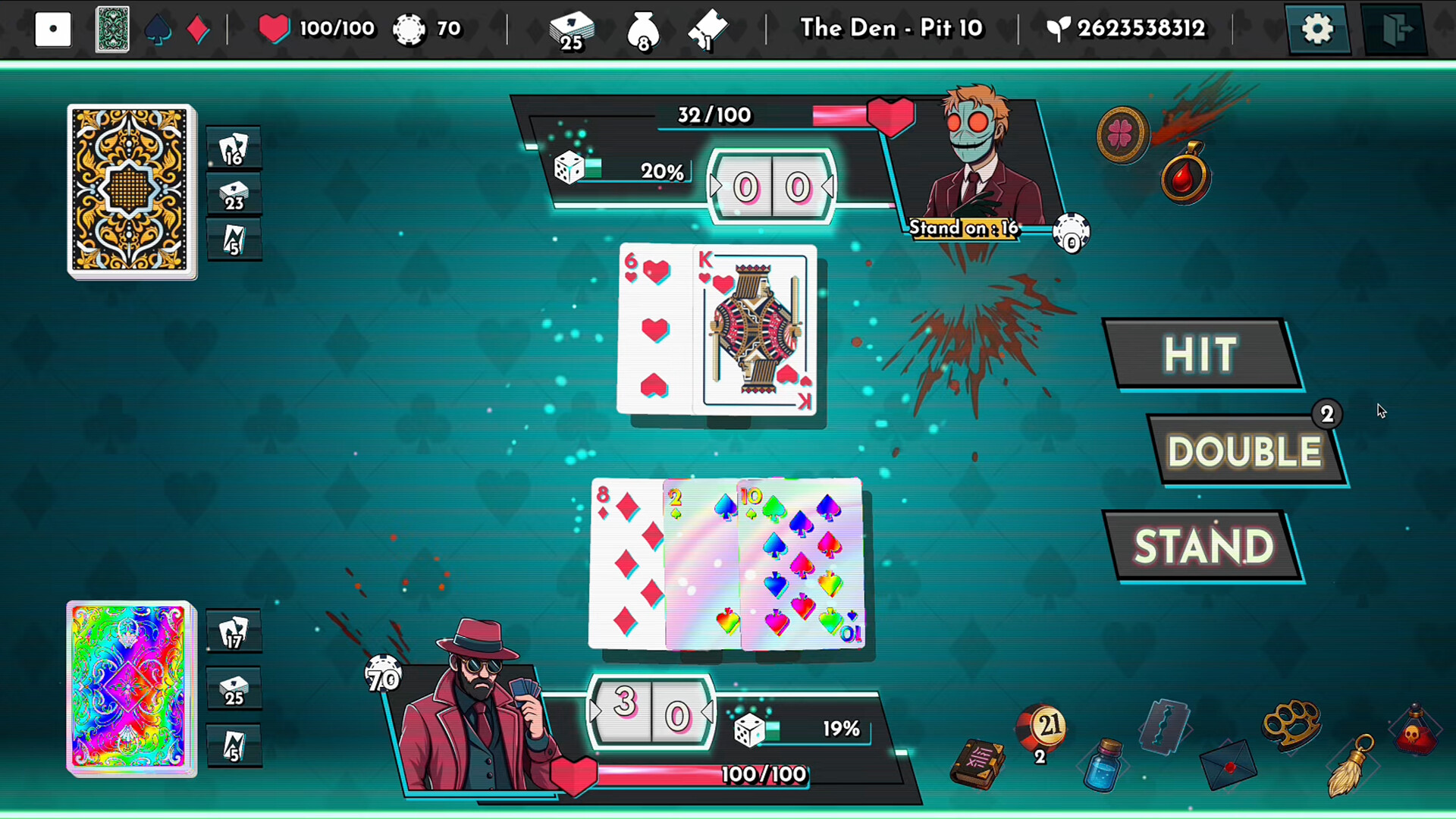
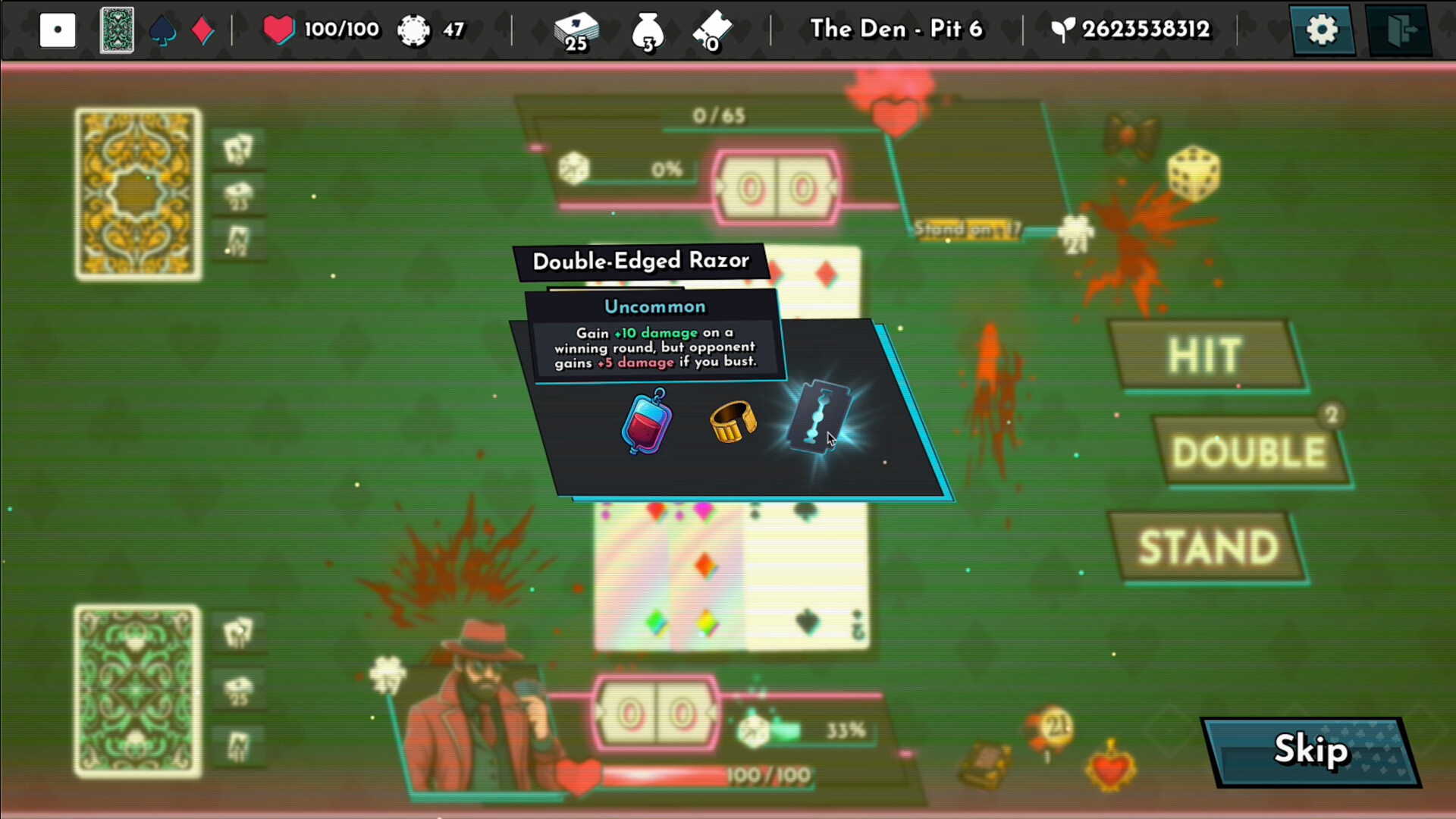
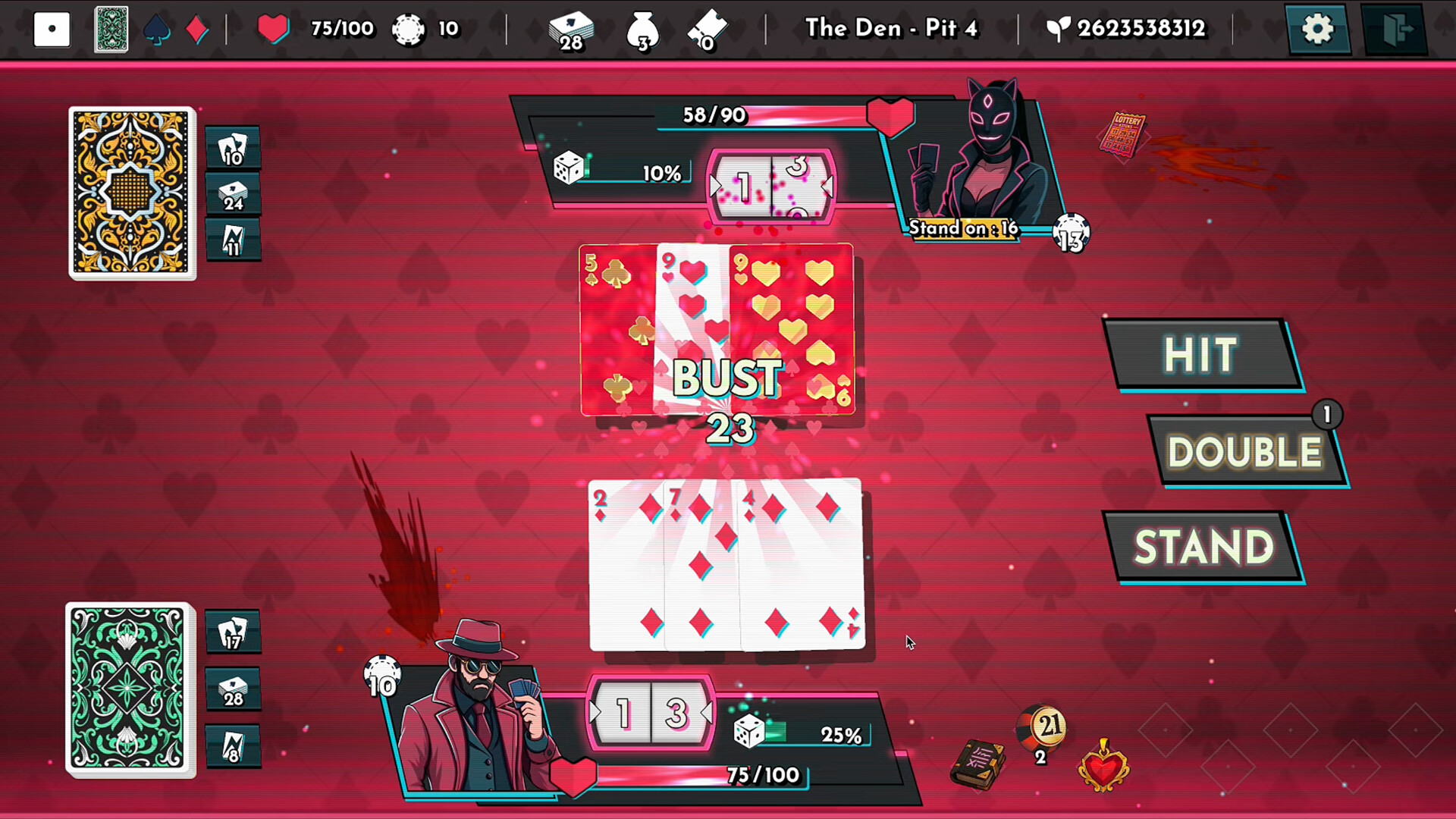
At its core, RogueJack21 converts blackjack hands into the skirmishes of a roguelite. Each encounter is a set of hands where you choose hits, stands or doubles not just to beat 21 but to trigger suit-based effects and combo chains. Spades mean extra damage, Hearts pack healing, Clubs nudge your luck for better draws and Diamonds siphon chips from opponents so you can buy trinkets. Runs play out like a series of pokerless duels: you read the dealer, tweak your risk profile, and decide when to lean on brute force or cunning probabilities. I spent more than a few runs muttering "just one more hand" as combos I’d built finally clicked.
When the Suits Start to Sing
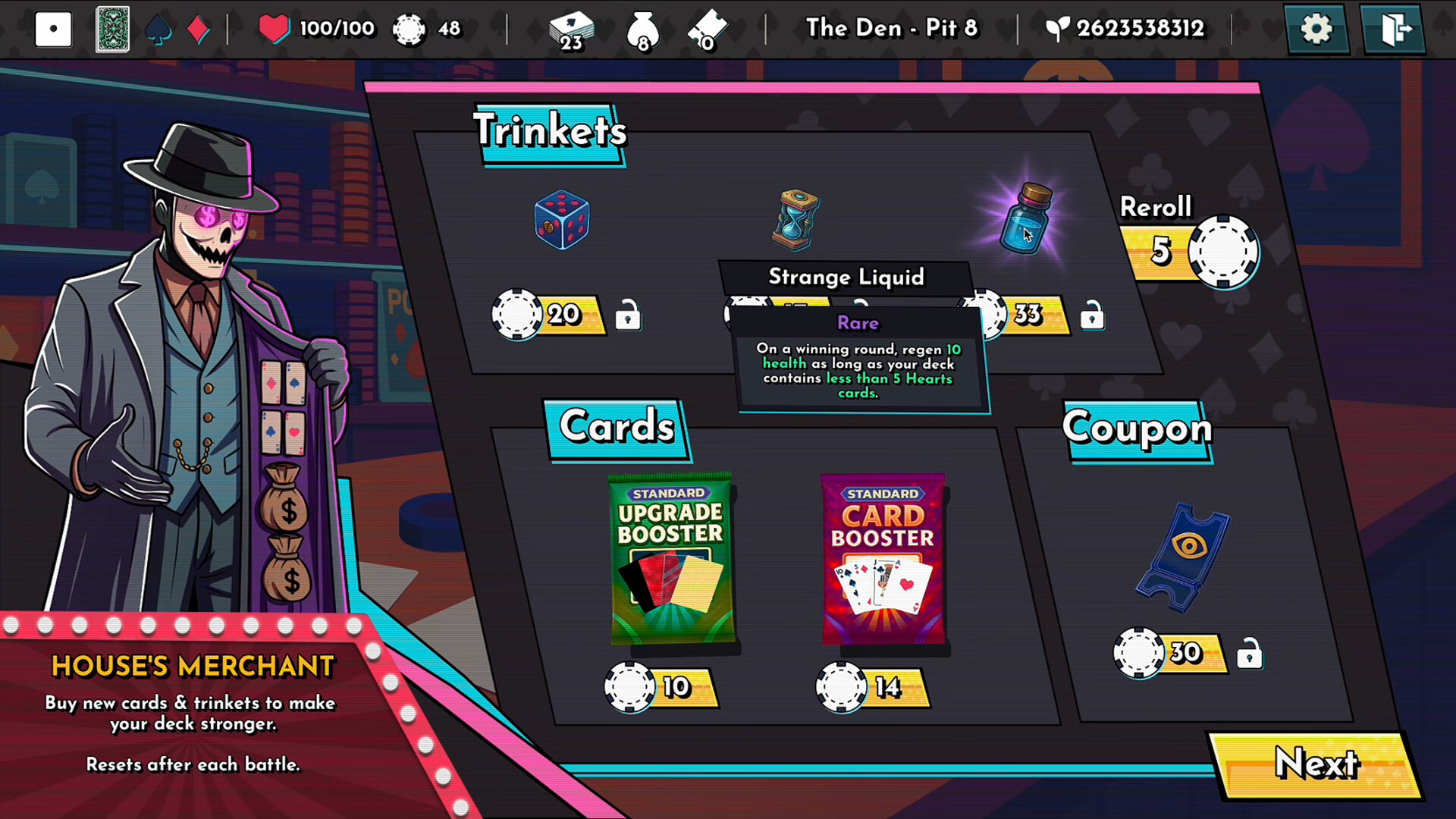
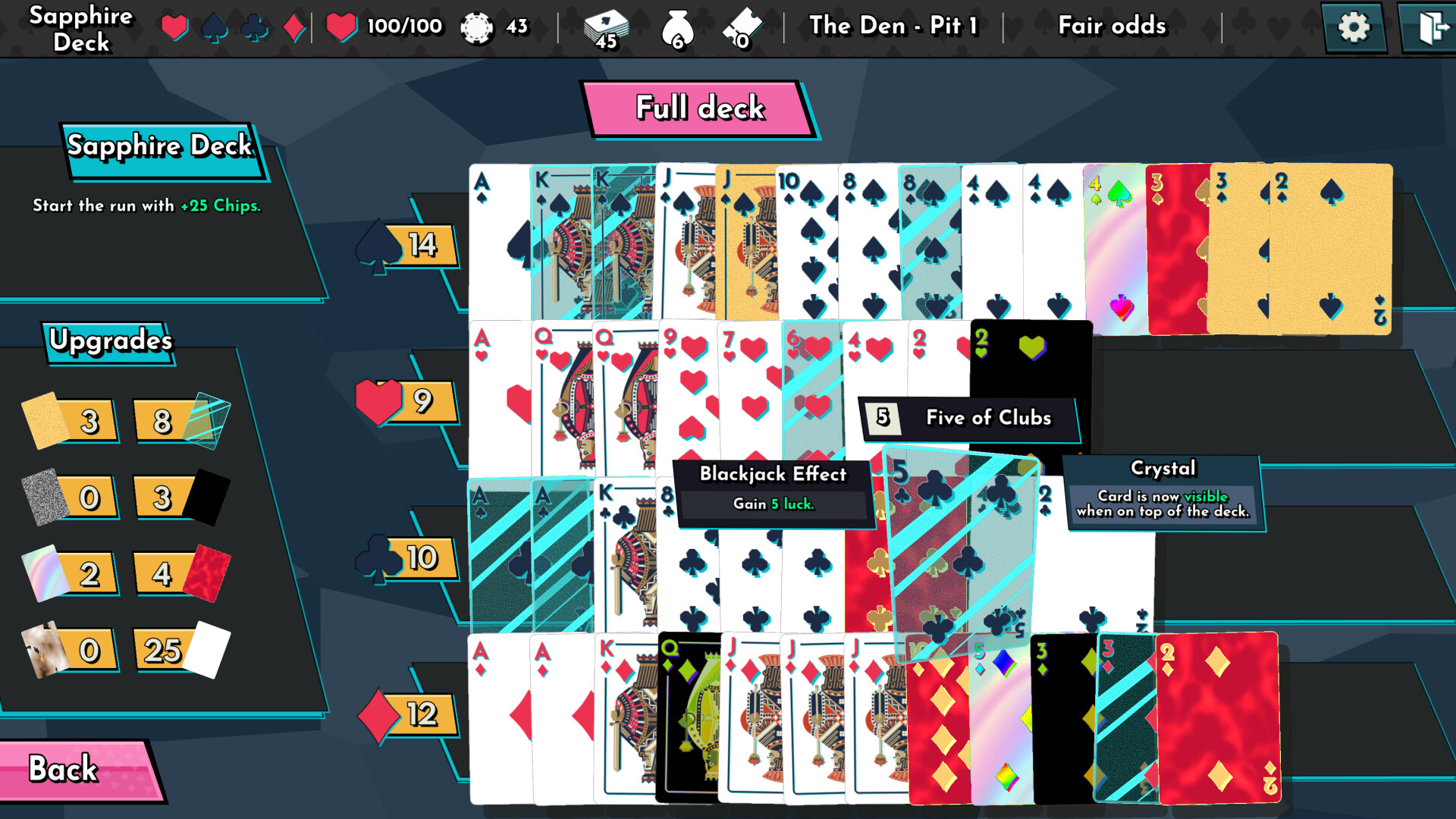
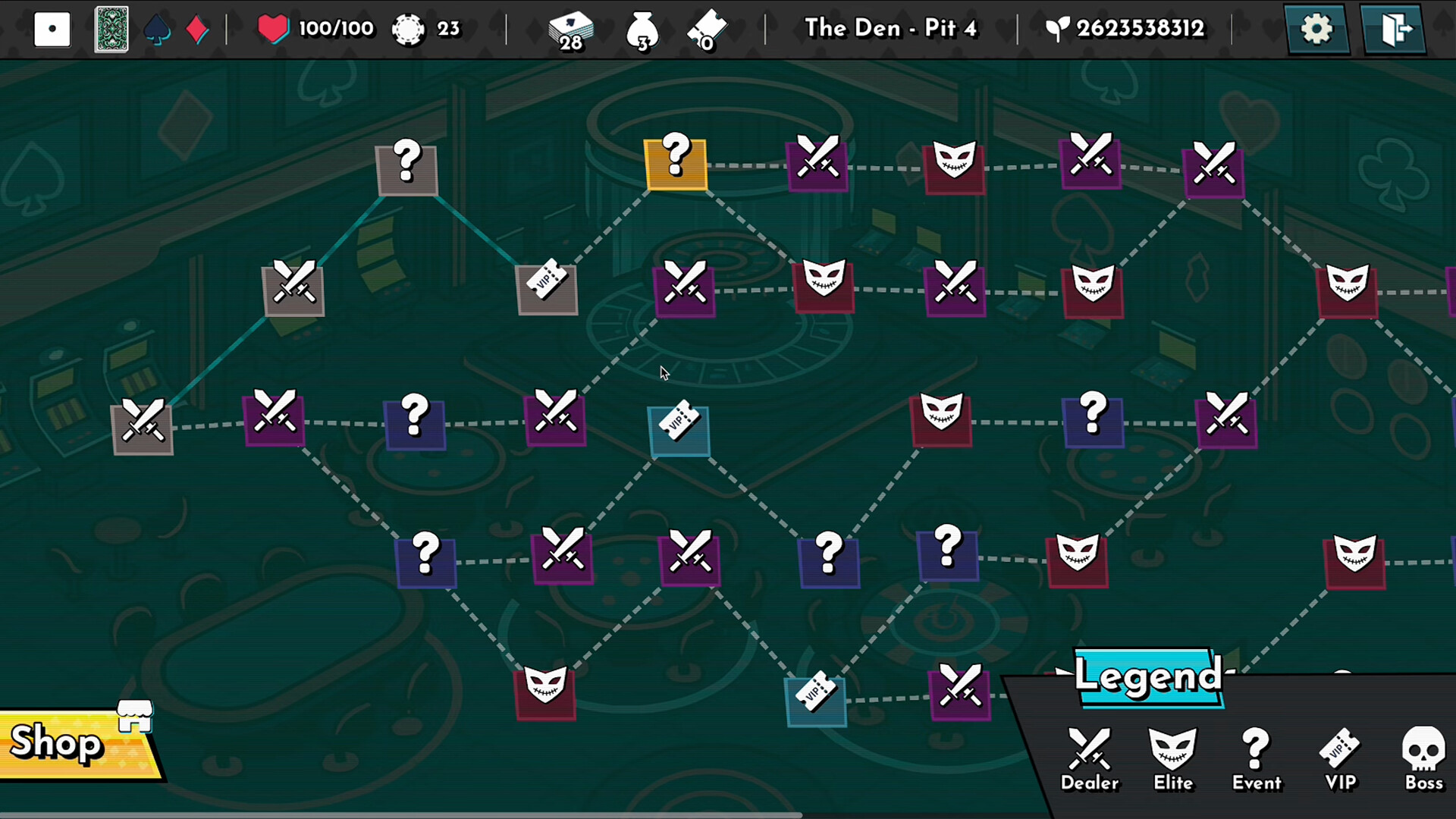
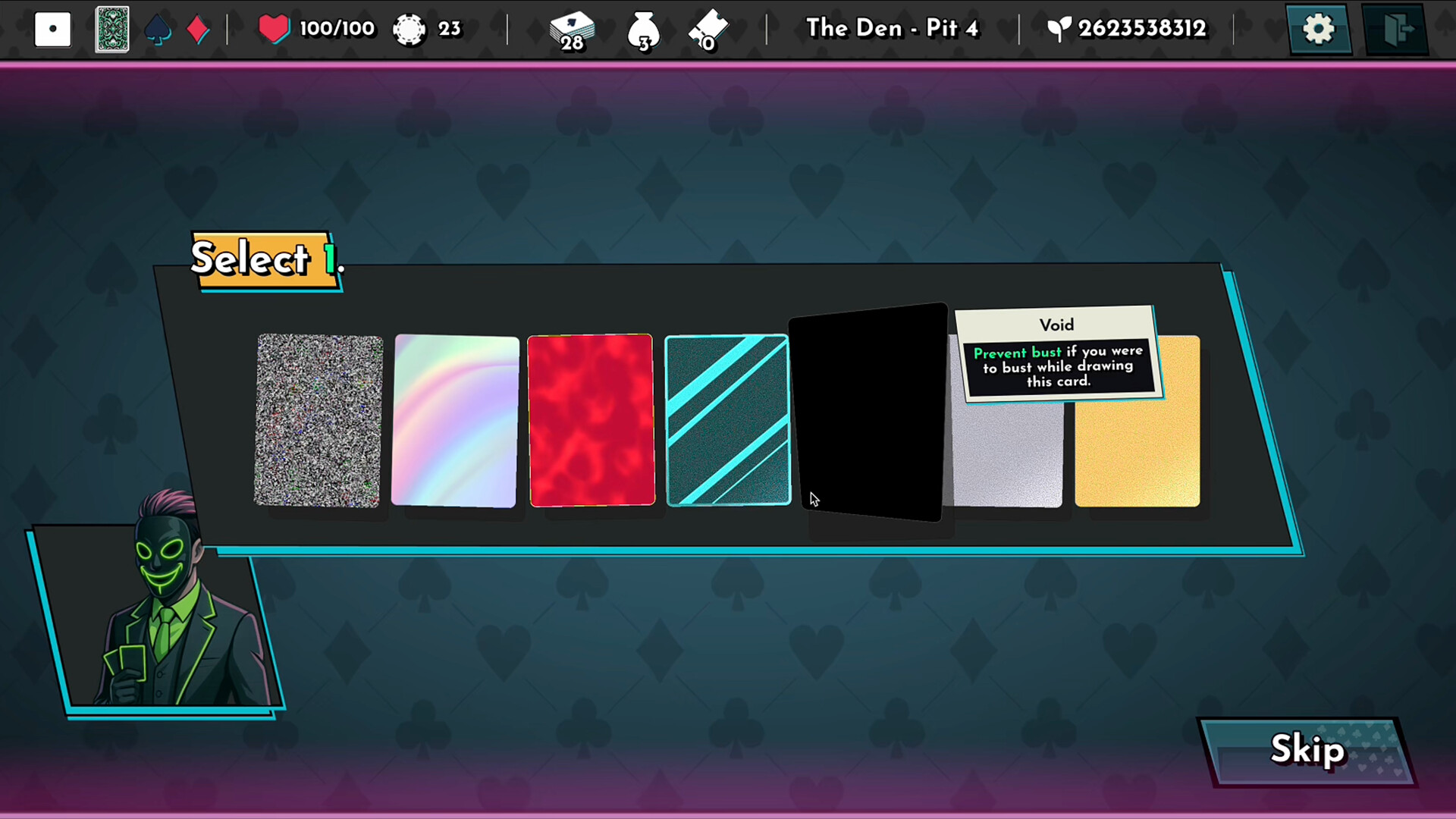
What sets RogueJack21 apart is how the suits become classes. You don’t just collect cards — you curate a toolbox. There are 10+ starting decks to unlock and you pick two starting suits that shape your playstyle from turn one. Trinkets (100+ to find) add juicy modifiers, and six upgrade paths let you turn mundane cards into keystones of an engine. I loved builds that turned Clubs-heavy decks into near-deterministic draws, or Diamonds-led runs that starved opponents of chips while funding late-run purchases. The procedural maps and 20+ events spice each run: a rigged dealer, secret rooms, and pit-bosses that force you to adapt rather than repeat the same trick every time.
A Casino That Looks and Sounds Like Fun (Mostly)
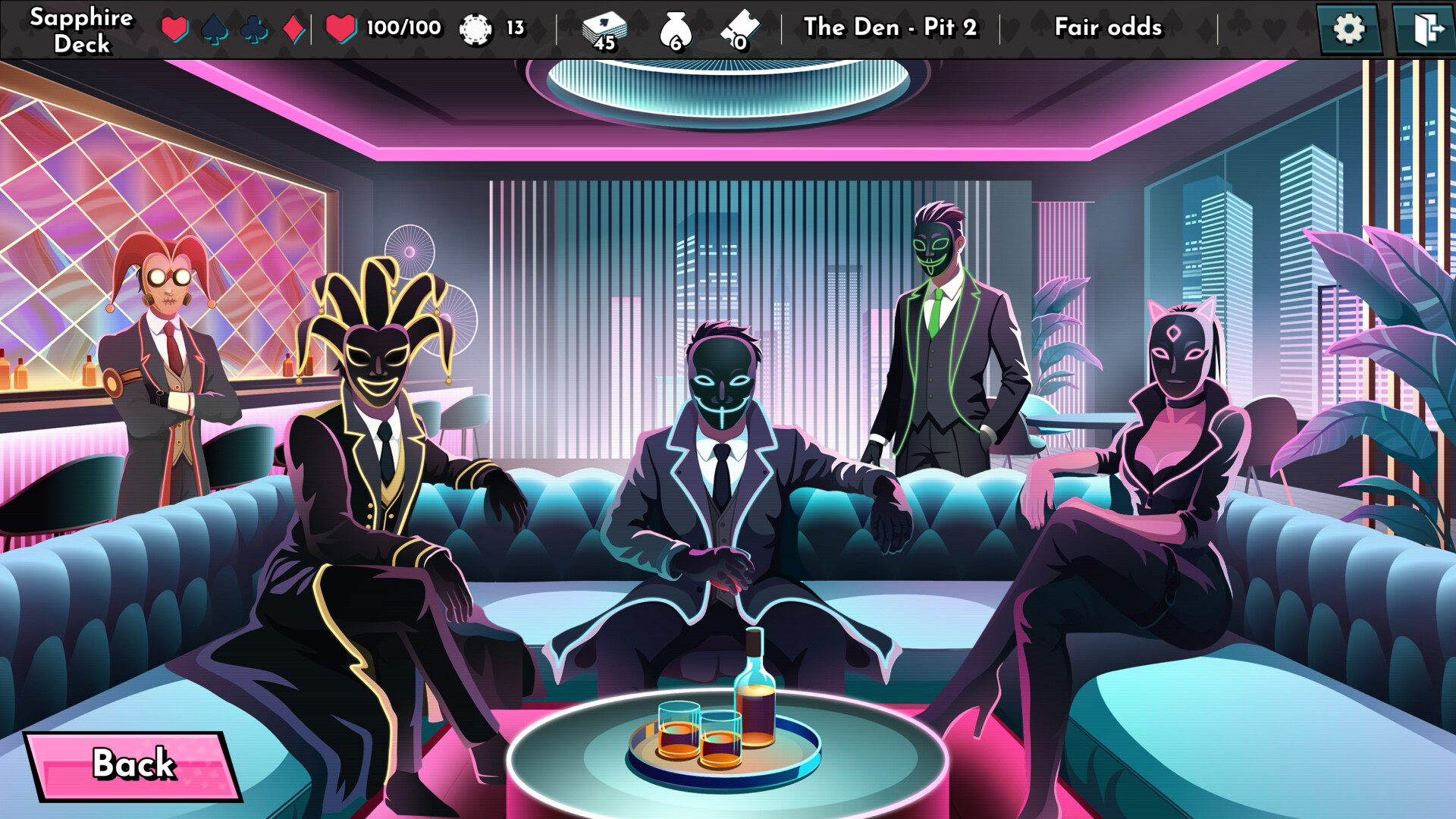
Visually the game opts for bold, readable art that keeps the action clear when things get hectic. Animations are punchy, the UI is clean and the music leans into a groovy casino-lounge vibe that fits the theme. Performance is solid on my desktop, though several players report crashes on devices like the Steam Deck — something to watch out for if you play on portable hardware. Accessibility options are decent: readable fonts, clear icons and straightforward difficulty scaling across six tiers. In short, it’s designed to be approachable for card novices while still offering depth for mathy players who love tinkering with probability and synergies.
RogueJack21 is an inspired mash-up: blackjack mechanics turned into a rewarding roguelite with lots of buildcraft and replayability. I recommend it to fans of deckbuilders and probability-savvy players, especially those who enjoyed Balatro or Slay the Spire. Be aware of some stability rough spots and the absence of an endless mode at launch, but if the core gameplay hooks you—like it did me—you’ll find hours of clever, risky fun.
Pros
- Clever suit-based mechanics that feel fresh
- Large pool of trinkets and unlockable decks
- Procedural maps and event variety for replayability
- Accessible visuals and satisfying audio design
Cons
- Crashes reported on some platforms (Steam Deck)
- Some starting decks feel less distinct than others
- No endless mode at launch — runs can feel long
Player Opinion
Players on Steam overwhelmingly praise RogueJack21’s addictive loop and the way it turns blackjack into a strategic roguelike. Common compliments mention smooth, rewarding gameplay, varied builds and great progression that keeps you unlocking new decks and trinkets. Several users compare it favorably to Balatro and Slay the Spire, noting it scratches a similar itch while offering a unique card-suit twist. Criticisms cluster around stability — multiple reports of crashes, particularly on the Steam Deck, and a few players experiencing lost progress. Others wish for more unique starting decks and an endless mode to keep the party going after beating the final boss. If you like card-based roguelikes and can tolerate some early polish issues, most reviewers say this one is worth the price.