






Placid Plastic Deck - A Quiet Quest Review — Cozy Card Adventure with Ducks
A warm, whimsical card-adventure set in the Placid Plastic Duck universe. Charming characters, deck-building with quirky ducks and a calm, story-rich pace—great for fans of narrative card games.
I jumped into Placid Plastic Deck expecting a cute spin-off and left pleasantly surprised. It blends card-battling, a light deck-builder and an adventure-game sensibility into a 5–7 hour quiet quest that’s both gentle and cunning. If you enjoyed the moodier mechanical charm of Inscryption but wanted something softer and more whimsical, this one is a close cousin. Most of all: it’s very much a story about friendship wrapped in rubbery duck chaos.
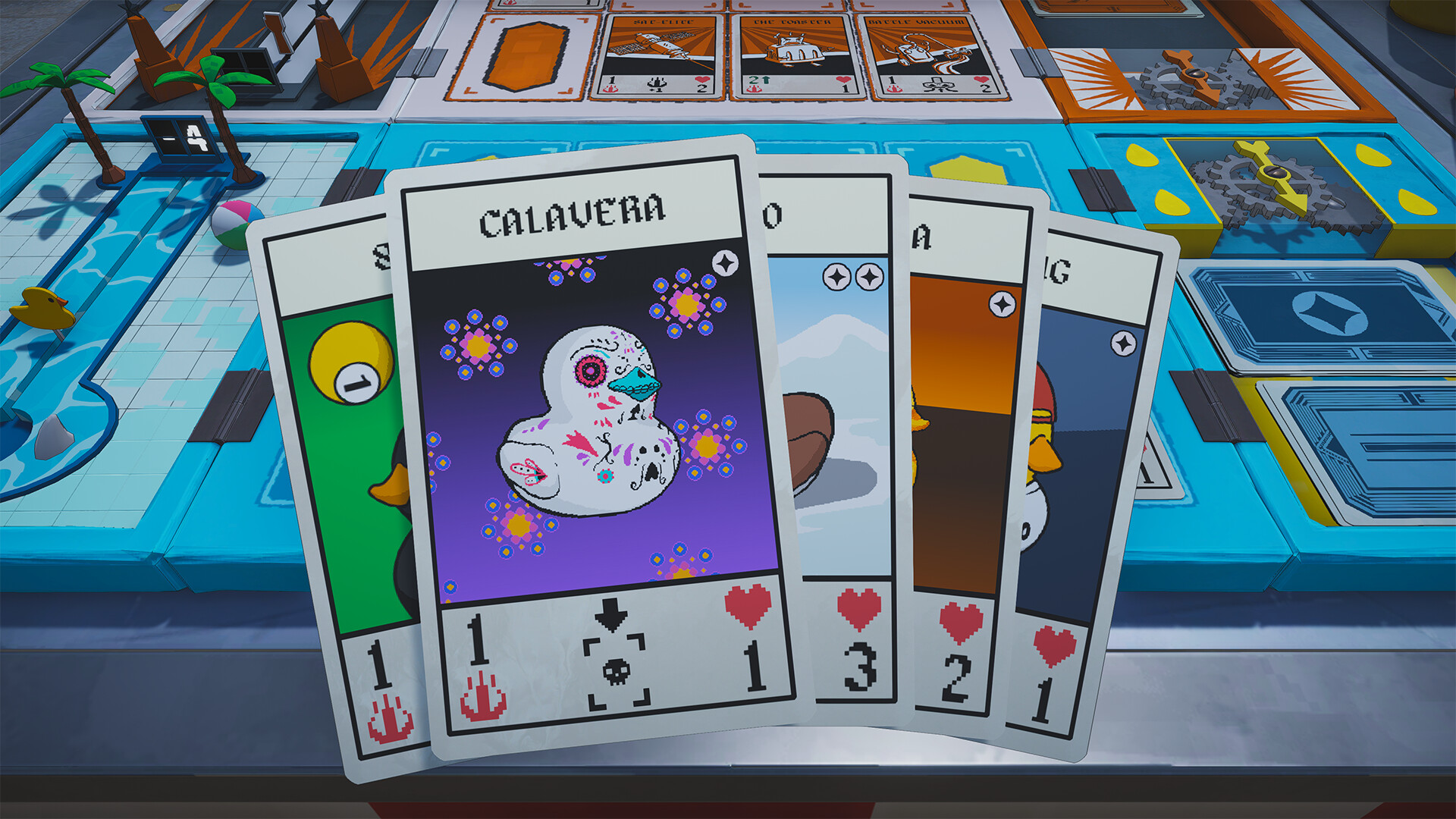
Learning to Shuffle (and Losing Gracefully)
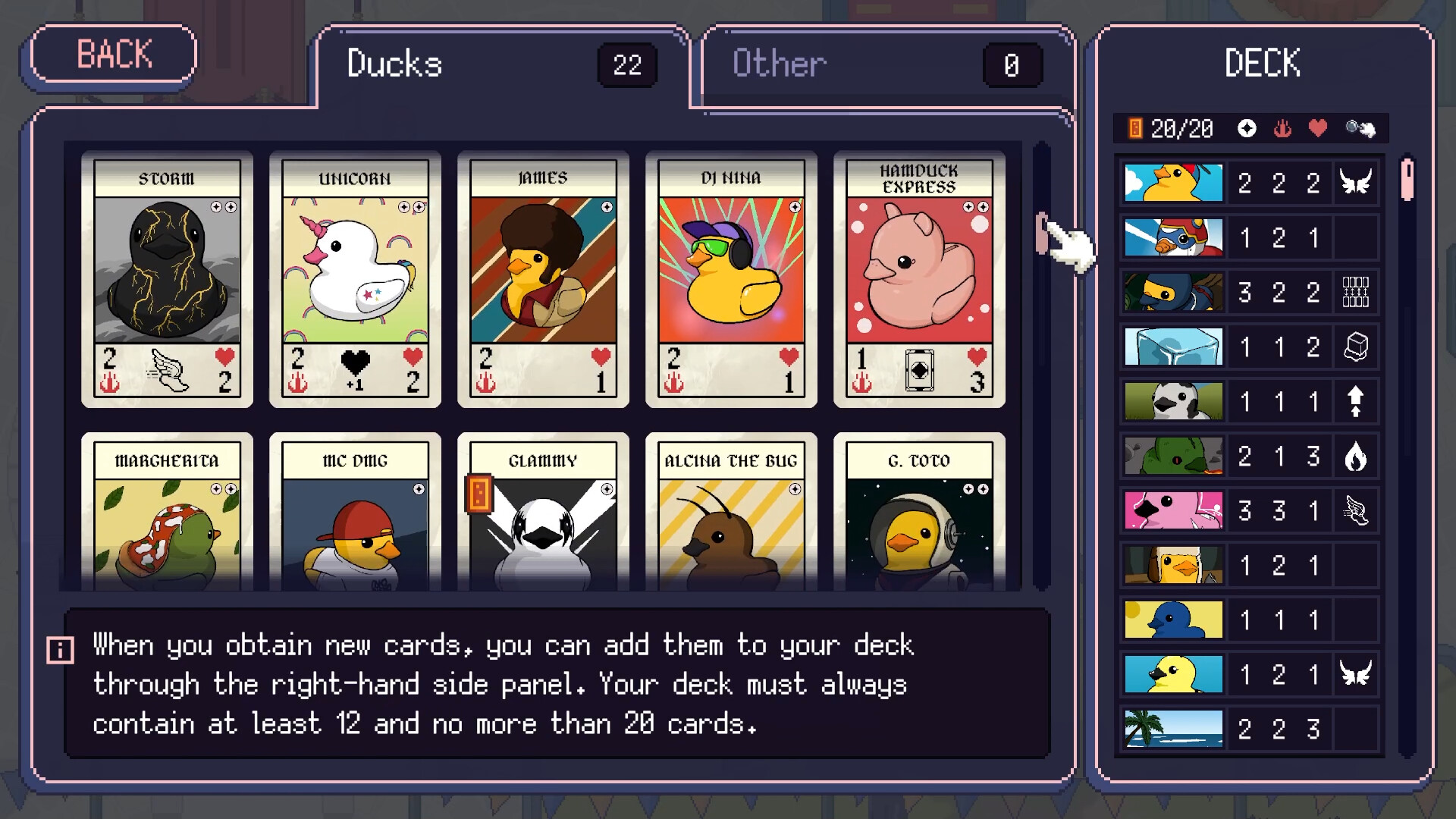
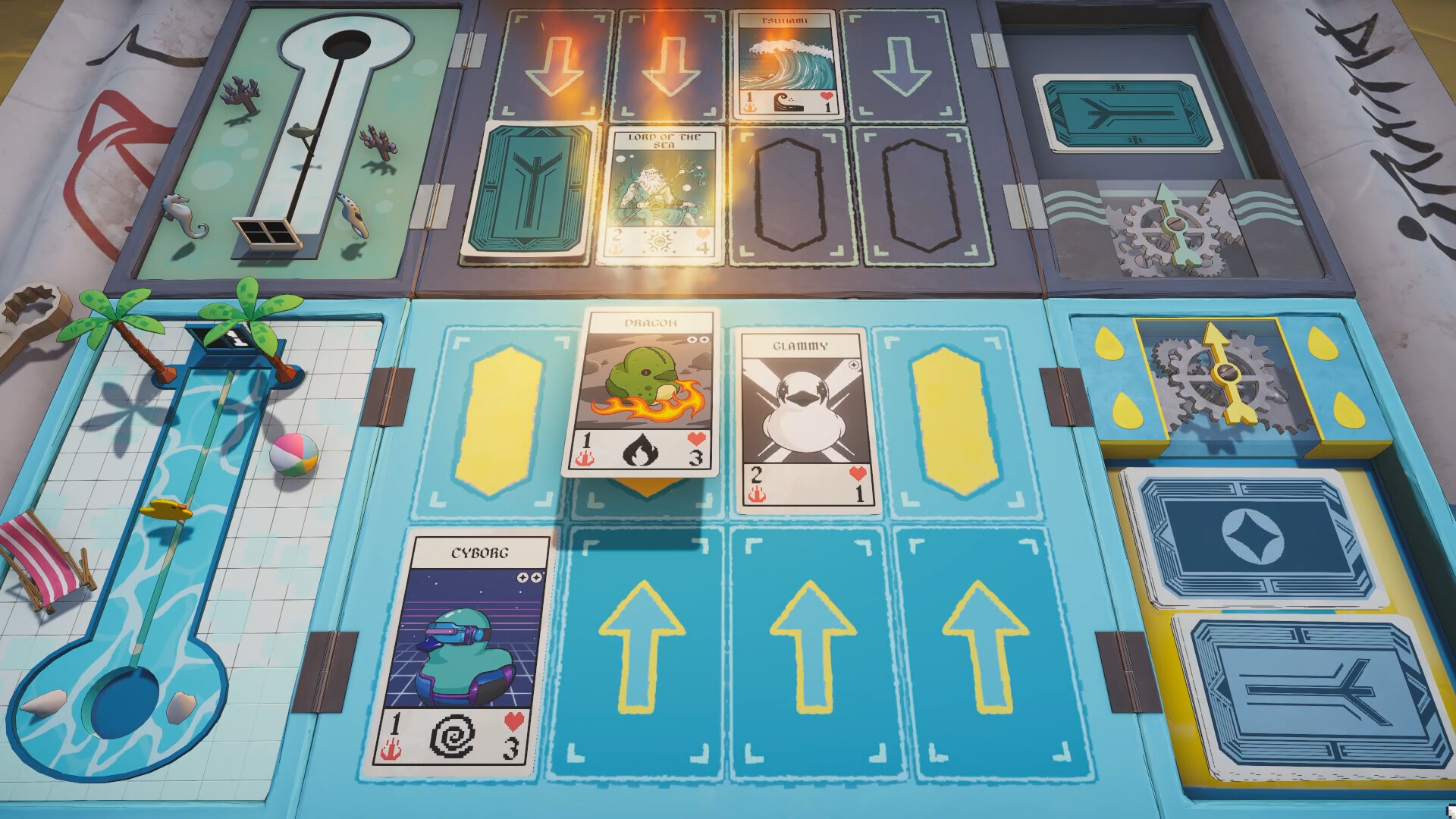
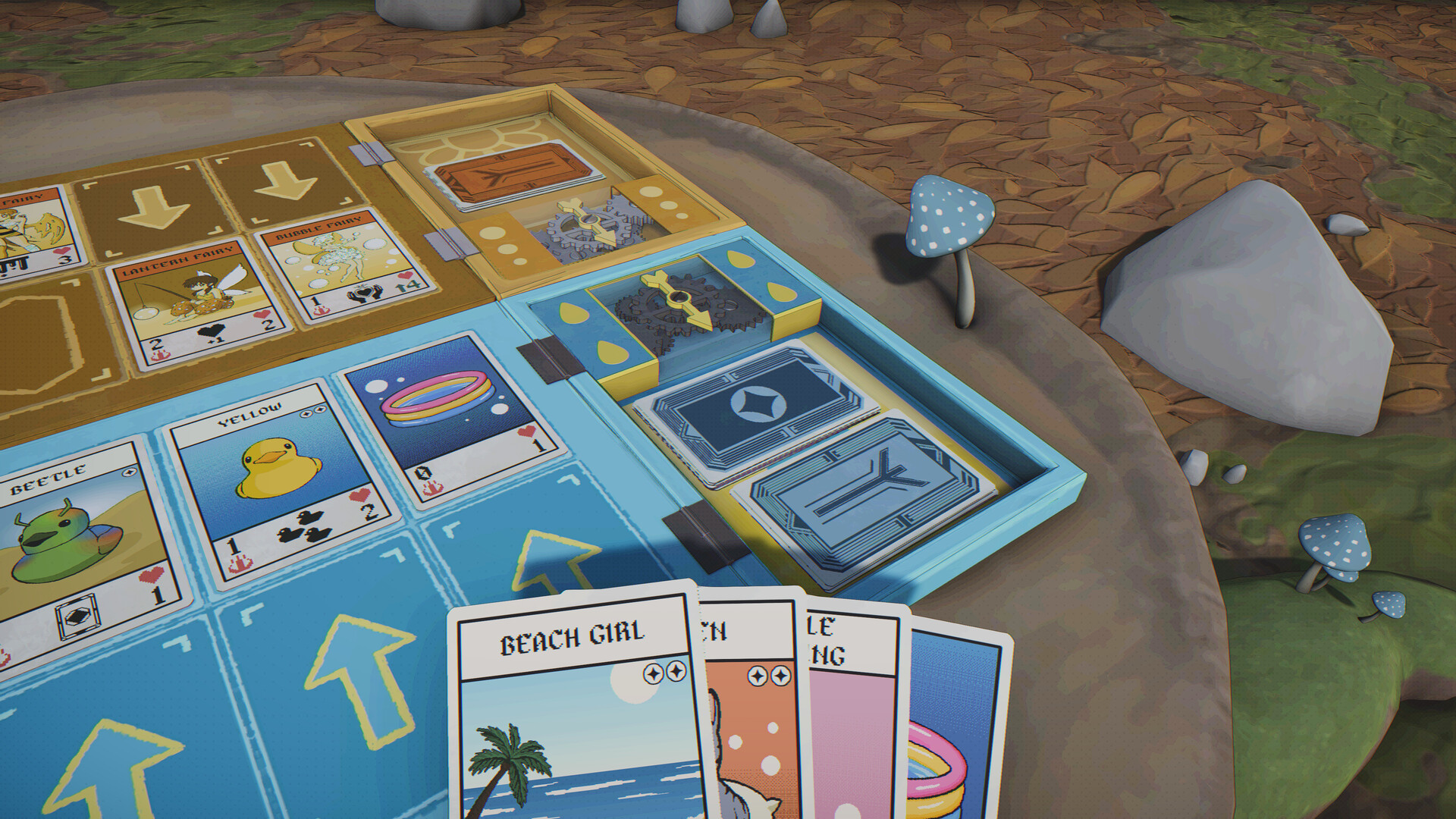
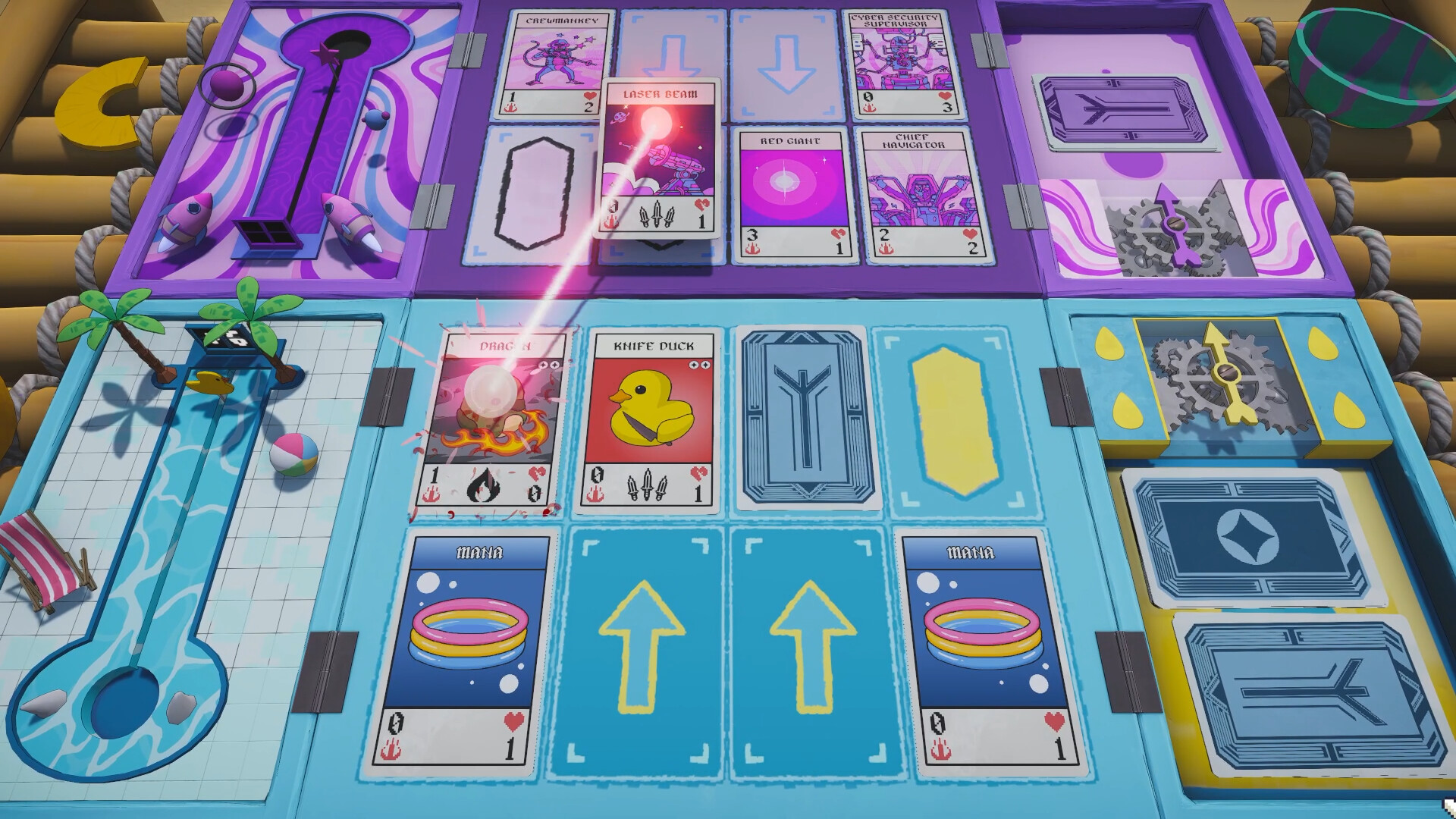
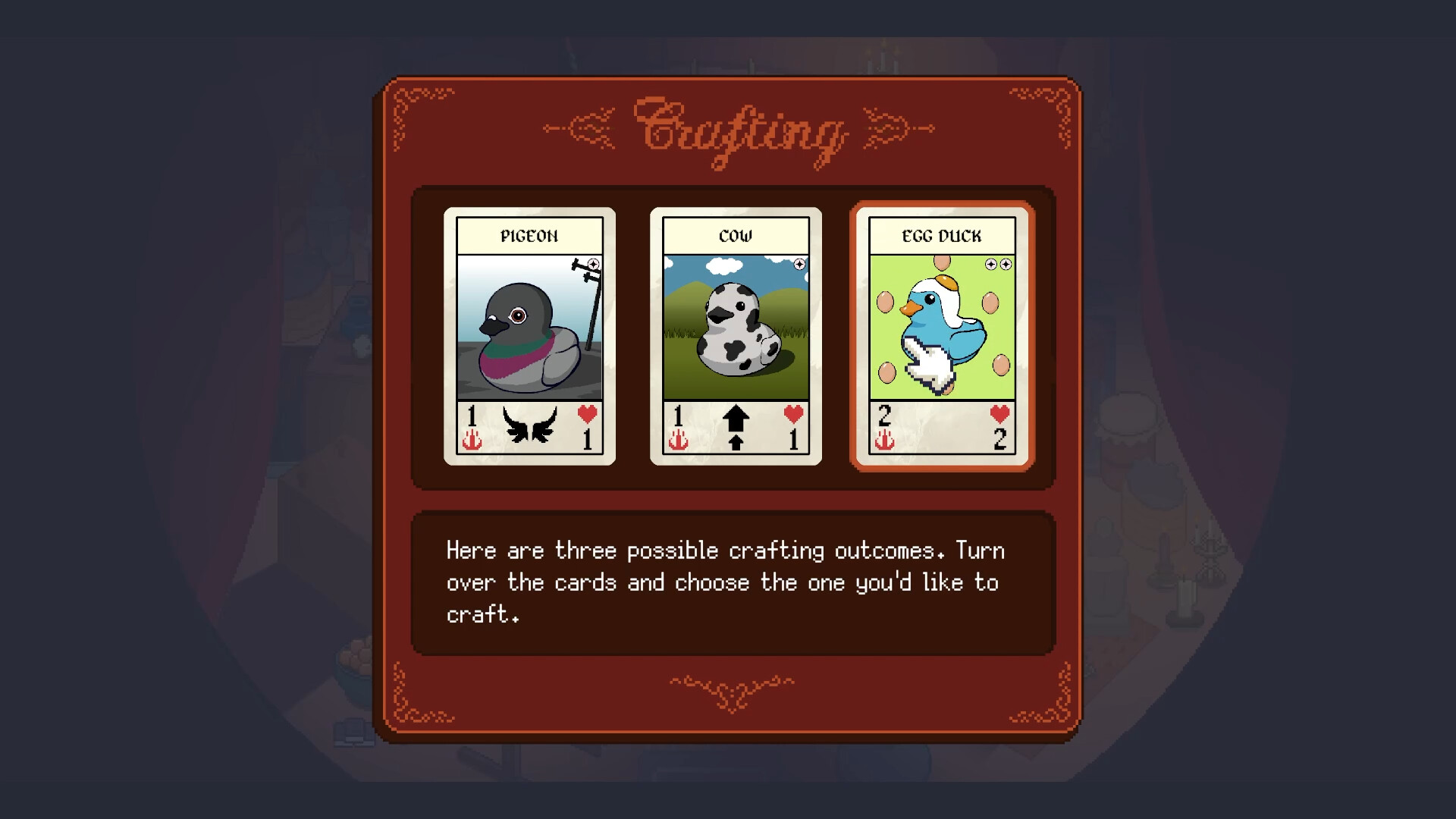
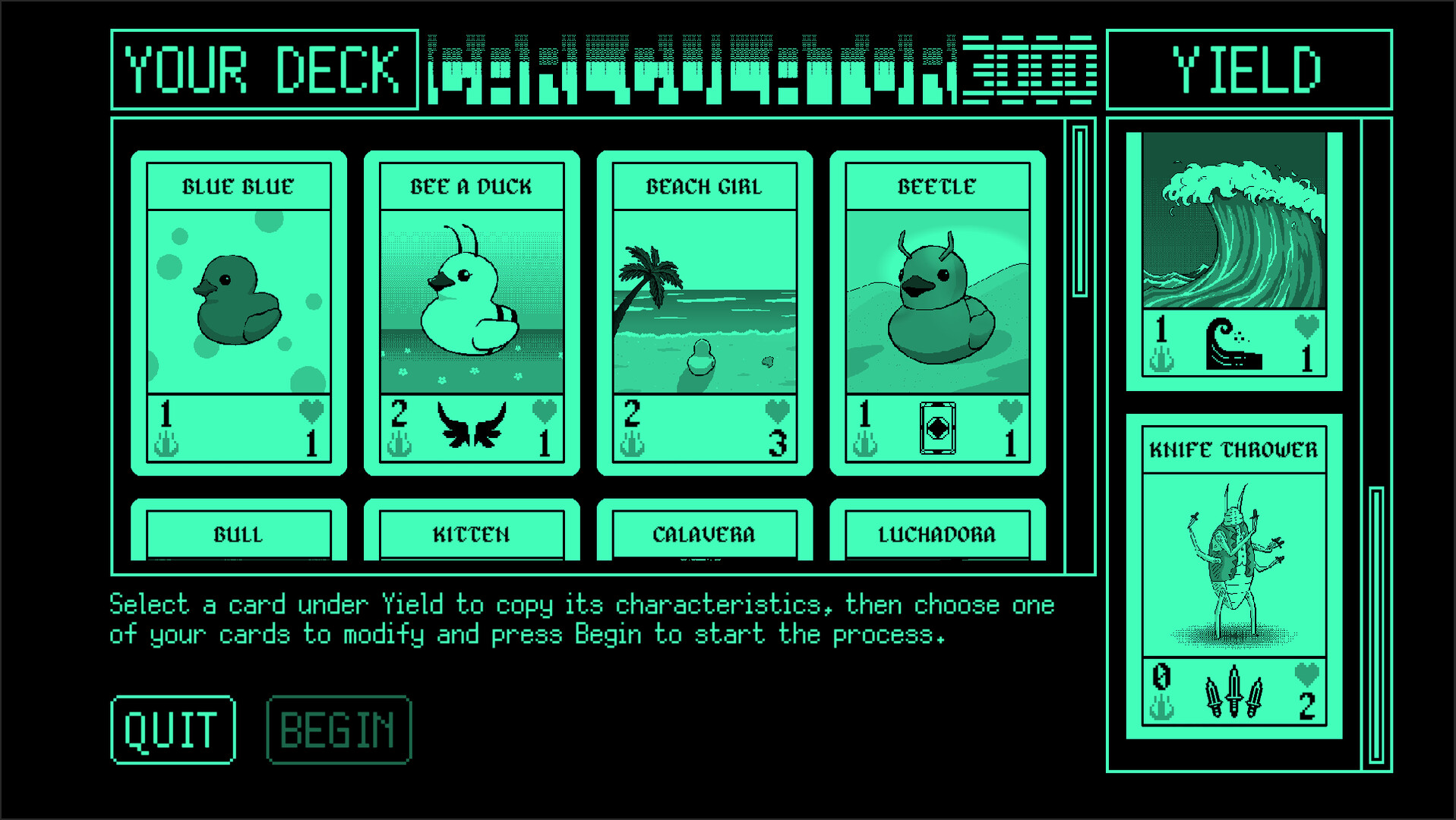
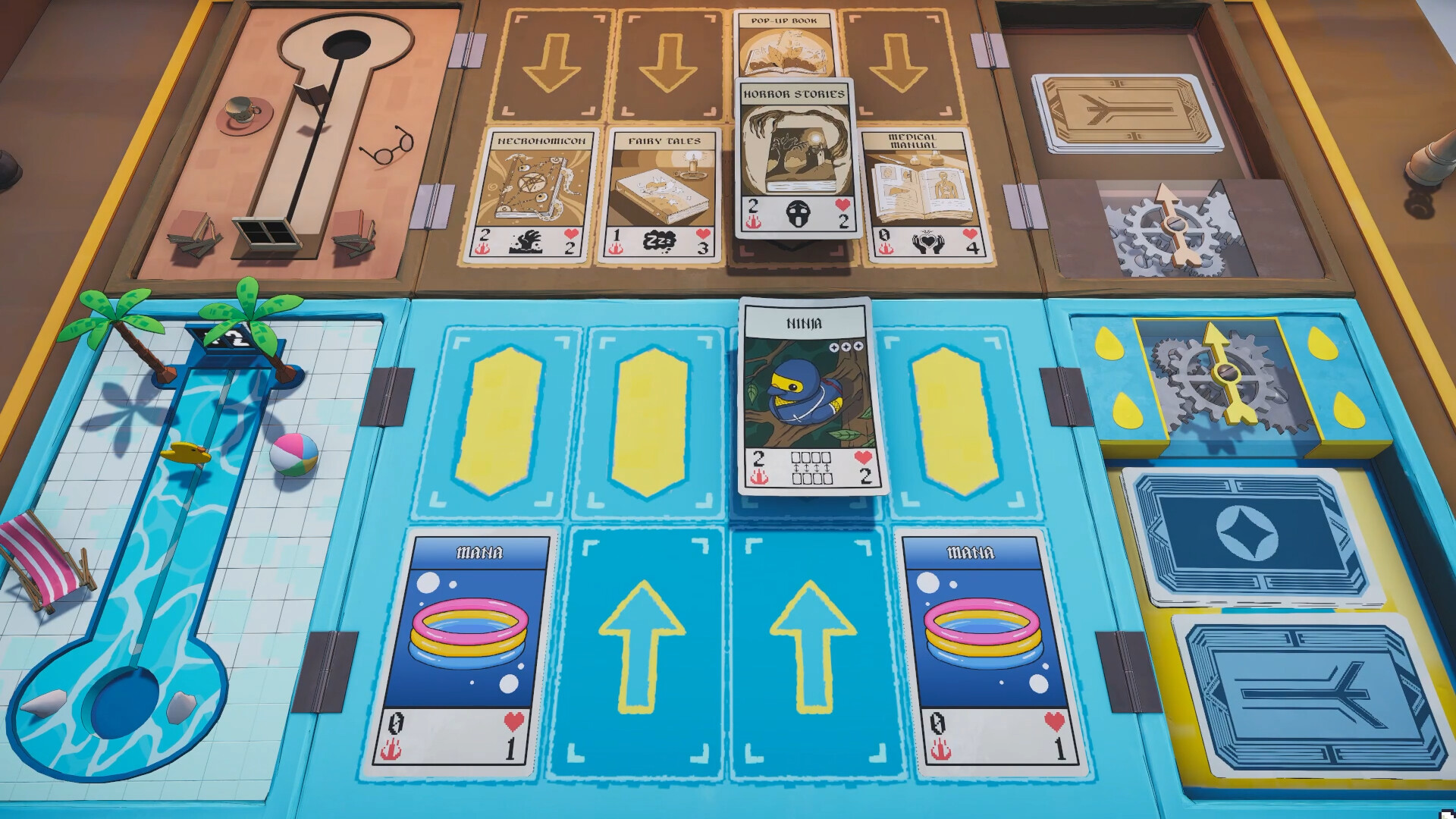
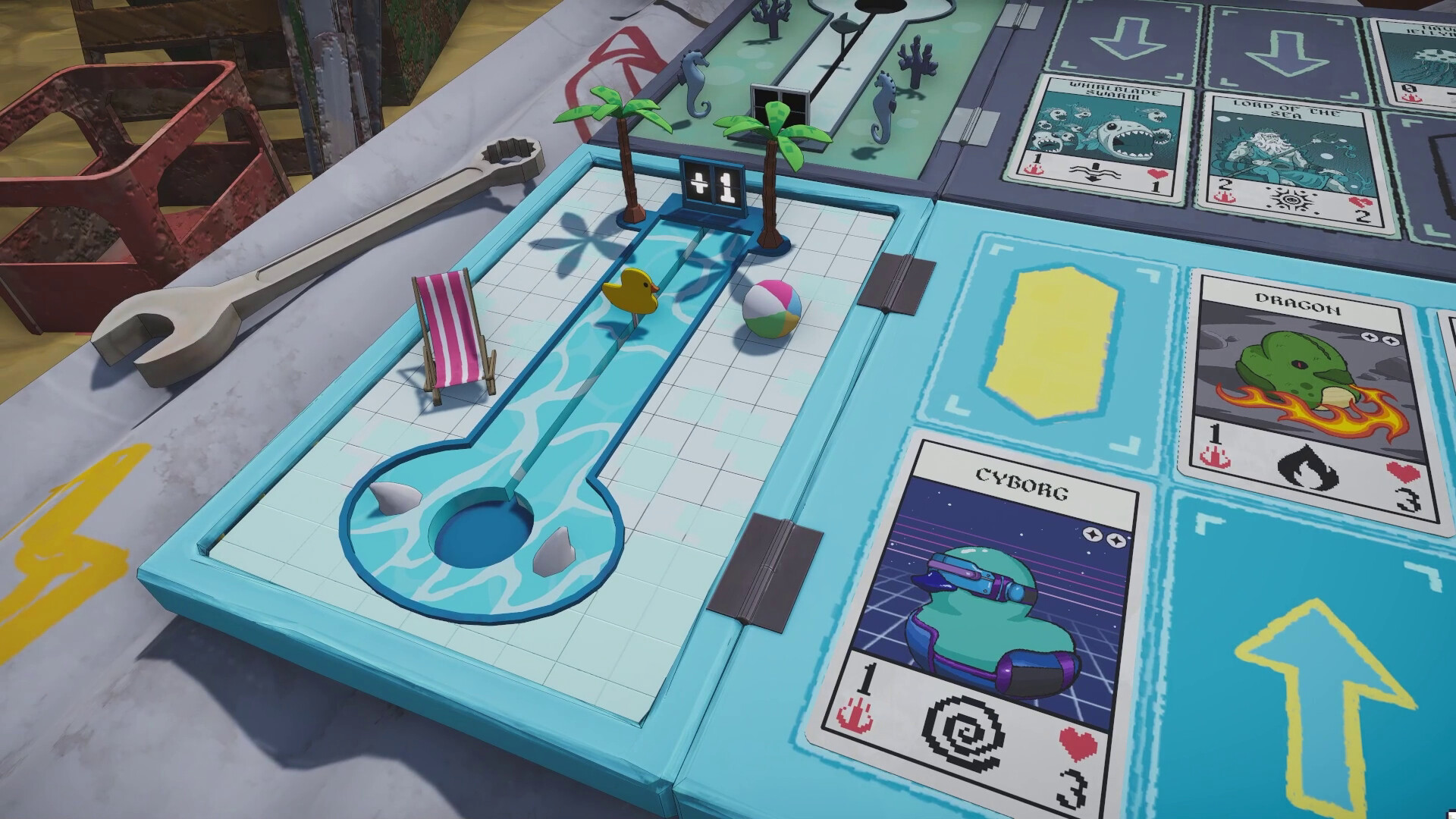
You play as Zoi, a teenager who enters a regional card tournament to patch things up with her best friend—except she doesn’t even know the rules. The core loop alternates exploration, dialogue and board-based card duels where placement matters more than raw numbers. Matches feel like a puzzle: positioning the ducks, timing buffs, and reading opponents’ tells is as satisfying as drawing the perfect card at the right moment. There’s light deck-building as you collect ducks in the world; you’ll find cards tucked in cabinets, won in matches or obtained through small quests. Combat isn’t hyper-competitive: it’s more about creative problem-solving and adapting to eccentric enemy decks, which keeps tension without sacrificing the calmer Placid Plastic vibe. Early fights can be a rude awakening if you stick to default choices, but the game nudges you toward experimentation and learning rather than punishing you outright. Expect to replay a duel after a bad draw, groan, and then grin when a tiny change of strategy turns the whole board around.
Decks with Personality (and Ducks)
What separates Placid Plastic Deck is personality: themed boards, memorable opponents and cards that behave like characters rather than numbers. Each deck you encounter carries a personality — some are aggressive, some passive, and some downright weird — and figuring them out is half the fun. Multiple-choice dialogue branches matter: your answers influence who you meet, which cards you can recruit and lead to multiple endings, so choices carry tangible weight. The game borrows the tactile, tense feeling of Inscryption-style card battles but strips away the existential dread, replacing it with warmth and oddball humor. There are small RPG-lite elements—upgrades, limited customization and a handful of meaningful decisions about which cards to keep or purge. I loved how some encounters deviated wildly: a hedge-maze puzzle leading into a Pokemon-esque animal duel, or a board that forces you to rethink placement rules entirely. It’s a mashup that mostly works because the world’s tone never wavers.
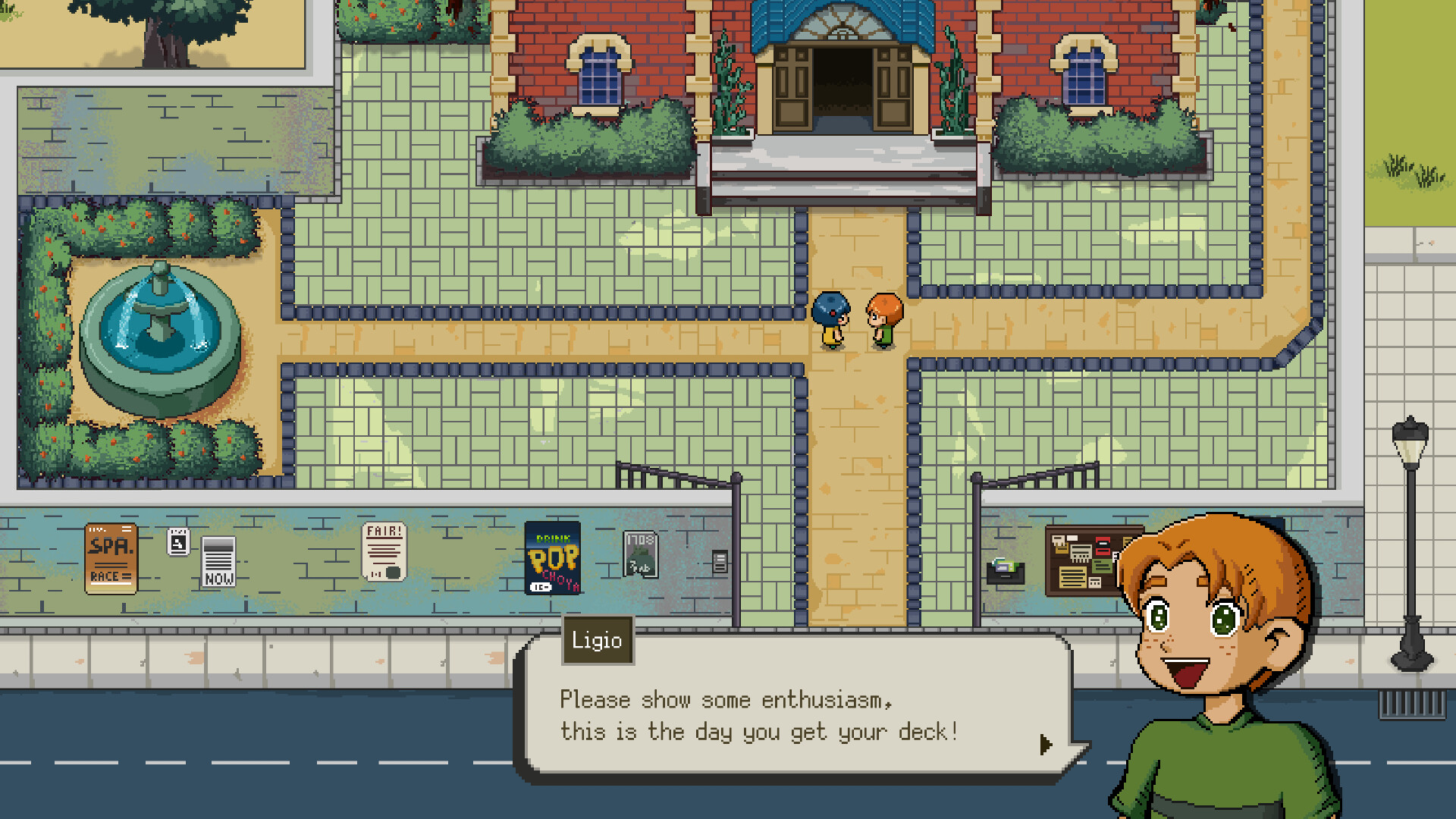
A Hand-Drawn World That Quacks
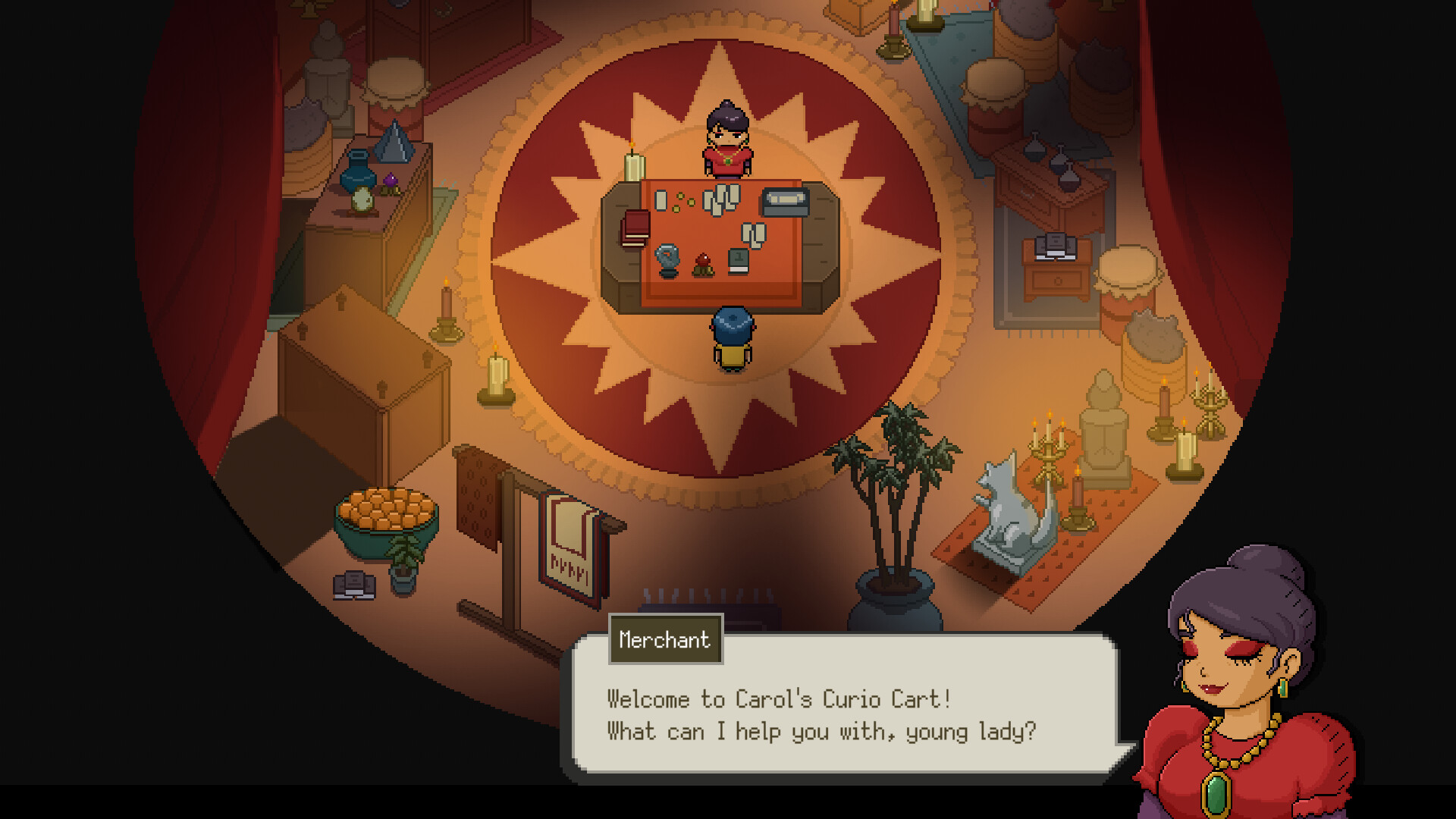
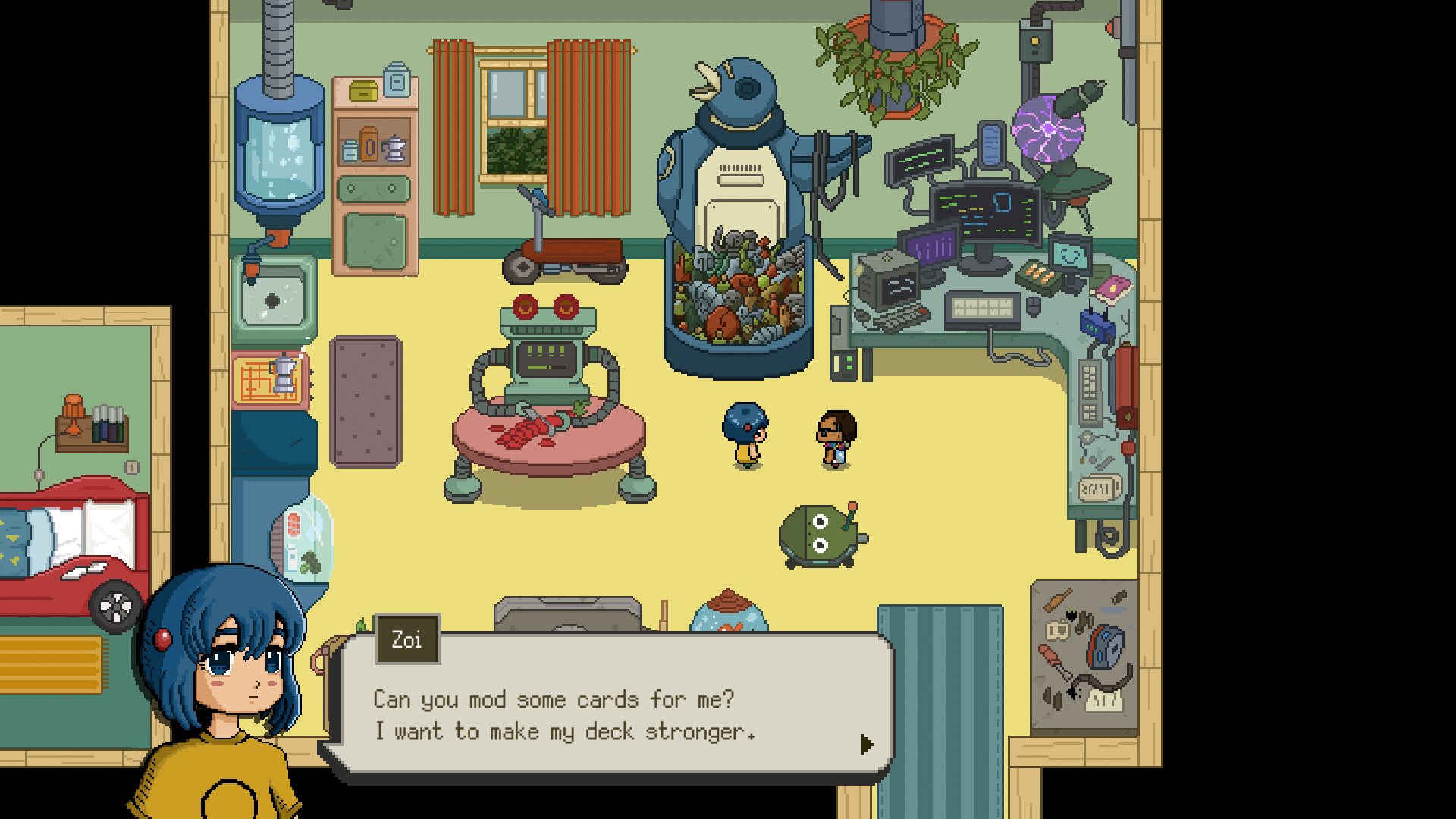
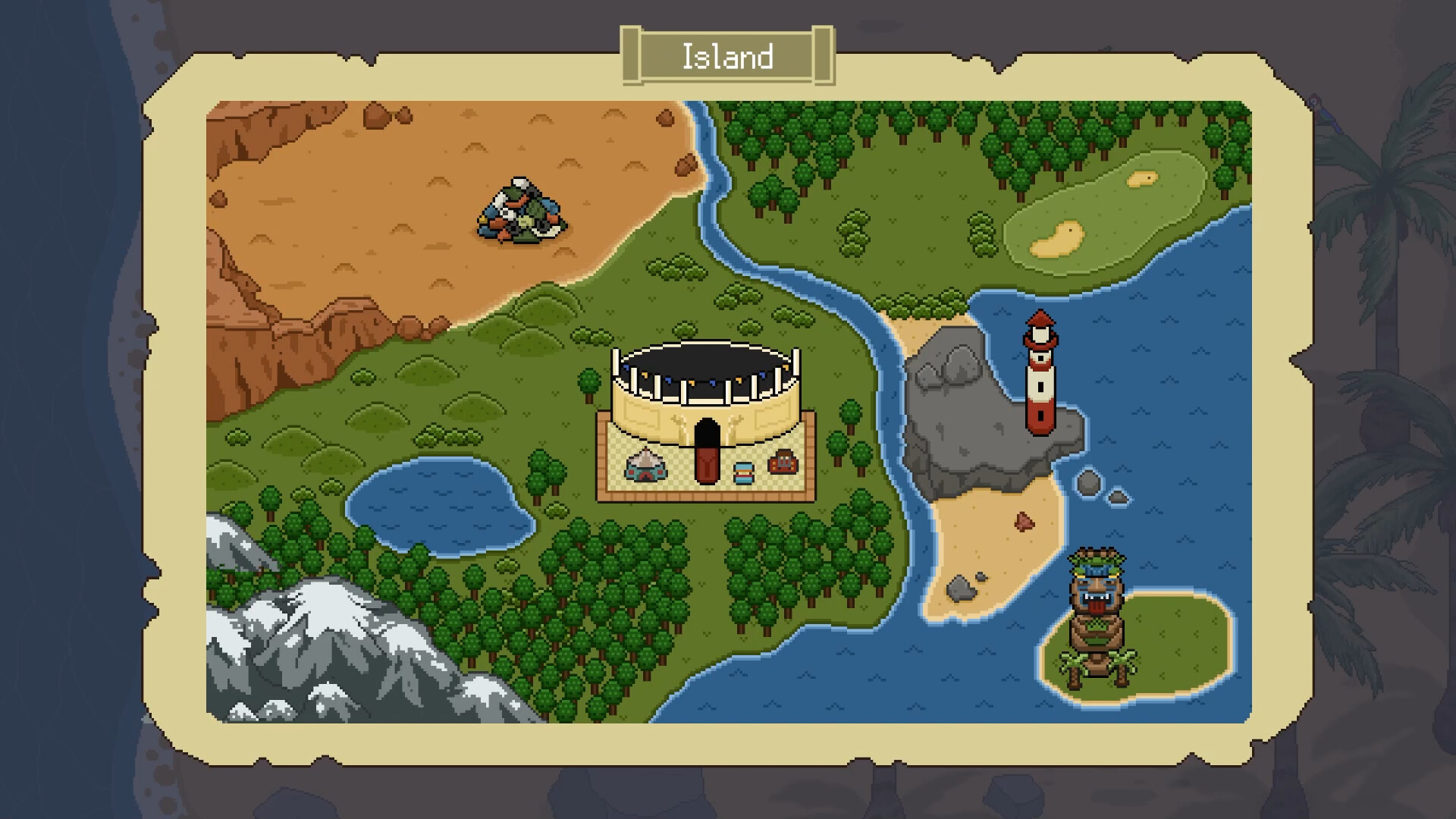
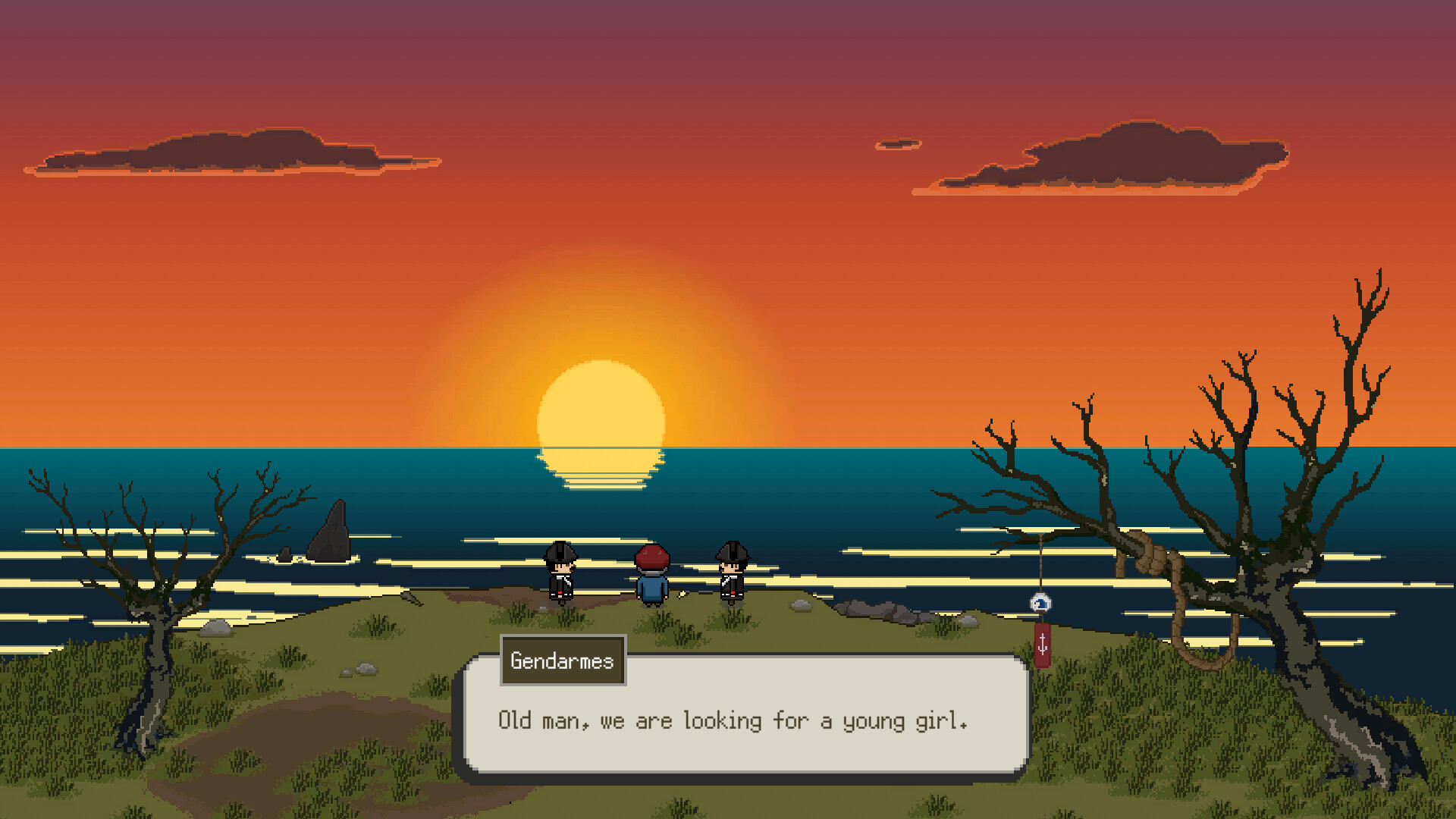
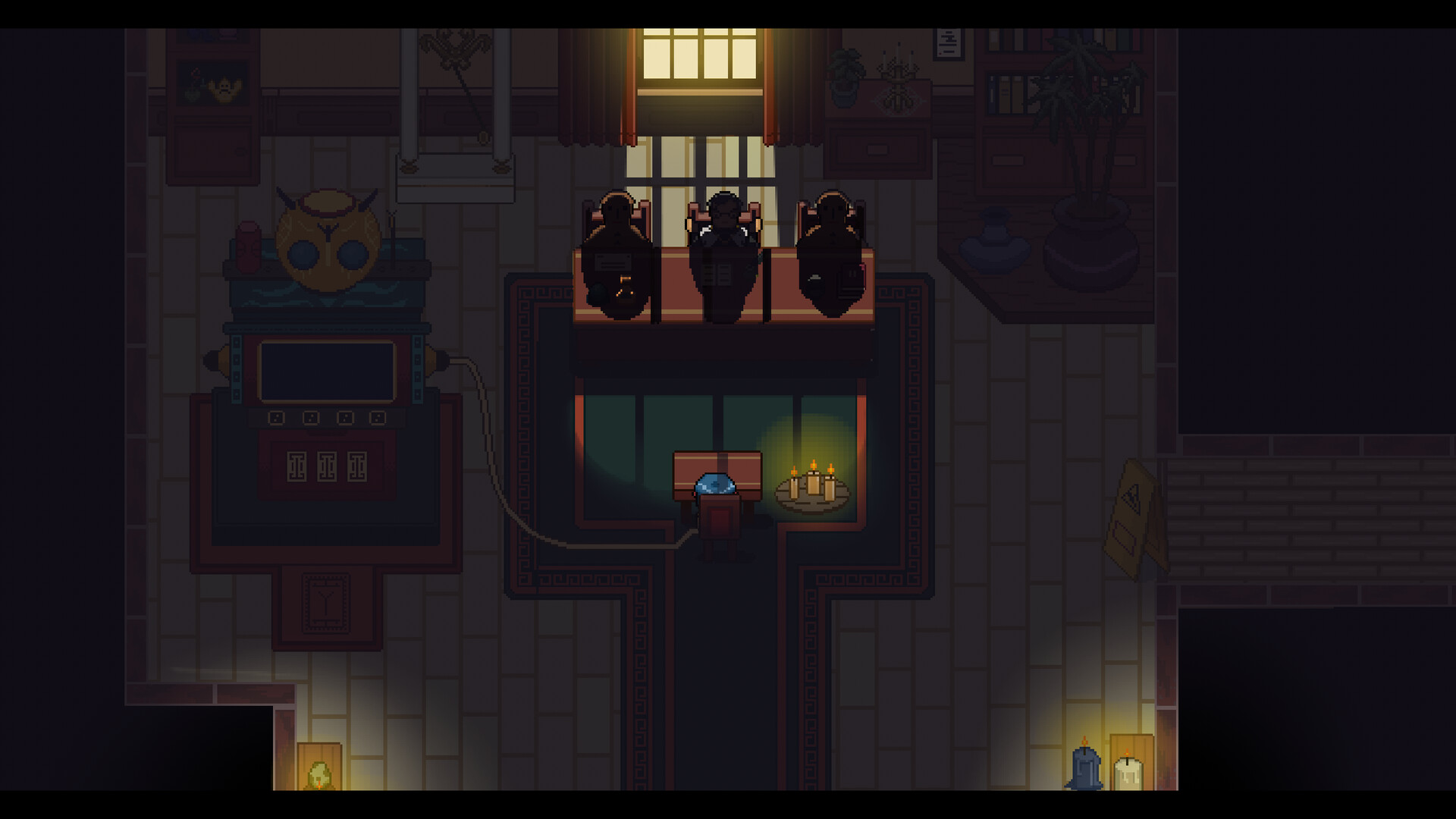
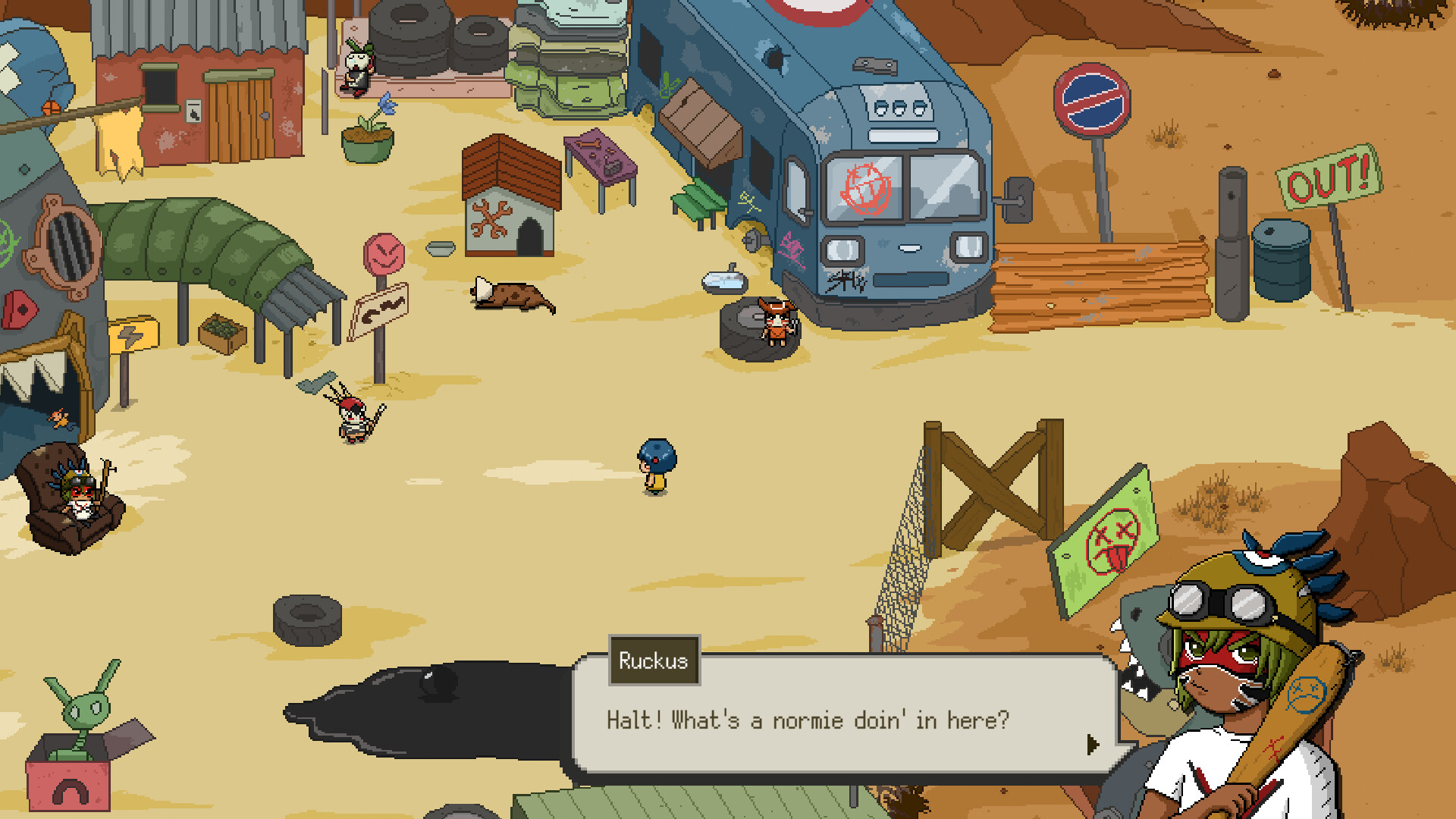
Visually, the game mixes hand-crafted 2D and subtle 3D touches with old-school top-down pixel charm; it’s cozy without being saccharine. Sound design and the soundtrack lean into gentle, whimsical motifs that soften tense battles and make the quiet moments sing. Performance on Windows was solid during my run—no stutters, fast load times—but I did bump into a couple of odd UI moments and a few pacing issues around long cutscenes that some players noted. Accessibility options are thoughtful: a story mode can smooth difficulty spikes for newcomers, though some users wish for a middle-ground difficulty and more manual save control. Overall the presentation sells the world: small animations, expressive faces on rubber ducks and tiny set-piece surprises make exploration delightful.
Placid Plastic Deck is a delightful, short card-adventure that nails tone and character. It’s ideal for players who want a cozy narrative with smart, tactile card fights rather than a punishing competitive deckbuilder. Buy it if you want a charming 5–7 hour experience—and keep an eye out for future updates or a possible endless mode if you crave more replayability.



Pros
- Charming, characterful writing and memorable NPCs
- Tactile card battles where placement and strategy matter
- Beautiful hybrid visuals and a cozy soundtrack
- Multiple endings and meaningful dialogue choices
Cons
- Relatively short campaign and limited deck variety
- Early balance spikes and desire for a middle difficulty
- Could use more replay modes (endless/arcade) and mod support
Player Opinion
Players consistently praise the cozy atmosphere, the writing and the way the card battles punctuate the rhythm of exploration. Many liken the mechanics to Inscryption—particularly the tactile board-feel—but note Placid Plastic Deck trades existential horror for warmth and humor. Common criticisms are the game’s length (several players wanted more hours or an endless mode), limited deck customization, and occasional difficulty spikes early on. Folks who enjoyed Placid Plastic Duck Simulator are thrilled by familiar charm, while newcomers say the mix of adventure and card play feels fresh. If you like narrative card games with personality, this community largely recommends it.