





Resident Evil 2 (1998) Review – Vintage Survival Horror That Still Bites
I replayed Raccoon City’s nightmare and came away impressed — and a little angry at the Steam port. A love letter to PS1 horror with modern QoL tweaks, but marred by DRM and launcher issues.
Resident Evil 2 (1998) is one of those games you can quote verbatim and still feel the chill. Playing it again in this re-release reminded me why the original formula — tank controls, fixed cameras, and slow-burn tension — still works. It’s a historical piece of survival horror: smart level design, scenario-driven replayability and atmosphere for days. Shame that the release wrapper (launcher, DRM, Steam quirks) sometimes feels like a bad sequel to the game itself.
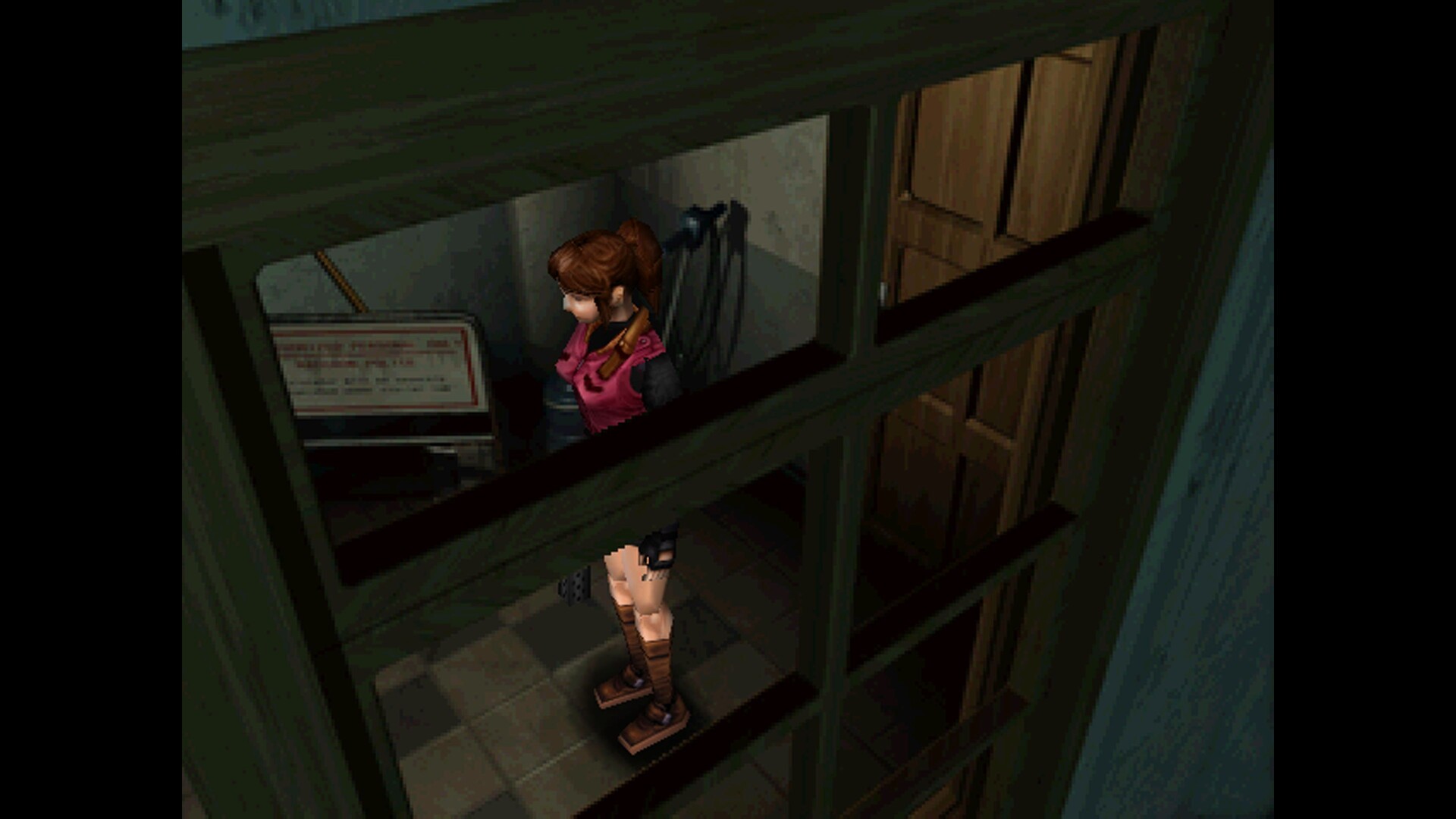
Navigating Raccoon: Exploration, Puzzle, and Slow-Burn Tension
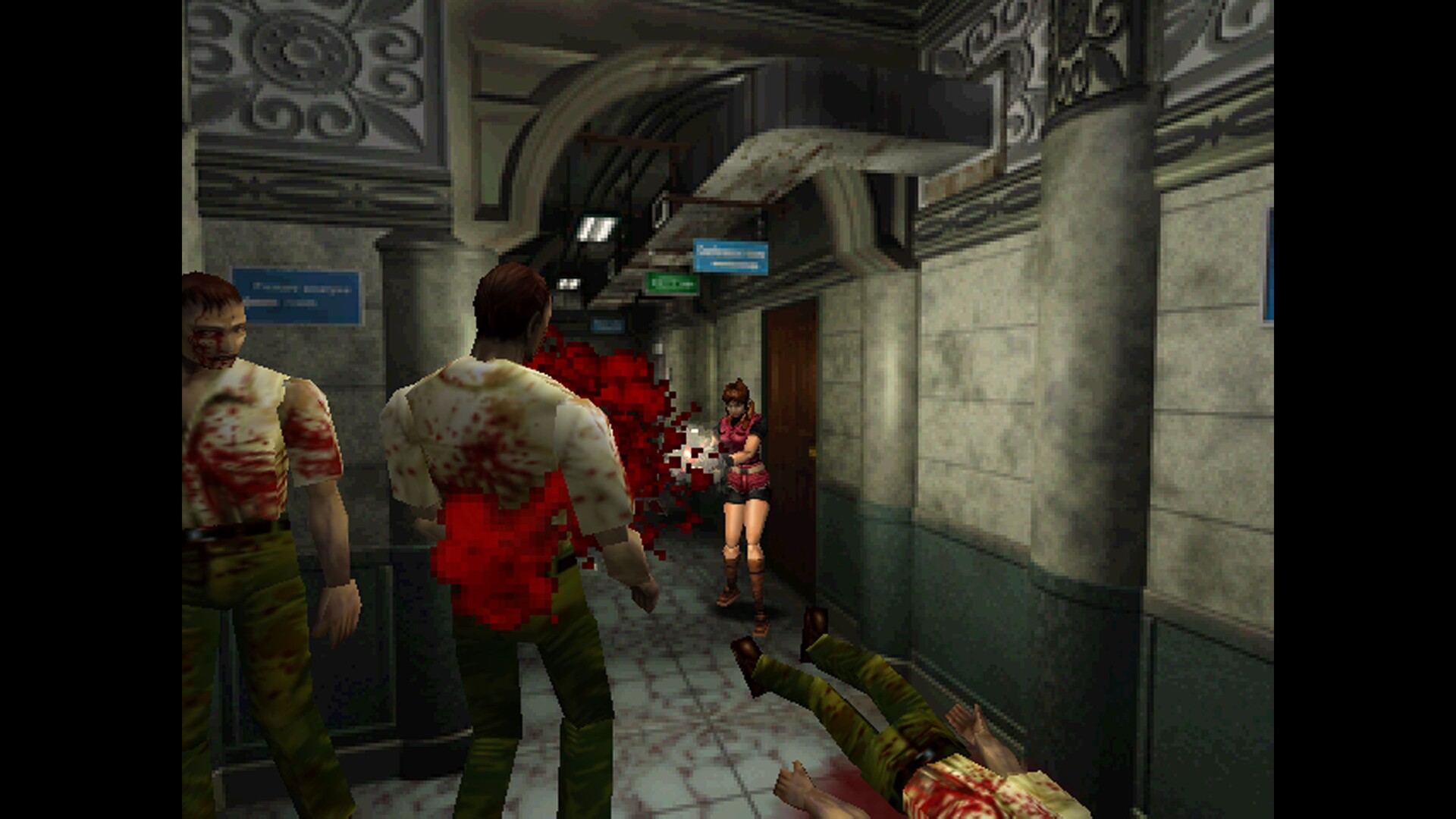
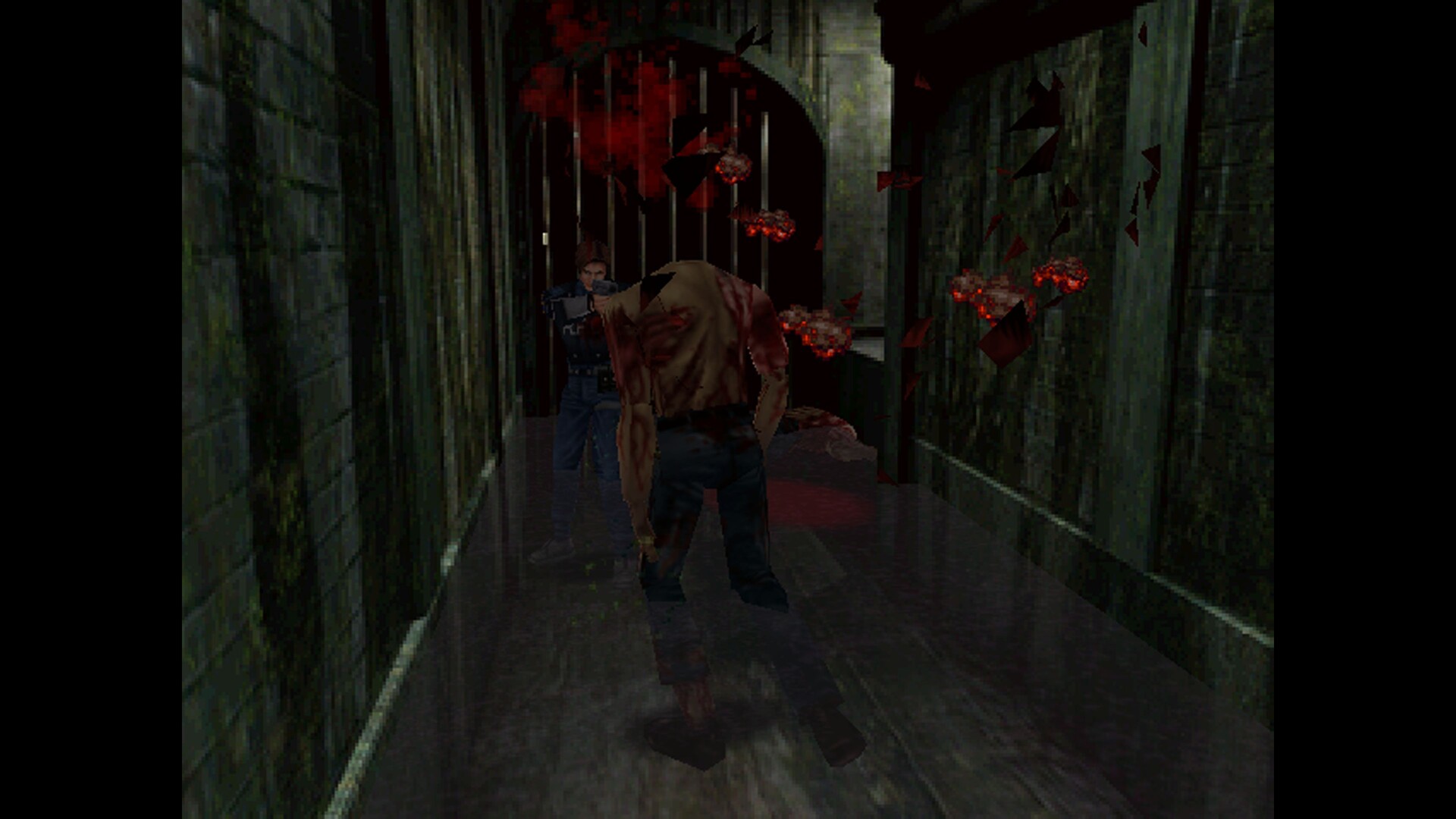
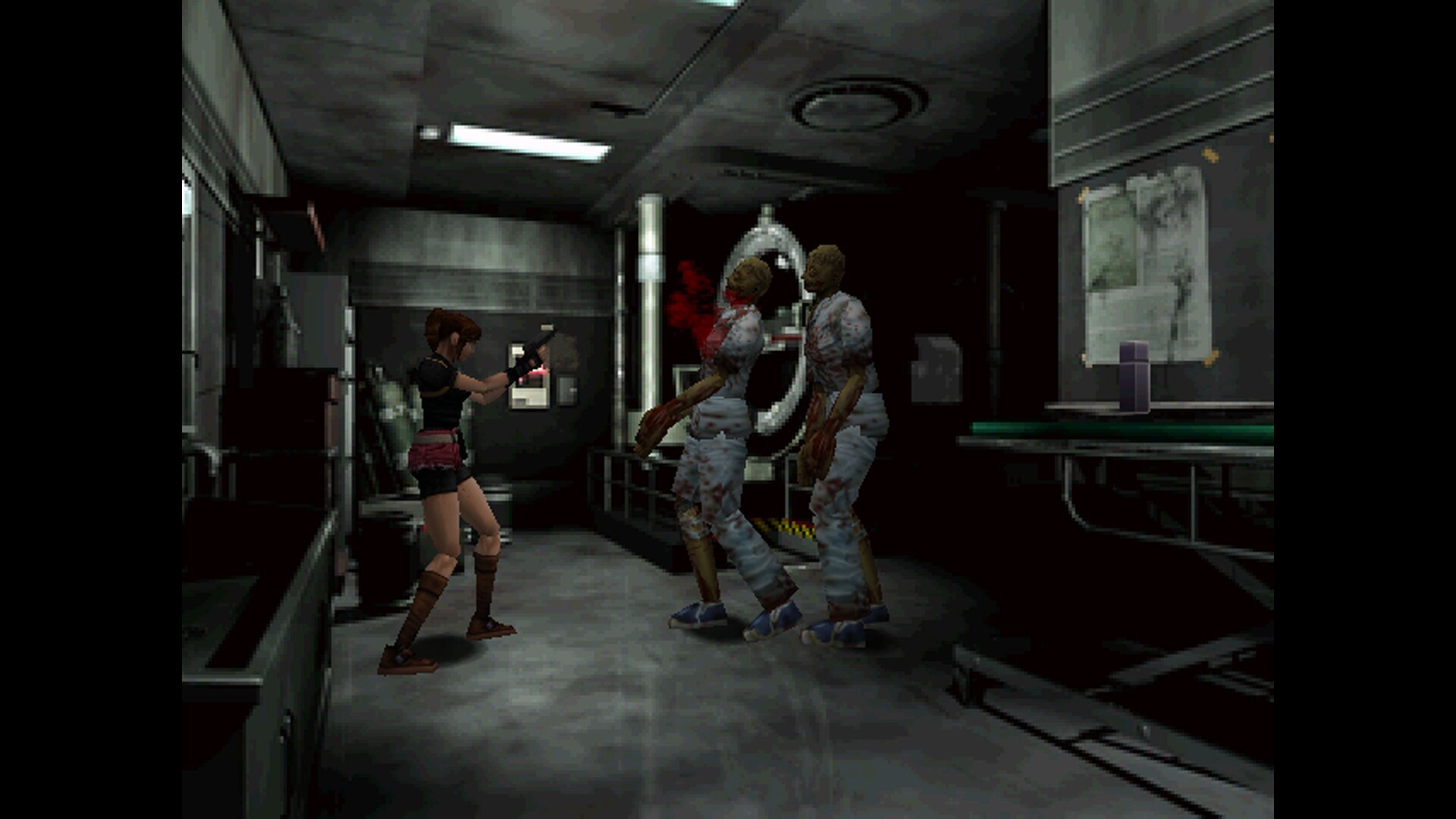
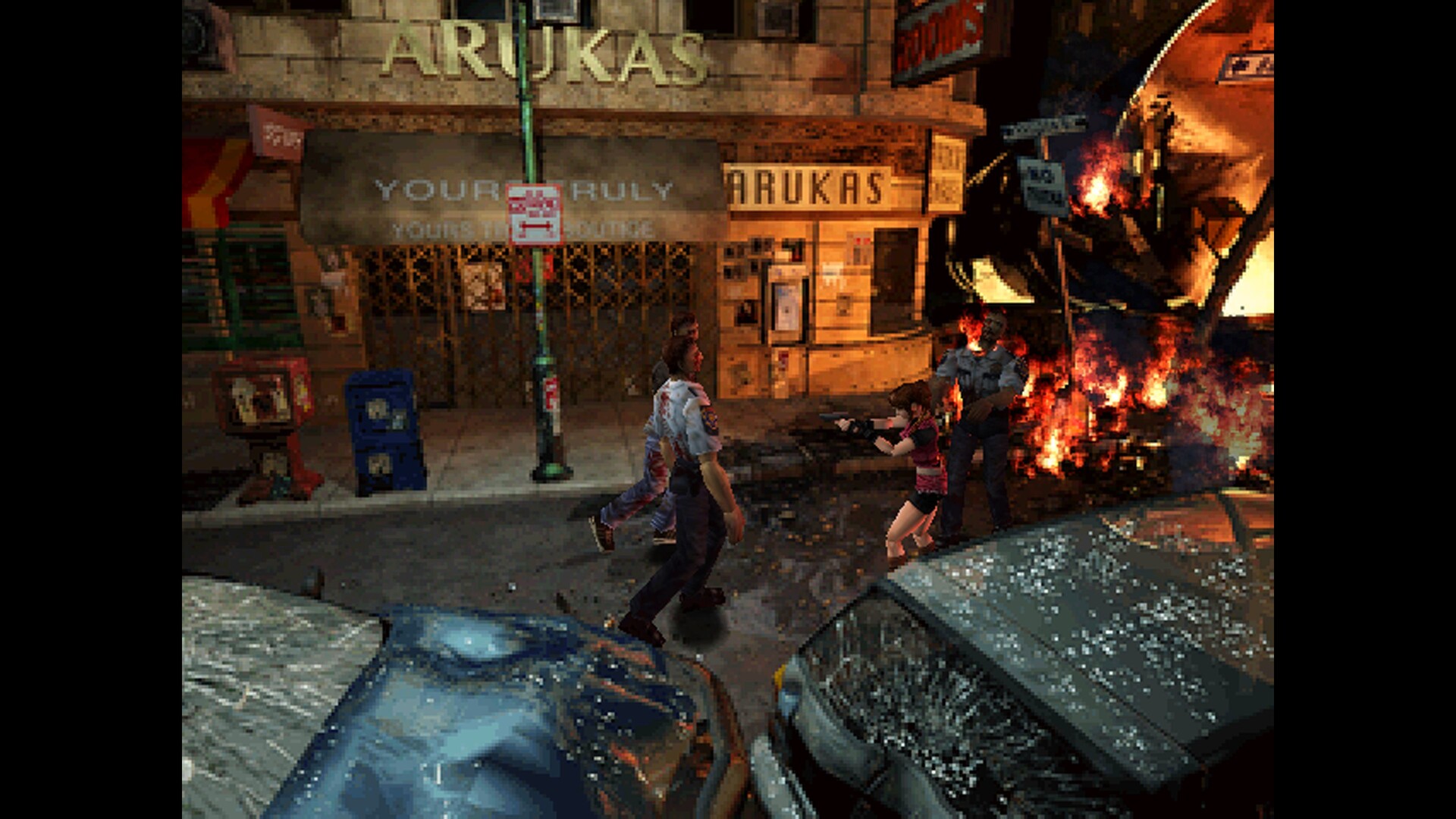
If you’re expecting run-and-gun you’ll be disappointed — on purpose. The core loop here is exploration under pressure: rummage through the R.P.D., piece together item puzzles, conserve scarce ammo, and make meaningful choices about when to fight or flee. You play Leon or Claire in two distinct runs (A and B) that weave together to reveal different angles of the same catastrophe. The fixed-camera angles and tank-like movement feel archaic to some, but they’re also a deliberate tension tool; every hallway can hide a jump-scare or a resource decision. Combat tends to be deliberate: aim carefully, manage inventory, and accept that sometimes escaping is the smartest move.
Secrets, Modes, and That Glorious Replayability
What elevates RE2 is how it rewards return visits. The A/B scenario system, plus unlockable modes like 4th Survivor and Tofu available from the start in this release, mean you’re not done after one playthrough. The game still hides satisfying little twists — alternate boss encounters, key-item gating, and route shortcuts — that make mapping the R.P.D. feel like solving a delicious, deadly puzzle. There’s also the Extreme Battle mode and a picture gallery for completionists; both add bite-sized challenges once you’ve eaten the main course. For fans of the remake who want a different pacing, the OG version is almost a study in restraint: atmosphere over spectacle, design over flash.
Presentation: Pixel Charm Meets Modern Options (with Caveats)
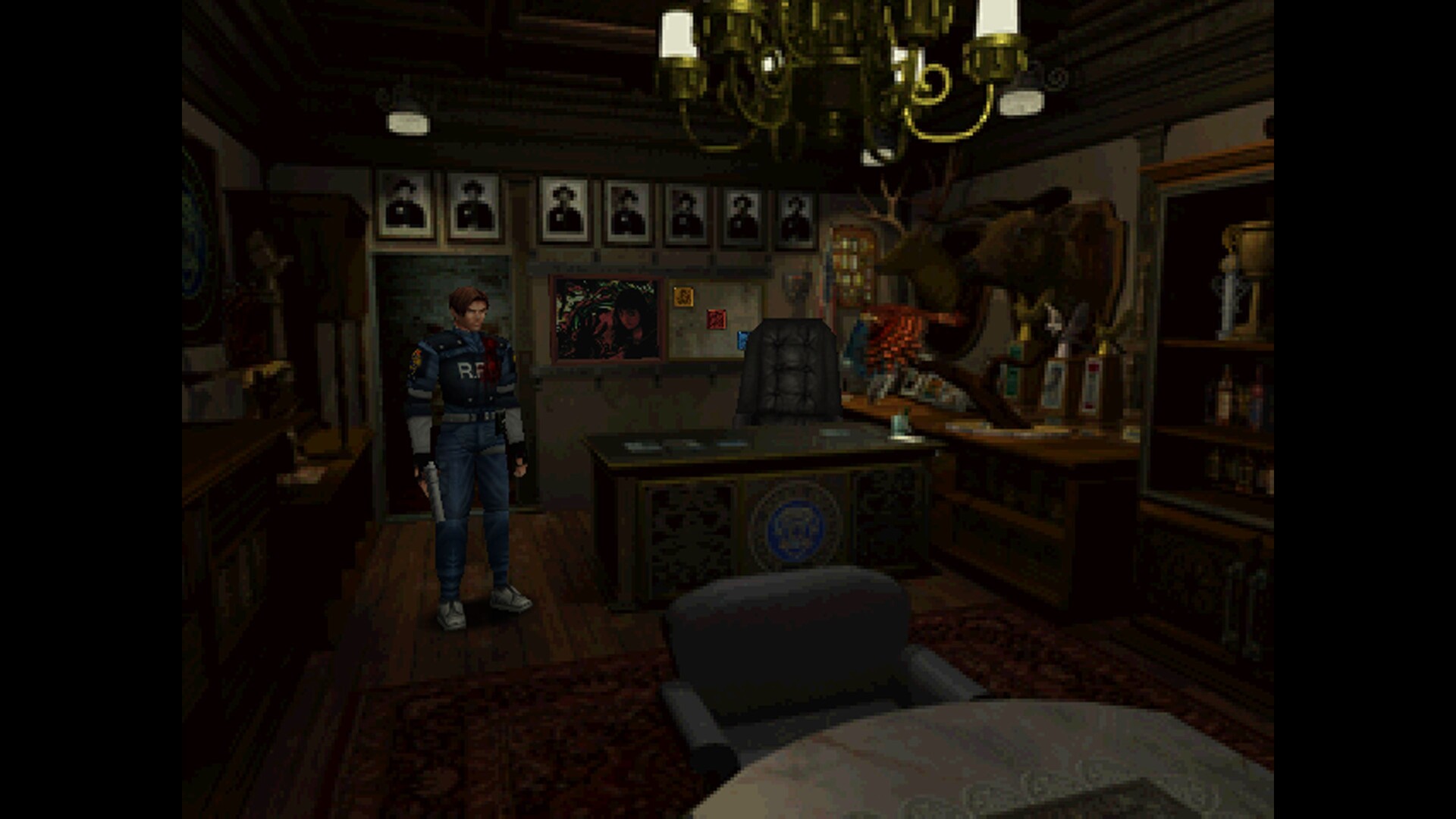
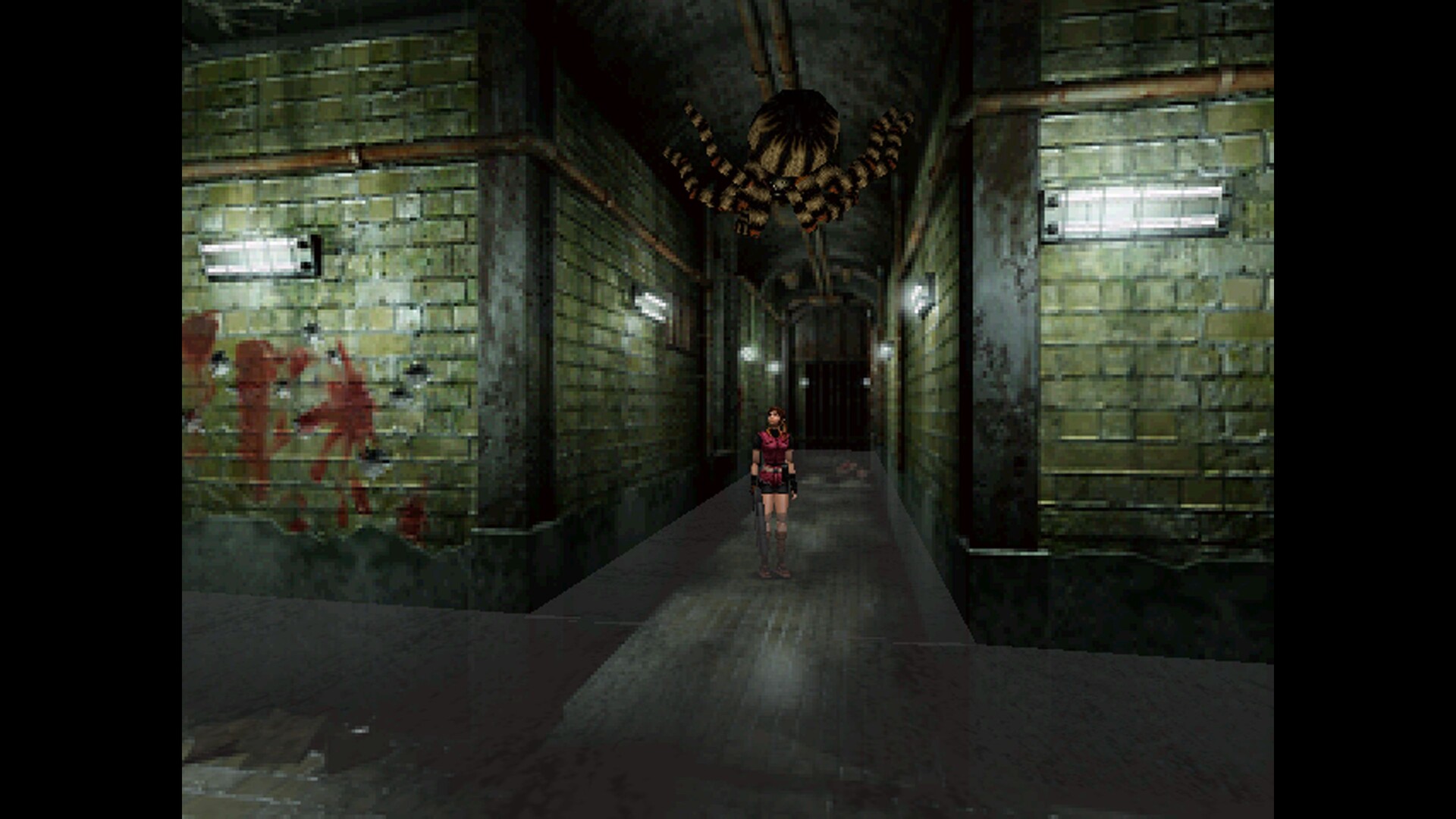
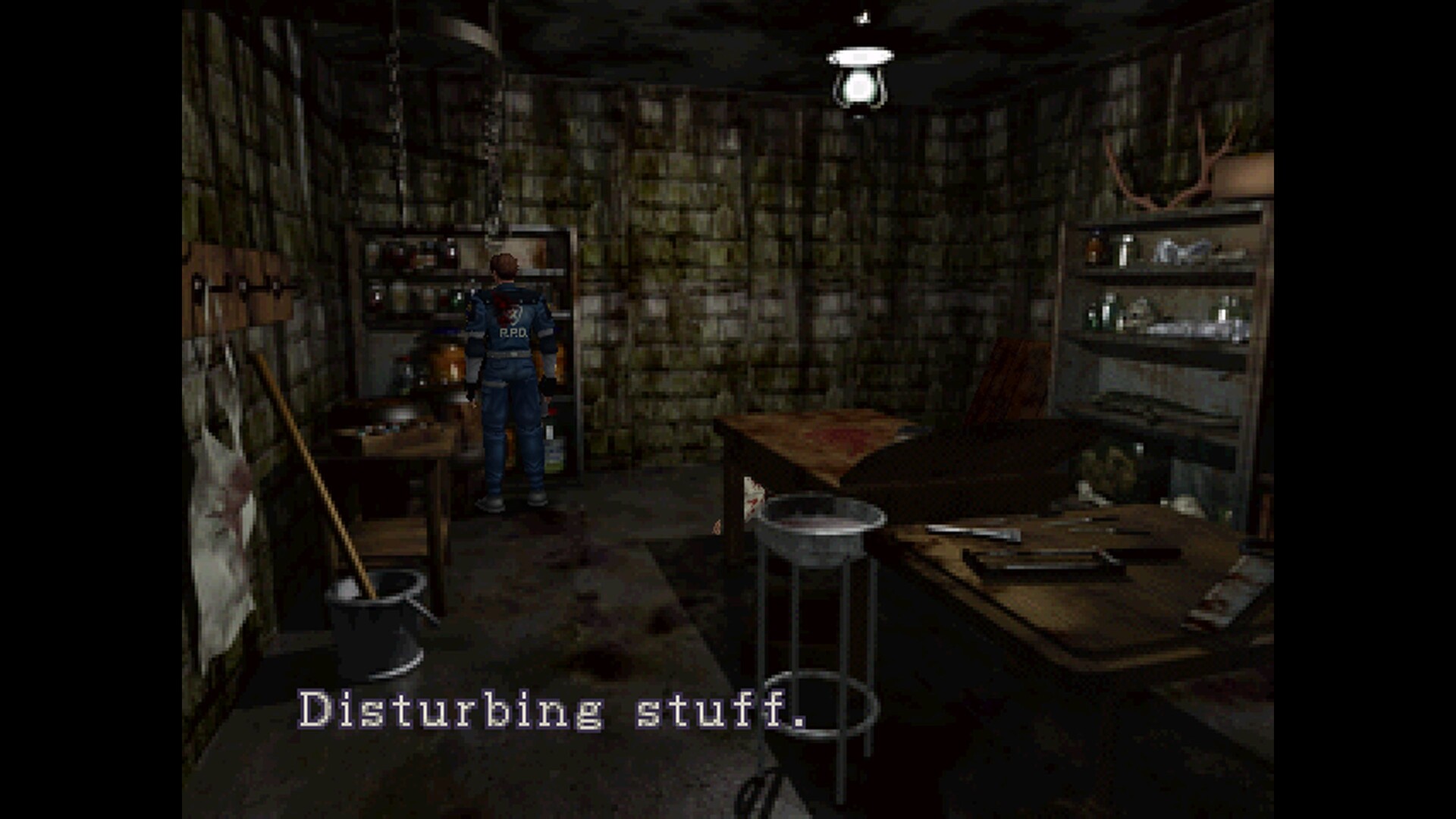
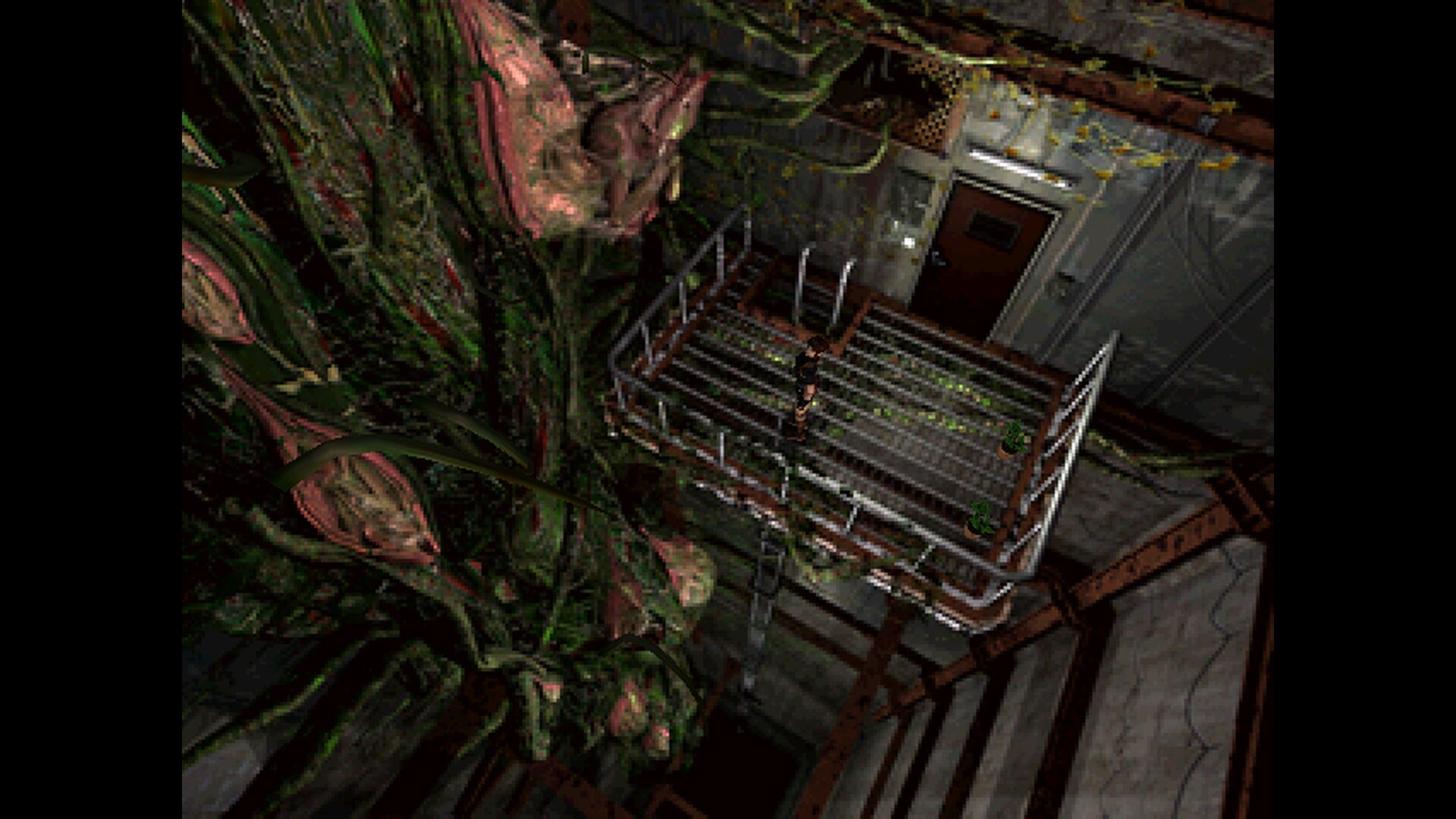
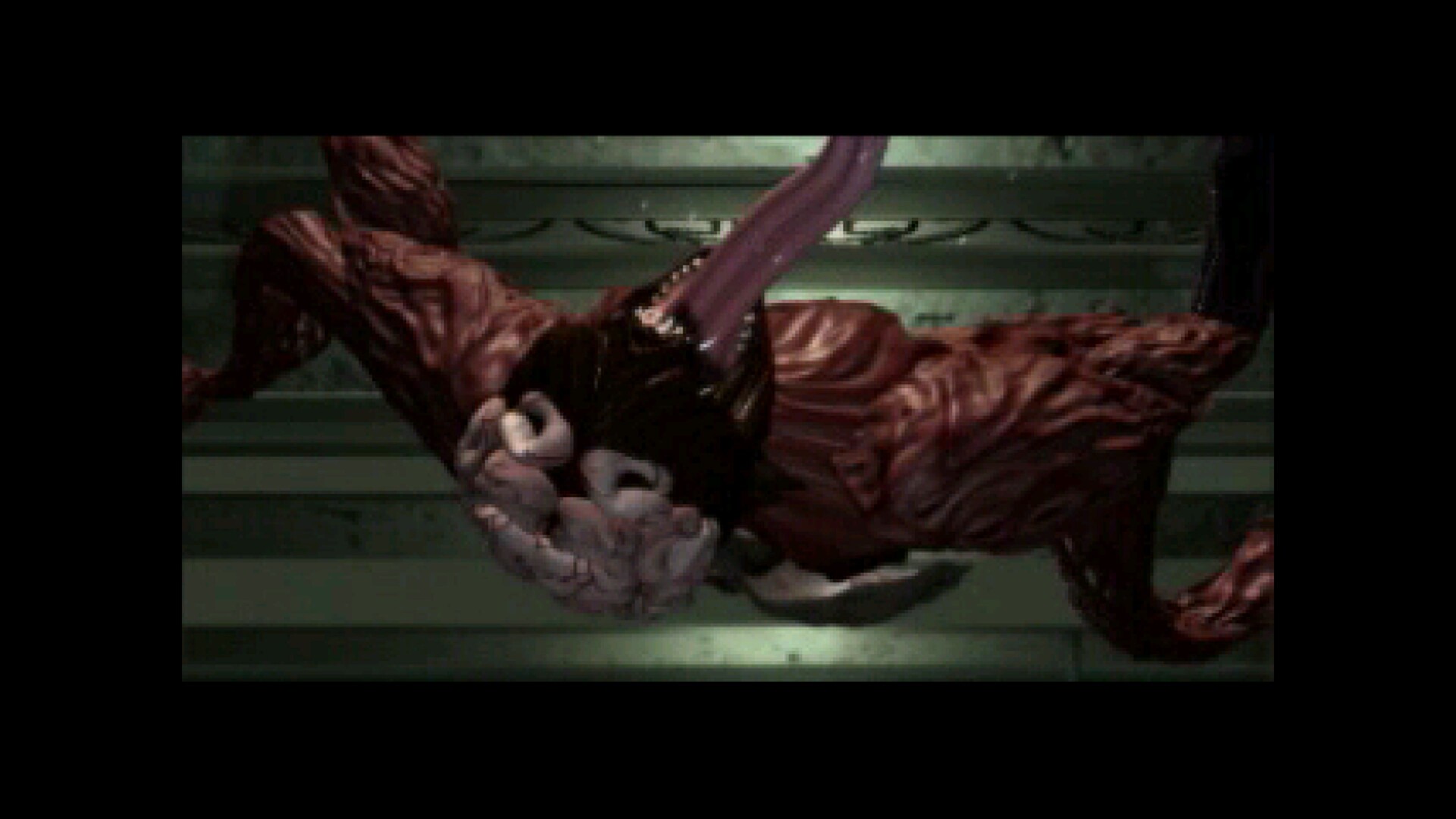
Visually it’s PS1-era blockiness, grain and pre-rendered backdrops — and I’m here for it. The GOG-co-developed re-release adds a more flexible DirectX renderer and a surprisingly generous graphics options panel: windowed mode, aspect ratio correction, integer scaling, anisotropic filtering, antialiasing and gamma controls. Sound and music are still eerie and effective, and cutscenes/ subtitles got polish. However, the Steam wrapper brings issues reported by many players: a clunky launcher, odd registry steps for some OS setups, missing Steam overlay/achievements/cloud support, and frustrating Steam Deck incompatibilities. In short: the game itself is timeless; the delivery could use a patch or two.
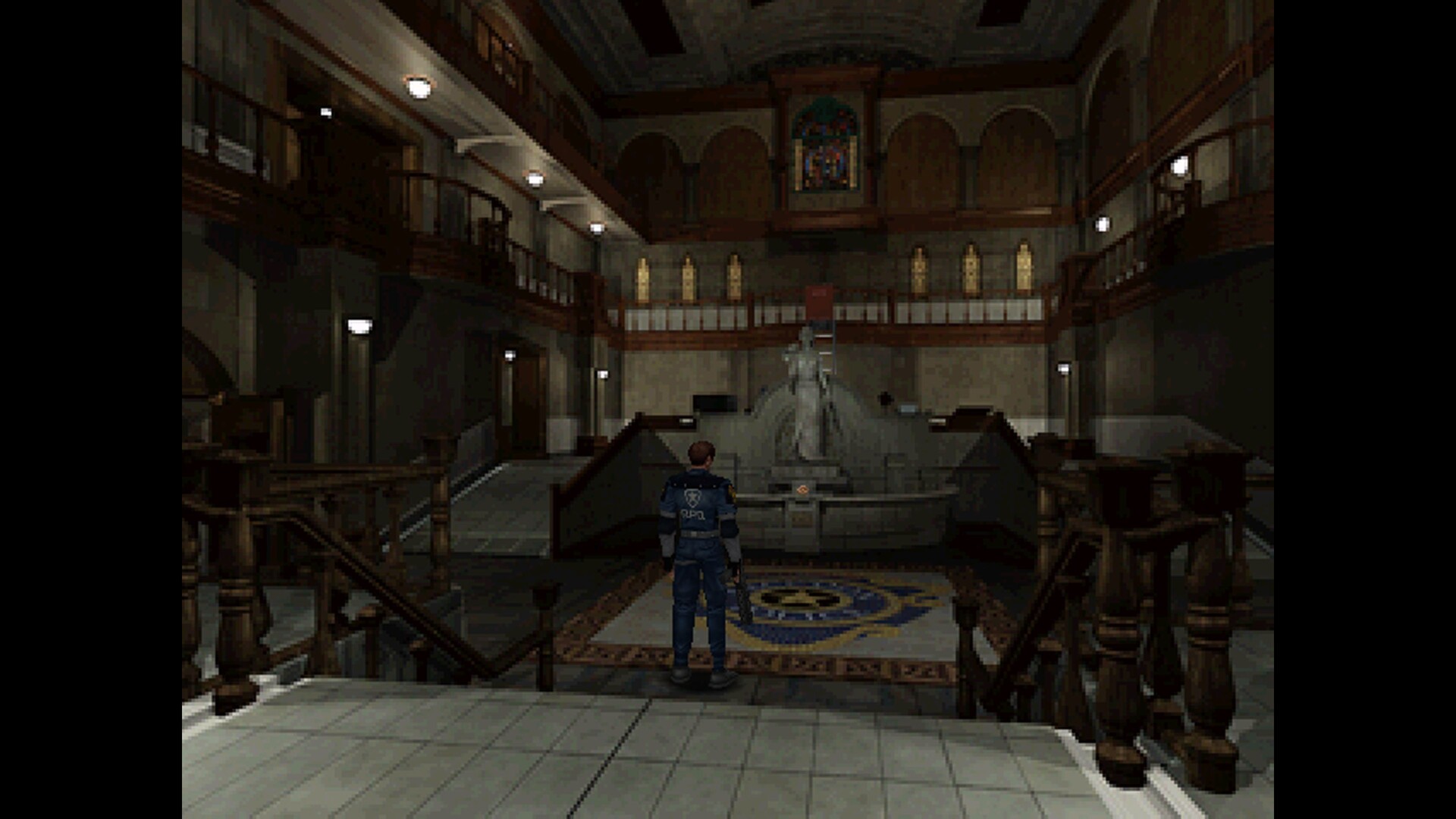
Resident Evil 2 (1998) remains a masterpiece of survival-horror design: tense corridors, clever puzzles and scenario-driven replayability still deliver. Buy it for the game; be cautious about buying the Steam wrapper if you want a flawless PC/Deck experience — many recommend the GOG version for now. If you love retro horror and can tolerate some technical fuss, this is a delightful, occasionally infuriating trip back to Raccoon City.
Pros
- The original’s atmosphere and level design still deliver goosebumps.
- A/B scenarios, unlockable modes (Tofu, 4th Survivor) and high replay value.
- Polished GOG co-dev rework: better renderer and more display options.
- Soundtrack and pre-rendered backdrops create timeless dread.
Cons
- Steam release marred by DRM, launcher quirks and missing Steam features.
- Controller/Steam Deck issues reported — not plug-and-play for everyone.
- No achievements or cloud saves on Steam version, unlike expectations.
Player Opinion
Players unanimously praise Resident Evil 2 itself: the R.P.D. layout, scenario system, puzzles and the creeping tension get frequent shout-outs. Many reviewers say the original still competes with newer titles for design quality and replay value. At the same time, a strong recurring criticism is about this specific release: multiple users recommend buying the GOG build instead due to lack of DRM and better compatibility. Common complaints include a clunky launcher, need for registry tweaks on some systems, broken Steam Deck support, missing overlay/achievements and issues with alt+tab or controller mappings. In short: love the game, but the Steam packaging has left a sour aftertaste — if you care about smooth PC/Deck experience, check GOG or wait for patches.