






Ground Zero Review — Retro Survival Horror in a Ruined Busan
A loving but imperfect throwback to fixed-camera classics: Ground Zero nails atmosphere and puzzles, but stumbles on controls and optimization. For fans of old-school Resident Evil vibes, it's a must-play with caveats.
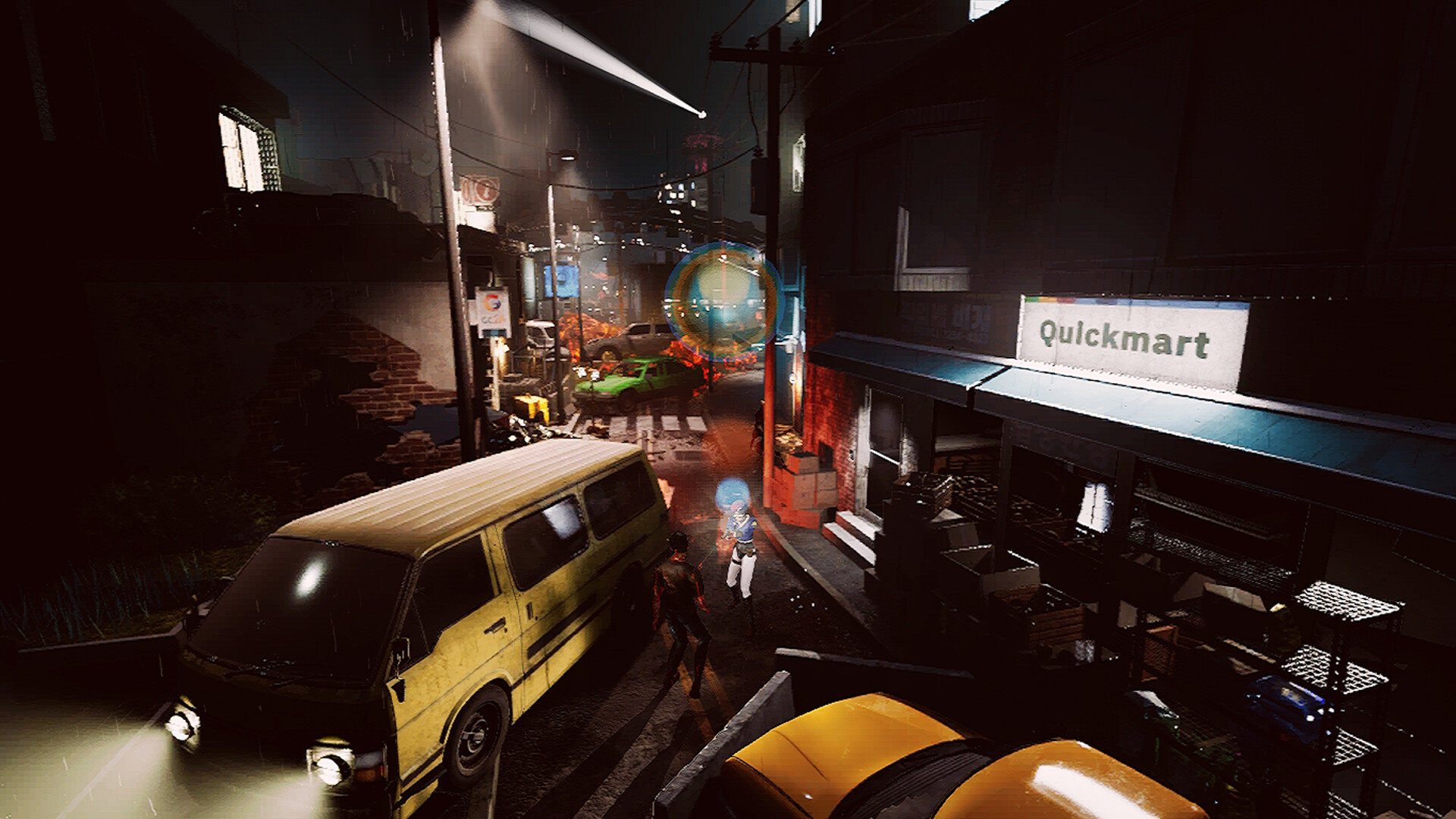
I dove into Ground Zero expecting a nostalgic, slightly janky homage to classic fixed-camera survival horror — and I mostly got exactly that, in the best and worst ways. Malformation Games clearly loves the genre: the ruined streets of Busan, pre-rendered backgrounds and puzzle rhythms evoke the golden era of PS1-era horror. What surprised me was how often the game’s charm and design choices pulled me back in despite clumsy animations and technical hiccups. If you grew up salivating over Resident Evil or Dino Crisis then Ground Zero will feel familiar, occasionally frustrating, but often thrilling in a way modern horror rarely is.
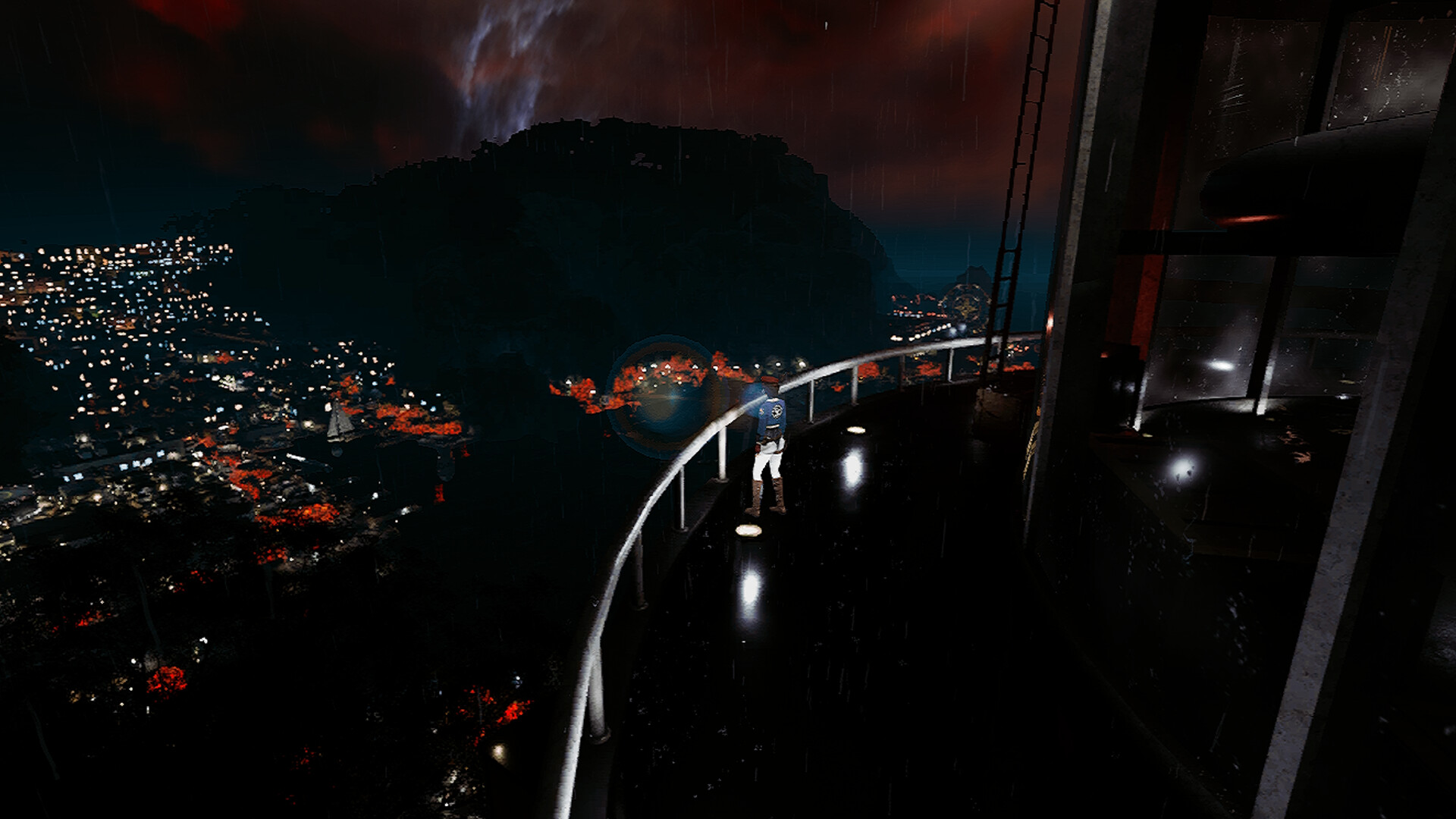
Streets That Scream — Exploring Ruined Busan
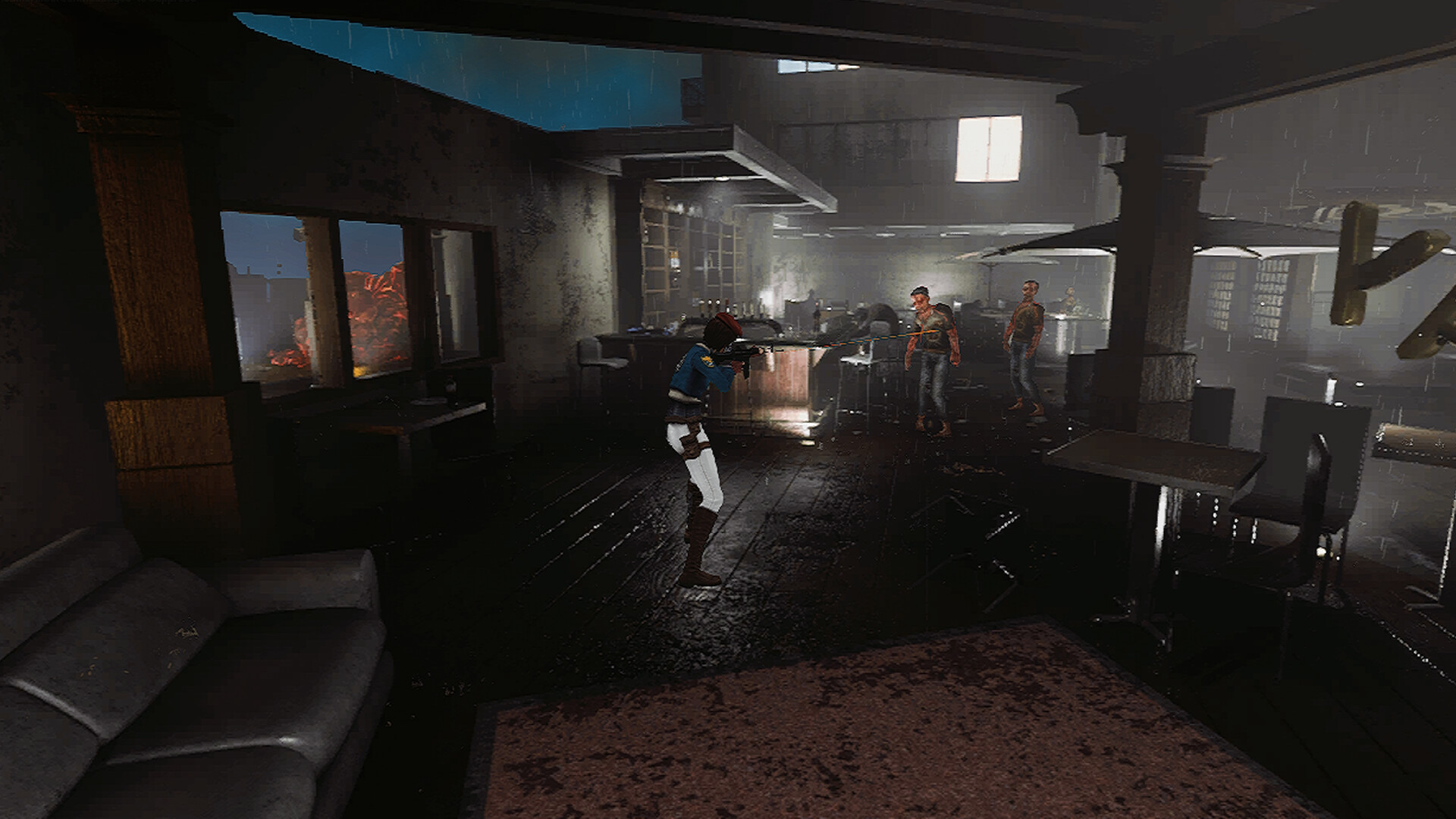
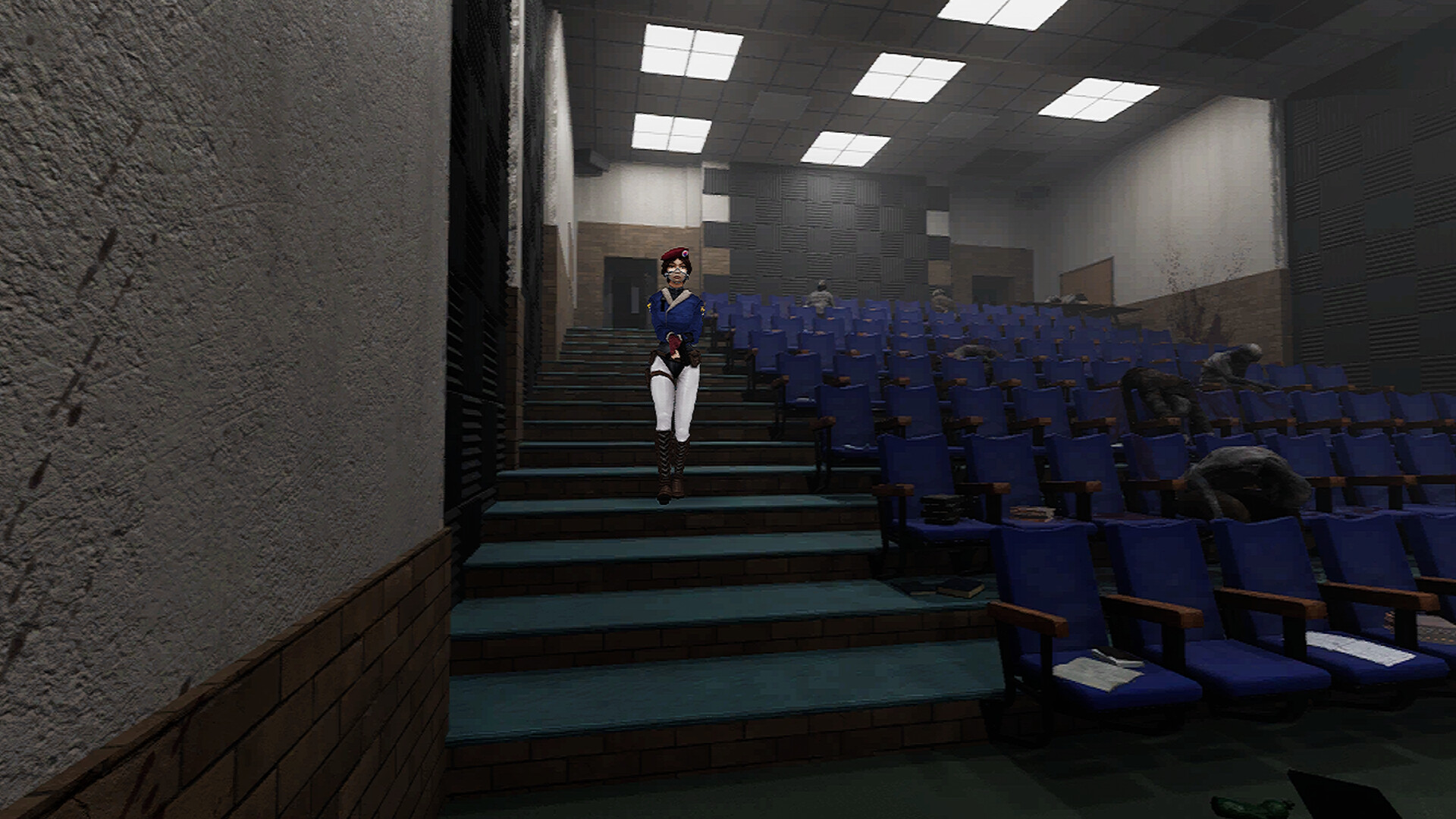
Ground Zero puts you in the boots of Seo-Yeon (and her Canadian partner at times) as you thread through shoreline districts, temples and a devastated urban core. The exploration leans heavily on environmental storytelling: locked doors, inventory management, and clever item placement make backtracking satisfying rather than grindy. You’ll be solving classic puzzles — think arranging items, finding keys, and using the environment to open new paths — while also conserving ammo because bullets truly feel precious here. Combat alternates between tense gunfights and knife duels; encounters reward cleaner, skillful takedowns with Genome Points to spend on gear upgrades. Boss arenas punctuate exploration with big set-piece fights that demand pattern-reading and patience rather than twitch reflexes.
When Nostalgia Gets a Modern Twist — Combat and Unique Hooks
What sets Ground Zero apart is how it marries retro presentation with modern mechanical flourishes: optional tank controls and fixed cameras are paired with a timing-based ‘critical shot’ system, parries and counters, and an explicit score-for-style mechanic (Genome Points) that nudges you toward precision. There are unlockables, alternate outfits, hidden endings and multiple difficulty options that encourage replaying areas differently — speedrunners and completionists will find plenty to chase. The enemy designs are creative: mutants feel like a fusion of alien corruption and classic zombie horror, and many encounters rely on atmosphere and staged threat rather than pure numbers. I liked how the game sometimes forces you to improvise: no single tactic dominates, and switching between firearm, knife, and melee counters keeps combat dynamic even when the camera gets awkward.
A Mood Machine — Visuals, Sound and Technical Feel
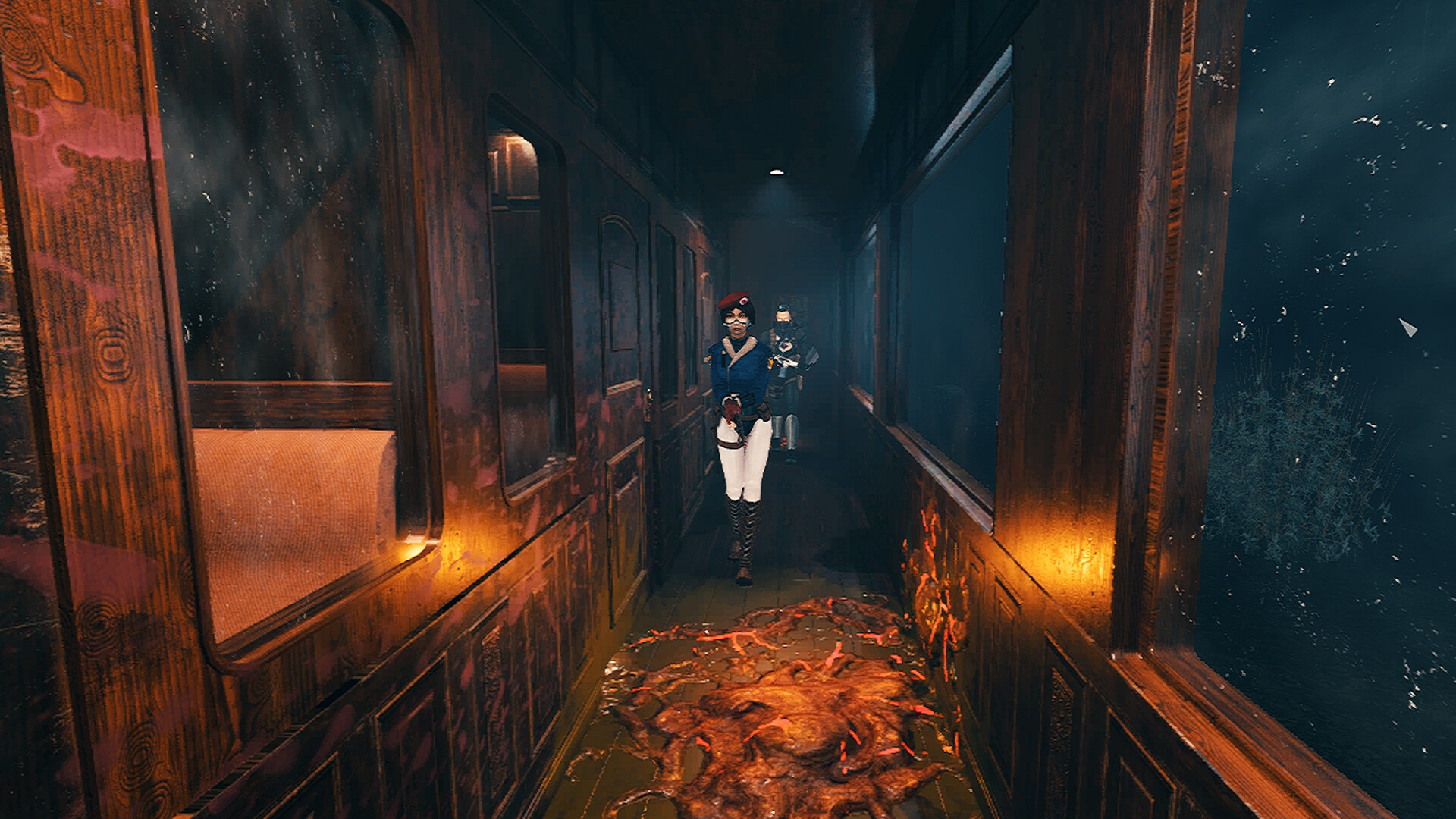
Ground Zero absolutely nails ambience. The pre-rendered backgrounds, foggy lighting, and torn cityscape set the mood in a way that few modern games replicate; music and environmental audio mostly back this up, with music cues that swell at the right moments. That said, presentation is a mixed bag — some cutscene direction and character animation are hit-or-miss, and on release there were notable optimization and control inconsistencies reported by players (variable aiming quality, GPU load issues, and occasional animation clipping). On my run, the visuals captured the era’s charm and the soundscape made me tense, but I also felt the game needed additional polish to make the cinematic beats land perfectly. For fans of retro horror who can forgive quirks for atmosphere, the trade-off is often worth it.
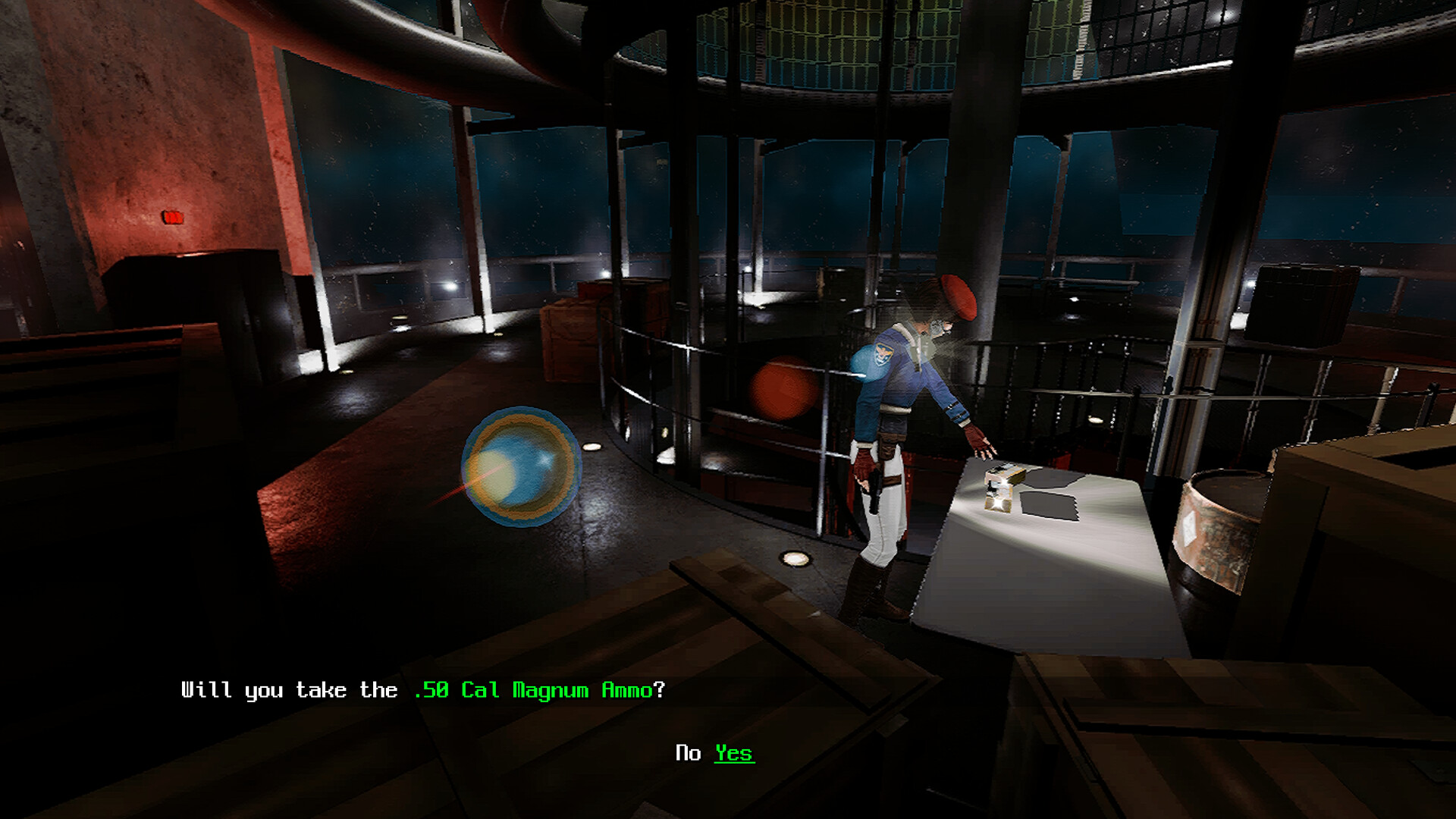
Ground Zero is a love letter to classic survival horror that mostly hits its intended beats: atmosphere, exploration, puzzles and memorable boss fights. It isn’t flawless — control quirks, some rough animation and launch optimization issues mean buyers should temper expectations or wait for patches if they’re sensitive to performance. For fans of old-school Resident Evil-style games who crave that fixed-camera tension and are willing to forgive some rough edges, Ground Zero is well worth your time and curiosity.
Pros
- Authentic fixed-camera, pre-rendered survival horror vibe
- Strong atmosphere and level design that rewards exploration
- Creative monster designs and satisfying boss encounters
- Meaningful unlockables and replay incentives (Genome Points, skins)
Cons
- Technical issues on launch: optimization and inconsistent controls
- Animation/cutscene polish and some camera angles need work
- Ammo scarcity and fiddly timing mechanics can frustrate some players
Player Opinion
Player reactions are predictably split but informative. Many reviewers praise the game’s atmosphere, puzzles, and the nostalgic Resident Evil/Dino Crisis feel — comments repeatedly celebrate the environments, monster creativity and the reward loop of Genome Points and unlockables. Several users report the console/Steam Deck experience runs well early-game, while others have flagged serious optimization issues on high-end PCs, including high GPU usage and fan noise. Controls and camera work are common points of criticism: some players find aiming and input responsiveness clumsy, while others say a controller smooths those problems. A few launch-day bugs (healing/infection systems) were patched quickly according to reports, which some players appreciated. In short: if you love classic fixed-camera survival horror, community sentiment leans positive with caveats; if you expect modern polish out of the box, wait for a few patches.