






Resident Evil (1996) Review — The OG Survival Horror, Now on Steam
A candid look at Capcom’s 1996 classic on Steam: timeless atmosphere, tank controls, and modern quirks like DRM and Steam Deck issues. Is the nostalgia worth it?
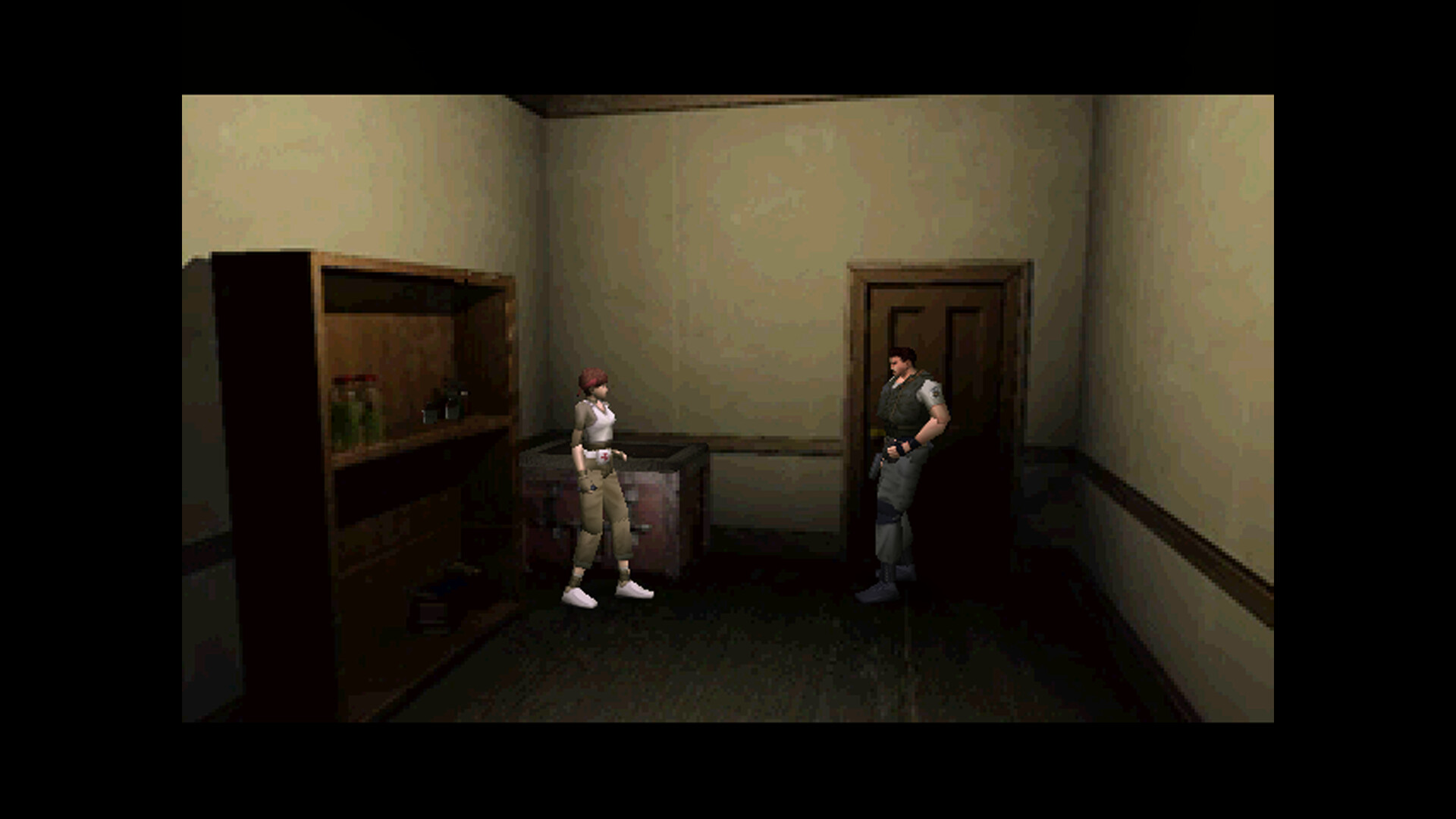
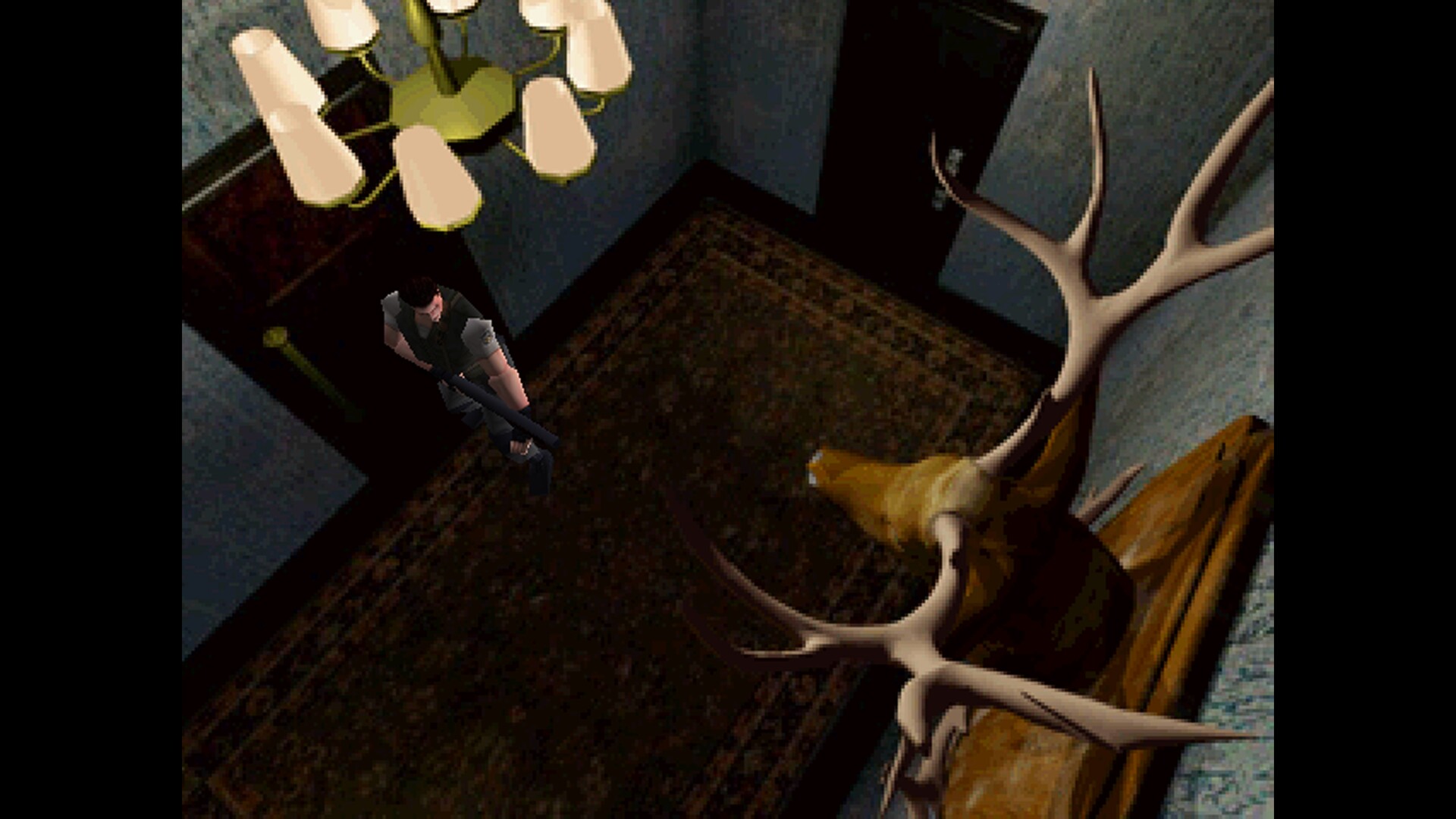
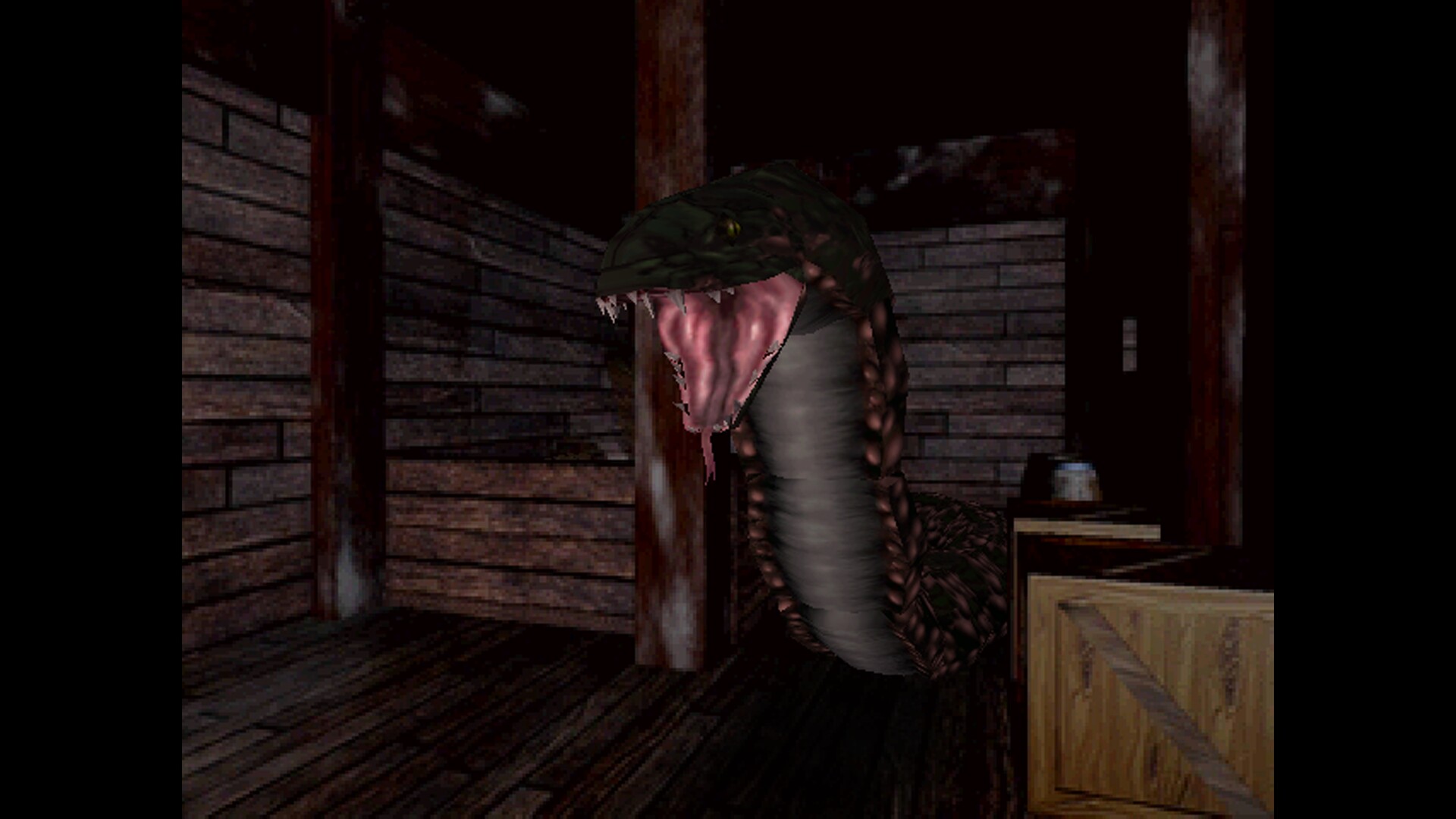
I jumped back into the Spencer Mansion like someone revisiting an old, creaky house where half the furniture wants to bite you. Resident Evil (1996) is the game that invented a lot of what we call survival horror today: fixed camera angles, scarce ammo, puzzle doors and that wonderful, frustrating tank control steering. This Steam release is essentially the classic PC port with modern renderer options and a few quality-of-life toggles — but also some DRM and platform quirks that have divided fans. If you love atmosphere over hand-holding and don’t mind archaic systems, this re-release still delivers dread in bucketloads.
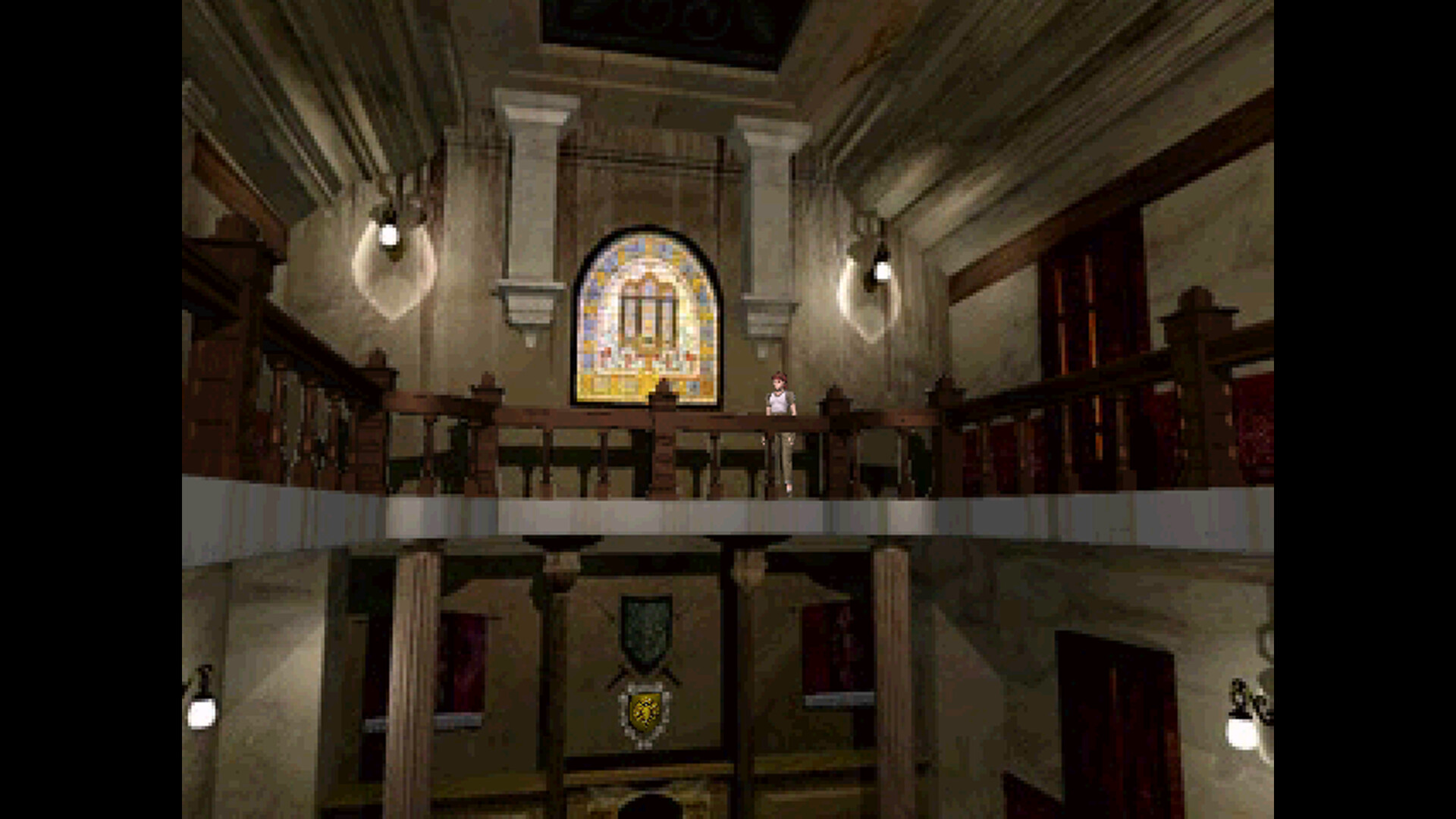
Walking the Mansion of Unease
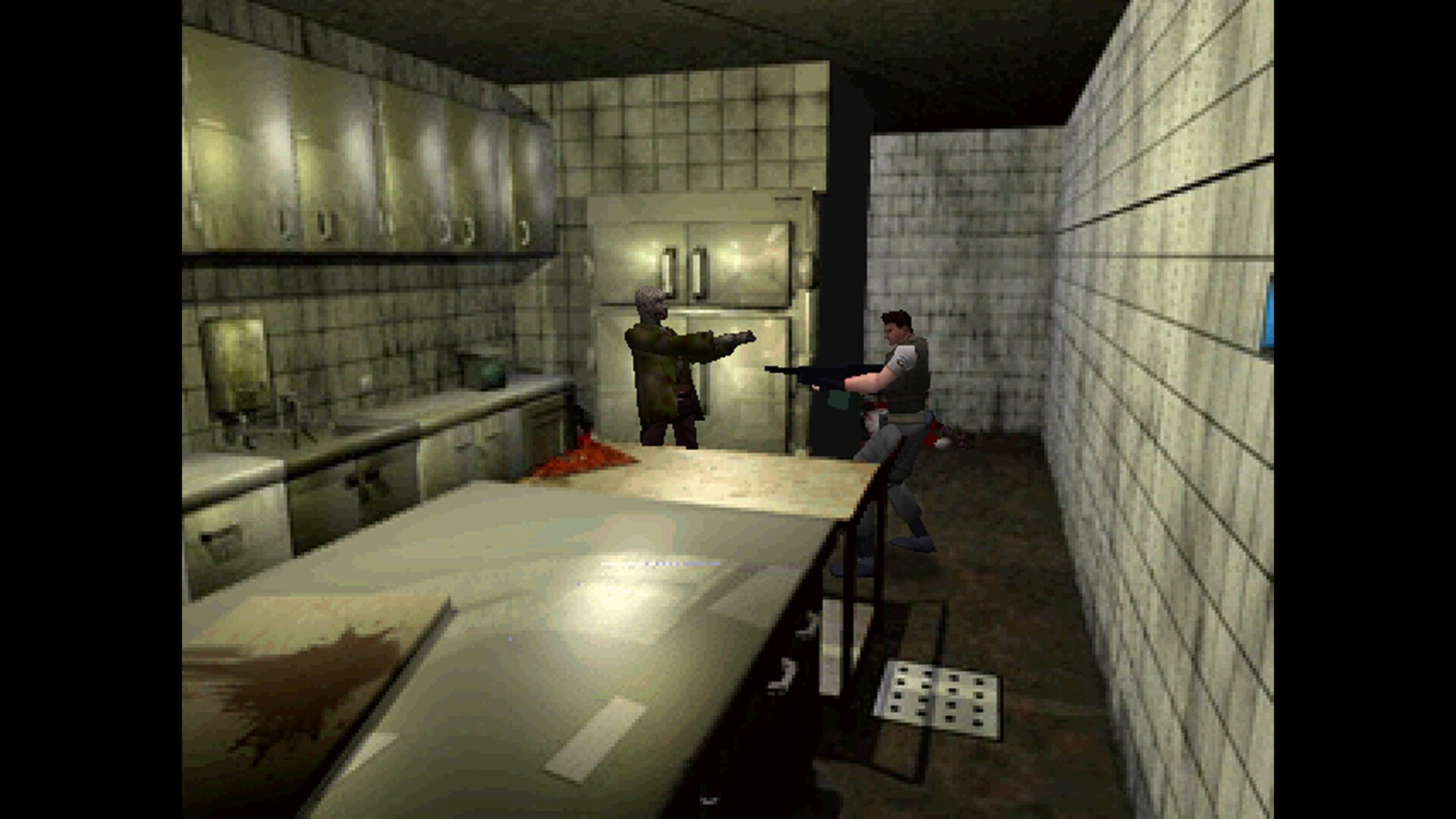
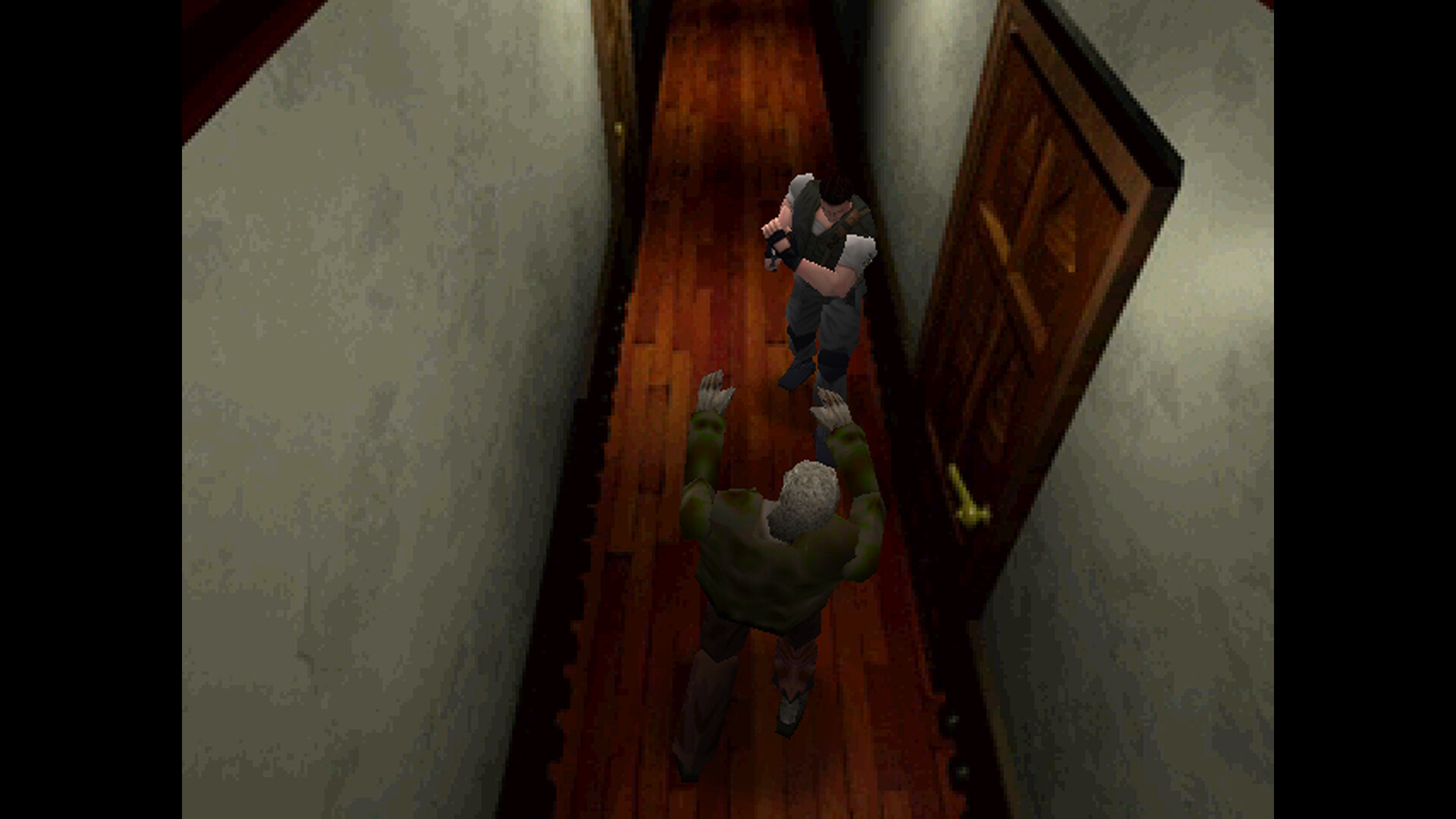
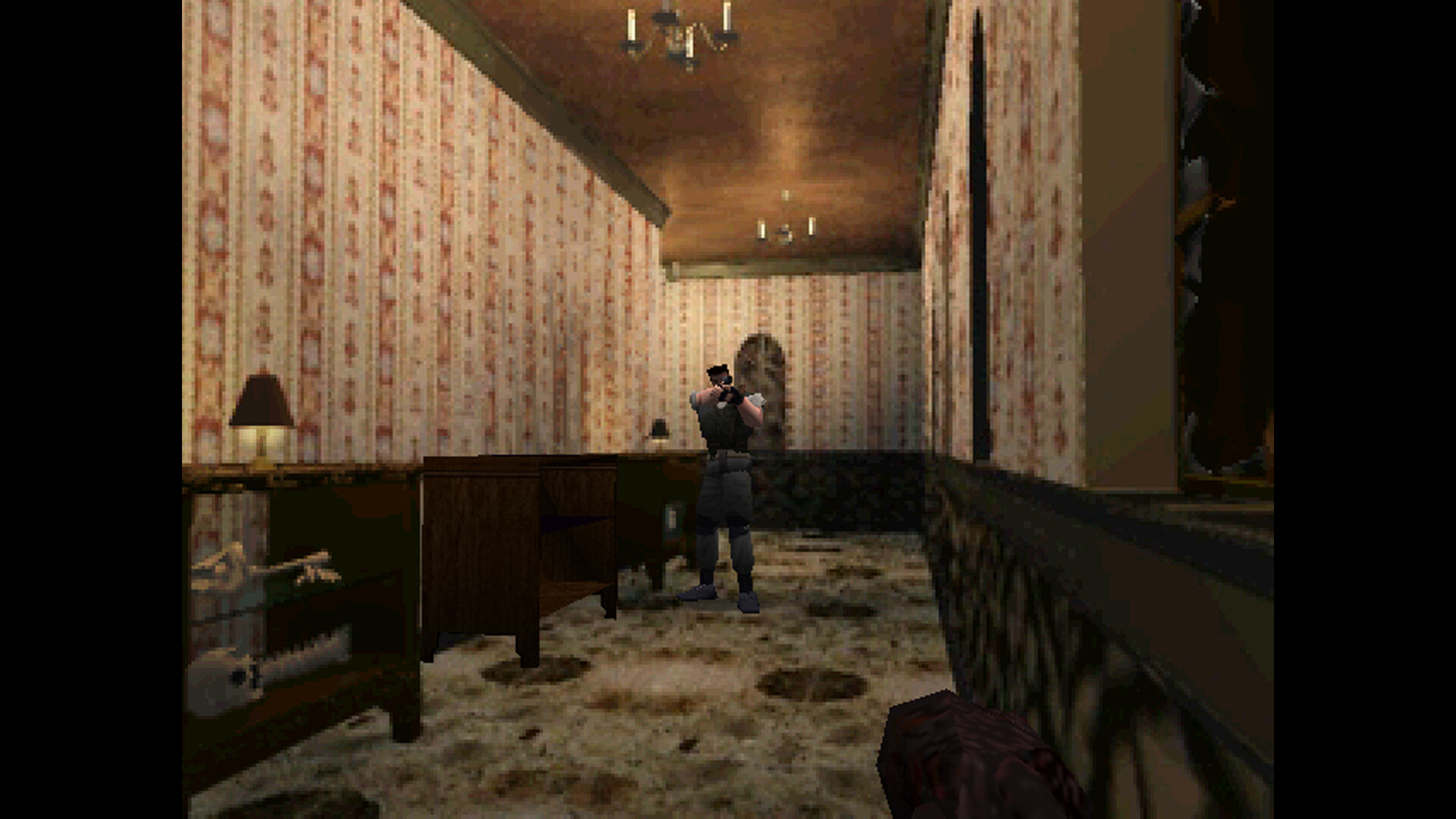
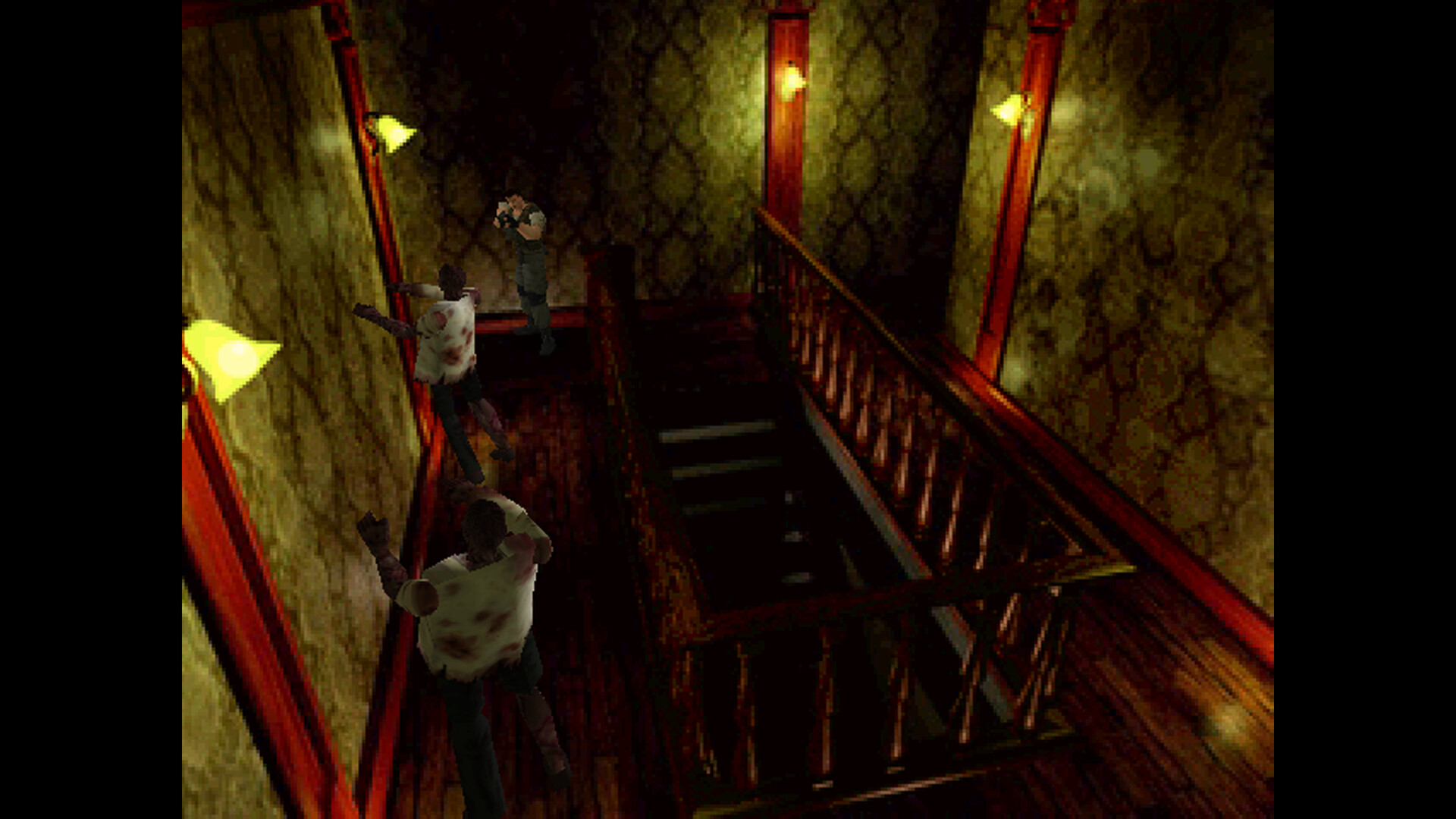
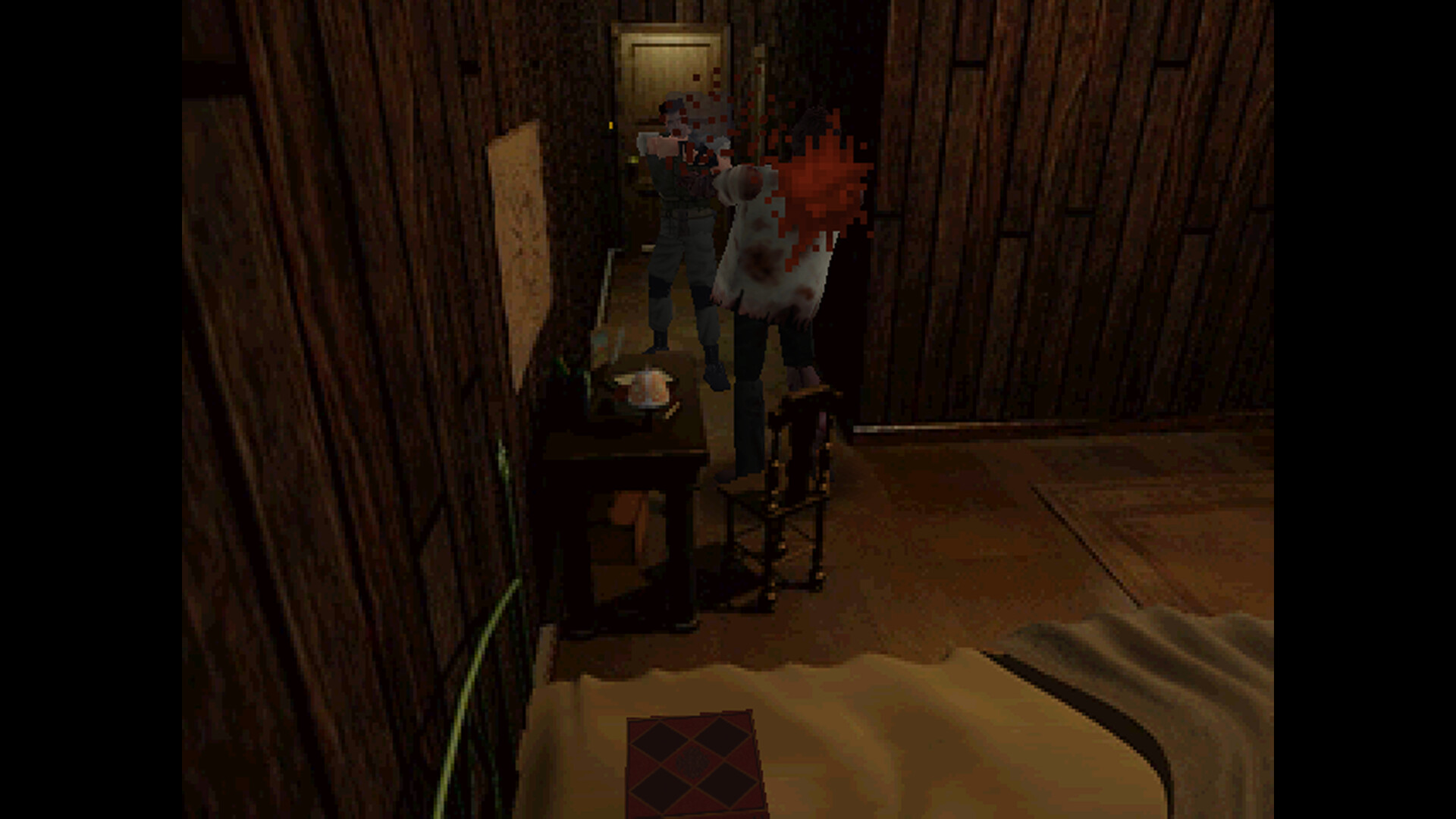
The core gameplay of Resident Evil (1996) is a slow-burn blend of exploration, inventory juggling and save-or-die tension. You mostly walk from screen to screen with fixed camera angles, inspect rooms, open cupboards, examine notes and move scarce items between limited inventory slots. Combat is deliberate: aiming feels weighty thanks to tank controls (move forward/back, turn in place) and slow, chunky strafing. Every encounter matters—two zombies in the dining room are not just a nuisance but a resource-management test: do you waste shells on a risky double-headshot or conserve ammo and lure them apart? I remember a run where skipping the door animation with the new option saved me twenty seconds and one panicked reload during a boss chase; small QoL touches like that make modern sessions less punishing.
Little Things That Make It Oddly New Again
What sets this version apart isn’t a gameplay overhaul but careful polishing around the original skeleton. The Steam release includes improved DirectX rendering, integer scaling, anti-aliasing choices and gamma controls — which sound technical but translate into being able to play with sharper FMVs or a cleaner 4K window without warping room layouts. Mechanics-wise, the emblem puzzles, the typewriter save limitation, ink ribbons and the map’s sparse icons remain intact: you’ll still wrestle with which keys to keep, which weapons to stash and when to use a healing item. Concrete example: the emblem puzzle in the dining room that locks the path to the study is still a delicious little brain-teaser — I had to backtrack twice because I’d left the necessary emblem in another safe, which is exactly the kind of hard-case inventory puzzle fans either love or curse.
Atmosphere, Tech and Performance — A Mixed Bag
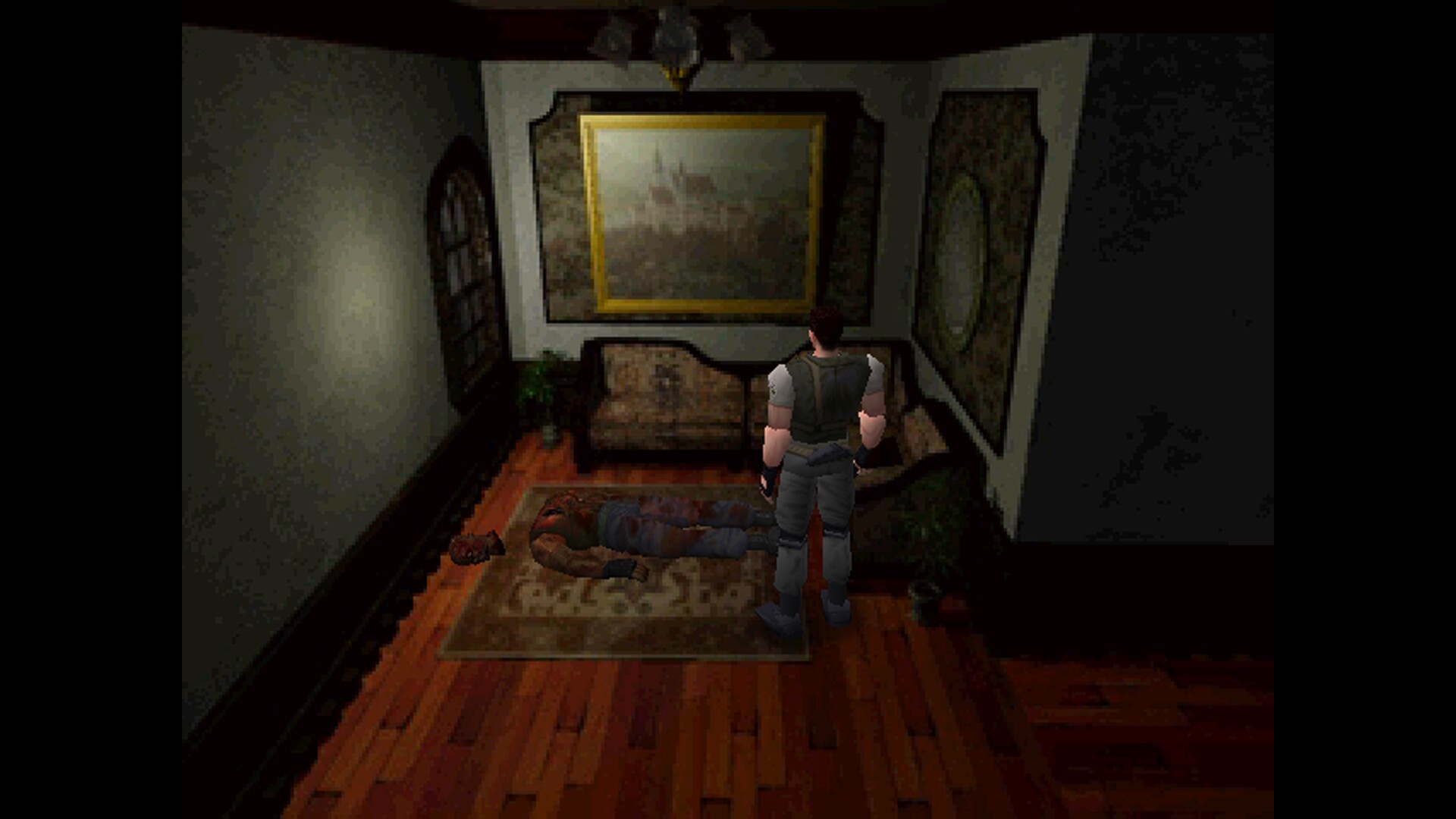
Visually this re-release respects the polygons and pre-rendered backdrops of 1996 while adding modern display conveniences. Lighting and textures feel faithful, but some tiny graphical glitches and shader oddities pop depending on your scaling and anti-aliasing choices. Sound is where the game still shines: the ominous creaks, distant groans and FMV scores set a tone few modern horror games bother to match. Performance on my modern Windows rig was rock solid, but community reports (and my own hands-on tests) show issues on Steam Deck/Proton and with the launcher needing registry access — problems others have detailed: no Steam Deck support at launch, broken windowed mode for some users and missing Steam-specific features like achievements or cloud saves. If you’re playing on PC it runs well and looks better with integer scaling, but portable players should wait for Proton/compatibility fixes or stick to GOG’s DRM-free alternative.
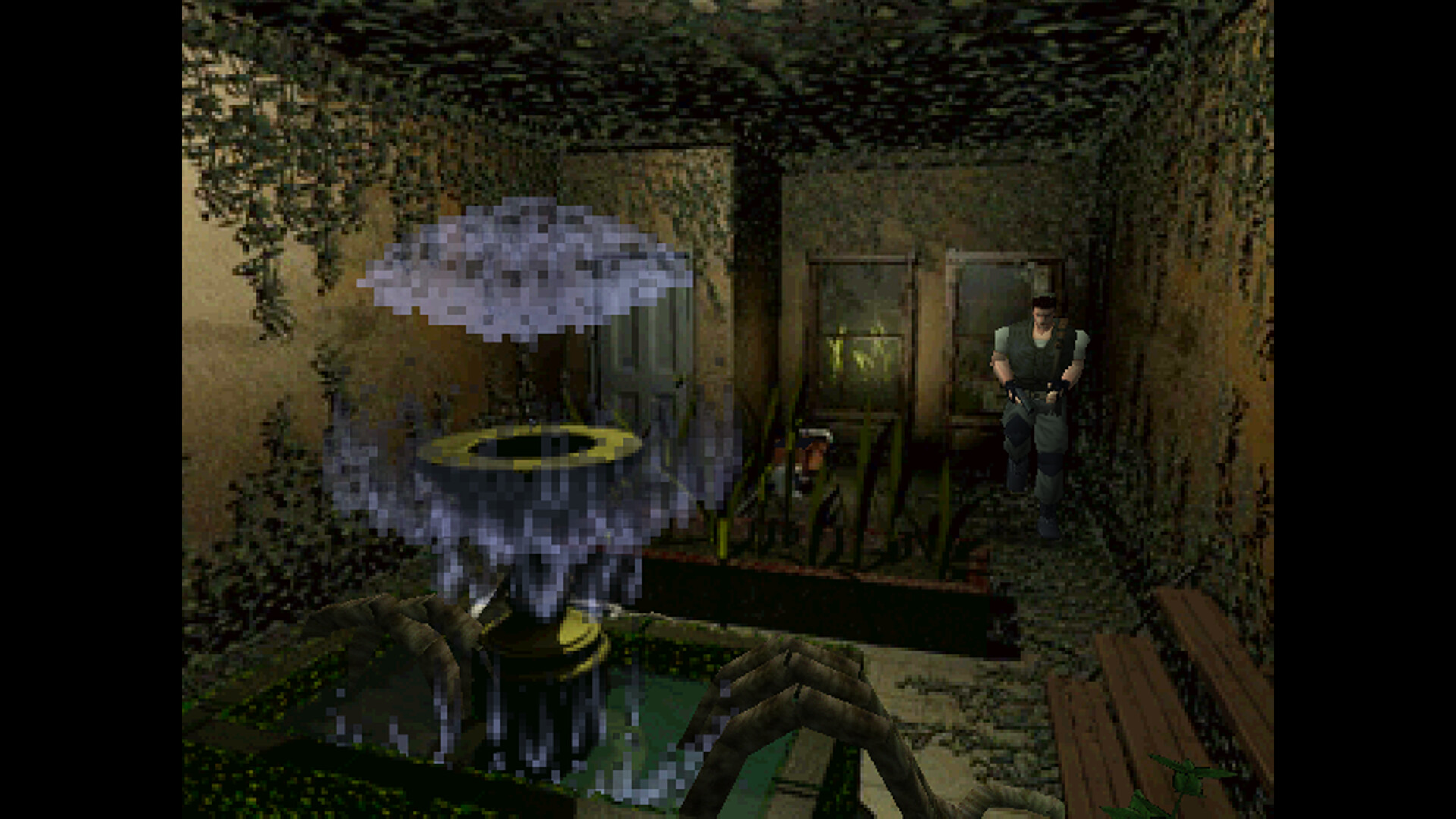
Resident Evil (1996) on Steam is a faithful, sometimes brittle time capsule: its atmosphere remains exceptional, but modern conveniences are balanced by DRM and platform teething pains. Buy it if you cherish survival-horror history and want to experience the original scares; if you want a smoother, more portable experience, wait for compatibility patches or opt for the GOG release. Either way, this mansion still bites — and I kept smiling through the terror.
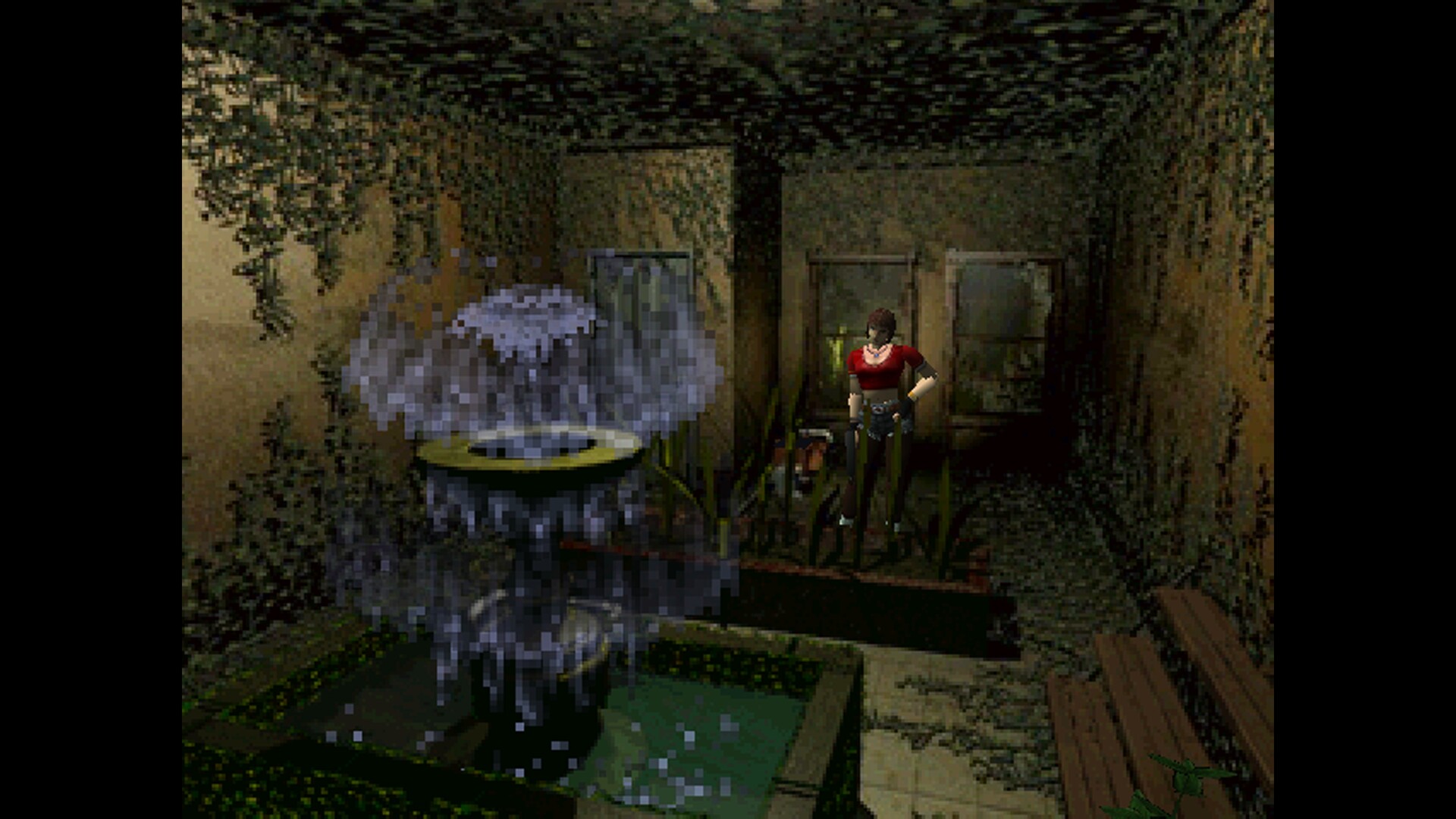
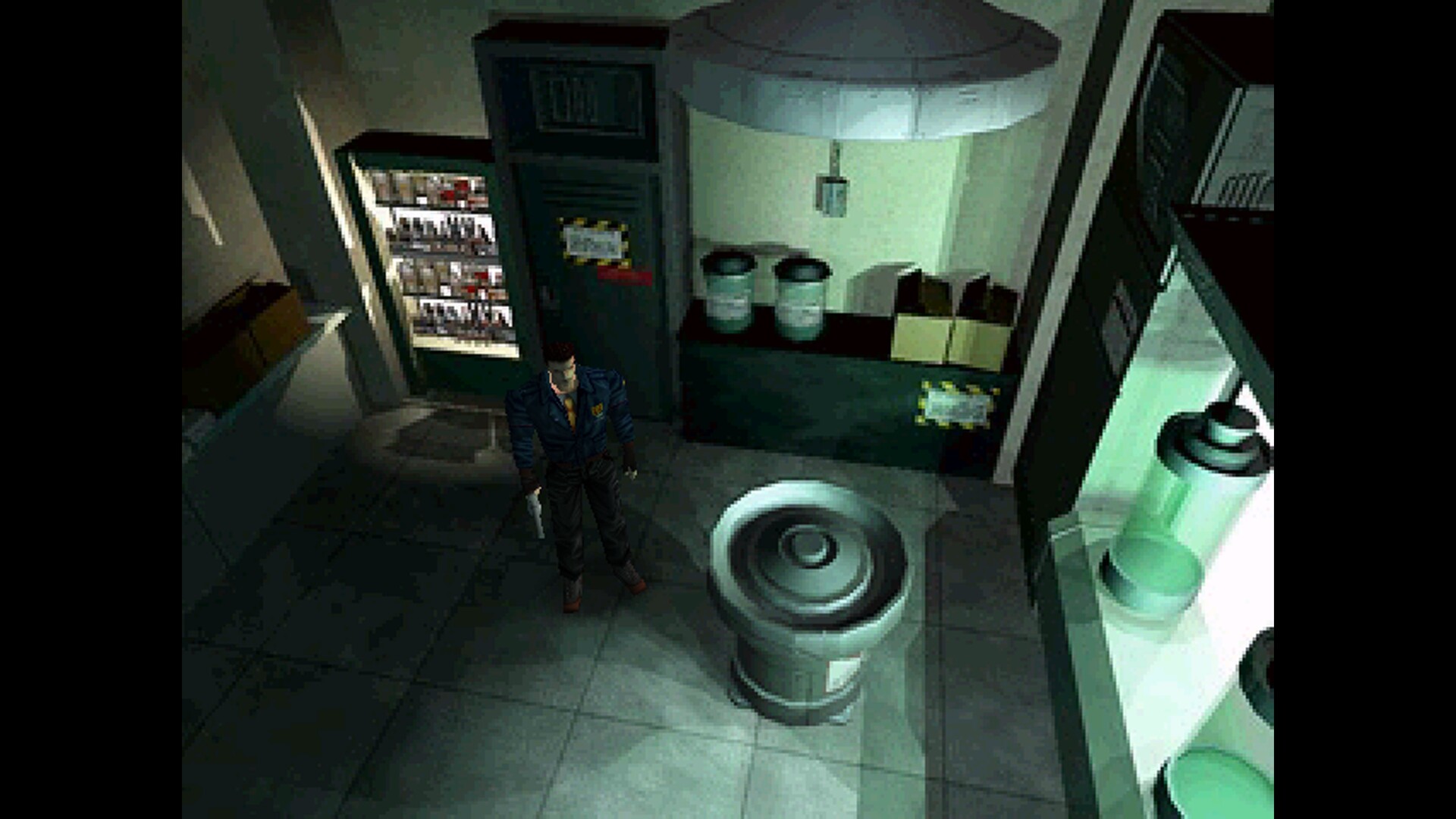
Pros
- Classic atmosphere still delivers spine-tingling dread.
- Modern display options (scaling, AA, gamma) make old visuals playable on new screens.
- Faithful port with some quality-of-life improvements (door-skip, improved renderer).
Cons
- DRM on Steam and missing Steam features (no achievements/cloud saves/Deck support at launch).
- Tank controls and fixed cameras remain divisive for new players.
- Some graphical/compatibility quirks on non-Windows setups (Proton/Deck issues reported).
Player Opinion
Fans are ecstatic to see the OG trilogy on Steam after years of GOG exclusivity and emulation lore. Positive reviews celebrate the authentic atmosphere, the creaky mansion design and the joy of solving emblem puzzles or getting a lucky double-headshot with the shotgun — those moments feel timeless. However, there’s a recurring chorus of frustration: many players complain about added DRM on Steam (when a DRM-free GOG version already exists), lack of Steam Deck support, no achievements or cloud saves, and launcher/registry annoyances that prevent the game from running on Linux/Proton for some. Several community posts and guides show workarounds, but the general sentiment is: buy it on Steam only if you accept the trade-offs, otherwise prefer GOG for convenience and preservation. If you loved the remake or later RE titles, this original still has charm, but newcomers might want to start with the 2002 Remake then come back for the classic experience.