





Project Songbird Review – A Haunting, Musical Psychological Horror
I spent an emotional night in Dakota's cabin: Project Songbird blends cinematic visuals, terrific voice acting and a mournful soundtrack into a short but memorable psychological horror experience.
Project Songbird caught my attention because it wears its heart on its sleeve: a musician isolated in an Appalachian cabin, battling writer’s block and inner demons. It’s the kind of intimate, narrative-driven horror that prefers atmosphere and emotional weight over cheap jump scares. If you liked walking sims like Firewatch but want something darker with actual survival beats, this one is worth a look. The combination of a film-like visual style, a soundtrack built into the story, and strong voice acting makes it feel personal and, often, painfully real.
Tracking the Long Night
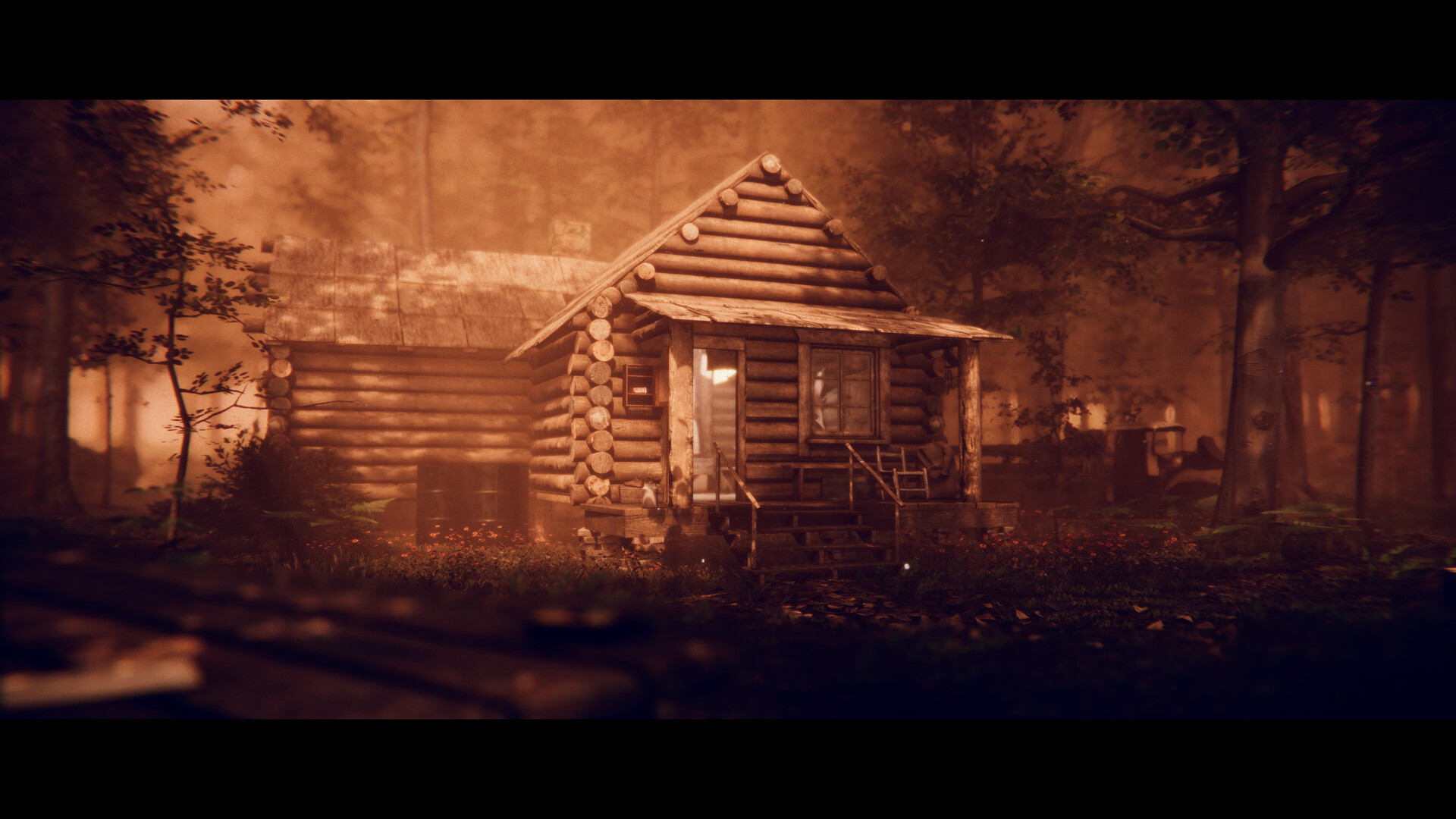
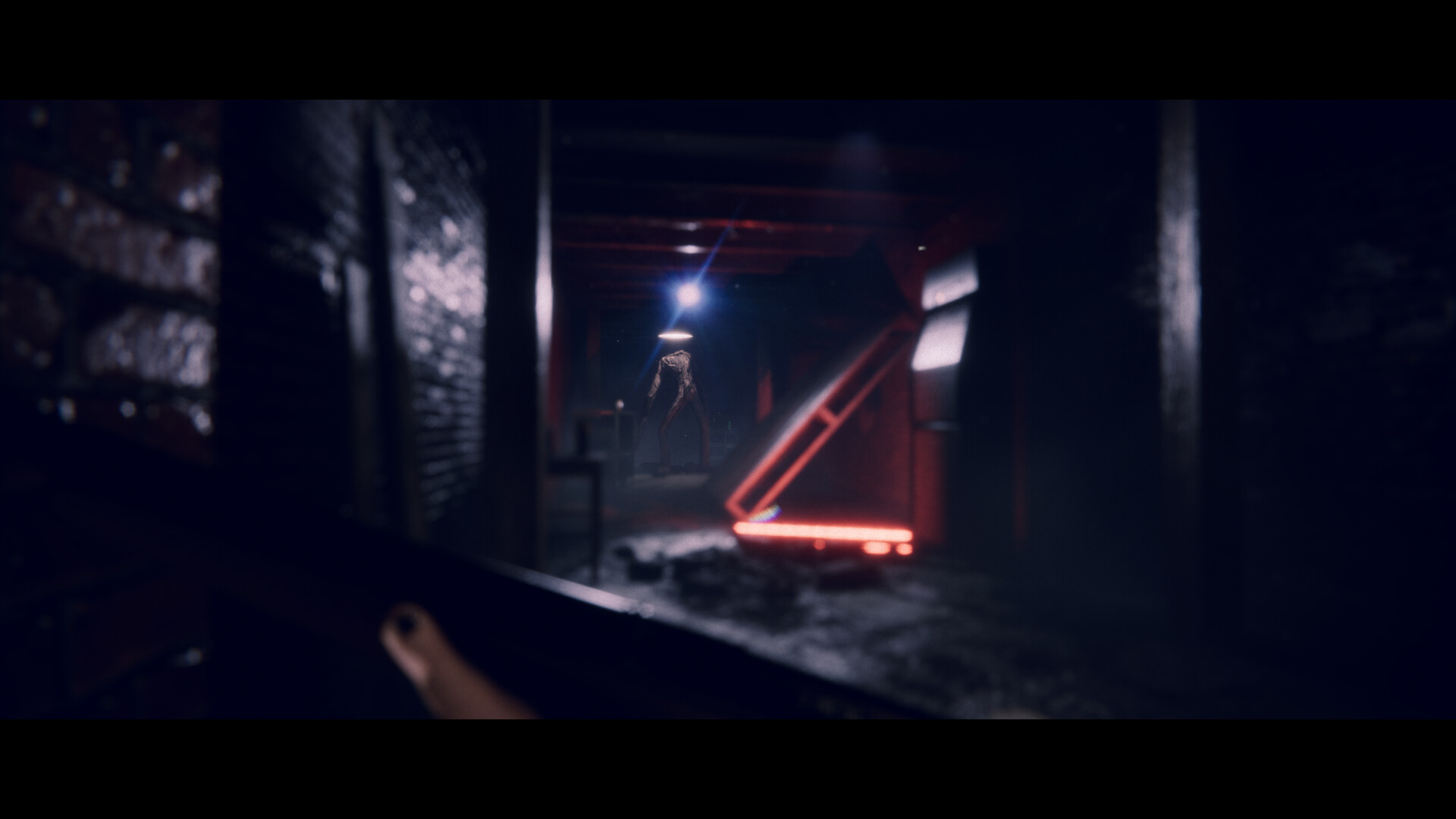
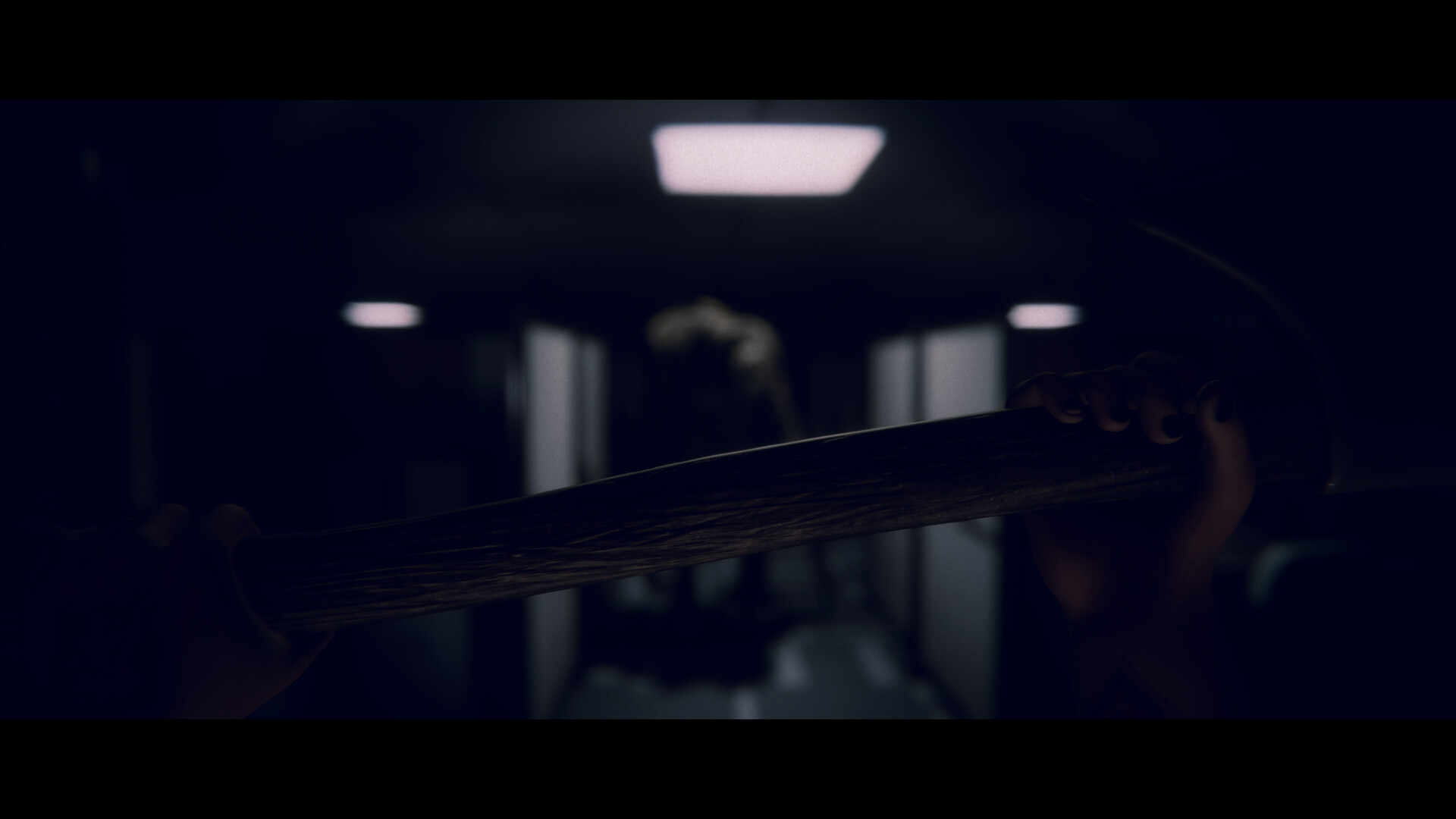
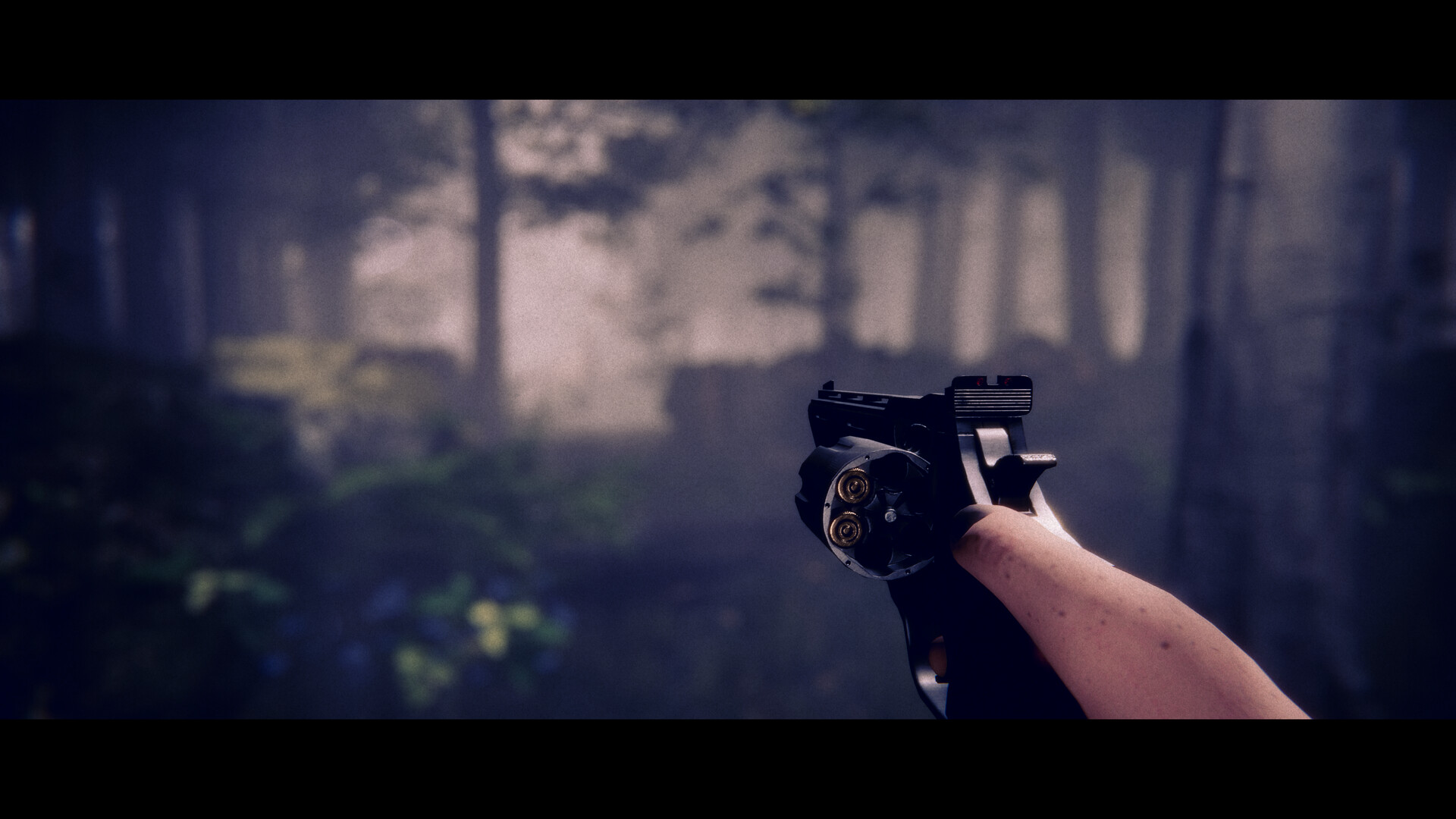
The core loop of Project Songbird is quietly tense: you explore a moody cabin and surrounding forest, search for clues, fiddle with recording gear and occasionally confront physical manifestations of Dakota's trauma. Movement is smooth and natural — you can sprint, crouch and interact with a believable inventory wheel that initially annoyed me (spacebar to bring it up felt odd) but soon became second nature. Combat is present but sparse: you switch between melee and ranged weapons and the encounters are designed to punctuate the atmosphere rather than become an action showcase. There are a few light puzzles and resource-management beats — batteries, ammo, and healing items matter, although I found supplies relatively generous on my playthrough. Overall the pacing prefers slow buildup, exploration and the occasional jolt over constant tension, which fits the game's focus on mental unraveling and creative pressure.
Notes on What Makes It Sing
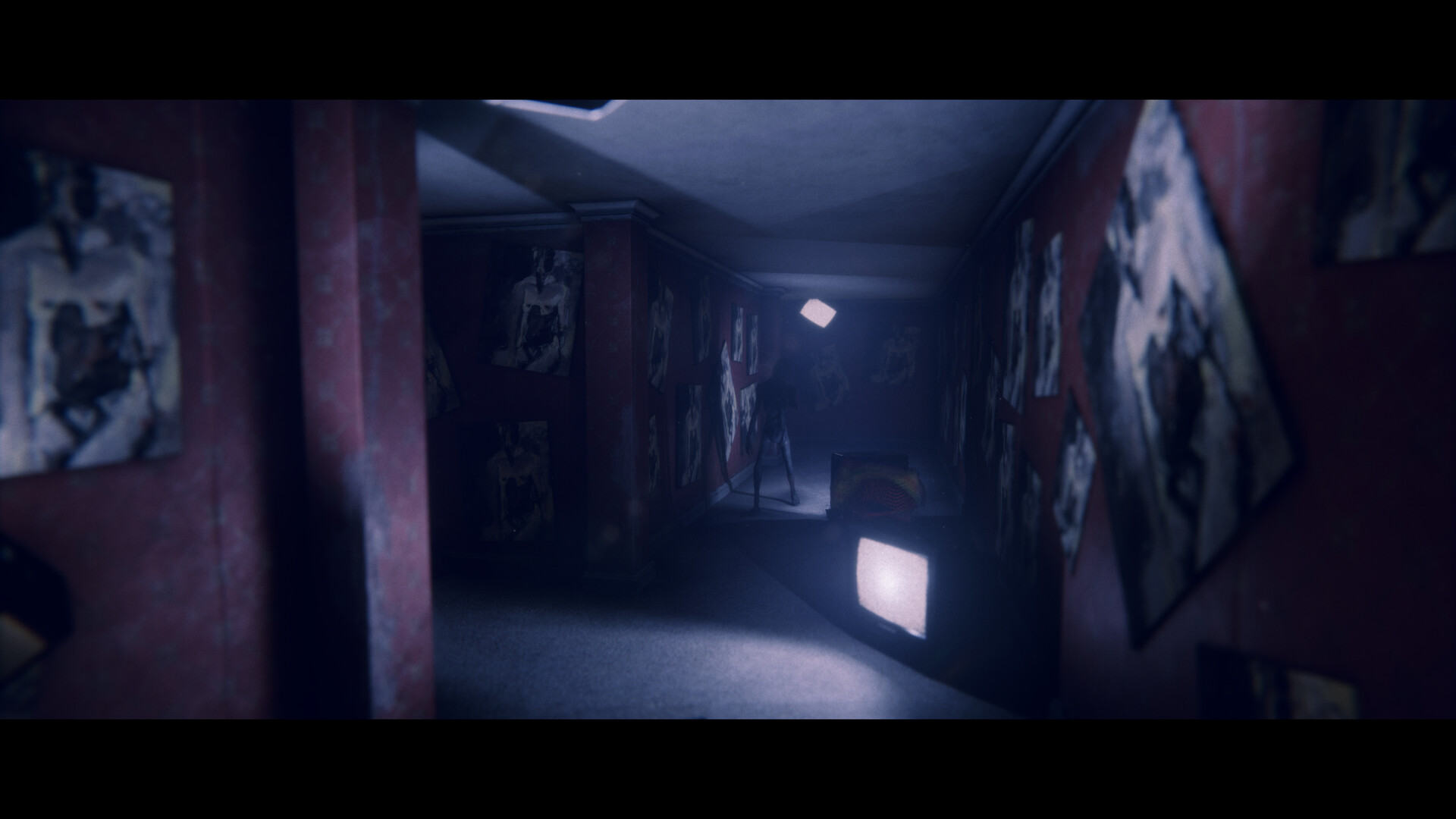
What sets Project Songbird apart is how music is woven into both narrative and gameplay, not just slapped on as background ambience. You’re a musician; pieces of audio, a working turntable and the songs you collect all act as story fragments and emotional anchors that reveal character and theme. The voice cast (Valerie Rose Lohman, Jonah Scott, Aleks Le) elevates the writing — performances lend nuance to lines that could have otherwise read as exposition. The game balances psychological horror and metaphor: many enemies and setpieces feel like memories or creative guilt made flesh, and the script is willing to stare at grief and artistic failure without melodrama. There are a few quality-of-life touches, like a New Game+ and modifier menu, that hint at replay value if you want to dig back for collectibles or try different difficulty tweaks.
A Film Noir Forest of Sound and Light
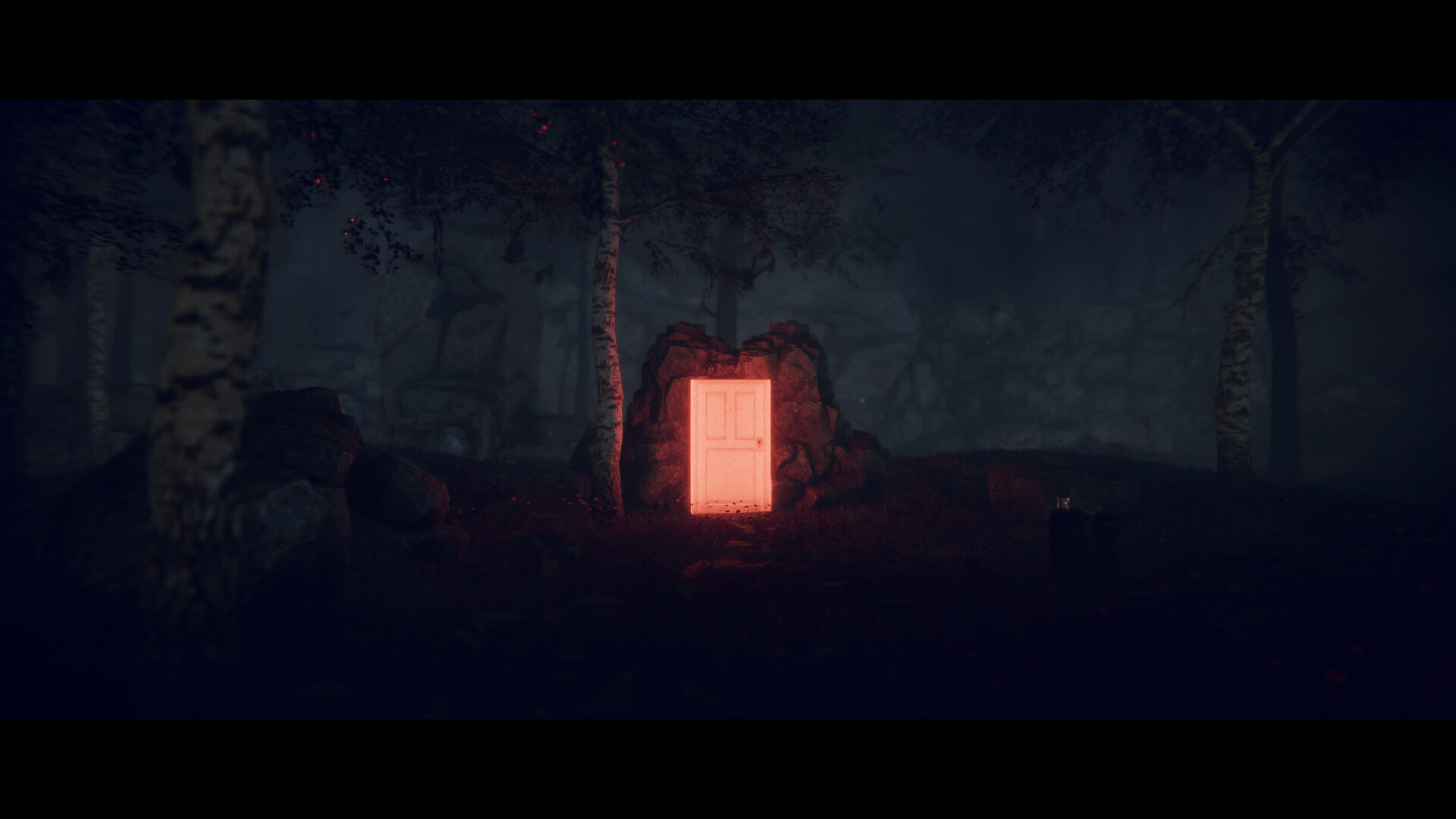
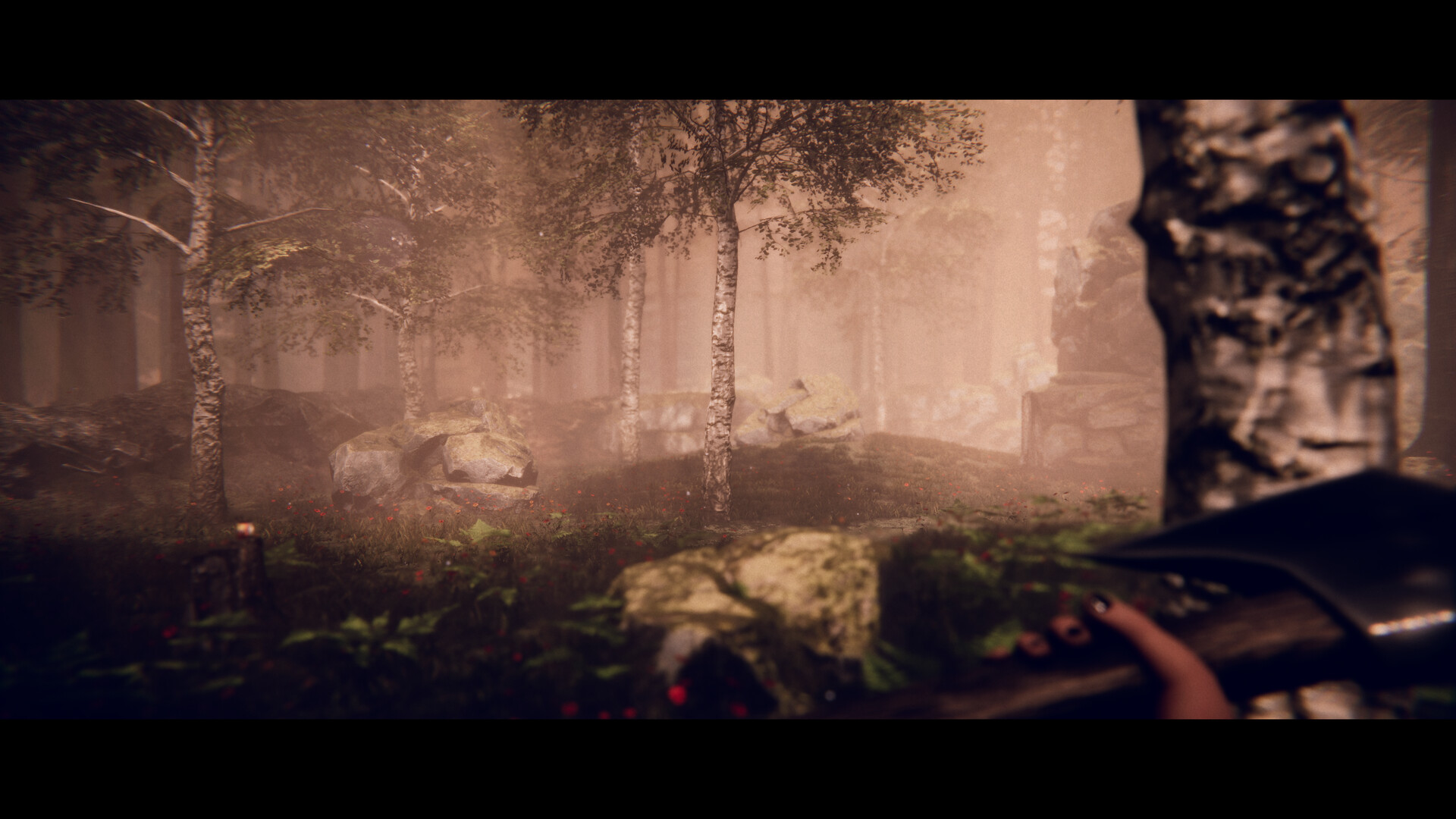
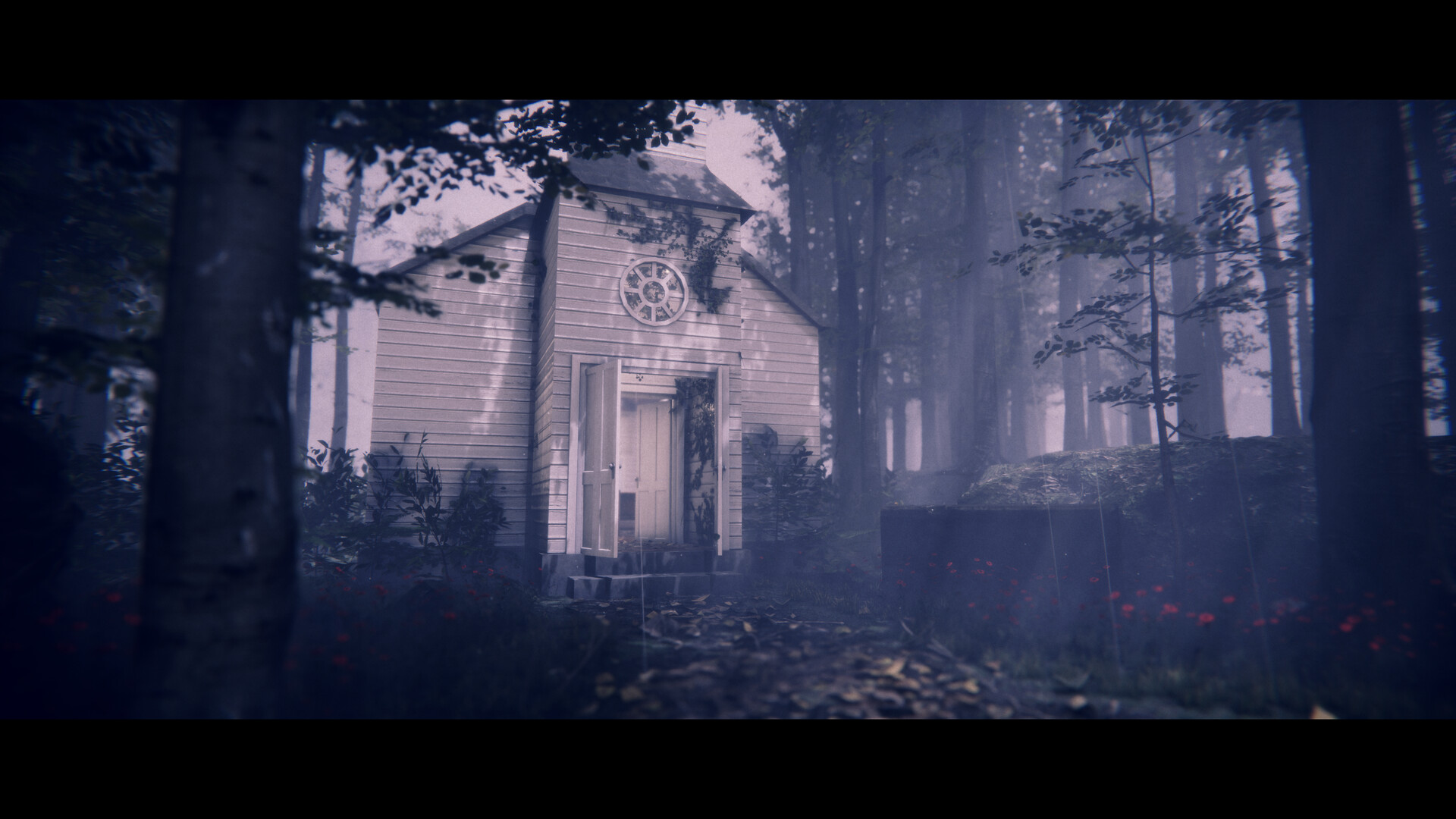
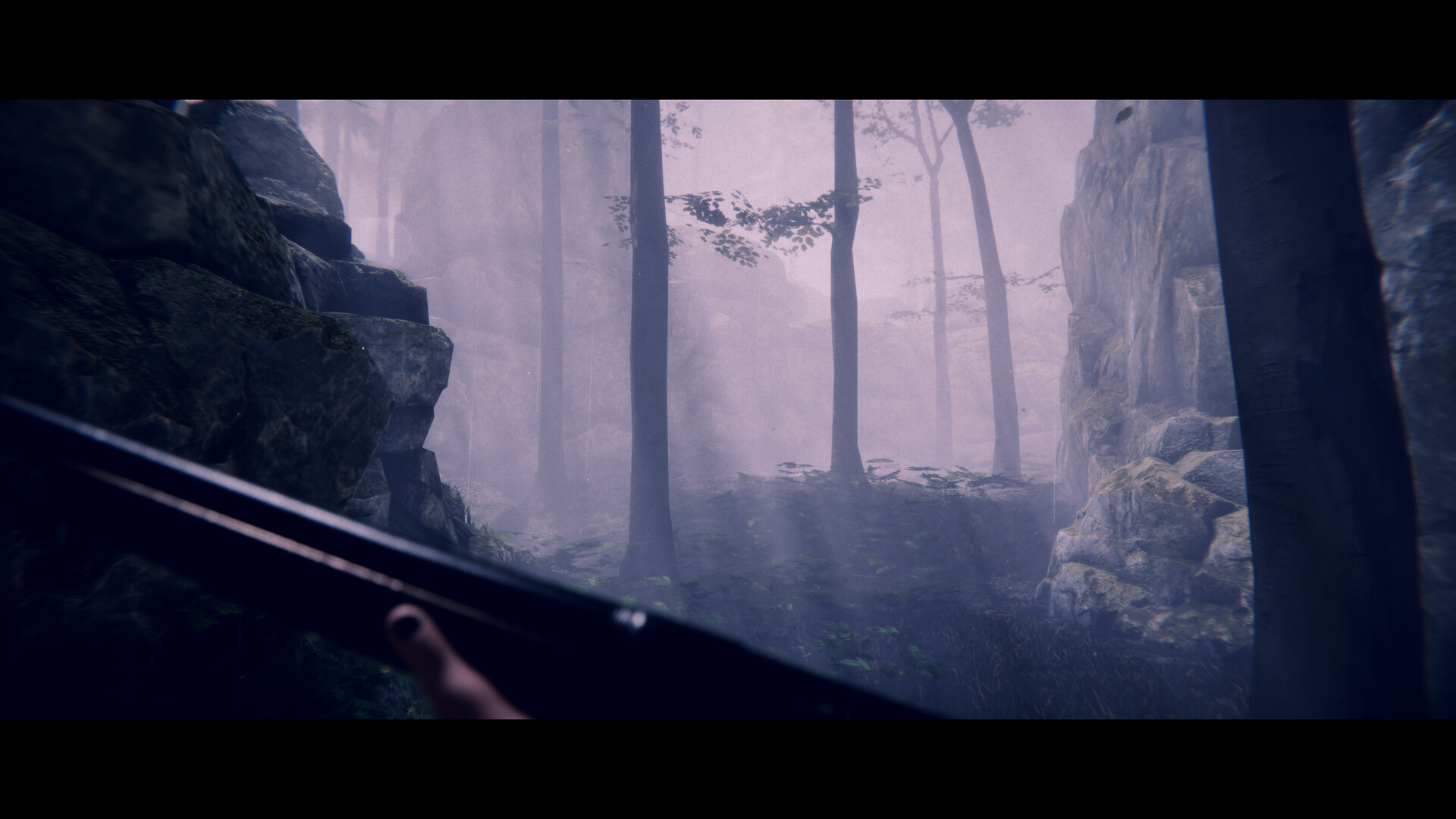
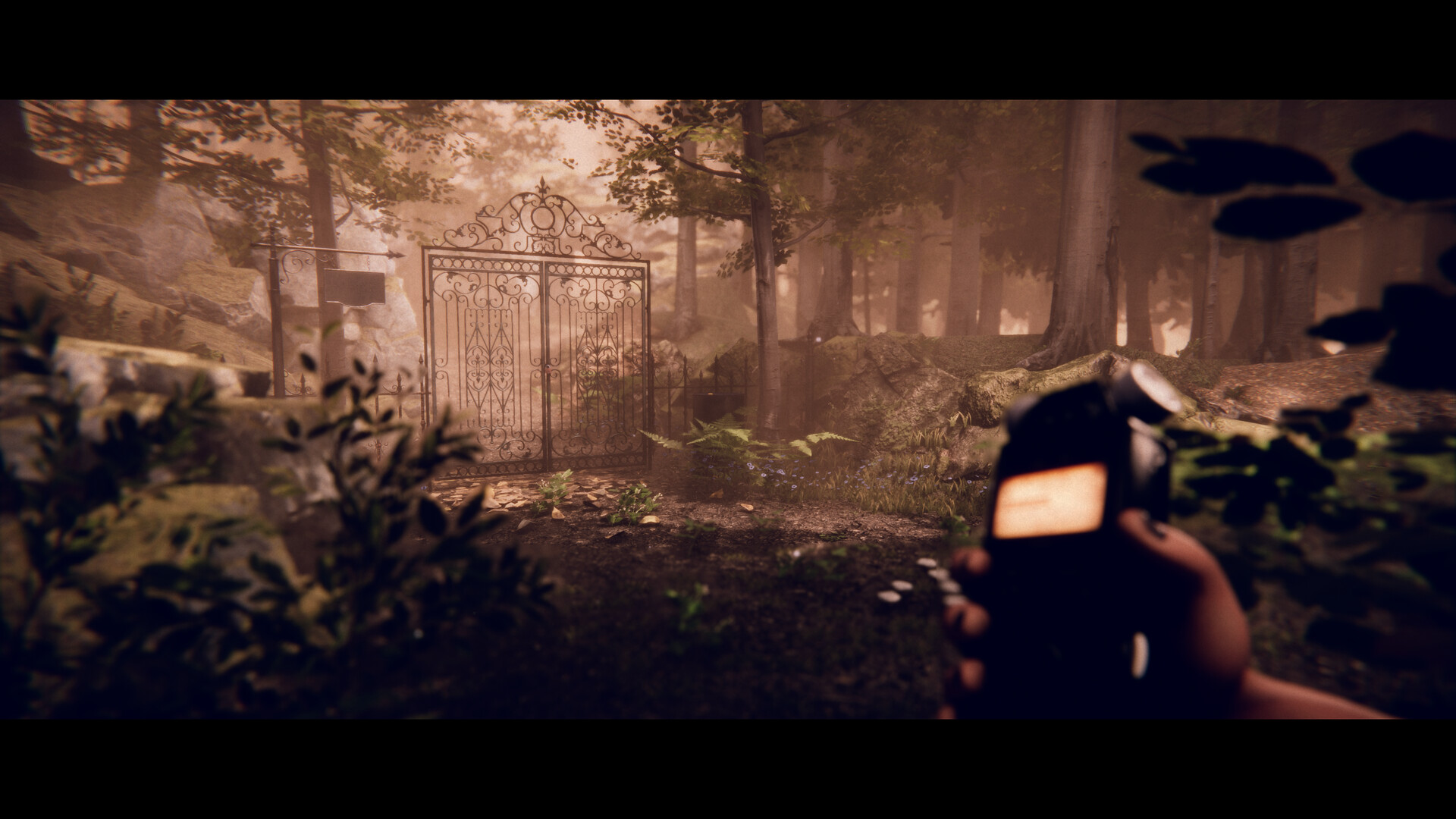
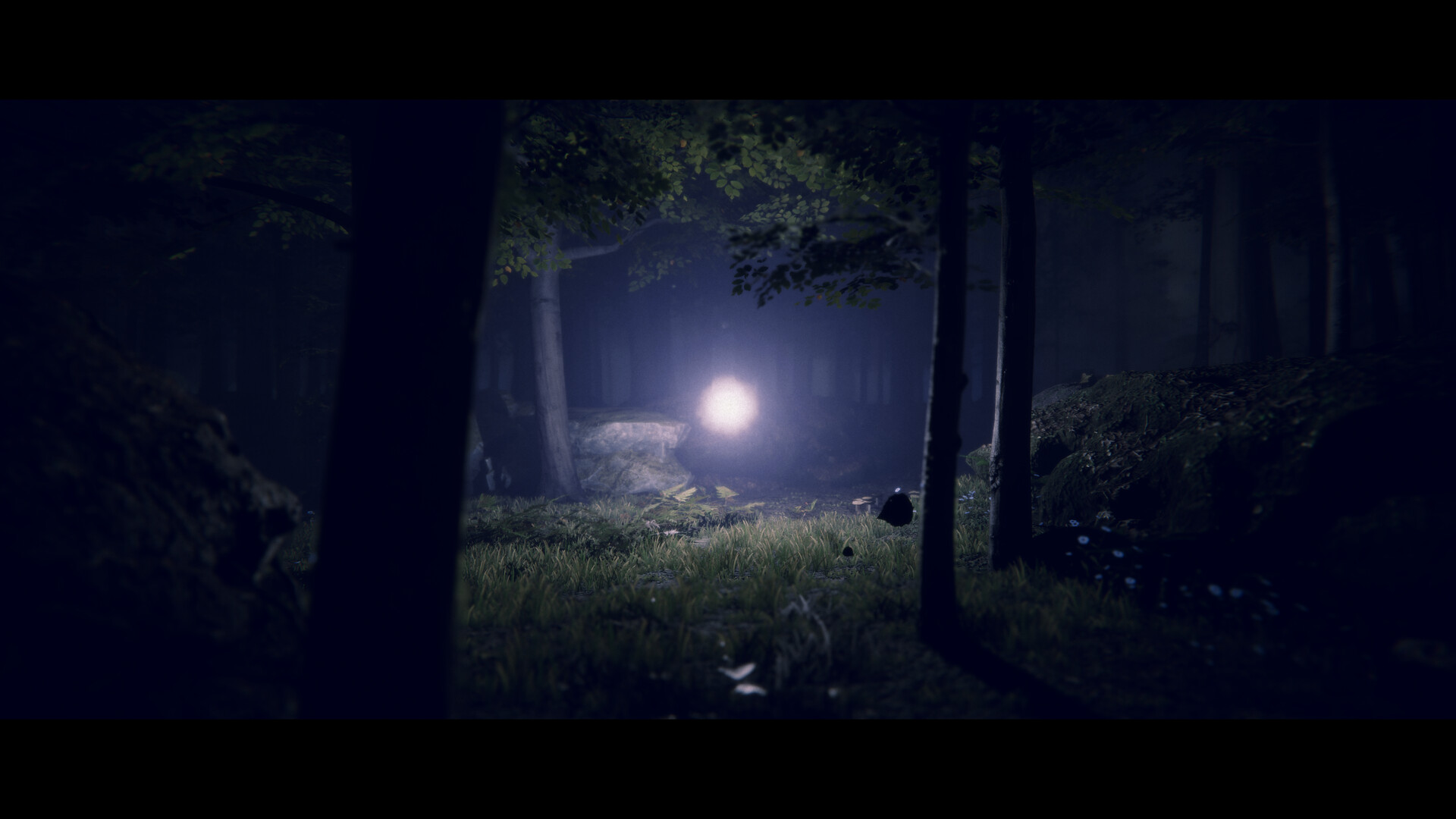
Visually, Project Songbird aims for a cinematic look with bloom, volumetric light and a slightly dream-like color palette; it’s gorgeous in wide shots of the forest and intimate inside the cabin. The soundtrack — composed and performed by members of Auric Echoes — is a highlight, often acting as an emotional narrator rather than mere accompaniment. Sound design overall is superb: natural ambiences, rustling leaves and distant animal cries build tension long before enemies appear. Performance on Windows (the release platform) was stable for me, with a couple of tiny load stutters but otherwise smooth frame rates even at high settings. Minor gripes: Dakota’s dialogue sometimes sits a touch low in the mix compared to other voices, and melee feels a little deliberate and clunky at times — which might be intentional but can pull you out of the moment.
Project Songbird is an affecting, cinematic psychological horror that resonated with me long after the credits. It isn’t perfect — combat and a few technical quirks hold it back from greatness — but its writing, voice work and music create a memorable, intimate experience. Recommended for fans of story-first horror and anyone curious about games that use music as narrative fuel.
Pros
- Powerful, intimate narrative with strong voice acting
- Beautiful, cinematic visuals and excellent sound design
- Music is integrated into story and gameplay in meaningful ways
- Short, focused 4–6 hour experience with New Game+ and modifiers
Cons
- Melee combat can feel clunky or underused
- No chapter select and only one main difficulty — replayability limited
- Occasional audio mixing issues (main character quieter)
Player Opinion
Players consistently praise the voice acting, music and the way the story handles grief and creative pressure, with many saying they played the whole game in one sitting because they couldn't put it down. Several reviews point out the cinematic atmosphere and strong environmental storytelling, comparing it favorably to walking sims like Firewatch while noting it leans darker. Criticisms are fairly consistent too: melee combat feels awkward, resource placement can be sporadic, and some players would like a chapter select to fetch missed collectibles without replaying the entire game. Technical performance reports are mostly positive on Windows, aside from occasional load stutters and a few audio mix complaints. If you enjoy atmospheric, narrative-driven horror that focuses on mood and theme rather than constant scares, players say this one is a must-play.