


Mixtape Review – A Sonic Coming-of-Age Road Trip
A heartfelt, music‑driven adventure from Beethoven & Dinosaur that turns teenage memories into playful vignettes. Gorgeous art, an iconic soundtrack and short, bittersweet storytelling—Mixtape nails the nostalgia, warts and all.
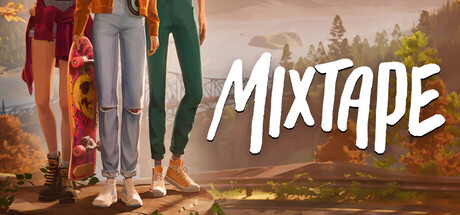
I went in expecting a chill, pretty indie experience and came out oddly moved, a little teary and humming songs I didn’t know I needed. Mixtape is a compact coming‑of‑age road trip built from dreamy vignettes — skate sessions, shopping cart mayhem, stolen kisses and late‑night fireworks — all stitched together by an era‑defining soundtrack. If you like cinematic narrative games that favour mood and memory over longform mechanics, this one will feel like someone pressed play on your high‑school mixtape.
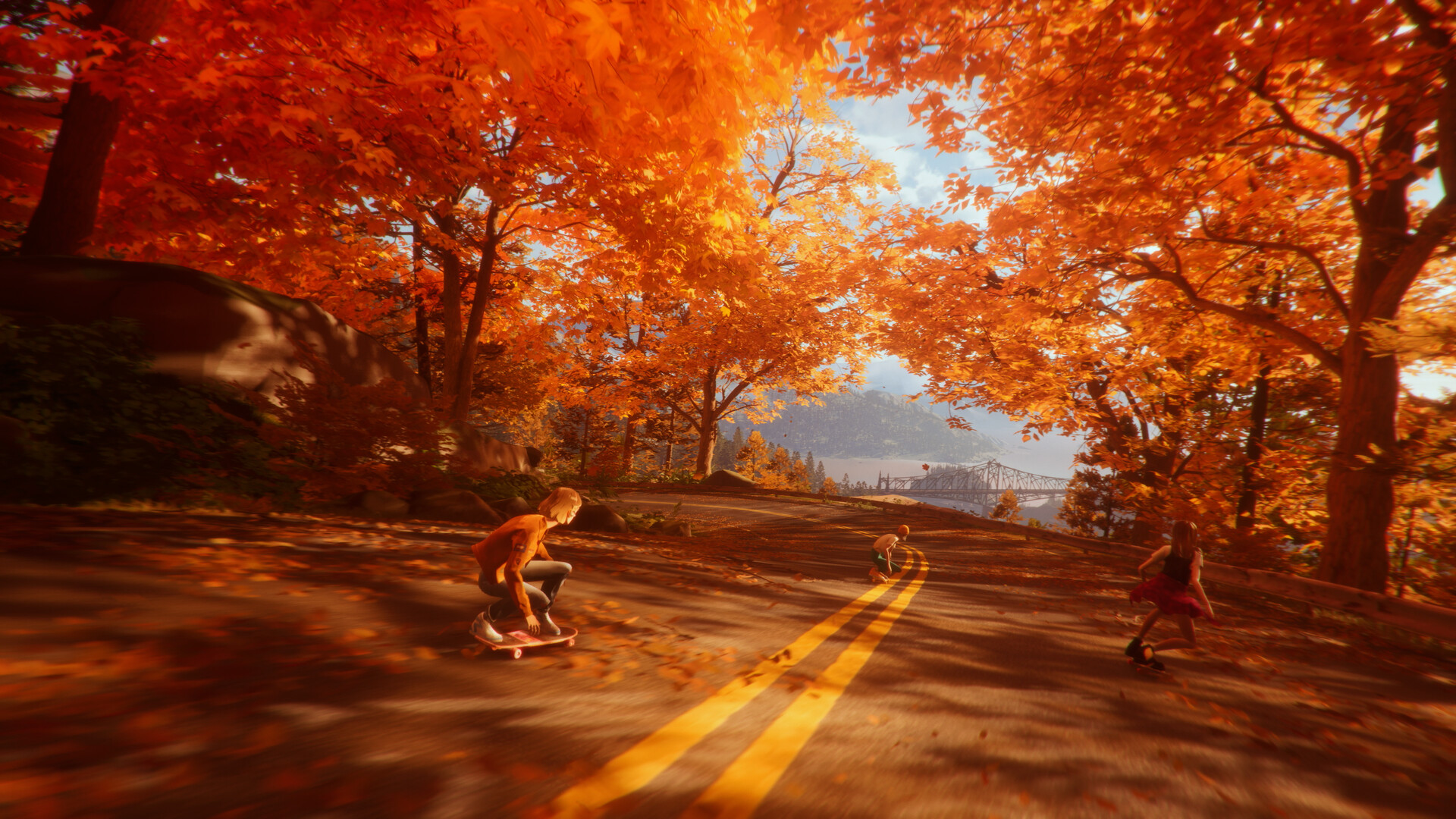
Riding the Memory Highway
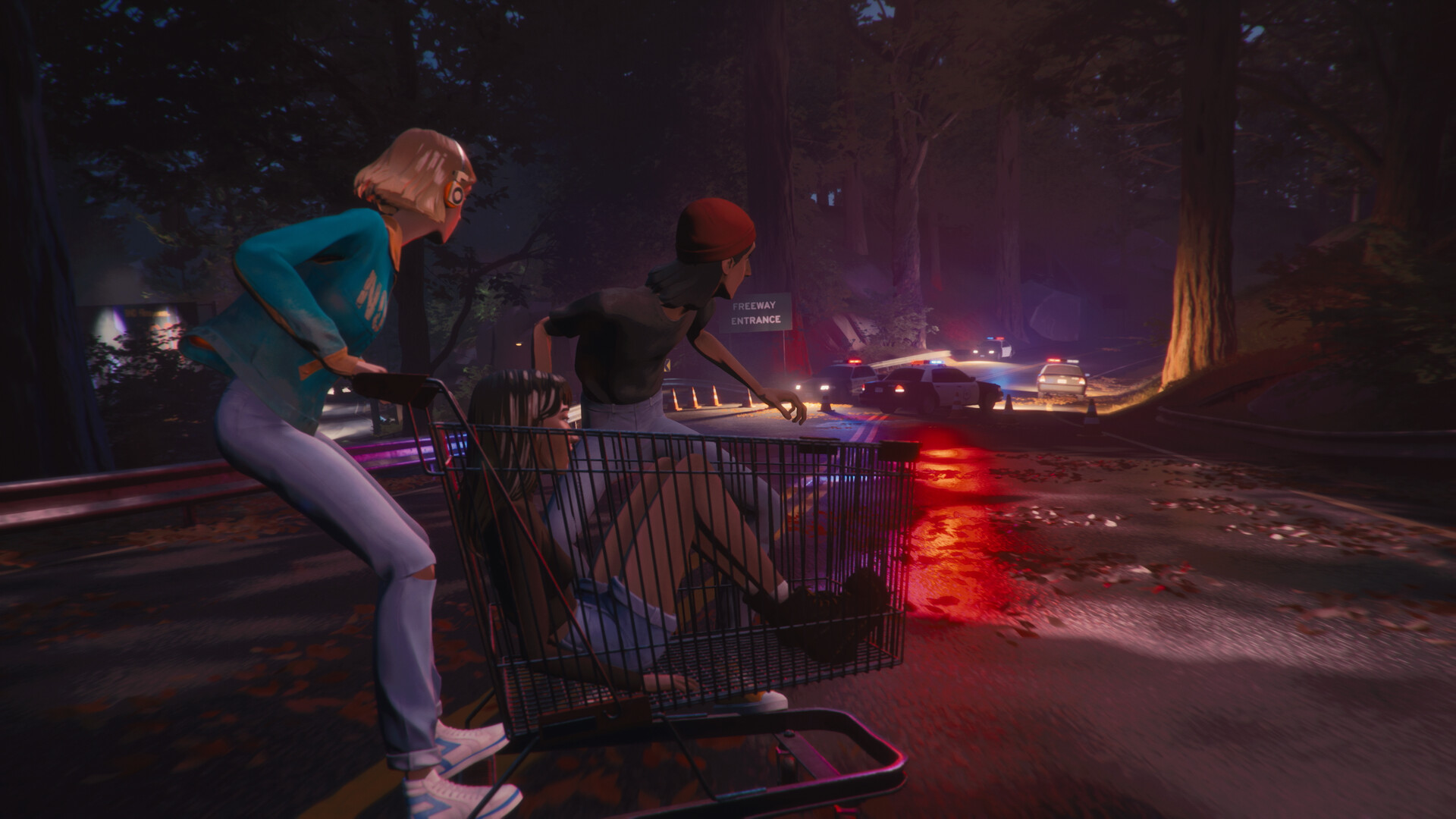
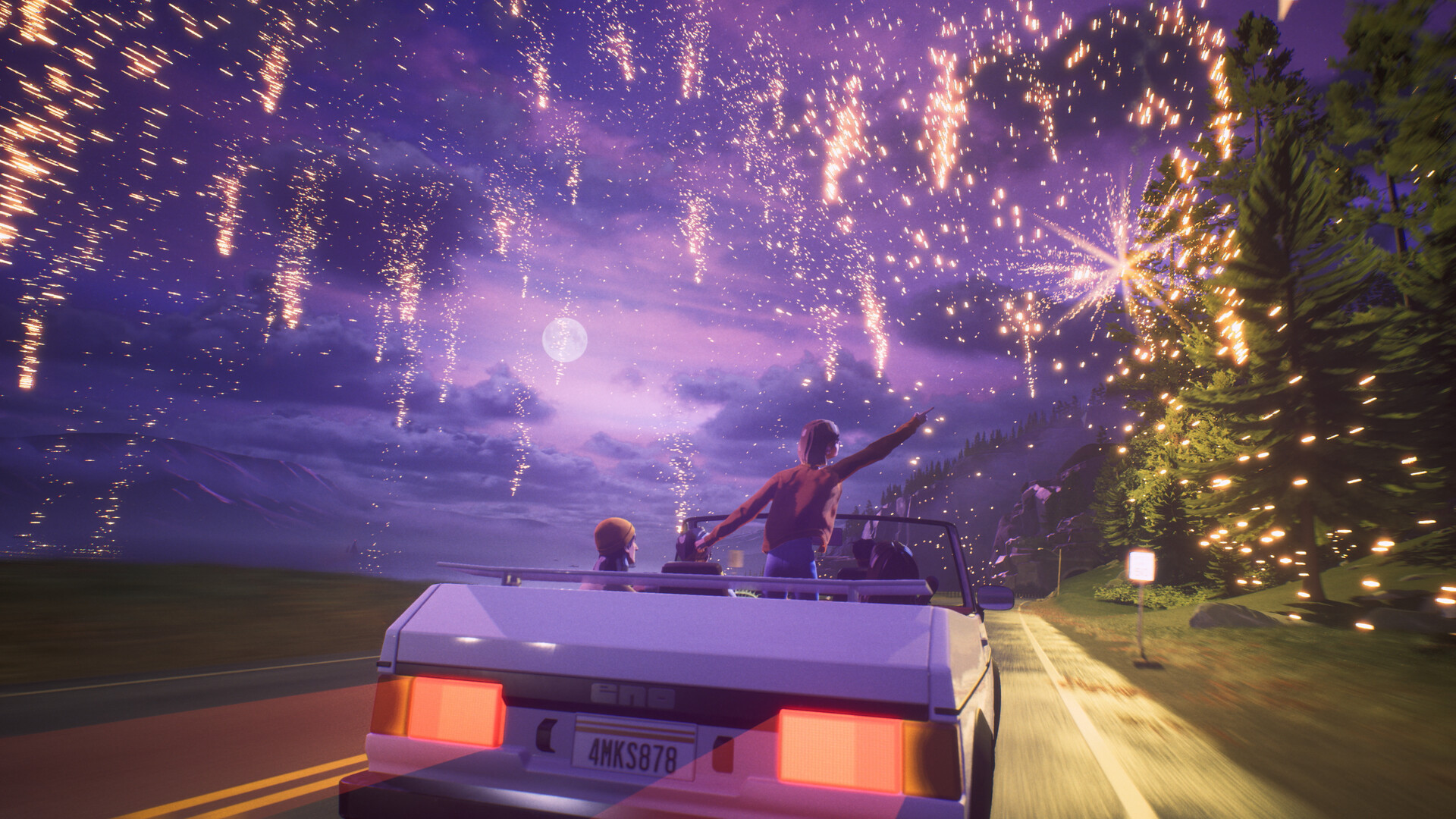
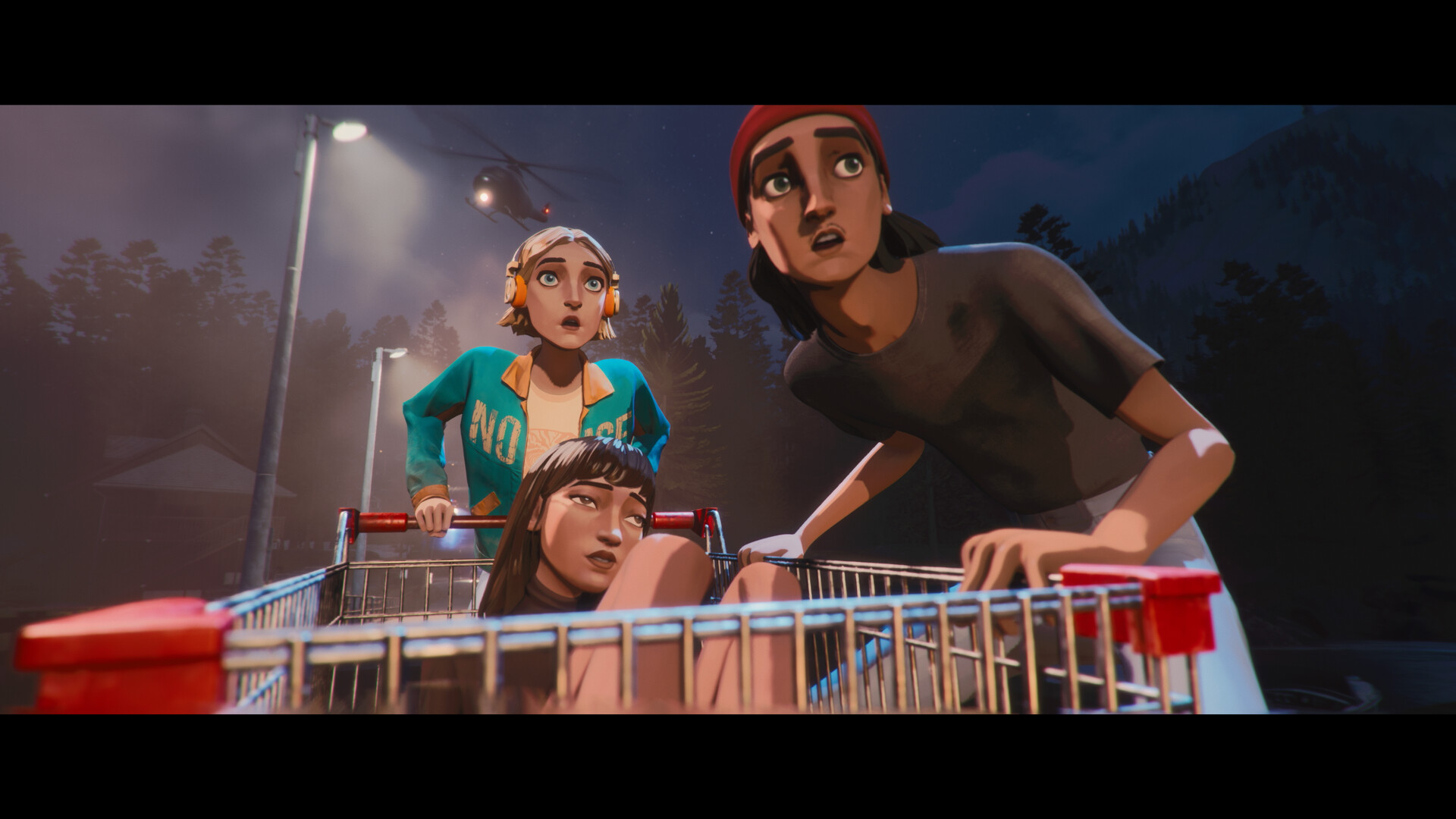
Mixtape plays like a mixtape: short, punchy chapters that switch tempo and tone. Most segments ask you to do small, tactile things — ollie across a car hood, aim a camera for the perfect Polaroid, steer a runaway shopping cart — but those tiny interactions are staged so well they feel cinematic. The three friends are your anchors; you alternate control and perspective between them as memories unfold. There are light puzzles and timing challenges, but this isn’t about twitch reflexes so much as rhythm and presence. Each vignette has a clear goal and a little gameplay gimmick that reframes the scene — whether it’s synchronised headbanging in a car or choreographing a fireworks display from the backseat. Because chapters are short, the game keeps a brisk tempo that makes the whole night feel like one long, affectionate montage.
When the Soundtrack Runs the Show
What sets Mixtape apart is how music directs everything. Licensed tracks from DEVO, The Smashing Pumpkins, Joy Division and more aren’t background fluff — they change camera edits, animation beats and even player timing. There were moments where the beat would land and the scene snapped into place so perfectly I actually laughed out loud. The audio mixing lovingly pushes you into the moment: bass hits for impact, trebly guitars for anxious teenage energy, and silences that let line readings breathe. If you’re sensitive about music taste, fair warning: the OST is bold and unapologetic. But if you let it carry you, the way sound and visual choreography interlock is the main event.
A Polaroid of Style and Performance
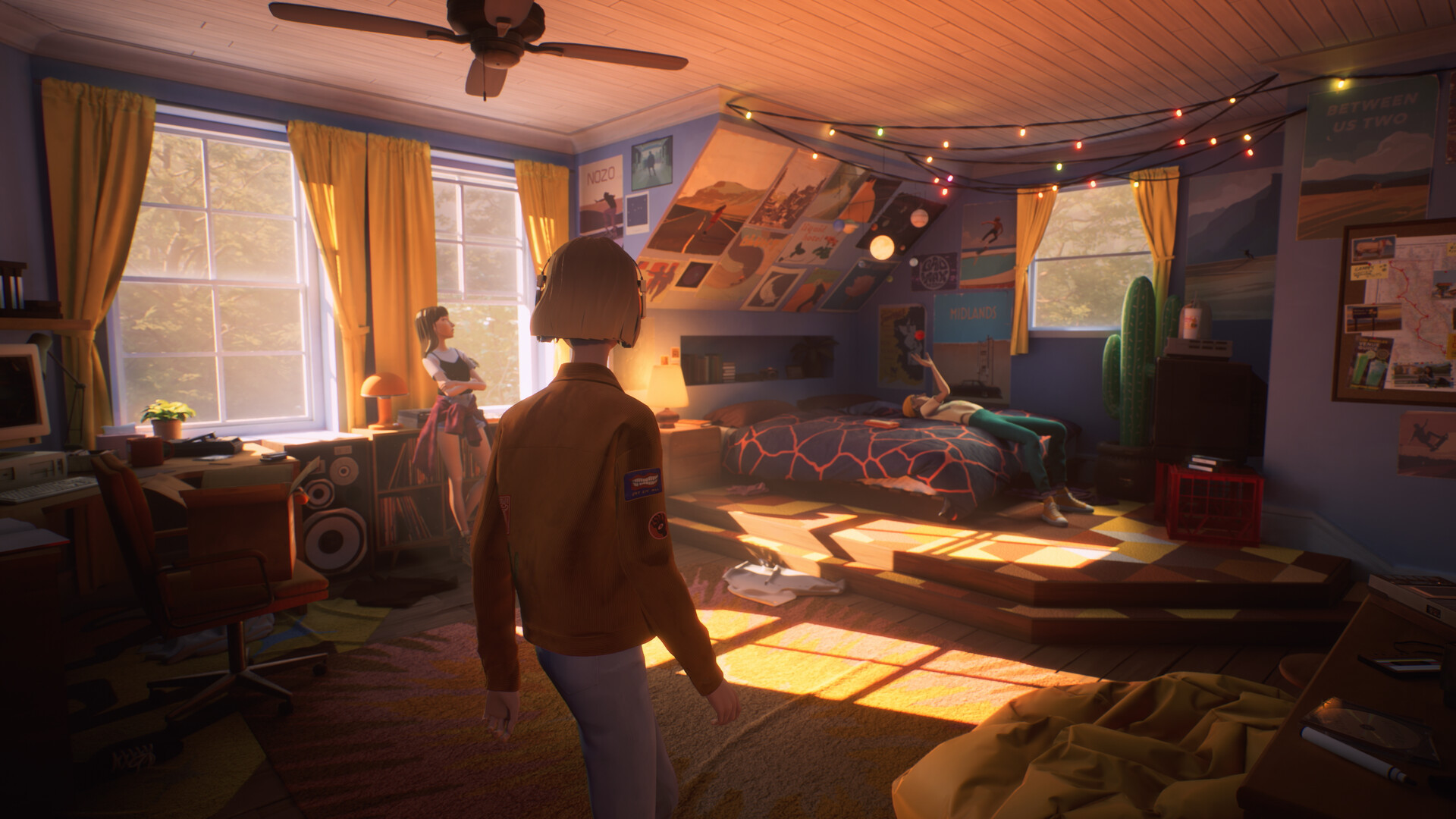
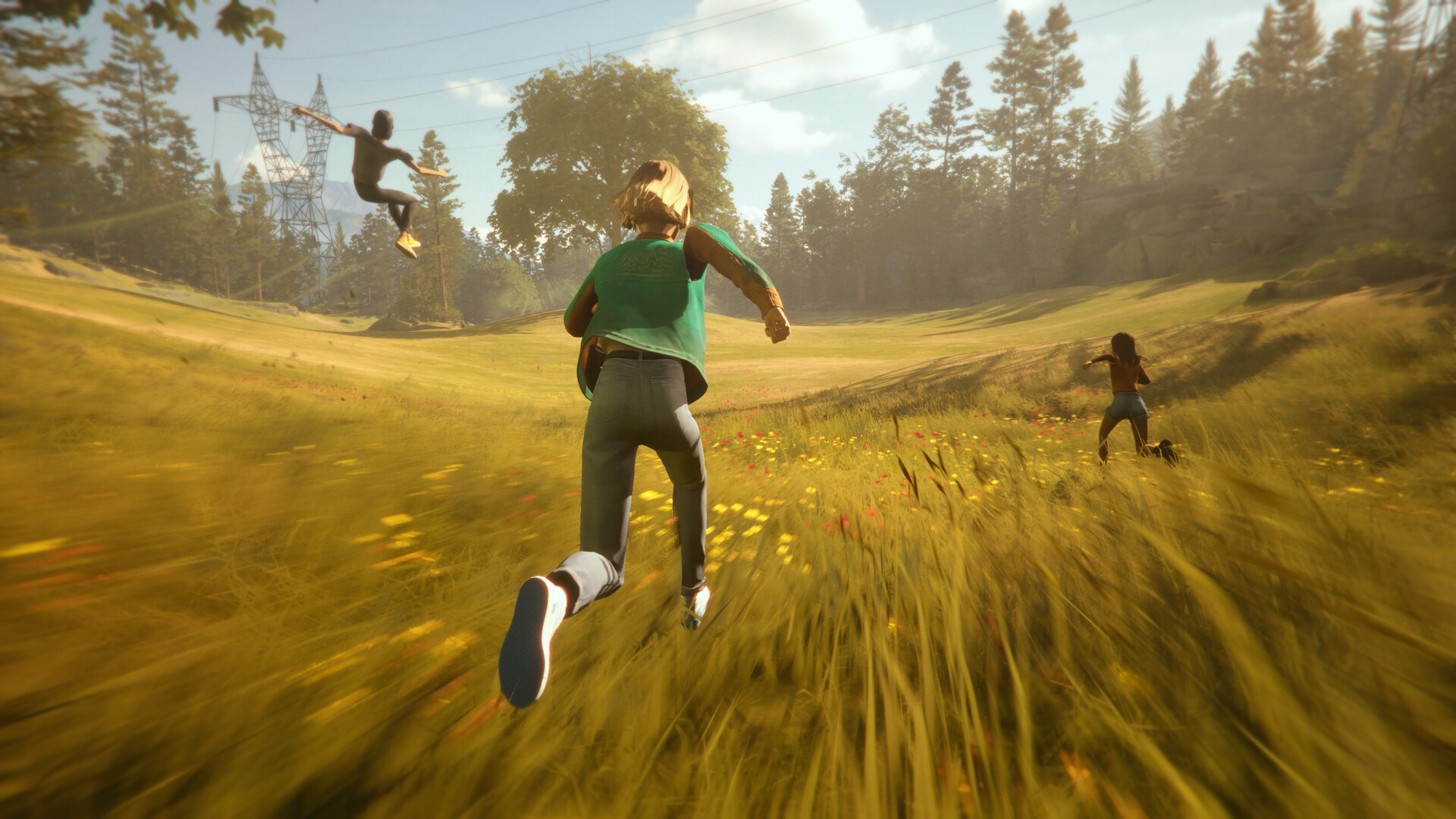
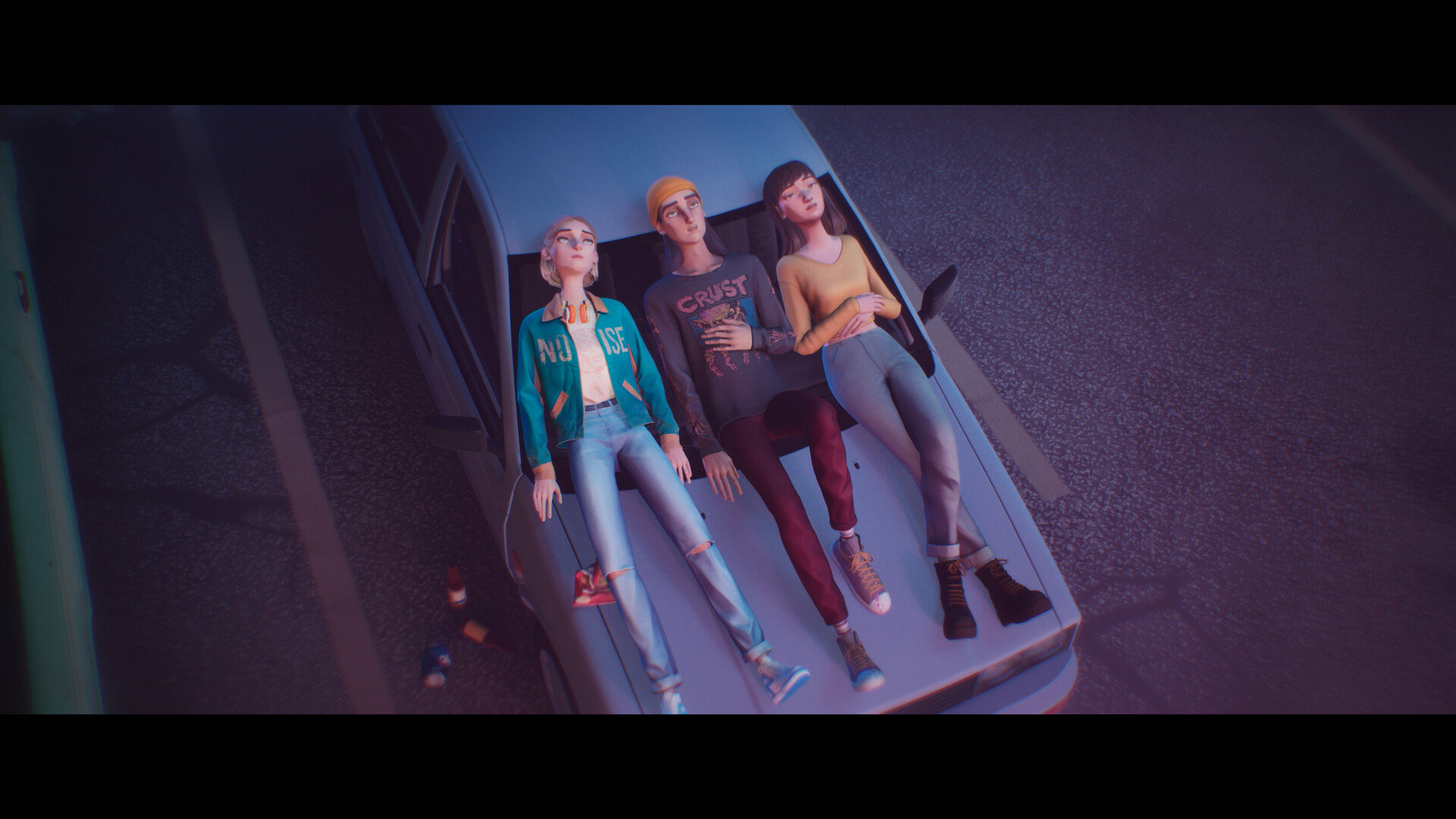
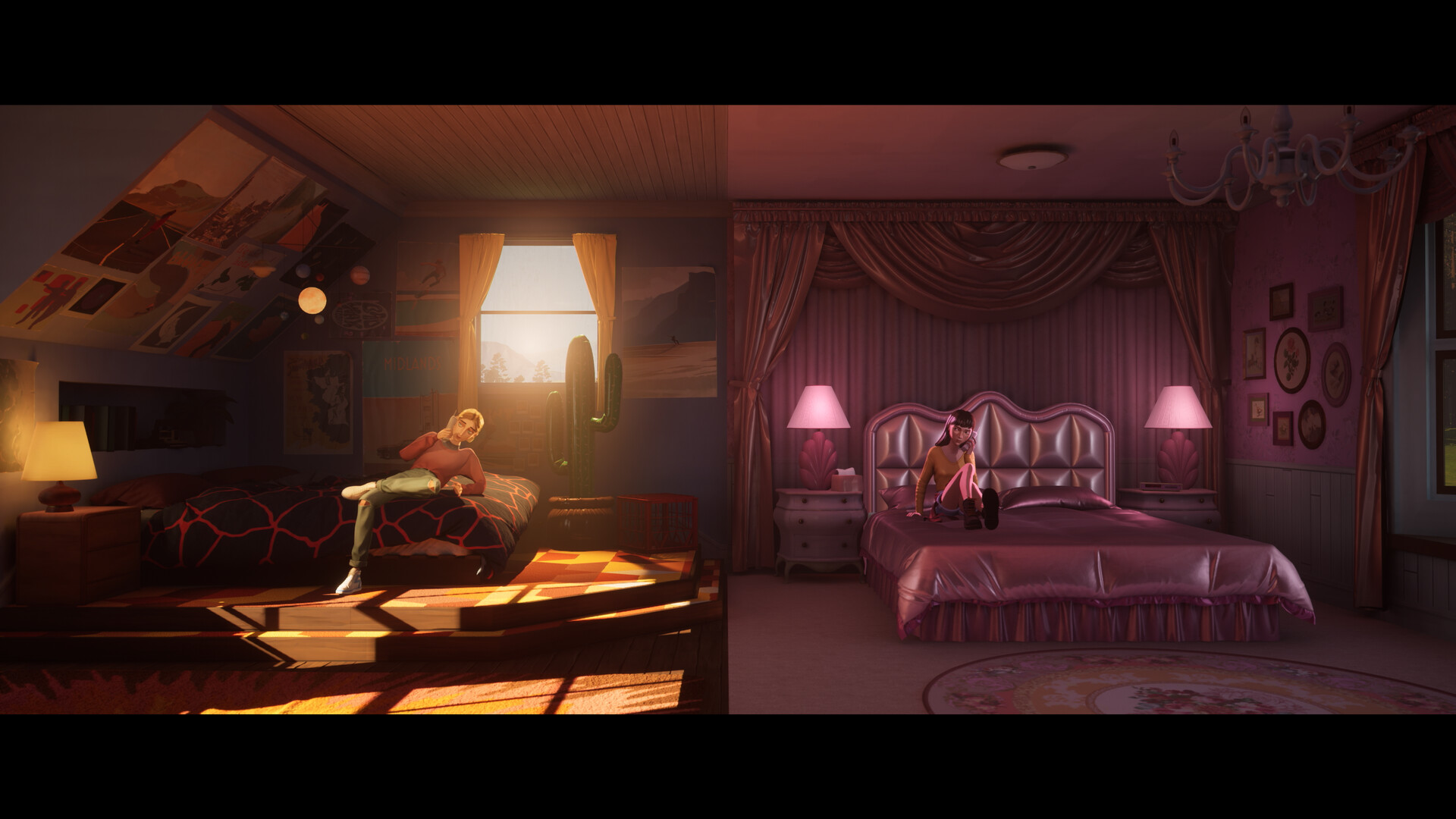
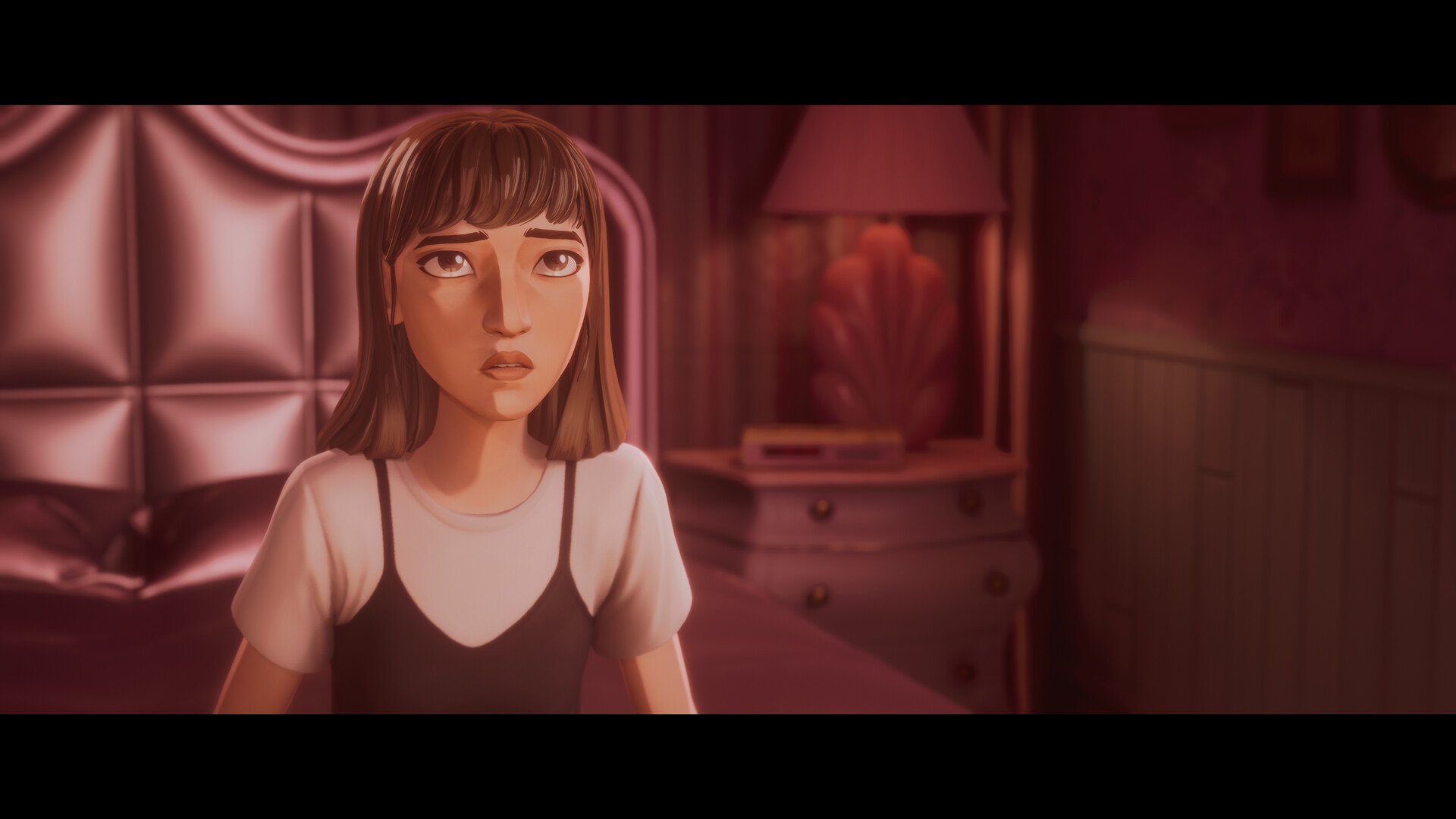
Visually, Mixtape looks like a moving, stylised photo album. The art direction leans into a slightly slowed, stop‑motion cadence — animations sometimes feel intentionally off‑kilter to sell memory, and camera work is almost filmic. It runs on Unreal Engine 5 and performs well on recommended PCs and the Steam Deck, though a few players reported texture pop‑ins or that the deliberate stutter effect can be disorienting. Accessibility settings are present but not exhaustive; subtitles, control remapping and difficulty‑light options exist, but I’d like more audio customization given how central the music is. Overall, the experience is polished, with voice acting that sells the characters and cinematography that elevates what could easily be a series of simple minigames into something cinematic and personal.
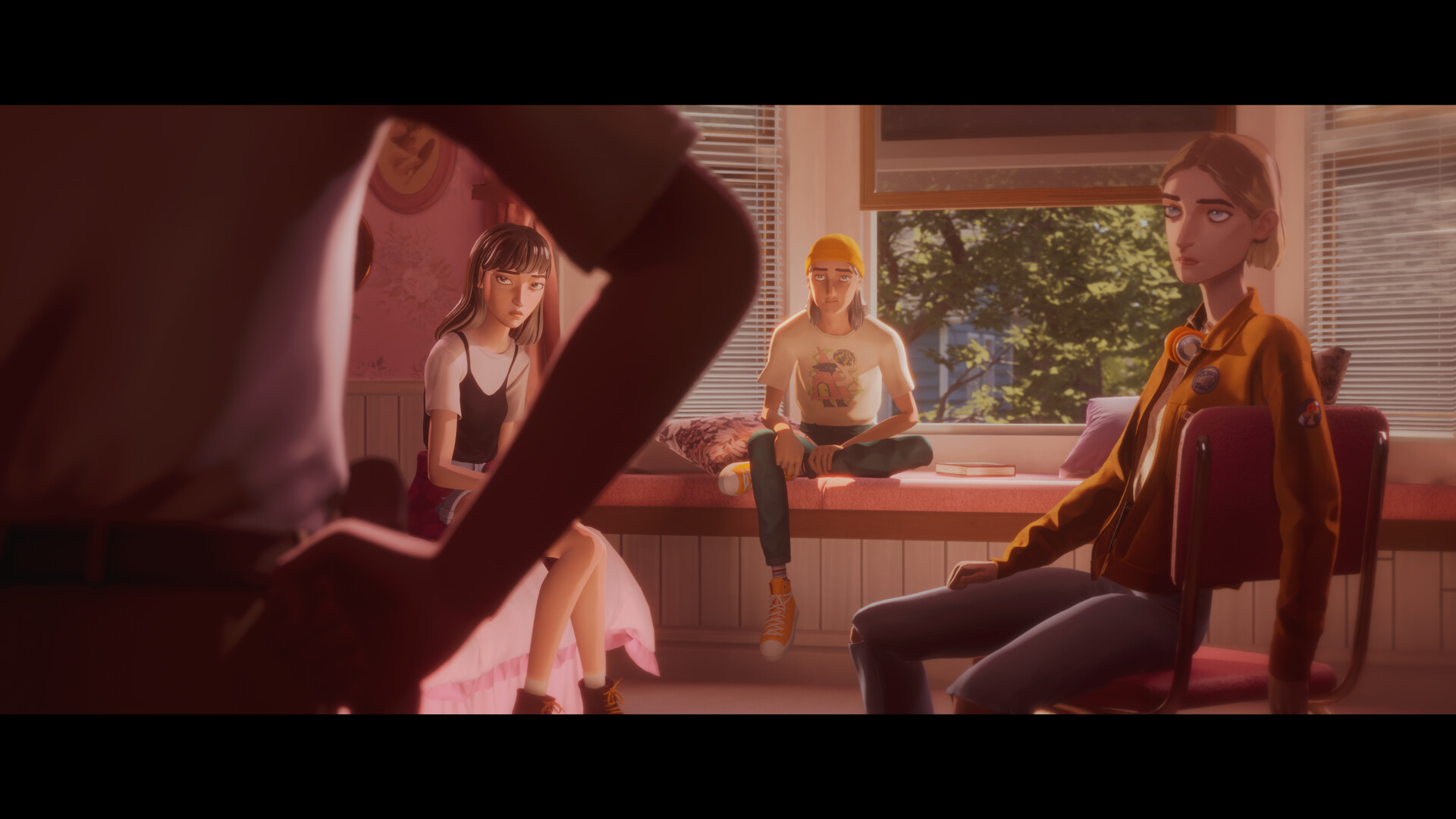
Mixtape is an intimate, stylish snapshot of youth that mostly hits the notes it sets out to play. It’s short but remarkably dense: a love letter to nostalgia that uses licensed music as a gameplay and storytelling tool. Buy it if you want a cinematic, music‑first experience and don’t mind a brief runtime; skip or demo it if licensed alternative rock isn’t your thing or you need hours of mechanical depth.
Pros
- Stunning art direction and cinematic scene composition
- Fantastic licensed soundtrack that shapes gameplay
- Short, re‑playable vignettes with varied interactions
- Strong writing and natural voice performances
Cons
- Short length may feel too brief for some
- Music taste is subjective — some tracks can be harsh
- Occasional technical hiccups and intentional stutter effects
Player Opinion
Players consistently praise Mixtape’s soundtrack, art style and the way it evokes teenage memory. Many reviews call it cinematic and compare it to Life Is Strange, Lost Records or Road 96, but several emphasize that Mixtape stands on its own thanks to tight pacing and clever musical choreography. Common criticisms include the game’s short runtime (around three hours) and that the music won’t be for everyone — some found tracks too trebly or the intentional stutter effect physically unpleasant. Performance reports are mostly positive, though a few users mentioned texture pop‑ins on lower‑end hardware. If you loved the moodiness of Life Is Strange or the playlist‑driven nostalgia of Lost Records, you’ll probably find a lot to adore here.