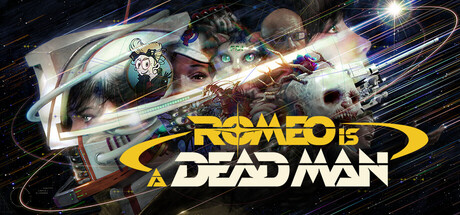




ROMEO IS A DEAD MAN Review — Suda51’s Bloody Neon Spectacle
A chaotic, stylish third-person action from Grasshopper Manufacture: sword-and-gun combat, blood-absorption specials and a Suda51-shaped heart. Charming, strange and sometimes rough around the edges.
I booted up ROMEO IS A DEAD MAN expecting a weird Suda51 ride, and I got exactly that: a loud, colorful action-adventure that wears its influences on its sleeve. You play Romeo Stargazer, a revived agent of the FBI’s Space-Time Police, swinging between swords and guns while hunting criminals and his missing Juliet. The premise is gloriously bonkers — Lovecraftian hints, neon gore and a masked identity called Deadgear — and it all moves at a cinematic, Saturday-morning-cartoon pace. If you enjoy stylish combos, oddball storytelling and retro-anime aesthetics, this will likely hit your sweet spot.
Blades, Bullets and Bloody Ballet
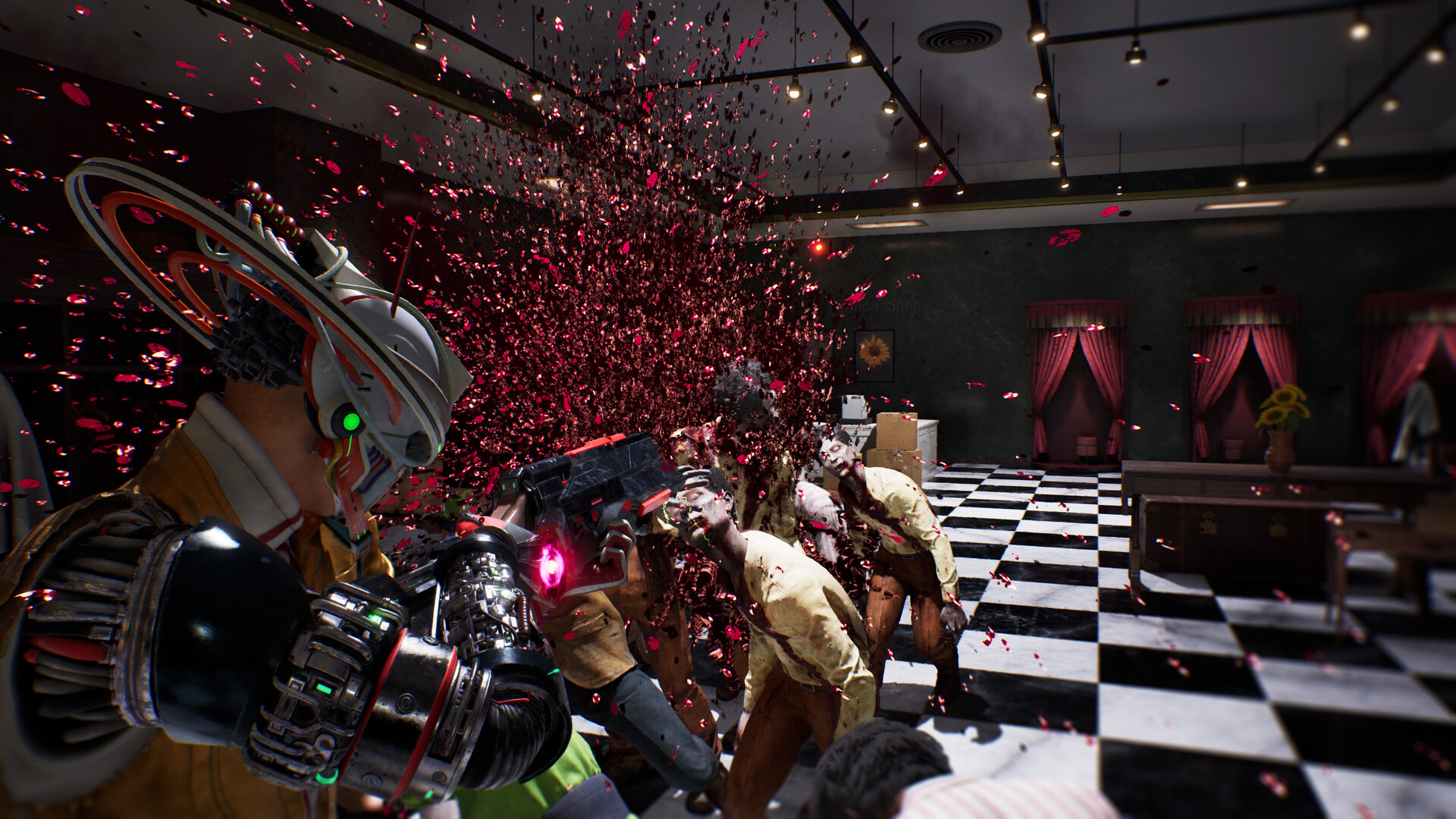
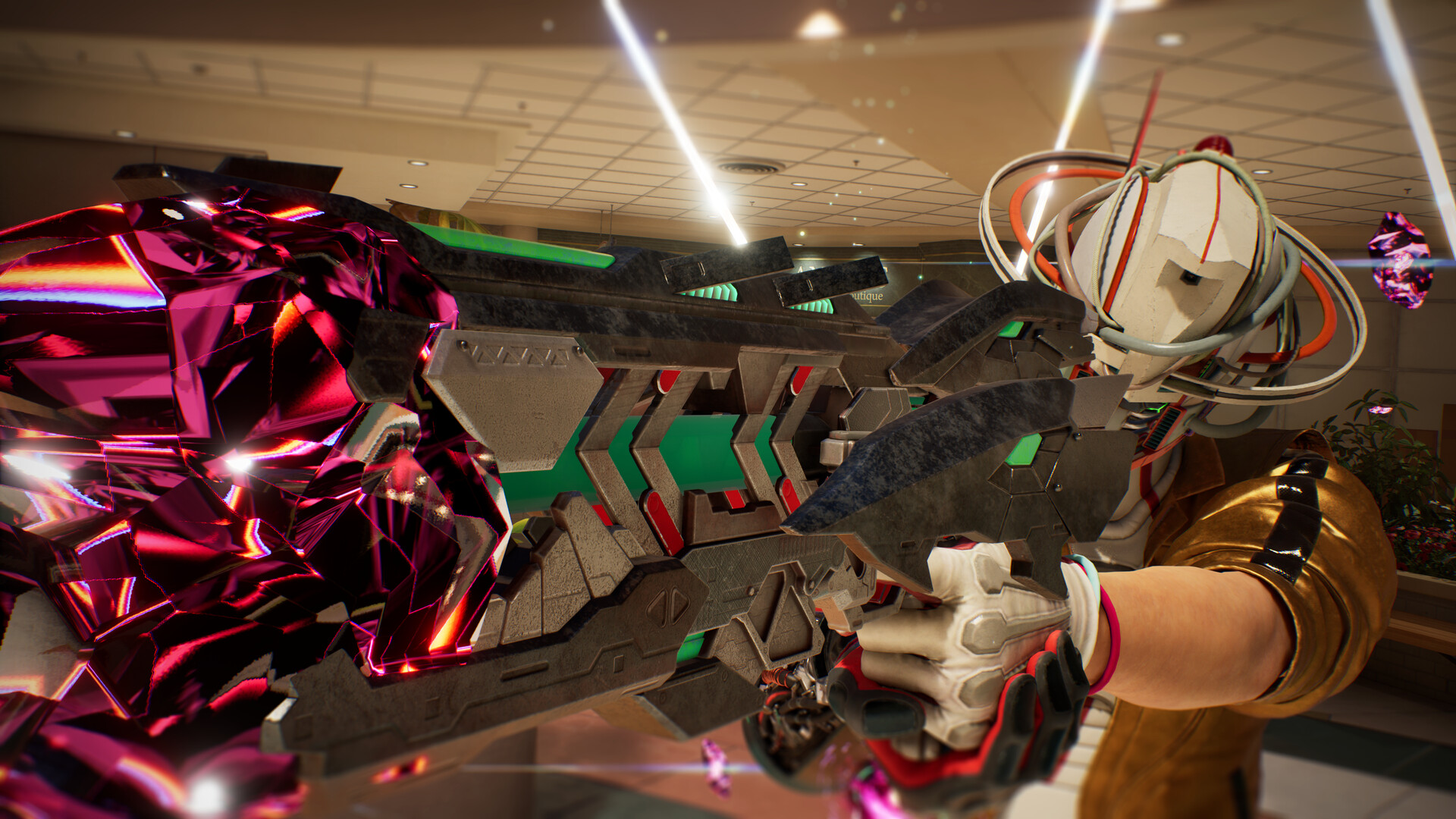
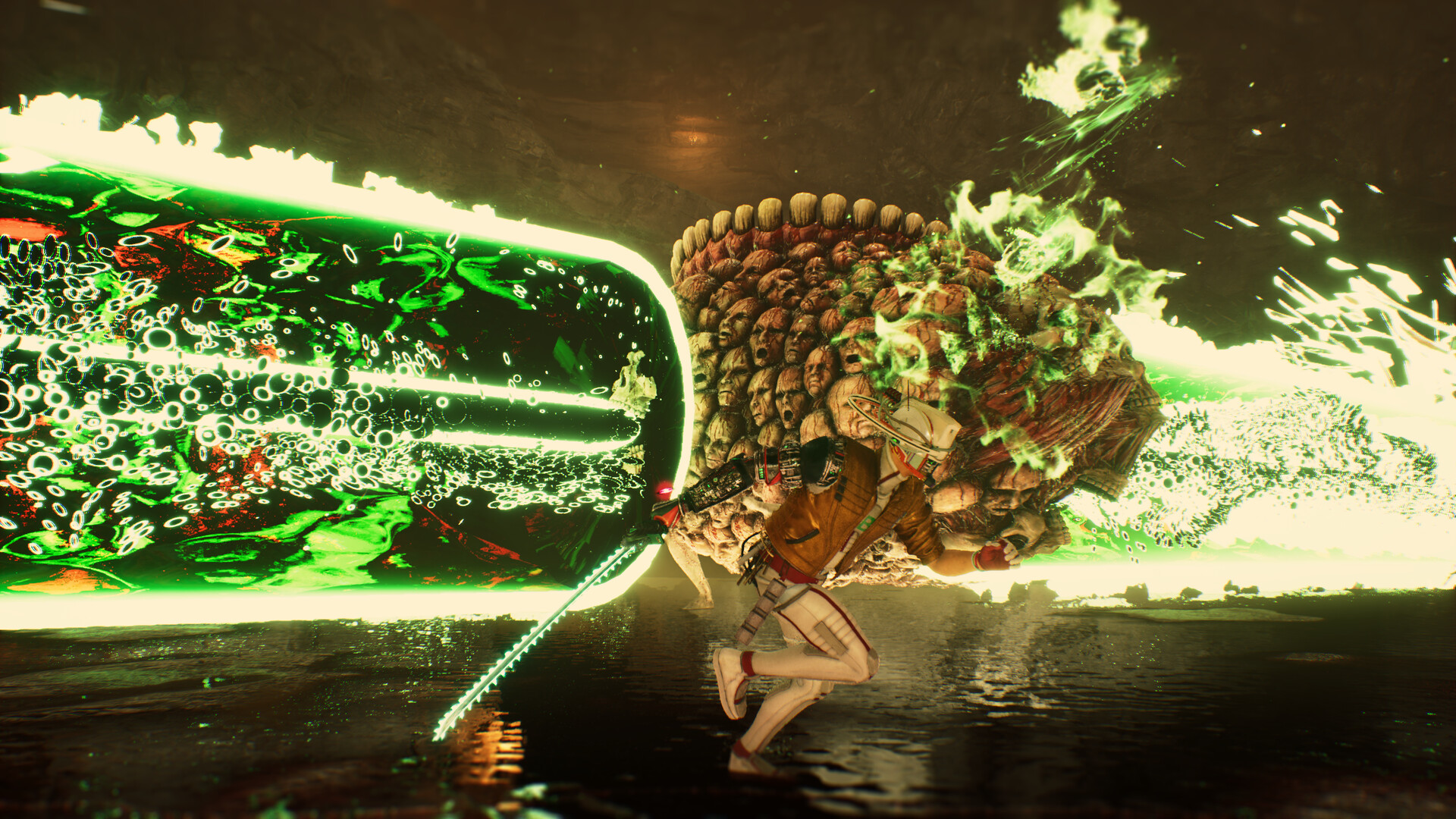
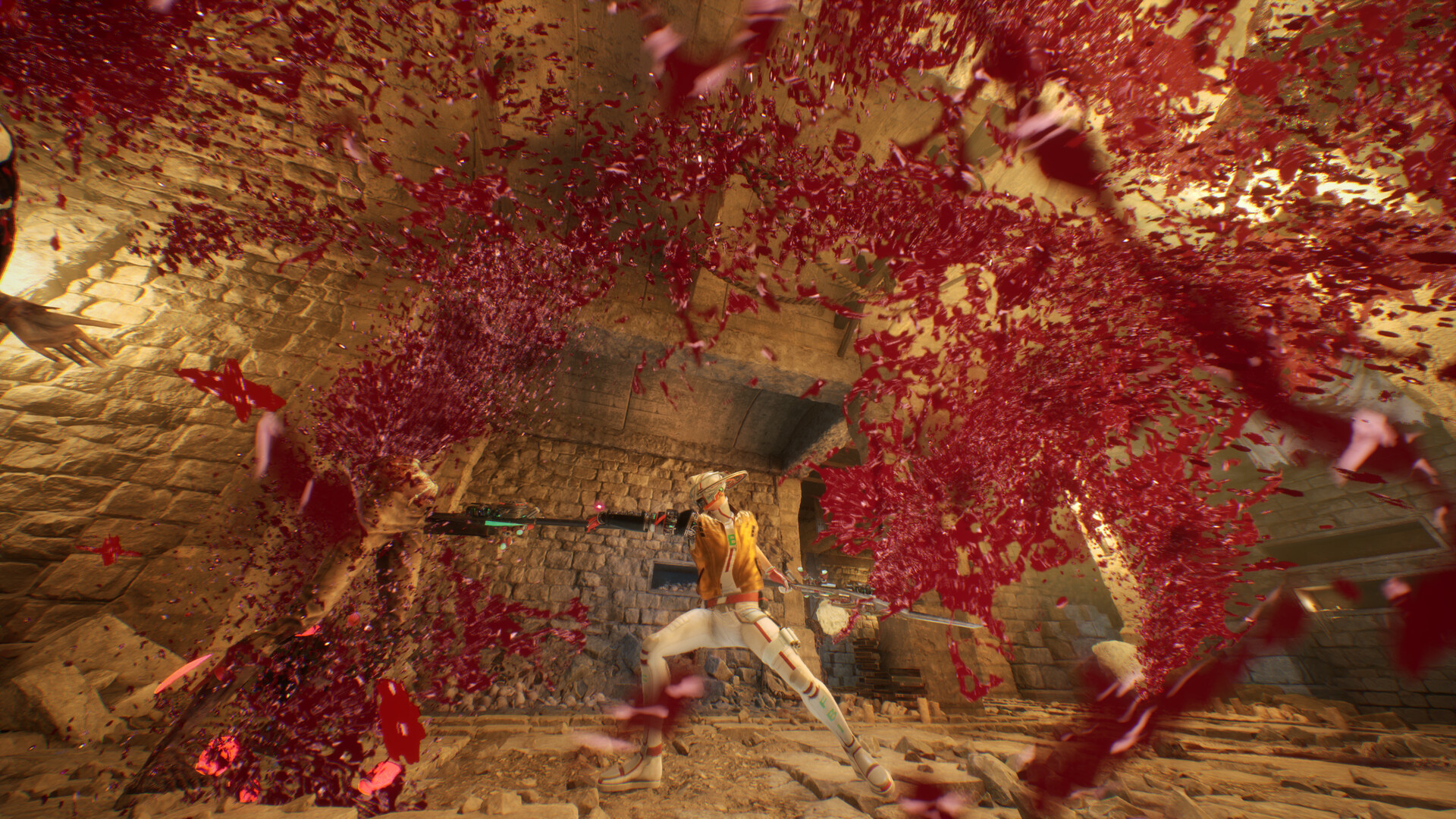
ROMEO IS A DEAD MAN is pure third-person spectacle: you alternate between swordplay and guns, stringing together combos that feel punchy and theatrical. Enemies come in waves during many encounters, forcing you to mix ranged strafing with close-up slashes; I found myself dancing around arenas rather than camping one button. The blood-absorption mechanic is the game's signature — siphon enemy blood to charge Bloody Summer, a finisher that can flip a fight in a heartbeat and looks gloriously over-the-top. Chapters are split into set pieces and side missions, which lets you slow down for exploration or rush forward for more set-piece carnage. Boss fights lean into Suda51’s love of spectacle: bizarre enemy design, wrestling-with-the-camera moments and mechanics that reward pattern reading. Progression feels satisfying — weapons evolve, new moves unlock, and small upgrades change how you approach crowds. Don’t expect a tight, esports-level combat simulator; this is stylized, sometimes messy, but intentionally theatrical combat.
When Love, Lunacy and Mechanics Collide
Where ROMEO stands out is how it blends narrative weirdness with gameplay flourishes. The story—space-time ripped apart, Romeo resurrected to hunt criminals while searching for Juliet—pairs nicely with side content that ranges from straightforward bounties to genuinely strange mini-episodes. There are clear nods to past Grasshopper titles: narrative absurdity, recurring motifs and faces that longtime fans will grin at. The game lets you set your pace — some chapters pressed me forward with non-stop encounters, others rewarded careful exploration and side quests that unlock weapon variants. Unique mechanics like absorbing blood to power attacks and the Deadgear transformation give you tangible, visceral payoff when pulling off risky plays. I loved how the designers leaned into unpredictability; fights often throw in weird enemy types or sudden changes that force adaptation.
A Carnival of Neon and Noise
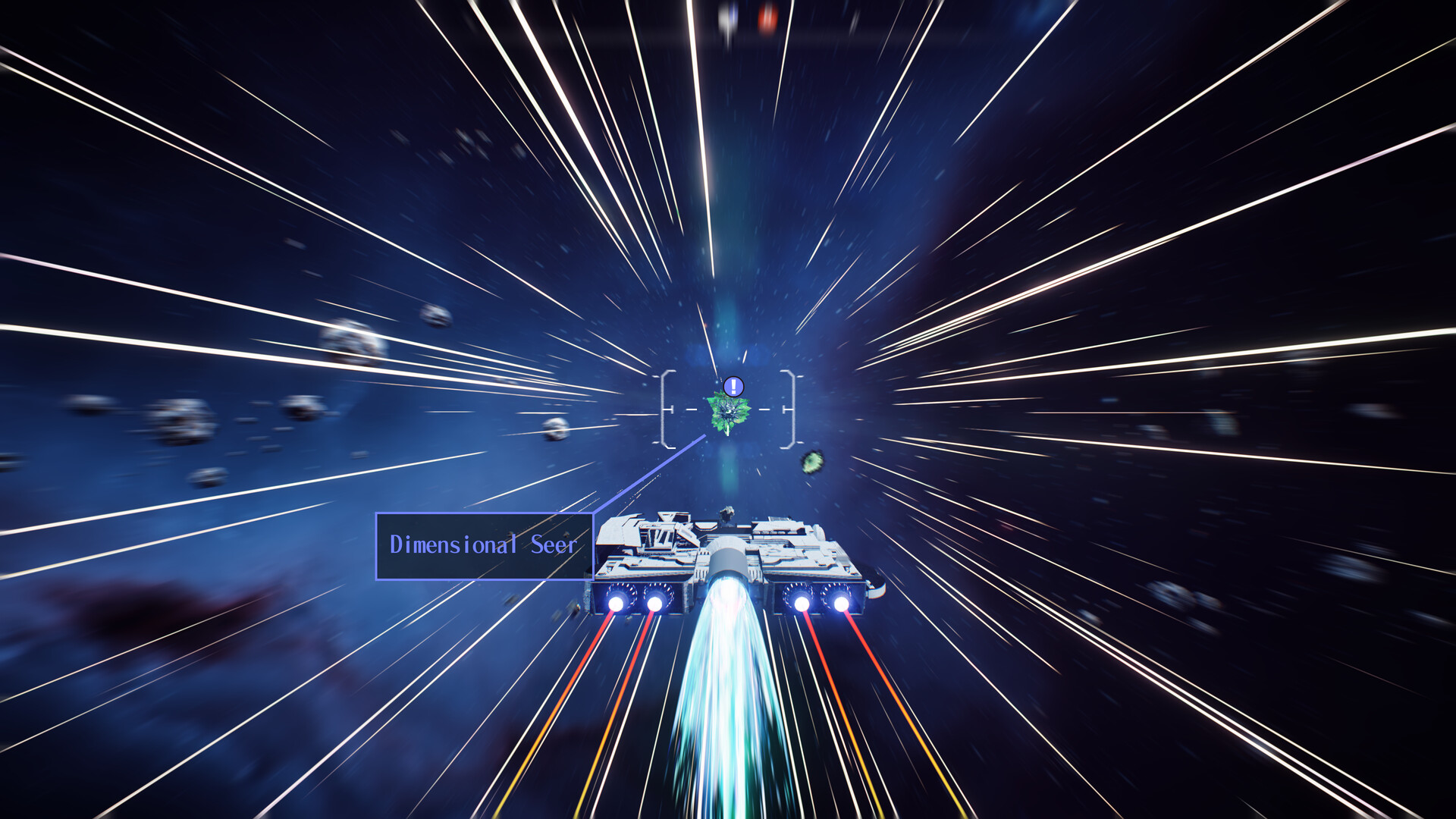
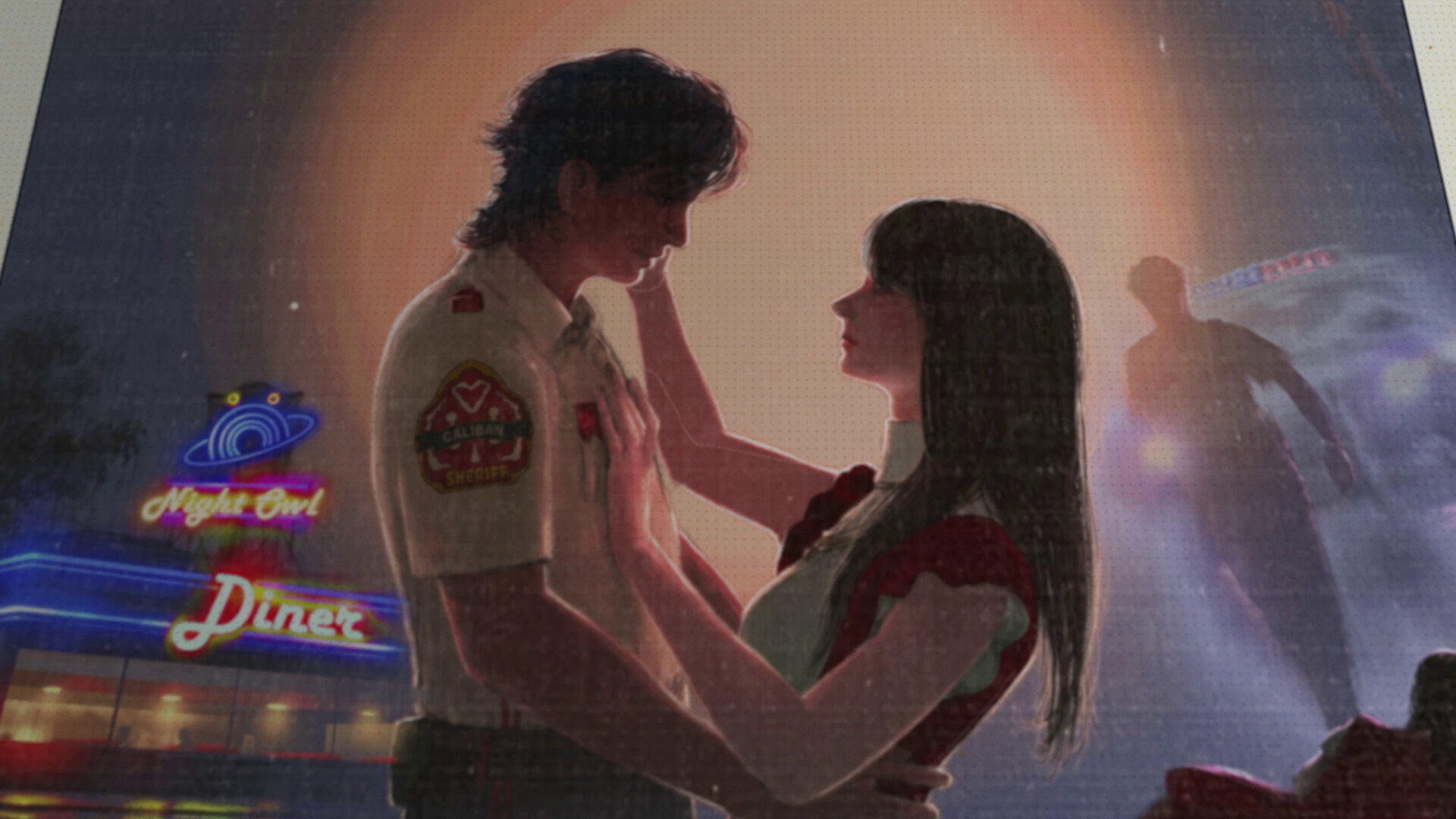
Graphically the game is loud in the best way — early-2000s anime abstraction meets modern polish: neon palettes, chunky character silhouettes and gore used almost as visual punctuation. The soundtrack matches that energy: loud, eclectic, and occasionally gloriously unhinged; it pushes scenes into memorable territory. However, a recurring issue among players (and in my sessions) has been performance hiccups: frame drops during the flashiest moments—especially during finishers—can break the rhythm and occasionally turn a triumphant moment into a jarring pause. Accessibility options are present but not exhaustive: difficulty tuning and some quality-of-life toggles are there, though ultrawide support and deeper performance presets are currently missing for some players. That said, the aesthetic and audio design are instantly addictive and help carry the game even when the technical side falters.
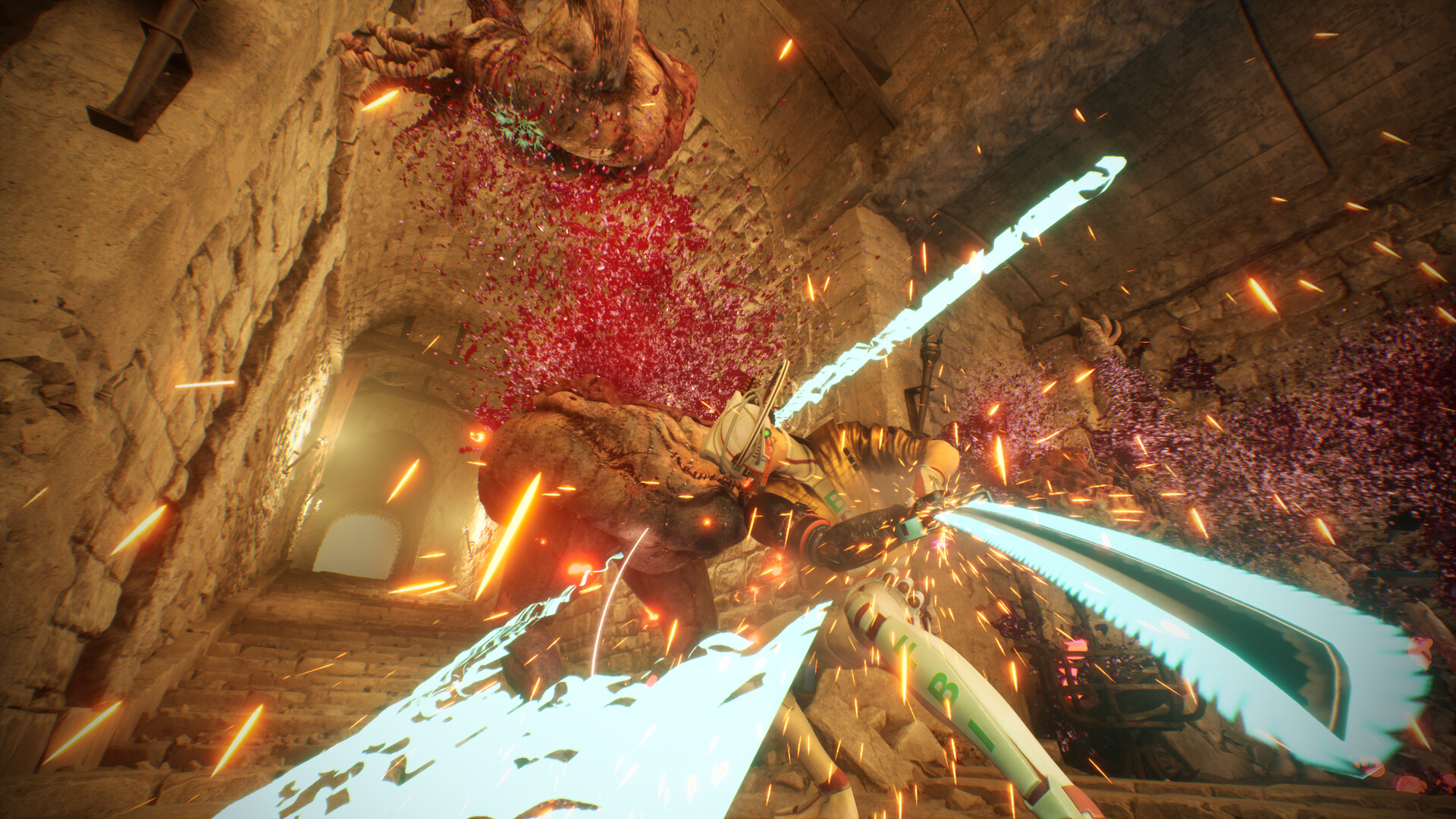
ROMEO IS A DEAD MAN is a messy, brilliant slice of Suda51-style action: full of flair, sometimes rough around the edges, but rarely boring. If you want an audacious singleplayer ride with bold visuals, a memorable soundtrack and violent, theatrical combat, this is worth a look — just be aware of performance hiccups on some setups. Recommended for fans of stylistic action and anyone who enjoys video games that wear their personality proudly.
Pros
- Distinct Suda51 flavor — surreal, bold and memorable.
- Gorgeous, loud art direction and a killer soundtrack.
- Satisfying weapon progression and the Bloody Summer finisher.
- Flexible pacing with side missions for exploration.
Cons
- Performance hiccups and occasional stuttering during big moments.
- Ultrawide/support & some QoL options missing at launch.
- Story can be confusing for newcomers to Suda51’s style.
Player Opinion
Players have been overwhelmingly vocal about the game’s Suda51 pedigree: many call it a love letter to past Grasshopper projects and praise how the title captures chaotic, neon-soaked absurdity. Combat receives praise for feeling like a logical next step from No More Heroes — that mix of sword-and-gun spectacle gets a lot of cheers. Fans adore the soundtrack, the references to older games and the sheer charm of the aesthetic. On the flip side, a common criticism is technical: several users report stutters and frame drops during the flashiest sequences, which can sour big moments. Others ask for ultrawide support and performance improvements. In short: if you’re already into Suda’s chaos, community sentiment is excited; newcomers might be confounded but intrigued.