





Lucid Blocks Review — Surreal Voxel Dreams and Crafting Chaos
A hypnotic indie that blends infinite procedural voxel worlds, cozy crafting and unsettling dream-horror. Lucid Blocks hooks you with atmosphere, odd creatures and a deep item-fusion system that turns every run into a strange sandbox adventure.
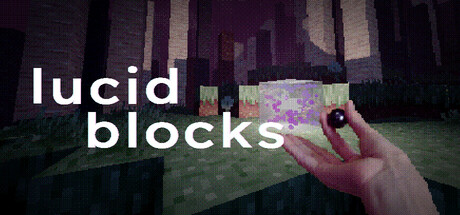
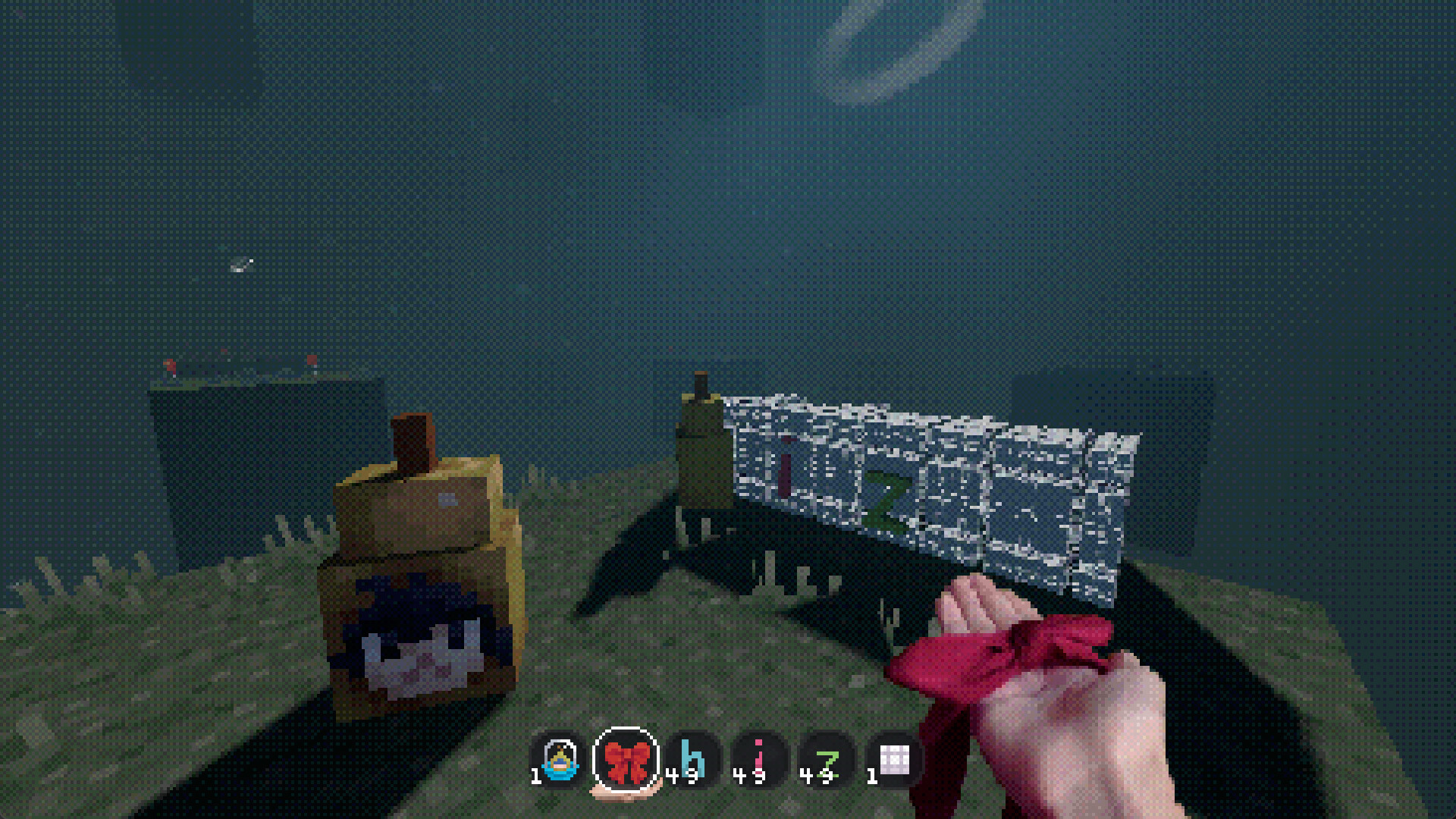
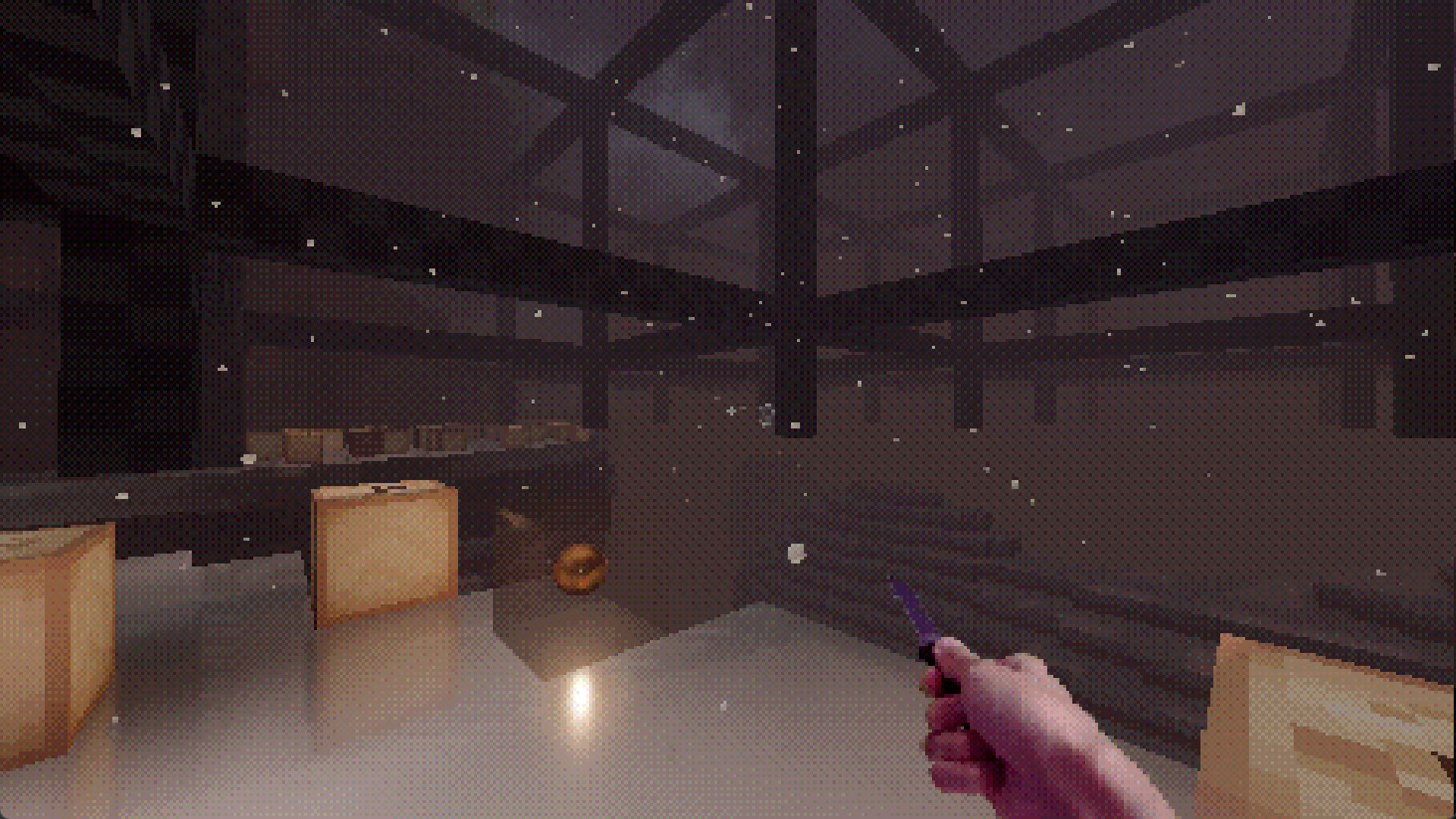
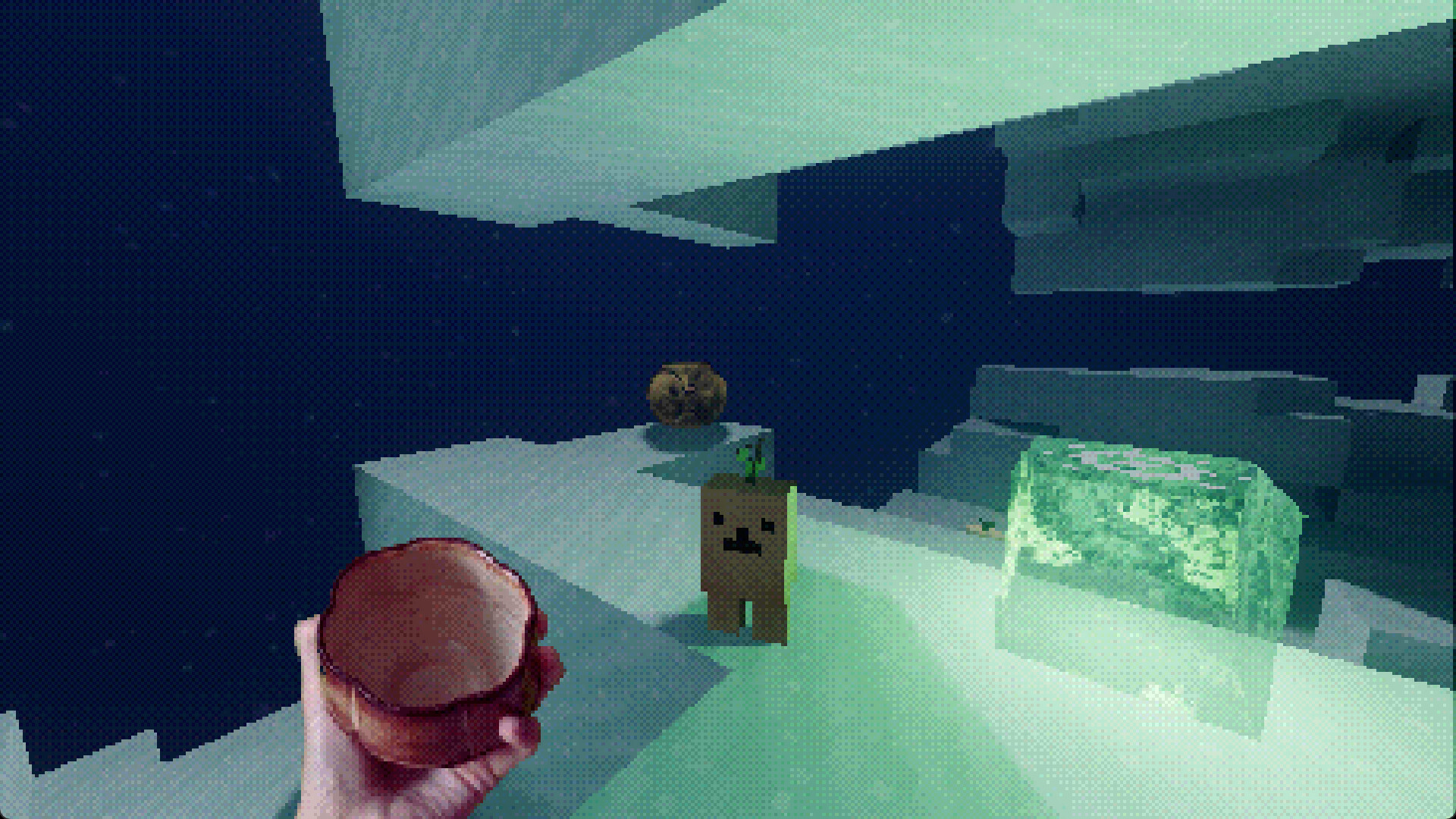
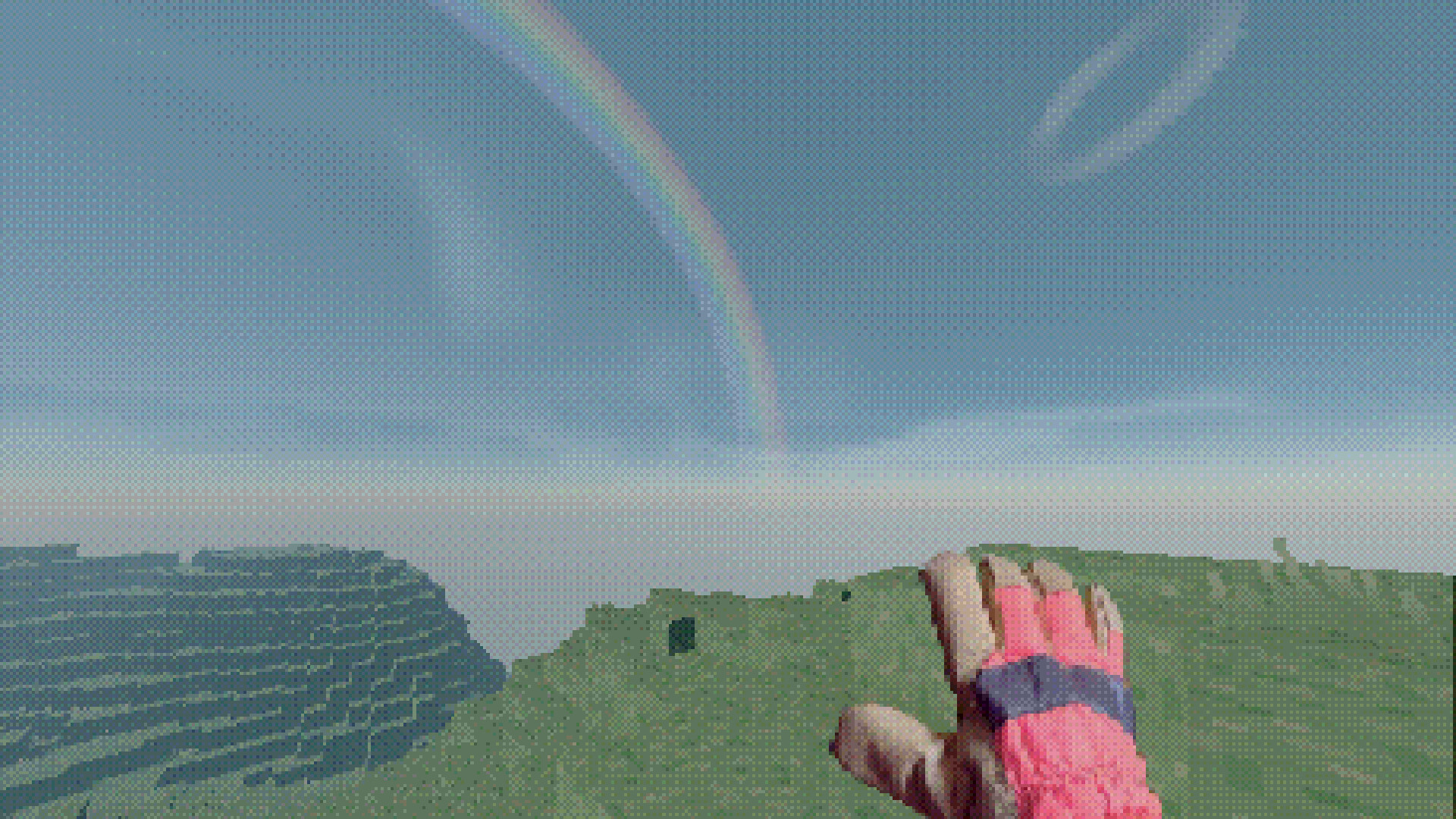
I jumped into Lucid Blocks expecting a cozy voxel builder with a spooky twist, and what I found felt like Minecraft on a lucid dream — equal parts comforting and unnerving. Developer Lucy B. Locks has sculpted a world that’s liminal, strange and strangely welcoming: plastic cities, endless fields, abandoned warehouses and critters that look like they wandered out of a fever dream. The procedural generation truly does go both horizontally and vertically, so every stroll turns into a small mystery. If you like exploration with a side of unease and a toolbox that rewards experimentation, this one’s worth the night shift.
Wandering the Lucid Layers
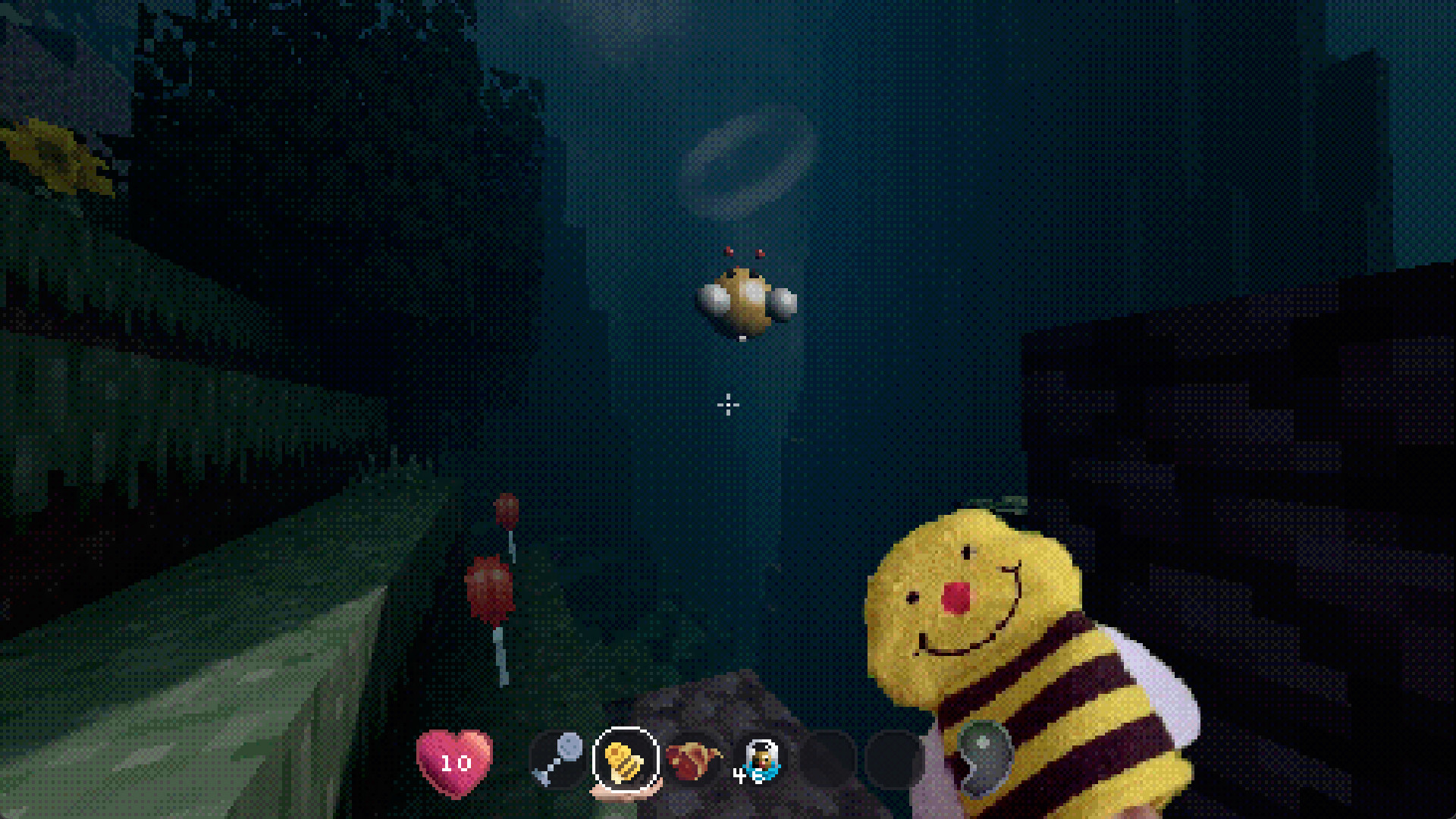
The core loop of Lucid Blocks is built around exploration, light survival, and joyful crafting, and you'll spend most of your time scavenging, building and experimenting with items you find. Worlds generate infinitely in both directions, so platforming between vertical strata or wandering horizontally can lead you to plastic cities, serene fields, or mammoth warehouses full of unnerving echoes. Combat exists but it rarely feels like the main event — you fend off manikins, squishy gels, higher-dimensional beings and the infamous mimic spiders with an eclectic kit rather than a strict skill tree. Tools and toys matter: grappling hooks and bee gliders open traversal options, bombs and blades offer tangy solutions to threats, and "haze hands" or a ball wand can produce delightfully chaotic interactions. The game nudges you toward discovery instead of holding your hand; I spent my first hour more bewildered than competent, then thrilled when a small system finally clicked and the world snapped into place. Building is a recurring reward loop: place voxels, light your scene, summon critters and watch the sandbox feel more like a lived-in dream.
Apotheosis: Merge and Make
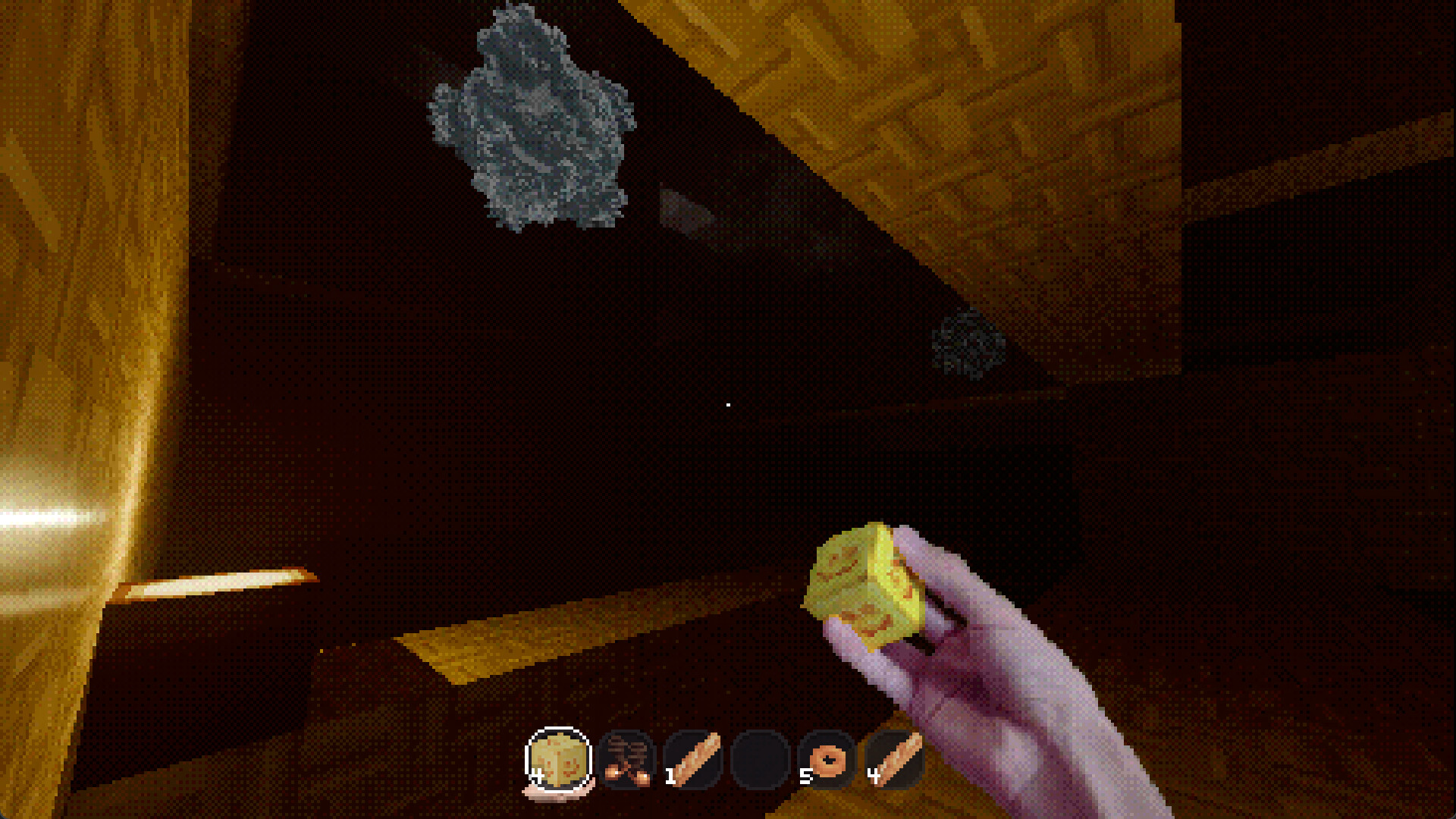
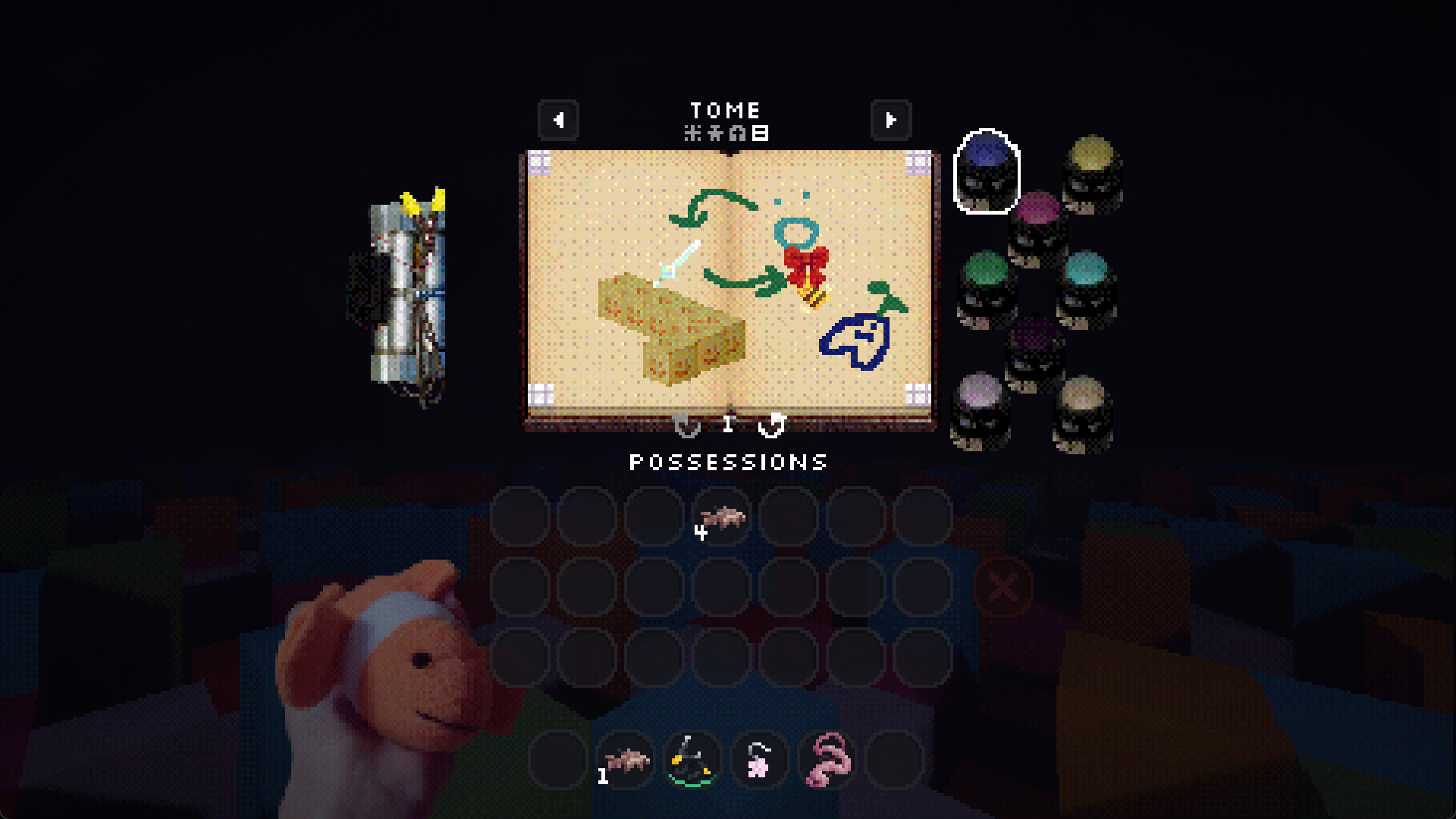
What really hooks me is the unrestricted item fusion system — apotheosis — which encourages reckless creativity rather than rigid crafting recipes. You can merge dozens of items to create weird hybrid tools: a blade fused with a ball wand that explodes into glittering nastiness, or a grappling hook engraved with properties that make it behave like a bee glider. That freedom means every player’s toolkit starts to look like an eccentric collection of personal hacks, and watching a friend’s ridiculous contraption work is as satisfying as discovering your own. Because items can be combined in emergent ways the game frequently surprises you; sometimes you end up with a broken monstrosity, sometimes a perfect solve for a spider problem, and often just something that makes the world feel weirder. There is genuine joy in leveling up, merging and then testing things in the field — it turns itemization into a playground rather than a checklist.
Plastic Cities and Dreamy Soundscapes
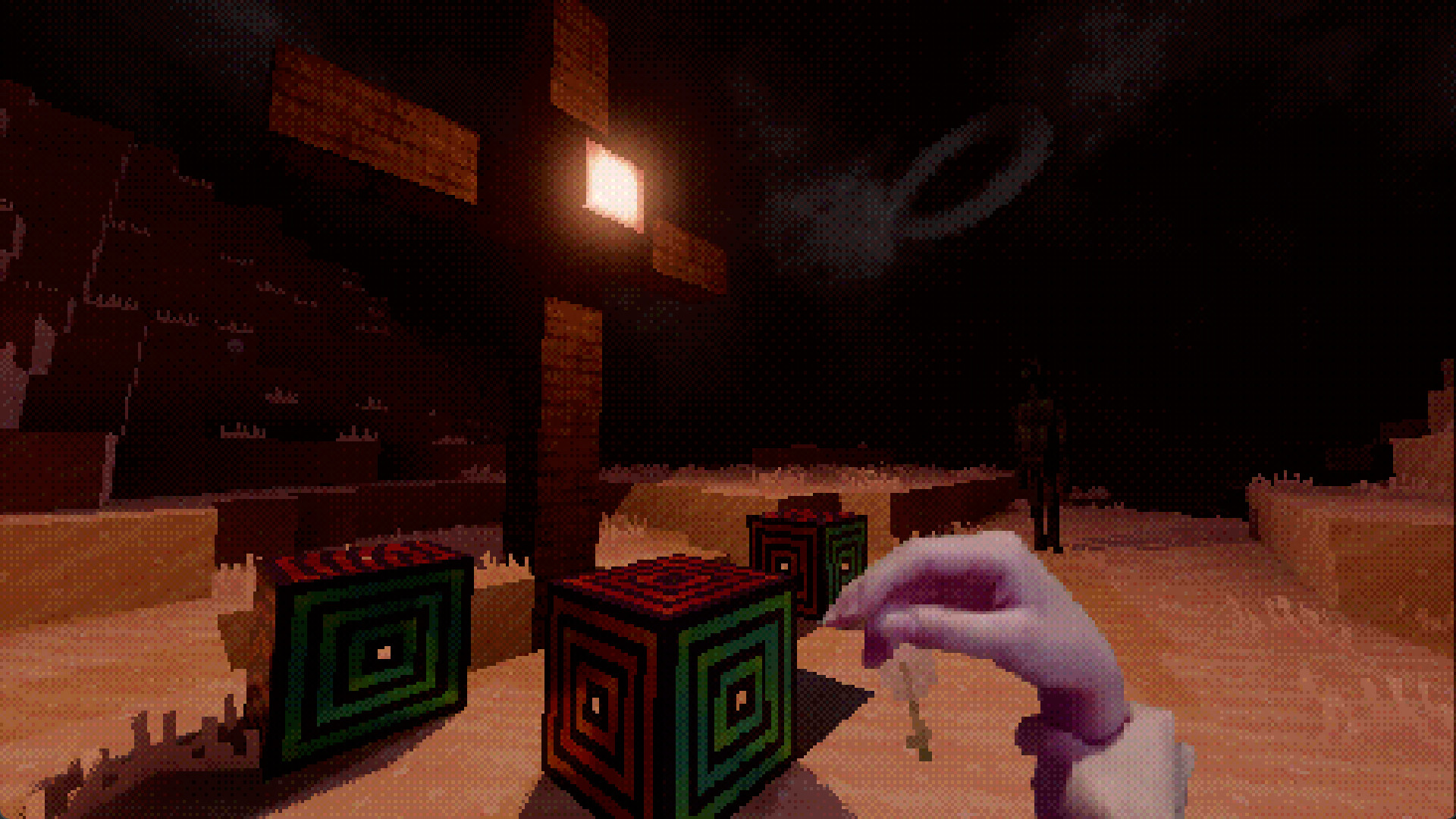
Visually, Lucid Blocks wears its liminality on its sleeve: glossy, slightly off plastic textures, bold voxel silhouettes and dynamic lighting that makes ordinary blocks feel uncanny. The sound design and music deserve special mention; ambient drones, distant chimes and eerie creature noises give the environments personality and often a creeping sense of nostalgia-for-somewhere-you’ve-never-been. Performance on Windows (the supported platform) ran smoothly during my play sessions, though loading sprawling procedural layers can show a hiccup if you teleport far too fast. Accessibility is decent but not exhaustive: controls are intuitive enough for keyboard players, and the game’s decision to reveal mechanics slowly is deliberate, though it may frustrate players who need more explicit onboarding. Overall, the presentation sells the dream: it’s both beautiful and mildly unsettling in a way that keeps you coming back to explore another corridor or fuse another pair of items.
Lucid Blocks is a brilliant, slightly deranged love letter to sandbox exploration that rewards curiosity and experimentation, even when it sometimes leaves you baffled. I recommend it to players who enjoy atmospheric indie titles, emergent crafting and strange, liminal worlds — bring patience and a sense of humor for the mimic spiders. If you demand hand-holding or clean systems, this might frustrate you, but for those who want to get delightfully lost, it’s a standout.
Pros
- Genuinely unsettling and beautiful atmosphere
- Infinite procedural worlds with verticality and surprise encounters
- Deep, freeform item fusion (apotheosis) that rewards creativity
- Lovely, weird critters and satisfying sandbox building
Cons
- Deliberately vague onboarding can frustrate some players
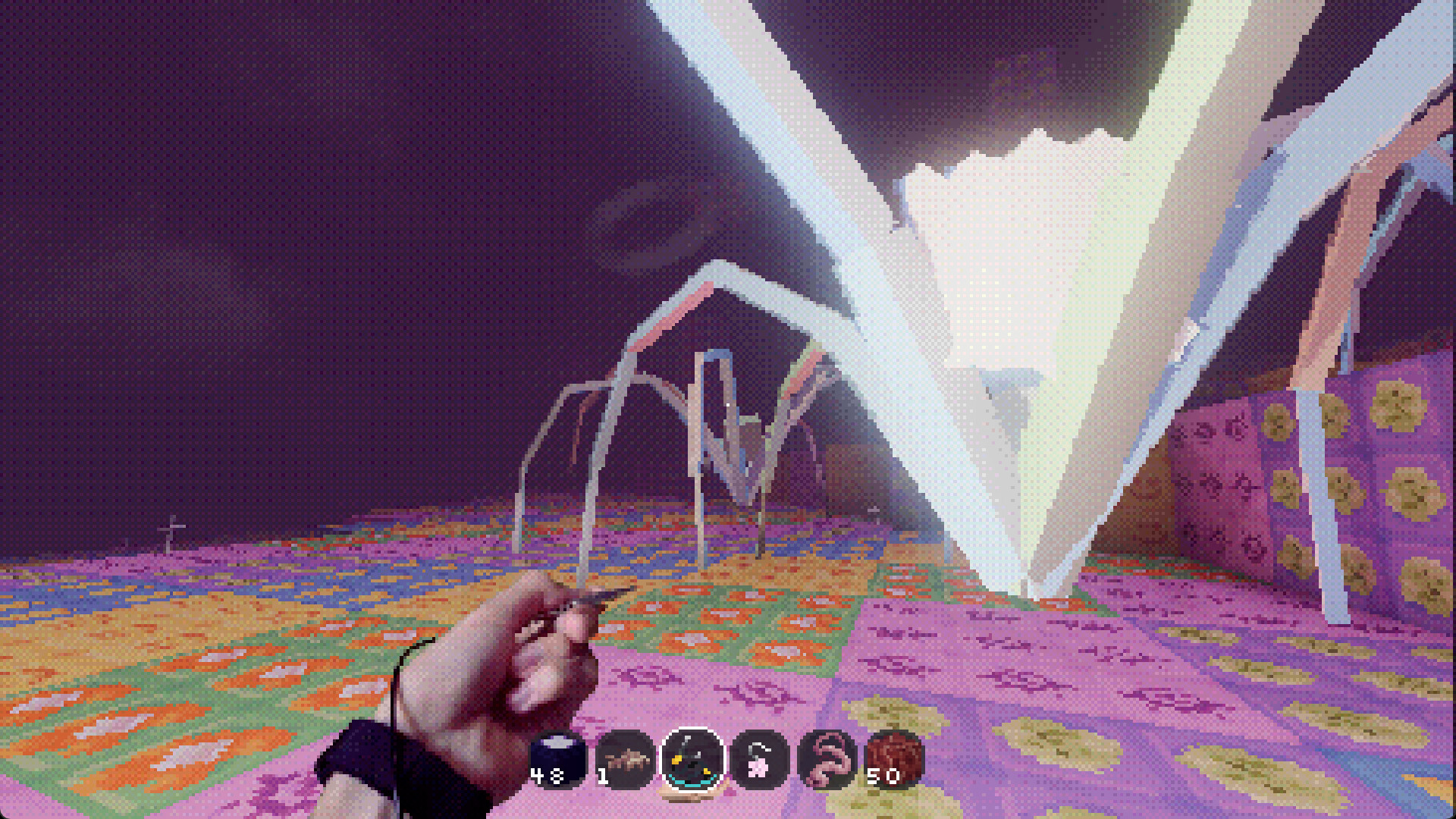
- Mimic spiders can feel unfair and startling
- Currently Windows-only; limited accessibility options
Player Opinion
Players consistently praise Lucid Blocks for its atmosphere, sound design and the joy of merging items — many reviews call it a masterpiece or describe it as "Minecraft on drugs" in the best way. Multiple users celebrate the crafting and apotheosis fusion system as deeply satisfying, and several mentions specifically highlight how leveling and merging feel rewarding. Critics in the community point out the game's obtuseness; a number of players say the game is "too vague" at the start and would prefer a morsel of guidance before being left to flail. The mimic spiders are a recurring complaint for players who feel hunted or frustrated by encounters that spiral quickly; conversely, others love the jump-scare tension and the risk-reward it creates. If you enjoy atmospheric exploration, emergent crafting systems and a little existential unease, the community response suggests you'll be in good company, but if you need explicit tutorials this might feel rough at first.