





Lay of the Land Review – Voxel Survival with Real Physics
A hands-on look at Lay of the Land: a voxel survival-builder that mixes realistic physics, deep building tools and emergent combat — gorgeous but rough around the edges.
I jumped into Lay of the Land expecting another blocky sandbox — what I found was a game that actually uses physics to change how you play. It blends crafting, building and emergent destruction in ways that made me laugh, groan and occasionally die beneath a falling tree. If you enjoy Minecraft, Vintage Story or the chaos of Teardown, this title scratches a similar itch but with its own personality. It’s gorgeous, fiddly, and already full of memorable moments.
Surviving a World That Moves
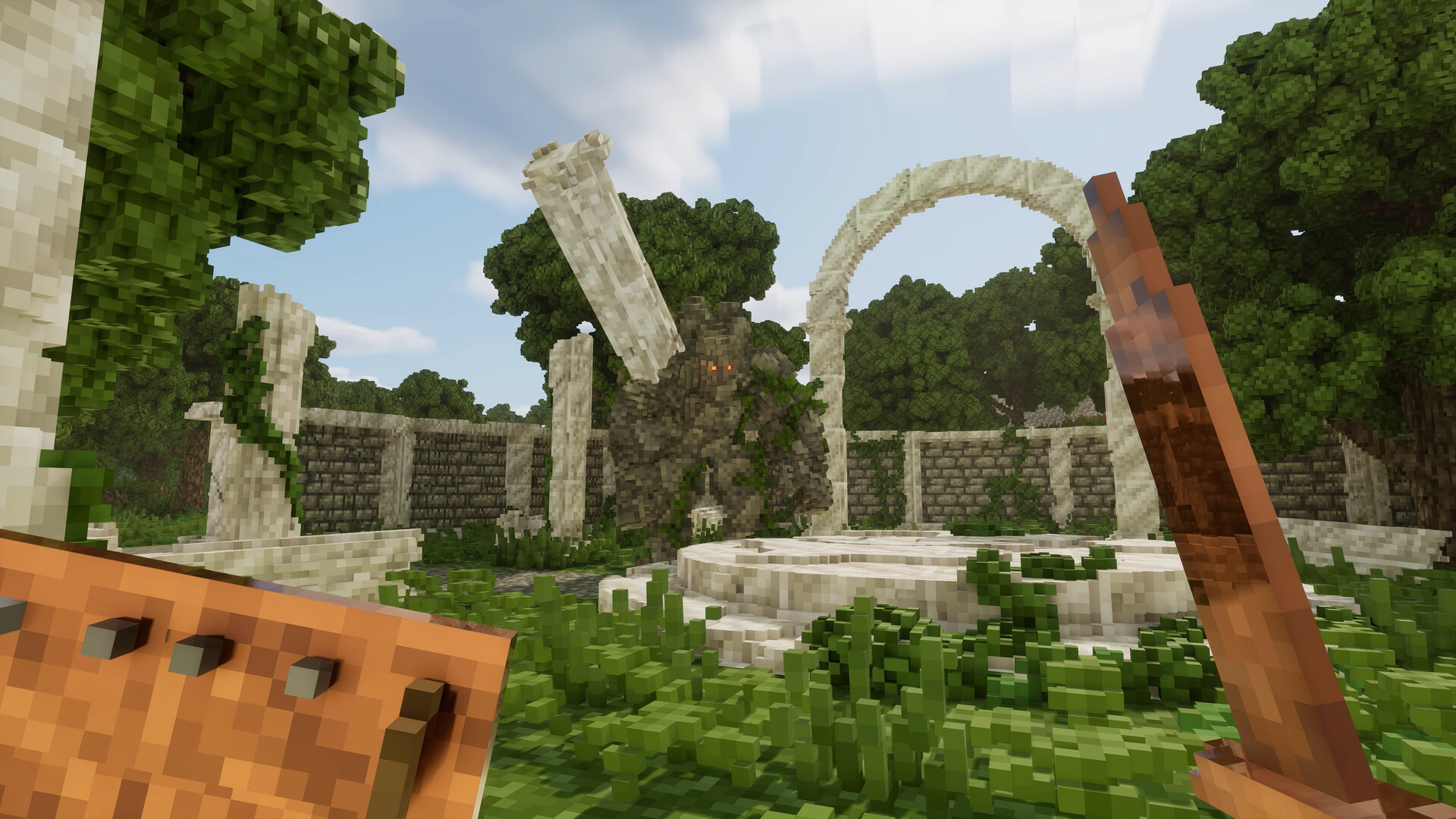
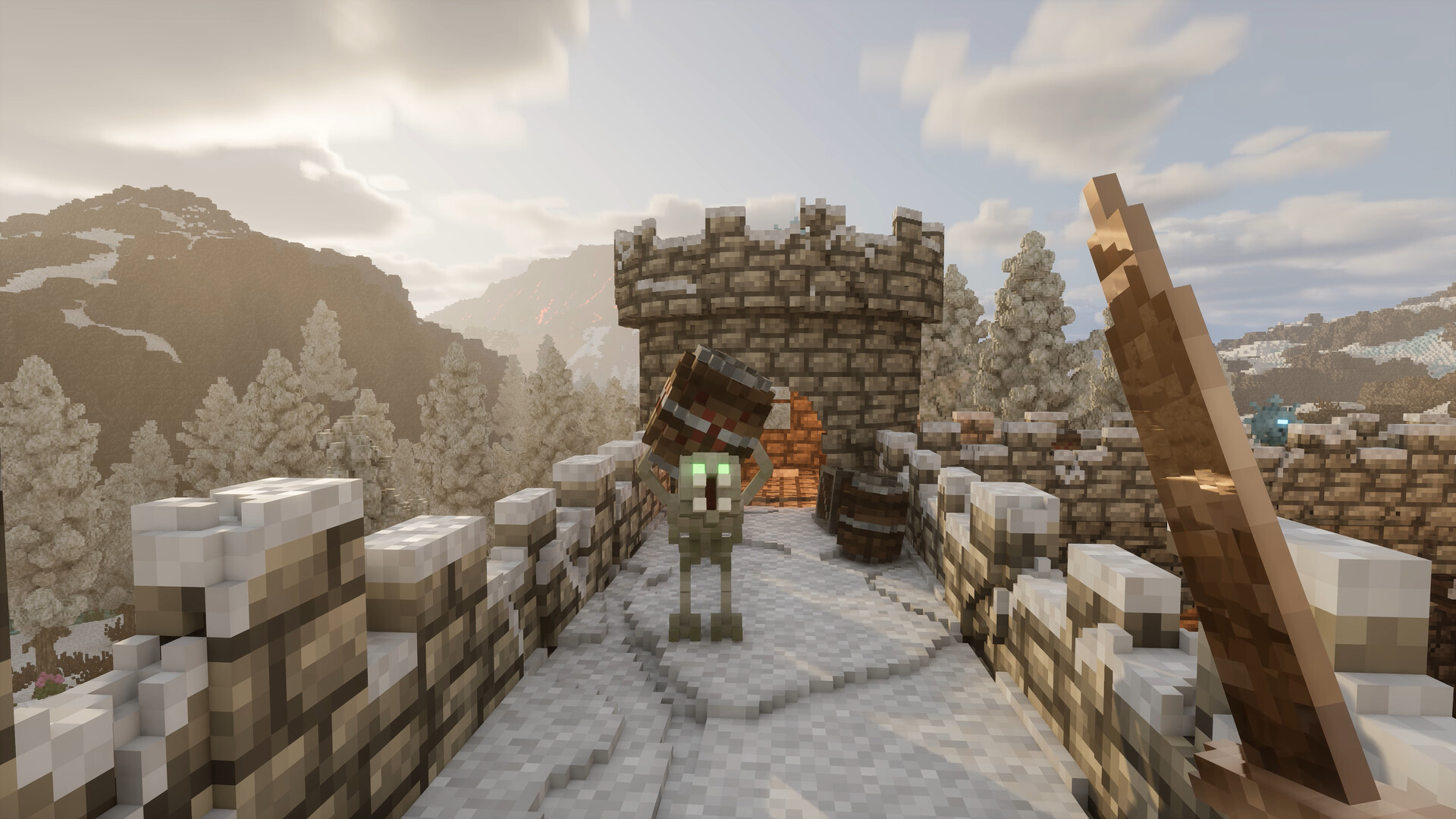
Lay of the Land’s core loop combines exploration, crafting and survival, but with a twist: the world reacts. Fires spread, sand collapses, water carves channels and trees fall realistically — sometimes on your head. You spend time harvesting resources with physically-based tools, assembling items by placing components on the ground, and then actually picking them up again. Combat can be up-close melee, ranged or spell-based; each style feels distinct because enemies and terrain interact with the same physics you do. I spent my first hour trying to avoid being crushed by a tree and my second hour gleefully collapsing cave roofs on monsters. That unpredictability makes simple tasks like clearing a path or raiding a ruin feel emergent rather than chore.
Tools, Building and That Satisfying Click
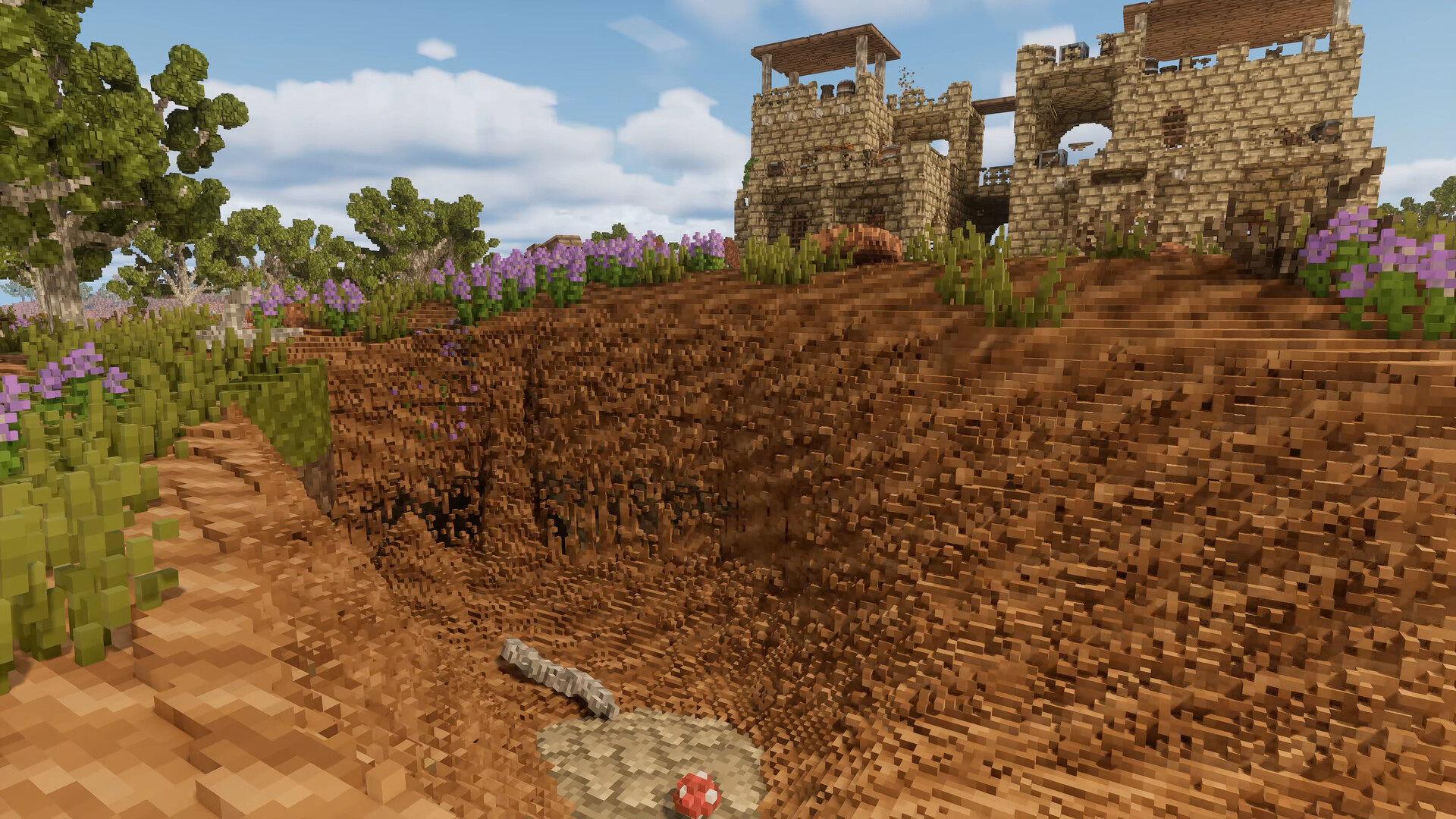
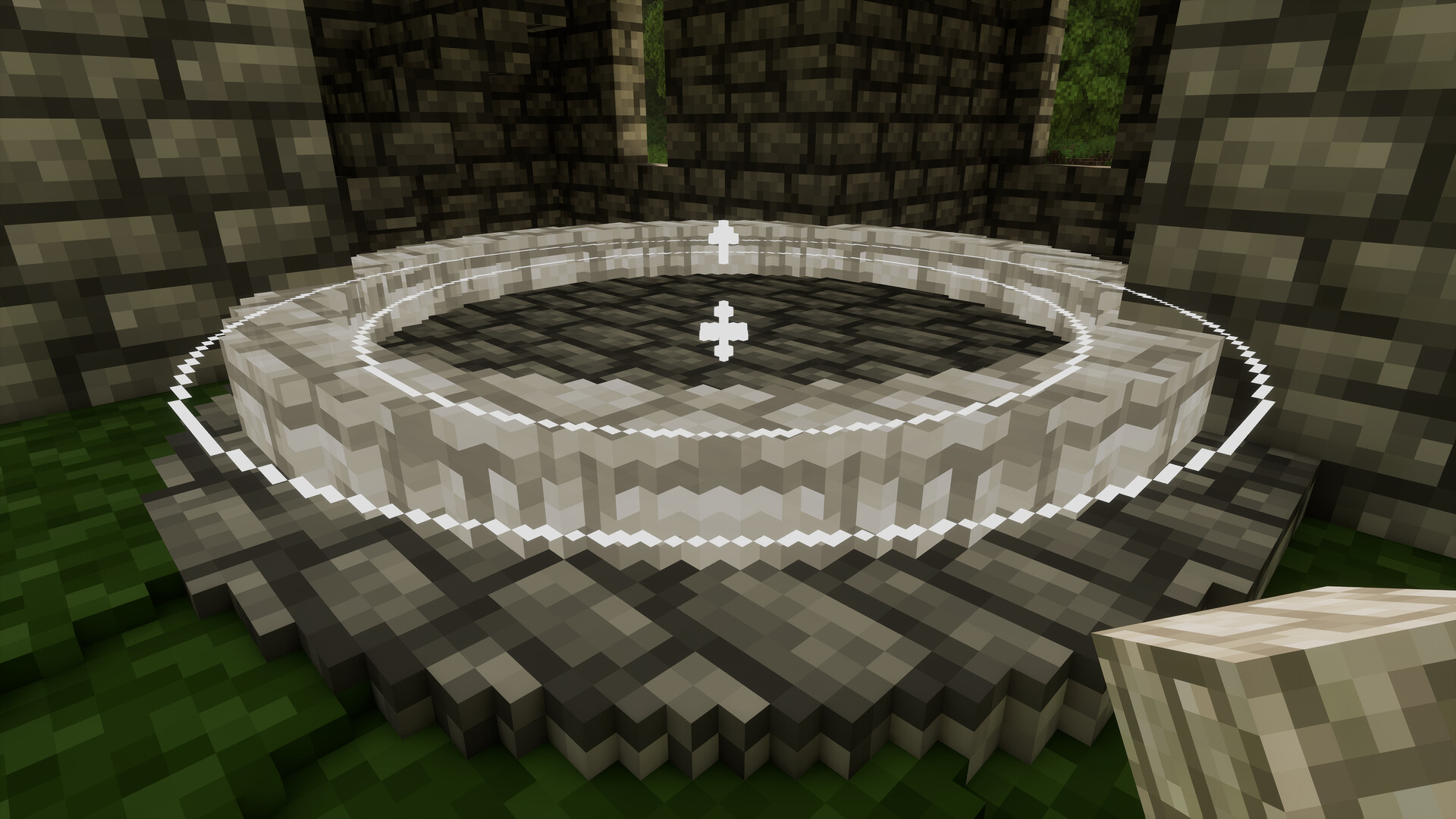
The building system is the game’s headline feature: voxel-based but not blocky in the boring way. There are cylinders and cones, sloped roofs, procedural prefabs and a set of decorative pieces that let you go from cottage to castle if you’re patient. The sculpting tools let you raise and lower terrain naturally, and drawing roads directly onto the ground is oddly satisfying. Crafting isn’t just menus — you physically lay out sticks, rope and flint to assemble an axe — which adds immersion but can feel slow when you’re in a hurry. Prefab duplication and custom prefabs alleviate repetition once you learn the systems, and the destructible environment means your builds can be spectacularly ruined by gameplay, which is both hilarious and terrifying.
A World That Looks and Sounds Alive
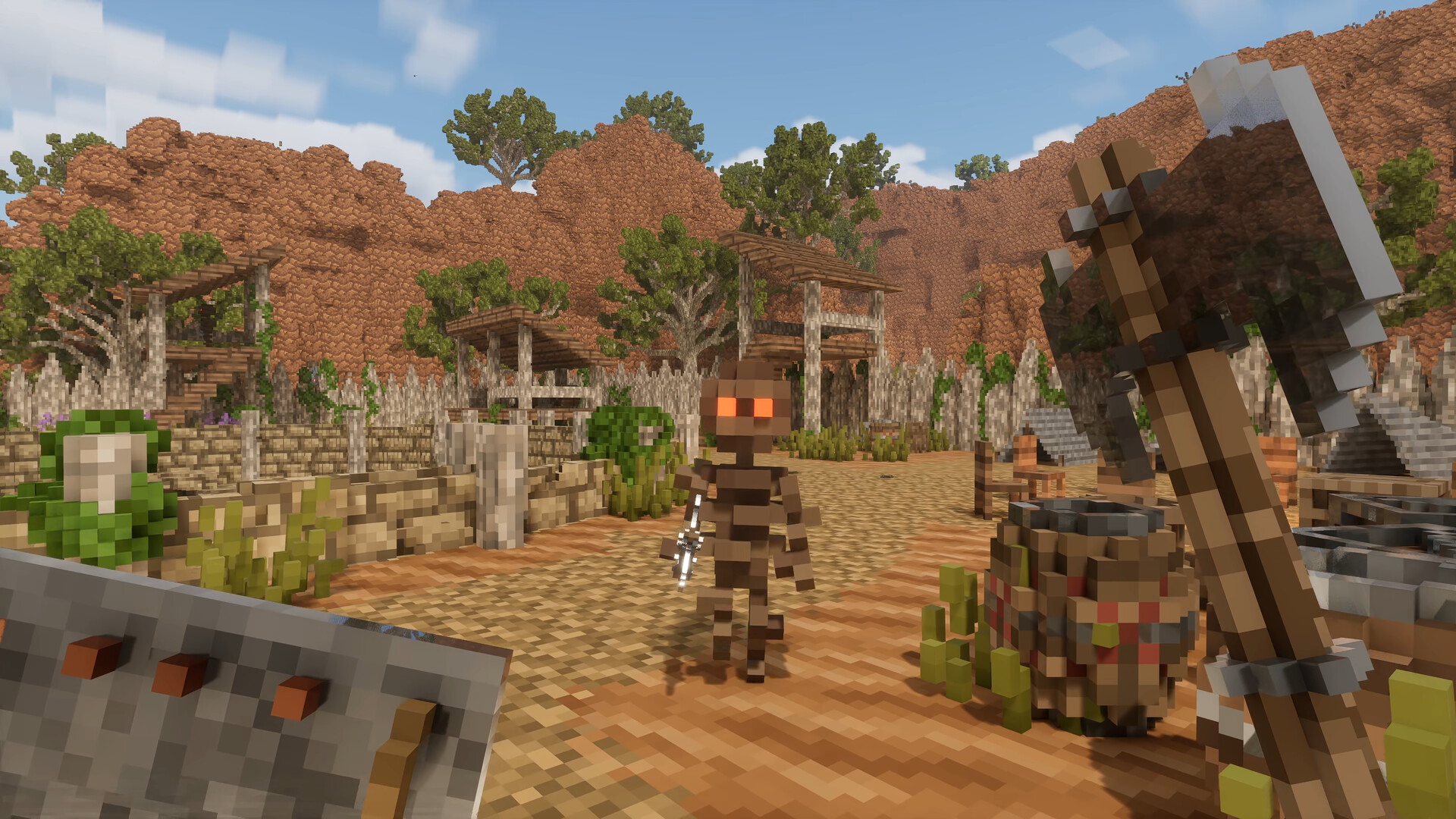
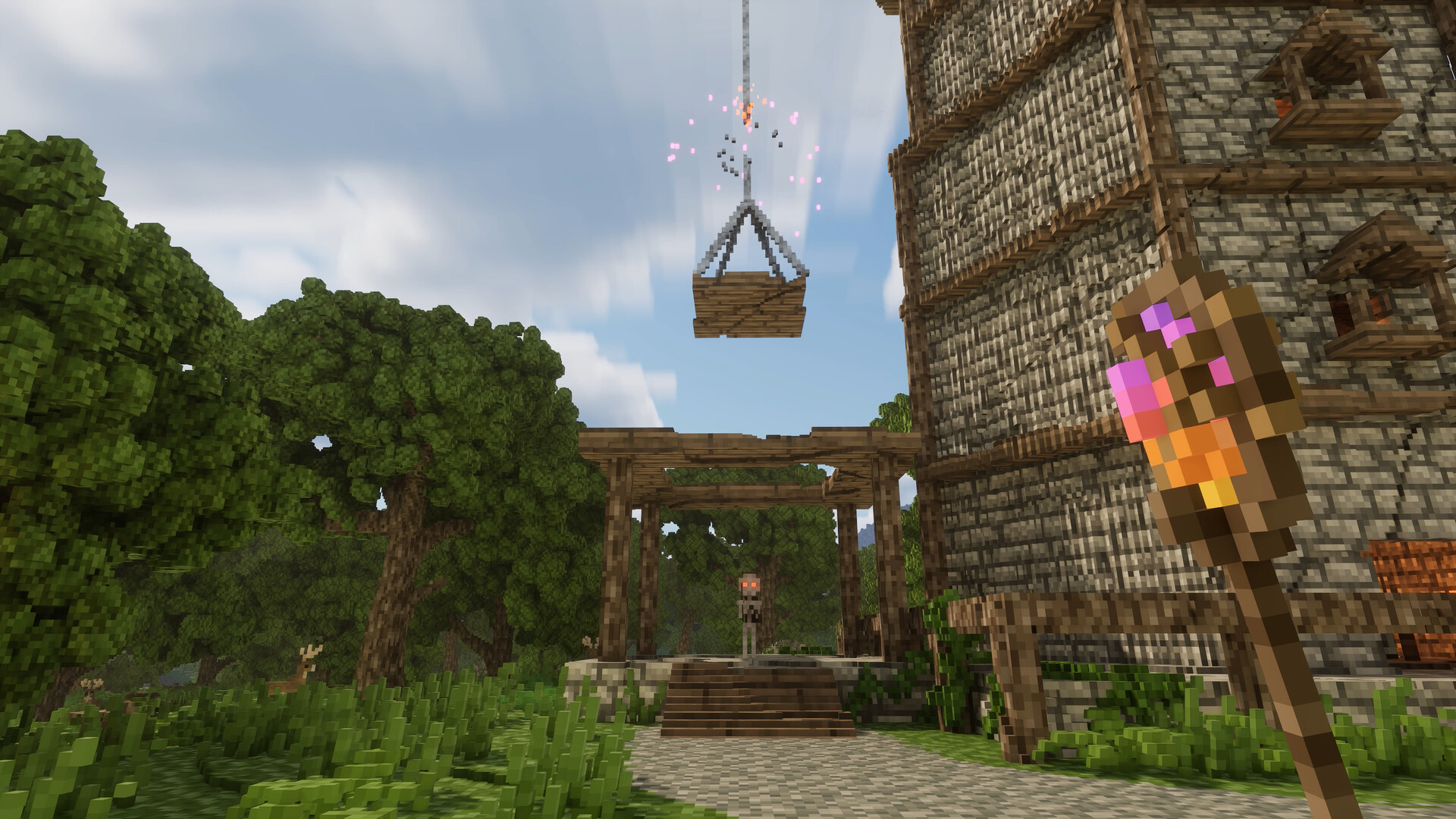
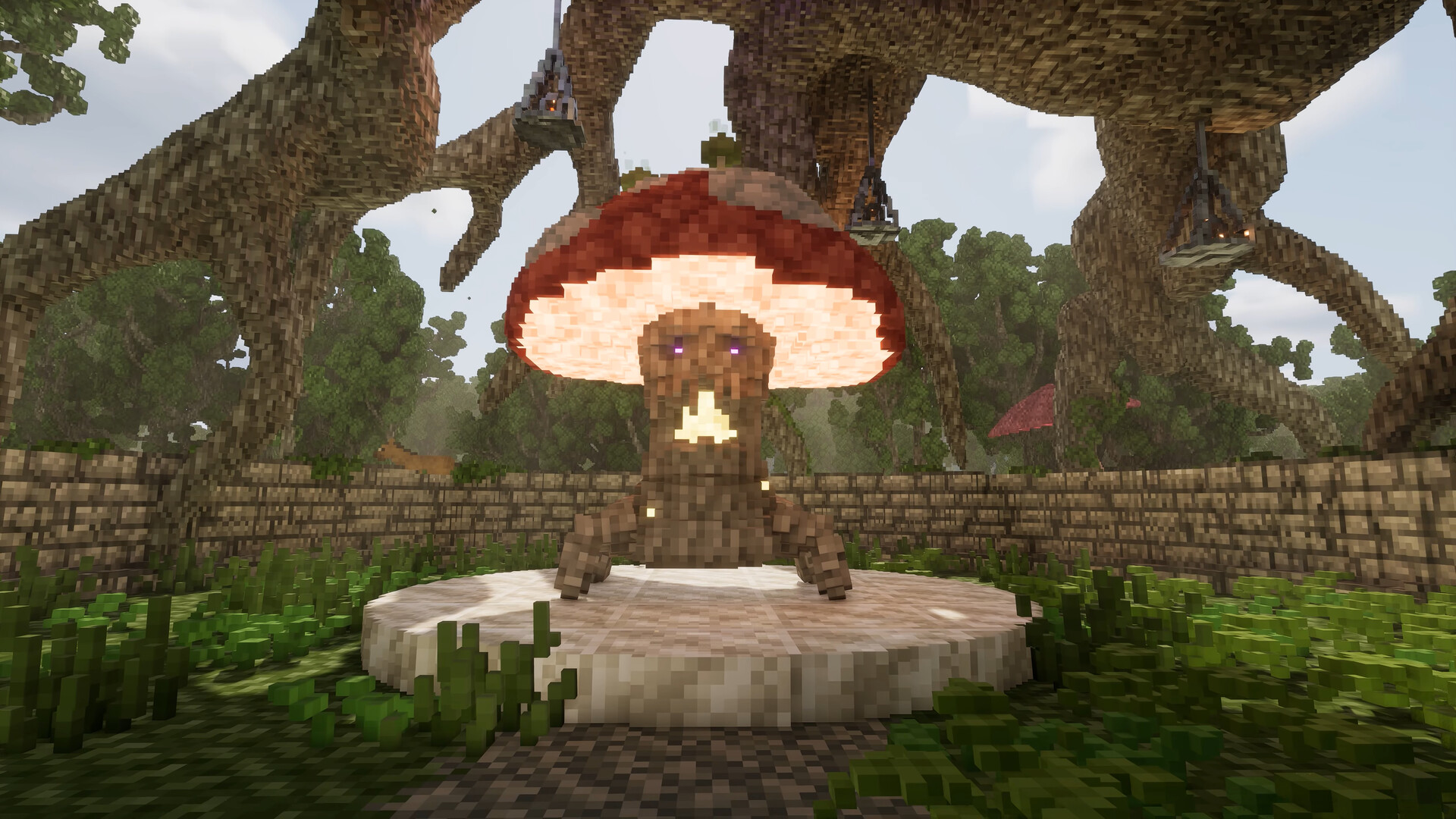
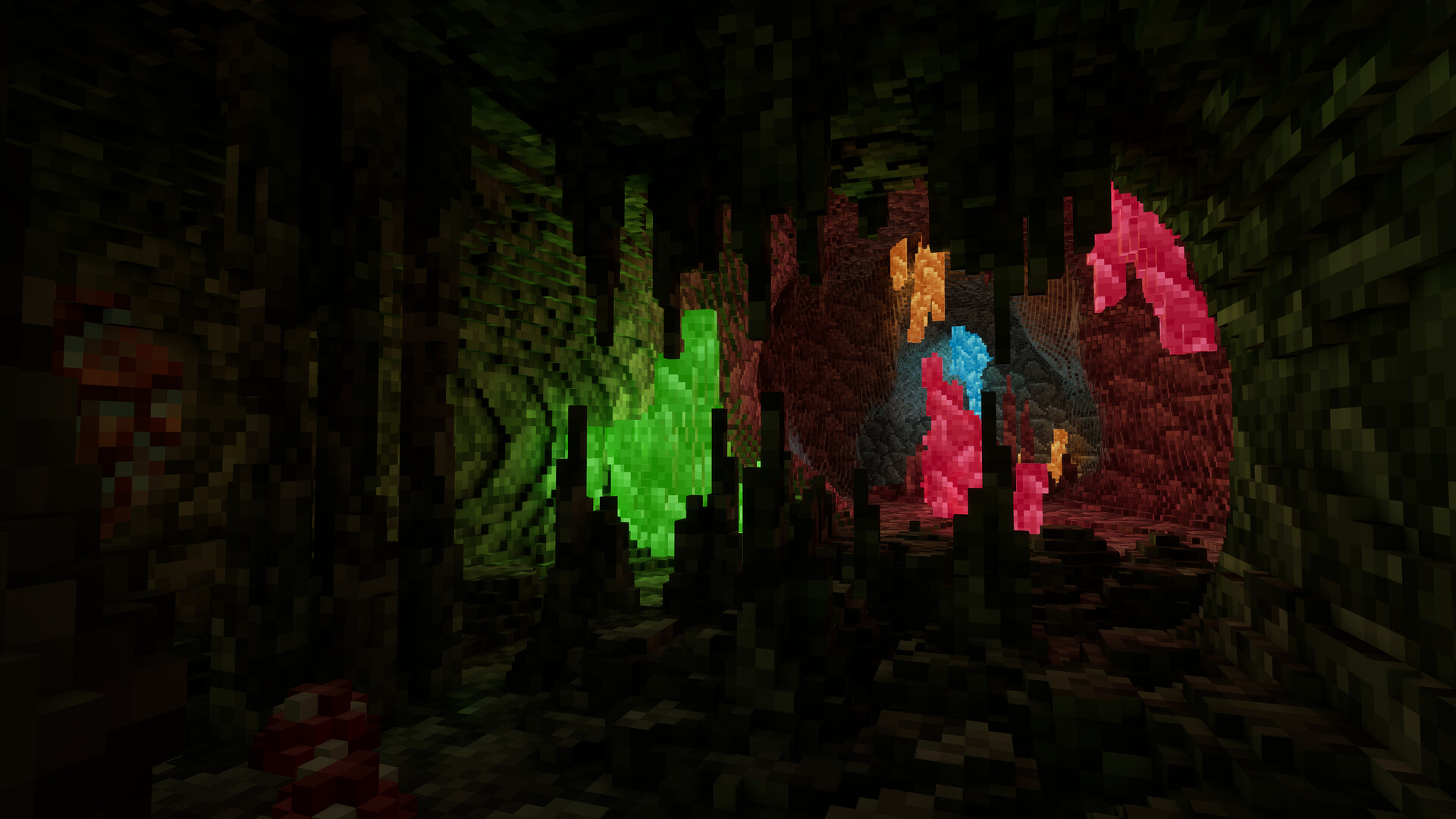
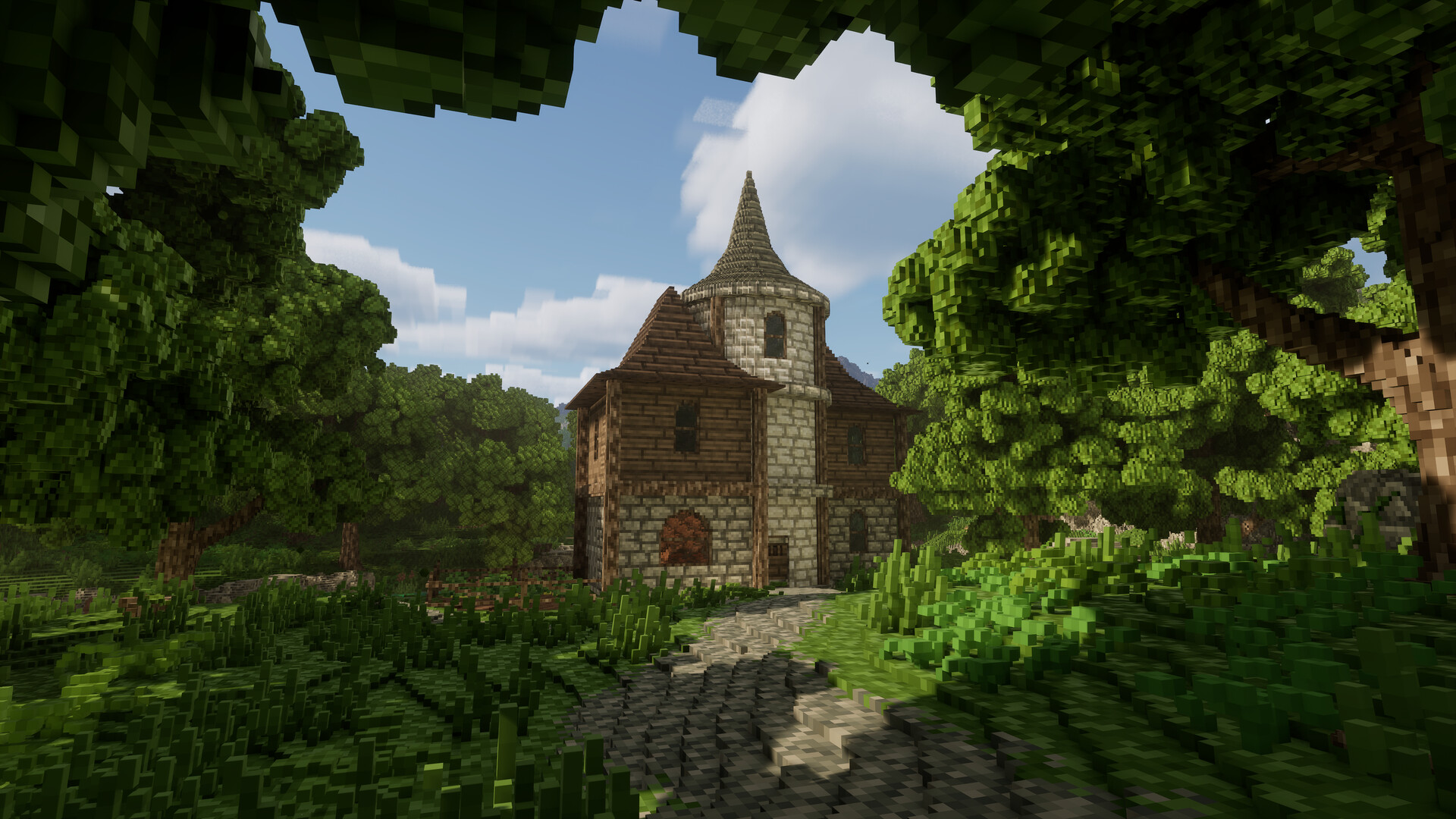
Graphically, Lay of the Land is a love letter to modern voxel art: rich lighting, varied biomes and a scale that sells the idea of a living planet of tiny blocks. The procedural world generation uses layered simulations so rivers, roads and valleys feel hand-crafted; I found myself pausing to admire vistas rather than rush to the next quest. Sound and music support atmosphere well — ambient wind, crackling fires and the thunk of a falling timber add weight. Performance is the rub: many players, including me at times, see crashes or stuttering on older hardware. There are reports of memory spikes when creating worlds and inconsistent framerate on high settings. Accessibility options like FSR help, but optimization needs work to match the visual ambition.
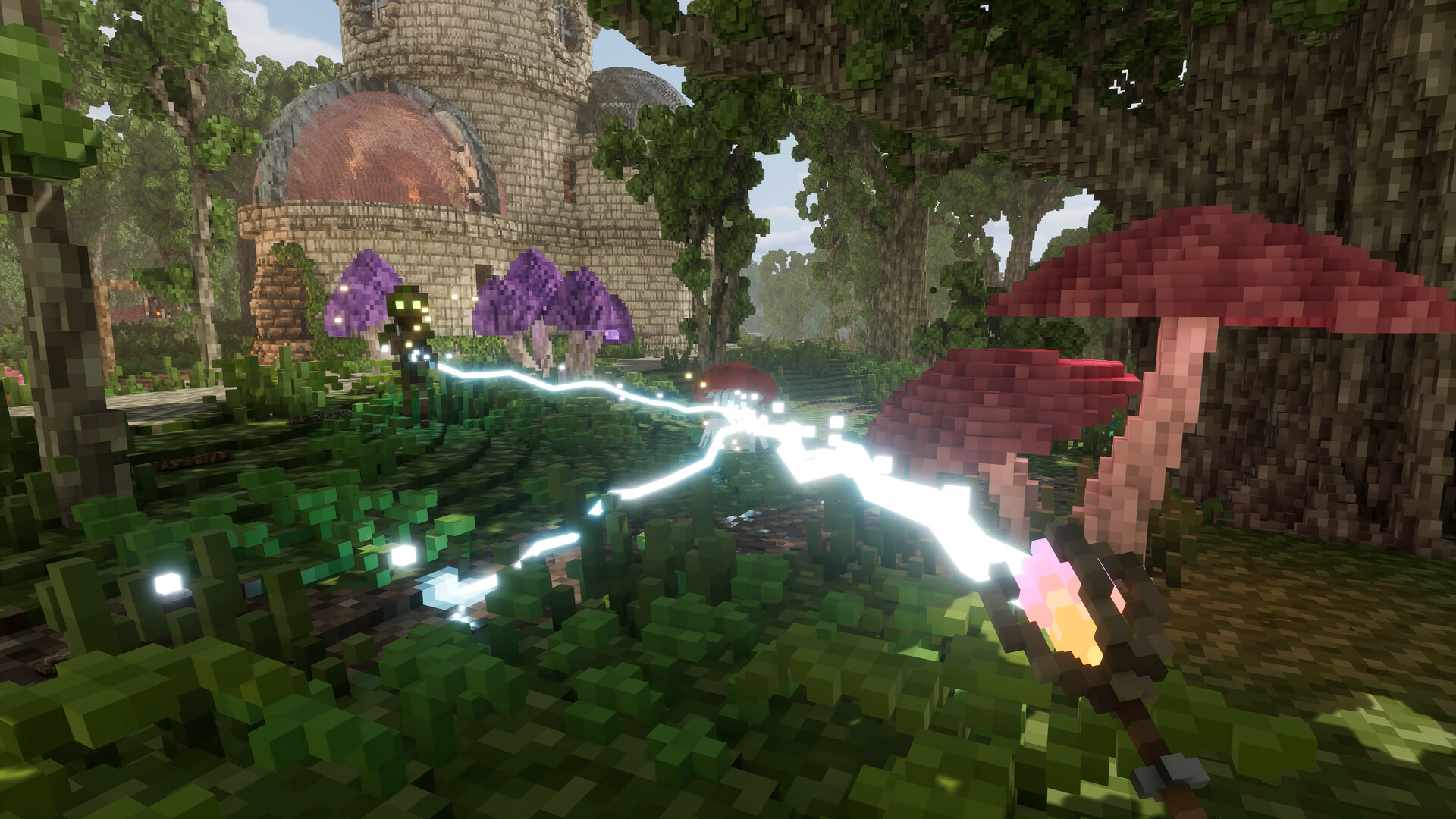
Beyond the visuals, combat and progression have promise: a variety of weapons, elemental infusions and upgradeable gear give build variety. The loot loop incentivizes exploration of temples, ruins and caverns. Multiplayer isn’t present at launch, and that absence is felt — a game with these tools begs to be shared. Still, the emergent interactions between systems (physics, destruction, crafting) are the real selling point: you’ll invent your own fun, whether that’s engineering tree traps, collapsing roofs onto enemies, or crafting a lightning-infused spear to chain through grouped foes.
Lay of the Land is one of those rare indie games that feels genuinely ambitious: beautiful, systemic and full of emergent moments that make play sessions memorable. Right now it’s worth buying for builders and players who love physics-driven sandboxes, but if you’re on a low-end PC or require a stable experience, wait for patches. I’m excited to see multiplayer and optimization updates — this has the bones of a modern voxel classic.
Pros
- Gorgeous voxel visuals and varied biomes
- Deep, tactile building and crafting systems
- Emergent physics lead to memorable moments
- Meaningful weapon and gear customization
Cons
- Performance and crashes reported by many players
- No multiplayer at launch — feels like a missed opportunity
- Crafting can feel slow and fiddly until you adapt
Player Opinion
Players are wildly enthusiastic about the visuals, building tools and the physics-first design — many call it a step up from Minecraft, Vintage Story or a '3D Noita'. Praise focuses on the satisfying destruction, detailed building system and emergent encounters (trees falling, collapsing roofs). On the flip side, a consistent thread in reviews is instability: crashes, memory spikes when generating worlds, and subpar optimization on many rigs. Several players also ask for multiplayer and more content; others note the crafting is immersive but sometimes tedious. If you like sandbox games with emergent physics (think Teardown meets Minecraft), you’ll probably enjoy this, but expect rough edges.