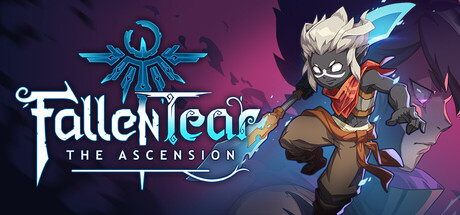



Fallen Tear: The Ascension Review – A Hand-Drawn Metroidvania with JRPG Heart
A lovingly crafted Metroidvania that sprinkles JRPG party-building and voice-acted drama over gorgeous hand-drawn levels. Early Access shows huge promise: stellar art, addictive combat and a bond system that actually matters.
I jumped into Fallen Tear: The Ascension expecting another pretty Metroidvania — what I found was something that actually wants to be both a JRPG and an action-explorer. The game wraps hand-drawn animation, full voice acting and an honest-to-goodness party/bond system around tight, combo-driven combat. Early Access already shows emotional storytelling beats and exploration hooks that kept me poking at every corner of the map. If you love atmosphere and character-driven systems, this one will grab you by the collar.
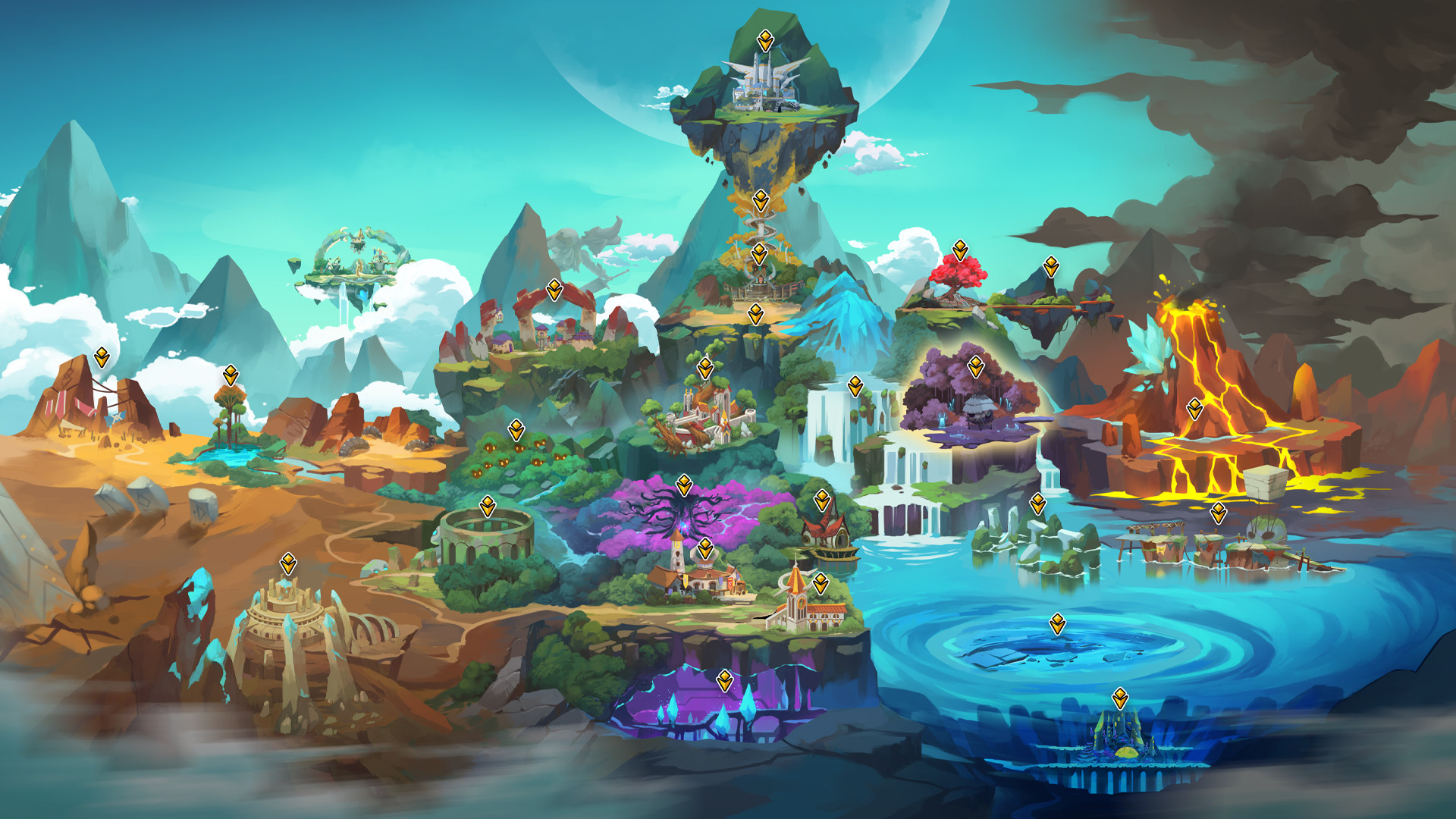
Roaming Raoah: Exploration with Purpose
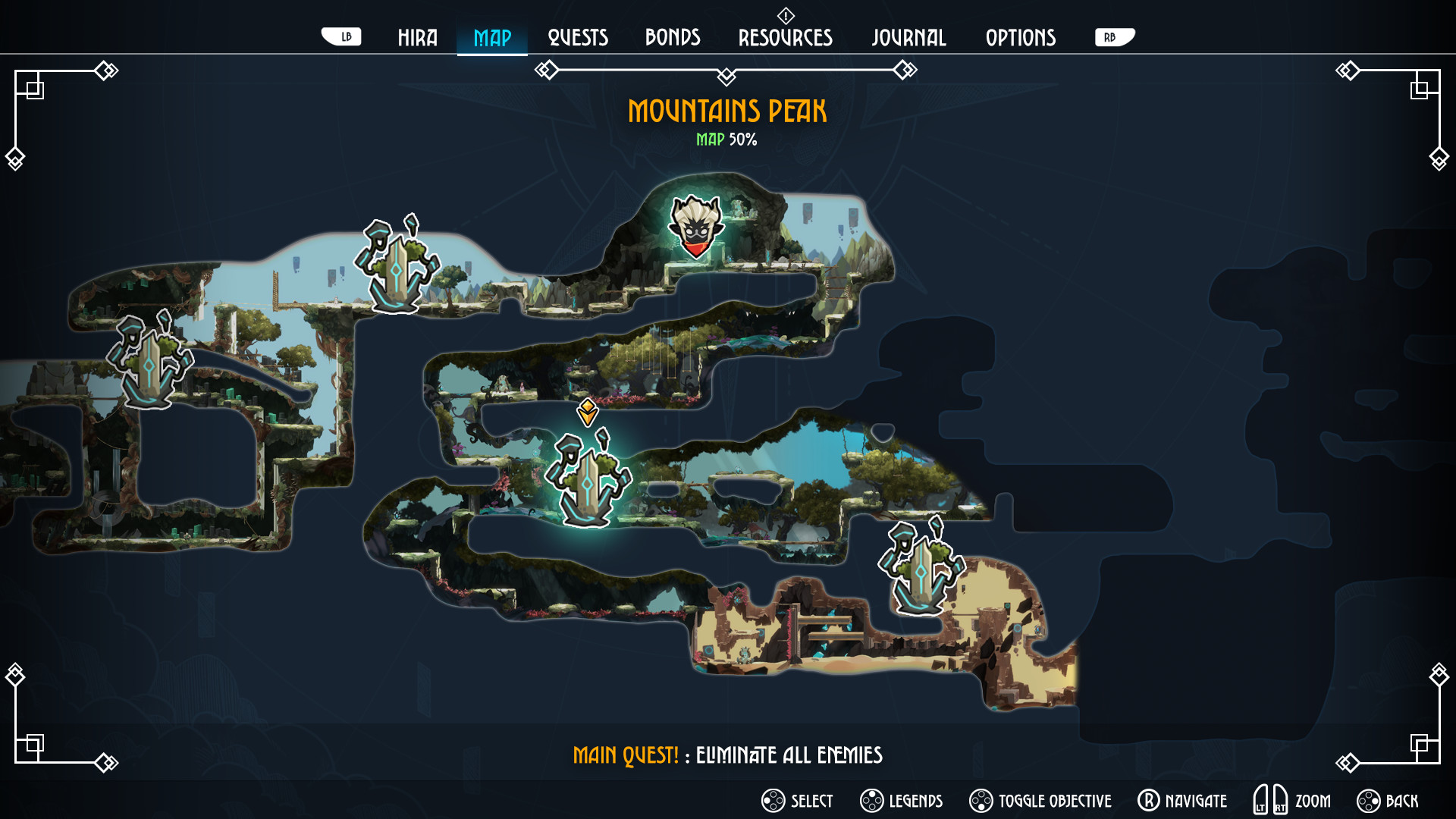
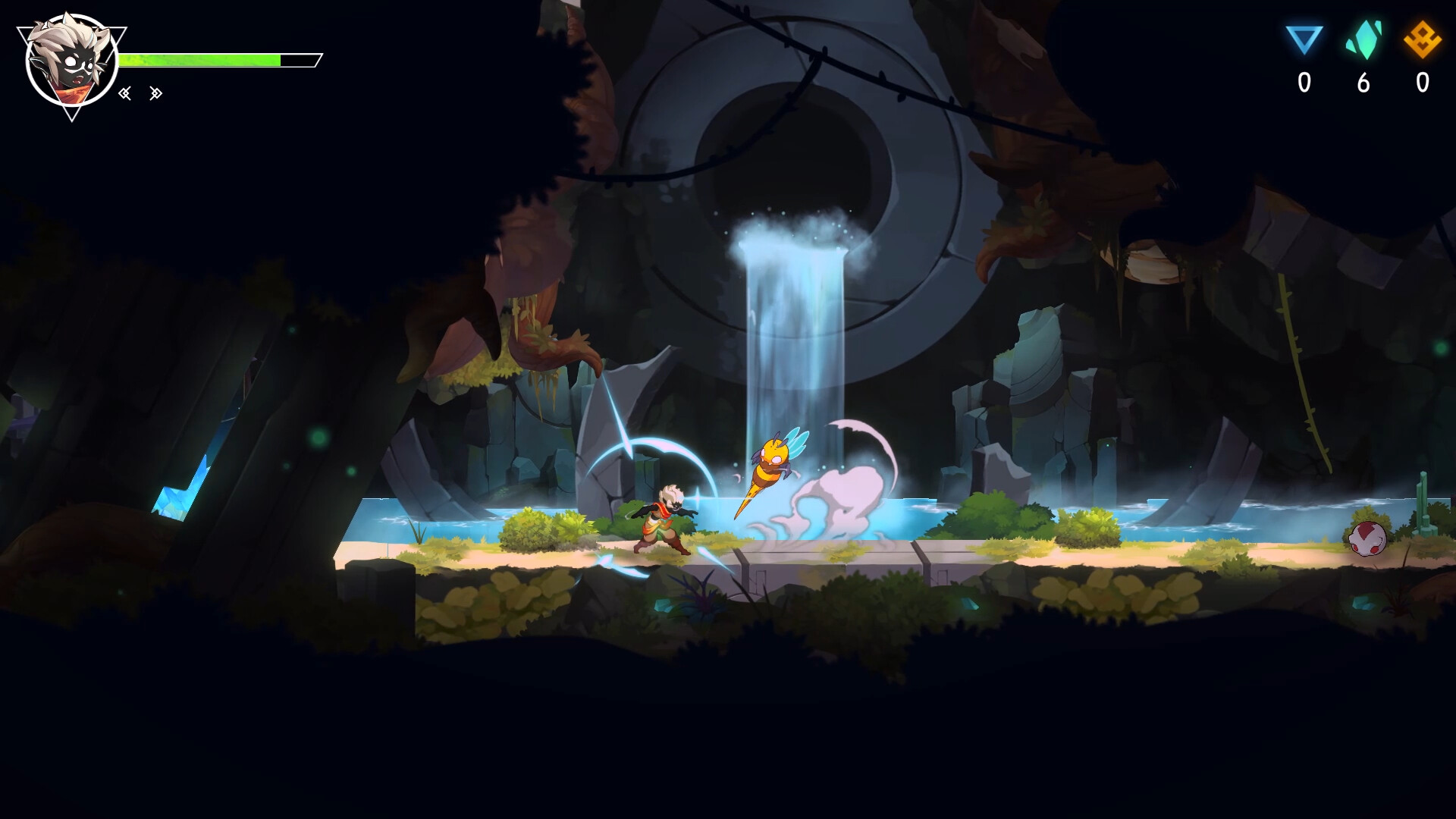
Exploring Raoah feels like opening a well-illustrated book where each page hides a secret pathway or a tiny drama. Movement and traversal are satisfying: double-jumps, wall bangs and ability-gated shortcuts make backtracking feel rewarding rather than tedious. The map encourages pinning and returning — I found myself marking places I couldn’t reach yet, itching to come back once a new skill unlocked. There’s real joy in unlocking traversal tricks and watching the world rearrange itself around your new toolkit.
When Bonds Become Tools (and Feelings)
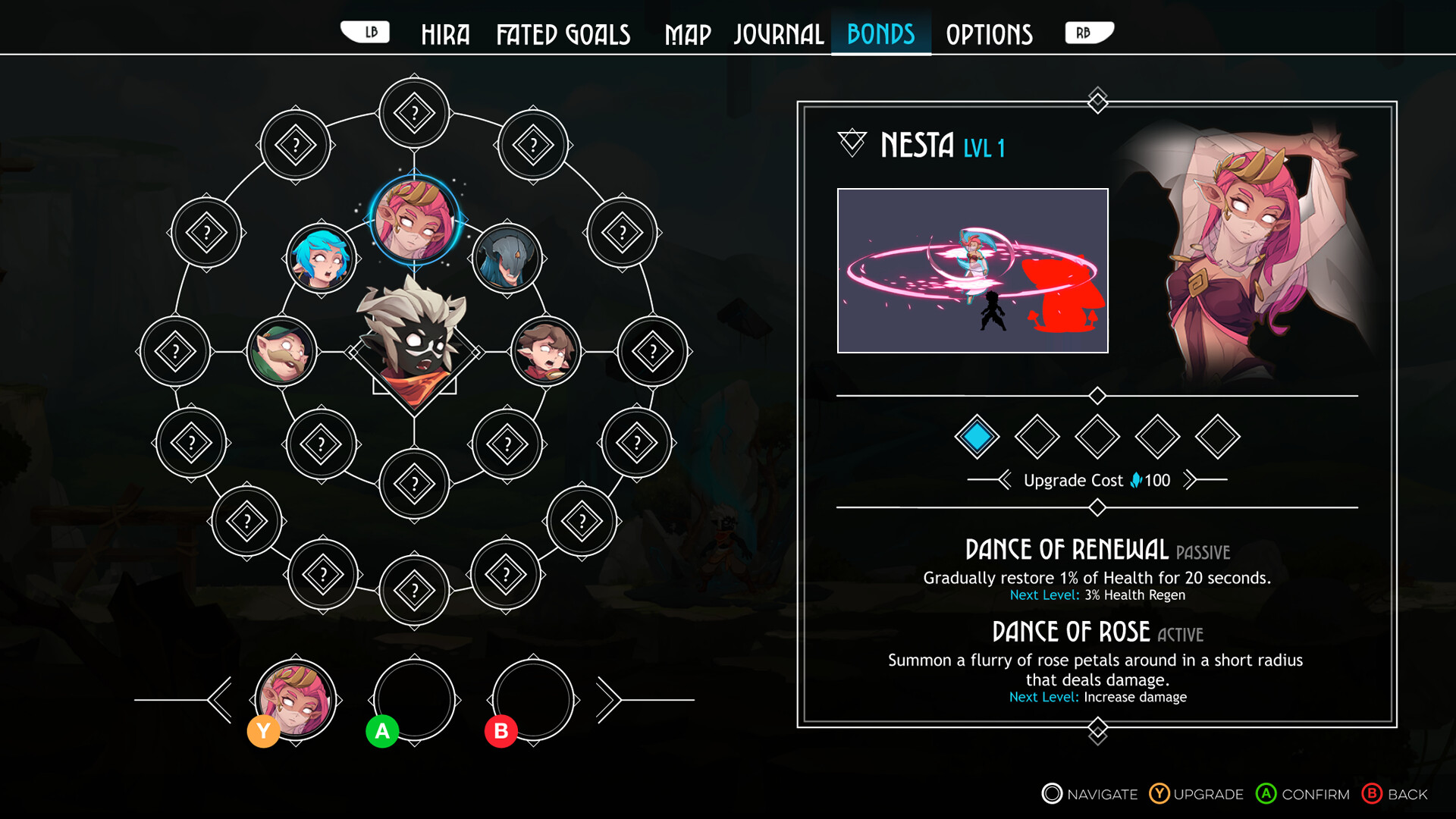
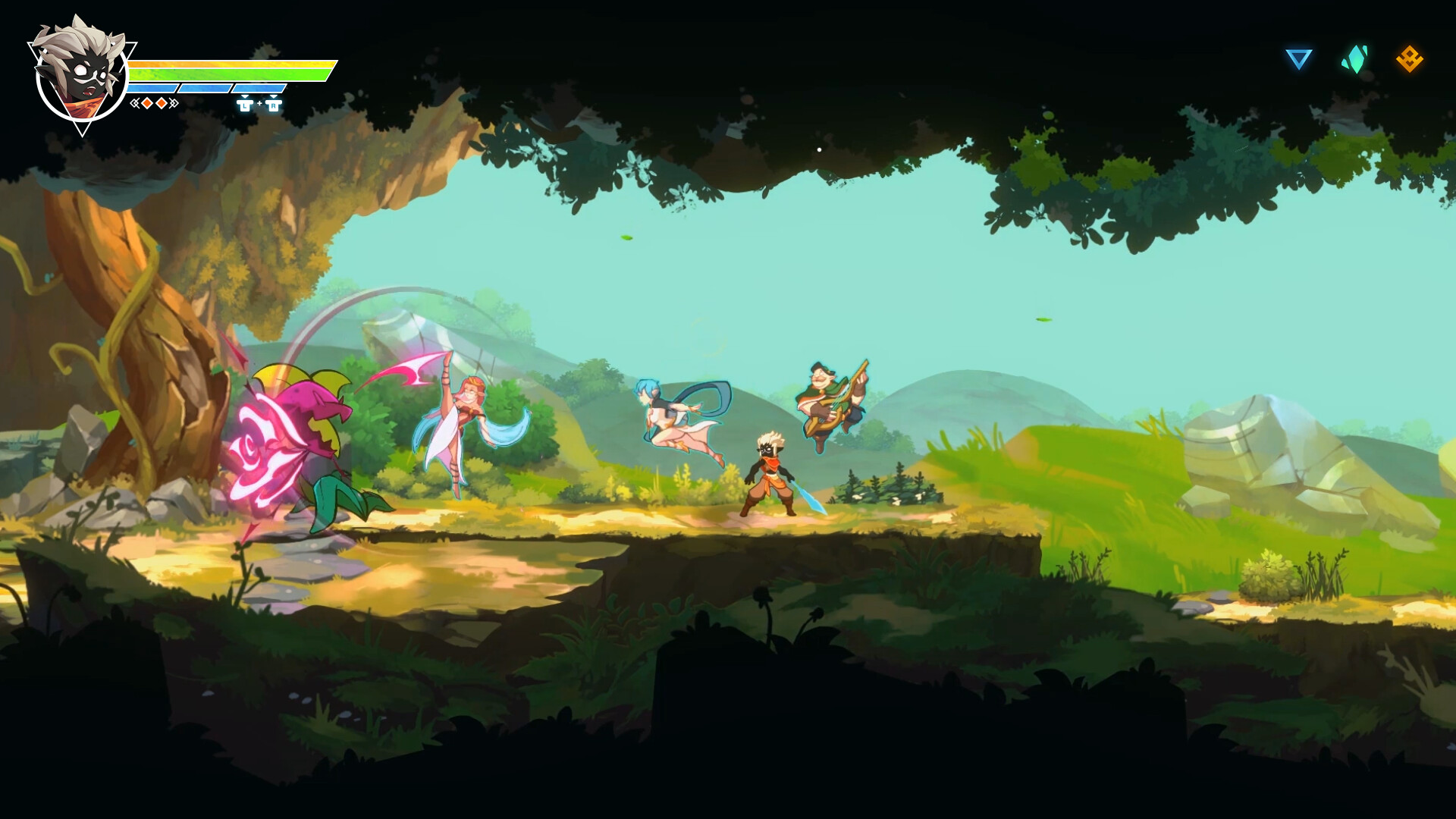
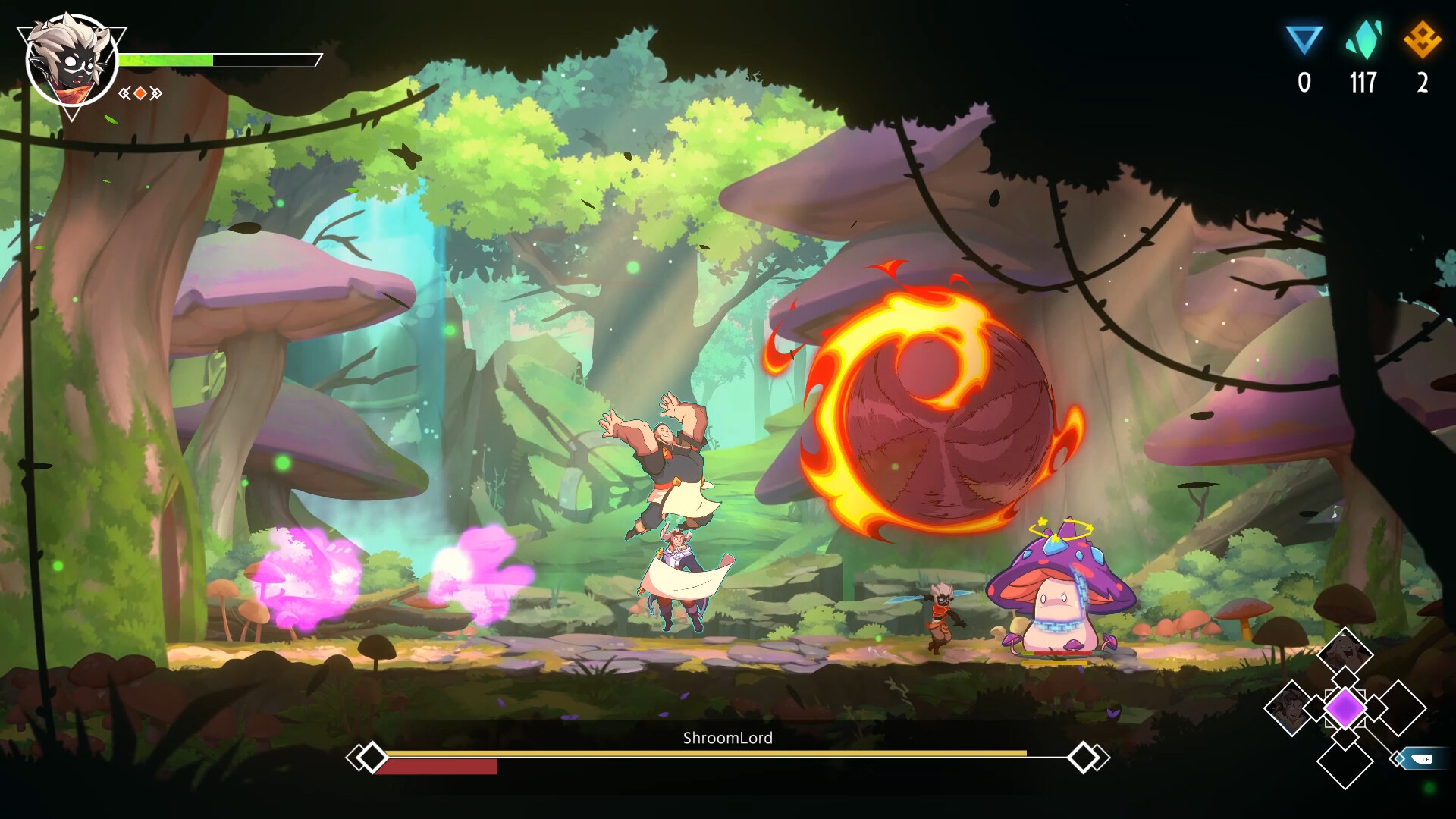
The Fated Bonds system is what elevates this from a pretty walk-and-fight title to something with actual JRPG heart: allies you recruit become summons, passive buffs and traversal aids. More than cosmetic companions, these 16+ voiced characters each bring niche abilities that change how you solve platforming puzzles or approach a boss. I loved experimenting—swapping party abilities mid-run to turn a choke point into a puzzle solution, or using a healer’s passive to survive a cheeky gauntlet. It’s a nice twist on party-building: you pick buddies not just for story but because they literally reshape gameplay.
Dance of Blades: Combat That Clicks
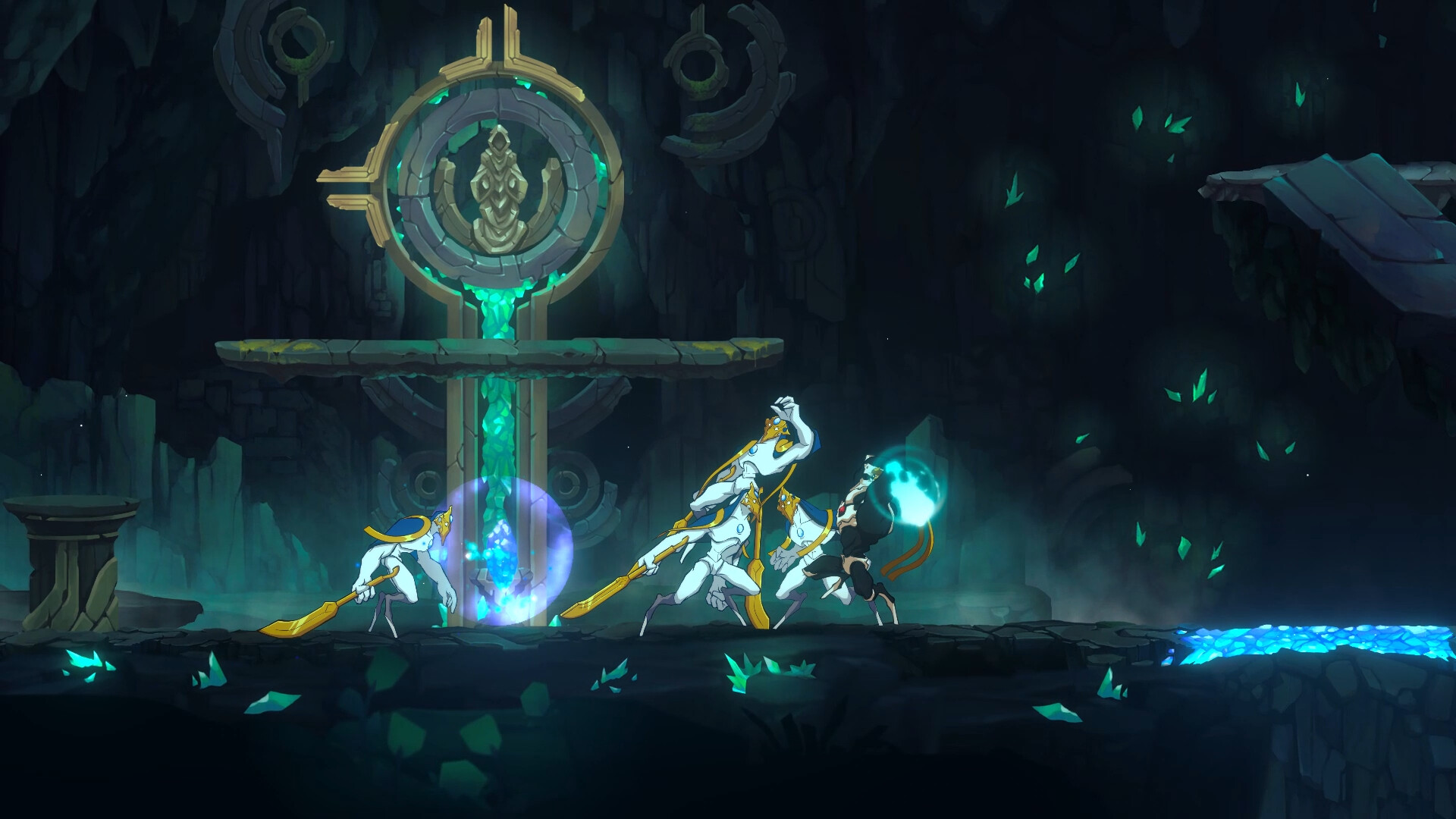
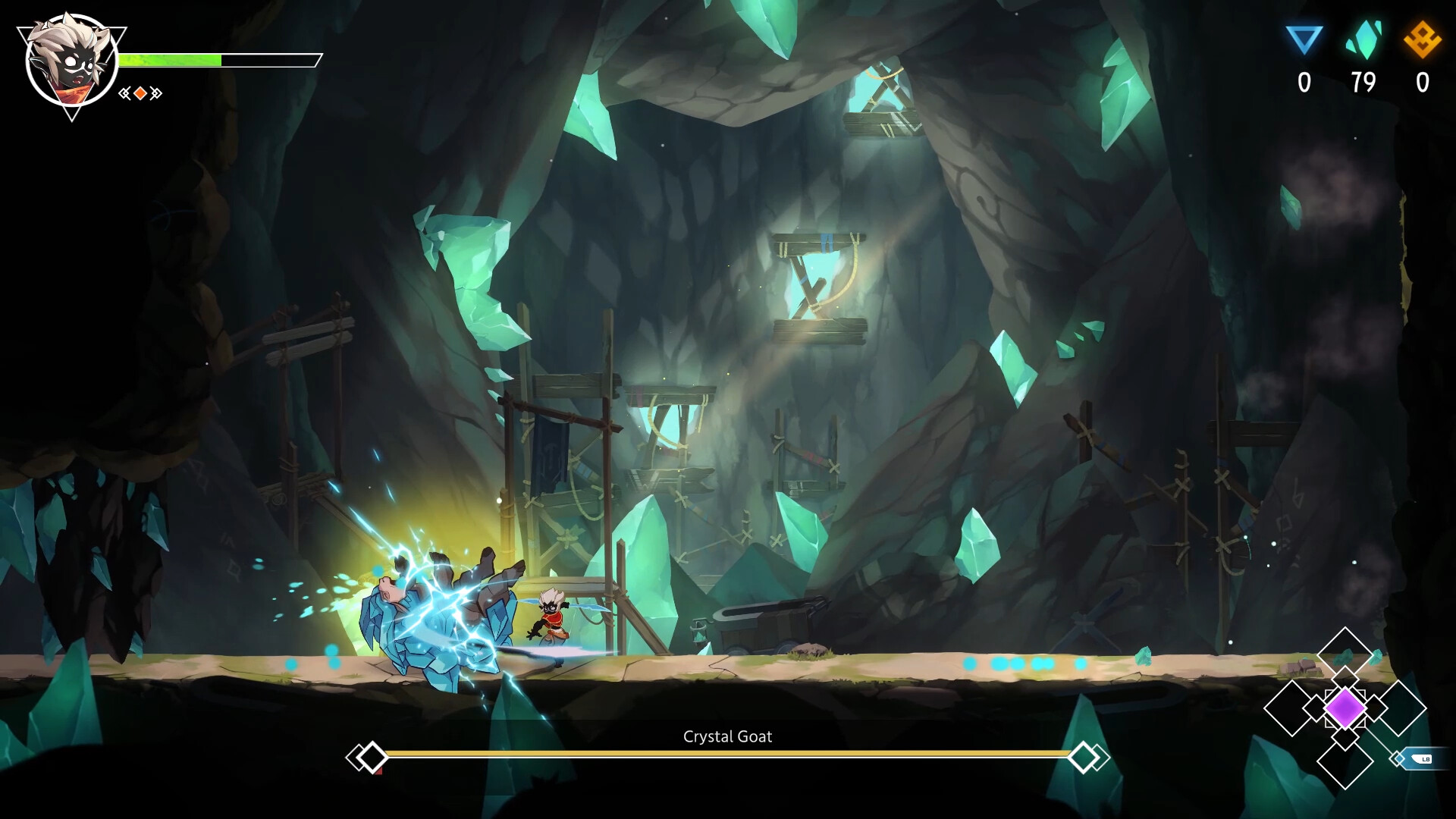
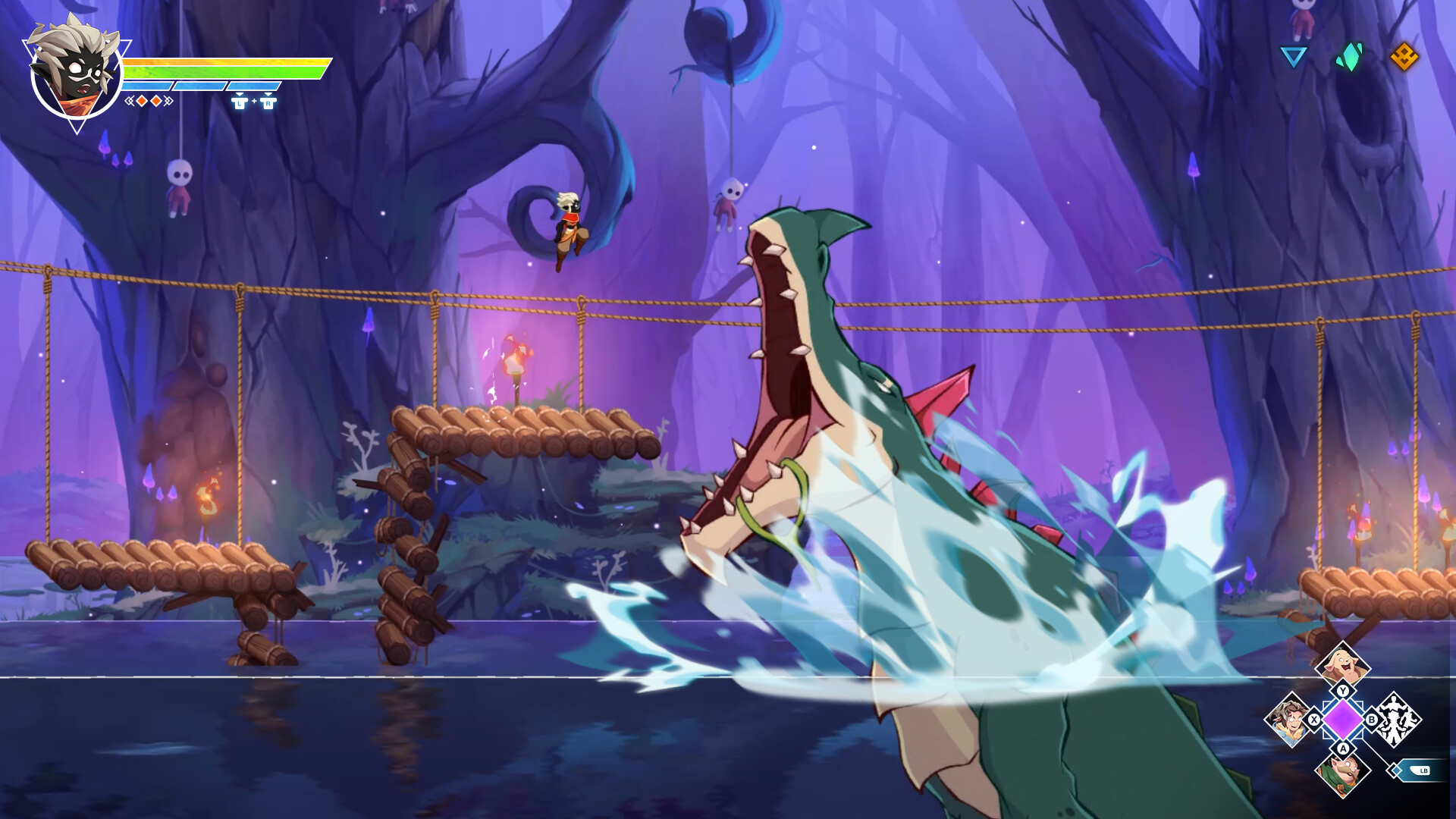
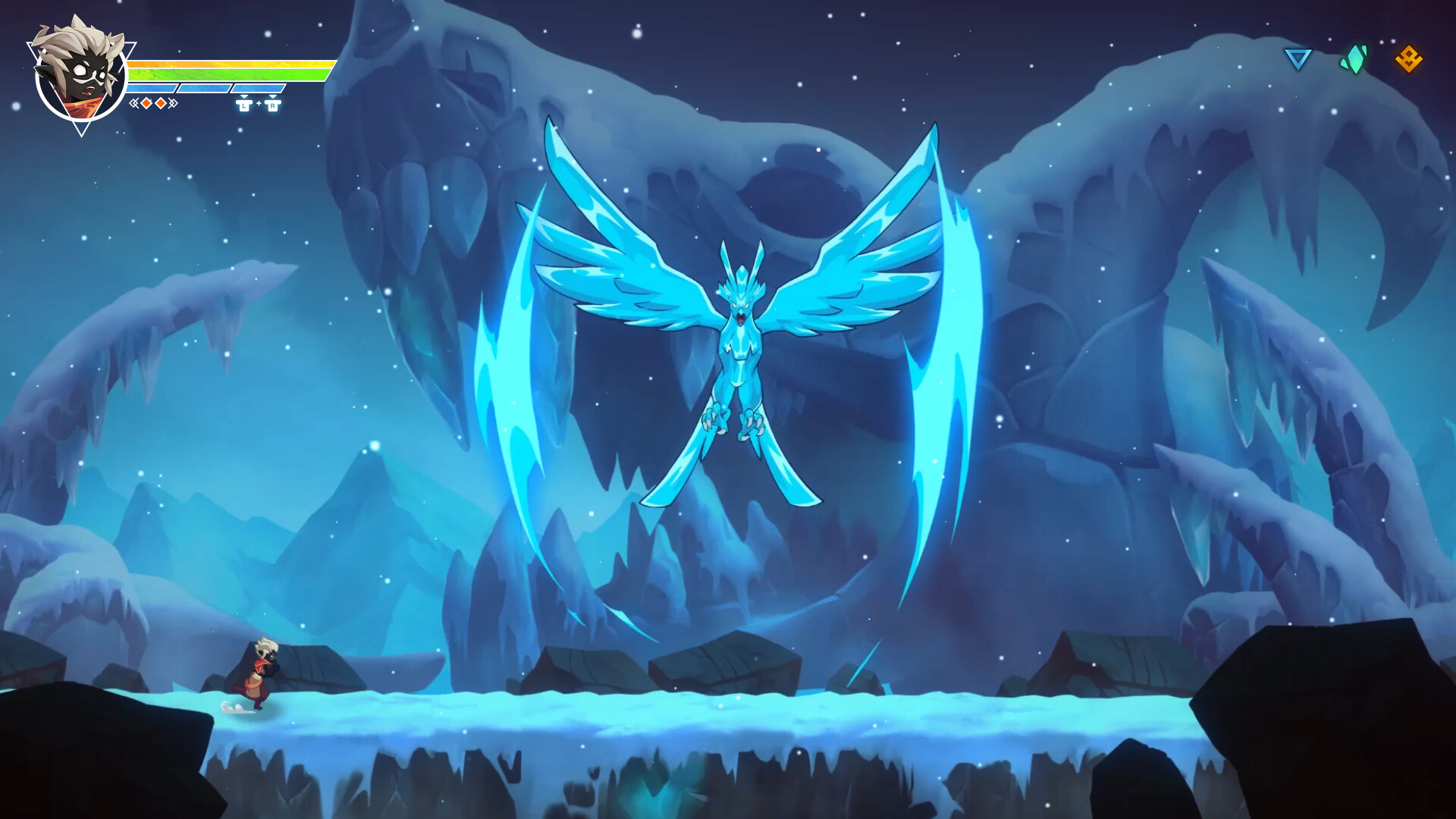
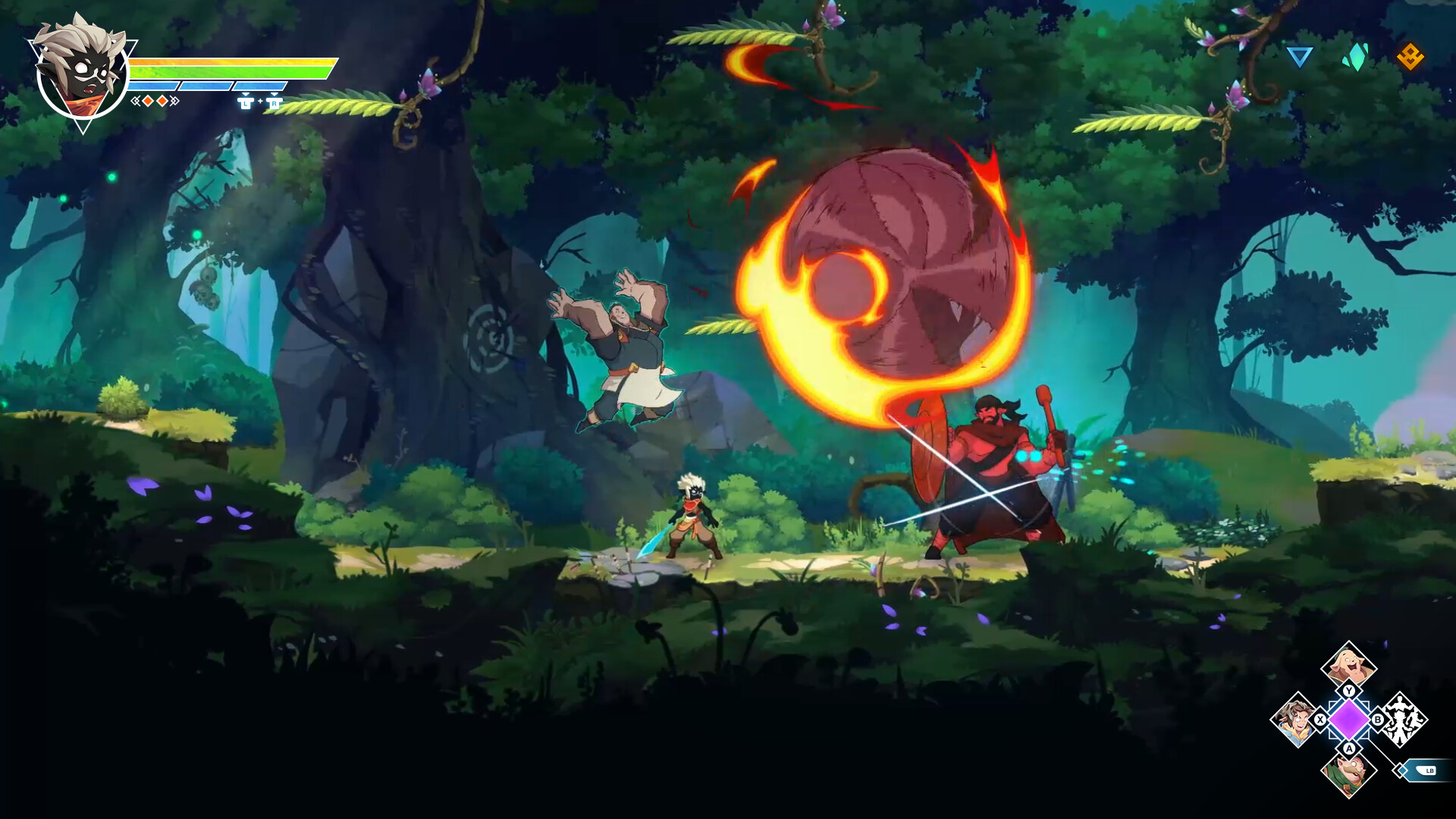
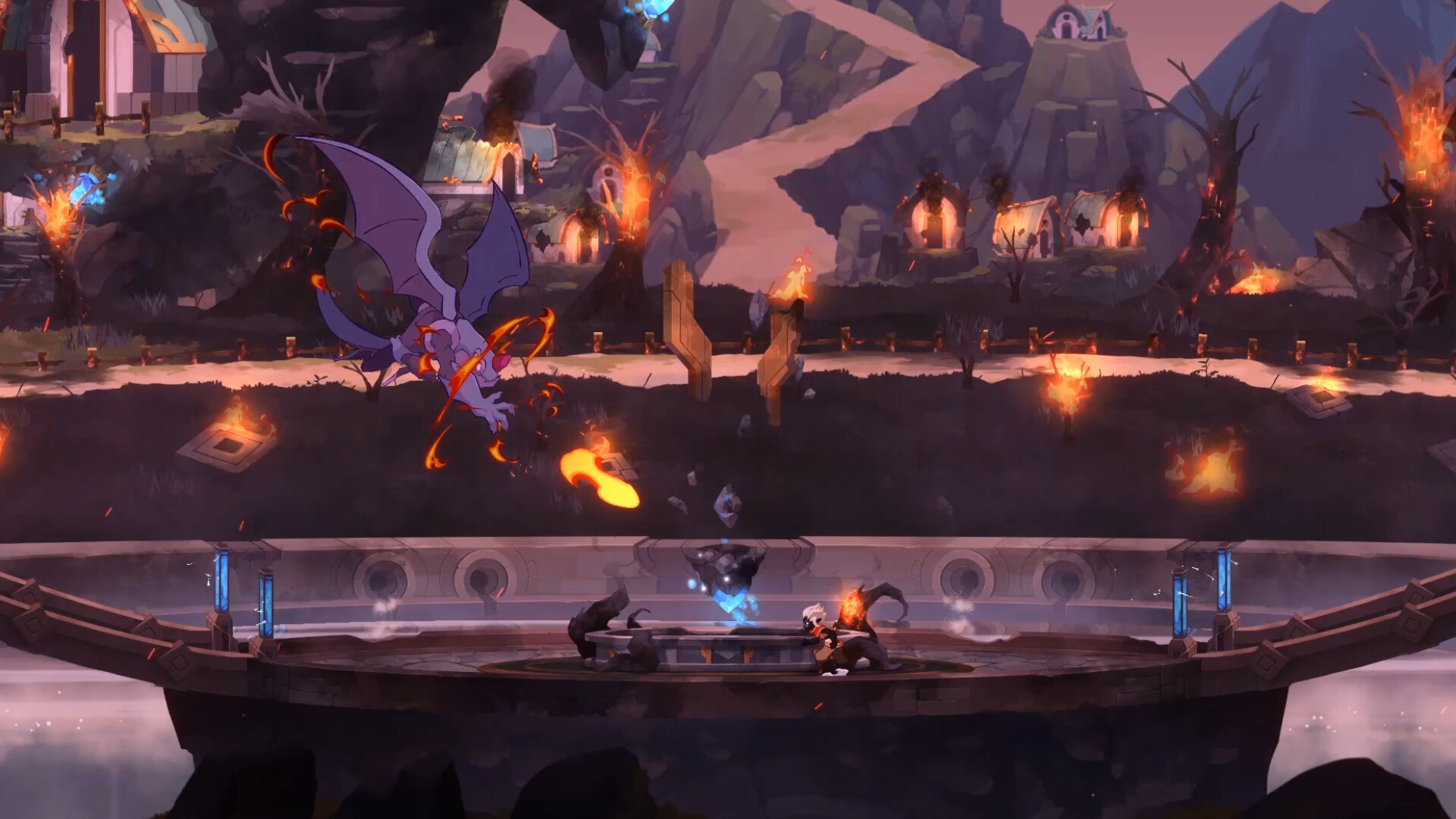
Combat leans action-forward: combos, timed i-frames and a parry/counter rhythm that reminded me a little of Prince of Persia: Lost Crown’s timing-based feel, but with Metroidvania mobility. Boss fights hit hard and reward pattern recognition, quick swaps and creative use of ally abilities. I had sweaty but joyful moments where a backdash plus a summon staggered a boss just long enough to land a punishing string. There are accessibility touches (adjustable difficulty for less punishing runs) but the best feeling is learning the timing and then executing under pressure.
A Living, Breathable Artbook
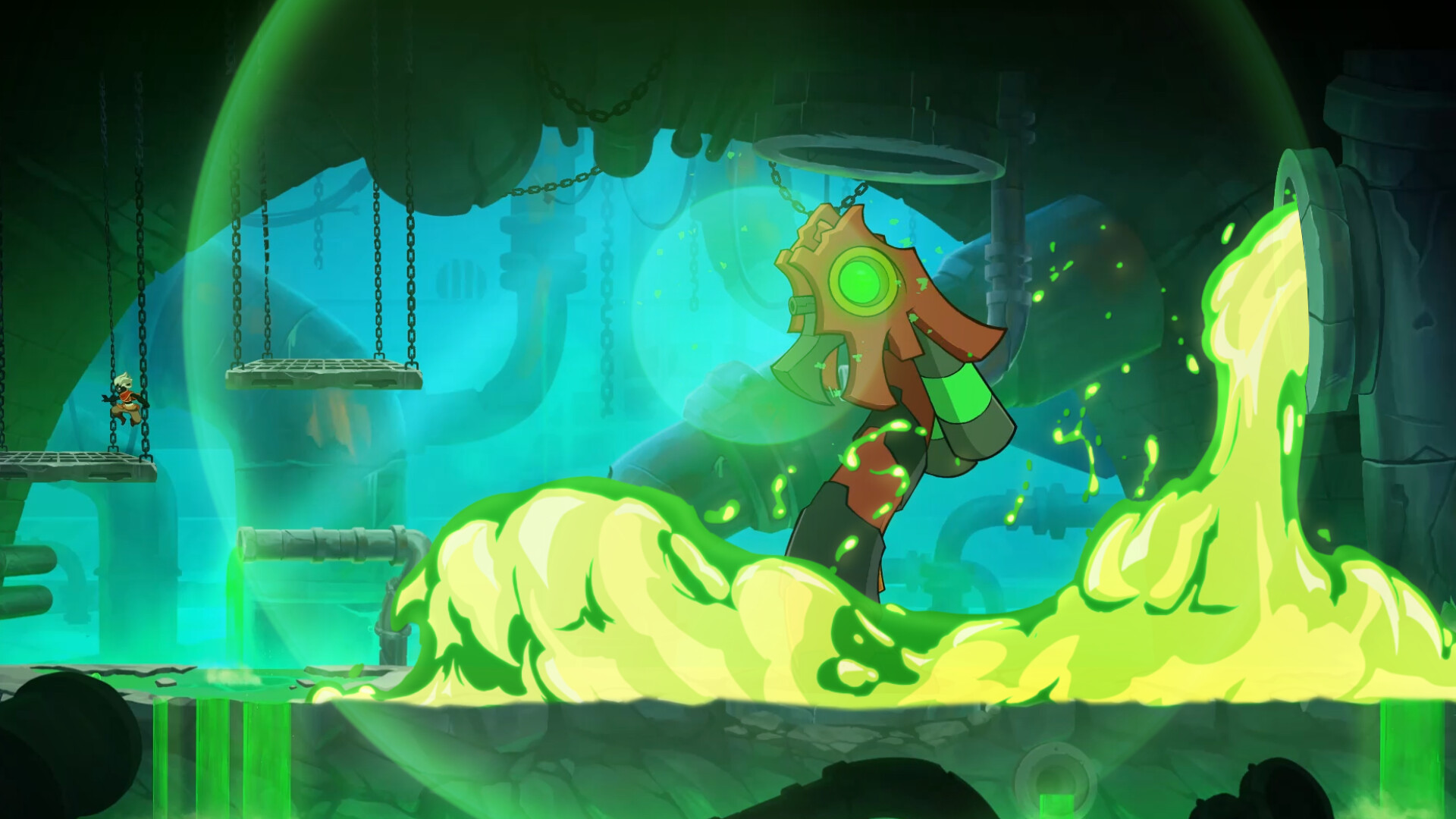
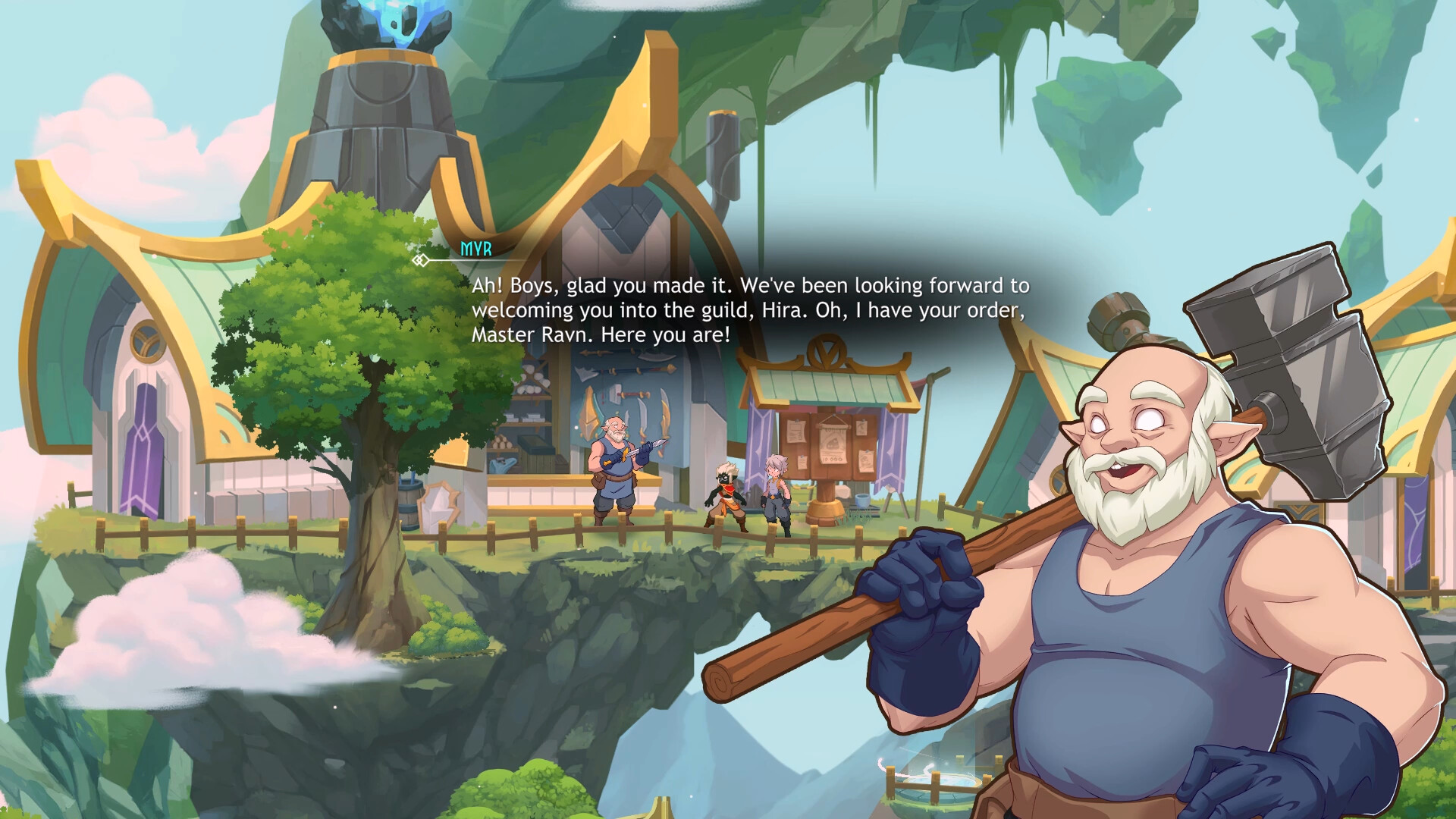
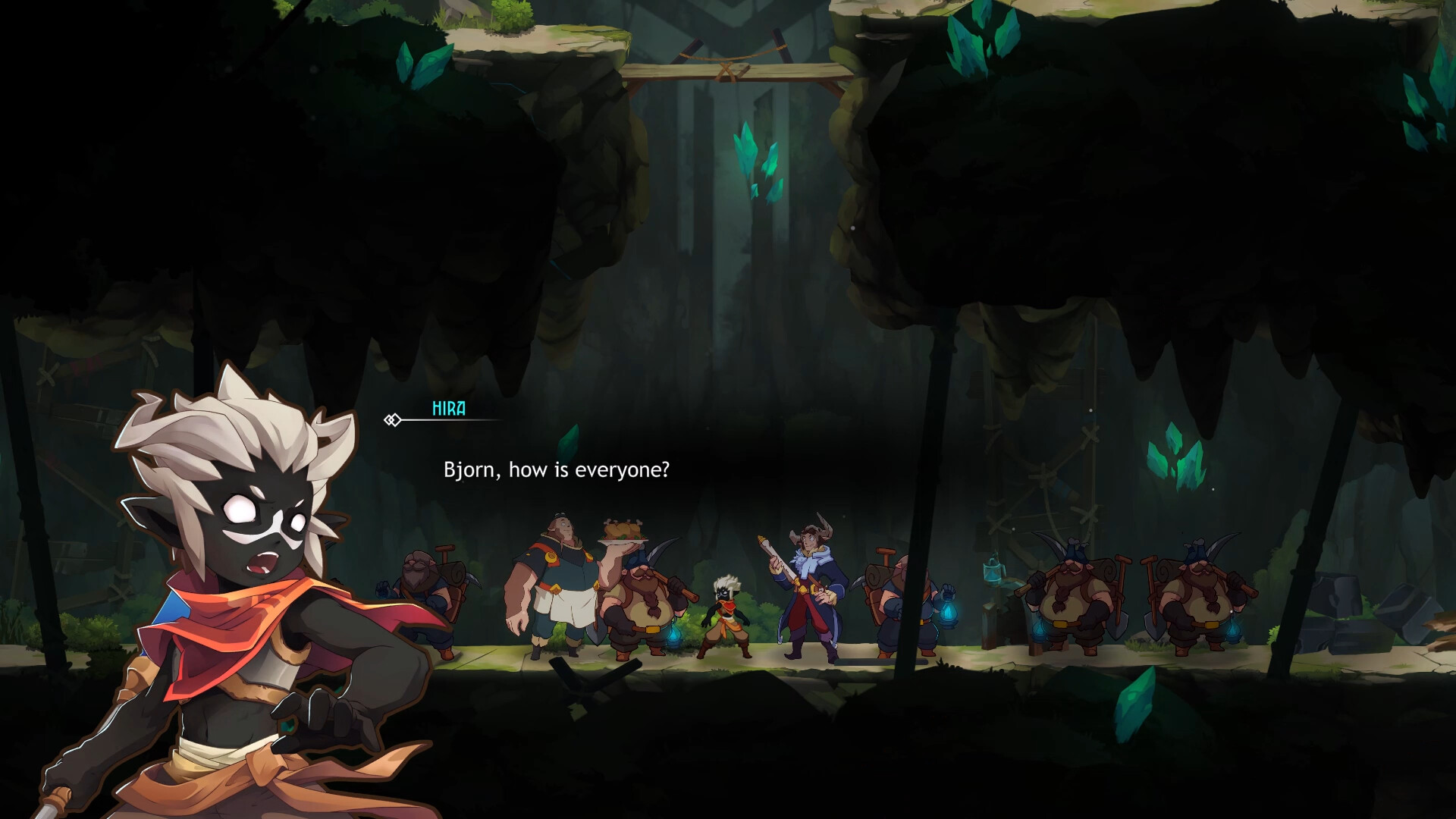
Graphically, Fallen Tear is a love letter to hand animation: character faces emote, background plants sway, and even small NPCs have gestures that tell tiny stories. The soundtrack is a star too — several users called it the glue that makes exploration sing, and I agree. Voice acting is professional and gives weight to otherwise throwaway lines; hearing a companion murmur advice mid-fight adds warmth. Performance on my test rig was stable, though a few Early Access bugs pop up (odd enemy rolls, some UI roughness).
Hub Castles and Meaningful Progression
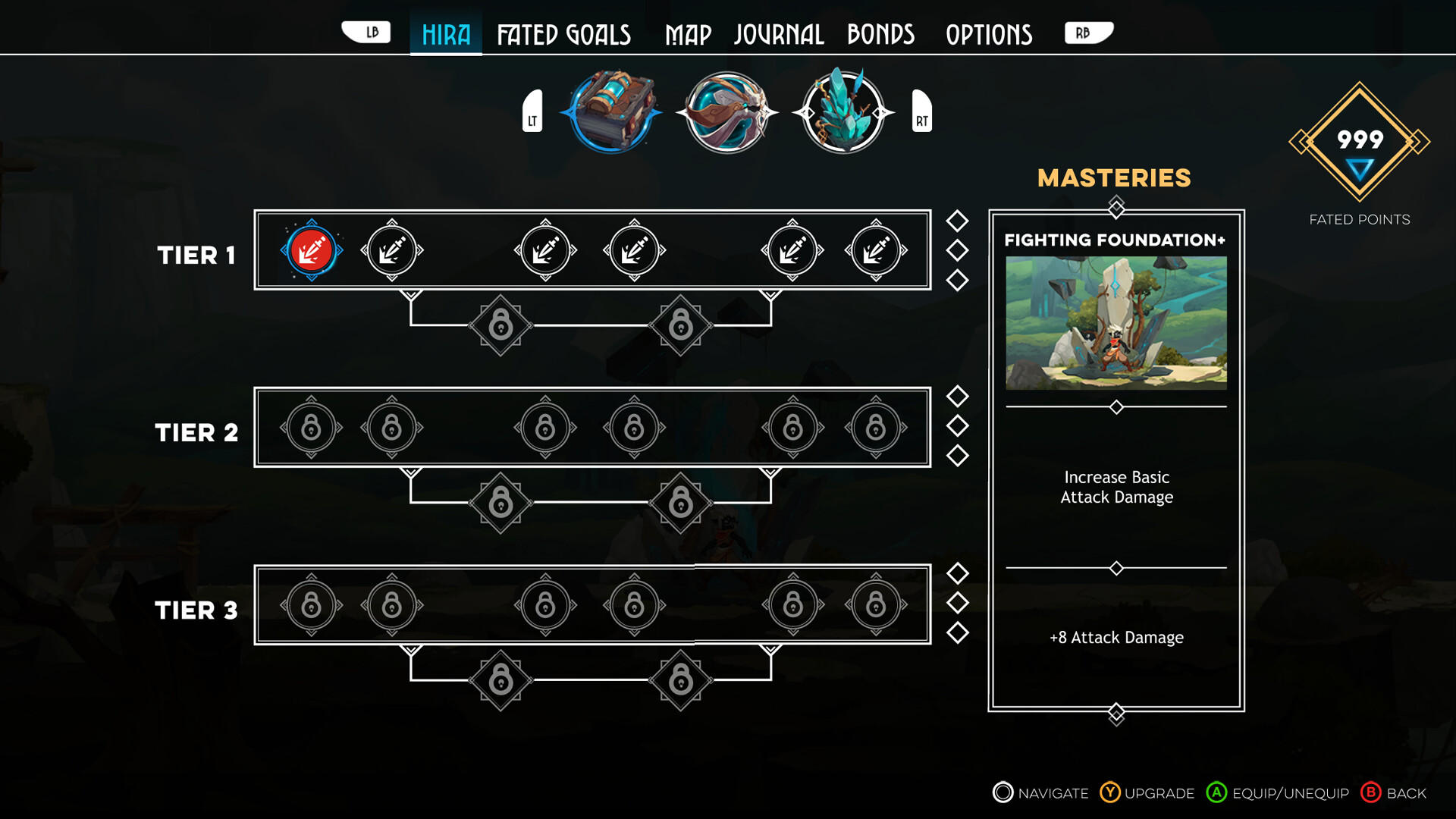
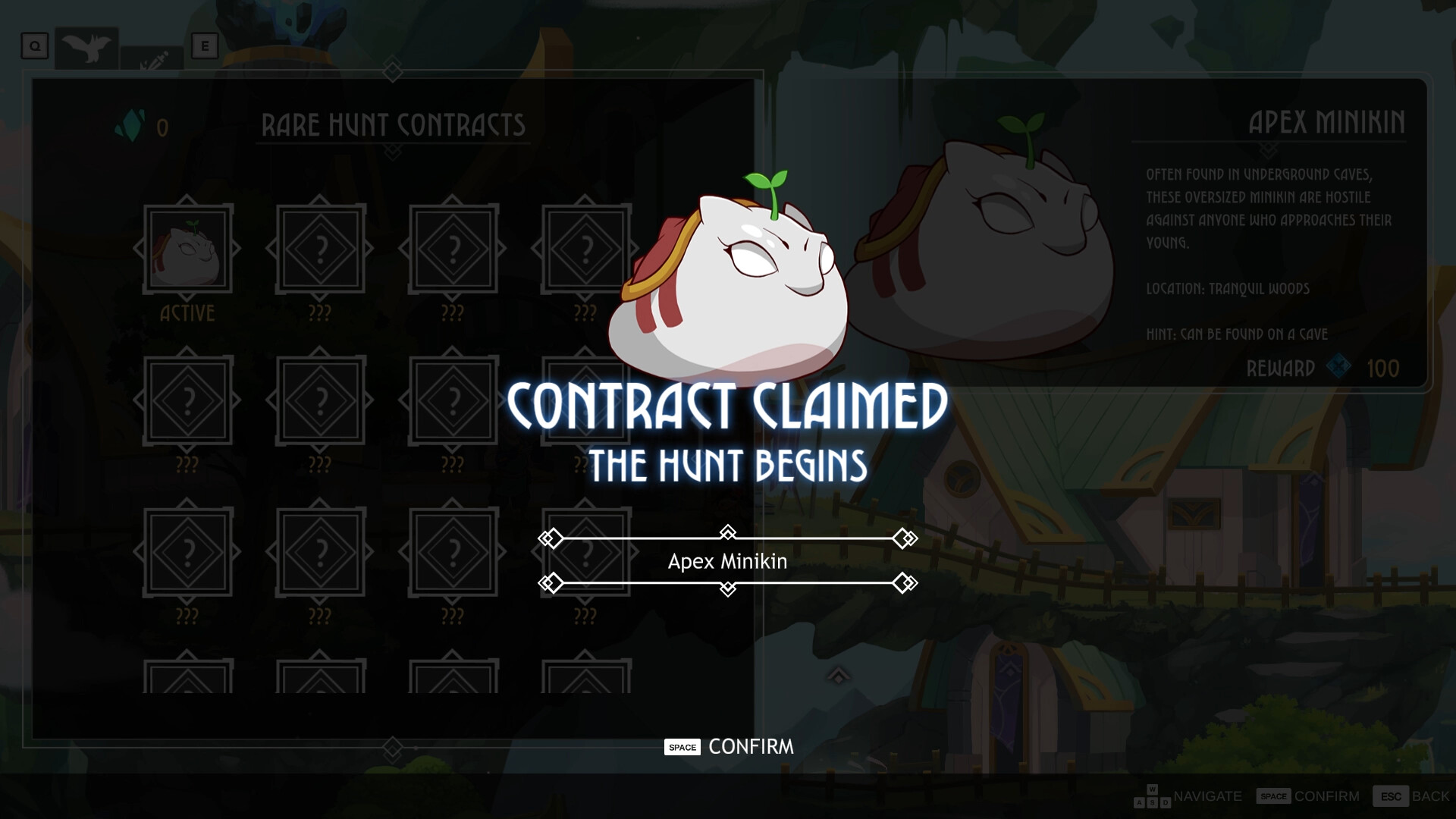
The Temple of Oras hub is smart: it’s both a trophy case and a functional upgrade space where minigames and decorations matter because they affect upgrades. Progression mixes classic Metroidvania gating with JRPG-style masteries and skill trees; I did wish some of these systems had clearer onboarding, but discovering them felt rewarding once I clicked around. Early Access contains the opening act — six main bosses and several optional fights that already showcase a respectable variety in encounter design.
Feels and Flaws
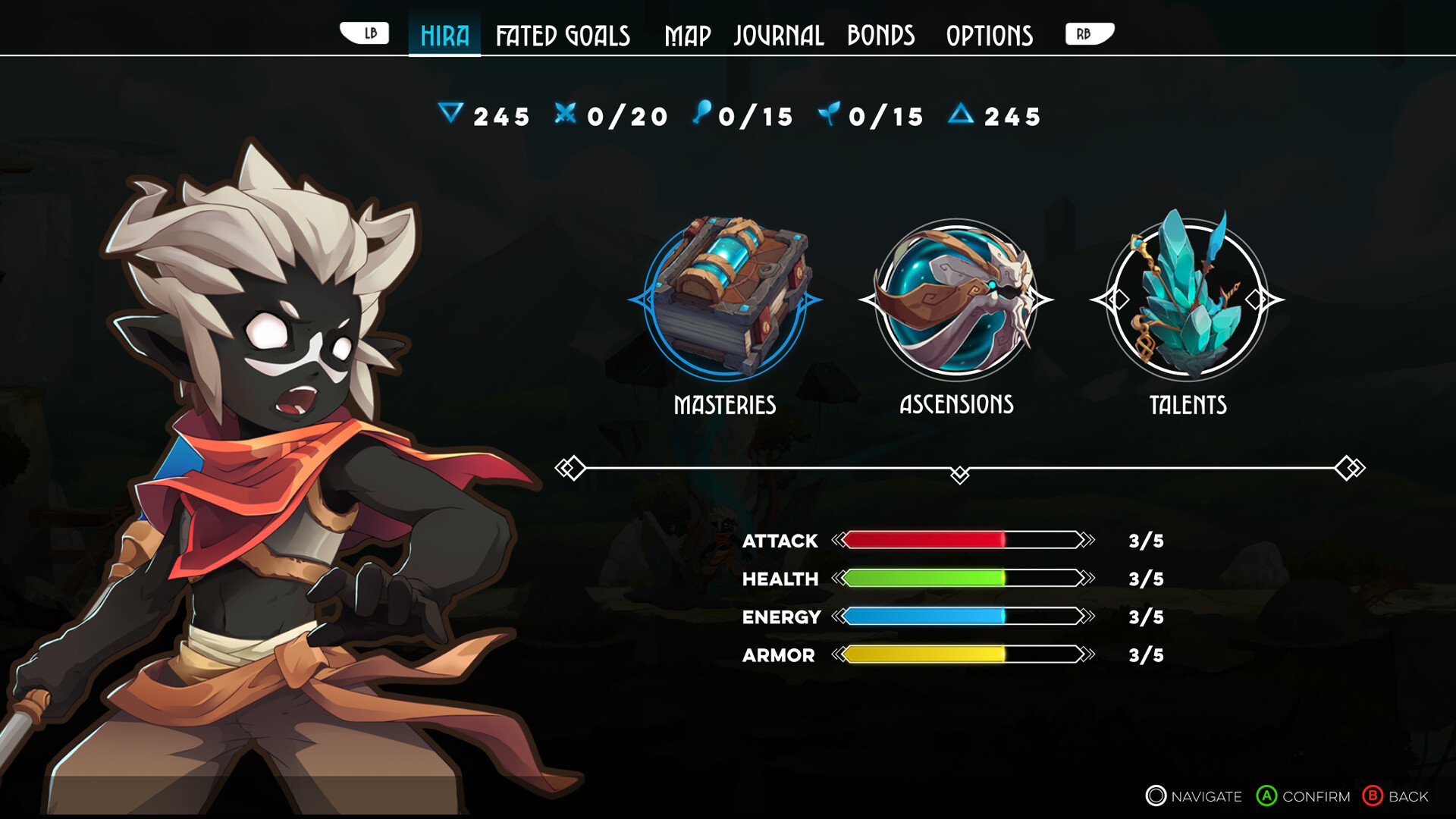
The game’s biggest wins are its visuals, its musical moments and a combat loop that hooks. On the other hand, small QoL bugs and occasional murky tutorialization (Masteries and some Hunter Skills aren’t explained well) can make the first few hours choppy. Steam Deck desktop-mode resolution issues were reported by users — in handheld mode it’s fine, but that’s worth noting for portable players. Overall, however, the promise is obvious and the core loop is delightful.
Fallen Tear: The Ascension is an early-access gem with a clear identity: a hand-drawn Metroidvania married to JRPG systems that actually affect play. It’s not perfect — onboarding and a few bugs need ironing out — but the core loop of exploration, combat and bonded allies is genuinely fun. Recommended for anyone who values art, music and character-driven progression.
Pros
- Stunning hand-drawn visuals and professional voice acting
- Engaging, timing-based combat with meaningful ally mechanics
- Exploration feels rewarding with smart map and traversal gating
- Strong soundtrack that elevates exploration and atmosphere
Cons
- Some tutorialization and UI clarity issues in Early Access
- Occasional bugs (weird enemy rolls, Steam Deck desktop-mode resolution)
- A few progression systems can feel hidden until discovered
Player Opinion
Players consistently praise the art direction, voice acting and soundtrack — those three keep popping up in positive reviews. Many also highlight the combat as deeper than typical Metroidvanias, praising combos, i-frames and the satisfying boss patterns; some compare the timing feel to Prince of Persia: Lost Crown. Critics and early players note a few bugs and a lack of clear tutorialization around Masteries and Hunter Skills, and a handful reported Steam Deck desktop-mode resolution issues. Overall sentiment in reviews is enthusiastic: folks call it polished for Early Access and a great value for fans of exploration and character systems. If you like Hollow Knight’s exploration or Ori’s emotional beats, many reviewers say you’ll find things to love here.