



Labyrinth of Touhou Tri Review – The Dreaming Girls’ Brutal, Brilliant DRPG
A fanmade DRPG that doubles down on monster puzzles, huge skill trees and brutal boss fights — brilliant systems marred by worrying performance issues. For fans of deep party-building and Touhou lore.
I jumped into Labyrinth of Touhou Tri expecting another niche sequel for fans — and ended up with one of those rare indie games that both infuriate and enthrall. It’s a DRPG that leans hard into party puzzles, farming loops and meticulously telegraphed boss patterns, so if you love planning builds you’ll feel at home. At the same time, widespread stuttering and odd GPU/CPU behaviour kept pulling me out of the flow. In short: a masterpiece of design hampered by technical rough edges.
Strategy Meets Crunchy Party Management
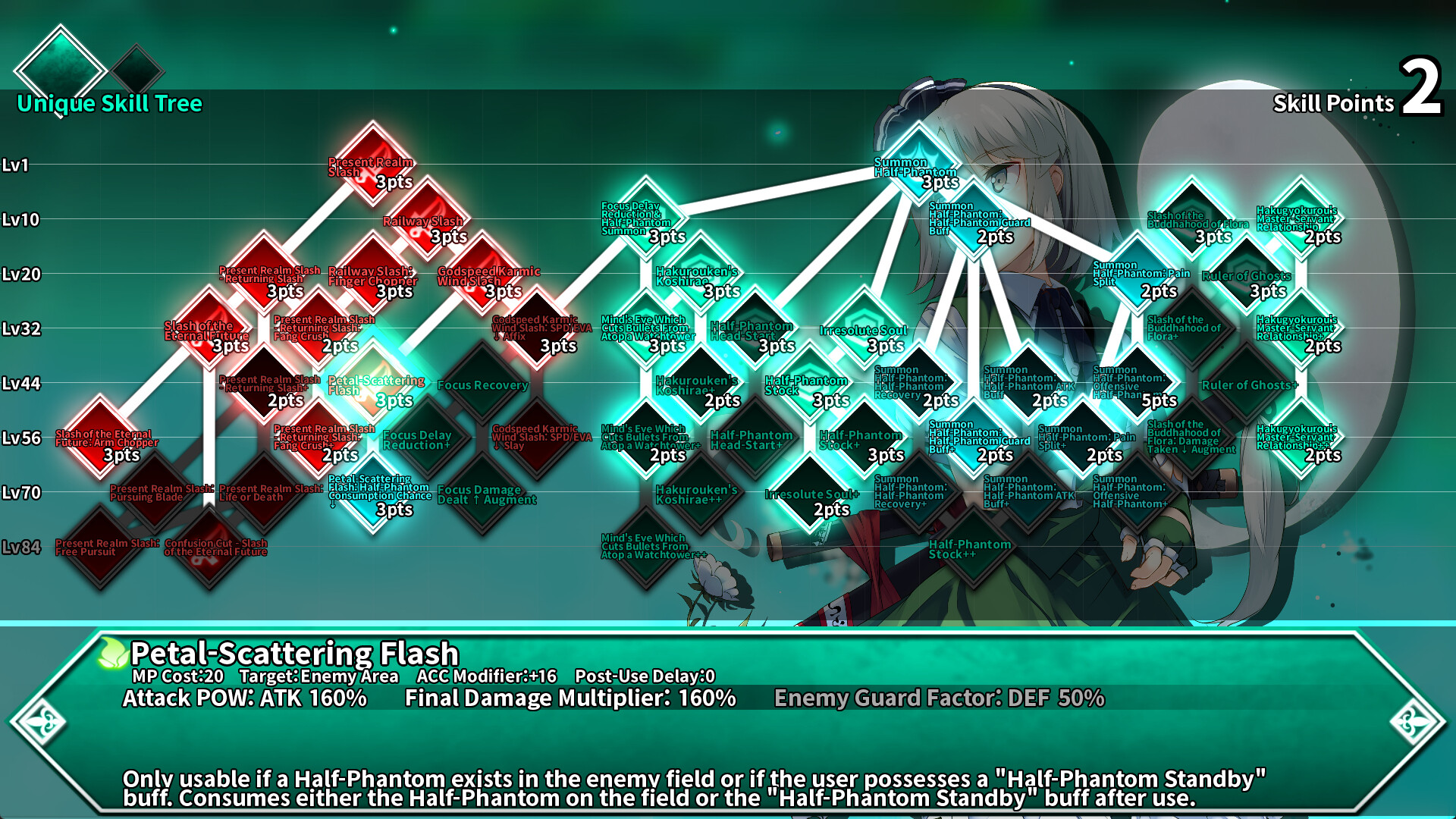
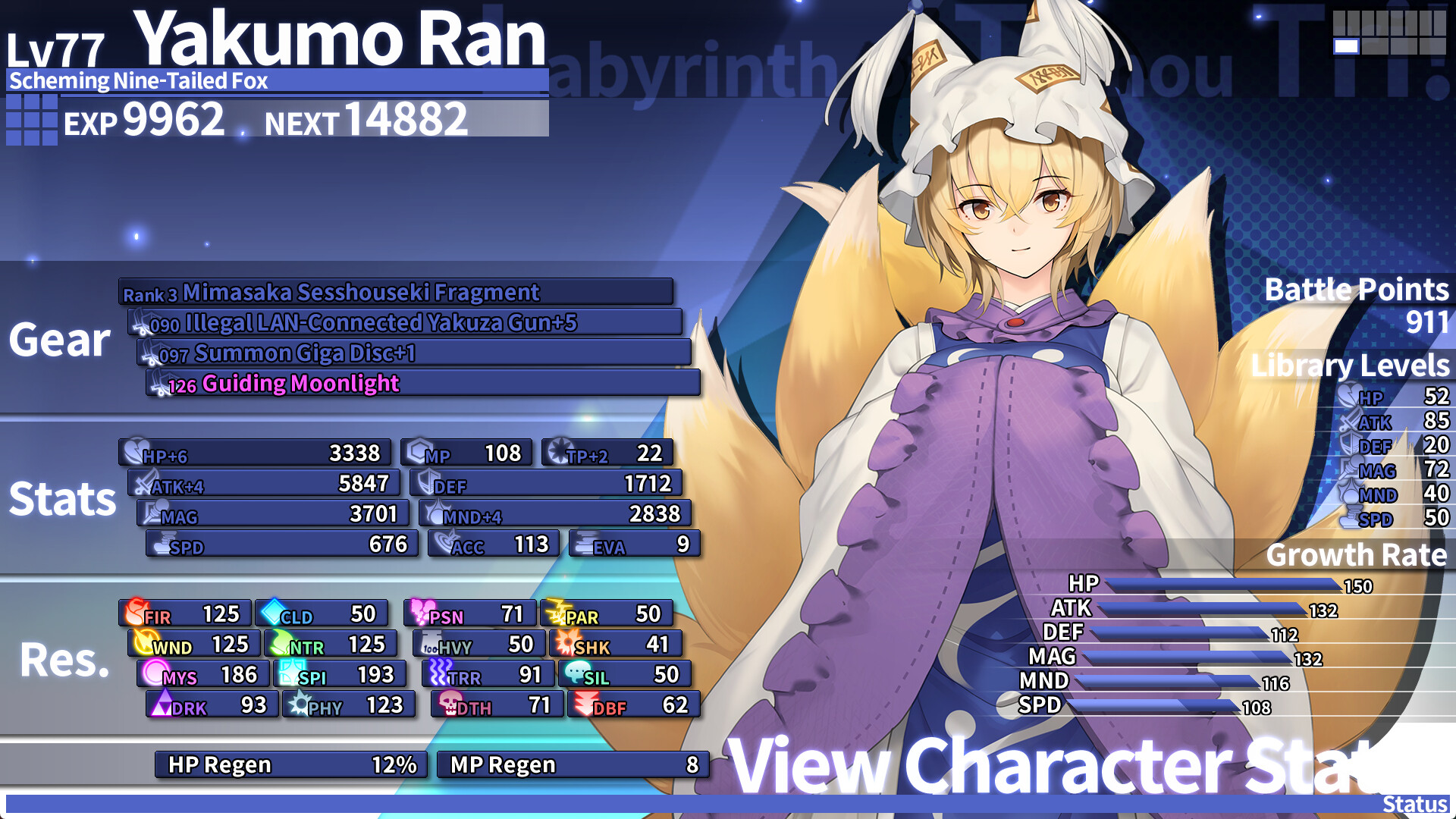
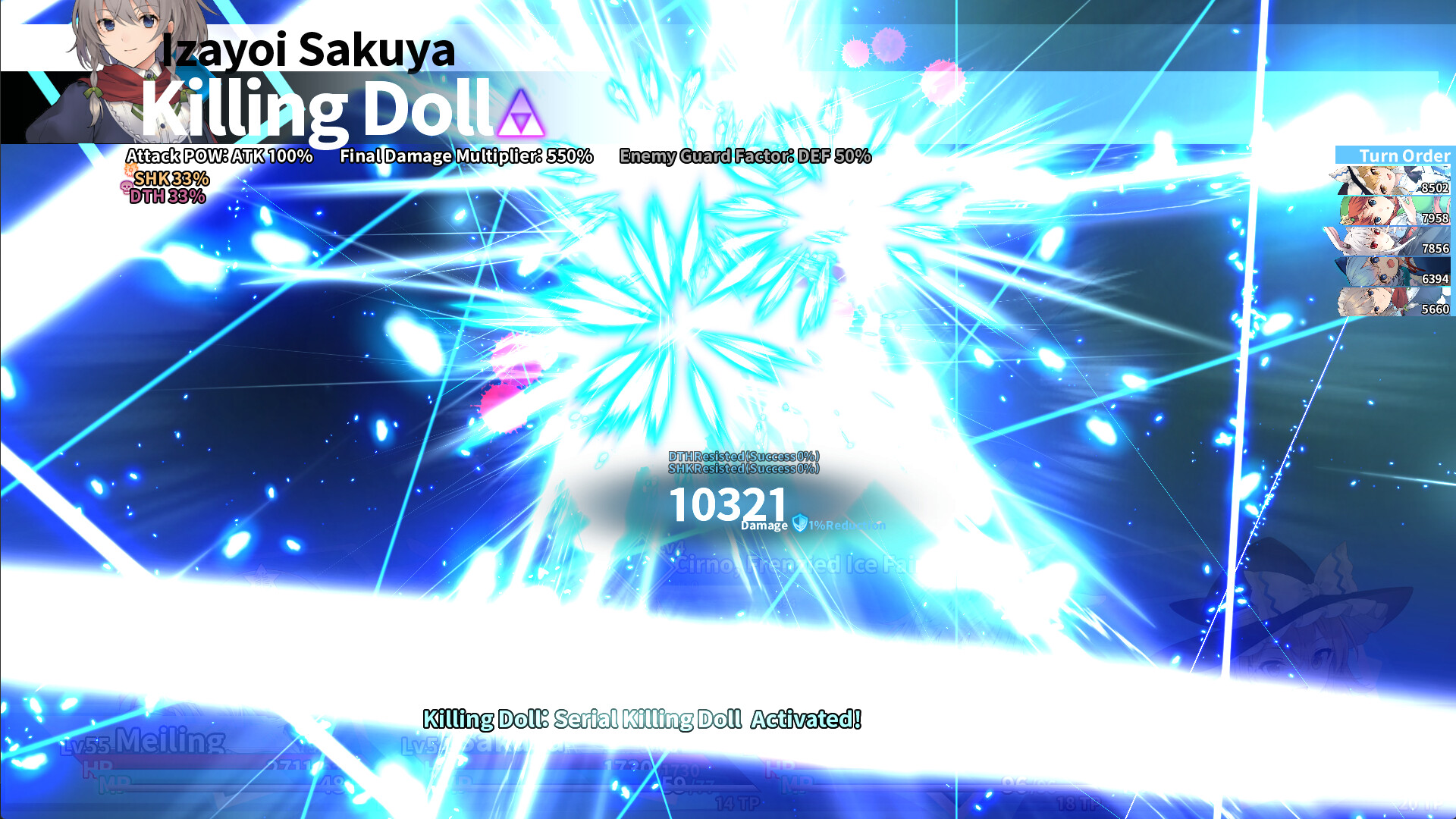
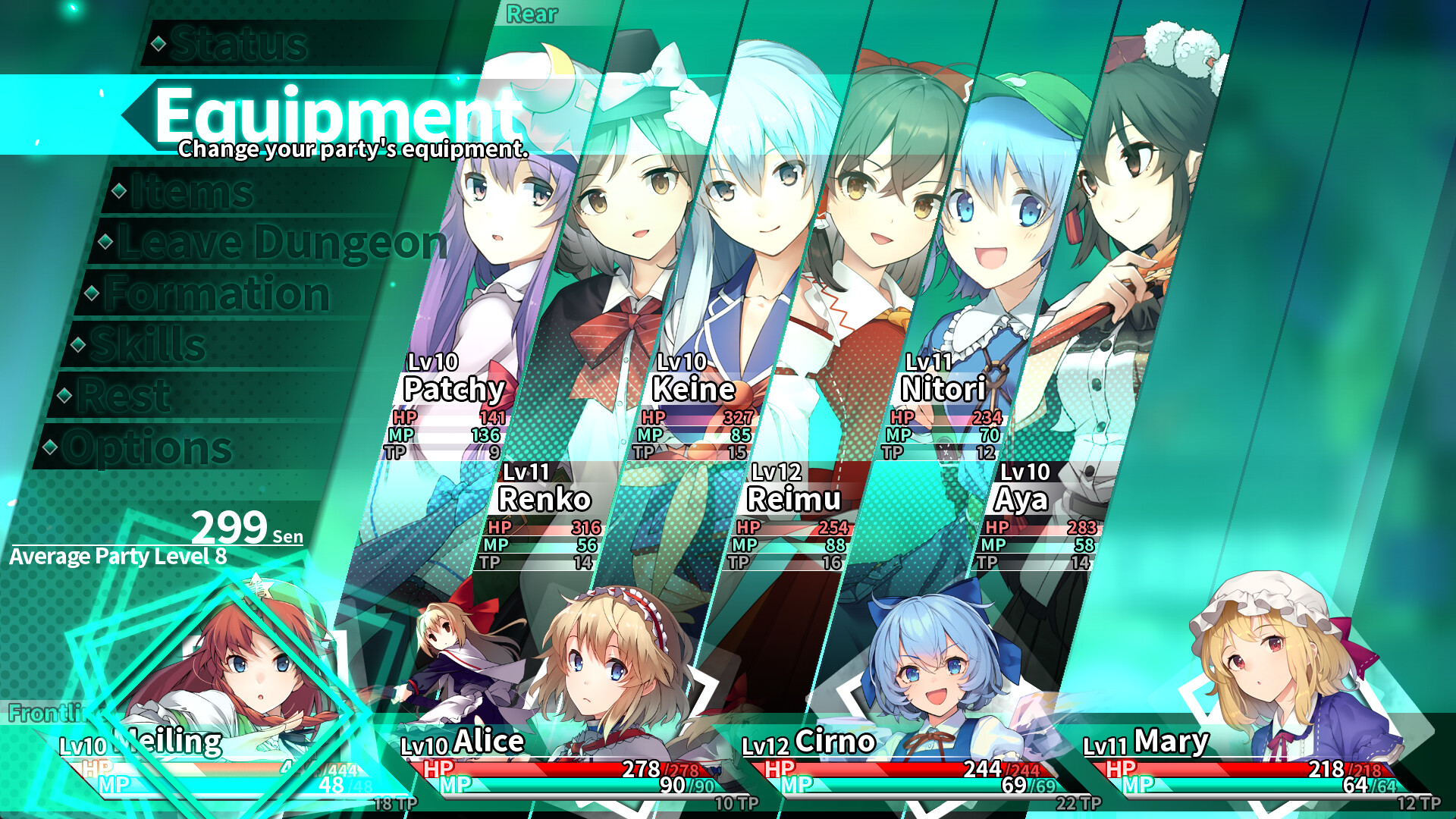
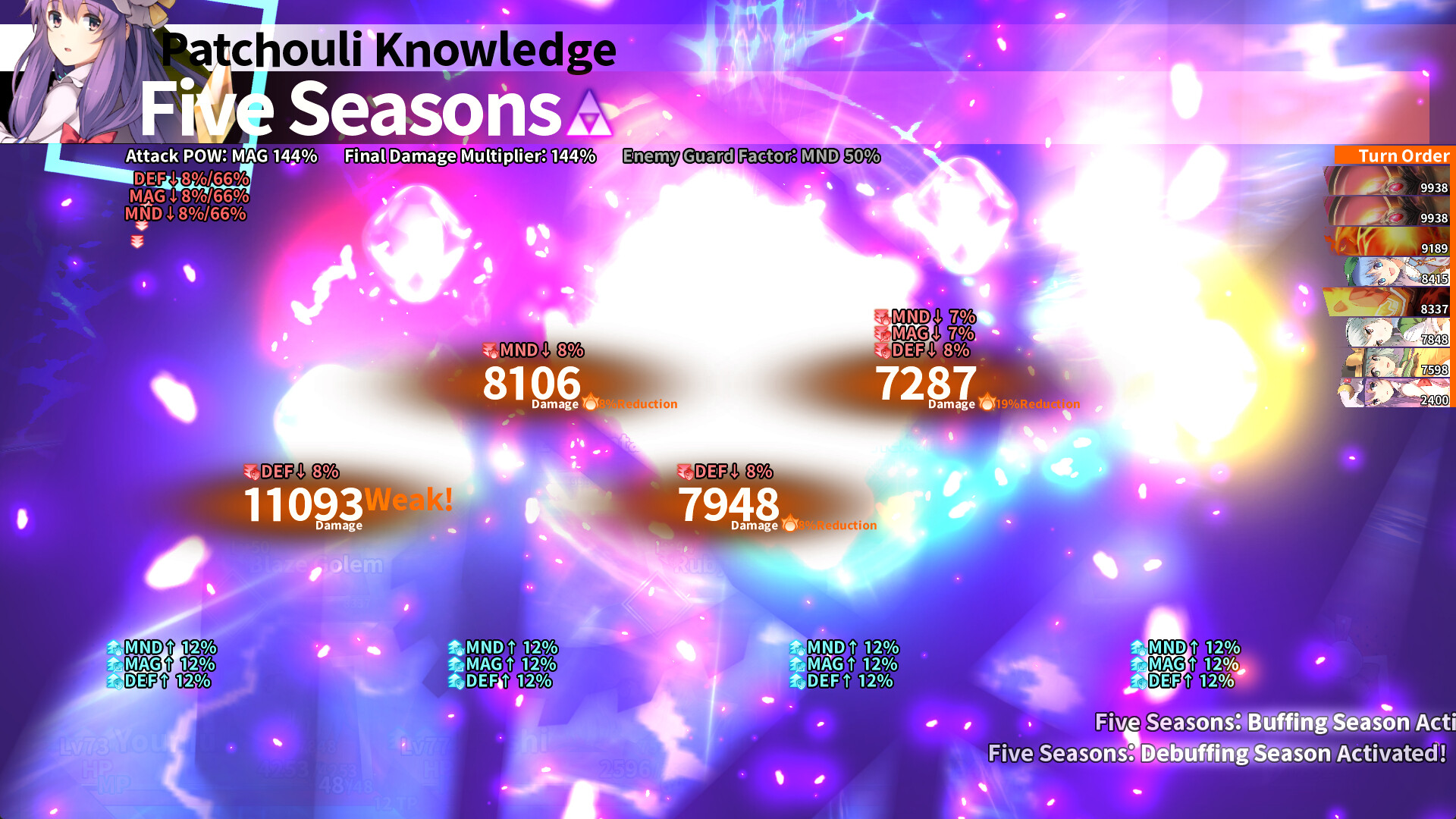
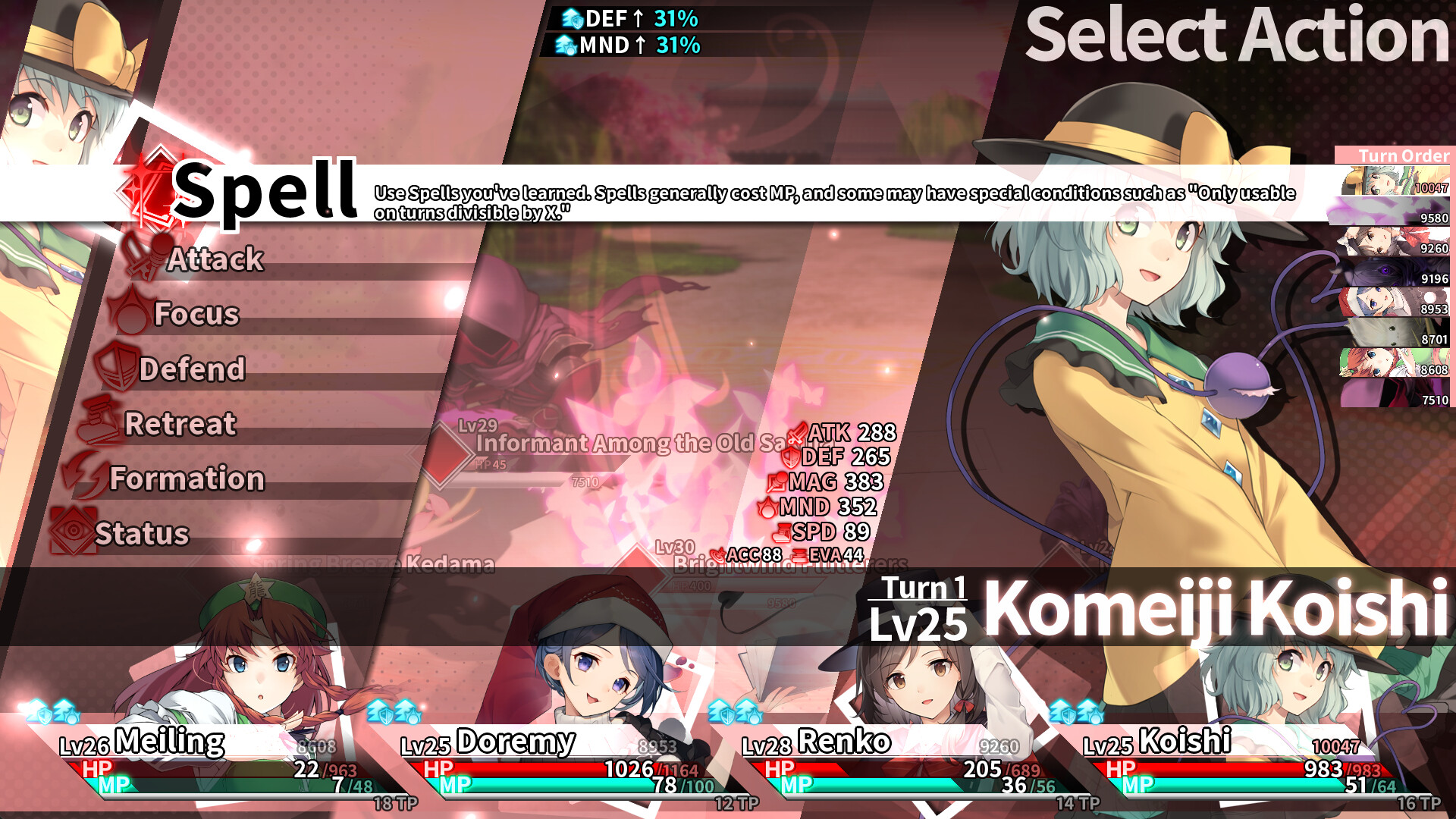
Combat is the heart of the experience: turn-based, deeply system-heavy and intentionally puzzle-like. You pick a frontline of four and a rear of eight to make a rotating roster of twelve, then fine-tune each girl’s massive, unique skill tree. Fights often feel like little logic problems — which enemies to bait, when to burst, who needs protection — and the joy comes from solving those puzzles consistently. The reward loop of finding rare or giant enemies, learning their drops and then farming them is surprisingly addictive. Bosses telegraph patterns in brutal but fair ways: they’ll do a move every X turns or unleash a massive HP% nuke, and your job is to build the counter. That makes failure educational rather than cheap. If you love fiddly stat math, the game even exposes formulas and resistances so you can theorycraft to your heart’s content.
When Bosses Become Your Playground
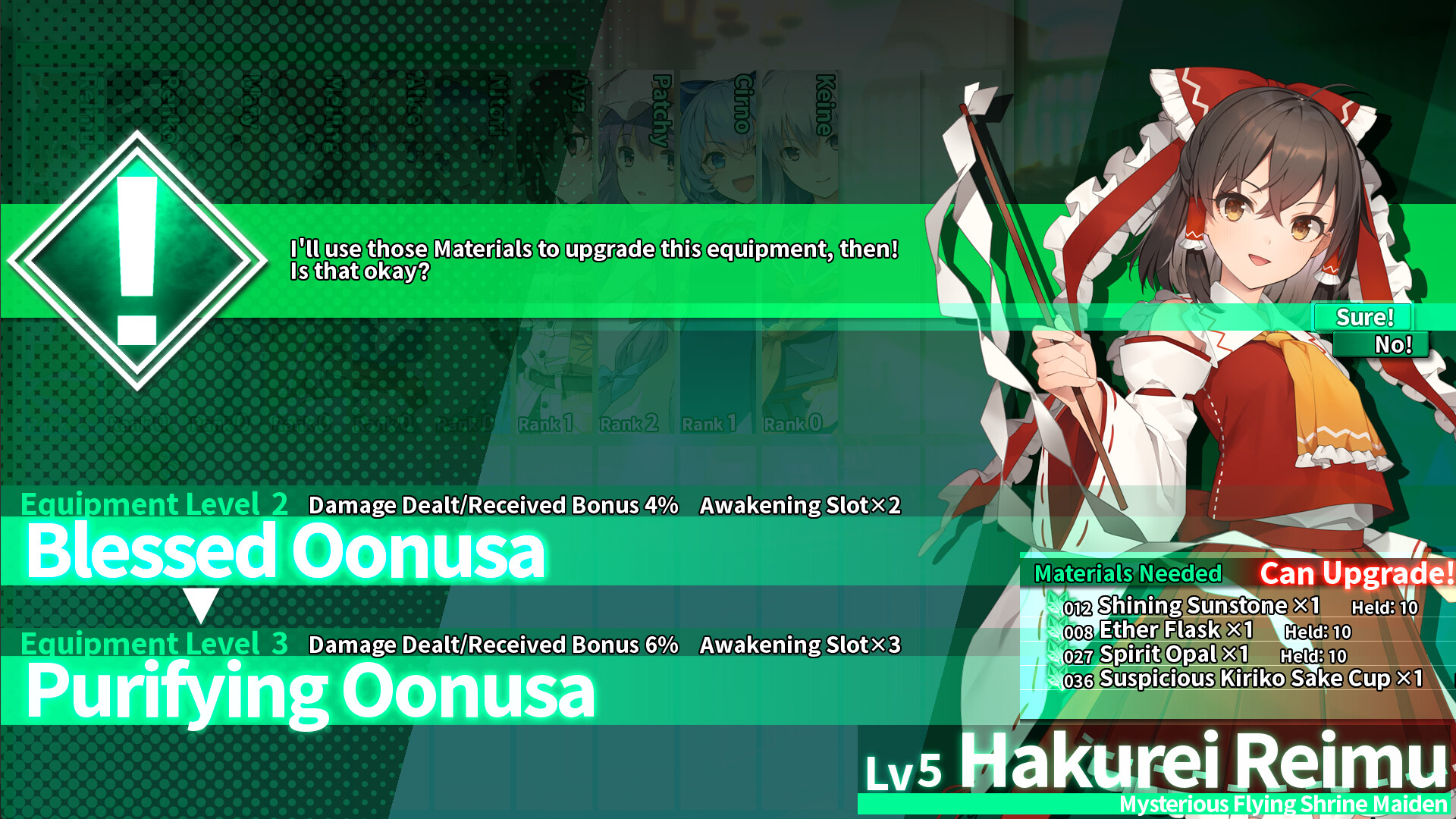
The boss-refight and restriction systems are where this title really shines for me. You unlock the ability to repeatedly challenge bosses, either to farm coveted drops or to tackle them under handicaps for special rewards. Those restrictions change fights from rote to riveting — and the game hands you tools (skill respecs, pre-battle customization on Game Over screens) so experimenting is painless. With over 40 characters each sporting gigantic trees — the description claims 1000+ skills in total — build variety is staggering. That variety is not fluff: certain setups counter very specific boss gimmicks, and discovering those synergies is a high. The Lunatic mode and difficulty toggles add extra layers for people who want to go harder.
Aesthetic, Sound and the Ugly Truth About Performance
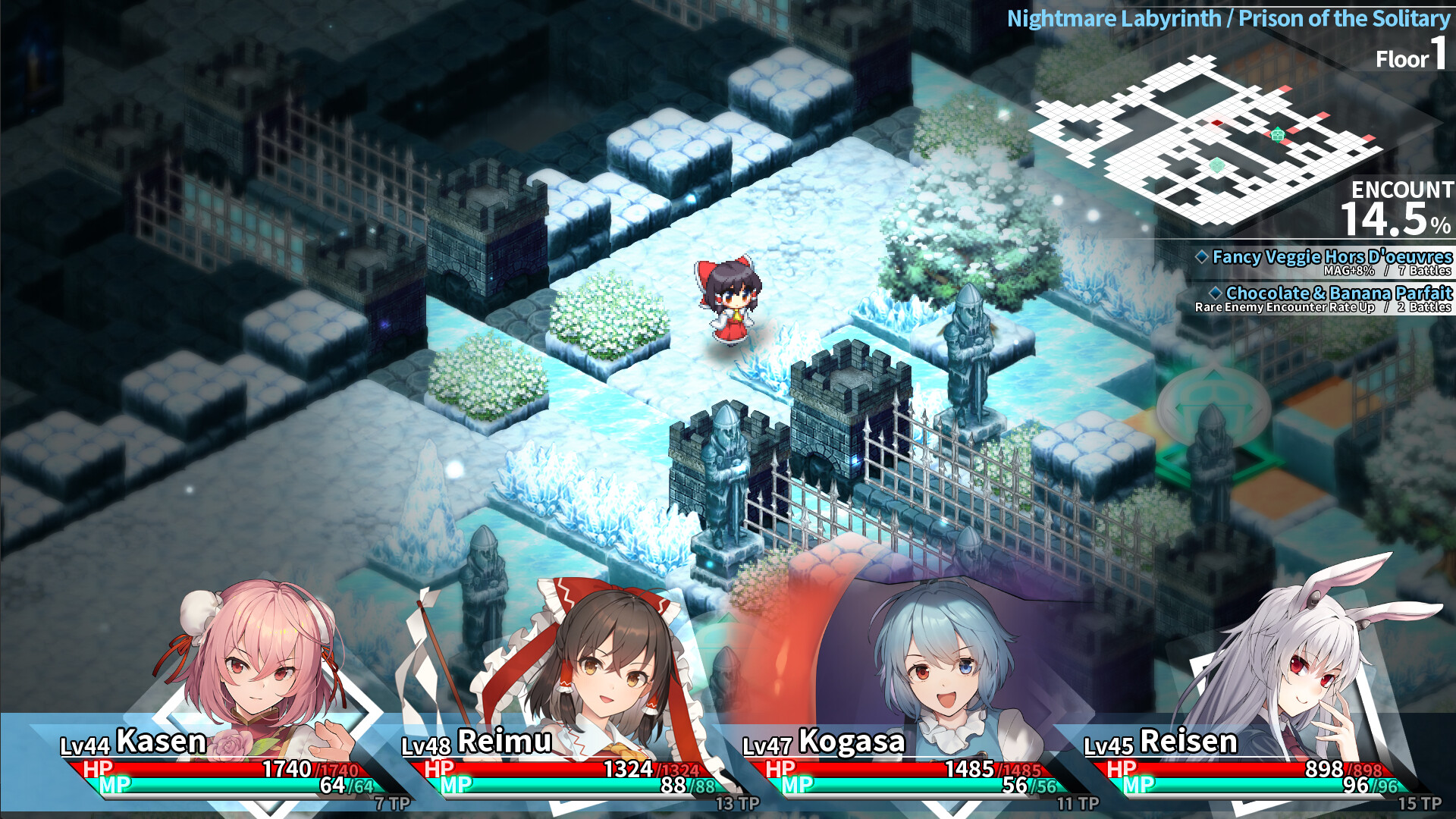
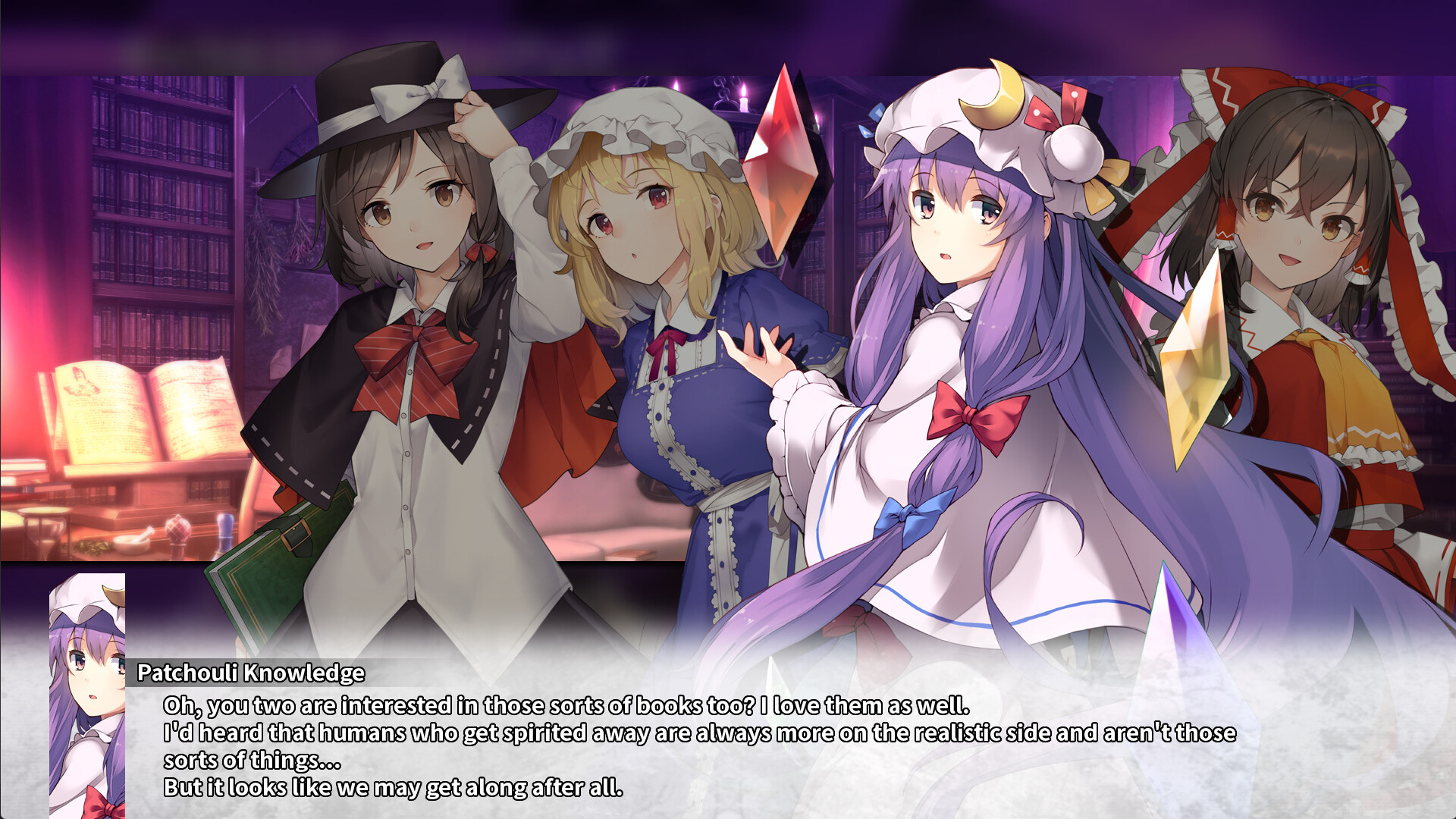
Visually the game is pleasant: pixel/sprite work, charming character portraits and a soundtrack that fits exploration and boss tension without overstaying its welcome. Quality-of-life improvements from previous Labyrinth entries — clearer damage formulas, in-game documentation and convenient respecs — show real developer craft. Unfortunately, the technical side is a mixed bag: many players report severe FPS drops, stuttering and VRAM spikes even on modest hardware. I experienced choppiness during heavy effect sequences and occasional UI lag; several fixes (GPU toggle, VSync) reportedly mitigate issues for some players. There are options to tone down effects and hitstop, but the default bloom/effects can be overbearing. In short: the presentation and audio largely deliver, but the performance problems are currently the biggest barrier to full enjoyment.

Labyrinth of Touhou Tri is a brilliant, systems-first dungeon RPG that rewards patience, experimentation and planning. Its boss design, refight systems and massive skill trees make it a joy for fans of crunchy turn-based games, but current technical issues drag the experience down for many players. Buy it if you crave deep party-building and can tolerate (or fix) performance quirks; otherwise wait for patches.

Pros
- Deep, rewarding turn-based combat with clear enemy patterns
- Huge character variety and meaningful skill trees — tons of build options
- Strong QoL: in-game formulas, respecs, boss refights and challenge modes
- Great soundtrack and charming pixel/sprite presentation
Cons
- Widespread performance issues: stuttering, FPS drops and VRAM spikes
- Visual effects (bloom/hitstop) can feel overbearing and jarring
- Some UI choppiness and occasional presentation rough edges
Player Opinion
Players consistently praise the combat loop, party customization and the feeling of earning victories. Many highlight the satisfaction of discovering boss patterns and building counter-builds, and the massive skill trees are a frequent positive. However, several reviews — including long-time series fans — note severe performance problems: stutters, massive FPS drops during effects and unusually high VRAM usage. Some users found that switching to discrete GPU and enabling VSync helped, while others still experience issues on older laptops. Overall, if you love crunchy DRPG systems, reviewers recommend the game but warn that you may want to wait for patches if your hardware is modest.