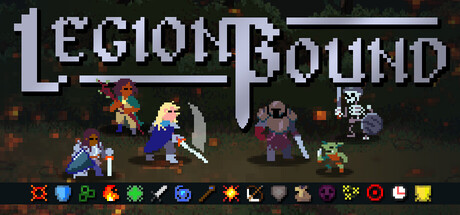




Legionbound Review – A Chaotic, Charming 50-Hero Autobattler
Legionbound mixes retro party RPG vibes with modern autobattler mechanics: recruit up to 50 heroes, craft synergies and push through roguelite runs. A budget gem with depth, a few rough edges, and lots of brain-candy moments.
I went into Legionbound expecting a cute pixel autobattler and left with an army of laughably named heroes and a surprising urge to min-max like it’s my day job. It’s the kind of game that feels like Vampires Survivors’ chill cousin crossed with classic party RPGs — only you manage 50 units instead of four. What makes it stand out is how much decision-making remains during fights: positioning, spells and Ascension combos actually matter. It’s cheap, approachable, and oddly addictive, even when some small UI and audio roughness remind you it’s an indie labour of love.
Fielding a Ridiculous Legion
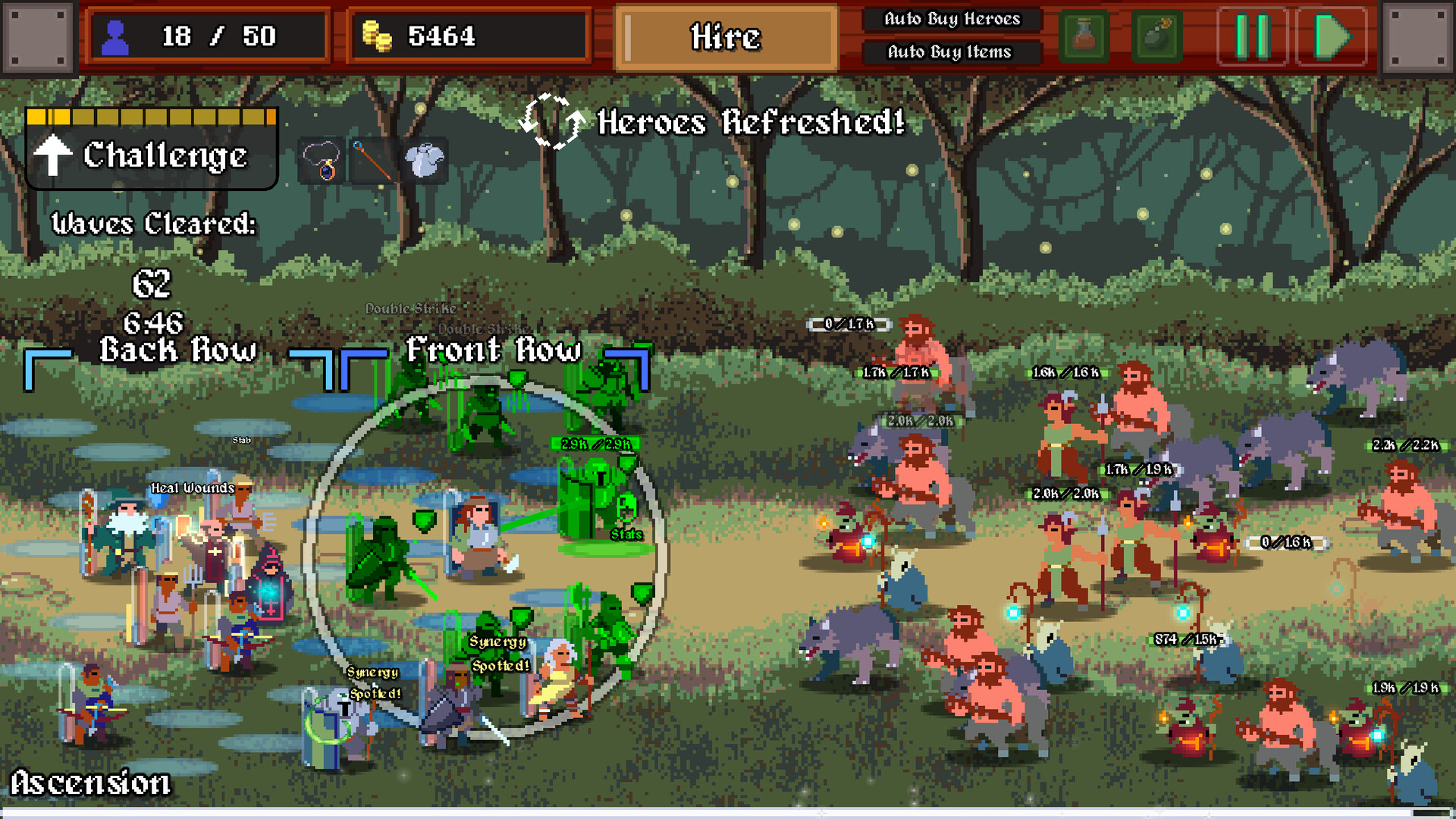
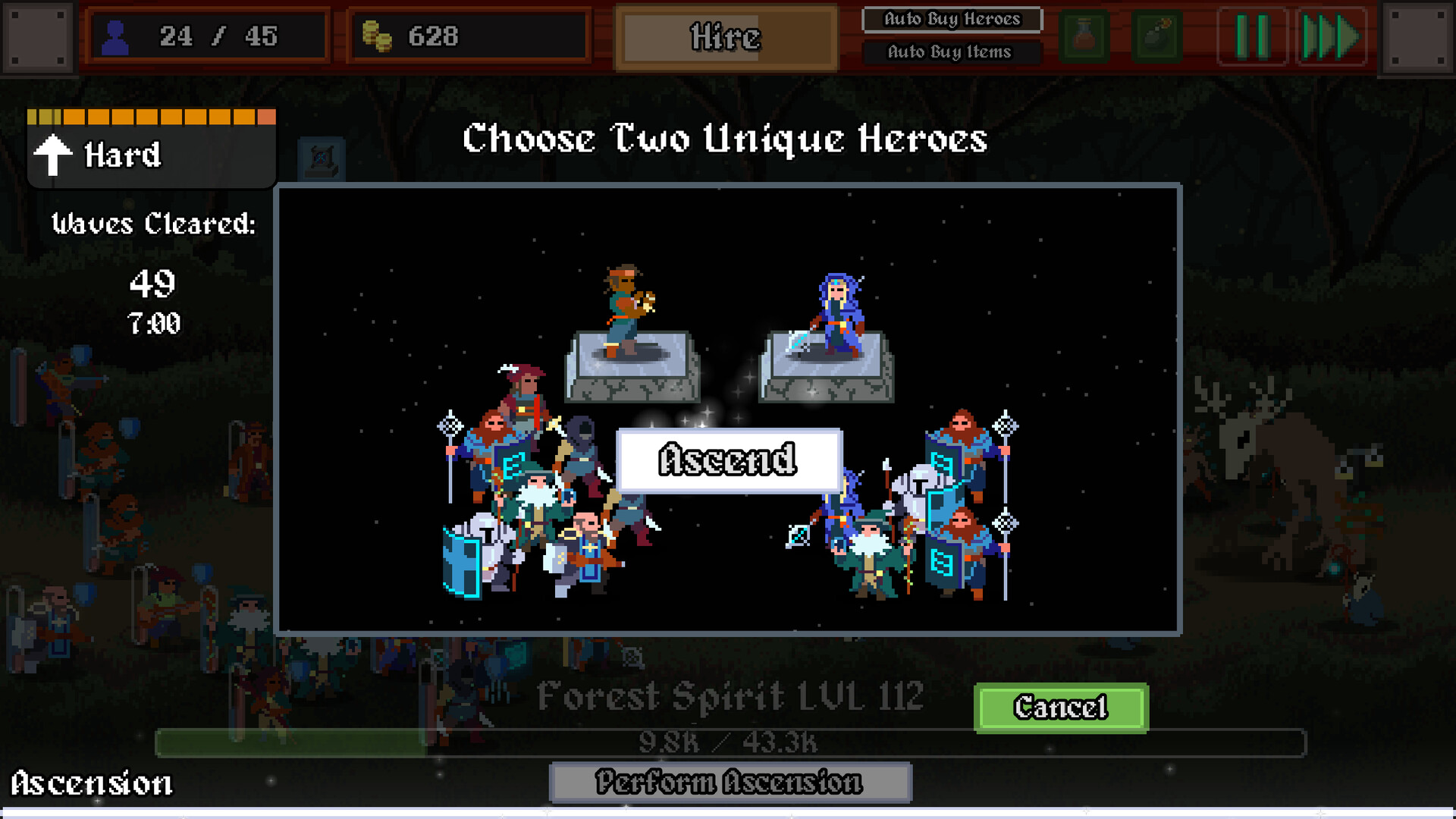
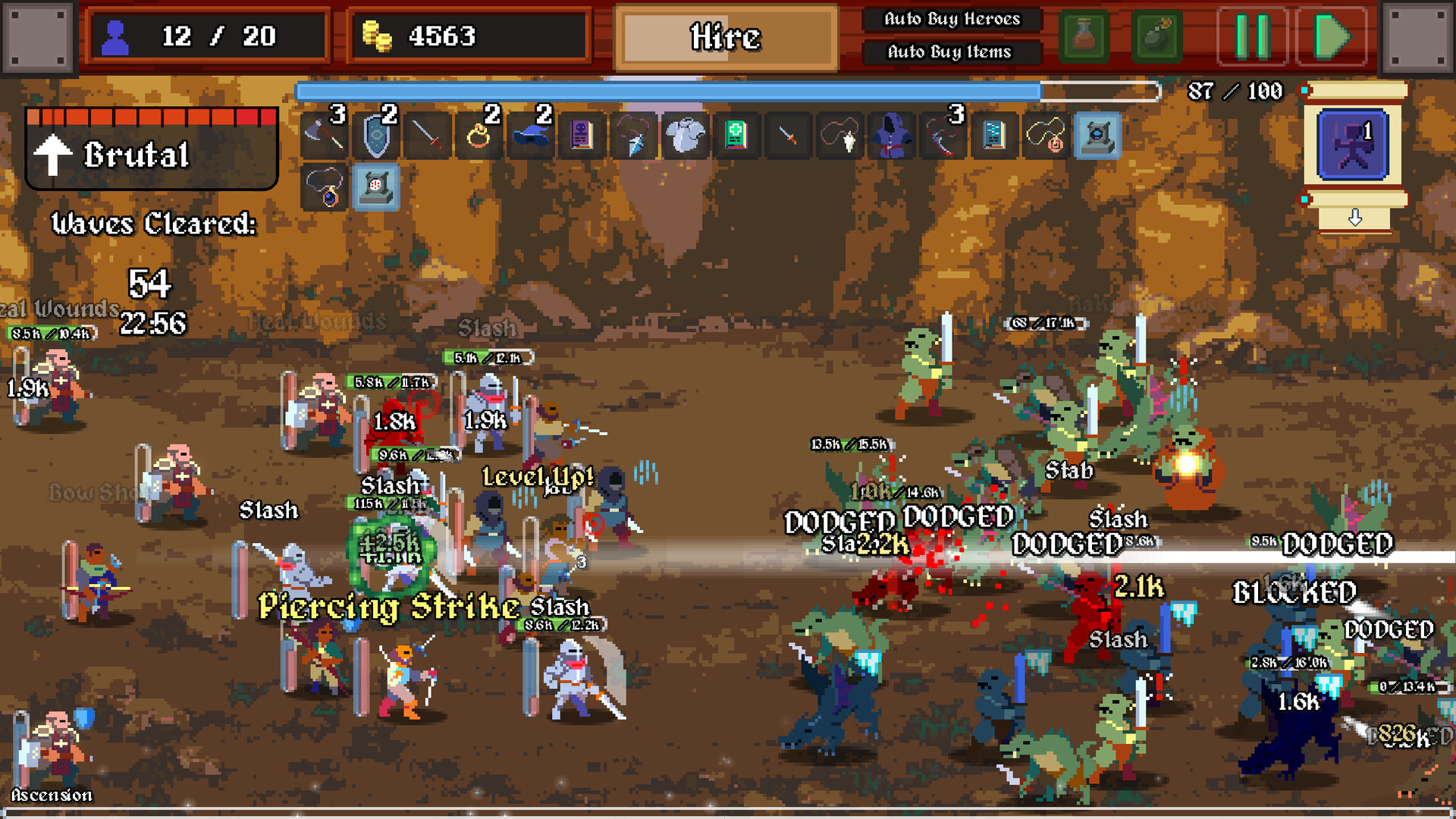
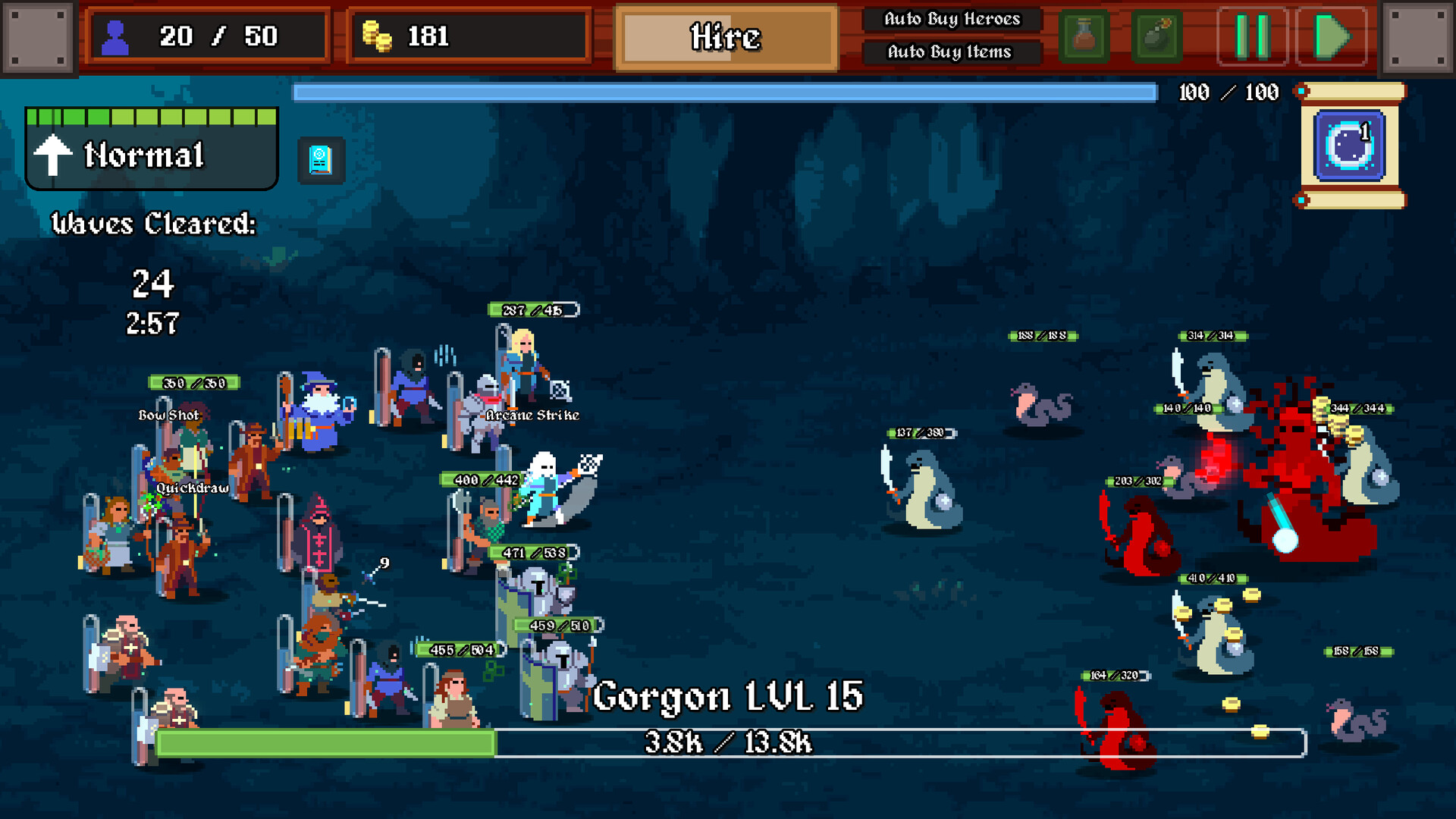
Legionbound’s core loop revolves around assembling and managing a massive party — literally up to 50 heroes crammed onto the battlefield. Combat plays out in an autobattler fashion, but don’t be fooled: it’s not a passive spectacle. Between waves you recruit, rearrange rows, buy passive items, and pick unlockable spells. During fights you reposition units to avoid dangerous frontlines, trigger skills, and make tactical micro-decisions that swing encounters. The Ascension mechanic — fusing heroes into super-classes — is a satisfying payoff for careful roster management. Expect to spend runs testing synergies, swapping subclasses and laughing when a thousand-point crit wipes half the screen.
When Numbers Become Strategy
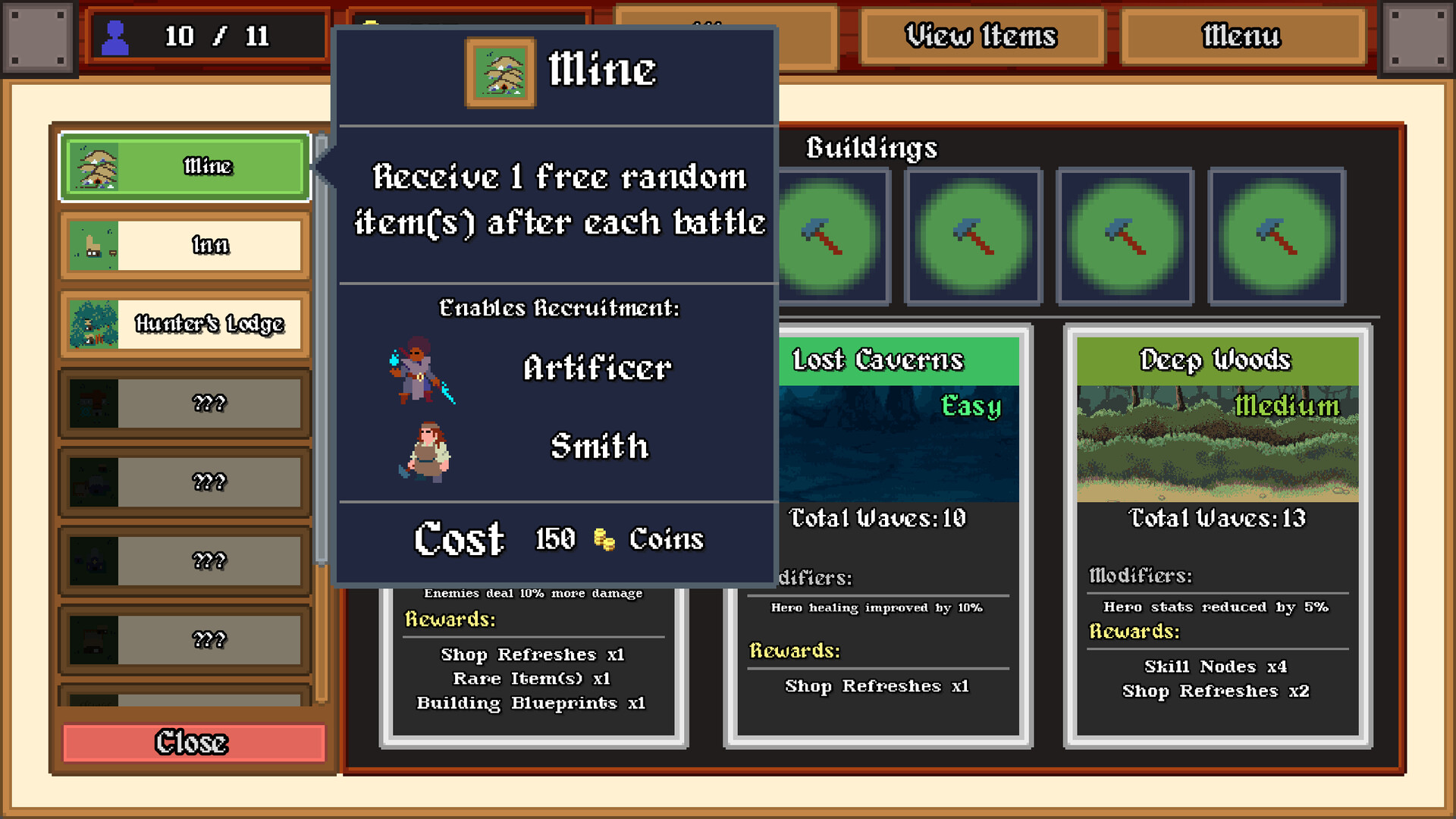
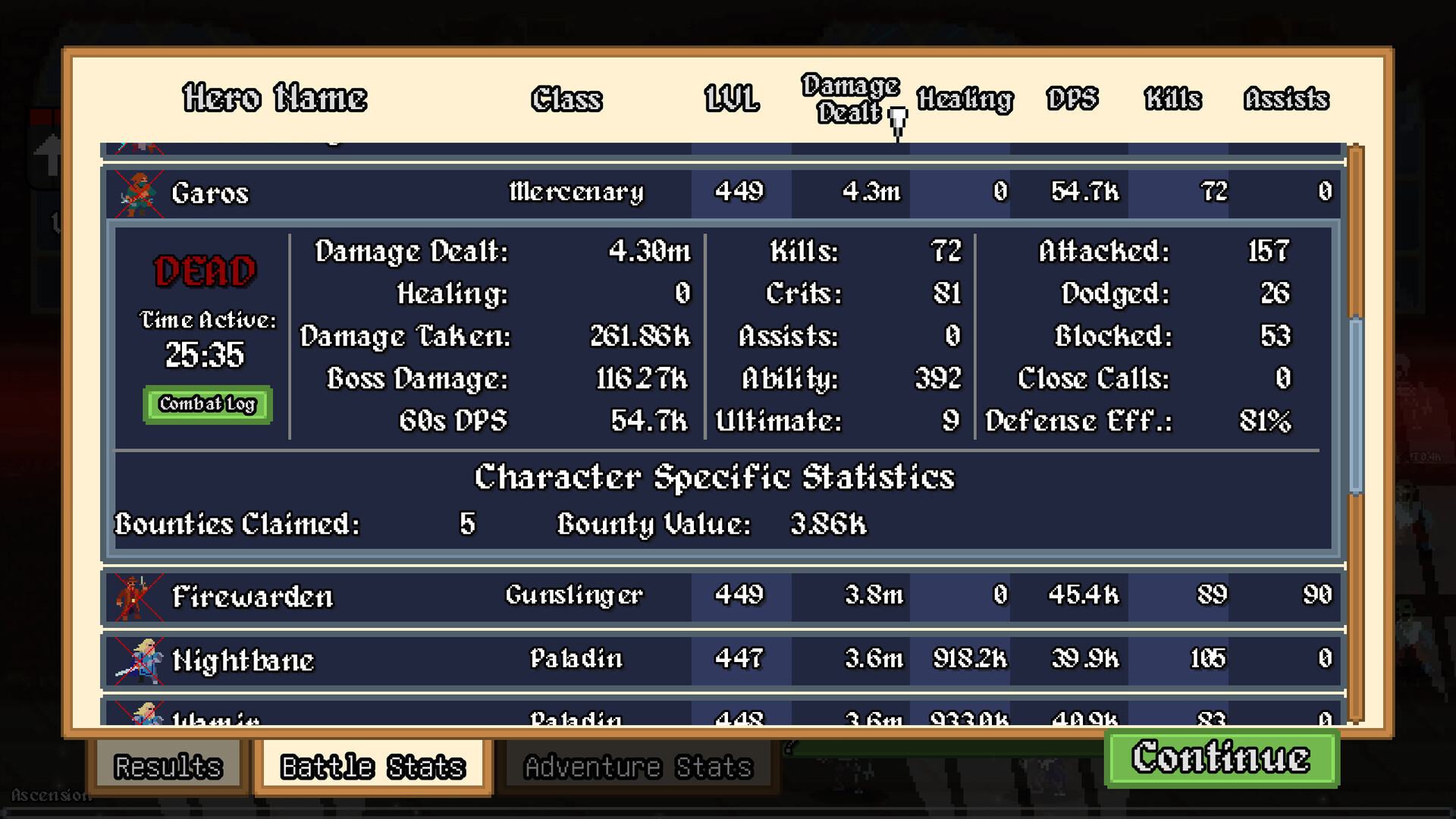
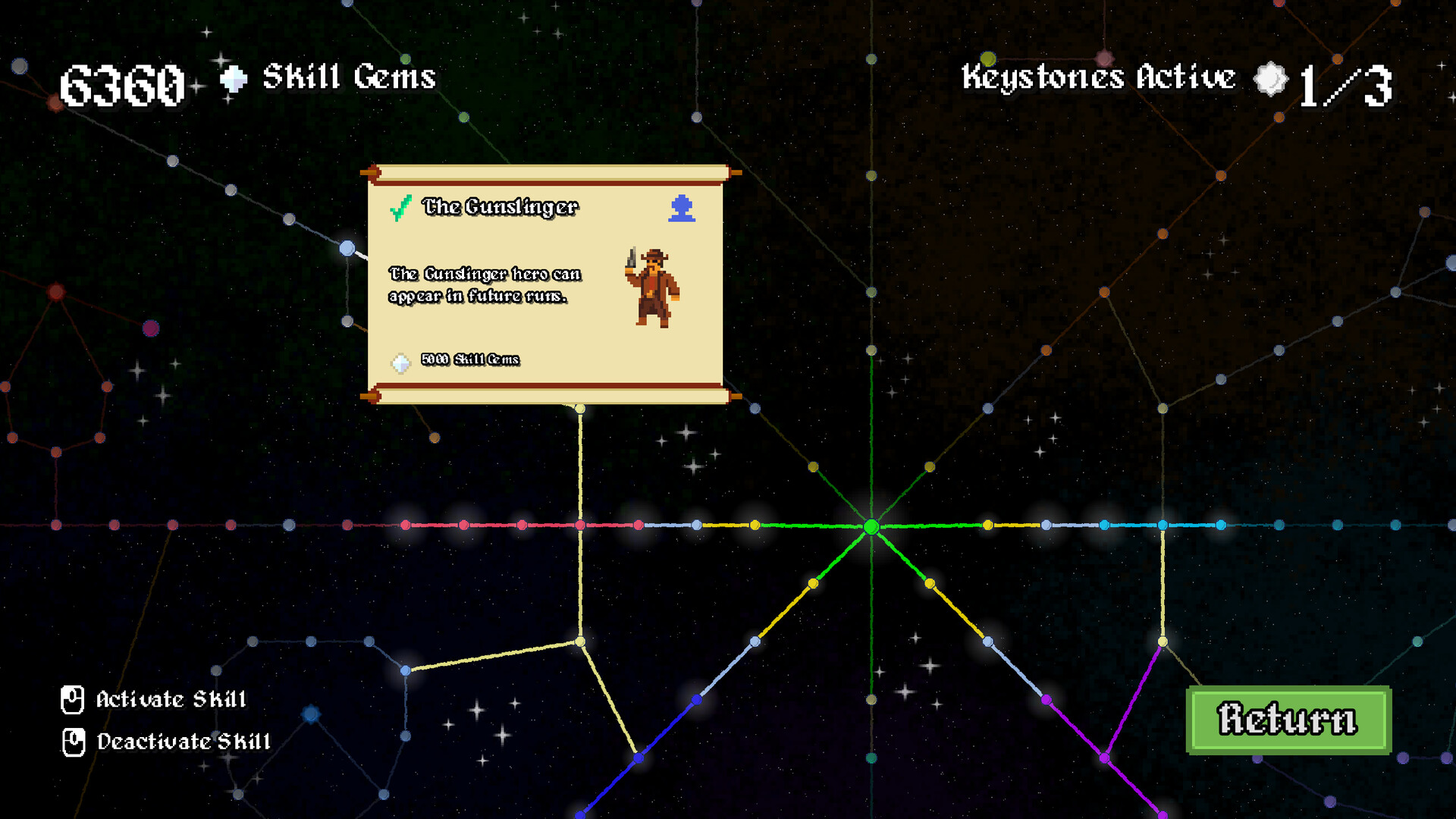
What makes Legionbound tick is its obsession with combinatorics turned fun. With 30 base classes, dozens of subclasses and over 400 Ascension permutations teased in the description, the game rewards experimentation. Synergy subclasses can turn a gaggle of weak mooks into a cohesive killing machine, and passive items nudge builds into wild directions. Battle Mode scratches the endurance-run itch: recruit mid-run, tune your army and see how long your chaos holds. Adventure Mode adds a roguelite layer where you construct buildings, collect meta resources and choose when to face the final Endbringer. The progression system is generous — an expansive skill tree, respeccing, and unlocks make each subsequent run feel meaningfully stronger, but be warned: the meta grind is a noticeable pillar of longevity here.
Pixels, Sound, and Performance — Indie-Friendly Presentation
Graphically Legionbound opts for chunky pixel art that sells the retro-party vibe; it’s readable even when fifty sprites share the screen. Animations are snappy and grime-free, though backgrounds and UI could use additional polish. The soundtrack is competent but can loop thin over long sessions — several reviews already mention music fatigue. Performance-wise the game is light: I had stable runs on Linux and Windows reports look good too. Settings are basic; some users note limited graphics toggles and a grayed-out resolution option, which is a shame for players who like more control. Accessibility features are minimal but the straightforward interface and autosave-esque roguelite flow make it easy to pick up and play.
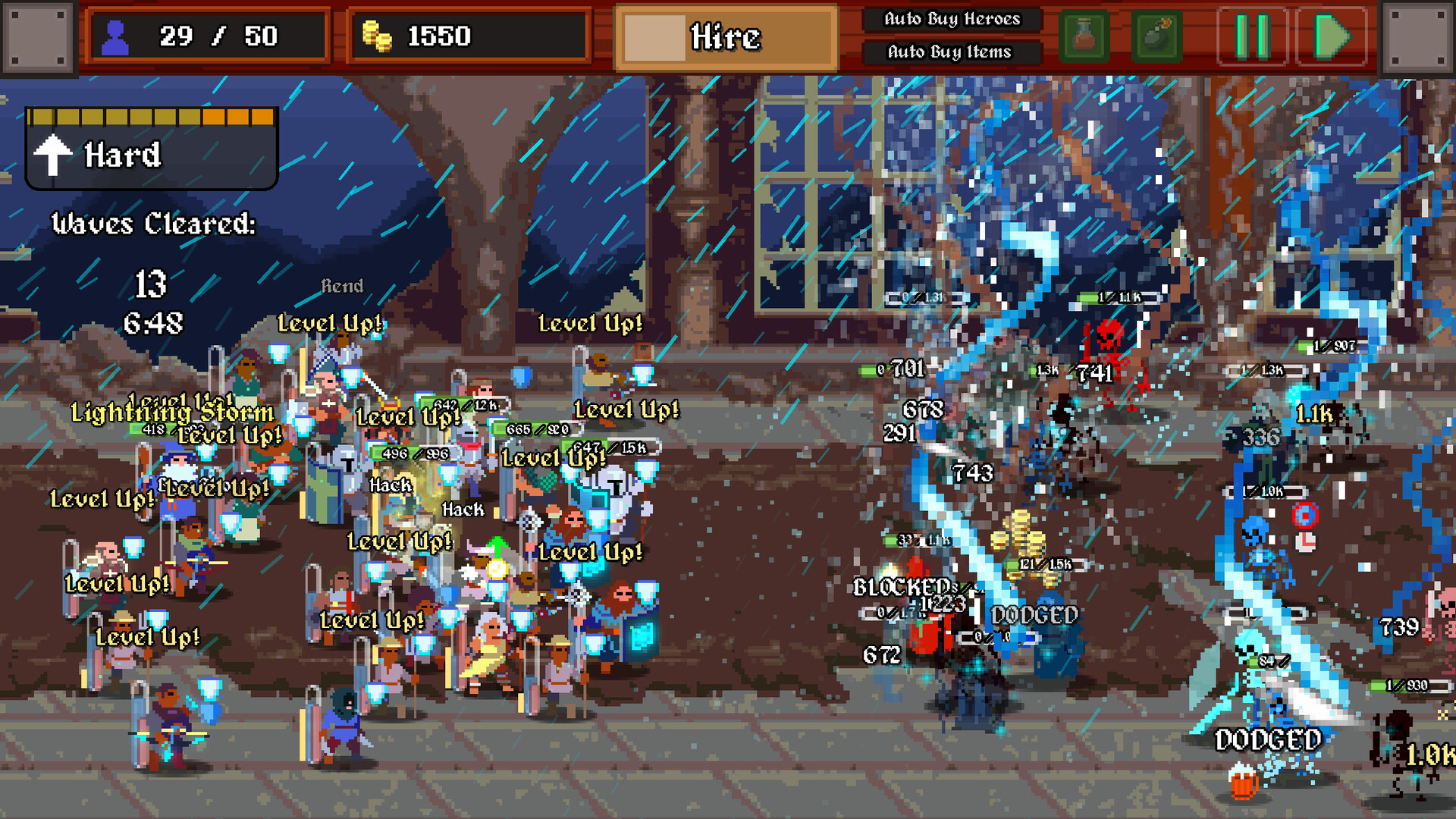
Legionbound is a delightful, value-packed autobattler with a huge toybox of builds and a surprisingly tactical core. It’s not perfect — audio and UI options could use attention, and the meta grind may be a turn-off if you want pure skill-based runs — but for the price and the joy of discovering new combos, I recommend it. Play it if you like synergies, big numbers and retro pixel charm; skip it if you need deep audio/visual customization or a game without progression reliance.
Pros
- Huge roster possibilities — up to 50 heroes feels wonderfully absurd
- Deep synergy and Ascension systems that reward experimentation
- Generous roguelite progression and a huge skill tree
- Cheap price with high replay value and a dev team that listens
Cons
- Music and audio can get repetitive
- Limited graphics/settings options and minor UI roughness
- Meta progression sometimes feels mandatory to succeed long-term
Player Opinion
Players praise Legionbound for its addictive build variety and great bang-for-buck value. Common positives in reviews include the satisfying Ascension combos, the enormous skill tree and the developer’s active presence on Discord and forums. Many say it’s perfect as a “second-screen” or pick-up-and-play title — a brain-candy time-killer that runs cleanly on Linux and Windows. Criticisms are consistent: the music loops too much, graphics settings are sparse, and the meta-progression loop can feel like the core path to success rather than an optional extra. A handful of users reported rare bugs (stalled boss fights), but most commend fast developer responses. If you like synergy crafting and incremental power growth, Legionbound will click quickly.