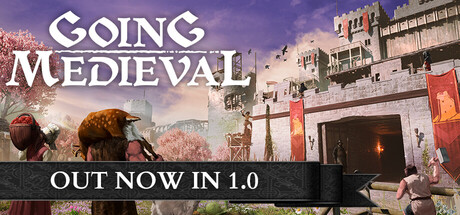




Going Medieval Review – Medieval Colony Builder with 3D Castle Crafting
A candid look at Going Medieval: a charming, sometimes frustrating 3D colony builder that lets you craft castles, manage quirky settlers and survive raids—great for creative builders, but expect rough edges in AI, combat and performance.
I jumped into Going Medieval because the promise of sculpting terrain and raising a fortress out of ruin is exactly my kind of digital mischief. It wears RimWorld’s colony-sim DNA on its sleeve but adds a distinctly medieval coat of paint and full 3D construction tools. What sets it apart is that you can dig down, stack up and decorate rooms like an overambitious architect with a mead problem. But, and there’s a big but, the game sometimes fights you back – whether through wonky AI, laggy late-game behavior, or combat that feels more clumsy than cinematic.
From Three Refugees to Walled Cities
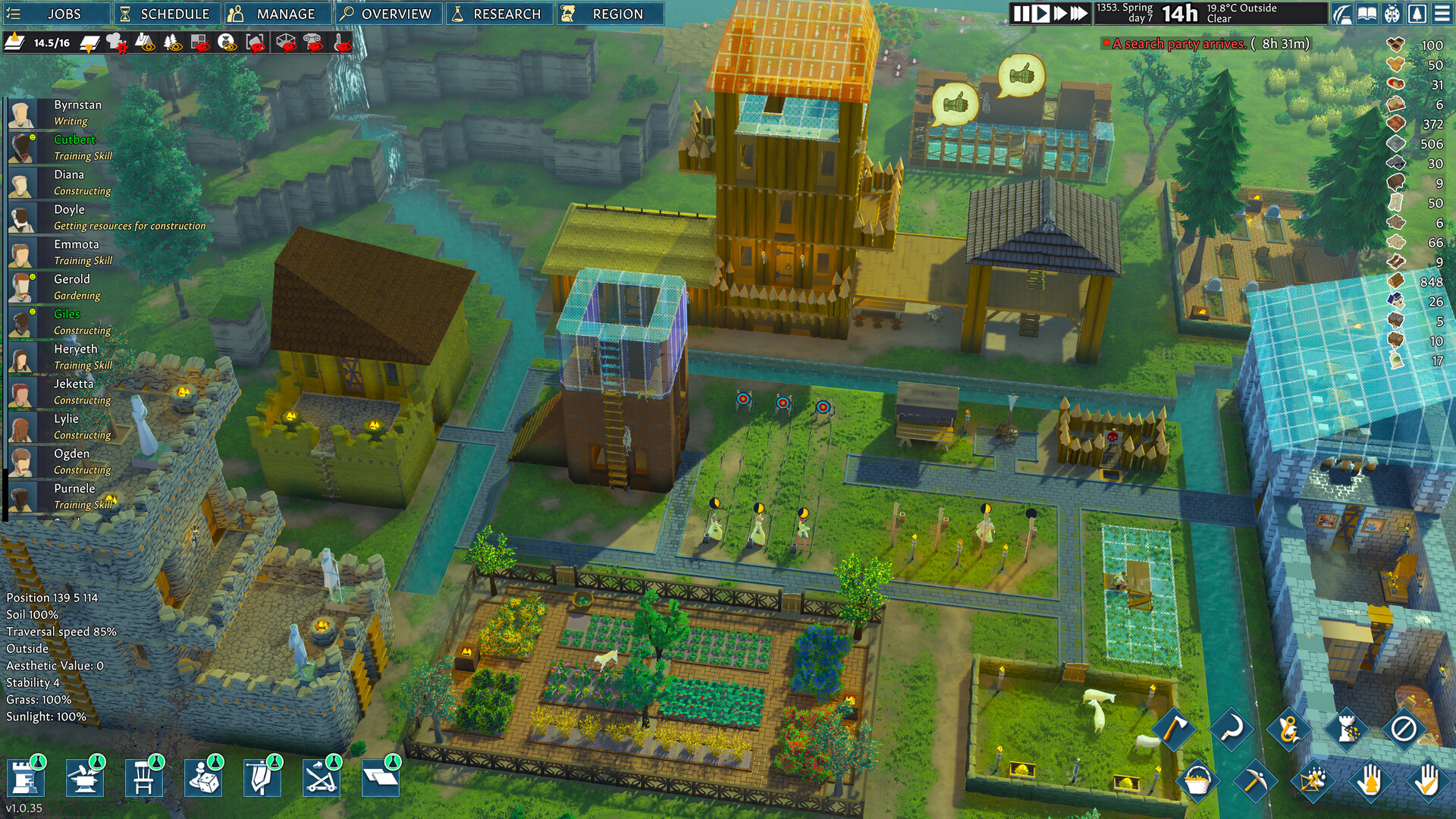
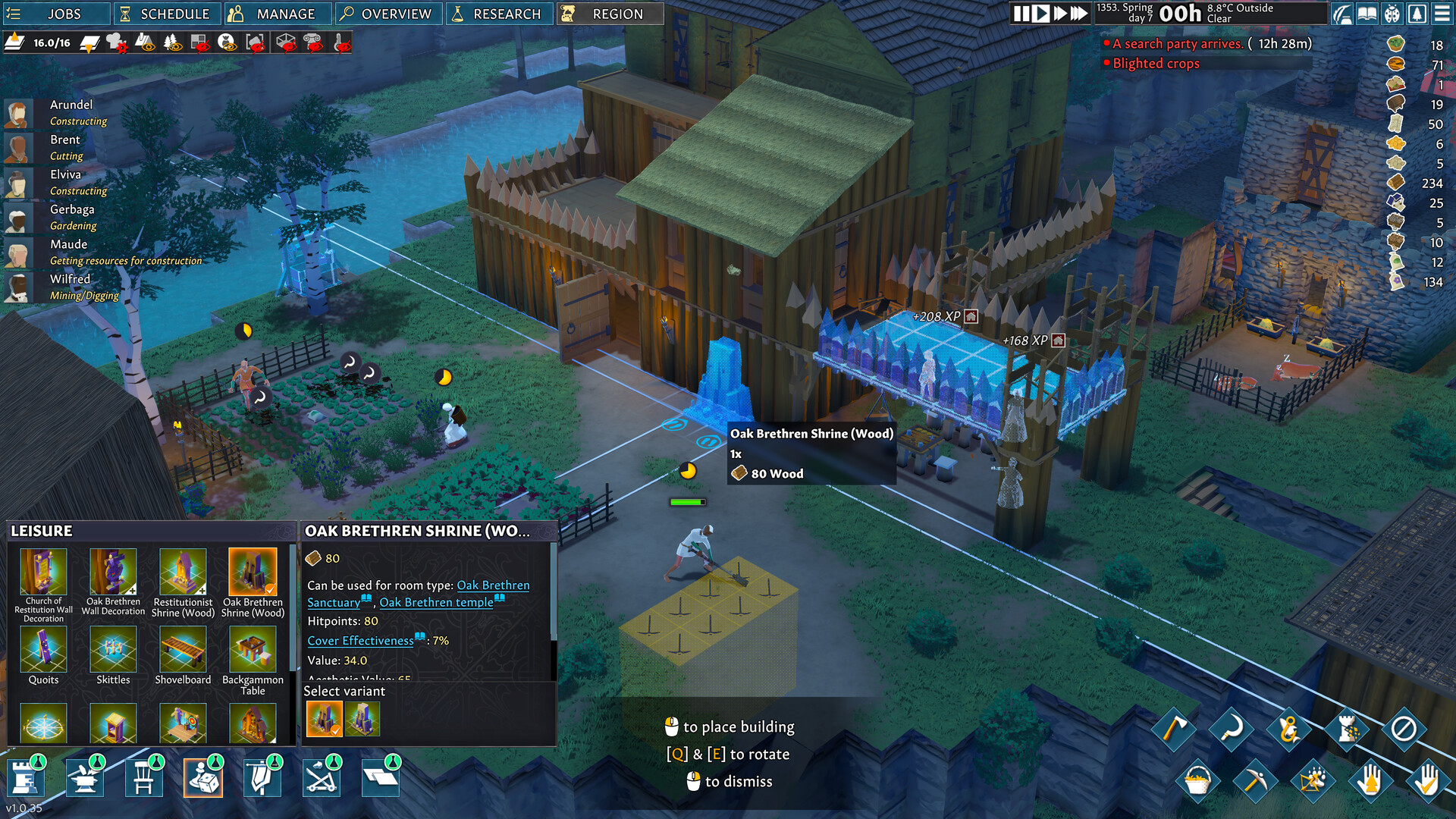
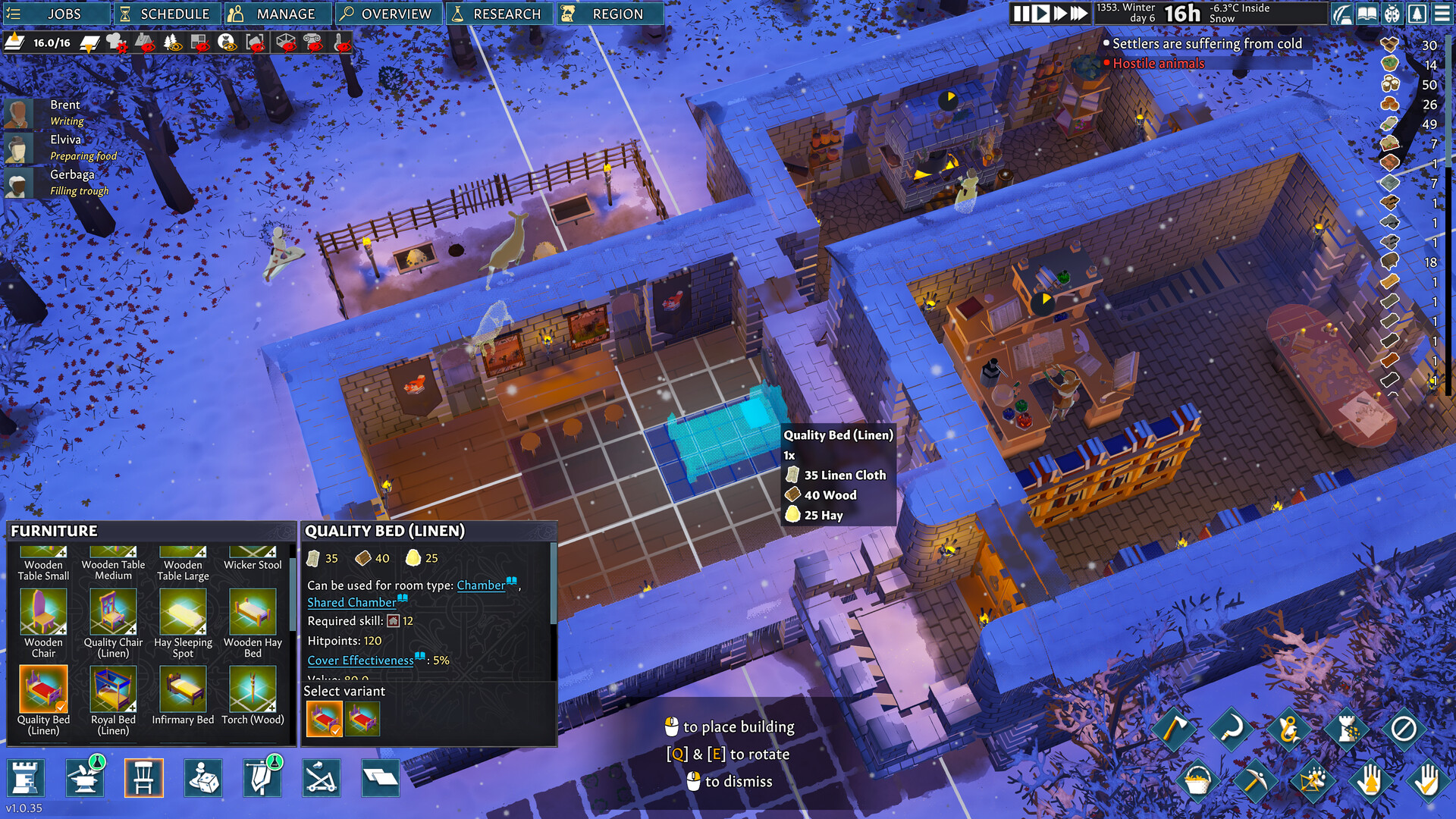
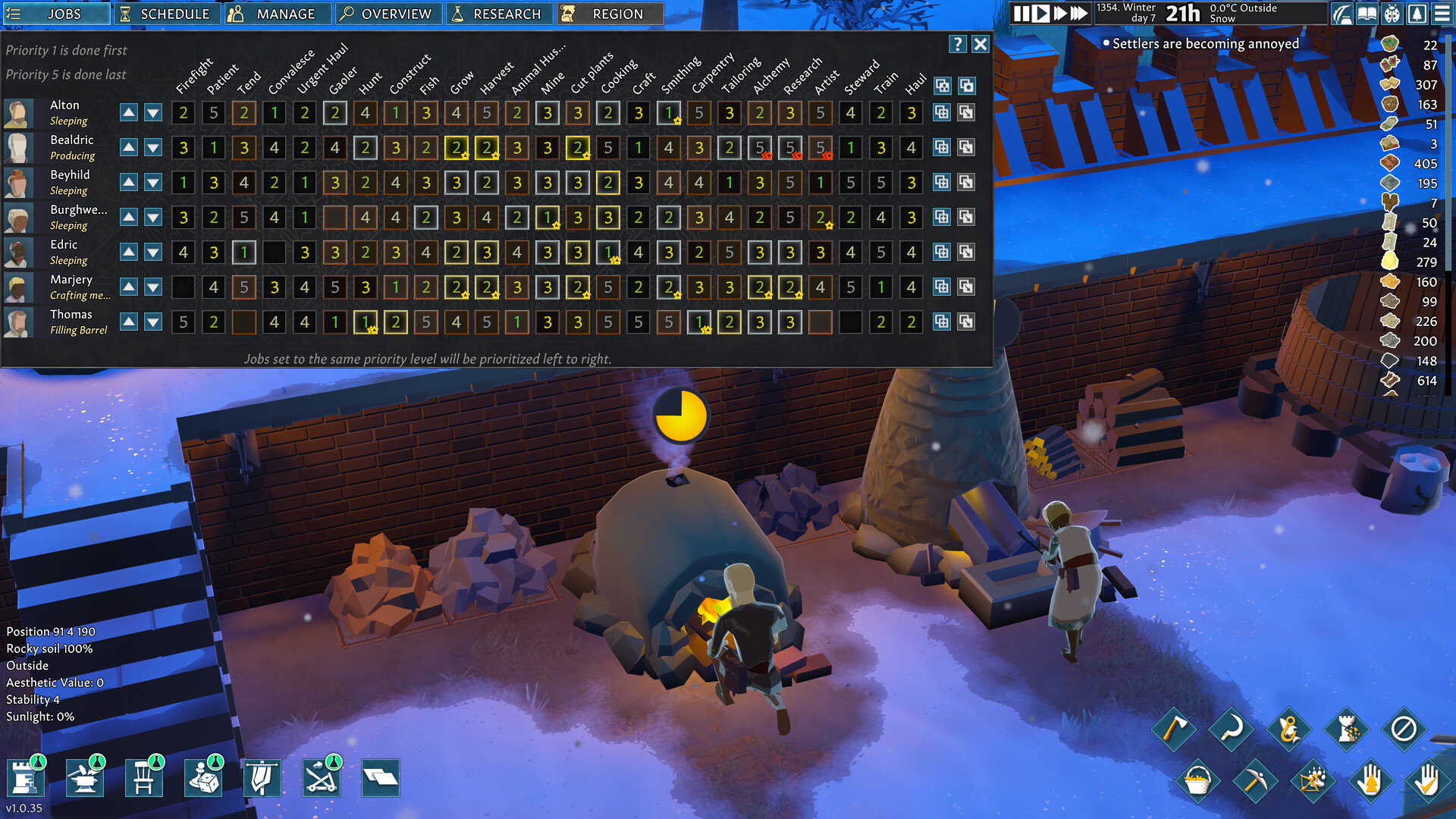
Gameplay kicks off simple: you start with a handful of survivors and the brutal task of turning wilderness into a working settlement. Most of your time is spent assigning jobs, carving out workshops, and wrestling with the game's excellent 3D terraforming tools to create defensible choke points, hidden mines, or ornate multi-storey halls. Construction is satisfying because you choose not only the materials but the verticality of your designs; roofs, staircases and stacked battlements matter in a way many 2D colony sims can't replicate. Resource flow and basics like cooking, butchering and tailoring are familiar systems, but their interaction with unique settler traits can lead to hilarious or infuriating emergent behaviour. Expect a lot of micromanagement early on, then a rewarding payoff once systems mesh and roles like hunters, smiths and clergy click together.
Siegecraft and Settler Stories
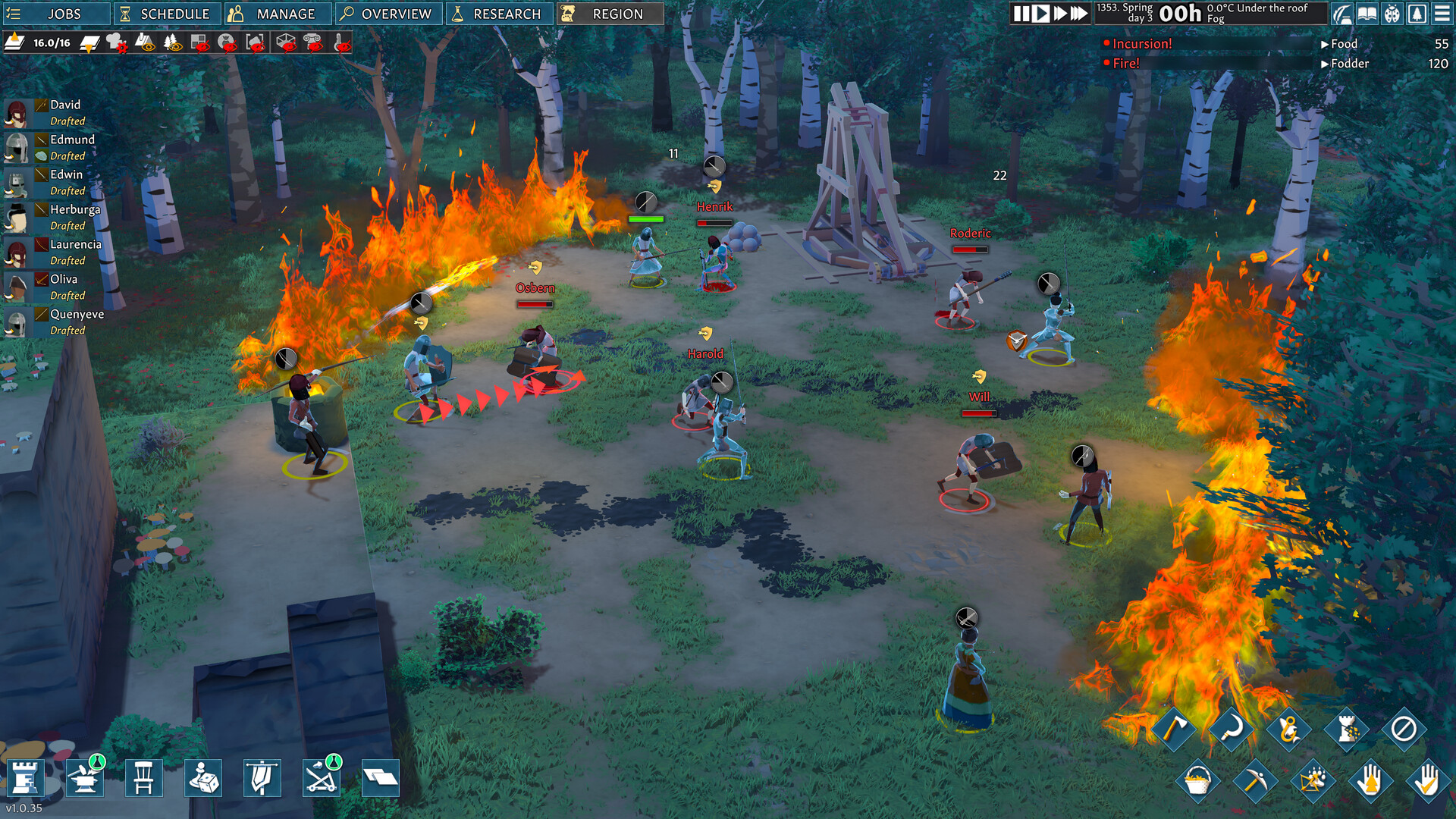
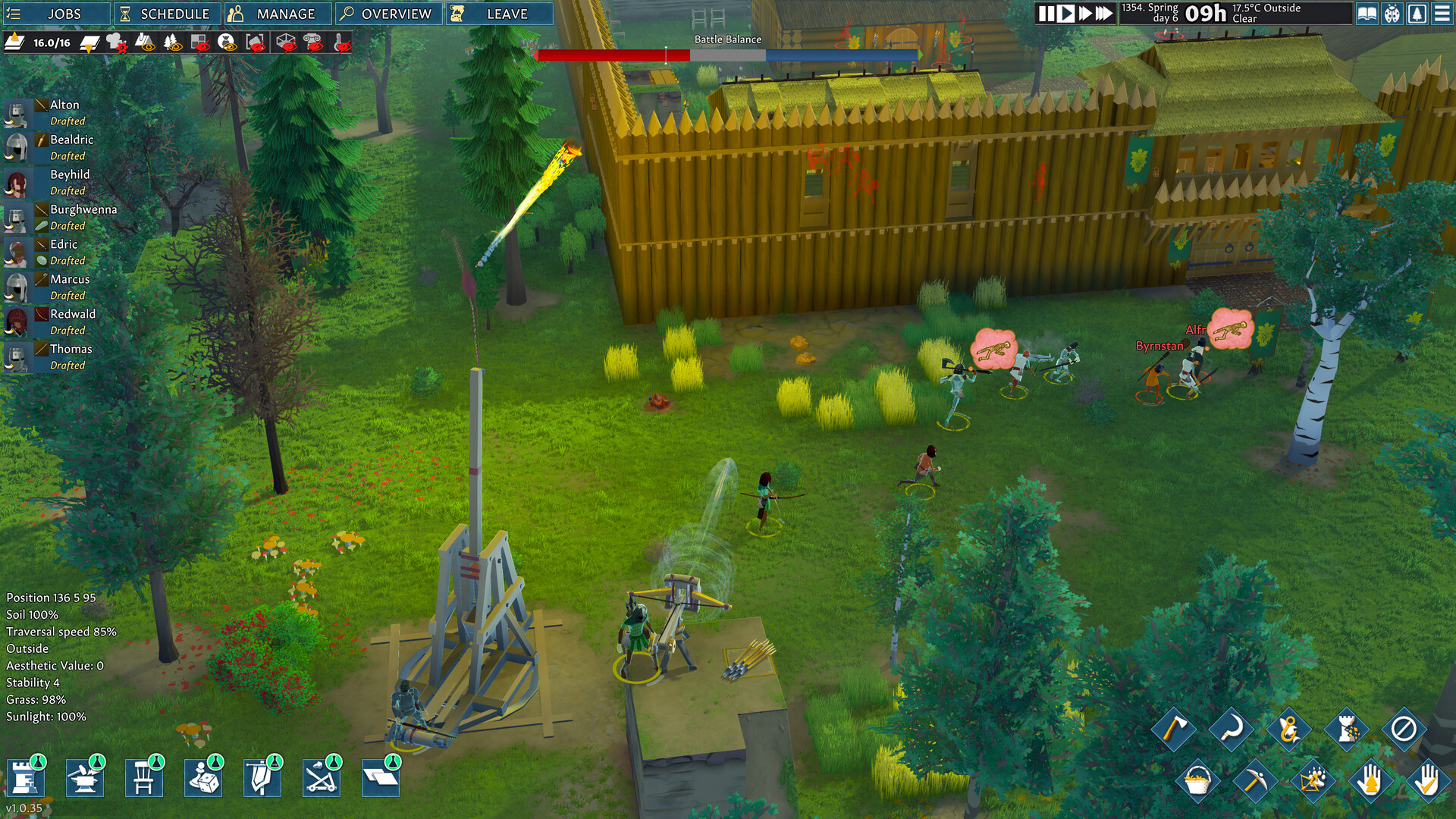
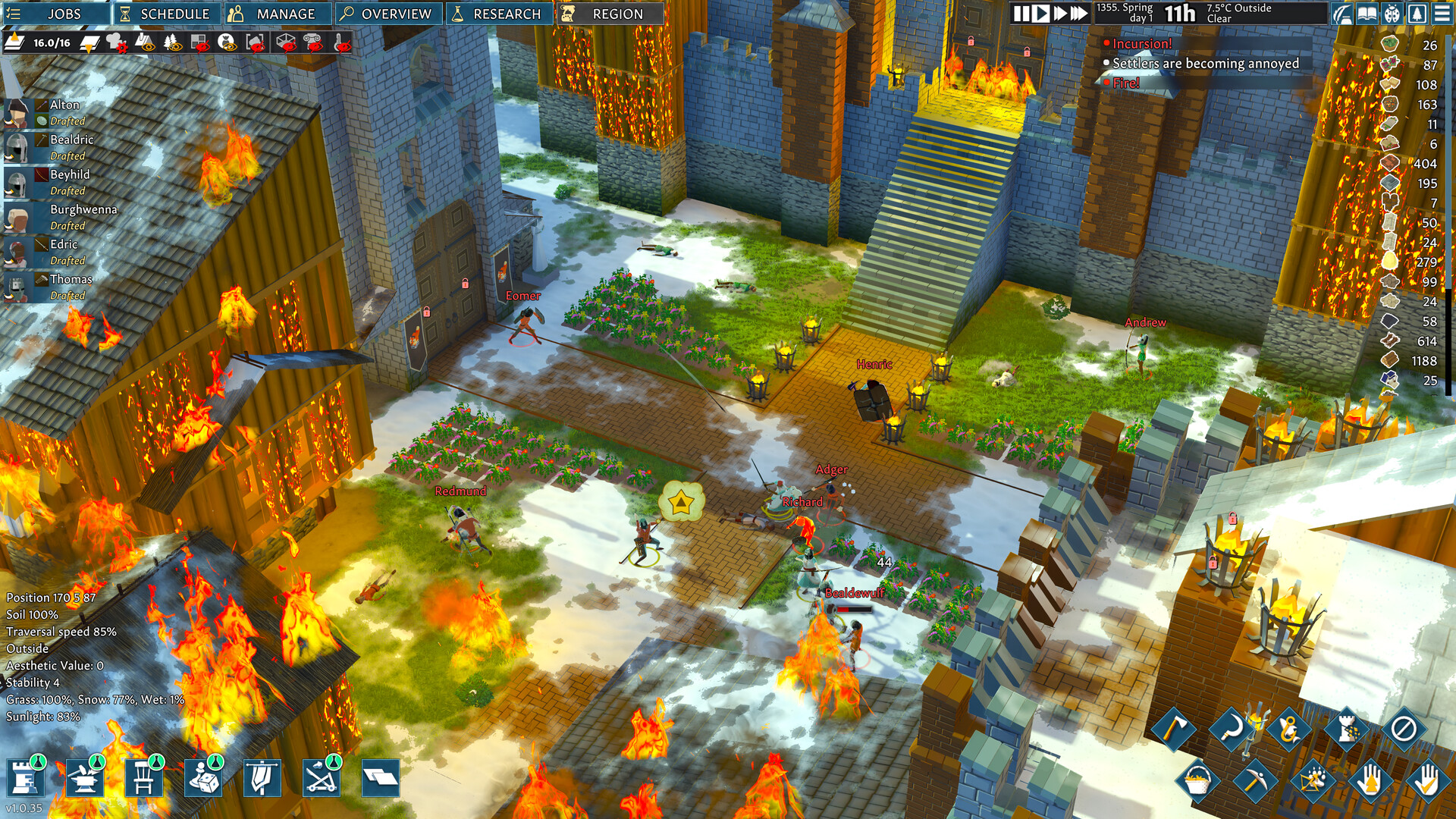
The game’s personality comes from its settlers: each one has quirks, skills and needs that push you to think about who fights, who prays, and who stockpiles the mead. Combat is intended to be tactical — set traps, build murder-chokes, mount ballistae and pour boiling oil — and those moments can sing when everything works. In practice, though, AI oddities and combat animations sometimes break immersion: enemies can tunnel, chip away at stone with melee weapons, or path in baffling ways that undermine your finest defenses. That inconsistency is the game’s biggest debate point in the community, and while patches and mods have fixed many pain points, some siege scenarios still feel like they were designed by chaos. The upside is that creative defensive design often wins; I’ve seen clever players flood entry corridors, funnel raiders into spike gardens, or simply out-build attackers into submission.
Mud, Stone and Sound: Presentation
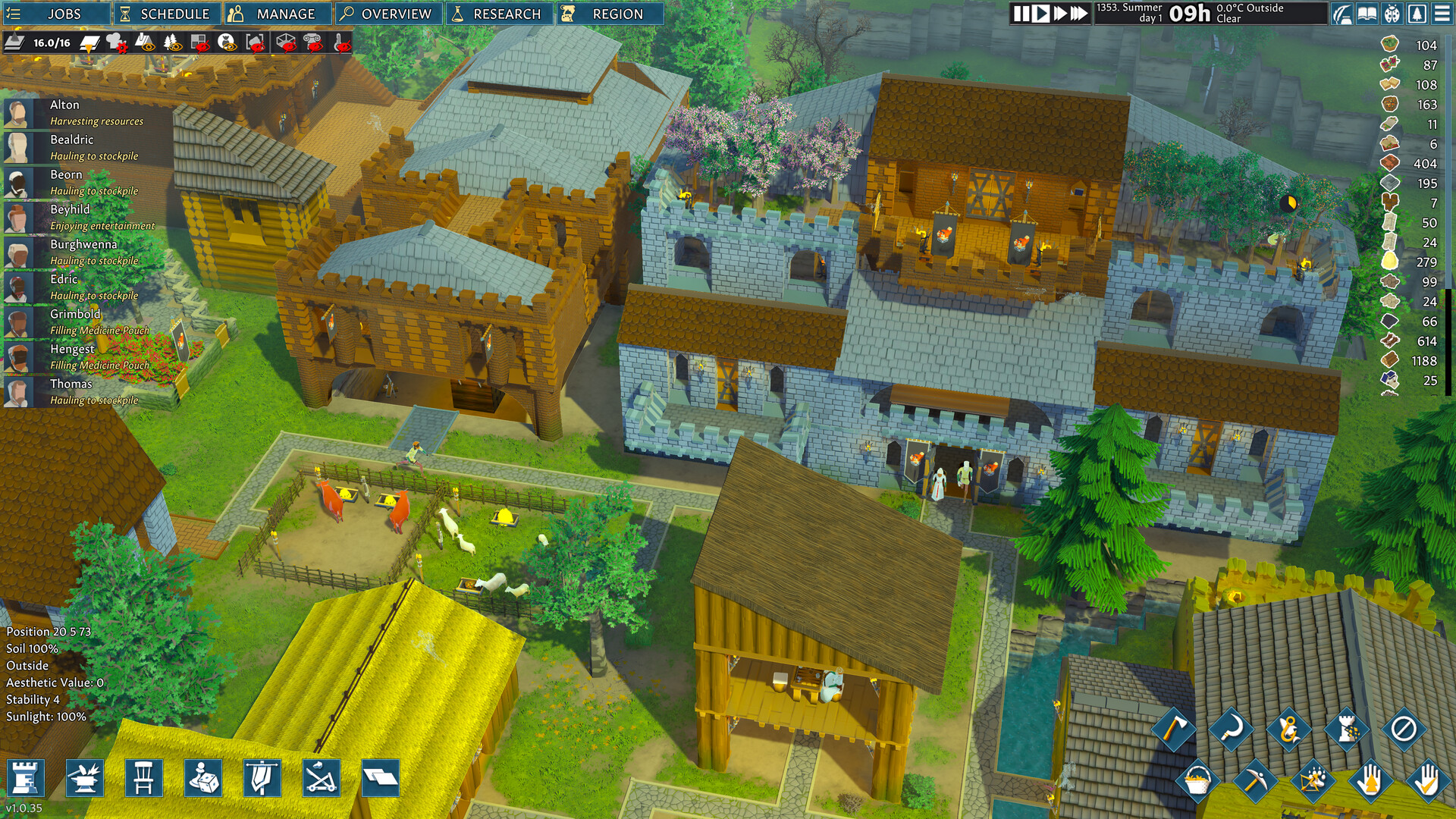
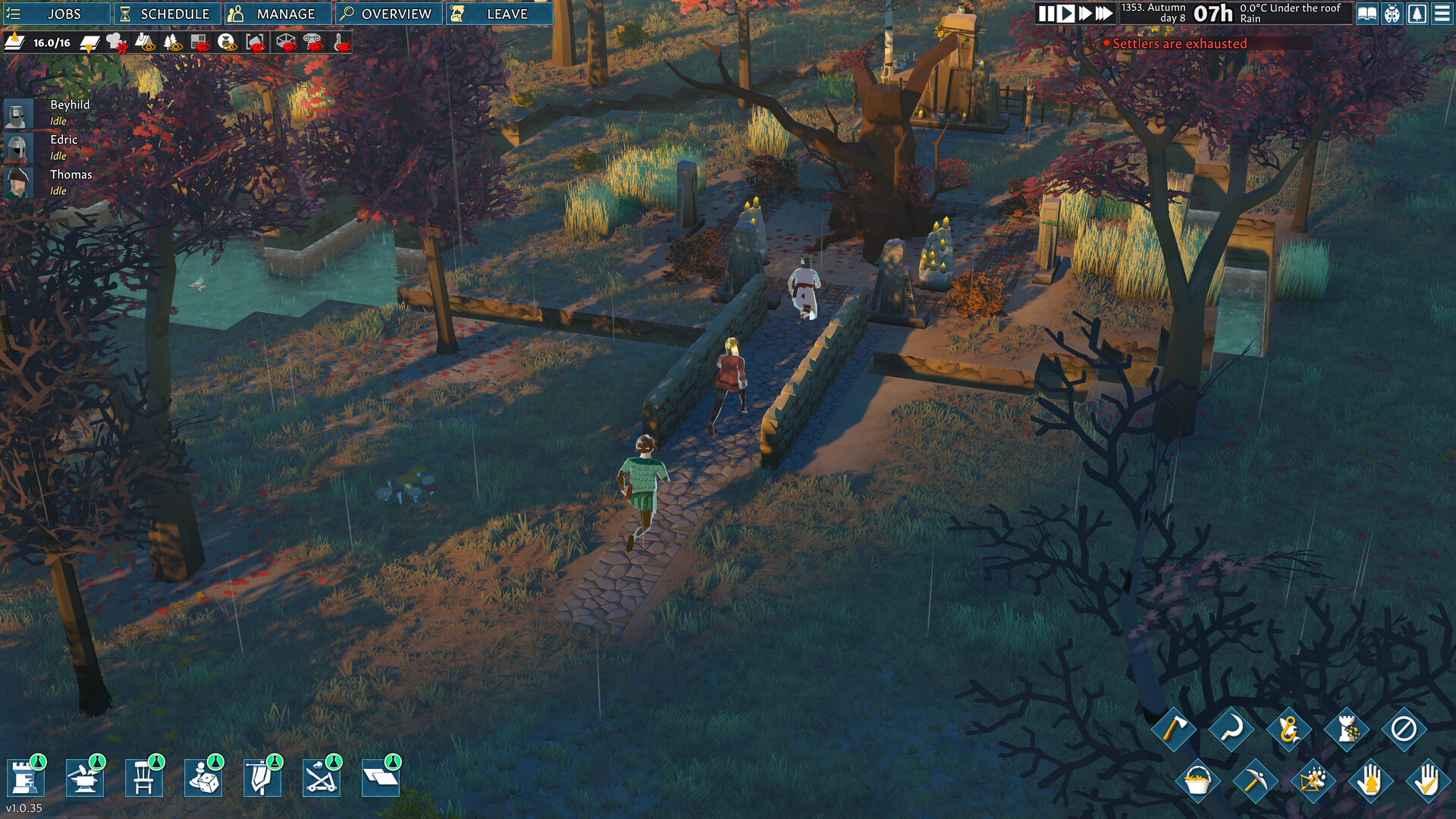
Graphically the game leans into a pleasant, slightly chunky aesthetic that makes sprawling castles readable and strangely charming; peasants look like little puppets and that helps when you get attached to their tiny routines. Audio is functional with nice ambient tracks and decent combat clunks, though it rarely reaches the emotional highs of deeper single-player narratives. Performance and optimization are the awkward sibling: small fortresses run fine, but large late-game castles with 20+ settlers can drag frame rates and memory usage down on many setups. Accessibility is decent — the interface is clear once you learn it — but a better tutorial and more robust priority tools would spare new players a lot of hair-pulling. Finally, mod support is a bright spot: the community has made incredible structural and quality-of-life mods, and the game’s editable world makes it a sandbox for creative players.
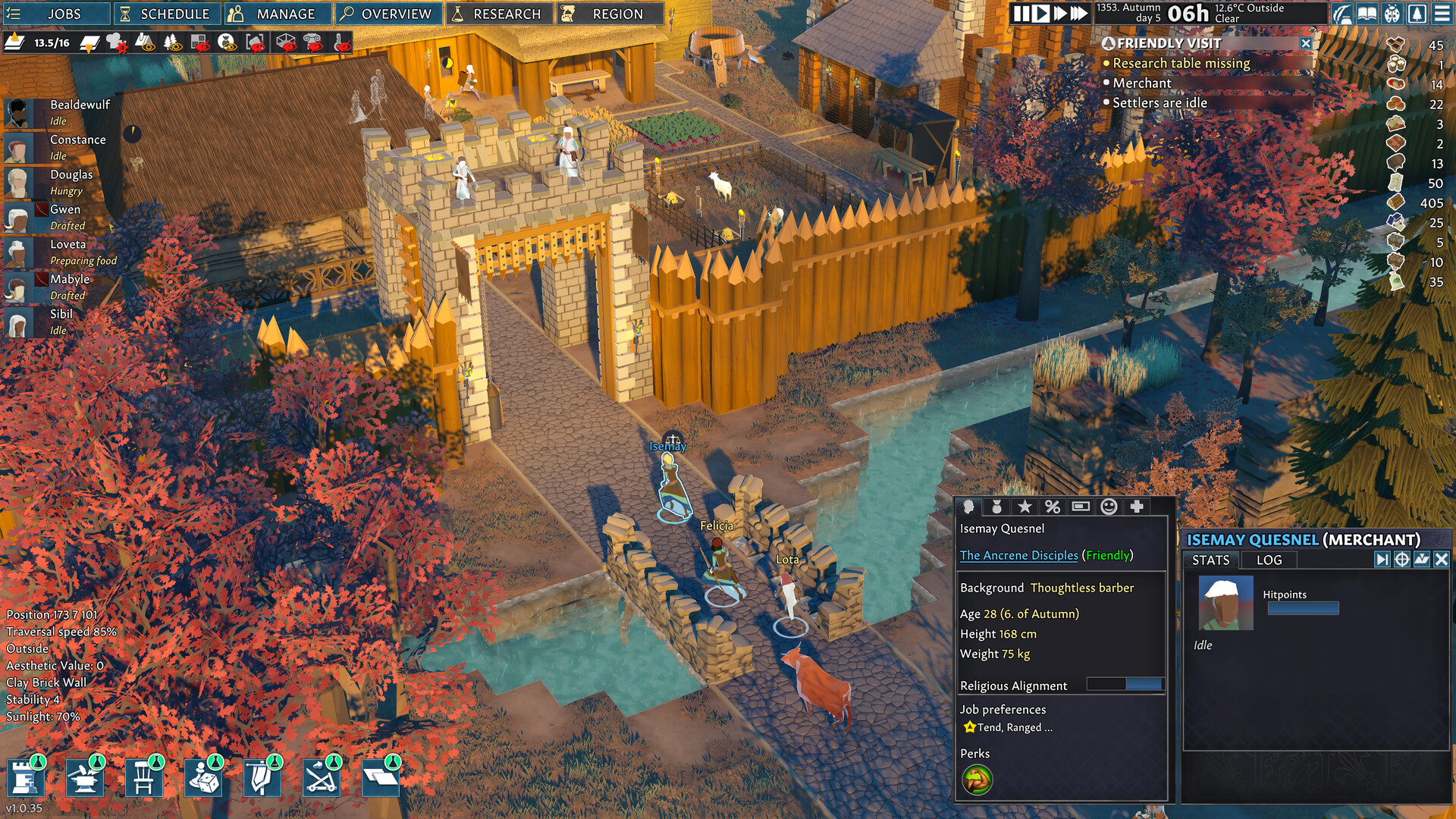
Going Medieval is a lovable, occasionally maddening sandbox for builders and story-makers: brilliant when its systems align, frustrating when AI or performance trips you up. I’d recommend it to creative players who enjoy long-term projects, modders and fans of colony sims who don’t mind some elbow grease. If you need a perfectly polished title off the shelf, wait for more post-launch fixes; if you enjoy tinkering and building elaborate castles, buy and dive in.
Pros
- Very satisfying 3D building and terraforming; great for creative castle design
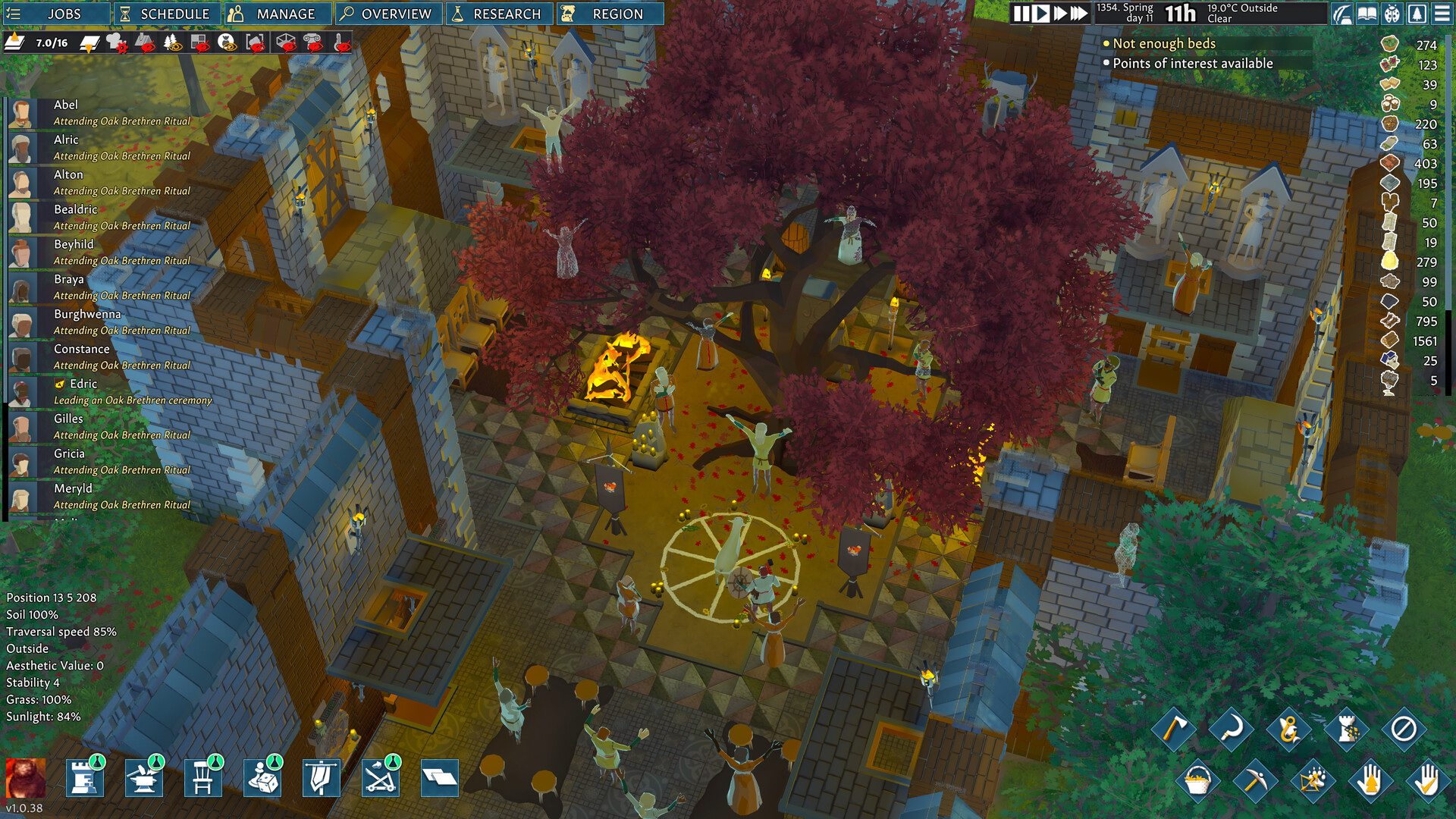
- Deep settler personalities and emergent storytelling that make small moments memorable
- Strong mod support and community creativity expand the game’s lifespan
- Tactically rewarding defensive design when systems work together
Cons
- AI and combat can be inconsistent and occasionally break siege mechanics
- Late-game performance issues on larger settlements
- Some QoL tools (priorities, tutorials) feel lacking compared to genre benchmarks
Player Opinion
Player feedback is emphatically mixed but honest: many love the 3D building, the medieval theme and the emergent stories that come from quirky settlers, and praise the devs for sticking to a roadmap and supporting mods. Others repeatedly call out the AI, pathing and combat as the game's biggest weak spots, mentioning odd behaviours during sieges and issues with equipment management. Performance is another recurring thread: small settlements run great, but late-game castles with dozens of actors can bog down older and mid-range systems. A common refrain is "this could be amazing with more polish," and many recommend waiting for further post-1.0 fixes or leaning on community mods if you buy now. If you adore RimWorld-style sims and want 3D building, you’ll probably find much to love; if you expect a finished, flawless package, be cautious.