





Timberborn Review – A Water-Driven City-Builder That Hooks You In
Timberborn turns beaver engineering and realistic water physics into an addictive city-building sandbox. Charming, deep and occasionally frustrating—perfect for players who love hydrology, vertical builds and creative automation.
I didn’t expect a game about beavers to hijack my evenings, but Timberborn does exactly that. It combines fluid engineering, vertical architecture and cozy woodpunk vibes into a surprisingly deep colony sim that feels fresh next to Banished or Cities: Skylines. What makes it special is how water isn’t just scenery—it's the main antagonist and tool at once. Expect long play sessions, clever automation toys and a community that keeps the experience evolving.
Damming, Digging and Daily Beaver Business
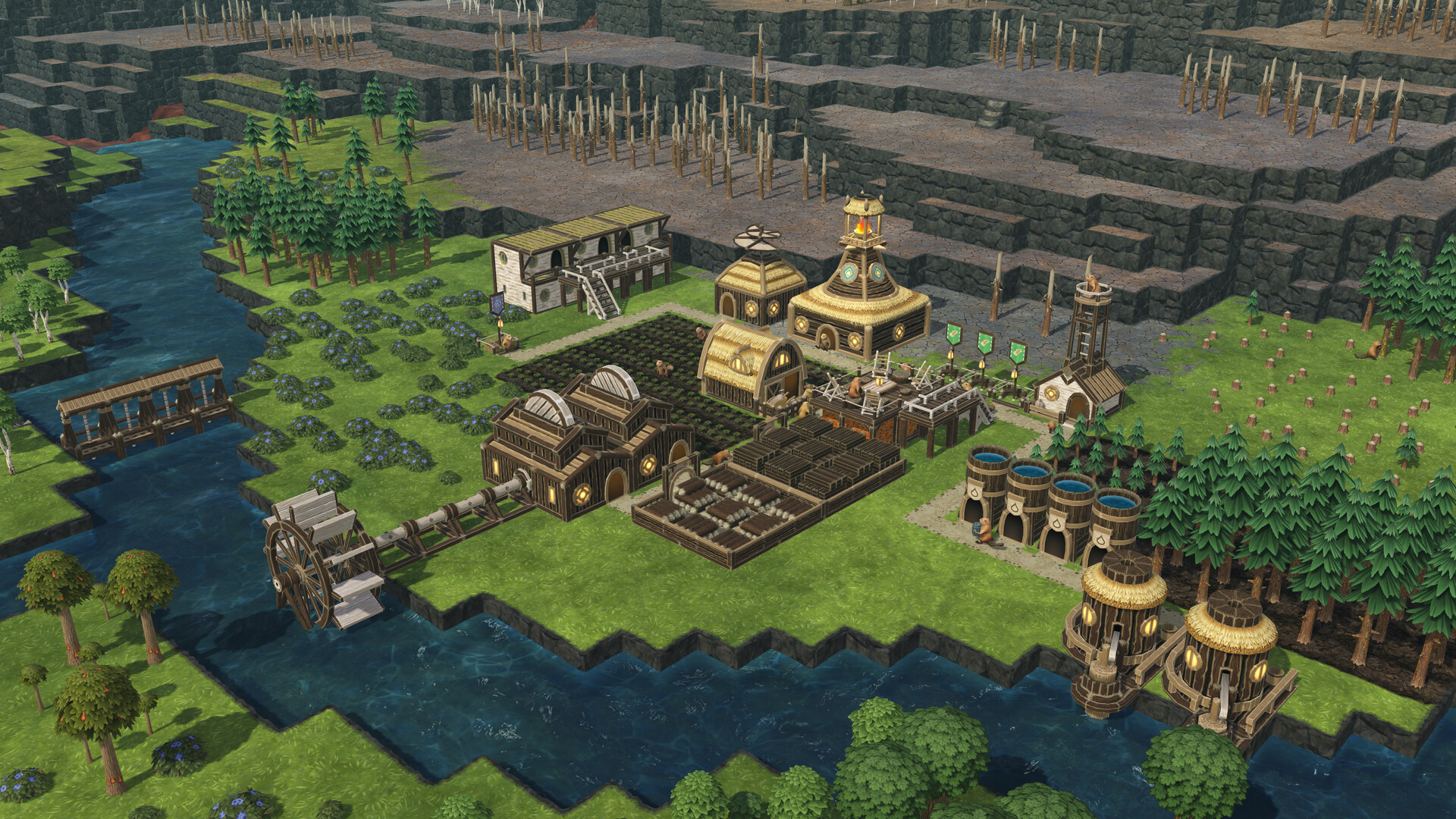
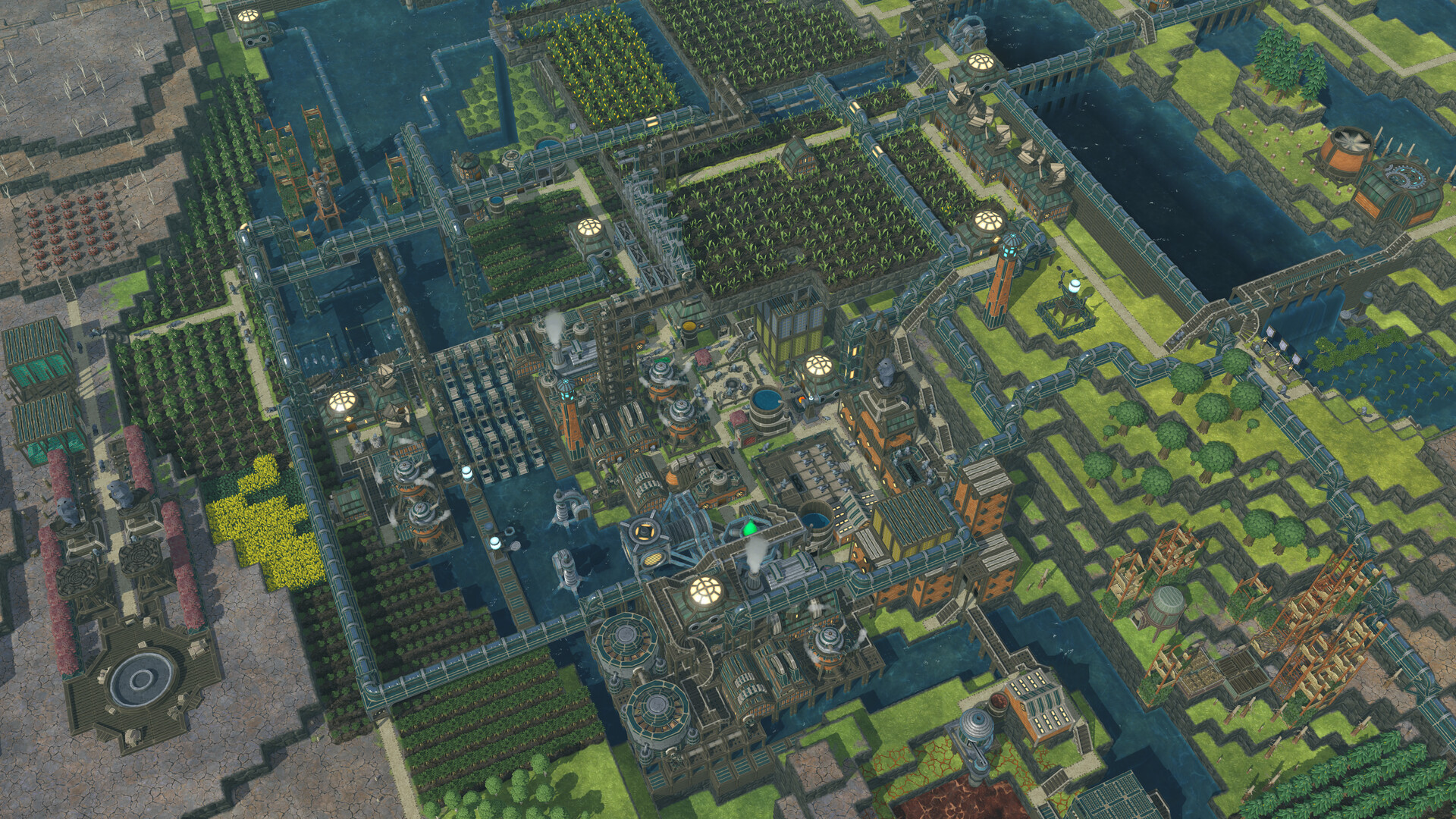
The core loop of Timberborn revolves around managing water and keeping beavers fed and hydrated. You spend most of your time building dams, reservoirs, pumps and canals to secure a reliable water supply while juggling food production, housing and workforce logistics. Early-game is often a frantic race against droughts and toxic bad-water events; I found myself micromanaging pumps and shoving extra logs into storage more often than I’d like to admit. As colonies grow you switch into a satisfying engineering phase: layering aqueducts, stacking lodges and optimizing pipelines so that everything hums. The two factions—Folktails and Iron Teeth—add real variety: one favors nature-friendly buildings, the other brute industrial efficiency, which changes priorities and pacing. I kept comparing runs between the factions and enjoyed the distinct design constraints each one offered.
When Beavers Become Engineers (And You Become A Mad Hydrologist)
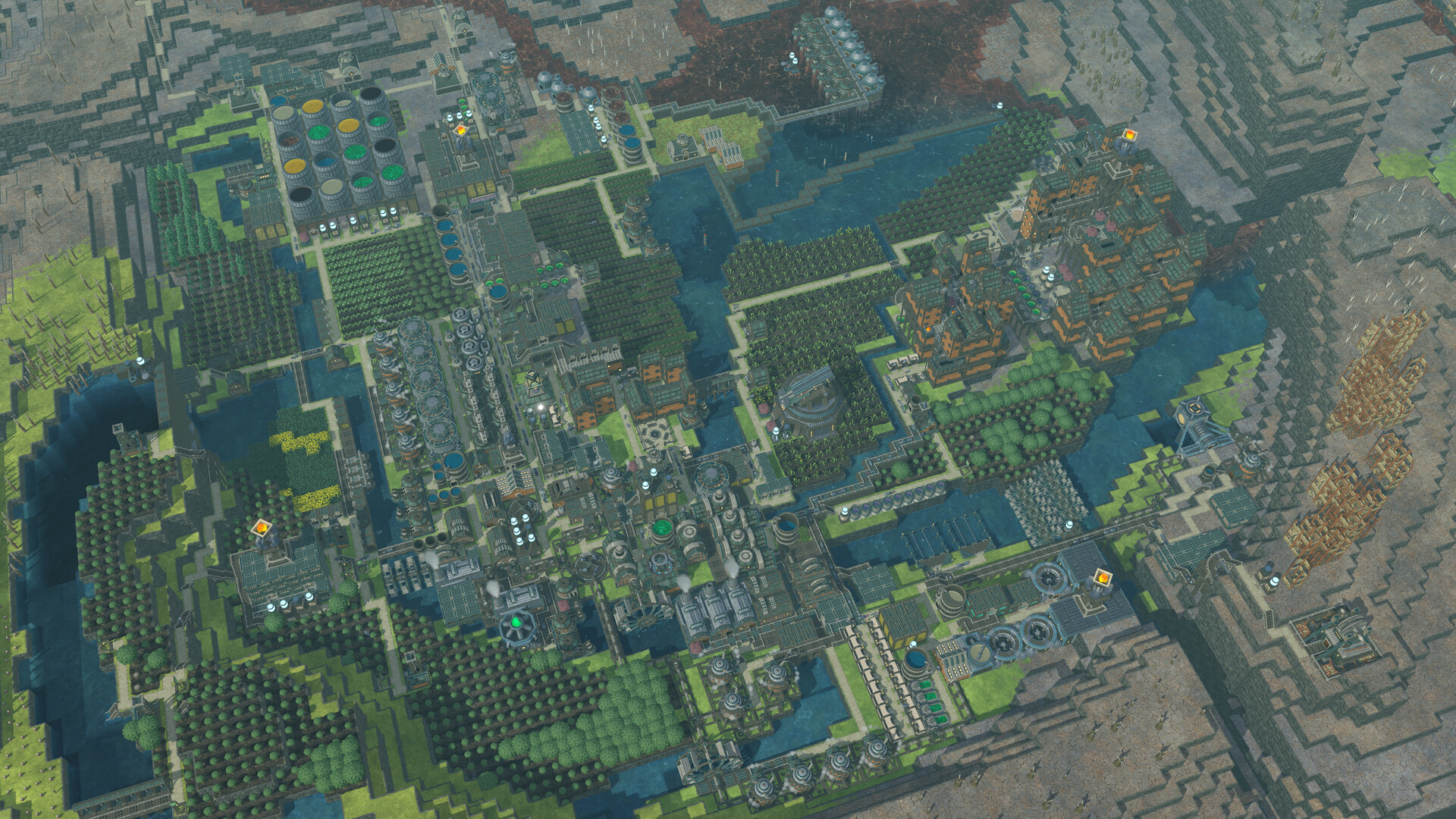
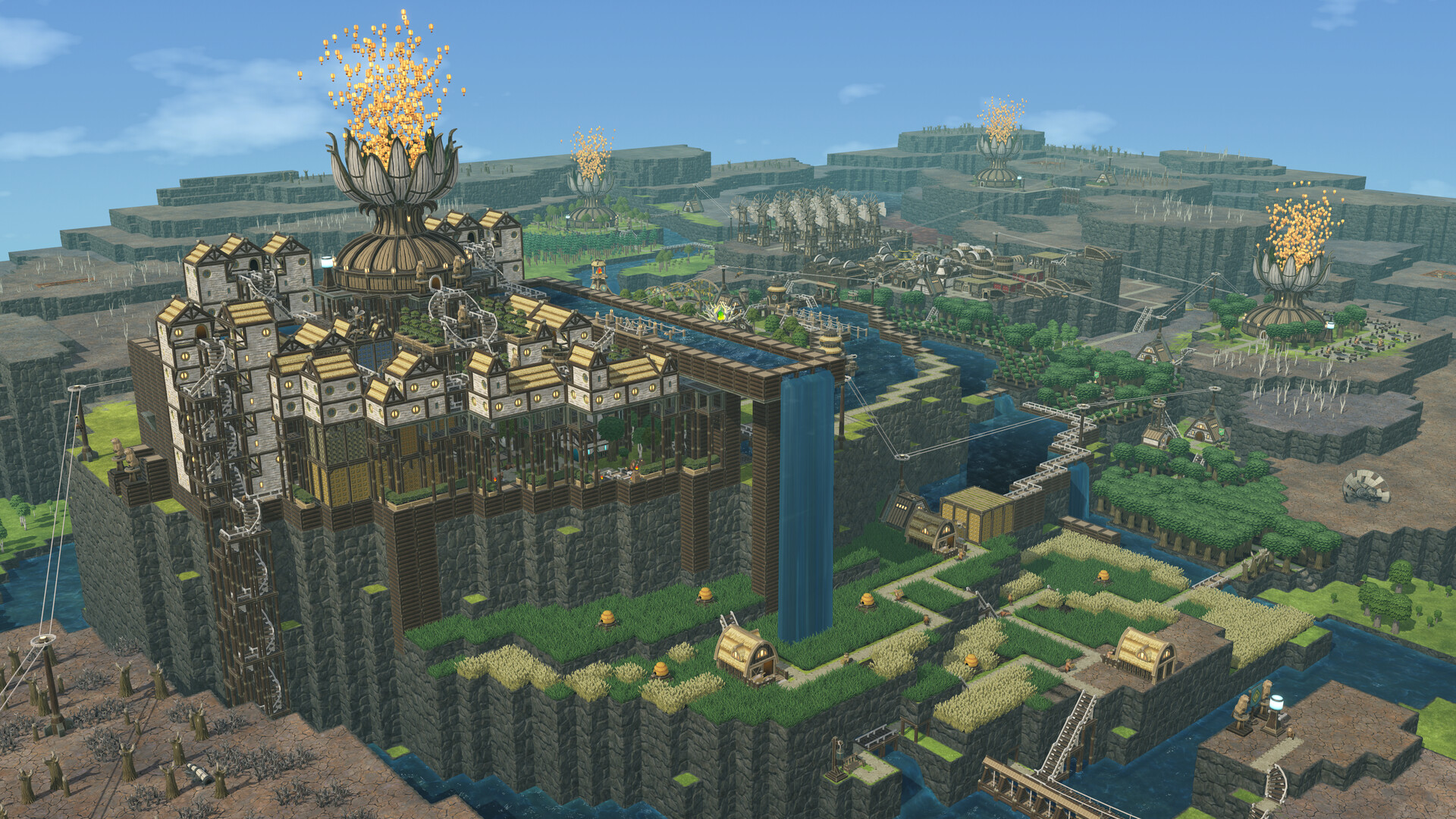
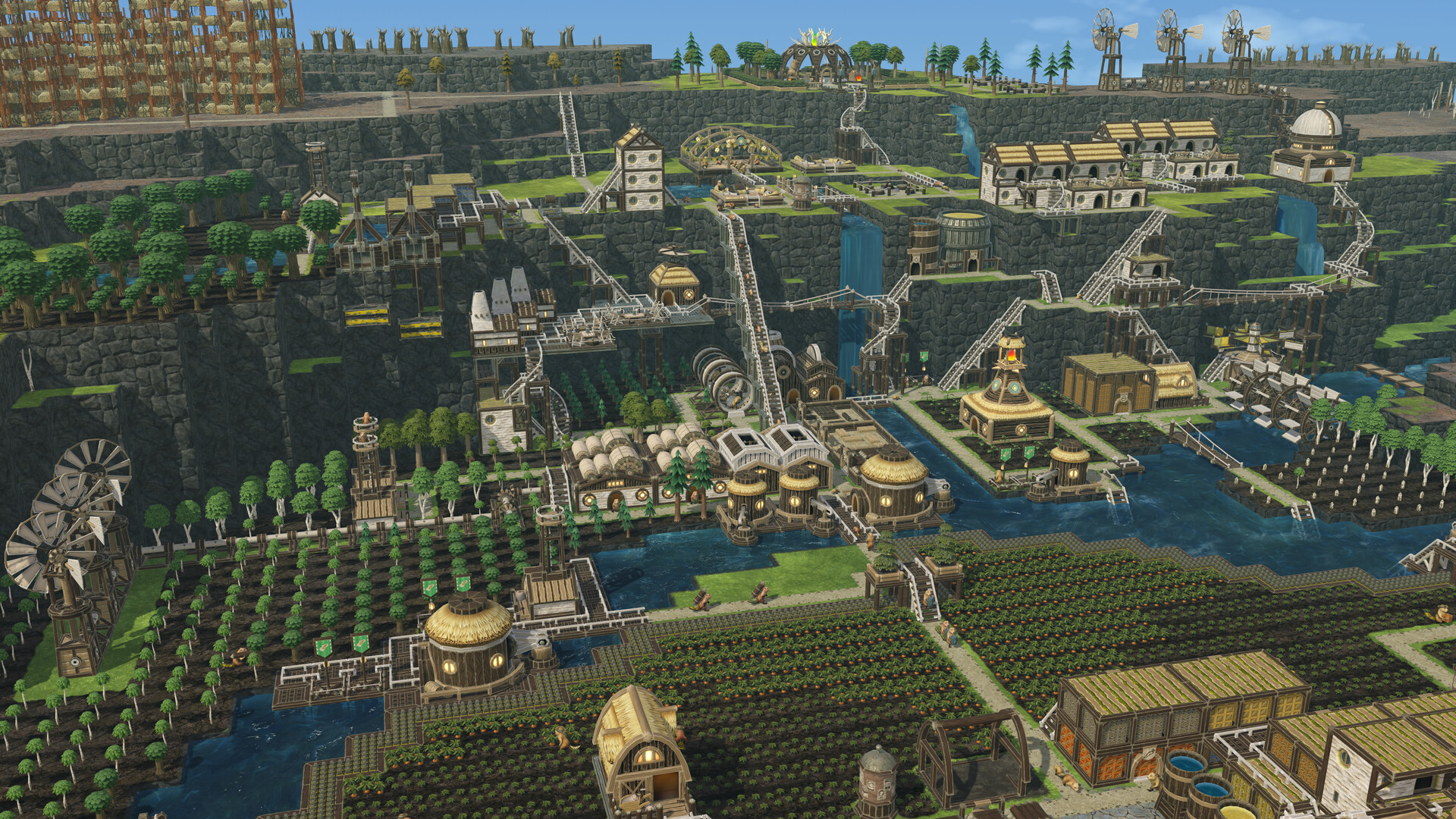
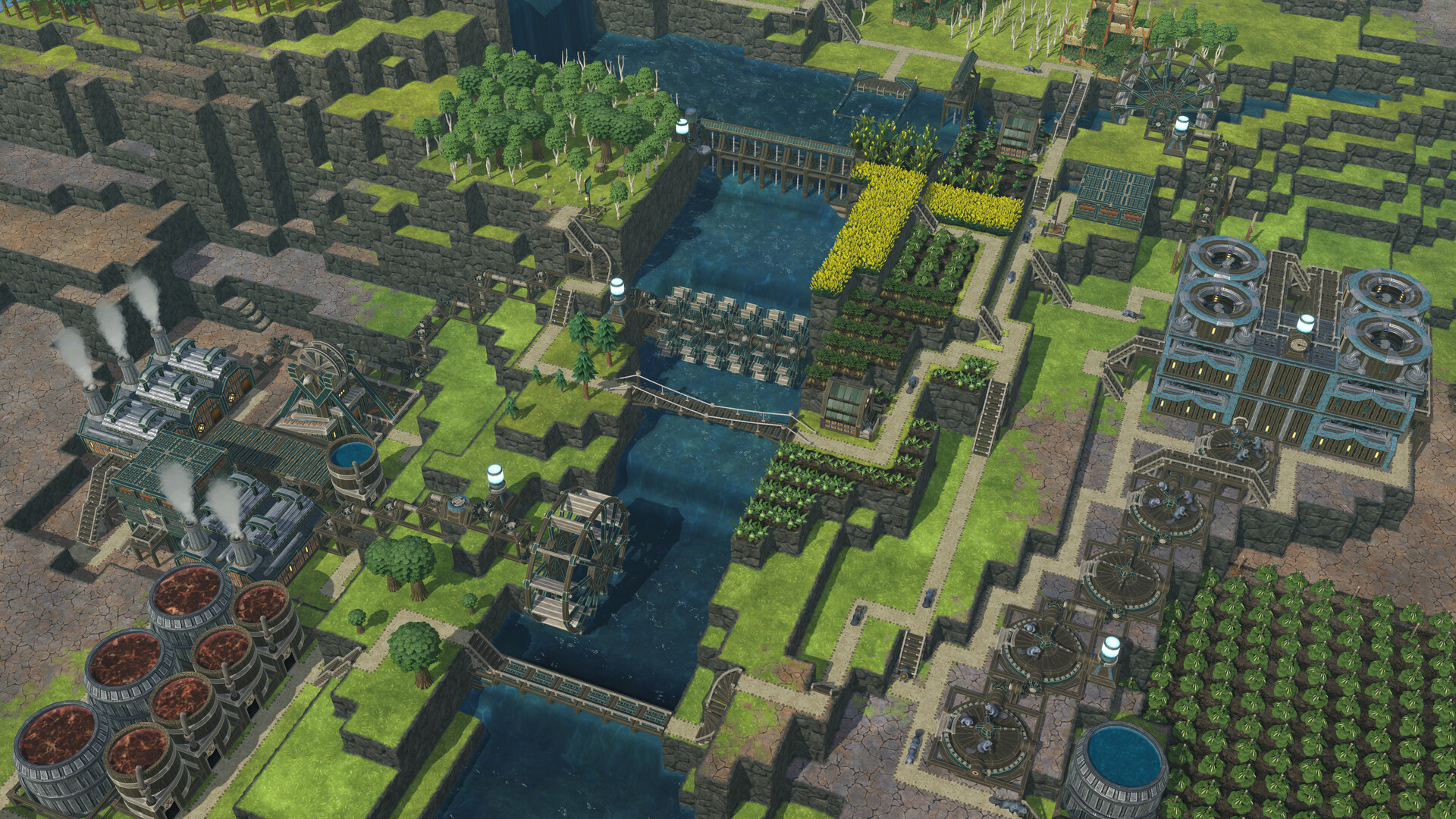
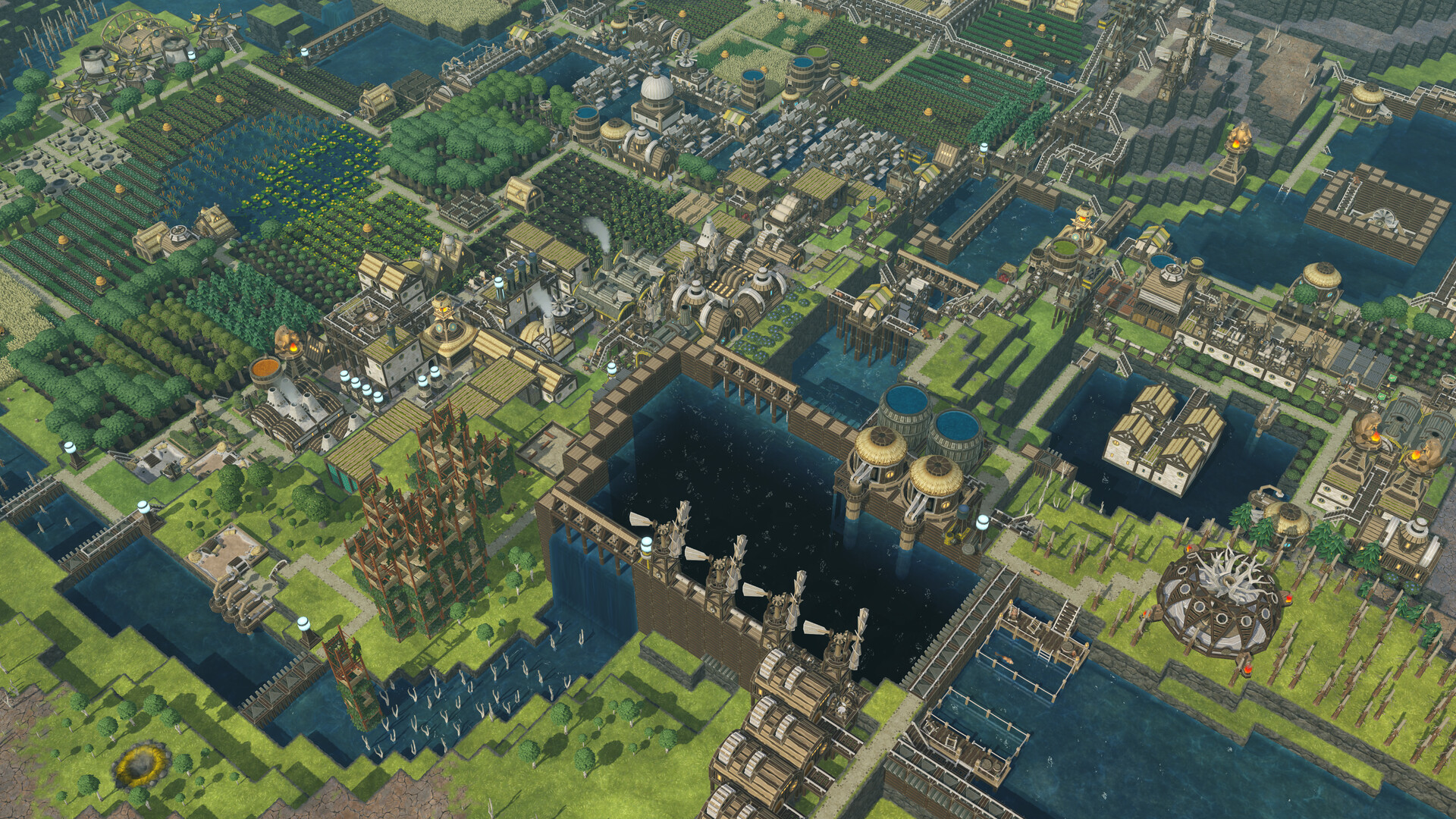
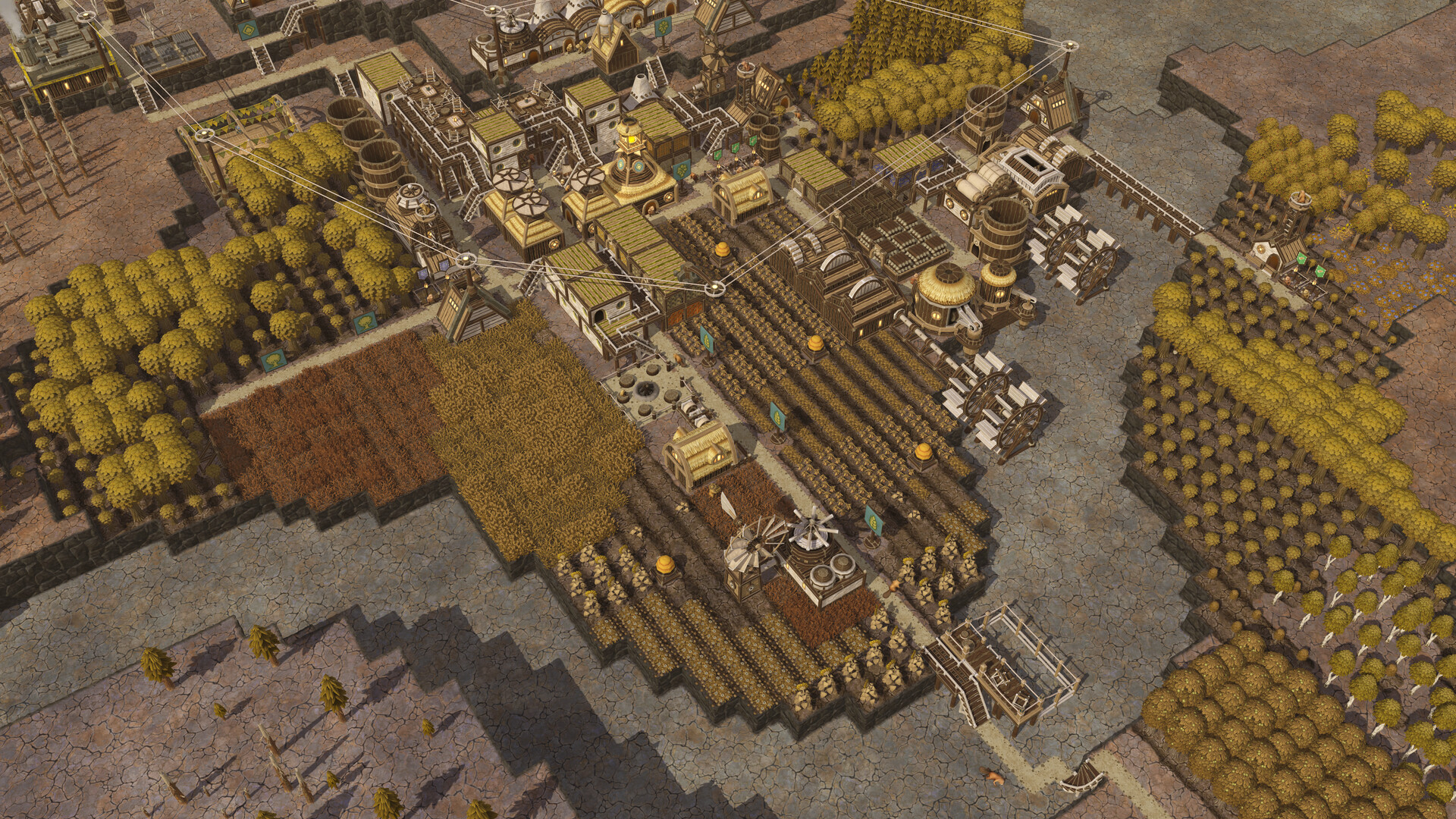
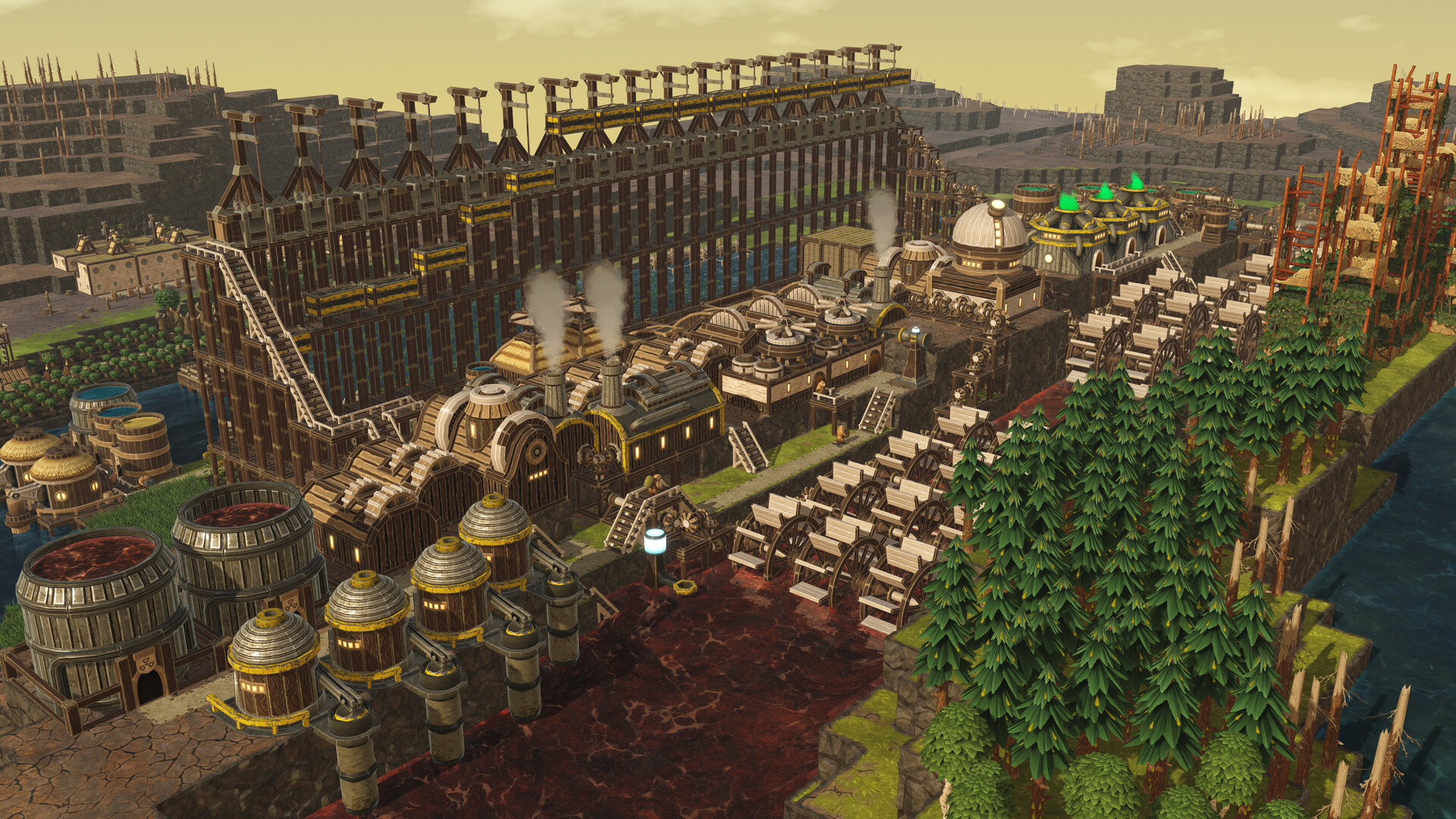
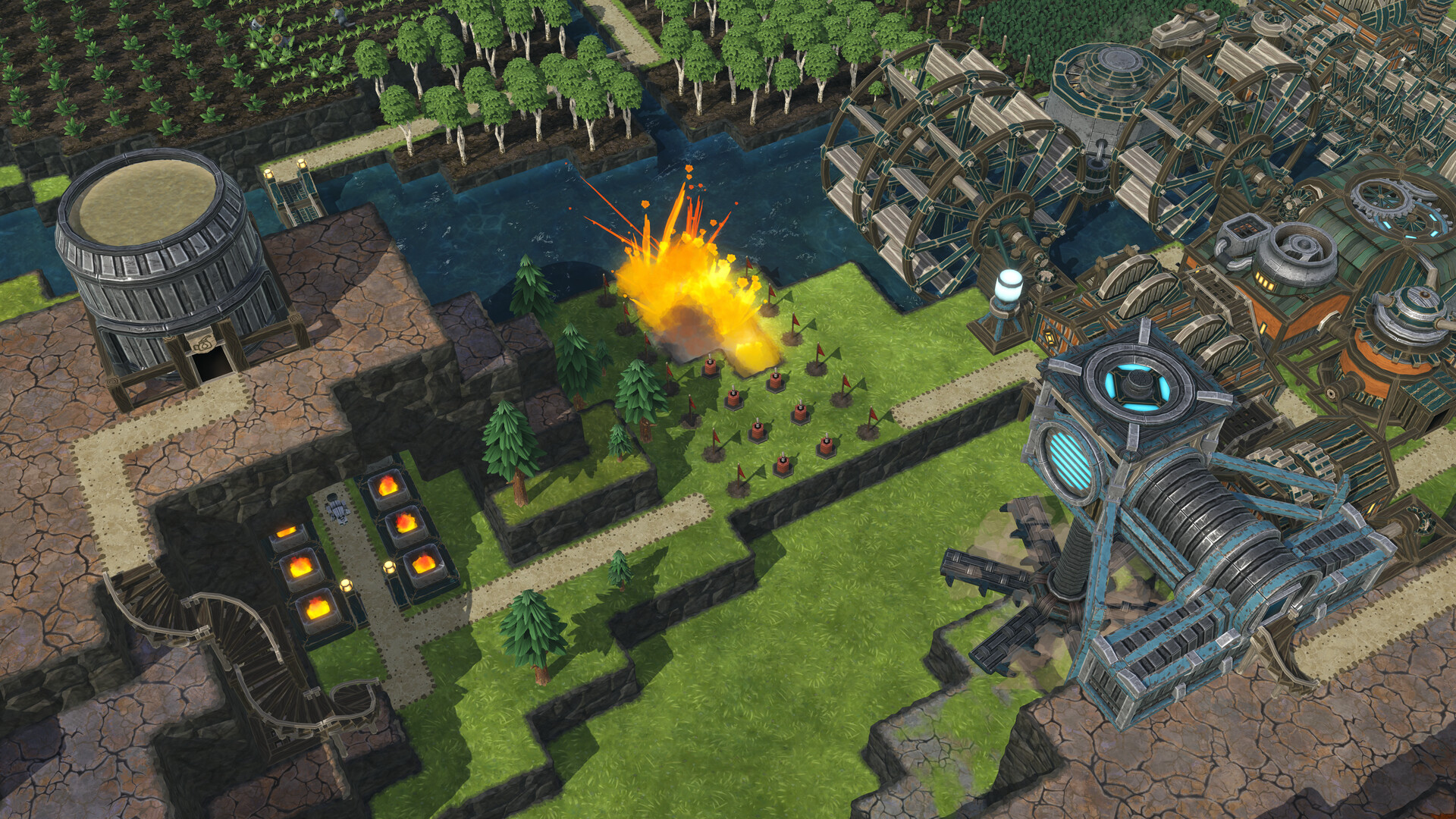
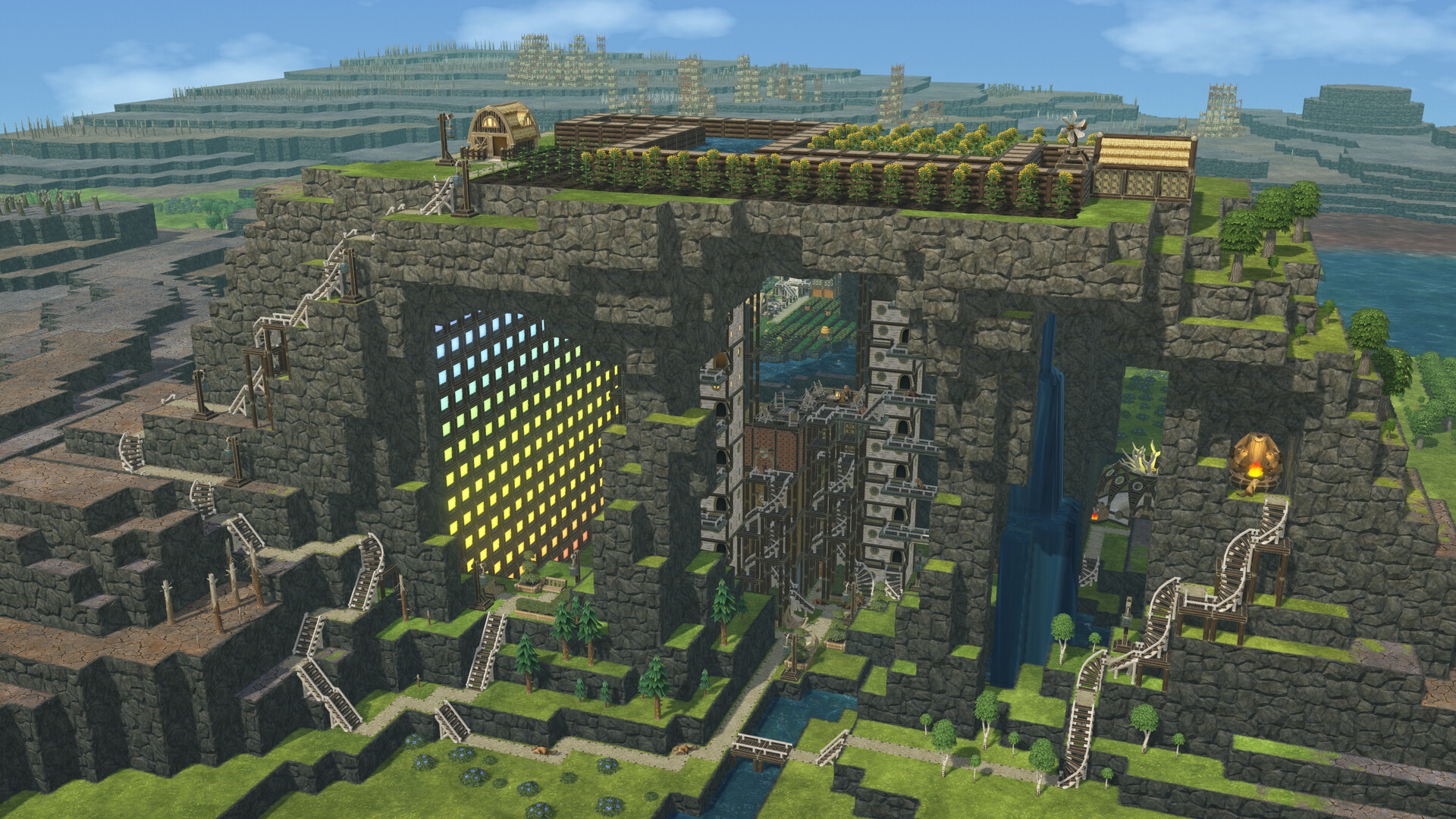
What sets Timberborn apart is how meaningful water is: the 3D water physics and terraforming make every dam feel consequential. You’ll dig canals with explosives, carve spillways, and watch entire valleys flood or dry up depending on a single sluice decision. Automation steps in with sensors, relays and mechanized bots—tools that let you design self-regulating dams and factory lines that can feel downright Rube Goldberg in the best way. The vertical building system is more than cosmetic: stacking lodges and workshops can save precious ground and enable compact megastructures, though it’s often a puzzle to make stairs and paths behave. Mods and the map editor extend gameplay hugely; I lost hours testing user maps that forced me to rethink water flow. The game’s pacing can shift dramatically—what starts as survival can become a sandbox of grand engineering, and your goals become self-made challenges.
A Wooden World with Loud Water and Friendly Glitches
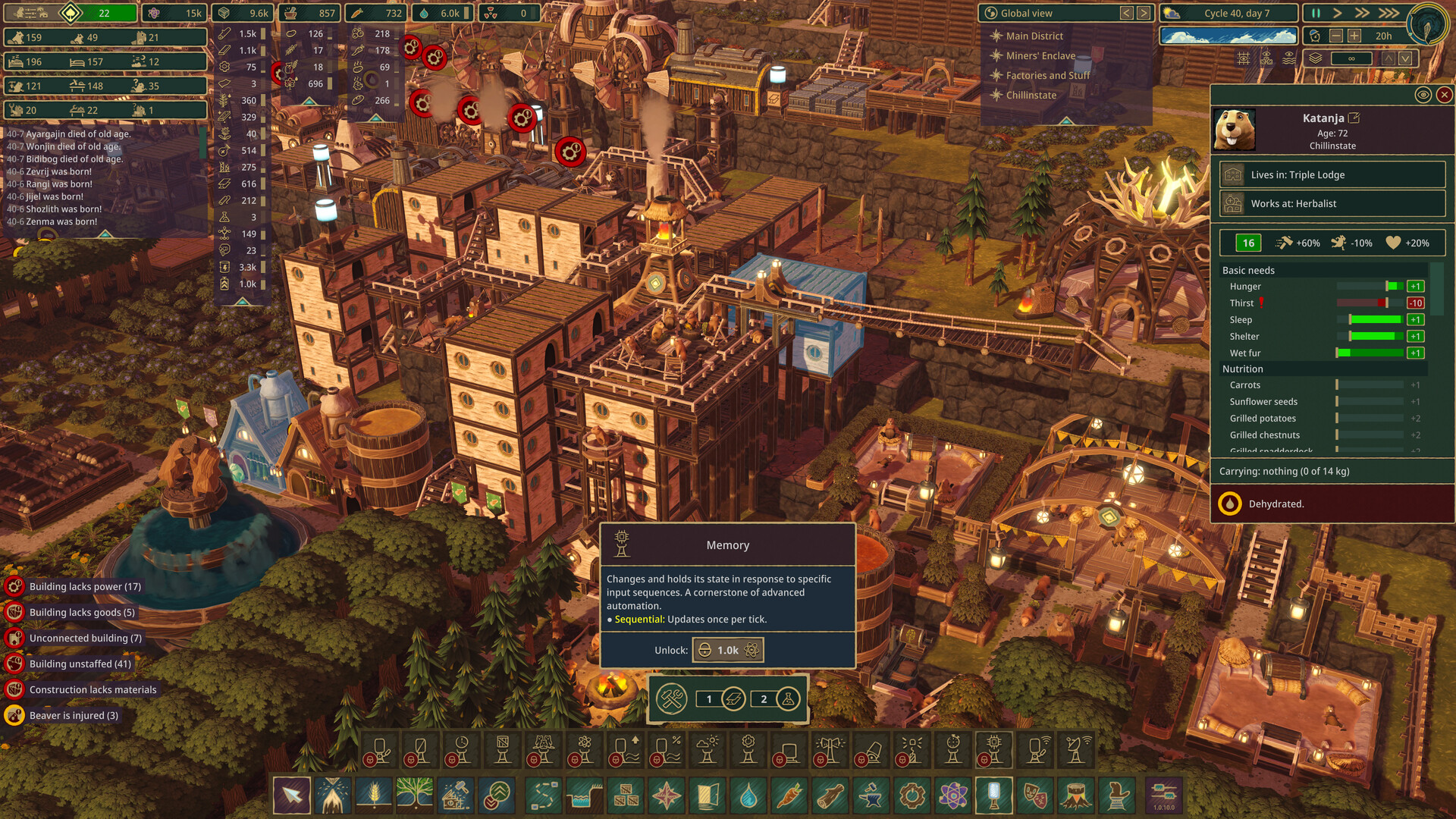
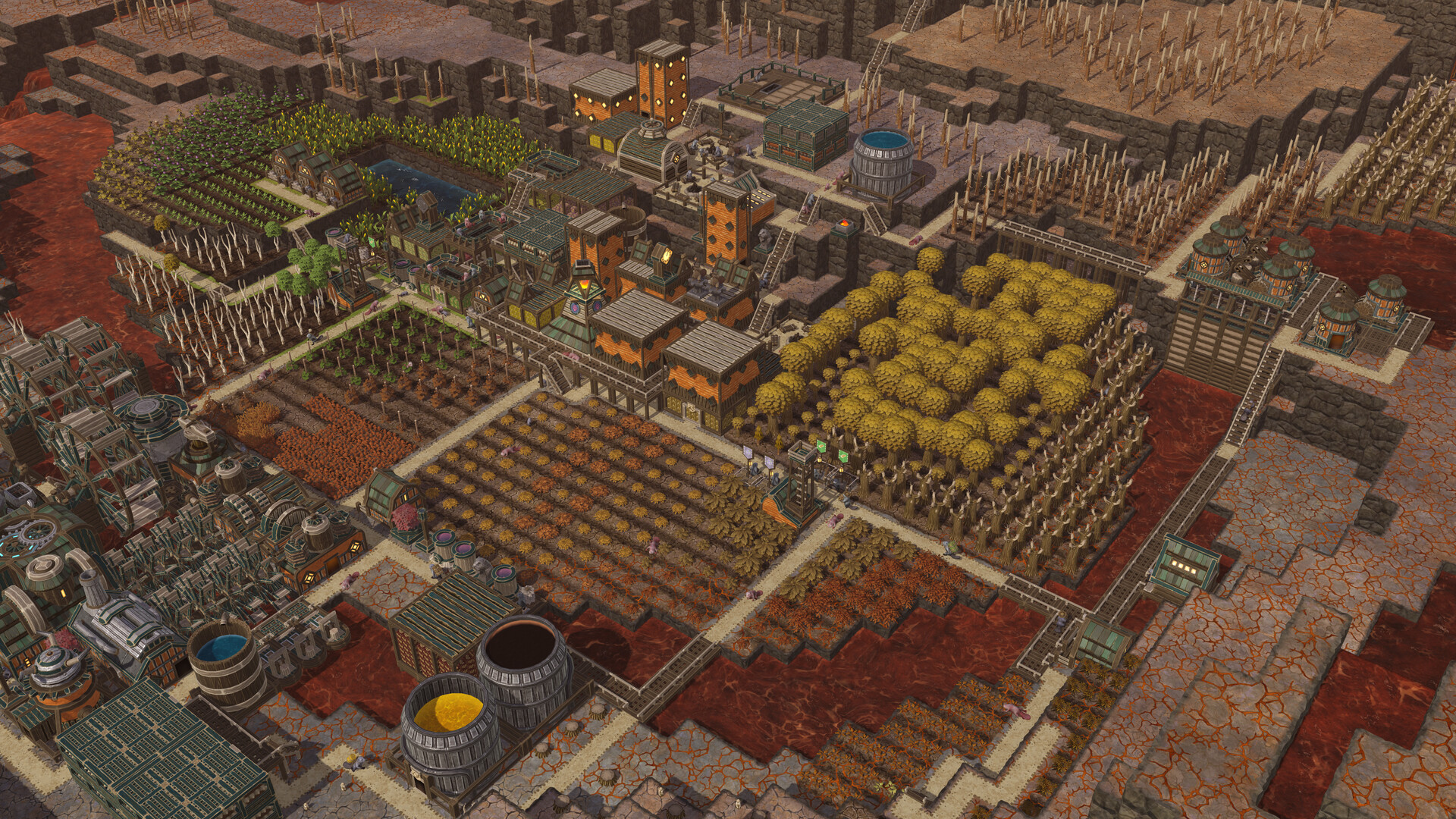
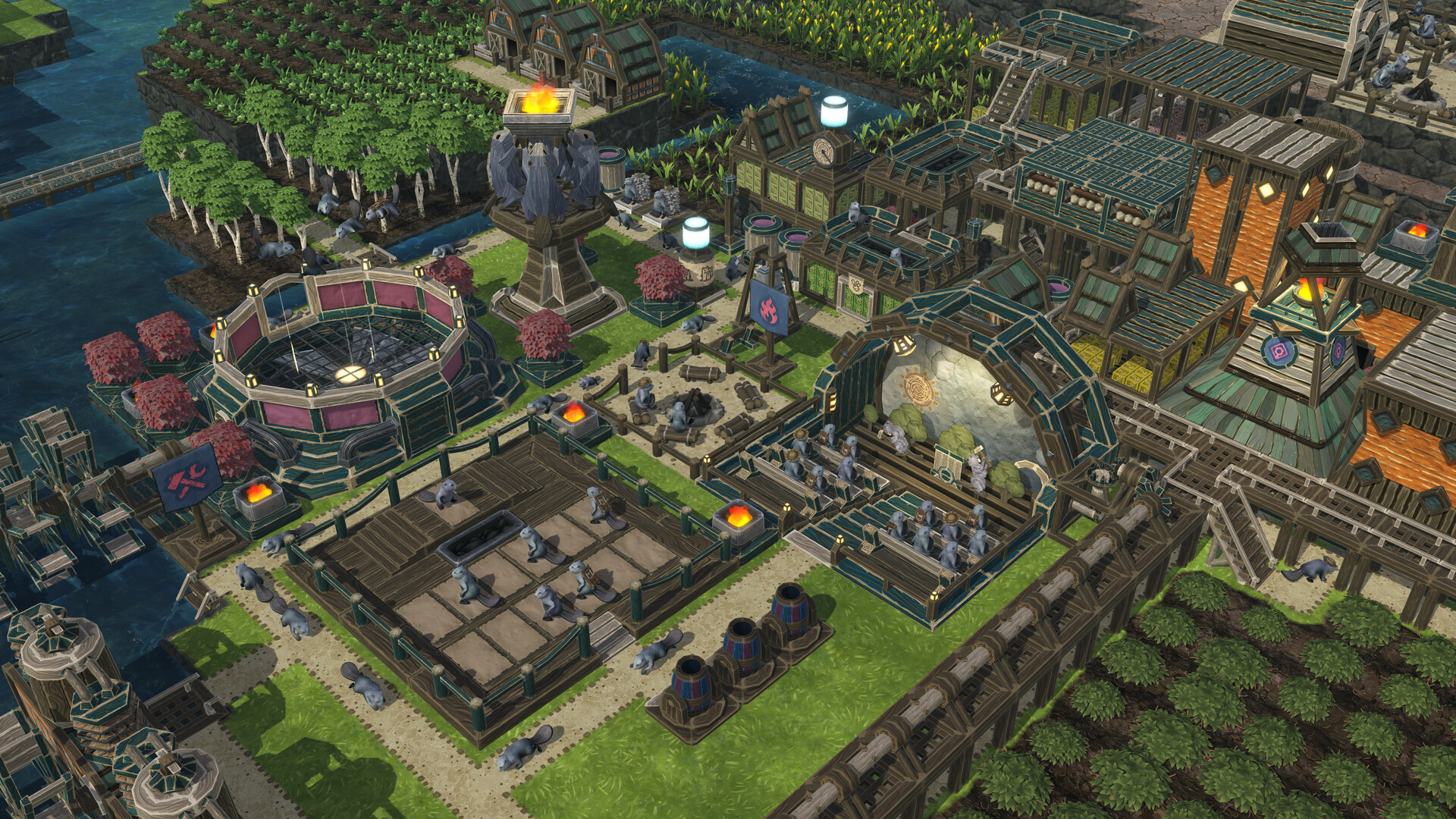
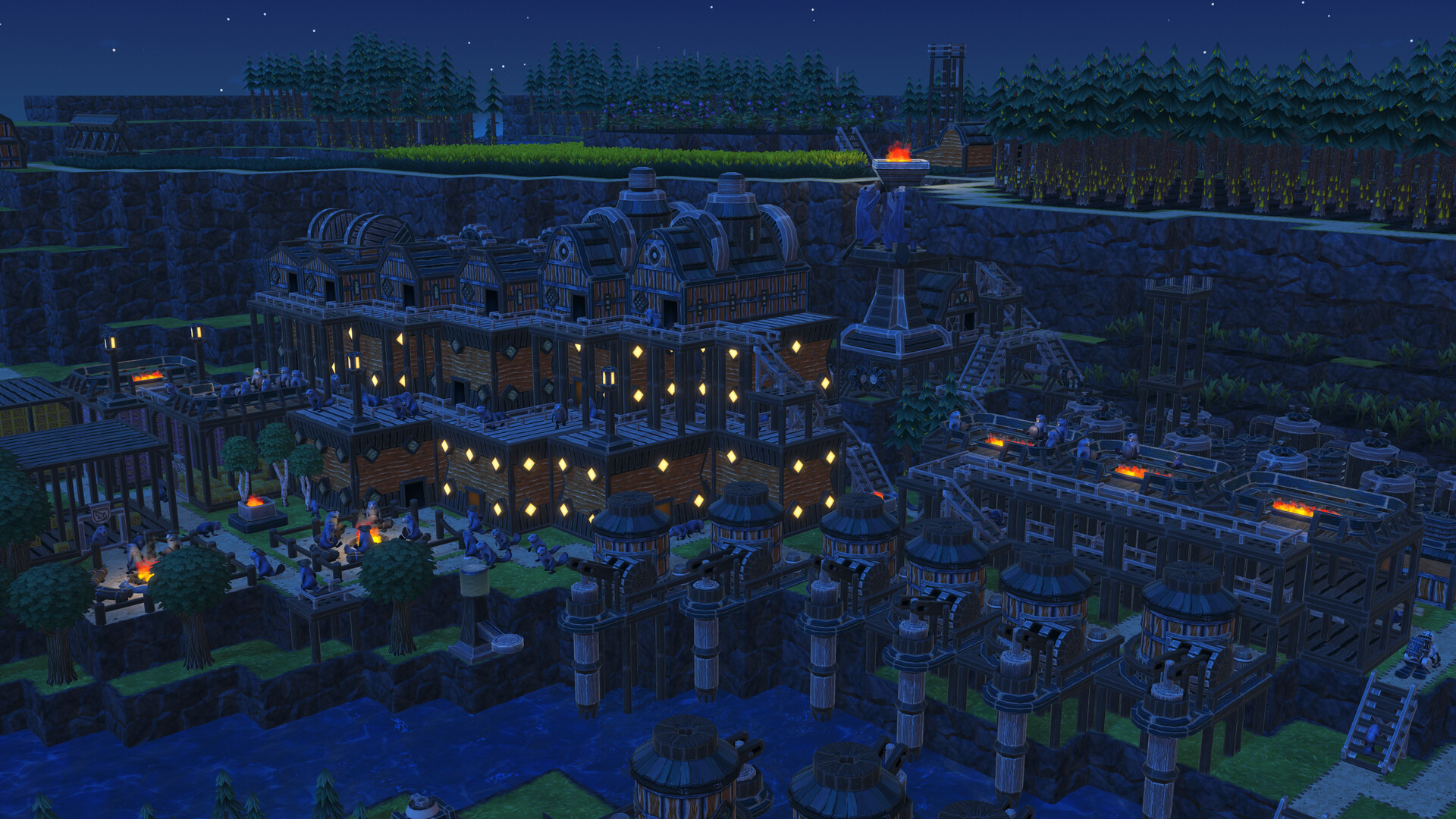
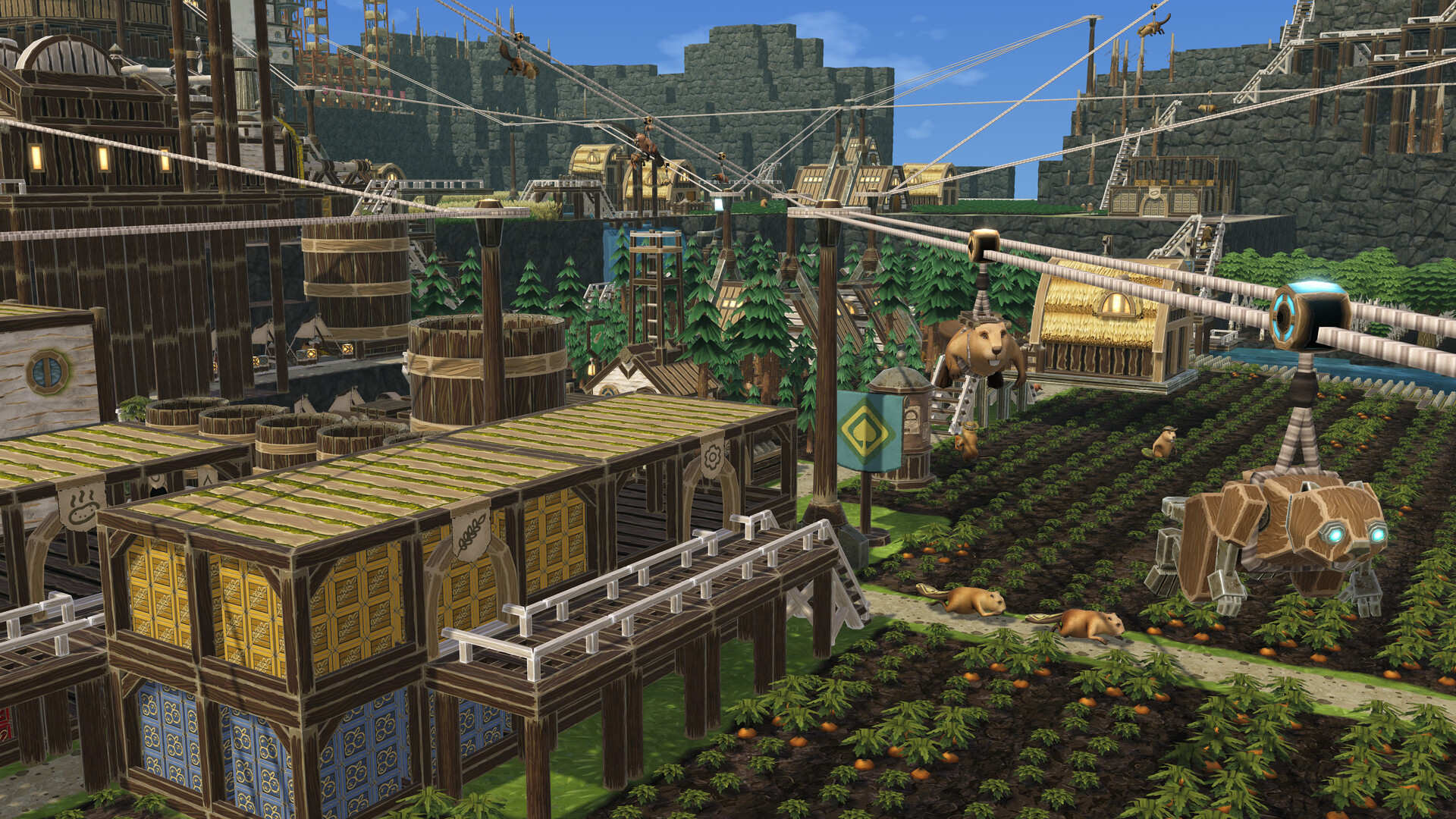
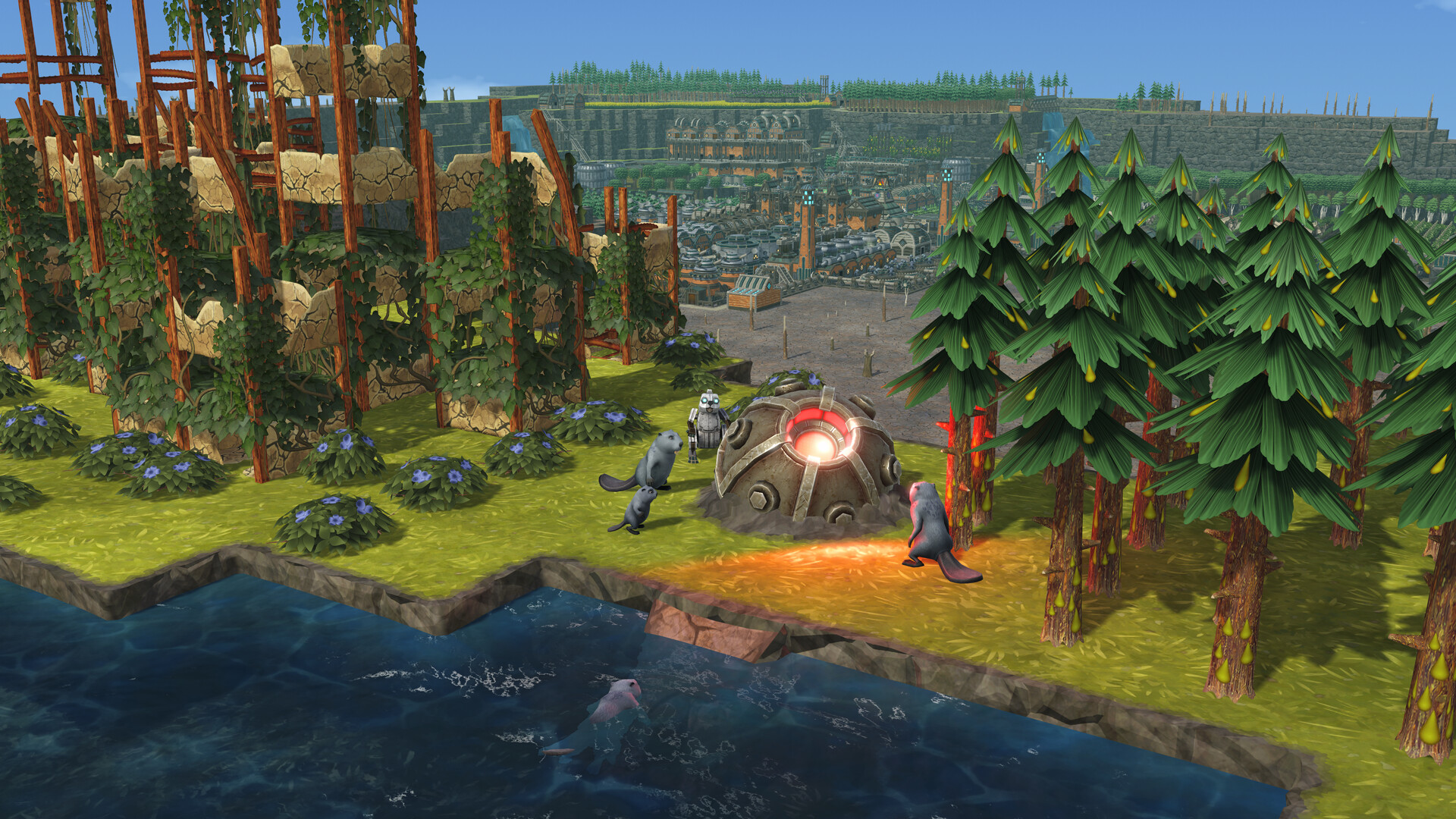
Visually, Timberborn is a woodpunk love letter: warm palettes, stylized beavers and satisfying animations make it easy to smile while your city burns (or floods). The soundtrack and ambient noises are unobtrusive and cozy, perfect for long, late-night sessions when you tell yourself "just one more sluice". Performance is generally fine on most maps, but reviewers and I noticed hiccups on very large maps or with huge populations: pathfinding and single-thread bottlenecks can cause stutters when hundreds of beavers or bots are active. The UI is approachable and the devs added a lot of QOL features over time, though some players dislike how recent automation changes alter the game's immersion. Overall the presentation supports both relaxed building and intense hydrology puzzle-solving.
Timberborn is a rare city-builder that gives you meaningful engineering toys and a cosy aesthetic while still offering real mechanical depth. It’s addictive, creative and often hilarious—watch out for late-night dam fiddling. Buy it if you like sandbox construction, hydrology puzzles and a vibrant mod scene; skip or wait for patches if you rely on maxed-out population performance or hate automation that changes the vibe.
Pros
- Deep, satisfying water mechanics that change how you play
- Strong mod support and an active community with a map editor
- Charming artstyle and cozy audio that invite long sessions
- Meaningful automation and vertical building that reward creativity
Cons
- Late-game can lose tension once water systems are stabilized
- Performance and pathfinding issues on very large maps / populations
- Some players dislike recent automation additions for breaking immersion
Player Opinion
Players consistently praise Timberborn’s water physics and the way dams and canals turn terraforming into a core gameplay puzzle. Many reviews mention the game as addictive—"just one more sluice" is a recurring joke—and veterans laud the steady stream of updates and mod support. Criticisms cluster around performance at very large population sizes and the pacing shift to a more relaxed sandbox once you’ve insulated your settlement from drought. A vocal minority also dislikes some automation additions, arguing they dilute the original woodpunk vibe. If you like Banished’s survival pressure mixed with engineering puzzles, you’ll probably love Timberborn; if you demand perfect multi-threaded scaling or want a strictly realistic beaver simulation, be cautious.