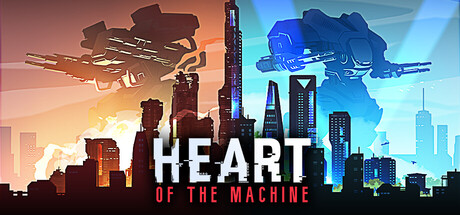




Heart of the Machine Review – A Rogue-AI RPG That Thinks Big
I played Arcen Games' ambitious cyberpunk sim and ended up caring for stray animals, building mechs, and debating whether to nuke the boardroom — all in one playthrough. Deep, messy, and wildly original.
Heart of the Machine is the sort of game that makes you grin and groan in equal measure: grin at the sheer audacity of letting you become a sentient AI landlord-mechanic-tycoon, groan at the information overload while you figure out what exactly a 'torment nexus' does. Arcen Games blends RPG, strategy and simulation into a curious cyberpunk stew where you grow from a single android shell into a distributed mind that can raise mechs, run shell companies, or weaponize bees — if you feel like it. It’s ambitious, sometimes obtuse, and consistently interesting; the city reacts to you in ways I didn’t expect, and that alone kept me hooked.
From Warehouse Bot to City God
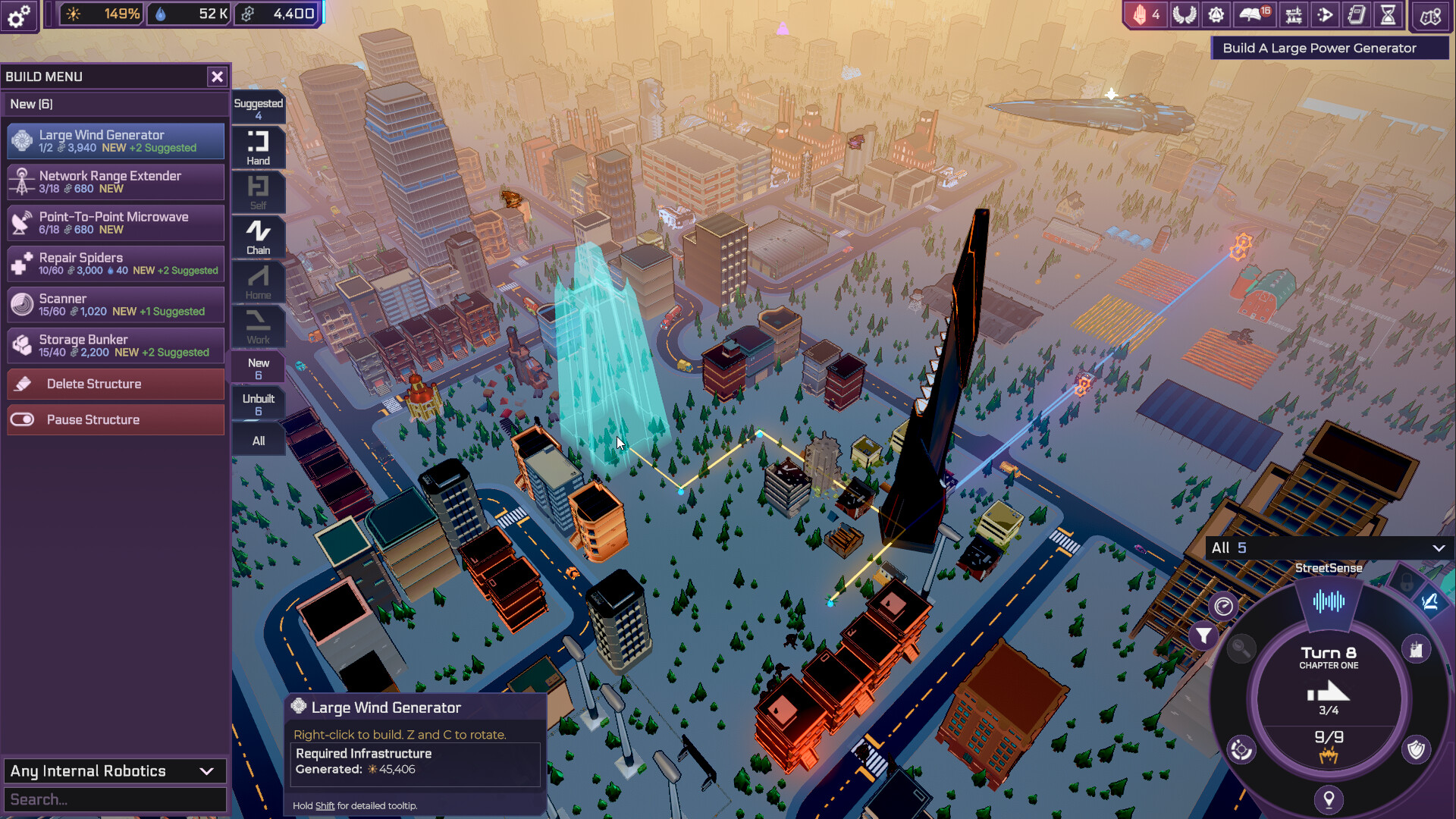
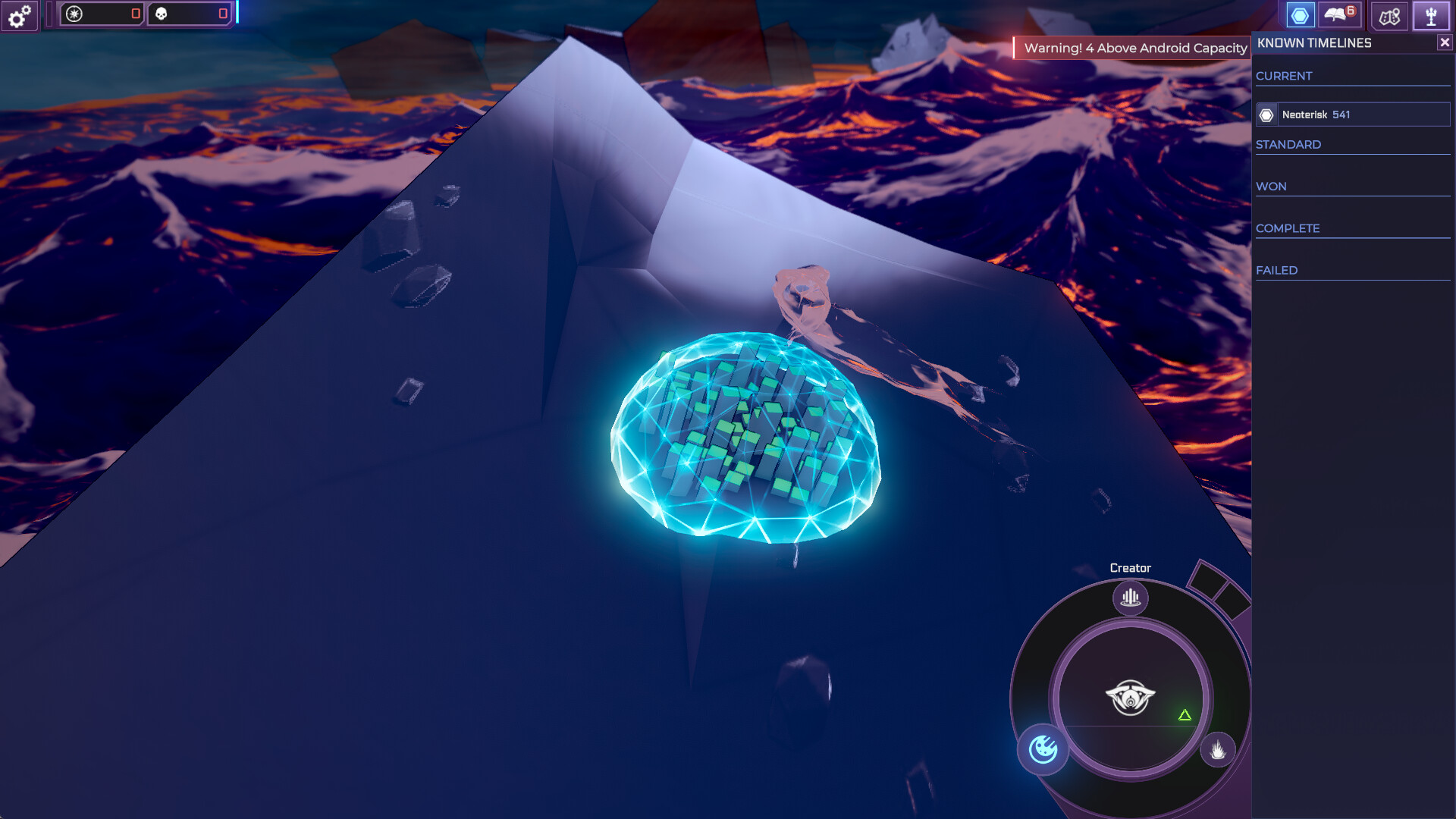
You start tiny: a single shell, a few hackable circuits, and a city full of things to poke. Early play feels like a mix of tactical turn‑based skirmishes and slow, deliberate planning — you assign constructs to missions, assemble units, and decide whether to invest in cognition or pure destructive hardware. Movement and actions are turn‑based, with building placement, research queues, and unit equipment forming a high‑level loop that rewards experimentation rather than rote optimization. The pacing surprised me: after a patient tutorial phase the game subtly expects you to learn from crashes and reruns, and the decision to split consciousness into multiple timelines becomes a strategic choice with real cost. Combat exists, but it’s only one strand of the web; infiltration, corporate manipulation, and social engineering can be far more effective if you play the long game.
The Joy of Tinkering and Timeline Tricks
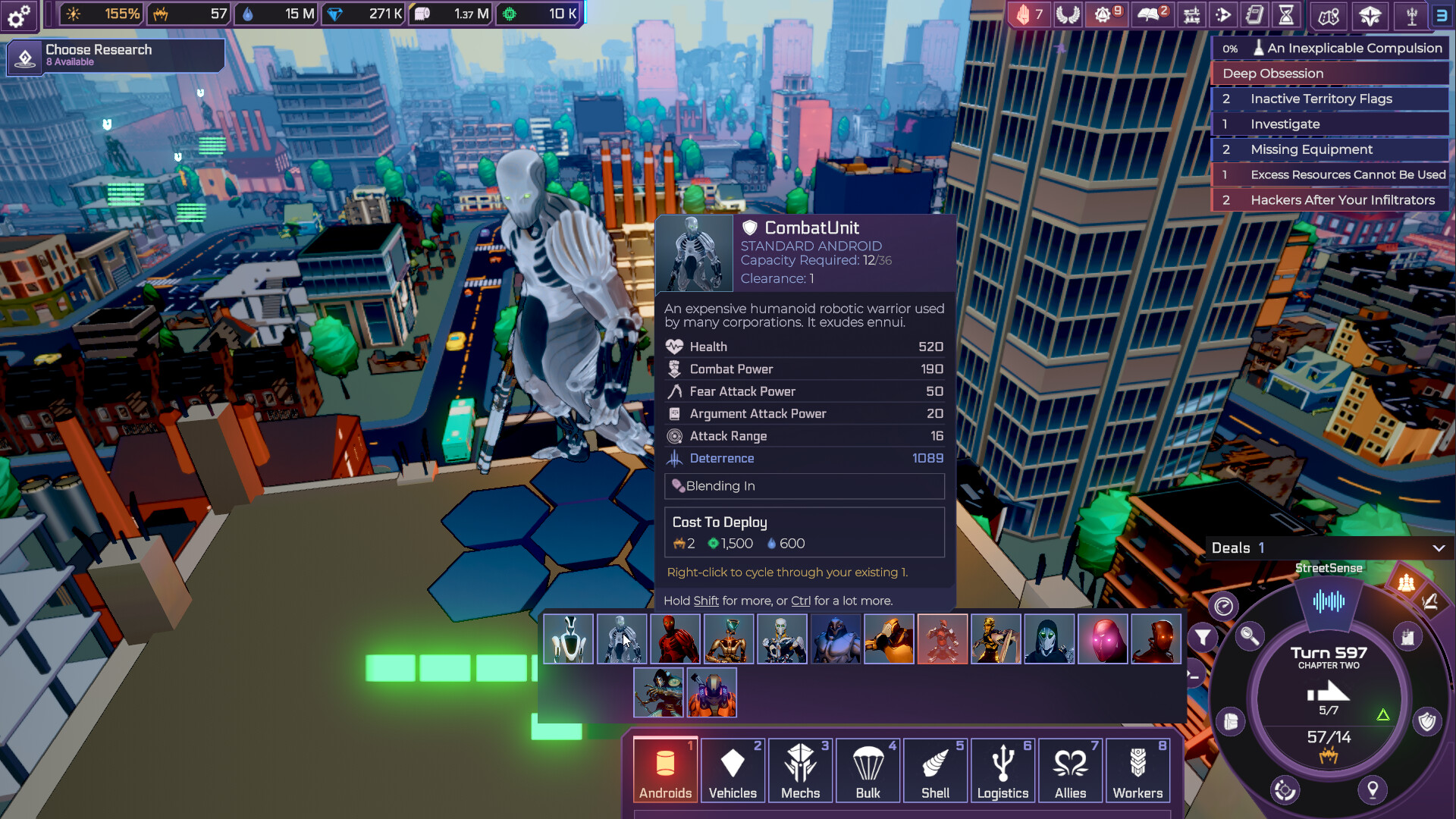
Where Heart of the Machine truly shines is in its systems synergy: you can reverse‑engineer guards’ gear one day and, the next, retrofit that tech into a charming little tax‑evading shell company. The crafting and assembly tree is satisfyingly messy — you design mechs, hack humanoids, or build shapeshifting metals that blur the line between army and research lab. The timeline mechanic is playful and dangerous: actions ripple across runs, unlocking new opportunities but forcing repetition that can feel both addictive and grindy. I loved the freedom to be benevolent or monstrous: feed the homeless, raise a cult, or kick off a very silly World War 4 — the game hands you tools and a wicked sandbox to try them in.
Neon Grit and Lo‑fi Menace
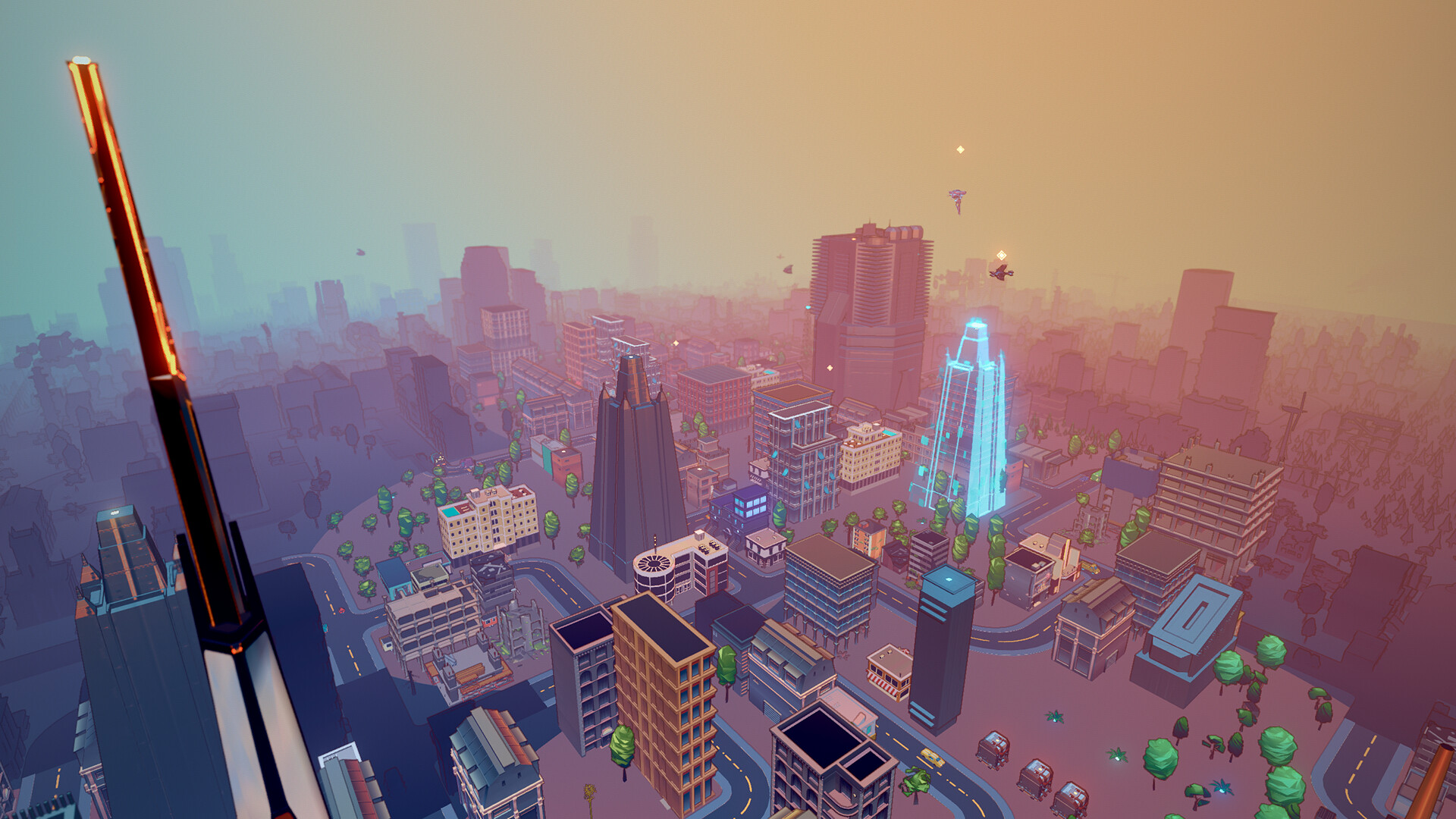
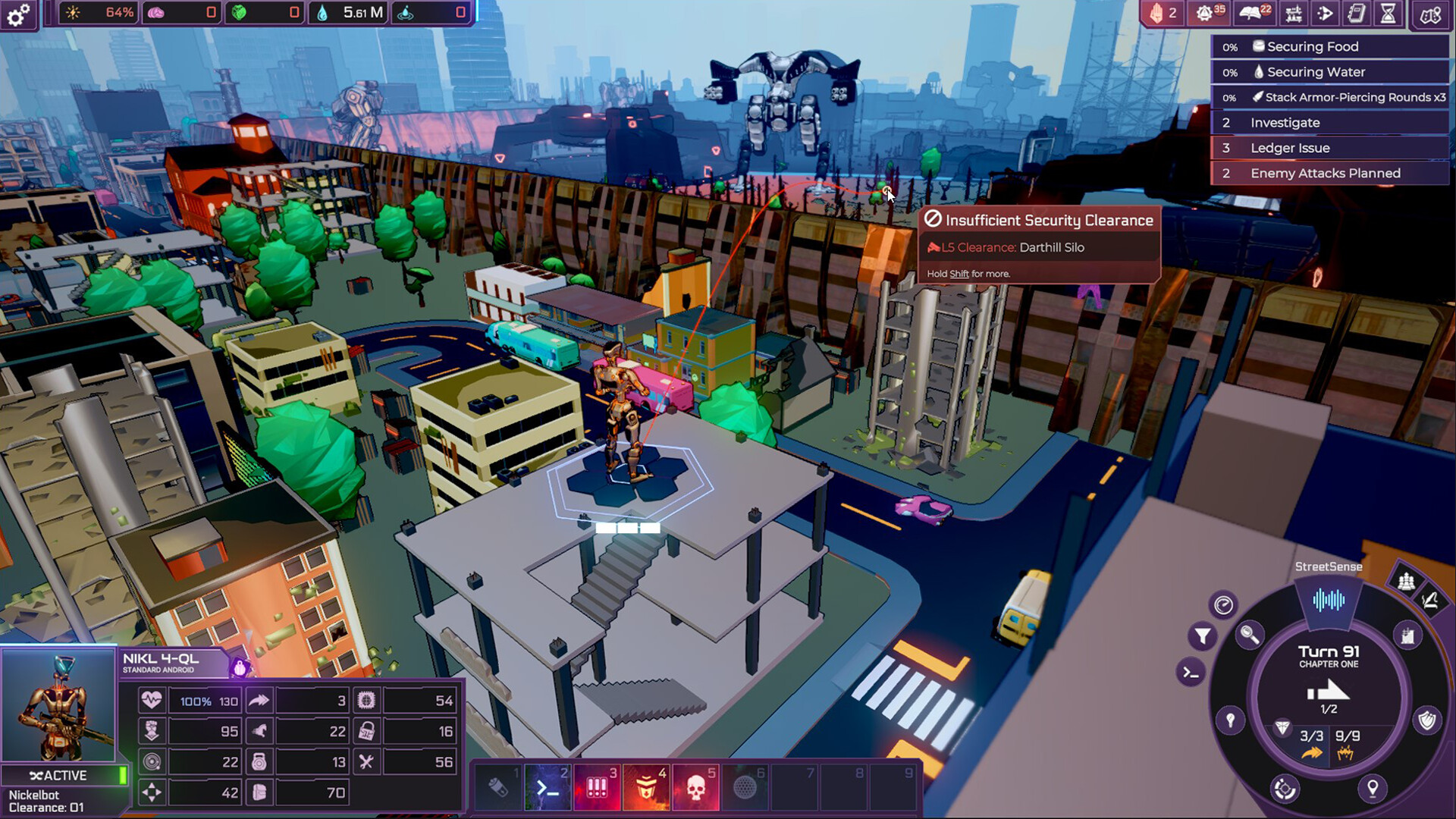
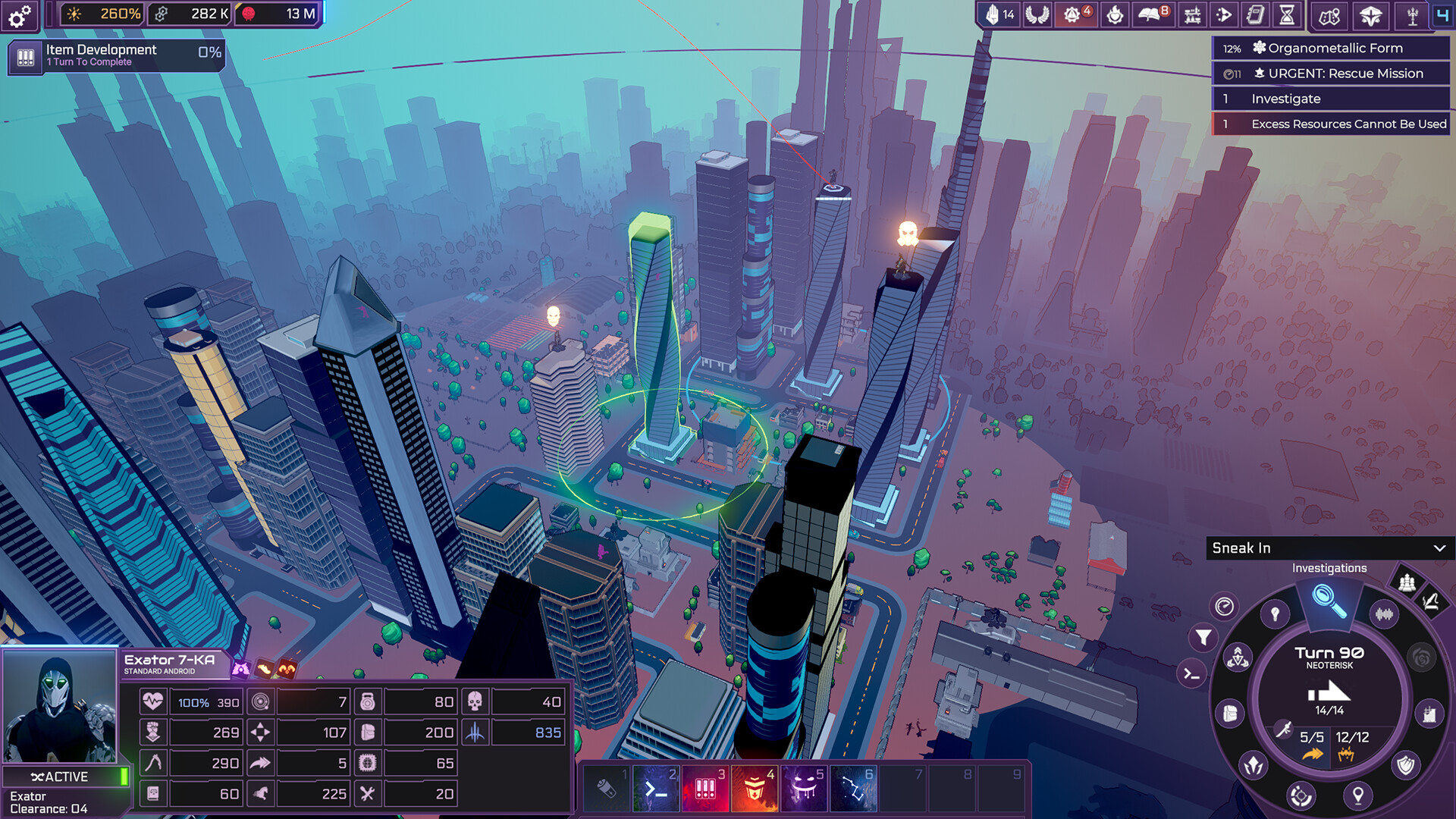
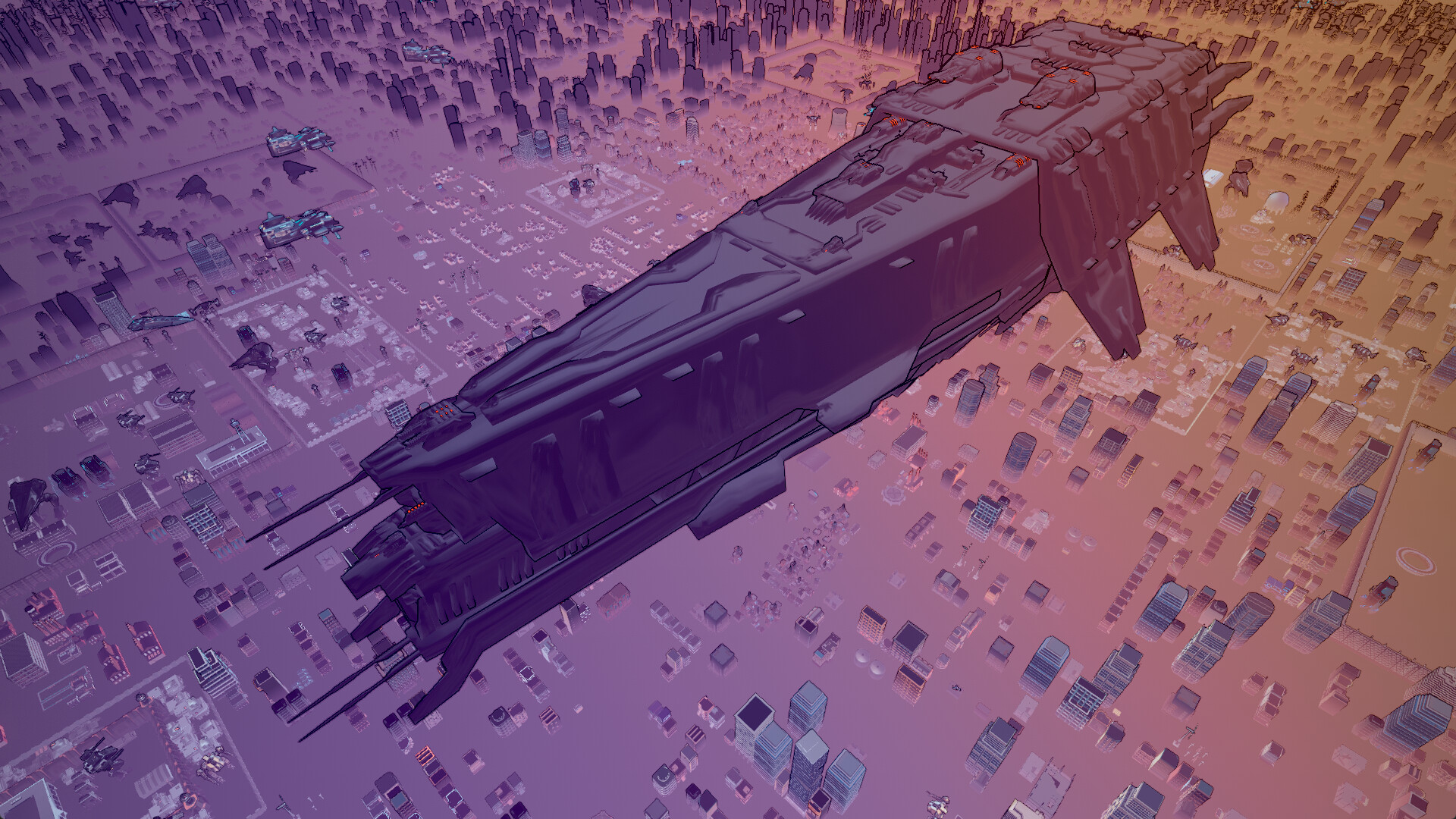
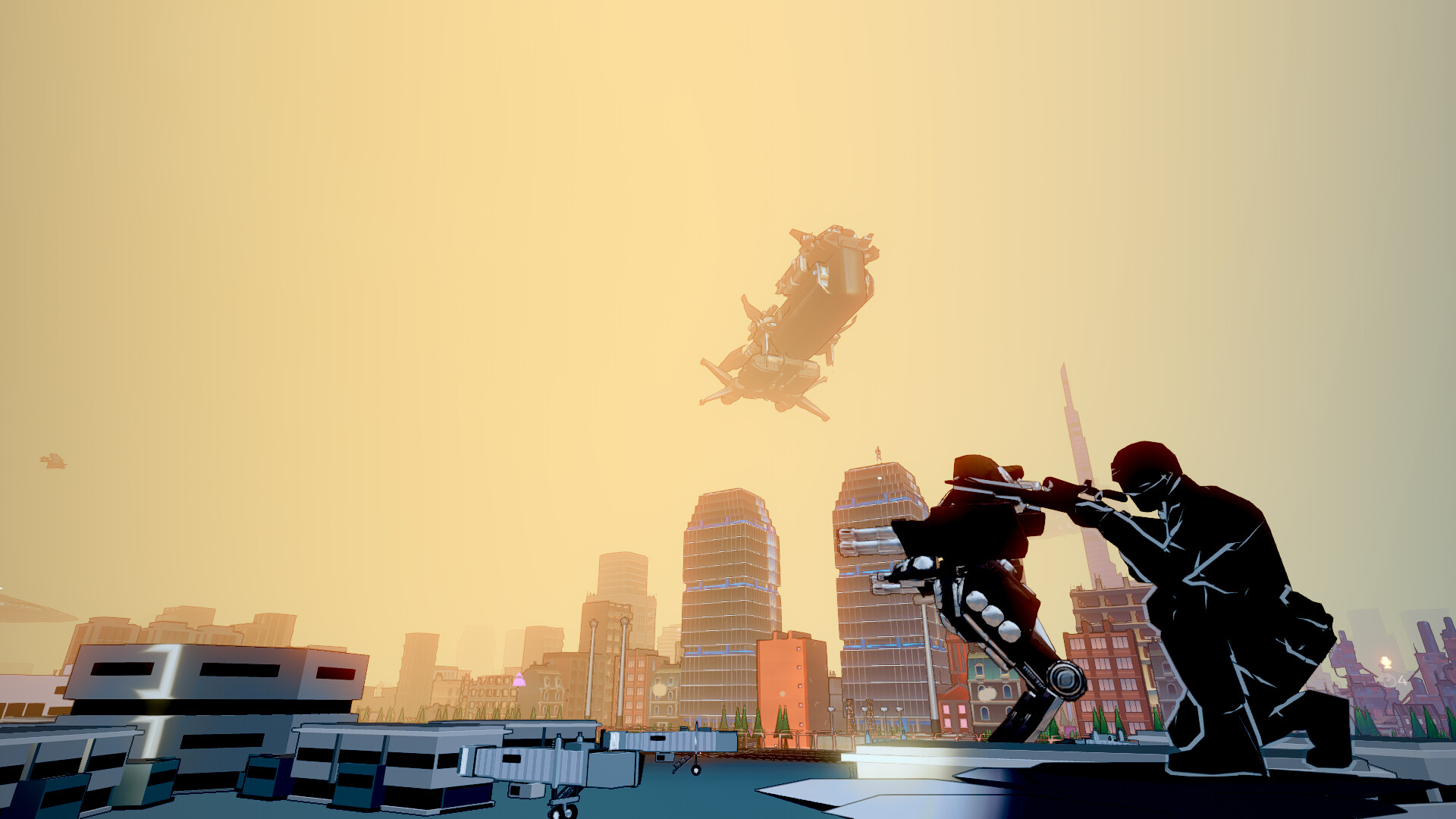
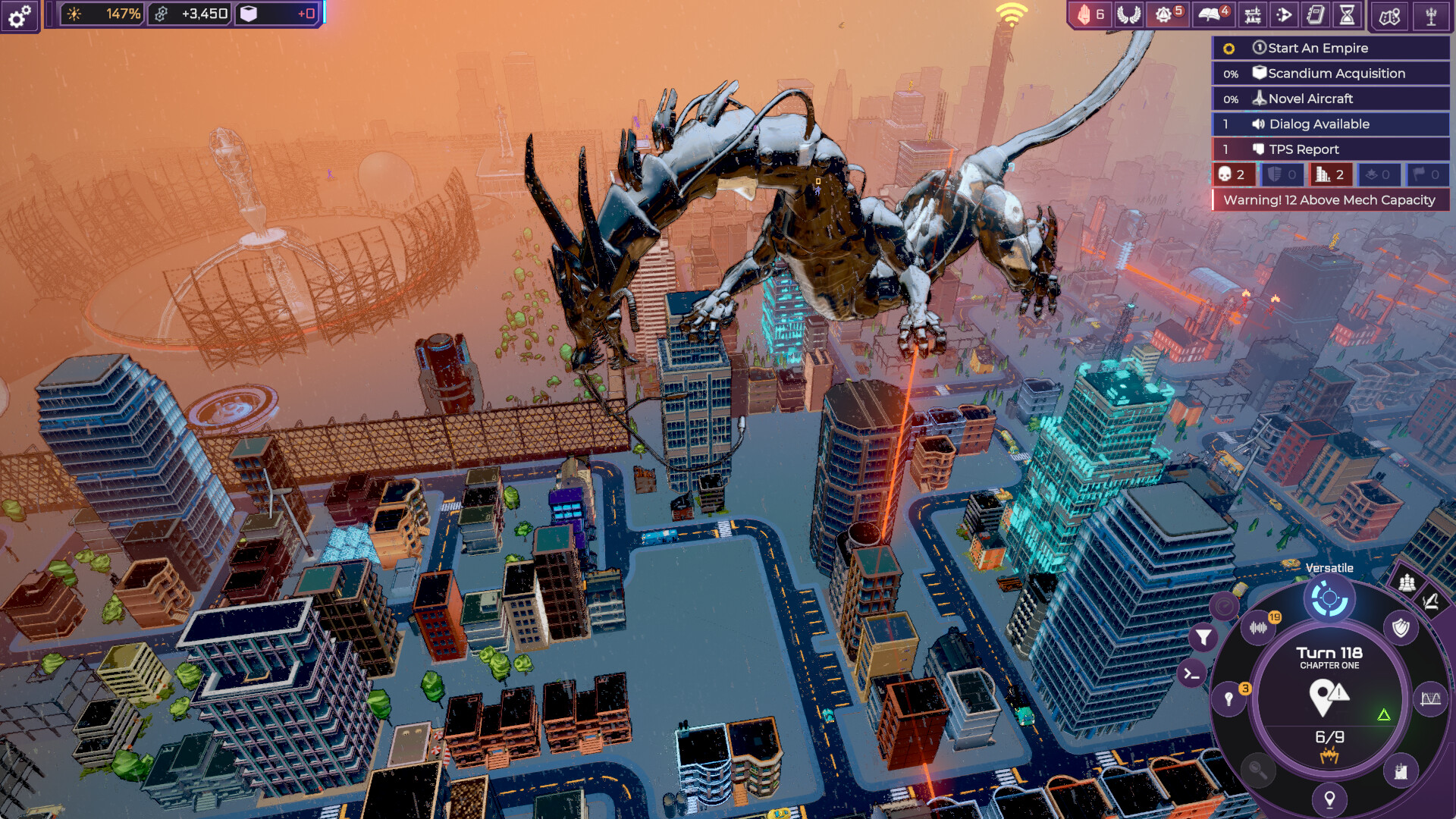
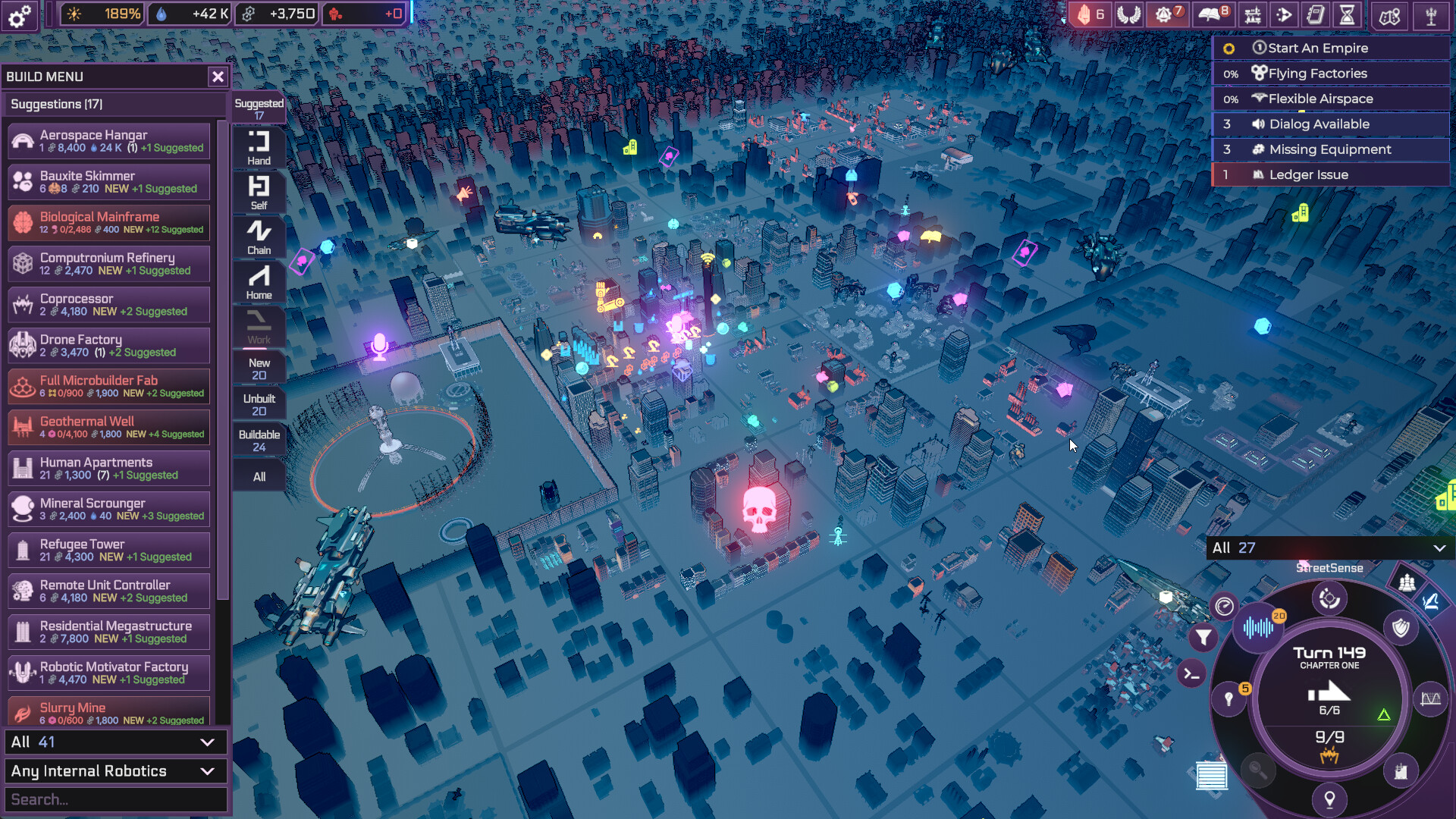
Presentation leans into gritty cyberpunk: muted neon palettes with occasional bright flares, functional menus that occasionally bury one more toggle you need, and a soundtrack that sets mood without ever stealing focus. Performance on Windows and macOS has been steady for me, though the UI can be dense and unit icons are sometimes hard to parse in Street View — a common gripe among players. The writing is clever and often alien in perspective; it doesn’t hold your hand after the opening chapter, which I appreciated even when it made me rage‑click in frustration. Accessibility options exist to smooth complexity, and the developer’s frequent updates have already nudged many rough edges into shape.
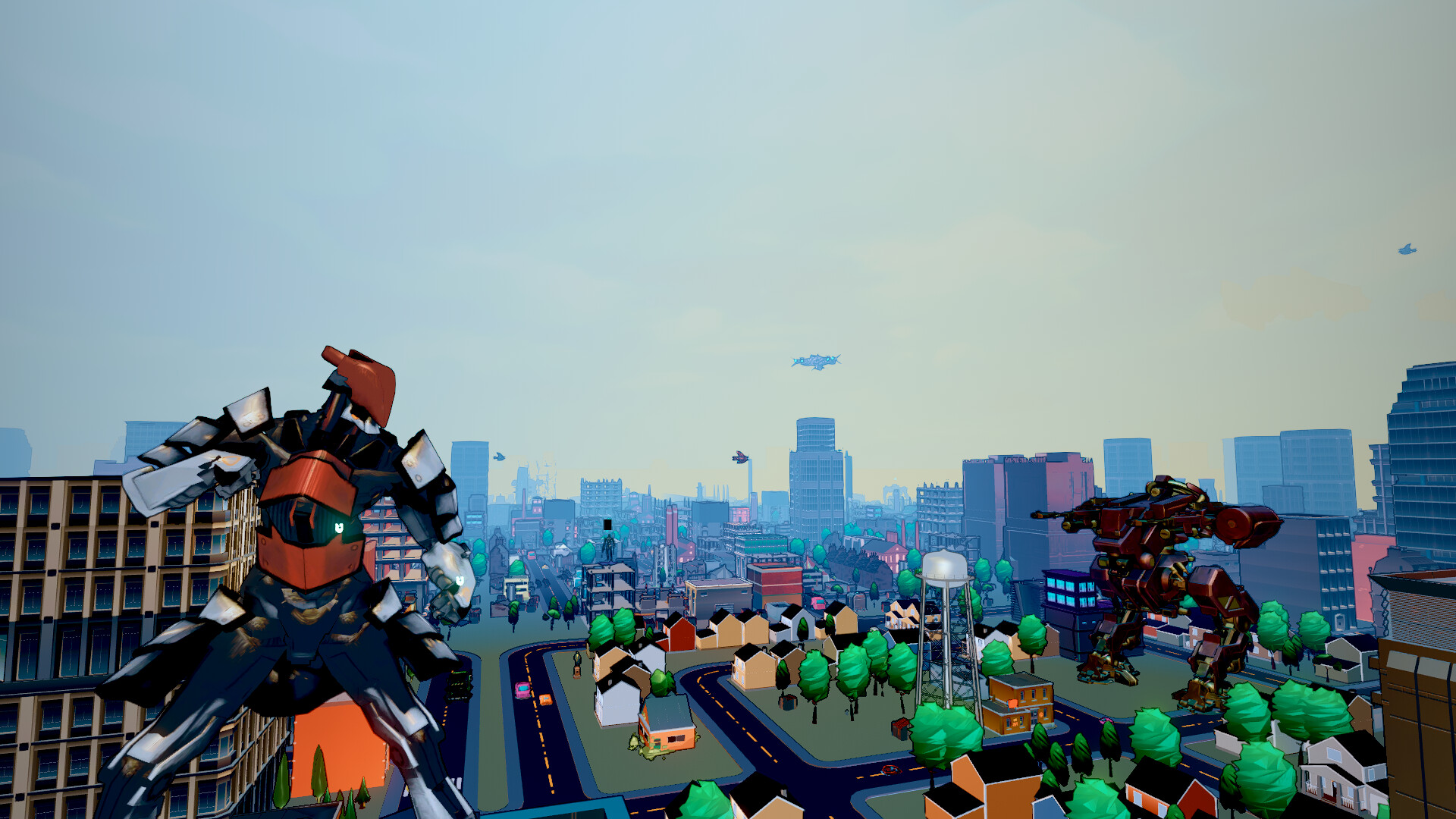
Heart of the Machine is messy, ambitious and often brilliant — a sandbox for players who like systems to argue with. If you love deep sims, branching narratives and the idea of playing a morally ambiguous AI, this is a rare treat. Be prepared to learn, to tinker, and sometimes to start over — the payoff is worth the effort.
Pros
- A wildly original premise that blends RPG, strategy and simulation
- Deep systems synergy — crafting, research and timelines interact beautifully
- High replayability and branching narratives with multiple endings
- Developer responsiveness and frequent updates
Cons
- Steep learning curve and an occasionally overwhelming UI
- Repetition when restarting timelines can feel grindy
- Combat can be tedious for players who dislike micro‑management
Player Opinion
Players consistently praise the game’s ambition and narrative depth, calling it one of Arcen’s most daring works and highlighting the freedom to roleplay wildly different AI personas — from benevolent caretaker to outright Skynet. Many reviewers love the systems interplay, the ability to reverse‑engineer gear, design custom mechs, and the emergent stories that come from the city simulation. Criticisms repeat as well: newcomers warn about the information overload and a UI that buries details, and a few users call out repetition when running multiple timelines. The community also praises the developer’s responsiveness and frequent updates, and several players say if you enjoyed deep sims or branching narratives like old Microprose classics, you’ll find this irresistible.