



Escape from Ever After Review – A Whimsical Paper‑Mario‑Style Adventure
I played Sleepy Castle Studio's charming Paper Mario–inspired RPG. Great writing, jazzy soundtrack and smart puzzles — but the action commands can feel brutally precise. Here's my take after dozens of hours.
Escape from Ever After hits that warm, nostalgic spot Paper Mario fans keep poking at. It dresses up classic paper‑style RPG mechanics in a satirical storybook about climbing the corporate ladder—literally—inside a dragon’s castle-turned-office. What I loved most straight away was the writing and the soundtrack: witty banter, vivid characters, and a jazzy big‑band score that actually sticks with you. If you like your RPGs with a wink, clever puzzles and a little political satire, this one’s worth a look.
Climbing the Corporate Ladder (and Dodging Payroll)
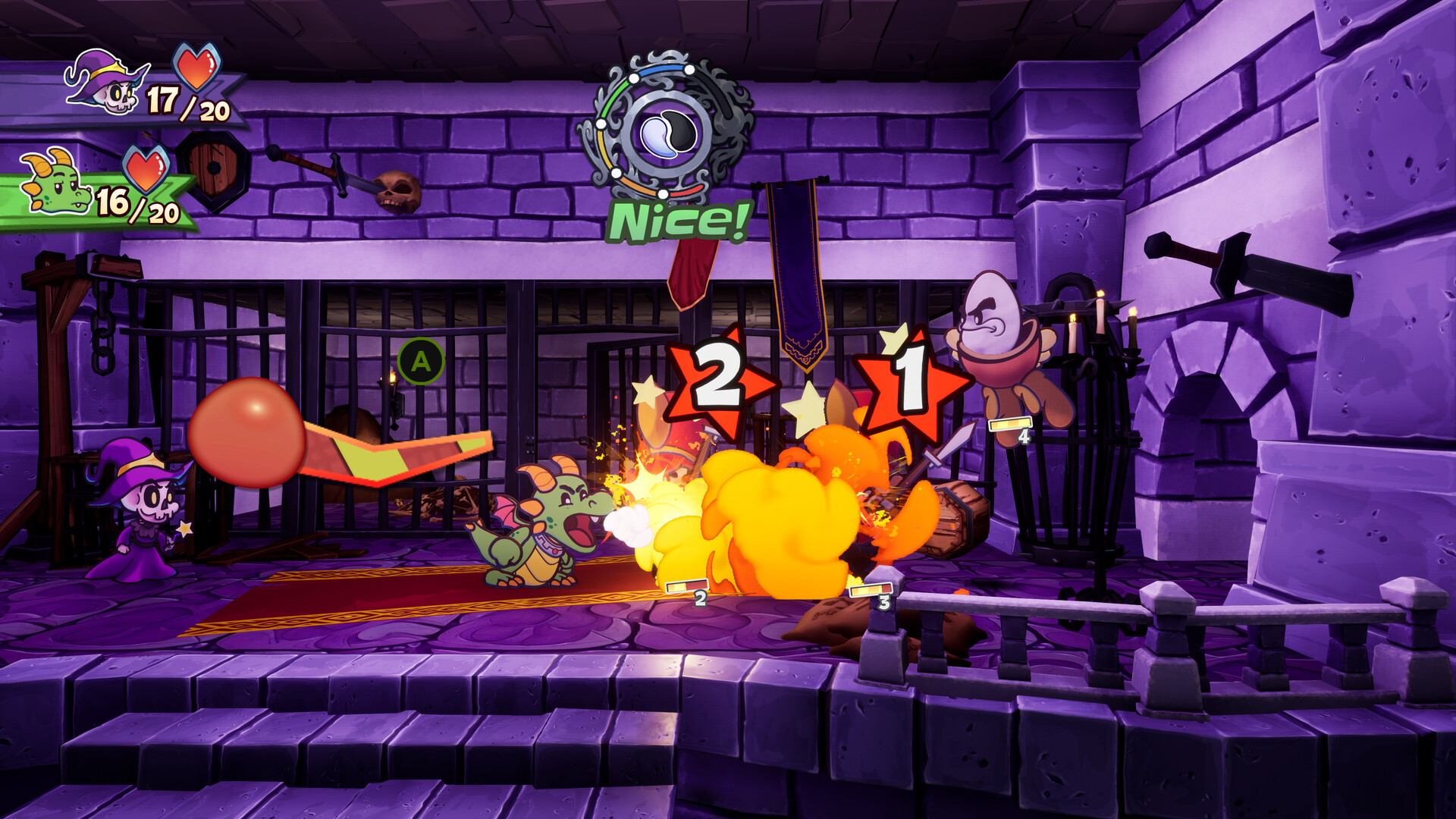
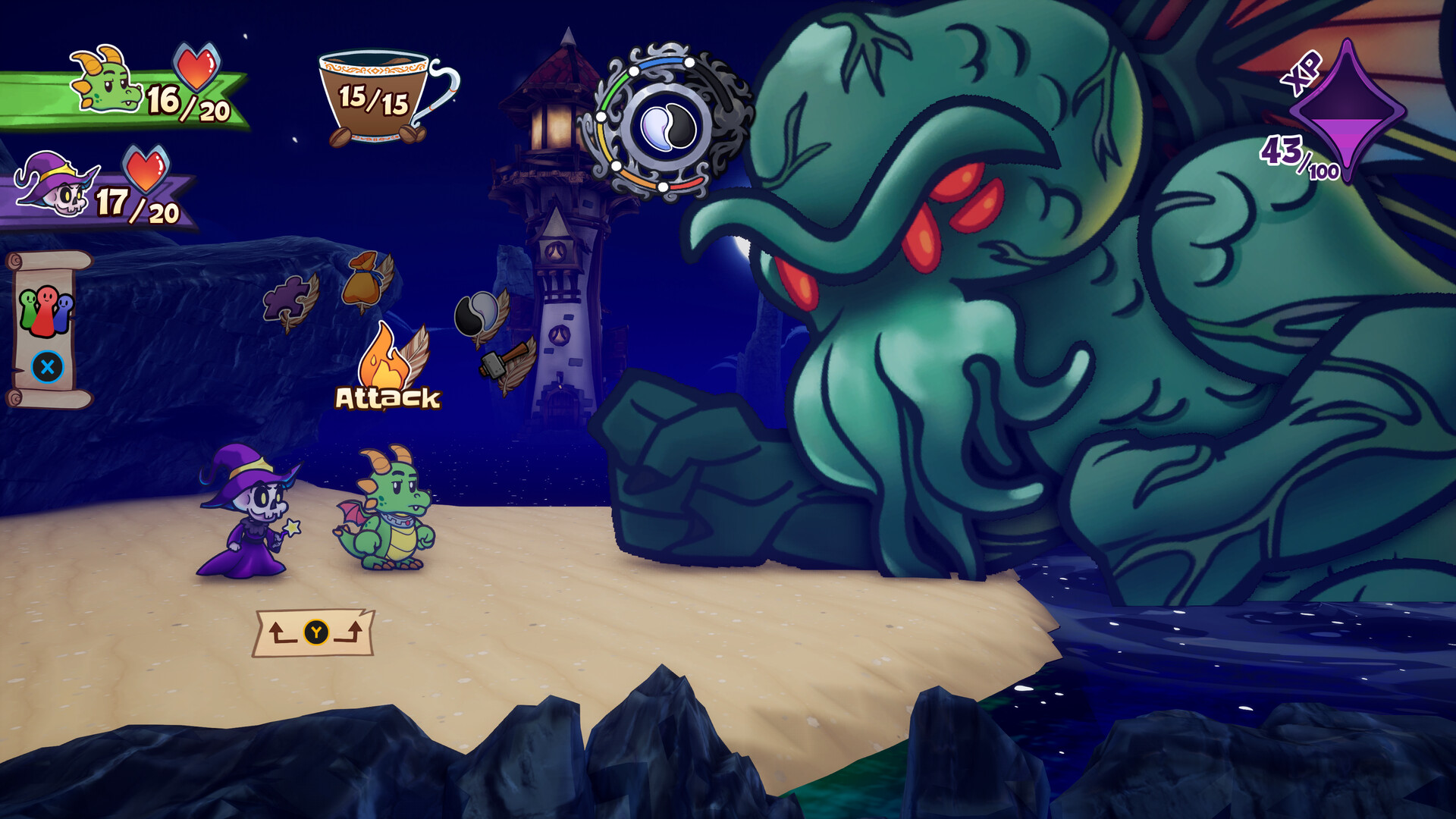
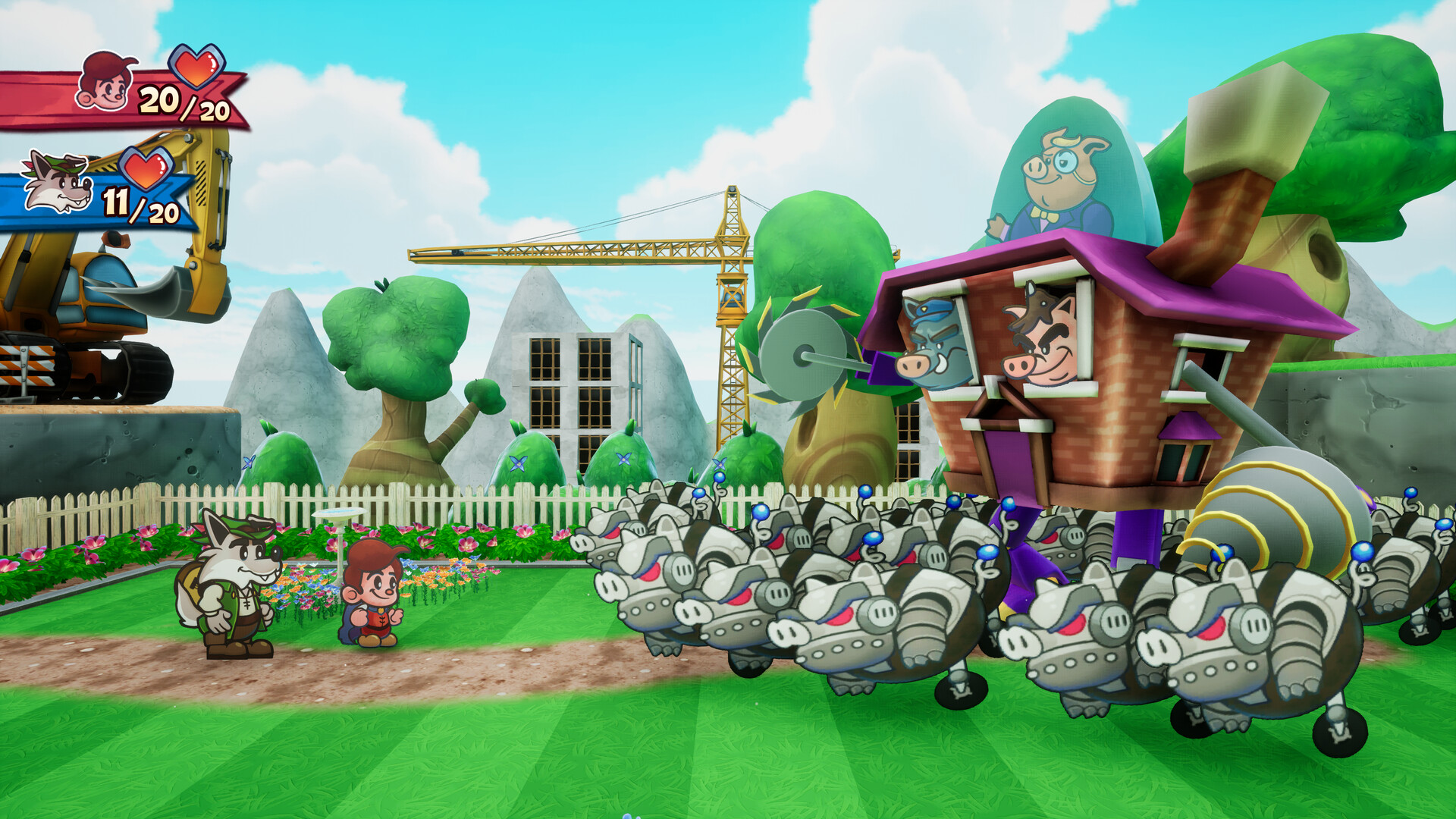
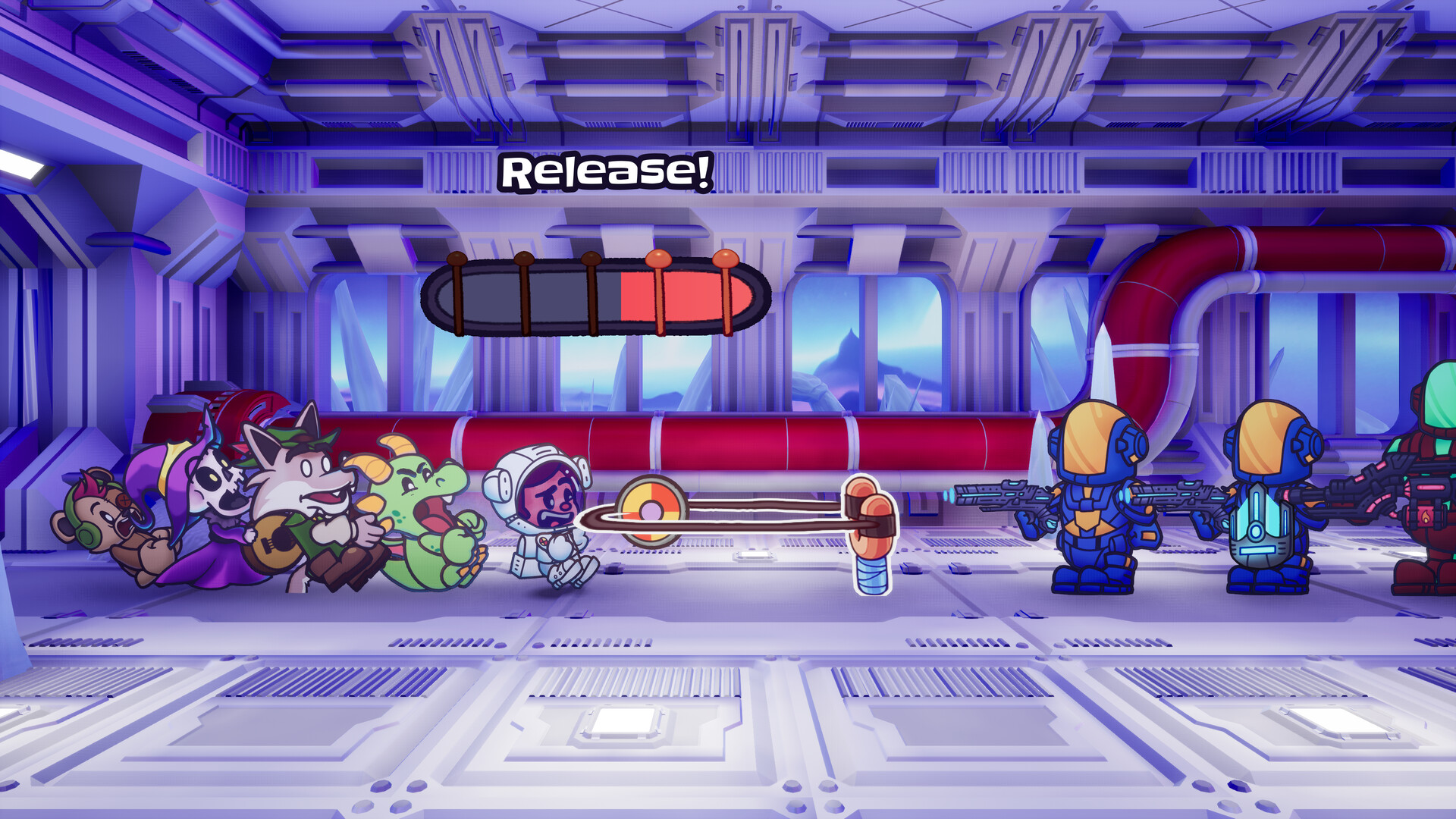
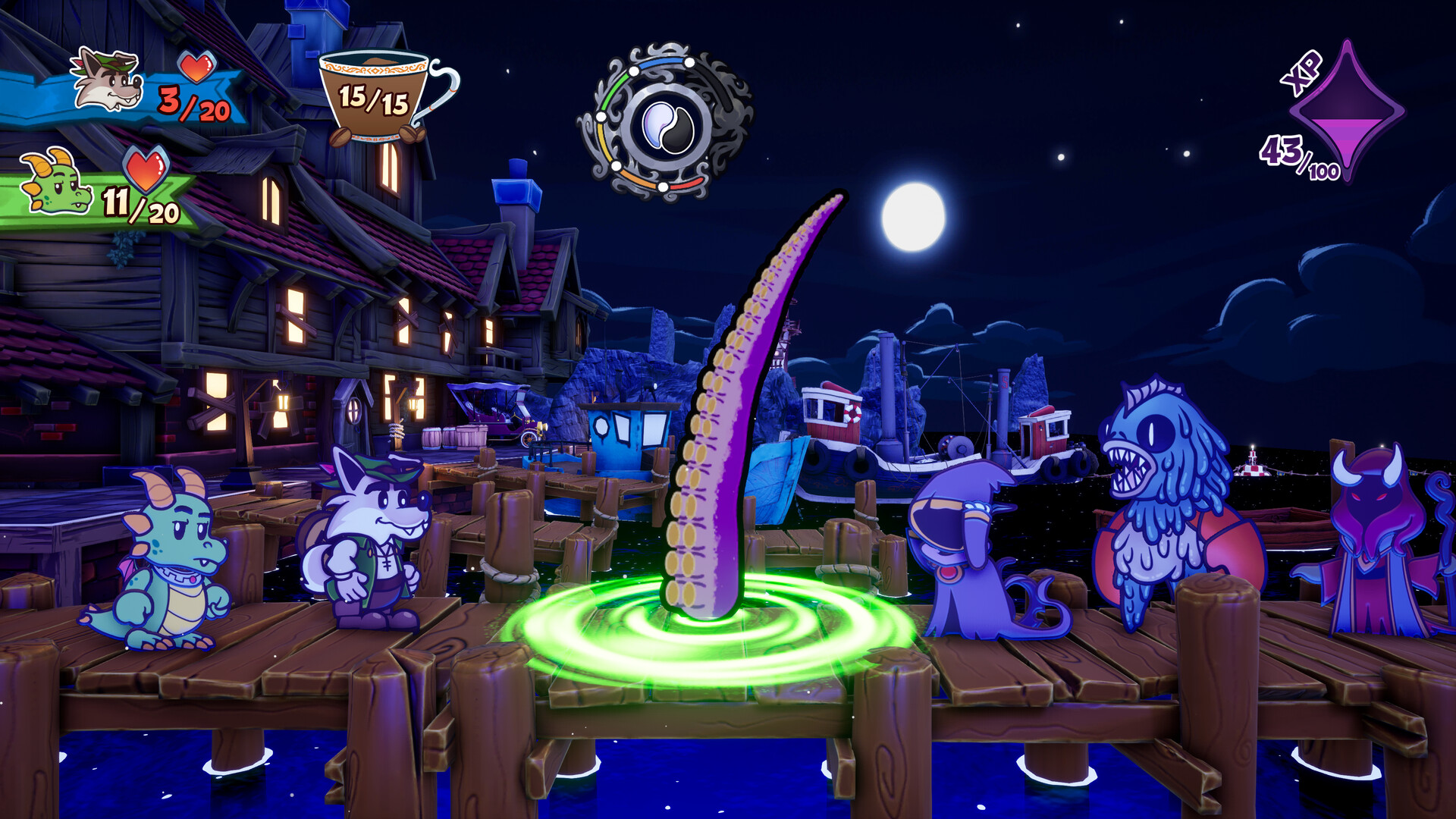
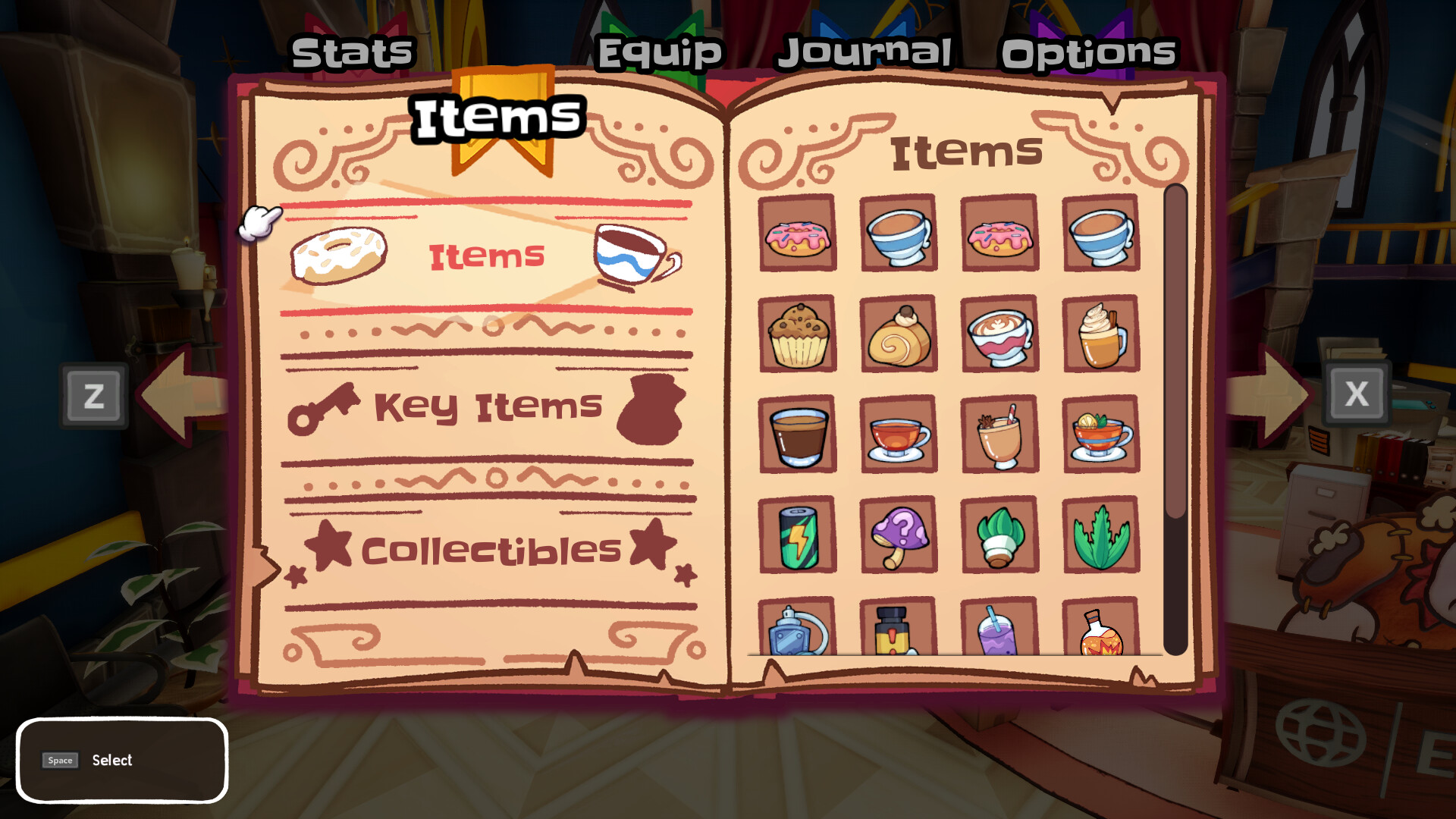
Combat and exploration are at the heart of Escape from Ever After. You control Flynt and a rotating roster of storybook partners, switching between them to solve environmental puzzles, platforming sections, and turn‑based battles. Encounters lean on precise action commands—timed attacks and guards that reward you with bonuses if you hit that sweet pixel‑perfect moment. Battles mix strategy and spectacle: different partners bring unique skills you can equip and upgrade, while badges and items let you tweak playstyle. Outside combat you’ll explore layered, diorama‑style levels full of secrets, sidequests and short platforming bursts; the world often changes rules between chapters, so staying curious and talking to NPCs pays off.
When Fairy Tales Meet Office Politics
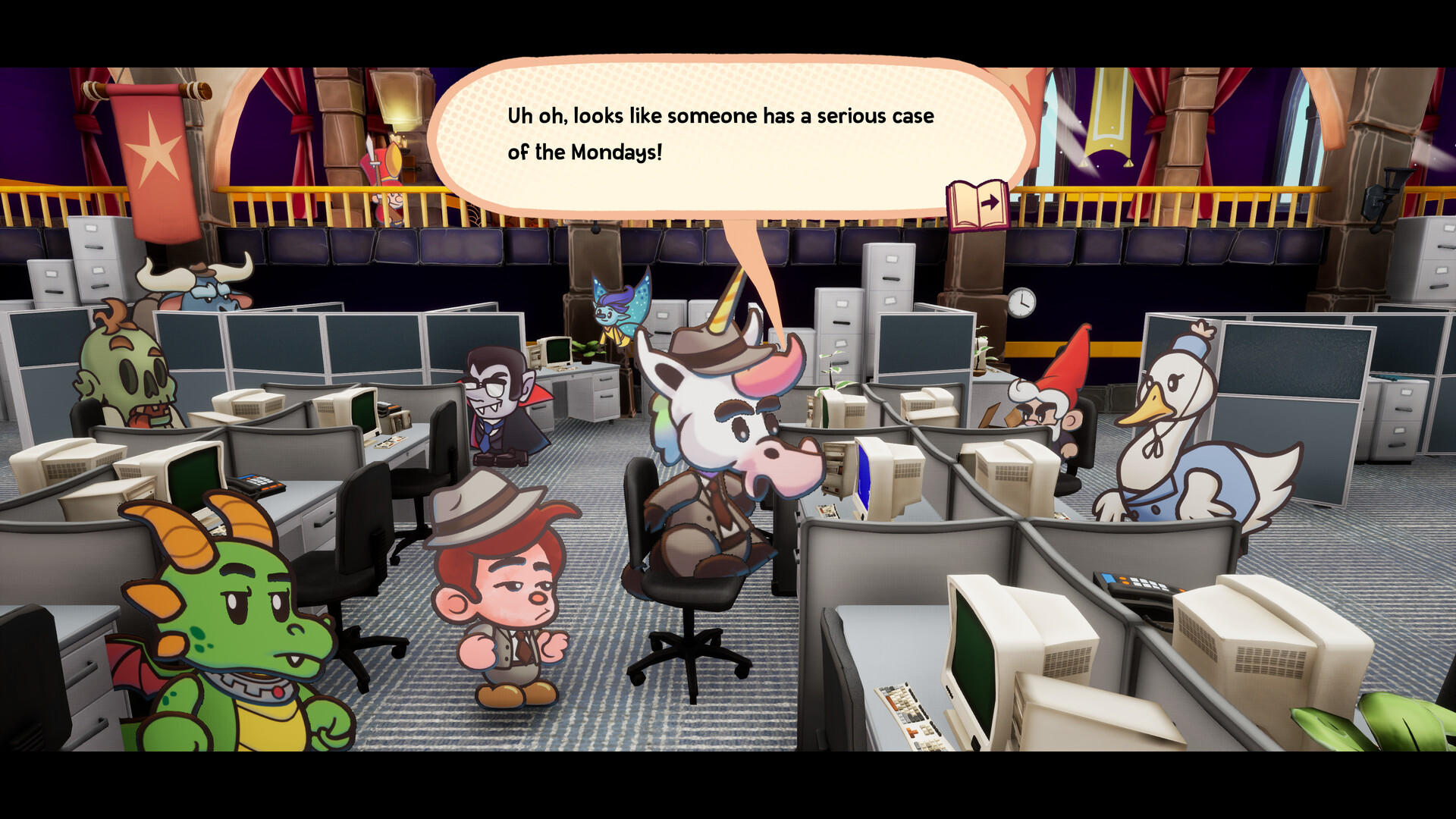
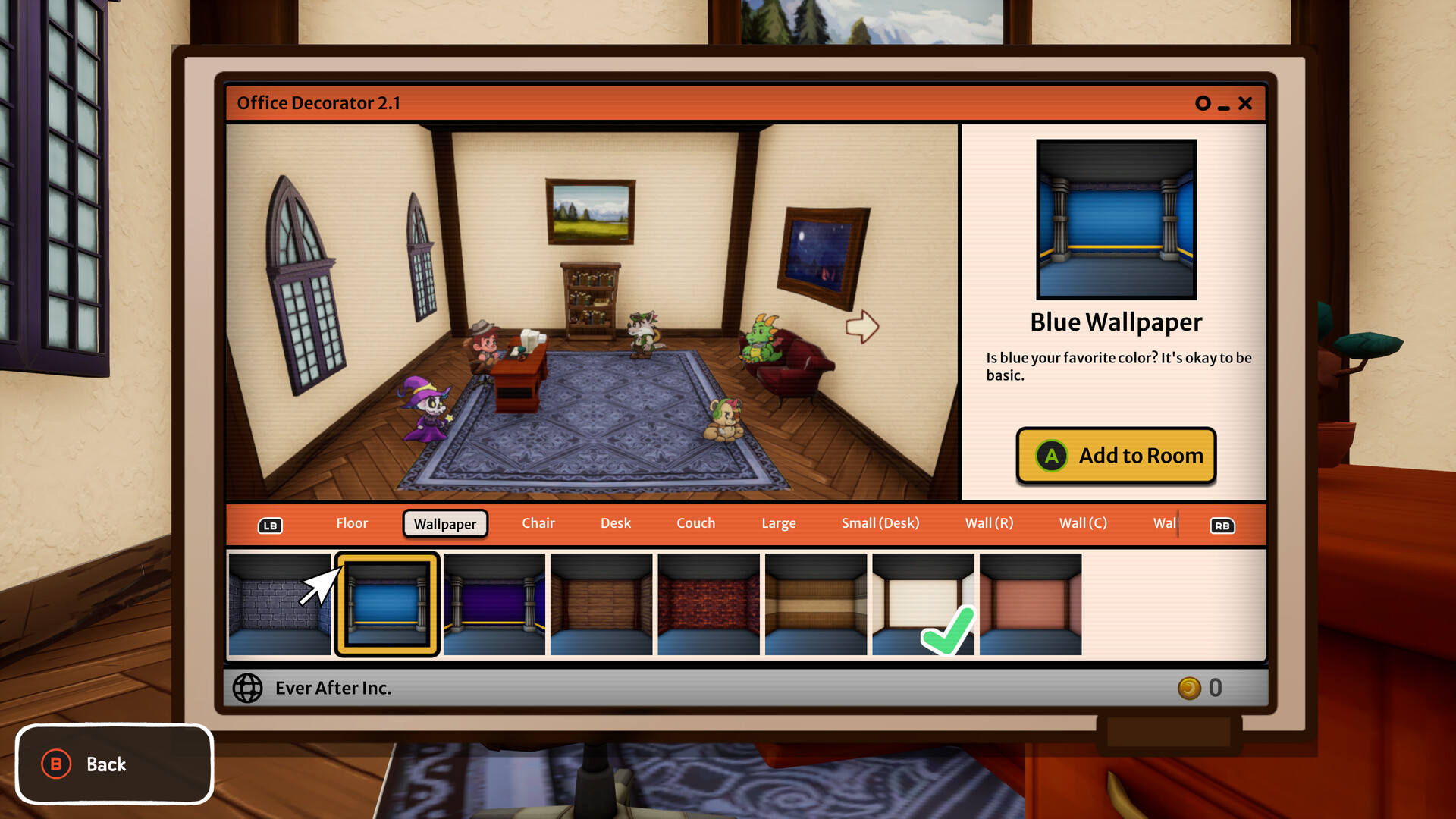
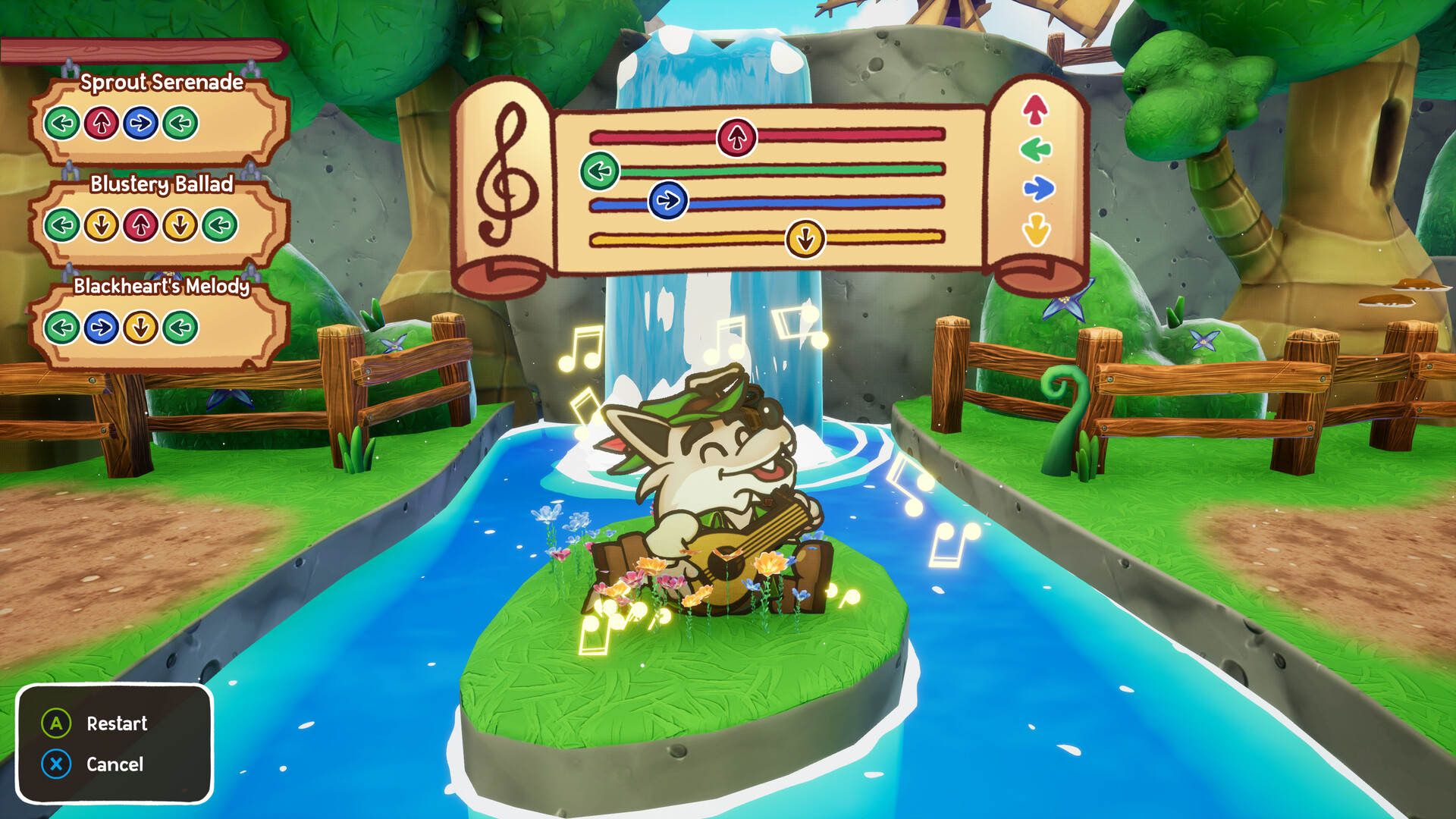
What sets Ever After apart isn’t only its homage to Paper Mario but how it uses that template to tell something weird and topical. Storybook characters are employees, real‑world capitalism is the villain, and humor comes from office banter just as much as from puns. The partner banter and character reactions are a constant joy—many lines change depending on who you have at your side, which makes replaying chapters with different rosters rewarding. The game balances punchy, self‑contained chapters (a noir mystery one minute, Lovecraftian hijinks the next) with an overarching goal: sabotage Ever After Inc. from within. Little systems like office decoration, a music player in your HQ, and side jobs give the RPG loop some delightful padding without feeling like filler.
A Jazzy, Paper‑Cut Presentation
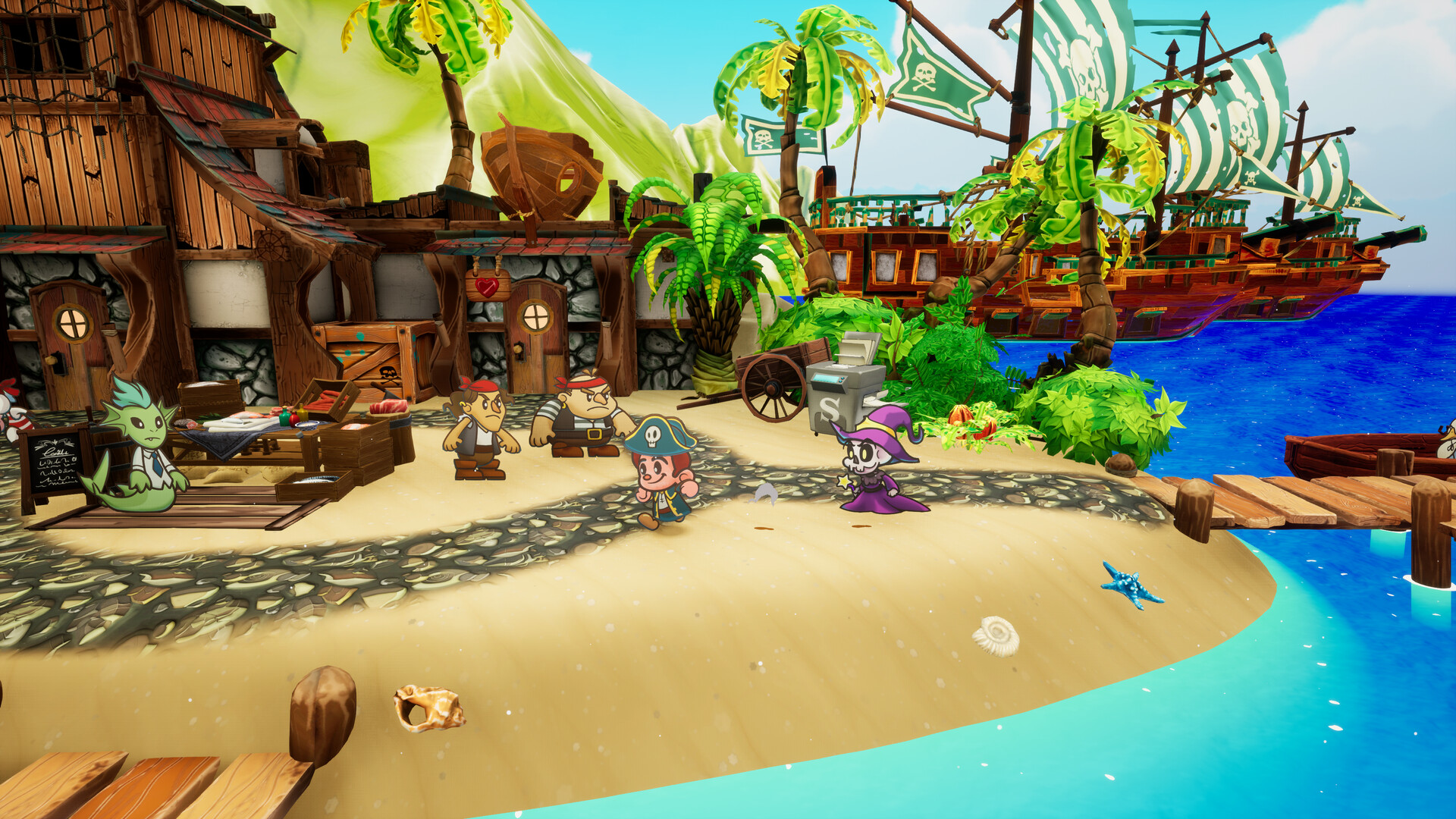
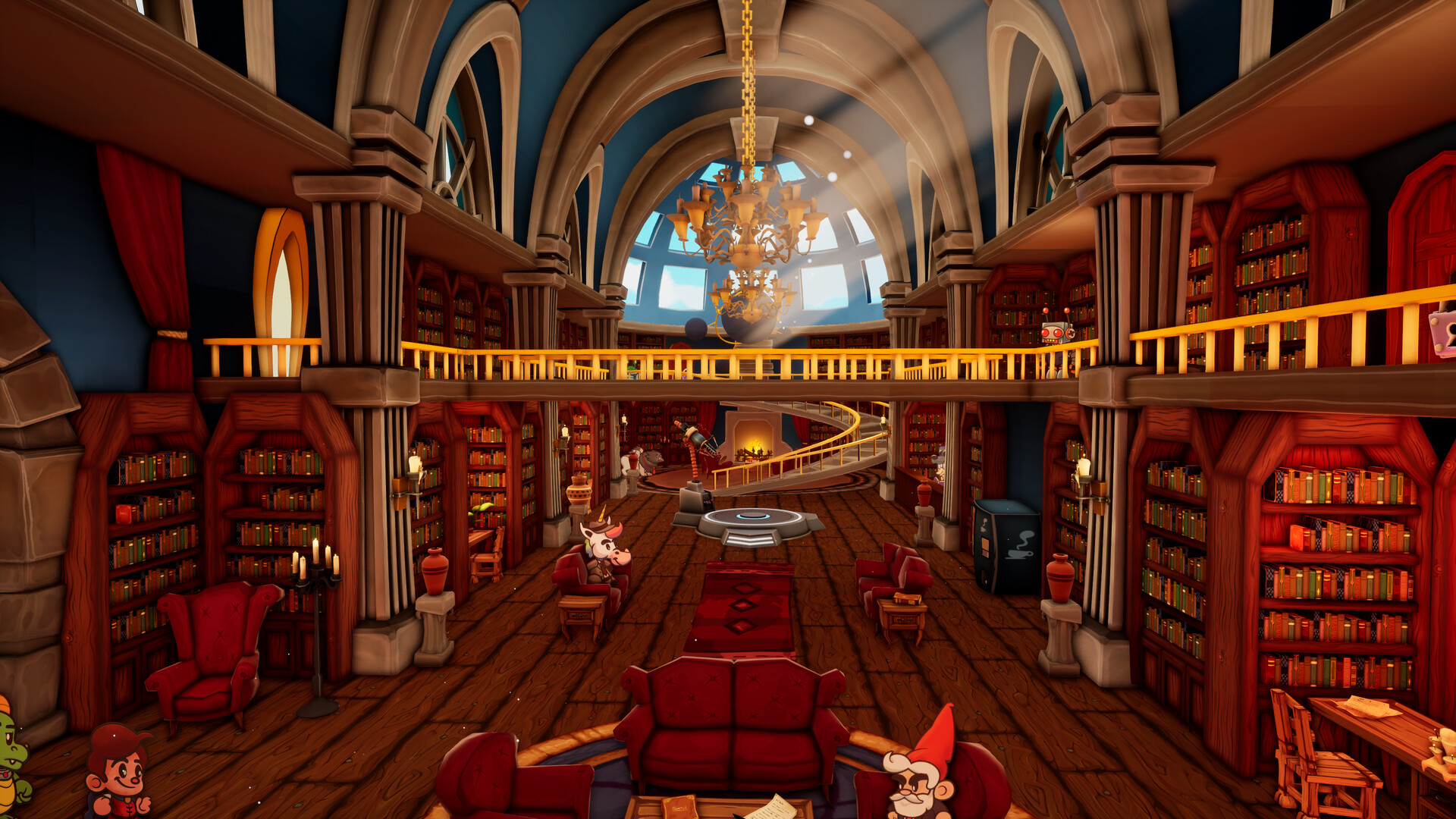
Visually, the game nails the paper‑in‑a‑3D‑world aesthetic: expressive 2D character portraits sitting in clean, animated dioramas. The art is colorful and often darkly funny when the story calls for it. Performance on my Windows rig was spotless—no frame dips, crisp animations, and UI that respects screen space. The soundtrack is a standout: a big‑band jazz palette that keeps moments lively and gives towns and battles memorable hooks. Accessibility options include toggles for action‑command assists; these are a life‑save for players who prefer story and exploration over twitch timing. Still, some may find the default timing windows punishing until they toggle those assists on.
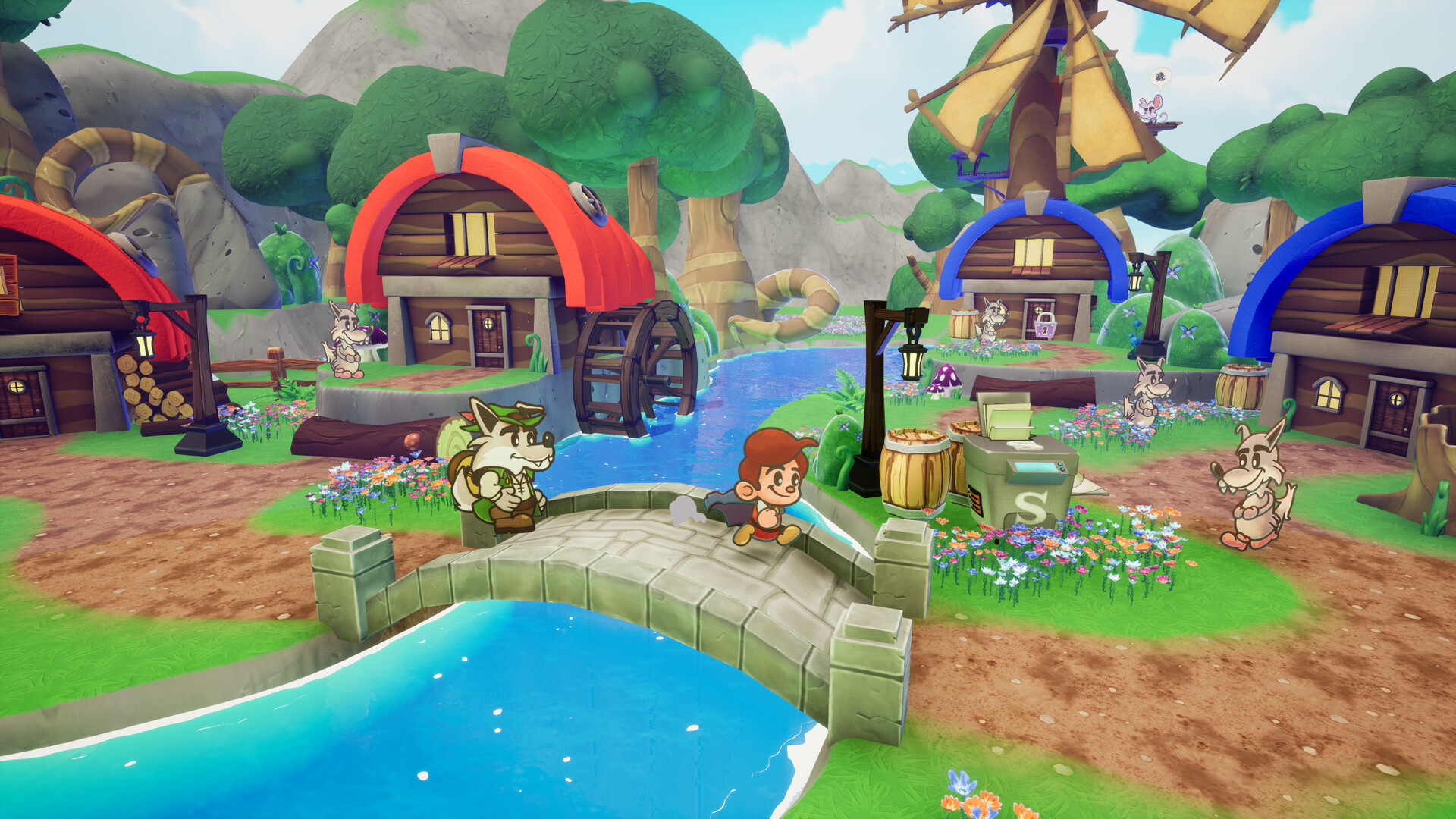
Escape from Ever After is a tender love letter to Paper Mario with its own satirical, modern spin. It’s funny, clever, and packed with character—though the default combat timing may turn off some players unless you enable assists. For fans of story‑driven turn‑based RPGs who enjoy puzzles, quirky writing and a killer soundtrack, this one’s an easy recommendation.

Pros
- Charming, witty writing with memorable characters
- Polished paper‑style art and a fantastic big‑band soundtrack
- Smart puzzles and varied chapter themes keep exploration fresh
- Accessibility toggles for action commands (helpful for less twitchy players)
Cons
- Action‑command timing can feel unfairly strict without assists
- One chapter leans too heavy on repetitive battles
- Final act is emotionally weaker than earlier highs
Player Opinion
Players have been wildly positive about the worldbuilding, writing and soundtrack—‘jazzy’ comes up a lot in reviews—and many mention the game’s Paper Mario DNA in ways that feel respectful rather than derivative. Several users praised the partner banter and how NPCs react differently depending on your team, which makes replays feel fun. The most common gripe is combat timing: multiple reviewers and players from the demo and prologue called the action commands ‘pixel‑perfect’ and punishing; Thankfully the game includes settings to enable perfect attack/guard assists, which a lot of people used so they could enjoy the story. Play times reported range from ~15–25 hours, with some players loving how much side content matters and others pointing out one chapter’s repetition. If you enjoy turn‑based RPGs with timing‑based depth and a heavy dose of humor, the consensus is: this is a must‑try.