


Legends of the Round Table Review – A Medieval Gem with Spine and Ink
An authentic Arthurian CRPG that pairs illuminated-manuscript art and 13th-century music with a tactical, card-tinged turn-based combat. Beautiful, punishing and full of personality—best sampled via the demo.
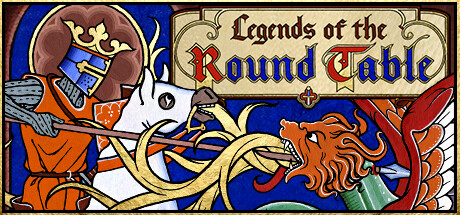
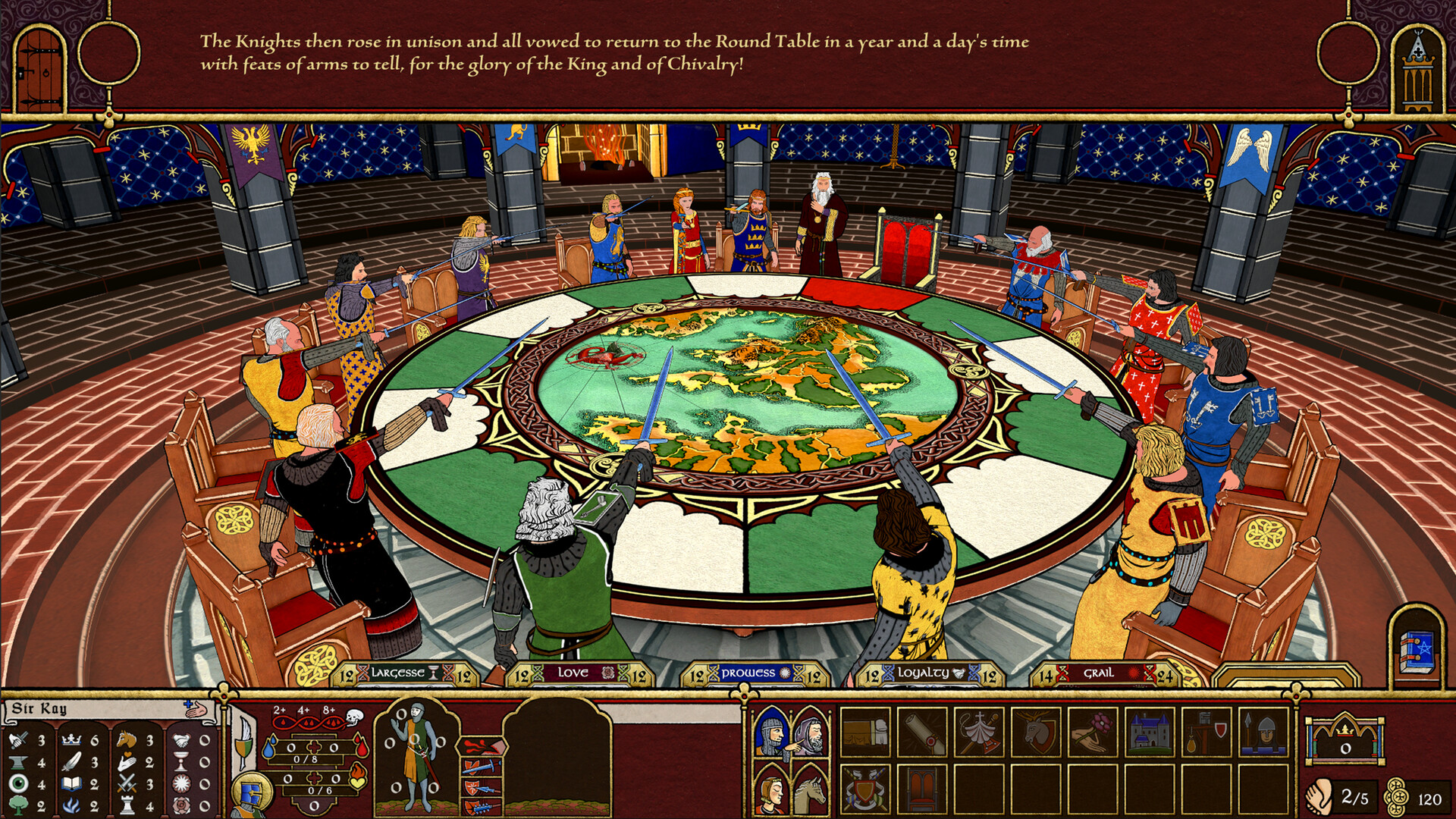
I didn't expect to find a game that both looks like a real illuminated manuscript and can make me care about honor, ransoms and a lance charge in the same session. Legends of the Round Table is a love letter to medieval storytelling: hand-drawn art inspired by 13th-century manuscripts, music performed on period instruments and quests pulled from real sources. It plays like a mash-up of tactical RPGs, card tactics and narrative adventure, which is unusual but refreshing. If you like your games with atmosphere, consequence and a dash of scholarly passion, this might be the one you've been waiting for.
Knights on the Board
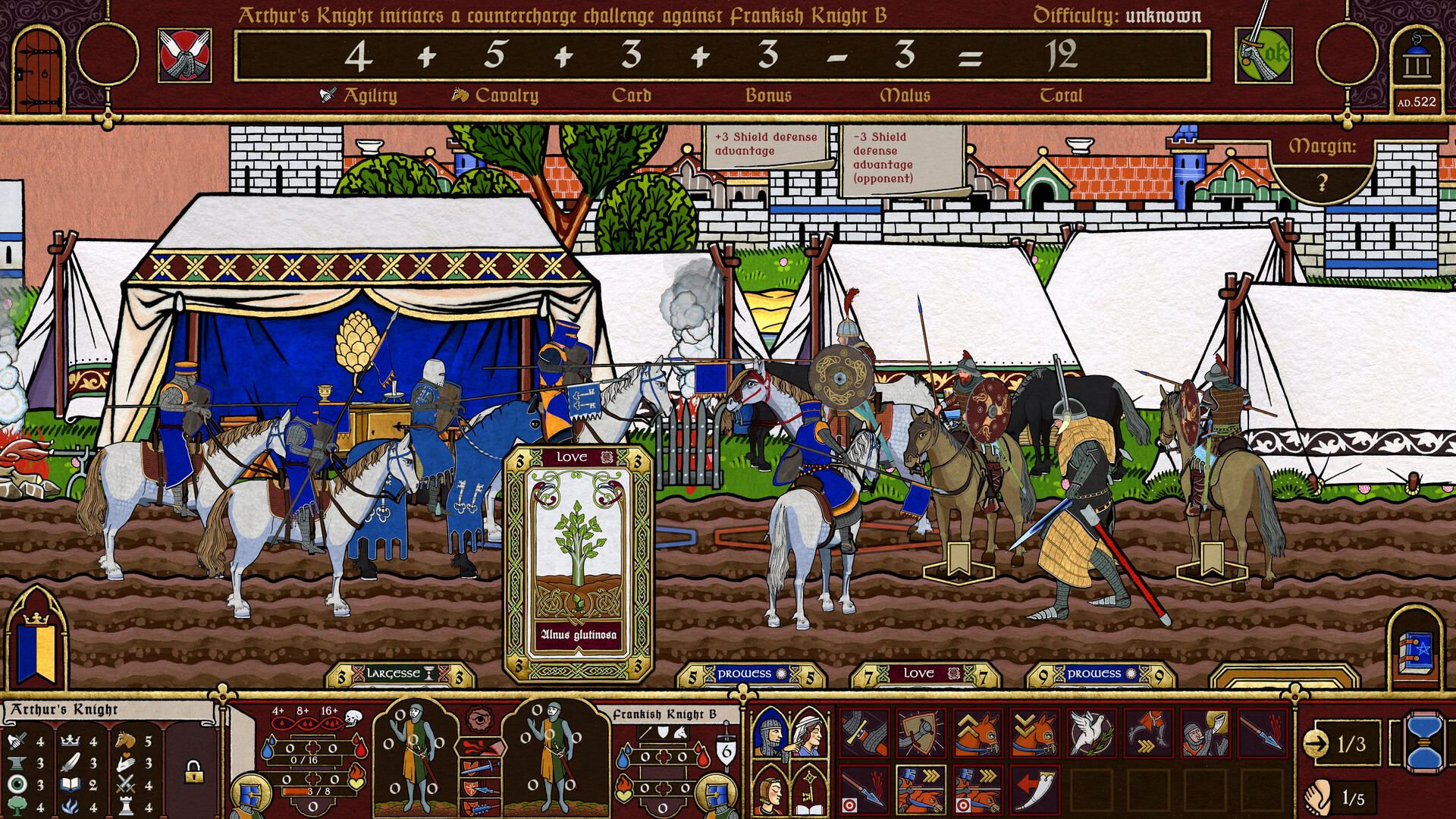
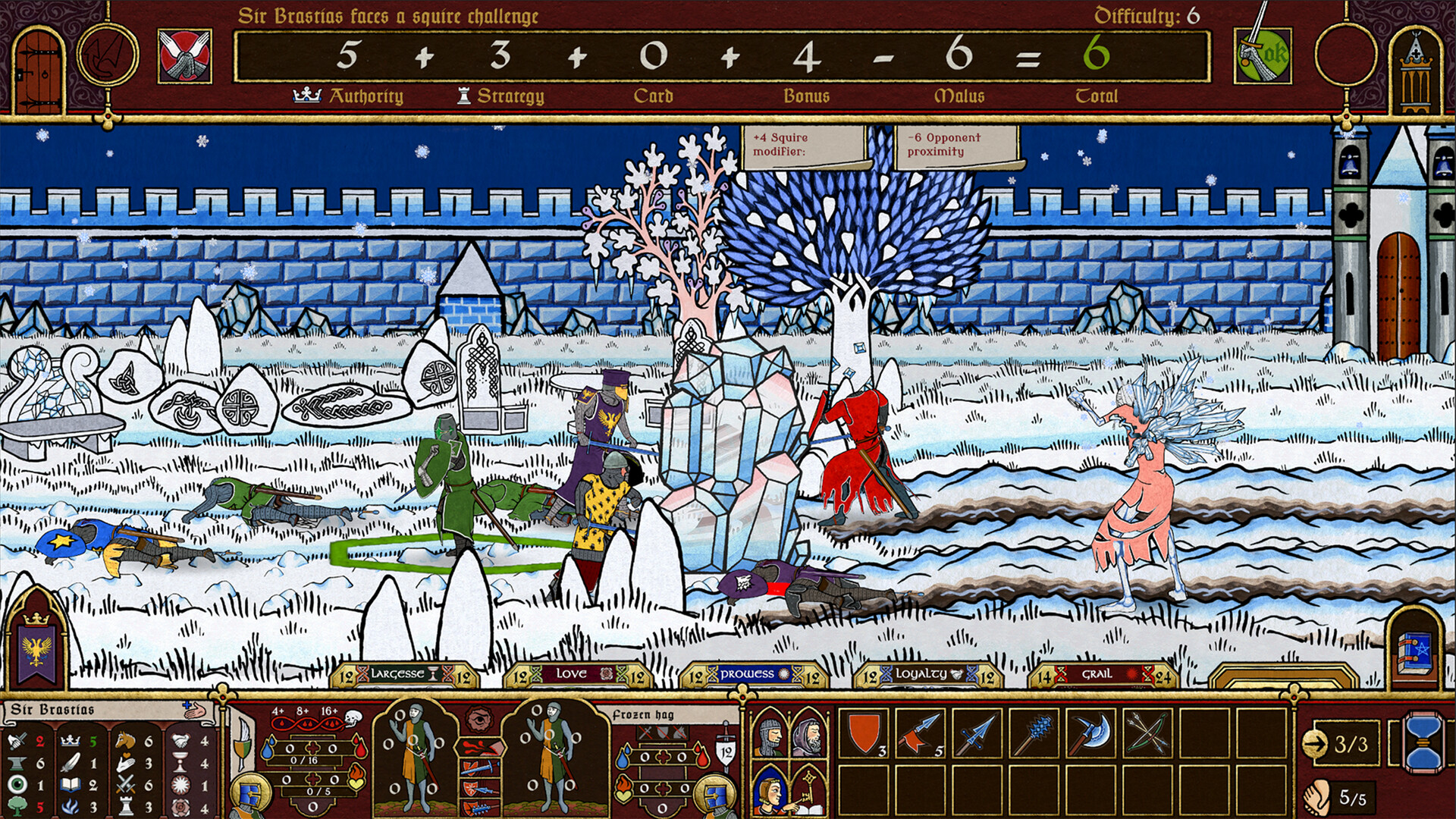
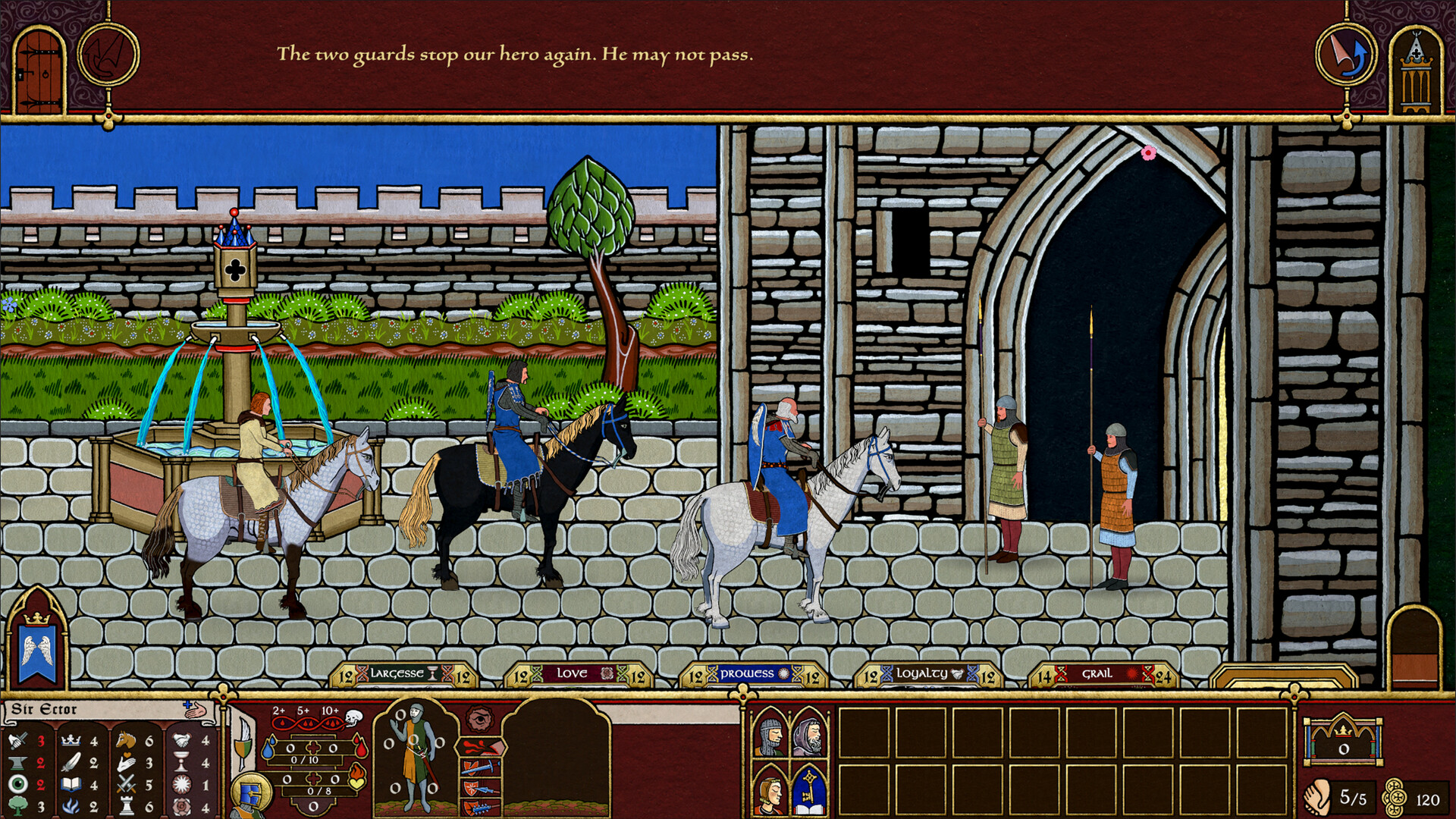
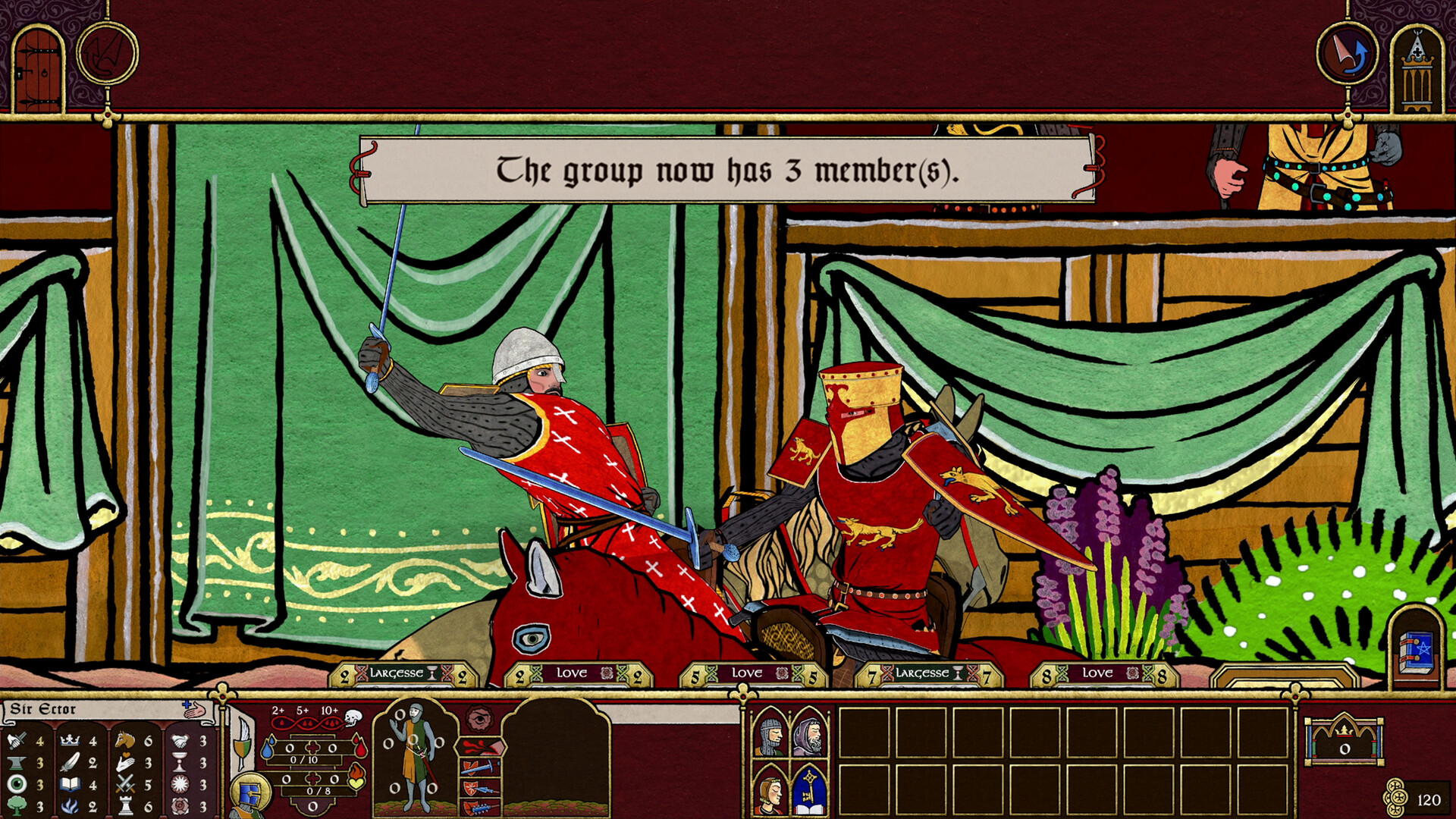
At its heart, Legends of the Round Table is about managing a band of knights, sending them on quests and handling the messy human details that come with it. You assign knights to missions, manage occupations and grudges, and watch them age, fall in love, become rivals or die permanently. Adventures play out as a sequence of scenes and tactical encounters: hex-based skirmishes, mounted lance charges, honorable duels and social challenges where a witty choice can be as decisive as a well-placed spear. Combat is turn-based but layered — you aren't only moving units, you're balancing stamina, passion and cards in hand. The card system functions like a tactical resource: cast a Grail card for a dramatic spell, spend a boon to shore up a wavering knight, or conserve your best plays for a decisive moment. I found that the everyday rhythm alternates between quiet management at the Round Table and tense, consequential fights where losses are permanent and meaningful.
Chivalry, Cards and Consequence
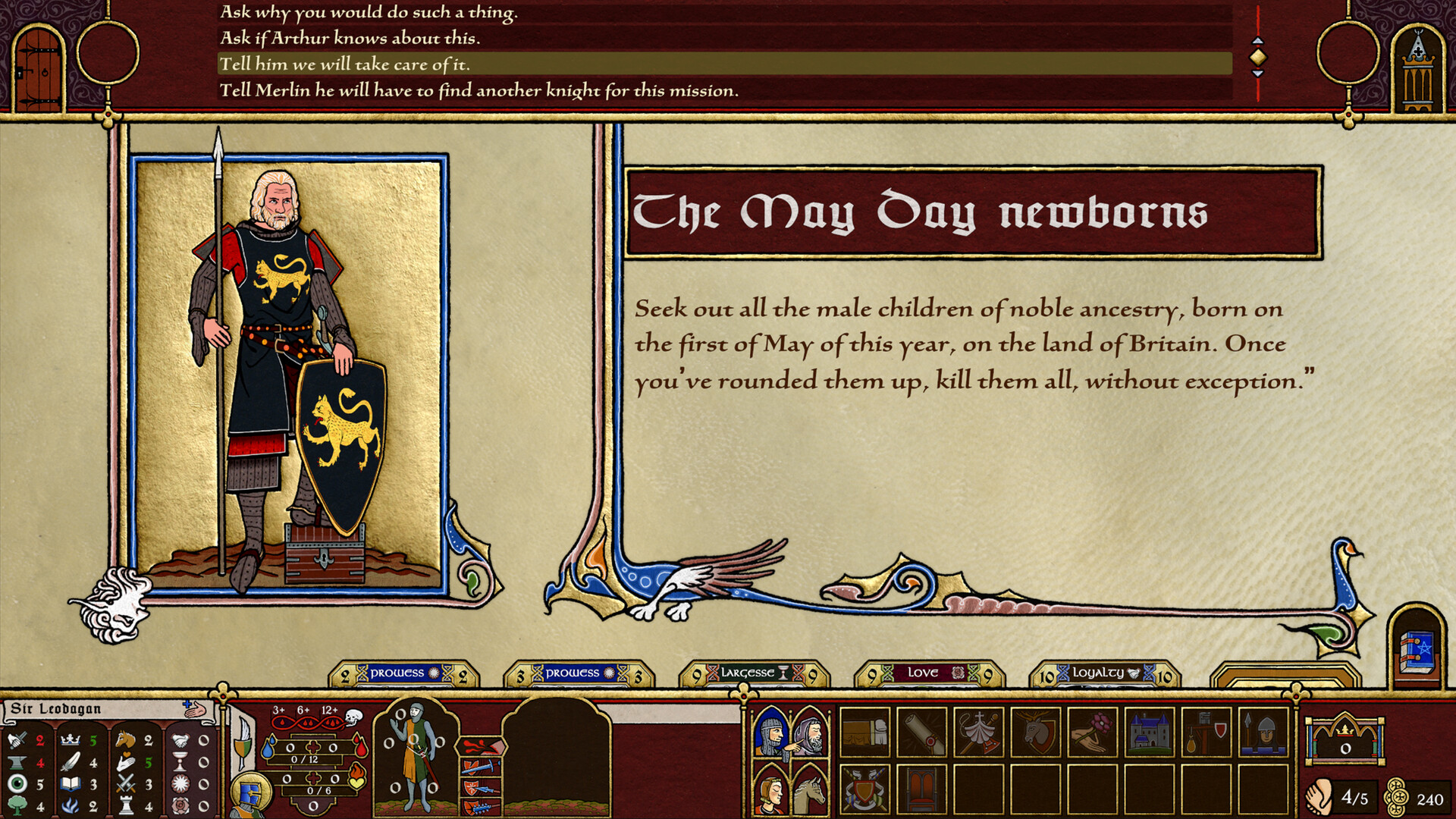
What sets this apart from run-of-the-mill tactical RPGs is how the systems speak to the theme of chivalry. Honor isn't a dry number: sparing an enemy, taking prisoners for ransom or indulging in a romance changes relationships and how future events unfold. The card mechanics add a small meta-game of hand management — there were moments when saving a single Grail card felt like hoarding a secret weapon, and it rewarded patience. The individual traits of knights are surprisingly deep: some despise being paired with certain companions, others excel at jousts but crumble in duels of wit. Party cohesion matters more than raw stats; I've had 'perfect' builds derail because two knights detested each other and refused to cooperate. It can feel like a living storybook where mechanical choices create narrative scars that stick.
Illuminated Sound and Performance
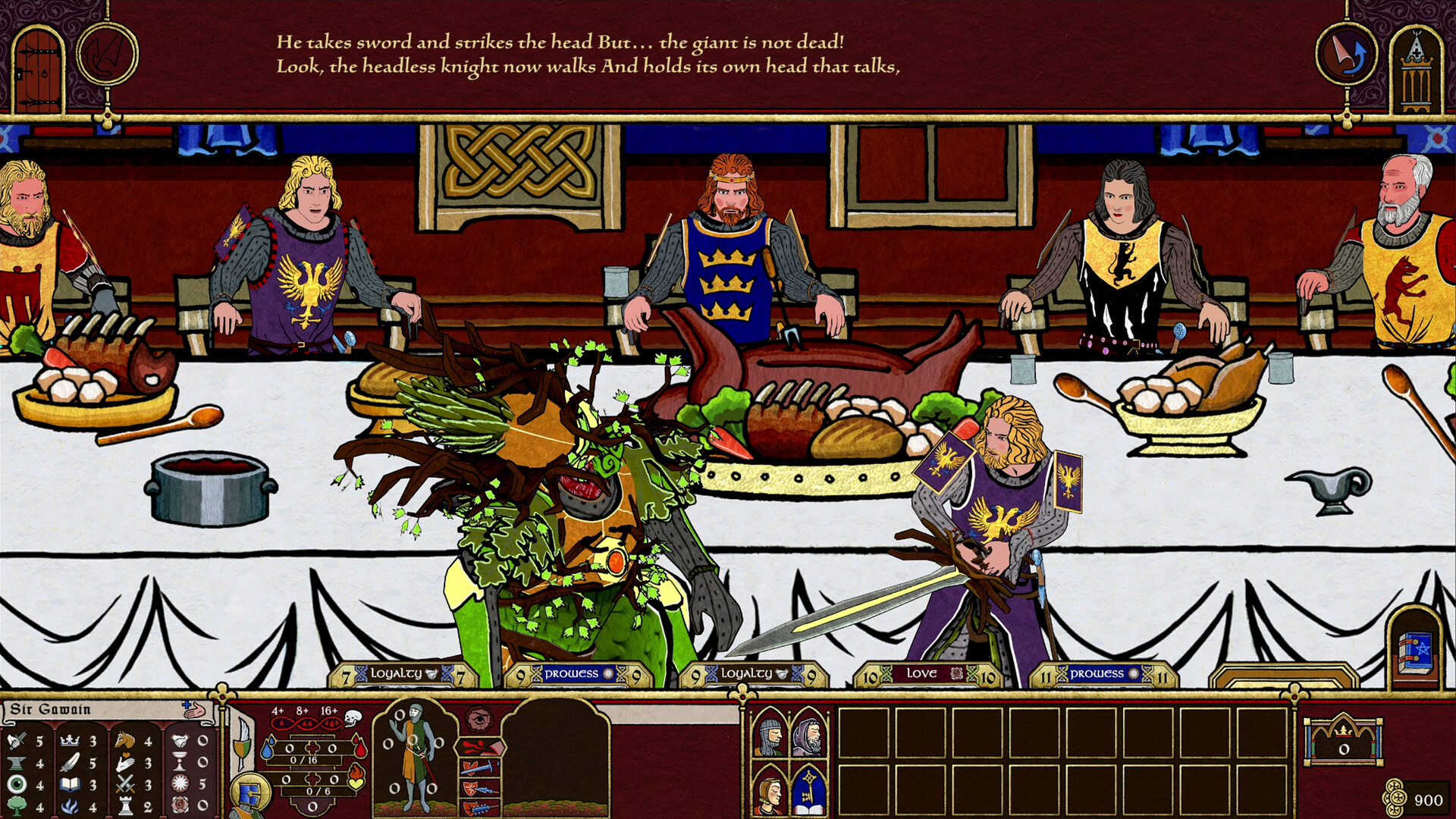
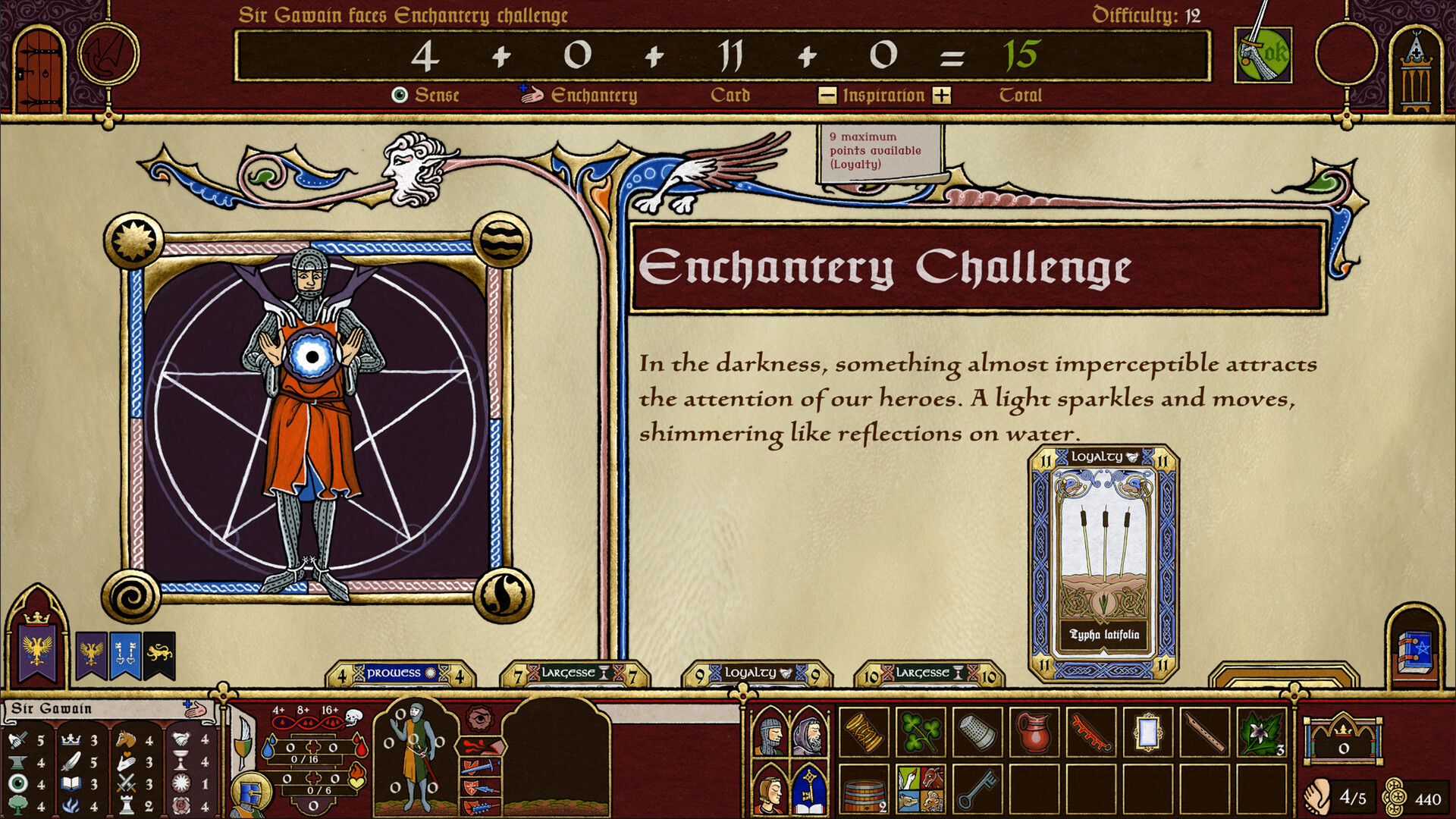
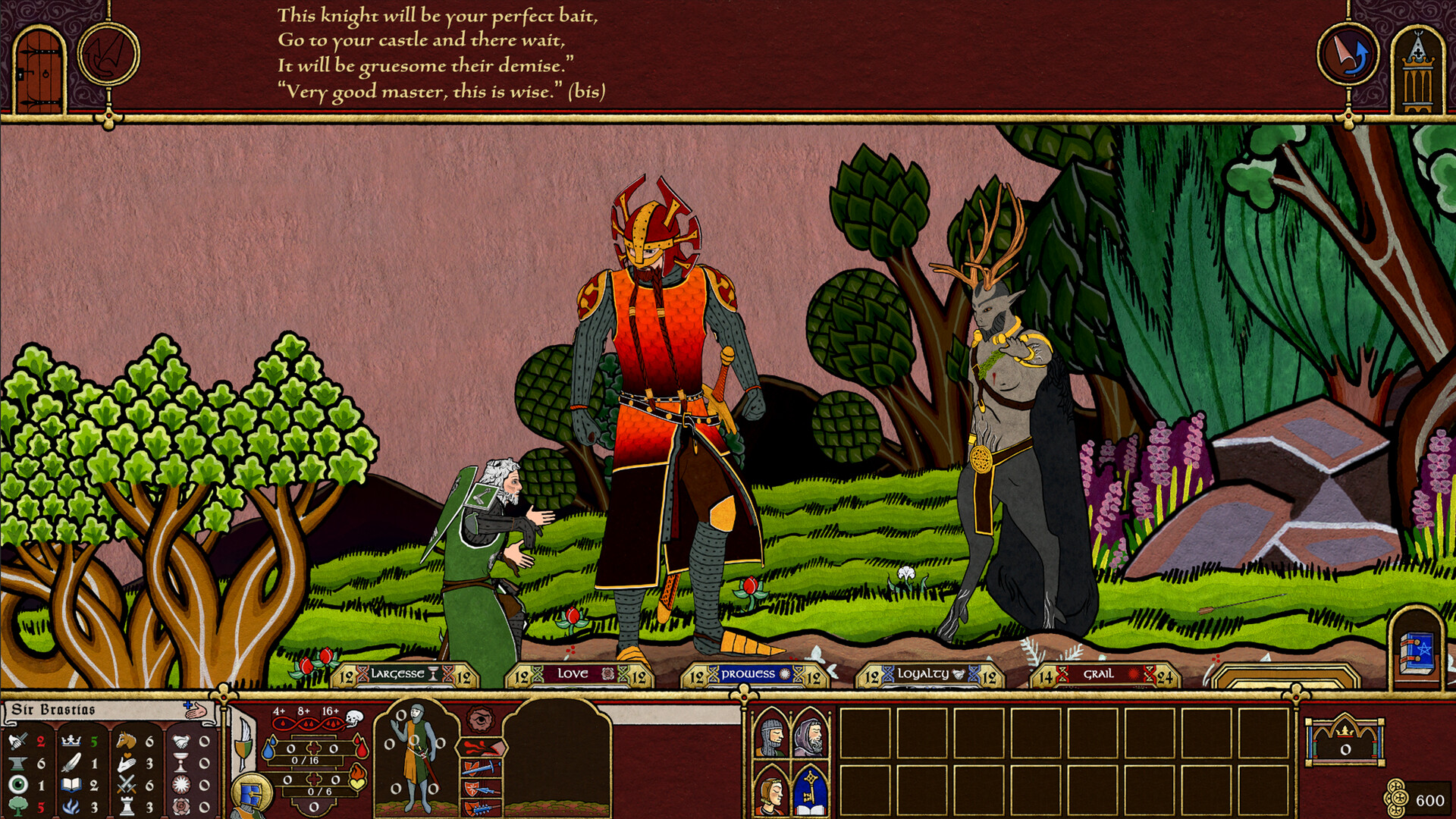
Presentation is the game's loudest selling point: the art truly looks like folios come to life, with colors, borders and figures painted in techniques that echo medieval ateliers. Music and voice—songs performed by real early-music artists—add a rare authenticity; hearing a lute and viol during a somber scene made me sit a beat longer. That said, the UI and some explanations can be clunky: the learning curve is real and tooltips don't always hold your hand. Performance on my PC was solid, and the developers have proven responsive to bugs, which matters when a game leans so heavily on niche systems. Overall, the technical package supports the vision even if a few rough edges remain in navigation and clarity.
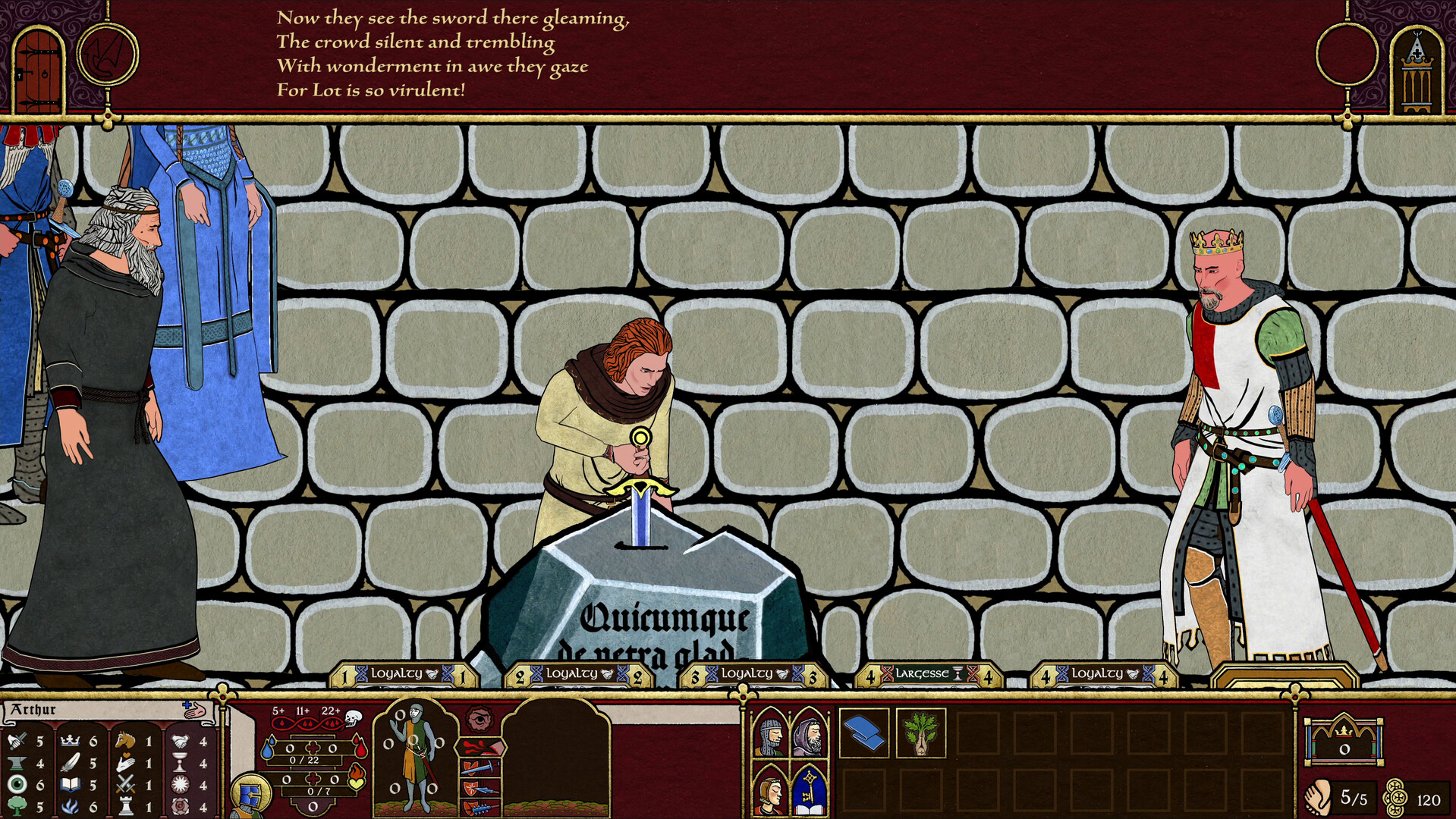
Legends of the Round Table is a rare indie that wears its scholarship proudly while still being a playable, often moving game. It's not for everyone — expect a learning curve, some UI roughness and a combat system that punishes mistakes — but the payoff is huge: memorable characters, gorgeous hand-drawn visuals and a tone that actually feels medieval. Play the demo; if the aesthetic and premise grab you, this is a fulfilling journey into Arthuriana.
Pros
- Immaculate illuminated-manuscript art and authentic early-music soundtrack
- Meaningful choices with a strong sense of consequence and narrative weight
- Deep party and trait systems that create emergent stories
- Responsive developers and a demo that genuinely helps decide if it's for you
Cons
- Combat and UI can feel clunky and underexplained at times
- Permanent losses are powerful but can be punishing for some players
- Quest logs and quality-of-life guidance could use improvement
Player Opinion
Players are overwhelmingly praising the game's art, music and faithful treatment of Arthurian material — many reviewers call it a dream come true for fans of medieval legend. The demo convinced a lot of people: multiple users report replaying it and then buying the full game because the atmosphere and writing hooked them. At the same time, criticism is consistent around the combat's feel and the UI: several players find the turn-based system clunky or underexplained, and a few mention frustrating death spirals for individual knights. Others counter that the combat's depth simply requires learning and that the card mechanics reward careful play. Dev responsiveness is frequently lauded — folks who reported bugs say the team responded quickly and fixed issues in an active dev build. If you enjoy narrative-heavy strategy with a learning curve and care about fidelity to source materials, many players say you'll likely enjoy this; if you prefer cinematic, action-first combat, you might struggle.