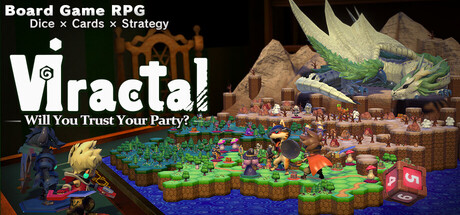





Viractal: Will You Trust Your Party? Review – Dice, Decks and Delicious Betrayals
A cozy yet cunning board-game RPG that blends deckbuilding, dice movement and co-op mischief; charming visuals and deep combos, but watch out for multiplayer sync bumps.
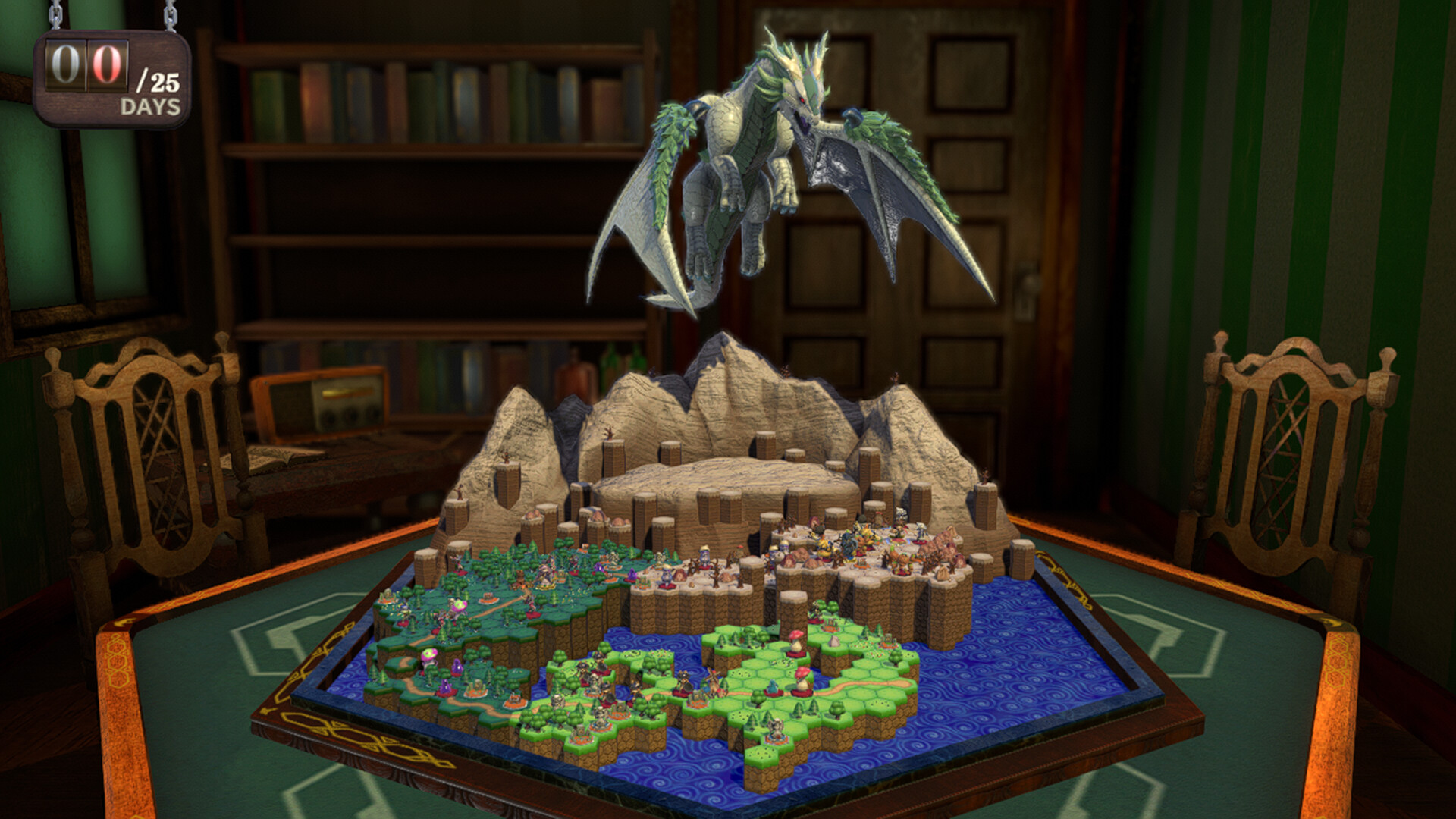
I jumped into Viractal expecting a cozy little card-and-board mashup — what I found was a surprisingly deep tabletop RPG that equally rewards planning and chaos. Imagine Slay the Spire shoved into a miniature board game with a sprinkle of Dokapon/For the King style unpredictability, a pinch of JRPG charm and a healthy dose of cooperative backstabbing. The hook is simple: roll the dice, spend leftover movement as DP, then unleash or build your deck to survive the miniature world of Viractalia. It’s approachable, but once you start chaining cards with your friends you'll realize there's a lot more under the hood than the cute screenshots imply.
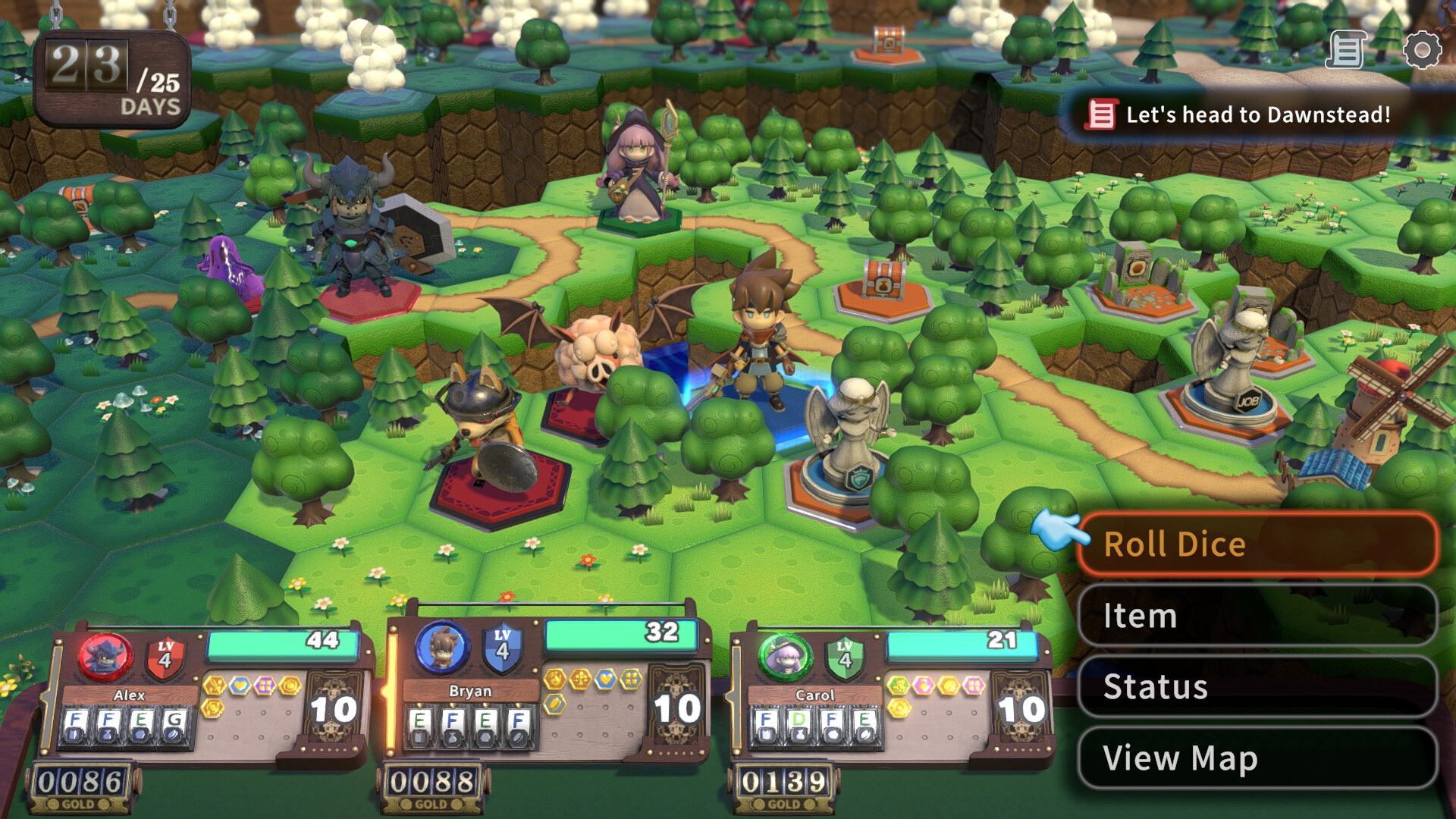
Rolling Into Viractalia
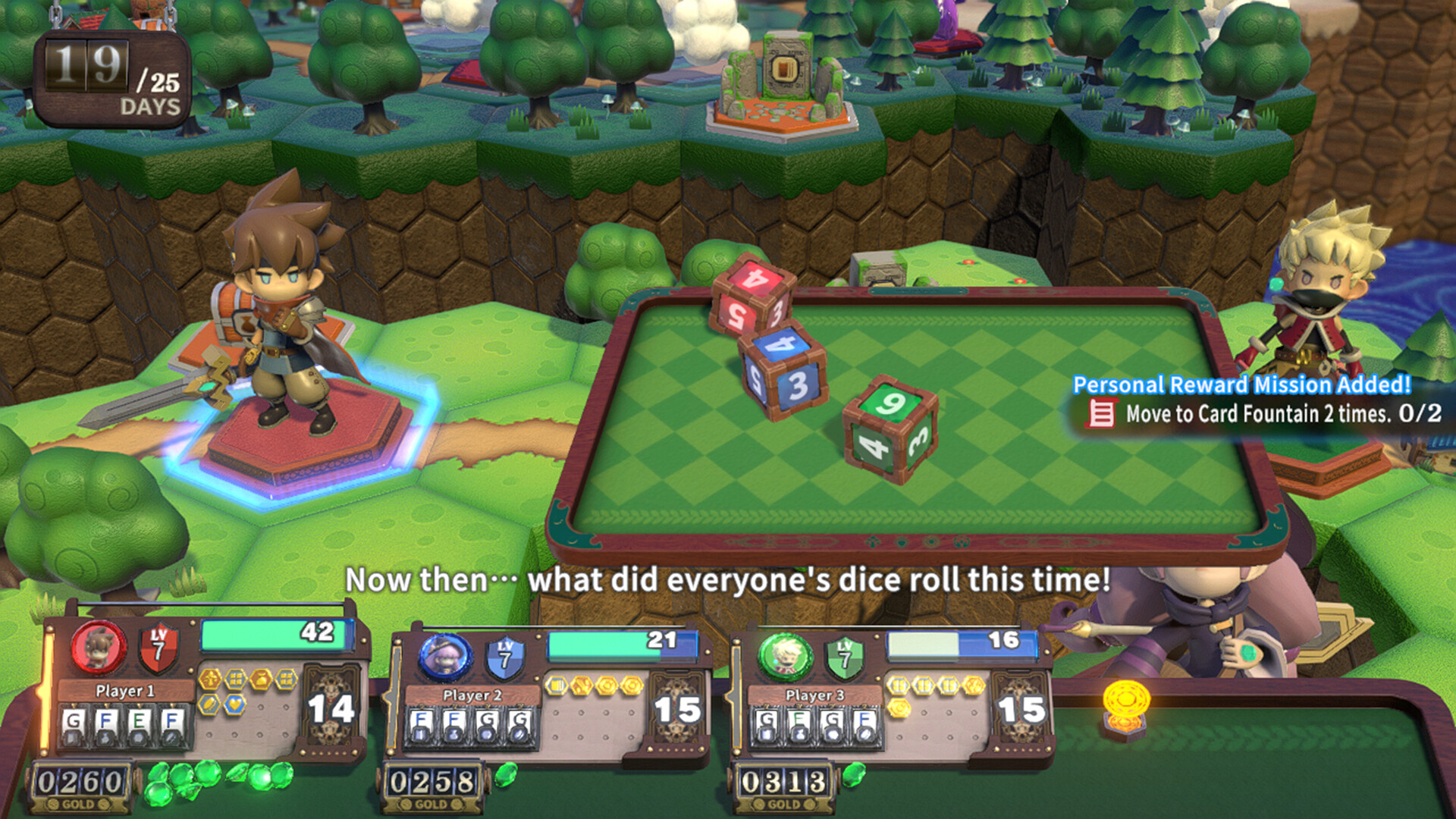
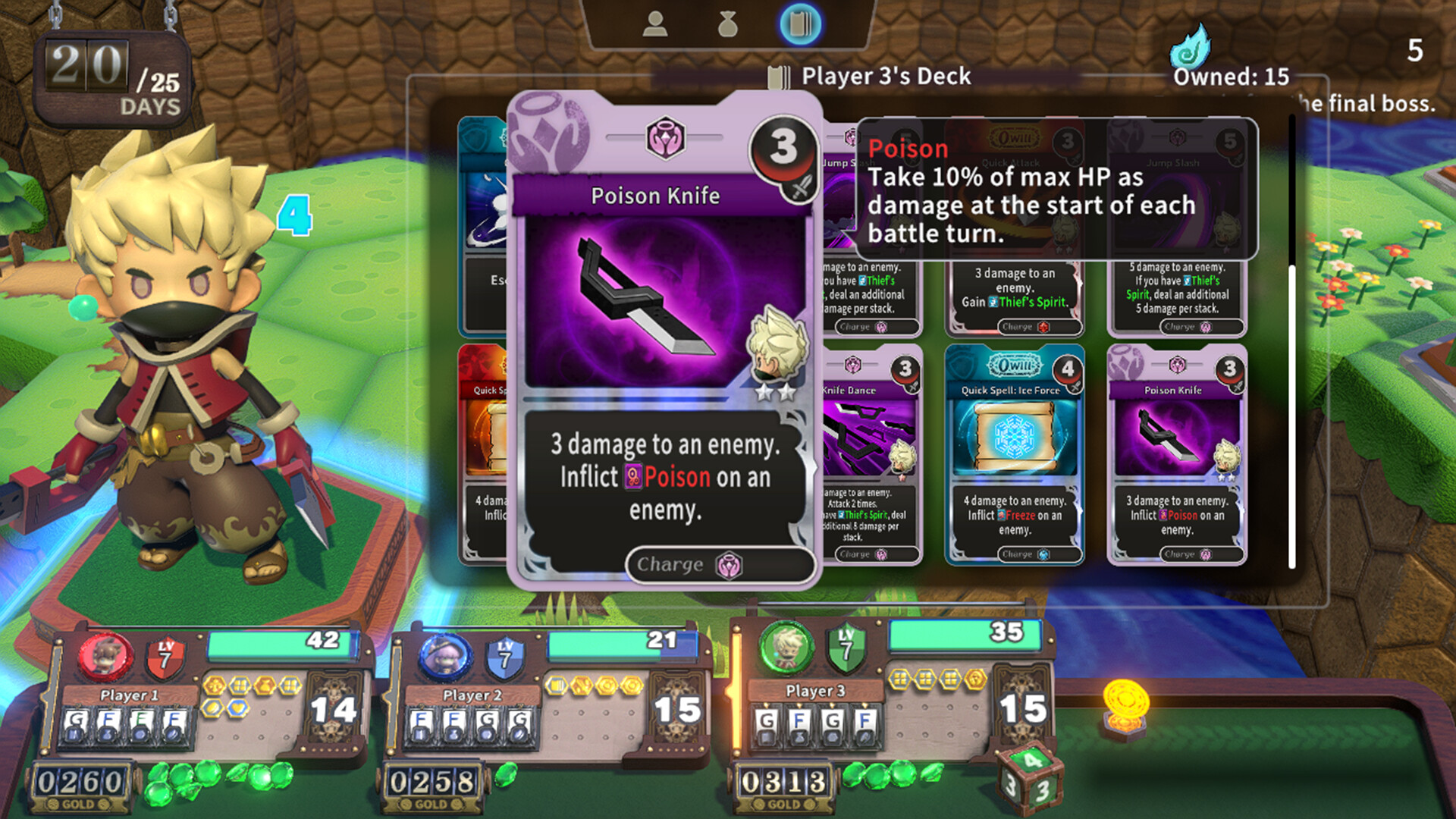
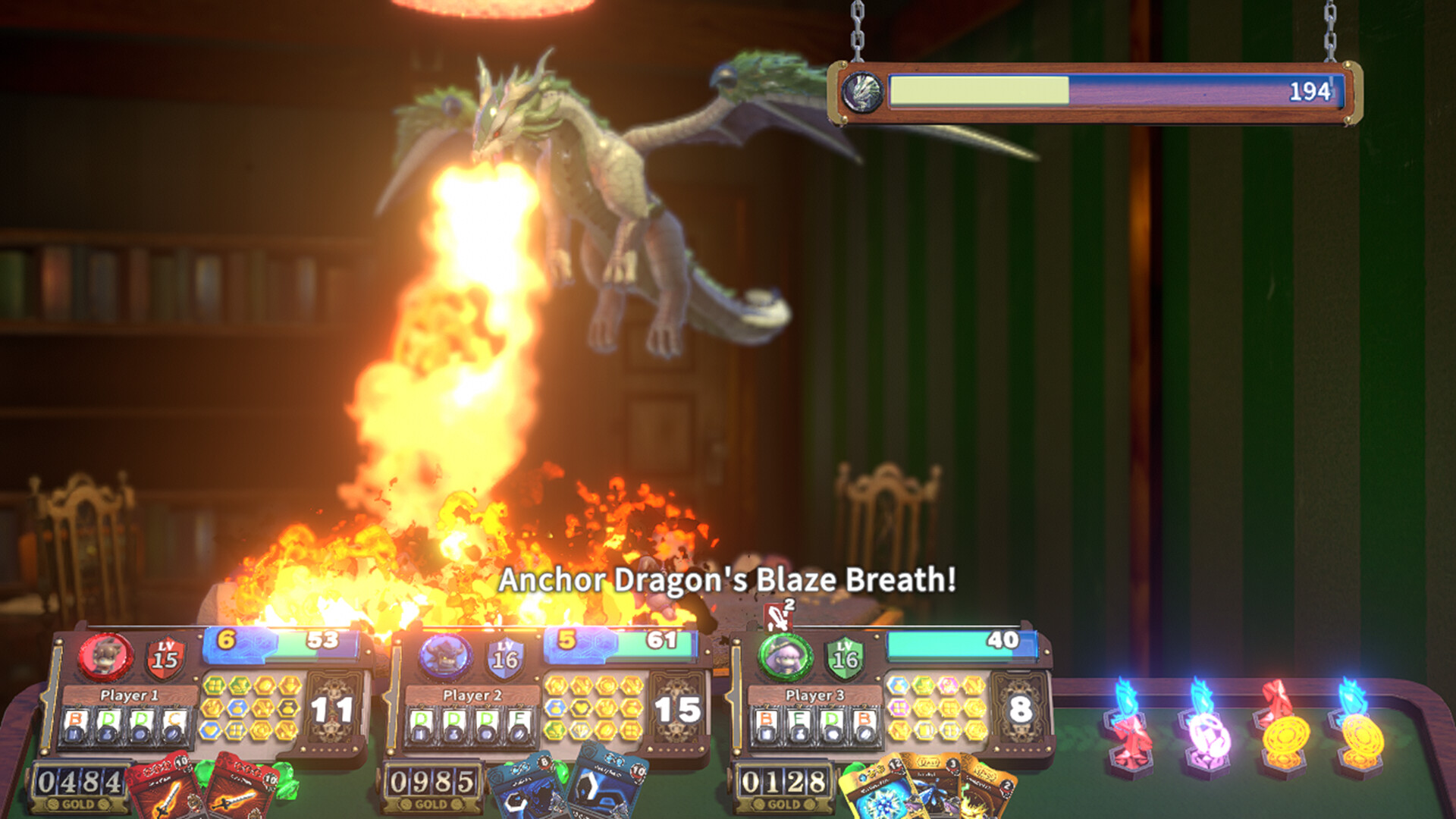
Movement in Viractal feels like a gamble you can learn to love: you roll a die to move across a miniature, procedurally generated board and every unused movement point converts into DP, a resource that turns bad luck into tactical currency. Gameplay loops alternate between exploration, card-drawing and turn-based battles—most turns you’re choosing where to spend DP, whether to trigger events, power up a teammate, or squeeze one extra tile of movement. Combat lives in card interactions: your class grants starter cards, but the real fun is discovering synergies as you collect, upgrade or purge cards mid-run. Classes have clear identities—there’s a hero that funnels buffs, a thief that chains hits, a mage who lights the map on fire—and builds can radically change how a party approaches encounters. A typical session is crunchy yet forgiving: rounds can last a couple of hours, with meaningful choices every few minutes, so each run feels like a short campaign.
Card Combos and Party Politics
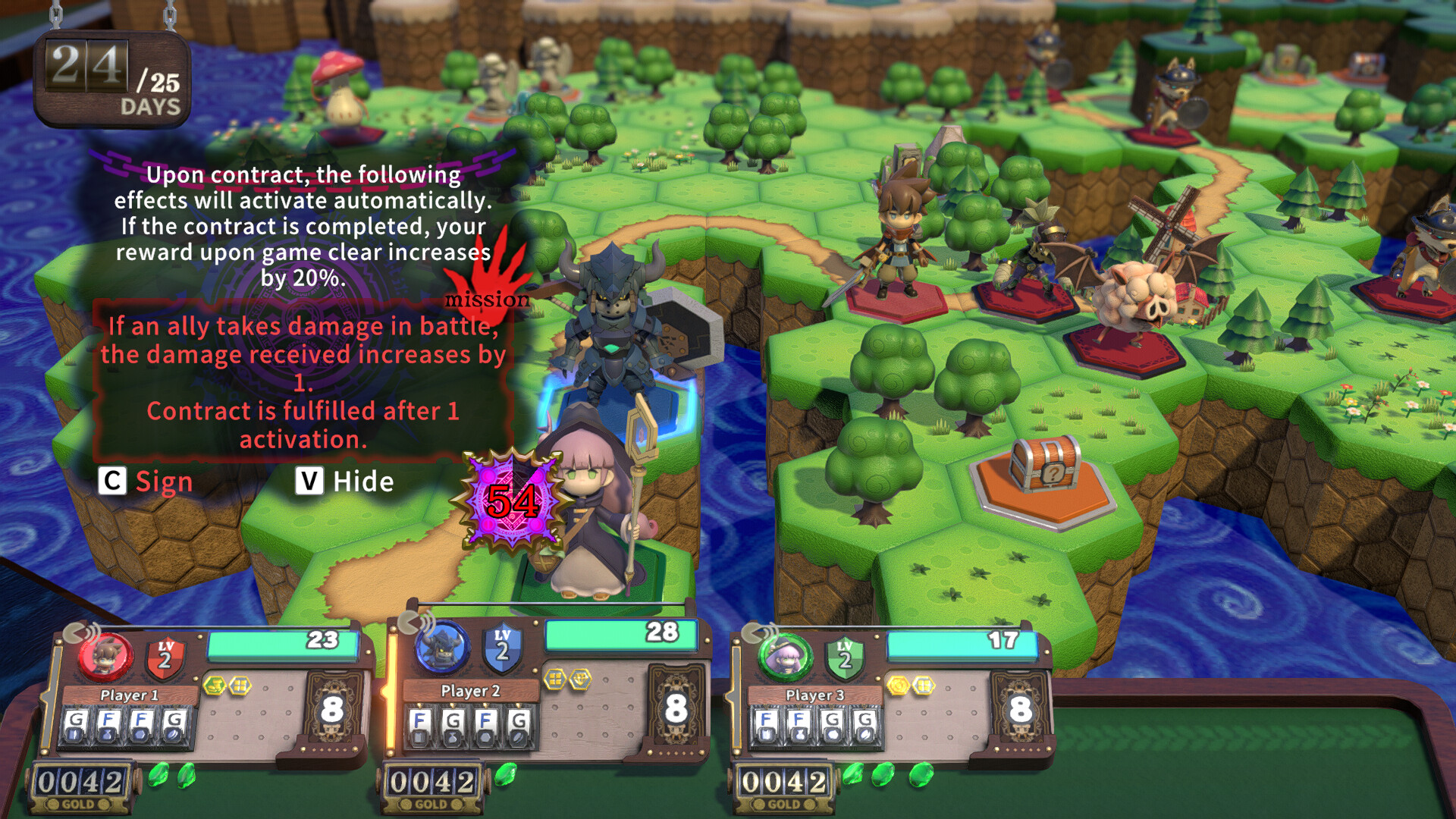
Where Viractal shines is in its social friction: cards are powerful on their own, but when combined across players you start to see emergent strategies that are genuinely delightful. The DP mechanic doubles as risk management and meta-resource—do you convert a huge roll into DP to trigger the best event, or dash forward hoping for a lucrative tile? Multiplayer adds another layer: coordination is rewarding, but the game also encourages playful betrayals and competitive grabs (yes, chest-stealing is a real mood). Procedural boards and event scripts keep replayability high; I’ve still found quests and items I hadn’t seen after dozens of hours. That said, several players report that the game currently feels best at three players and sometimes gets awkward at lower counts—balance might shift as the devs add content, so this is something to watch.
Looks, Sound and Technical Foibles
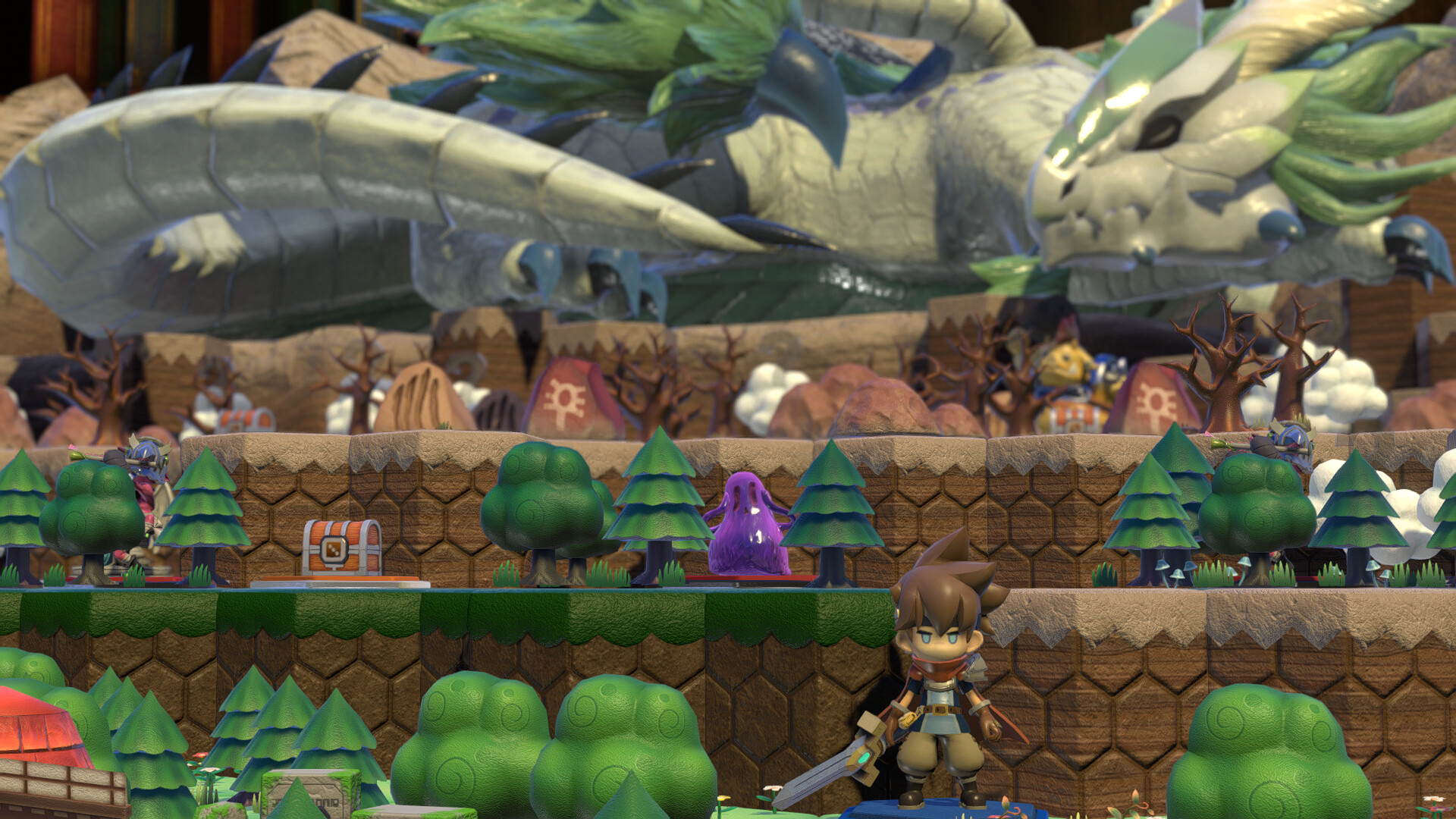
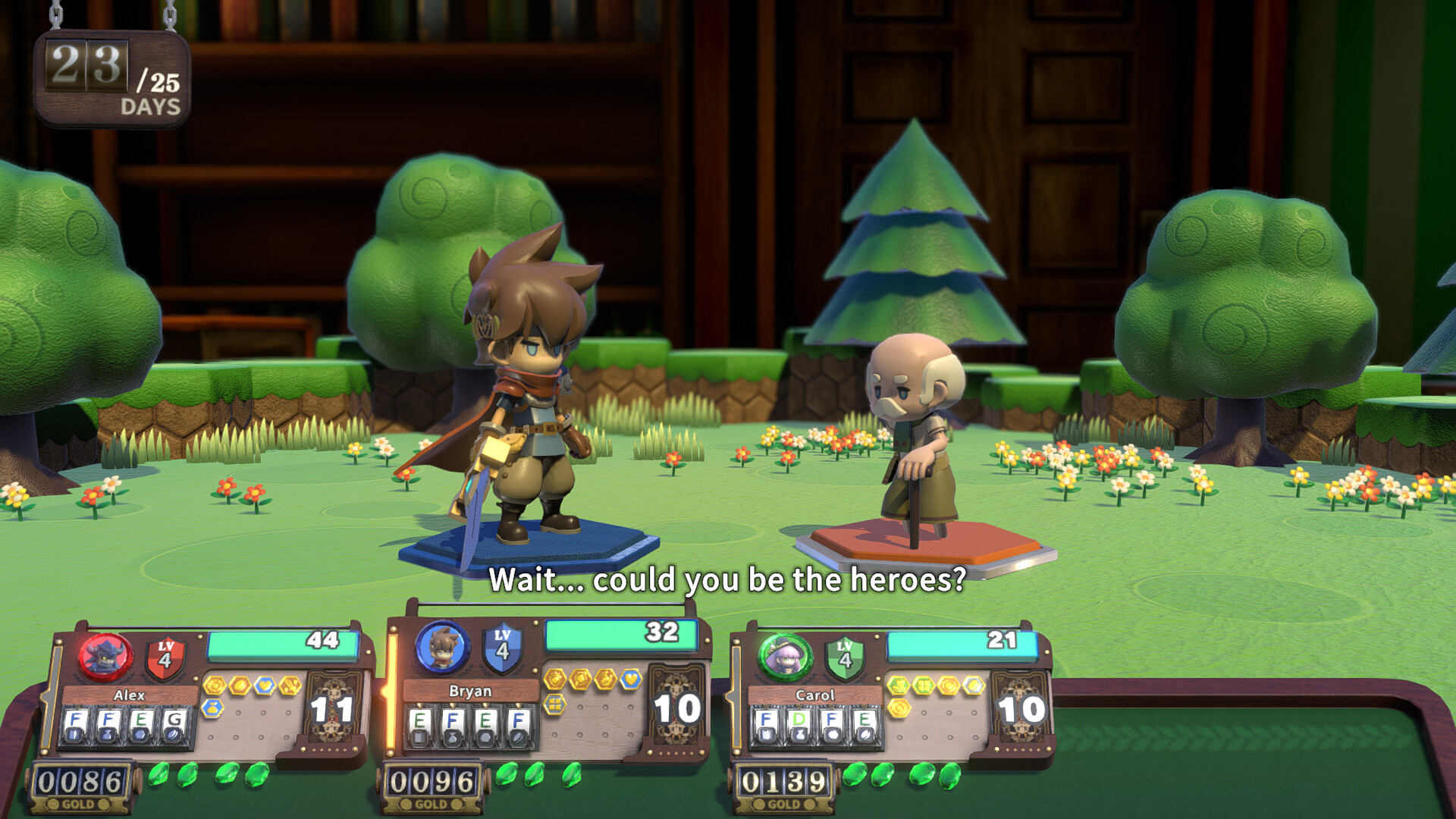
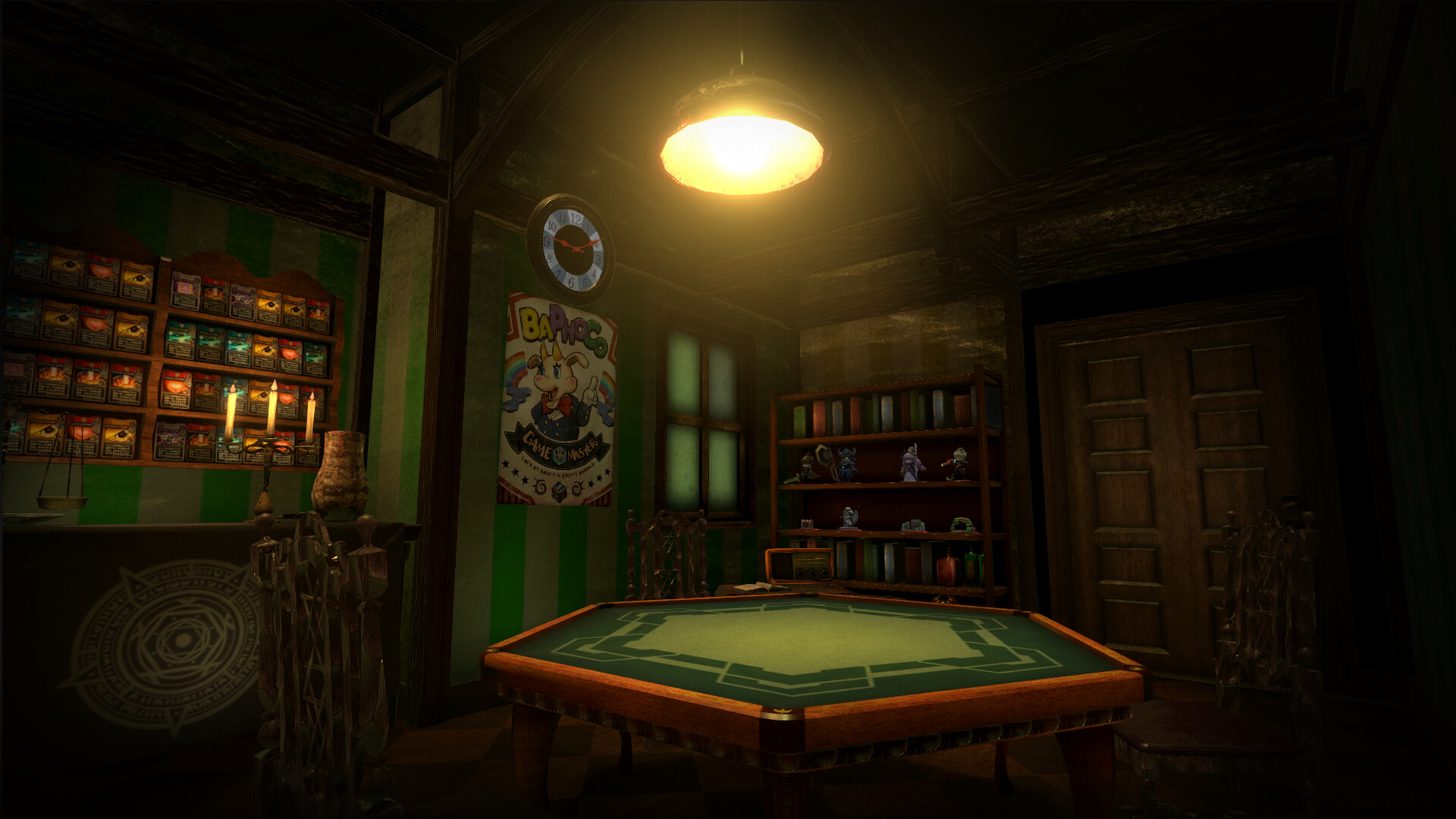
Viractal dresses its mechanics in a cute, slightly toy‑like art style that sells the board‑game fantasy; UI is clean and readable, and the sound design does a great job of making each card play feel satisfying. Performance on Windows has been solid in my sessions, but community reviews point to multiplayer synchronization issues that can be thorny—waiting for sync, sessions aborting, and occasional save confusion have been reported and are real frustrations during long runs. The devs (Sting) appear responsive and have been pushing patches and QoL updates, but if you plan long co-op nights I’d advise patience or a backup plan in case a session needs a forced quit. All in all, presentation and music charm you, while technical polish is improving but not flawless yet.
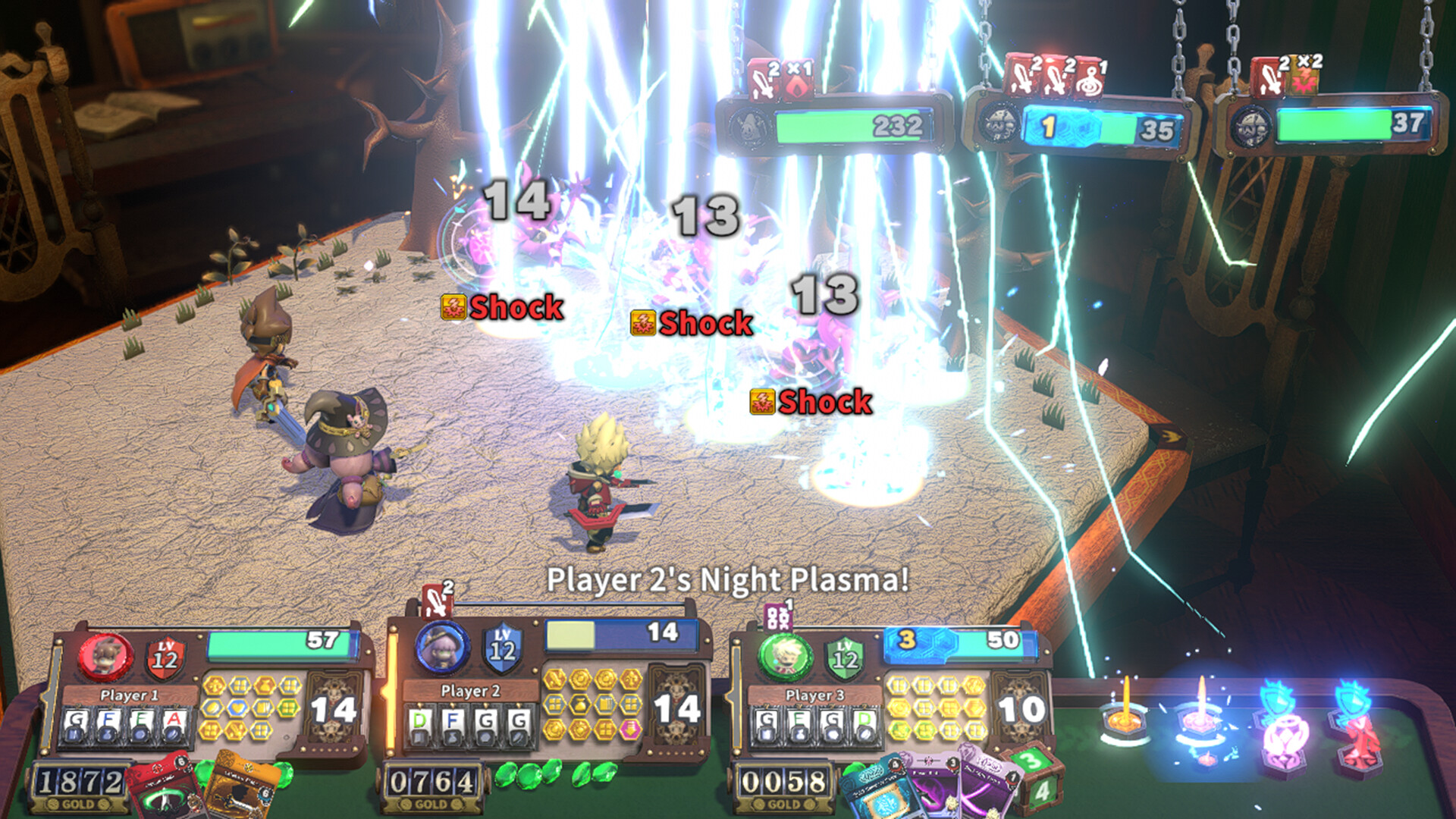
Viractal is a delightful fusion of board‑game tactics and deckbuilding that rewards cooperative planning and mischievous betrayals, wrapped in a very likable presentation. I’d recommend it to friends who enjoy Slay the Spire–style card strategy, digital tabletop fans and anyone after a social loop with bite, but beware of occasional multiplayer hiccups—save often and be ready for patches. It feels like a gem in active development: polished in places, rough in others, and with serious potential as updates add content and fix sync woes.
Pros
- Deep, approachable deckbuilding combined with board‑game exploration
- Excellent co‑op emergent gameplay and high replayability
- Charming visuals and clean UI that sell the tabletop vibe
- DP system smartly turns bad rolls into options
Cons
- Multiplayer sync/save bugs that can ruin long sessions
- Balance feels tuned for larger groups at present
- Some progression feels grindy for certain unlocks
Player Opinion
Players broadly praise Viractal’s core loop: the mix of dice-driven movement, DP resource play and satisfying card combos keeps runs feeling fresh, and many call it a perfect couch/online co‑op pick for 2–4 people. Replay value and the variety of classes and builds come up repeatedly, as do comparisons to Slay the Spire, Dokapon and For the King—fans of those games tend to love Viractal. On the flip side, a recurring criticism is multiplayer stability: reports of waiting for synchronization, sessions being lost after a forced quit, and awkward resume behavior show up in several reviews. Some find certain runs grindy to unlock characters or items, and a few players think the game favors three‑player parties for optimal balance. If you like deckbuilders with social chaos and short campaign‑length sessions, Viractal is likely your kind of game, but expect some rough edges in online play.