





Vampire Crawlers Review – Turboturning Deckbuilding Mayhem
Poncle and Nosebleed take the Vampire Survivors blueprint and turn it into a turn-based, card-driven roguelite. I spent dozens of hours building absurd combos and still found surprises — chaotic, clever and dangerously addictive.
Vampire Crawlers: The Turbo Wildcard from Vampire Survivors takes the familiar dopamine loop of the original and reframes it as a card-focused, turn-based BLOBBER. At first glance it feels like a mash-up of Vampire Survivors, Slay the Spire and Balatro, yet it manages to keep the silly, escalating carnage that made the franchise famous. What hooked me immediately was how quickly a normal-looking hand can snowball into a 20–30 card Turboturn that obliterates entire rooms. It’s a rare sequel/spin-off that preserves the old thrill while inventing new toys to break—the good kind of broken.
Turboturning: Building the Perfect Cataclysm
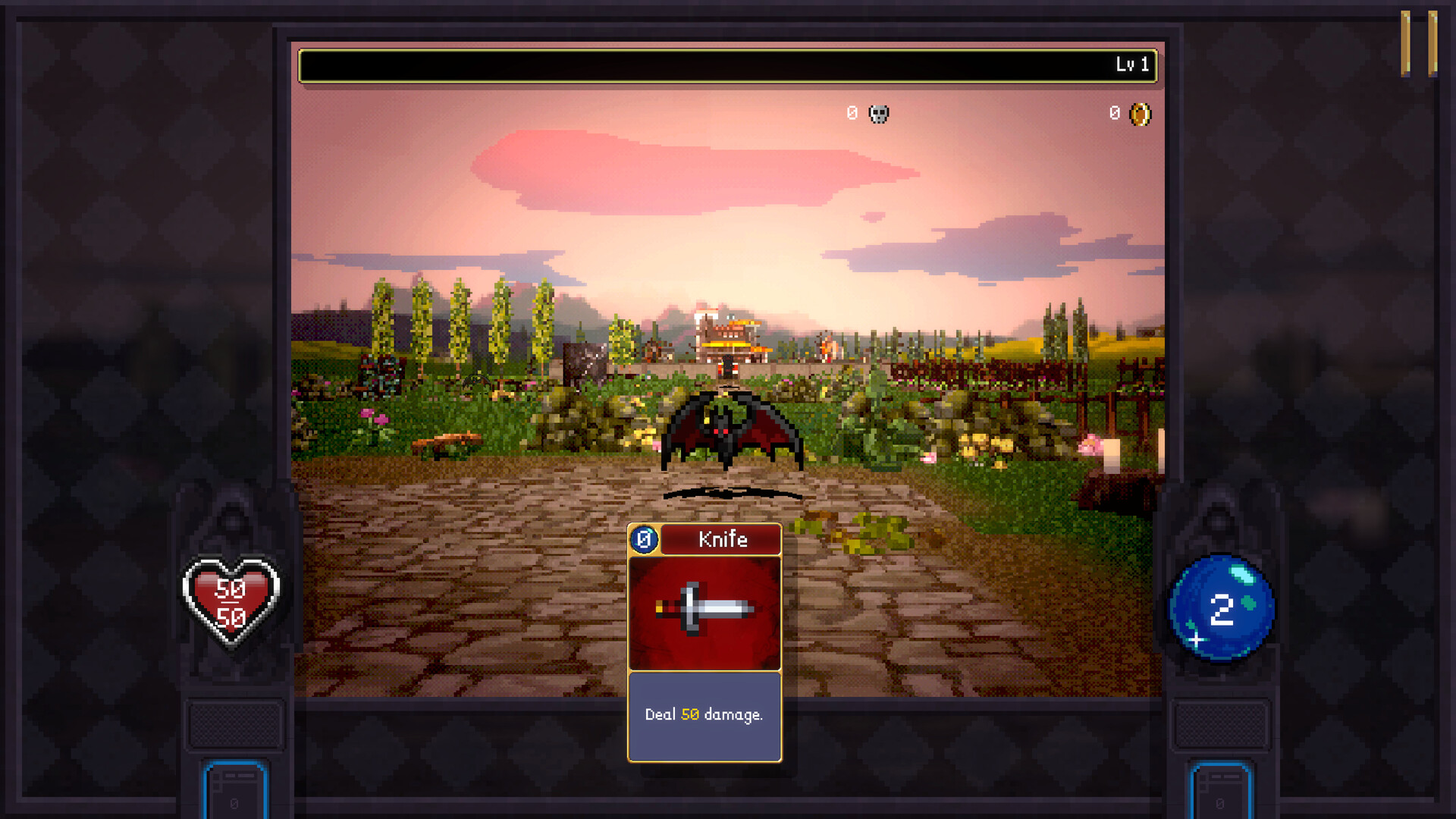
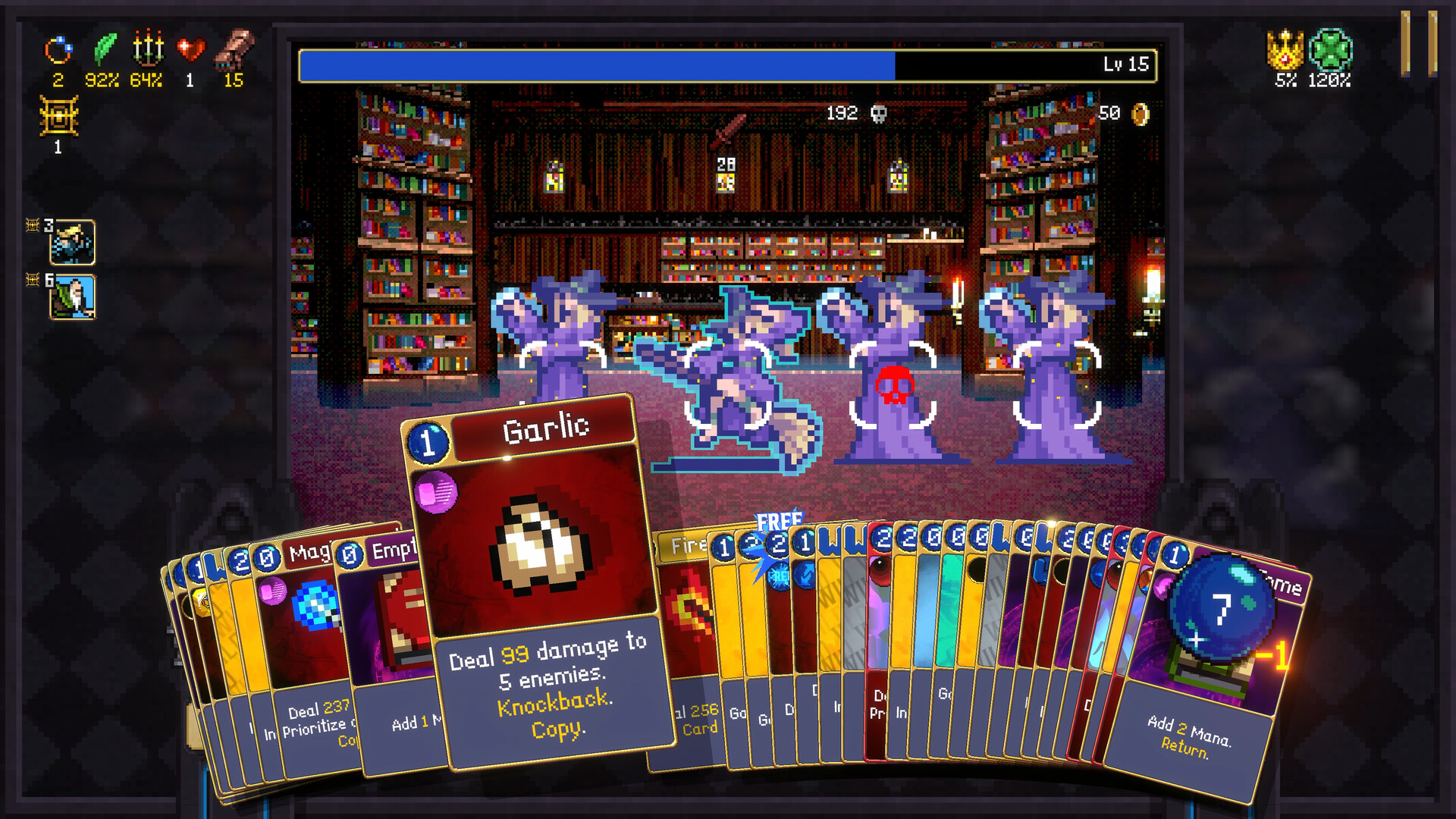
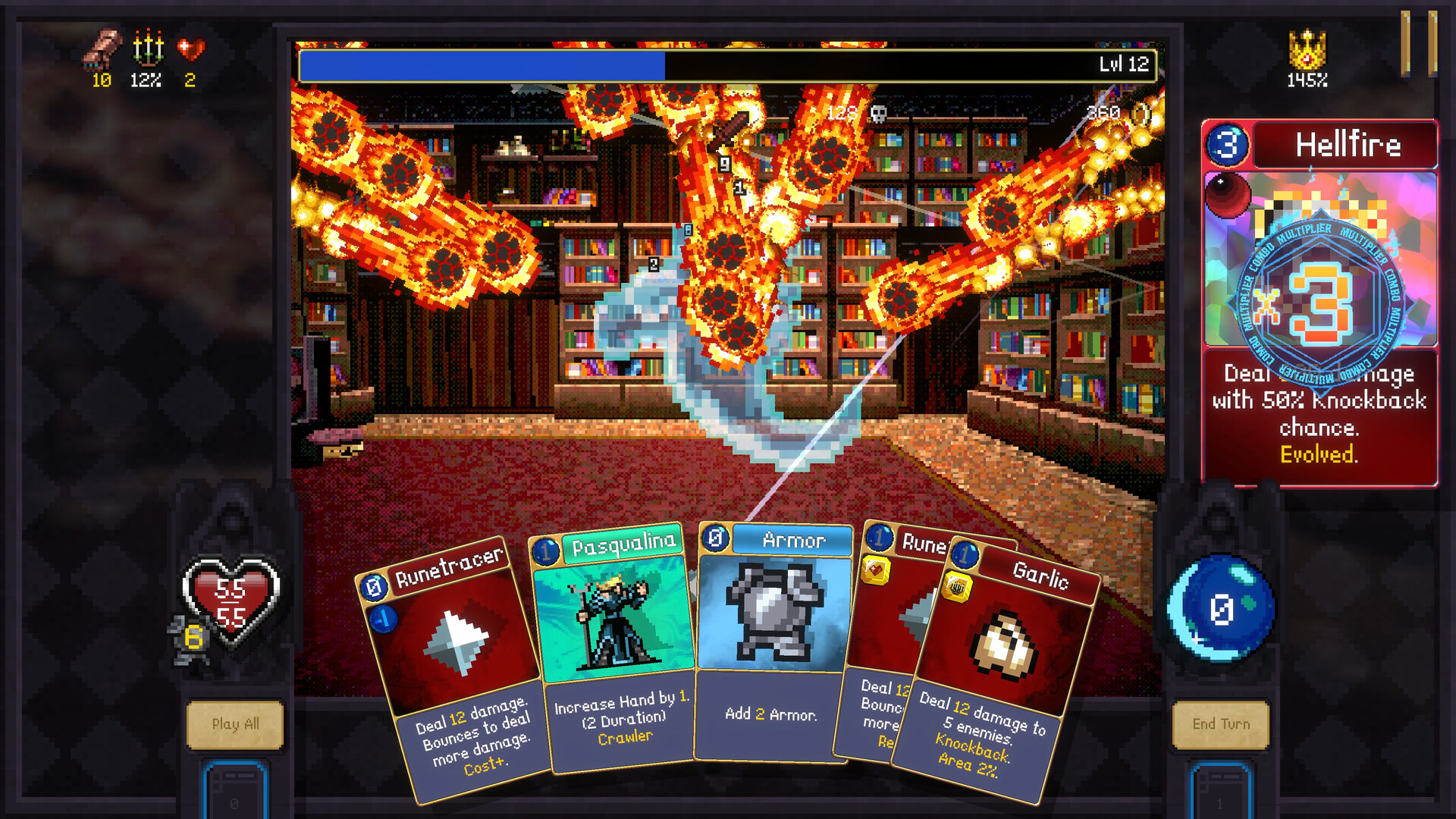
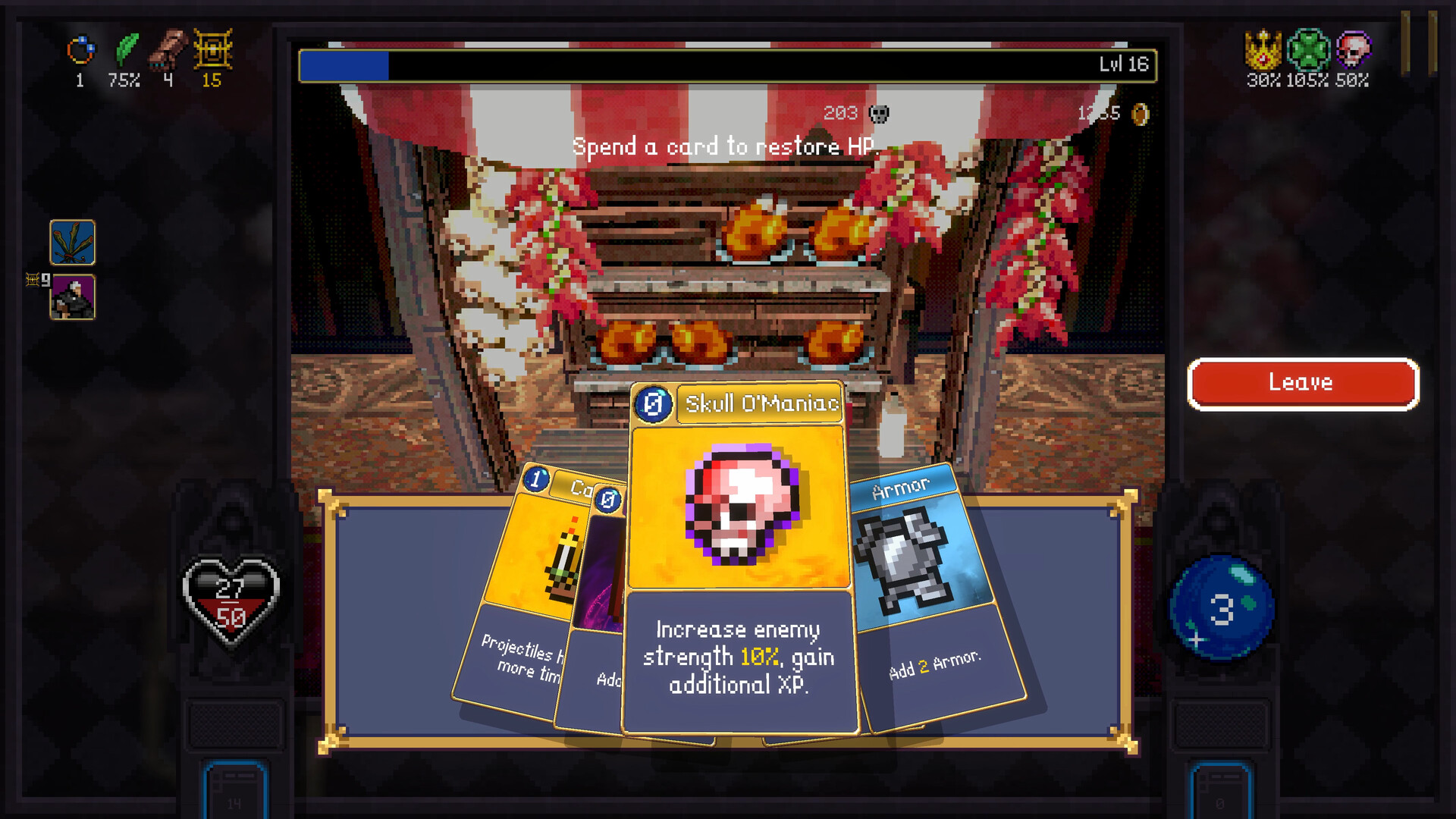
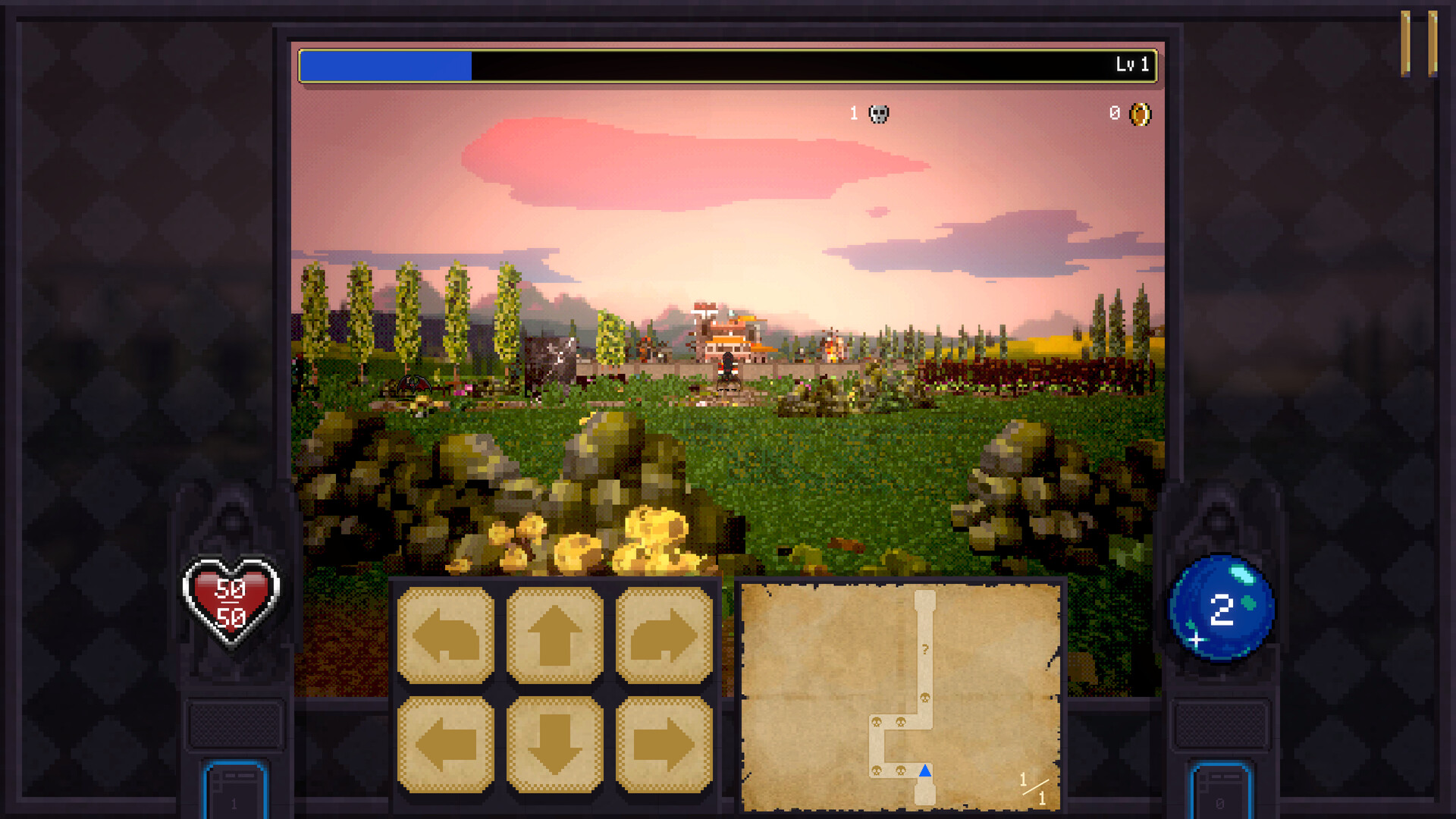
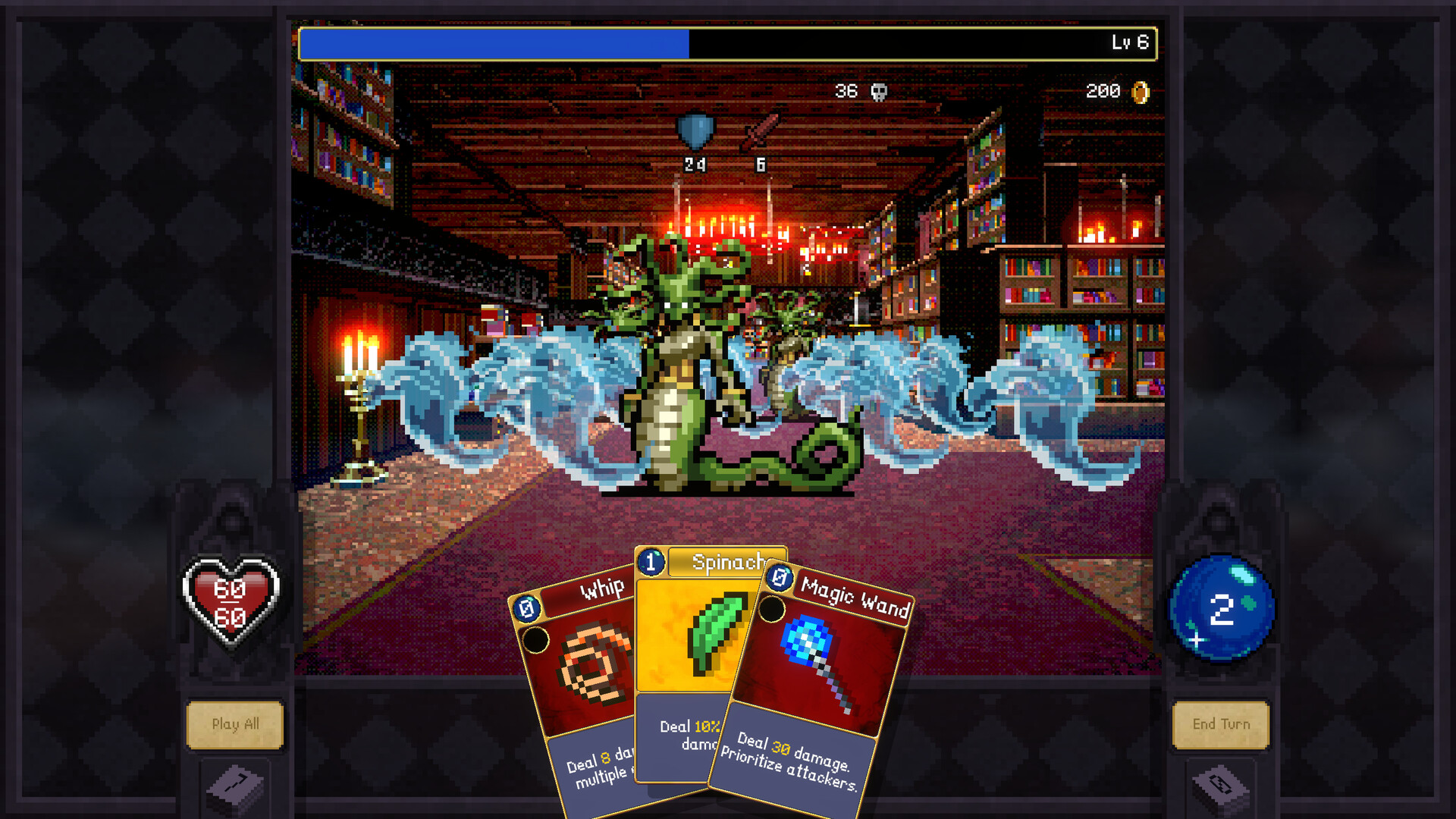
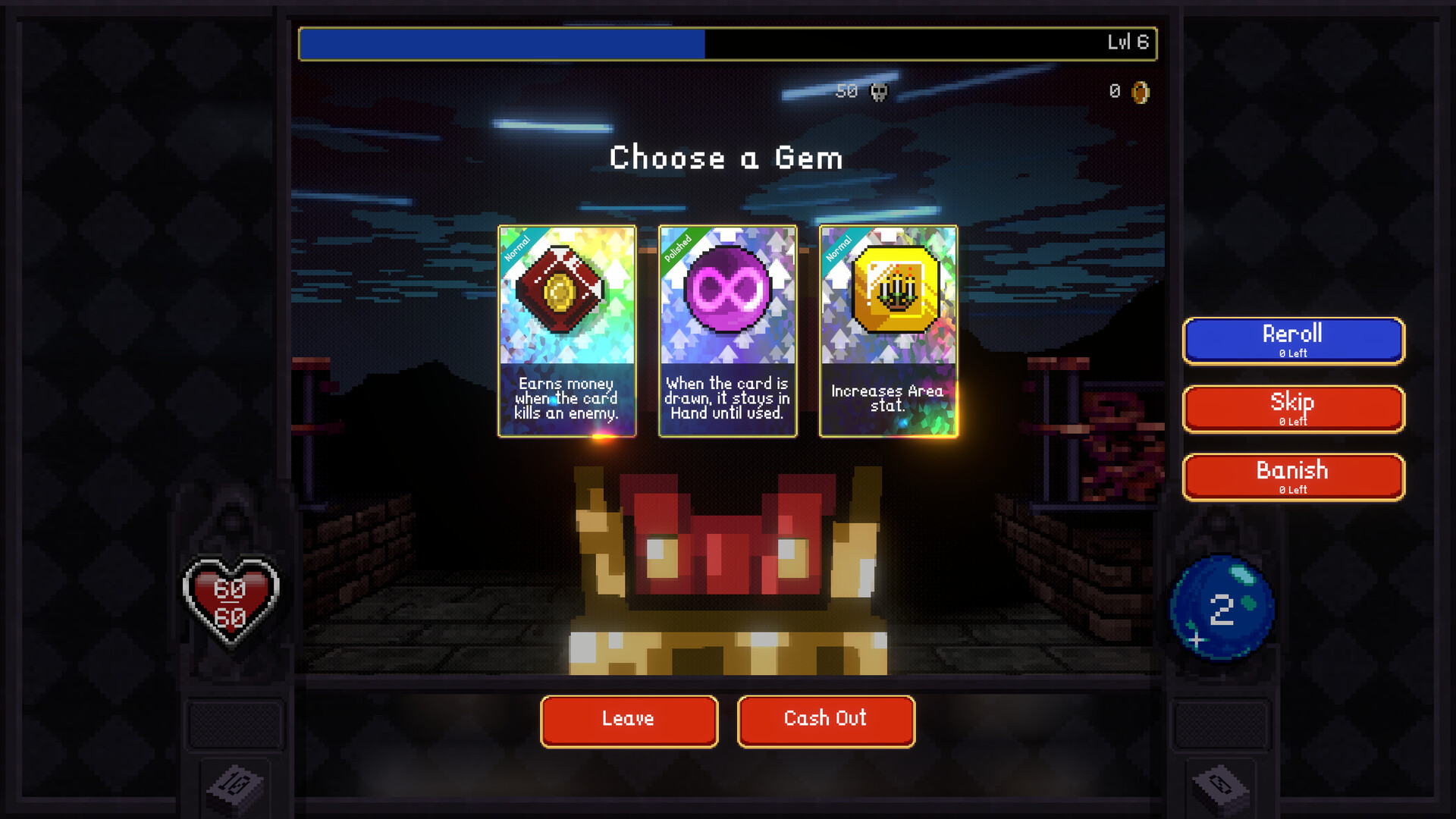
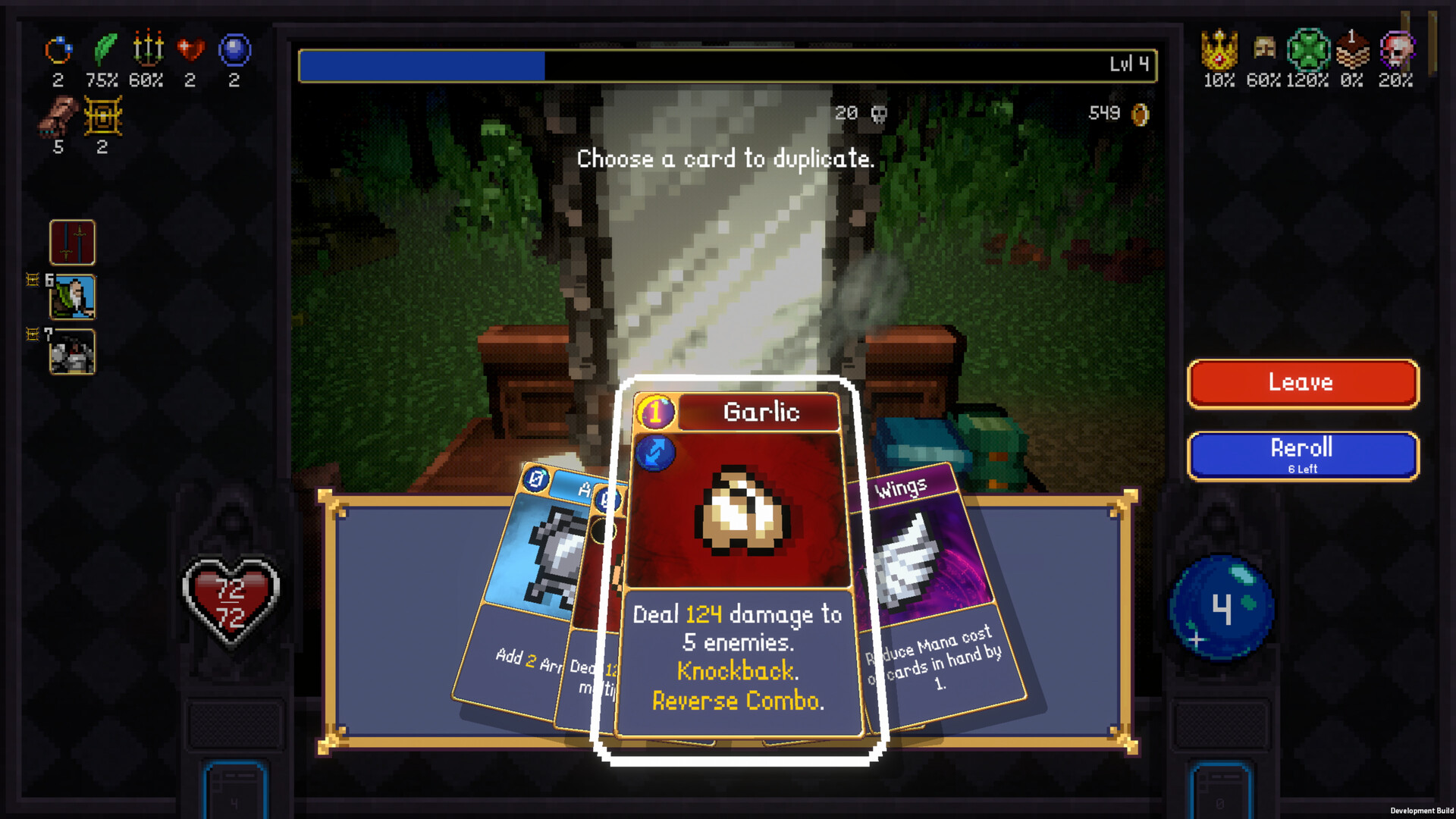
At its core, Vampire Crawlers is about sequencing. You play cards in ascending mana order and watch as each card multiplies the next—land the right chain and a single Turboturn will spike damage, speed, and status effects across the map. My typical routine is to fish for Wilds early (they let you extend the combo) and then assemble a build that leans on multi-target spells, weapon evolutions and survivor summons. Exploration matters: headbutting chests, smashing braziers and digging with the shovel all feed your progression, and the game smartly balances short-term tactical choices against long-term unlocks.
When Wilds Go Wild: The Combo Engine
What sets this apart from a straight deckbuilder is the snowball architecture. Wild cards let you extend a sequence to 10, 20 or even 30 cards, and certain relics or weapon evolutions act as cascade triggers—one hit spawns another, numbers explode and the screen becomes a glorious mess. I’ve had runs where a 22-card combination lasted over an hour of incremental escalation: it felt less like a single trick and more like orchestrating a ruined symphony. There’s also genuine deckcraft: you pick which rewards to take, sometimes dodging appealing but ultimately detrimental cards to keep your core plan intact.
Dungeon Design and Presentation: Creepy, Chunky and Charming
Visually the game is a quirky 2.5D: chunky sprites on layered 3D environments that look like an old Might & Magic dungeon got a candy coating. Sound design is terrific—dynamic tracks swell as combos ramp up and small audio cues make even tiny loot pickups feel meaningful. Performance is excellent on low-end machines and the UI is mostly clean, though I ran into one or two moments where the deck screen could use clearer sorting. Accessibility is decent: difficulty feels adjustable via unlocks and choices rather than arbitrary grind, and the demo-to-full save transfer is a very thoughtful touch.
The Loop: Fast Runs and Long Greedy Ones
You can play cautiously and optimize each turn, or you can mash through as fast as humanly possible and watch the chaos unfold—both are valid and satisfying. The meta-progression rewards experimentation: new characters, relics, weapon evolutions, and little secrets litter the dungeons. I appreciate how Poncle preserved the original’s “just one more run” itch but added real card-game brainwork on top. The only real gripe is occasional balance oddities: certain character+card combos can feel near-infinite under niche conditions, which is fun but can make early runs trivial once you know the trick.
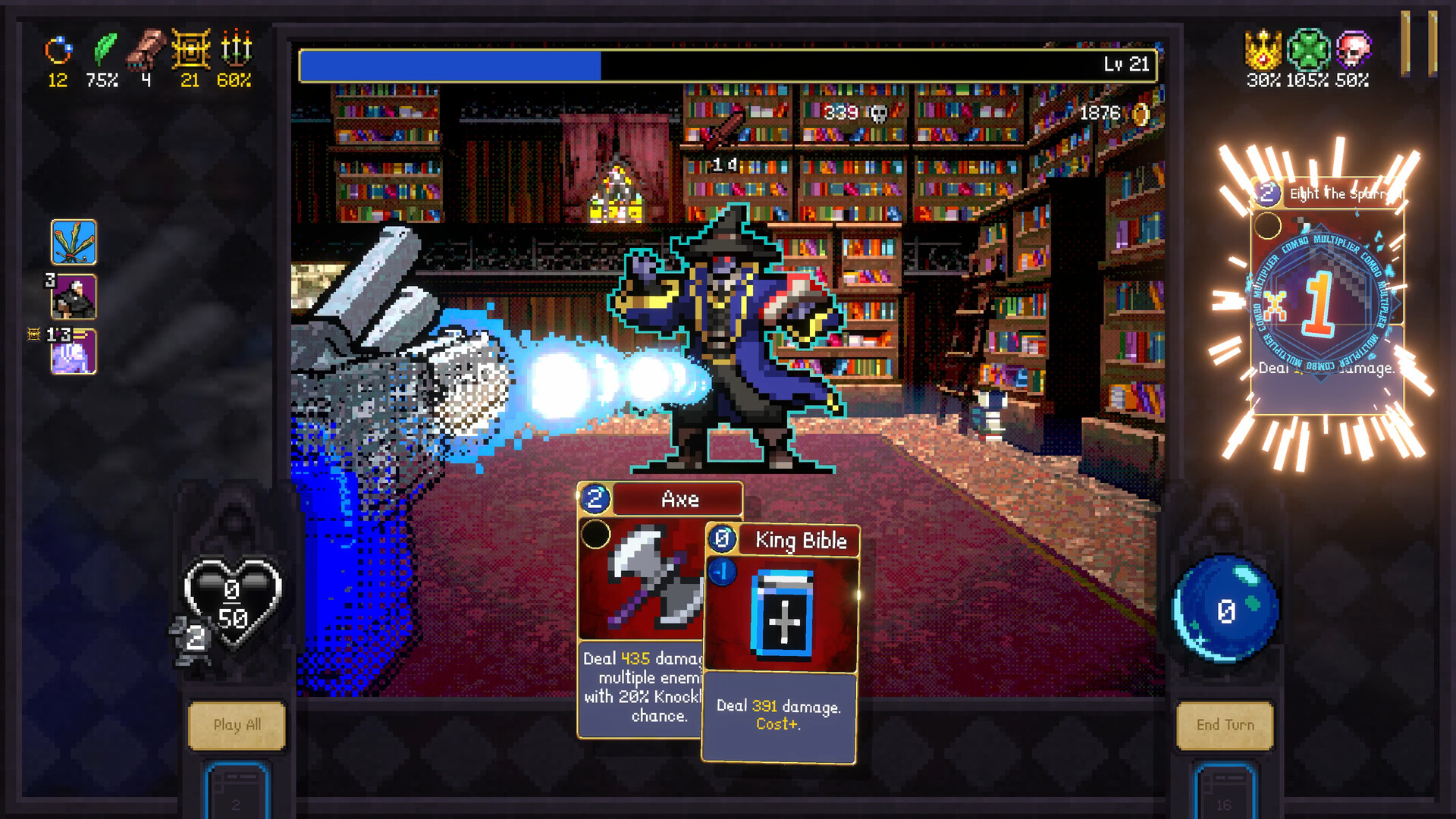
Vampire Crawlers is a brilliant spin on the franchise formula: it keeps the original’s addictive escalation while introducing deep deckbuilding and dungeon exploration. I found myself chasing one more Turboturn, learning which Wilds to hoard and which chests to smash, and laughing when the screen filled with cascading numbers. It’s not perfectly balanced—some combos can feel broken once discovered—but those moments are often the most fun. Recommended for anyone who likes roguelites, deckbuilders, or games that reward creative absurdity. Buy the demo, see if it hooks you, and don’t be surprised if you lose hours to it.

Pros
- Insanely satisfying combo system with Wilds that scale to massive Turboturns
- Charismatic presentation: chunky sprites, dynamic soundtrack, and charming dungeon bits
- Accessible performance and smart demo-to-full-save progression
- Deep deckcraft that still rewards explosive, ridiculous plays
Cons
- Occasional balance oddities where some combos feel near-infinite
- Deck UI could use clearer sorting and clearer card descriptions for newcomers
- Slow early pacing for players who want instant over-the-top payoff
Player Opinion
Players are wildly enthusiastic: common themes in reviews praise the addictive snowballing, the demo-to-full carryover, and the soundtrack. Many report demo hours in double-digits and then immediately buying the full game—I counted countless comments like “played the demo for 15 hours” or “this is digital crack.” Criticisms are practical: a few players note repetitive early runs and balance quirks where a discovered combo trivializes subsequent attempts. The community also loves the accessibility—runs work on low-end PCs and handhelds, and the variety of unlocks keeps people coming back. If you liked Vampire Survivors or Slay the Spire, the consensus is simple: try the demo, you’ll likely buy it.