


One Turn Kill Review – A Sharp, Short Deckbuilder That Nails the OTK Fantasy
One Turn Kill is a compact, clever deckbuilder that turns card draws into a resource and forces you to win in a single turn. Charming pixel art, a driving soundtrack and surgical design make it worth a look—if you don't mind its short runtime.
I went into One Turn Kill expecting a neat gimmick. What I found was an elegant little machine: the game forces you to think like an OTK deck builder by making each card's cost the thing that draws you more cards. That twist alone refreshes the familiar deckbuilder loop—it's part puzzler, part theorycrafting exercise, wrapped in lean pixel art and a soundtrack that keeps your pulse up. It's short, sometimes unforgiving, but often brilliant in how it squeezes depth from tiny rules.
One Turn, Many Calculations
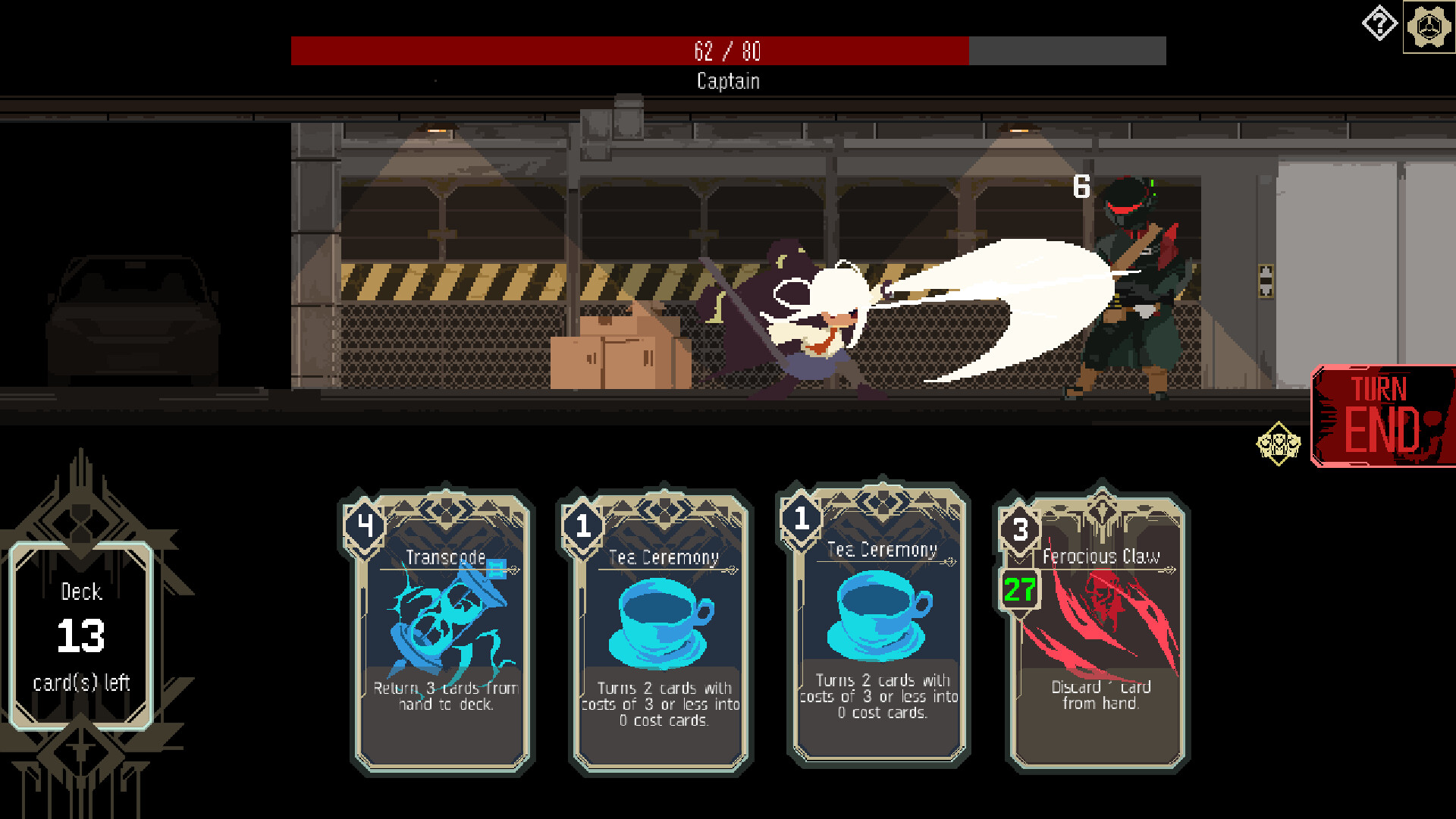
Combat in One Turn Kill is a sprint of precision. Each encounter hands you a compact deck (usually limited to 20 cards) and a single, brutal condition: defeat the enemy within that same turn or you lose. Playing a card consumes its "cost" as draws, so the higher the cost, the more cards you pull — and running out of cards (decking out) is the exact way to die. That makes every play both an engine and a gamble: you build combos to chain damage, refresh hands, spawn helpers or manipulate costs, but you must always keep enough fuel to keep the chain alive. In practice, I spent most matches thinking three moves ahead and feeling tiny bursts of panic whenever a boss mechanic threatened my draw rhythm.
When the Draw Button Is Also the Gas Pedal
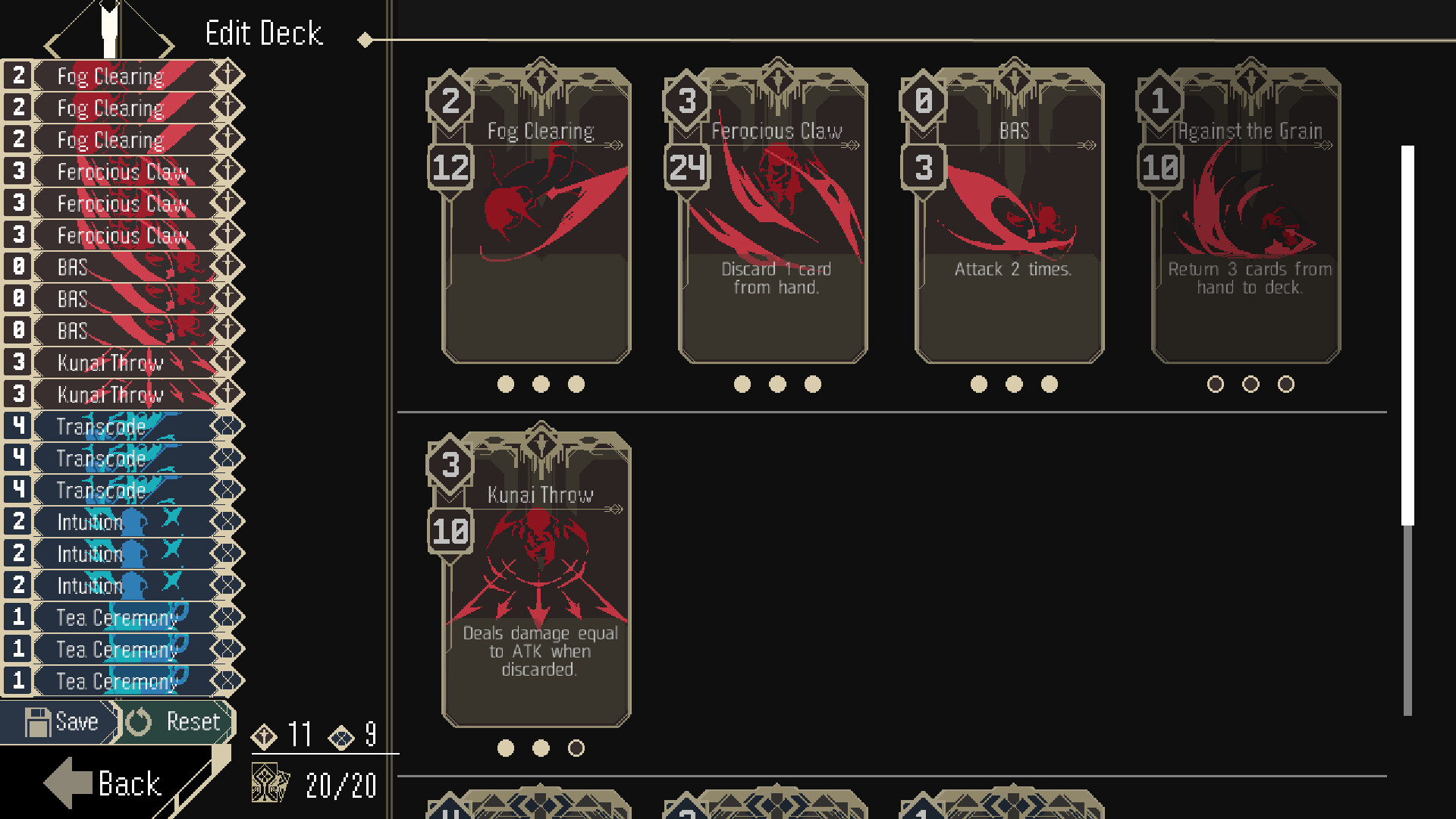
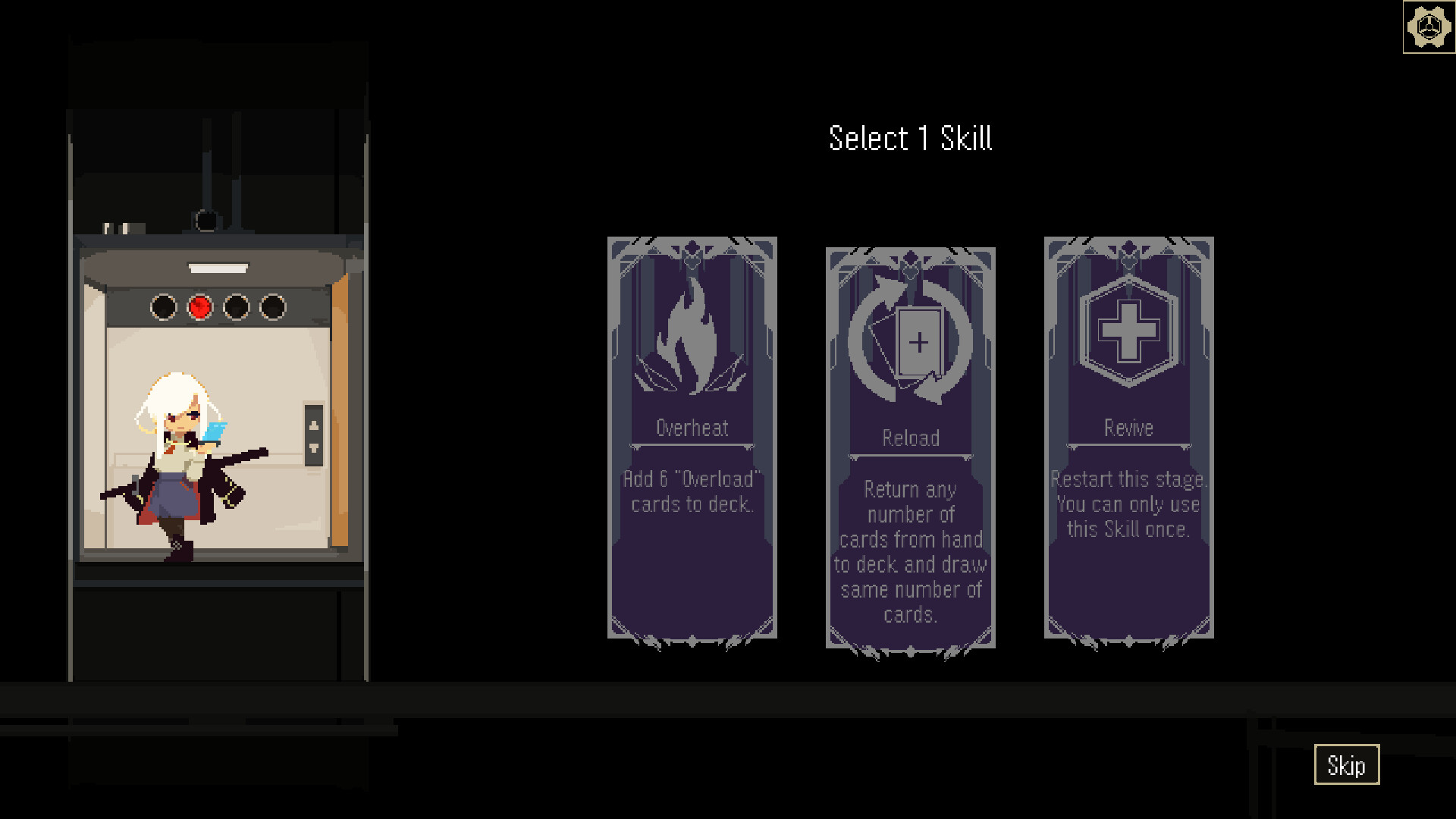
The defining hook — draws as cost — changes every design assumption. Zero-cost cards are not always desirable, higher-cost cards suddenly become precious, and cards that alter costs are terrifying and glorious at once. Deckbuilding is deceptively tight: with only a few dozen distinct cards, choices matter and synergies must be baked into your initial list rather than discovered mid-run. Skills and small artifacts you unlock between fights shape archetypes: some decks lean into huge single-card damage, others into endless cycling and spam, and some rely on timing QTE-like interactions. I loved how the system forces you to commit to an approach from the outset; it feels more like solving a puzzle than grinding a climb.
Pixel Punch and a Thumping Soundtrack
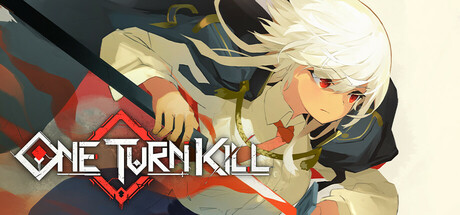
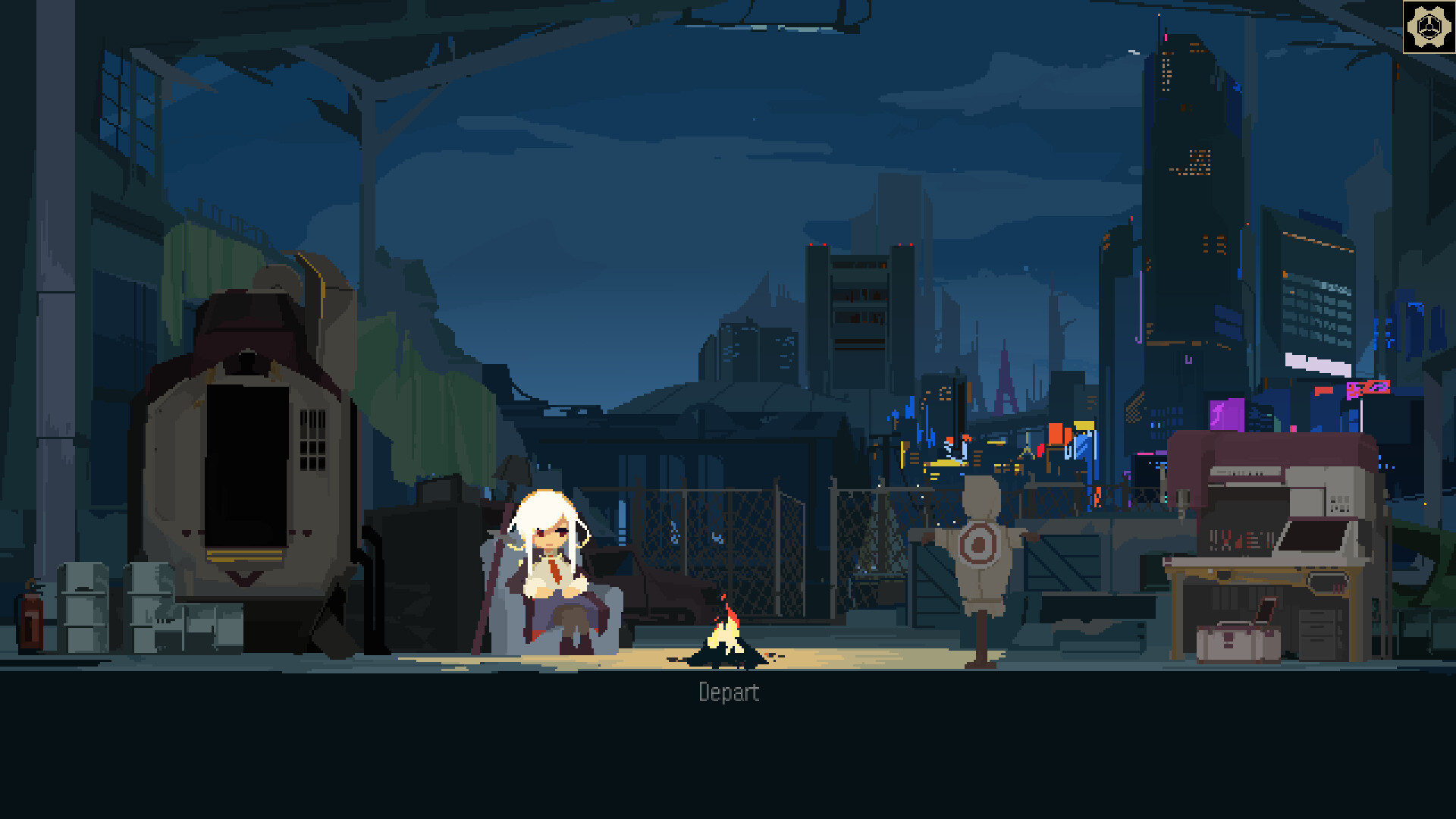
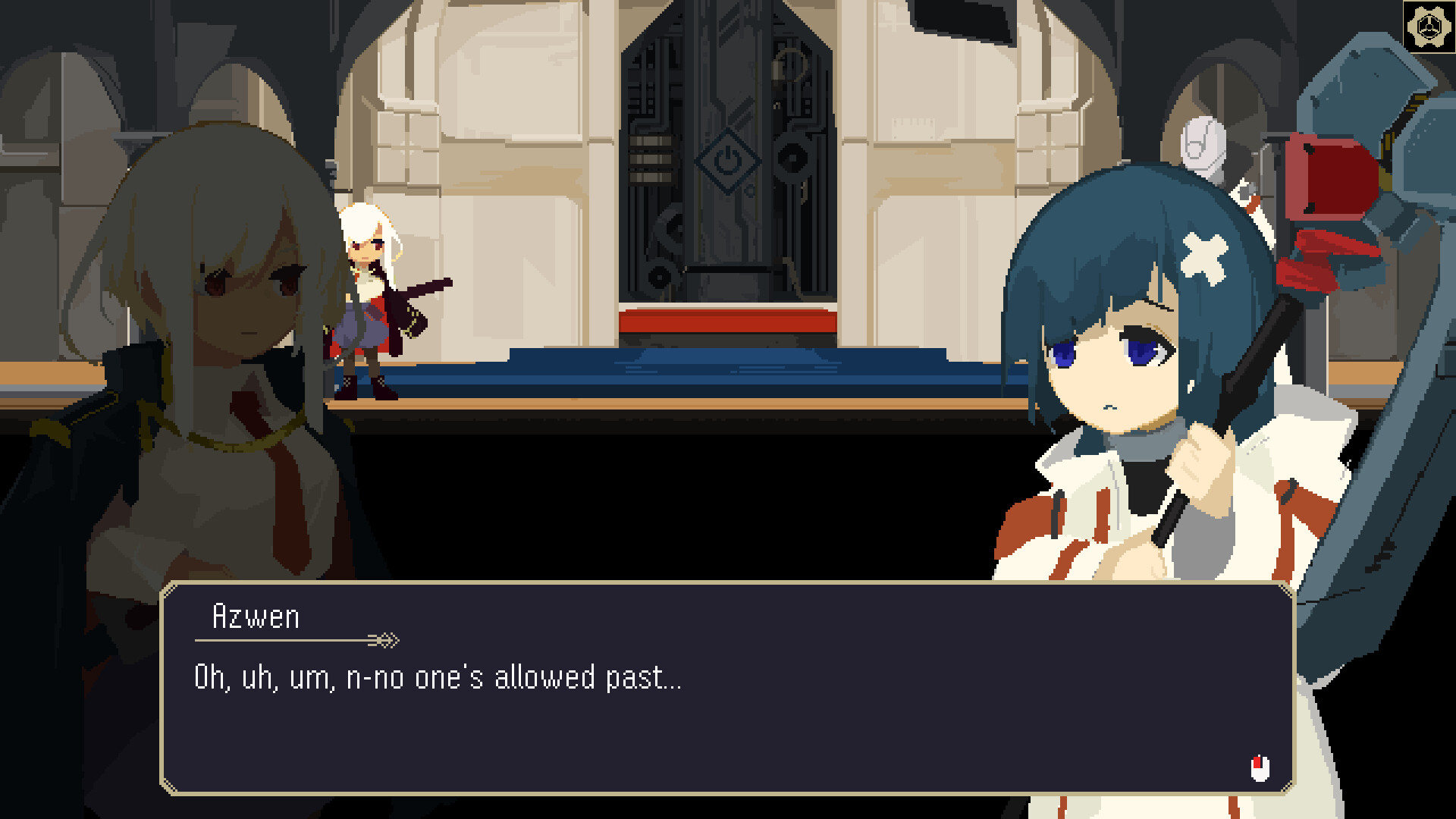
Visually, One Turn Kill keeps focus where it should be: readable cards, crisp pixel sprites, and succinct animations that sell big combo moments without drowning the UI. The soundtrack is upbeat and perfectly tuned to the game's tempo — I found music cues that pushed me forward during clutch turns. Performance is solid on Windows and I encountered no crashes; accessibility-wise, I do wish for clearer fonts, an undo/cancel action for misclicks, and controller support. Still, the presentation nails the mood: bleak wasteland pixel art with enough charm to make each boss feel characterful, and audio that stitches runs into an addictive loop.
One Turn Kill is an inspired little deckbuilder: tight, honest and mechanically clever. I recommend it to anyone who likes tactical card puzzles, OTK fantasies or compact single-player experiences — especially at its price point. Just be warned: it scratches a deep itch quickly, and then asks politely for more content. If that’s a problem for you, wait for expansions; if not, jump in and enjoy the elegant chaos.
Pros
- Brilliant core mechanic: draw-as-cost turns every decision into a puzzle
- Tight, expressive deckbuilding with meaningful synergies despite a small card pool
- Great pixel art and a soundtrack that hypes the one-turn intensity
- Excellent value for a short, highly replayable mechanical core
Cons
- Very short campaign; you’ll beat it quickly if you find a working build
- Some QoL issues: no undo/cancel, font readability and occasional UI quirks
- Limited card/enemy variety leaves theorycrafting appetite unsated for some players
Player Opinion
Players praise the core mechanic and how the draw-as-cost system upends usual deckbuilder heuristics: high-cost cards are valuable, deck-out is a real threat, and combos feel satisfying when they click. Many reviews call the game "innovative" and celebrate the soundtrack and pixel art, describing boss encounters as clever puzzles rather than rote fights. The most common criticisms are about length and replay value — several players wished for more cards, bosses and modes — and UX niggles like jagged fonts, a stuck-card bug and the lack of an undo for misclicks. Some also commented that upgrading cards between runs can discourage experimenting with new archetypes, while others appreciate that progression gives small but meaningful rewards. If you like quick, puzzle-like runs and the thrill of building a one-turn solution, fans say you’ll get several entertaining hours out of it; if you want sprawling roguelites like Slay the Spire, the short scope may frustrate you.