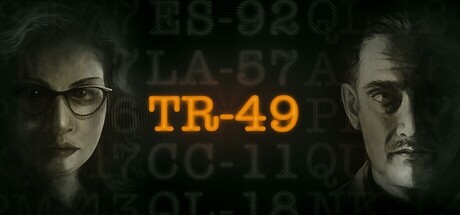



TR-49 Review — A Whirring Archive of Puzzles and Voice Drama
Inkle’s TR-49 mixes archive-dredging puzzles with excellent voice work and a tense mystery. Optimised for Deck, it rewards patient deduction but is delightfully short-lived.
I dived into TR-49 expecting another clever narrative experiment from inkle, and it delivers in a very specific, bookish way. You sit in front of a WWII-era machine, combing a brittle digital archive for lines, dates and code fragments while a voice in your ear nudges — or taunts — you. If you loved Return of the Obra Dinn’s forensic thrill or Her Story’s clip-hunting tension, TR-49 hits a similar sweet spot but trades visuals for text, voice and deduction. It’s intimate, occasionally infuriating, and consistently rewarding when the small clicks land.
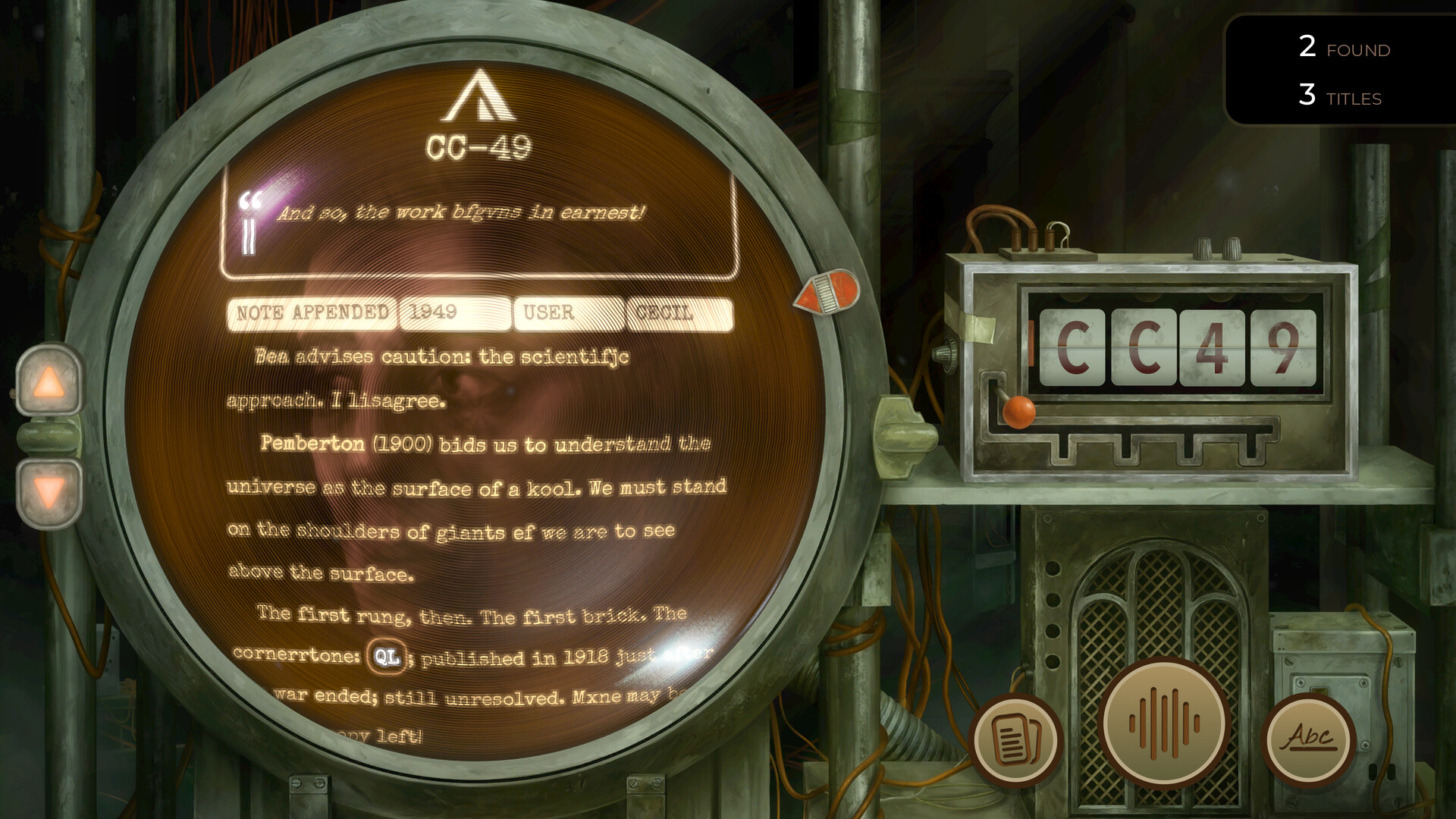
The Archive as a Puzzle Box
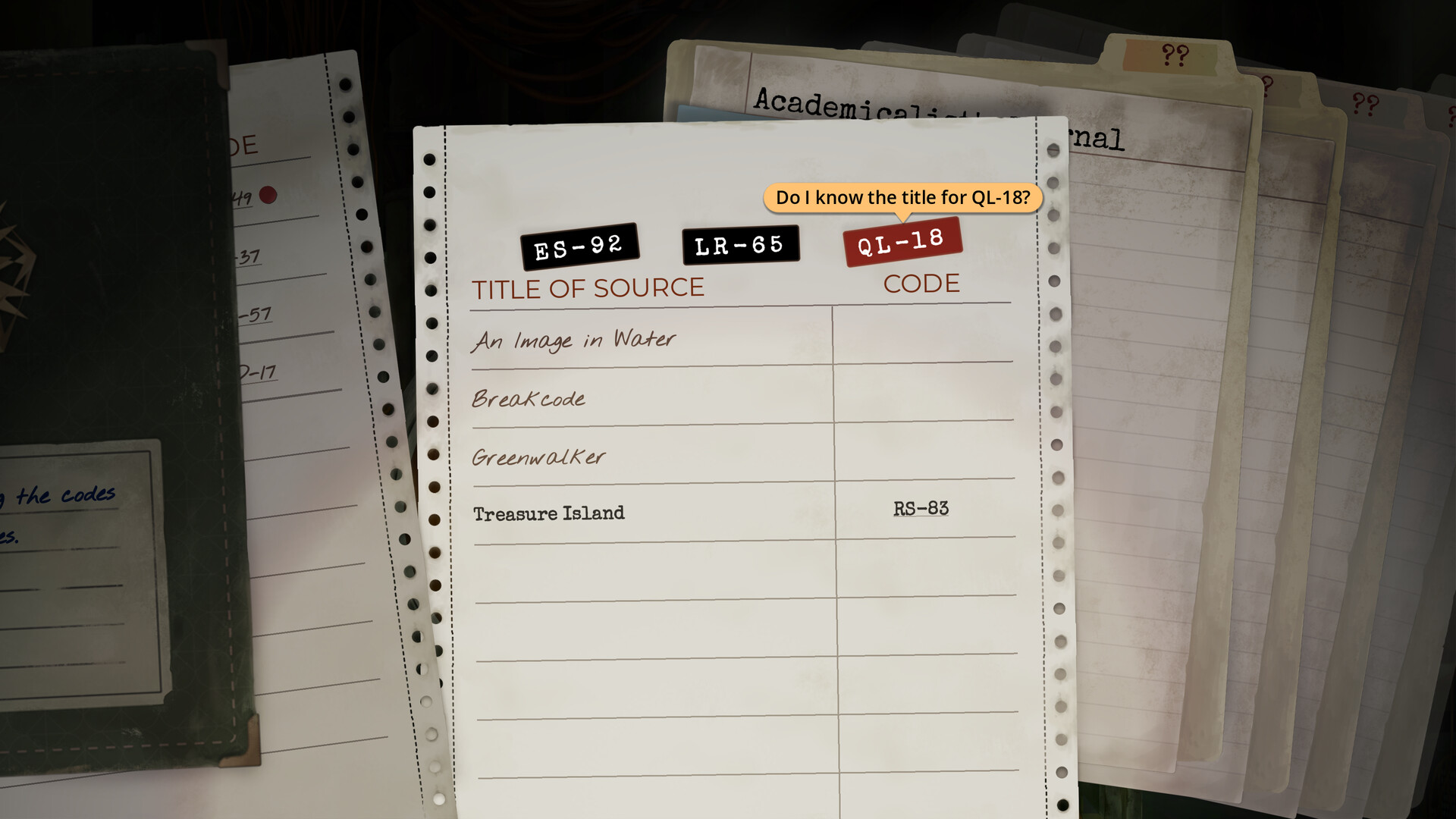
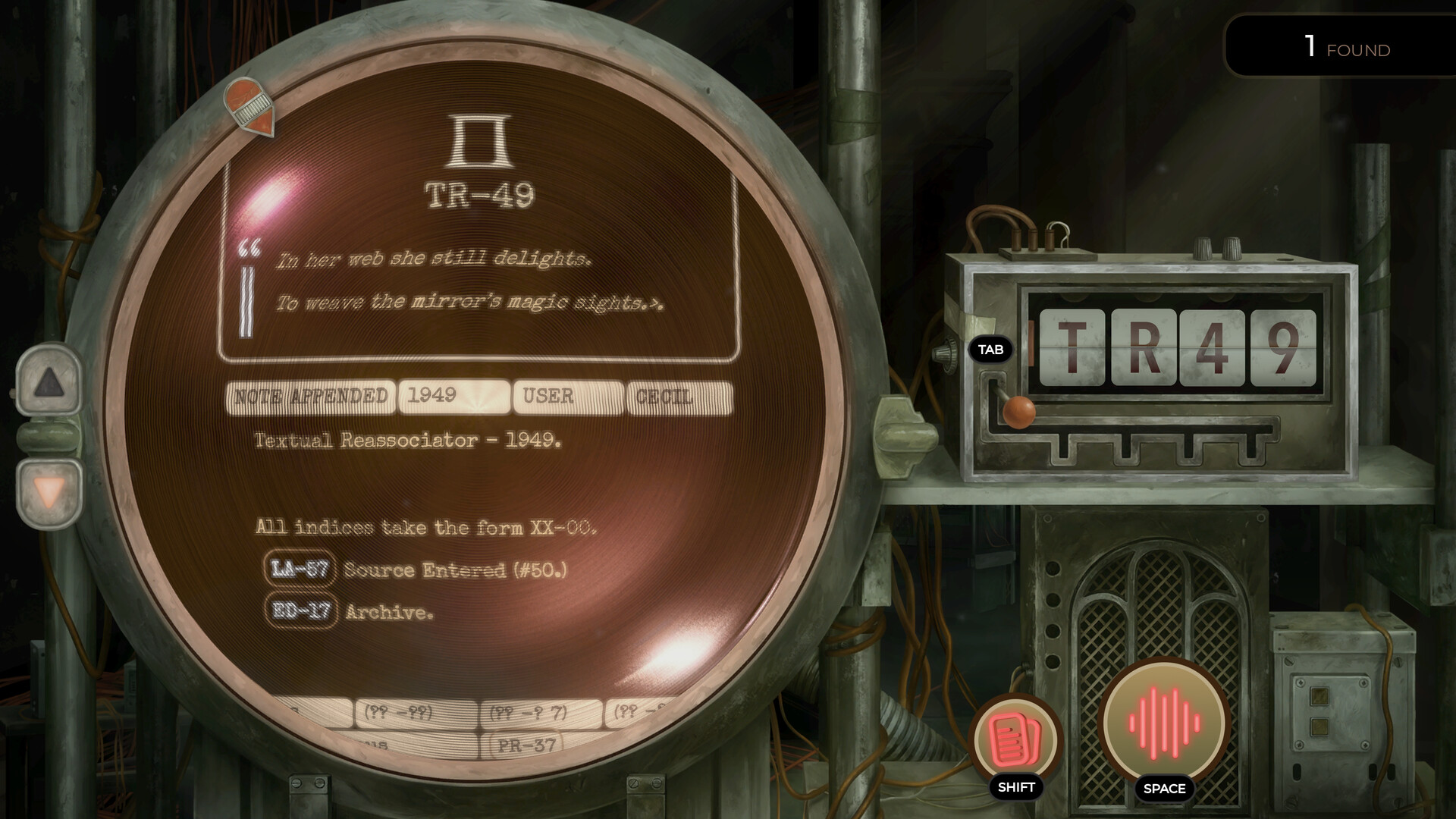
The core of TR-49 is gloriously simple and quietly cruel: you browse an old computer’s archive, read entries, and deduce connections between titles, authors and dates to locate hidden sources. Gameplay is almost entirely about attention — noting small details, flipping between entries and building a mental map of relationships. There’s no combat, no platforming, just the slow grind of linking threads until a pattern appears. Early on it feels like busywork — jumping from entry to entry, jotting down possible codes — but inkle stages the learning so that those small tasks fuse into satisfying leaps of logic. I liked how the interface makes you feel like you’re operating a machine rather than idly clicking text: it’s tactile, especially on a Steam Deck. Progression isn’t measured in levels but in the confidence of your deductions and the new branches they unlock.
Voices Behind the Glass
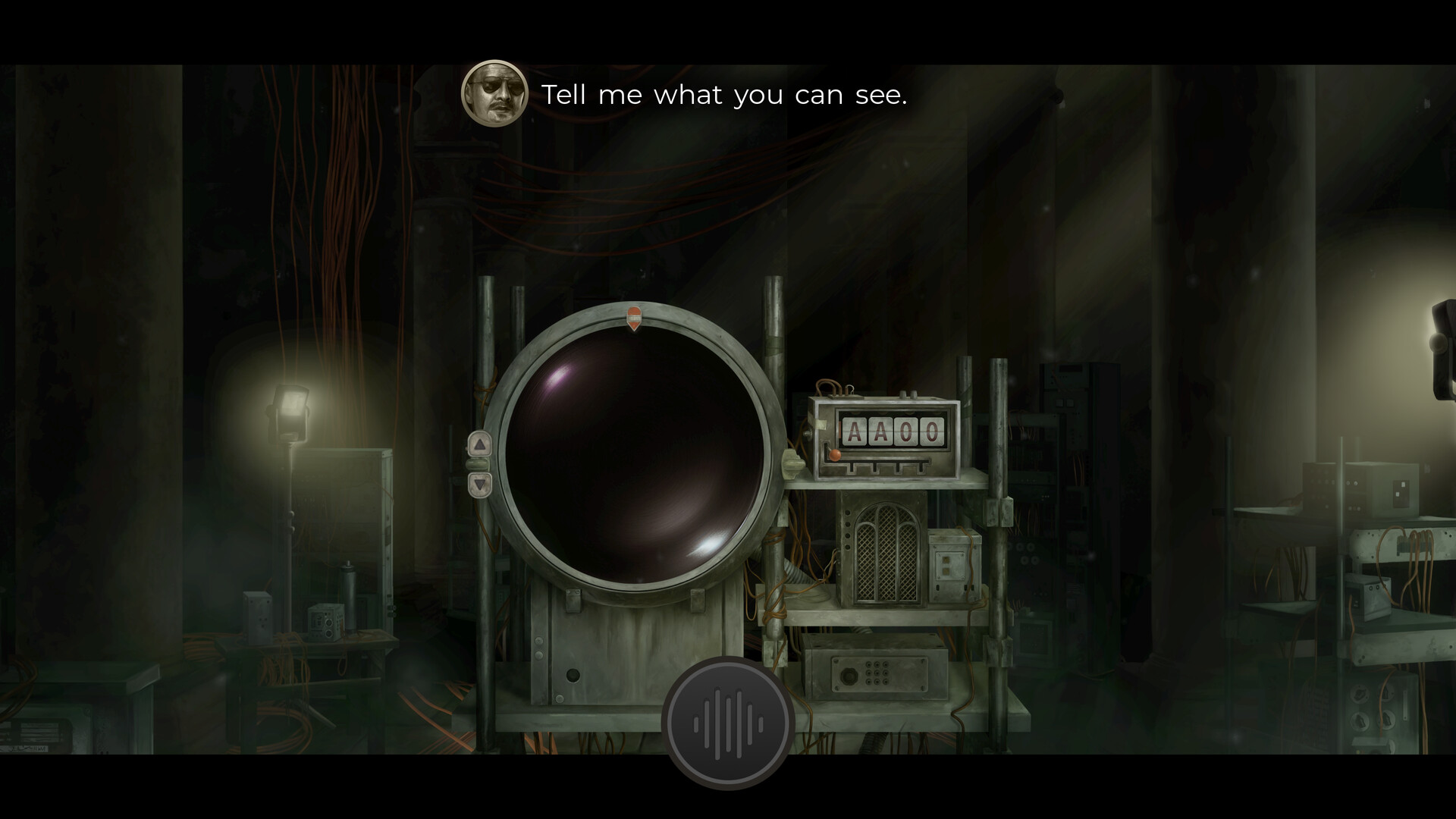
What lifts TR-49 beyond a bunch of documents is its audio drama framing: a handler’s voice guides you, comments on your decisions and supplies character through tone and inflection. The cast is excellent — small moments of performance turn bland log entries into pieces of a living world. Dialogue can be a breadcrumb trail or a red herring; sometimes the voice nudges a discovery, other times it raises more questions. The dynamic between player and speaker feels alive: you can talk back or consult them at any time, which makes exploration feel like a collaboration rather than solitary research. The interplay of narration and found text is often where the game’s emotional hooks appear, and it’s remarkably effective at making paper-thin lines feel human.
Dust, Sound and the Machine’s Skin
Technically TR-49 is lean but polished. There’s an insistently analogue aesthetic — clicky menus, the hum of machinery, and a soundtrack that underlines tension without becoming intrusive. Laurence Chapman’s score colors scenes with melancholy and curiosity: it’s there to remind you that this is more than a logic puzzle. Performance on Windows and macOS is smooth, and the developers explicitly built the experience with the Steam Deck in mind — which shows in the UI responsiveness and button mapping. A few UI wrinkles remain: some text effects that obscure entries can be annoying, and there’s no one-button “jump back to source” for entries found elsewhere, which adds fiddliness during deep cross-referencing. Still, accessibility options and a gentle performance footprint mean most players can sit down and get lost in the machine without technical fuss.
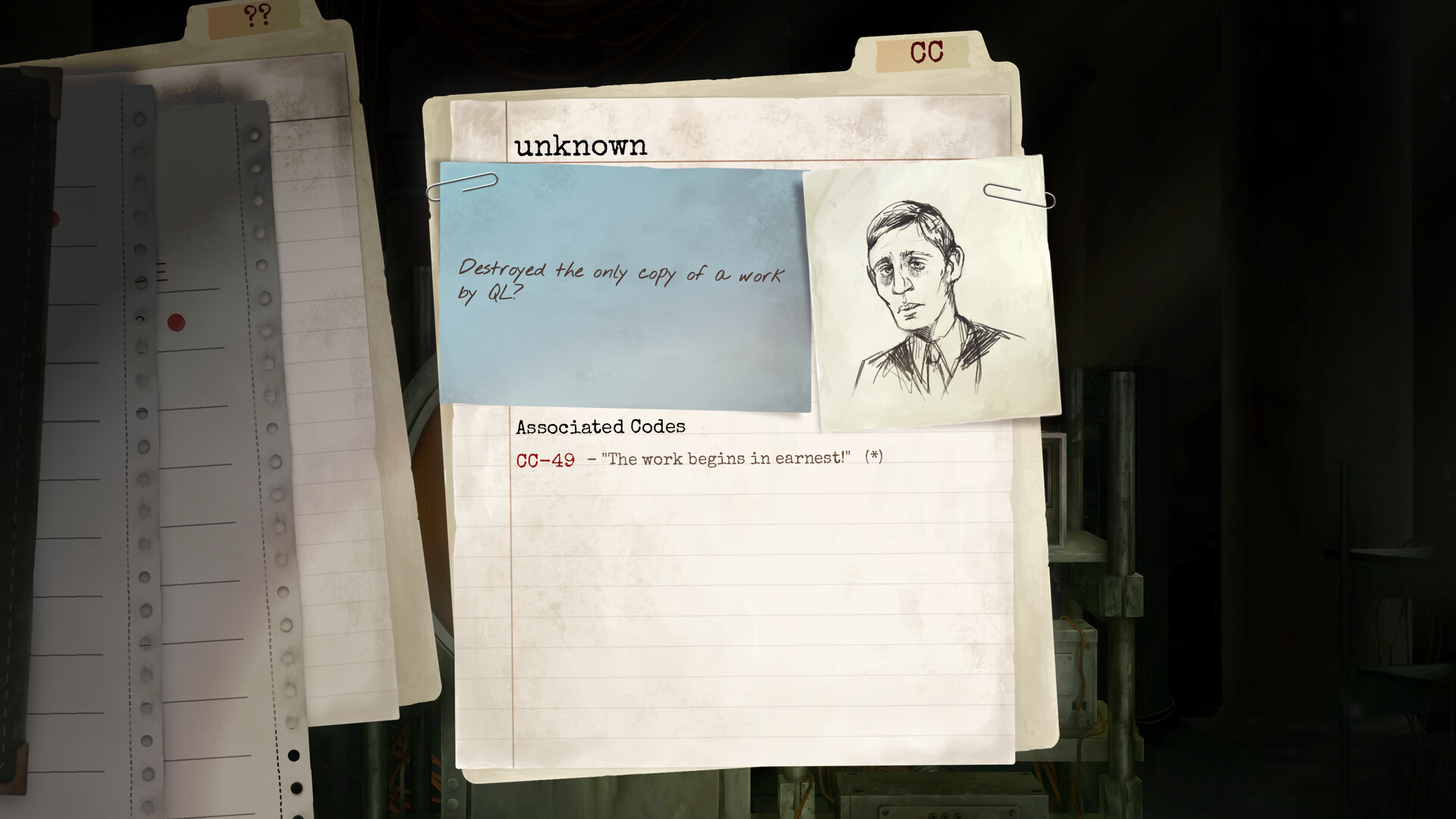
TR-49 is a concentrated, cleverly written deduction game that shows inkle’s talent for marrying narrative and puzzle design. It’s ideal for players who enjoy archival mysteries, audio drama and the slow joy of piecing together a puzzle by hand. Buy it if you like Obra Dinn/Her Story-style detective work and don’t mind a shorter, intense experience.
Pros
- Exceptional voice acting and atmosphere
- Smart, rewarding deduction gameplay
- Optimised for Steam Deck; tactile UI
- Polished soundtrack and writing
Cons
- Relatively short — can feel over too soon
- Some UI friction for deep cross-referencing
- Occasional text-obscuring mechanics can frustrate
Player Opinion
Players praise TR-49 for its voice performances, atmospheric audio drama and the satisfying clicks of logical deduction. Many reviews compare it to Return of the Obra Dinn and Her Story — not as a clone, but as a distant cousin that focuses on texts, archives and radio drama. Common compliments call out the writing’s evocative quality and how the game makes you feel clever when you connect entries; several players mentioned long, engrossing sessions that felt like following Wikipedia rabbit holes. Criticisms repeat a few themes: it’s short (four to eight hours for most), the UI can make cross-referencing fiddly, and some mechanics that obscure text annoyed readers. If you like methodical puzzle-solving and audio-driven narrative, reviewers say TR-49 is well worth the price; if you need hand-holding or hours of open-ended play, it may leave you wanting.