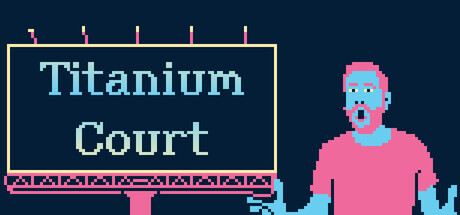



Titanium Court Review – A Strange, Brilliant Match-3 Courtroom of Faerie War
I dove into AP Thomson's Titanium Court and found a quirky, text‑heavy match‑3 roguelite wrapped in brilliant writing, odd jobs and maddeningly clever battles. Read on if you like surprises and a game that keeps talking to you.
Titanium Court is the kind of indie that greets you like an eccentric host: polite, sly, and prone to shouting important clues in the middle of a dinner party. At first glance it’s a match‑3 strategy game, but it keeps folding in narrative, strange jobs, and a roguelite loop until the whole thing reads like a surreal salon conversation. I went in thinking I'd play a few puzzly rounds; I came out recommending it to friends and mumbling about foiled dragons. If you enjoy clever writing and unexpected mechanical twists, this one deserves your attention.
Wield the Tide, Not an Army
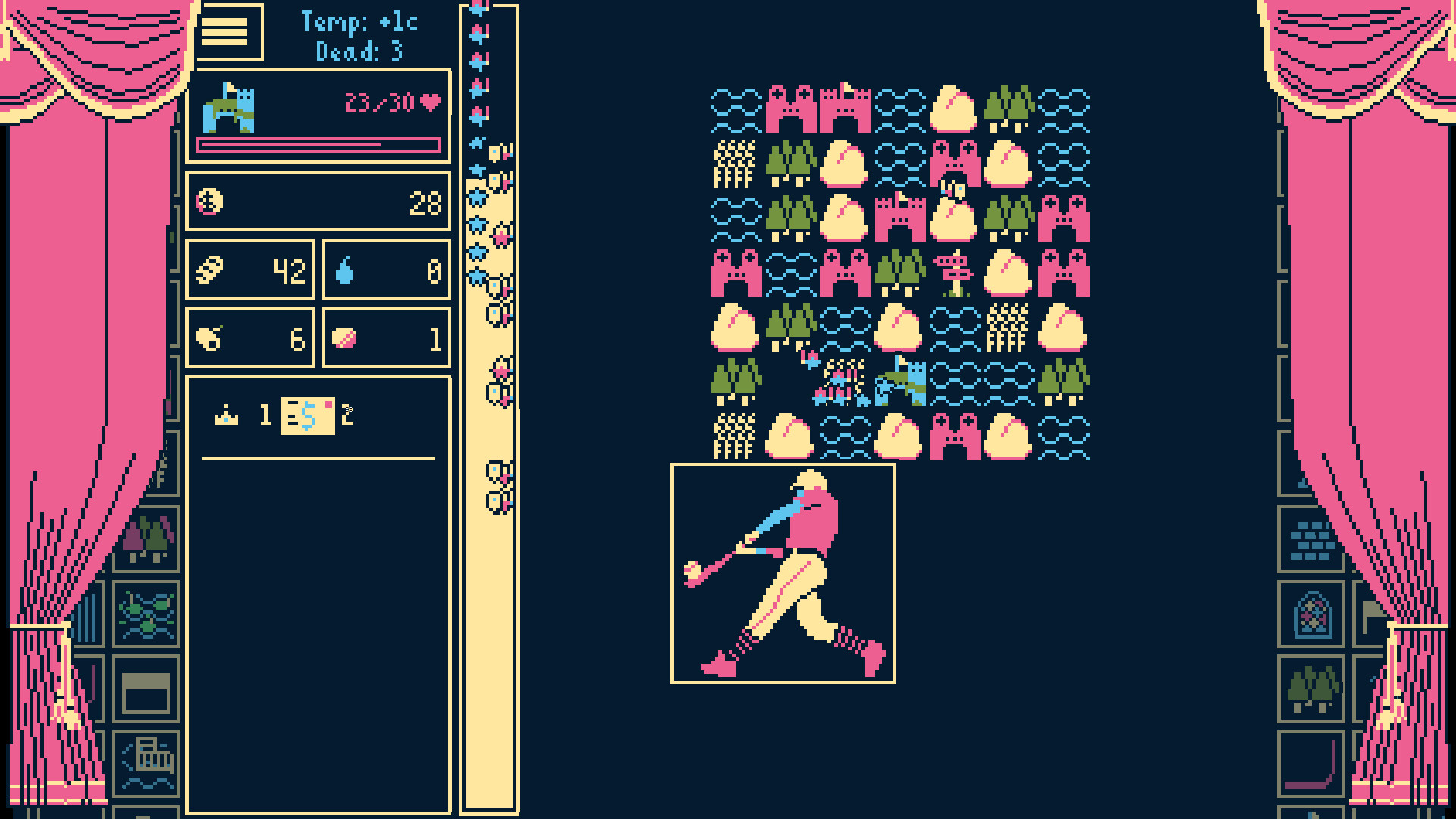
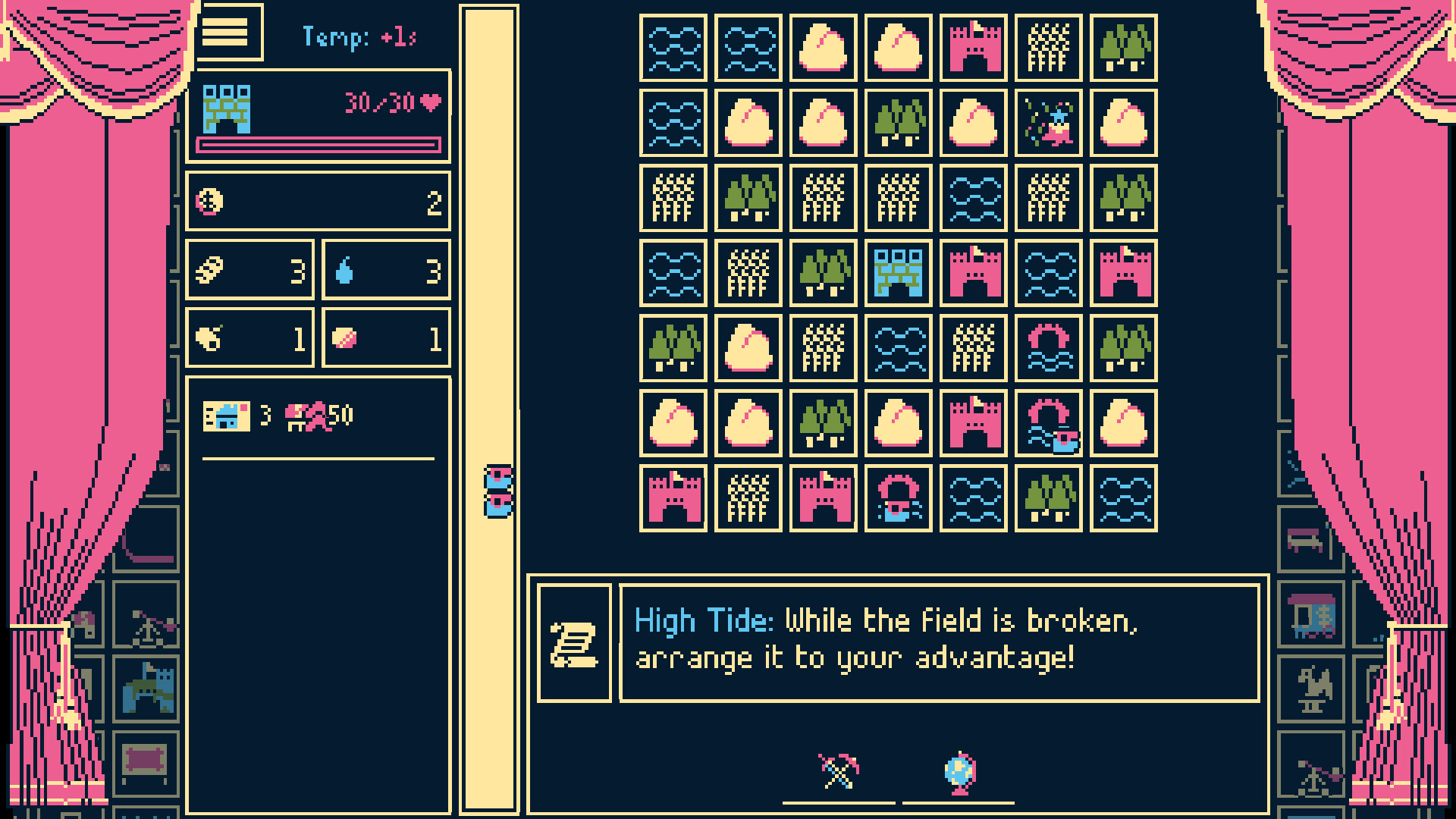
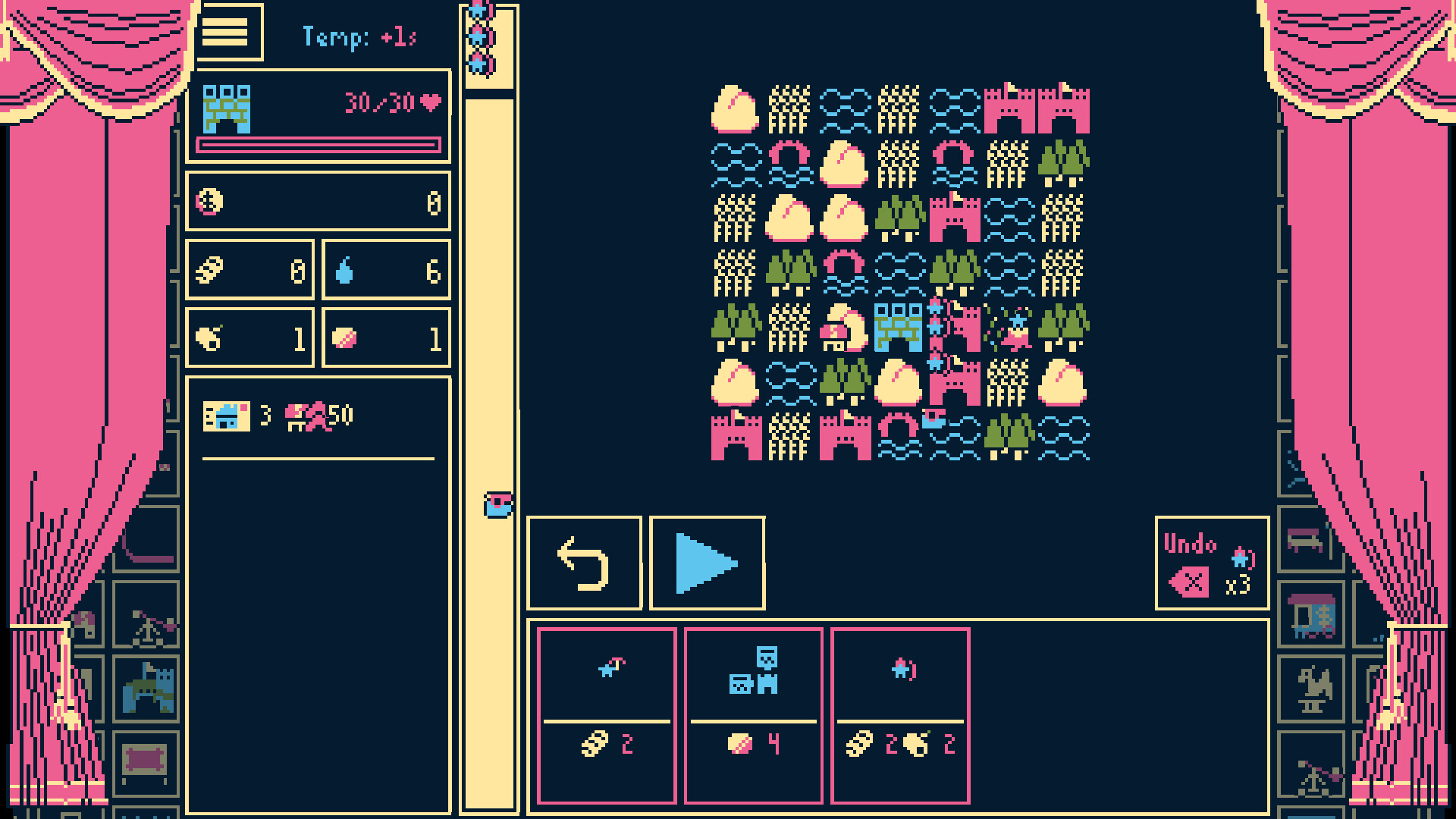
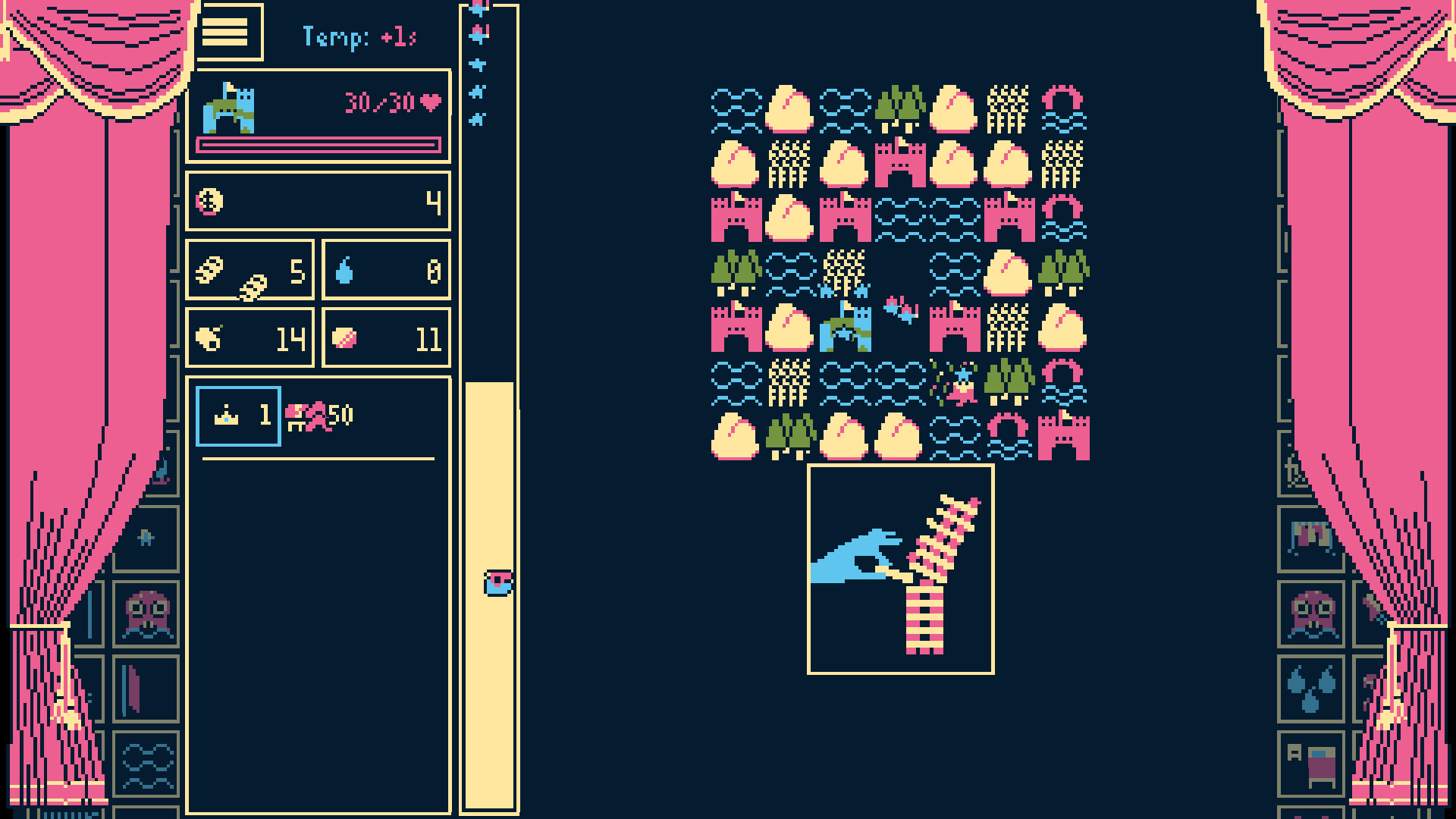
The core of Titanium Court plays like a match‑3 puzzle grafted onto a battlefield where geography is your tool and your troops are more etiquette than leadership. Most turns feel like you’re manipulating hills, rivers and trees as if rearranging furniture: line up three matching terrain pieces to cast them into the void, harvest resources, and change the map to your advantage. There’s a tug-of-war with the tide—moves spent gathering mean fewer defenses against the enemy courts—and that trade‑off creates a delicious tension between greed and survival. Battles are semi‑automated: you don’t micro every faerie warrior, you sculpt the land so foes stumble, drown, or lose sight of your walls. The match‑3 rules are deceptively simple, but the way jobs, items and permanent unlocks stack means the same-looking board can be approached in wildly different ways. I found myself chuckling when a clever match saved my bacon, and groaning when a single misclick cost me a run.
Courtly Quirks and Dangerous Jobs
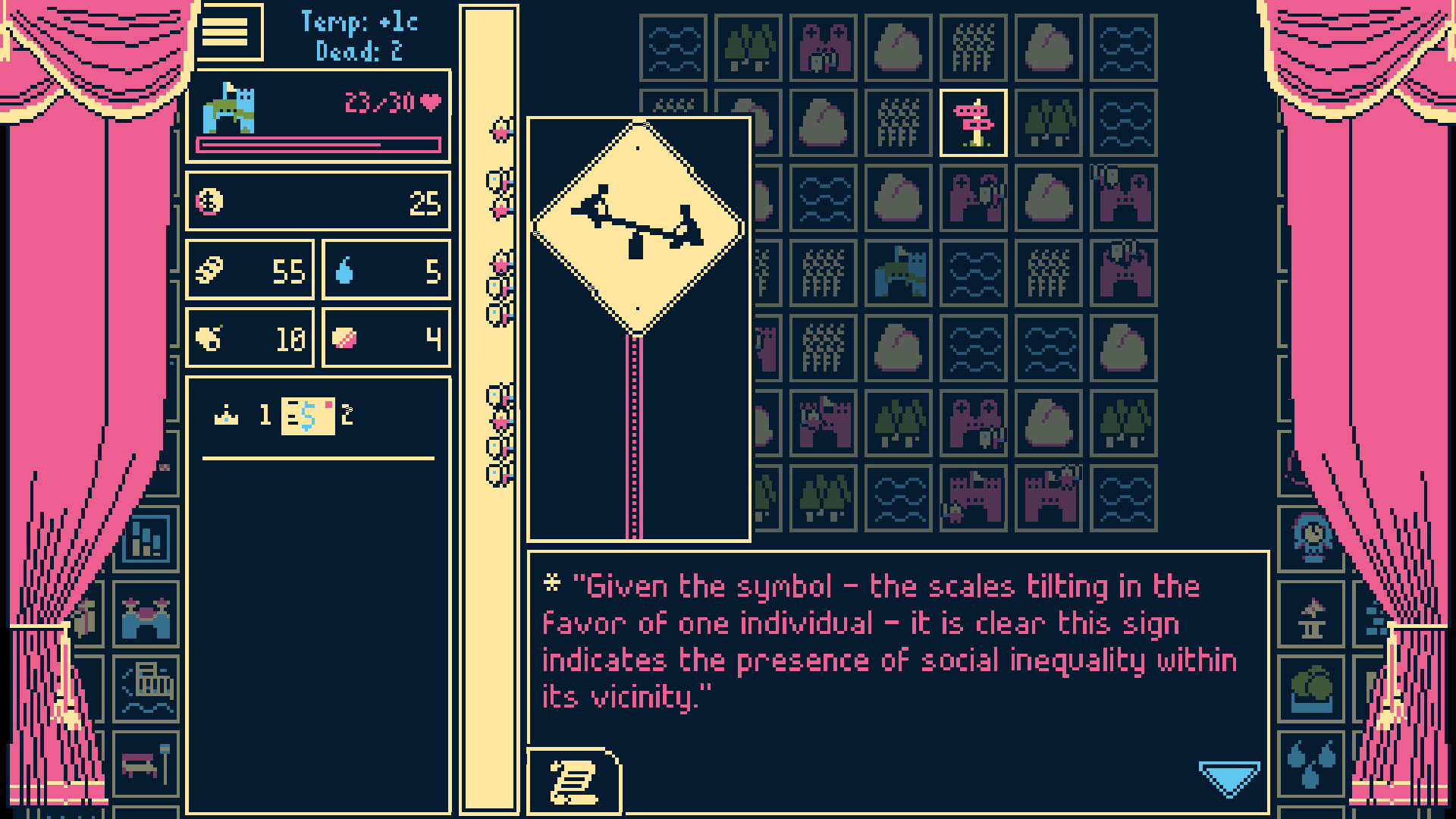
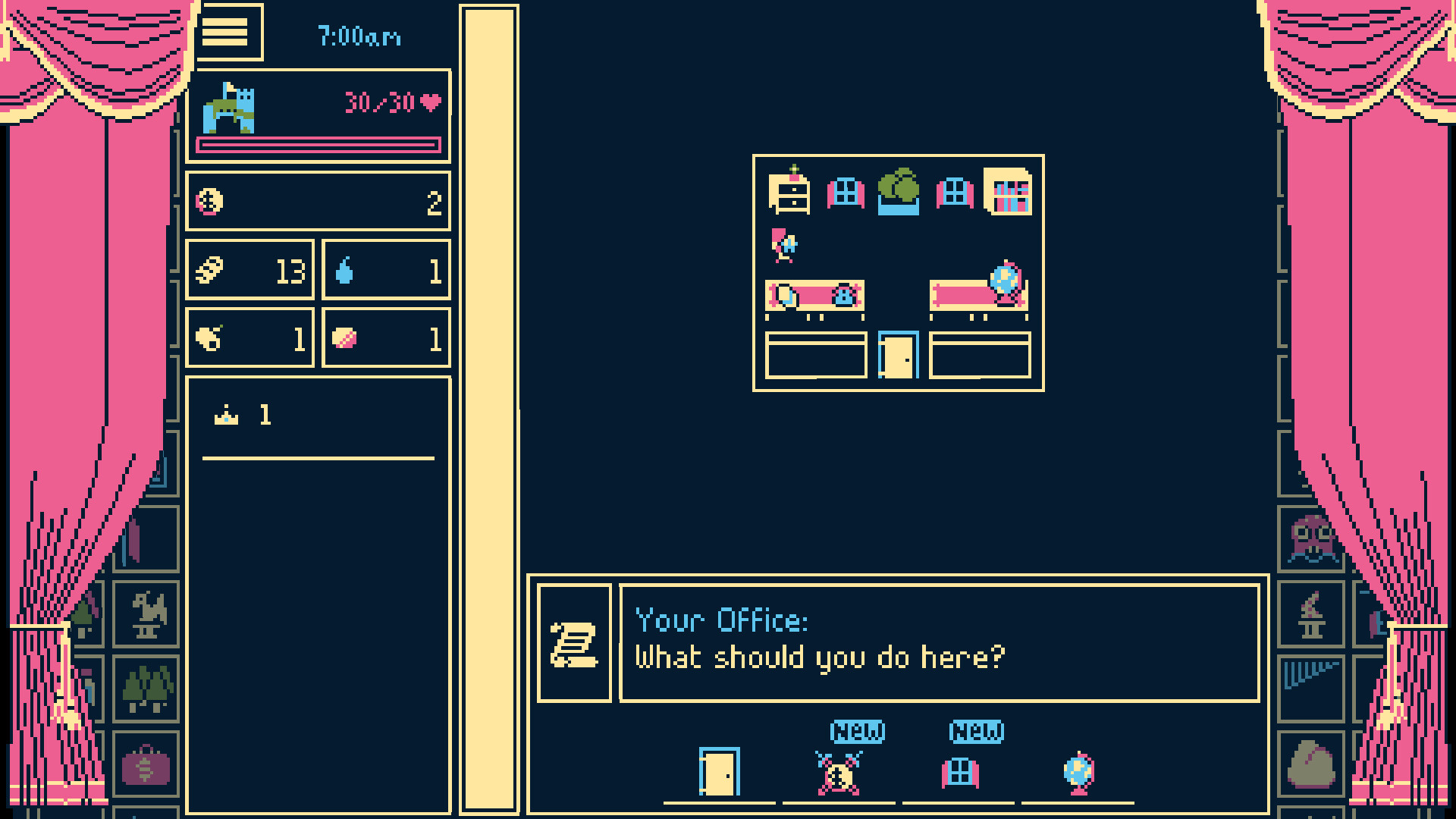
What sets Titanium Court apart is how it layers roles and narrative onto the puzzle loop. You pick from eclectic starters—Warlord, Arsonist, Celebrity, Insurance Fraudster—and each job nudges what tactics matter: some reward economic play, others beg you to be gloriously chaotic. The game sprinkles deckbuilding and tiny auto‑battle elements into this mix, so yes, sometimes you’ll plan like a strategist and other times you’ll pray to a very polite narrator. There’s a hefty amount of reading, and I mean that as a warning and a compliment: the writing is often the reward, full of jokes, satire and strange asides that change how you interpret events and decisions. The roguelite bits bring meta‑progression and story fragments that drip in between runs—think narrative unlocks à la Hades but written like a courtly farce—and that kept me poking at obscure dialogue until something clicked. It’s a weird hybrid: match‑3, resource mgmt, light auto‑combat and a visual novel’s appetite for conversation.
A Pixel Parlour of Sound and Strange Faces
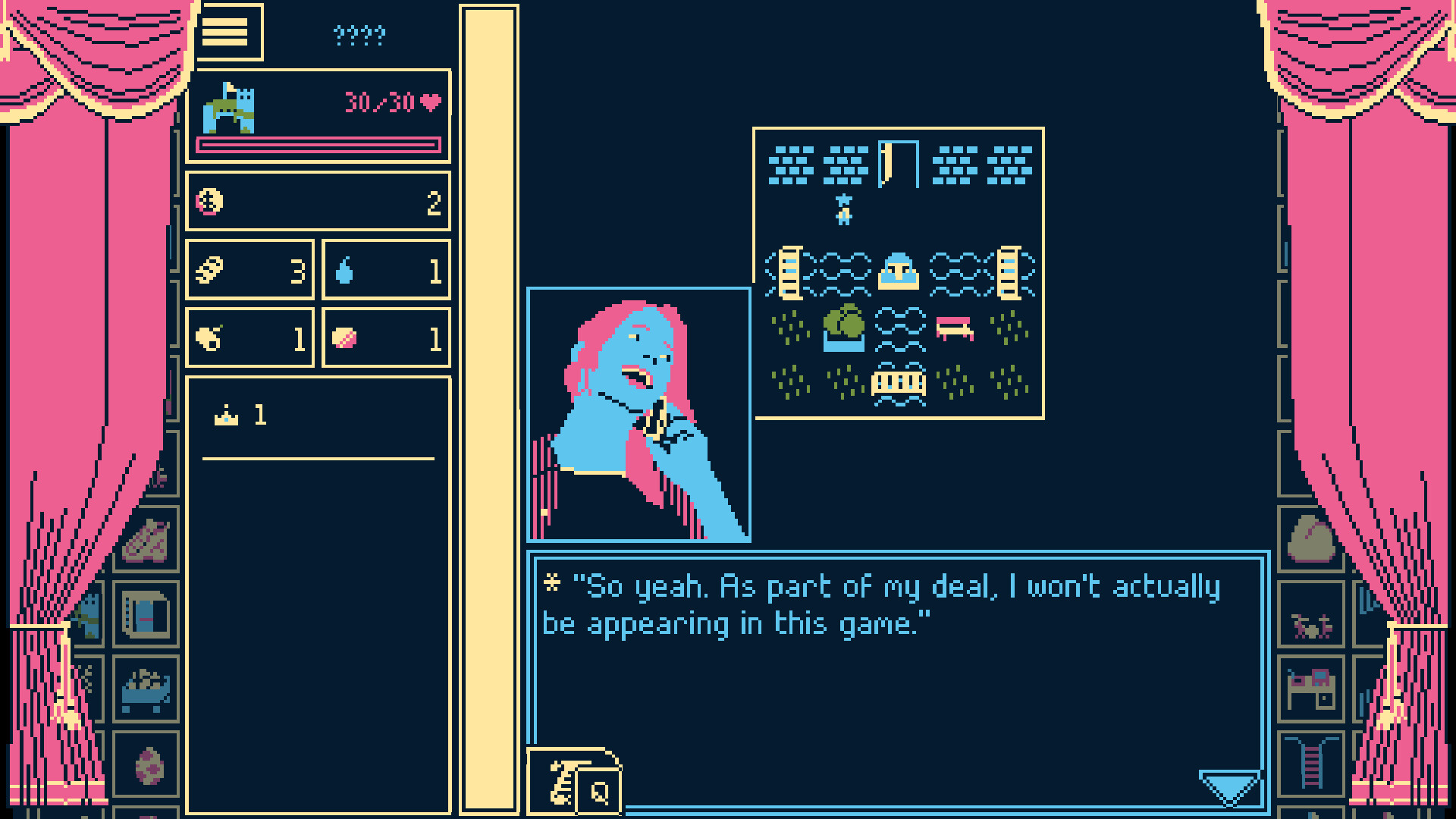
Visually, Titanium Court leans into retro pixel charm without feeling lazy: sprites are expressive, backgrounds are full of personality, and the character portraits sell every joke. The soundtrack is quietly addictive; there were more than a few moments I sat in the menu just to hear the next loop. Performance on Windows and Mac (I tested both) was rock steady, and controller support is implemented thoughtfully, which is a nice touch for a game that otherwise demands a lot of reading. Accessibility-wise, the font size and options are decent, but the sheer volume of text means players who dislike reading might struggle. Overall, the presentation turns weirdness into warmth rather than alienation, making the Court a place you want to linger in even when the matches go poorly.
Titanium Court is a rare indie that feels both lovingly strange and mechanically thoughtful. If you like match‑3 puzzles with a narrative punch, surreal humour, and a soundtrack you’ll catch yourself humming, this is a strong buy—especially at its modest price. Be warned: if you hate reading or want a pure, scrubby puzzle cookie‑cutter, look elsewhere. For everyone else, the Court is an invitation to linger, laugh, and lose a few hours marveling at how a saggy little match can change a kingdom.
Pros
- Brilliant, funny and surprising writing that rewards exploration
- Addictive match‑3 core with meaningful trade‑offs and jobs
- Lovely pixel art and a memorable, boppy soundtrack
- Thoughtful controller support and stable performance
Cons
- Very text‑heavy; players who dislike reading will struggle
- Some runs can feel repetitive late game and the end can get a bit stale
- Occasional difficulty spikes and jobs that feel underpowered
Player Opinion
Players I read praised Titanium Court almost unanimously for its writing, charm and surprising mechanical mash‑ups. Many say it’s best experienced blind because the humour and narrative pay off most when you don’t know what’s coming; several reviews explicitly compared its narrative drip to Hades‑style unlocks but framed through absurd court satire. Fans repeatedly mention the addictive match‑3 loop, the clever job system, and a soundtrack that ‘bops’—I saw more than one person buy the OST. Criticisms are consistent too: some players find the amount of reading off‑putting, others hit frustrating difficulty spikes or feel certain jobs need balancing. Overall the recurring theme in community feedback is that Titanium Court is inventive and loveable, and that winning is almost secondary to the joy of discovery.